Dan Coatsworth, head of markets at AJ Bell, highlights the pressure on gilt markets following Labour’s local election setbacks, with political uncertainty adding to concerns over borrowing costs and the wider economic outlook.
Dan Coatsworth, head of markets at AJ Bell, comments:
“Gilt yields have remained at elevated levels after Labour setbacks in local elections.
“The 30-year gilt yield is a better measure of political sentiment than the usual 10-year benchmark rate, as the government typically issues long-term debt. The 30-year gilt held firm at 5.628%, having traded at 5.8% earlier this week versus 5% just three months ago.
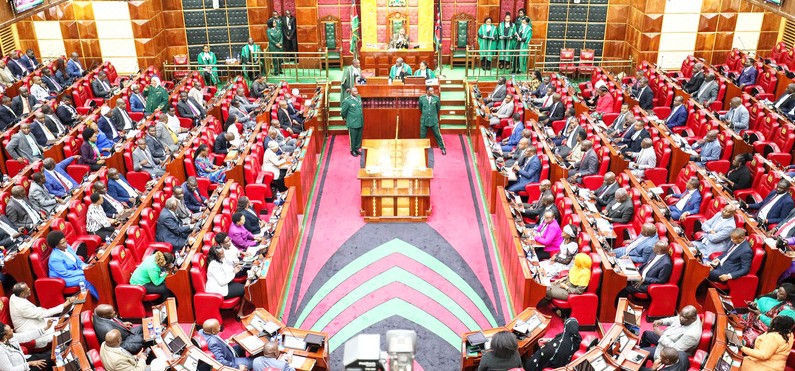
“The election results have fuelled speculation that Keir Starmer might struggle to cling on as prime minister.
“Bond markets have been spooked by the prospect of political change as the obvious challengers, Angela Rayner and Andy Burnham, might push for greater government borrowing and spending, which could take gilt yields even higher.”
Why are the latest local elections so significant?
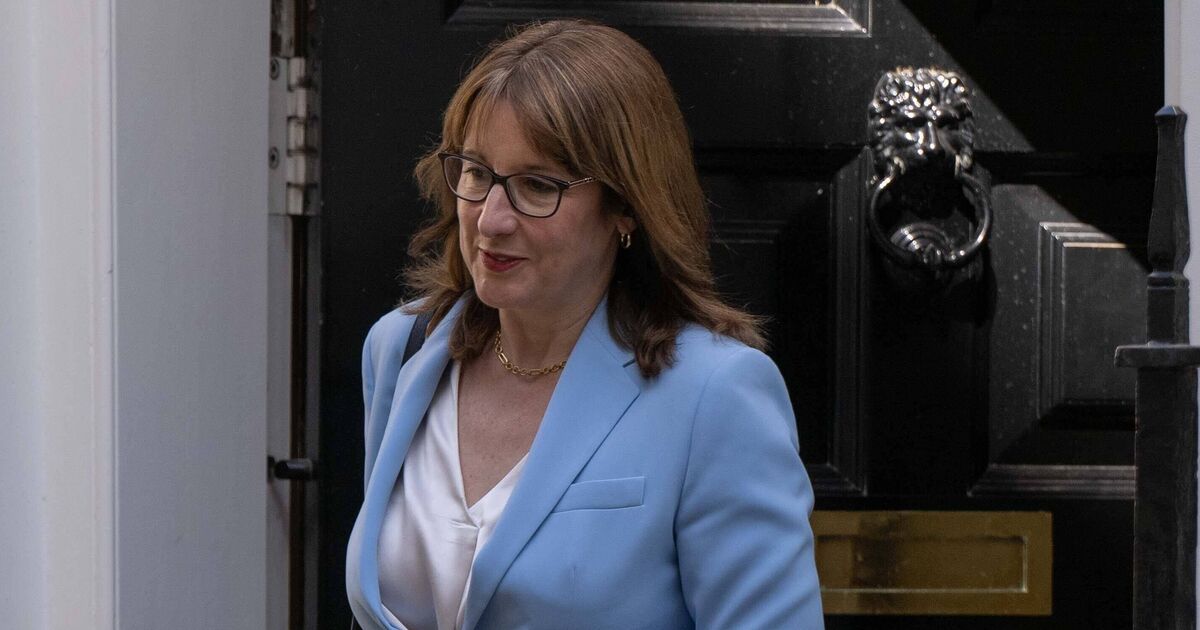
“Chancellor Rachel Reeves may not stay in her role if Starmer steps down, given the two are considered a unit. Her departure could further rock the boat for bond investors, given she’s just gone through a lengthy exercise to convince markets and the country that her fiscal plans work. She’s taken a slow and steady approach to repairing public finances before economic growth plans truly kick in.
“Reeves had just got to the point where markets seemed comfortable with her strategy, and now that trust could disappear into thin air.
“She has shown fiscal discipline, the type of behaviour that bond markets love. Bond investors hate drama and Reeves’ straightlaced performance is exactly what they wanted. That’s why gilt yields trended lower between October 2025 and February 2026. It took her a while to win over the market, but she got there in the end.
“A new chancellor might not have the same patience as Reeves and could rip up her playbook, bringing additional uncertainty for the markets on top of the fact a new prime minister could take the country in a different direction.”
Is this like the Liz Truss episode of 2022?
“No-one wants a repeat of Liz Truss’s mini-Budget four years ago which caused chaos on the bond market. The 30-year gilt yield was 3.378% when she became prime minister on 6 September 2022. The mini-Budget shocked the market with £45 billion worth of unfunded tax cuts and no OBR forecasts. Investors hated it, and yields soared to 4.986% four days later, prompting the Bank of England to announce emergency intervention by scooping up long-dated gilts. Over the following month, chancellor Kwasi Kwarteng was sacked as chancellor and Truss resigned.
“This drama illustrates the power of the bond market to make authorities sit up and listen, and to do something to change course. This explains the term ‘bond vigilantes’ – investors who force governments to do something different by pushing up borrowing costs when they dislike policy.
“When bond investors get uncomfortable, they sell. Prices drop, yields jump, and governments immediately face higher borrowing costs – that’s the market’s protest.
“We saw this dynamic at work last year when Donald Trump’s Liberation Day tariff event spooked bond investors. US Treasury (US government bonds) prices fell, yields soared, and Trump then paused tariffs for 90 days.”
Weren’t gilt yields rising even before this week’s local elections?
“Gilt yields have been rising since March, initially spurred by events in the Middle East and compounded by political uncertainty. Higher oil prices imply new inflationary pressures, and central banks typically hold or raise interest rates to fight inflation.
“Interest rate expectations have dramatically changed since the Middle East crisis began, shifting from talk of cuts earlier this year toward now facing the prospect of rate hikes.
“Interest rate expectations can have a major impact on gilts – if rates are expected to stay higher for longer, then gilt yields would be expected to rise. Gilt yield movements then feed into other parts of the market, namely swap rates which are used to price mortgages. They also feed into corporate loan pricing and the economy.
“A gilt yield shock might be called a stealth tax, but it is not an intentional one. It would be the knock-on effects of bond prices falling and yields going up, which can negatively affect asset prices and tighten financial conditions.
“Consumers would experience higher mortgage costs and potentially spend less money, particularly if companies scale back hiring should their borrowing costs rise on the back of higher gilt yields, as the two are intertwined. It could also lead to lower public spending and pave the way for tax rises.
“Don’t be fooled by the Bank of England having not changed the UK base rate since December 2025. Interest rate expectations move gilt yields – the more they go up, the greater the potential for the economy to slow down, and that could be the trigger for the Bank of England to react with its rate decision. In such a situation, the Bank would be expected to cut rates to stimulate consumer and business spending. However, it faces a tough call if inflation remains sticky.
“On polling day, markets were pricing in two rate hikes this year – most likely in July and November. Those expectations held firm as the election results started to roll in.
“Ultimately, the Bank of England holds the steering wheel, but gilt yields control the speed.”