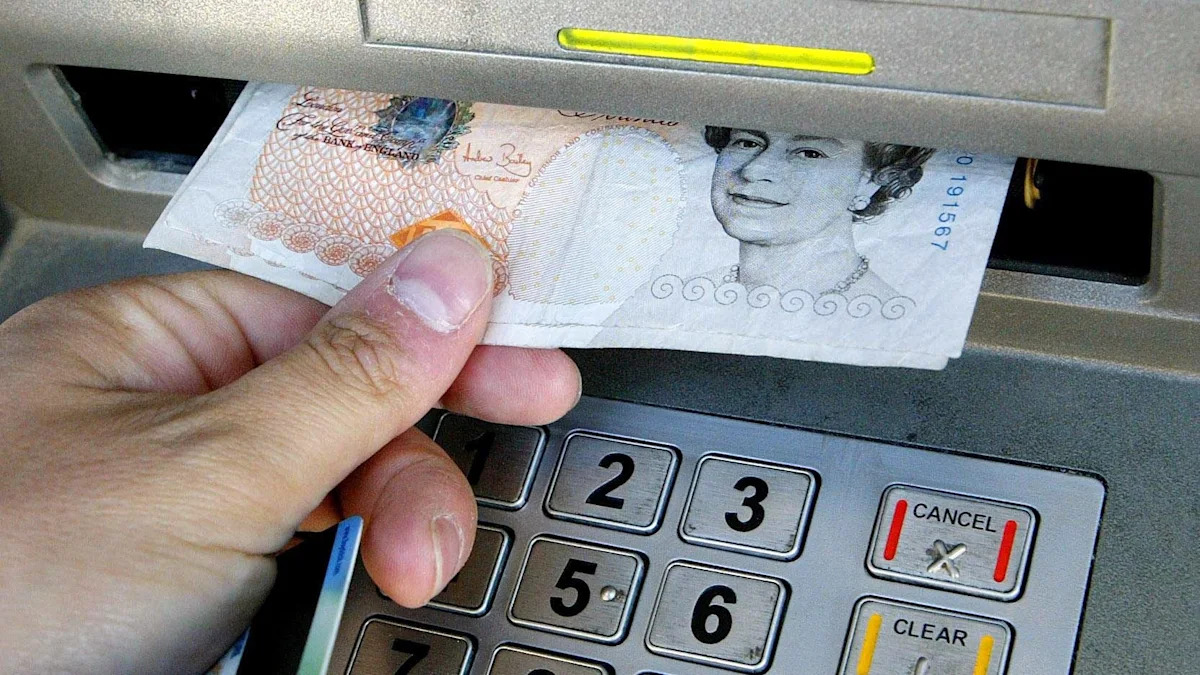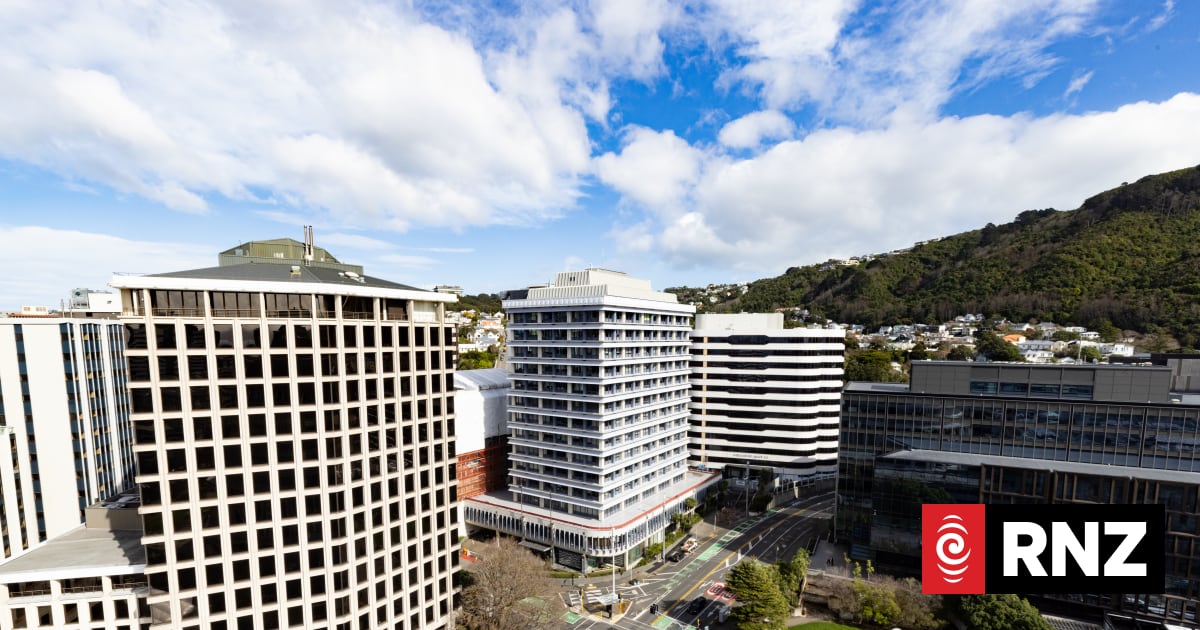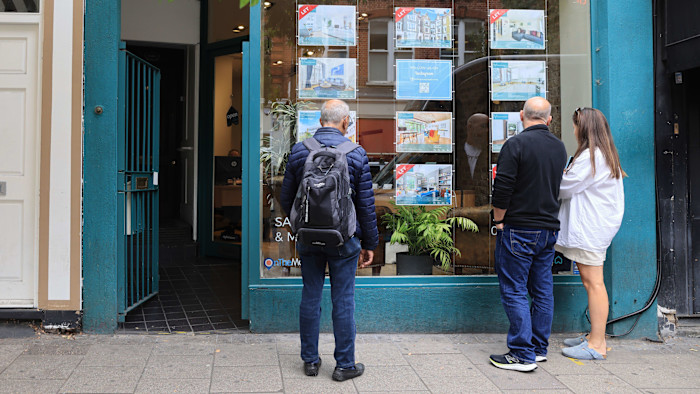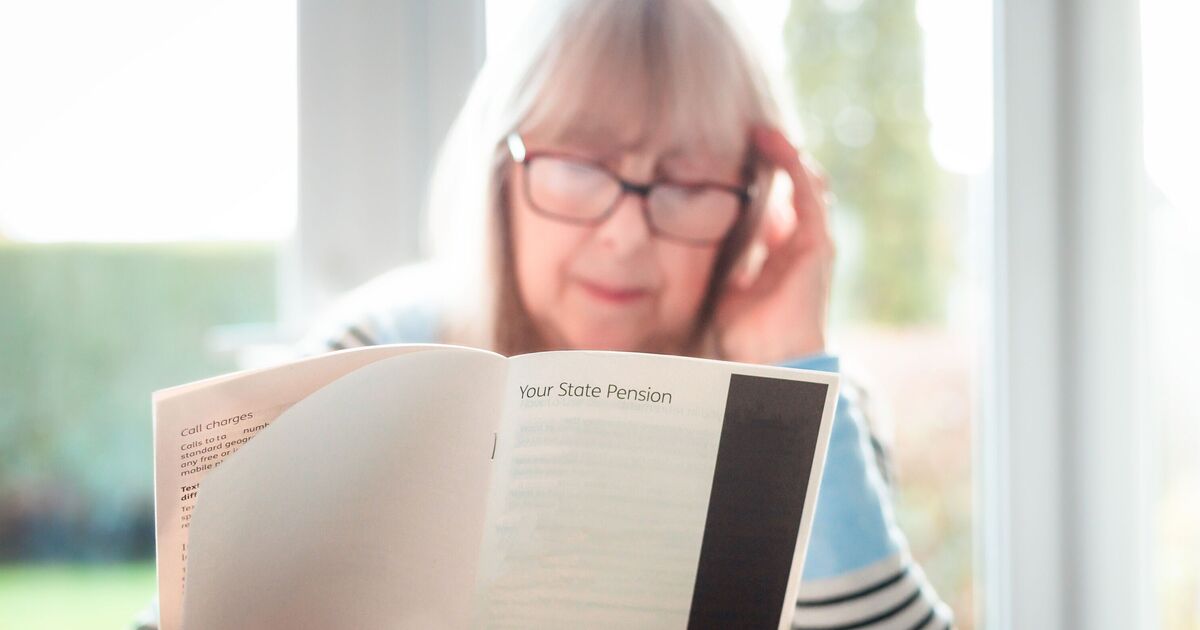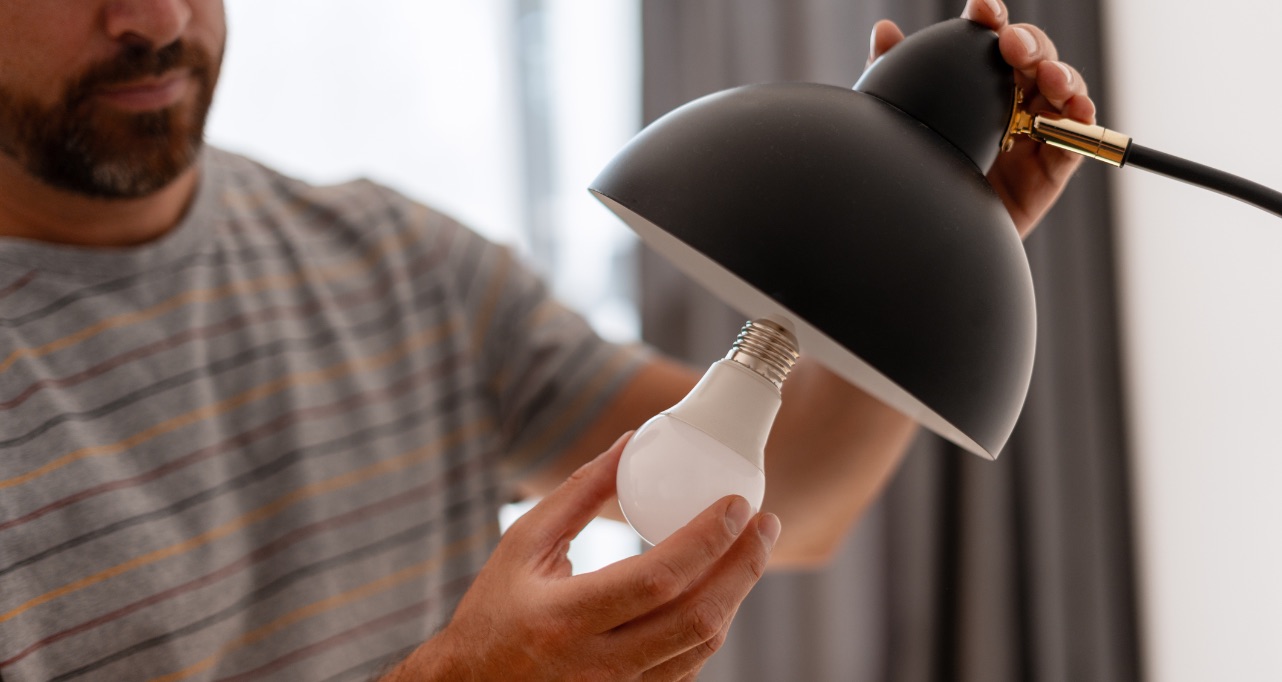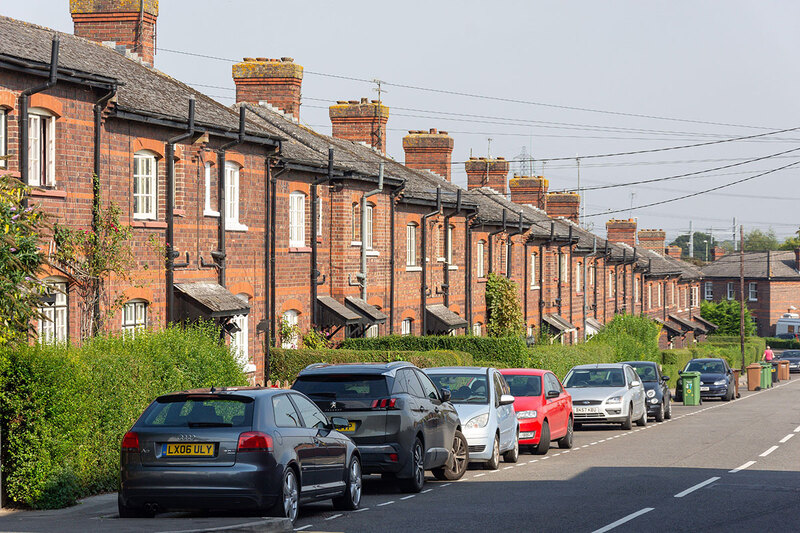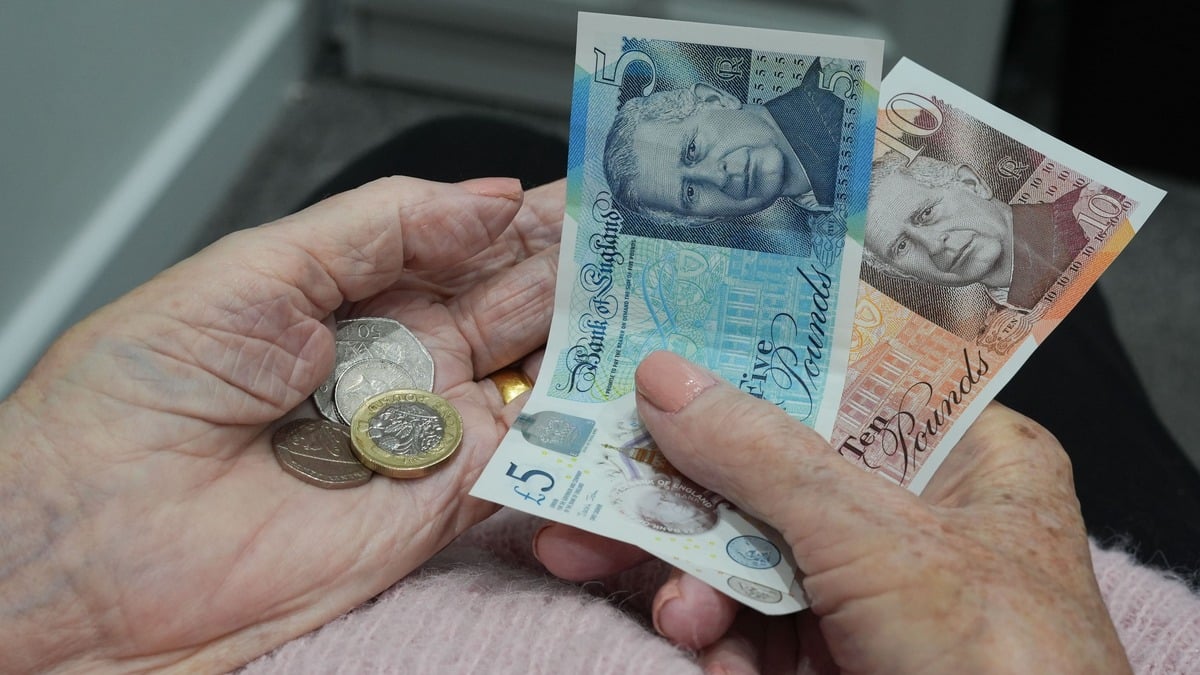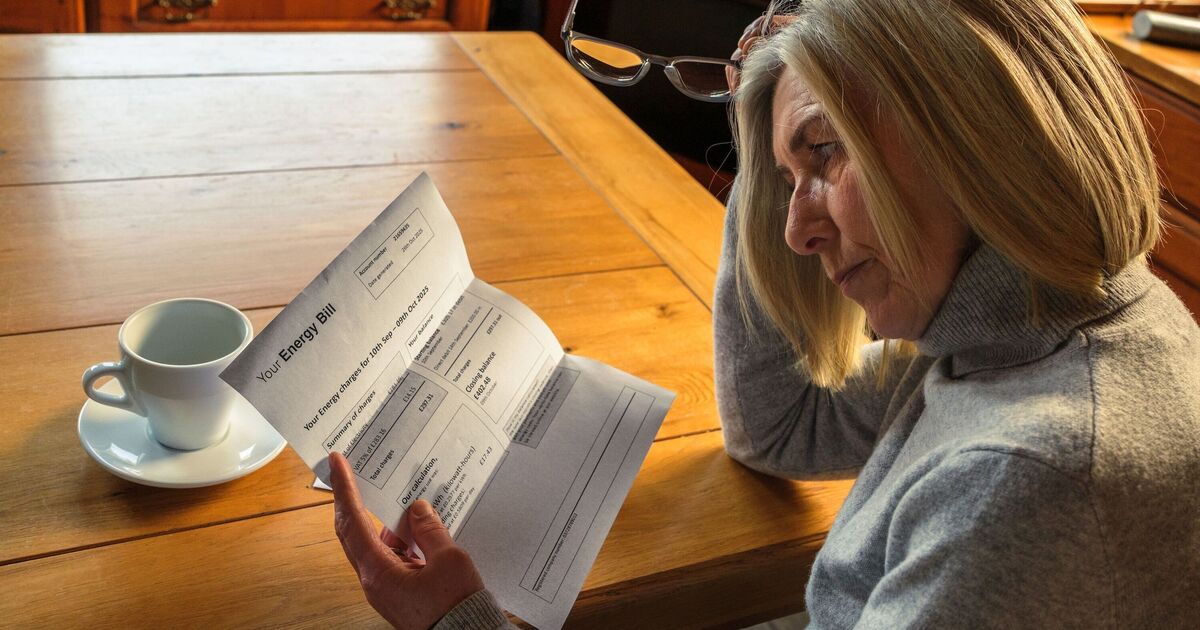

The Electricity Authority Te Mana Hiko has contacted power companies asking for more information about higher power prices.
Photo: RNZ
Power prices are rising, but how much – and how do you get a better deal?
The Electricity Authority Te Mana Hiko has contacted power companies asking for more information about higher power prices and whether more increases are expected ahead of winter.
Many power companies put their bills up on 1 April and the authority said the increases ranged from 1 percent to 11 percent.
The average was 8 percent.
“On average, if your monthly power bill was $200, this latest increase could add another $16 a month. That’s a big difference to most households when many people are already stretched,” said Andrew Millar, Electricity Authority general manager for retail and consumer.
“We know prices are going up and that some households are struggling to pay their bills and that is concerning for us. This request we’ve gone to with retailers will allow us to understand these price rises in more detail, what’s driving them and how they’re affecting different customers and different regions.”
He said how much a bill might rise depended on which company a household was with, the plan they were on and where in the country they were.
“With these latest rises, we are really seeing them driven by the increase in investment in transmission and distribution infrastructure.
“We estimate around of the 2026 increases, half to two-thirds are primarily from those investments in new and renewing infrastructure. There is a sort of wave coming through that consumers are facing as well, in addition to what’s happening in the electricity market.
“We’ll take a close look at that information and follow up if the data indicates anything unusual or unexpected. Once we’ve completed our review, we’ll share what we found,” Millar said.
He said people who wanted to save money could start with shopping around. He said, since the authority launched its new comparison site, Billy, people using it had found they were able to save about $60 a month, depending on their plan.
“You may find you’re on the best plan already which is great because then you can look at other options like whether a time-of-use plan is best for you, or a different way of changing your use. But if consumers are still struggling, then we really encourage them to talk to their retailers to identify how retailers can help them through payment options, through different kinds of supports or advice.”

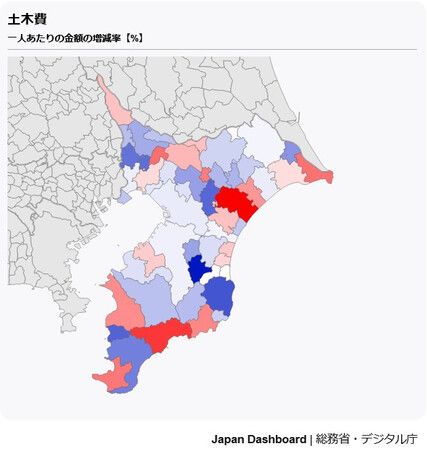
A map showing the impact of latest electricty price increases across New Zealand.
Photo: Supplied / Consumer NZ
Paul Fuge, general manager of Consumer’s comparison site, Powerswitch, said the 1 April increase was often because power companies wanted to align their own increase with the date at which regulated lines charges were updated.
“Some retailers move earlier or later, absorb some costs temporarily, or pass them on unevenly across different plans. Others make more than one change during the year as costs shift.”
He said his analysis showed increases of anything from 4 percent to 12 percent.
“The increases come on top of around 12 percent rises last year, which will be especially hard for many households. Over the past two years, residential electricity prices have risen by roughly 20 percent. In real terms, prices are about 65 percent higher than when the residential electricity market began 25 years ago. In nominal terms they’re more than three times higher. For households whose incomes haven’t kept pace, the impact is much sharper.”
He said there was more variation in price than many people realised. “Our surveying shows about a third of consumers believe all retailers charge roughly the same, but that’s simply not true. It’s common for two otherwise identical households, even next door to each other, to be paying very different amounts. Location matters too. Regions with the highest electricity prices tend to have lower than average household incomes, while larger cities with higher incomes generally have lower prices. MBIE’s latest data shows this pattern still holds.
“Kerikeri currently has amongst the highest average electricity prices in the country – around 20 percent above the national average and about 32 percent higher than Wellington. Even before the latest increases, that meant households paying hundreds of dollars more each year for the same amount of electricity.
“In the Far North we found annual cost increases in the range of $140 to $420. While in Wellington, the same household can expect an annual increase of $102 to $305.”
Balclutha also had significant increaes, of $143 to $426 a year. Whanganui, Westport and Gisborne were other areas with larger rises.
Millar said the authority was focused on ensuring the market settings across the electricity system were delivering for New Zealanders.
“We’re using the levers we have to promote competition, encourage investment in new generation and create efficiencies in the system. All of these things aim to strengthen the electricity system and bring prices down in the long run.”
Sign up for Money with Susan Edmunds, a weekly newsletter covering all the things that affect how we make, spend and invest money.