Read about Utilization of Public Funds, covering ethical principles, misuse concerns, governance challenges, and reforms for effective public spending.
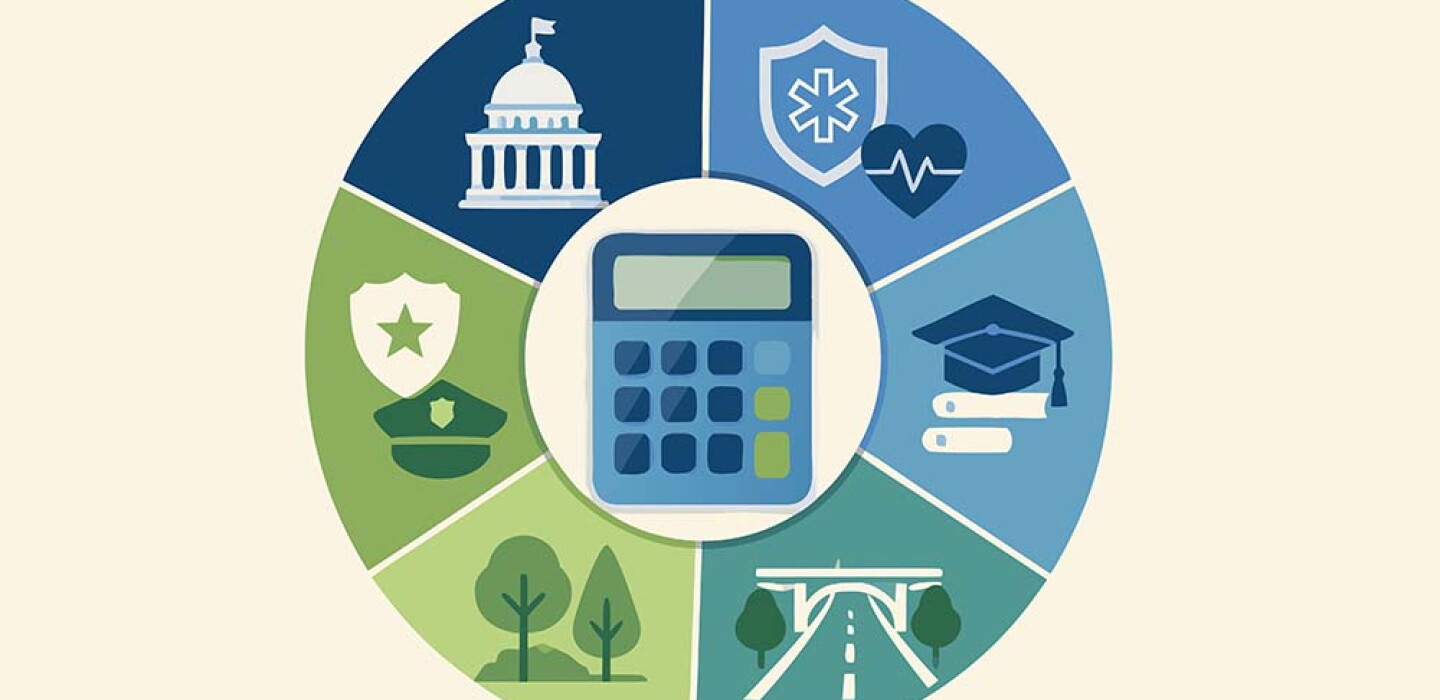
Public funds are the financial resources of the people that are held by the State in a custodial capacity. These funds are collected through taxes, borrowings, non-tax revenues, grants, and other sources, and are meant to promote public welfare and national development.
Utilization of public funds refers to the manner in which governments allocate and spend these resources for public purposes. Since these funds belong to citizens, their utilization is not merely a financial issue but also an ethical responsibility involving accountability, transparency, integrity, probity in governance, and public trust.
Utilization of Public Funds Ethical Significance
- Public funds are based on the principle of fiduciary responsibility. Citizens entrust their resources to the government with the expectation that they will be used honestly and efficiently.
- Therefore, every rupee spent should aim at maximizing public welfare, promoting constitutional values, and ensuring quality service delivery.
- Misuse, wastage, corruption, or inefficient spending of public funds represents a breach of trust and weakens citizens’ faith in governance.
- Ethical utilization of public funds is therefore essential for ethical governance, accountability, and democratic legitimacy.
- It reflects the foundational values expected in public service such as integrity, objectivity, dedication to public service, and non-partisanship.
Principles of Utilization of Public Funds
- Lawfulness: Public funds must be utilized strictly according to legal provisions and authorized procedures. Expenditure should occur only after approval from the competent authority and only for the purpose for which funds were sanctioned.
- Lawful expenditure prevents arbitrariness, extravagance, and misuse of public resources.
- Laws, rules, regulations, and administrative codes of conduct serve as important sources of ethical guidance in public financial management.
- Accountability: Every public authority must be answerable for how public money is spent. Citizens have a right to know whether resources have been used effectively and honestly.
- In India, accountability is ensured through Parliament, the CAG, parliamentary committees, courts, social audits, media scrutiny, Lokpal, and citizen participation.
- Accountability strengthens public trust and reinforces ethical governance.
- Transparency and Openness: Government spending should be transparent and accessible to public scrutiny. Transparency discourages corruption and ensures that decisions are taken fairly and in accordance with due process.
- Value for Money: Public expenditure should generate maximum social benefit with minimum wastage. Every expenditure decision should satisfy the principle of maximum social advantage.
- The objective is not merely spending funds but ensuring that expenditure produces measurable outcomes and benefits for society.
- This requires objectivity and evidence-based decision-making in administration.
- Sustainability: Governments should ensure that present expenditure does not compromise future fiscal stability. Public spending must balance immediate welfare needs with long-term financial sustainability and intergenerational justice.
- Example: Rising fertilizer subsidies and public debt highlight the challenge of balancing short-term welfare with long-term fiscal prudence.
- Fairness and Equity: Public resources must be distributed fairly and without discrimination.
- Fairness requires balancing regional, social, and economic disparities while ensuring inclusive growth.
- It reflects values of empathy, compassion, tolerance, and commitment towards weaker sections.
- Integrity: Public officials handling public funds must maintain the highest standards of honesty and ethical conduct. They should avoid conflicts of interest and ensure that decisions are guided solely by public interest.
Ethical Issues in Utilization of Public Funds
- Underutilization of Funds: Large amounts of allocated funds often remain unspent because of poor planning, bureaucratic delays, inadequate capacity, and weak implementation mechanisms.
- Underutilization is ethically problematic because citizens are deprived of benefits despite the availability of resources.
- It reflects a lack of administrative effectiveness and dedication to public service.
- Misutilization and Diversion: Public funds are sometimes diverted from their intended purpose due to corruption, political interference, or administrative negligence.
- Such practices violate public trust and undermine the principles of accountability, integrity, and impartiality.
- Leakages in Welfare Schemes: Leakages occur when benefits fail to reach intended beneficiaries due to fake records, ghost beneficiaries, or middlemen.
- Corruption in Public Procurement: Procurement involves huge public expenditure and often becomes vulnerable to bribery, collusion, and favoritism.
- Examples such as the Bofors case, Commonwealth Games scam, and coal allocation controversy etc.
- Such practices violate the principles of probity, integrity, and ethical governance.
- Misuse of Public Assets: Government land, natural resources, official vehicles, and public infrastructure are sometimes used for private benefit.
- The misuse of public assets represents a violation of stewardship, fiduciary responsibility, and public service ethics.
- Excessive Freebies and Populism: Governments often announce subsidies and freebies for electoral gains. While welfare support is important, excessive freebies can strain public finances and reduce developmental expenditure.
- The ethical challenge lies in balancing welfare objectives with financial prudence, objectivity, and long-term public interest rather than short-term political gains.
- Resource Allocation Dilemmas: Governments constantly face difficult choices regarding allocation of scarce resources among competing sectors such as health, education, defense, infrastructure, and research.
- The “Guns versus Butter” debate highlights the ethical dilemma of balancing national security requirements with developmental needs.
- Such decisions require ethical reasoning, objectivity, and consideration of the common good.
- Low Investment in Human Development: Insufficient spending on health and education can weaken human capabilities and perpetuate inequality.
- Corporate Bailouts: An important ethical dilemma arises when governments use public money to rescue failing private corporations.
- Supporters argue that some firms are “too big to fail” and their collapse could threaten jobs and economic stability.
- Critics argue that bailouts reward inefficiency and create moral hazard while diverting resources from essential sectors like healthcare and education.
- The ethical test should be whether such spending generates maximum public benefit rather than protecting private interests.
- Principles of accountability and corporate governance become crucial in such situations.
- International Aid versus Domestic Needs: India often provides humanitarian assistance and development aid to other countries despite facing domestic developmental challenges.
- The ethical dilemma is whether scarce public resources should first address domestic poverty, healthcare, education, and infrastructure deficits or be used to fulfill international responsibilities.
Consequences of Poor Utilization of Public Funds
Poor utilization of public funds undermines economic development, social welfare, democratic governance, and ethical administration, ultimately eroding public trust in the State.
- Economic Impact: Poor utilization increases fiscal deficits, reduces growth potential, and weakens the effectiveness of development programs.
- Social Impact: Misuse of funds perpetuates poverty, inequality, and exclusion by depriving citizens of essential services and opportunities.
- Political Impact: Corruption and inefficiency reduce public trust and weaken the legitimacy of democratic institutions.
- Ethical Impact: Improper utilization of public funds represents a breach of fiduciary responsibility and violates the principles of integrity, accountability, transparency, and dedication to public service.
Measures to Improve Utilization of Public Funds
Ensuring the ethical and efficient utilization of public funds requires a combination of institutional reforms, technological innovation, citizen participation, and value-based governance. The objective should be to maximize public welfare while upholding the principles of integrity, accountability, transparency, efficiency, and probity in governance.
- Outcome-Based Budgeting: Government expenditure should focus on measurable outcomes and social impact rather than merely spending allocated funds. This reflects the principles of accountability, effectiveness, and results-oriented governance.
- Digital Governance and Technology: Platforms such as Aadhaar, DBT, PFMS, UPI, and GeM should be expanded to reduce leakages, enhance transparency, and improve service delivery. Technology promotes objectivity, transparency, and procedural fairness.
- Strengthening Audit and Oversight: Institutions such as the CAG, parliamentary committees, vigilance bodies, Lokpal, and social audit mechanisms should be empowered to ensure accountability, probity, and answerability in public expenditure.
- Citizen Participation and Social Accountability: Instruments such as social audits, public consultations, citizen charters, and participatory budgeting should be strengthened. This reflects the ideals of participatory governance, transparency, and democratic accountability.
- Capacity Building and Decentralization: Improving administrative competence through training, professional expertise, and decentralized planning can enhance implementation efficiency. It promotes responsibility, responsiveness, and public service orientation.
- Ethical Leadership and Integrity Systems: Public servants should be guided by values of integrity, honesty, impartiality, objectivity, empathy, and commitment to public welfare. As suggested by the Second Administrative Reforms Commission, ethical leadership is the foundation of good governance.
- Trusteeship and Public Service Ethics: Inspired by Mahatma Gandhi’s Trusteeship Theory, public officials should view themselves as custodians rather than owners of public resources and prioritize the common good over personal or political interests.
- Equity and Inclusive Allocation: Public expenditure should be guided by the principles of social justice, distributive justice, and equity, ensuring that vulnerable and marginalized sections receive adequate support.
- Transparency through Open Government: Proactive disclosure of expenditure data and real-time monitoring systems can strengthen public trust and reduce opportunities for corruption.
- Cultivating an Ethical Culture: Beyond rules and regulations, public institutions should foster a culture of integrity, selflessness, stewardship, and fiduciary responsibility, ensuring that every rupee spent creates maximum public value.
Such measures can transform public finance from mere expenditure management into an instrument of ethical governance, inclusive development, and public trust.

Latest UPSC Exam 2026 Updates
 Last updated on June, 2026
→ UPSC Prelims Exam Analysis 2026 will be available at 5:00 PM by the expert faculty at Vajiram and Ravi.
→ UPSC Prelims Provisional Answer Key 2026 out for GS Paper 1 and CSAT.
→ UPSC Prelims Question Paper 2026 Out, Download GS Paper 1 PDF conducted on 24th May 2026.
→ UPSC Prelims 2026 will be conducted on 24th May, 2026 & UPSC Mains 2026 will be conducted on 21st August 2026.
→ UPSC Prelims Admit Card 2026 has been released on the official website @upsconline.nic.in on 15th May 2026..
→ Prepare effectively with Vajiram & Ravi’s UPSC Prelims Test Series 2026 featuring full-length mock tests, detailed solutions, and performance analysis.
→ UPSC Final Result 2025 is now out.
→ UPSC has released UPSC Toppers List 2025 with the Civil Services final result on its official website.
→ Anuj Agnihotri secured AIR 1 in the UPSC Civil Services Examination 2025.
→ UPSC Notification 2026 & UPSC IFoS Notification 2026 is now out on the official website at upsconline.nic.in.
→ UPSC Calendar 2027 has been released.
→ Check out the latest UPSC Syllabus 2026 here.
→ The UPSC Selection Process is of 3 stages-Prelims, Mains and Interview.
→ Enroll in Vajiram & Ravi’s UPSC Mains Test Series 2026 for structured answer writing practice, expert evaluation, and exam-oriented feedback.
→ Join Vajiram & Ravi’s Best UPSC Mentorship Program for personalized guidance, strategy planning, and one-to-one support from experienced mentors.
→ Shakti Dubey secures AIR 1 in UPSC CSE Exam 2024.
→ Also check Best UPSC Coaching in India
Utilization of Public Funds FAQs
Q1. Why is utilization of public funds considered an ethical issue?+
Q2. What are the major ethical issues in the utilization of public funds?+
Q3. Which principles should guide the ethical utilization of public funds?+
Q4. How do transparency and accountability improve public fund utilization?+
Q5. How can ethical governance improve the utilization of public funds?+
Tags: utilization of public funds

Vajiram Content Team
Related Posts
Courses