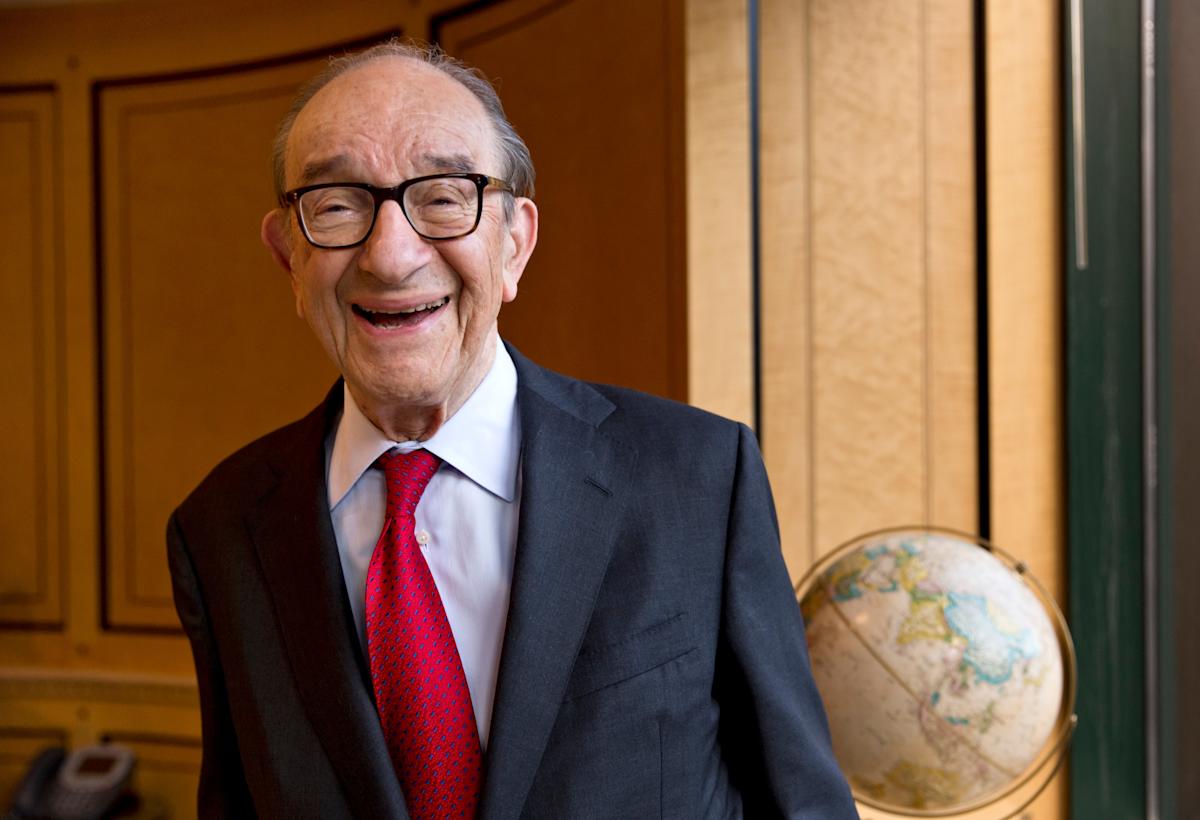
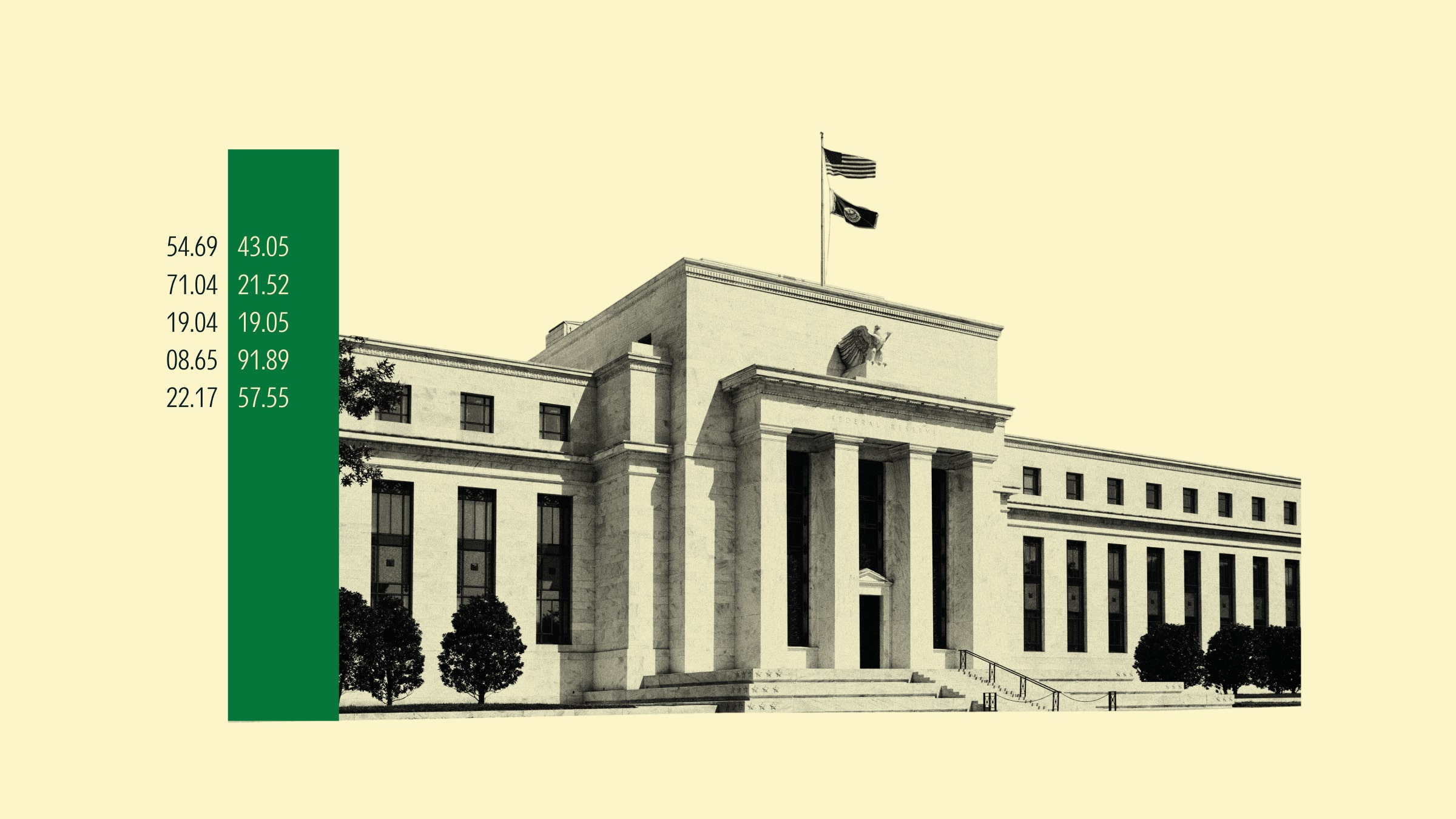
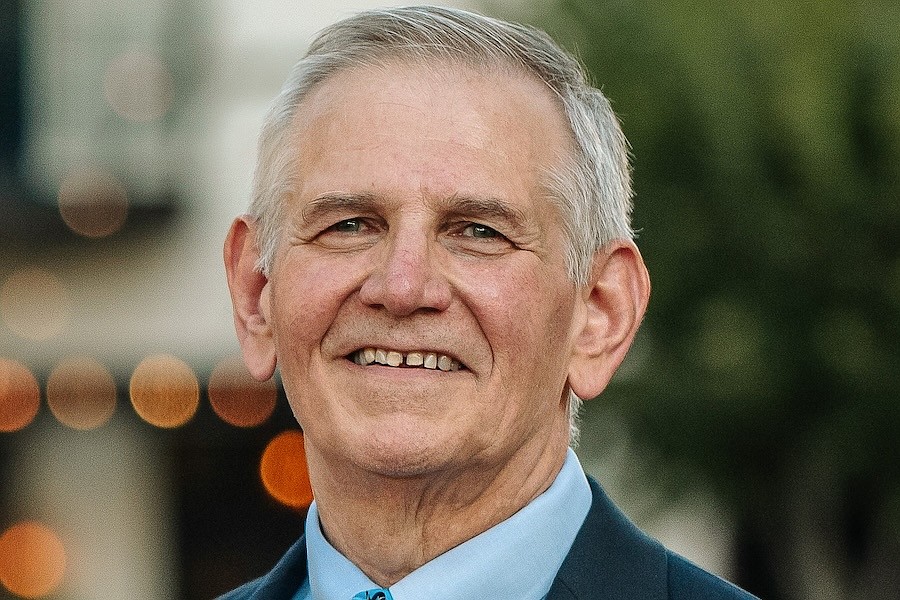
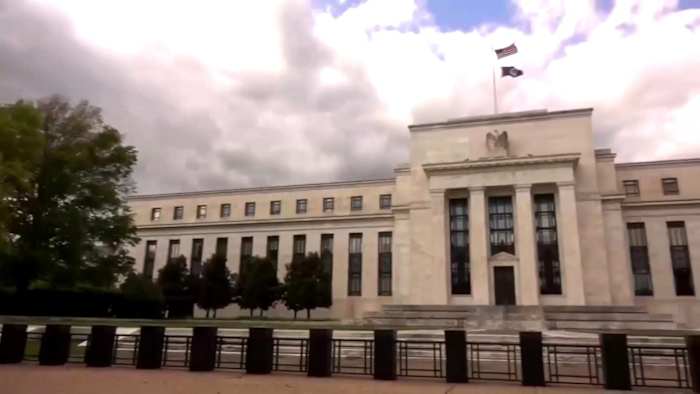
Alan Greenspan, the professional economist who presided over the Federal Reserve during nearly two decades of boom and bust, died on Monday. He was 100 years old.
His wife, the NBC journalist Andrea Mitchell, said the cause was complications from Parkinson’s disease.
Dubbed “The Maestro” for deftly navigating the multipronged crises that buffeted the world’s largest economy, Greenspan was a clarinet student who once aspired to become a professional musician. After graduating from college, the New York City native worked on Wall Street before briefly entering government service — and eventually ascended to the helm of one of the world’s most powerful policy positions.
Greenspan’s time at the Fed was punctuated by numerous peaks and troughs for the US economy and several of the world’s most momentous events. Those included an economic boom that began in the 1990s, and culminated with the implosion of the internet bubble in 2000; the 1998 bailout of Long Term Capital Management (LTCM) — which itself became a byword for systemic financial risk; the terror attacks of Sept. 11, 2001; and the invasion of Iraq.
However, Greenspan described himself as a reluctant decision-maker, a dynamic solidified by the aftermath of Sept. 11, when the Bush administration called upon his expertise to forge a policy response to the shock.
“I’ve never been entirely comfortable being cast as the person who calls the shots,” Greenspan wrote in his autobiography, “The Age of Turbulence,” which was published in 2007. “From my earliest days, I had viewed myself as an expert behind the scenes, an implementer of orders rather than the leader,” the economist wrote.
“It took the stock market crisis of 1987 to make me feel comfortable making critical policy decisions. But to this day, I feel ill at ease in the spotlight. Extrovert, I am not,” Greenspan said in the book.
However, Greenspan found himself in the spotlight more often than he would have liked, especially during an era of global economic integration. The Fed sets policy for the world’s largest economy, but other central banks defer to or calibrate their decisions against the Fed’s — which in turn exerts enormous sway over asset prices around the world.
He became legendary for elaborately constructed, nearly impenetrable public statements that ricocheted across world markets and forced traders to deconstruct their meaning.
In December 1996, he cemented his fame by coining the term “irrational exuberance,” describing the behavior of investors who were snapping up high-priced assets with reckless abandon. The phrase became iconic in financial circles and was inextricably linked to skyrocketing tech stocks that ultimately crashed less than four years later.
In the wake of the dot-com collapse, Greenspan led the Fed’s Open Market Committee to what was at the time its most aggressive rate-cutting campaign ever, as successive rounds of monetary easing saw benchmark rates plunge from 6.5% to 1% within the span of two years.
While the easing helped to cushion the economy from global risk, critics charged Greenspan with laying the foundation for a cheap-money policy that ultimately fed the housing bubble and characterized the post-2008 crisis era of crisis-fueled monetary stimulus. Just as he once stated he’d received too much credit for the boom years, Greenspan rejected the idea that he shouldered blame for the crash.
Still, his steady stewardship at the Fed and his seeming omniscience about all things economic — delivered in a distinctive, raspy monotone voice — earned him bipartisan praise while prompting investors to parse his deliberately obfuscatory prose.
At one point, the late GOP Senator John McCain once joked that he’d prop Greenspan up at the central bank “Weekend at Bernie’s” style if he ever died.
In his life after the Federal Reserve, the former chairman kept a relatively low profile — but would surface infrequently to weigh in on topics such as negative interest rates, pre-emptive Fed rate cuts, and the relentless growth of federal debt, which he warned was becoming a significant risk to US growth.
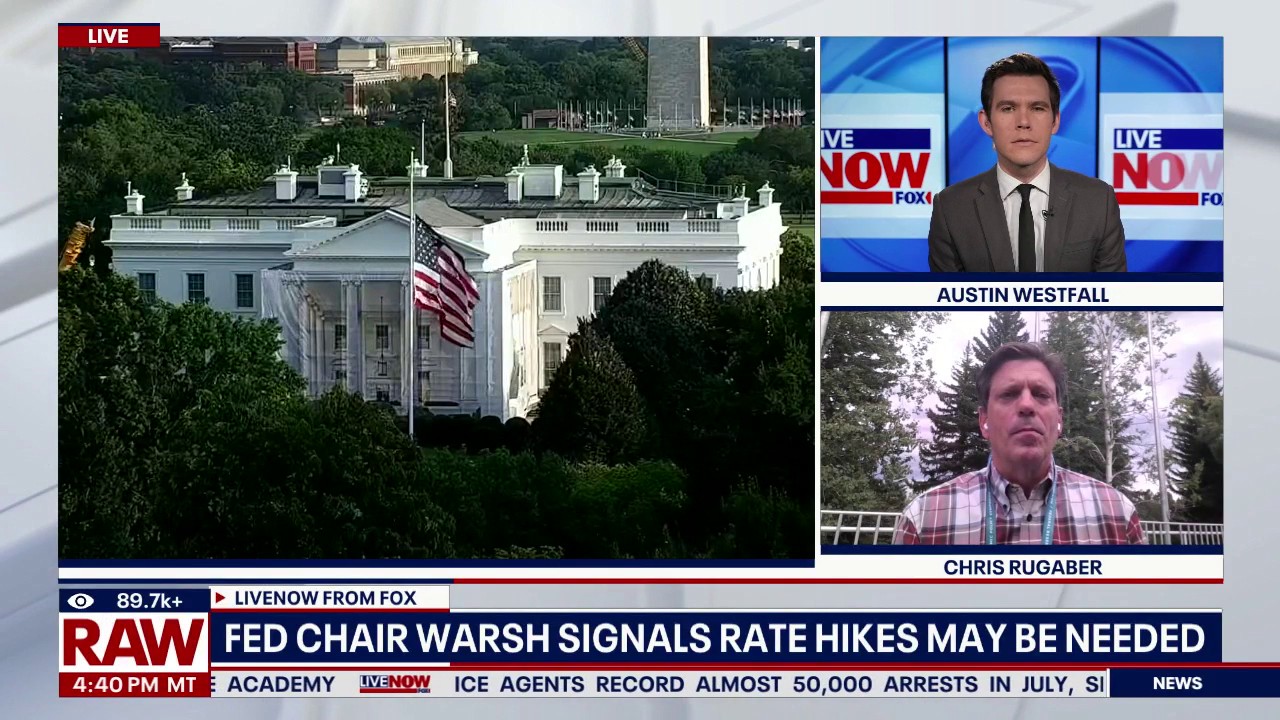
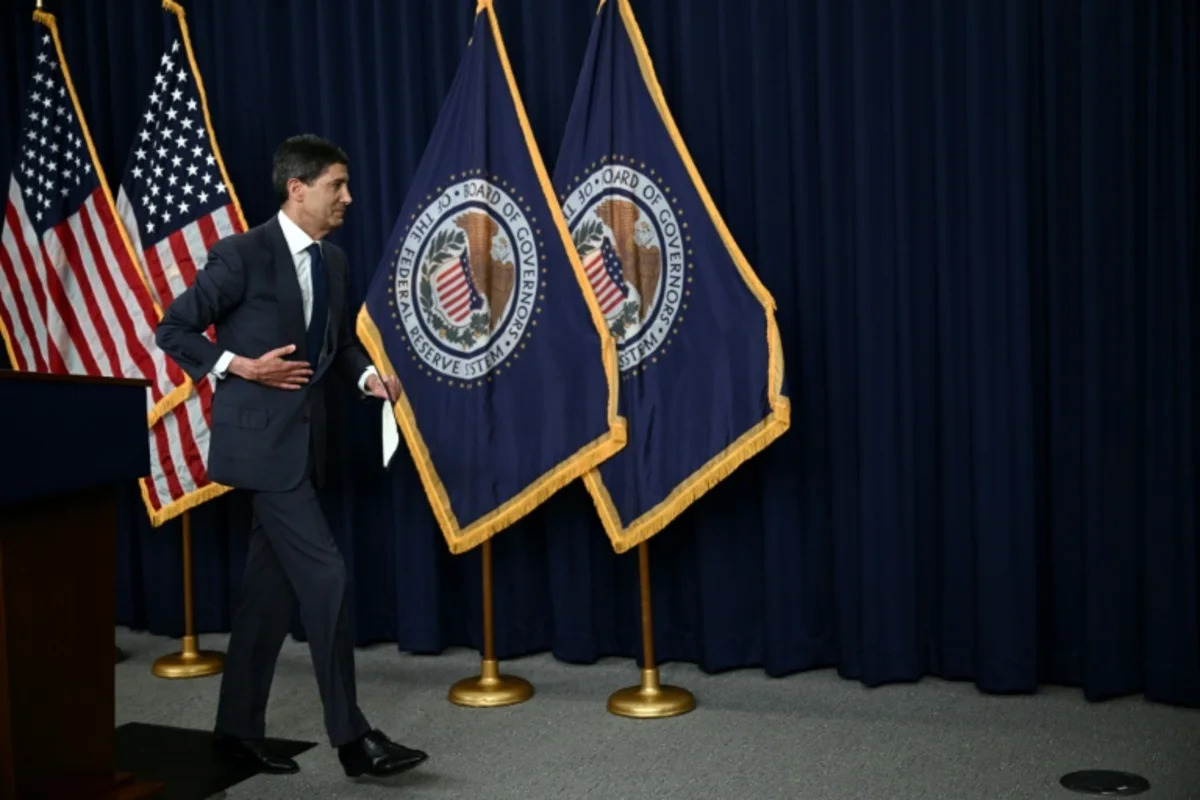
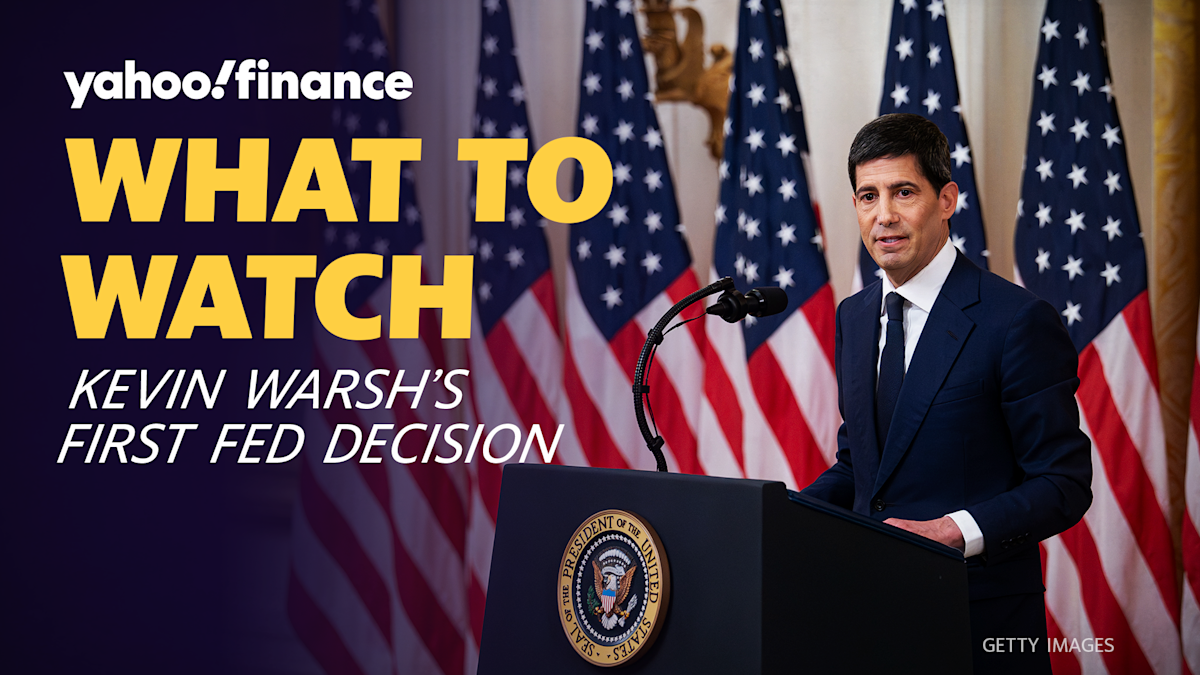
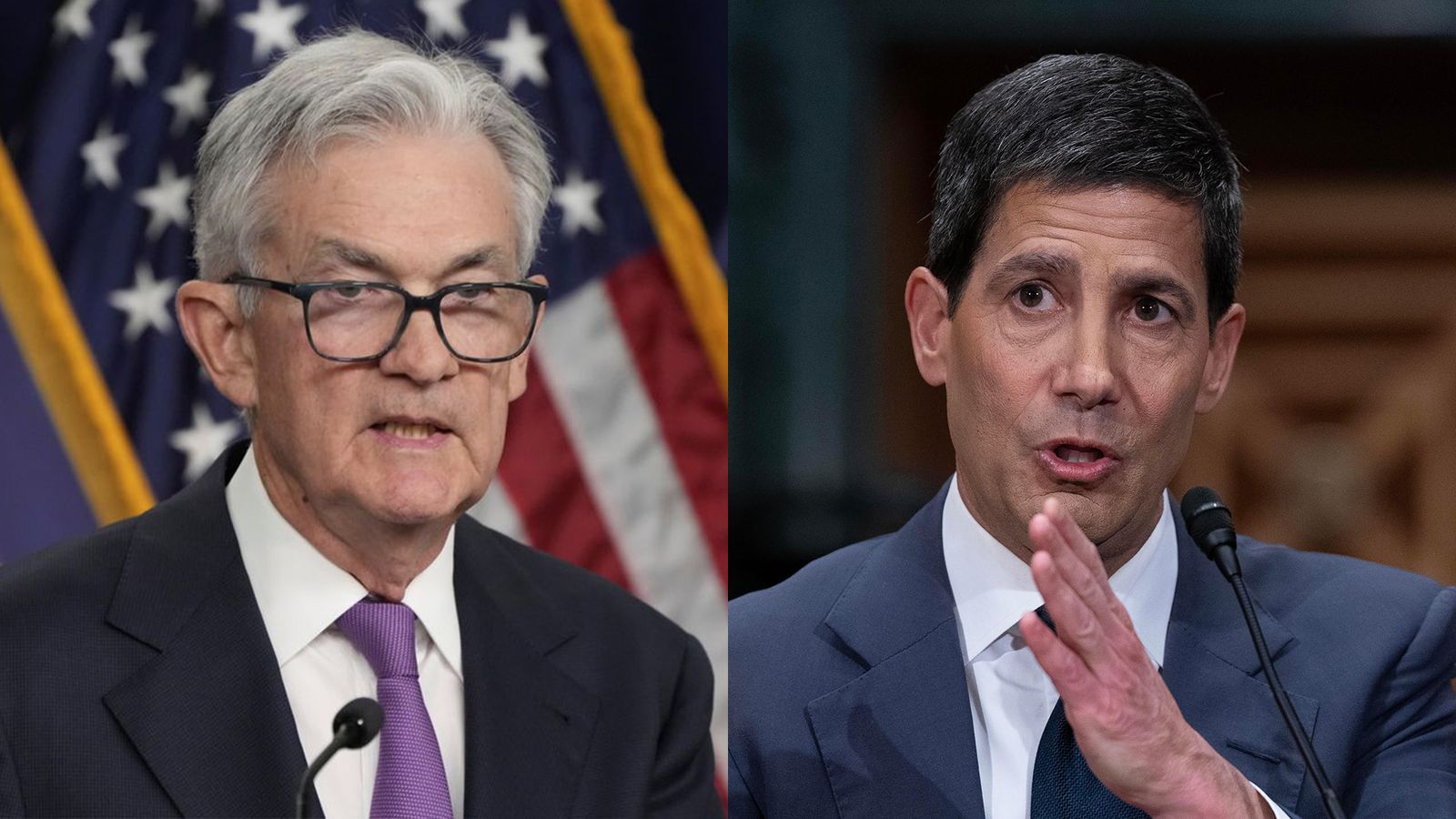
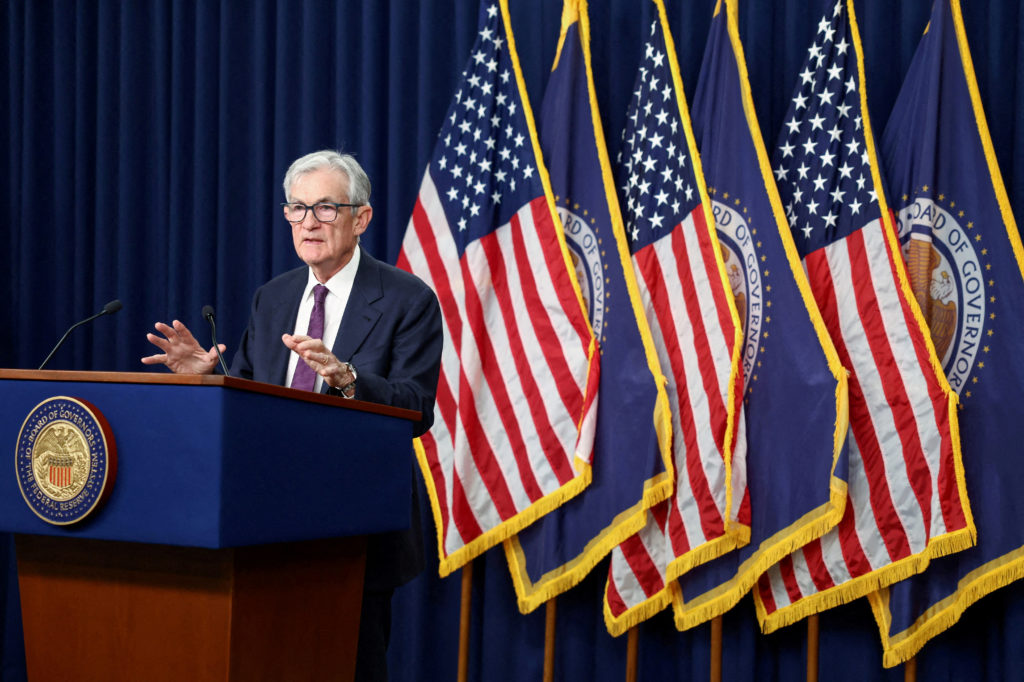
Newly installed Fed Chairman Kevin Warsh invoked Greenspan at his swearing-in last month.
“I’ve known five of my predecessors in this job, some of them quite well. But Chairman Greenspan was the first to tell me and show me what this role demands,” Warsh said during a ceremony in the East Room. “Like Alan, I intend to fill the role of chairman with energy and purpose, just the way Chairman Greenspan did.”
Honoree Michael Beschloss, Afsaneh Beschloss, Andrea Mitchell, and Alan Greenspan attend the National Archives Gala on Oct. 19, 2022, in Washington, DC. (Paul Morigi/Getty Images for National Archives Foundation) ·Paul Morigi via Getty Images
From Juilliard to the White House
Born to Herbert and Rose Greenspan in New York City during the throes of the Great Depression in 1926, the future Fed chairman was raised in Washington Heights at a time when the neighborhood was mostly populated by Jewish immigrants who fled Europe.
His father was a stockbroker, and Greenspan studied clarinet at Juilliard before graduating summa cum laude from New York University with a bachelor’s degree in economics in 1948. He went back to earn a master’s in 1950 and eventually obtained a doctorate there in 1977. Along the way, Greenspan also became one of the free market writer and thinker Ayn Rand’s most public disciples.
Greenspan worked at Brown Brothers Harriman and the former National Industrial Conference Board (now The Conference Board) before opening his own economic consulting firm. His first stint in government came when President Richard Nixon tapped him to head up the Council of Economic Advisers — in the midst of the 1973 Arab oil embargo that sent US inflation and unemployment soaring, and the Watergate scandal that paralyzed the president’s administration.
“If Nixon hadn’t been in such trouble, I doubt I’d have taken the job,” Greenspan wrote in his autobiography. “I viewed it almost as a caretaker position, to help hold things together” for a short time. In fact, Greenspan’s confirmation hearing happened on August 8, 1974 — the same day that Nixon announced his resignation.
Greenspan served under Gerald Ford until 1977, then returned to a career on Wall Street until he was tapped by Ronald Reagan in 1987 for the Fed chairmanship.
During a particularly turbulent six-week span in the summer of 1998, the $125 billion bond and currency hedge fund hemorrhaged over $4 billion, and ultimately became the first modern instance of a large institution whose failure posed considerable risk to the stability of the entire financial system.
Founded by Salomon Brothers alum John Meriwether, LTCM featured a team of economists, including Nobel prize winners Myron Scholes and Robert Merton, and other derivatives experts who boasted of market-beating hedging strategies that justified sky-high management fees.
Yet in 1998, a domino effect of wrong-way emerging market bets sparked a dramatic meltdown of LTCM’s risky, highly leveraged portfolio. It threatened the solvency of banks and pension funds invested in the fund.
“Hollywood could not have scripted a more dramatic financial train wreck,” Greenspan wrote in “Age of Turbulence,” saying that LTCM’s portfolio woes represented a “death spiral” that would have ricocheted across the world economy.
Bill McDonough, who at the time served as New York Fed president, voiced concerns about the effect a forced fire sale of LTCM’s assets would have on a skittish market. “So when he called to say he’d decided to intervene, I wasn’t happy with the idea, but I couldn’t disagree,” Greenspan wrote.
Together, the two men convened a tribal council of Wall Street’s top institutions and engineered a $3.5 billion rescue package that would buy LTCM enough time to dissolve in an orderly fashion.
In Congressional testimony after LTCM’s bailout, Greenspan cited market volatility — and the acute potential that investors would have paid the price of unintended consequences — as a defense for his actions.
“Had the failure of LTCM triggered the seizing up of markets, substantial damage could have been inflicted on many market participants, including some not directly involved with the firm, and could have potentially impaired the economies of many nations, including our own,” Greenspan told Congress in 1998.
‘Talk,’ but no movement on US debt
After being replaced by Ben Bernanke in 2007, Greenspan went on to give speeches and hold forth on the numerous challenges facing the global economy. Even as Fed chair, he was particularly vocal about the looming disasters of soaring federal debt and unfunded liabilities like Social Security and Medicare — and the lack of political will to stave off disaster.
“I see a lot of talk, but no realistic movement” by either of the major parties, Greenspan said in November 2018 on private equity guru David Rubenstein’s weekly Bloomberg TV talk show.
“Right now we’re creating a deficit of $1 trillion a year … and debt as a percentage of GDP is rising very rapidly,” he warned, which is creating a demographic time-bomb.
The next recession, whenever it appeared, would be “driven by the fact that debt is rising dramatically, and it’s going to be some curtailments occurring from that, and it’s going to feed on itself,” the economist said at the time.
He spoke approvingly of tax cuts in general and of President Trump’s first-term, signature reform that slashed corporate taxes in particular. However, a tax cut is useful “only in the context that it is funded … you can’t have a tax cut without finding the revenues elsewhere, or you’ll run into problems,” Greenspan told Rubenstein.
He also cast doubt on the idea that it could spur growth of 3% or higher, saying “there was no way around this without coming to grips with the expenditure side.”
Describing himself as being “fascinated” with the protagonists of Ayn Rand’s novels in her widely read yet polarizing books, Greenspan discussed how Rand influenced his own beliefs after she “took him apart piece by piece” in an argument, he told Rubenstein. Afterward, the two became “very close.”
President George Bush gestures while meeting with economic advisors in the Cabinet Room of the White House, Jan. 15, 1991. Federal Reserve Board Chairman Alan Greenspan, center, and White House Chief of Staff John Sununu look on. (AP Photo/Doug Mills, file) ·AP Photo/Doug Mills
The end of the ‘Greenspan Put’
Part of the post-mortem of the 2008 financial crisis has found fault with Greenspan for the easy-money policies that first inflated the housing bubble and for his Randian belief in laissez-faire capitalism.
In fact, the “Greenspan Put” became part of financial market lexicon and was synonymous with excessive risk-taking encouraged by rock-bottom interest rates. Secure in the belief that the Greenspan Fed would come to the market’s rescue in times of distress, investors were seemingly free to inflate asset prices.
When it all came crashing down in the crucible of the financial crisis, critics pointed fingers at Greenspan for not averting — or at least perceiving — the disaster in the making.
“I anticipated [a housing bust] was going to happen, I just didn’t know exactly when,” he told Rubenstein on his show.
“But nobody forecast the 2008 crisis,” including the International Monetary Fund and the Fed, Greenspan added. “You can’t have a crisis of that nature that is no surprise,” he said, adding that he wouldn’t have done anything differently.
Greenspan’s aggressive rate cuts created a policy template for his successor, Ben Bernanke. The latter’s name eventually became synonymous with zero interest rates and the Fed’s massive bond-buying and balance sheet surge, better known as quantitative easing.
Greenspan said he wrote speeches in the bathtub, in part because of a bad back that required special attention. It was there that he concocted many of the meandering remarks — known as “Fedspeak” — that shaped his congressional testimonies.
“It was a general rule at that time that the Federal Reserve did not make public what it was going to do. We do now, but not back then,” Greenspan said during the Rubenstein interview.
“And so the question was what could I figure around answering certain questions — or not answering them. I worked up a vocabulary that no one could quite understand,” he noted, describing a deliberate strategy designed to keep the Fed’s cards close to the vest.
Greenspan would live to see another recession — the one spurred by the COVID-19 pandemic.
In November of 2020, Greenspan told CNN that getting the coronavirus under control should be then-President Joe Biden’s top priority. “I’ve never seen a particular situation during my professional experience anything like this,” said Greenspan, who was 94 at the time.
Javier David is a former editor for Yahoo Finance.