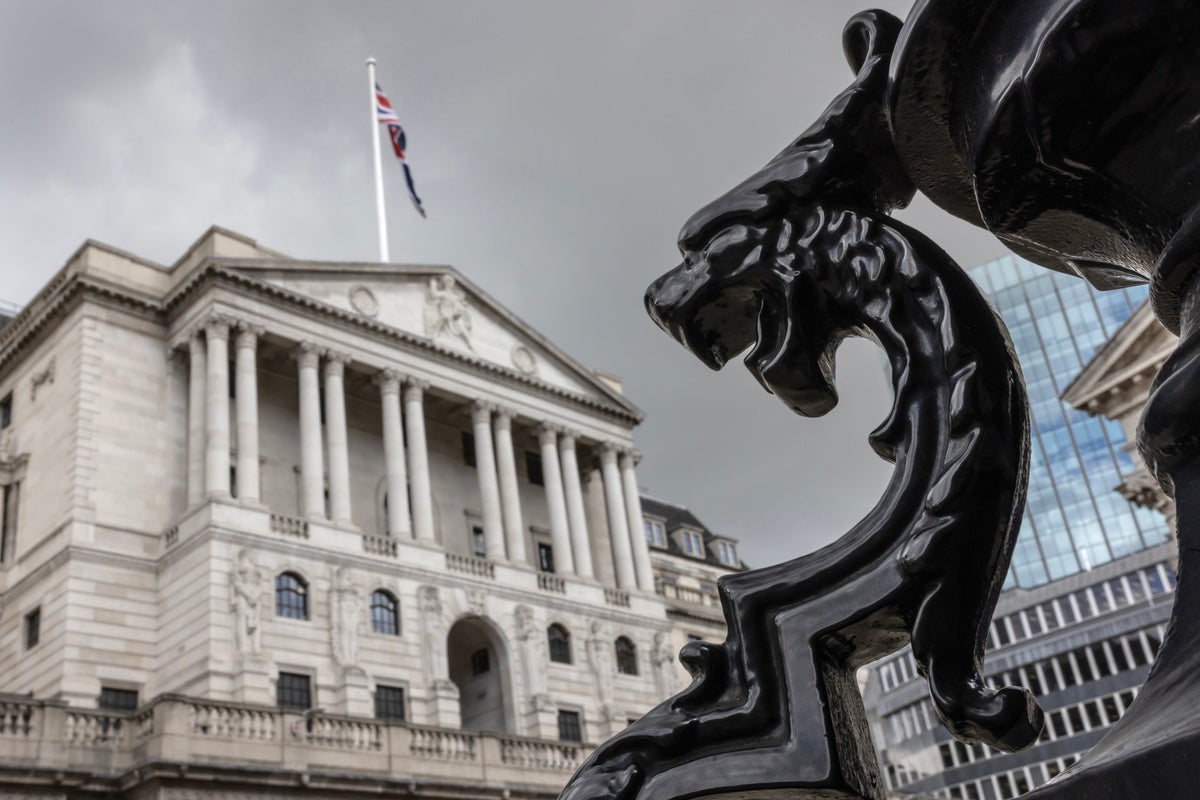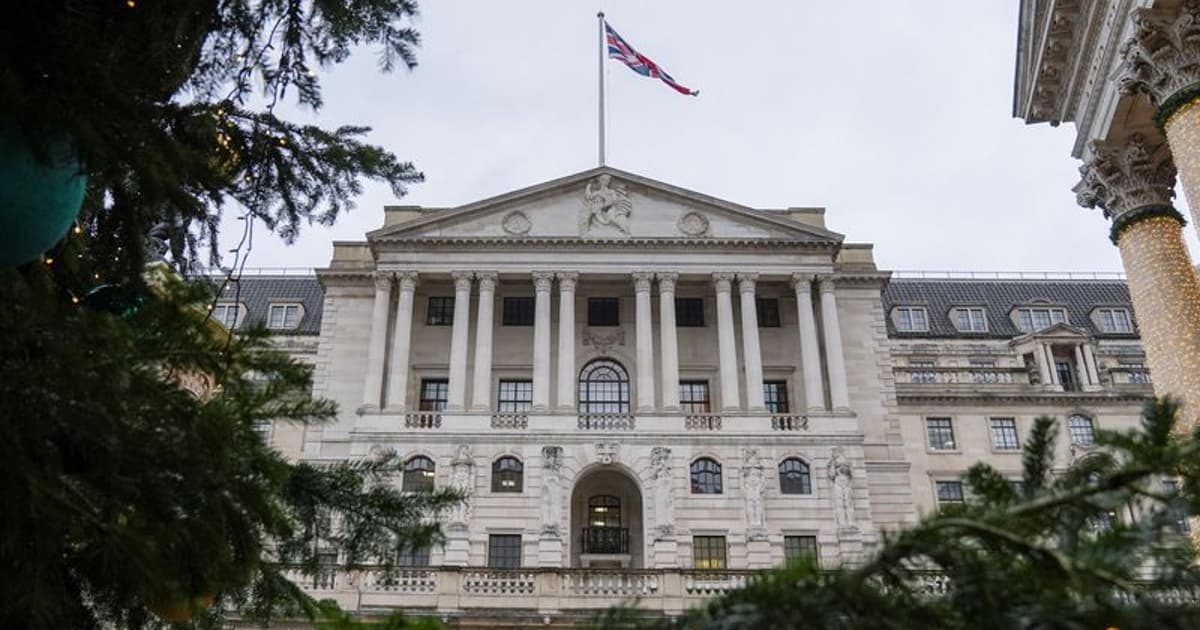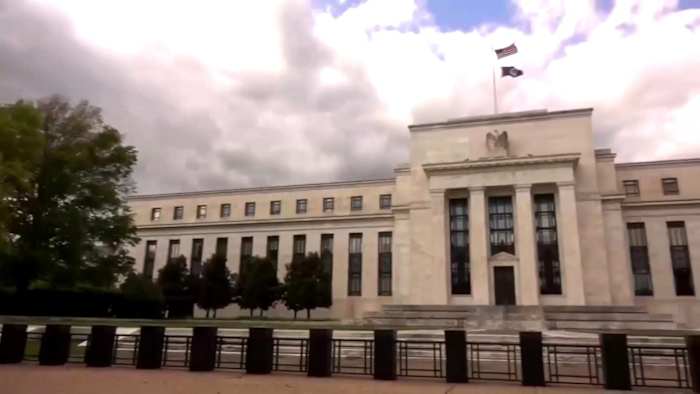
At its June meeting, the Federal Reserve voted to pause interest rates in the 3.50% to 3.75% range yet again. This latest in a series of pauses has left savers in limbo. With inflation topping 4% and most savings accounts barely keeping pace, where is the best place to stash the cash you don’t need right now?
If you don’t want it to lose value amid rising inflation but you also don’t want to risk exposing it to the market by investing it, a certificate of deposit (CD) account is one of your best options.
But how do you choose the right term length? That really comes down to what the Federal Reserve’s next move is. While a 5-year CD was your best bet in the past, with fed rates still above average while inflation was ticking downward, the uncertainty in today’s economy makes those longer-term CDs less attractive.
Sign up for Kiplinger’s Free Newsletters
Profit and prosper with the best of expert advice on investing, taxes, retirement, personal finance and more – straight to your e-mail.
Profit and prosper with the best of expert advice – straight to your e-mail.
With the outlook for both inflation and future Fed rate moves uncertain, your best bet right now is a short term CD so you can lock in today’s rate while still having flexibility to shift your cash somewhere else depending on where the market goes.
Why a short term CD is your best after the fed meeting
Like high-yield savings accounts, CD rates generally move in the same direction as Federal Reserve policy. The difference is that a CD locks in a fixed rate for the entire term, while savings account rates can rise or fall at any time.
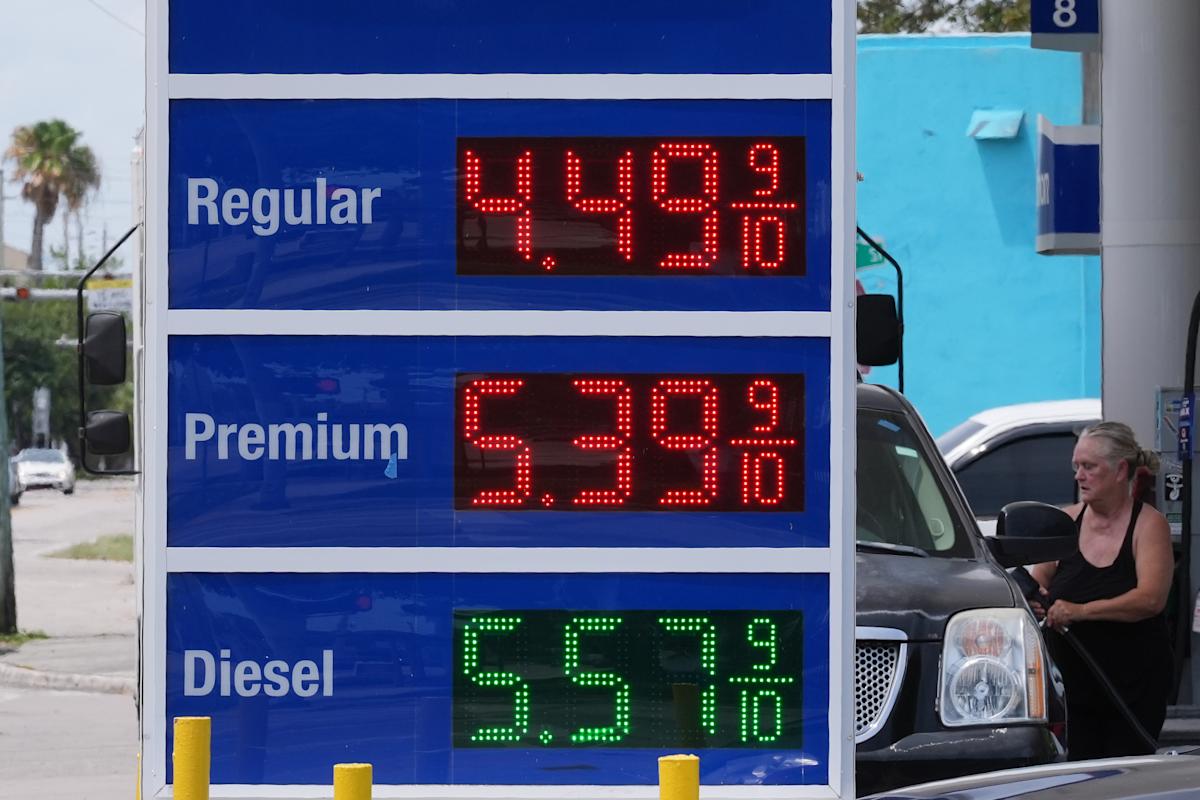
With many short and long-term CDs offering around 4% right now, locking in those above-average rates for as long as possible was a great idea when inflation was trending downward. But now that inflation is back above 4% and only a few savings accounts are beating it, a short-term CD, with a term of, say, six or so months, might be a better bet.
This allows you to lock in higher rates for a few months while you wait to see what happens with inflation and what kind of signals the Federal Reserve puts out about where interest rates might land by the end of the year.
If the Federal Reserve raises rates in response to stubbornly high inflation, you’ll have the opportunity to lock in those new higher rates after the term is up. If inflation, instead, starts falling again, you can move your cash after those few months to a longer-term CD to lock in these rates for longer.
With that in mind, use the tool below to find the top CD rates available today:
Economic signs to watch to anticipate the future of interest rates
After stashing your cash in a short term CD, you can keep an eye on the economy over the next few months while you wait for it to mature. That way, when it does mature, you’ll have a good idea of where to move your cash next to maximize your yields.
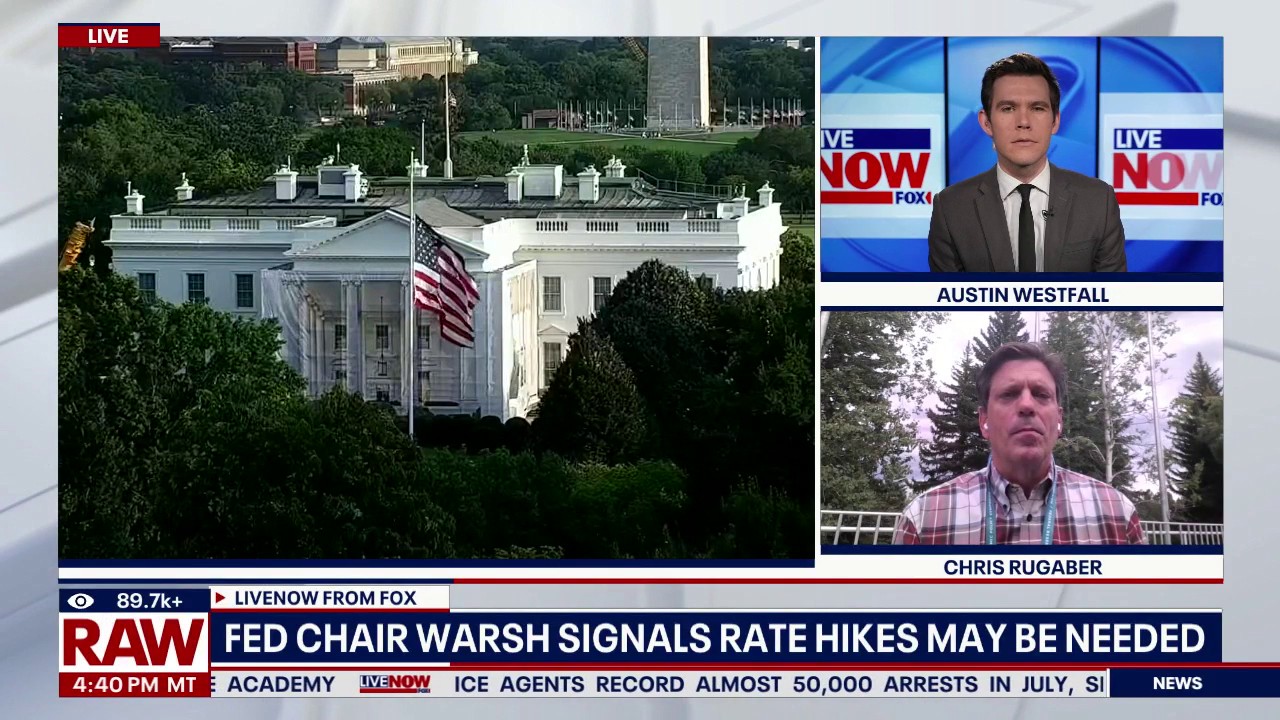
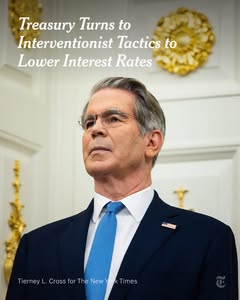
- Watch for clues as to how Kevin Warsh will change the Fed. Warsh has historically been a proponent of keeping rates higher rather than risking inflation. But some analysts speculate that he may be more likely to give in to pressure from President Trump to cut rates. Keep tabs on what he says in future meetings to get a sense of which way he might lean in the future.
- Keep up with the monthly CPI reports. Not only does the consumer price index released every month by the Bureau of Labor Statistics give you a broad picture of how your own costs are changing, but it’s an important measure of inflation tracked by the Federal Reserve. If inflation keeps going up, the Fed is likely to either keep rates paused or hike them further. If inflation slows back down, rate cuts might be in the future.
- Check the latest jobs reports. In addition to inflation, the Federal Reserve also closely watches employment data, including unemployment rates and wage levels, when setting its monetary policy.
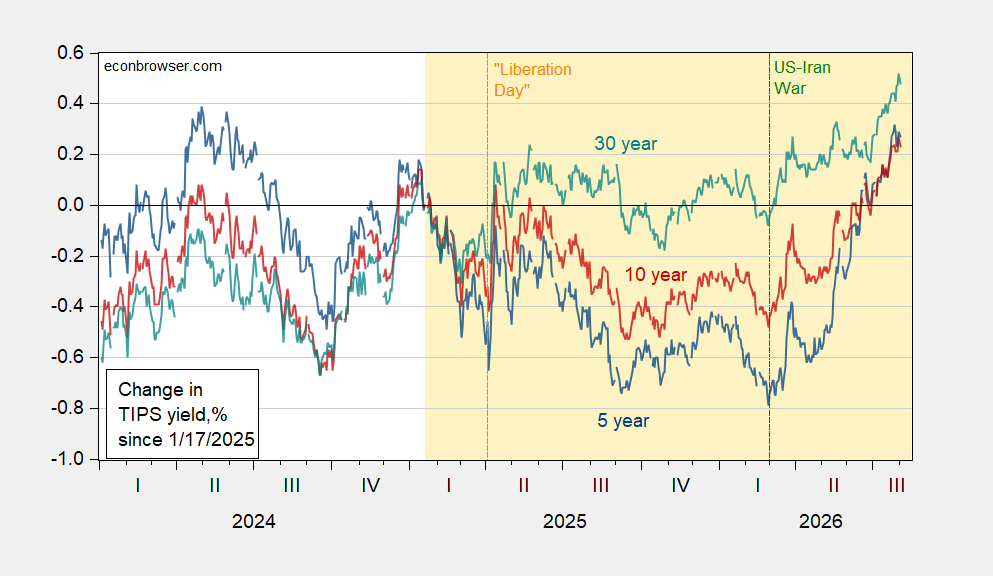
- Track the 10-year treasury yield. Especially for longer-term savings accounts, like your CD, rates can be influenced by yields on multi-year treasury bonds. This is also an important economic indicator to watch if you might be buying a house soon as the 10-year Treasury yield also influences mortgage rates.
Even if you don’t want to track economic indicators that closely for the rest of the year, you can just stash your cash in a short term CD now and set a reminder to check in on what’s going on in the market in the weeks before it matures.
From there, you can decide whether to move your cash into another short-term CD or lock in rates for longer by opting for a multi-year CD.