Ahead of Mexico’s 2027 Economic Package submission, business leaders and economists presented fiscal, investment, and regulatory proposals to the Ministry of Finance and Public Credit to address structural deficits and low productive capacity. Citing a 2024 fiscal deficit of 5.7% of GDP and grid capacity bottlenecks exceeding 60% in industrial corridors, the agenda urges policy stabilization, credit expansion, and infrastructure development. These recommendations directly affect public finance authorities, foreign investors, infrastructure developers, and small and medium-sized enterprises seeking integration into regional supply chains.
——
A coalition of approximately 100 economists and business leaders delivered a strategic growth agenda to Mexico’s Ministry of Finance and Public Credit (SHCP) and Congressional committees ahead of the Sept. 8 deadline for the 2027 Economic Package. The proposals seek to accelerate Mexico’s economic expansion beyond the 1.9% to 2.9% GDP growth range projected by the federal government in its preliminary economic policy guidelines.
“If there is something that investment does not like, it is uncertainty,” said Juan Carlos Moreno-Brid, an academic who participated in the advisory panels, emphasizing that raising public and private investment is essential to build productive capacity and sustain higher economic expansion.
The initiative originated following a Jan. 17 meeting between President Claudia Sheinbaum and economic experts to address persistent structural constraints in the Mexican economy. Discussions identified low public and private investment, limited credit access, industrial policy gaps, trade friction with the United States, and the upcoming review of the United States-Mexico-Canada Agreement (USMCA) as primary barriers to long-term growth.
Gabriela Dutrénit, researcher, Universidad Autónoma Metropolitana (UAM), noted that specialists spent six months working across six thematic panels covering international development, institutional stability, fiscal space, innovation, regional welfare, and small and medium-sized enterprise (SME) development.
Expanding national productive capacity requires creating conditions that encourage private capital deployment, as historical growth drivers show diminishing marginal returns. Experts noted that minimum wage increases and public social transfers face operational limits due to low tax collection rates. While federal authorities control revenue collection and public spending allocations, private sector investment decisions remain voluntary and contingent on regulatory clarity.
Fiscal Consolidation Squeezes Infrastructure Funding
Fiscal imbalances severely restrict the government’s maneuvering room. The fiscal tightening required in the 2027 budget stems from 2024, when Mexico’s fiscal deficit expanded to a historic peak of 5.7% of GDP. According to Center for Economic and Budgetary Research (CIEP) researcher Ricardo Cantú Calderón and economic analyst Enrique Covarrubias, while federal consolidation efforts reduced the deficit to 4.8% in 2025 and target 4.1% in 2026, national debt service costs remain elevated around 3.7% to 4.1% of GDP, routinely eclipsing combined federal spending on health and education.
To safeguard sovereign credit ratings and stabilize public debt at 52.3% of GDP, SHCP has prioritized deficit reduction. However, Cantú warned that because SHCP’s consolidation relies on spending limits rather than structural revenue reform, public physical infrastructure investment remains the primary expense sacrificed by federal authorities.
Physical Bottlenecks Constrain Nearshoring Expansion
Attracting foreign and domestic capital also requires institutional strengthening and infrastructure development at subnational levels. Mariana Rangel, national director of international relations at Tecnológico de Monterrey, proposed establishing a specialized investment attraction agency to coordinate regional development efforts and align local infrastructure capacities.
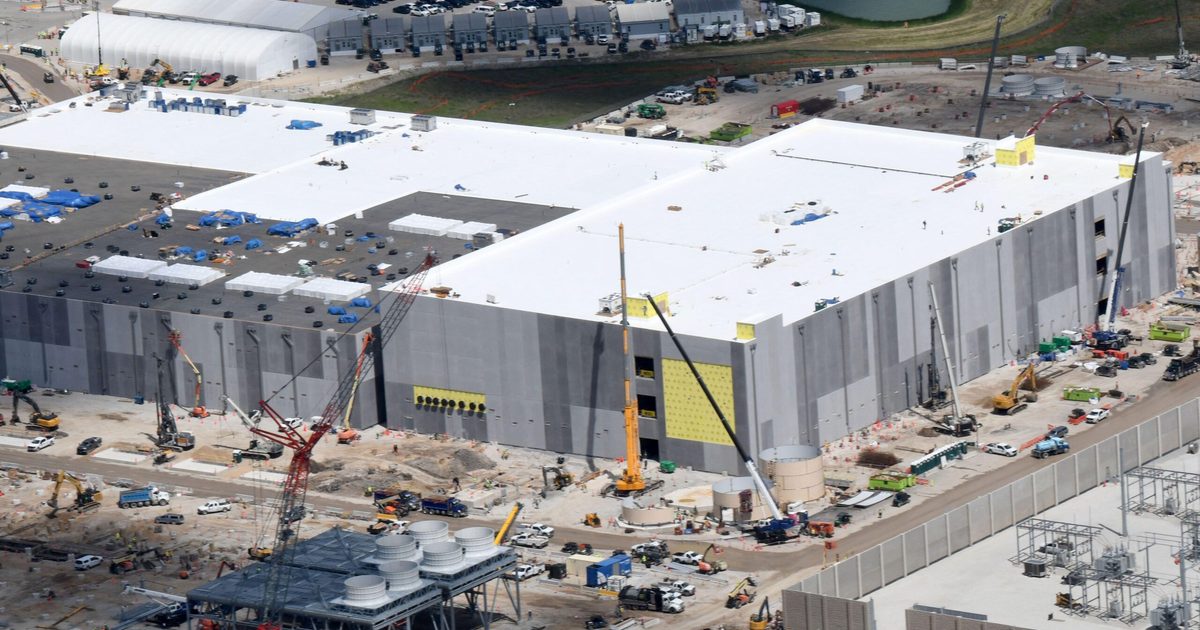
Experts in the real estate trust (FIBRA) sector have emphasized that Mexico’s transition into a mature “Nearshoring 2.0” phase is increasingly constrained by physical bottlenecks. Per Lyman Daniels, President, CBRE Mexico; Héctor Sánchez, Director, Equinix Operations; and Jorge Girault, General Manager, Fibra Prologis, with over 60% of Mexico’s electrical transmission grid operating near maximum capacity, energy availability, water resources, and private substation costs have become decisive factors determining project feasibility across industrial corridors in Bajío, Nuevo León, and northern border states.
R&D Incentives and SME Formalization Needed for Long-Term Growth
Boosting long-term productivity requires increasing research and development expenditure. Dutrénit highlighted that private sector spending on research, development, and innovation reaches approximately 0.25% of gross domestic product at best. To convert technological advancement into an economic engine, the proposal recommends establishing tax incentives tied to R&D outlays, creating an applied artificial intelligence fund overseen by an advisory council, and executing a multi-decade technological strategy tied to national industrial policy.
Human capital development represents another core pillar of the growth agenda. Fausto Hernández, an academic participant, stated that social spending in sectors such as healthcare improves workforce productivity and generates long-term economic capacity, connecting social welfare policies directly with economic output.
Commercial integration remains hindered by high levels of business informality. Ana María Aguilar, executive director, Consejo Mexicano de Negocios (CMN), reported that approximately two out of three SMEs operate in the informal economy, restricting their access to commercial credit and preventing integration into global export supply chains. To address these barriers, the proposal advocates simplifying business formalization procedures, expanding credit programs, and connecting small suppliers with exporting companies.
“Without a doubt, investment is somewhat stalled because people are waiting to see how things work,” Aguilar said. She concluded that recurring regulatory changes create adaptation periods that prompt businesses to defer capital deployment until institutional frameworks offer greater clarity.