The deaths of prominent Kenyans have often been followed by bitter and prolonged court battles as beneficiaries fight over multimillion-shilling estates.
The succession dispute over the estate of former minister Mbiyu Koinange, who died in 1981, has dragged on for more than four decades, with beneficiaries yet to reach an agreement.
Former minister Njenga Karume died in 2014, but it was not until last year that the court confirmed the grant in the succession case involving his estate.
Families of former intelligence chief James Kanyotu, former Assistant Minister Gerishon Kirima and politician John Keen have also been embroiled in protracted succession disputes.
The cases have raised recurring questions about contested wills, trusts, property ownership, and how estates should be distributed among beneficiaries.
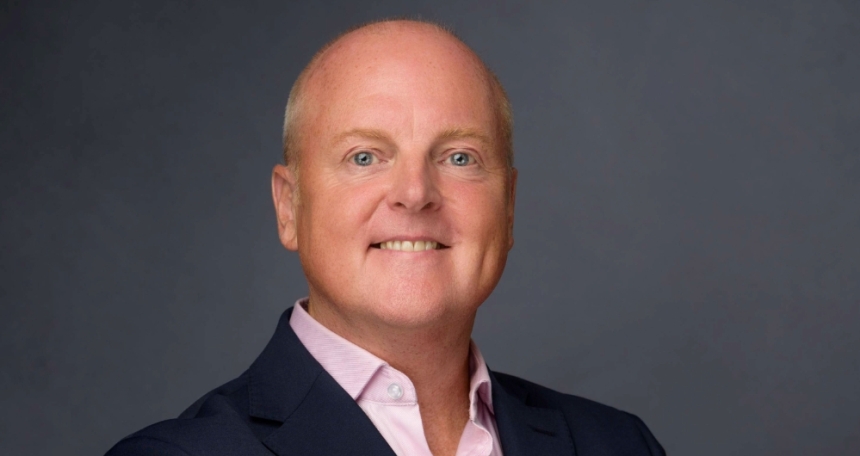
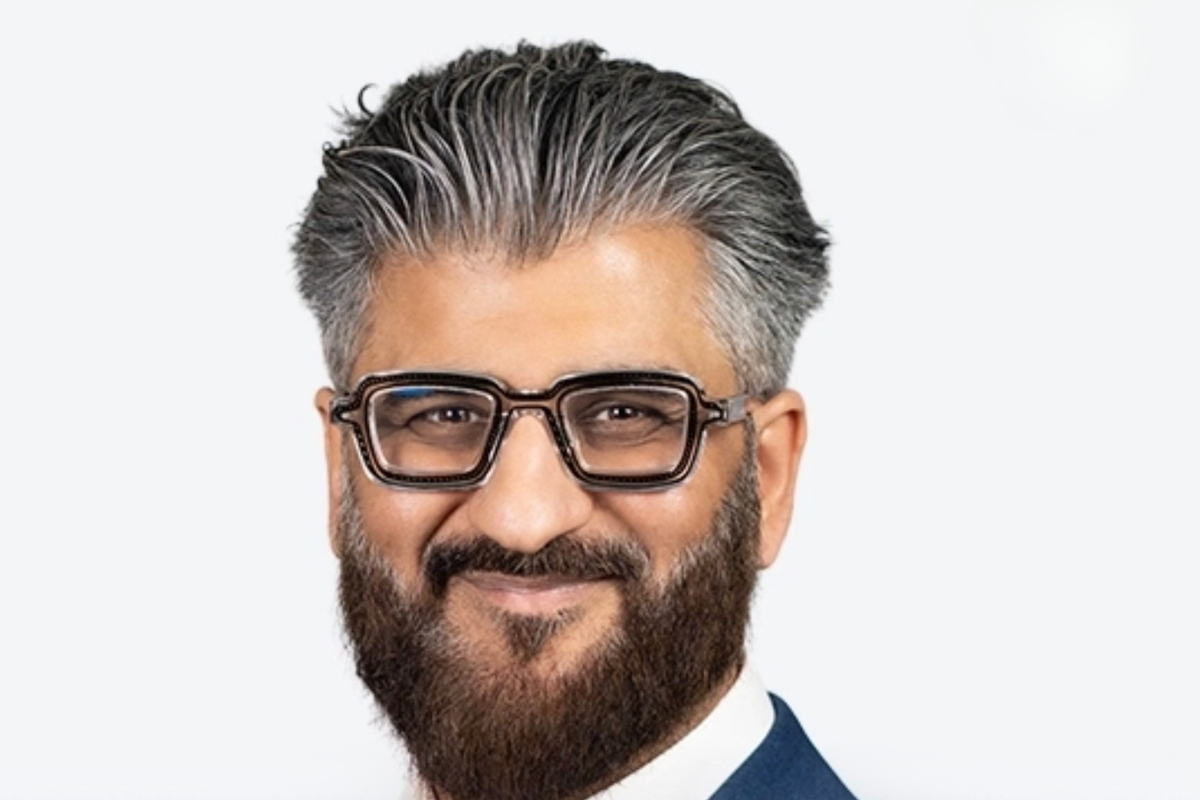
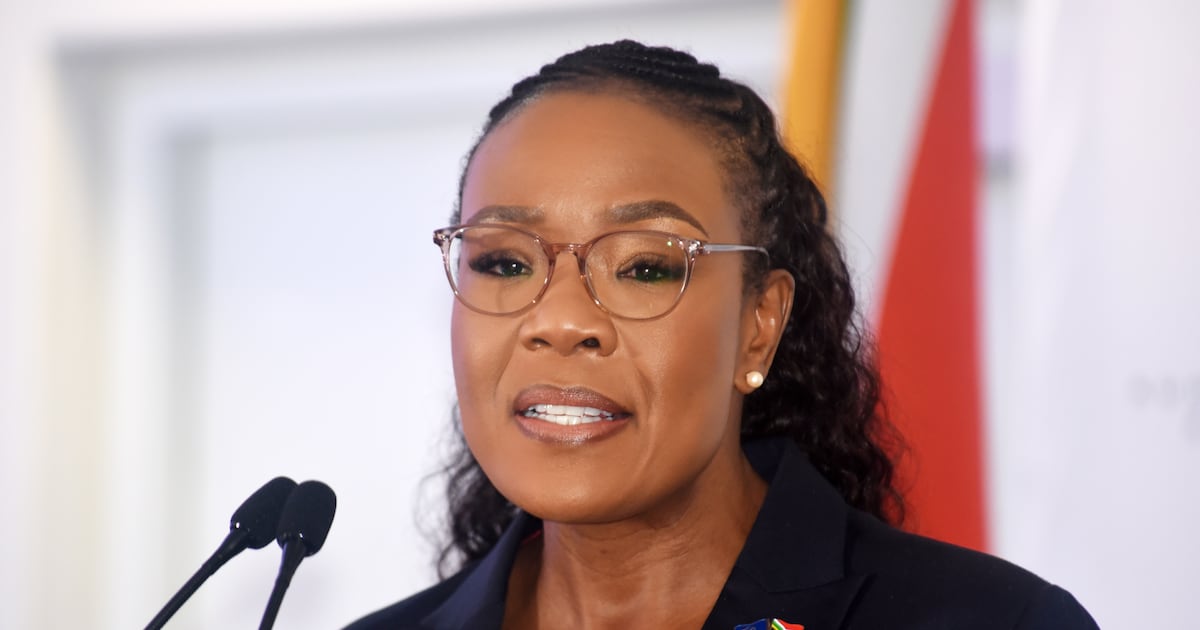
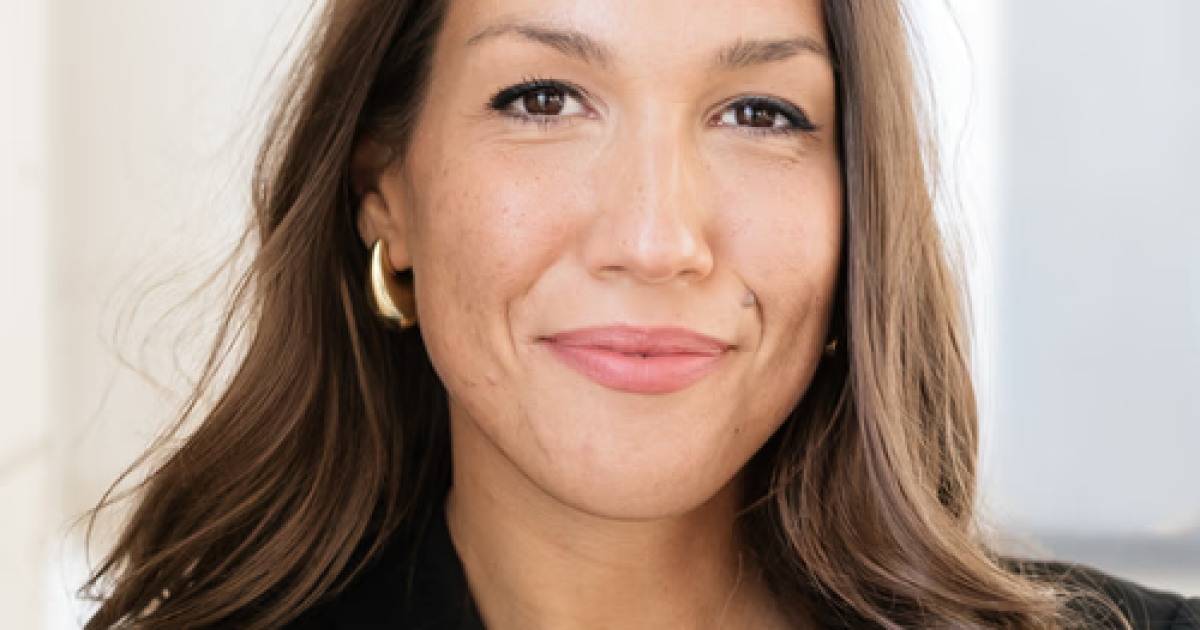
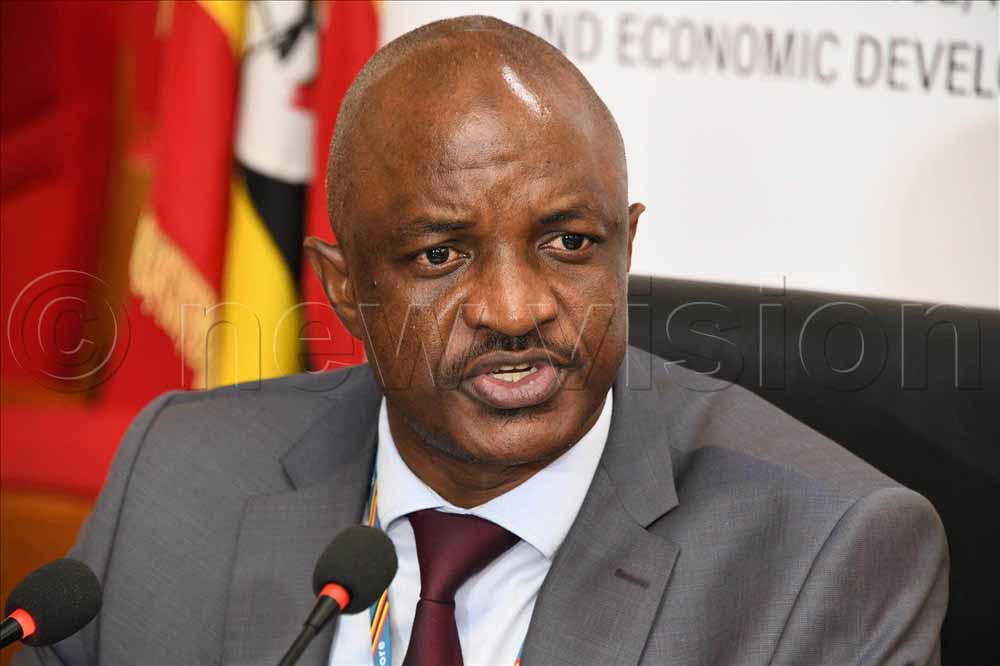
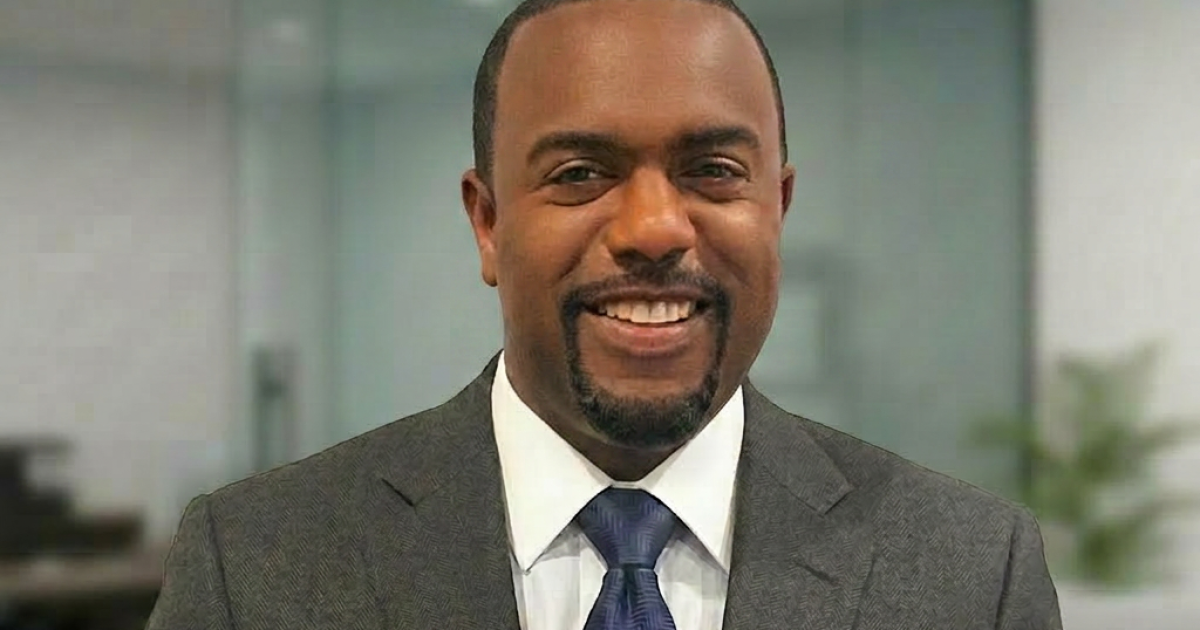
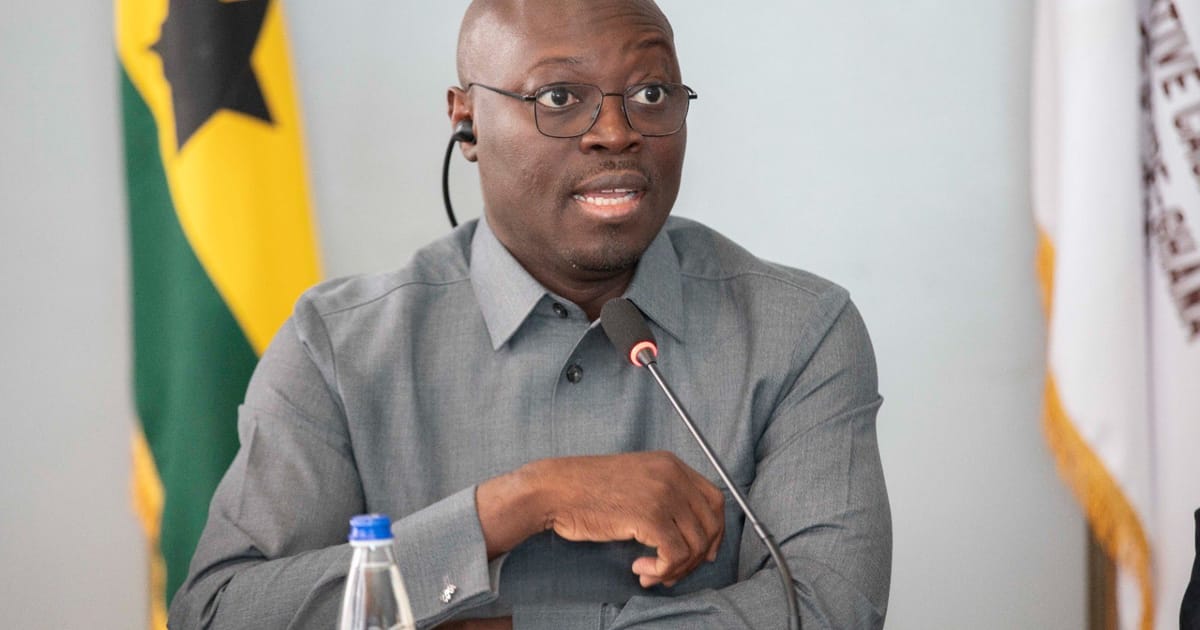
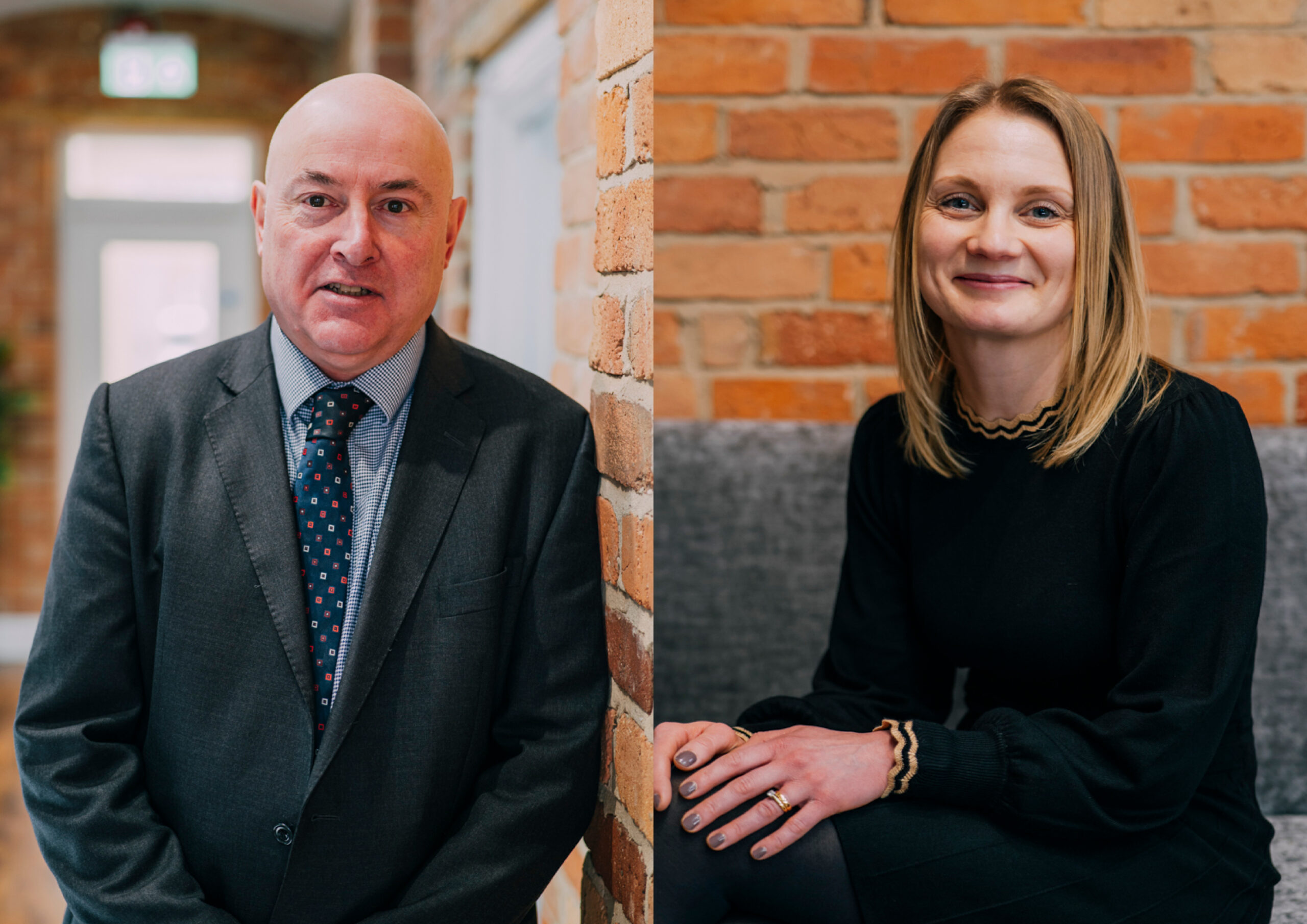
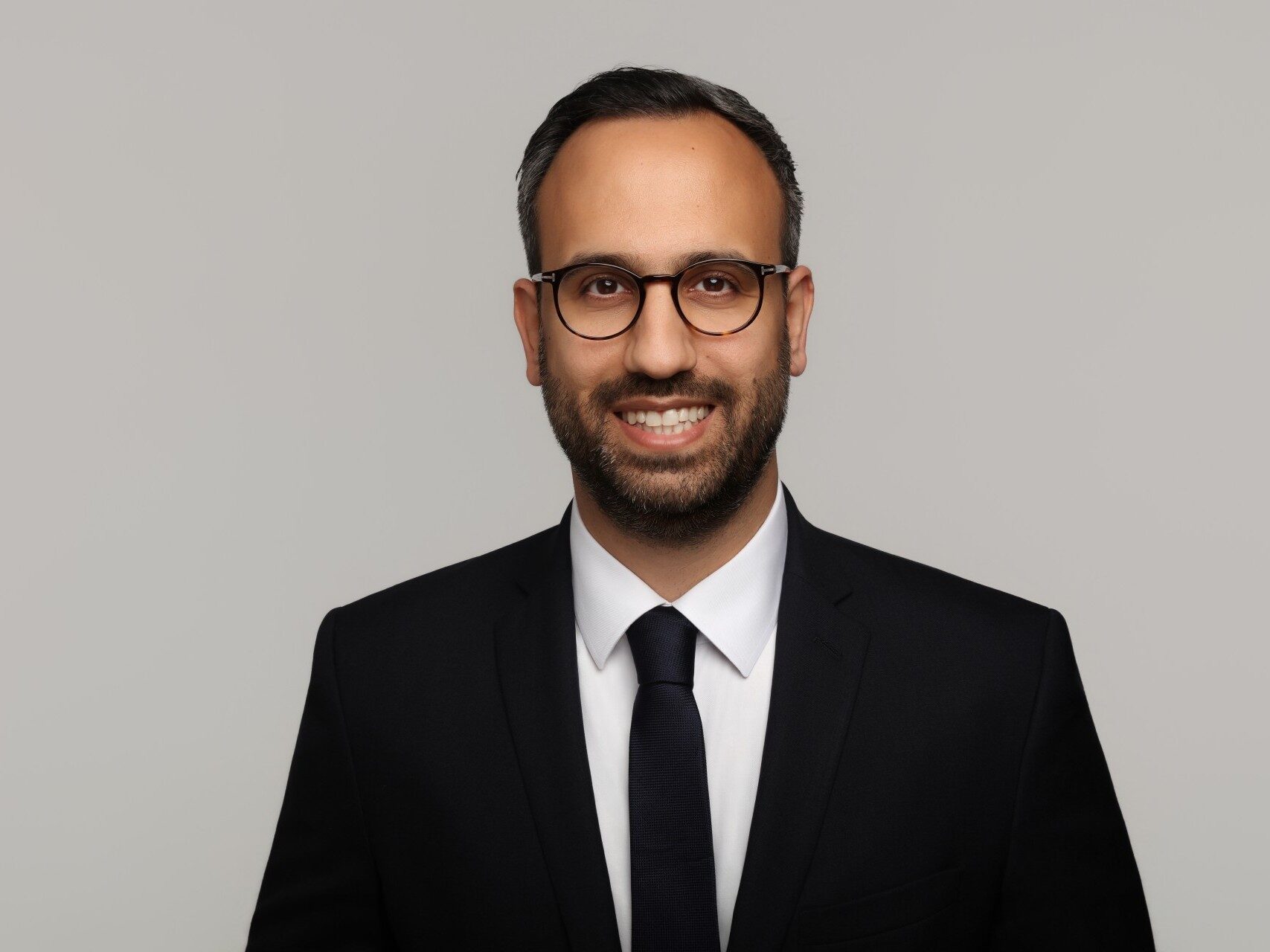
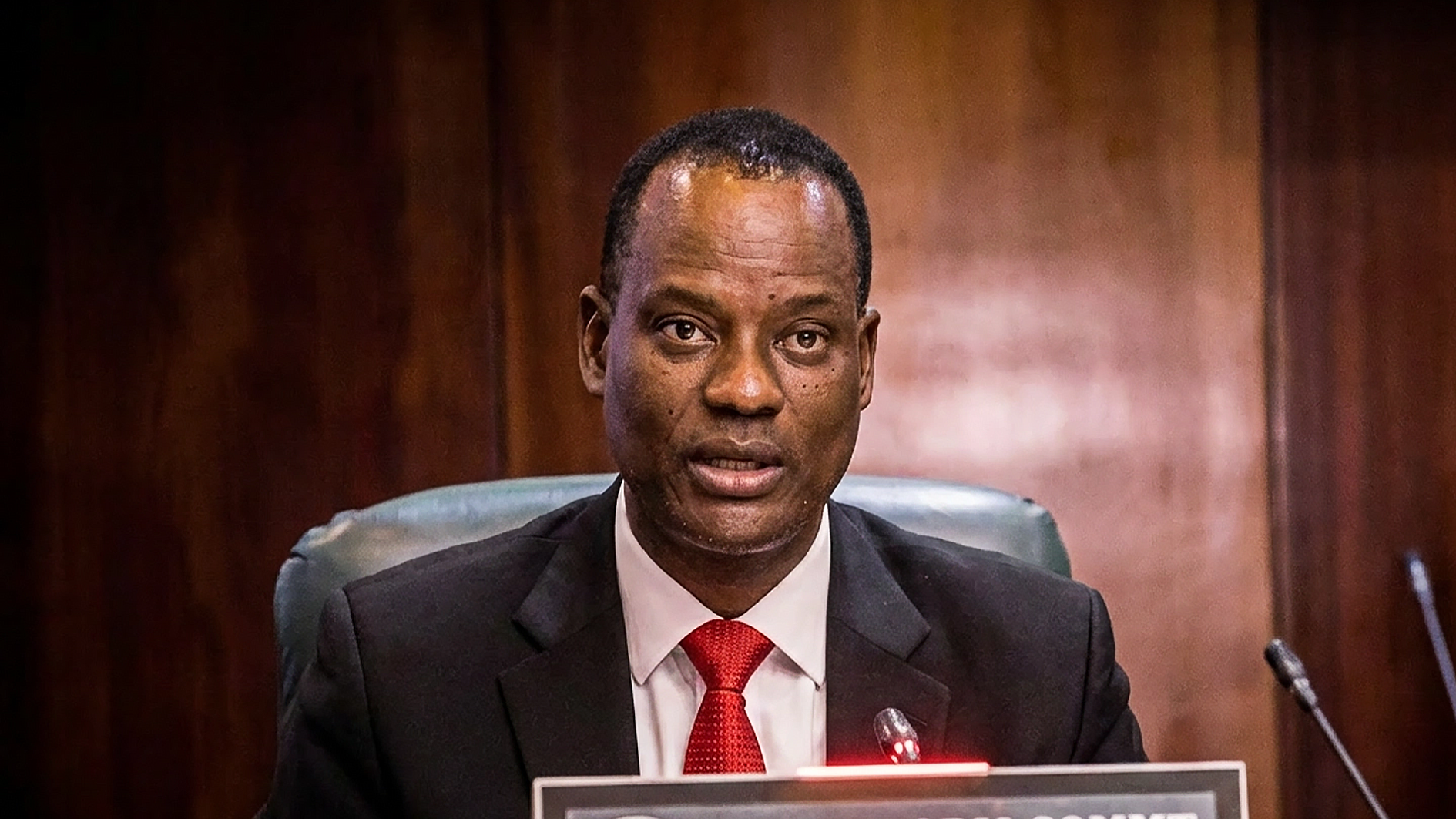
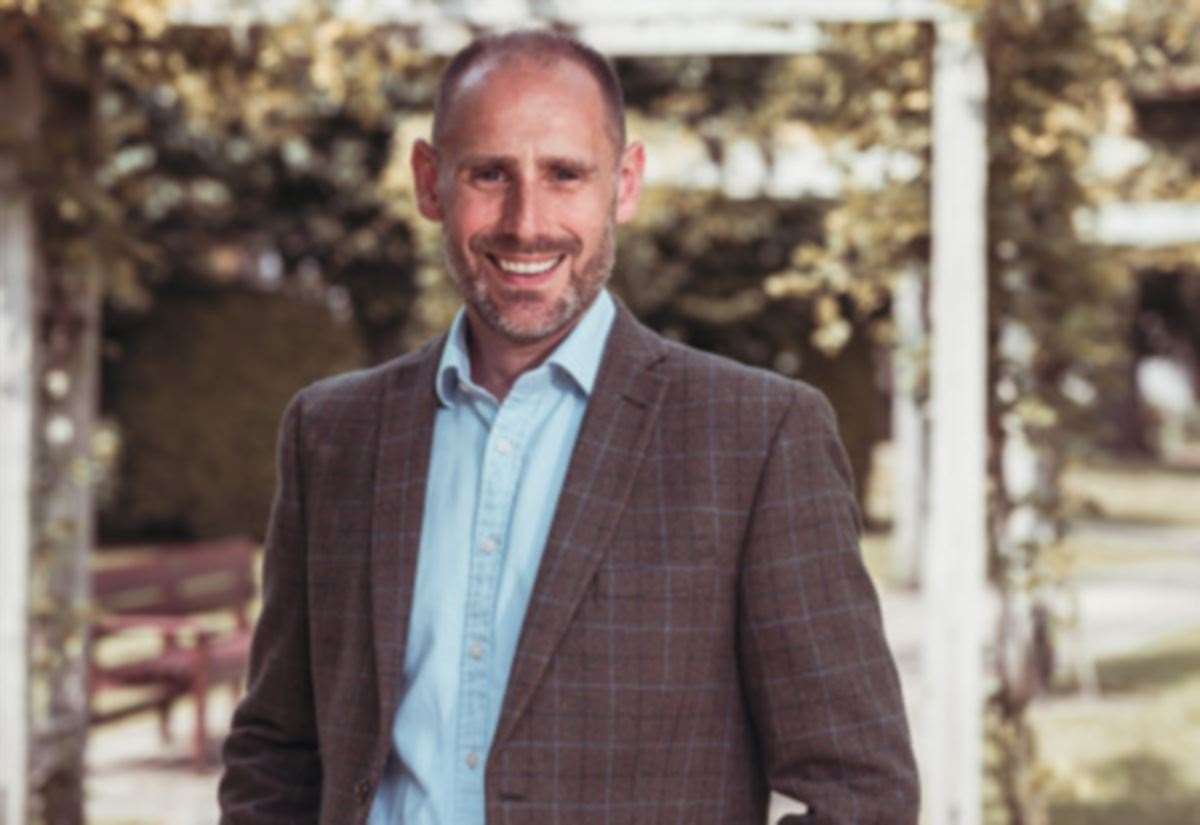
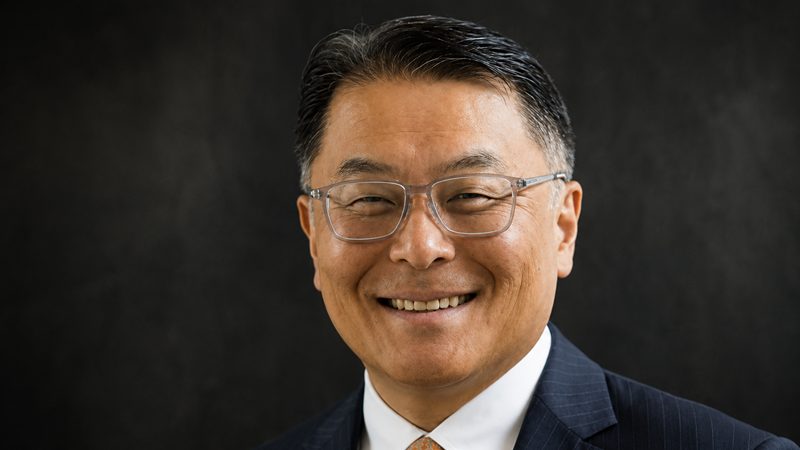
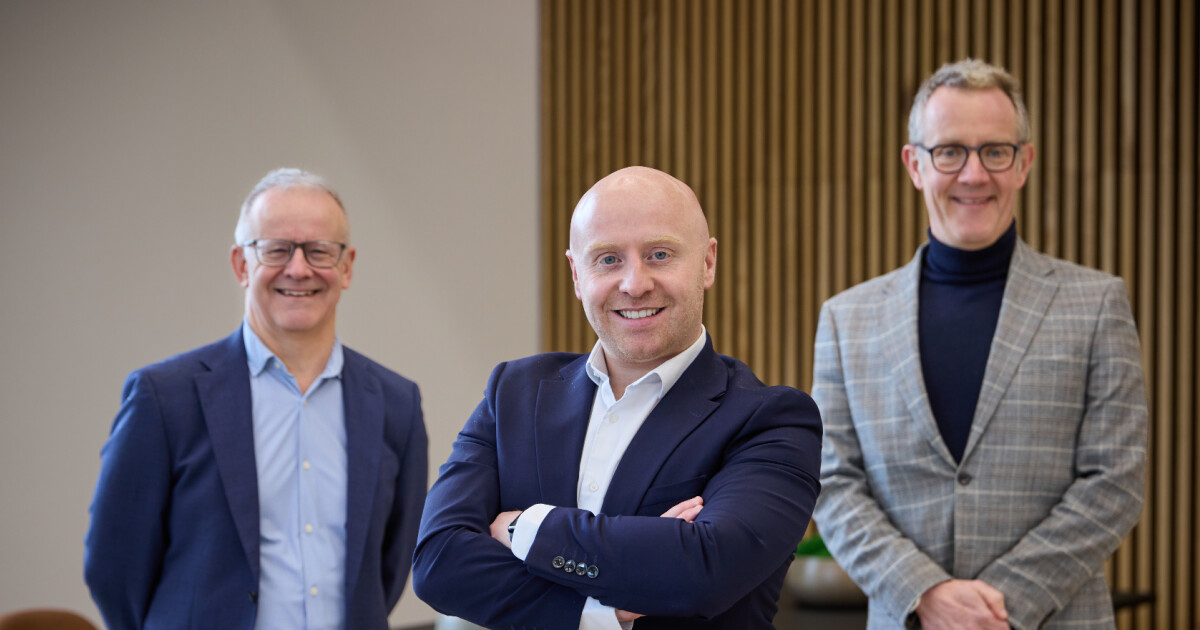
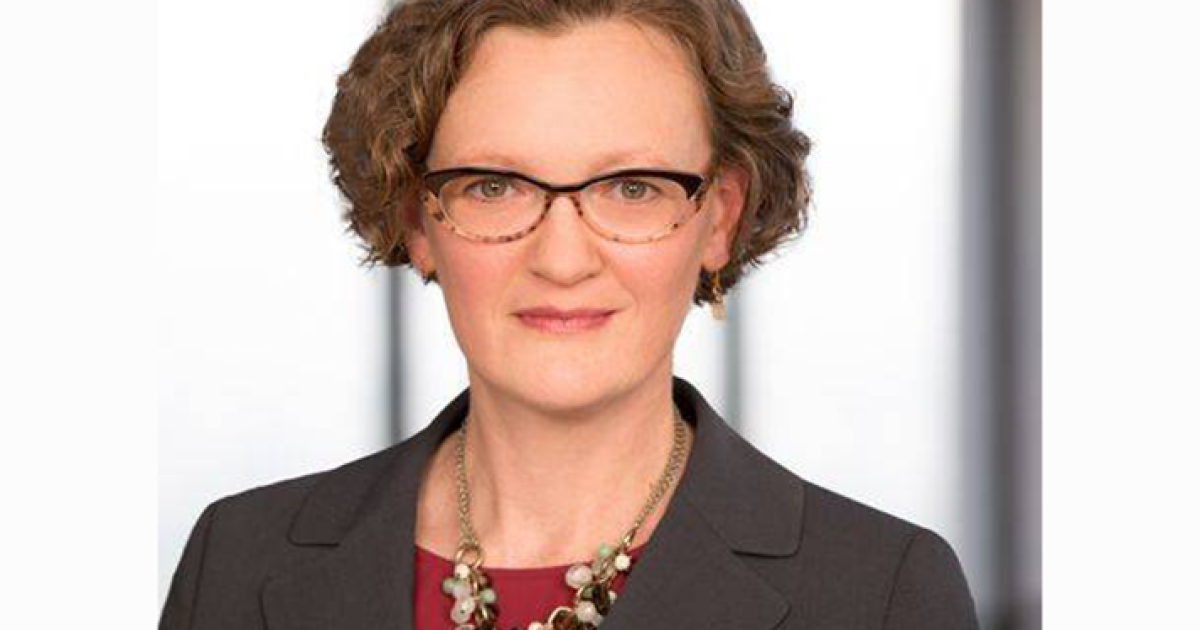
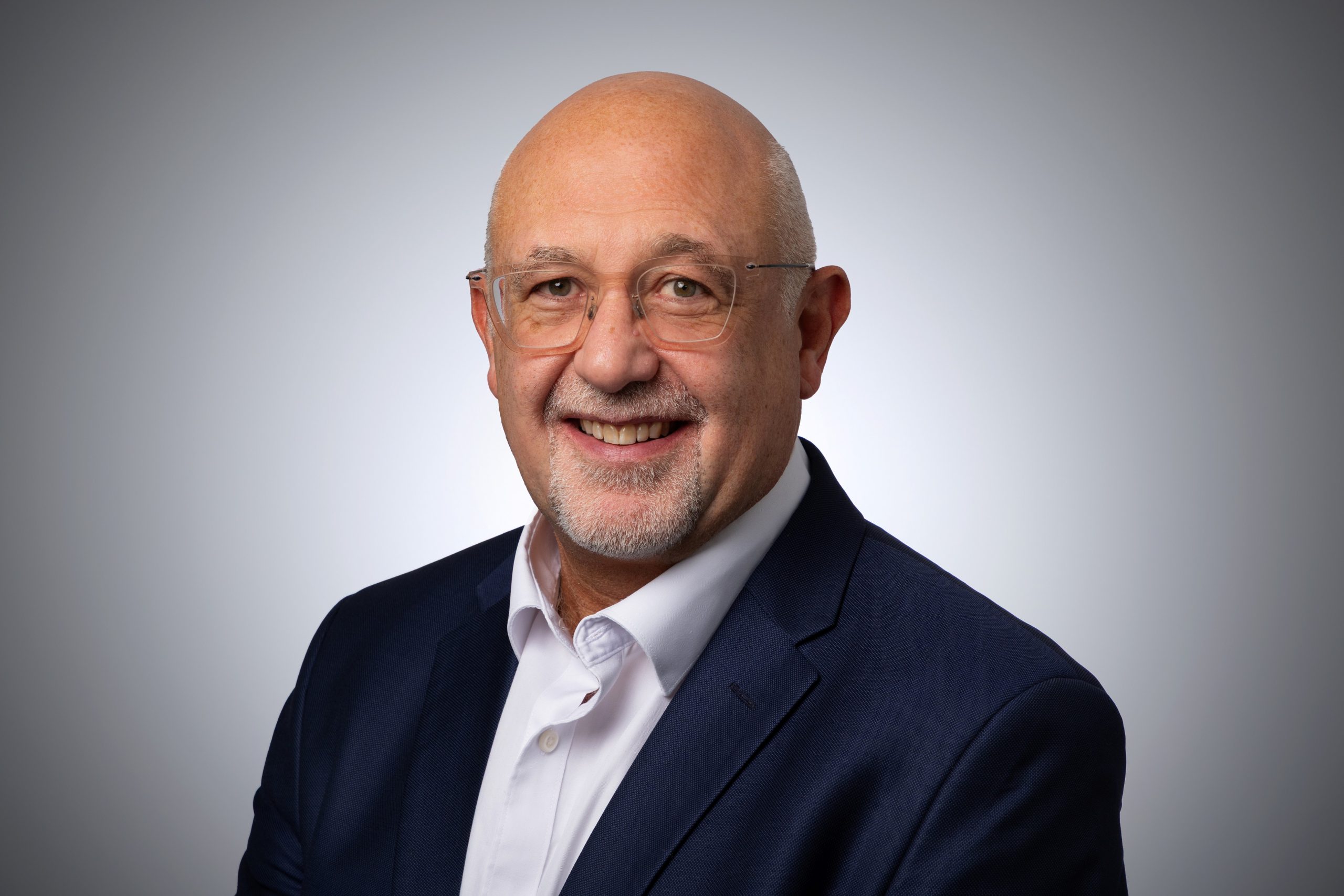
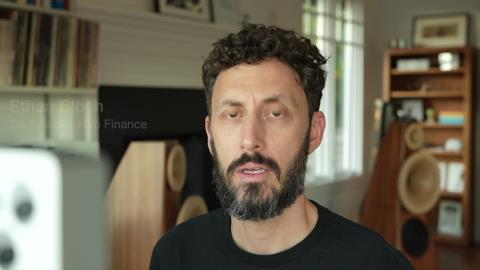
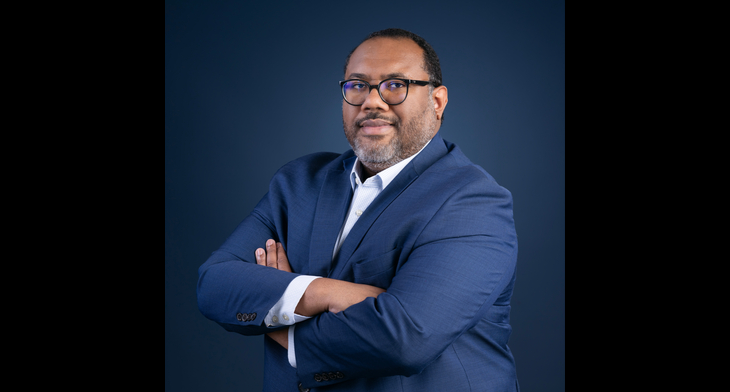
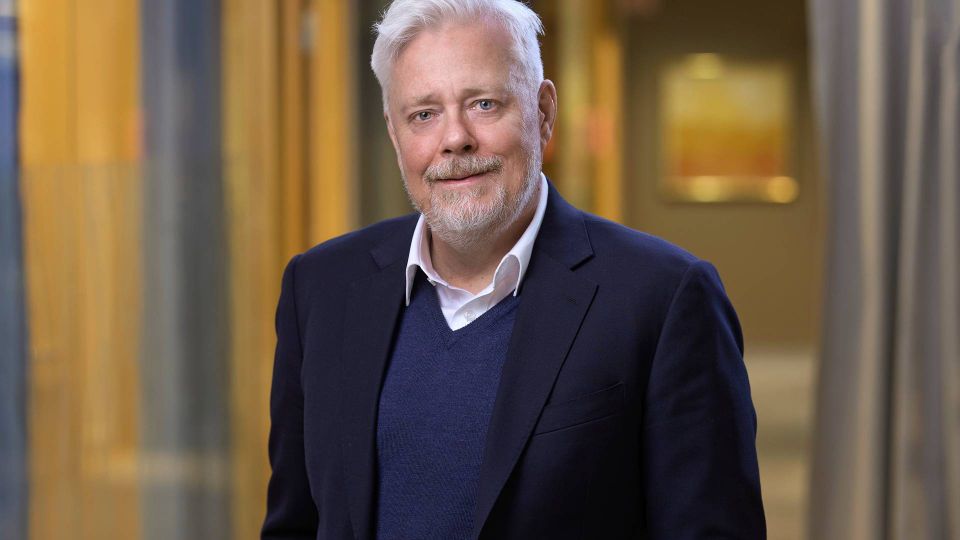
Moses Mathini, head of Legal and Private Wealth at Liaison Group, explains how Kenyans can avoid or navigate succession disputes.
- Why are inheritance disputes rampant in Kenya, especially among families that are well established financially?
Honestly, money doesn’t prevent disputes; silence does. In many well-off Kenyan families, the parents built the wealth but never talked openly with their children about how it would be protected and cared for.
Add to that our layered legal landscape, and you have several systems that can each claim to govern the same estate. Polygamous families, blended families, land that was never formally transferred from a grandparent, and businesses with no clear ownership structure all contribute to the contention.
Many families already lack common purpose and cohesion. Wealth without a plan creates more things to fight over, not fewer. Only the social aspects of the family are often paid attention to—finishing school, getting married and leaving the house. Economic continuity or collective strategic planning is never considered.
- What are some of the common mistakes families make when planning for the transfer of their wealth?
First is procrastinating estate planning since, at present, you do not feel ill or contemplate anything fatal happening to you. This often results in people dying without a will or setting up a trust. Also making informal arrangements, which invites objections challenging their validity.
Secondly, never updating beneficiary details on insurance policies, pension plans, or bank accounts. Thirdly, leaving land in a deceased parent’s or grandparent’s name for decades, ‘ancestral land’, that was never subdivided or transferred.
Fourthly, treating a family business as personal property with no succession structure, so when the founder dies, nobody knows who is actually meant to run it or own it. Fifthly, assuming children will “just agree” once the time comes. They rarely do, especially when emotions and money mix.
Lastly, not involving any children in the process. This creates the unnecessary and often chaotic element of surprise in cases where one beneficiary was informed orally of something that contradicts what is written in a will.
The ultimate cure for all these is the creation of a living family trust with a corporate trustee.
- What happens when someone dies without a clear succession plan?
When someone dies intestate, the Law of Succession Act decides who inherits, not the family. Someone has to apply to court to be appointed administrator, and if there is disagreement about who that should be, or how the estate should be shared, the process can drag on for years. Every asset, whether land, bank accounts, shares, vehicles, or jewellery, needs to be identified, valued, and eventually transmitted through a court process called probate and administration.
In polygamous households or blended families, the law’s default formula for sharing may not reflect what anyone actually wanted, which is often where the bitterest disputes begin.
- How important is having a valid will?
Although wills have predominantly been considered an improved estate planning tool, they too have their challenges since only a court of law can validate a will. Currently, setting up a living family trust would be the best alternative. Whereas a will would have helped distribute the wealth, a trust is the best instrument to create and preserve generational wealth.
With a will, one still has to go through a probate process, which at that juncture might invite a challenge to its validity. A living trust, on the other hand, does not go through such a process. It therefore preserves the peace and unity of a family.
A will tells the court what should happen after you die; a trust, on the other hand, can start working for your family while you are still alive, and keep working long after. Since the Trustees (Perpetual Succession) Act was amended in 2021, family trusts have become much easier to set up and register in Kenya, with real tax advantages attached.
Assets placed in a properly constituted trust generally sit outside your personal estate, so they can bypass the probate process entirely, meaning your family isn’t left waiting on court timelines to access funds or property.
Trusts are particularly useful for business owners who want continuity without disruption; parents with minor children or a dependent with special needs; blended or polygamous families who want to avoid conflict over shared assets; and anyone who simply wants more privacy and control than a will alone provides. A will becomes a public document once probate begins, while a trust deed stays private.
- How can families avoid complications around assets such as pensions, insurance policies, SACCO savings, shares and investment accounts?
Many of these assets actually have their own beneficiary nomination forms, separate from your will. If they’re filled in correctly and kept up to date, the money can often be paid out to the named beneficiary much faster, without going through probate. The problem is that people fill these forms in once, when they first join a scheme or take out a policy, and never revisit them, even after a marriage, divorce, or the birth of a child.
My advice is simple: have your living trust nominated as the sole beneficiary, keep copies, and provide your trustee with a copy. An asset nobody knows about is an asset that can sit unclaimed for years or spark a dispute when it’s finally discovered. A trust consolidates all assets into one instrument and enhances visibility and traceability.
- What misconceptions about Trusts and succession planning do you encounter often—and how would you address them?
The big one is “I’m not rich enough to need a Trust.” Succession planning isn’t about the size of your estate; it’s about the number of people who might have a claim to it. A modest plot of land can trigger just as bitter a dispute as a large investment portfolio.
Another common one is “my spouse will automatically get everything.” That’s not guaranteed under Kenyan law, especially in polygamous or blended families, or where there are children from different relationships.
People also assume trusts are only for the ultra-wealthy, when in reality they’re a practical tool for any family with property, a business, or dependants they want protected.
- If you could give Kenyan families three practical steps to take today to reduce the risk of future inheritance disputes, what would they be?
- Get a professionally drafted Trust Deed, register and incorporate a living Family Trust, and appoint a corporate trustee to professionally administer, manage, and grow the Trust’s assets in accordance with the Trust Deed, for the long-term benefit and welfare of the Trust’s beneficiaries for generations to come.
- Review and update beneficiary nominations to have your trust as the sole beneficiary on every pension, insurance policy, SACCO account, and investment you hold, and keep a simple written record of what you own and where.
- Talk to your family openly while you’re still here to answer questions. A short, honest conversation about your intentions does more to prevent disputes than any legal document alone.