The man financing Britain’s clean energy future on doubt, policy risk, and the things no CFO can control.
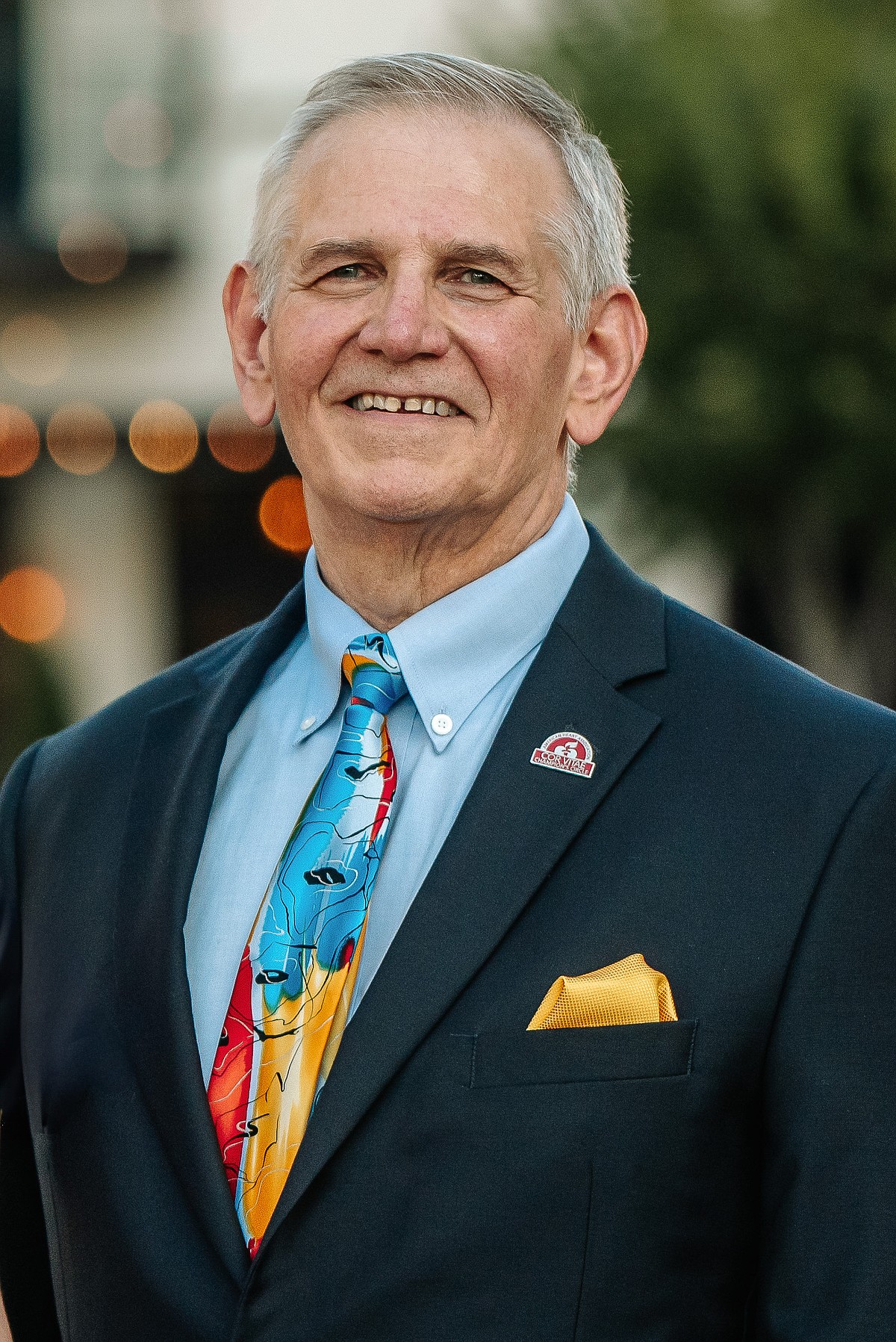
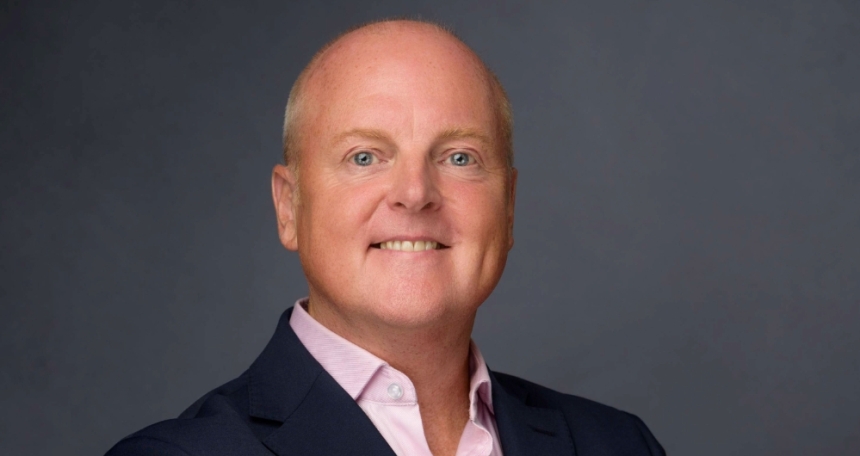
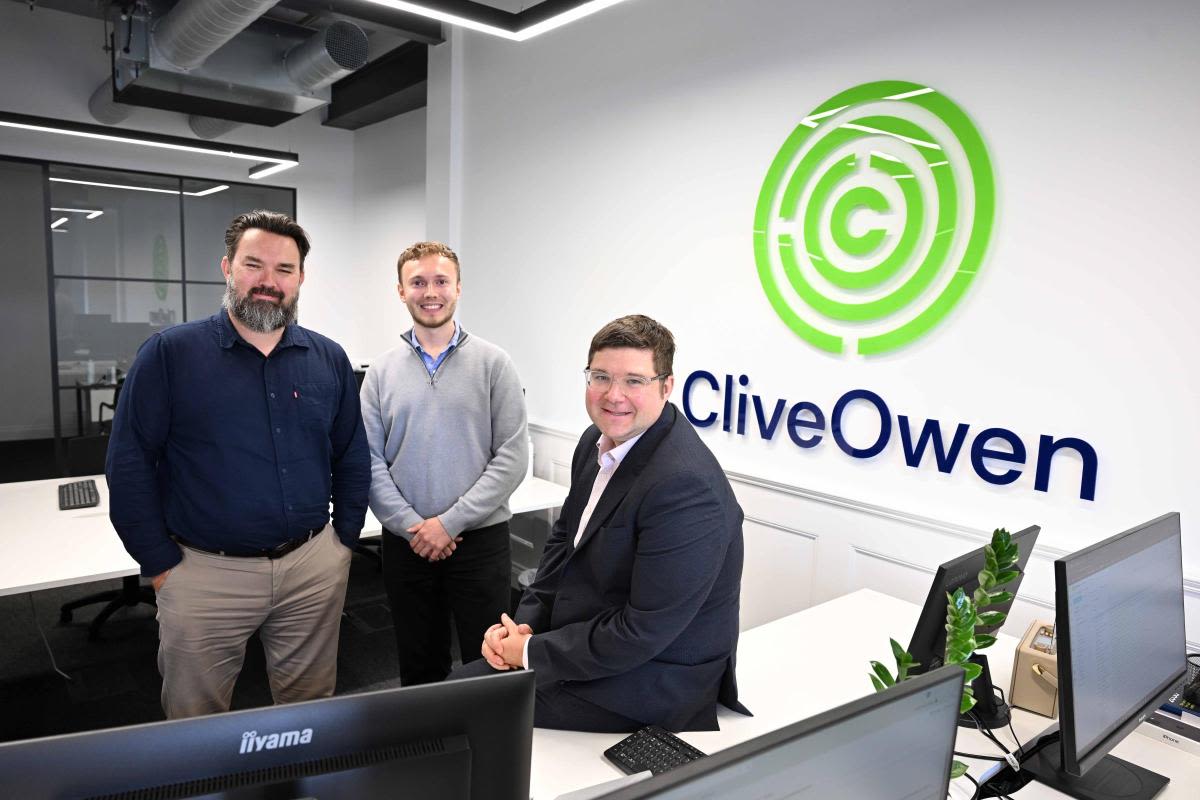
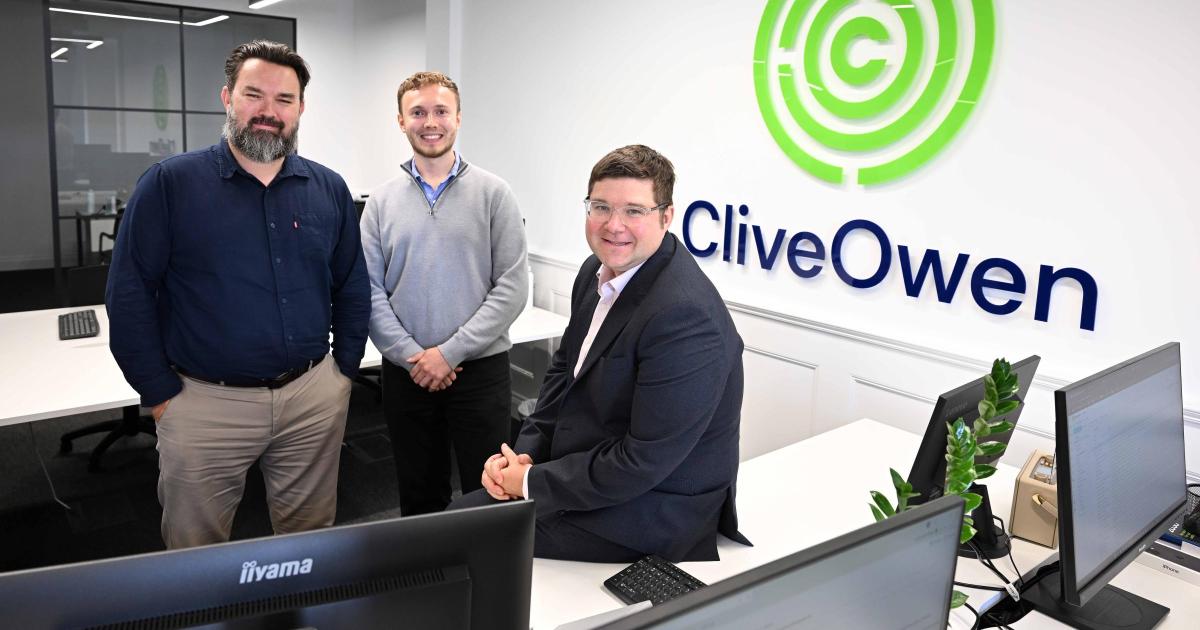
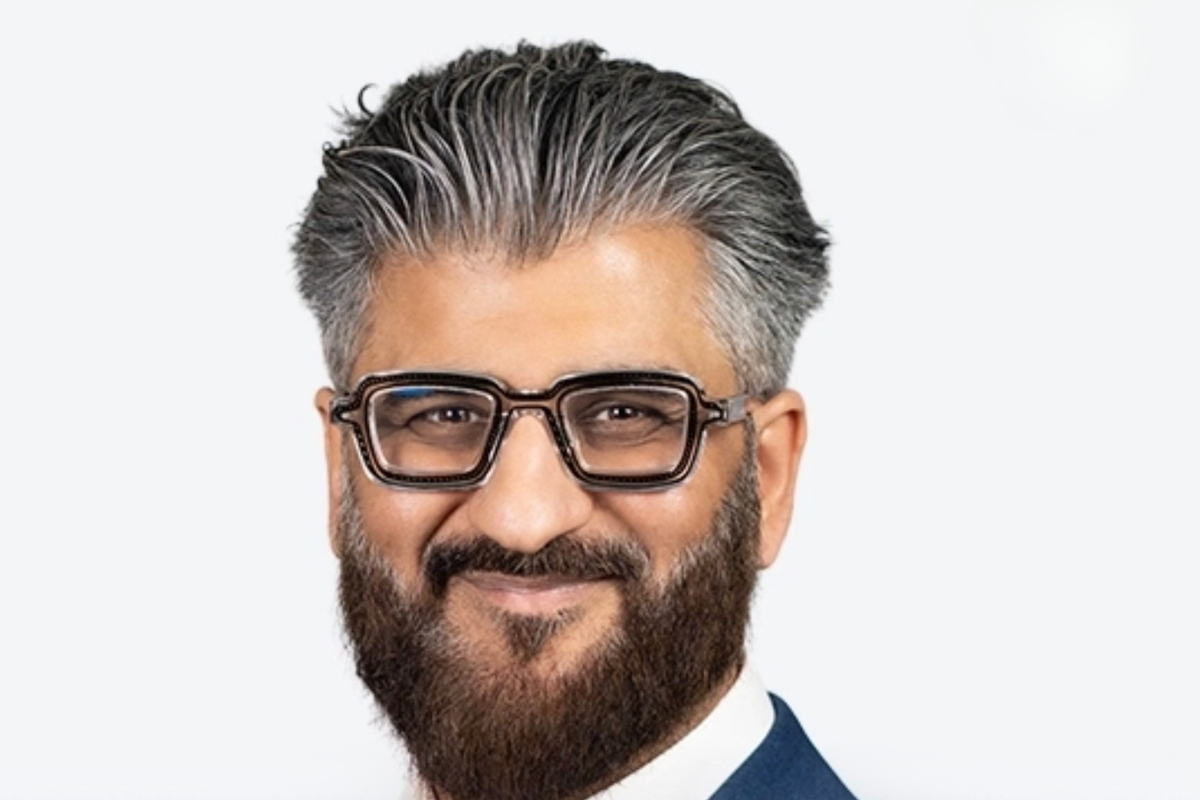
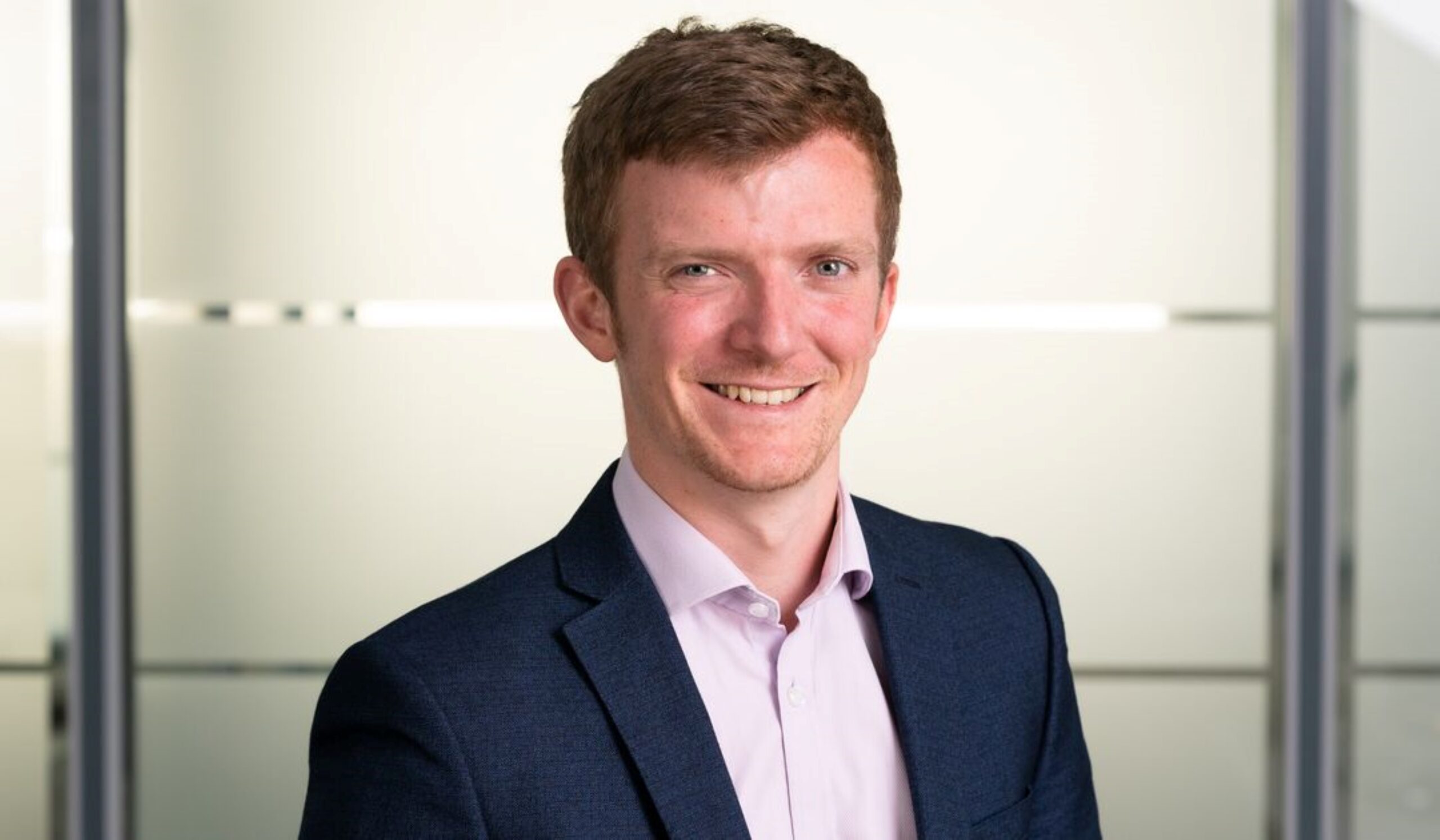
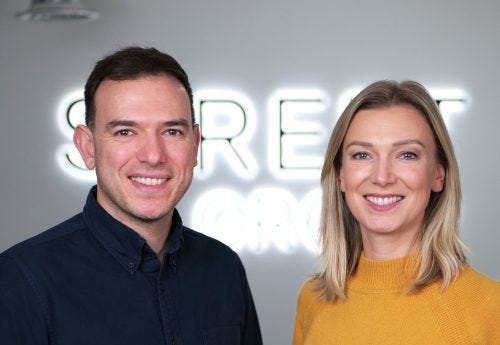
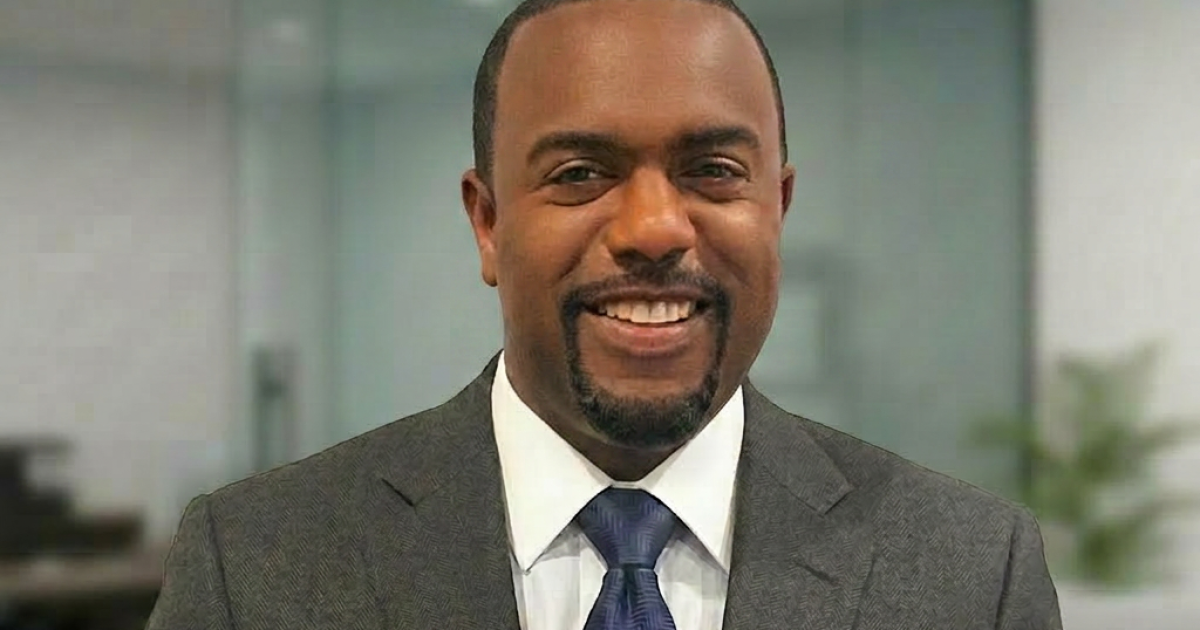
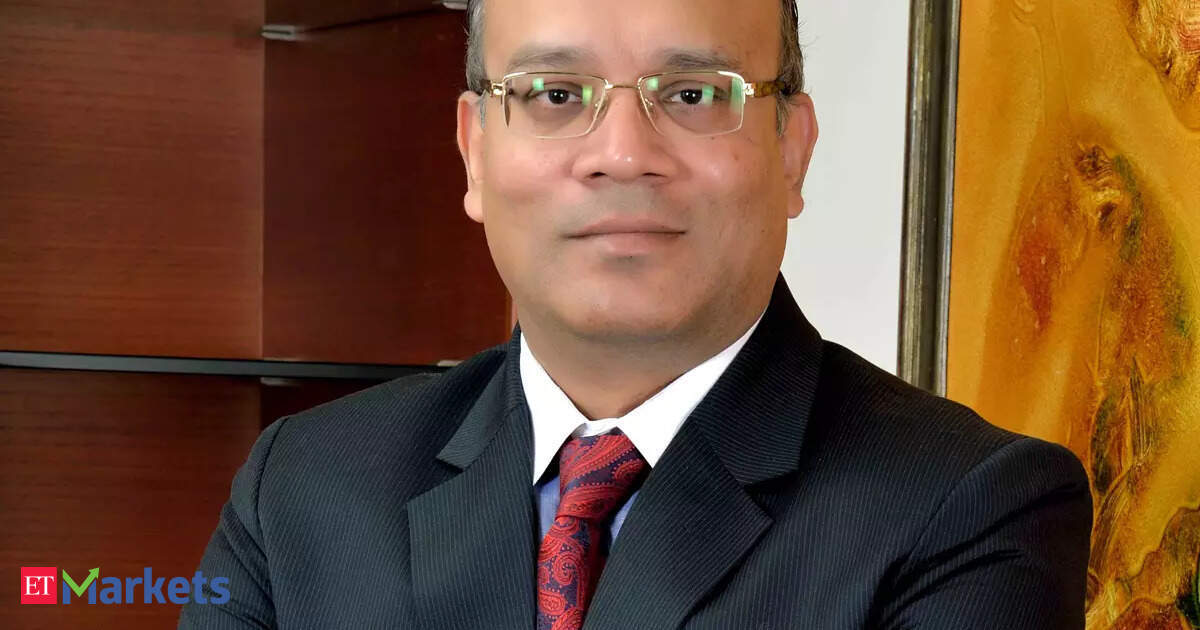
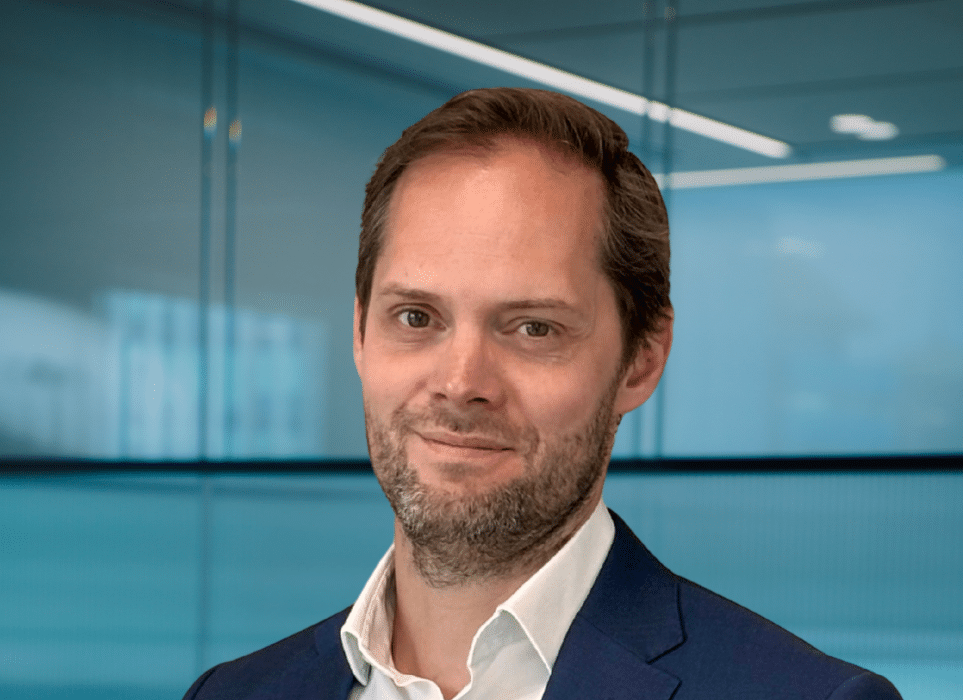
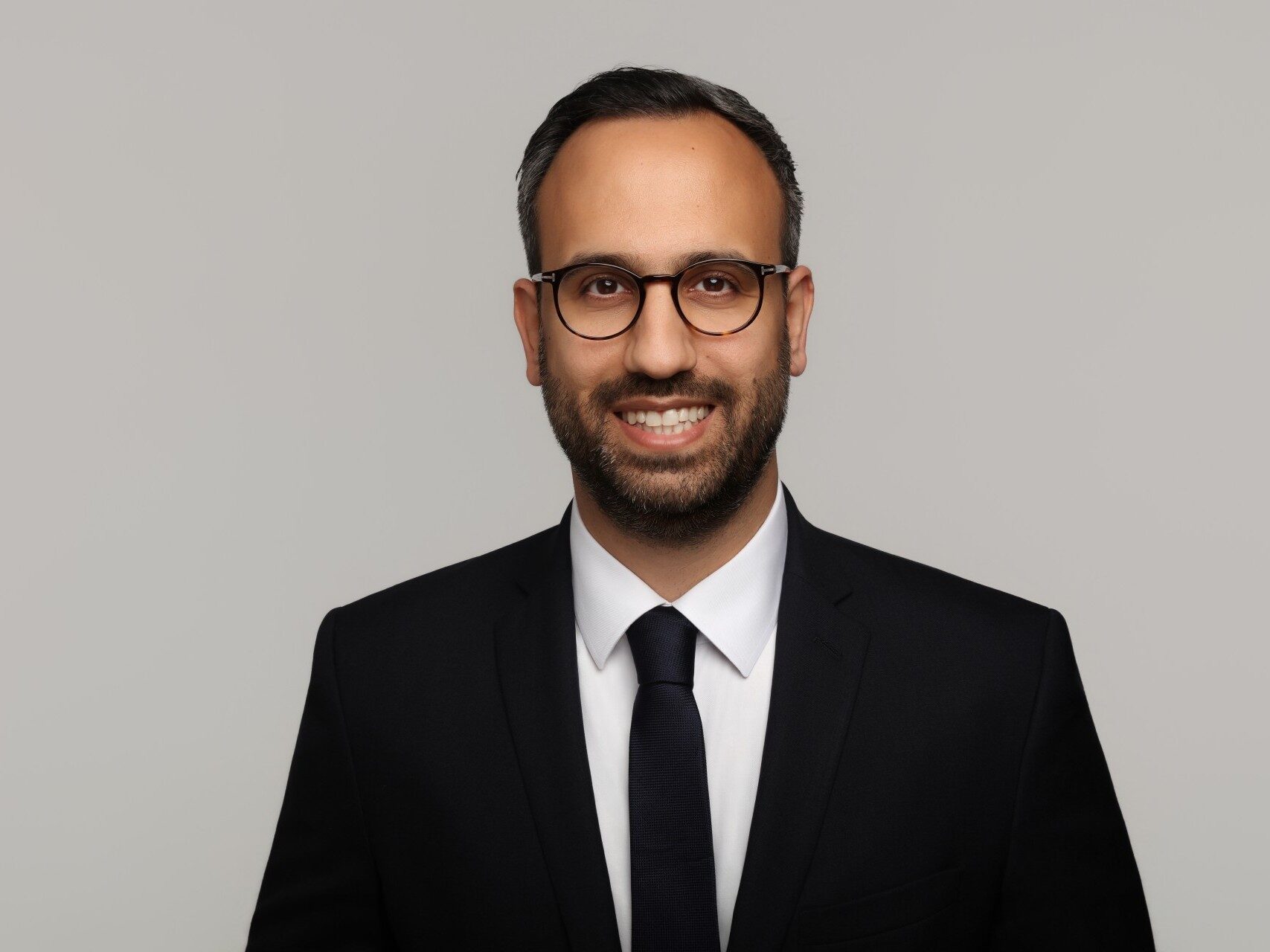
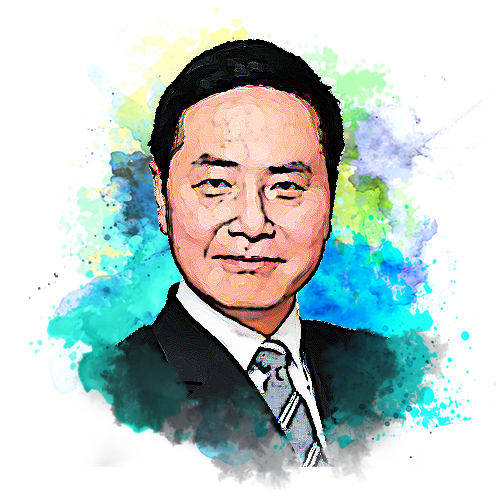
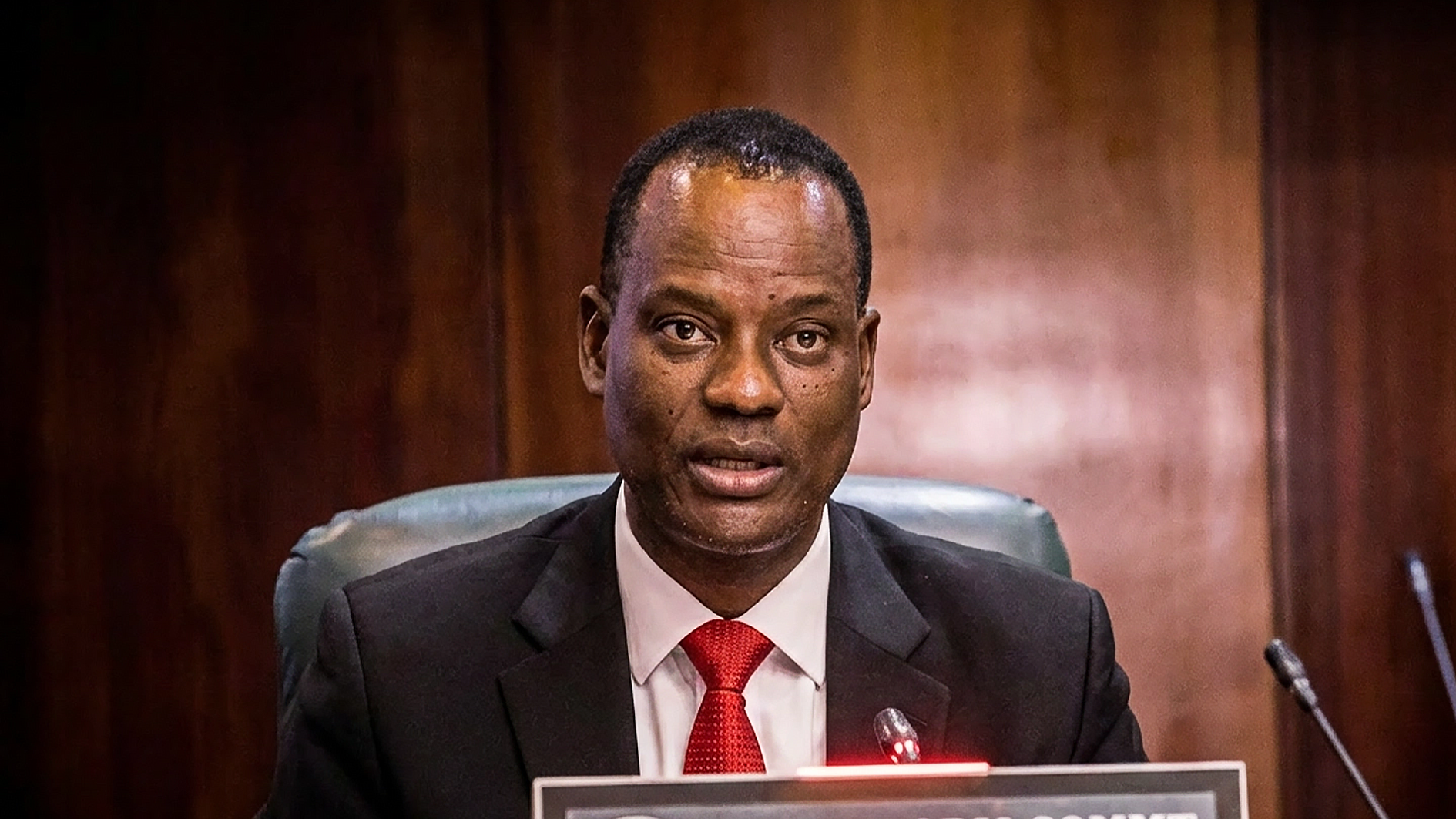
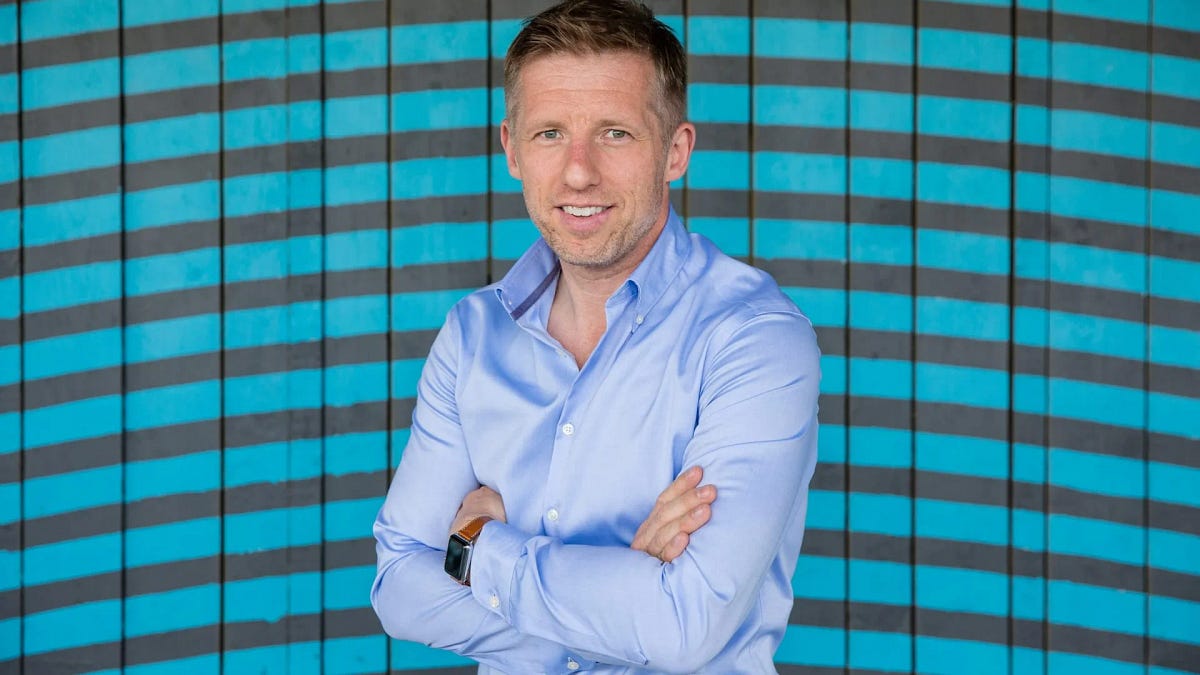
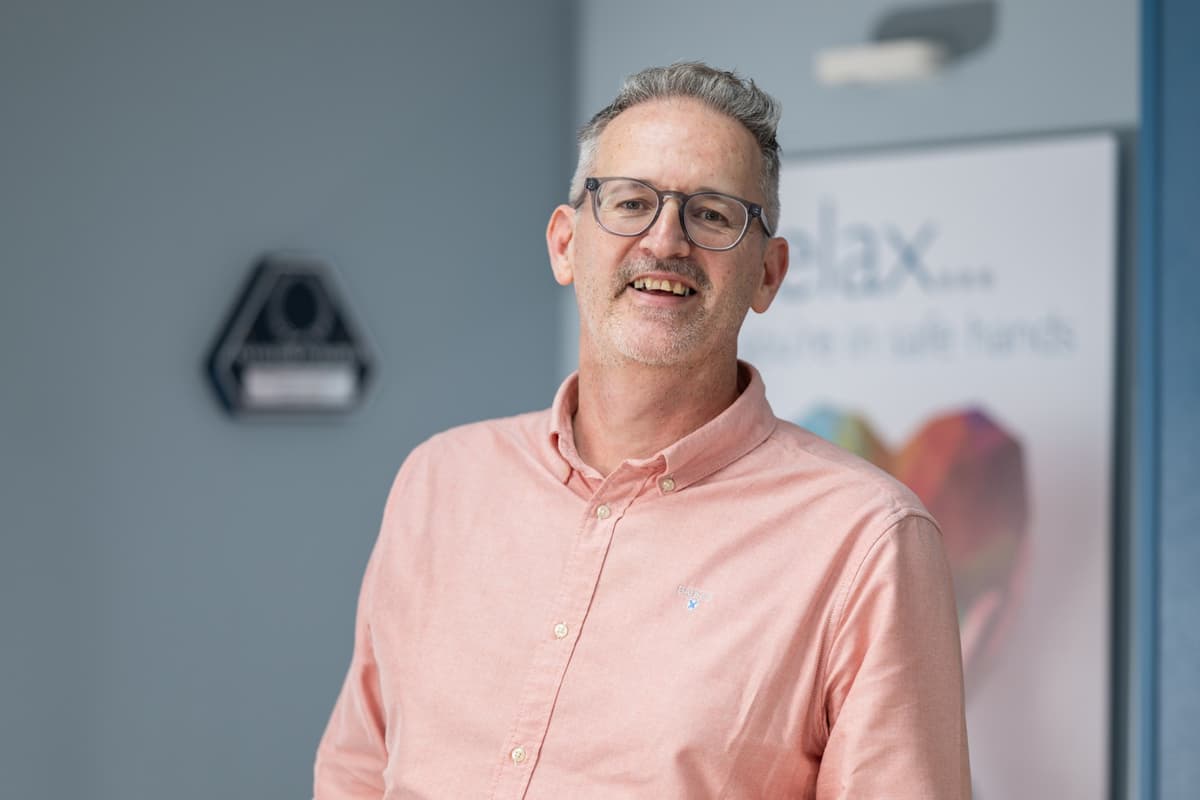
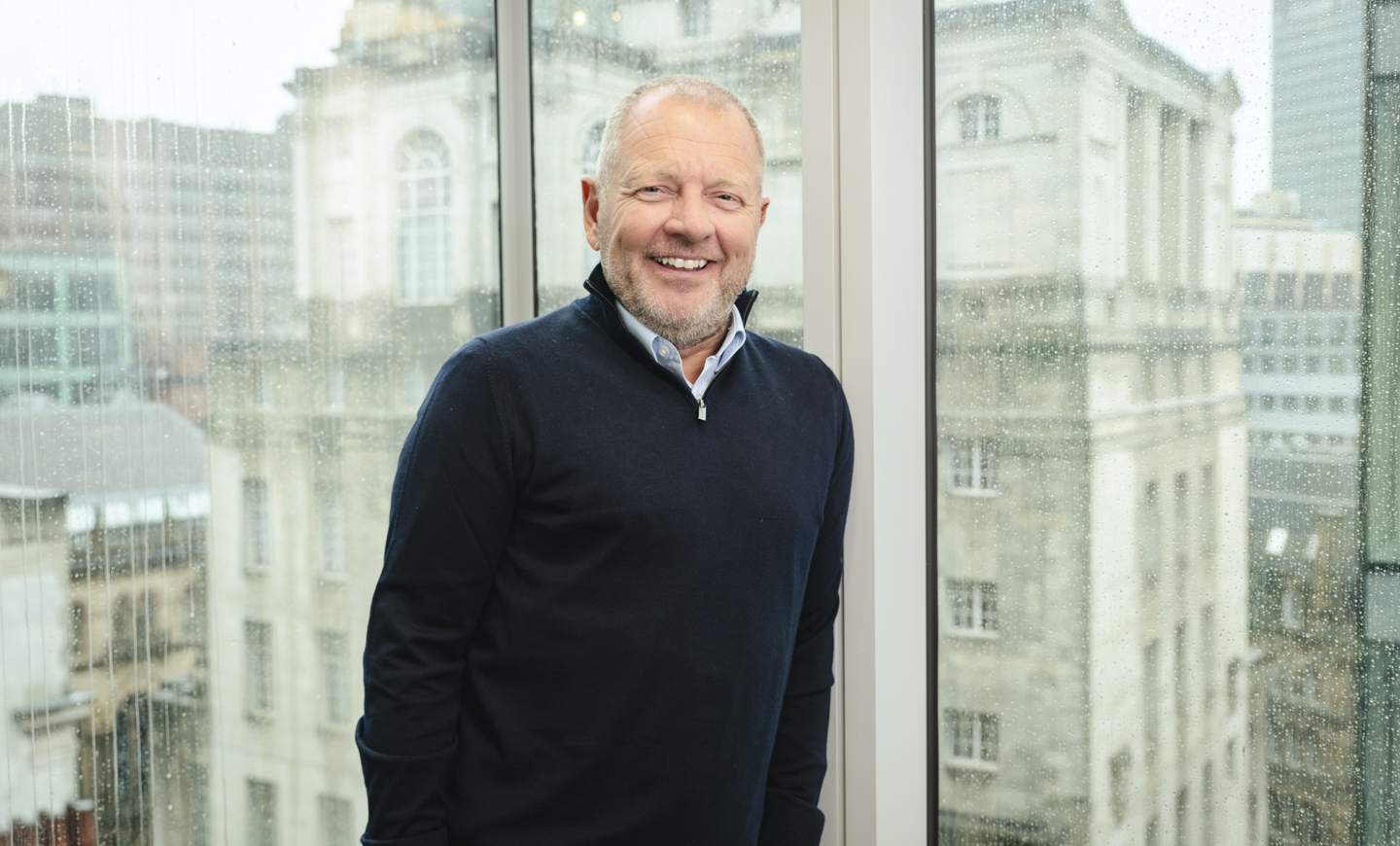
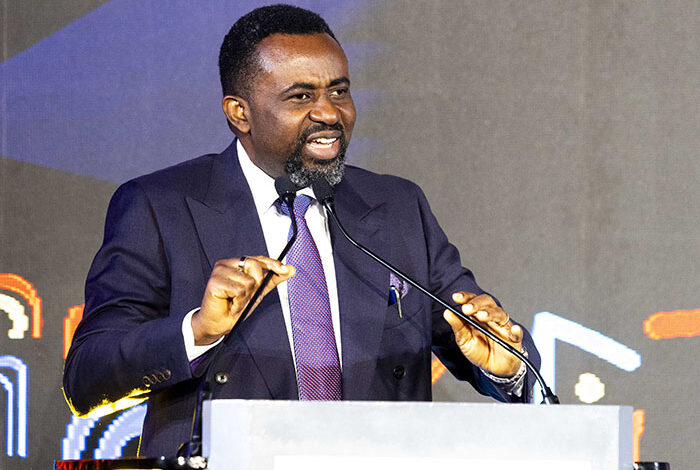
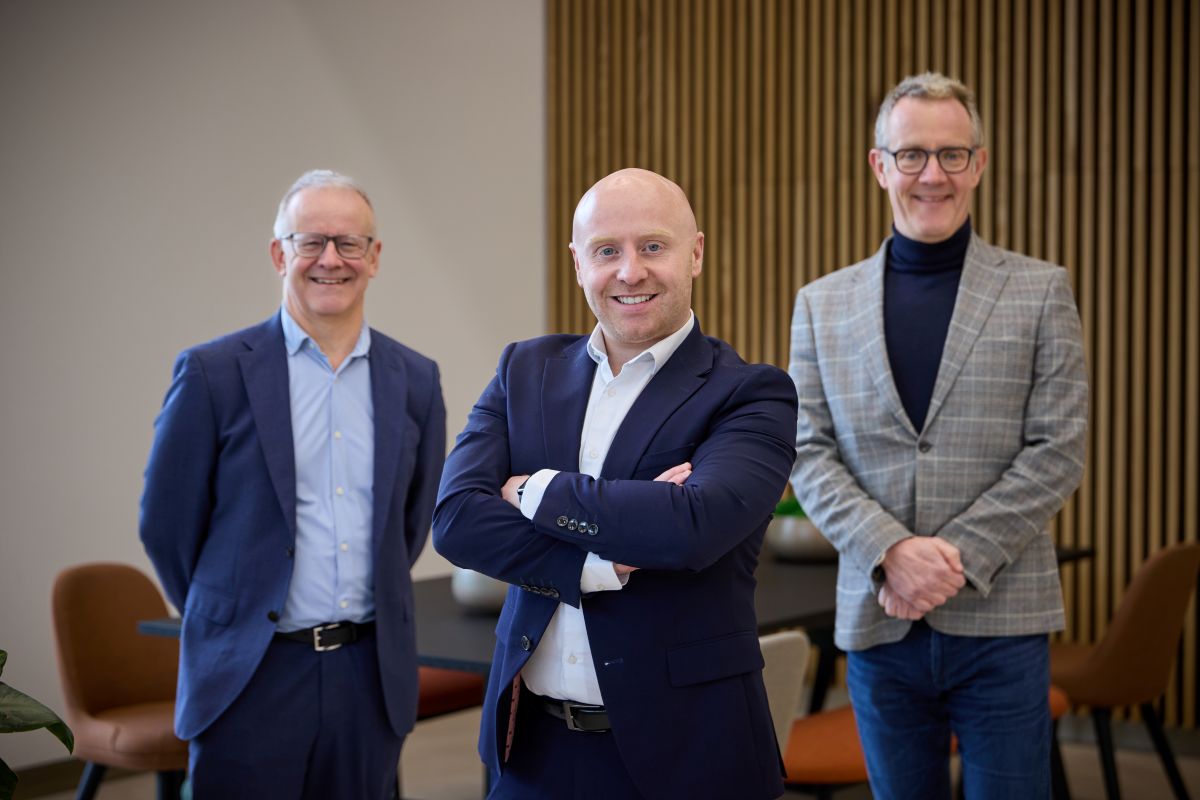
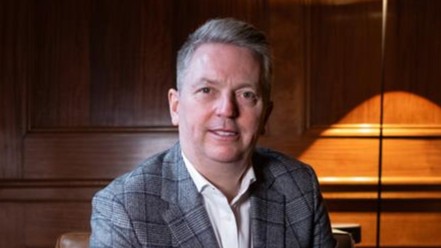
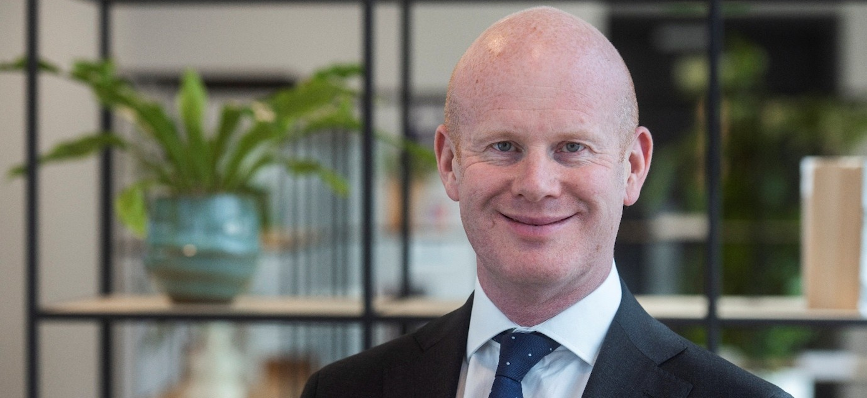
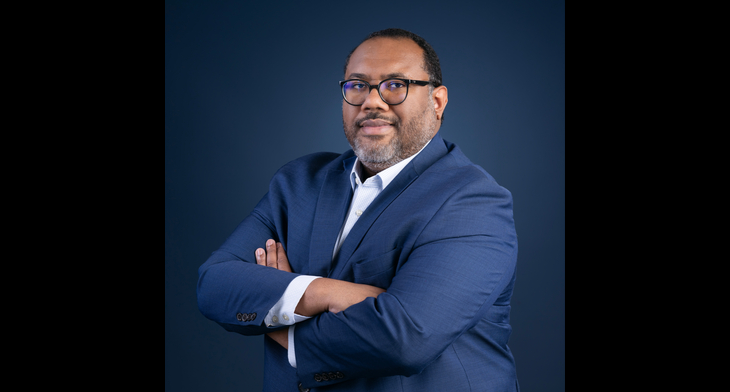
As CFO of one of Britain’s most ambitious clean energy projects, EnergyPathways’ Max Williams has learned that securing capital is only half the job.
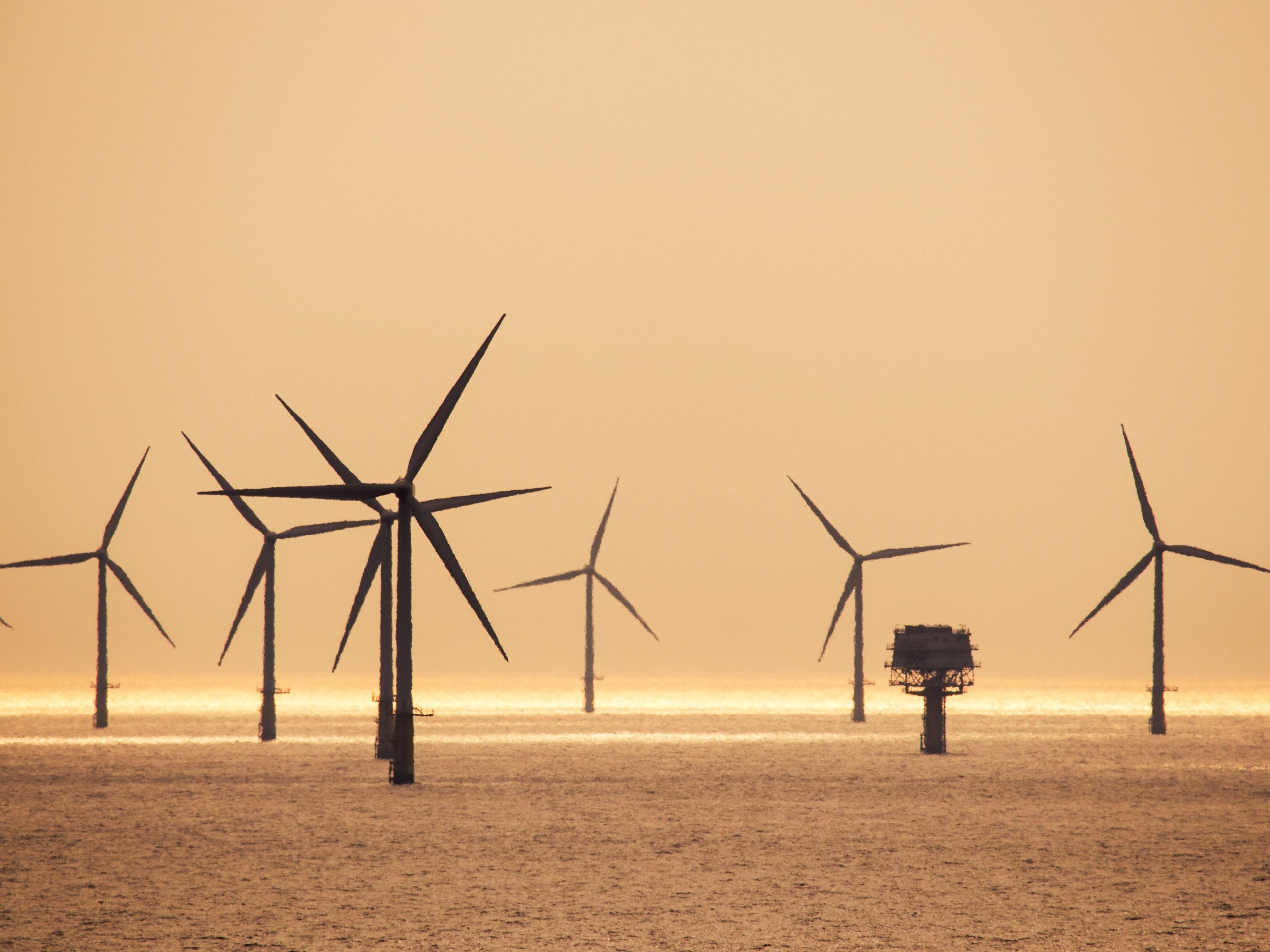
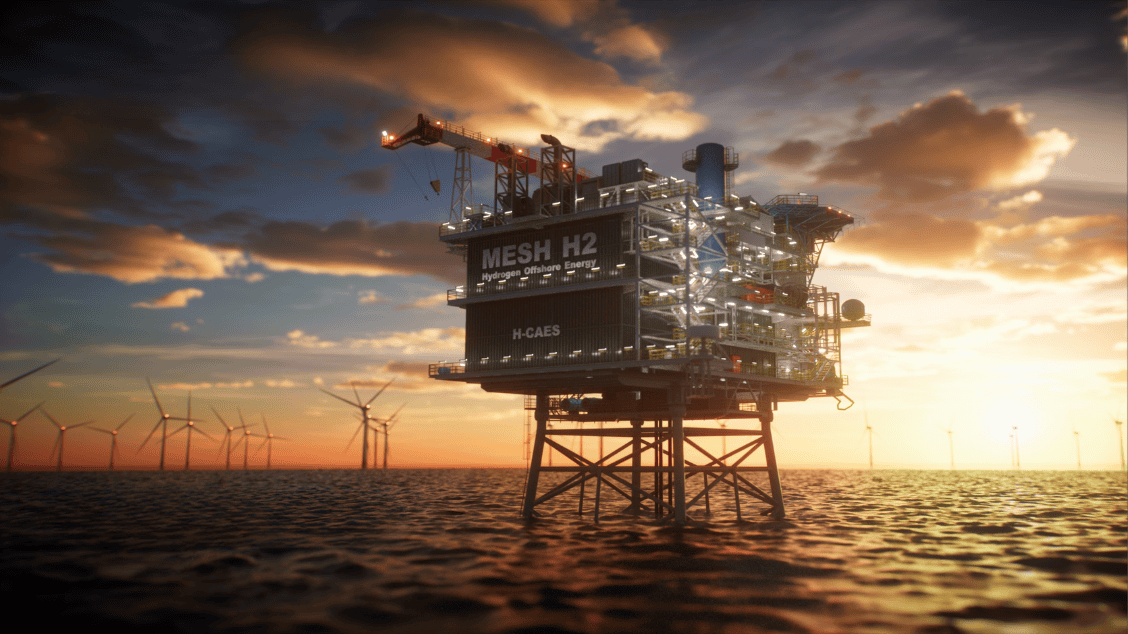
Since joining the firm in April 2025, Williams has been overseeing the finances of MESH, an £800 million offshore hub on the Lancashire coast set to combine long-duration energy storage, gas, and green hydrogen production in a single integrated facility.
With MESH still in the pre-FEED stage, the challenge lies not just in raising capital but in keeping government, institutional investors, and industry partners moving in lockstep toward a Final Investment Decision — and ultimately, execution.
A seasoned Chartered Accountant with three decades in energy and natural resources, Williams spoke with Global Finance about financing a first-of-its-kind project, the politics of clean energy, and what keeps him awake at night.

Global Finance: What is your main achievement leading finance at EnergyPathways (EPP)?
Max Williams: EPP is developing a unique solution for energy storage and supply to support Britain’s energy transition. The project, called Marram Energy Storage Hub (MESH), combines long-duration energy storage (LDES) and gas storage, while also growing hydrogen industries using its offshore storage facilities. The ability to drive the project forward has depended in the early stages on reliable and continuing support from equity shareholders who understand and believe in the company’s focus.
The signing of a financing agreement with a global institutional investor was an important step in the company being able to accelerate its pre-FEED (Pre-Front End Engineering Design) work program on both its LDES and gas storage license elements of its project. Our ongoing engagement with government, industry partners and banks will provide further significant funding to progress the project to and beyond the Final Investment Decision (FID). The company designed the full project to minimize government subsidies.
GF: What is the biggest challenge in funding operations for MESH, an £800 million integrated offshore facility in the UK (near the Lancashire coast)? What is the thing you spend most of your time on?
Williams: The Secretary of State for Energy Security and Net Zero designated the MESH Project to be one of national significance. It is designed to meet clean energy goals and provide employment in the region, engaging with Team Barrow [a public-private partnership that aims to revive this port town in northwestern England] and gaining increasing parliamentary support. The biggest challenge is to ensure that all stakeholders, including government, are aligned and supportive, enabling the company to meet key milestones and secure appropriate capital as the development progresses through FEED to FID and first revenues.
GF: How important is it for you to have a good team, and what defines a good team for you?
Williams: With a new concept project such as MESH, success depends on a strong team across all disciplines, not just the finance team but also the teams overseeing EnergyPathways’ technical and commercial operations. Project delivery is going to be a key discipline in arranging project financing. In the energy transition space, a good team functions efficiently and effectively across disciplines with clear communication around objectives and strategies to achieve them. EPP also benefits by having world-class industry partners, including Siemens, Wood Group, and Costain.
GF: How do you see AI affecting your work?
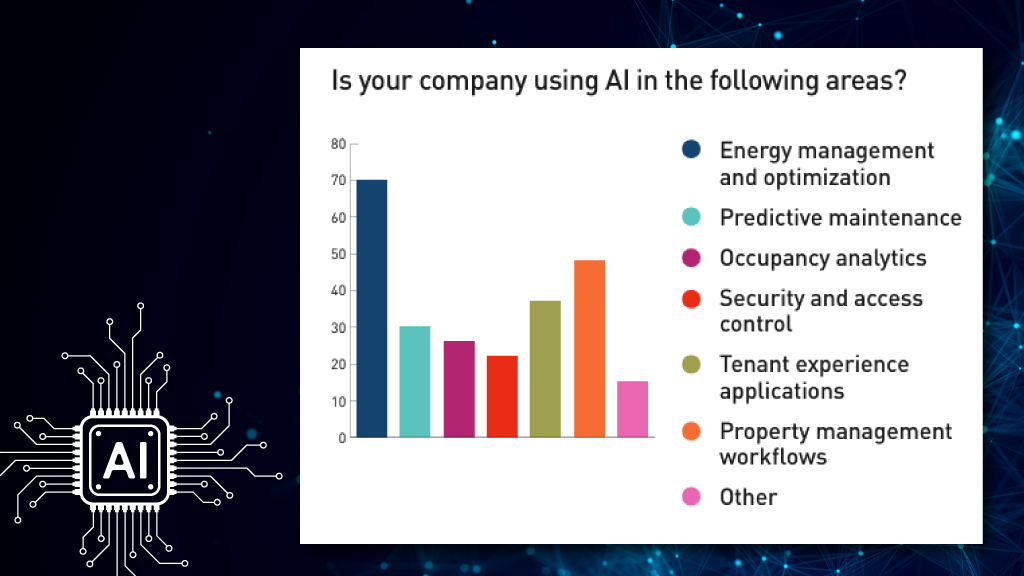
Williams: For a small company with a small team, the use of AI has so far been limited within the accounting function. However, this will develop as the company grows. The company already uses AI to maximize productivity and assist with project design and implementation. An AI energy management system is a key part of our development design, enabling MESH to ensure a reliable and flexible energy supply to Britain’s energy markets.
GF: What advice do you have for aspiring CFOs?
Williams: Being CFO will always put you at the center of reporting, information flow, and decision-making. For EnergyPathways, this means identifying the project’s financing needs and providing suitable, timely solutions to those requirements. In addition, the CFO ensures information transparency for investors and the broader stakeholder community.
GF: What keeps you up at night?
Williams: Matters that are outside the control of the company. For instance, EnergyPathways is developing solutions for energy storage and supply, offering security of supply with a focus on clean energy supply. Development of the MESH project may require changes to government strategy and policy, and macro, global factors may affect policy. The MESH project, though, would benefit the UK’s future energy supply regardless of the polar arguments of clean energy versus exploitation of the North Sea.