- No statutory Rebuilding Sri Lanka Fund exists
- Govt. plans to channel funds through existing public finance mechanisms
Despite receiving more than Rs. 6 billion in donations for Cyclone Ditwah recovery efforts, no disbursements have been made from the Government’s Rebuilding Sri Lanka initiative to date, officials from the National Audit Office (NAO) informed the Committee on Public Finance (COPF) last week.
The officials further revealed that no statutory fund existed under the name Rebuilding Sri Lanka, raising questions over the legal status, transparency, and oversight of the recovery programme.
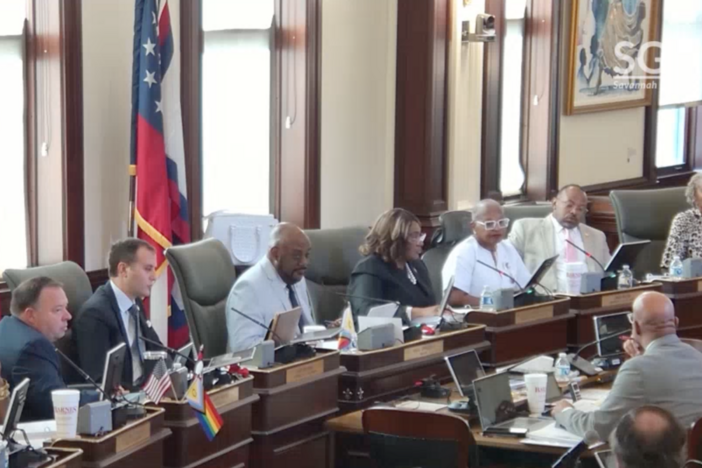
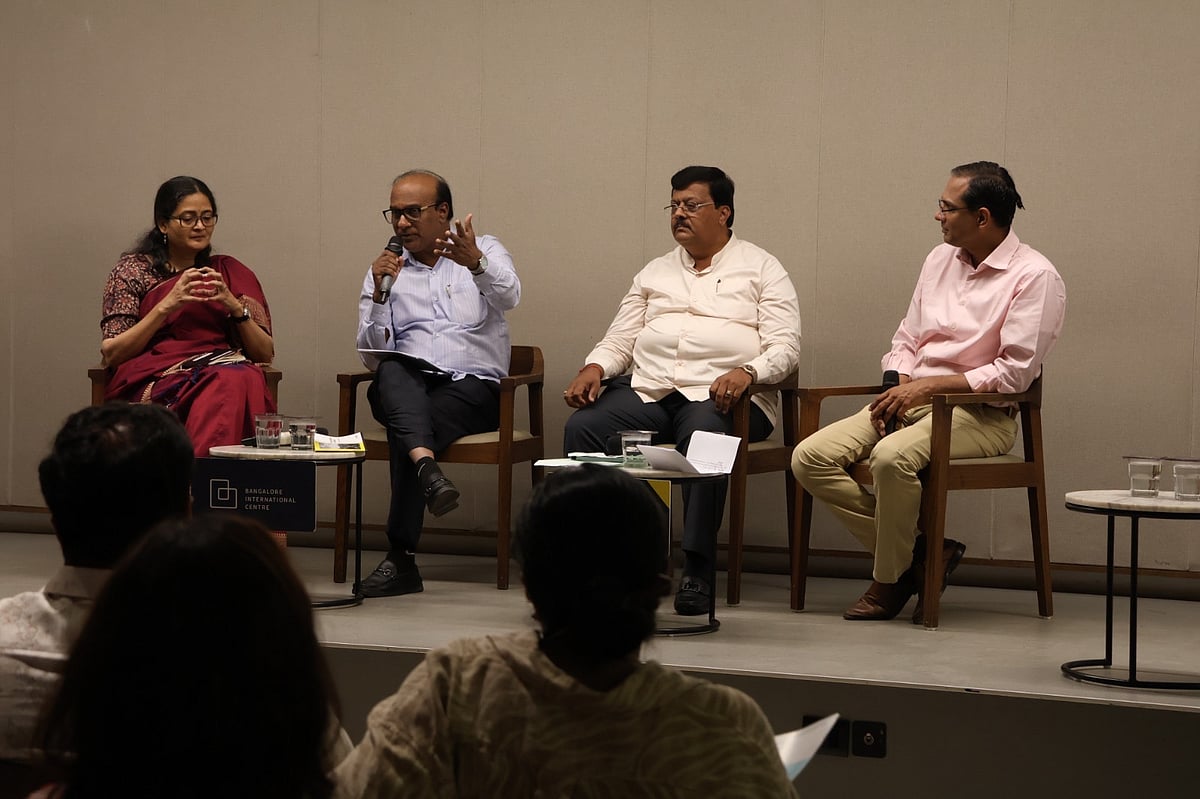
The issue came under scrutiny at last week’s meeting of the COPF, which reviewed the NAO 2026 Annual Programme.
During the discussions, NAO officials informed the committee that no statutory fund currently existed under the name Rebuilding Sri Lanka, despite a Cabinet decision taken in 2025 to establish one under the new Public Financial Management Act.
Instead, officials said donor contributions had been deposited into accounts maintained under the Deputy Secretary to the Treasury and certain Central Bank accounts. Officials attributed the situation to procedural delays. Committee discussions revealed that while a Cabinet paper had been submitted to formally establish the fund, the process had not been completed.
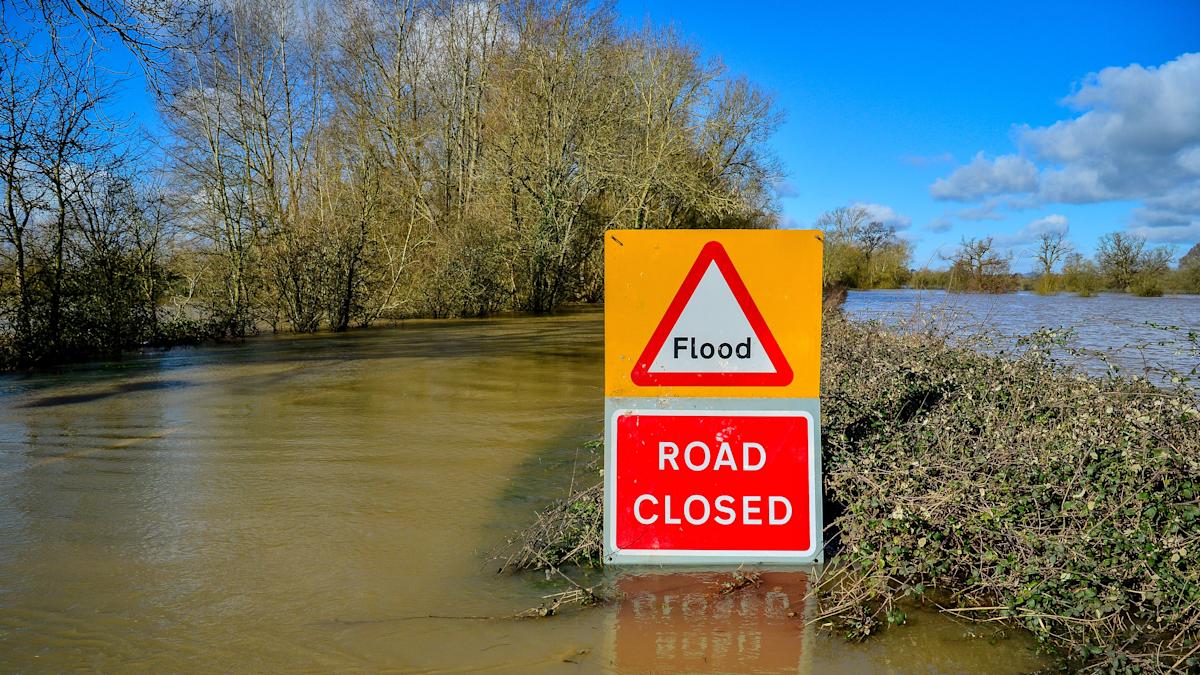
The Rebuilding Sri Lanka initiative was launched following Cyclone Ditwah, which struck Sri Lanka in November 2025 and caused widespread destruction across several districts.
According to figures published on the initiative’s website, the programme had received Rs. 6.16 billion and $ 11.34 million in donations as of 9 April. However, the website does not disclose how the money has been allocated or identify projects funded through the initiative.
Officials further informed the committee that despite the significant inflow of donations, no money had been disbursed from the account to date.
Because the money is being held in Treasury-controlled accounts rather than a dedicated statutory fund, questions were raised regarding the applicable audit framework and whether standard safeguards relating to Anti-Money Laundering (AML), Countering the Financing of Terrorism (CFT), and Know Your Customer (KYC) requirements had been adequately addressed.
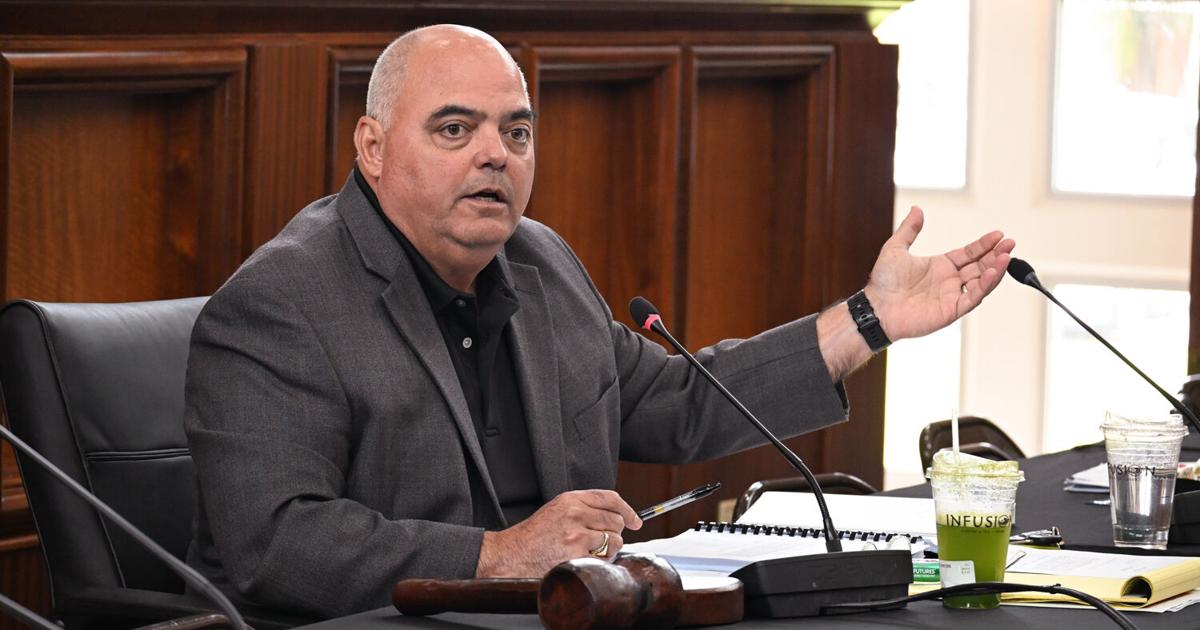
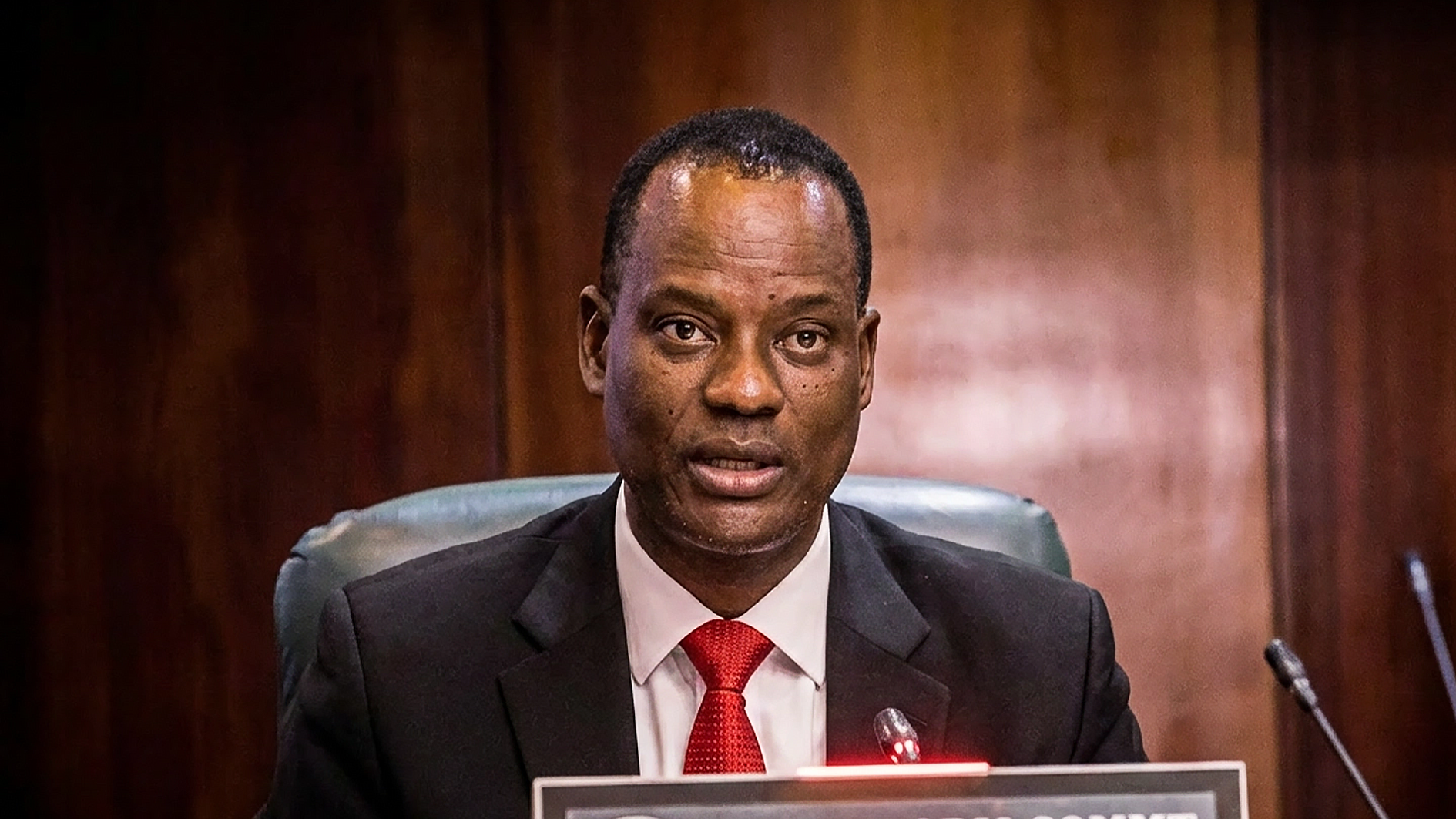
“Who are the donors? How can we know whether AML or CFT requirements have been complied with?” COPF Chairman Dr. Harsha de Silva asked, stressing that the account should be subject to rigorous examination by the Auditor General.
De Silva noted that past controversies surrounding funds such as Helping Hambantota had resulted in stricter requirements for the establishment of public funds, making parliamentary approval and statutory recognition necessary to ensure proper accountability.
Responding to the concerns, Additional Secretary to the President and Ministry of Energy Secretary G.M.R.D. Aponsu, who also serves as Convenor of Rebuilding Sri Lanka, defended the current arrangement, arguing that a separate legal entity had been ultimately deemed unnecessary.
Speaking to The Sunday Morning, Aponsu said the initiative was never intended to function as a conventional statutory fund once the Government reassessed the anticipated level of contributions.
“The fund has not been established through a separate act, but it is neither legal nor illegal. We are using Deputy Secretary to the Treasury accounts specifically to collect funds for recovery activities,” he said.
“If the fund were to operate under a specific law, Parliament would have to approve an act. During the process we realised there was no practical need for a separate fund. Initially, we wanted a separate entity because it would allow different procurement procedures, but the expected level of direct contributions did not justify such a structure.”
Aponsu explained that the Government had anticipated receiving assistance from international donor agencies, foreign governments, Sri Lankan expatriates, and private contributors. However, major donor funding was expected to flow directly into the Treasury’s consolidated funding mechanisms rather than through a dedicated disaster recovery fund.
He noted that estimated recovery needs following Cyclone Ditwah exceeded $ 4 billion, while direct contributions expected through the Rebuilding Sri Lanka initiative represented only a fraction of that amount.
“When we looked at international experience, voluntary donations generally amounted to only 5–10% of total recovery requirements. While the money collected is significant, it did not justify creating a separate statutory institution. We currently have approximately Rs. 11–12 billion available. We are linking those funds to projects ranging from Rs. 2 million to Rs. 100 million each. We expect to implement around 300–400 small reconstruction projects using these funds,” he said.
He also rejected suggestions that the initiative lacked oversight, noting that the accounts remained specifically earmarked for disaster recovery activities and continued to be monitored through existing public finance mechanisms.