Australian superannuation funds are grappling with increasingly complex investment portfolios, heightened liquidity demands and growing reliance on data and technology as they expand allocations to private markets, according to new research from Northern Trust.
The firm’s latest global asset owner survey, which included responses from Australian super funds and other institutional investors, found private markets have become a core component of portfolio construction.
Every Australian respondent reported investing in private markets, although half identified operational complexity, liquidity concerns and valuation transparency as key challenges associated with those investments.
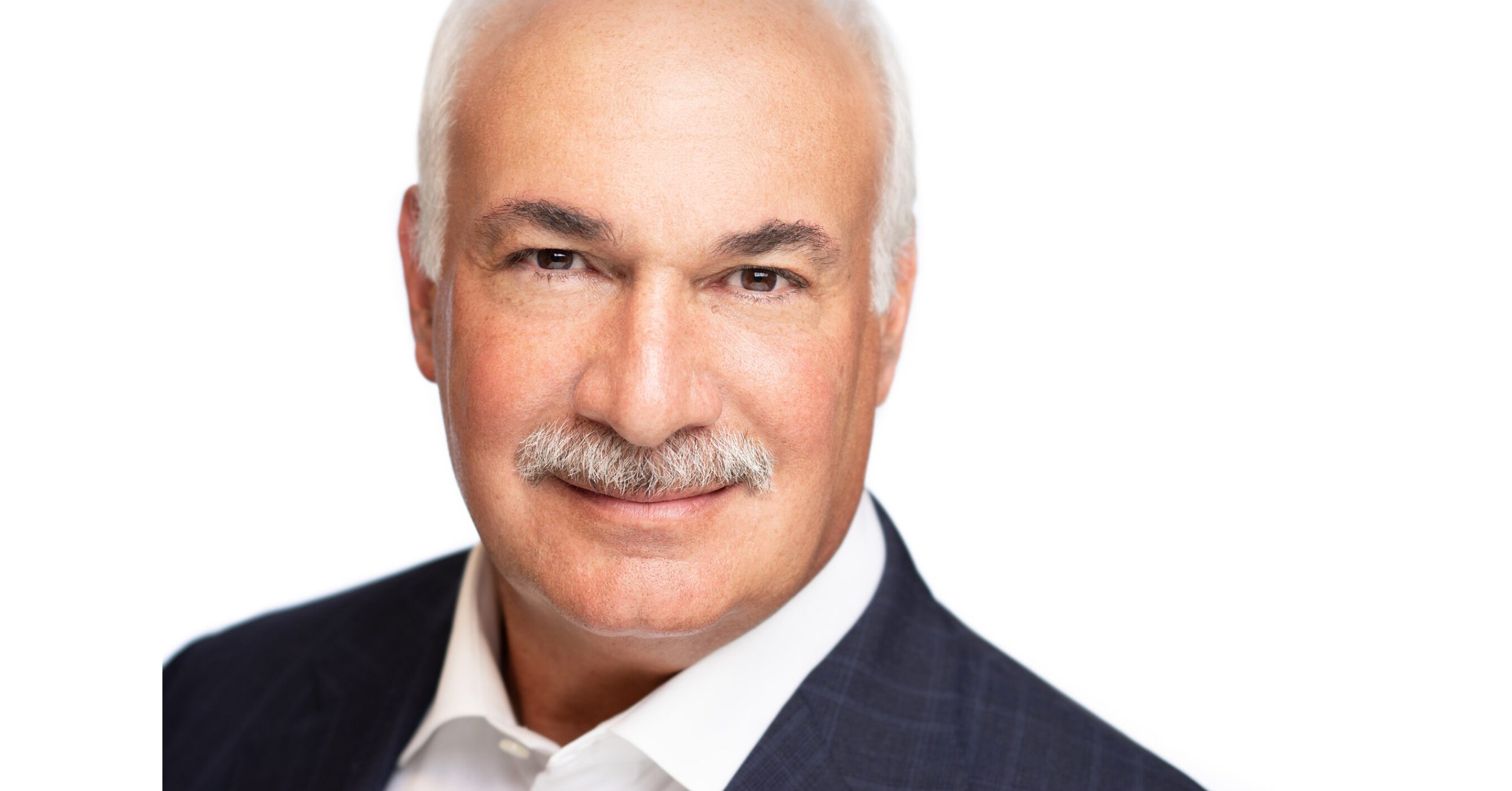
Speaking to Super Review, Northern Trust head of Australia and New Zealand Leon Stavrou said the sophistication of super fund investment strategies is creating greater demands on operating models and infrastructure.
“For Australian super funds specifically, increasingly sophisticated investment strategies demand operating models that can scale. Front office decision making now relies on timely, accurate data across liquidity, positions, and risk, placing greater pressure on the infrastructure supporting large, long horizon portfolios.”
The survey found Australian asset owners maintain a target allocation of 29 per cent to equities, while liquidity is becoming an increasingly important consideration.
Half of respondents said liquidity had become more important to their investment strategy during 2026, driven primarily by the interest rate environment, cited by 60 per cent, followed by higher returns, banking counterparty risk, liability-driven investing and board policy changes to liquidity targets, each nominated by 40 per cent.
Reflecting that trend, 80 per cent of respondents have implemented systemised tracking of liquidity terms in alternative investments, while 70 per cent ranked liquidity risk metrics among their top three investment risk measures.
Stavrou said liquidity management is becoming a strategic portfolio issue for super funds rather than a standalone operational concern.
“Particularly superannuation funds, they’re only increasing their exposure to international investments, and what that tends to mean is larger hedging positions, and if you’ve got larger hedging positions, you have greater requirements around collateral,” he said.
“How you manage your liquidity around collateral alongside your private market exposures, and then factoring in as a superannuation fund, your demographics of your members as they get older, closer to retirement, having to fund those redemptions, switching behavior between options, it becomes a strategic decision to manage your liquidity across assets, liabilities, and your investment strategy.”
Risk management complexity emerged as the most significant internal investment challenge, identified by 70 per cent of respondents. Optimising asset allocation strategies was cited by 50 per cent, while 40 per cent pointed to finding efficiencies to reduce manual processes.
Interest rate changes ranked as the leading external challenge for 70 per cent of respondents, ahead of domestic political instability at 60 per cent and geopolitical instability at 50 per cent.
According to Stavrou, funds are increasingly focused on understanding how multiple risks interact and compound one another.
“I think that it’s not just thinking about what your emerging risks are in your portfolio and just as an investor, but what are the converging risks,” he said.
“The convergence of risks around the use of AI and cyber security, the convergence of risks around geopolitical tensions and market volatility.”
He said liquidity risk, valuation risk and hidden portfolio concentrations were among the key concerns facing institutional investors, particularly where public and private market exposures are analysed separately.
Data management also featured prominently in the findings with 60 per cent of respondents ranked both data accuracy and integrating data from multiple sources among their top three operational concerns, while half reported increasing technology adoption and half were bringing more investment operations in-house to improve efficiency.
A further 60 per cent indicated they were likely to increase spending on portfolio management systems and cash and liquidity management technology.
“There’s no shortcuts here. I think that having good quality data, having access to that data, understanding the lineage of the data, where it comes from, and understanding the dictionary of the data, like what it actually represents, is critical,” Stavrou said.
“The analytics that sit behind it, and the speed to which you can get that information to make those decisions could have a material impact on how you invest and the end result.”
Artificial intelligence emerged as another major theme. Seventy per cent of respondents ranked harnessing AI among their top three internal operational challenges, matching the proportion that identified attracting and retaining talent as a key concern.
The survey found 70 per cent of asset owners are already deploying AI through general-purpose tools such as Microsoft Copilot and ChatGPT, while only 10 per cent reported not using AI at all.
Operational due diligence was identified as the area most likely to benefit from AI by 60 per cent of respondents, followed by document management and alternative investment processing, and research activities such as summarising reports and parsing materials, both at 50 per cent.
Digital assets also gained traction among institutional investors with 40 per cent of respondents stating they invest directly or indirectly in digital assets, with most exposures valued between US$10 million and US$50 million.
ETFs linked to digital asset strategies and blockchain infrastructure investments were the most common forms of exposure, each used by 75 per cent of digital asset investors.
Among those not investing, perceived volatility and risk was the leading deterrent at 67 per cent, followed by regulatory uncertainty and compliance concerns, and a lack of expertise, both cited by 50 per cent.
“I was a little surprised, actually, by the number of respondents that said that they had digital assets in their portfolio,” Stavrou said.
“I think that this is an area where we are seeing a lot of interest, particularly in tokenization and real-world assets, tokenization of collateral and money market funds.”
The survey also highlighted rising expectations of service providers, with 50 per cent of respondents identifying expertise, breadth of services and the ability to handle complex investment structures among their top selection criteria. Best-in-class technology was cited by 40 per cent.
Stavrou said the increasing complexity of institutional portfolios is reshaping what funds expect from their external partners.
“You really need a service provider that can be a partner with you along the way there,” he said.
“A lot of the operational processes that we support our clients in are going to be disrupted by technology, and we need to be at the forefront of that to support them, so that they’re able to get benefits from that as well.”