This article first appeared in Miner Weekly, a weekly newsletter by BlocksBridge Consulting, curating the latest news in energy, bitcoin, and AI compute from TheEnergyMag. Subscribe to receive it in your inbox once a week.

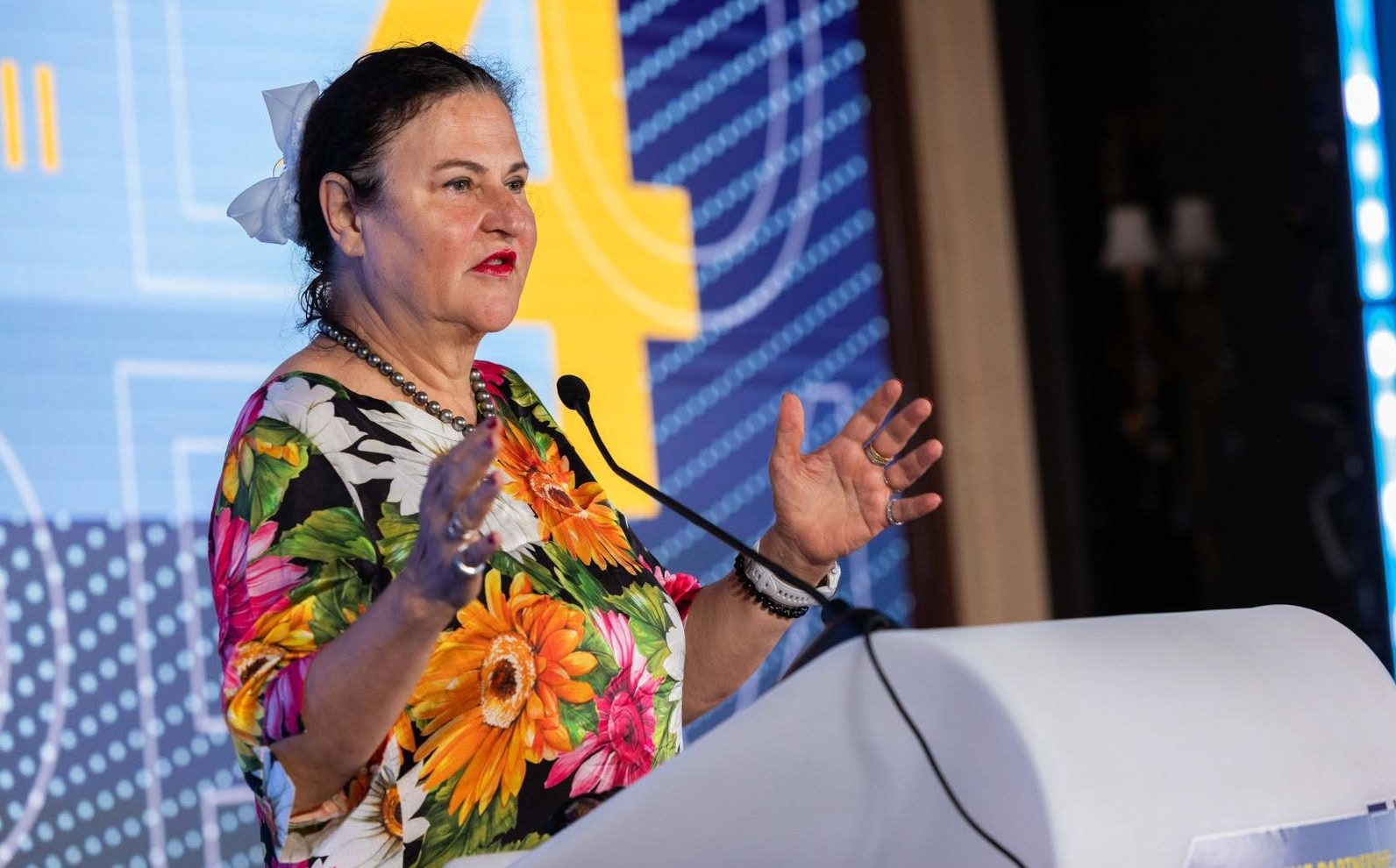
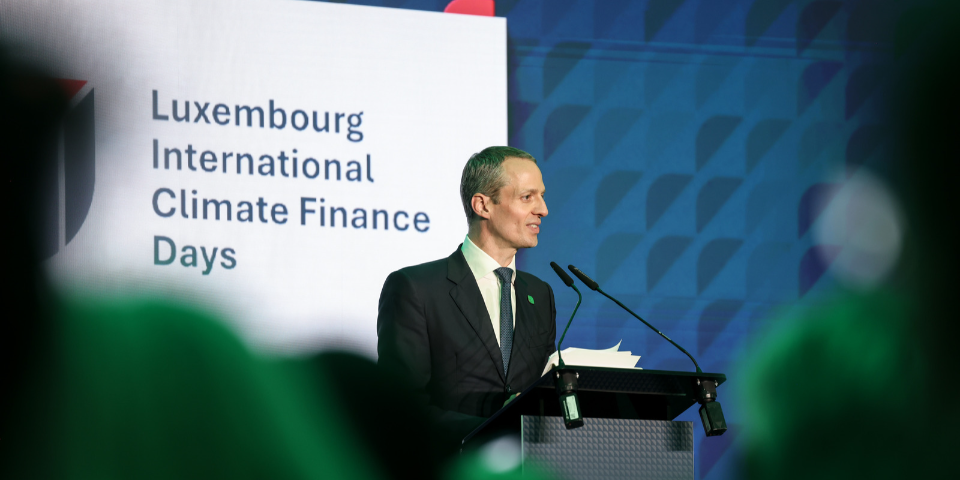
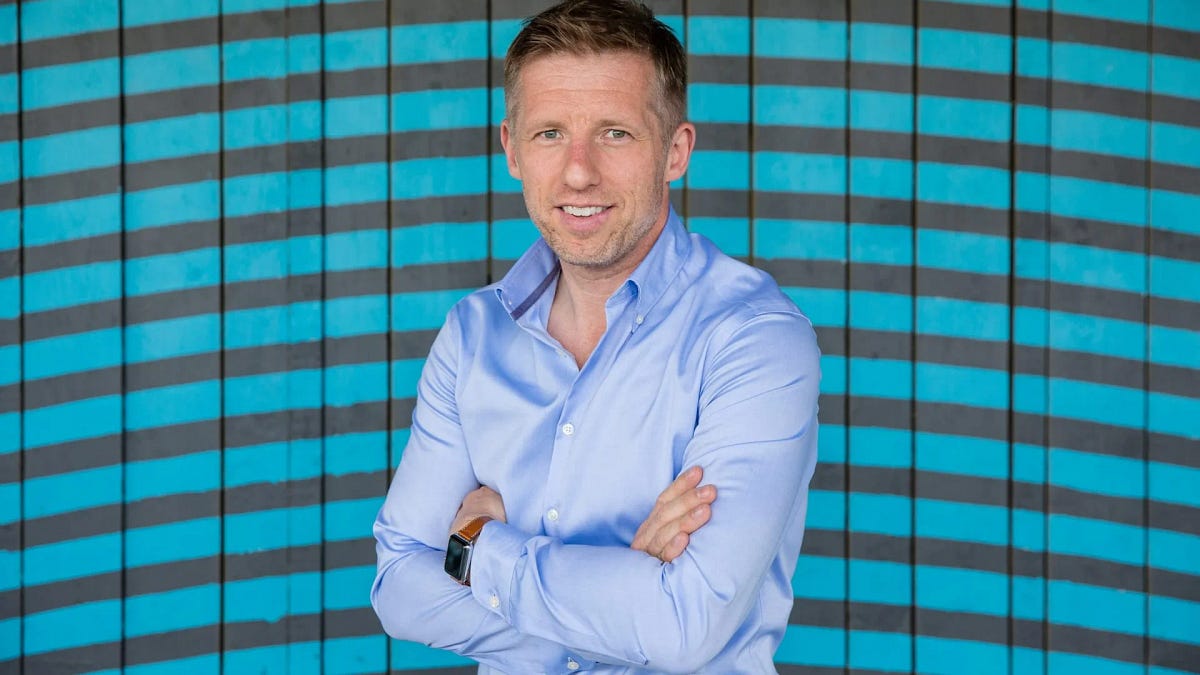
Today’s featured EIF speaker: Spencer Yang, Managing Partner of BlockSpaceForce, a frontier tech venture studio and fund backing companies across bitcoin infrastructure, AI agents, and emerging technologies. He previously held senior product and growth roles at Coinbase Wallet, CoinMarketCap, and Cobo, co-founded Fractal Bitcoin, and advises or invests in teams including SatLayer, UniSat, 42.space, Monad, Babylon, and Apriori.
Energy Investors Forum is a high-signal, curated conference convening leaders across energy, compute infrastructure, and capital to map the next decade of power and data center buildout.
Get your tickets today and use code MNRW30 for 30% off exclusively for Miner Weekly subscribers.
For a brief stretch this year, the market seemed willing to believe that every megawatt with a fence around it could become an AI factory.
Bitcoin miners no longer needed to talk only about hashprice, fleet efficiency or the next difficulty adjustment. They could talk about campuses, lease terms, hyperscalers, neoclouds, inference workloads and “critical IT load.” The same substations that once fed racks of ASICs were reintroduced to investors as scarce energy gateways into the artificial intelligence boom. In a power-constrained market, that story worked.
It worked so well that a new question is starting to matter: who got liquidity while the story was working?
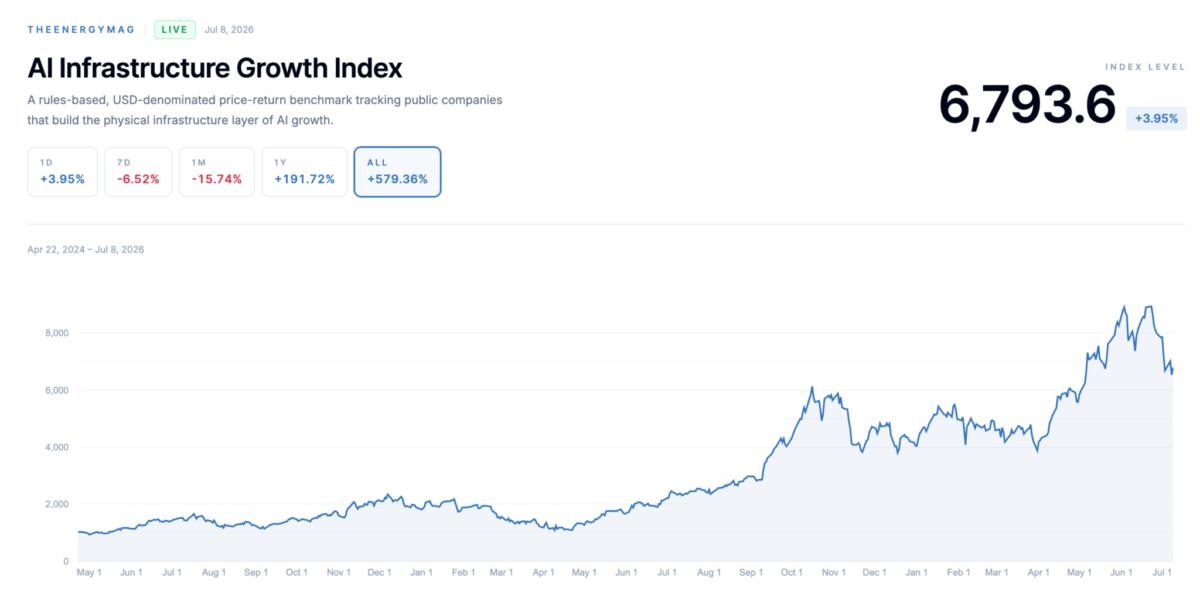
That question is moving to the foreground as the TEM AI Infrastructure Growth Index, a basket tracking bitcoin miners, neoclouds, power suppliers and other companies tied to the physical build-out of AI infrastructure, has fallen 16% over the past month. The pullback does not erase the long-term argument for energy-backed compute. Nor does it suggest that recent insider sales or shareholder trims were improper. Many of the transactions were disclosed as prearranged trades under Rule 10b5-1 plans, which are designed to let insiders sell stock according to instructions set in advance.
But market optics change quickly. A planned sale during a rally can look routine. A planned sale followed by a sectorwide drawdown starts to look like a liquidity window.

The recent tape has given investors several examples to digest. Core Scientific (NASDAQ: CORZ)’s legal chief sold shares as the company’s AI data center narrative helped lift the stock. Riot Platforms (NASDAQ: RIOT)’ chief executive disclosed a prearranged sale after the miner’s stock rebounded. Tether trimmed Bitdeer (NASDAQ: BTDR) exposure after buying during an earlier selloff and selling into a recovery. TeraWulf (NASDAQ: WULF) disclosed a new batch of share sales by its chief shortly before one of the most consequential AI lease announcements in the sector.
And at IREN, the controversy is less about insiders selling than about insiders being paid. The company’s board approved more than 18 million restricted stock units for its co-founder co-CEOs, adding a governance and dilution debate to a stock that had become one of the most visible winners of the miner-to-AI pivot.
Together, these episodes mark a shift in the AI infrastructure trade. Investors are no longer only asking which companies have power. They are asking who captures the economics, who absorbs the dilution, who keeps upside exposure and who monetized the rerating before the trade cooled.
TeraWulf Enters the Spotlight
TeraWulf offers the most vivid case study because the company remains one of the sector’s clearest AI-infrastructure rerating stories.
On June 29, Beowulf E&D Holdings, an entity managed by TeraWulf Chairman and Chief Executive Officer Paul Prager, disclosed a sale of 275,000 TeraWulf shares at a weighted average price of $26.596 per share, generating about $7.3 million in gross proceeds. The sale came one week before TeraWulf announced its 20-year AI infrastructure lease with Anthropic.
That June transaction was part of a broader run of disclosed sales by Prager and Beowulf E&D Holdings since late March. In total, Prager and the entity he manages sold about 1.59 million TeraWulf shares for roughly $32.7 million in gross proceeds, implying a weighted average sale price of about $20.55 per share.
Then on July 6, TeraWulf announced a 20-year lease with Anthropic at its Justified Data campus in Hawesville, Kentucky. The lease is expected to generate about $19 billion of contracted revenue over its initial term and support about 401 MW of critical IT load. TeraWulf also agreed to sell its 50.1% interest in the Abernathy joint venture to a Fluidstack-led investor group, monetizing an investment valued at about $450 million and giving the company capital to redeploy into wholly owned AI infrastructure projects.
That is the sort of transaction investors have been waiting for from power-rich miners: a long-term AI customer, a large contracted revenue figure and an argument that legacy mining infrastructure can be upgraded into a higher-multiple asset base.
It is also the kind of moment that makes insider liquidity worth watching.
Cipher, Riot and Core Scientific Show the Same Pattern
Cipher Digital (NASDAQ: CIFR) adds the most recent example to the liquidity-window theme.
On July 8, Cipher CEO Tyler Page filed to sell 112,500 CIFR shares with a market value of about $2.38 million, implying an average price of $21.19. The sale was tied to a Rule 10b5-1 trading plan adopted on Dec. 19, 2025. Cipher previously disclosed that Page’s plan covered potential sales of up to 1.5 million shares through Dec. 24, 2026. The 112,500-share notice was 7.5% of the total 1.5 million-share ceiling under the plan.
Riot Platforms had its own version of the story. In May, CEO Jason Les sold 175,000 shares valued at about $4.2 million under a Rule 10b5-1 plan adopted in August 2025. On June 22, he sold another 250,000 shares with a market value of $7.03 million.
Core Scientific has been another focal point for the AI-mining crossover trade. The company emerged from bankruptcy in 2024 and has since repositioned itself around high-density colocation and AI infrastructure, while continuing to report a decline in self-mining revenue.
Core Scientific’s chief legal and administrative officer Todd DuChene filed on July 6 to sell 140,000 shares with a market value of $3.0 million. The planned sale followed 12 prior 10,000-share disposals since April 13, bringing disclosed sales under the plan to about 260,000 shares and $5.9 million in gross proceeds.
These are important caveats. Rule 10b5-1 refers to prearranged trading plans designed to separate insider transactions from later corporate developments, and sales by executives with large equity holdings can reflect diversification, taxes or personal liquidity rather than a negative view of the company. It is not a confession of bearishness. Executives with large stock-heavy compensation packages often sell even when they remain optimistic about a company.
But public markets do not only process legality. They process alignment. When executives sell after a stock has rerated on AI expectations, and the sector then pulls back, investors start asking whether the balance of risk and reward has shifted from insiders to the public float.
The liquidity-window theme is not limited to executives.
Tether’s recent Bitdeer transactions show how strategic holders also used the AI-mining rebound to reduce exposure. As TheEnergyMag reported, Tether trimmed its Bitdeer positions at an average price of around $20 in early June, after buying into Bitdeer for $8.85 apiece during a market selloff earlier this year. While Tether remained one of Bitdeer’s largest shareholders, the trade still fits the pattern: buy into weakness, trim into the AI rerating, and retain a large enough position to keep participating if the story continues.
IREN Adds the Governance Layer
IREN brings a different but related issue into focus.
The company has become one of the most closely watched AI infrastructure names after moving beyond bitcoin mining and pursuing large-scale AI cloud and data center opportunities. But its latest compensation disclosure triggered a backlash among some retail investors and market commentators.
On June 30, IREN’s board approved grants of 9,099,328 restricted stock units each to co-CEOs William Roberts and Daniel Roberts. The awards are subject to a combined six-year vesting and holding period. The company said neither co-CEO will receive another equity incentive grant until fiscal 2031, and that the awards were designed to retain and incentivize the executives through IREN’s next phase of growth.
That explanation did not quiet the debate. Critics focused on the size of the package, its dilution and the fact that the company is still in the middle of proving that its AI infrastructure strategy can generate durable returns. IREN shares fell sharply as governance concerns met a broader selloff in AI-related stocks.
The IREN episode is not an insider-sale story. It is arguably more important: a debate over how much of the AI infrastructure upside founders and executives should receive before the business model has fully matured.
This is where the AI infrastructure trade begins to resemble other capital-intensive booms. The first phase of the rally was about scarcity. The next phase is about governance, capital discipline and execution. In that phase, disclosed insider sales, strategic-holder trims and large founder equity grants become part of the same story. They tell investors where the private incentives sit inside a public-market boom.
Hardware and Infrastructure News
- TeraWulf Surges on $19 Billion Anthropic AI Lease, $450 Million Fluidstack JV Exit
- Bitzero Secures 33-Hectare Land Reservation in Finland for 60MW Data Center
- Galaxy Digital Completes Phase I of Helios Data Center, Delivers 133 MW to CoreWeave (NASDAQ: CRWV)
- Bitdeer Breaks Ground on Nevada Factory Despite Bitcoin Hashprice Squeeze
- MARA Buys Texas Site for AI, Bitcoin Mining in Deal Worth Up to $600M
Corporate News
- Keel Hires Digital Realty Veteran Ganesh Aiyer to Drive AI Infrastructure Growth
- Nscale, Nordkraft Form Venture to Run Narvik AI Data Center
Financial News
- Crusoe Reportedly in Talks to Raise $3 Billion at About $30 Billion Valuation
- Core Scientific Legal Chief Sells $5.9 Million Amid AI Rally Boost
- Nscale Secures $900 Million Credit Line to Fund AI Data Center Expansion
- Cipher CEO Files to Sell $2.4M of Stock as AI Rally Triggers Trading Plan
Feature
- EIF Speaker Series: “Bitcoin Is Becoming Increasingly Boring” with Lisa Hough
- This $13 Billion Georgia Family Is Helping Electrify Data Centers – Forbes