
Total private equity investment in the North West rose marginally in the first half of this year, according to KPMG UK’s private equity pulse.
The mid-year study into private equity deal activity found that private equity interest in the region increased by 3 per cent compared to H1 2025, with 102 deals completed.
However, private equity exits in the region decreased dramatically in H1 2026, with just eight transactions completed, a near 43 per cent fall compared to H1 2025 (14 vs 8).
The findings were said to reflect a backdrop of economic uncertainty, influenced by ongoing geopolitical developments and concerns surrounding the wider impact of AI across many sectors.
Bolt-ons remained the largest component of private equity activity across the North West, with 71 deals completed, making up nearly 70 per cent of all deals.
Minority stake deals, buyouts and leveraged buyouts were the joint second largest type with 13 such deals respectively completed across the period.
Investment in the region accounted for 11.5 per cent of the total new PE backing in the UK.
Deal activity by volume increased across five UK regions in the first half of 2026 – the South East, South West & Wales, North West, Yorkshire and the North East – compared with the first half of 2025.
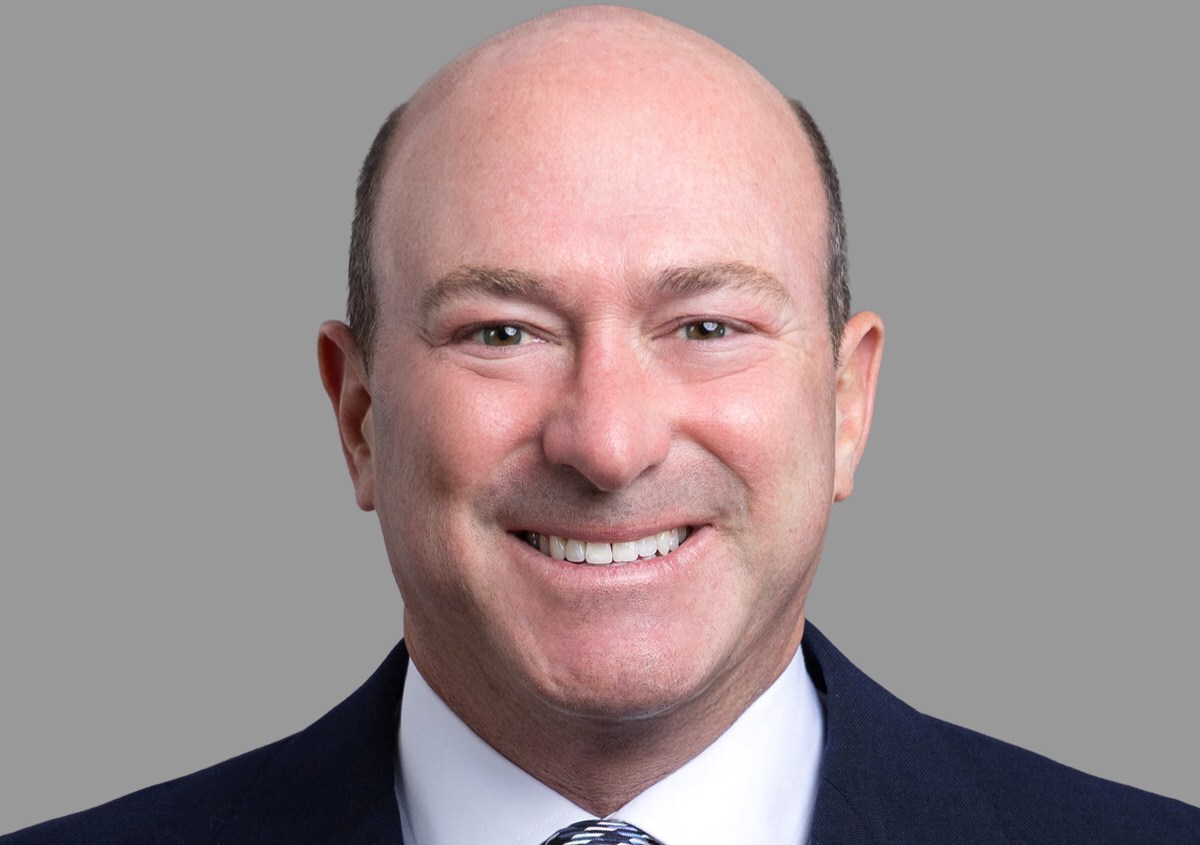
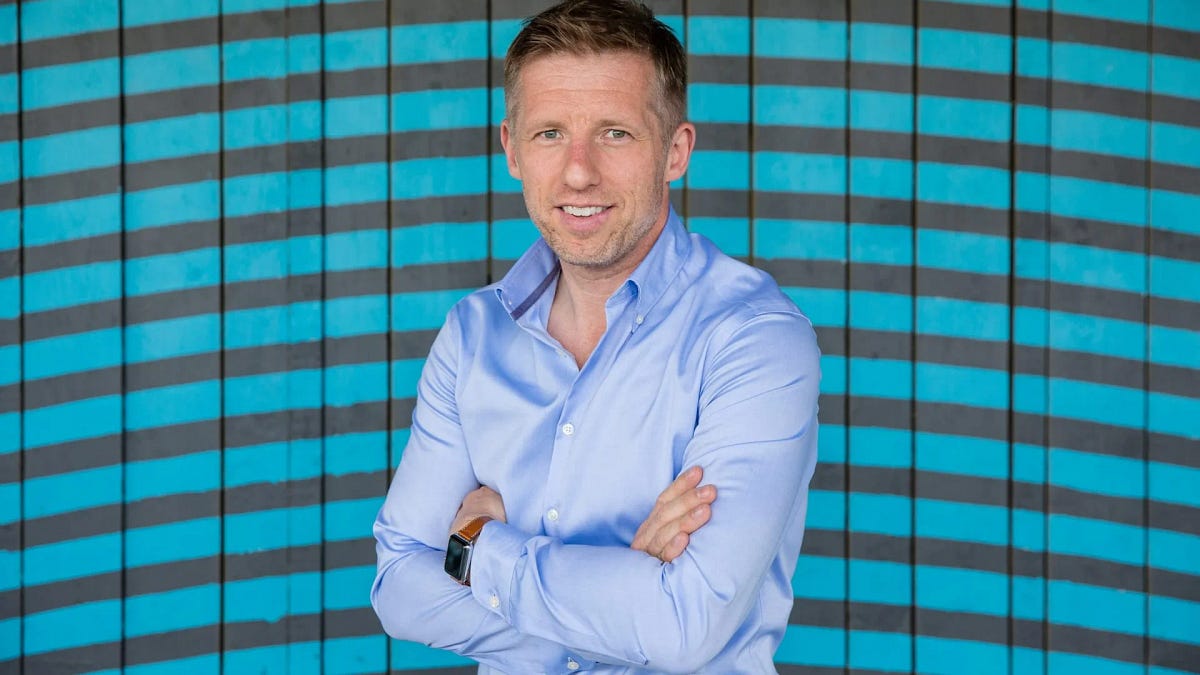
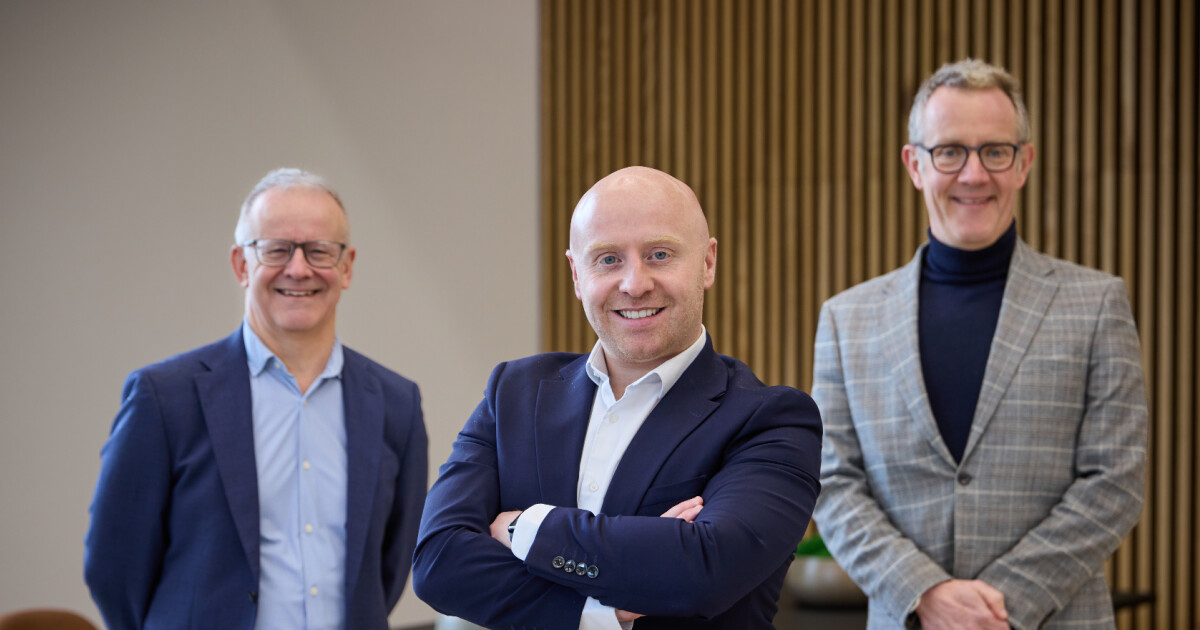
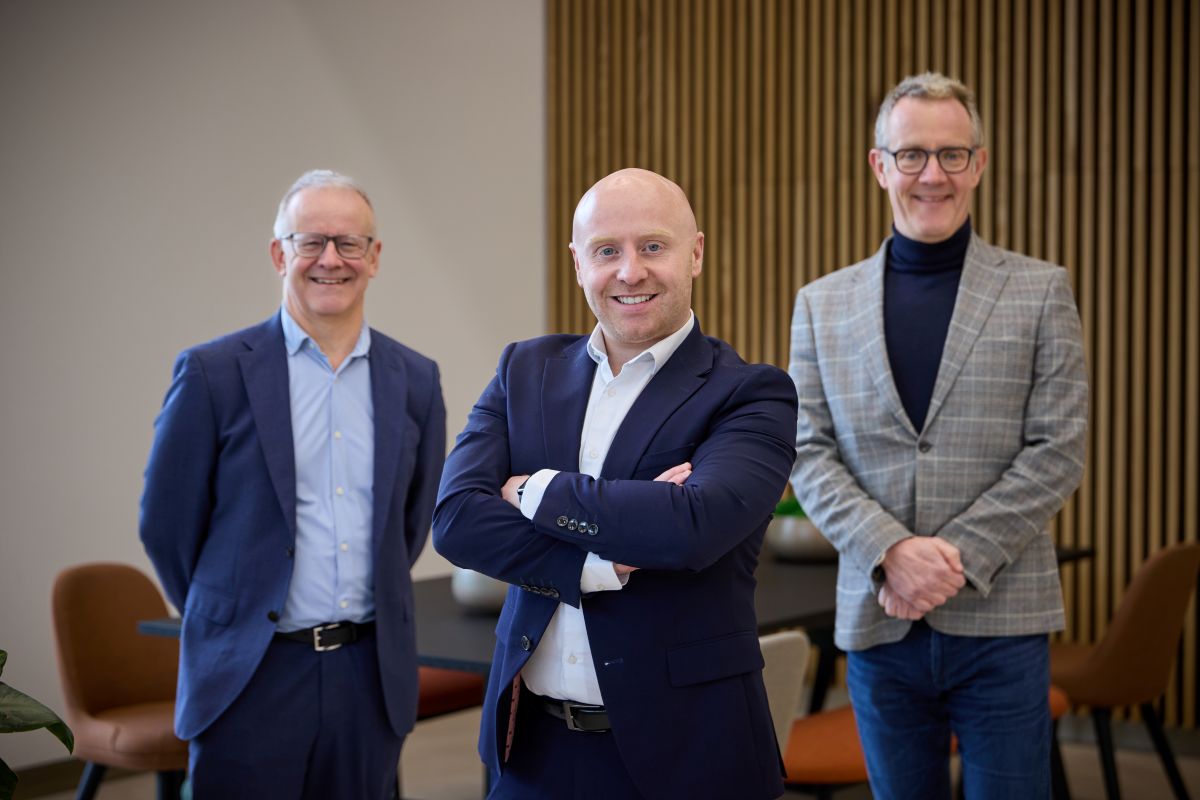
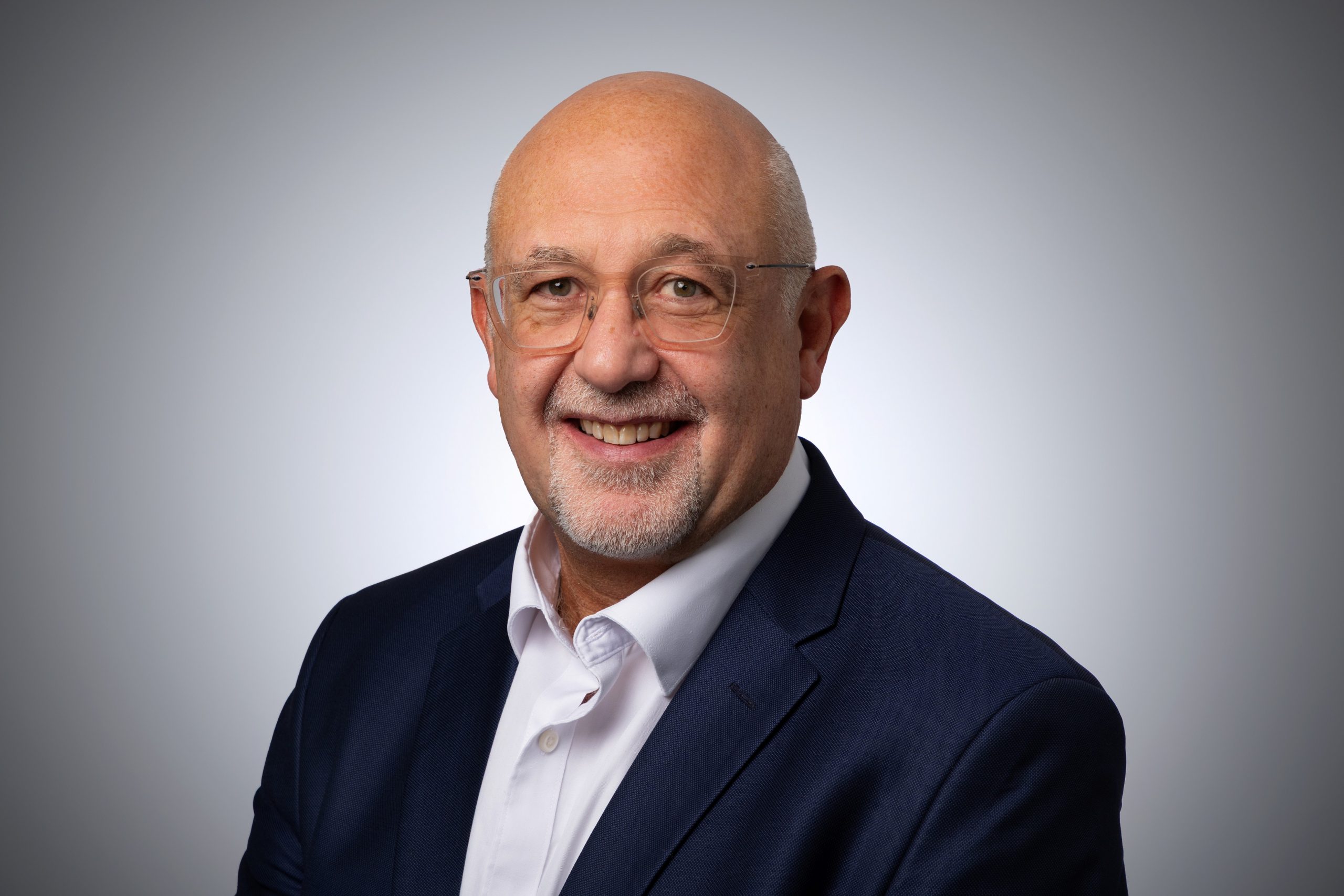
Christian Mayo, partner and head of corporate finance, North at KPMG UK, said: “Private equity investors remain active in the North West, but they are being increasingly selective about where they deploy capital.
“We’re seeing a growing focus on businesses that can demonstrate resilient earnings, recurring revenues and strong competitive positions.
“While Technology and Business Services continue to attract significant investment, there is also increasing appetite for industrials and services businesses with long-term revenue visibility.
“AI is now a key consideration in investment decisions, both in terms of opportunity and future defensibility. In this environment, businesses that can clearly articulate a compelling equity story alongside strong fundamentals are best placed to attract investor interest.”
Chris Stott, Manchester office senior partner at KPMG UK, added: “As we look ahead to the rest of the year, it’s encouraging to see that caution is clearing just as the North West’s growth story becomes harder to ignore.
“The policymaking environment has shifted meaningfully in the region’s favour, with genuine momentum behind devolution and what that could unlock for infrastructure investment and local economic development.
“Manchester, in particular, is attracting serious capital – whether that’s infrastructure investment, real estate development benefiting from the city’s diversification or growth businesses capitalising on the region’s talent and cost advantages.
“As businesses move past the immediate uncertainty, there’s real appetite to deploy into these opportunities. We’re likely to see a busier second half as investors get off the sidelines.”
Despite a reasonably strong start to the year, UK-wide private equity deal activity slowed in the first half of 2026, KPMG added.
The firm’s most recent M&A study revealed that deal volumes across the UK fell 3.4 per cent year on year, with a total of 888 deals closed throughout the first half of 2026, compared to 919 over the same period in 2025.
Alex Hartley, head of corporate finance at KPMG UK, said: “While uncertainty caused by the conflict in Iran led many private equity houses to re-assess or delay deals, the defining feature of the market this year has been concern over AI’s impact on certain sectors.
“As dealmakers gain confidence around this and potential impacts on valuations, overall volumes should lift as the year progresses. But we will also see investors looking for assets that are less exposed to AI, with greater focus on blue collar services and industrials that offer secure, recurring revenues.
“However, potential tax changes under new leadership in Government could dominate the market later this year, particularly if investors anticipate changes to capital gains tax. Any speculation could trigger a flurry of activity, as we saw at the end of 2024.”