(Aug. 6, 2026 / JNS)
As negotiations between Iran and the United States once again appear to have reached an impasse and parts of Iran have once again become targets of U.S. airstrikes, Western governments and countries across the Middle East are calling for de-escalation and diplomacy. The real question, however, is not whether the fighting should end, but whether the West is genuinely prepared for a strong, modern and independent Iran.
A strong, modern and independent Iran would fundamentally reshape the geopolitical balance of the Middle East—not only for the West but for many countries in the region. What is often overlooked is that the Iranian people are not only confronting the current regime, but also the radical Islamist ideology that it has represented for more than four decades. For that reason, a free Iran would represent far more than a simple transfer of political power; it could also mark the end of one of the Middle East’s most influential Islamist regimes.
History suggests that foreign powers have often been better served by a dependent and underdeveloped Iran. During the reign of Mohammad Reza Pahlavi, Iranian and Western interests increasingly diverged. The shah sought to make Iran more economically independent and to expand its influence over international oil prices. An increasingly modern and self-reliant Iran stood in growing conflict with the geopolitical interests of several Western powers.
The notion that foreign governments have sought to shape Iran’s political future is therefore far from new.
According to the late Iranian-American political analyst Manook Khodabakhshian (1945-2019), British Iran expert Ann Lambton (1912-2008) advised Winston Churchill to support the establishment of a Shi’ite religious government in Iran rather than a nationalist one. Whether this claim ultimately withstands historical scrutiny remains a matter of debate. Nevertheless, it highlights the extent to which British involvement, in particular, is believed by some to have influenced Iran’s political development.
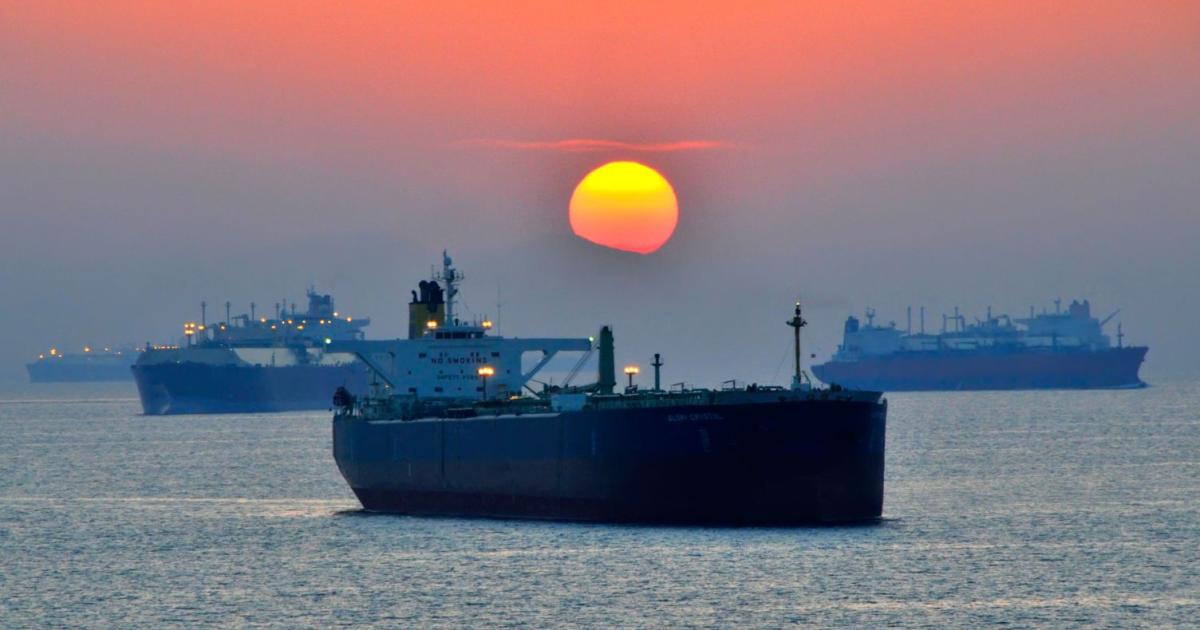
A free Iran could emerge as a major economic power, thanks to its vast energy resources and strategic geographic position. Moreover, as Crown Prince Reza Pahlavi has repeatedly argued, a democratic Iran could normalize relations with the State of Israel. Such a course would fundamentally transform not only the geopolitical balance of the Middle East, but also its ideological landscape. It therefore raises the question of whether every regional actor would genuinely benefit from such an Iran.
The Iranian people’s demand for freedom can no longer be ignored. The question is no longer whether change is coming, but whether those who have benefited from the existing geopolitical order for decades are prepared to accept the consequences of that change.