Wasabi Technologies Inc. today said it has secured a $250 million credit facility, choosing to forego equity financing for the flexibility of debt.
The decision highlights an issue that often faces growth-stage companies: how to fund expansion without overburdening the business or diluting ownership.
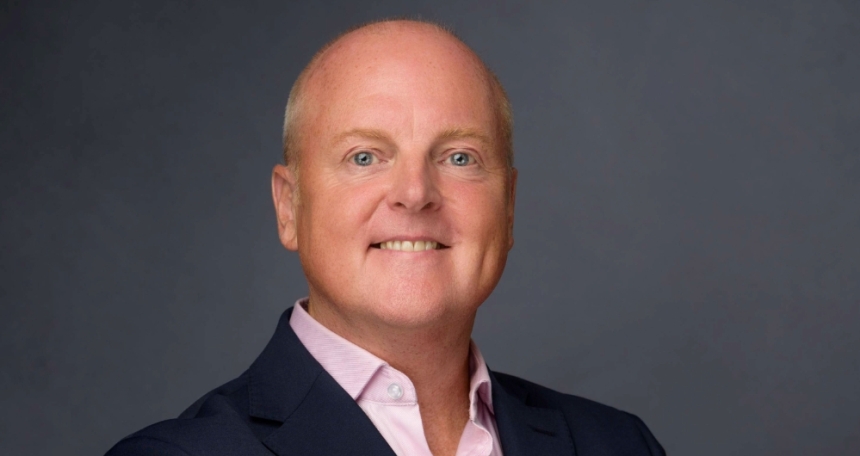
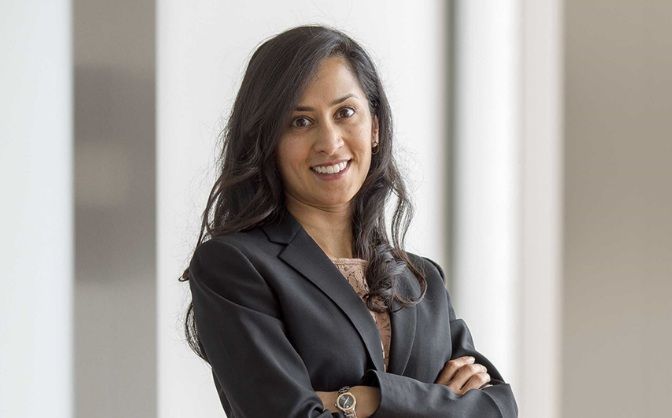
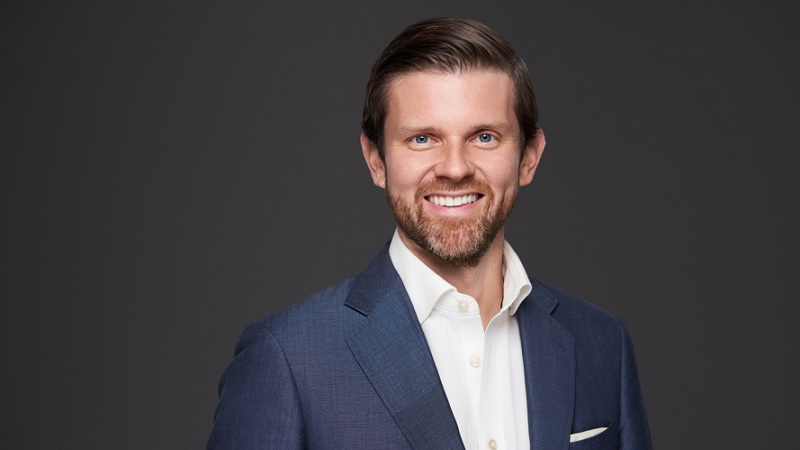
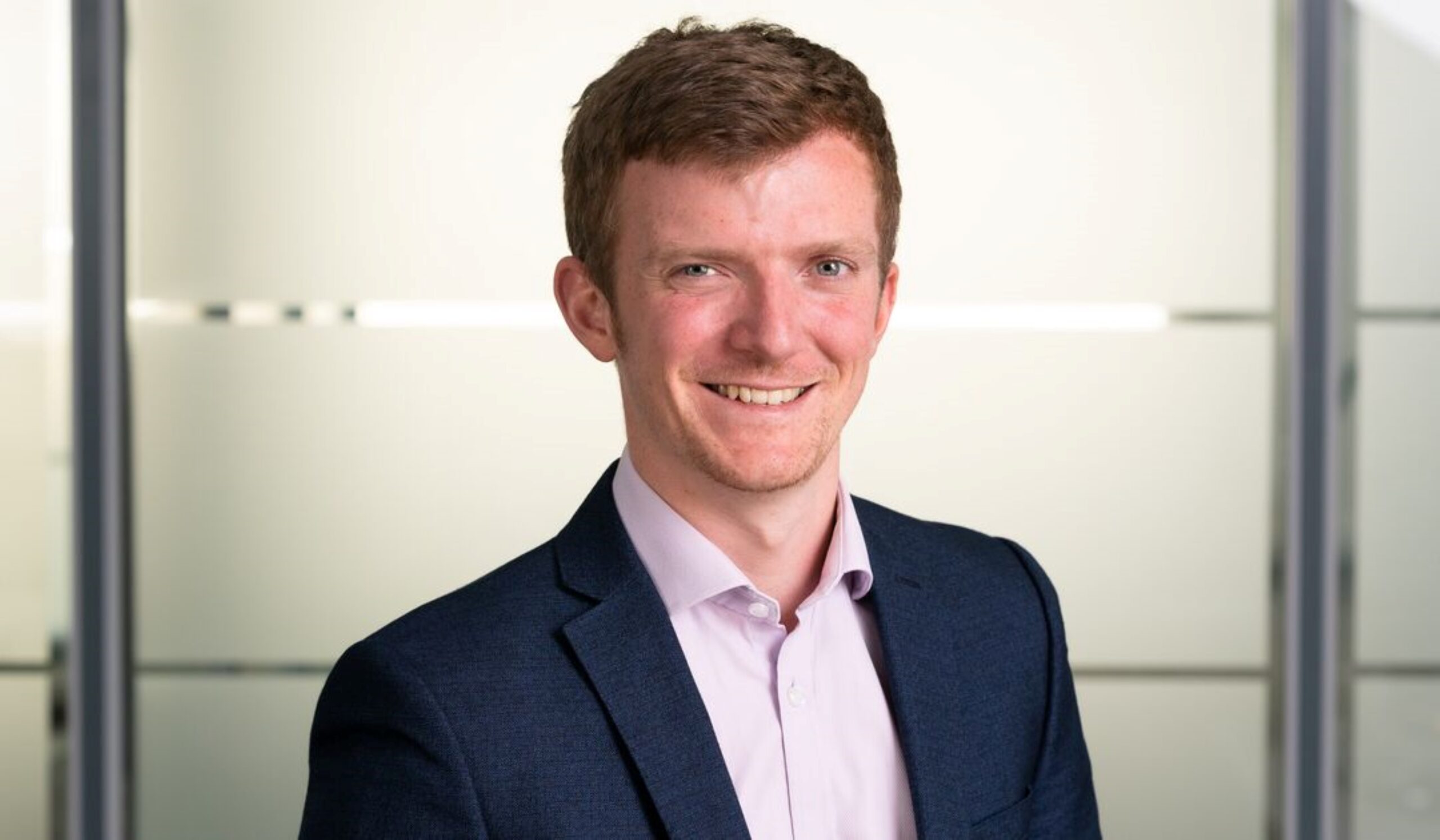
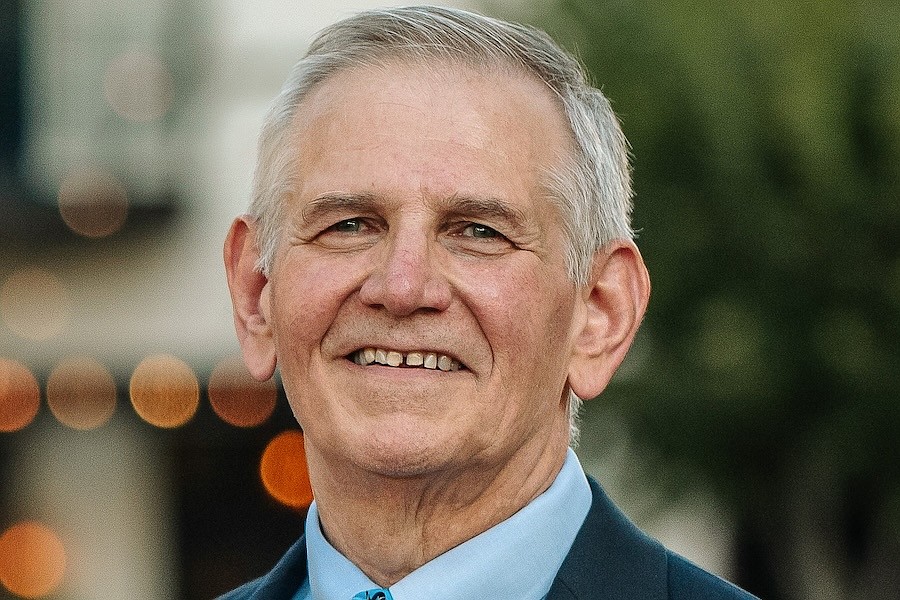
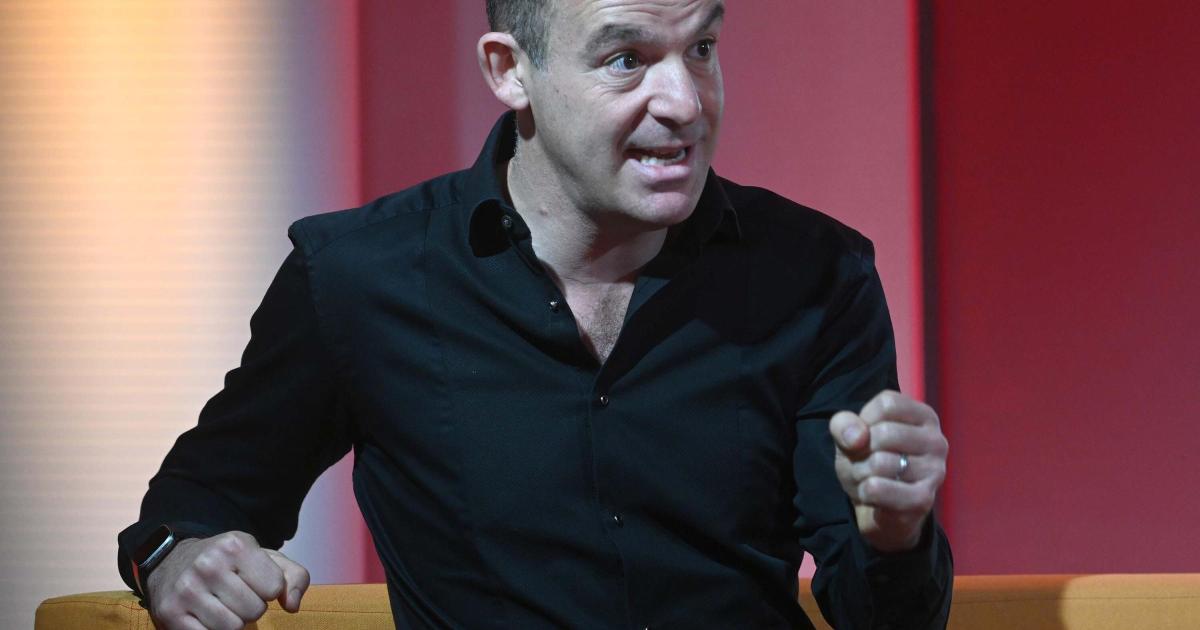
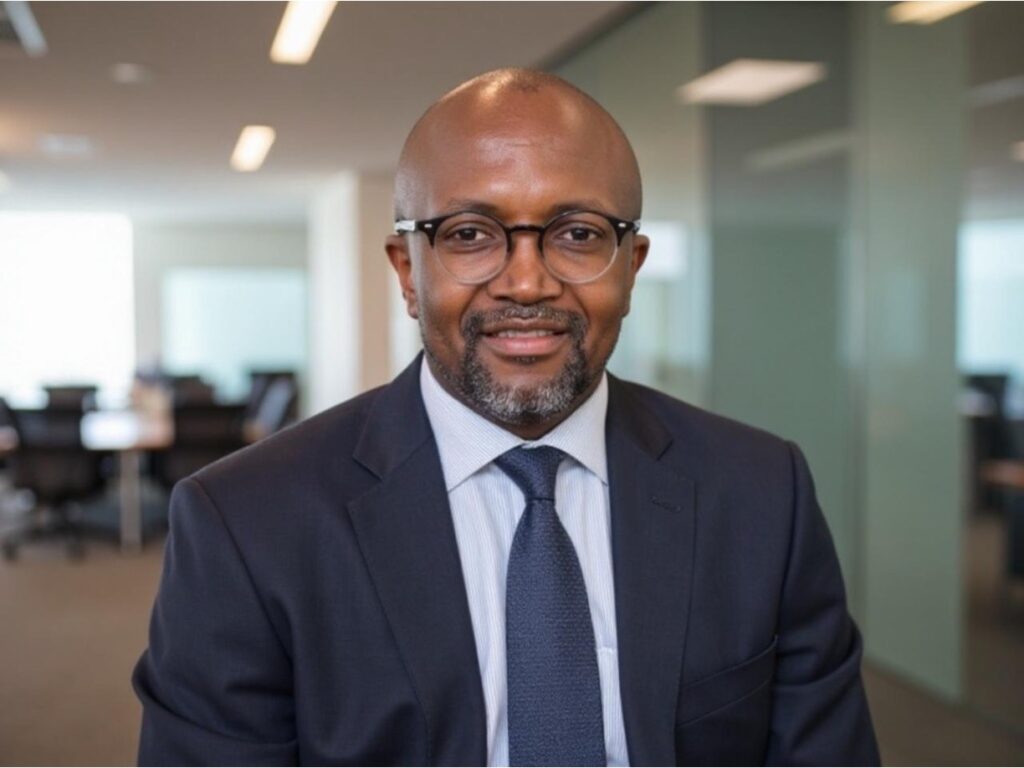
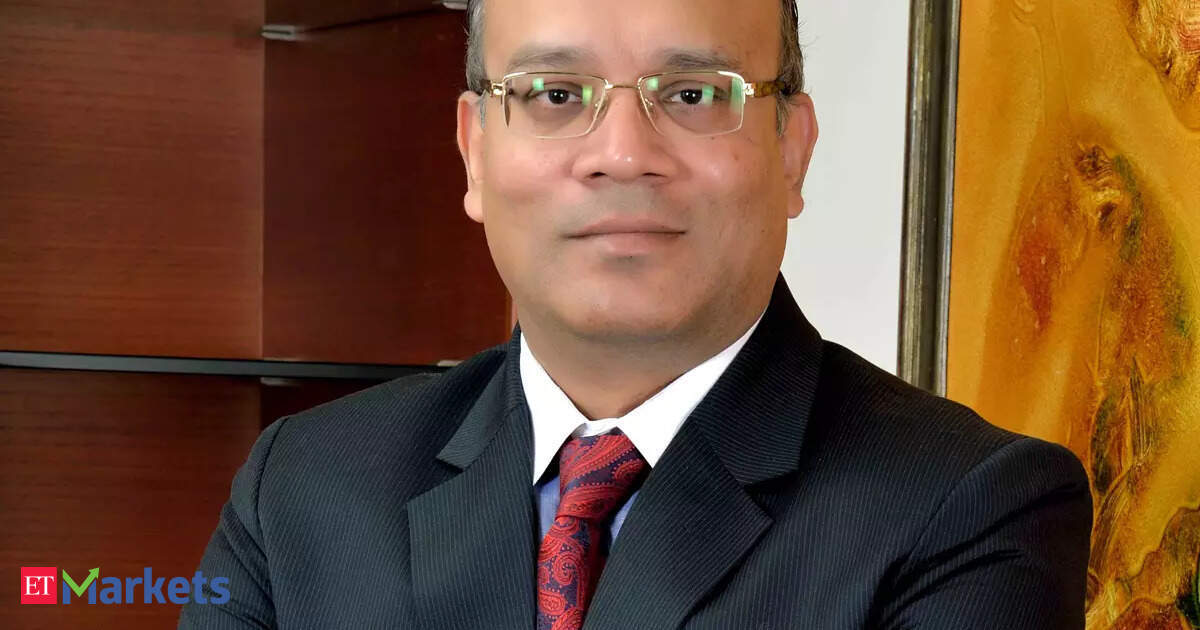
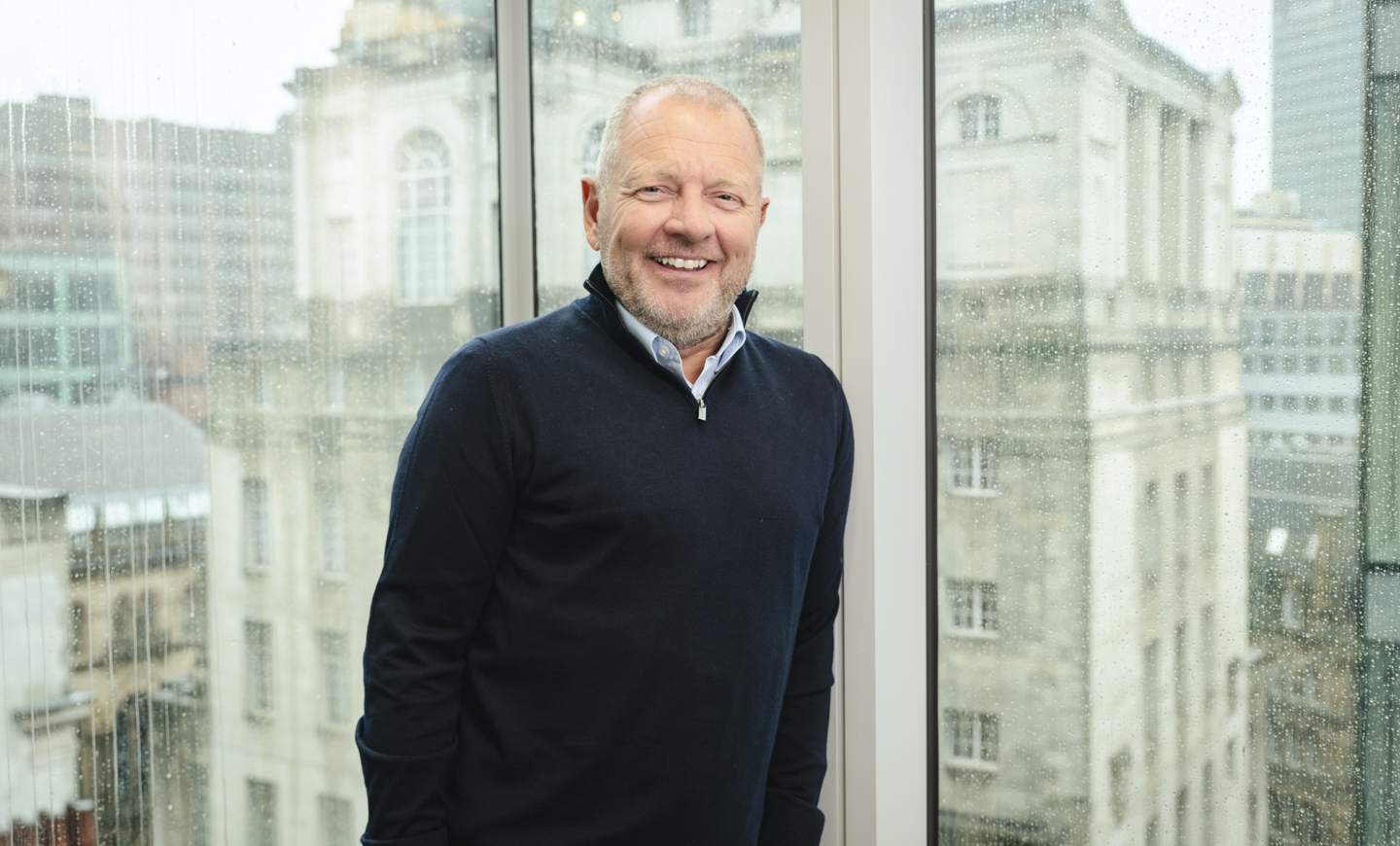
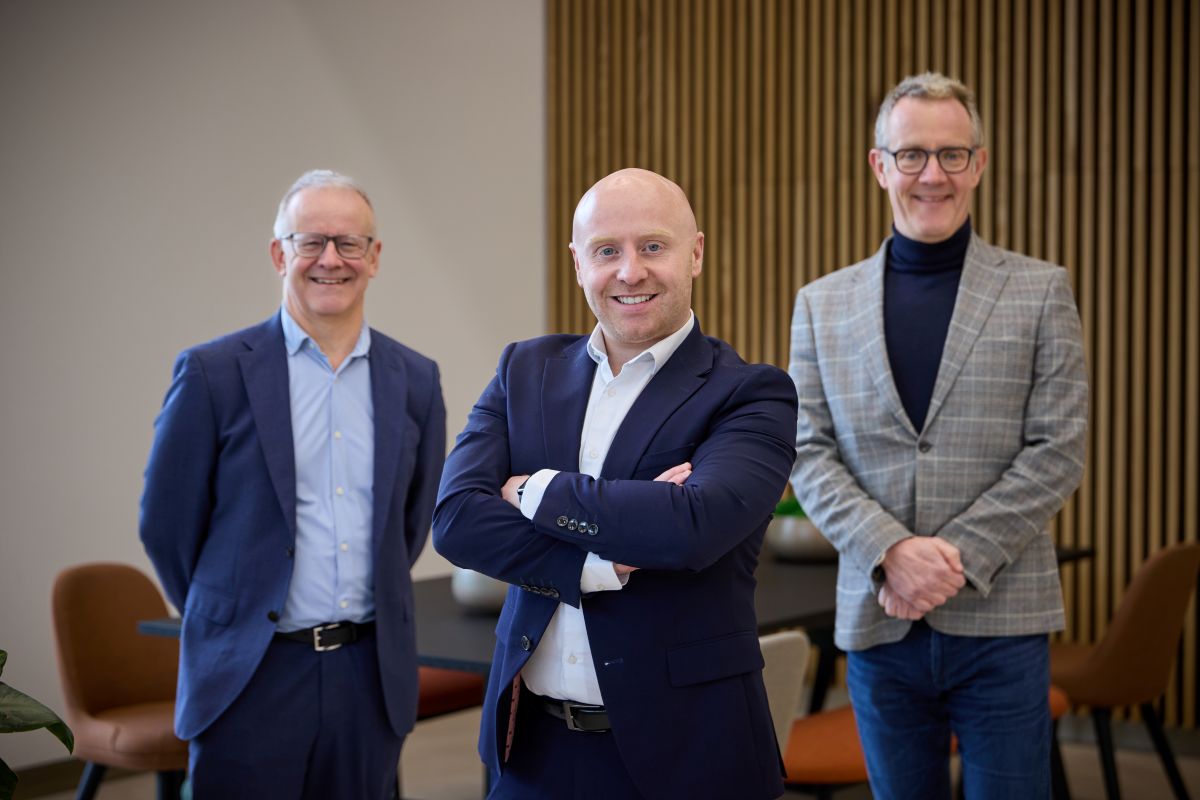
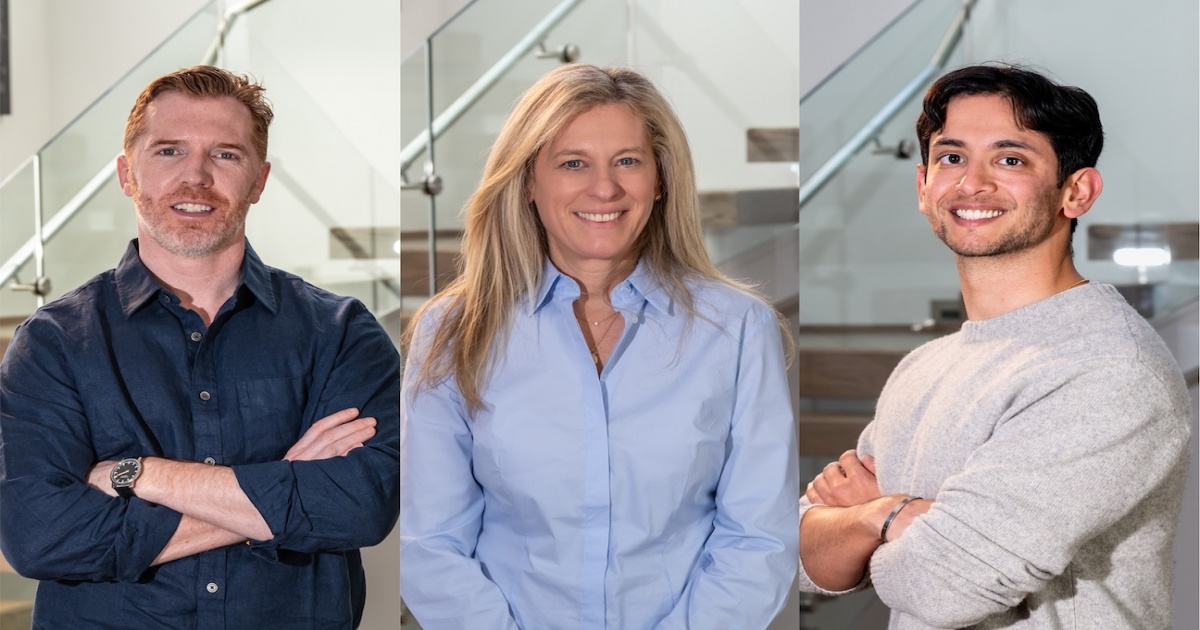
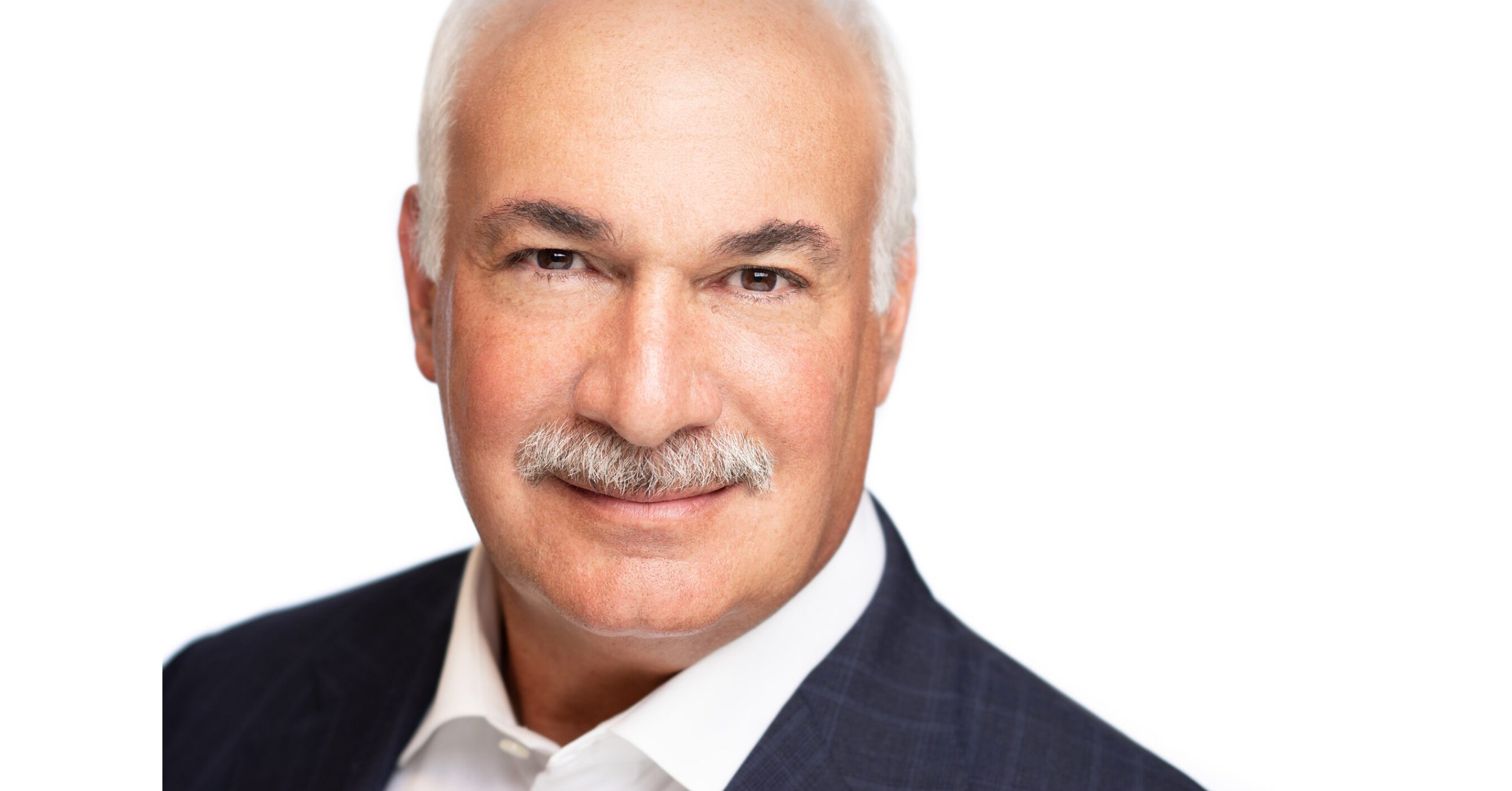
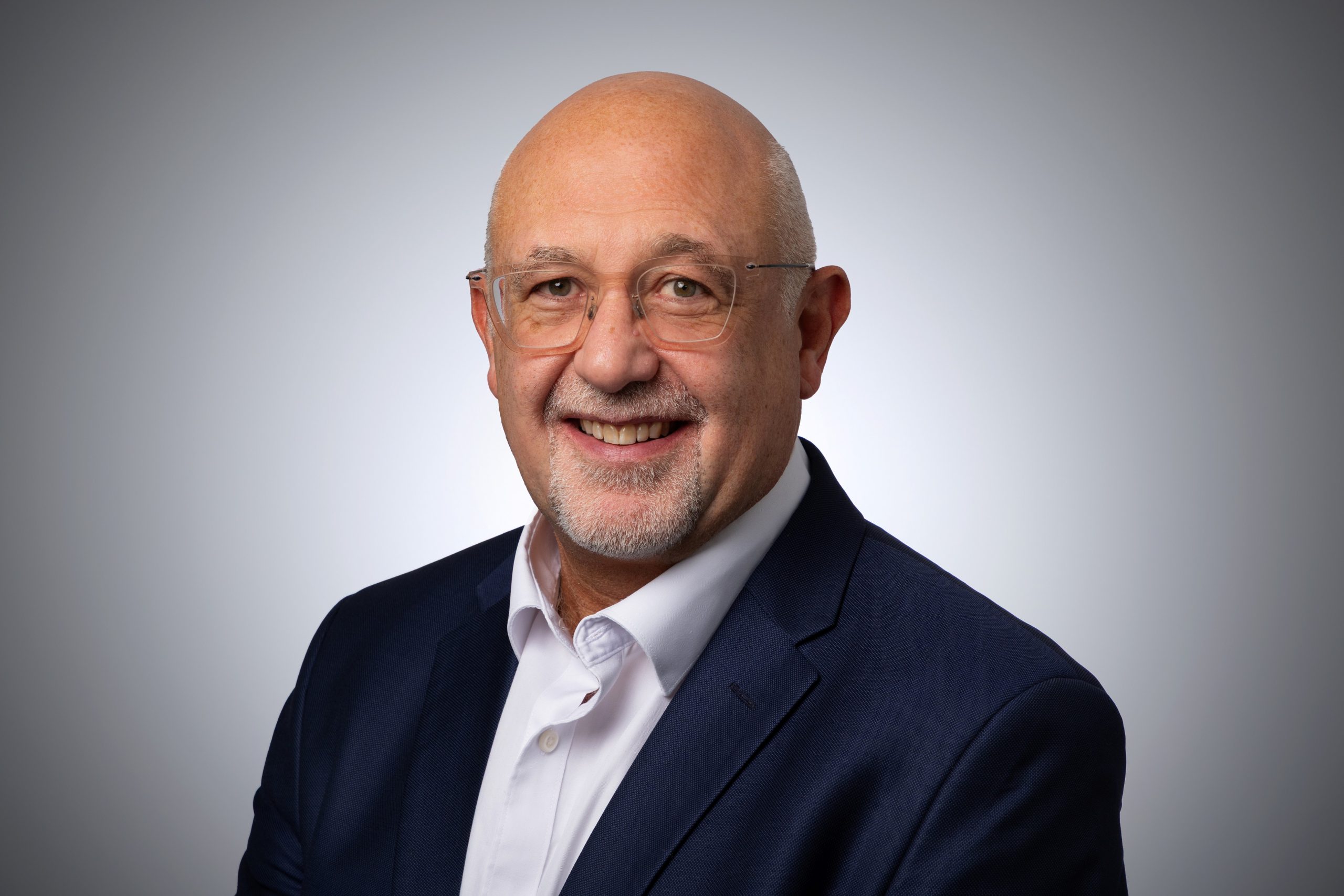
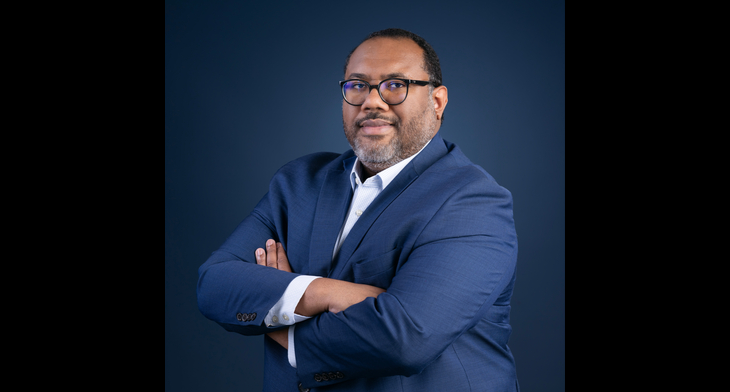
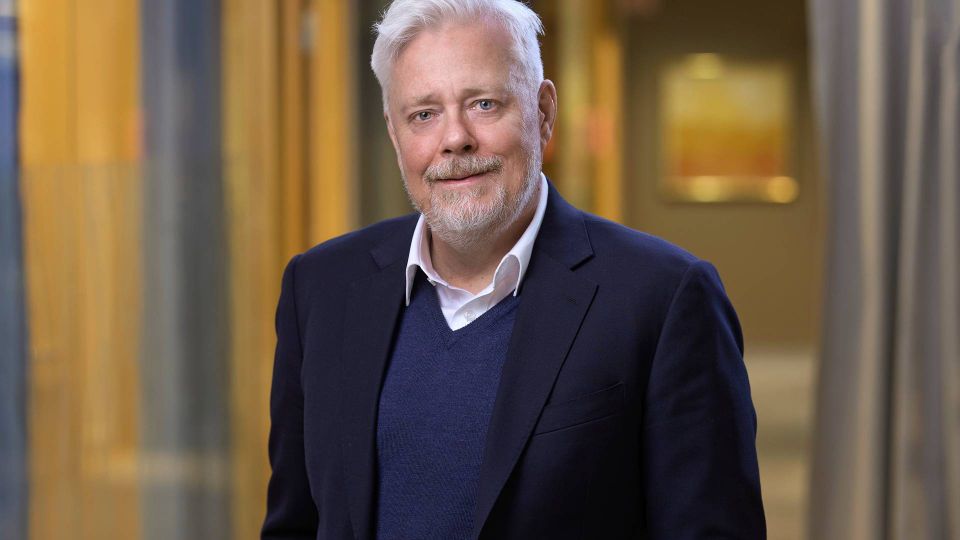
It’s not that the cloud storage provider is hurting for cash. The 10-year-old firm has raised over $600 million in total funding on a valuation of $1.8 billion. That includes a $70 million equity round this past January. The Boston-based company is now shifting more of its financing mix toward credit as its capital needs evolve, according to Chief Financial Officer Michael Bayer (pictured).
Bayer said the decision to opt for credit reflects a conventional but often misunderstood principle of corporate finance.
“A well-financed company uses a balance of debt and equity to support its growth,” he said. “Companies use equity to support investments in growth and credit to support investments in capital expenditures.”
Equity financing, which is typically raised from venture capital or growth investors, is most often used to fund operating losses and early-stage expansion when cash flow is uncertain. Debt, by contrast, is generally applied to more predictable, asset-backed investments such as infrastructure.
In Wasabi’s case, that means funding the buildout of storage capacity needed to support increasing demand, particularly from artificial intelligence workloads, Bayer said.
“A lot of our growth is supported by additional storage,” Bayer said, “so it’s good to use credit, which carries a lower cost of capital.”
Tradeoffs
The cost difference between debt and equity isn’t always easy to calculate. Debt requires regular interest payments but doesn’t dilute ownership. Equity, while not requiring immediate repayment, reduces existing shareholders’ stakes and can be more costly over time.
“You’re sacrificing interest payments on credit for dilution in the business that you take when you sell equity,” Bayer said. “Generally, companies prefer to finance with credit because it’s lower cost.”
But there are tradeoffs there, as well. Companies can only take on so much debt before repayment obligations begin to constrain operations. That was a major concern in Dell Technologies Inc.’s $67 billion acquisition of EMC Corp. in 2016. The company had to orchestrate transactions with multiple lenders and spinoff several acquired subsidiaries to make the math work.
The key variable is cash flow, or how much revenue can be allocated to servicing debt versus reinvesting in the business, Bayer said. “You want to be very careful about making sure you’re not overburdening the company with trying to service debt, when you really want to be investing that money back into the business,” he said.
Achieving the right balance, or optimal capital structure, is situational. Early-stage companies with uncertain revenue streams typically rely heavily on equity. As businesses mature and develop more predictable cash flow, they gain flexibility to introduce debt into the mix.
“Equity finances long-term operating losses, which is why early-stage companies typically use equity for the first several rounds and introduce debt later on when there’s a clearer path to cash flow,” Bayer said.
That’s what Wasabi is doing. The company doesn’t report revenue but independent sources have estimated annual sales of at least $150 million.
Private credit growth
The broader financing environment is also influencing decisions. The private credit market grew fivefold between 2009 and 2024 to reach $2 trillion, according to the Federal Reserve. Nevertheless, Bayer described today’s private credit market as “more selective,” with lenders scrutinizing deals carefully amid heavy investment in artificial intelligence-related businesses.
“I think the lenders are being very careful about the businesses that they lend into,” he said.
Even so, debt remains attractive despite relatively high interest rates. Most facilities are priced as a spread over benchmark rates, and Bayer said Wasabi was able to secure “a very attractive rate.”
Beyond cost, CFOs must also consider timing. Raising too much capital too early can lead to inefficient use of funds and limit future flexibility, while waiting too long can weaken a company’s negotiating position.
“Companies should always finance when they can, but capital has a cost to it, and you don’t want to overfinance the company,” Bayer said. “At the same time, I’ve seen companies that just wait too long until they really need the capital.”
For Wasabi, the current mix of equity and debt reflects both its growth trajectory and the relatively low risk of expanding its business.
“Adding storage is just adding capital into an existing demand curve, and that’s relatively low risk,” Bayer said. “You can finance that with credit.”
The CFO said a financing strategy should align closely with a business’ risk profile and maturity. There is no fixed formula, but the underlying principle remains consistent: balance flexibility, cost and control.
Photo: Wasabi
Support our mission to keep content open and free by engaging with theCUBE community. Join theCUBE’s Alumni Trust Network, where technology leaders connect, share intelligence and create opportunities.
- 15M+ viewers of theCUBE videos, powering conversations across AI, cloud, cybersecurity and more
- 11.4k+ theCUBE alumni — Connect with more than 11,400 tech and business leaders shaping the future through a unique trusted-based network.
About SiliconANGLE Media
Founded by tech visionaries John Furrier and Dave Vellante, SiliconANGLE Media has built a dynamic ecosystem of industry-leading digital media brands that reach 15+ million elite tech professionals. Our new proprietary theCUBE AI Video Cloud is breaking ground in audience interaction, leveraging theCUBEai.com neural network to help technology companies make data-driven decisions and stay at the forefront of industry conversations.