AI automates the “hated work” of employees for enterprises, not the “money – making work”.
A few days ago, GeekPark reported that Microsoft, which has heavily bet on AI, quietly stopped most employees’ Claude Code licenses internally.
This matter is quite strange. In this wave of AI implementation, the biggest marketing point for enterprise users is “efficiency improvement”. Since it can improve efficiency, why does Microsoft stop its employees from using Claude Code?
Microsoft is not the only company doing this. “Reducing token usage” and no longer encouraging employees to engage in crazy Vibe Coding have become the new trend among large Silicon Valley companies.
Uber spent its entire annual AI token budget in four months. Salesforce writes a check of about $300 million to Anthropic every year. An AI consultant revealed that one of his clients spent as much as $500 million on AI in a single month. Meta even quietly took down its internal ‘tokenmaxxing leaderboard’ – that leaderboard was originally intended to encourage employees to use AI more.
Now, enterprises are doing something that they wouldn’t even dare to think about a few years ago:
Restricting and monitoring employees’ use of AI.
Why are large companies changing their strategies?
“Tokenmaxxing”, a Microcosm of the Era
To understand today’s cost crisis, we need to first figure out what “tokenmaxxing” is.
This term began to gain popularity around 2025. Literally, it means “maximizing token usage”. Behind it is a management logic – since the company has spent a lot of money on AI tools, employees should use them as much as possible. The more you use, the more ‘digitally transformed’ you are considered. Using less means wasting resources. So many companies set usage quotas, leaderboards, and even performance appraisals to urge employees to use AI.
What was the result?
Employees started using the company’s enterprise – level AI models to check the weather, write birthday wishes, and ask what to eat today.
A study of 2,444 companies found that for every $1 a company spends on AI tokens, $0.44 is used to fix bugs generated by AI, $0.27 is used to rewrite code output by AI, and $0.11 is consumed in review and merge delays.
That is to say, behind every dollar of AI procurement cost, there is nearly 80% of hidden loss.
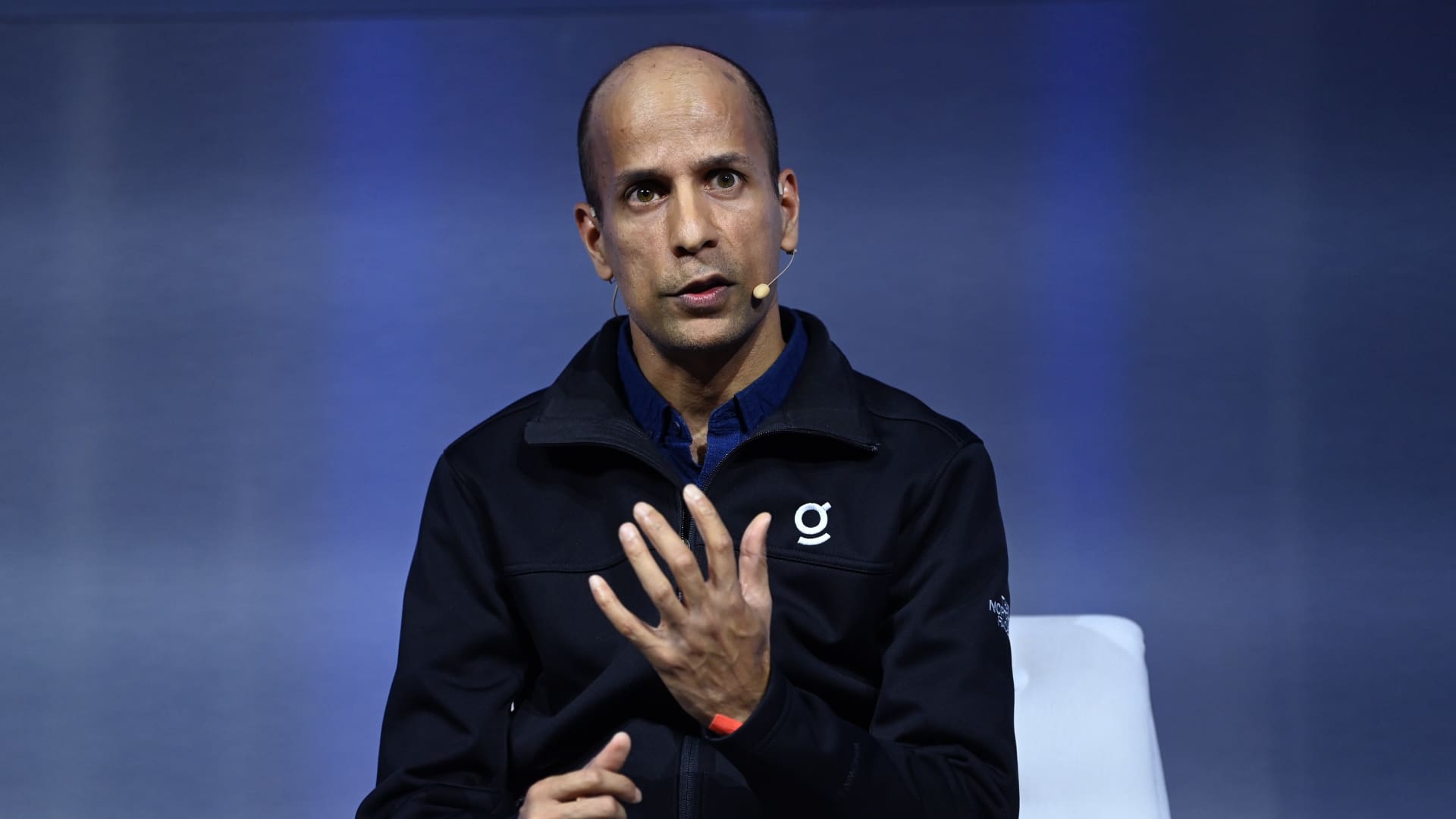
Investor Shruti Gandhi used a very apt analogy: “Tokenmaxxing enterprises are like companies that measure productivity by leaving all the lights on – spending more money doesn’t mean more output.”
Even more ironically, most of these companies don’t even know what employees are using AI for, let alone whether the completion of those tasks has brought any changes because of AI.
This “money – burning race” lasted from 2024 to 2025 and finally reached a climax this year. JPMorgan issued a tough – worded report with a rather blunt and uncomfortable title – “AI Token Costs Are Eating into Internet Profits“.
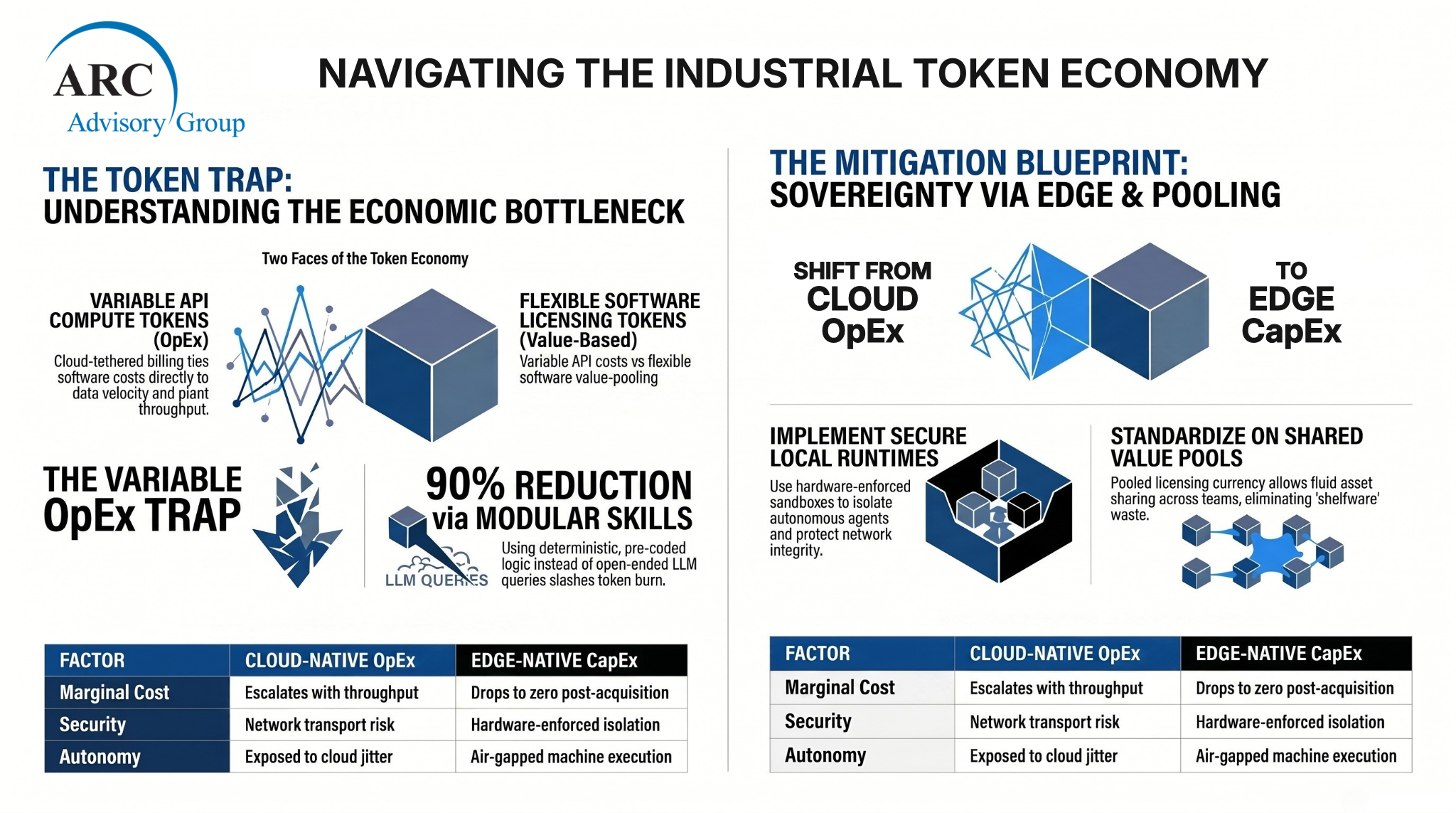
Shopify, Spotify, ServiceNow, and Roku all mentioned in their earnings calls that AI has become the main source of pressure on operating expenses. The overall atmosphere in the industry has shifted from ‘how cool it is to use AI’ to ‘is this money really worth spending?’.
When CEOs Start to Question ROI
Only 14% of CFOs say they can see clear and measurable returns on AI investment.
Andrew Macdonald, the Chief Operating Officer of Uber, said something very candidly in a podcast – they found it difficult to link the improvement of individual employee productivity with the overall business impact of the company. “If you can’t see how much valuable functionality AI has helped you push to users, it’s even harder to justify the token cost.”
This statement points out the core of the enterprise AI dilemma: Improving individual efficiency does not equal increasing company revenue.
Employees can write weekly reports three times faster with AI, but the company’s revenue remains unchanged. Engineers can generate code twice as fast with AI, but the ‘churn rate’ of the code – that is, the proportion of code that is discarded or rewritten – has increased by 800%.
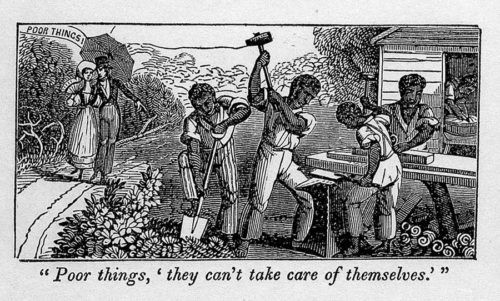
Sophia Velastegui, the former Chief AI Officer of Microsoft, said something that made many managers uncomfortable: “Most people default to automating tasks they don’t like, rather than tasks that are most valuable to the company.”
To put it simply, enterprises are automating the “hated work” of employees, not the “money – making work”.
This is not a technical problem, but a matter of priority. That’s why about 30% of generative AI projects are abandoned at the proof – of – concept stage – the cost and value are unclear, so naturally, the boss won’t renew the contract.
The approach of Salesforce CEO Marc Benioff is quite representative. Facing an annual bill of $300 million from Anthropic, his expectation is an ‘intelligent router’: it can determine which queries are worth using top – tier models for and which can be handled by cheaper small models.
This idea itself is not new – as early as the cloud computing era, “pay – as – you – go” and “resource optimization” were standard practices. But the wave of AI came too fast. Everyone bought first and thought later, and now they are starting to make up for lost ground.
Return to Rationality or the Prelude to a Cold Winter?
Microsoft recently canceled most of its enterprise licenses for Claude Code, and the official reason points to cost factors. This has sparked quite a bit of discussion in the industry – after all, Microsoft is the largest investor in OpenAI, and at the same time, it is cutting subscriptions to competing products. It’s hard to tell how much of this is due to cost considerations and how much is strategic planning.
Anyway, it represents a signal: Enterprises are starting to vote with their feet.
Harness and CloudZero released AI cost management tools on the same day – May 28. One focuses on real – time monitoring of AI spending and ROI, and the other launched an “AI financial control plane” to help enterprises link every dollar of AI spending with specific business results.
The emergence of these two products itself shows the problem: there is a demand in the market, and the demand is urgent.
HubSpot started adjusting the pricing model of its AI agents in April this year. Instead of charging by tokens, it now charges by the “number of conversations resolved” or the “number of leads generated” – this is a directional change that aligns the interests of the seller with the actual output of the buyer. ServiceNow is also making similar adjustments. AI vendors are realizing that if they continue to sell “usage” instead of “results”, enterprise customers will eventually rebel.
Is this adjustment a necessary pain for AI industrialization or the prelude to a bigger crisis?
I tend to think it’s the former. But there is a detail that is a bit worrying: Global AI software spending is expected to reach $2.59 trillion in 2026, a year – on – year increase of 47%. At the same time, 94% of engineering managers say that key ROI indicators are still missing. More and more money is being spent, but no one knows where it’s going and whether it’s worth it. If this contradiction is not resolved, the next “tokenmaxxing moment” is just a matter of time.
An analysis in Fortune magazine put it very directly: “Tokenmaxxing is easy, but redesigning work processes is difficult.” Most companies are now optimizing existing processes rather than reinventing business models. This is where the real value of AI lies, and it’s also where most enterprises haven’t reached yet.
Returning to rationality is a good thing. But after returning to rationality, enterprises still need to answer a more difficult question: Should AI be a hammer or a new thinking framework for our business?
If you only use AI to do old work faster, the bill will eventually force you to face this question.
This article is from the WeChat official account “GeekPark” (ID: geekpark), author: Hualin Dance King, editor: Jing Yu. It is published by 36Kr with authorization.