As Tokenmaxxing is on its way out, companies are becoming more cautious over token spend. getty
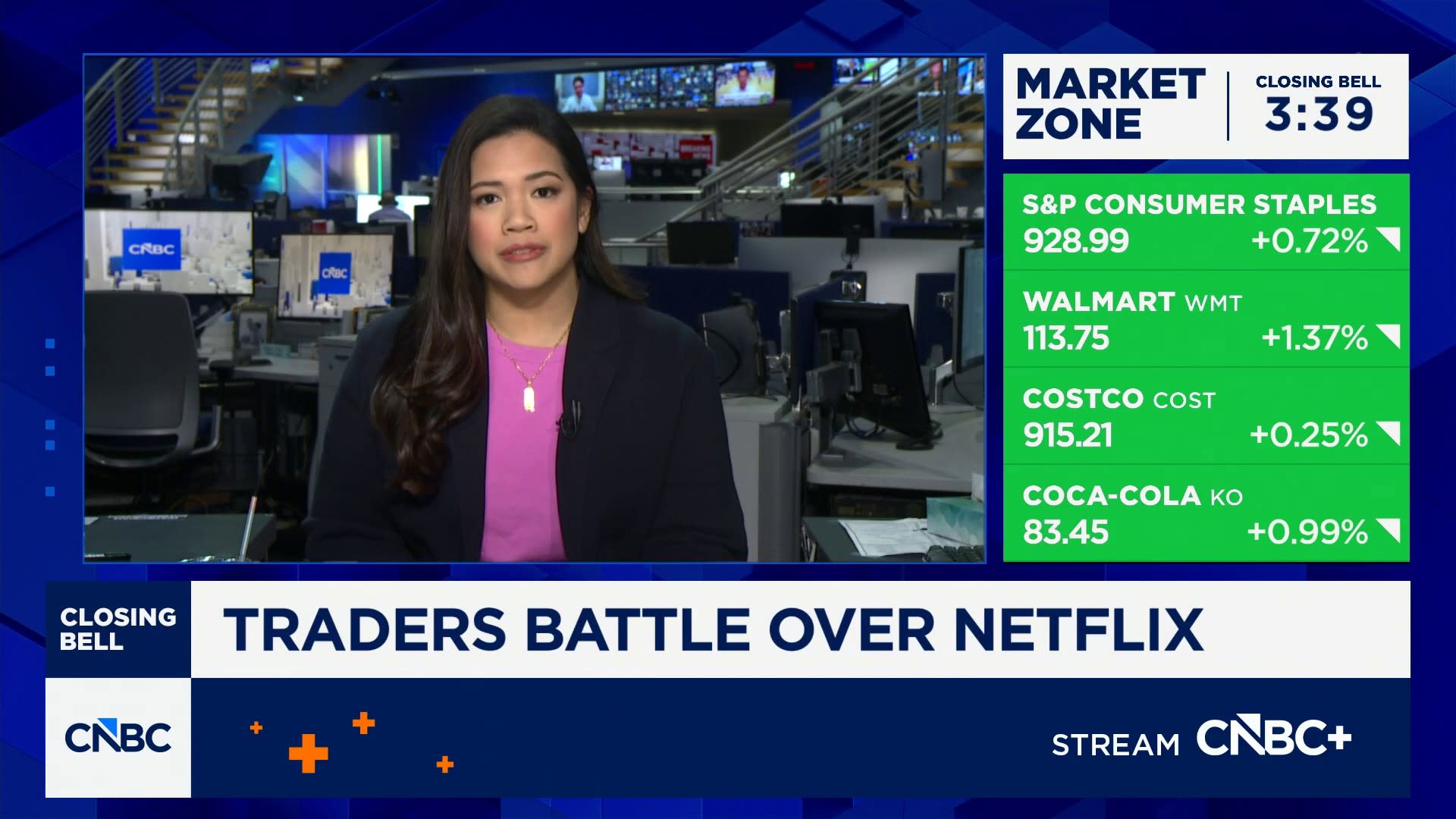
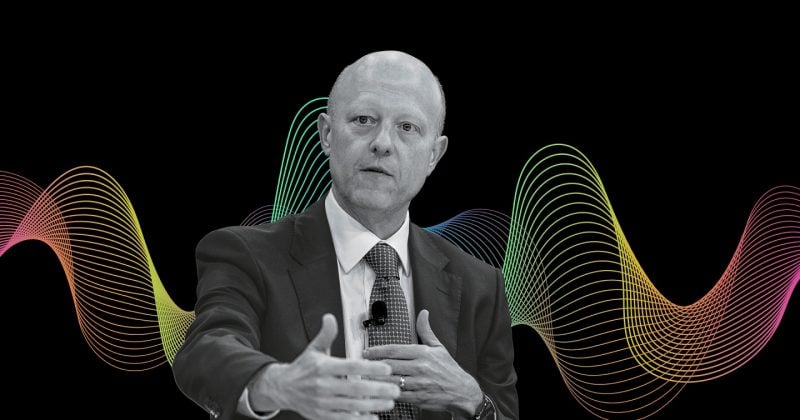
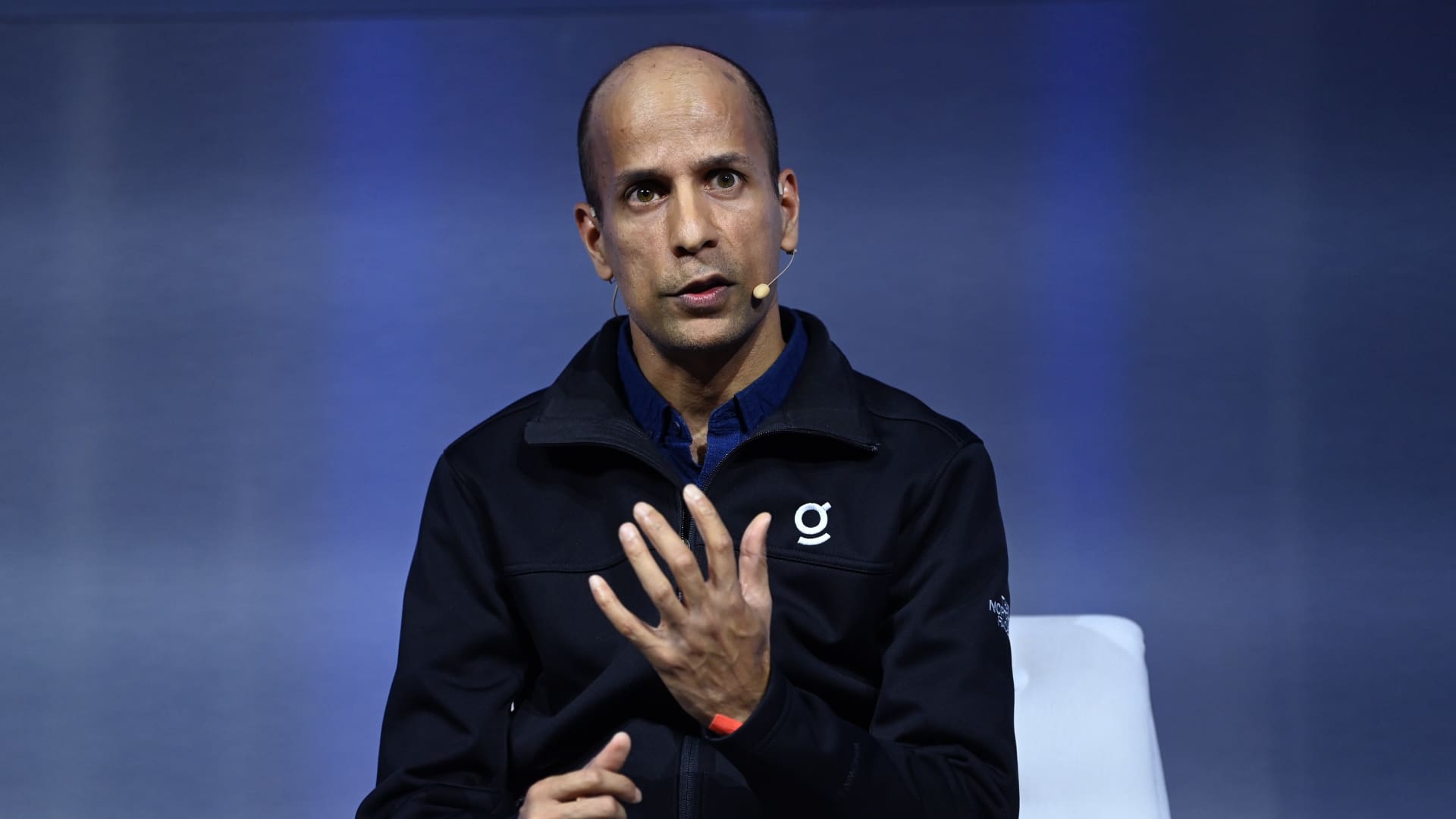
Token consumption is under fire once again. Just last week, Palantir CEO Alex Karp made headlines for calling out the token consumption model of Anthropic and OpenAI during an interview with CNBC.
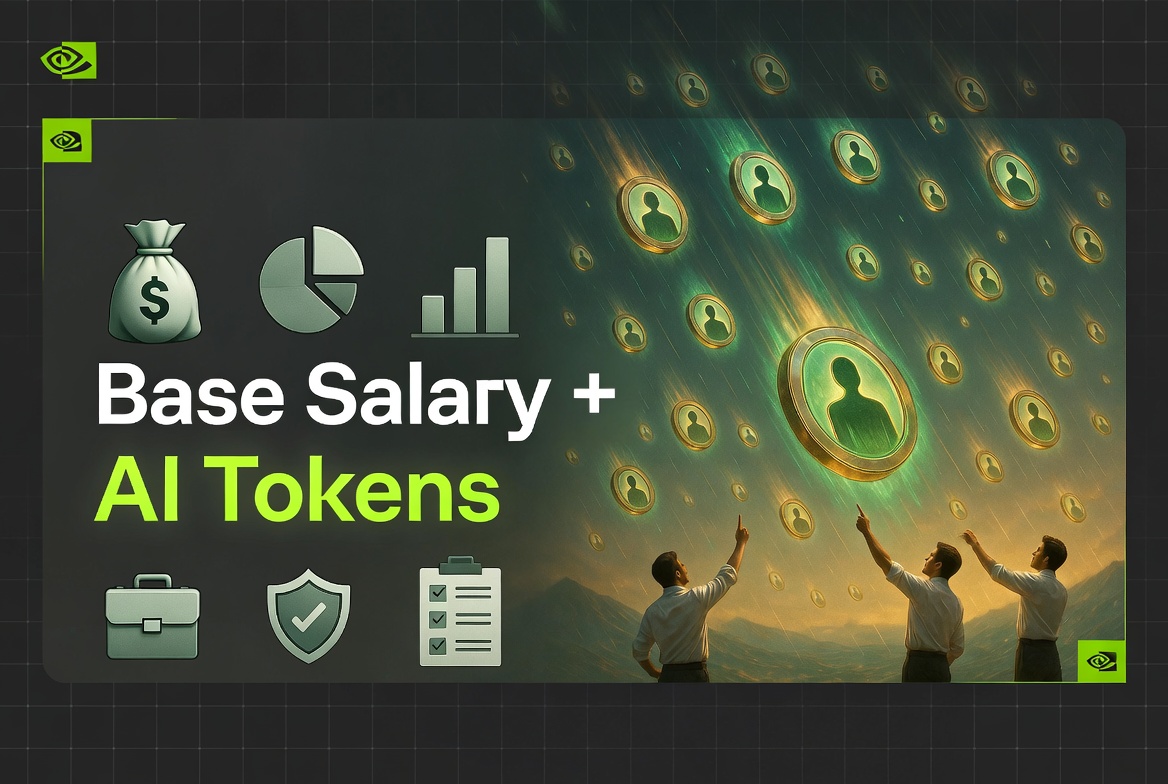
Karp’s comments reflect a growing anxiety in the industry over token spend, which has become a significant financial burden for many companies. In fact, according to Gartner, AI coding costs alone will overtake the average developer’s salary by 2028, due in part to the use of consumption-based licensing models.
At the same time, while business leaders are under pressure to drive innovation and consume high volumes of tokens with tools like Claude Code, they’re also seeing increased scrutiny over token consumption among CFOs and other key business leaders.
Now enterprises have to strike a delicate balance act between ensuring that employees have enough tokens to innovate, while also controlling spend to prevent costs from spiralling out of control.
How Token Spend Is Changing
Back in March, Nvidia CEO Jensen Huang helped popularize “tokenmaxxing” when he said he’d be “deeply alarmed” if a $500,000 engineer hadn’t spent $200,000 on tokens. Now the risks of unchecked token consumption are under increasing scrutiny, most notably after Uber blew through its entire AI budget in just four months and Microsoft cancelled most of its Claude Code licenses.
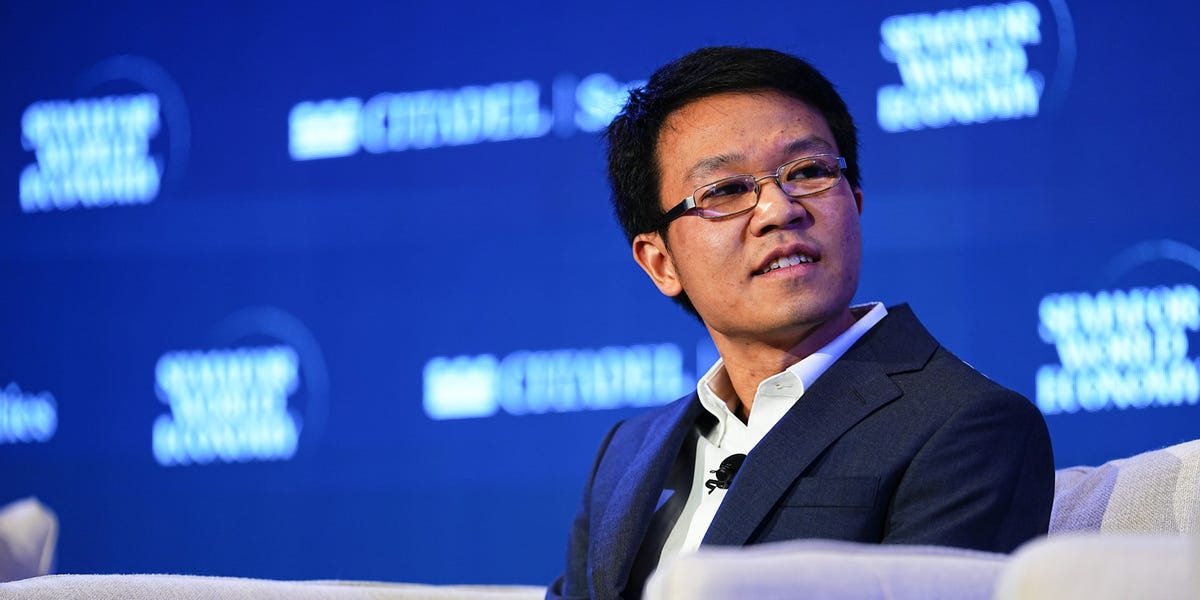
After getting caught up in the hype of AI coding, many companies are looking to rein in costs. Carmen Li, founder and CEO of compute market intelligence provider Silicon Data, says the company tracks over 300 closed-source, open-source and open-weight models. She notes that around a month ago, tokenmaxxing was driving costs, with companies spending lots on premium models, but noted a shift to cheaper models after the news about Uber and Microsoft came out.
For Li, the key trend in token spend was “people shifting their blend from maybe one premium model to a few different models,” and being “more thoughtful” about consumption. More broadly, this shift reflects the growing value of compute in AI-driven enterprises.
“My belief is going forward, compute will be largest human resource,” Li said, adding that any individual, company or enterprise will either use GPUs or tokens. “If you’re enterprise, either compute or GPU will be your largest input resources to produce products and services.”
“Even just a year ago, token spend felt like the wild west. In many companies, heavy usage was encouraged with little insight into what they were actually paying for and the true value of that spend. That’s all changed now. Billing visibility has become a priority in most organizations. Nobody wants a surprise bill they can’t map to productivity,” Mike Sinoway, CEO of Lucidworks, an AI-powered enterprise search insights platform, told me via email.
Sinoway notes the company recently released its 2026 AI benchmark study and found that deployment cost has become one of the leading enterprise AI concerns, with 58 percent of organizations in 2026 said it’s something they’re keeping a close eye on compared to just 3 percent in 2023.
What Happened To Tokenmaxxing?
Tokenmaxxing quickly emerged as an approach designed to increase the adoption of AI tools. Top leaders in the industry have been highly supportive of the trend, with Databricks CEO Ali Ghodsi applauding an engineer who spent more than $7,000 in tokens over a two week period.
However, as scrutiny over token spend increases, tokenmaxxing appears to be on its way out. “In my mind, I feel like it is a corporate strategy to encourage adoption of AI,” Li said. “I think it’s a phase thing. You can argue maybe some other places should do that to encourage adoption of AI, right? I see that as that kind of marketing tool internally or externally versus, you know, sustainable management long term.”
Karthik Sj, chief AI officer at AI-powered observability provider Logic Monitor, which now has 40 to 50 percent of all code written by AI, also notes the limitations of token consumption for its own sake. “There are companies that you know really encouraged tokenmaxxing in the early days, and it was rightly so to incentivise frontier model usage, but I strongly feel like tokenmaxxing doesn’t mean token usefulness,” Sj said.
He says that he has seen instances where, by incentivising tokenmaxxing, employees ended up using frontier models for reviewing emails, which he said isn’t the best use of these tokens. From this perspective, there is a need for companies to be more cautious about token consumption.
“Don’t just use LLMS for the sake of it, try to figure out where it makes sense,” Sj said. It’s about finding a balance of using frontier models for high-value tasks and using cheaper models for lower value tasks.
Demonstrating Value
In a world where AI spending needs to be justifiable to the board, token expenditure must demonstrate tangible improvements to the organization, or it runs the risk of coming across as wasteful.
“So if you are a salesperson, that’s the easiest example, and I give you AI…and you’re spending $500 a month, or $1,000 a month on tokens…but in the end of the quarter or year, you’re not selling more…should you have AI?,” Tal Carmi, CIO of WalkMe told me in a video interview. “It’s certainly clear, no, because…your ROI is zero,” Carmi said.
Leaders across the industry are grappling with tying token spend to value. Carmi added that one of his biggest challenges is managing employee requests for tokens and ensuring they are using them responsibly.
Whereas some employees may run out of tokens because they’ve been tasked with building a complex framework with lots of analysis, another employee might run out of tokens because they are using AI in the “most wasteful way possible.” In this sense, managing token spend comes down to guiding employee’s usage habits.
The Rise of AI Coding
AI coding has taken software engineering by storm, with Stack Overflow’s 2025 Developer Survey finding that 84% of developers are now using AI tools. Token spend in engineering is reaching new heights due to its potential to support faster code creation and product velocity.
Debo Dutta, chief AI officer at Nutanix, told me in an email that “token spend for engineers industrywide ranges from a few thousand dollars for casual users to $50,000-plus annually.” He also warned that these costs will only accelerate as the industry moves from an AI-assisted to an agentic Software Development Lifecycle (SDLC).
“Token consumption is growing fast and will continue to as organizations go fully agentic. As the industry moves from AI assist to Agentic SDLC, I expect an order-of-magnitude increase in token consumption, and potentially more as self-evolving harnesses become mainstream. The economics will follow from there,” Dutta said.
Dutta notes that Nutanix’s developers have moved beyond AI-assisted coding, with AI embedded across the full SDLC, including design, planning, coding, test generation and triaging. He adds that this shift has accelerated how fast the company delivers capabilities per engineer and has increased output per release cycle.
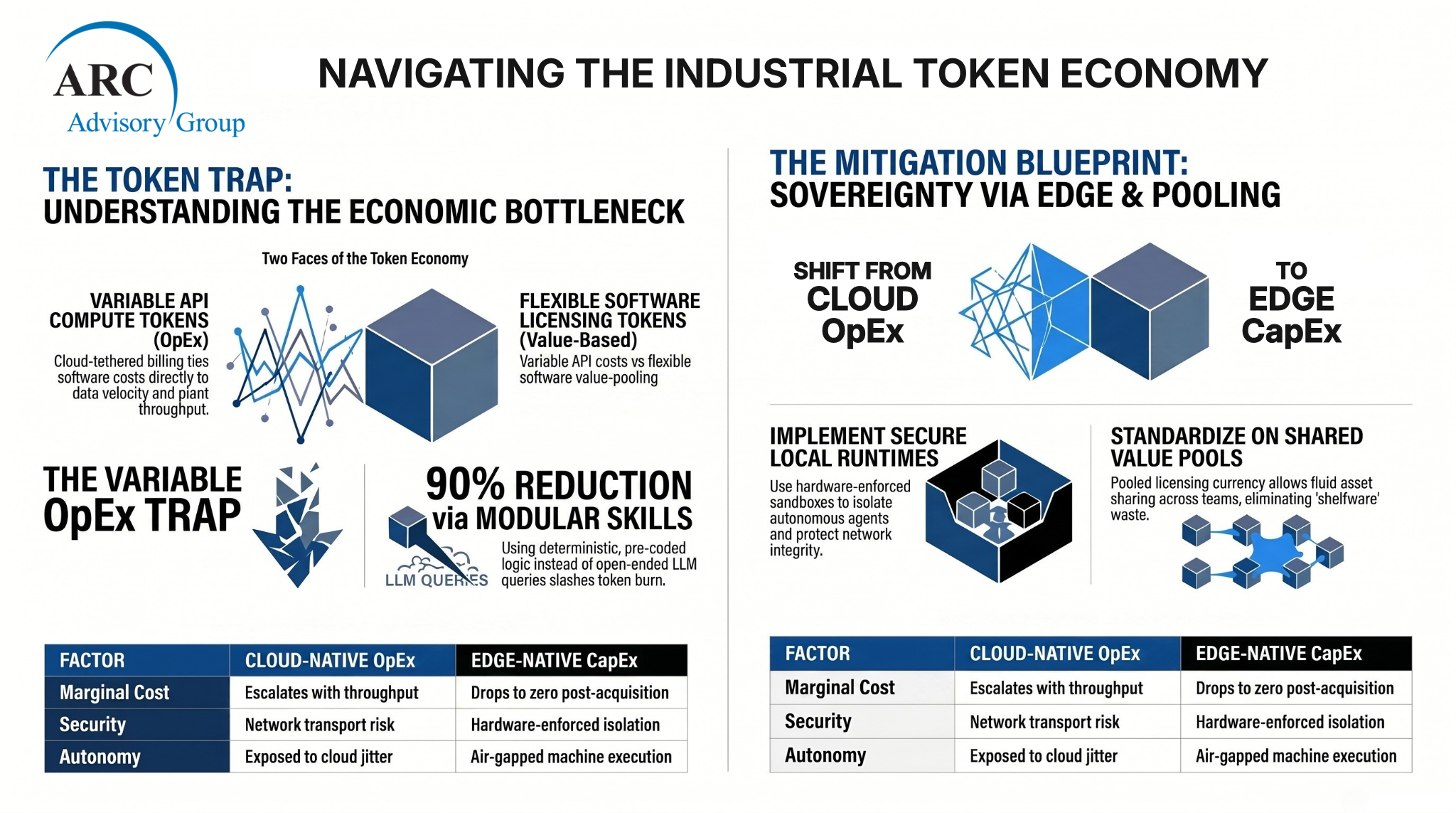
Controlling costs across the SDLC can be extremely difficult, and for Dutta, the solution to controlling token costs starts with owning your own inference layer rather than renting it by the token, something the company built Nutanix Enterprise AI for specifically. He notes that pricing as infrastructure, rather than per token, changes the economics.
That being said, Dutta expects the industry will find ways to tame token costs, including through more efficient models, optimized context windows, better coding harnesses and what he calls “two-tier intelligence,” using expensive models for planning and reasoning, and cheaper ones for execution.
Complexity Creates New Issues
While mixing and matching different models to control costs is becoming a popular practice across the tech industry, it’s also creating new risks. One of the biggest is the potential for being overcharged by service providers.
“Companies are now using multiple providers, models and cloud platforms at massive scale. So it becomes much harder for their finance teams to verify whether an invoice actually matches what happened at the request level,” Michael Hahn, founder and CEO of vendor auditing platform Vaudit, told me via email.
“We’re seeing billing errors show up everywhere: failed requests that were still charged, duplicate requests from retry loops and customers billed at premium rates for models or routing paths they may not have intended to use,” Hahn said.
Hahn says that as bills rise, he’s also seeing a rise in billing errors, adding that since March, Vaudit’s Token Audit has looked at $34 million in token spend and identified $1.7 million in mistakes. The majority of that total is from major providers like AWS, Google Cloud, Microsoft Azure, Anthropic and OpenAI.
In this sense, the challenge of controlling token spend is far from over. As complexity increases and more powerful models come to the market, we can expect to see some fluctuation in spending and tying that investment to value is going to require a consistent effort across the industry.
This article was originally published on Forbes.com