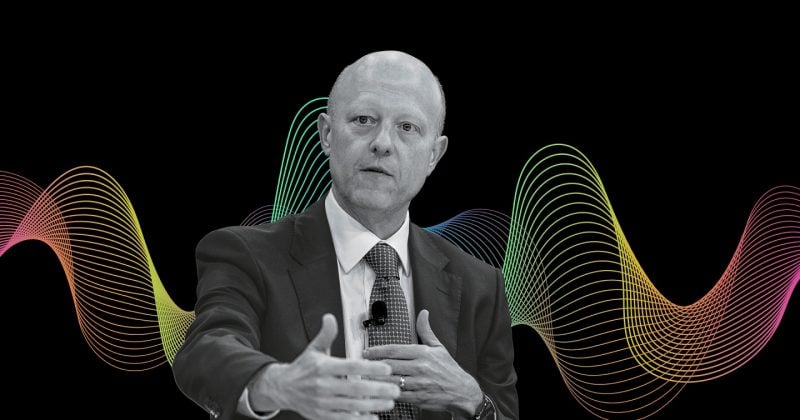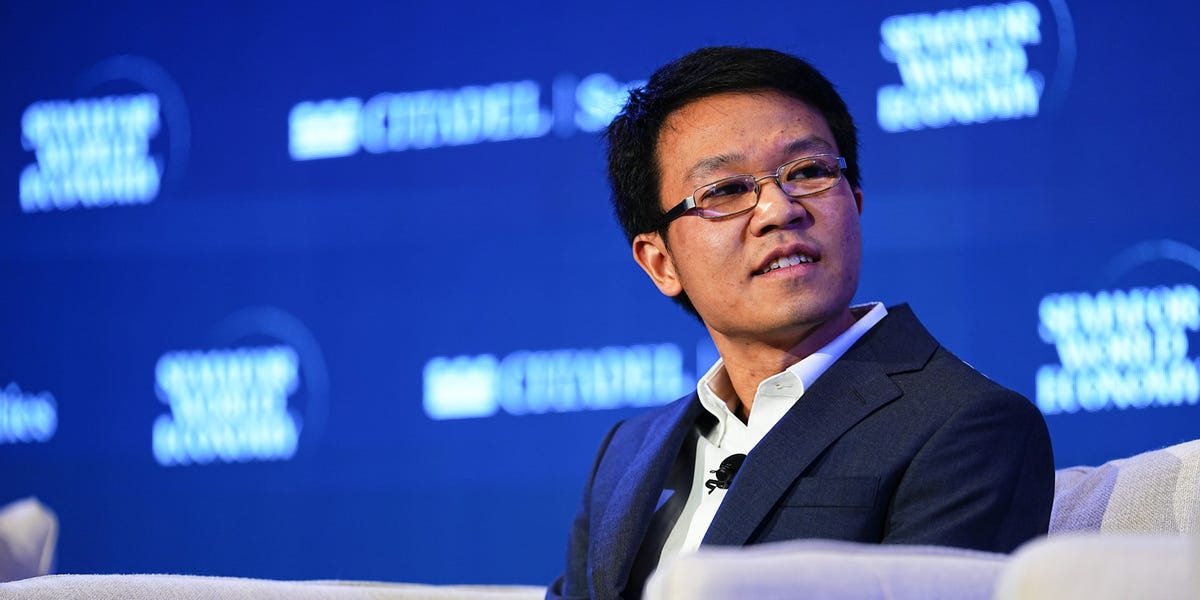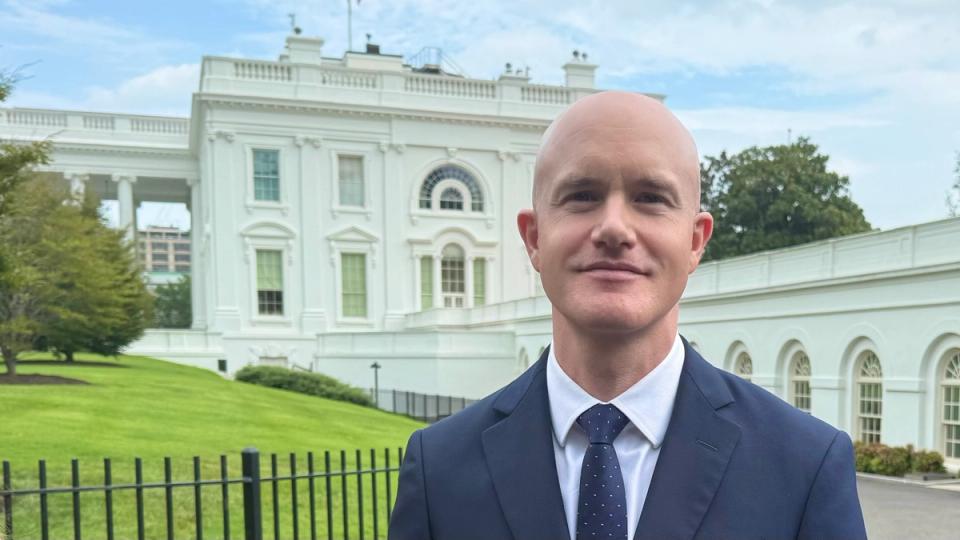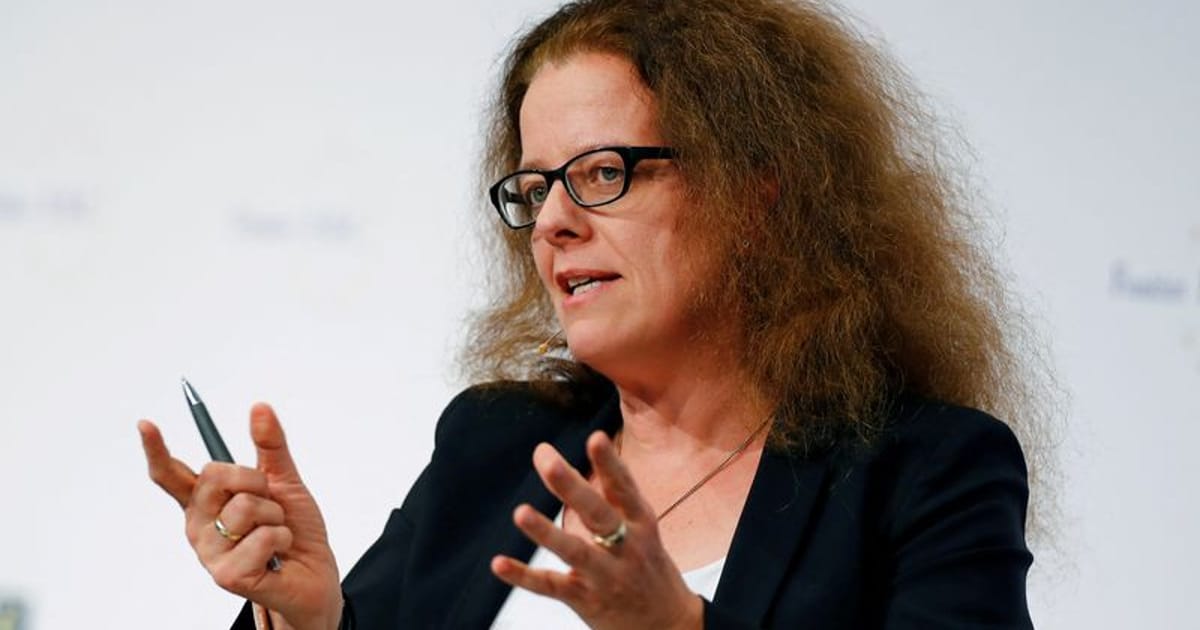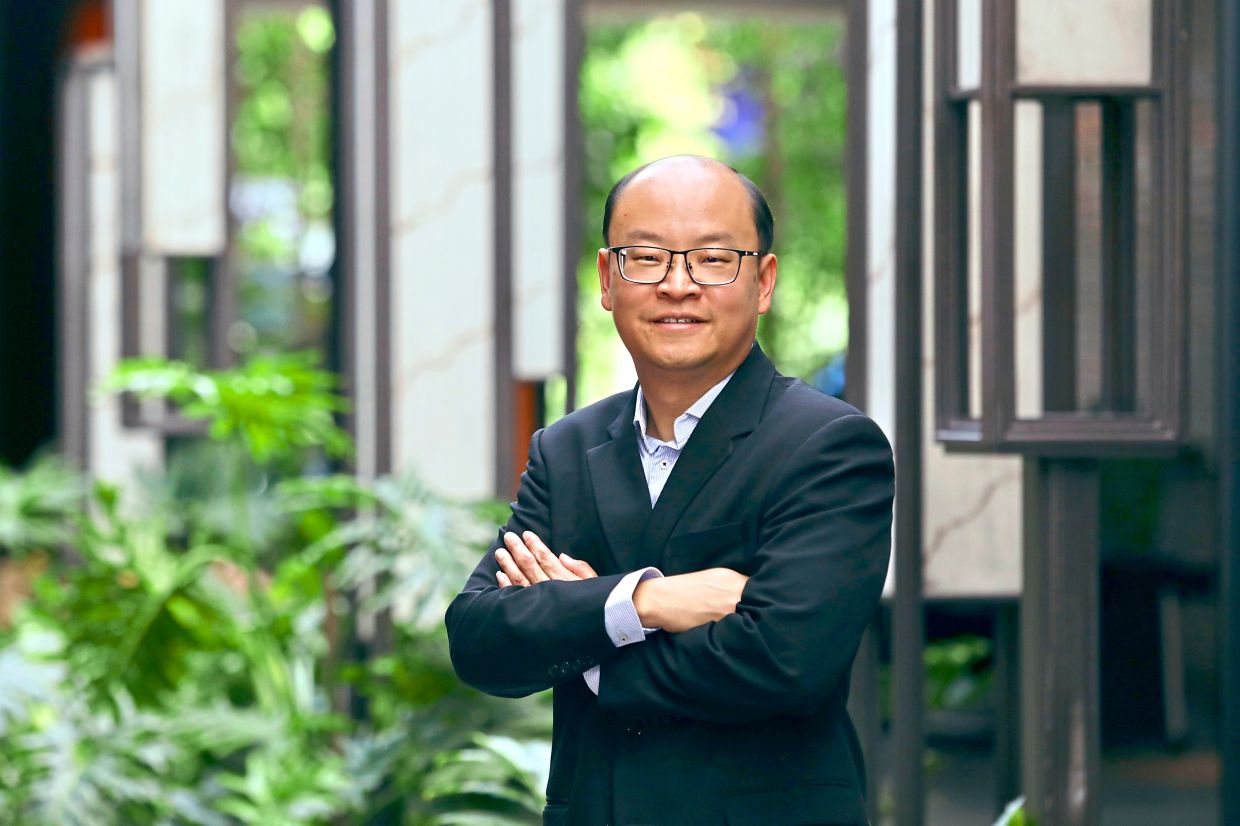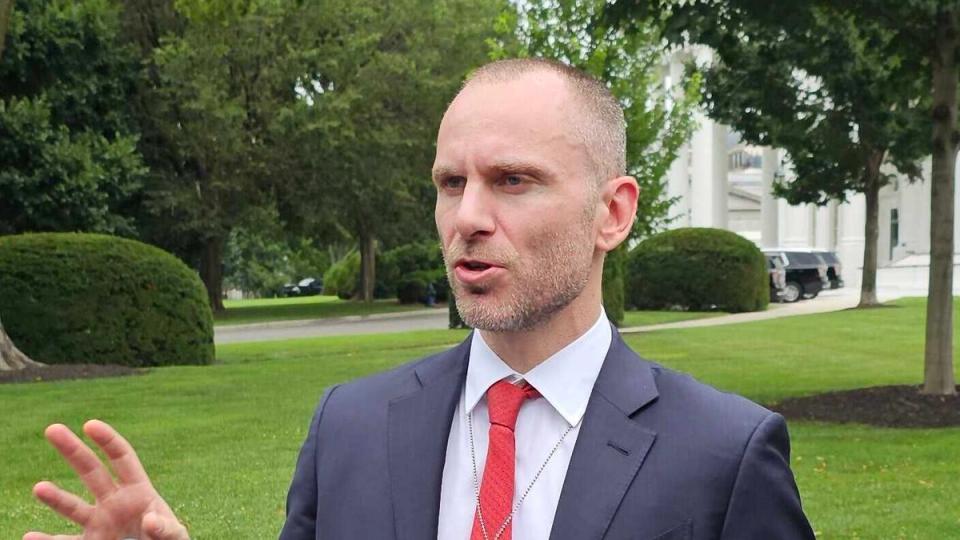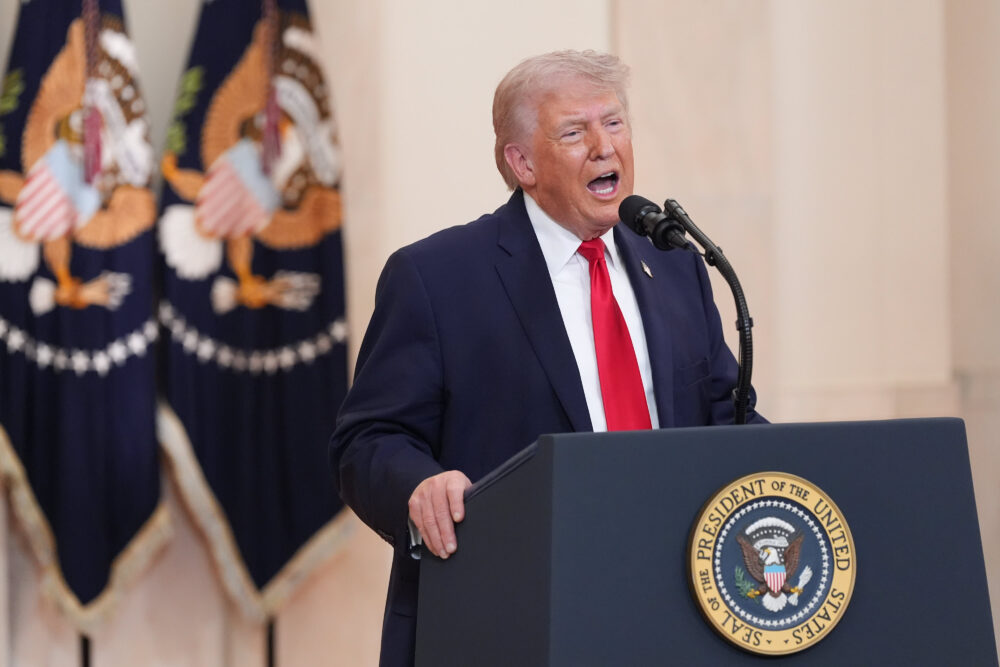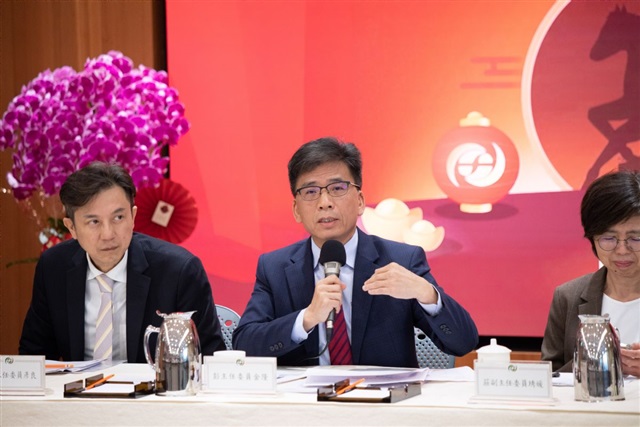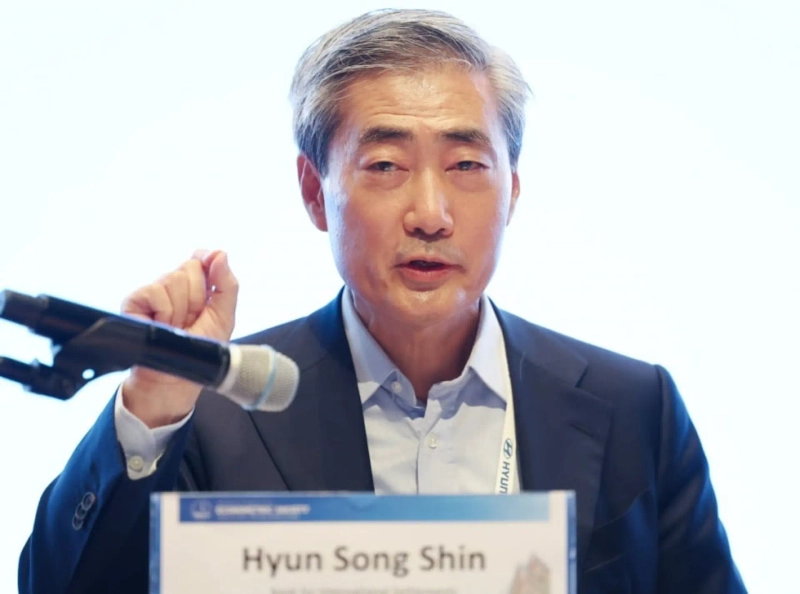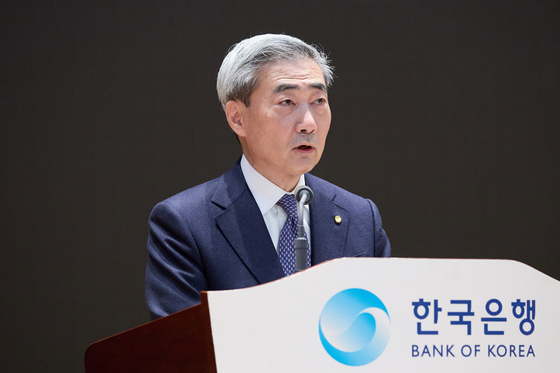
Newly appointed Bank of Korea Governor Shin Hyun-song has voiced support for central bank digital currencies (CBDCs) and tokenized bank deposits in his first public address, but stopped short of endorsing won-denominated stablecoins.
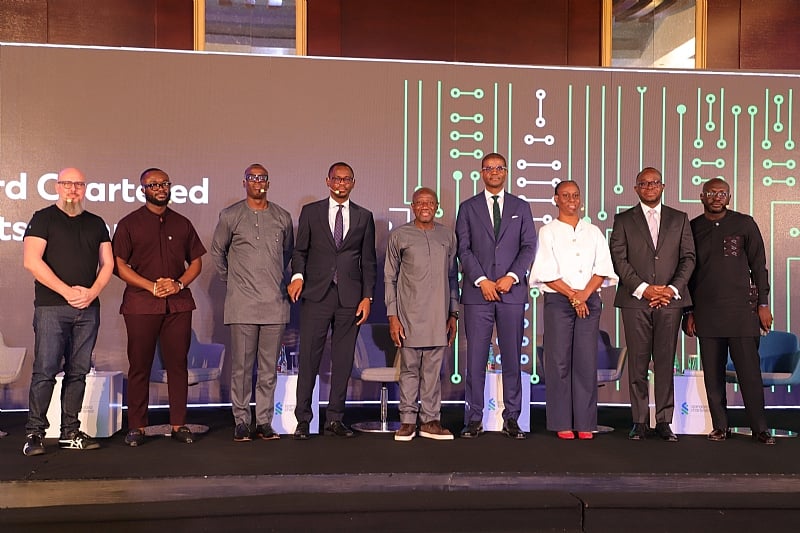
Shin, who began his four-year term after an inauguration ceremony in Seoul on Tuesday, said the central bank will advance the second phase of “Project Hangang,” a Bank of Korea-led pilot designed to test a blockchain-based wholesale CBDC system alongside bank-issued deposit tokens.
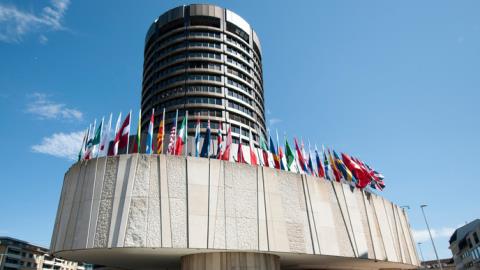
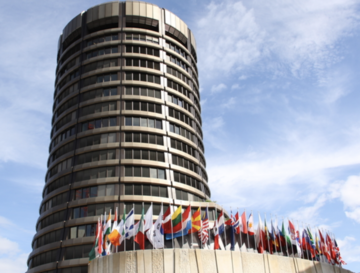
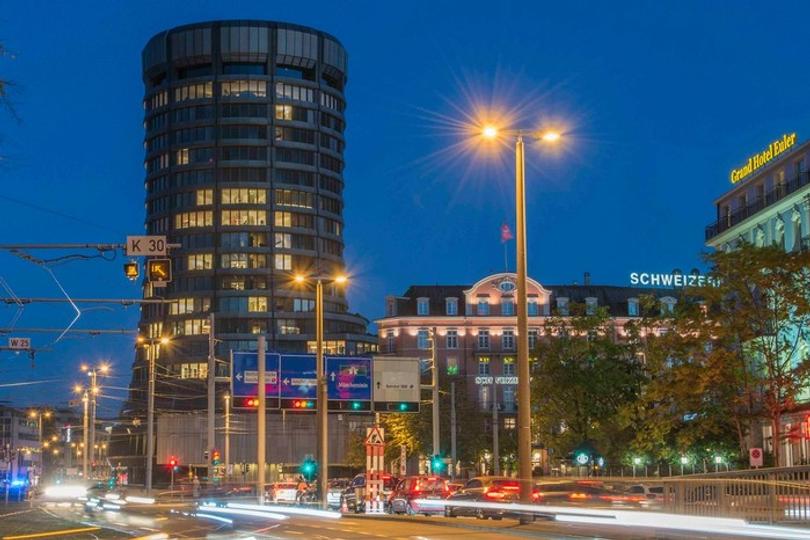
He also pointed to international collaboration, including Project Agora, an initiative launched in April 2024 by the Bank for International Settlements (BIS) and seven central banks to explore tokenizing cross-border payments.
A Push to Modernize the Korean Won
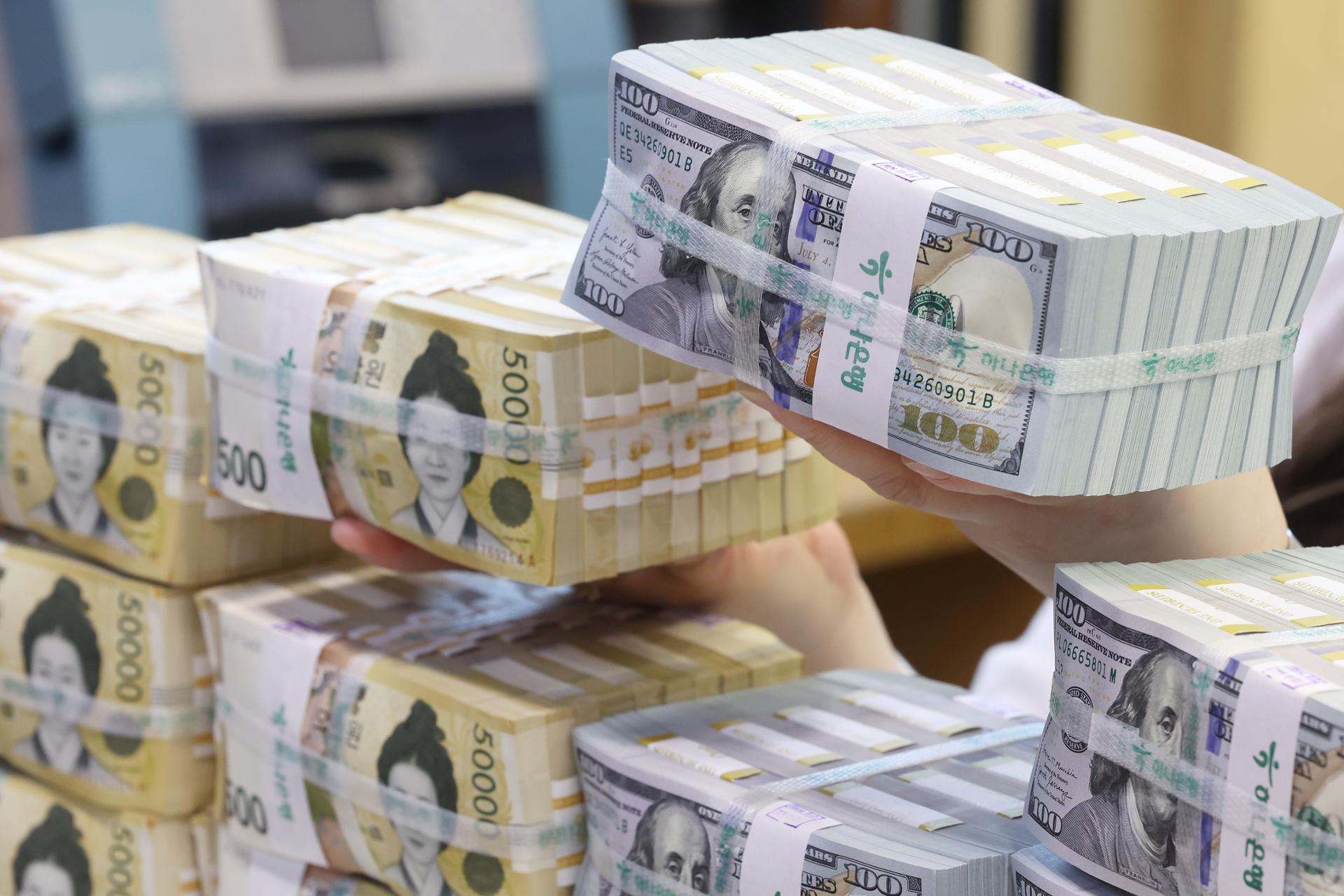
Shin said the digital money projects “will elevate the status of the Korean won in the digital payment environment,” according to reports citing the Bank of Korea.
The new governor’s background lends weight to the initiatives. He served as the BIS’s economic adviser from May 2014 until March 2026 and led its Monetary and Economic Department from January 2025, according to the BIS website.
Shin also outlined broader plans to modernize the country’s payment infrastructure, including extending foreign exchange trading into a 24-hour market and building an offshore won settlement system to align domestic market infrastructure more closely with global standards.
Stablecoins Absent from the Speech
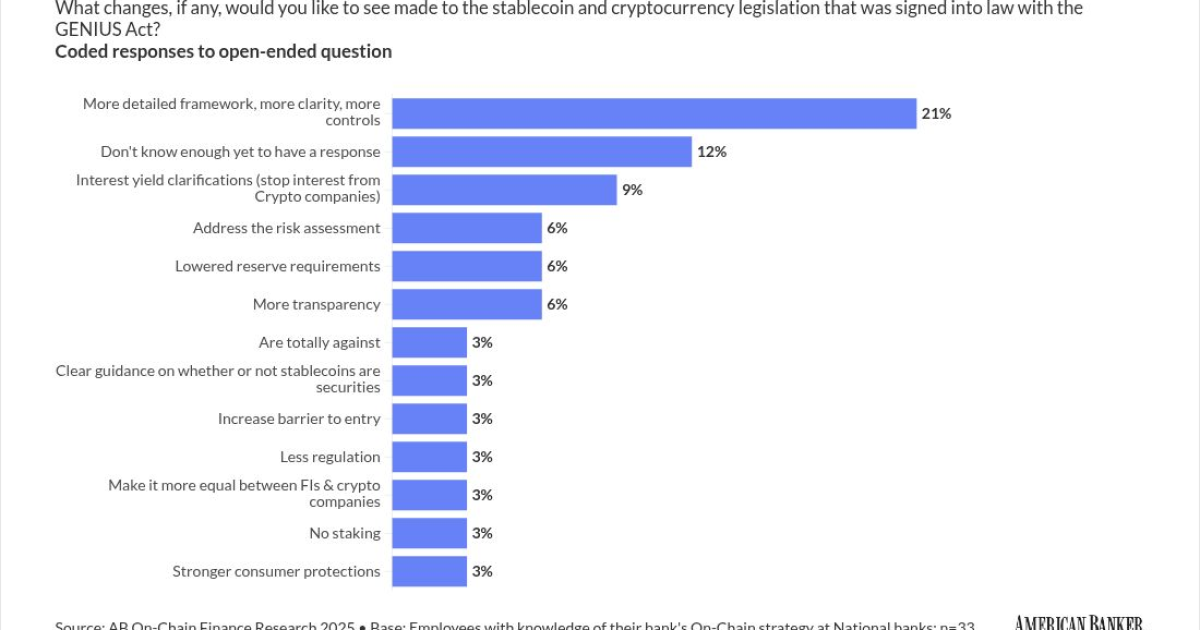
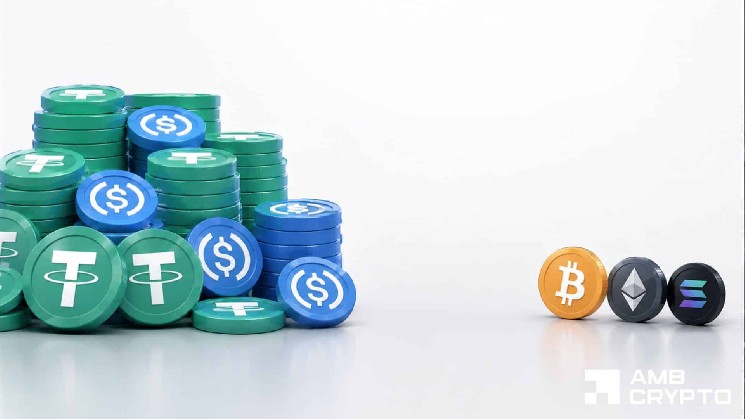
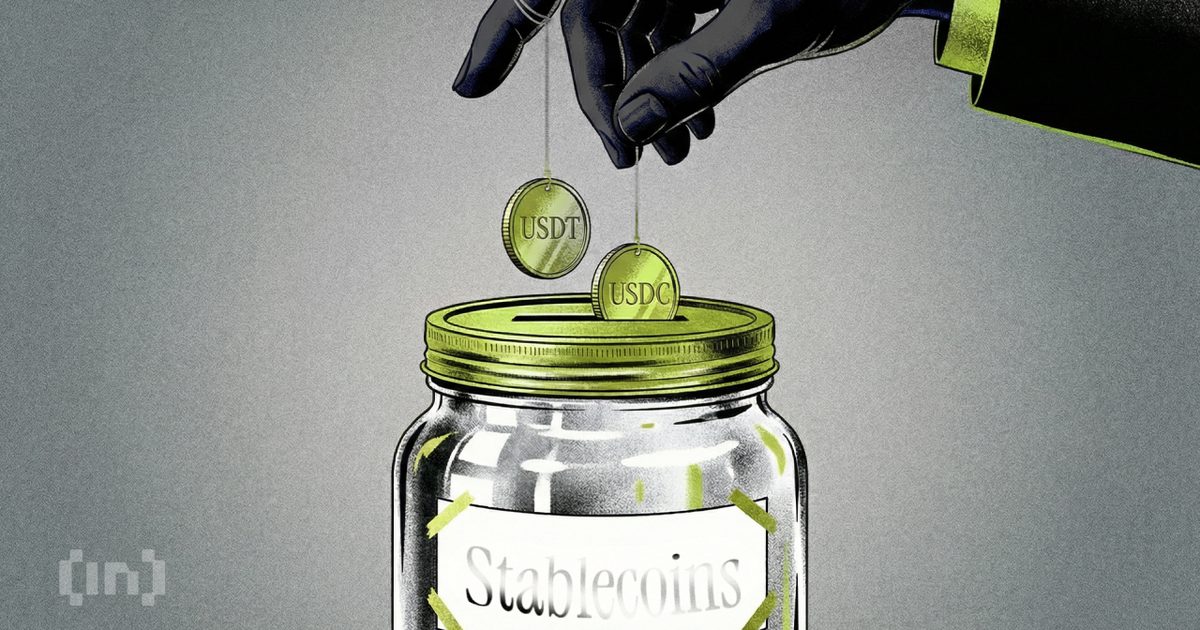
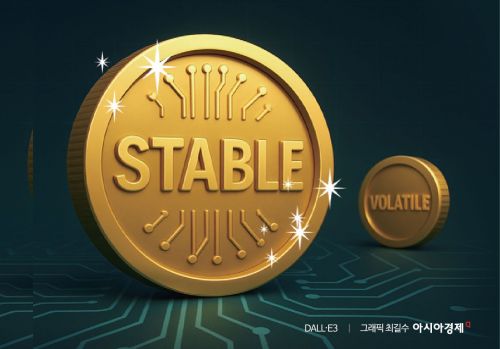
Although earlier reports had suggested Shin was open to Won-backed stablecoins, he did not mention them during his inauguration. South Korea’s stablecoin bill remains stalled, with regulators and lawmakers split over whether issuance of won-pegged tokens should be limited to commercial banks or opened to non-bank players such as fintech and tech firms.
Shin’s previous record has added to the debate. During his time at the BIS, he argued in a report that stablecoins could not replace currencies because fragmentation across chains led to varying fees, security levels, and decentralization standards. Last month, he expanded on that view in an academic paper, saying stablecoins fail to meet a core property of money known as “unity.”
Still, recent reports have indicated that Shin’s position has become more flexible, with the governor reportedly saying that won-based stablecoins could be established and coexist with CBDCs.
Geopolitical Risks and a Cautious Policy Tone
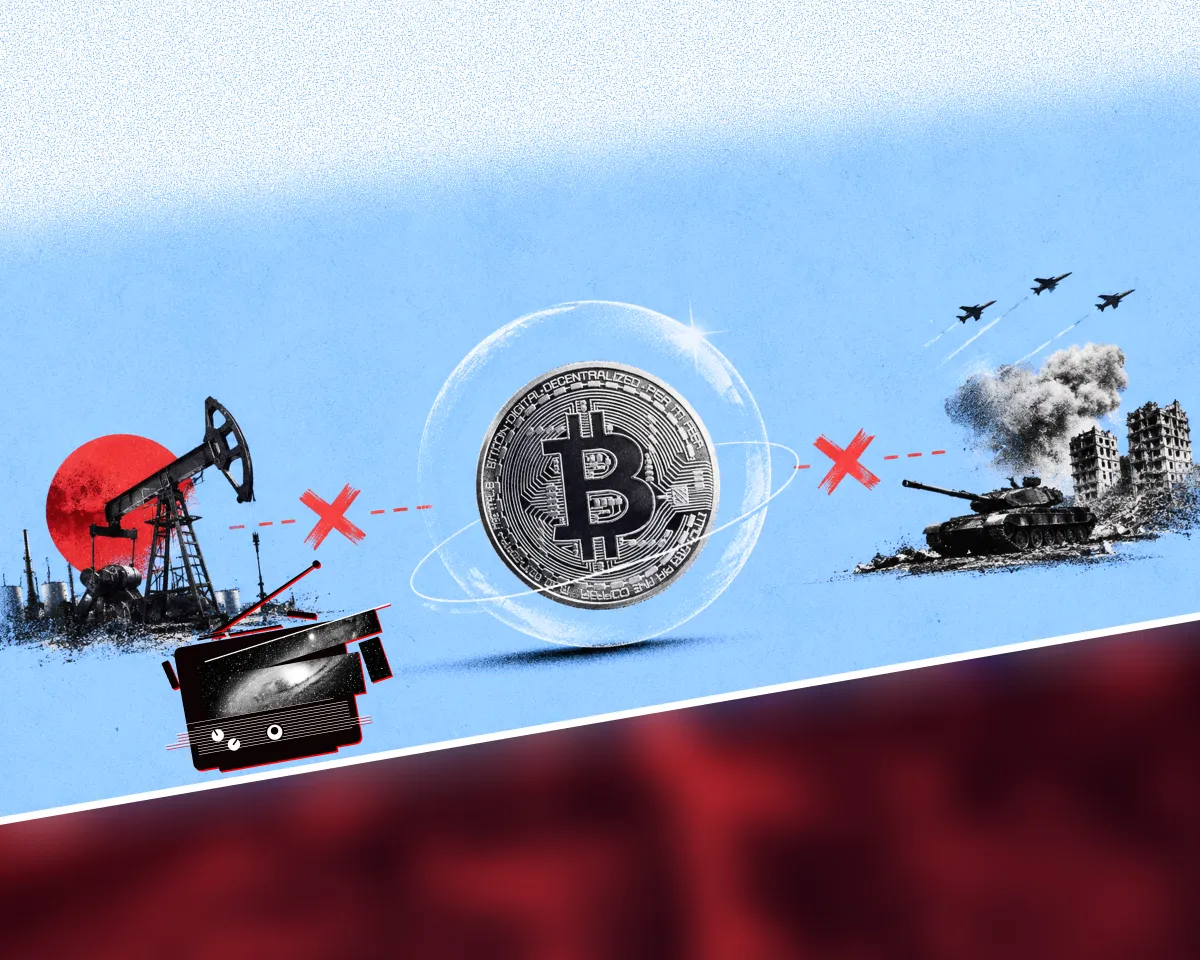
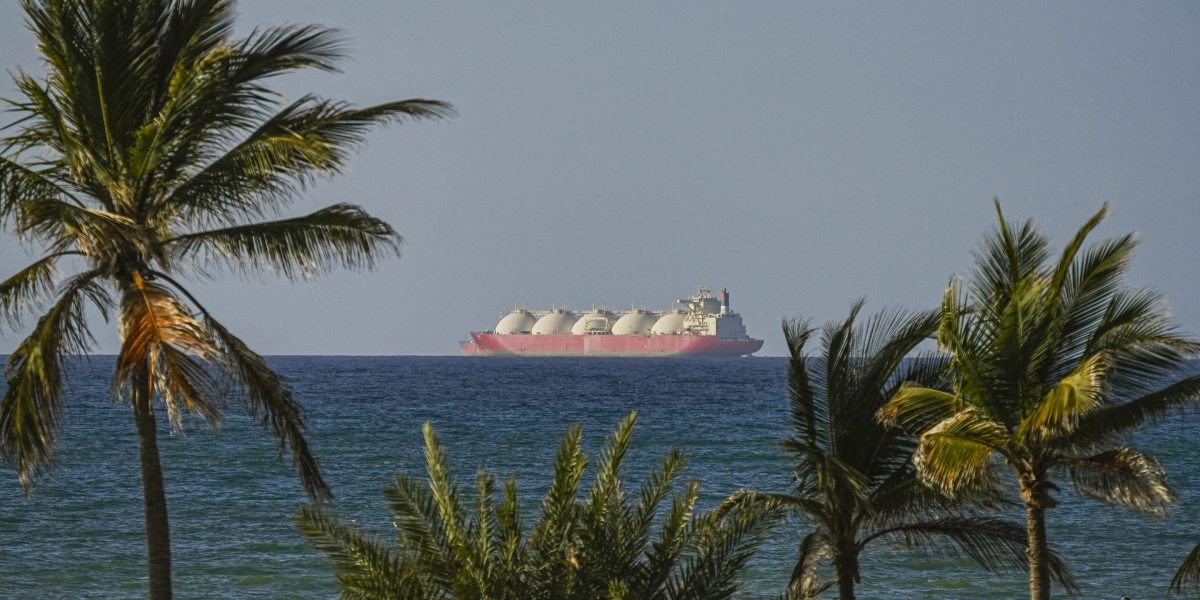
Shin also addressed rising tensions in the Middle East and their impact on oil prices, saying the central bank must respond to heightened uncertainty stemming from geopolitical shocks, inflationary pressures, and global economic shifts.
Earlier this month, the Bank of Korea left its benchmark interest rate unchanged, citing an unusually uncertain outlook while signaling that inflation risks have tilted higher amid renewed volatility in financial markets.
The second phase of Project Hangang is expected to expand on the initial pilot, which tested bank-issued deposit tokens with a limited group of residents earlier in 2025. Officials have previously indicated that future phases could explore the use of CBDC-backed deposit tokens to distribute government subsidies.