BitcoinWorld
Zonda Exchange Crisis: 4,500 Bitcoin Frozen in Devastating Cold Wallet Lockout
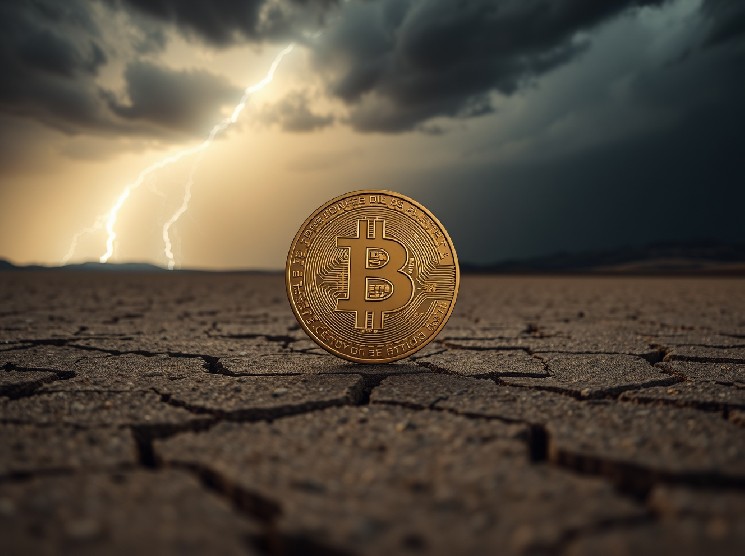
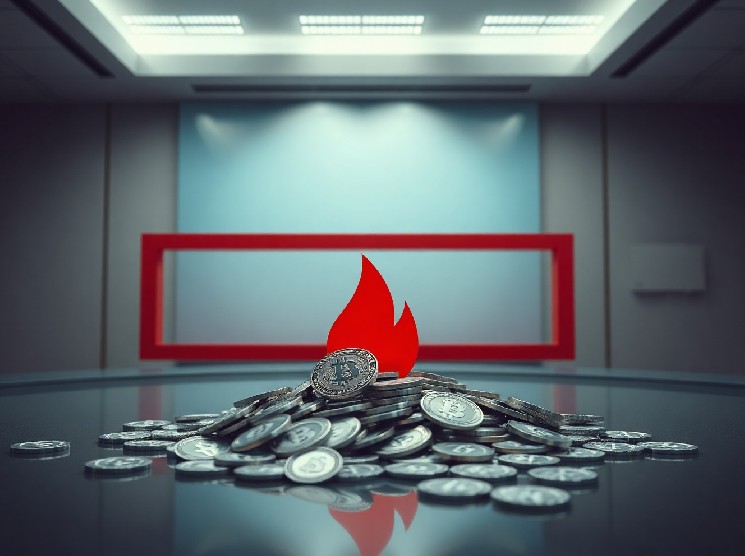
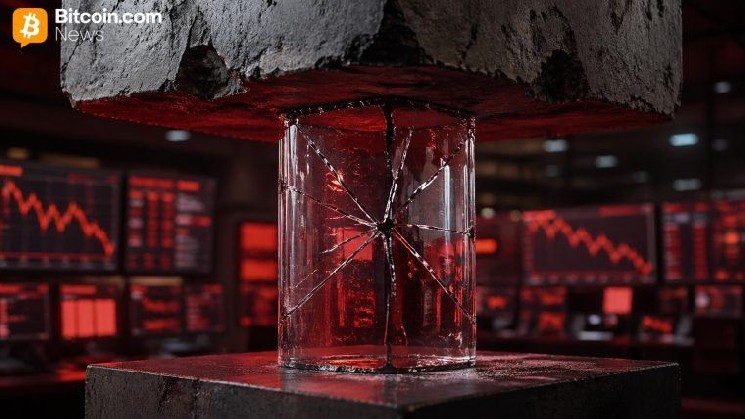
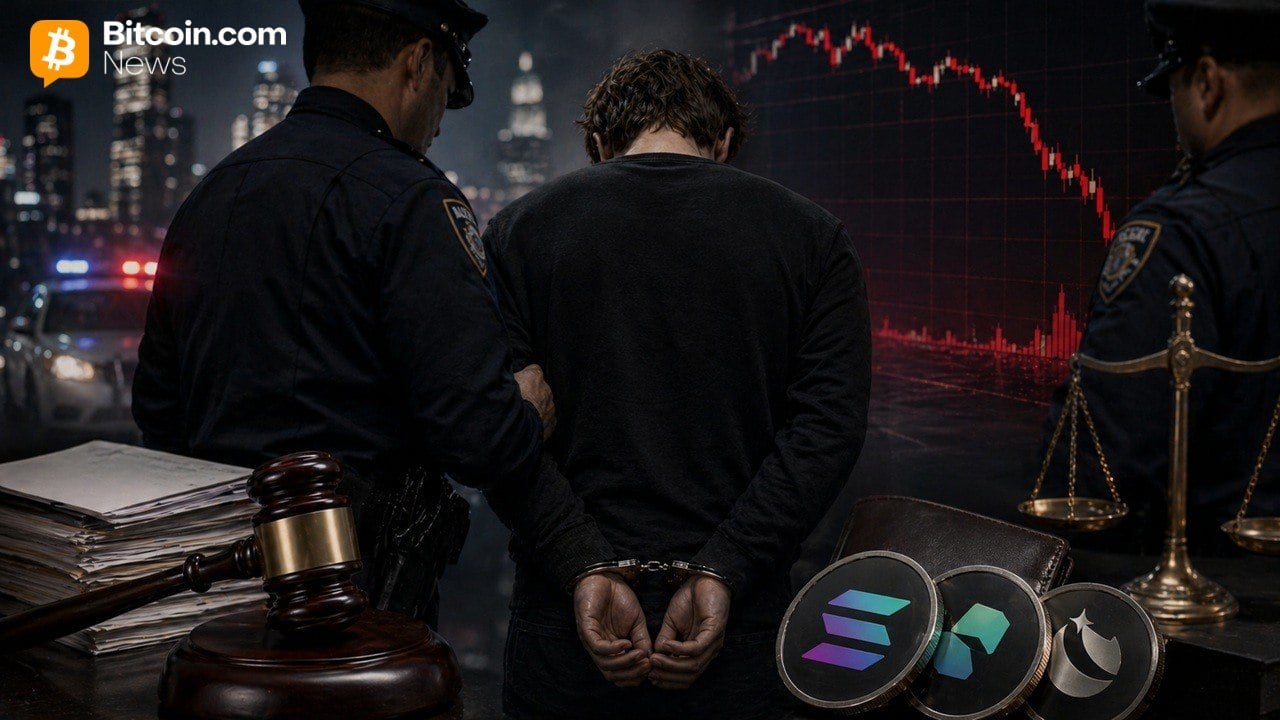
Warsaw, Poland – March 2025 – The Polish cryptocurrency exchange Zonda faces a severe liquidity crisis after revealing it cannot access approximately 4,500 Bitcoin stored in a cold wallet, triggering widespread customer panic and regulatory scrutiny across European markets.
Zonda Exchange Withdrawal Halt Sparks Immediate Crisis
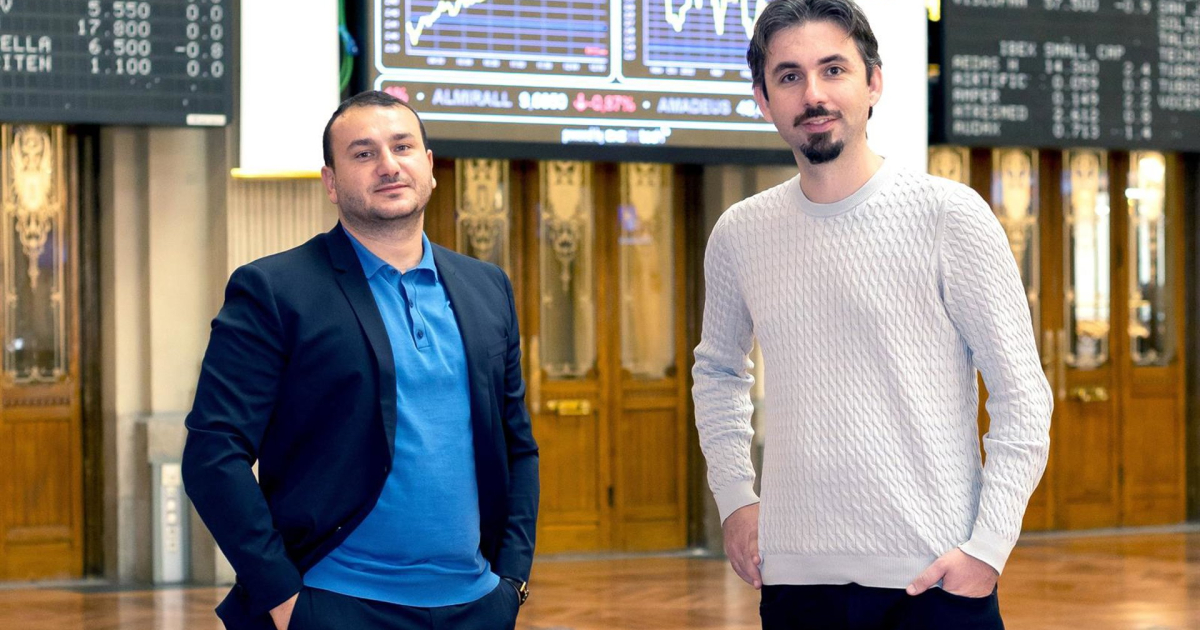
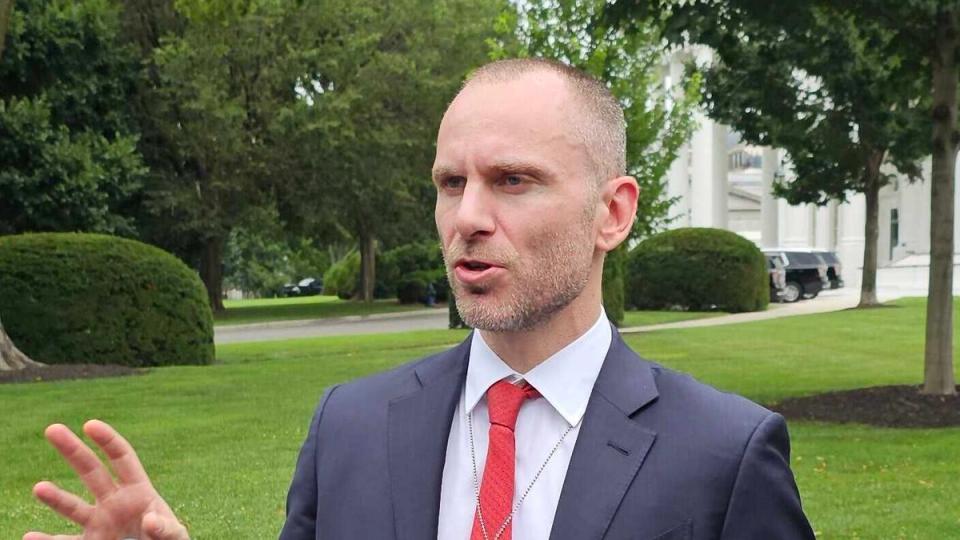
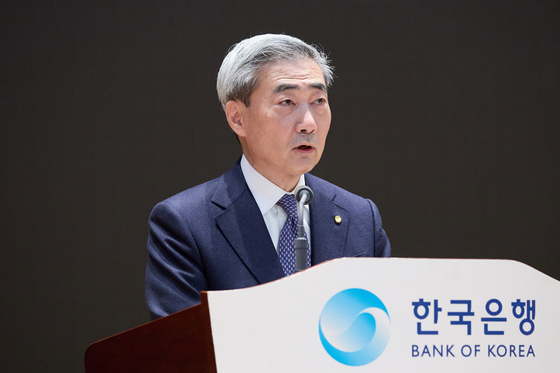
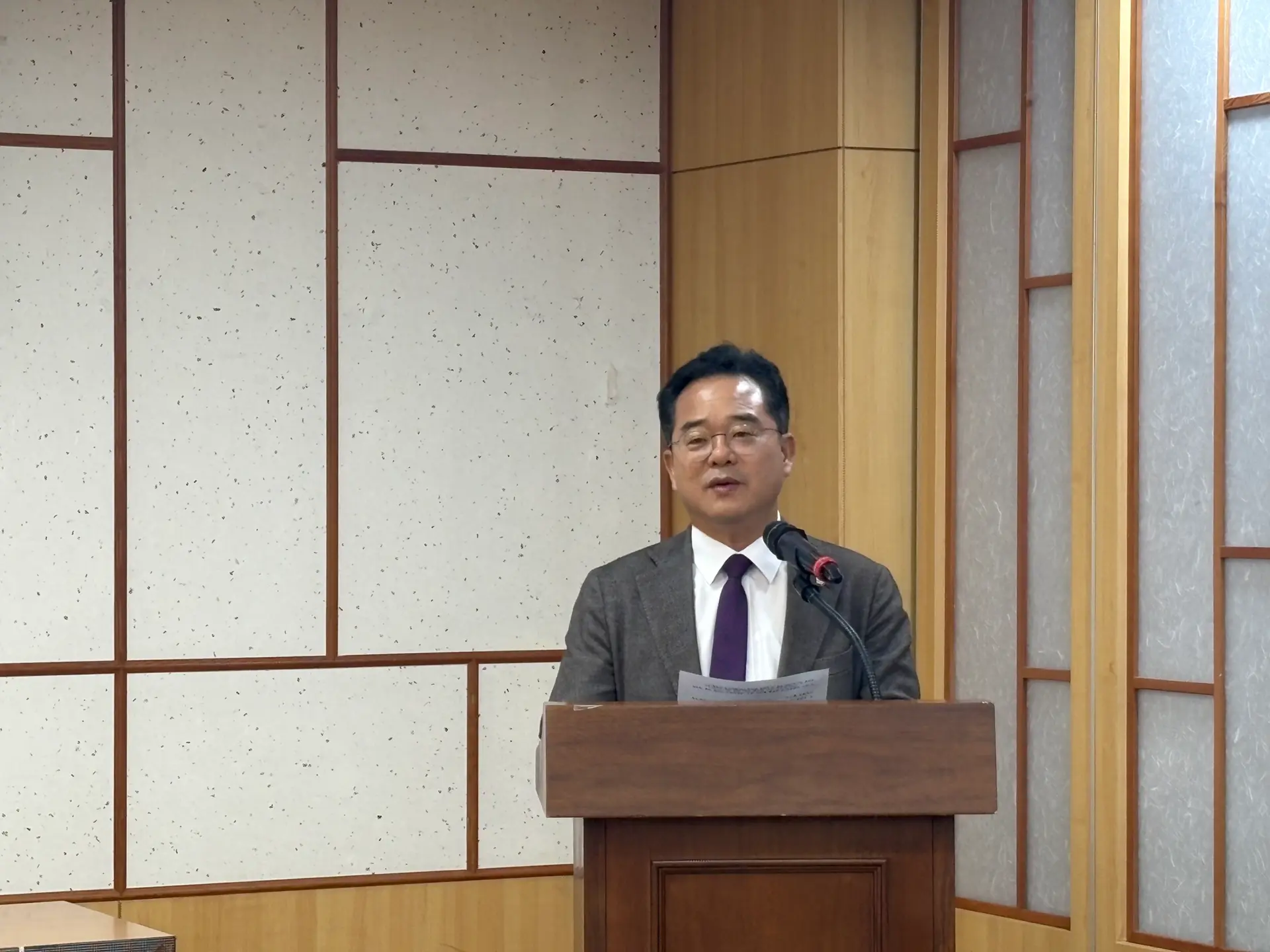
Zonda CEO Przemysław Kral confirmed the exchange suspended withdrawals this week. Consequently, the platform cannot process customer transactions. Specifically, the exchange identified a critical problem with its cold storage system. Moreover, this situation affects thousands of Polish cryptocurrency investors. The exchange manages assets for approximately 400,000 registered users. Therefore, this development represents a significant event in European crypto markets.
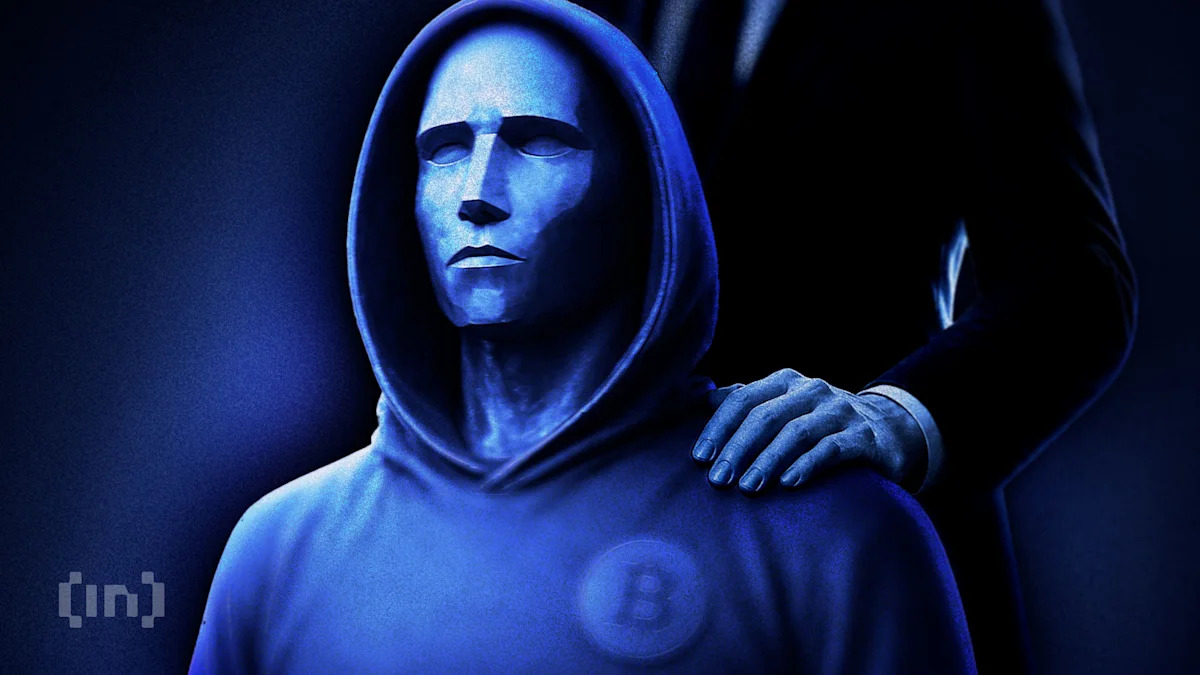
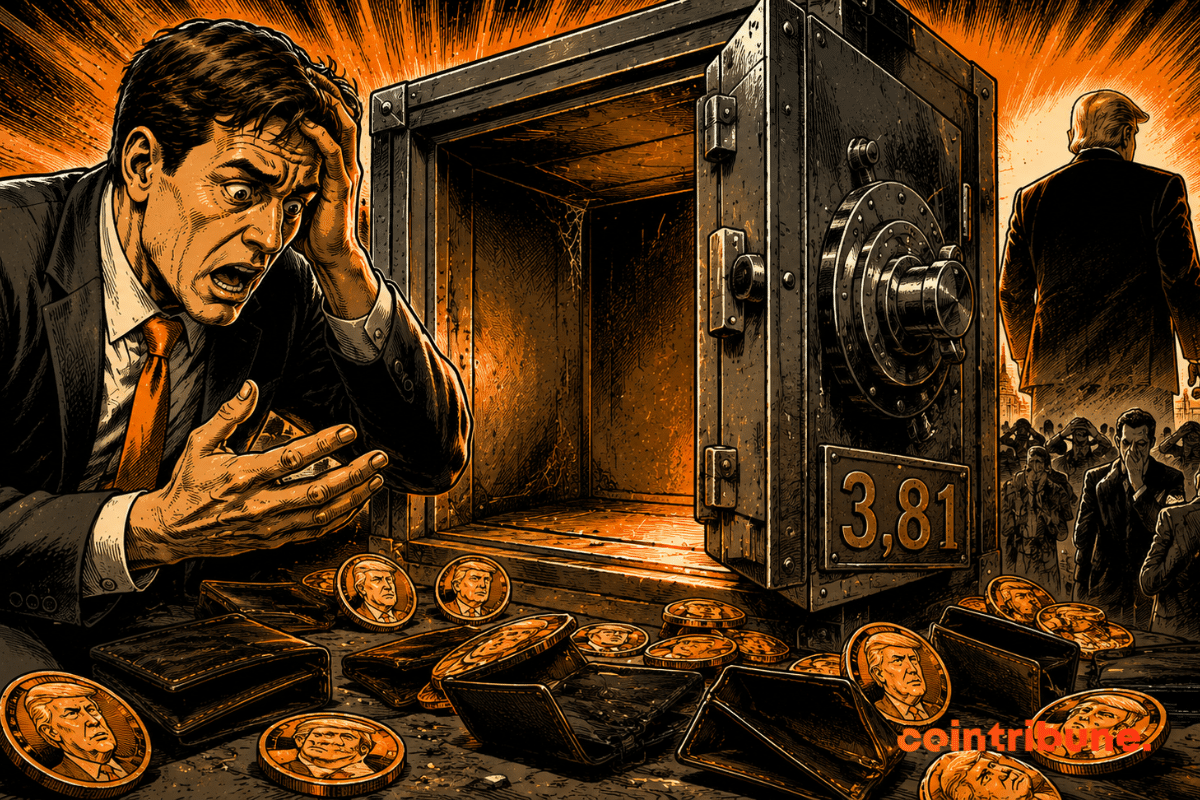
Kral publicly disclosed the Bitcoin address containing 4,503 BTC. However, he emphasized the exchange lacks access to these funds. The private keys remain with former CEO Sylwester Suszek. Suszek disappeared in late 2022 amid previous operational challenges. Currently, the exchange cannot retrieve approximately $300 million in customer assets.
Cold Wallet Security Becomes Central Issue
Cryptocurrency exchanges typically use cold wallets for security. These offline storage systems protect digital assets from online threats. Nevertheless, proper key management remains essential for accessibility. Zonda’s situation demonstrates a critical failure in this fundamental security protocol.
Key security failures identified:
- Single-point key custody without backup mechanisms
- Inadequate succession planning for executive departures
- Missing multi-signature implementation for large reserves
- Poor documentation of critical access procedures
Industry experts immediately noted concerning parallels. Specifically, the 2014 Mt. Gox collapse involved similar custody issues. Furthermore, the 2022 FTX collapse demonstrated poor corporate governance. However, Zonda’s situation presents unique legal complications because the keys exist but remain inaccessible.
Regulatory Response and Legal Implications
Polish financial authorities initiated investigations immediately. The Polish Financial Supervision Authority (KNF) monitors the situation closely. Additionally, European Union regulators examine broader implications for crypto asset markets. The Markets in Crypto-Assets (MiCA) regulation takes full effect in December 2024. Therefore, this incident tests new regulatory frameworks.
Legal experts highlight potential criminal investigations. Embezzlement allegations require thorough examination. However, Kral consistently denies any wrongdoing. Instead, he attributes the situation to unfortunate circumstances. The missing founder complicates legal proceedings significantly. International cooperation may become necessary for resolution.
Customer Impact and Market Reactions
The withdrawal halt triggered immediate customer reactions. Thousands submitted withdrawal requests within hours. Social media platforms amplified concerns rapidly. Consequently, the exchange experienced a classic bank run scenario. Customer confidence eroded despite official communications.
| Exchange | Year | Assets Affected | Primary Cause |
|---|---|---|---|
| Mt. Gox | 2014 | 850,000 BTC | Security Breach |
| FTX | 2022 | $8-10 billion | Fraud & Mismanagement |
| Celsius | 2022 | $4.7 billion | Liquidity Crisis |
| Zonda | 2025 | 4,503 BTC | Custody Access Failure |
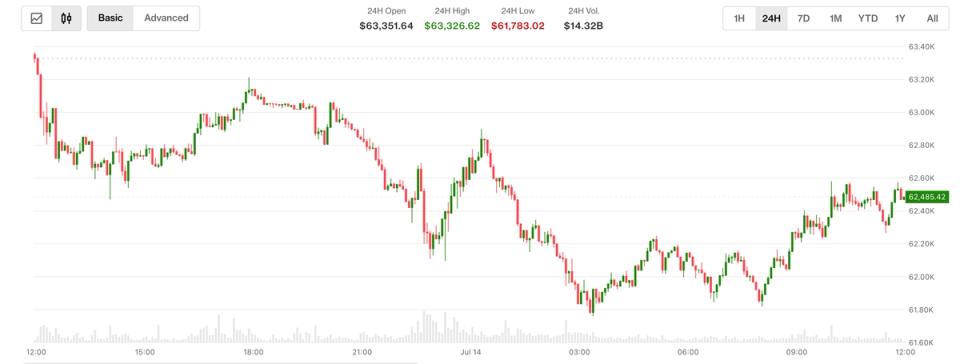
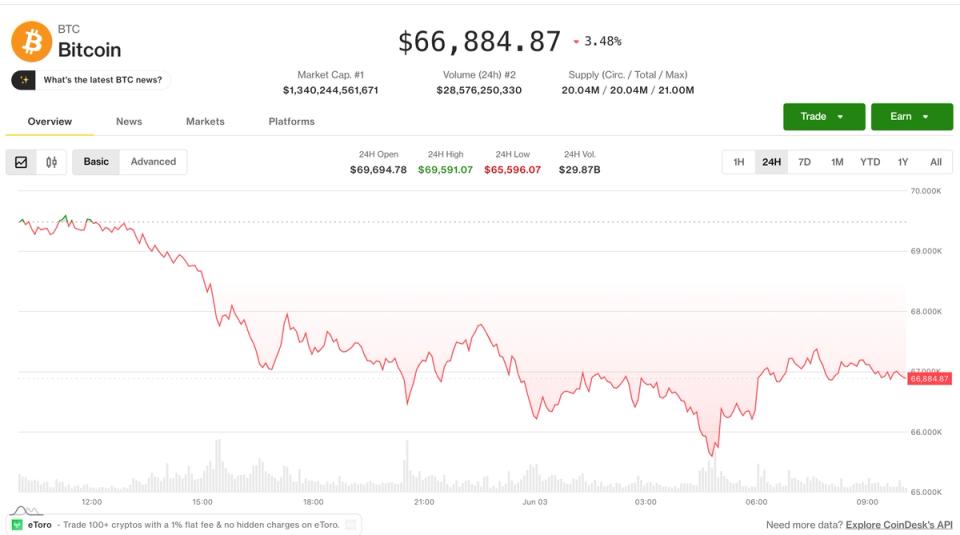
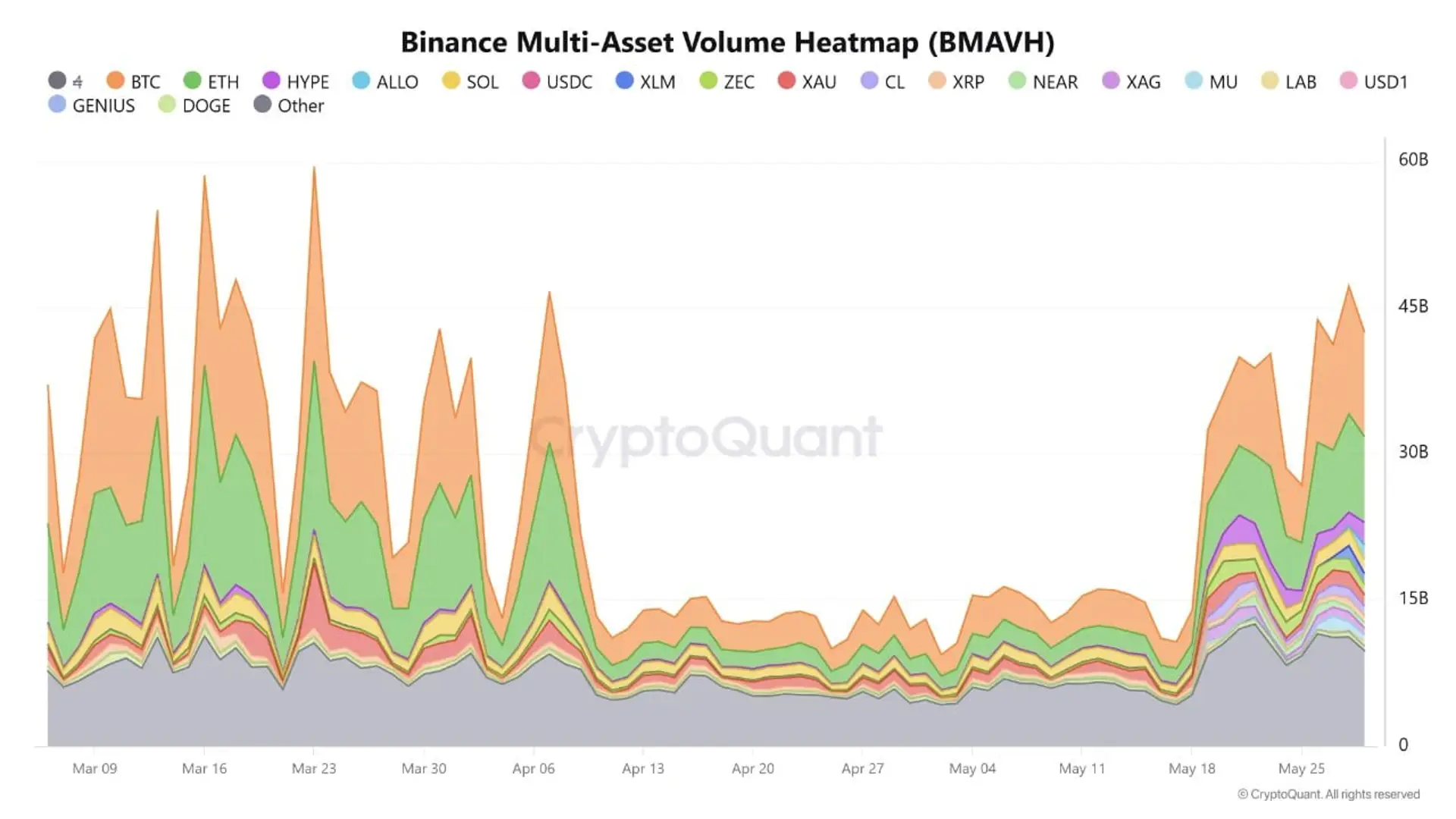
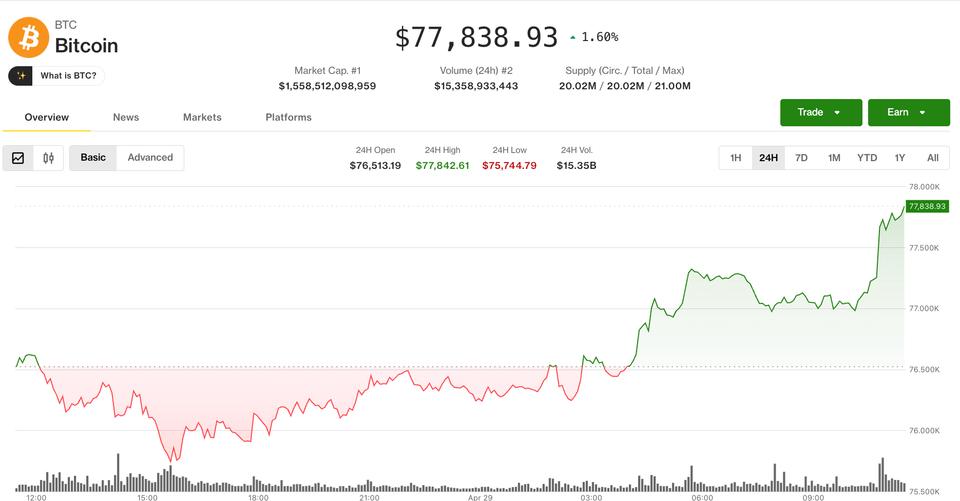
Market analysts observe broader implications. Bitcoin prices showed minor volatility following the news. However, Polish cryptocurrency markets experienced localized effects. Regional exchange volumes decreased temporarily. International investors monitor European regulatory responses carefully.
Historical Context and Industry Patterns
Zonda launched originally as BitBay in 2014. The platform rebranded to Zonda in 2021. Previously, it operated as one of Poland’s largest exchanges. The platform survived multiple market cycles successfully. Nevertheless, this incident represents its most severe challenge.
The cryptocurrency industry faces recurring custody issues. Centralized exchanges manage enormous asset volumes. However, security practices vary significantly across platforms. Institutional investors increasingly demand better solutions. Consequently, regulated custody services gain market share steadily.
Technical Analysis of the Bitcoin Address
Blockchain analysis reveals interesting patterns. The identified address received multiple transactions over years. The funds remained stationary for extended periods. This behavior suggests genuine cold storage usage. No suspicious outgoing transactions appear in the history.
Security experts explain possible recovery methods. Multi-signature setups could have prevented this situation. Hardware wallet solutions with backup protocols offer alternatives. Professional custody services provide institutional-grade protection. However, implementing these solutions requires proactive planning.
Future Implications for Exchange Security
This incident will likely accelerate security improvements. Exchanges may implement more robust key management systems. Regulatory requirements will probably become stricter. Insurance products for digital assets might expand coverage. Customer education about custody risks will increase.
The industry faces a critical juncture. Trust remains essential for cryptocurrency adoption. Therefore, exchanges must demonstrate superior security practices. Transparency about reserve management becomes increasingly important. Audited proof-of-reserves gain significance for customer confidence.
Conclusion
The Zonda exchange withdrawal halt demonstrates critical vulnerabilities in cryptocurrency custody systems. The inaccessible 4,500 Bitcoin highlights fundamental security failures. This situation affects thousands of Polish investors directly. Moreover, it tests emerging European regulatory frameworks. The cryptocurrency industry must address these custody challenges systematically. Otherwise, similar incidents may undermine market confidence repeatedly. Ultimately, robust security protocols and regulatory oversight remain essential for sustainable growth.
FAQs
Q1: What caused the Zonda exchange withdrawal halt?
The exchange cannot access approximately 4,500 Bitcoin in a cold wallet because the private keys remain with the missing former CEO, creating a liquidity crisis.
Q2: How much Bitcoin is inaccessible in the Zonda cold wallet?
Exactly 4,503 Bitcoin, valued at approximately $300 million at current market prices, remains locked in the inaccessible cold wallet.
Q3: What happens to customer funds during the withdrawal halt?
Customer withdrawal requests cannot be processed until the exchange resolves the cold wallet access issue or finds alternative liquidity solutions.
Q4: Are other cryptocurrency exchanges affected by this incident?
While Zonda operates independently, the incident affects market confidence regionally and highlights custody risks that concern the entire industry.
Q5: What regulatory actions might follow the Zonda exchange crisis?
Polish and European regulators will likely investigate the incident thoroughly, potentially leading to stricter custody requirements under MiCA regulations.
This post Zonda Exchange Crisis: 4,500 Bitcoin Frozen in Devastating Cold Wallet Lockout first appeared on BitcoinWorld.