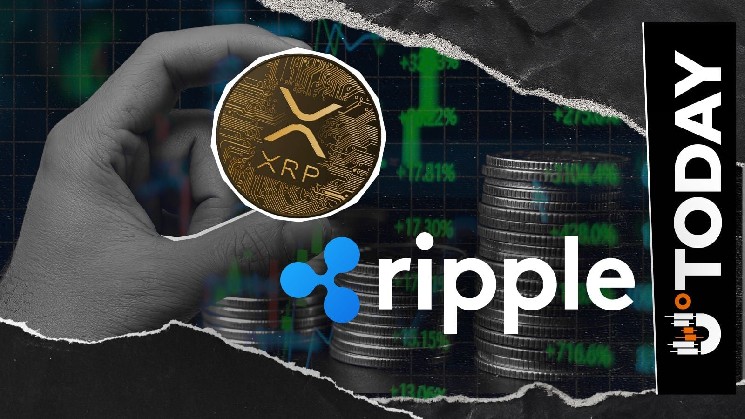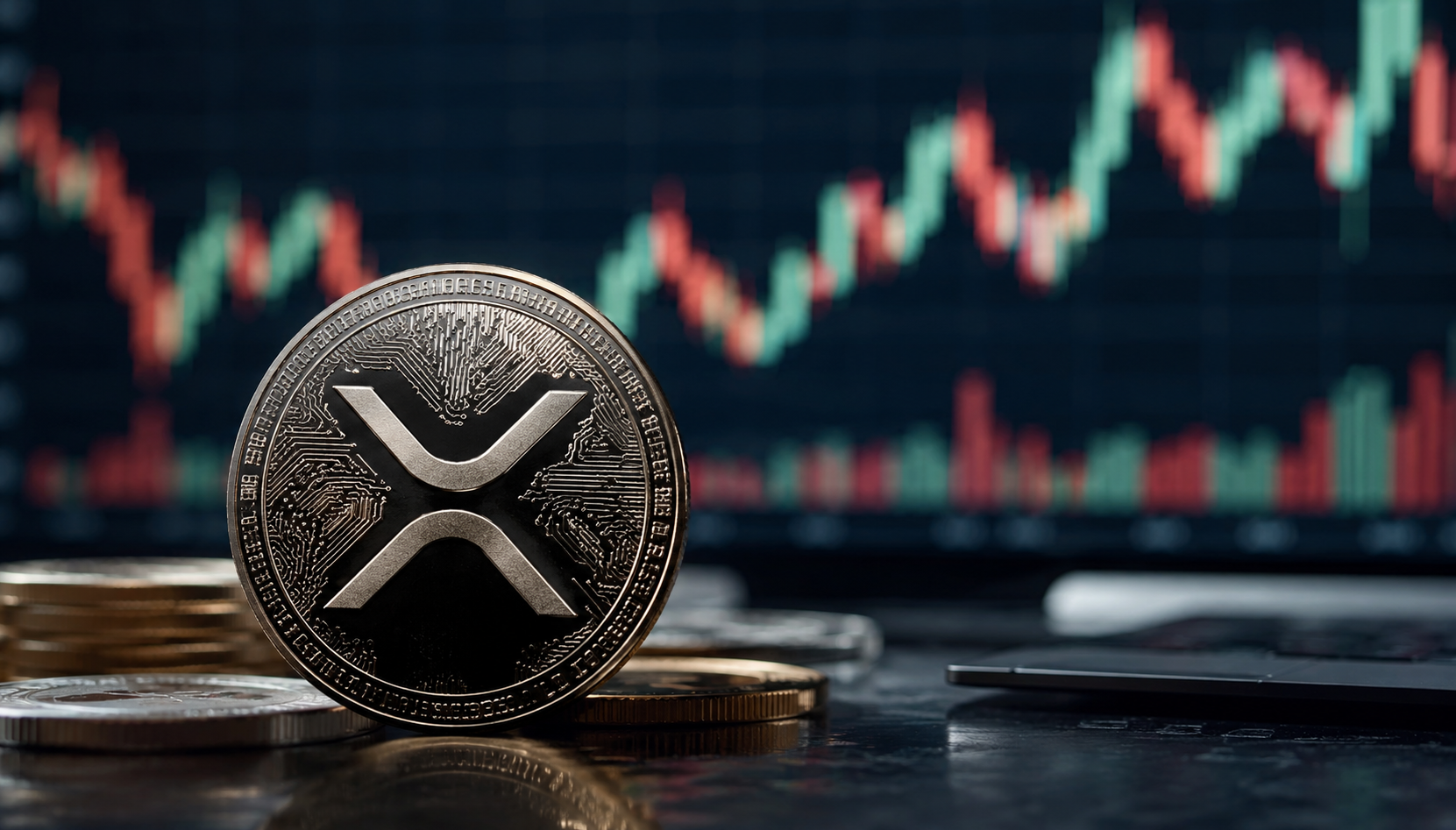
Ripple’s $XRP Push to Reshape Global Payments
Ripple’s long-standing ambition to transform global payments is drawing renewed scrutiny as fresh data and institutional signals suggest a shifting cross-border finance landscape.
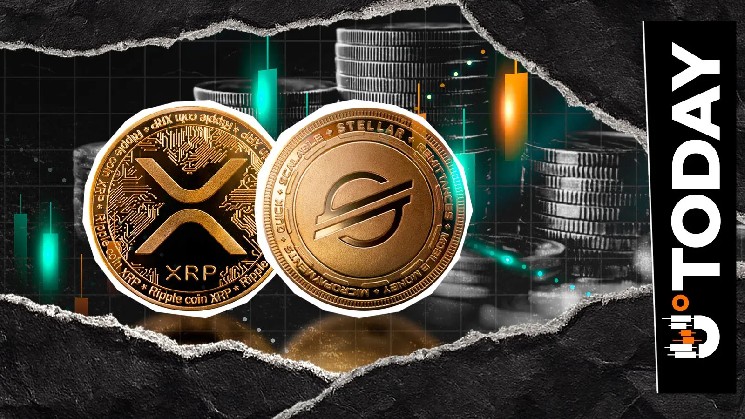
Citing a Financial Planning Association document, crypto researcher SMQKE underscored a central thesis that Ripple’s strategy positions $XRP as a potential alternative or complement to SWIFT, the dominant backbone of international banking transactions.
To grasp the scale, consider SWIFT, which connects more than 11,500 financial institutions and supports over $5 trillion in daily transactions.
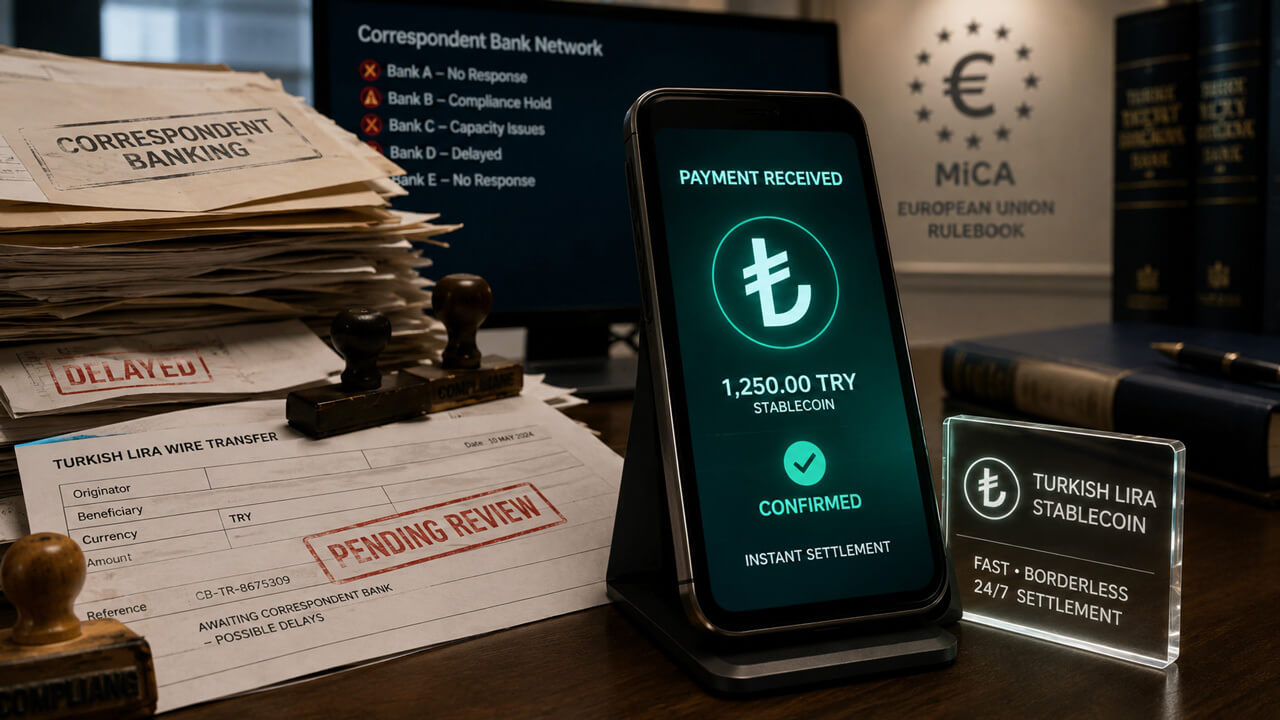
Despite this reach, SWIFT doesn’t actually transfer money, it functions as a secure messaging layer that relays payment instructions between banks.
Therefore, this structure often introduces delays, higher transaction costs, and the need for pre-funded accounts across different jurisdictions to keep payments flowing smoothly.
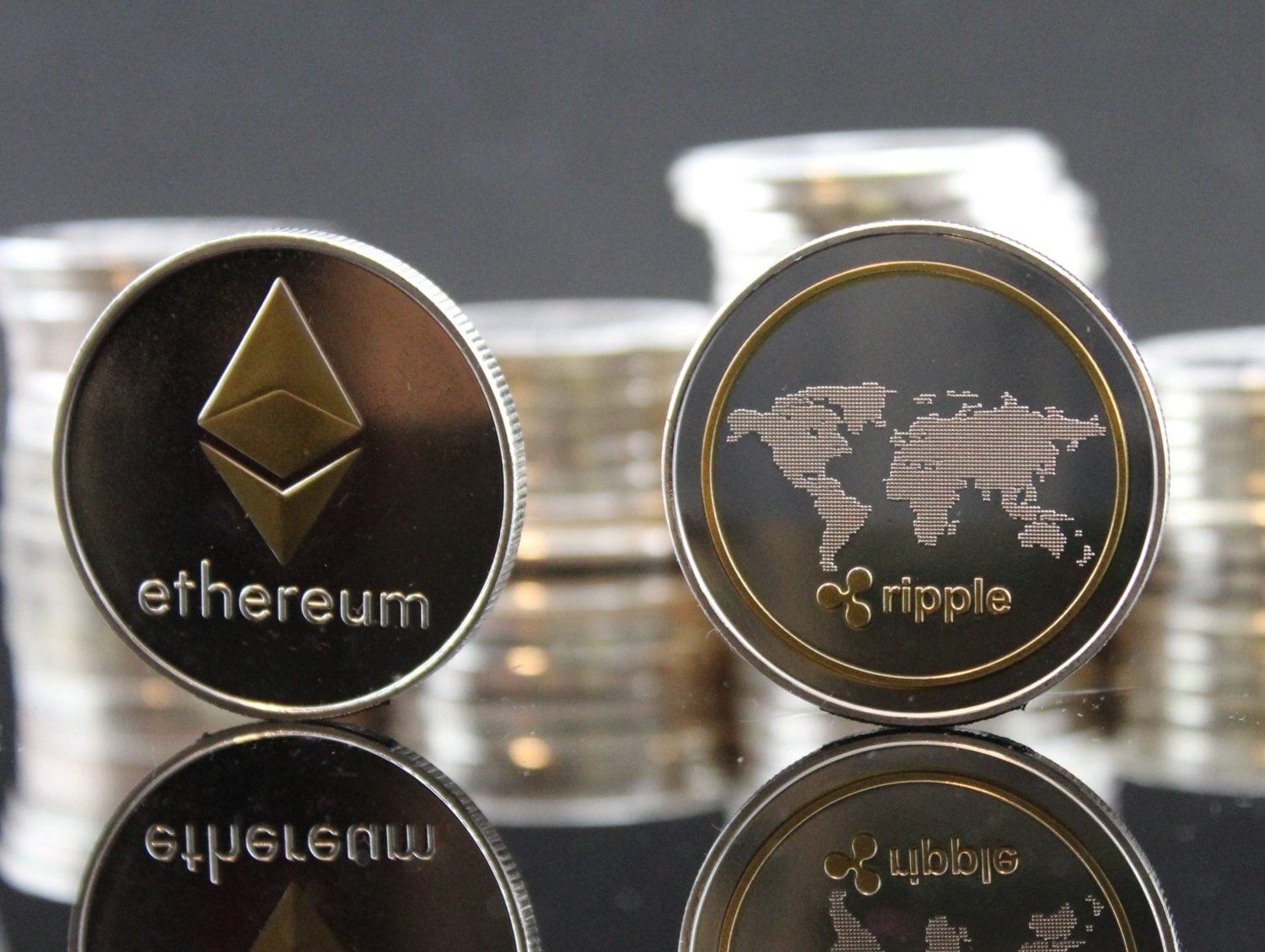
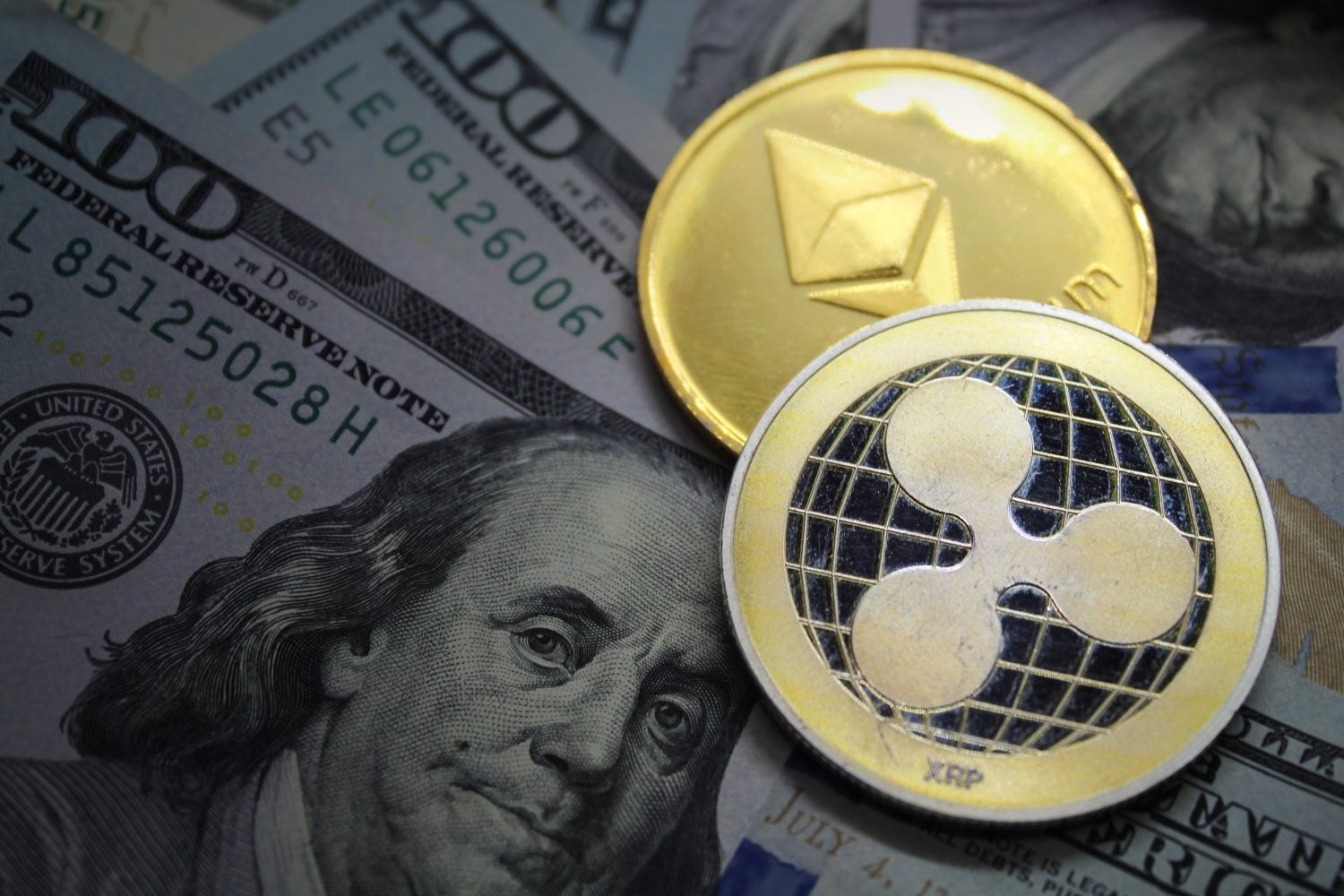
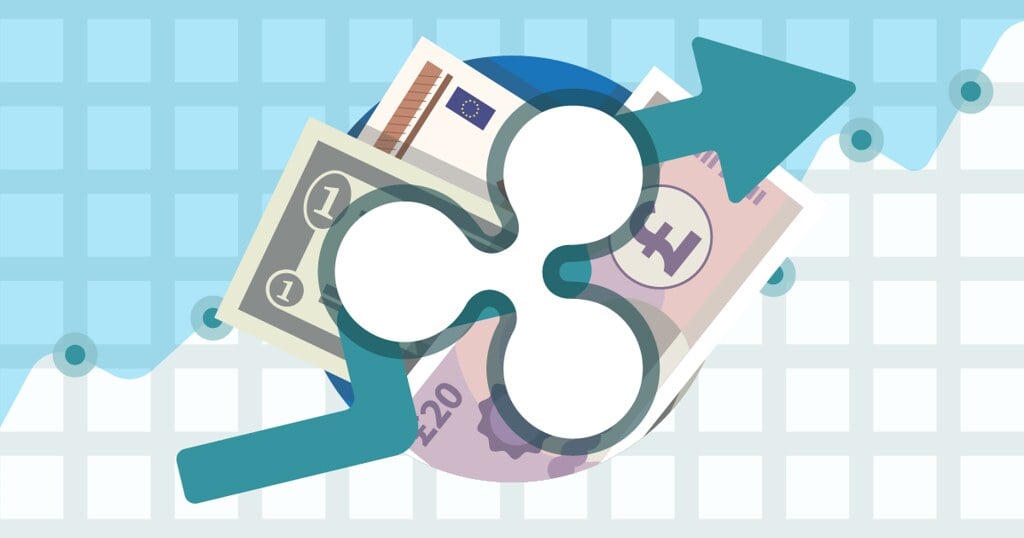
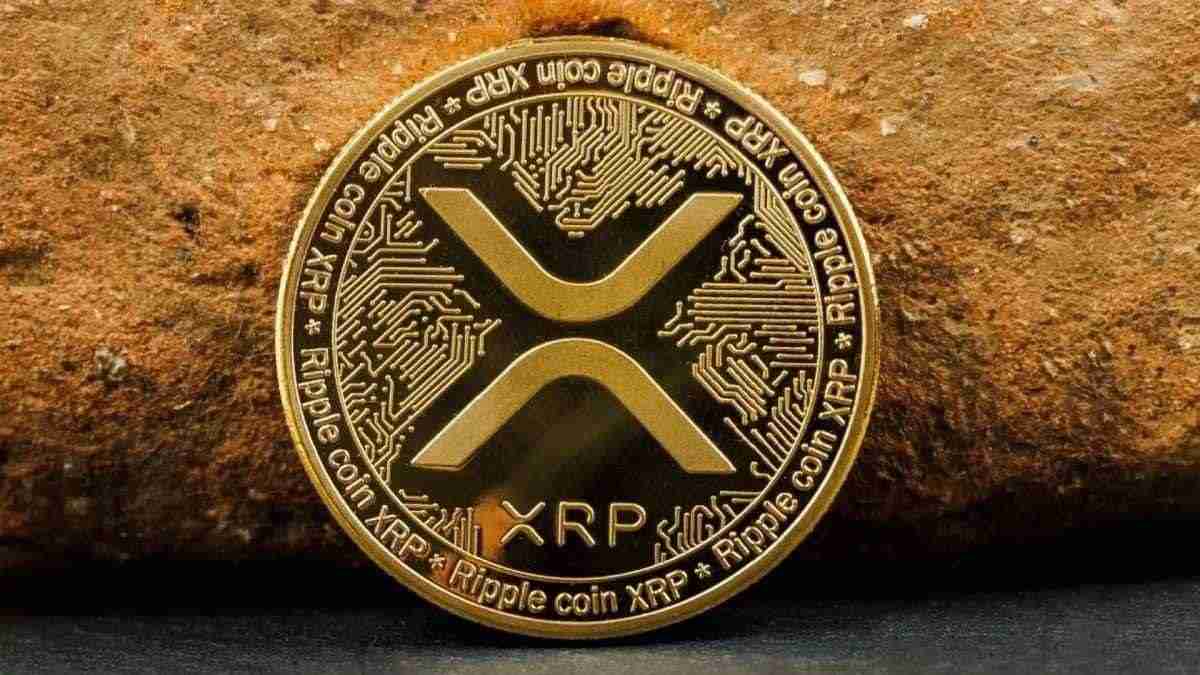
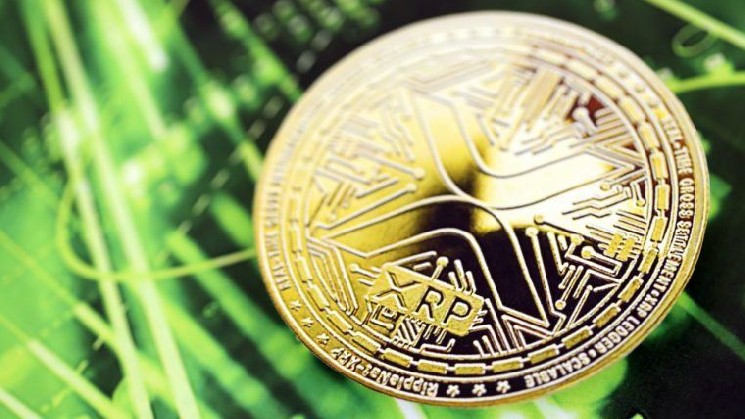
As a result, Ripple’s model directly challenges the traditional structure by using $XRP as a bridge asset.
Instead of relying on pre-funded accounts across multiple jurisdictions, financial institutions could convert local currency into $XRP, move it across borders in seconds, and instantly convert it into the destination currency.
This approach enables near real-time settlement, lowers capital locked in idle accounts, and significantly improves overall liquidity efficiency.
Ripple and SWIFT: From Competition to Integration in Global Payments
Recent developments suggest this vision is moving beyond theory. Pilot data from Japanese banks shows that $XRP-based transactions can cut cross-border payment costs by up to 60% compared to traditional SWIFT-based systems.
If replicated at scale, that level of efficiency could reshape how financial institutions handle international transfers, particularly in high-volume payment corridors.
The relationship between Ripple and SWIFT may not be strictly competitive. Ripple Treasury has reportedly positioned SWIFT as a strategic partner within its ecosystem, pointing to a more blended future where legacy payment infrastructure and blockchain-based networks operate in parallel rather than in opposition.
Rather than fully replacing existing systems like SWIFT, Ripple seems to be moving toward enhancing them. By integrating $XRP-based liquidity into current financial infrastructure, it positions itself as both a challenger and a support layer for global payments.