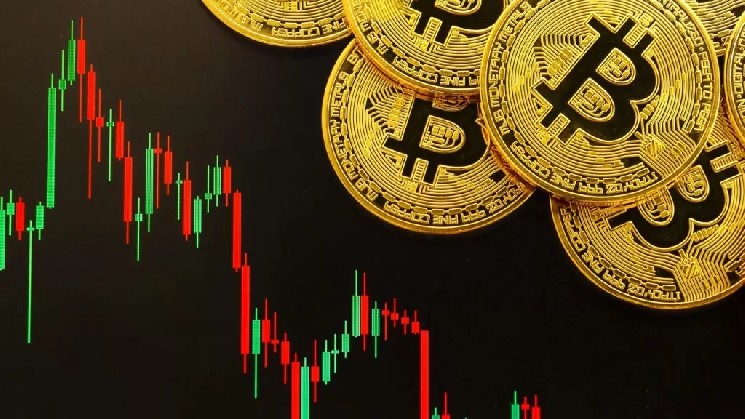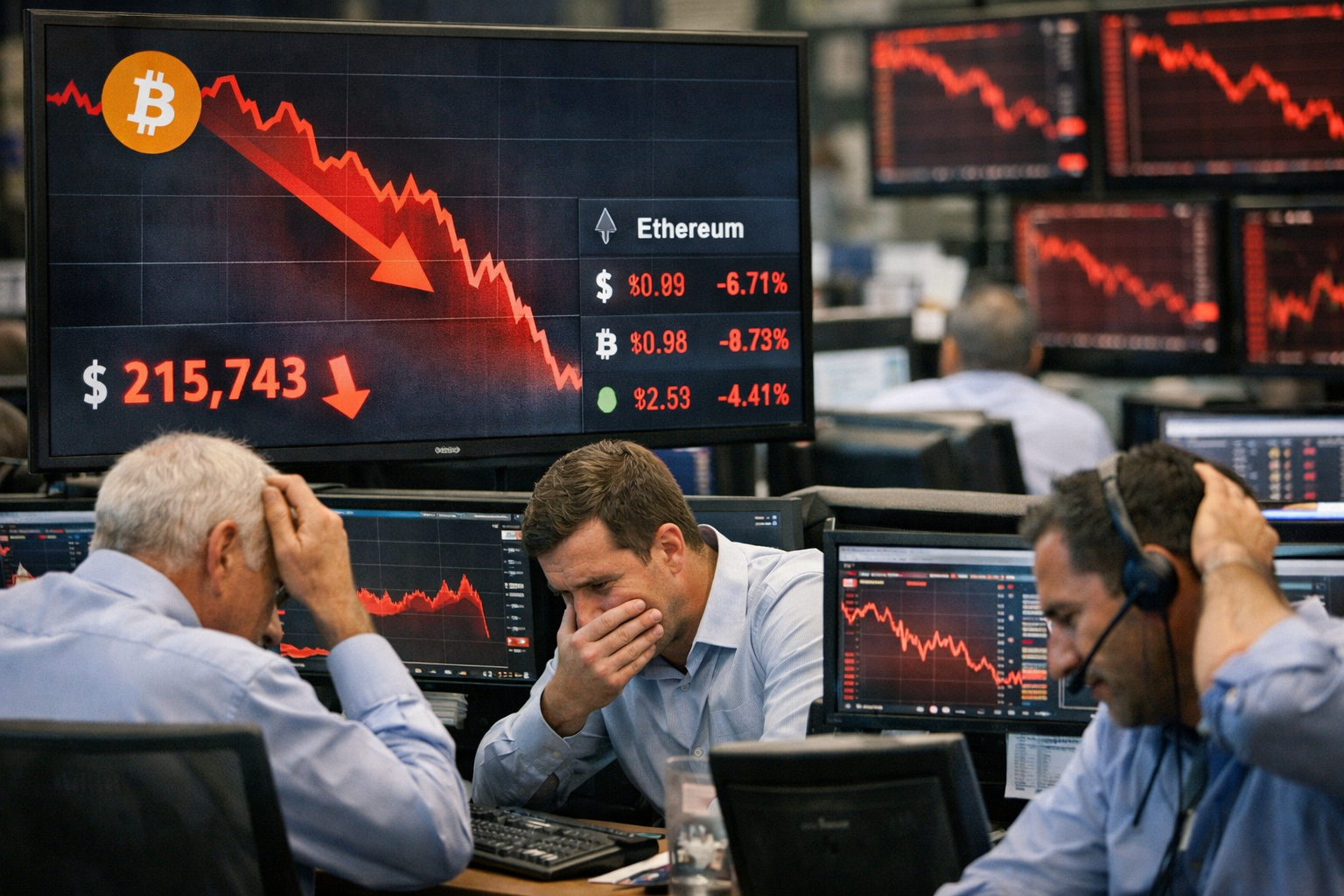
For months now the hypothesis has been circulating that the price of Bitcoin could mark new local annual lows in the coming months.
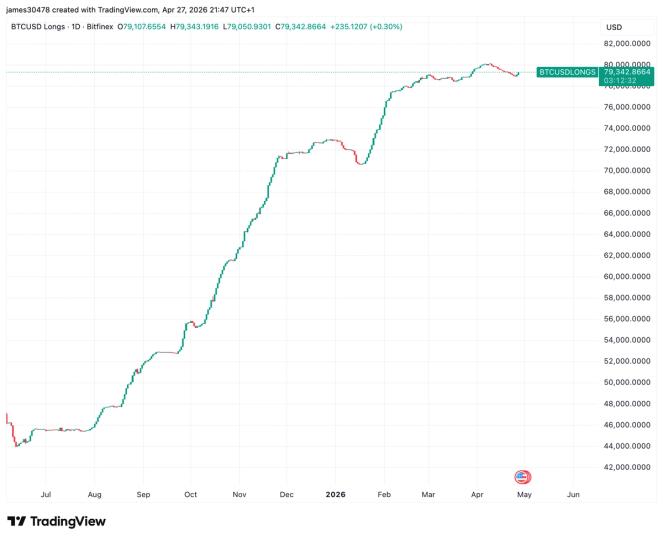
This hypothesis has turned out to be incorrect from March onwards, up to today, and apparently several analysts continue to consider it unlikely.
However, the discussion becomes more complicated if instead of the coming weeks we examine a longer period that runs until the end of the year.
New highs or lows?
A few days ago the crypto analyst CryptoZeno even revealed that long-term Bitcoin holders have issued a signal that has historically preceded every major expansion phase from 2012 to today.
This is the 1Y+ Long Term Holder metric.
The fact is that the current level of this metric has fallen into the “oversold” accumulation zone, that is, an area that in the past was reached before explosive upward cycles, such as in 2013, 2016, 2019 and towards the end of 2022.
CryptoZeno writes:
“Every time weak hands have disappeared and long-term conviction has reset to these levels, Bitcoin has entered a new phase of macro markup with an aggressive expansion of liquidity that followed shortly after.”
However, it must be said that in the past in similar situations it took several months before this rise was triggered.
Indeed, just a few months after this metric fell to current levels, the local price low was reached.
The long-term cycle
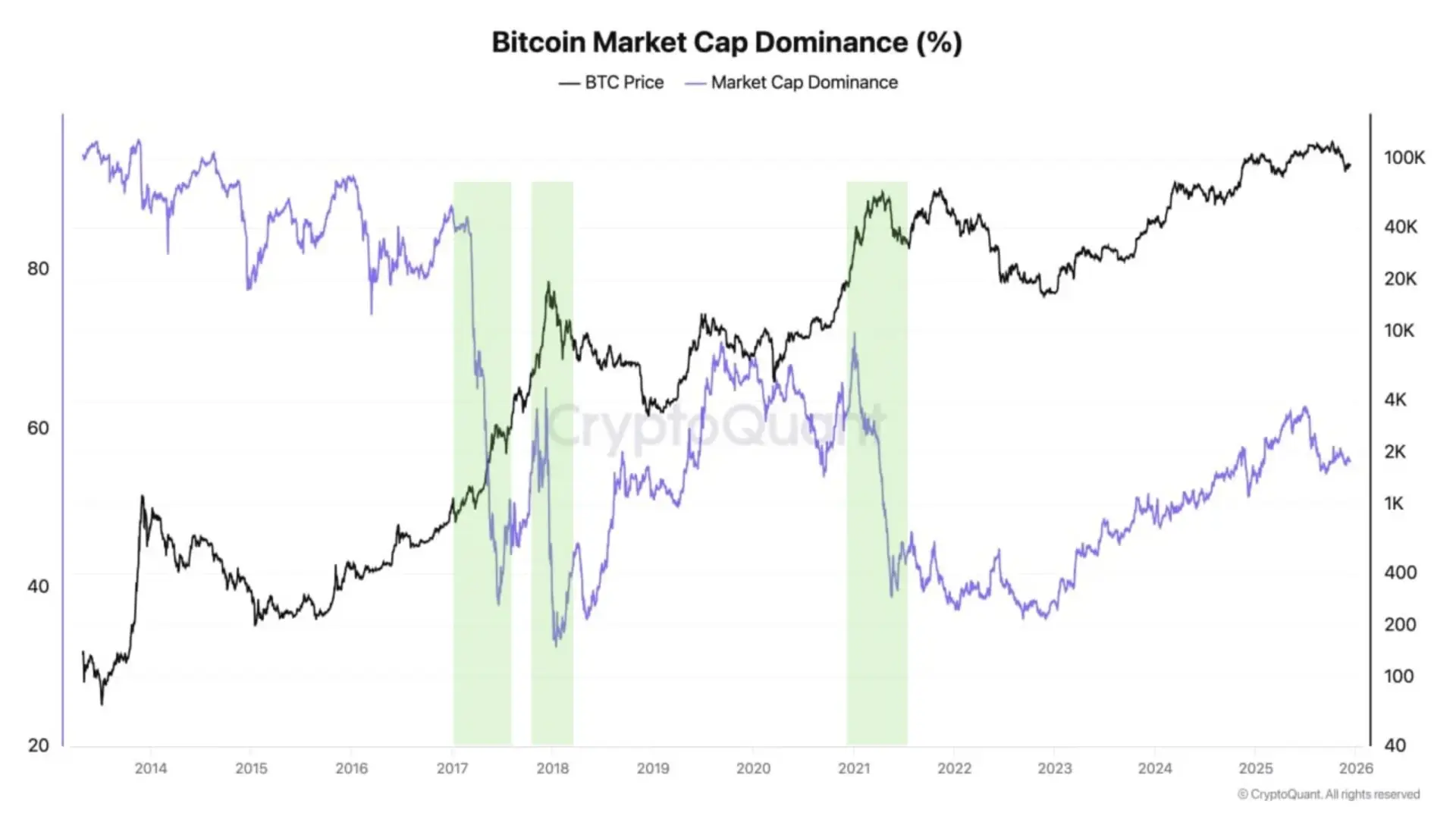
All this is compatible with the classic four-year cycle of the price of Bitcoin, linked to the halving and the U.S. presidential elections.
If the previous cycles were to repeat, one could expect a further decline in the 1Y+ Long Term Holder metric, followed by a drop in price and then the start of a bull run.
The chart posted by CryptoZeno, however, reveals some differences compared to past cycles, even though overall the trend seems very similar.
The main difference lies in the fact that during past cycles the metric literally collapsed after the start of the bear market, whereas this time it has fallen quickly but without collapsing all at once. However, this could also just be a timing difference, because the magnitude of the drop so far is similar. The point is that in theory this drop should be only about halfway through, and therefore if it were to continue, in the end the trend could be substantially respected, even if perhaps with slightly different timing.
Medium-short term forecasts
This scenario clashes with the forecasts currently circulating about possible Bitcoin price movements in the coming weeks.
In fact, the hypothesis that the rise that began in March could continue until June is still being supported, even if in the short term it might not seem so.
The fact is that in the short term the situation seems confused, as if the current trend had to get out of a sort of swamp in which it is stuck.
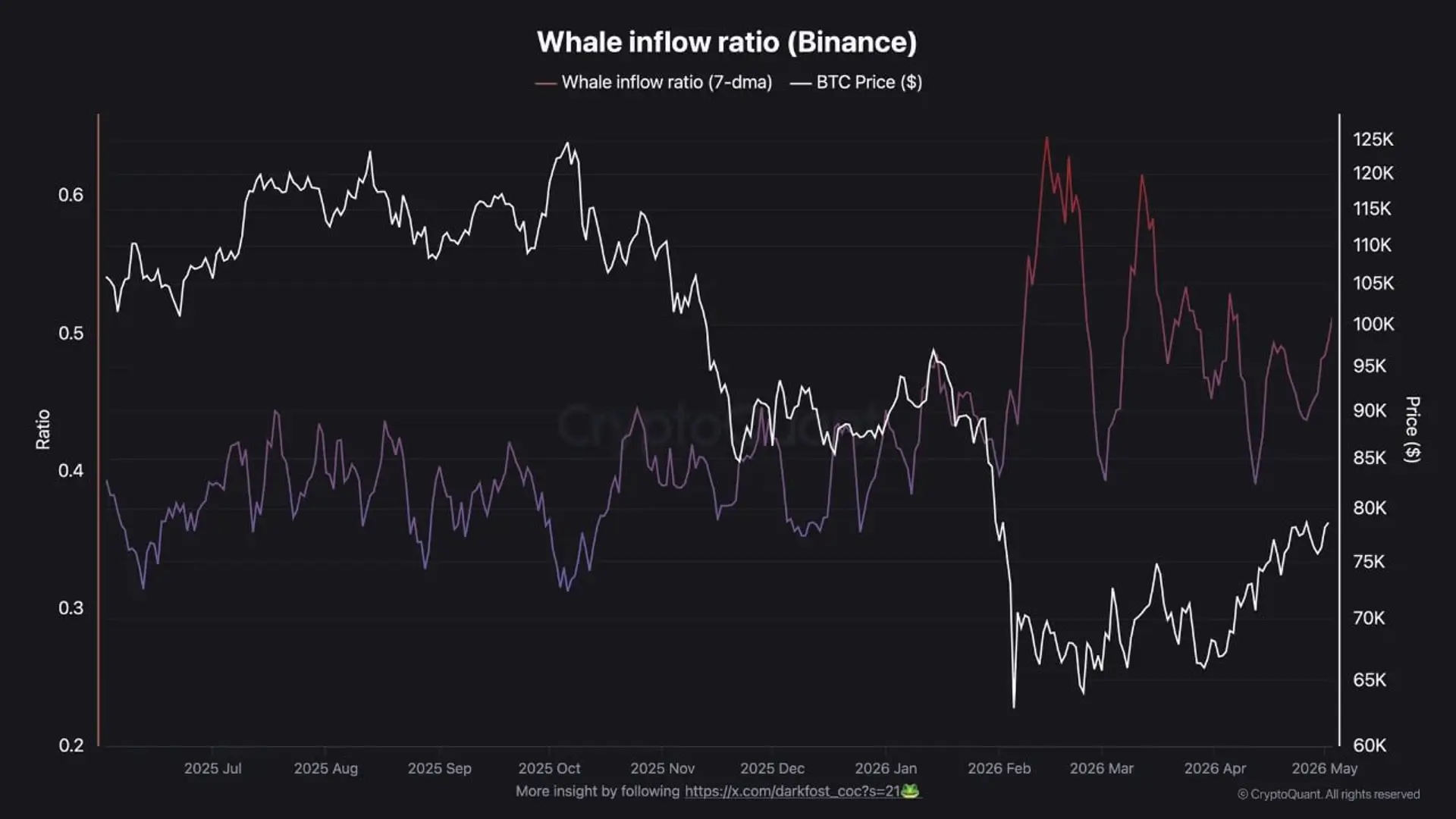
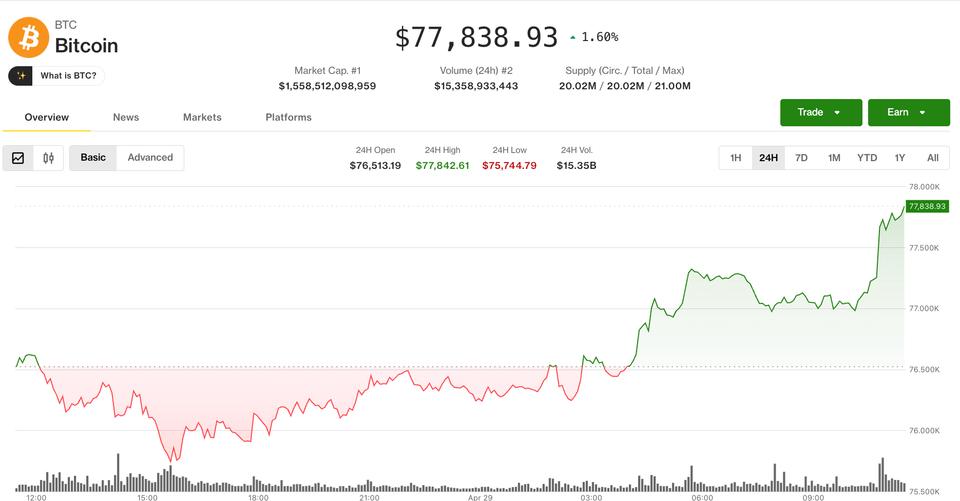
This week, for example, the price of $BTC seems a little undervalued, and indeed there is buying activity by whales.
However, in the short term there is still no clear sign of a possible rebound.
Nonetheless, several analysts remain positive for the coming weeks, despite the continuation of the bear market.
Medium-long term forecasts
The discussion changes completely, however, with regard to the following months.
In fact, several hypotheses are circulating that are compatible with the scenario highlighted by CryptoZeno, namely that the 1Y+ Long Term Holder metric could continue to fall for a few more months, followed by the price of Bitcoin.
If the cycle were to repeat as in the past, the phase that is underway and that could last at least until the end of the year could be an accumulation phase, especially for whales.
In other words, during long bear markets retail investors generally distribute $BTC that is accumulated by whales, until the moment when the trend reverses, the price rebounds, and at that point it is the whales who distribute and the retail investors who accumulate.
This dynamic means that whales accumulate at low cost and sell at a higher price, while retail investors sell at low prices and then perhaps buy back at higher prices.
It should be specified, however, that whale accumulation in 2026 took place mainly at a price below $70,000, while above $80,000 some whales had already started to resell in order to cash in profits. The situation is therefore more complex than it might appear from a superficial analysis, precisely because the timing compared to the past is slightly different.