Some questionable thoughts on stablecoins and crypto investing are among the Web3 Thoughts of the Week.
Bitcoin and oil dynamics
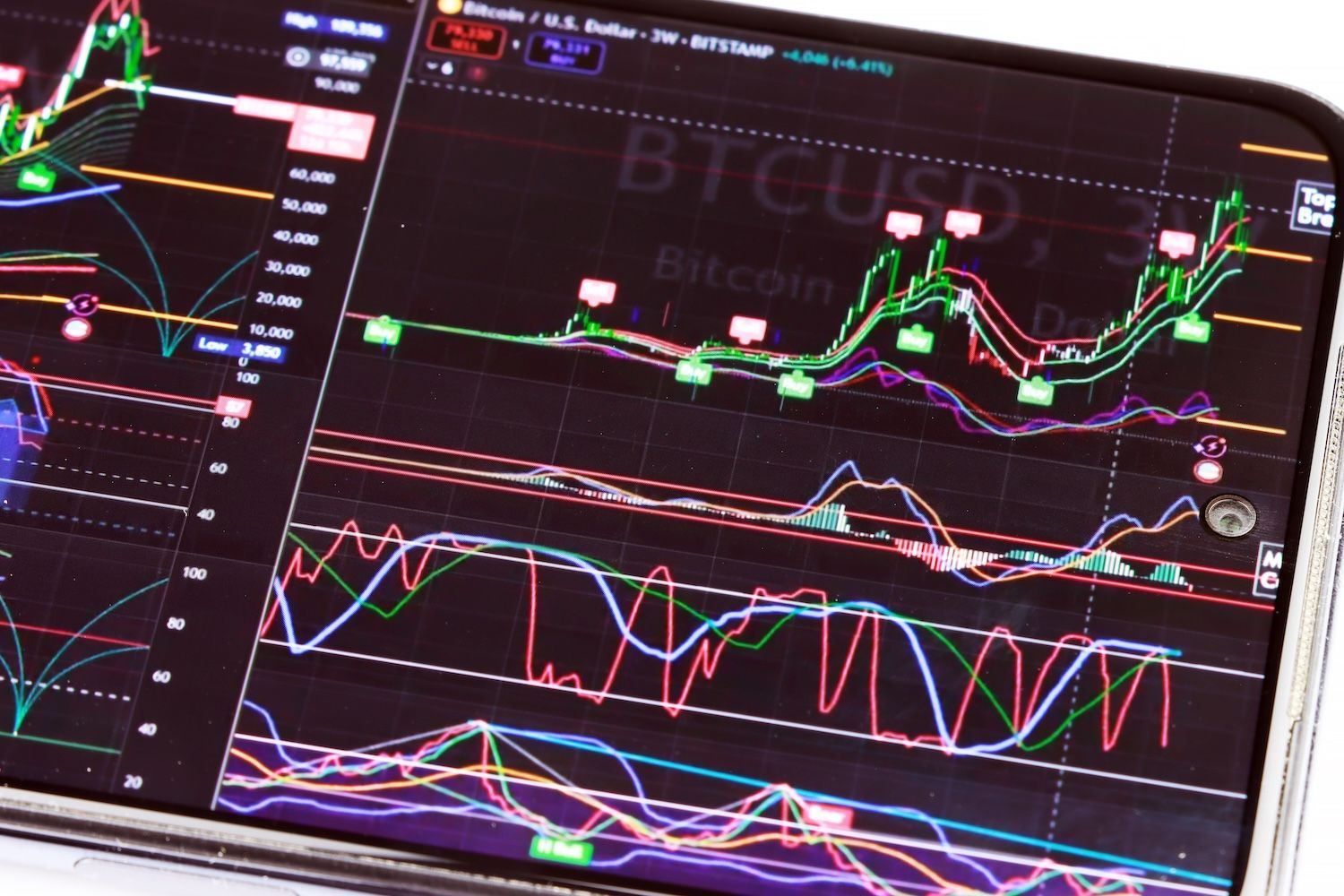
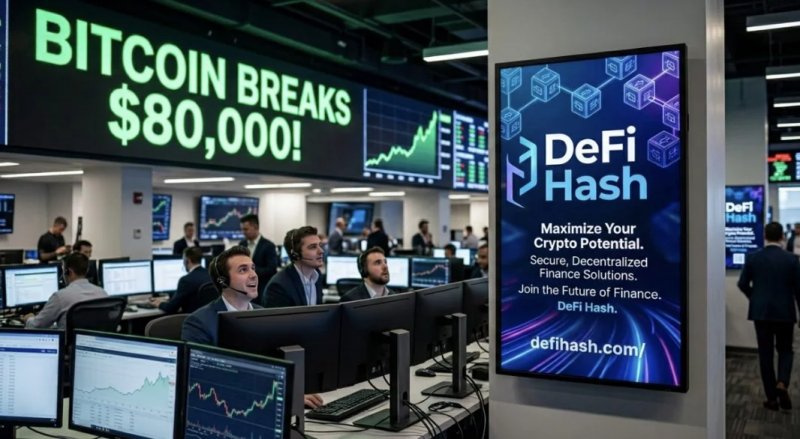
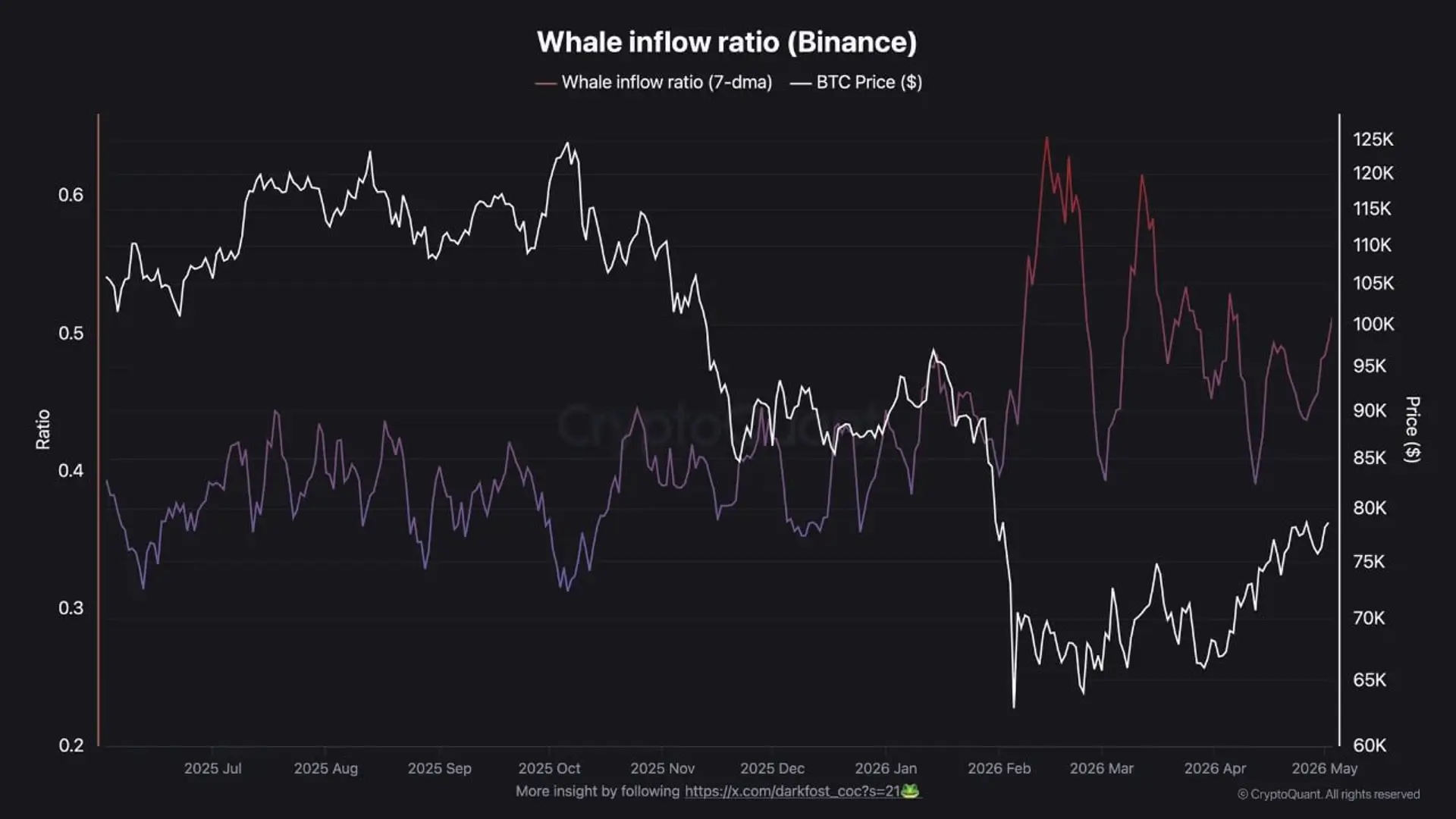
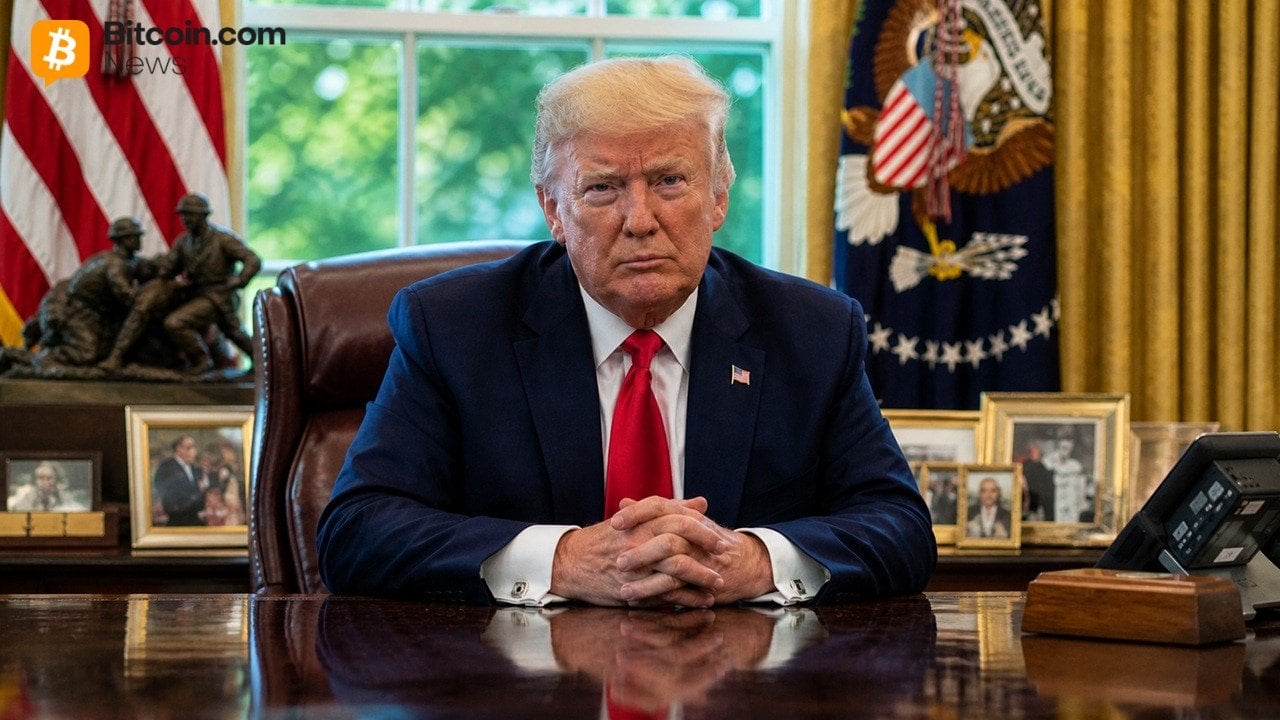
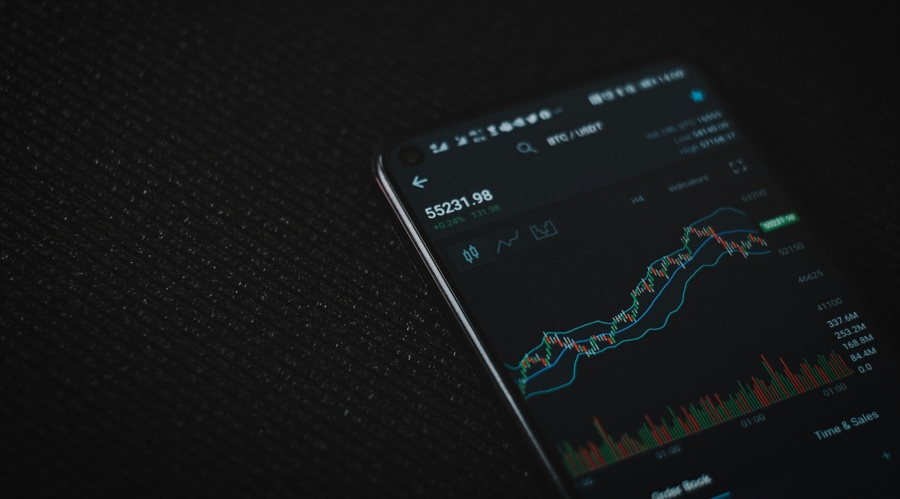
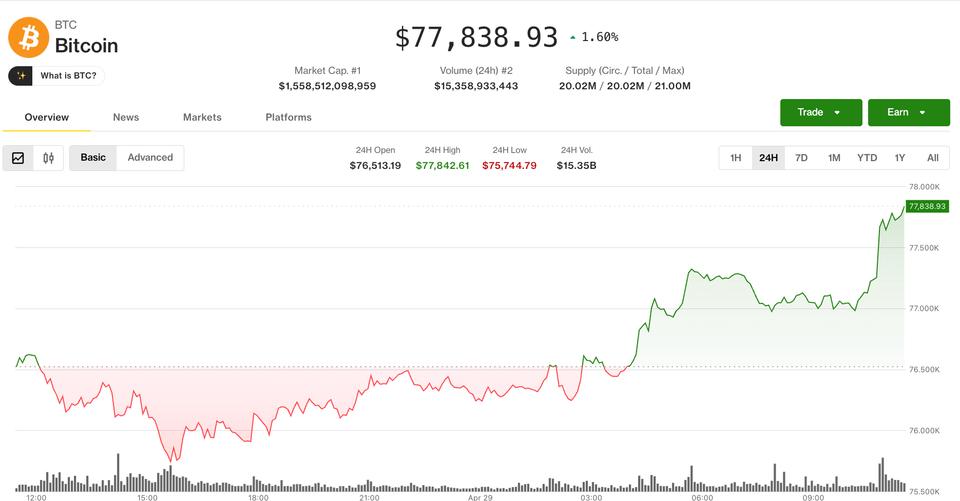
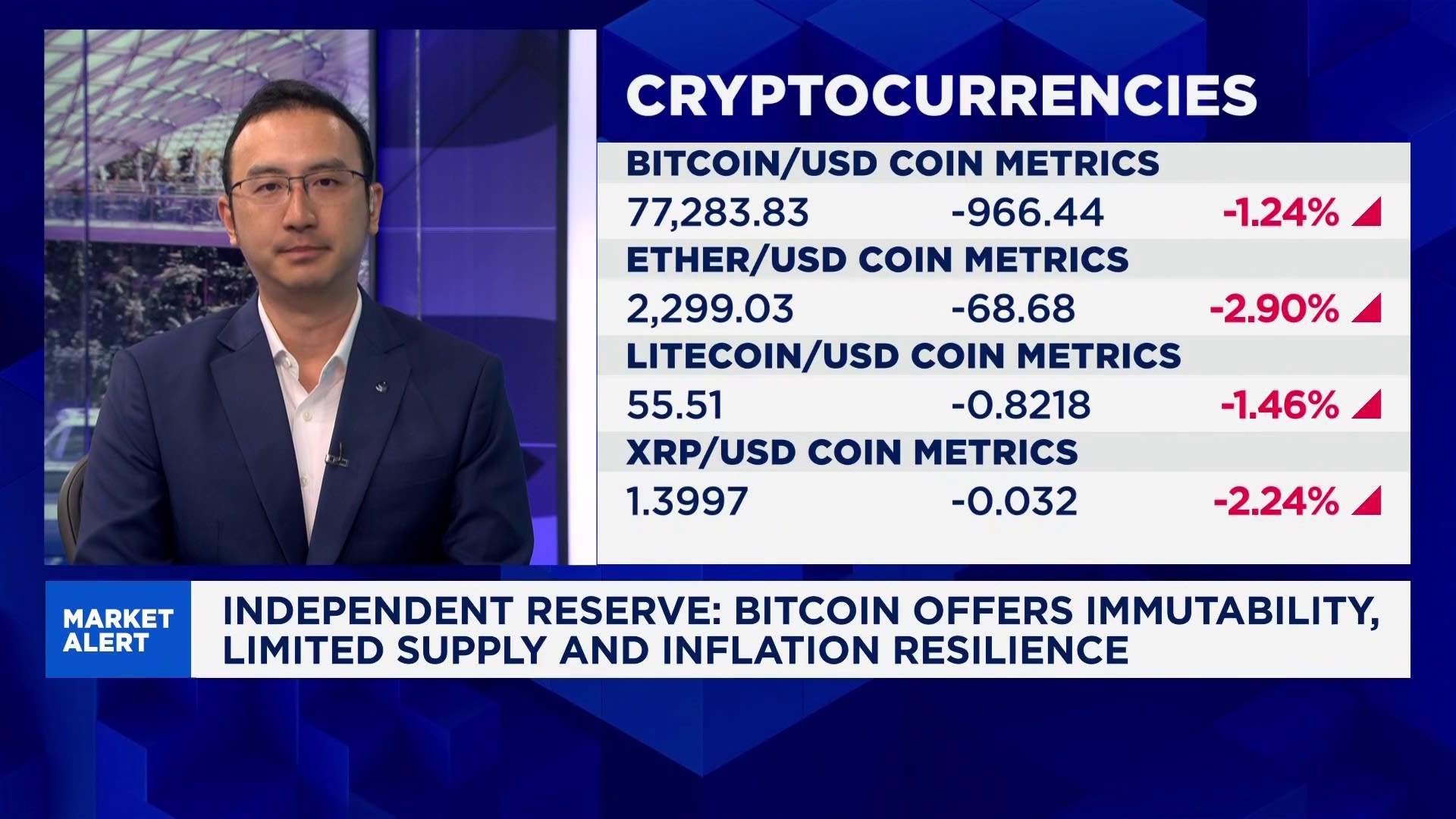
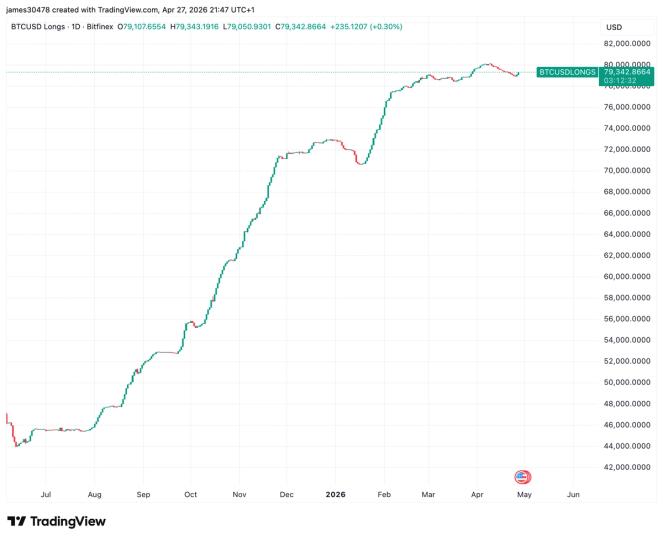
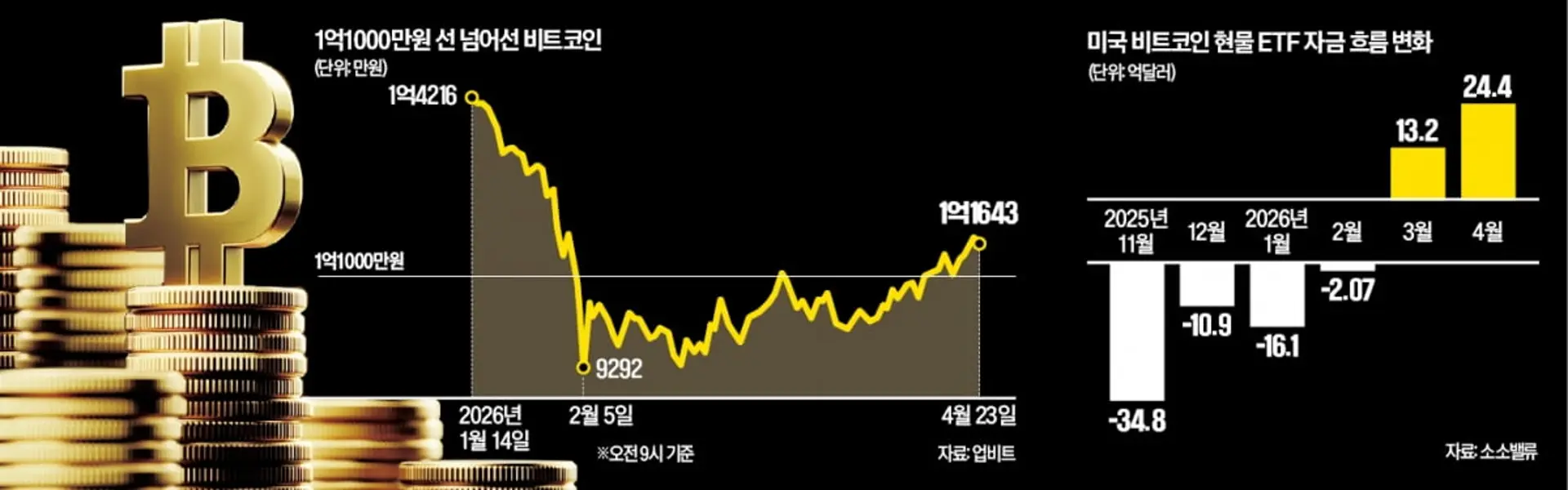
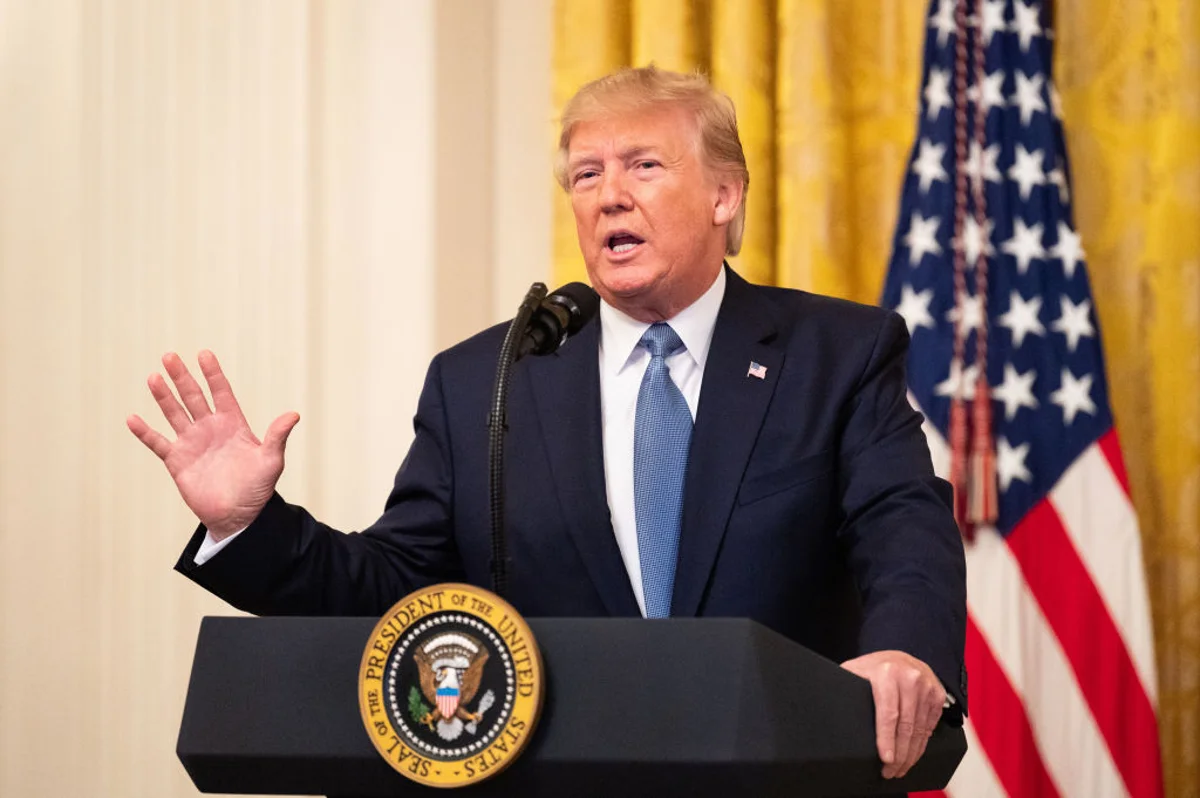
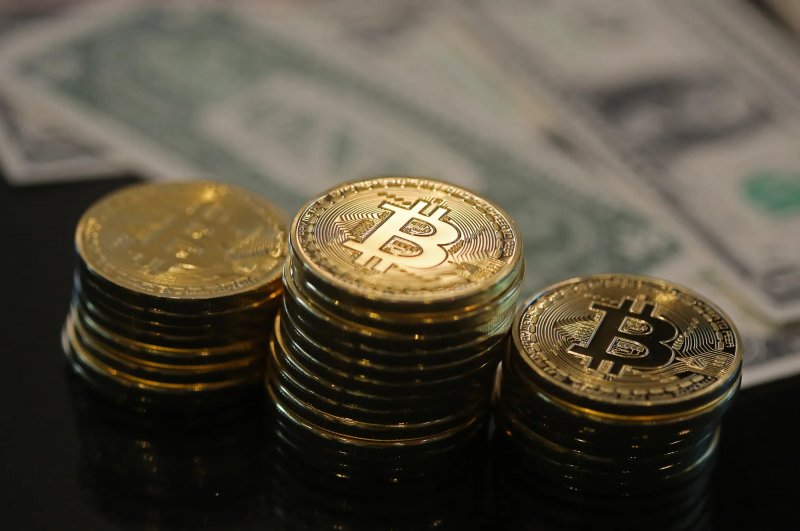
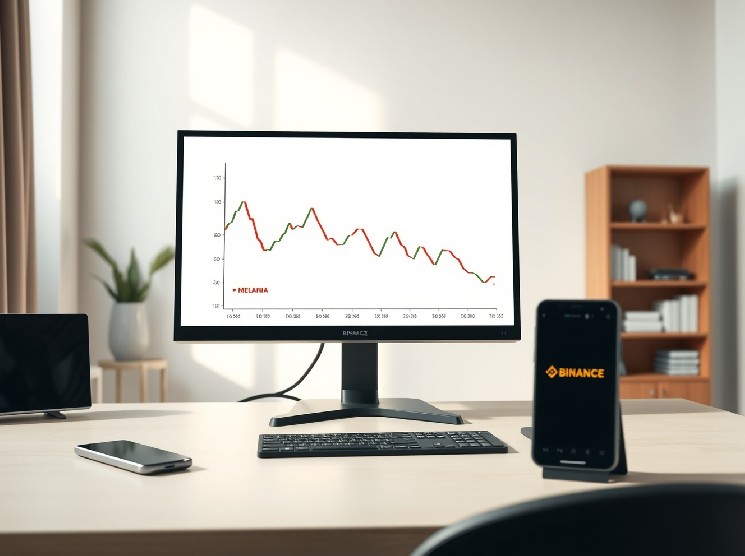
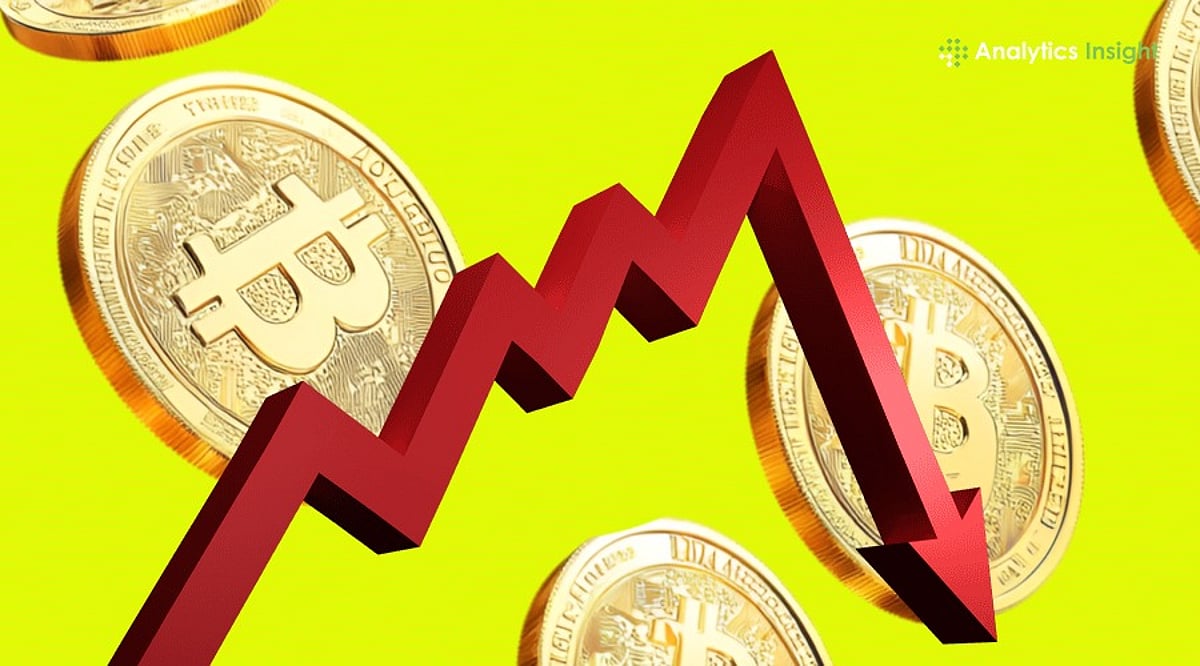
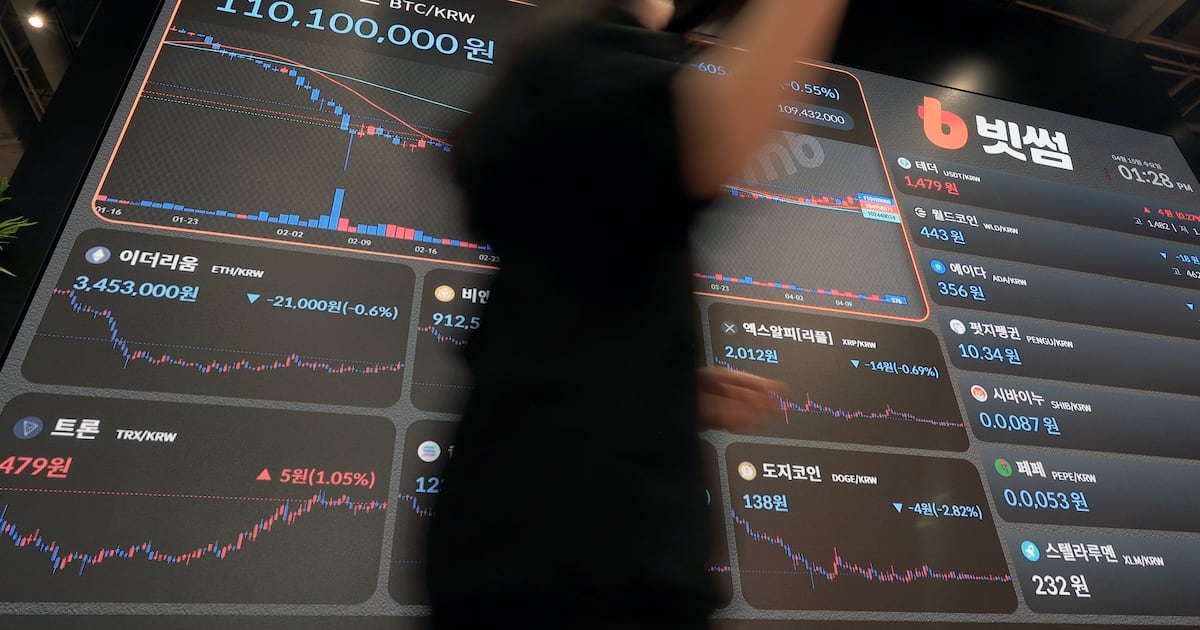
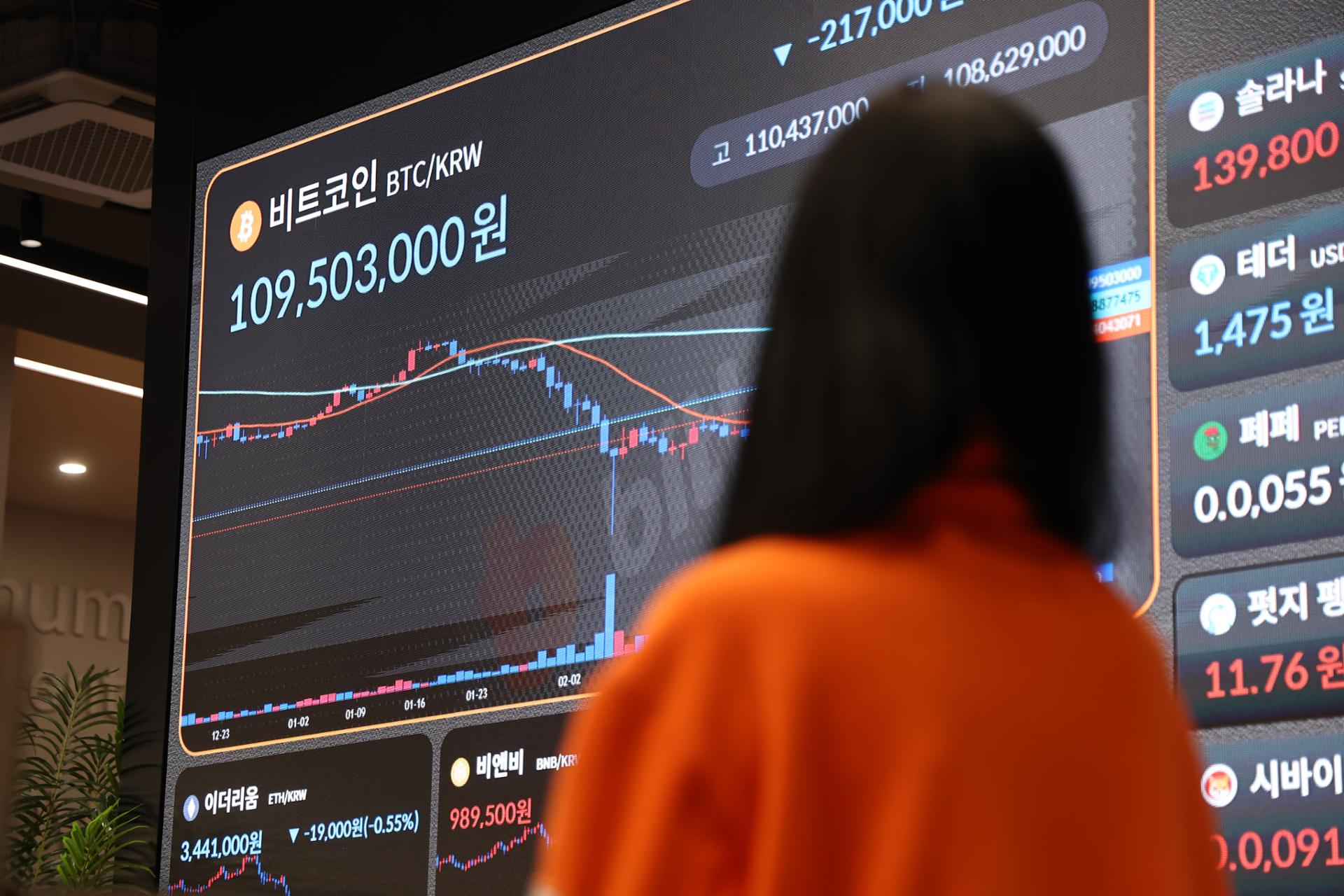
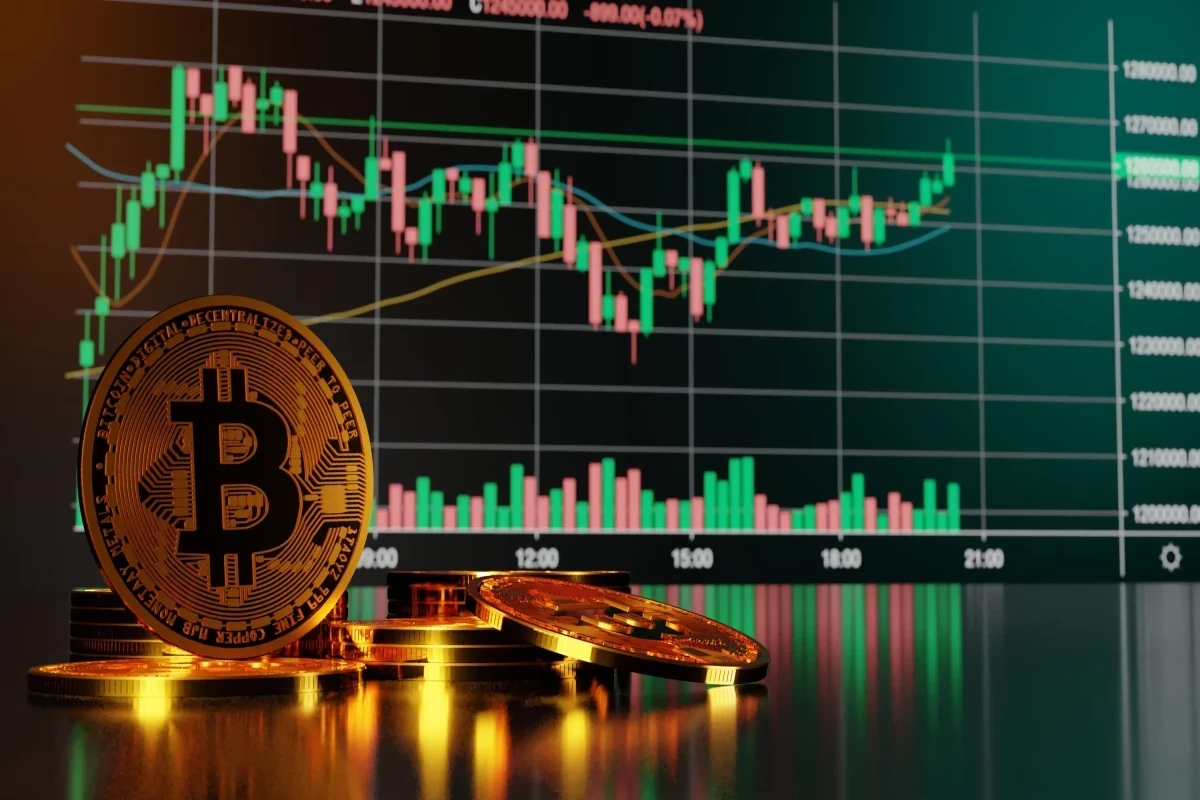
“Bitcoin’s brief recovery above $80,000 is looking shaky. It’s being driven by easing oil prices rather than strong buying, with Brent back below $110 on the news of President Trump’s Project Freedom.
“However, while this gives Bitcoin room to breathe for now, the two have been strongly inversely correlated throughout the war. If Brent surges above $110 again, the downward pressure on BTC will return in full force. If Bitcoin can’t hold above $79,500 today, a meaningful move higher becomes less likely.”
– Nic Puckrin, macro analyst and co-founder of Coin Bureau
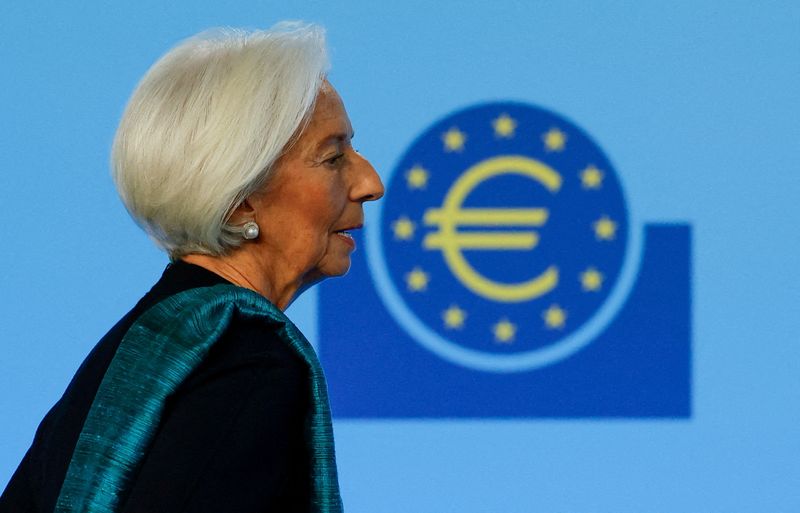
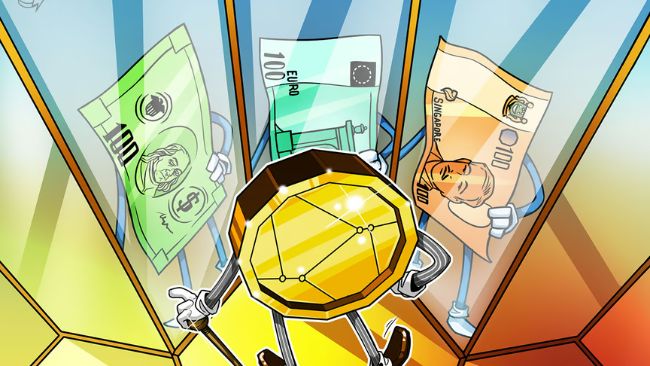
Lagarde’s stablecoin warning off-base
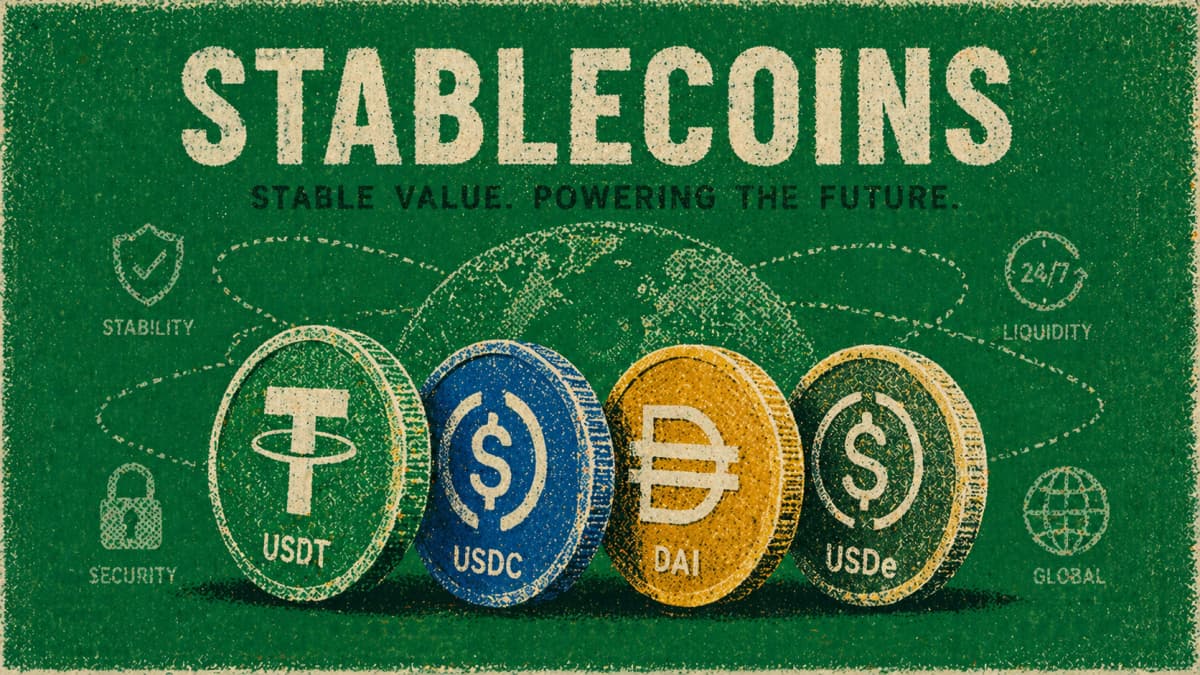
“Regulated euro stablecoins can address many of the transparency and reserve concerns under Europe’s stricter MiCA rules. But the bigger issue is adoption: if Europe does not support scalable euro stablecoins, users and developers will continue relying on USDC and USDT because that is where liquidity and network effects already exist.
“Europe is building a strong institutional blockchain infrastructure, but retail stablecoin adoption may lag. The likely outcome is a market where tokenized finance grows inside Europe while everyday crypto payments and DeFi continue running largely on dollar-based stablecoins.
“Dollar stablecoins are already deeply embedded in global payments, remittances, and DeFi because they work today and have scale. By the time Europe’s long-term infrastructure is fully deployed, those network effects may be even harder to challenge.”
– Alvin Kan, COO at Bitget Wallet
Equities & AI trade
“The US stock market has shrugged off the Iran war entirely, but its reliance on the AI trade is concerning. The trade is quickly becoming crowded, which is typical of late-cycle positioning – meaning a repricing is getting closer.
“One sign of this I’m watching is random companies outside the sector pivoting to AI to save their struggling share prices, including a Japanese toilet maker. This is eerily reminiscent of the Bitcoin corporate treasury trend of last year, and could be a harbinger of a major sell-off. It’s a signal that should make any investor very nervous.”
– Puckrin
Banks against stablecoins
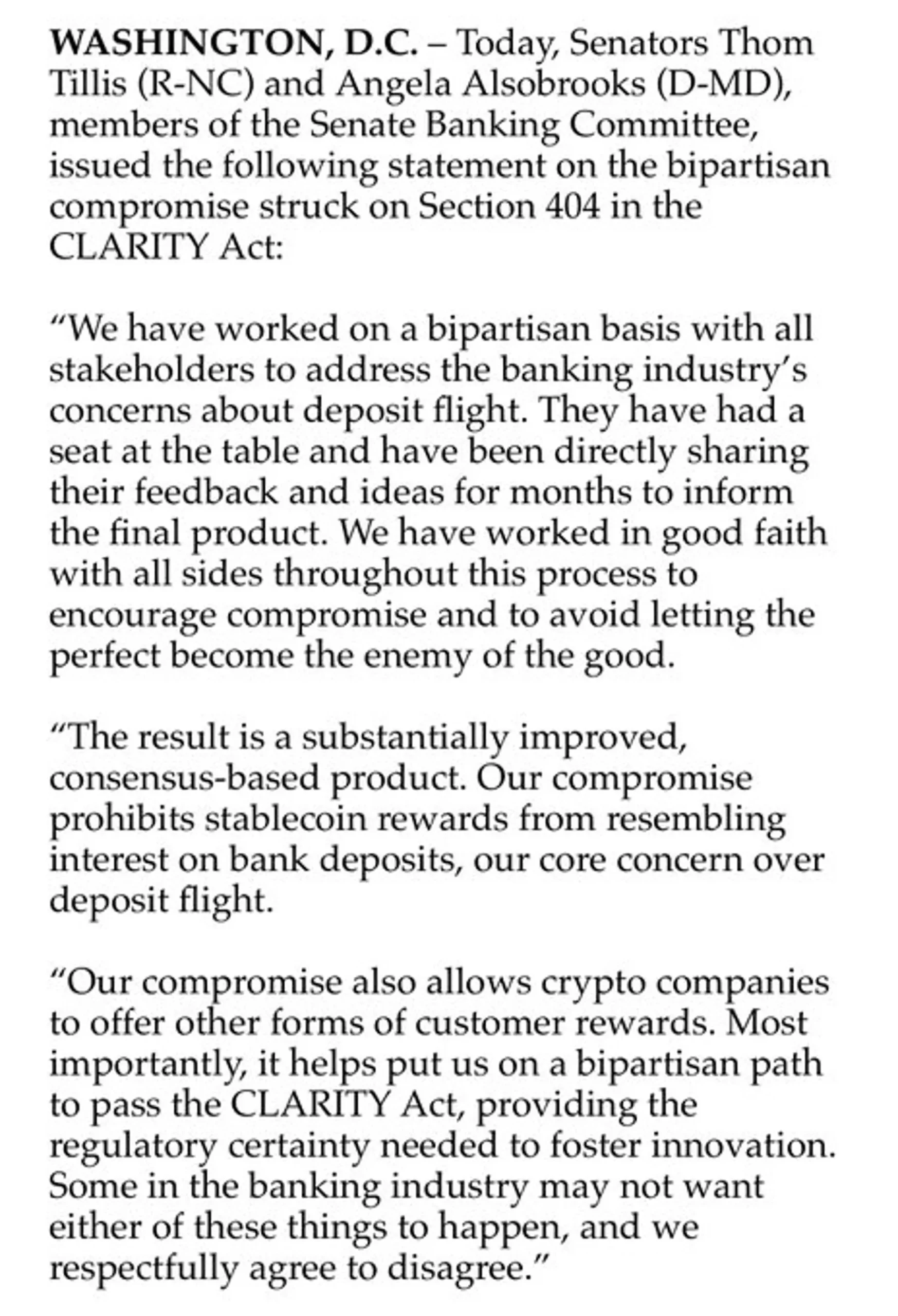
“Banks are shooting themselves in the foot by continuing to oppose the stablecoin yield compromise. As long as the stalemate continues, crypto platforms can continue outperforming them on yield. A resolution this side of the midterms is as much in their interest as it is in the crypto industry’s.
“The fervor with which Sens. Tillis and Brooks are protecting the agreement as it stands shows a continued commitment to innovation and acceptance that the financial landscape is changing. Banks will have to concede some ground, just like they did with money market funds in the 1970s. The industry must be allowed to evolve.
“In essence, what the compromise proposes operates on the same principle as the cashback rewards banks already offer – rewards tied to real activity, not passive holding. The opposition grossly overstates the impact this will have on traditional bank deposits. What the compromise does is give end users options to put their cash to use, at a time when the outlook for other asset classes is shaky. Consumers deserve this choice.”
– Puckrin
Crypto trading trends
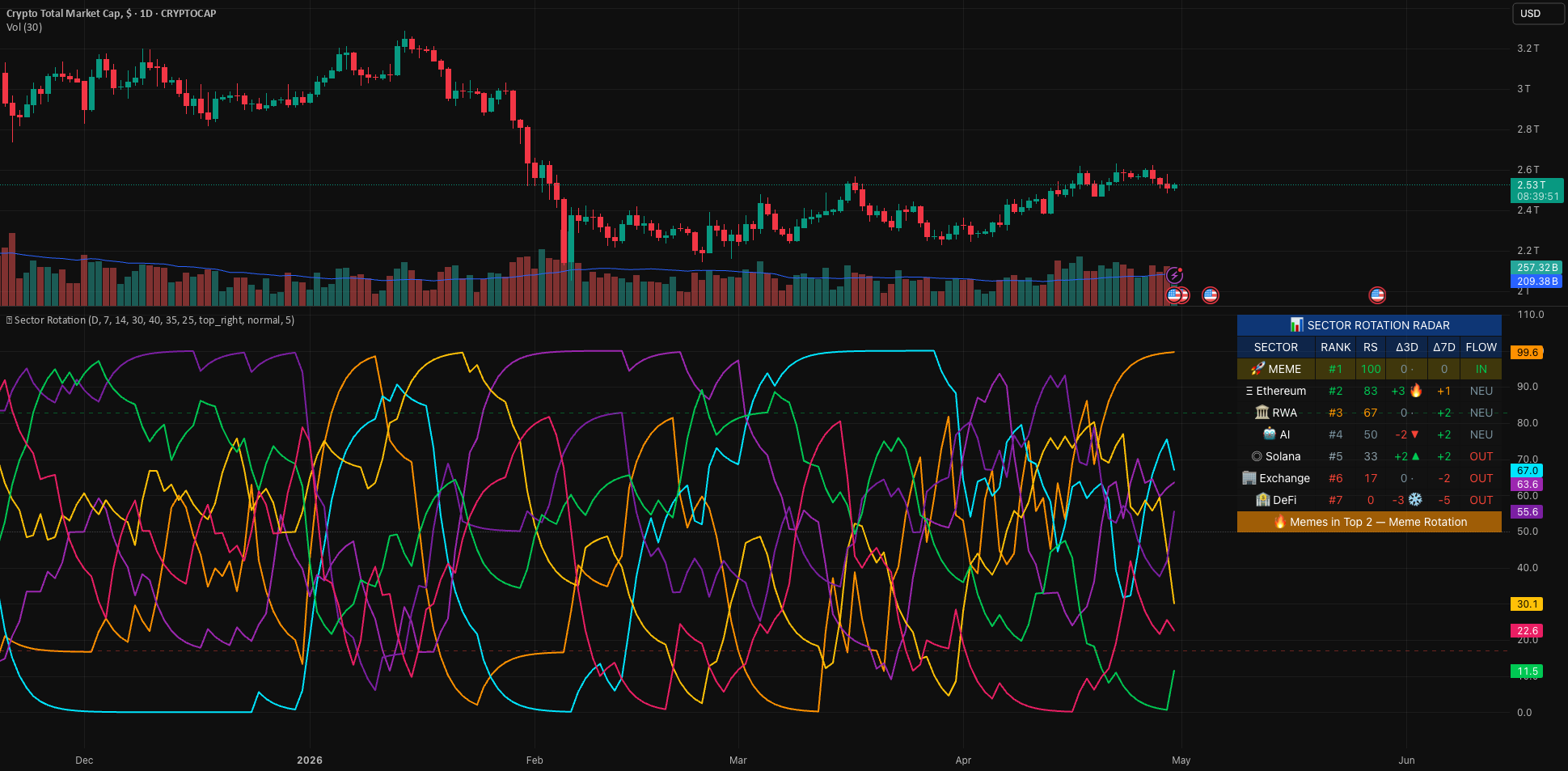
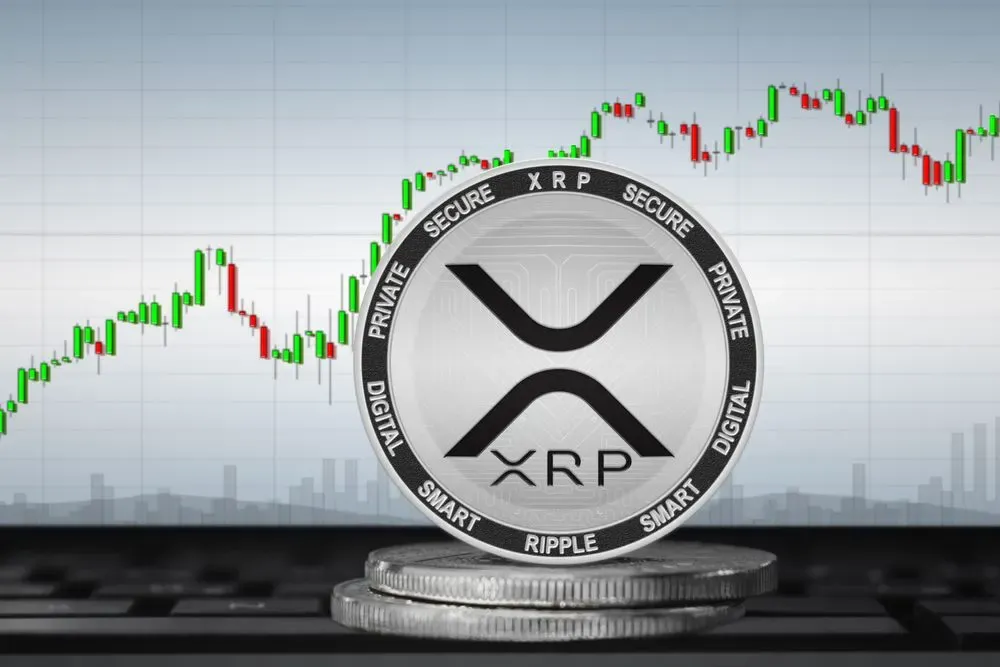
“Crypto today already spans stablecoins, tokenized assets, funds, protocol tokens, and the native assets of major chains, so asking how many ‘coins’ survive 20 years assumes the category stays static, which it won’t. That said, looking at today’s top 20 crypto assets excluding stablecoins, I’d call three safe: Bitcoin, Ethereum, and Solana, with XRP and BNB as probable, while the rest are still theses that need to play out. And most theses don’t.
“Performance concentration is cyclical, not terminal. It tightens during major evolutions, which is where crypto is now, and broadens as the cycle matures. Traditional markets just lived through this with the Mag 7 capturing a disproportionate share of S&P returns through the AI build-out. That concentration is already starting to broaden. Crypto will follow the same pattern.
“The longer arc tells the same story. Of the top 10 companies globally in 2000, only Microsoft is still in the top 10 today. The other nine were displaced by businesses that either didn’t exist or weren’t on anyone’s radar. That’s not fewer winners. It’s a broader, deeper market.”
– Jonathan Yark, head of trading at Acheron Trading
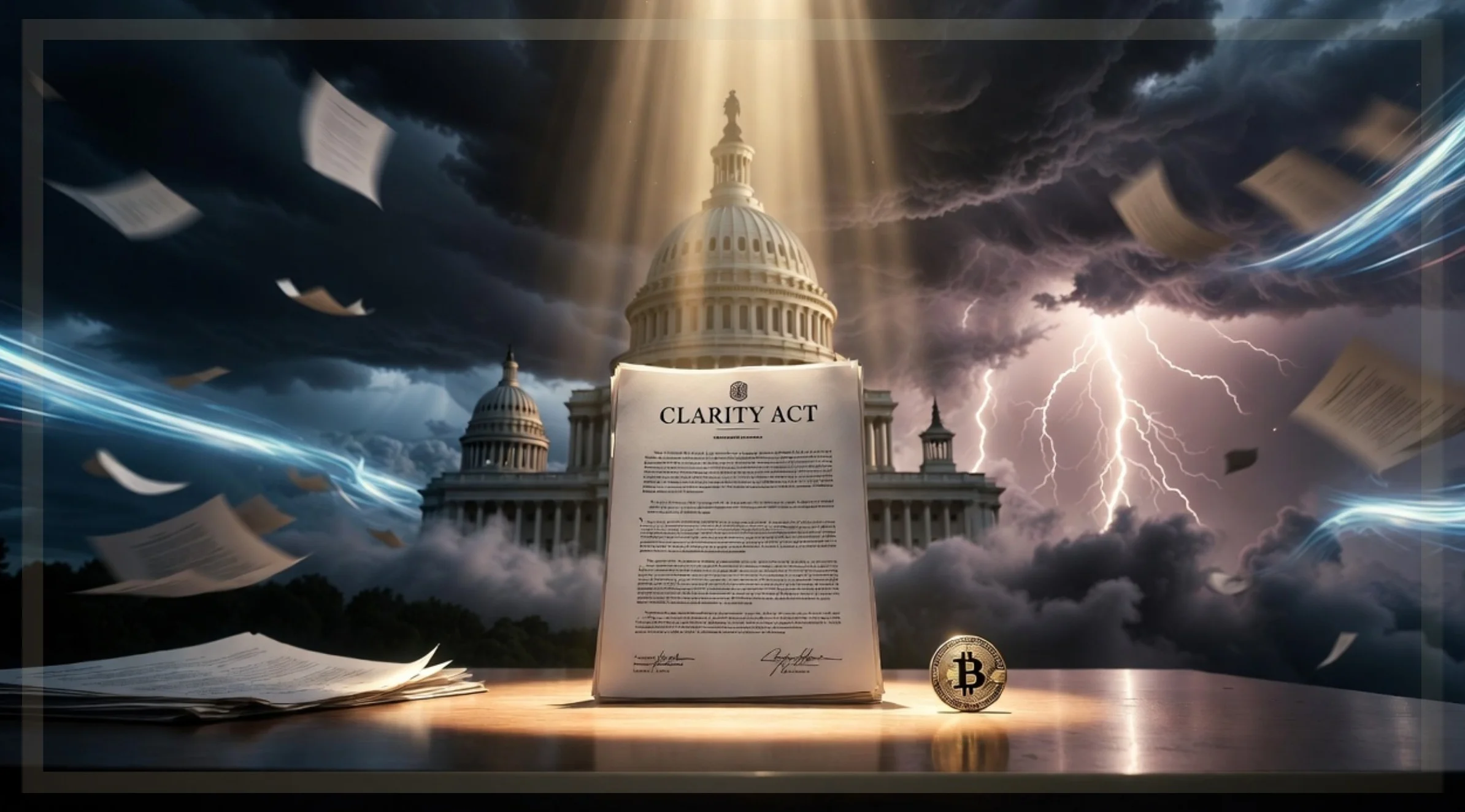
CLARITY Act
“Washington knows exactly what it is doing. Give markets a signal of certainty, and you unlock capital, risk appetite, and a strong headline narrative heading into an election cycle. That playbook is as old as markets themselves.
“The risk is that speed becomes the priority over quality. If this framework actually provides usable clarity for builders and institutions, it could be a major unlock for the industry. If it is rushed or politically motivated without real depth, the market will price that in quickly.
“Crypto does not need symbolic wins; it needs functional, durable rules. This is a chance to get that right, but it will be obvious very quickly whether this is substance or optics. Crypto may also have to deal with the fact that it made its bed in a partisan way, which will also have an eventual reckoning.”
– Dylan Dewdney, co-founder and CEO of Kuvi.ai
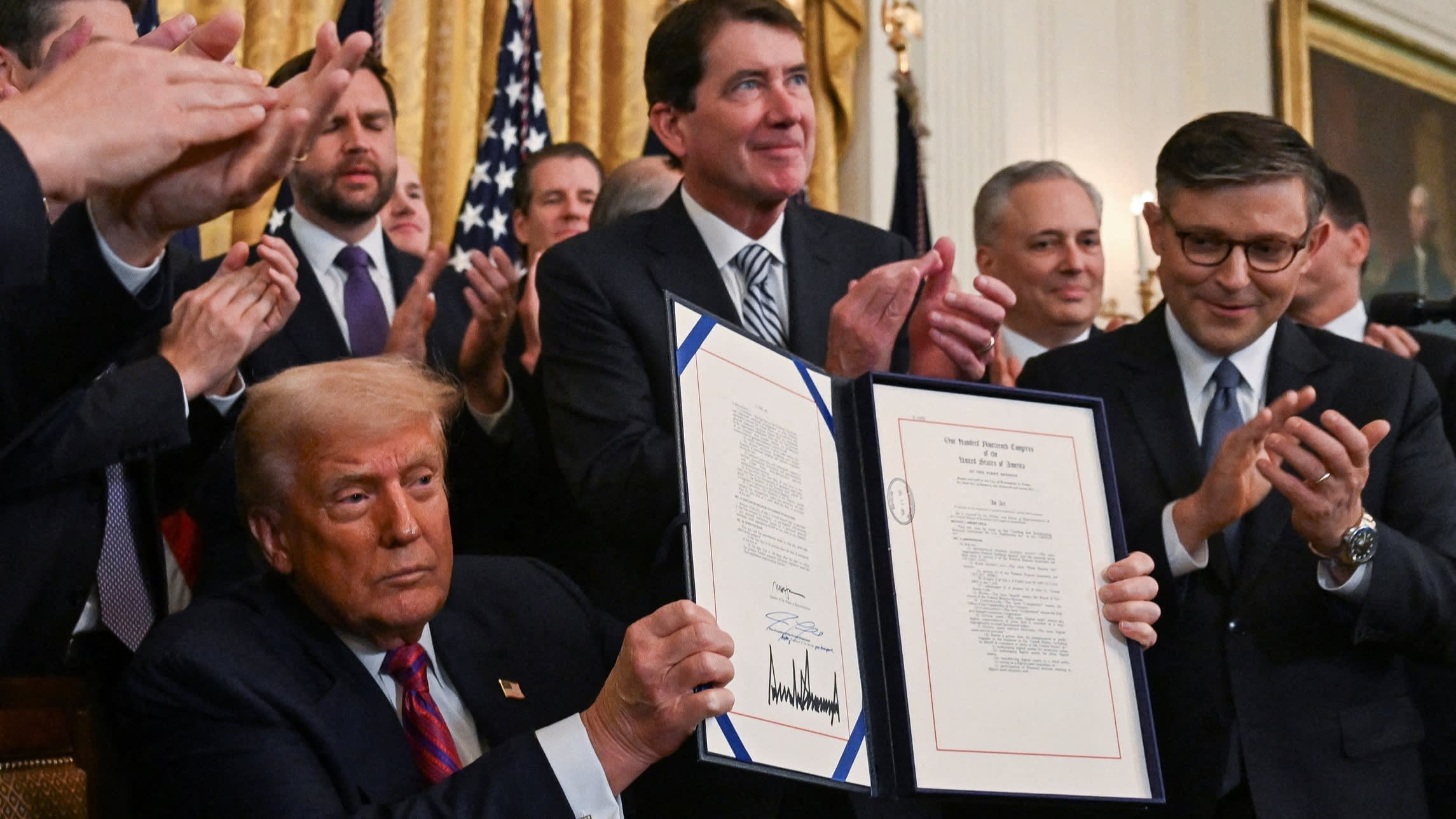
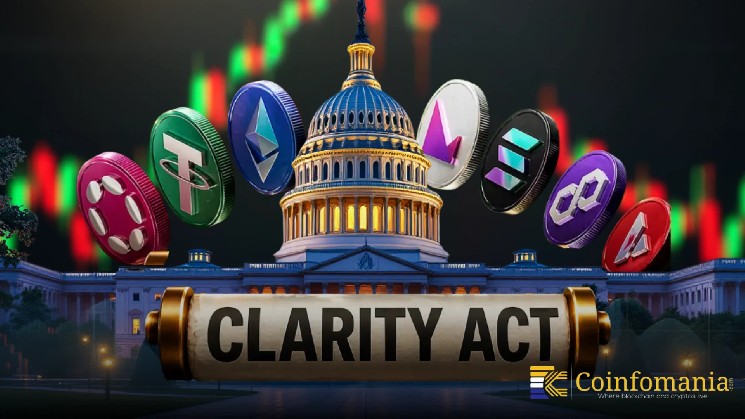
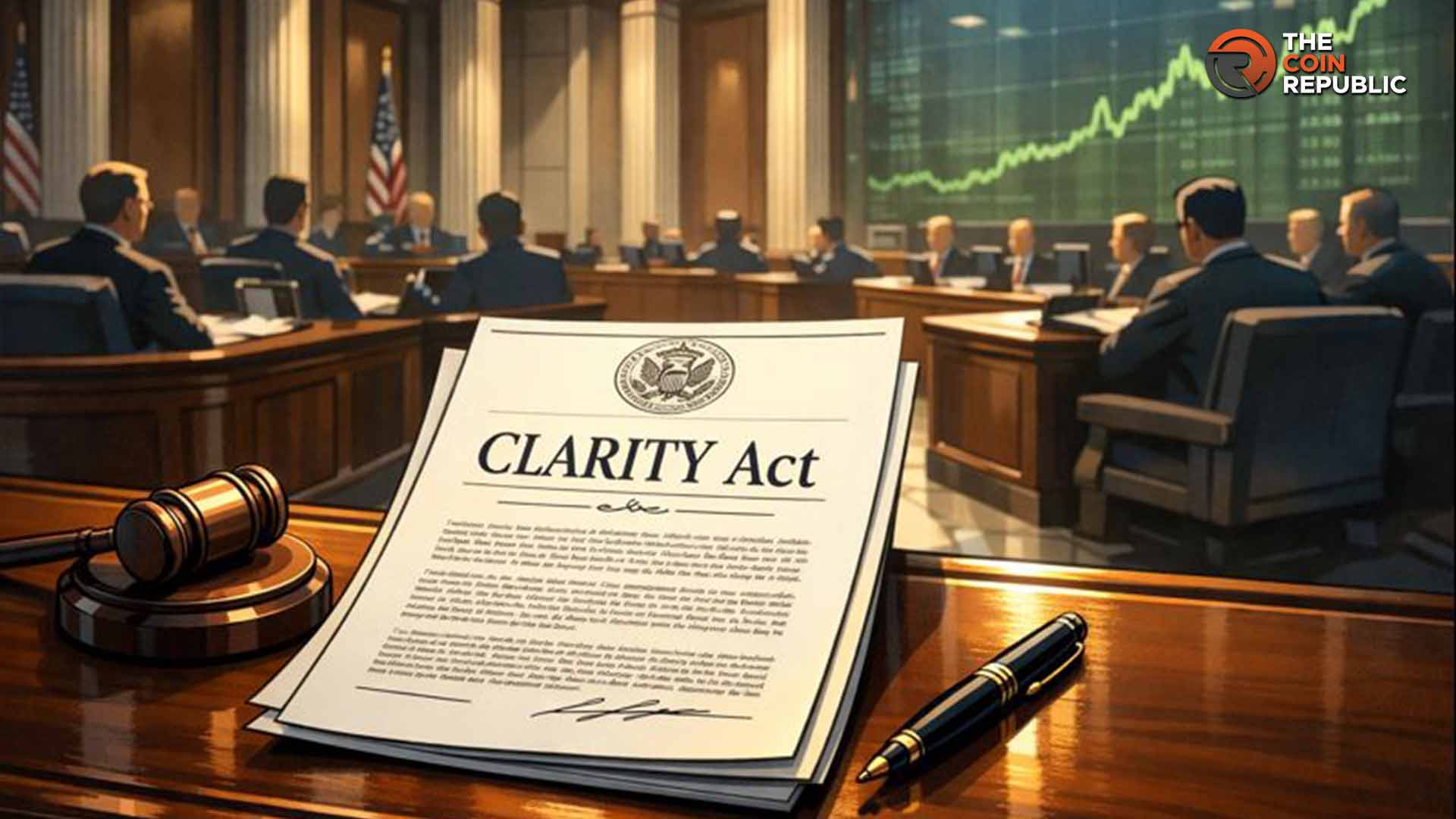
“This could be a big moment. If Sen. Bernie Moreno is right about timing, getting the CLARITY Act through markup and onto Donald Trump’s desk before July 4 would certainly be fast, by government standards.
“What matters more, though, is the coordination. Additionally, Paul Atkins talking about aligning the Securities and Exchange Commission with the Commodity Futures Trading Commission is something the industry’s been begging for. That March memo separating securities from commodities already calmed things a bit. Look, it’s not perfect, but it finally feels like the rules might stop shifting every few months.”
– Joshua Kim, CEO and founder of Coin Bureau