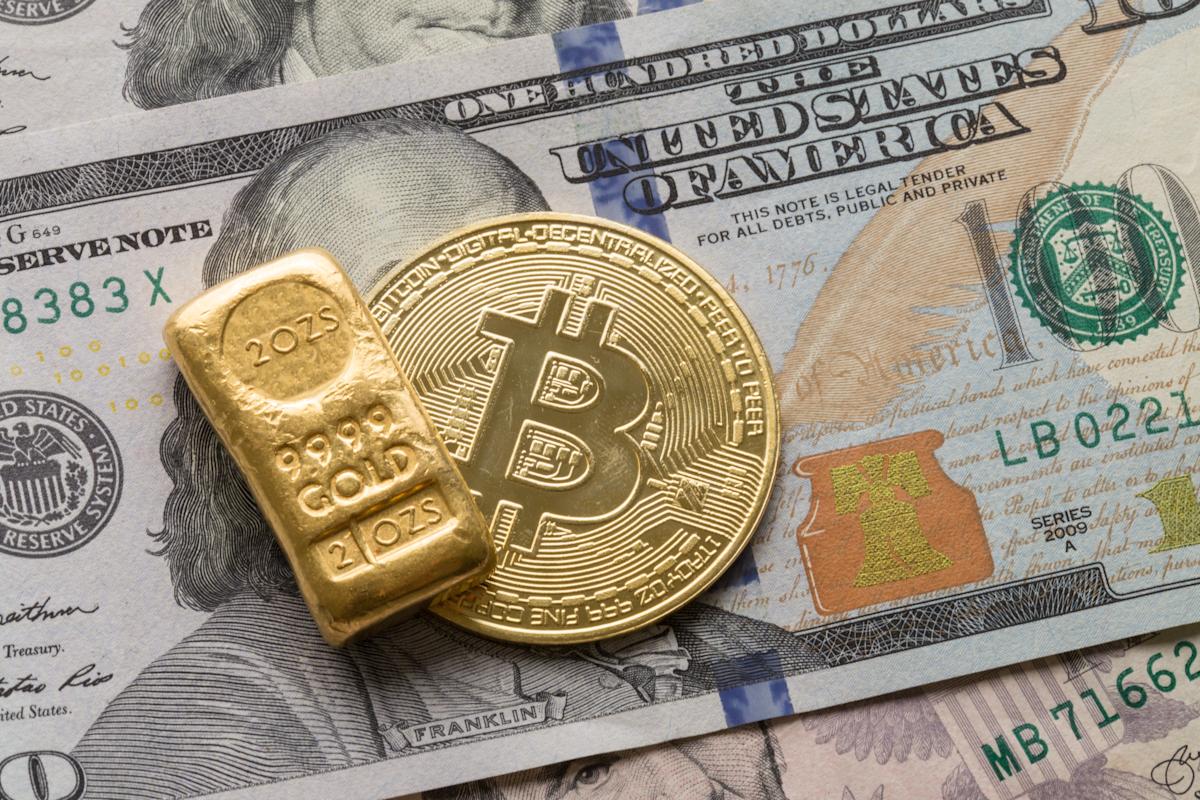
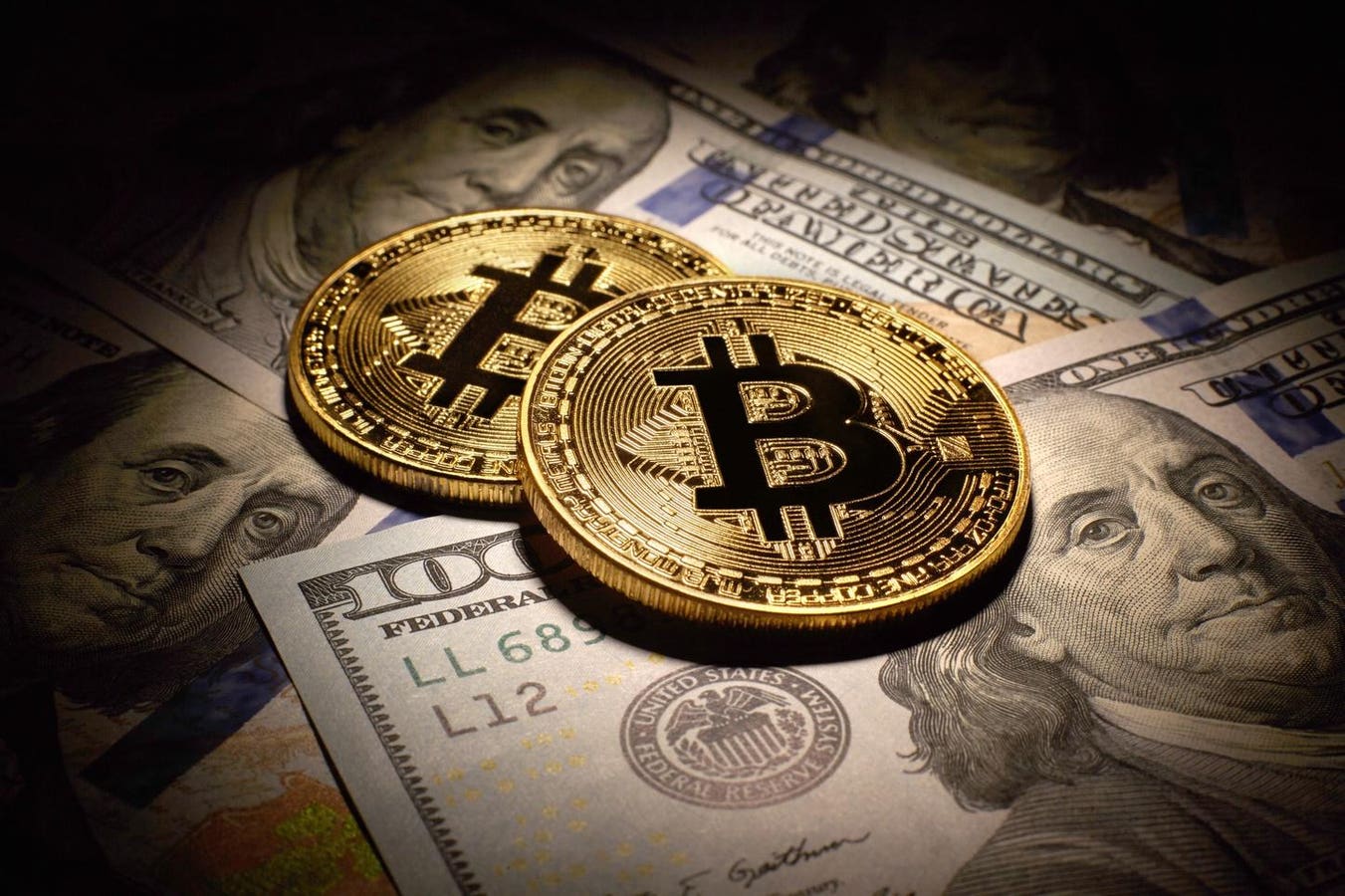
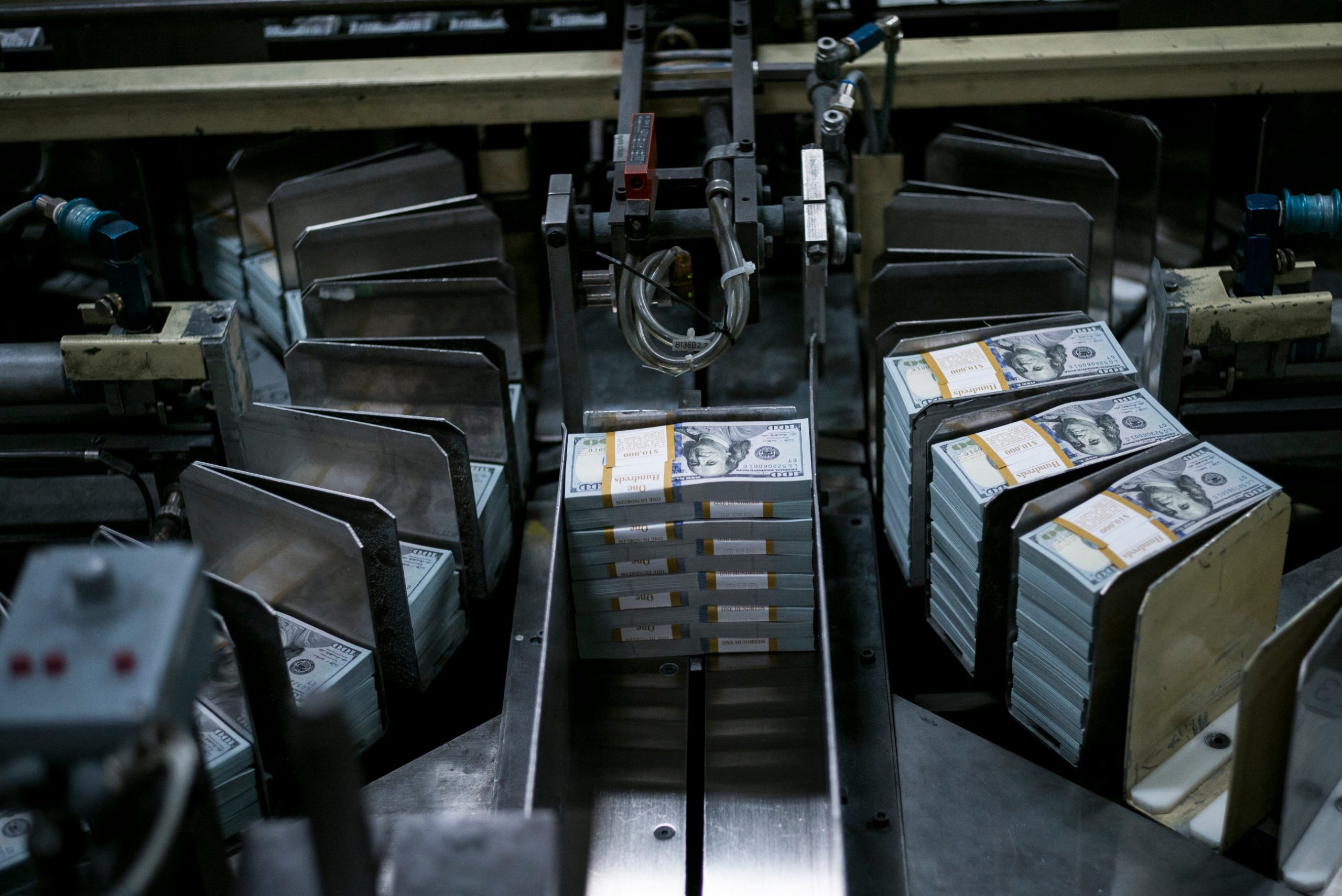
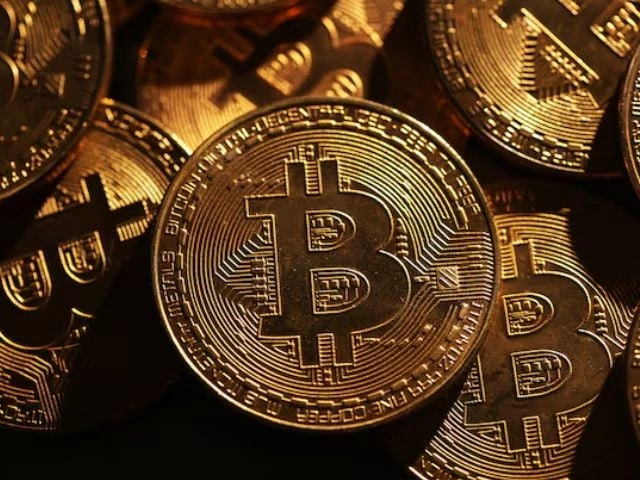
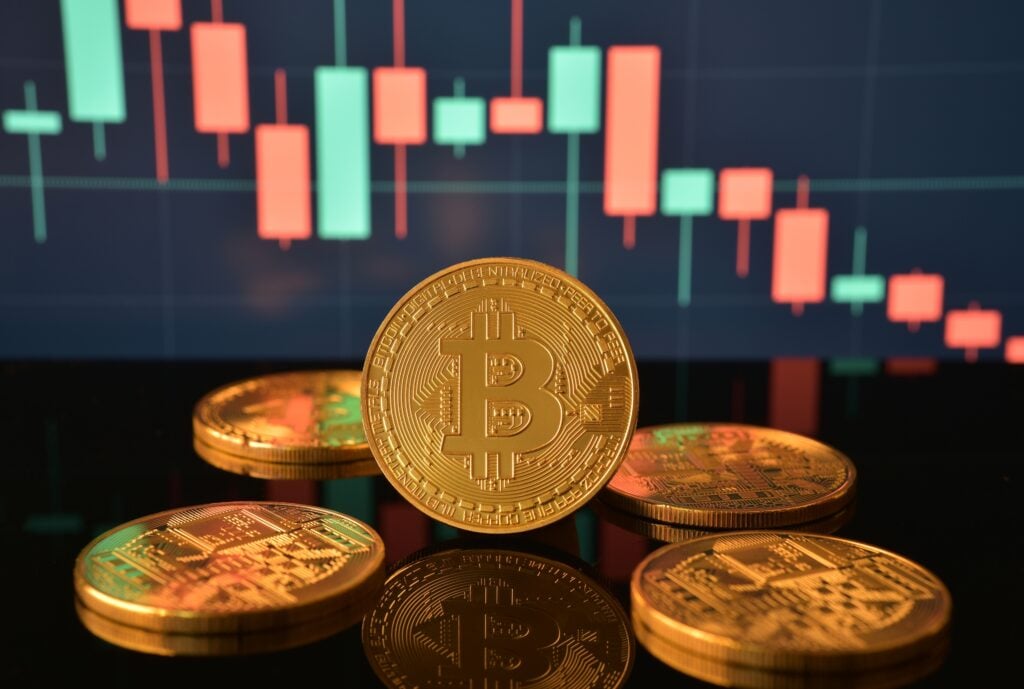
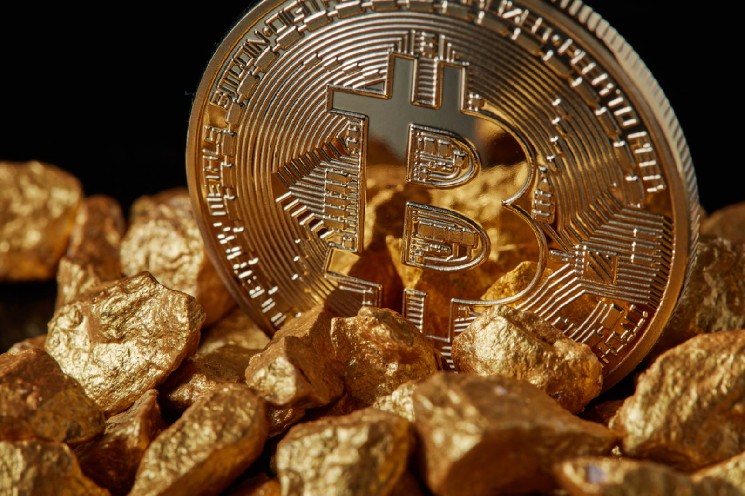
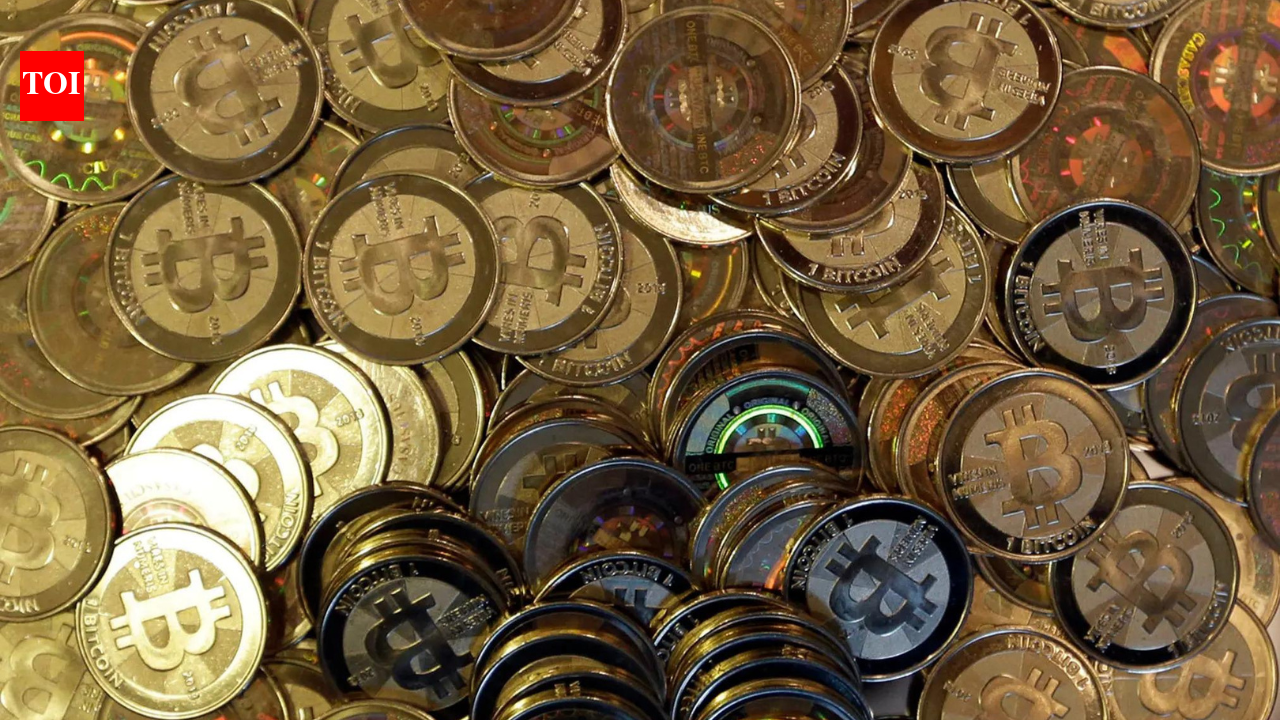
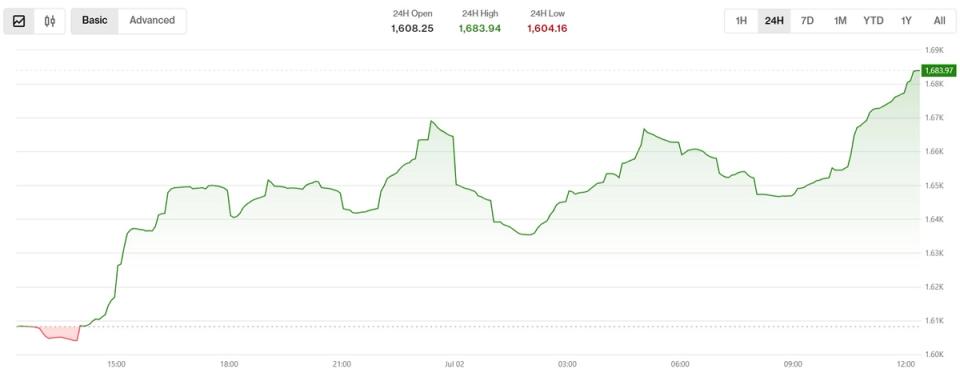
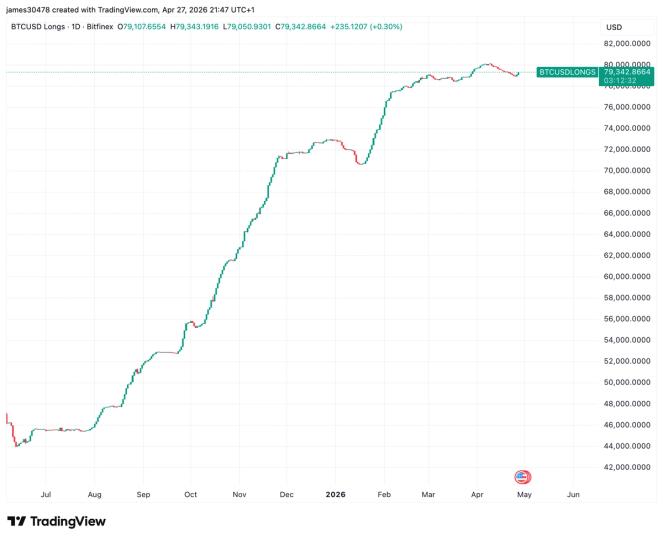
Gold hit a record high of $5,589 per ounce on January 28, 2026, and remains up around 80% since the start of 2025, while Bitcoin has shed roughly 20% this year after peaking at $126,000 in October 2025.
Bitcoin has proven to be exceptional at protecting purchasing power in emerging markets facing fiat collapse, but fails to do the same thing during sudden market panic.
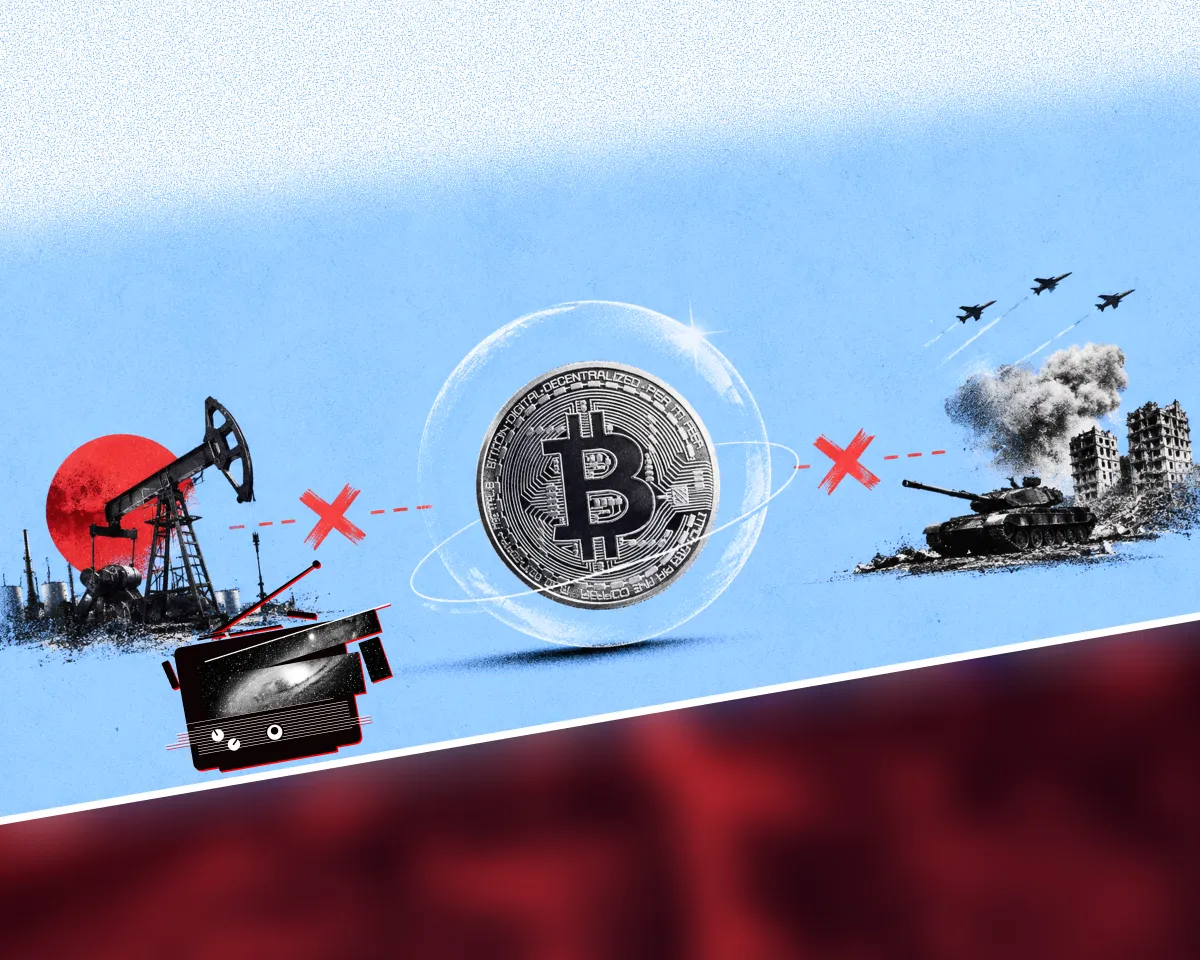
The U.S. and Iran conflict has kept oil prices above $100 since early March, and economists have raised their 2026 inflation forecast to 2.7%, creating a macro environment where gold thrives and Bitcoin struggles.
The analyst who called NVIDIA in 2010 just named his top 10 AI stocks. Get them here FREE.
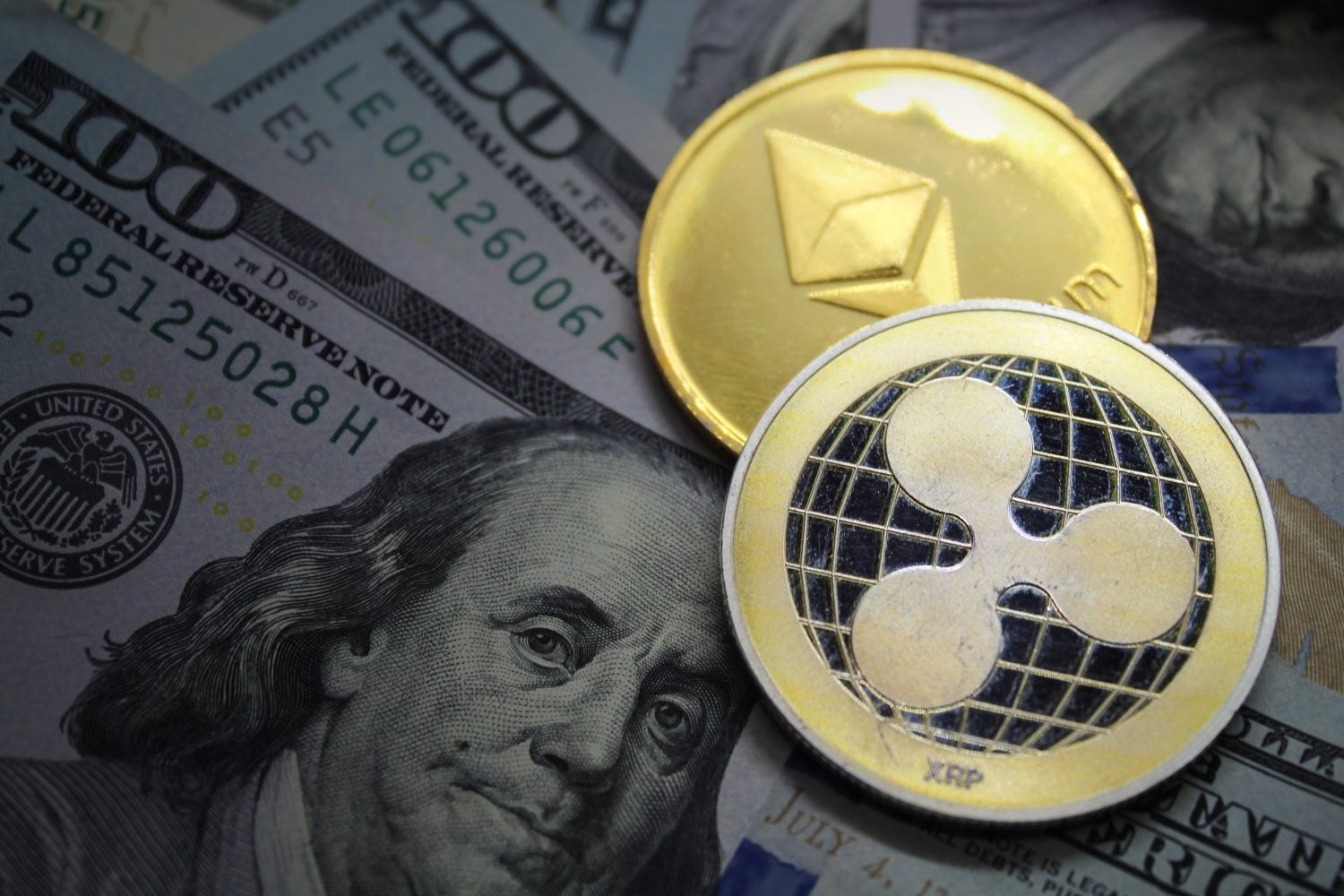
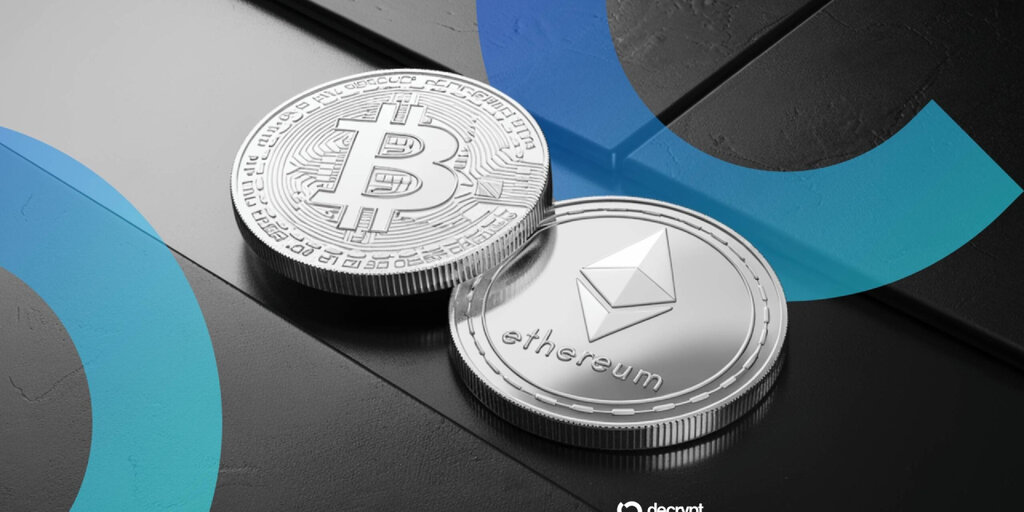
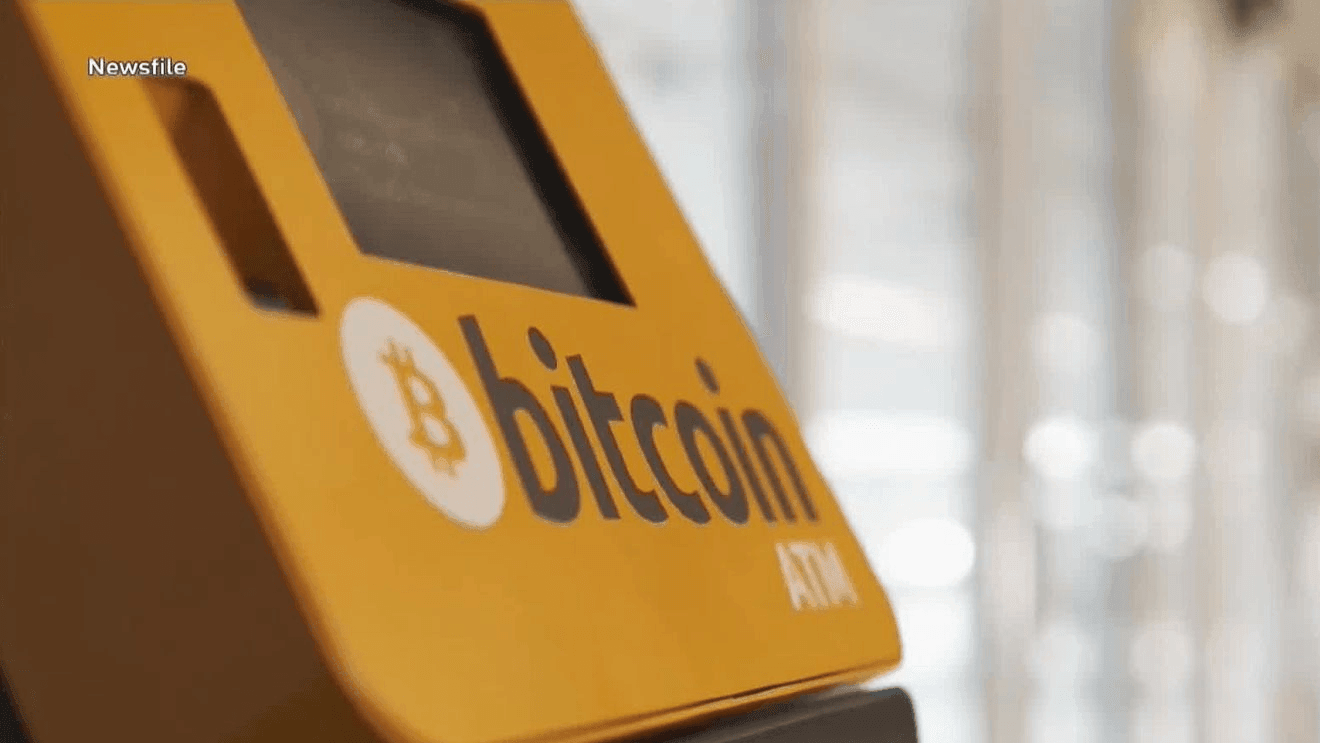
Over the years, Gold and Bitcoin (CRYPTO: BTC) have been fighting over the “best inflation hedge” title, and depending on the angle you decide to argue from, both assets make a pretty good case. However, in 2026, one of them has made a much more convincing argument.
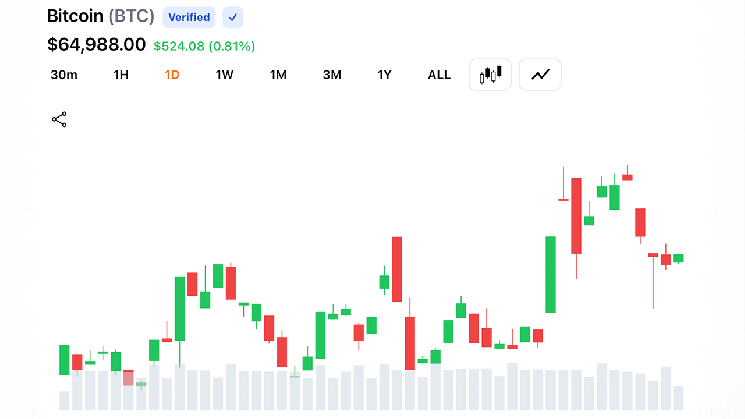
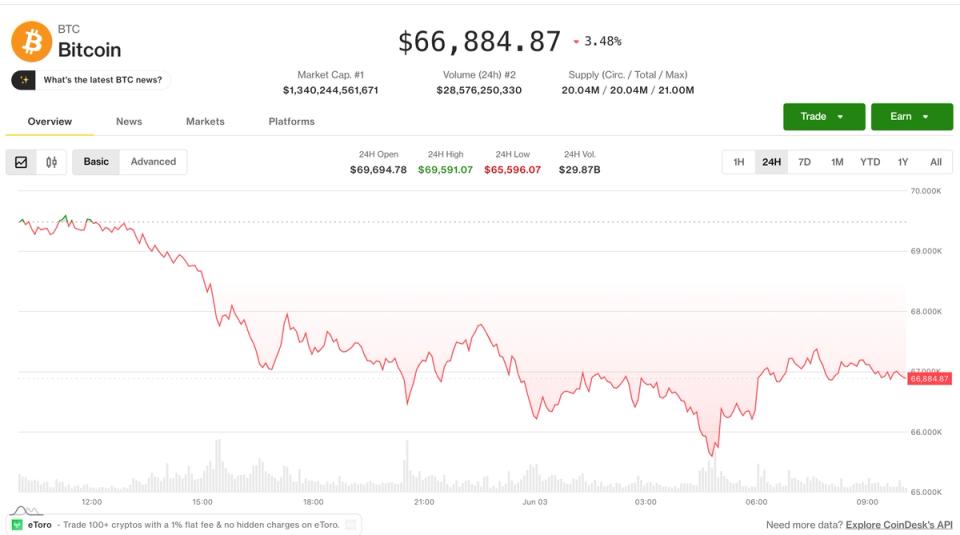
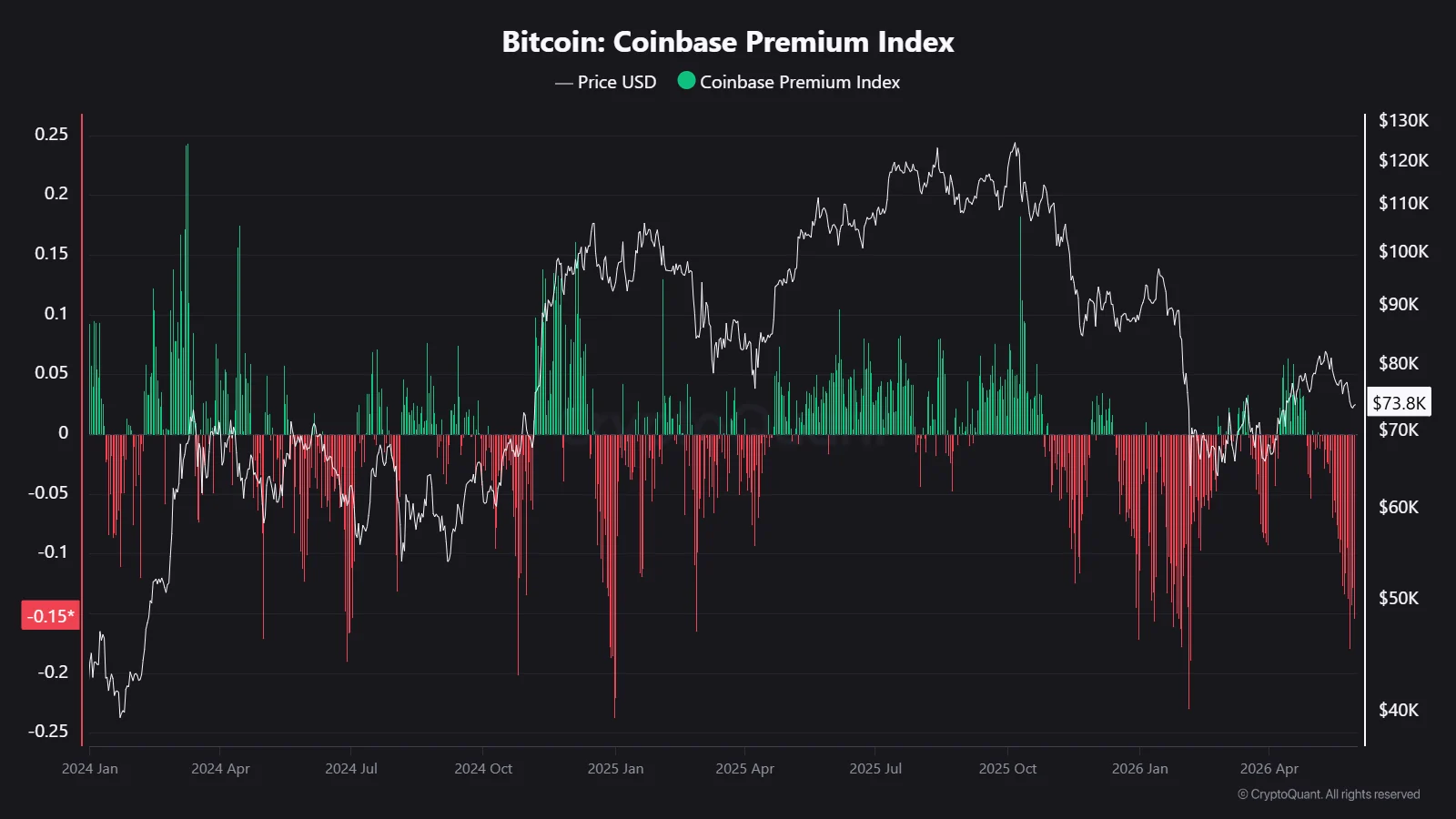
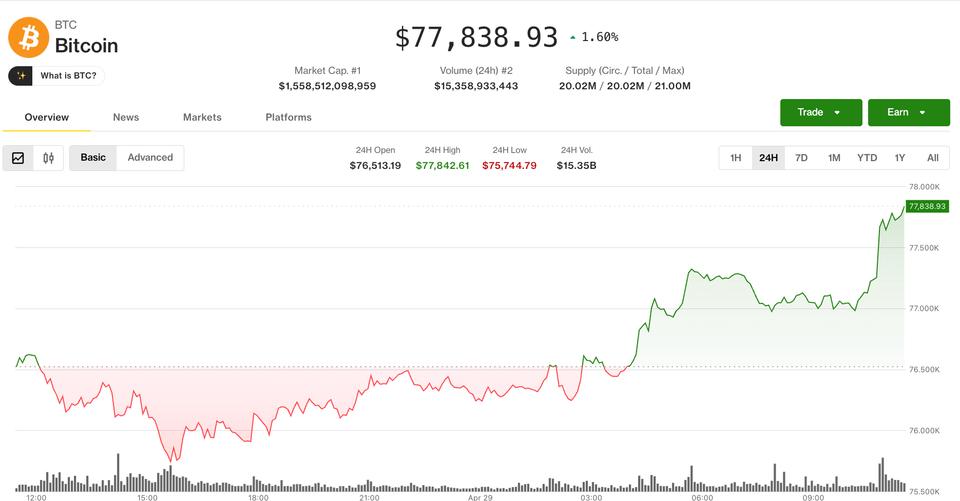
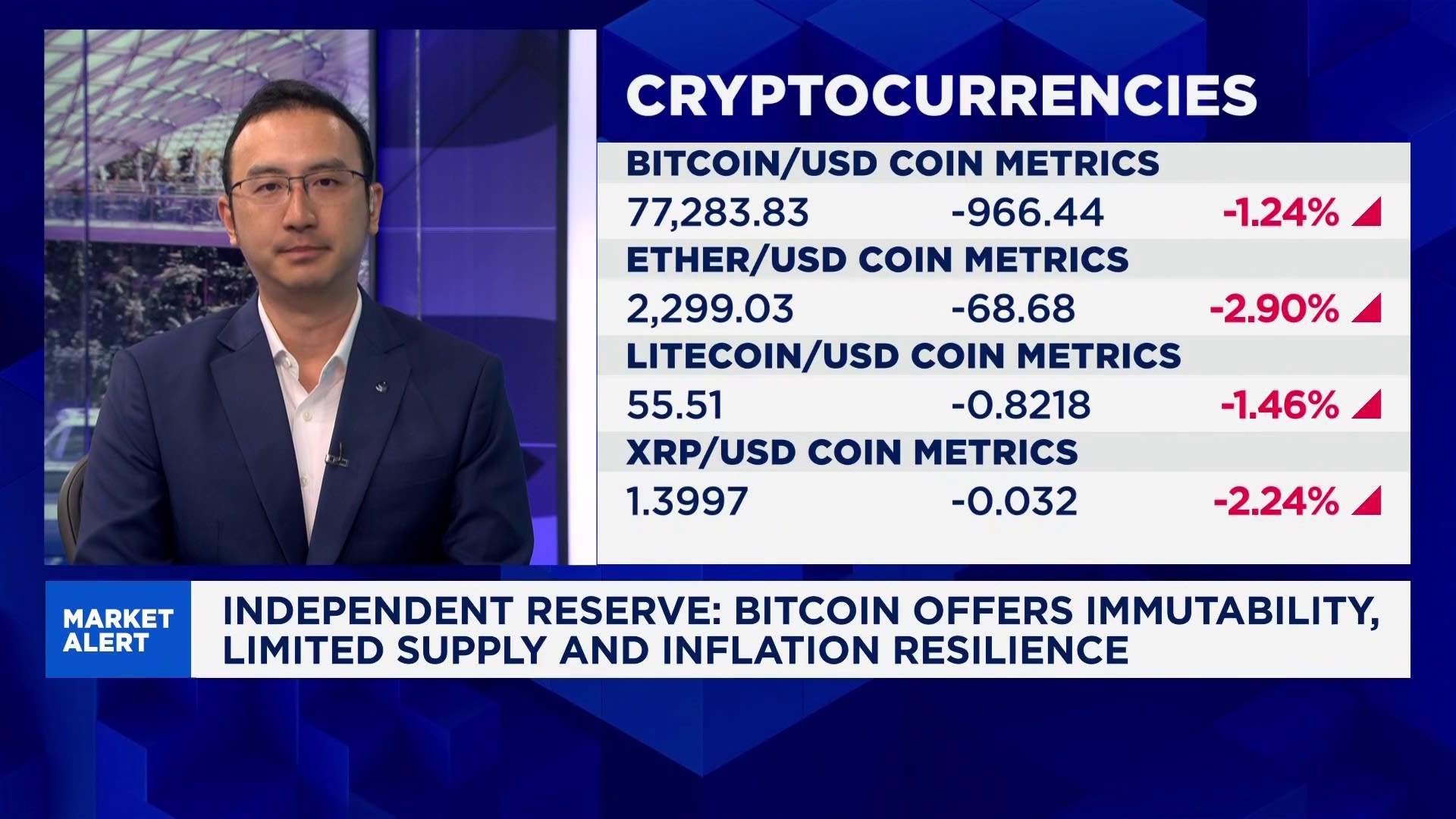
Gold is valued at around $4,800 per ounce as of mid-April, still roughly 46% higher than a year ago, even after pulling back from January’s peak. The Bitcoin price is trading around $74,000, down from roughly $93,000 at the start of the year, and a long way from the $126,000 all-time high it hit in October 2025.
If you bought both at the start of 2025, expecting them to protect you from inflation and global chaos, one of those positions is looking a lot better right now.
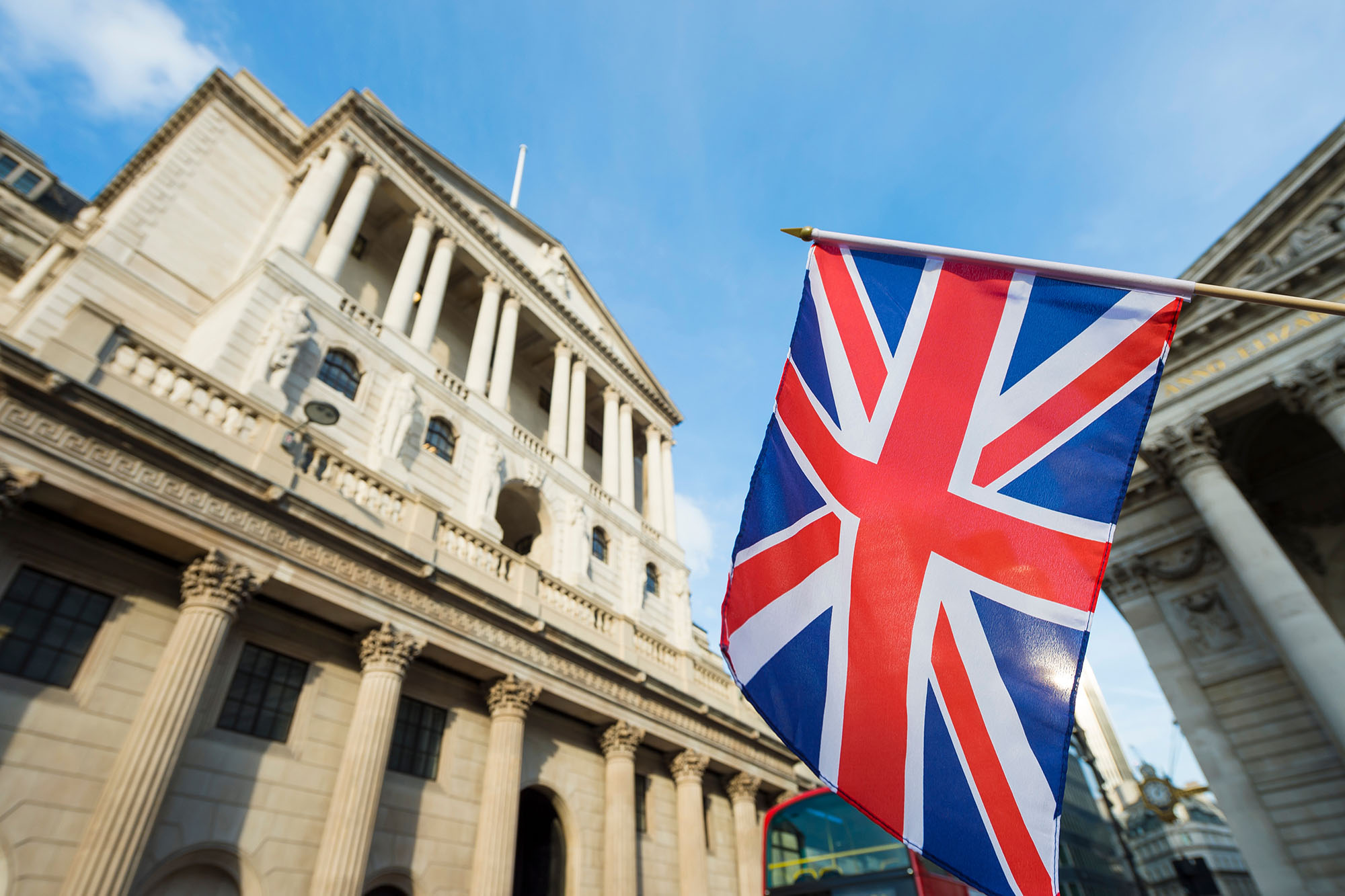
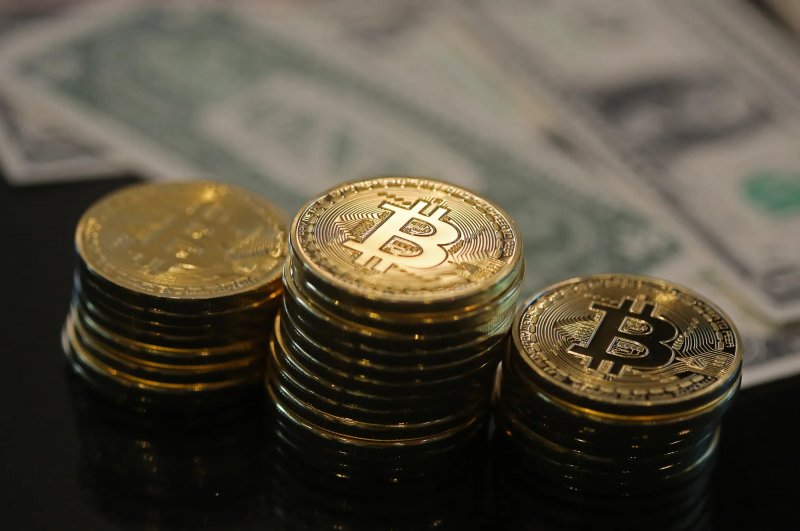
RomanR / Shutterstock.com
Gold has been the straightforward beneficiary of every major macro event this year. The U.S. and Iran conflict that began on February 28 sent energy prices higher and intensified inflation risks, reinforcing the exact conditions gold was built for.
The latest CPI report revealed inflation climbing to 3.3%, which is the highest since May 2024, with the monthly index surging 0.9%—the steepest rise since mid-2022. With inflation climbing and real geopolitical risk in play, money naturally flows into gold.
However, the difference in 2026 is how much institutional money has moved into gold this year. Central banks are expected to buy around 755 tonnes of gold this year, as governments around the world quietly move away from dollar-heavy reserves. When central banks are your biggest buyers, gold’s price has a lot more support under it than when retail speculation is the main driver.
None of this means gold can’t pull back. Some analysts put a 20% chance on gold ending 2026 between $4,000 and $4,750 if oil prices keep rising and the Fed is forced to keep rates high. We don’t think that plays out as the structural case for gold hasn’t changed. However, anyone buying at these levels should know gold already had its steepest monthly drop since 2008 earlier this year before recovering, which means another pullback isn’t off the table.
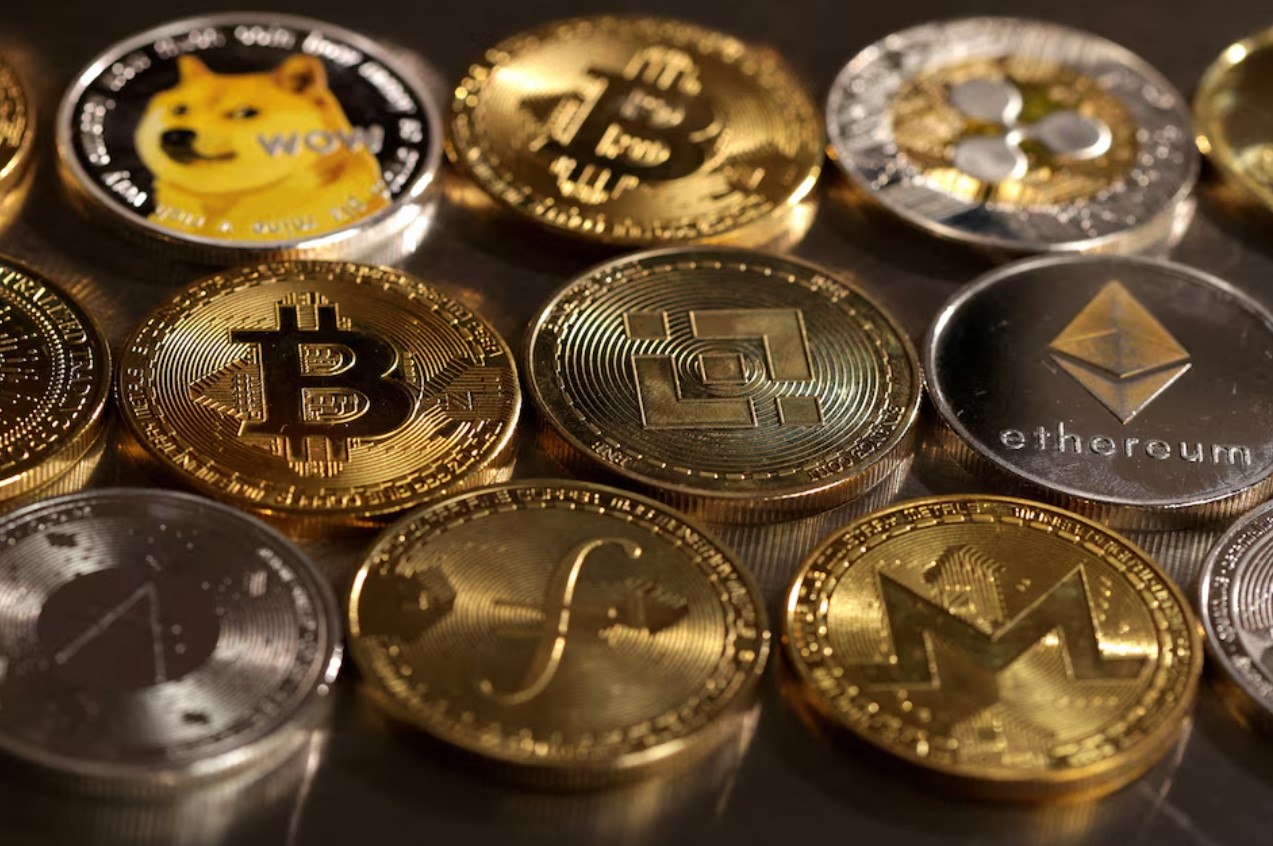
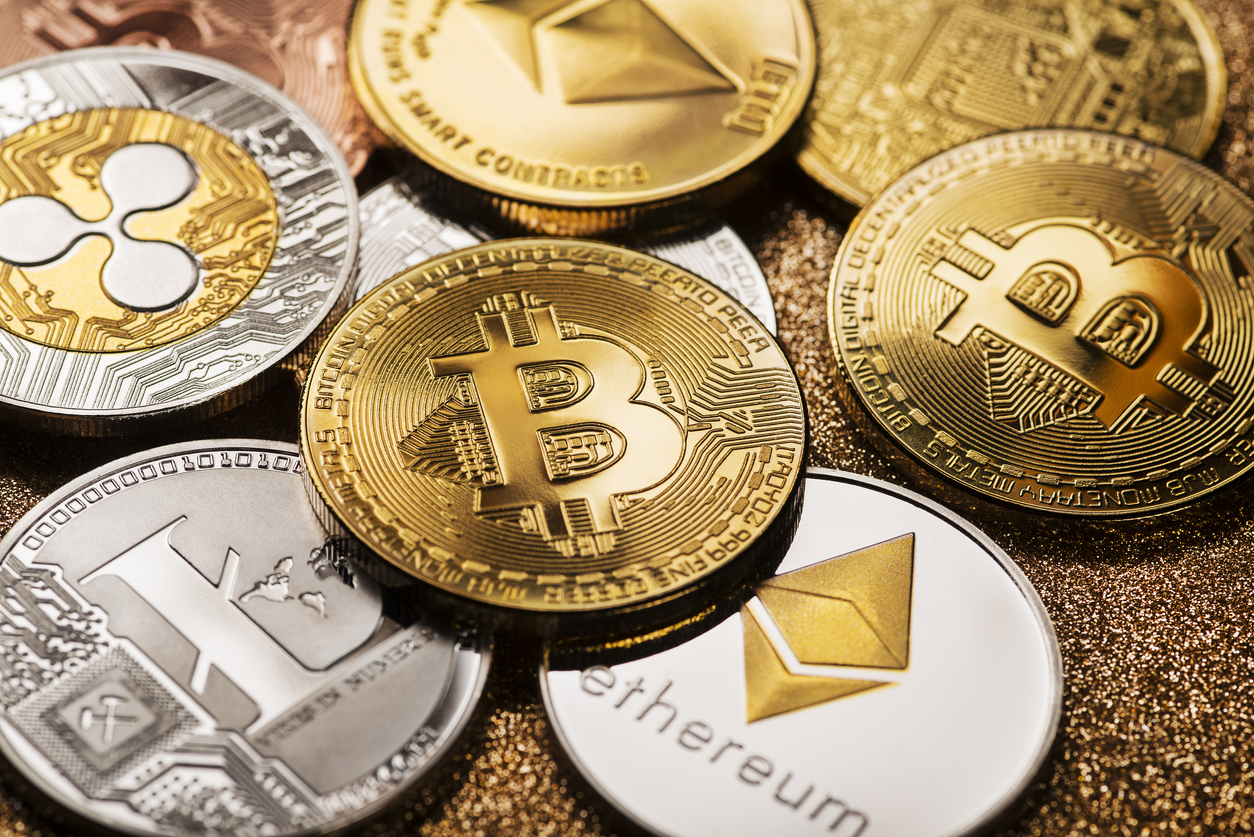
smolaw / Shutterstock.com
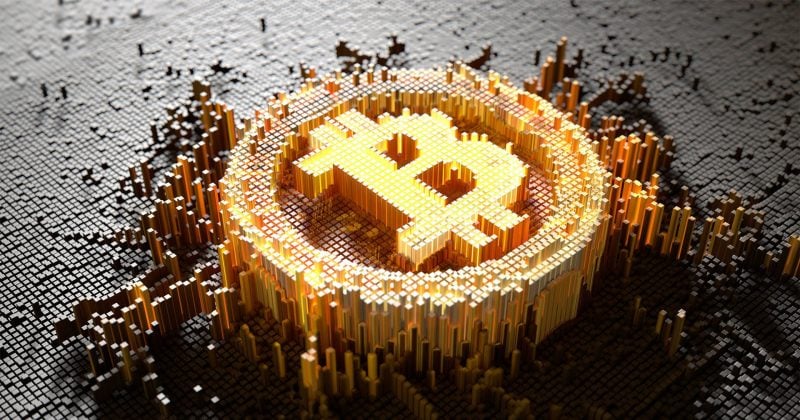
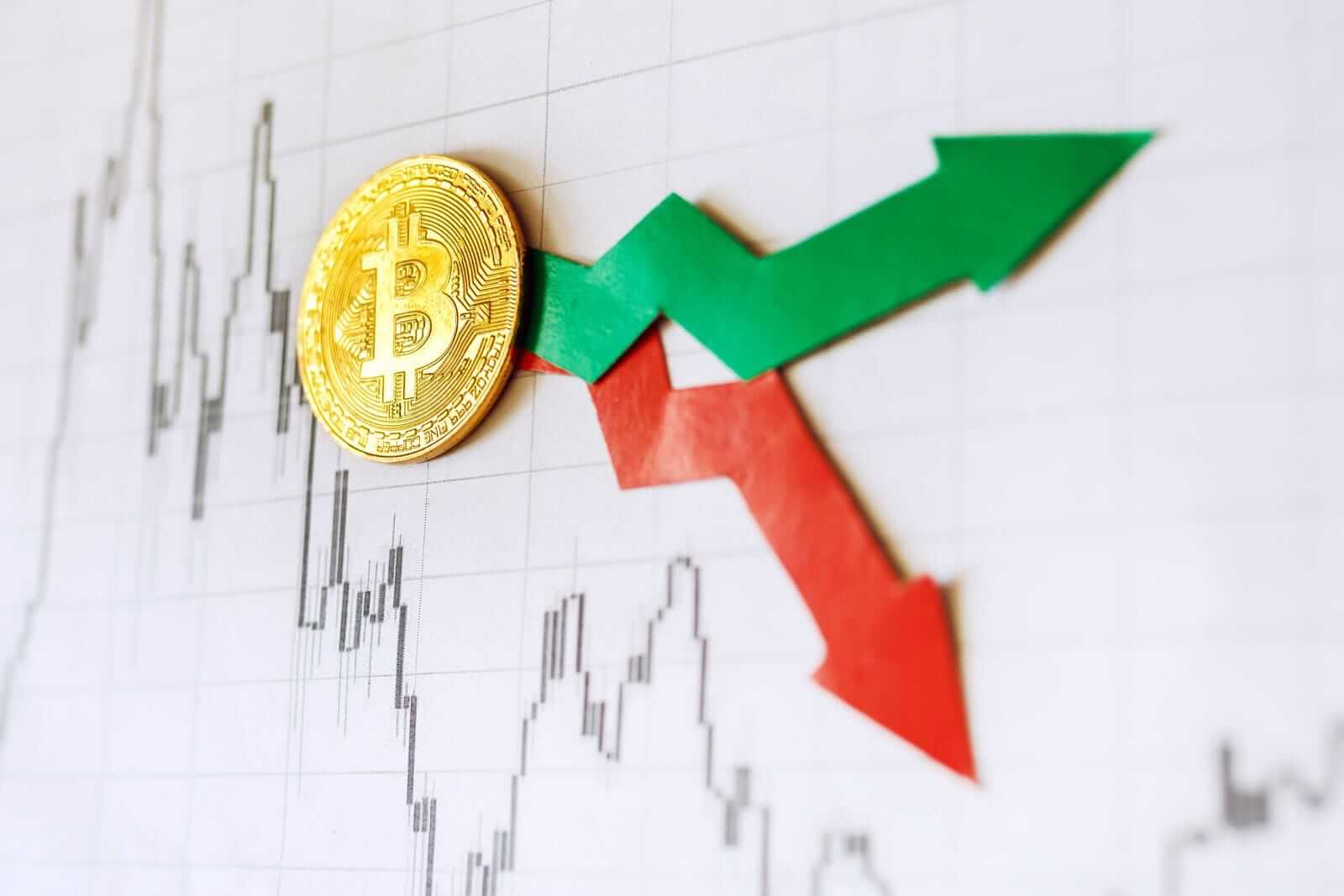
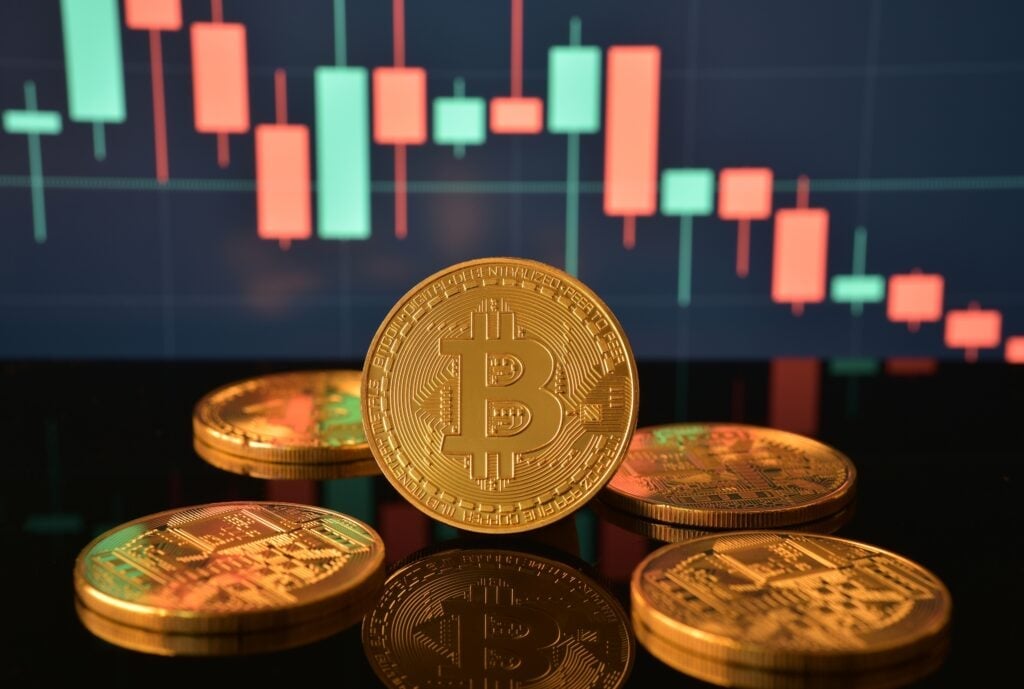
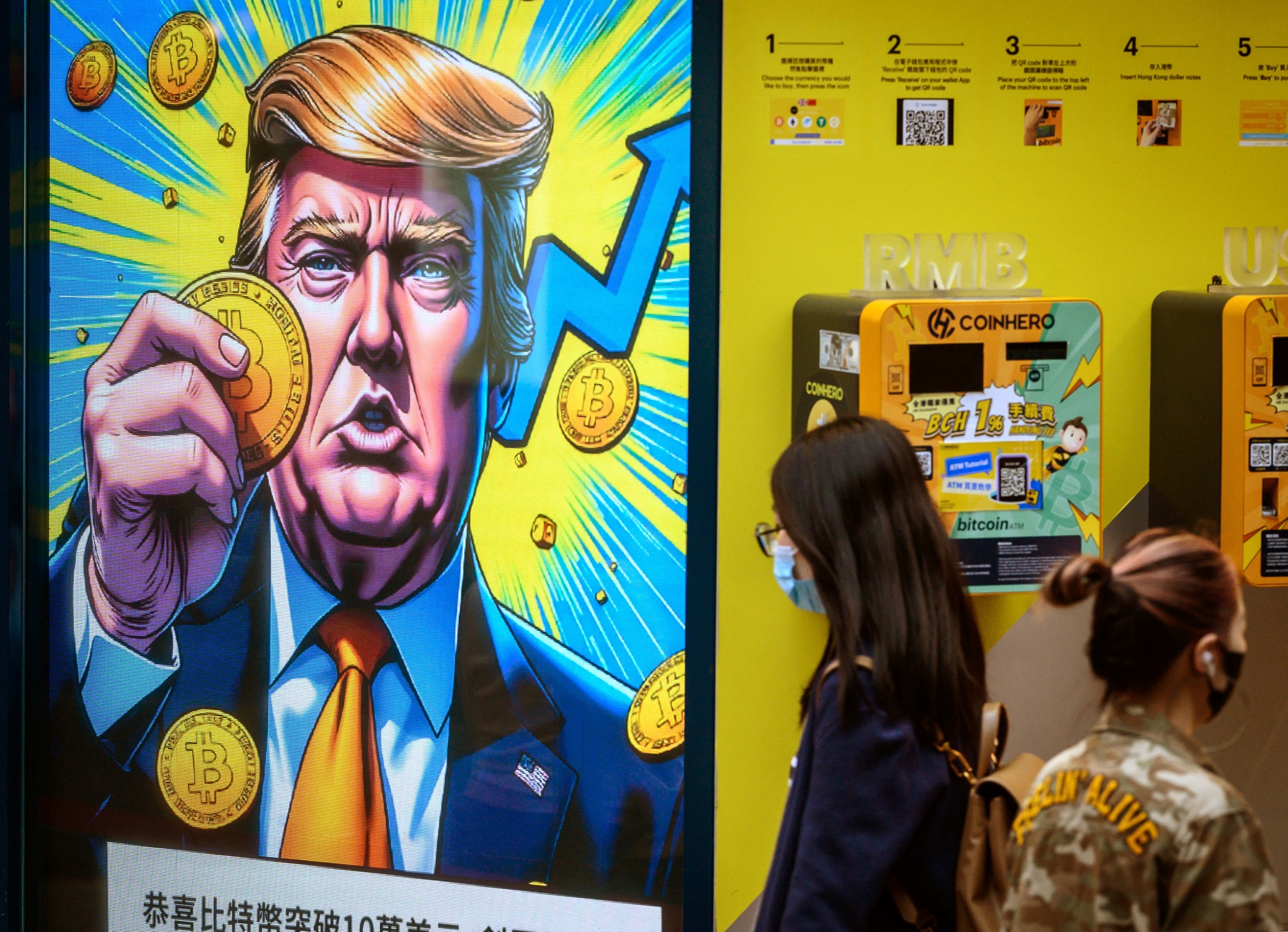
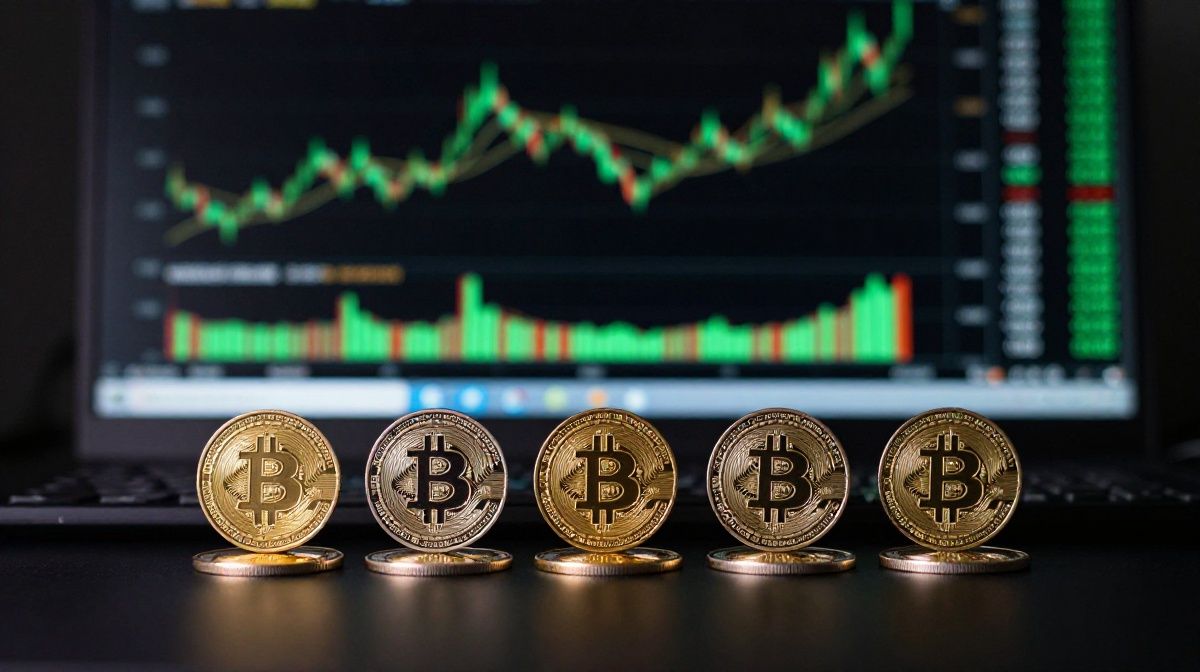
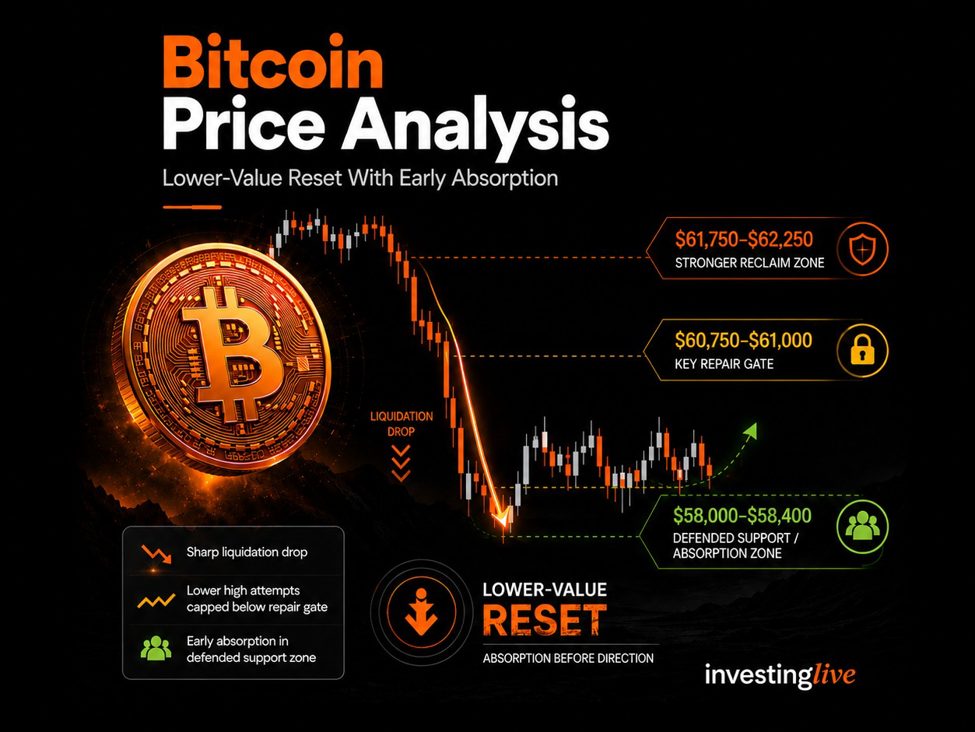
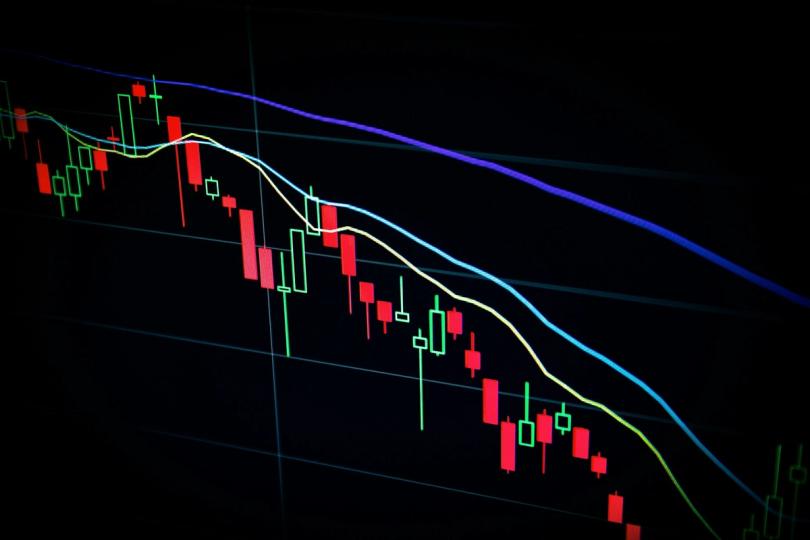
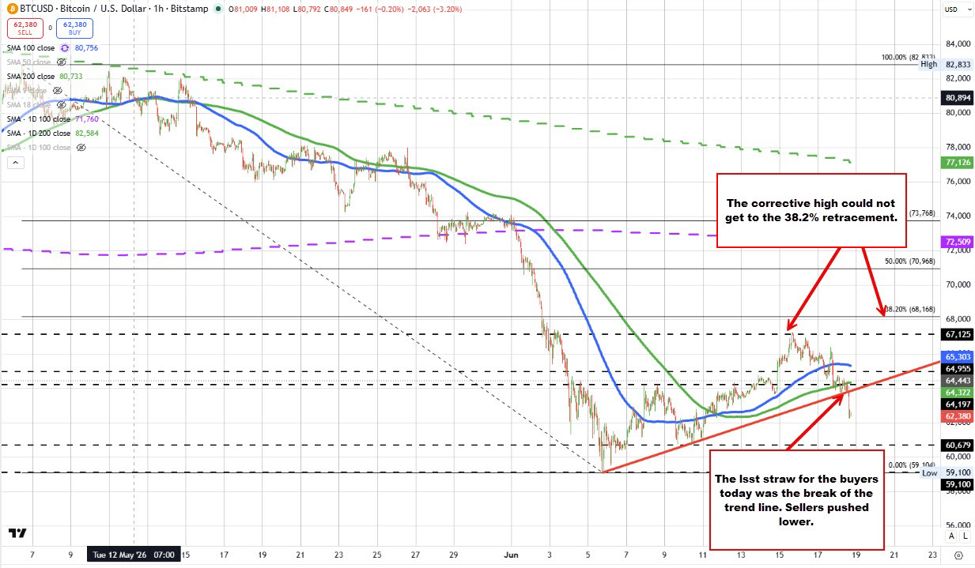
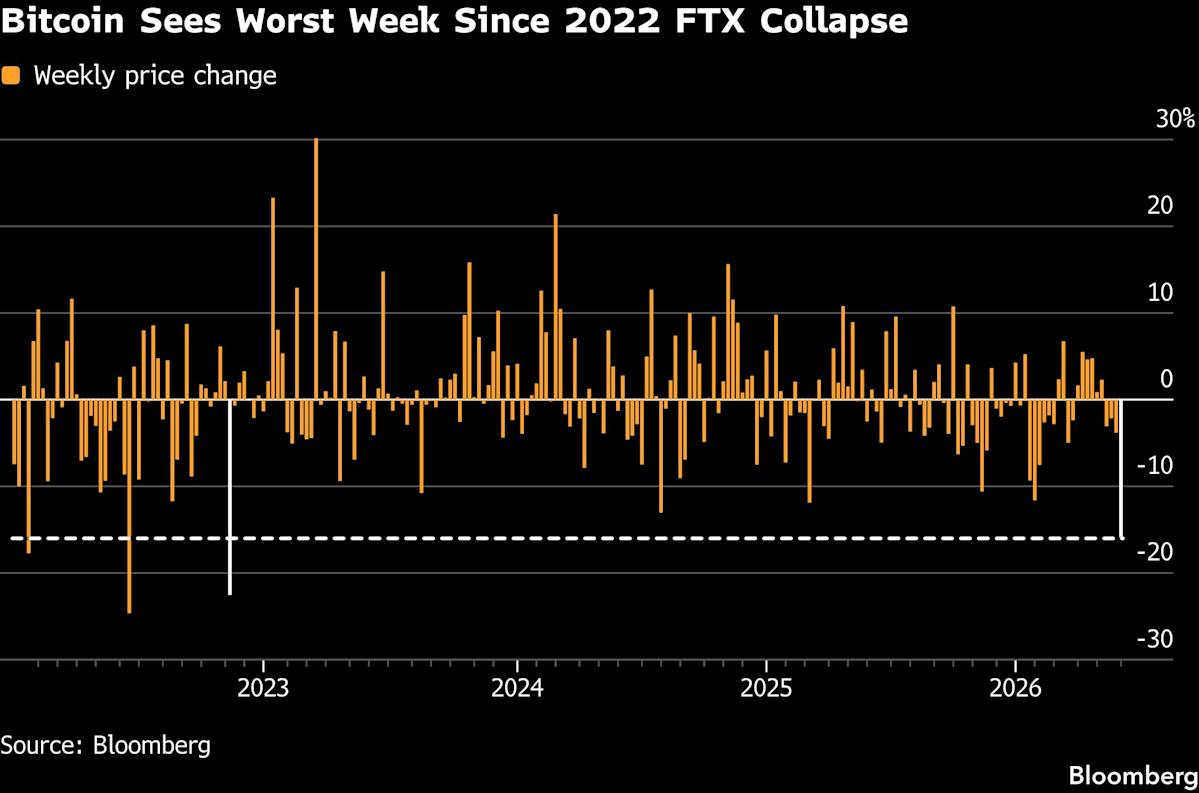
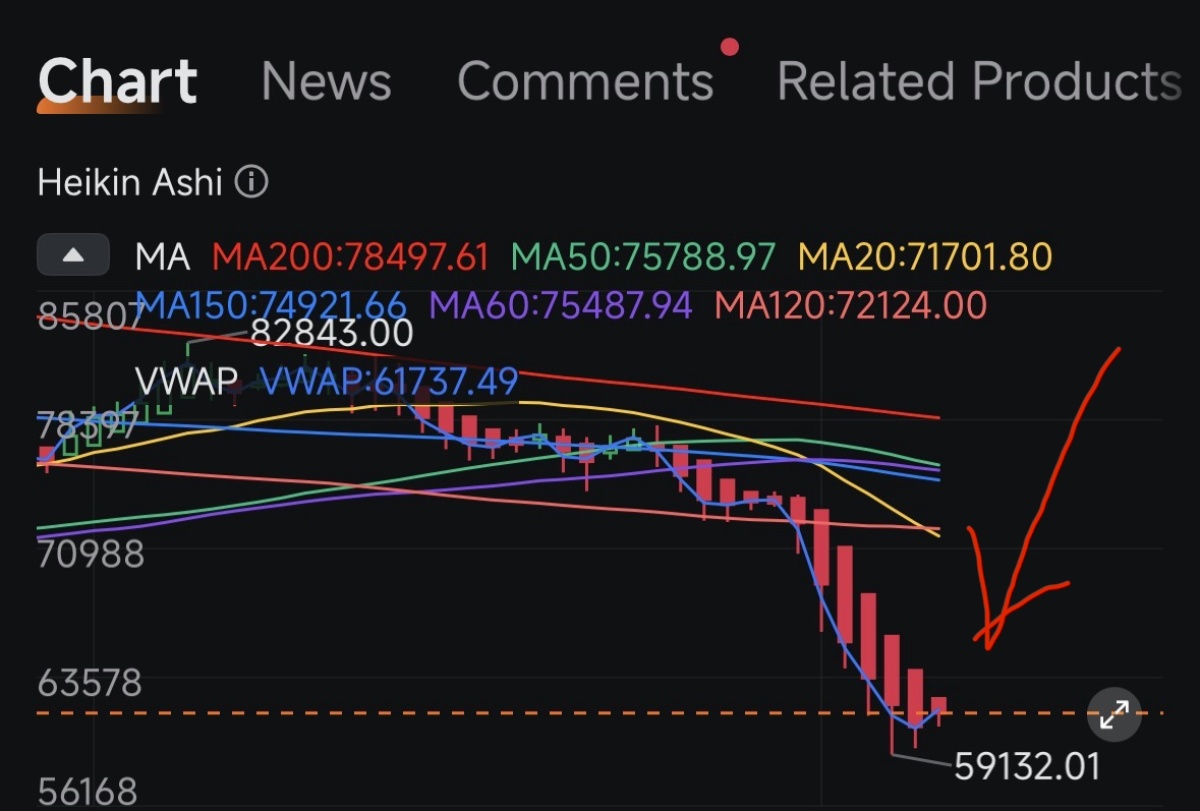
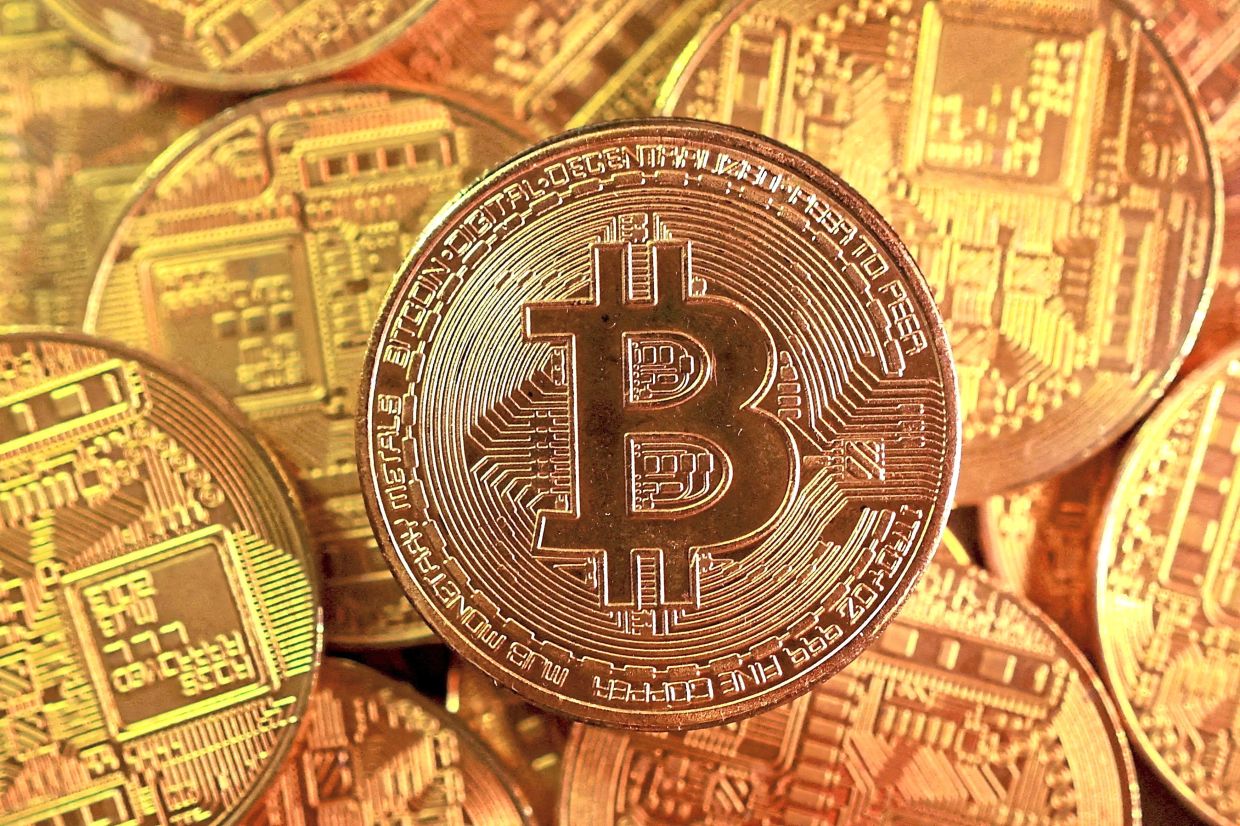
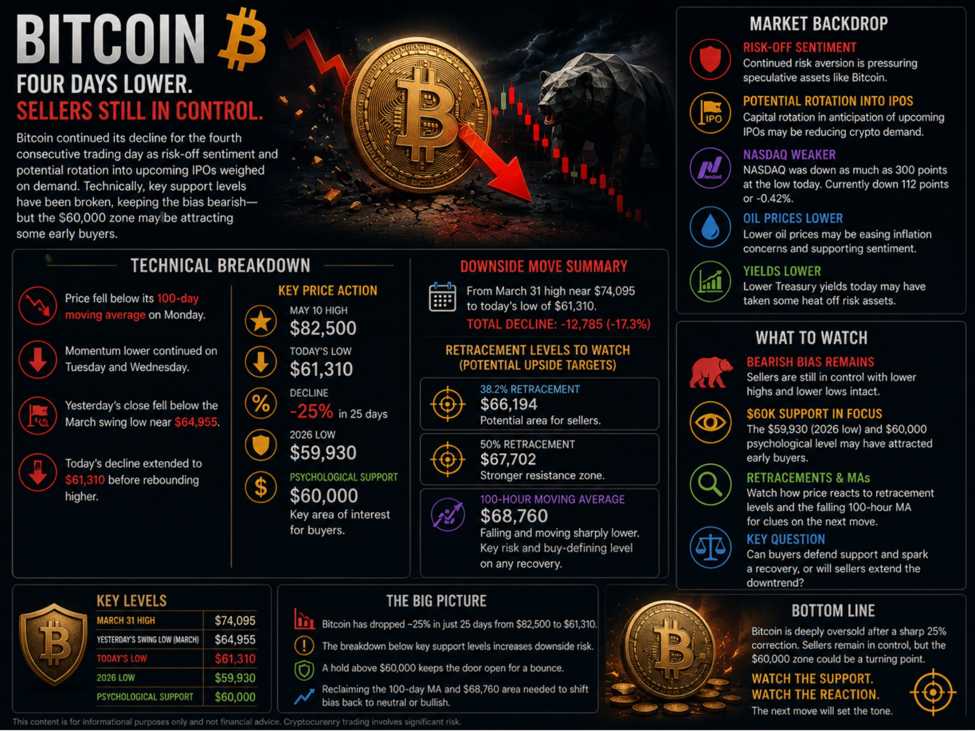
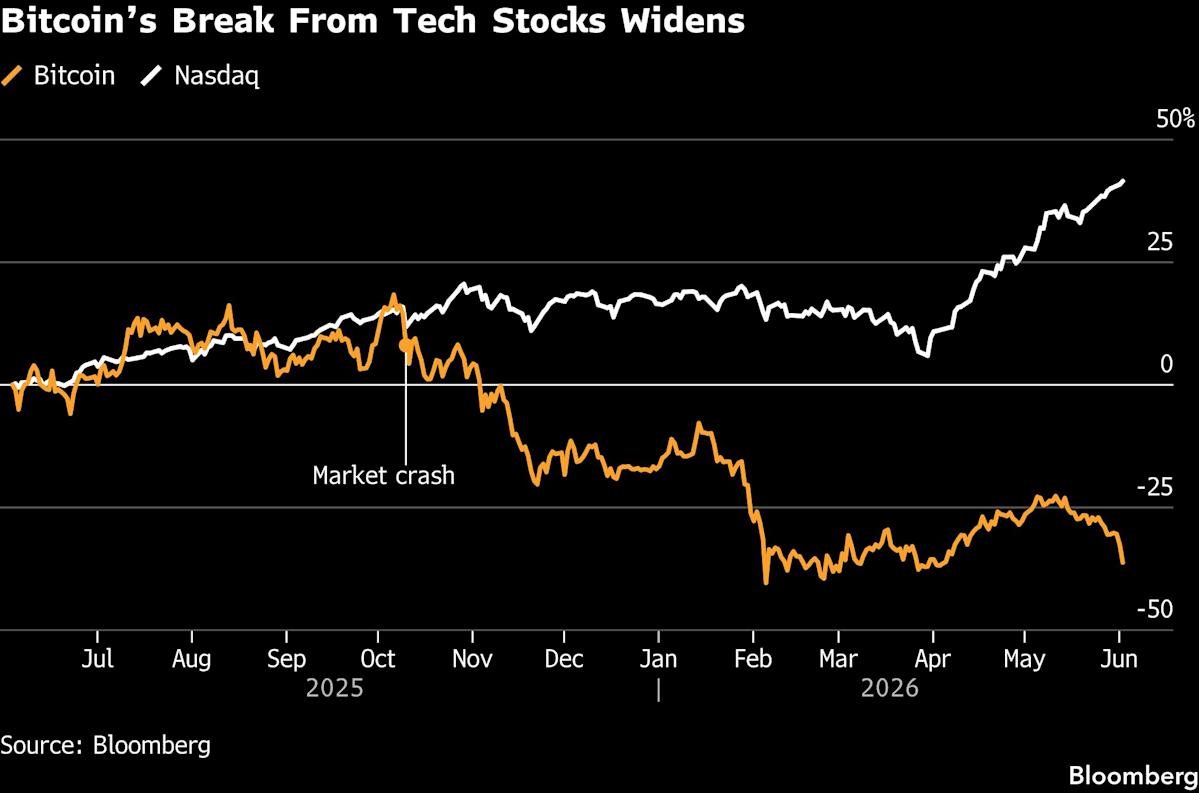
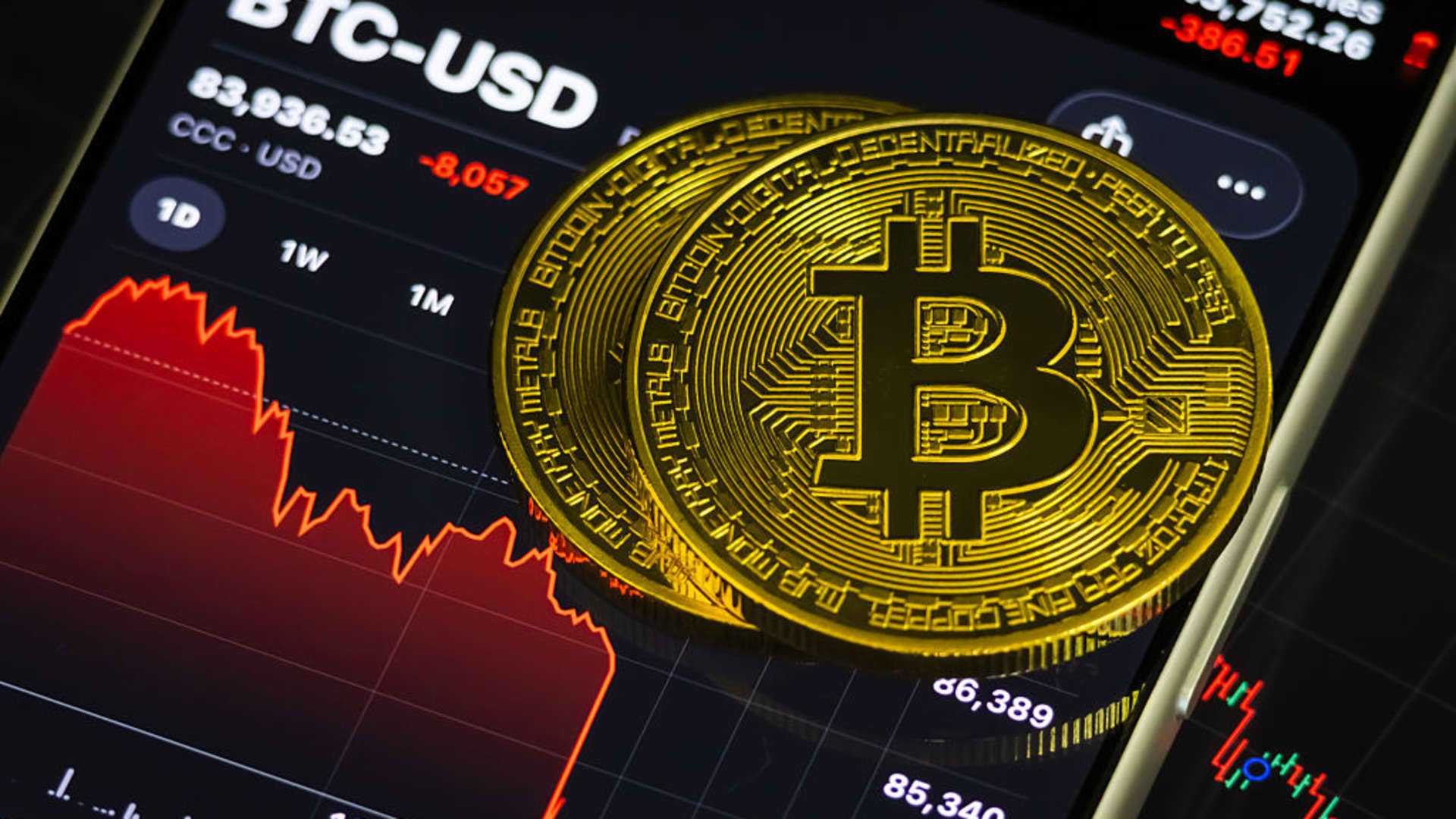
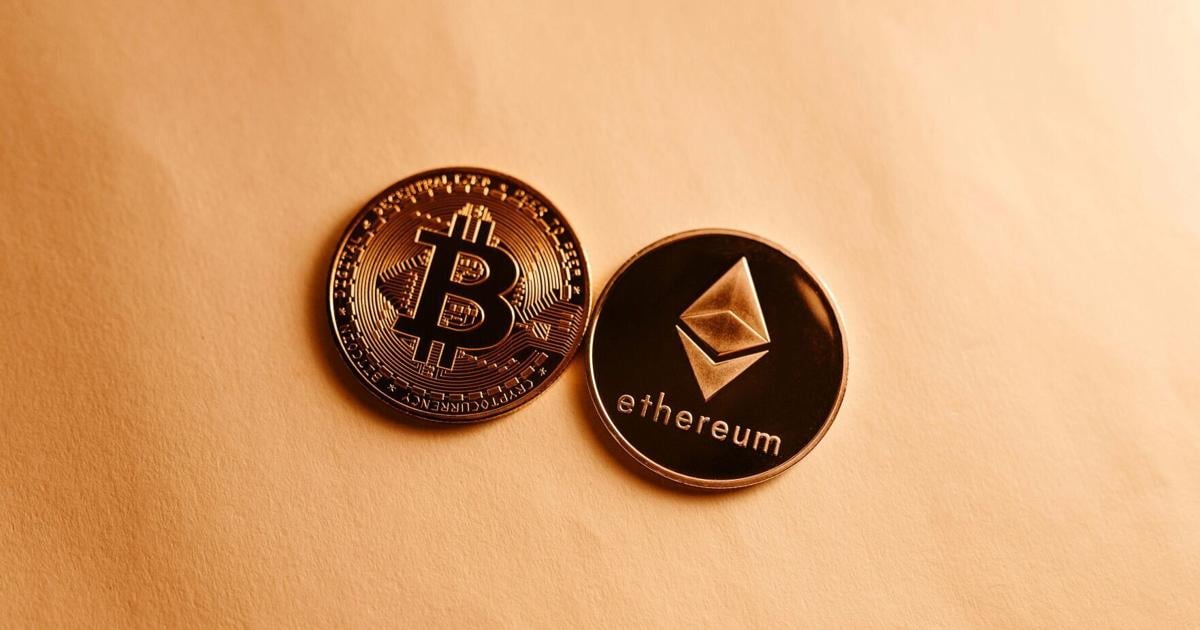
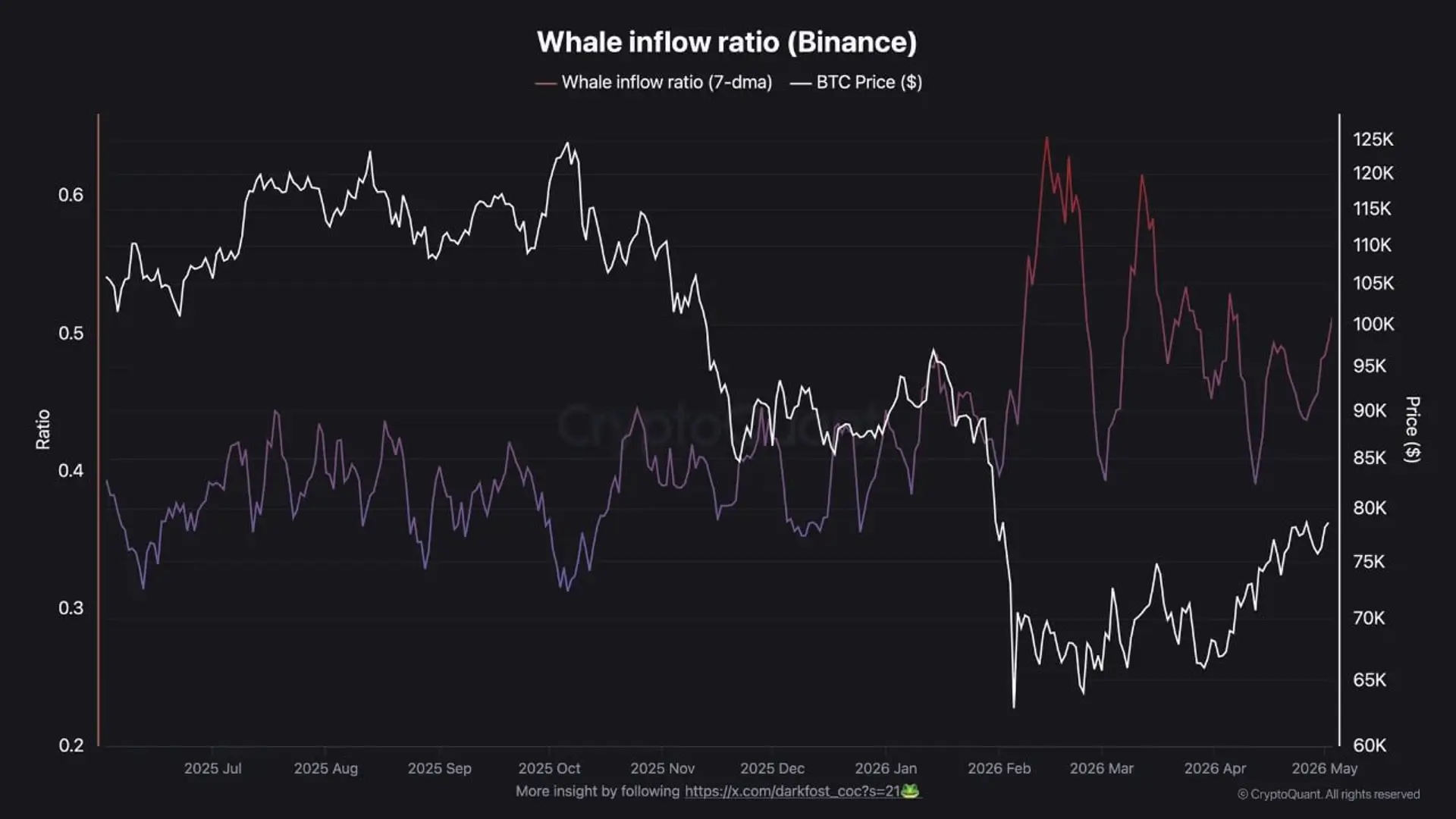
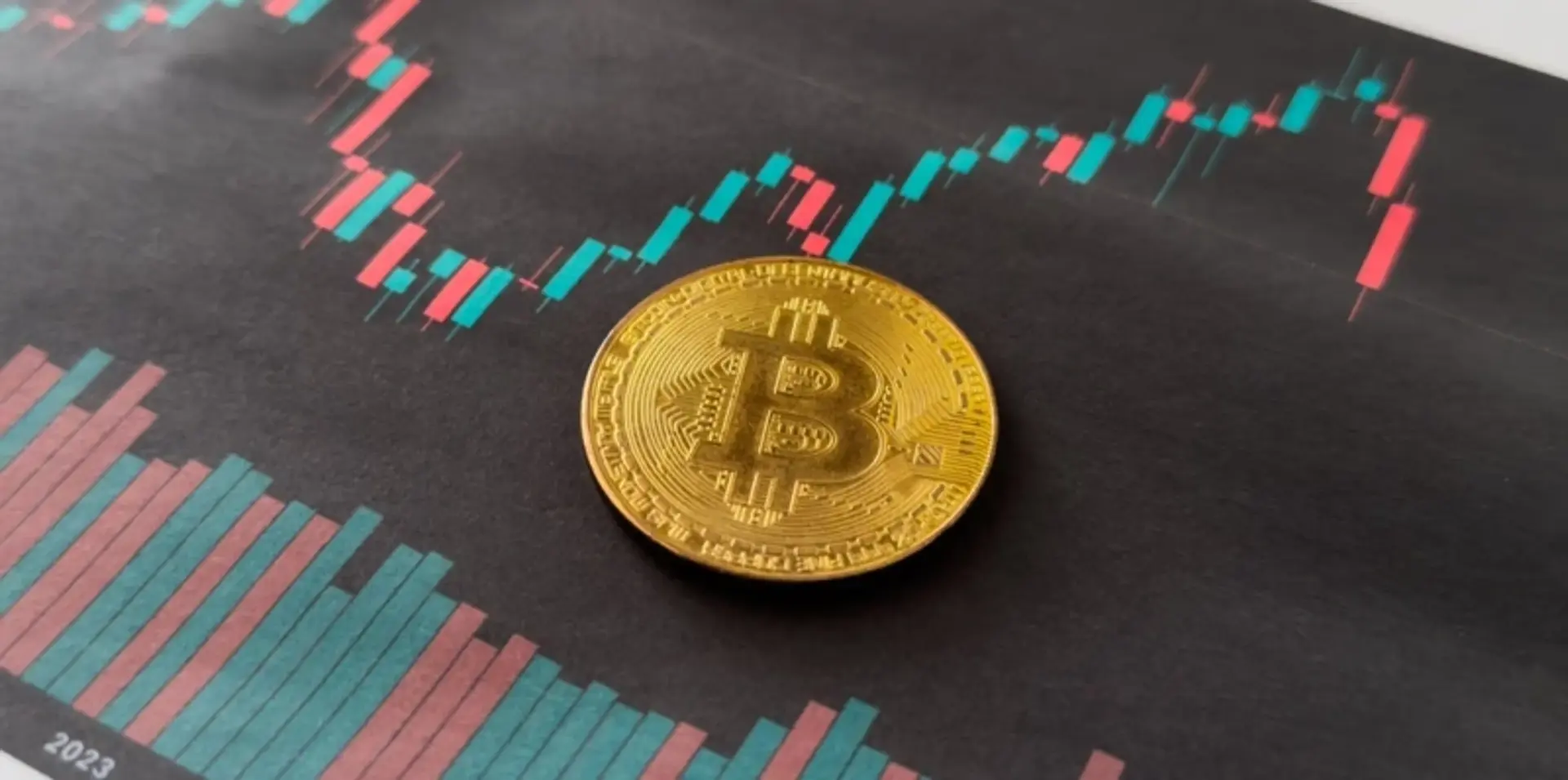
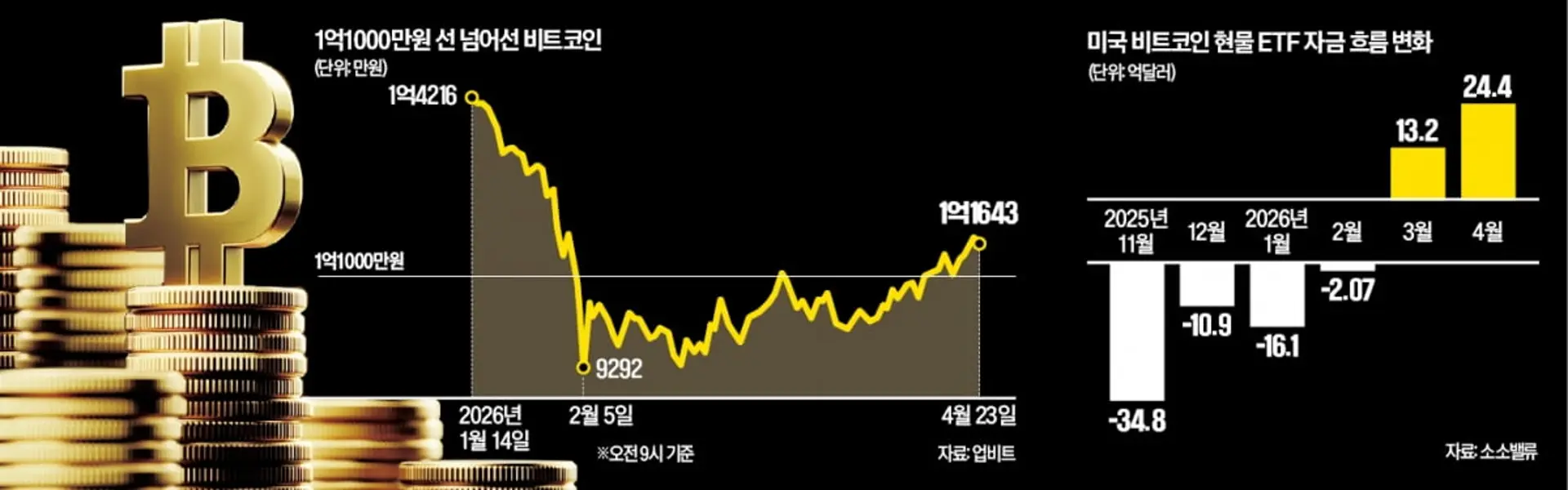
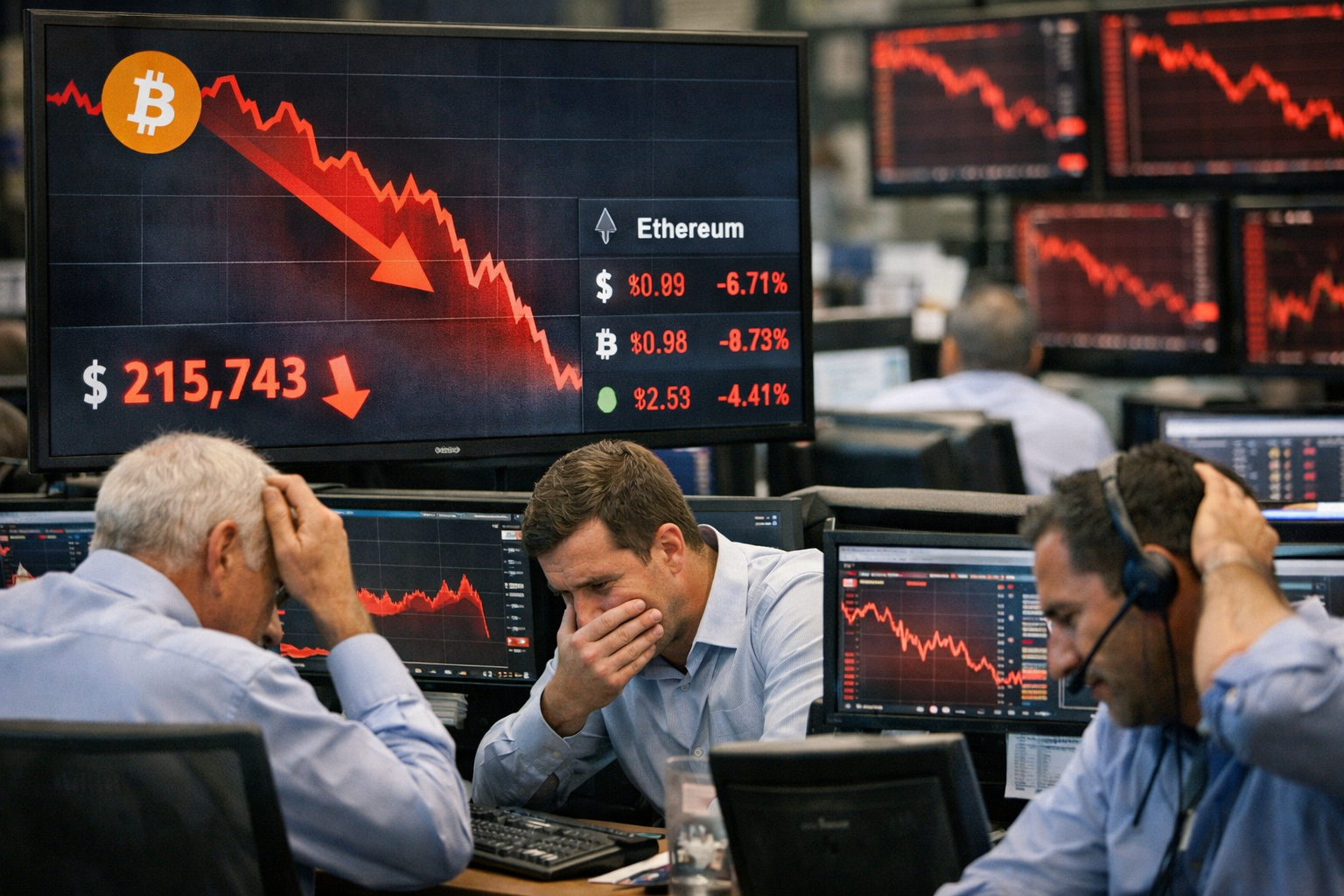
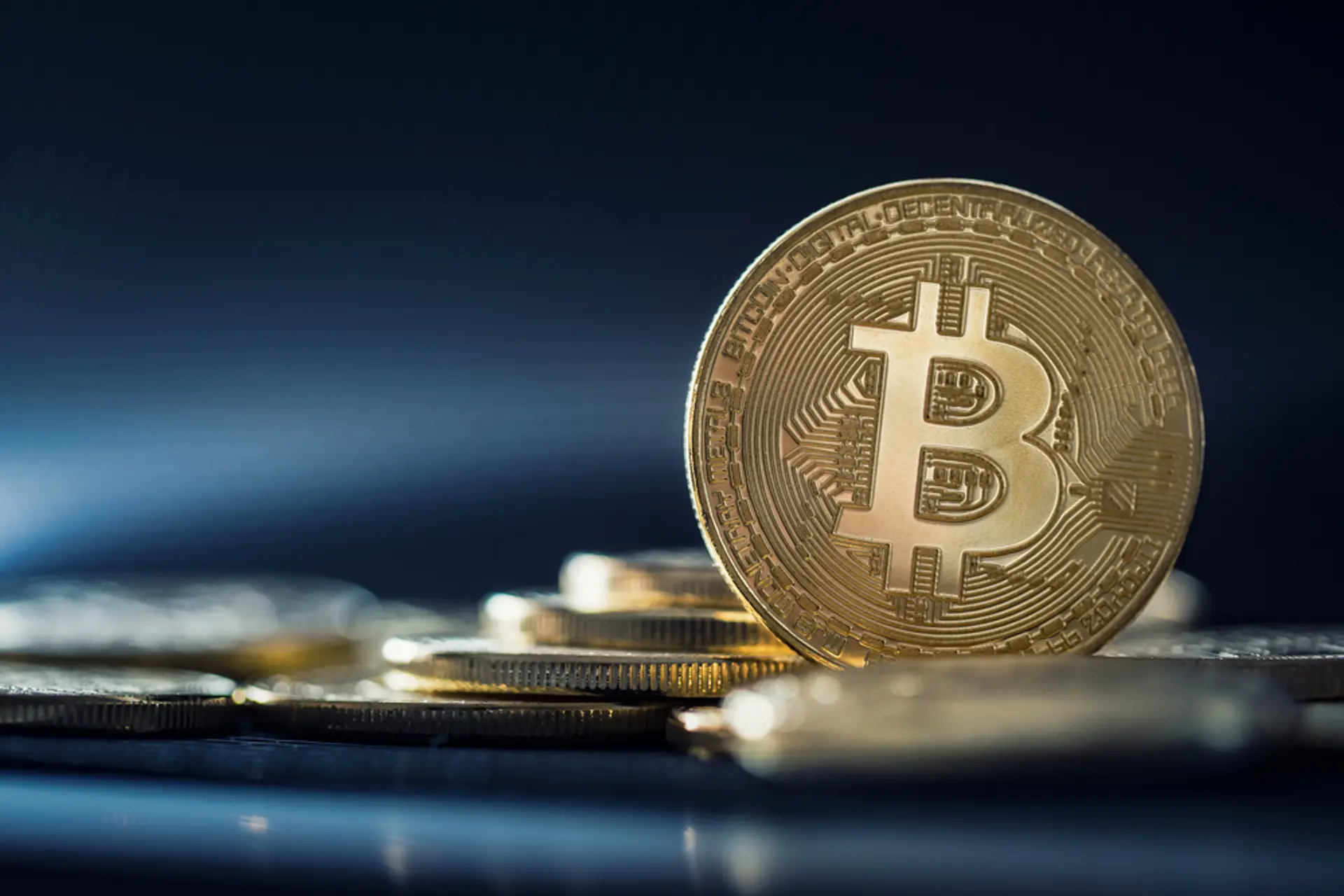
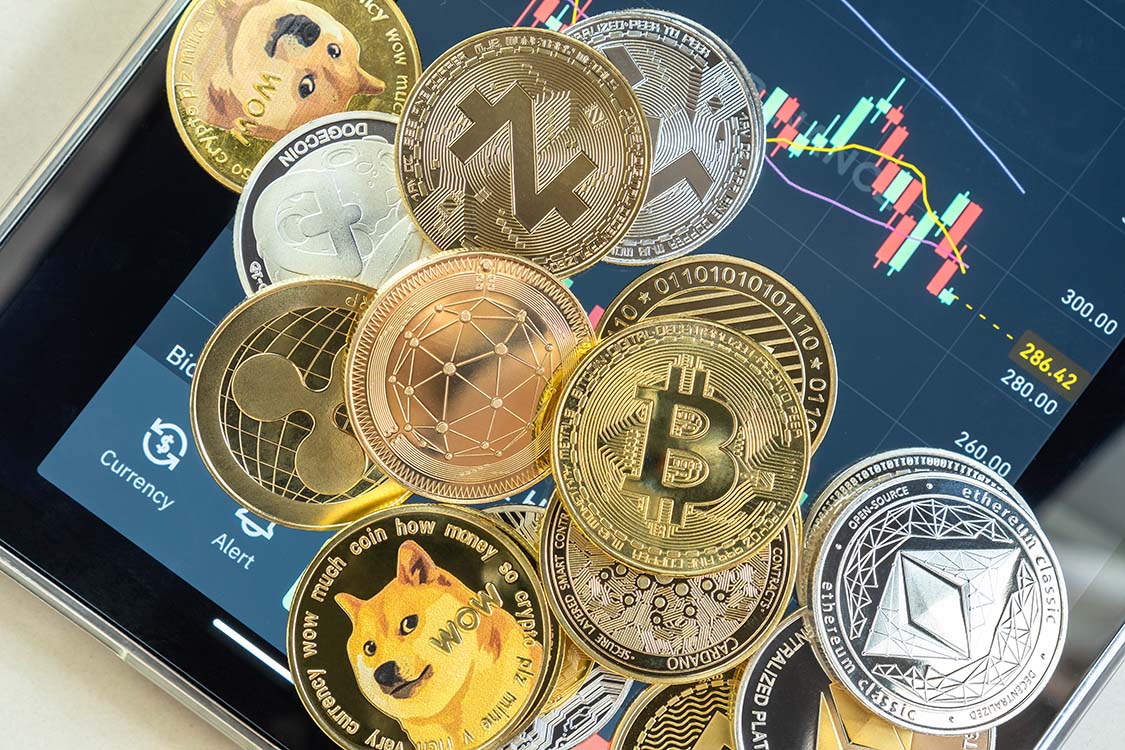
By its own standards, Bitcoin has had a poor showing so far in 2026. BTC dropped 10.% in January, 14.8% in February, and barely scraped a 0.19% gain in March, marking its first back-to-back quarterly losses since 2022. It’s an awful run for an asset whose holders often cite it as a hedge against the exact macro conditions that have held it back this year: inflation, currency debasement, and geopolitical chaos.
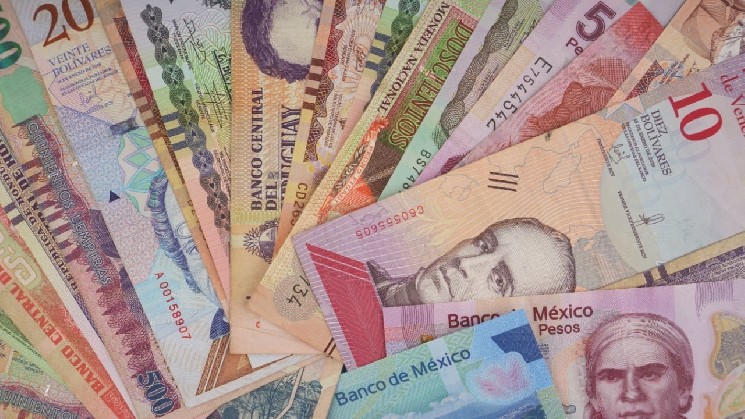
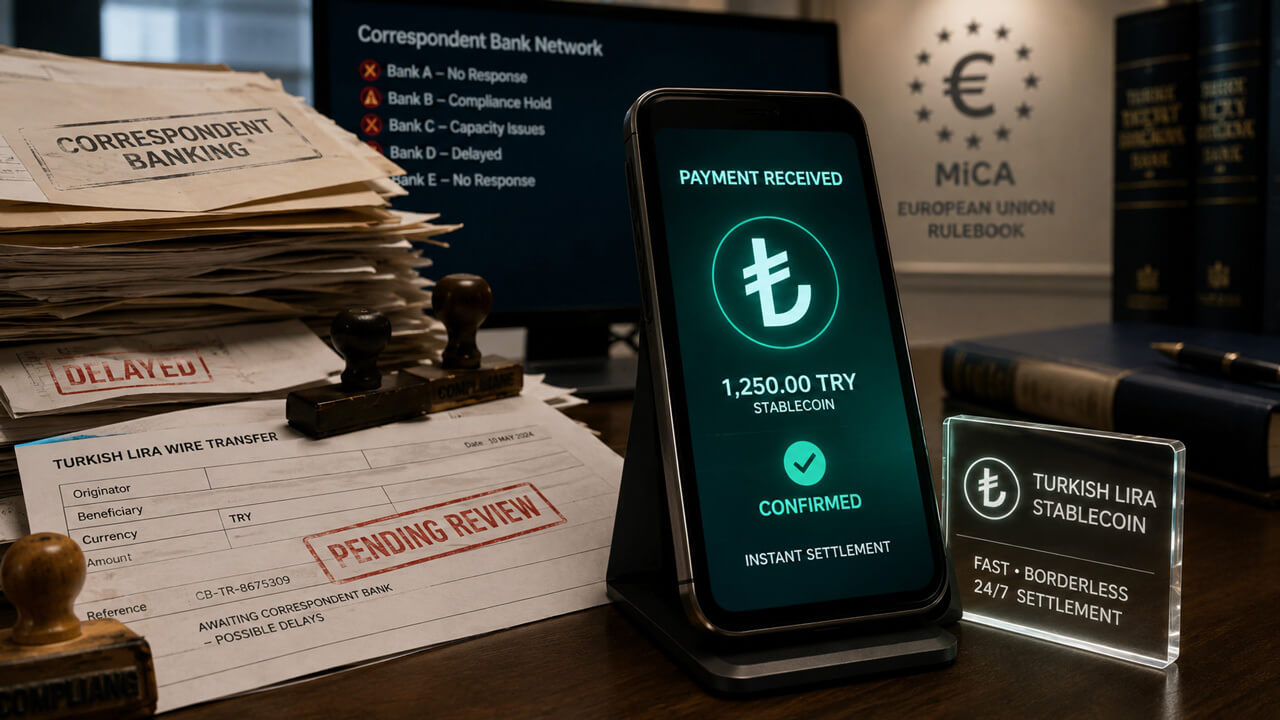
Bitcoin has actually hedged well in the past, just not in the way most people expect. When a government slowly destroys its own currency, Bitcoin thrives. It appreciated roughly 90% against the Argentine peso and over 200% against the Turkish lira in 2024. However, when the problem is a sudden crisis—like the U.S.-Iran conflict, oil prices spiking, and markets seizing up—investors are quick to liquidate their Bitcoin holdings.
One notable exception happened in mid-January 2026, when Bitcoin held above $96,000 while the Nasdaq dropped more than 1% in a single session. This move caught analysts by surprise and got people talking about Bitcoin finally decoupling from tech stocks.
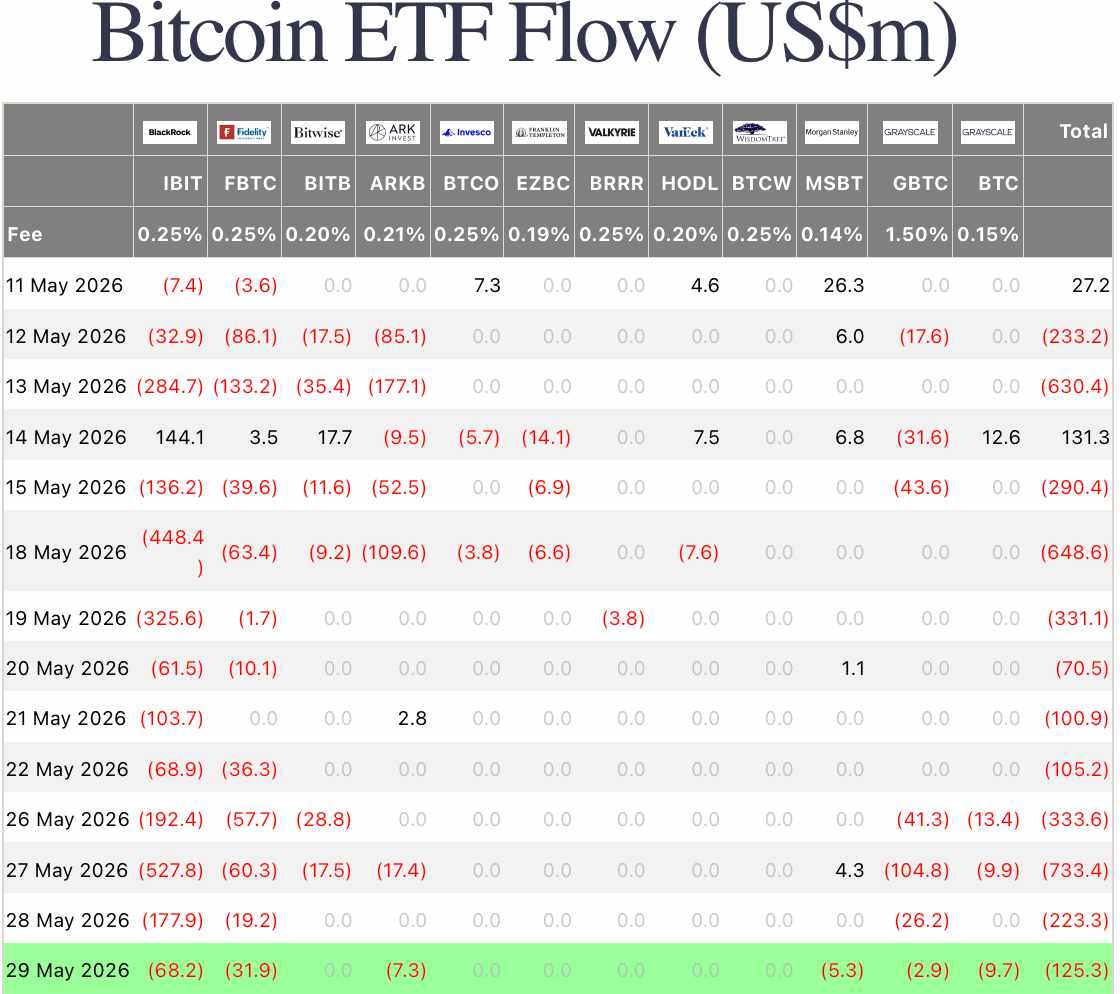
Bitcoin ETF inflows also returned briefly, cold wallet accumulation picked up, and analysts started floating the idea that Bitcoin might be building toward being a macro hedge. We think it’s too early to confirm that trend, as one week of divergence doesn’t rewrite two years of correlation data.
It’s worth highlighting the difference in volatility between Bitcoin and Gold before deciding the better hedge. Bitcoin’s annual volatility runs roughly 45–60% while gold’s falls around 12–18%. The difference also explains how Bitcoin can lose half its value within months, whereas gold typically doesn’t.
On top of that, we think the framing of ‘which is the better hedge’ depends on how long you plan to hold. Over a decade, Bitcoin has outperformed gold by a huge margin. A $10,000 investment in Bitcoin in 2016 would be worth around $1.7 million today, while the same amount in gold would be worth roughly $44,000. However, over the past quarter, gold has been the better hedge every time conditions turned ugly.
Gold is the better hedge right now, especially for short-term crisis protection. Bitcoin, with its fixed supply and borderless nature, is still the stronger option for anyone worried about fiat currencies losing value over the long run.
Wall Street is pouring billions into AI, but most investors are buying the wrong stocks. The analyst who first identified NVIDIA as a buy back in 2010 — before its 28,000% run — has just pinpointed 10 new AI companies he believes could deliver outsized returns from here. One dominates a $100 billion equipment market. Another is solving the single biggest bottleneck holding back AI data centers. A third is a pure-play on an optical networking market set to quadruple. Most investors haven’t heard of half these names. Get the free list of all 10 stocks here.