- May 4, 2026
- Olivia
- 0
The digital asset industry’s path toward federal oversight in the United States has, over time, taken on the defining features of the sector itself.
Those features are cryptocurrency’s fragmentation, volatility and resistance to single-jurisdiction consensus.
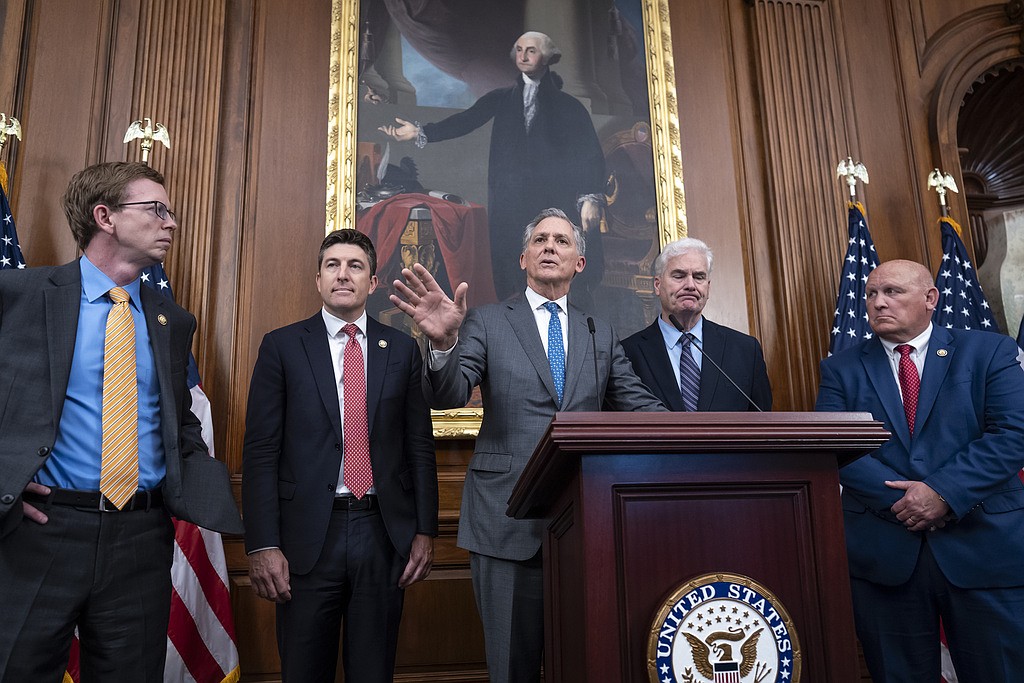
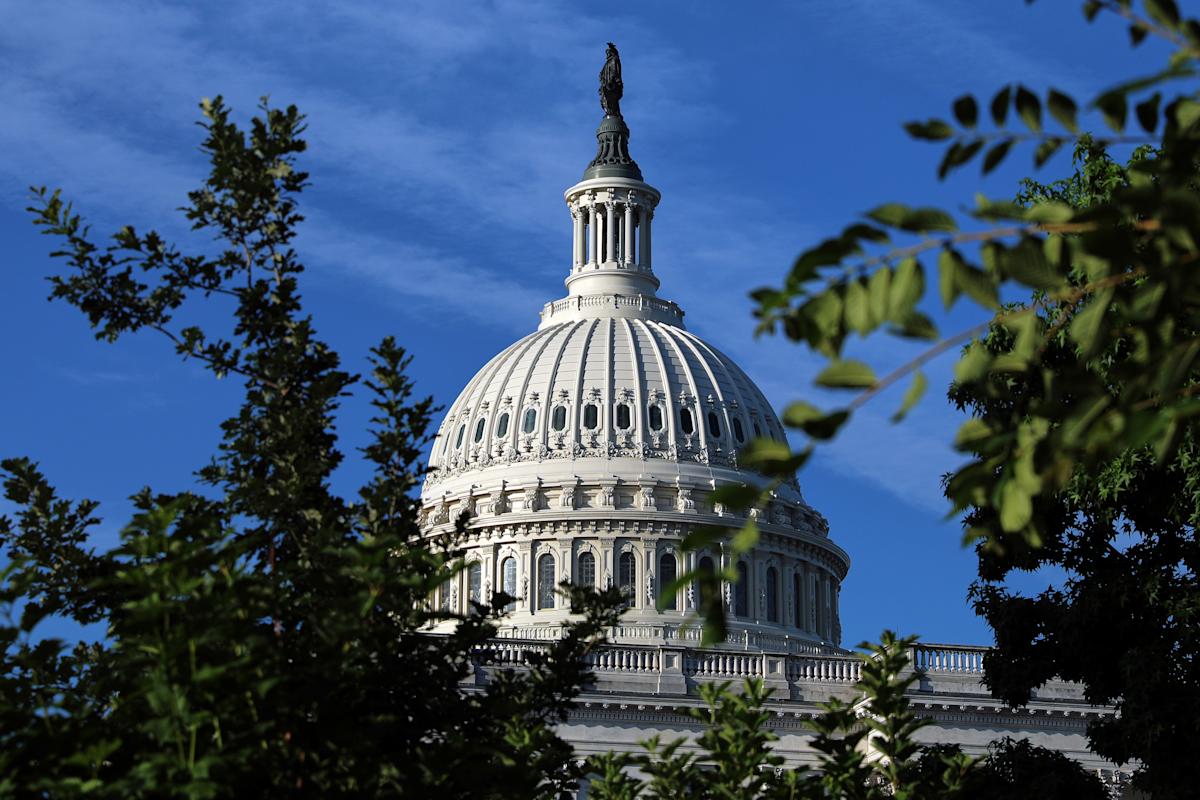
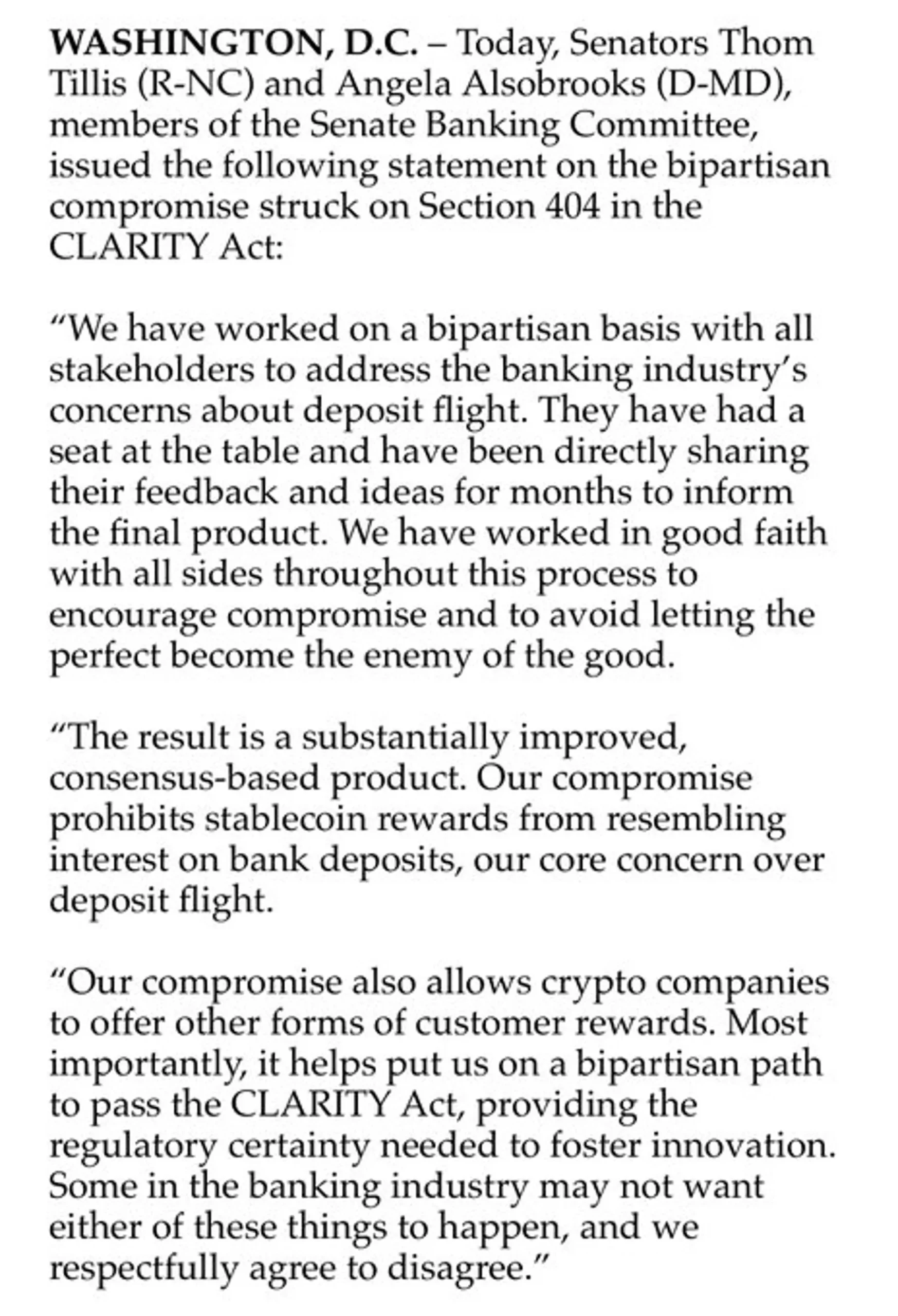
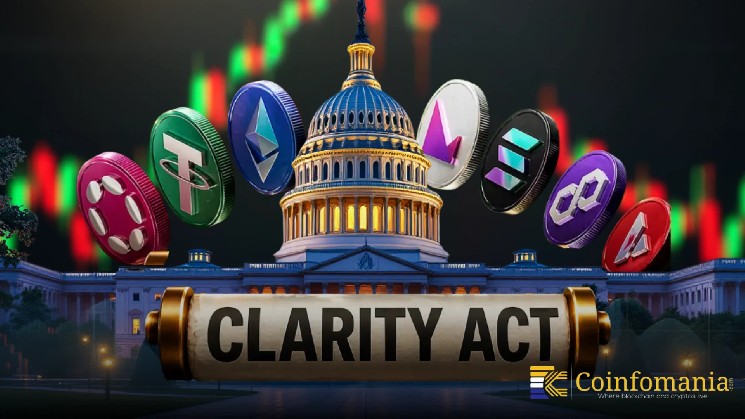
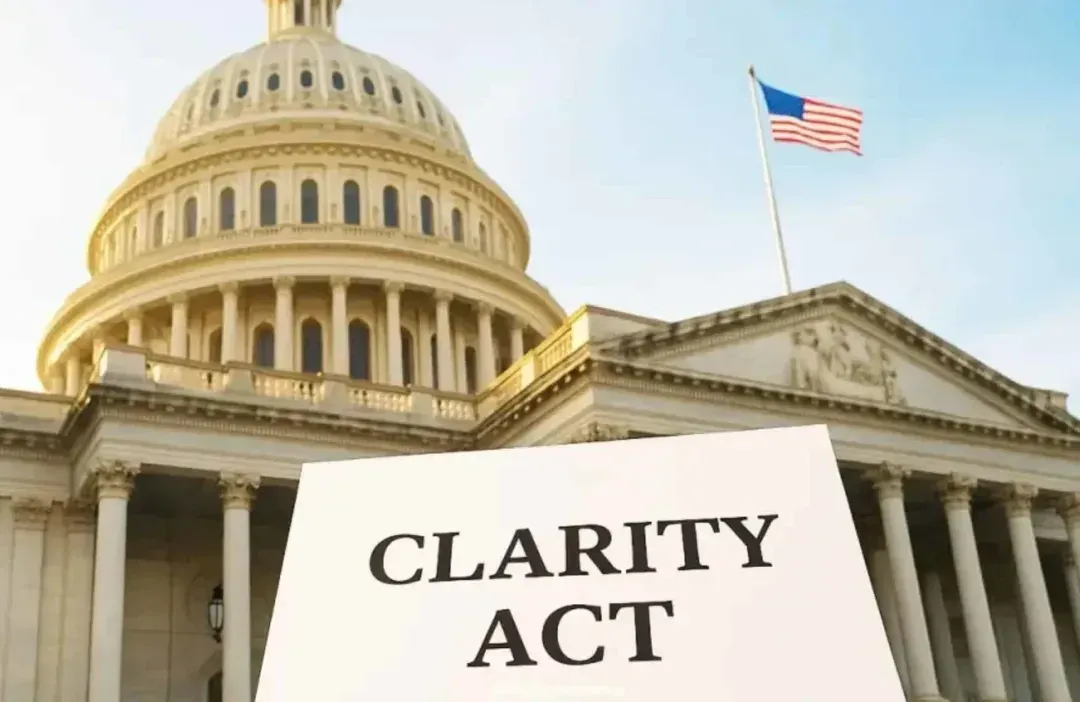
However, a Friday (May 1) agreement reportedly struck between key lawmakers appears to have potentially resolved one of the most contentious issues in digital asset policy and unlocked renewed momentum for the long-stalled CLARITY Act.
“We’re in the red zone … I just want to have 13 of 13 Republicans on board,” Senate Banking Committee Chairman Tim Scott of South Carolina said in a Thursday (April 30) press release. “That makes it easier for us to have a bipartisan markup, in May is my hope, and we’ll get this thing to the floor of the Senate.”
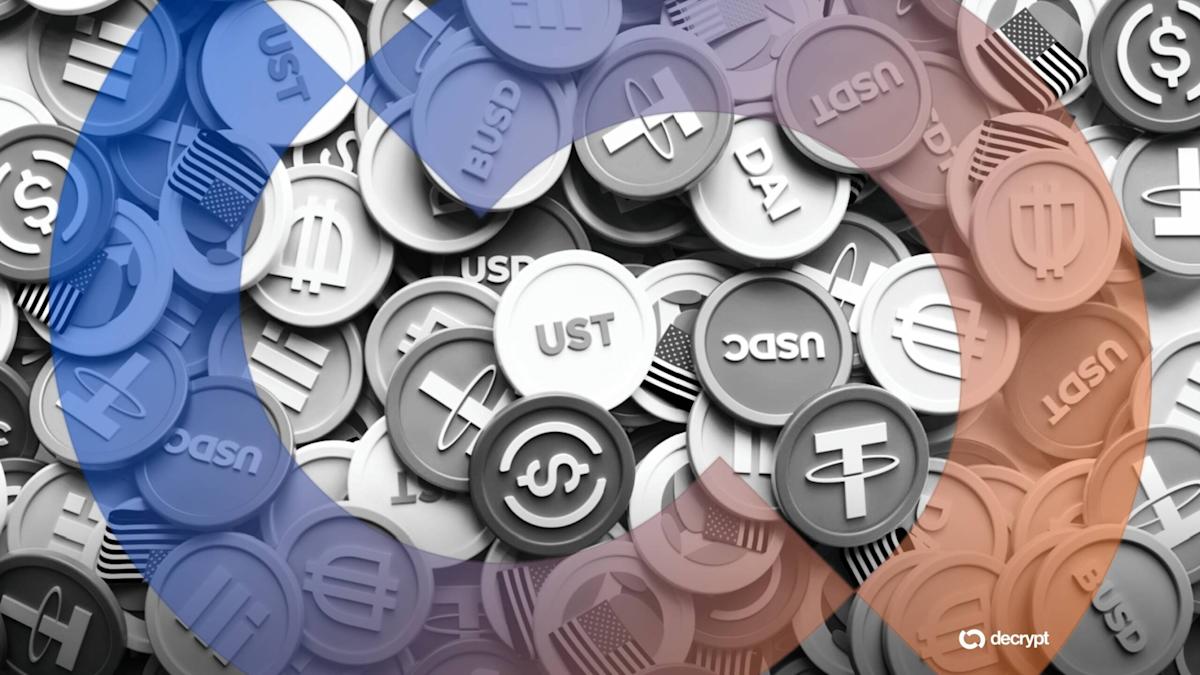
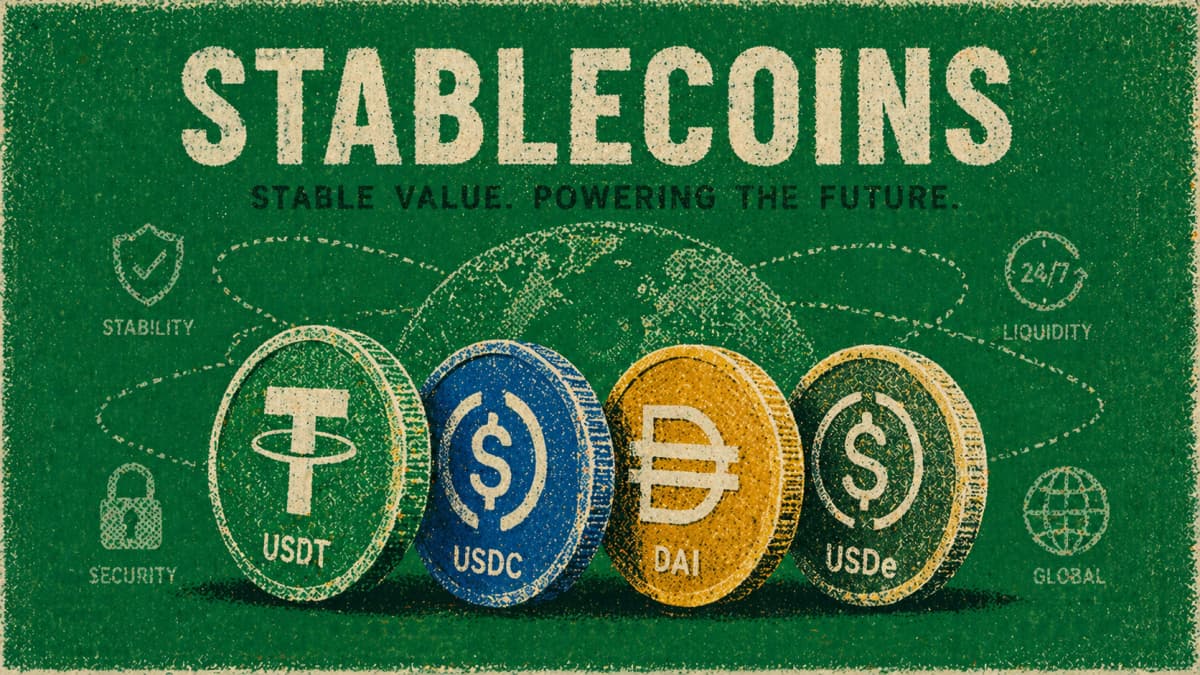
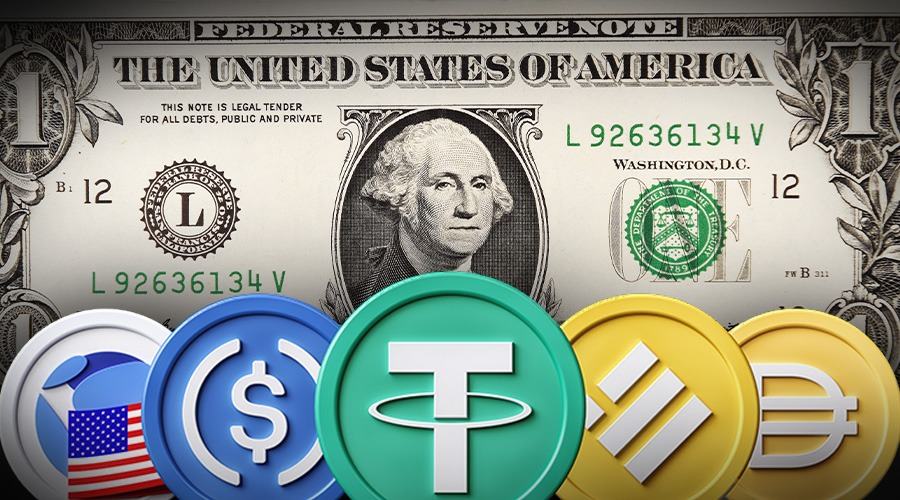
At the center of the legislation’s political hangup is the deceptively simple question of whether stablecoins should be able to pay interest, or “yield,” as the industry refers to the capability, which banking groups allege bears a striking resemblance to deposit interest and could spur deposit flight while pressuring credit creation.
The Senate compromise threads a narrow path between those positions. It prohibits stablecoin issuers from offering returns that resemble interest on idle balances, effectively banning bank-like yield products, while allowing rewards tied to actual usage of crypto platforms.
Advertisement: Scroll to Continue
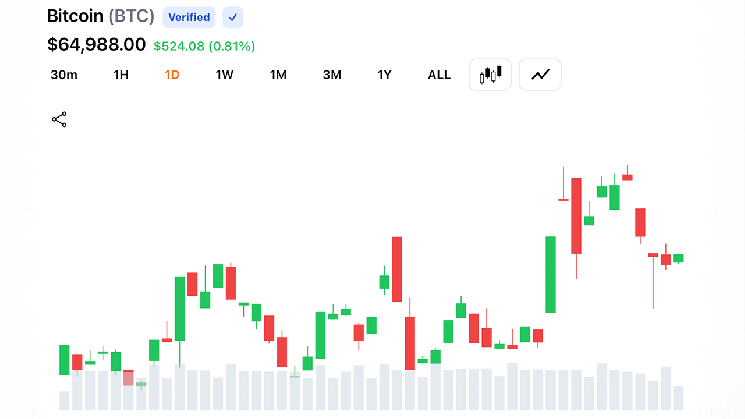
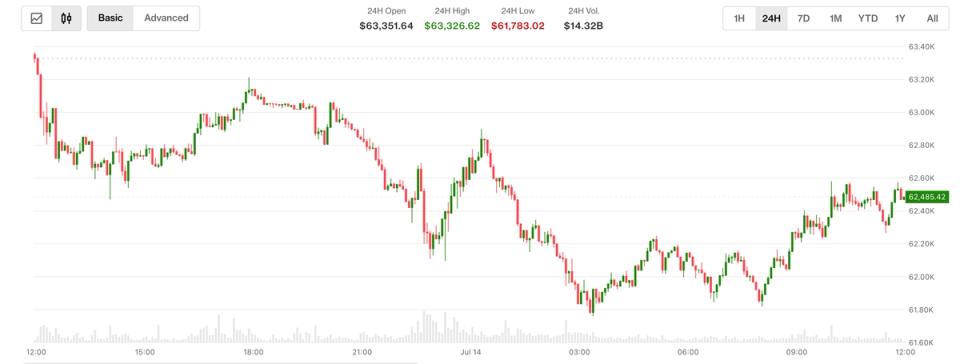
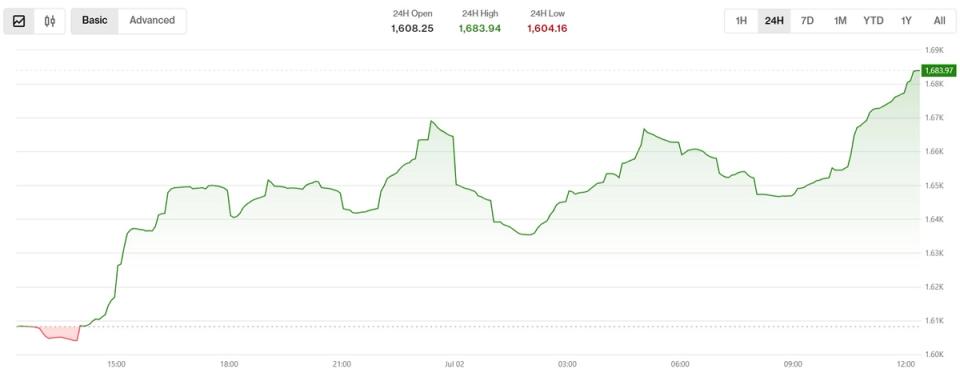
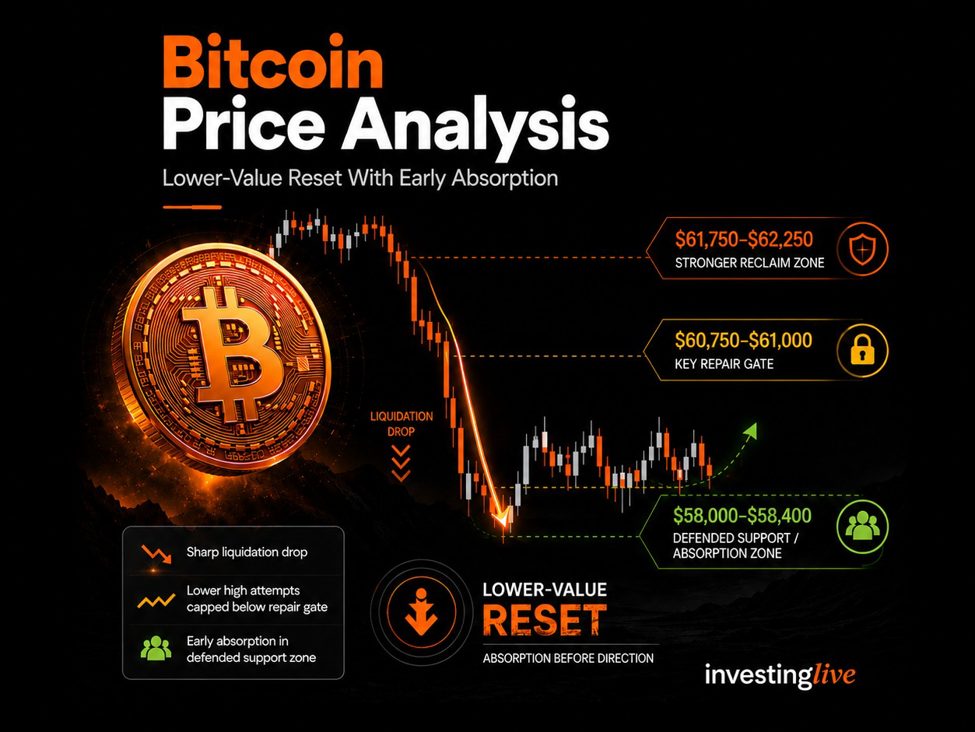
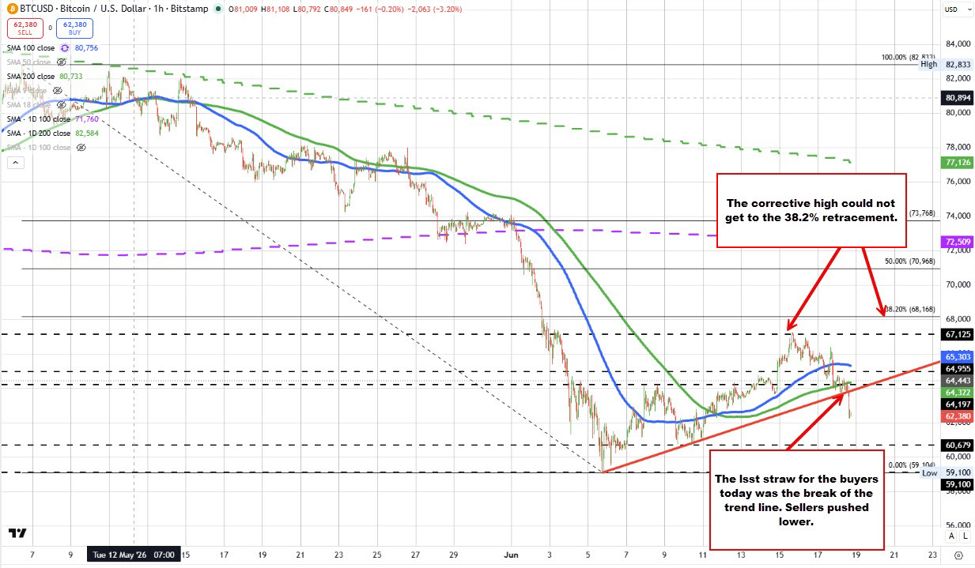
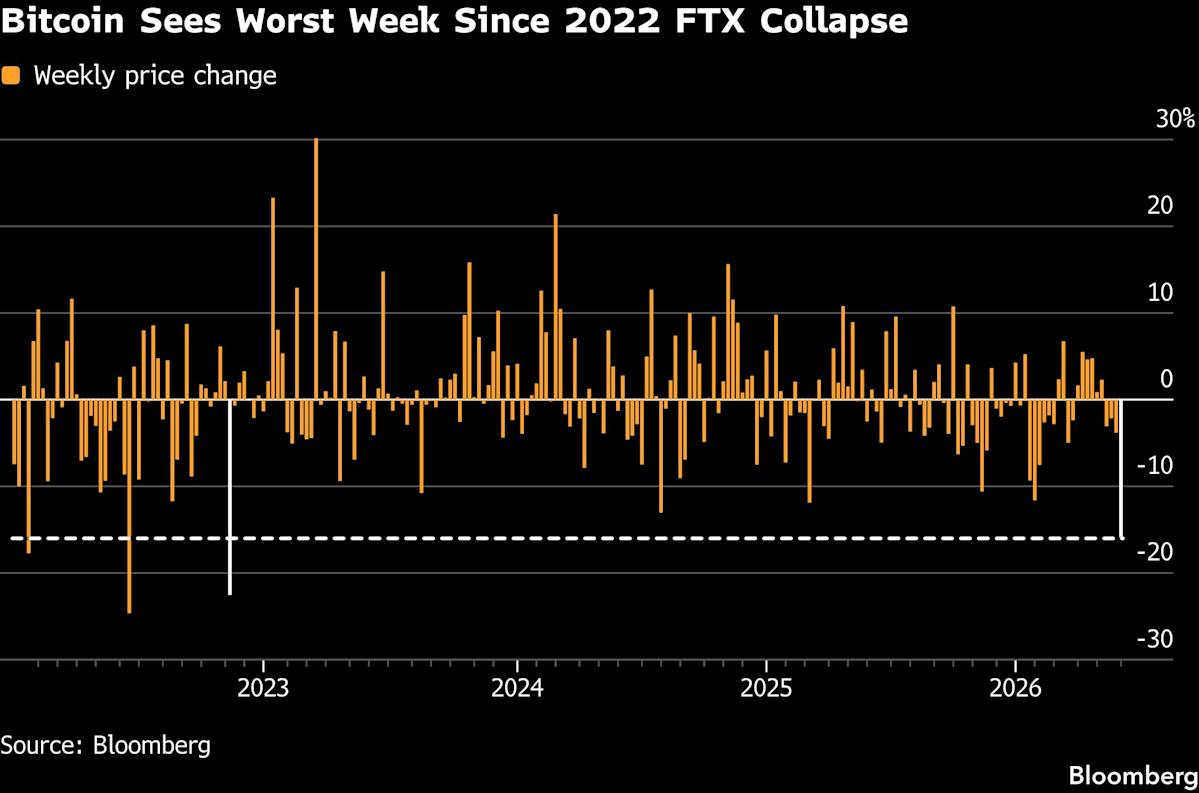
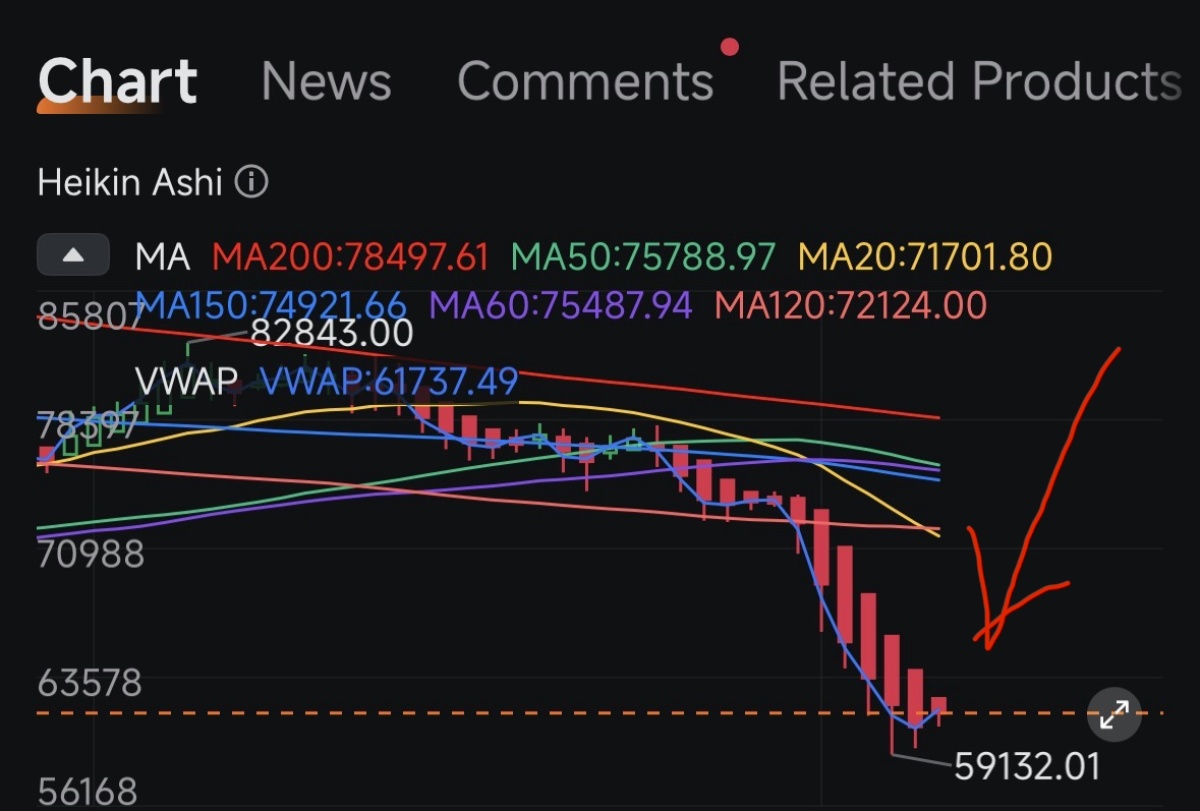
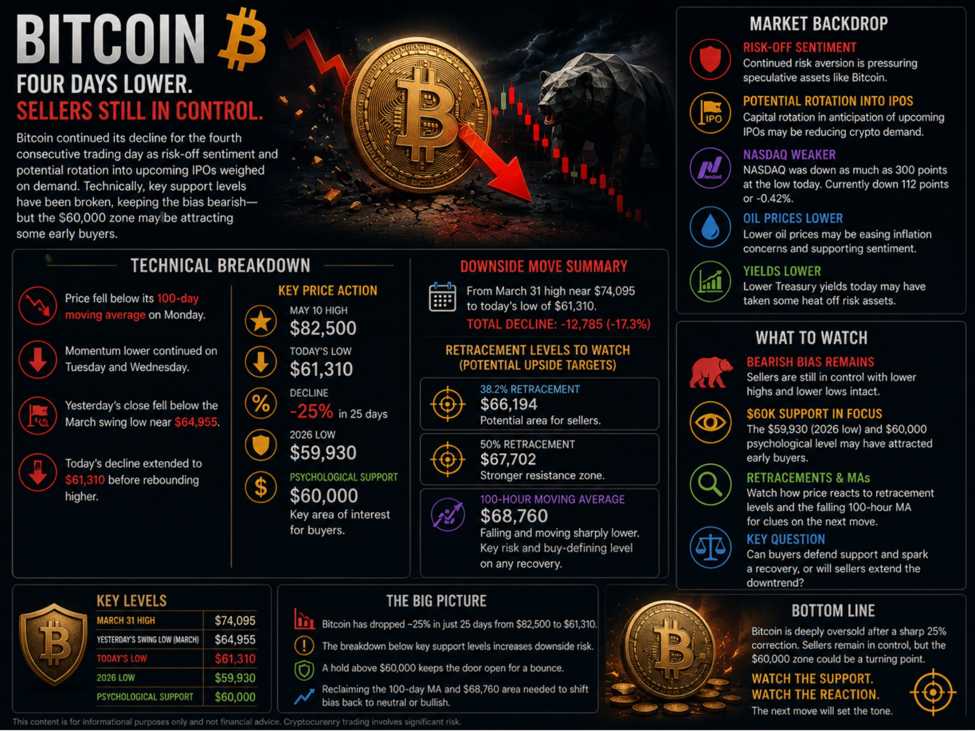
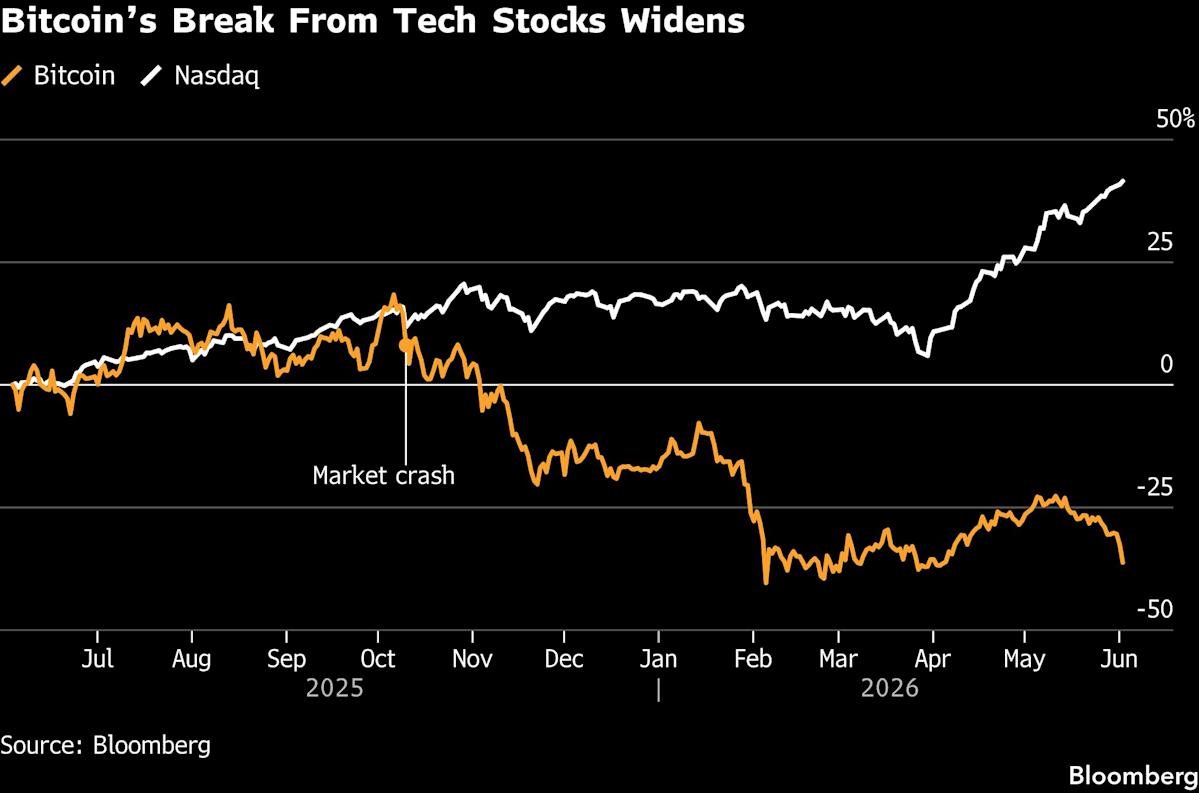
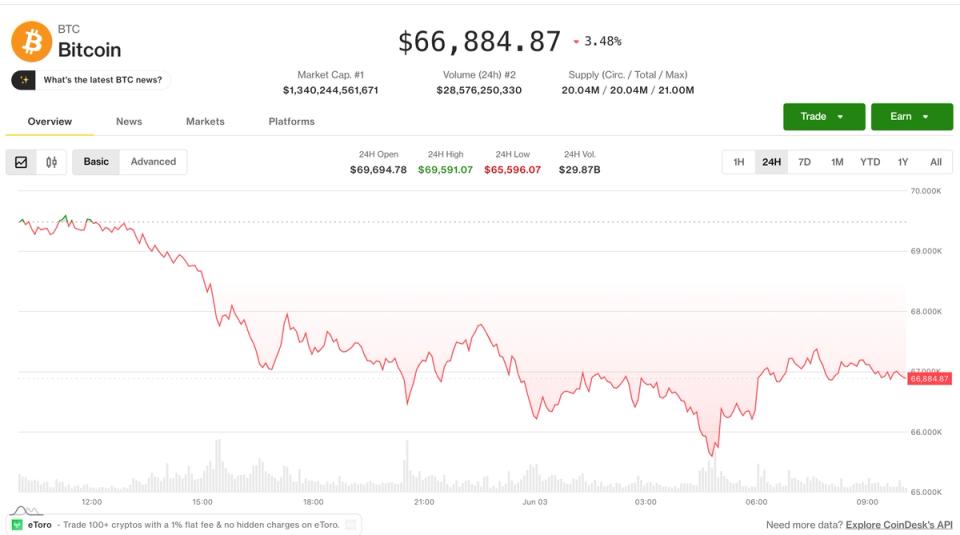
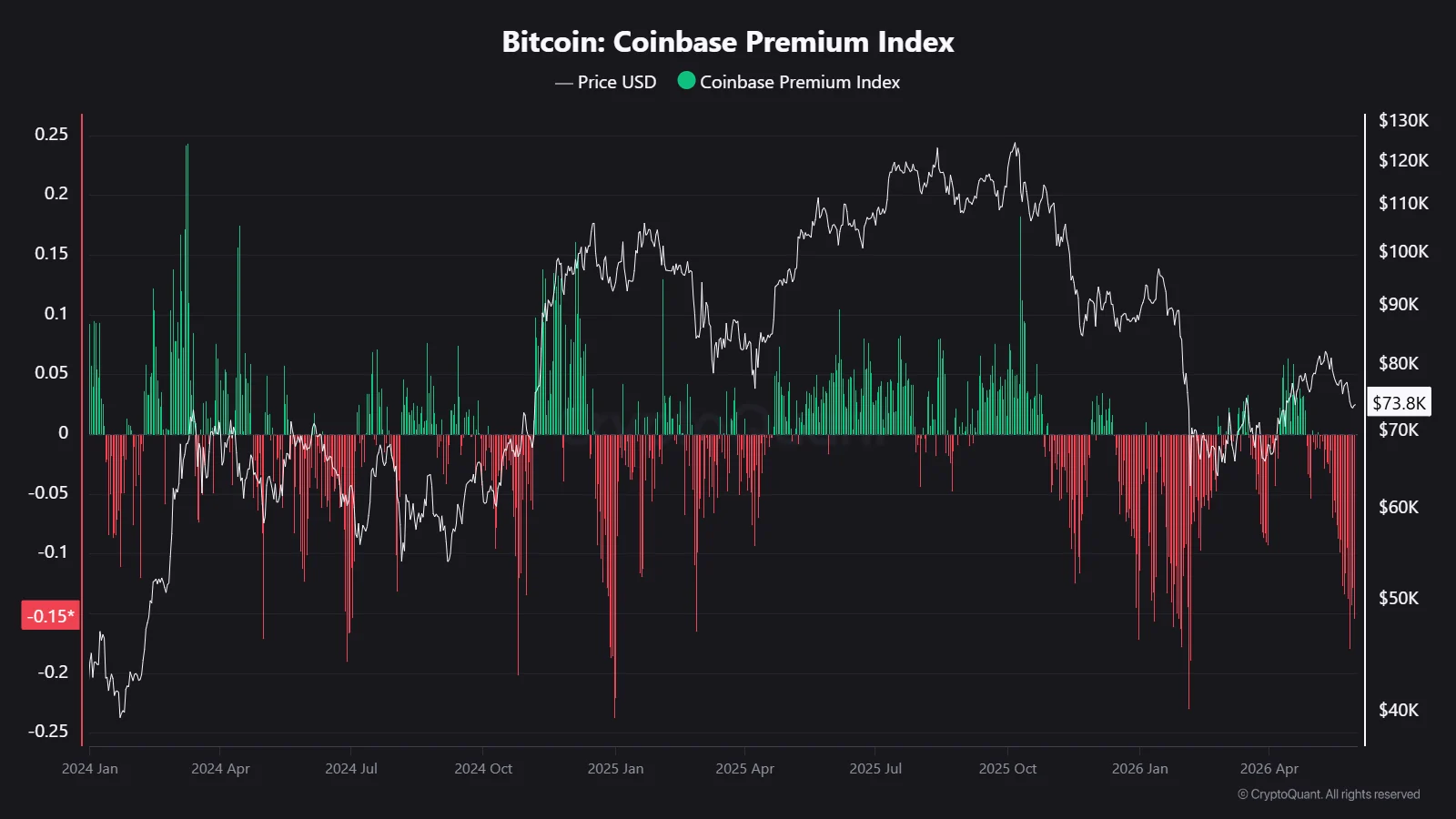
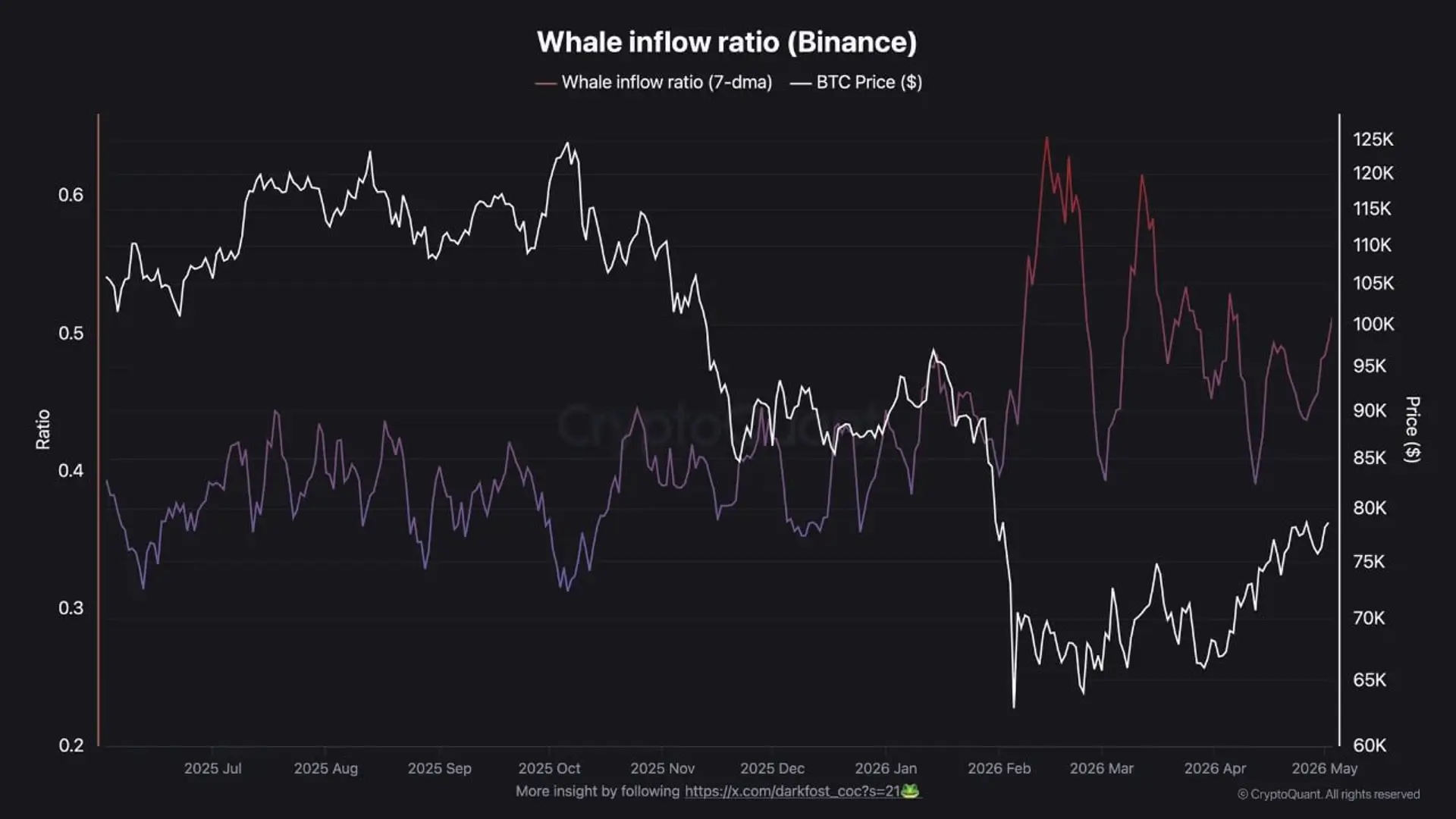
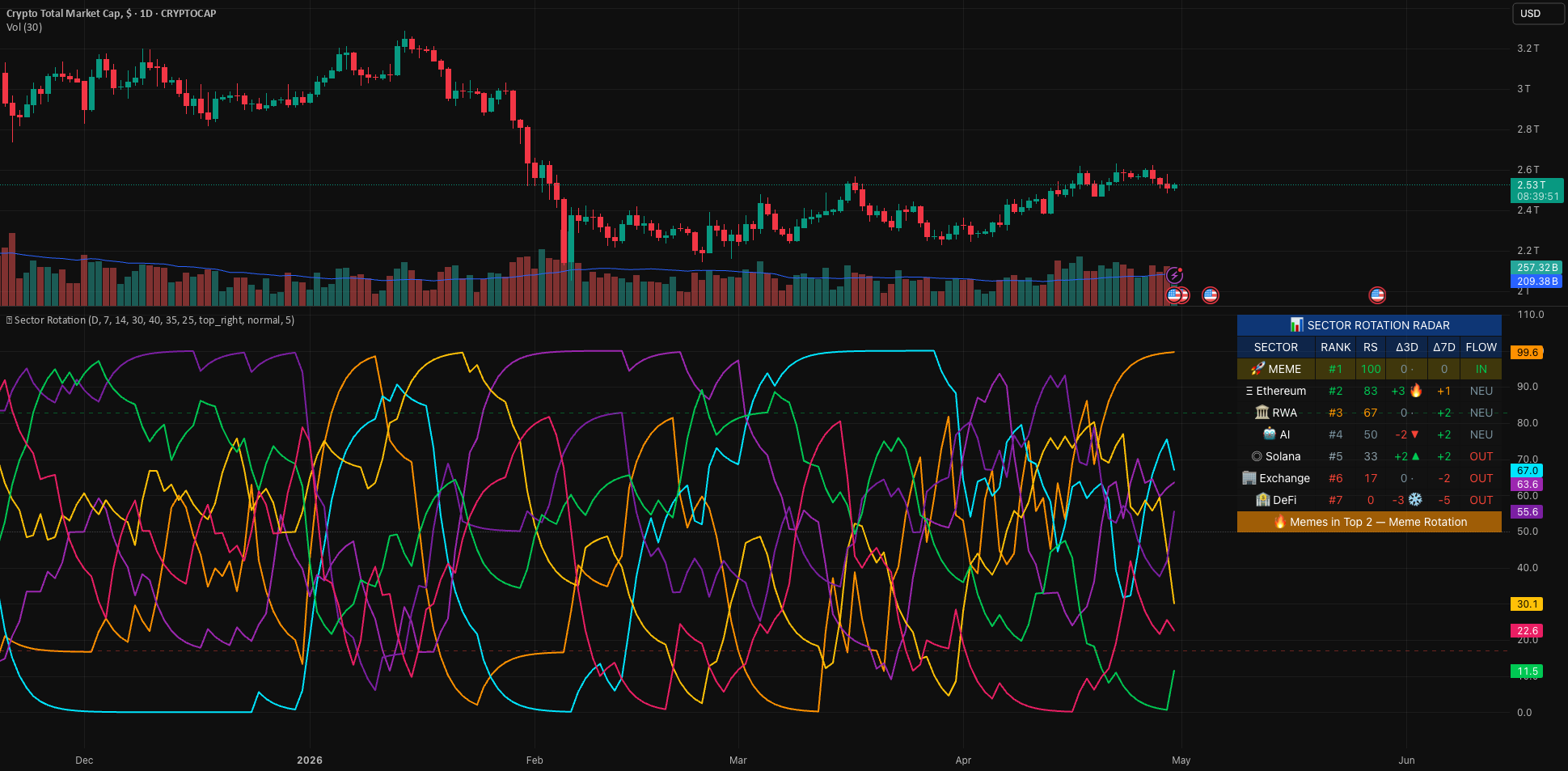
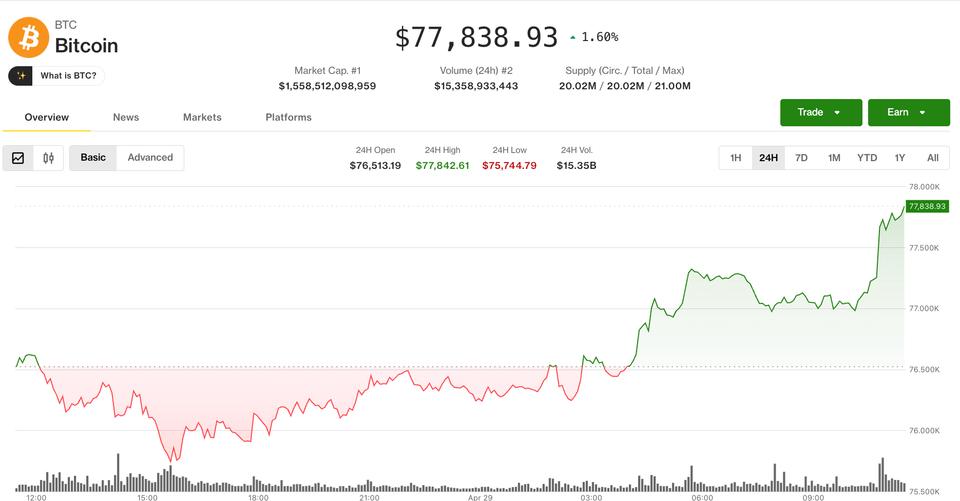
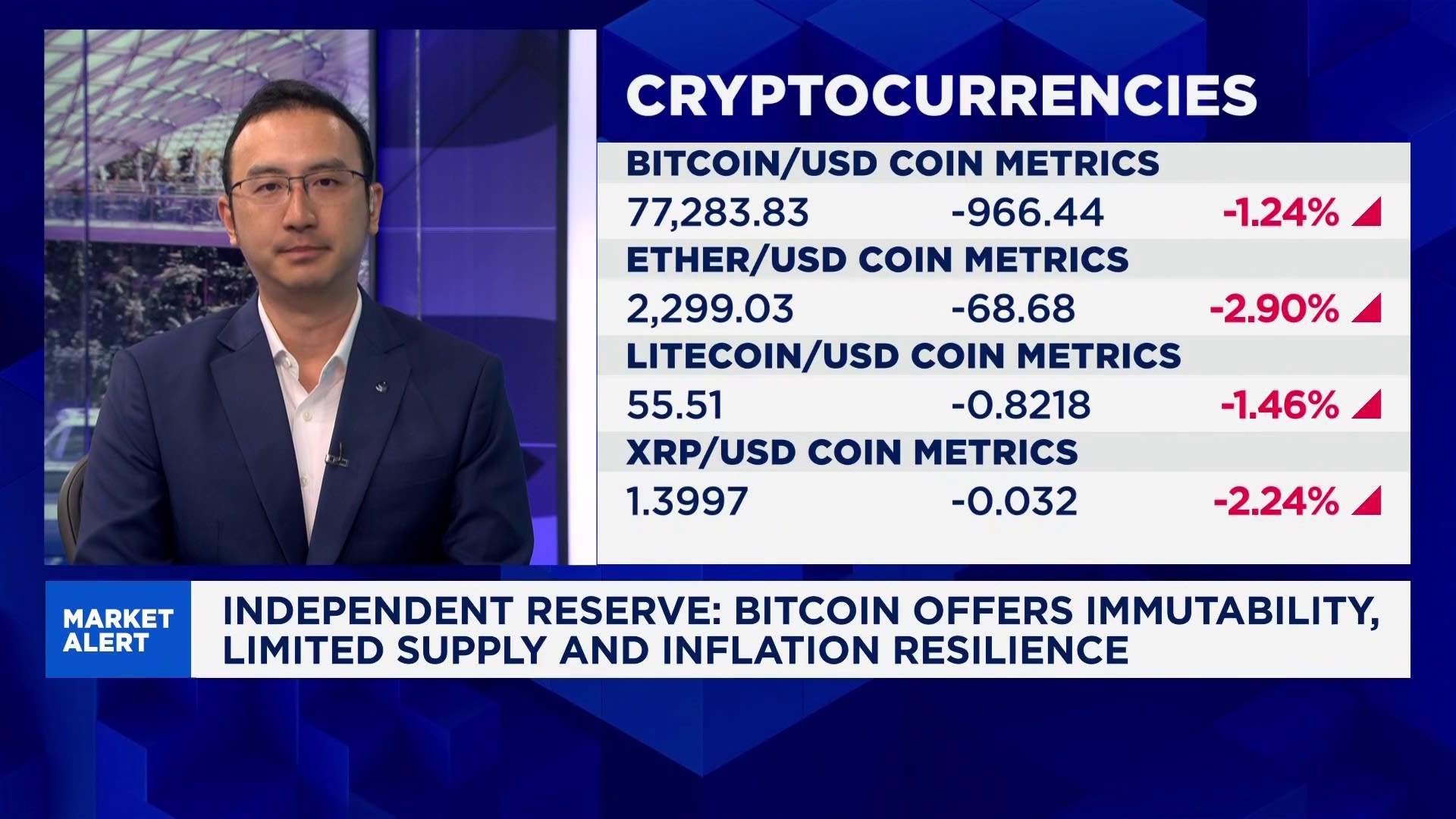
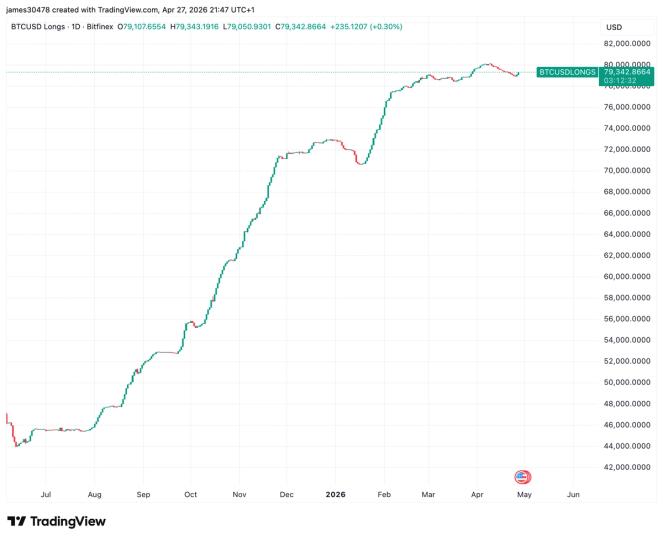
The price of bitcoin jumped on the news, briefly breaking past $80,000.
See also: A Stablecoin History Lesson: The Messy Origins of the Internet’s ‘Digital Dollar’
Senate Comprise Seeks to Turn Policy Deadlock Into Legislative Momentum
The yield issue has been the primary obstacle blocking progress on the CLARITY Act for months. Without agreement, the broader legislation, which is designed to define regulatory jurisdiction between agencies and establish a comprehensive framework for digital assets, remained stalled in Washington.
The CLARITY Act compromise reframes stablecoins not as passive savings vehicles, but as transactional tools. In doing so, lawmakers have drawn a line that preserves the banking system’s core functions while still enabling innovation in digital payments. By banning passive yield, the compromise forces crypto firms to rethink how they attract and retain users. Instead of rewarding holders simply for parking funds, companies must now incentivize activity, such as payments, trading, staking and participation in decentralized networks.
For firms like Coinbase, which have relied on stablecoin yield as a revenue driver, the change may be significant. Yield products have been a key differentiator, especially during periods of low trading volume, and removing that lever could compress margins and push platforms toward more diversified, utility-driven revenue streams.
“In the end, the banks were able to get more restrictions on rewards, but we protected what matters—the ability for Americans to earn rewards, based on real usage of crypto platforms and networks,” wrote Coinbase Chief Policy Officer Faryar Shirzad on social platform X. “We also ensured the U.S. can be at the forefront of the financial system, which in this competitive geopolitical era is paramount.”
The final rewards text in the CLARITY Act is now public.
We’ve been clear throughout this process: much of this debate was based on imagined risks, not real evidence, nor was it based on a real understanding of how crypto actually works.
Nevertheless, the crypto industry showed… https://t.co/XoQ7Zp1Y39
— Faryar Shirzad ?️ (@faryarshirzad) May 1, 2026
The shift from store of value to medium of exchange is not accidental. It aligns stablecoins more closely with their original purpose, which is facilitating transactions rather than serving as interest-bearing assets. The compromise may accelerate innovation in areas such as payments infrastructure, tokenized commerce and decentralized finance applications. Tying rewards to usage encourages the development of real-world use cases rather than speculative holding.
Findings in the March PYMNTS Intelligence report “Stablecoins Gain Ground: Why CFOs See More Promise There Than in Crypto” revealed that while 42% of middle-market companies have at least discussed stablecoins, only 13% have reported actual stablecoin use.
Read also: Stablecoins Grew Up. Now Come the Rules
What Comes Next for Crypto in America
The implications of the CLARITY Act compromise may ultimately stretch beyond legislative mechanics to point to a new equilibrium between banks and crypto firms, as well as a redefinition of how value is created in digital finance.
For banks, the deal offers protection but not insulation. Stablecoins will continue to evolve, and their integration into payments and capital markets could still reshape the competitive landscape. For crypto firms, the message is more complex. The era of regulatory ambiguity is ending. In its place comes a more structured environment, one that may limit certain revenue streams but also unlock broader institutional adoption.
Still, even with this breakthrough, CLARITY Act ratification isn’t guaranteed this session. The package still faces political headwinds, regulatory detail work, and a tight congressional calendar ahead of the 2026 elections.
But for markets, the signal is that clarity, even when restrictive, is preferable to uncertainty.