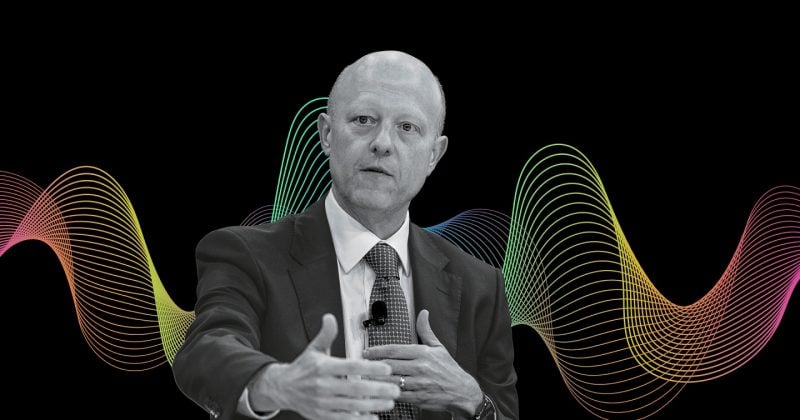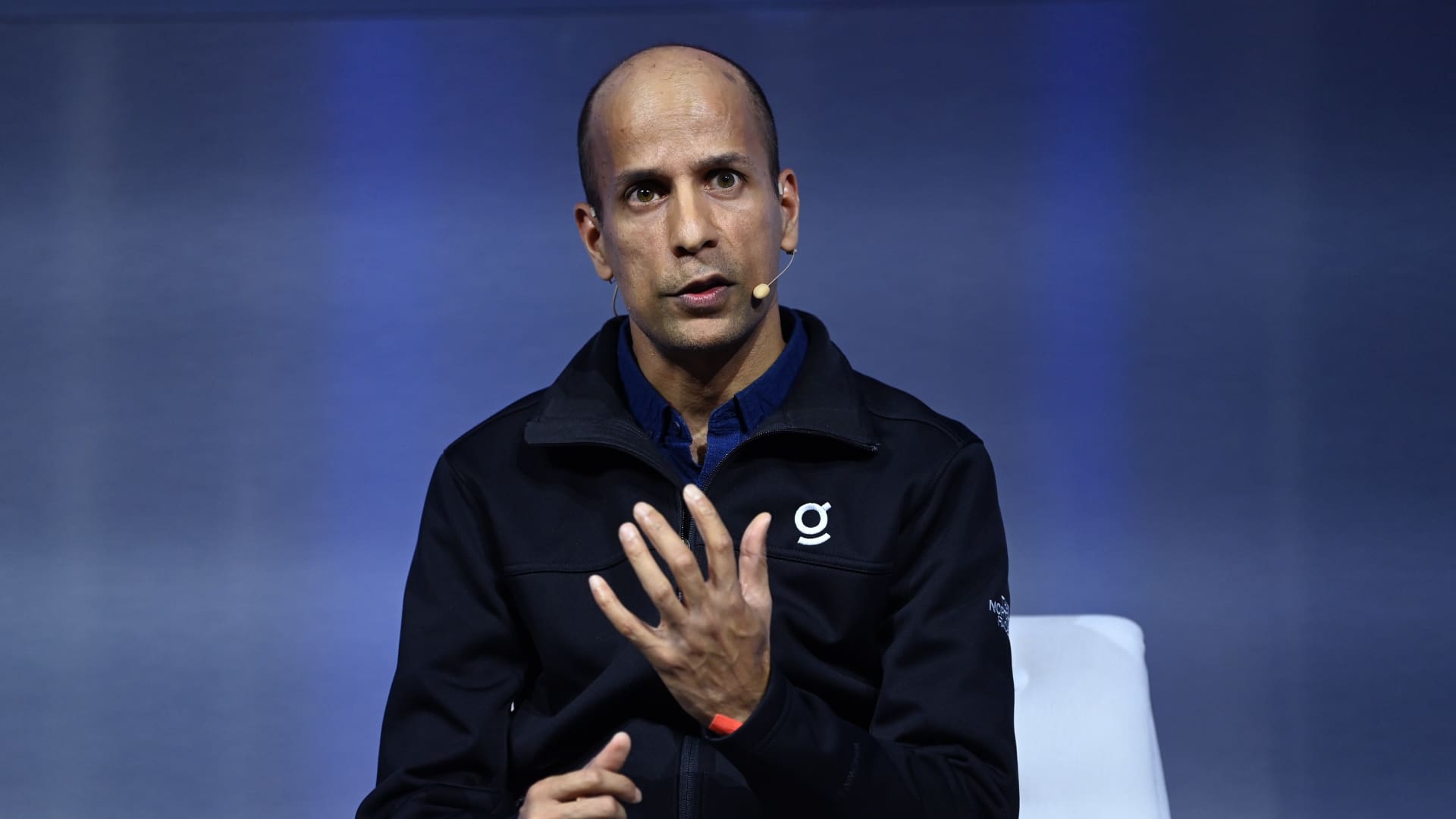
Moody’s analyst Abhi Srivastava assessed that stablecoin banks do not currently threaten to erode the traditional banking sector’s market share or trigger deposit flight, a verdict that, while measured in tone, carries direct implications for bank equity investors assessing the durability of competitive moats in a digitizing payments landscape.
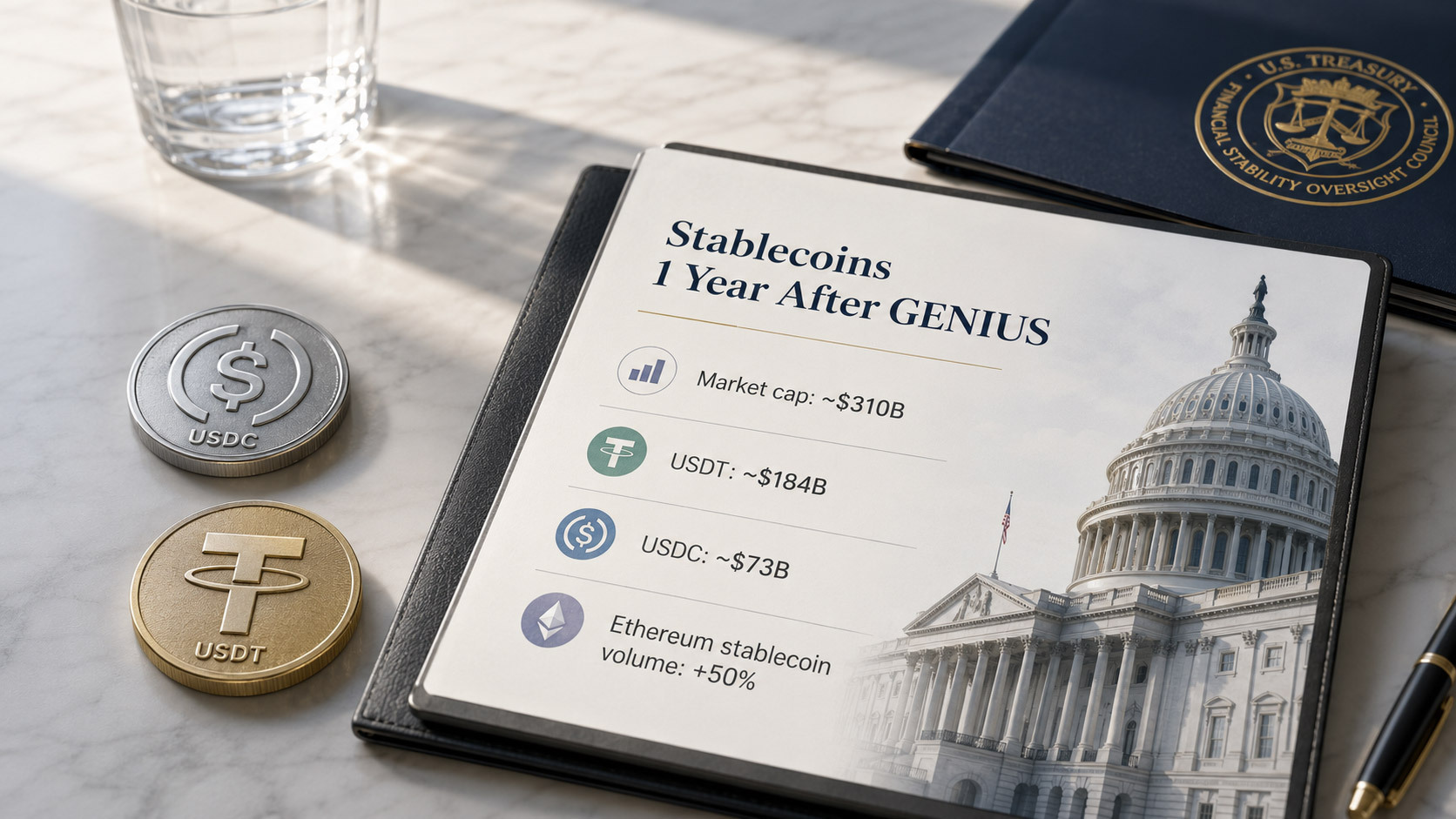
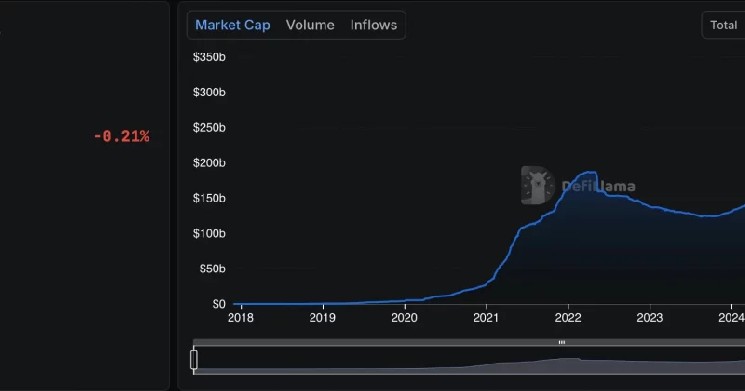
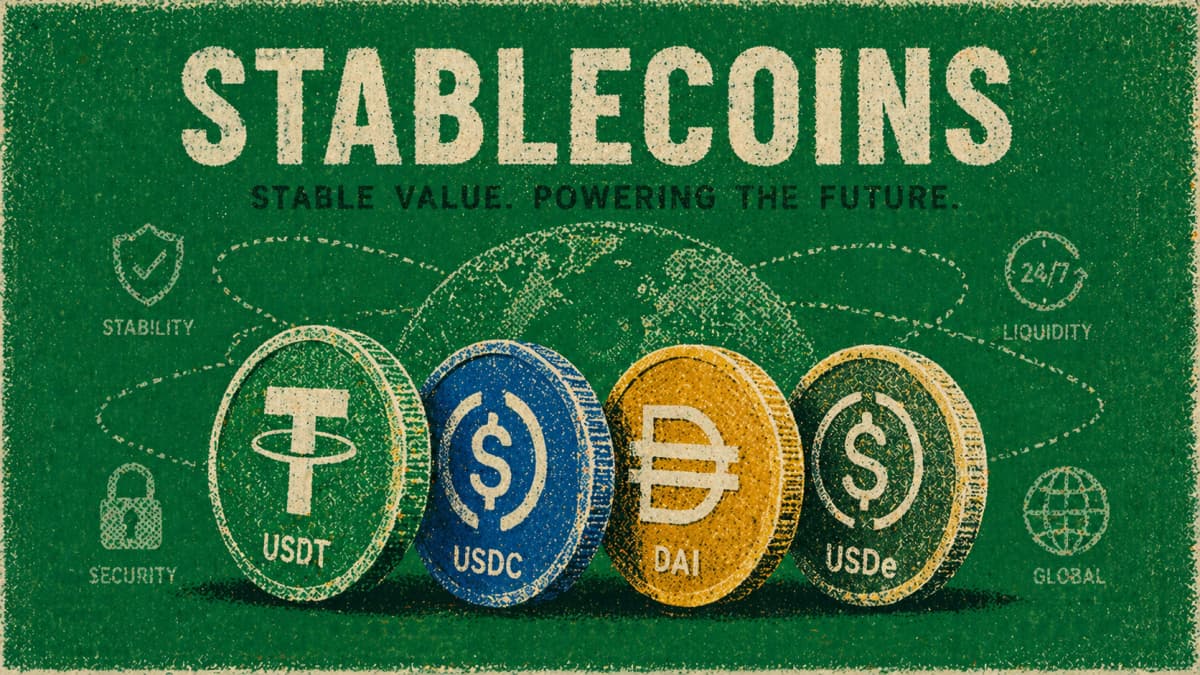
The stablecoin sector has surpassed $300Bn in market capitalization by late 2025, doubling within a year and recording $9 trillion in annual settlement volume, yet Srivastava’s analysis concludes that structural barriers remain intact enough to insulate traditional deposits in the near term.
For investors holding positions in major U.S. banks, the Moody’s framing offers a qualified reprieve – but the qualifier matters as much as the headline finding.
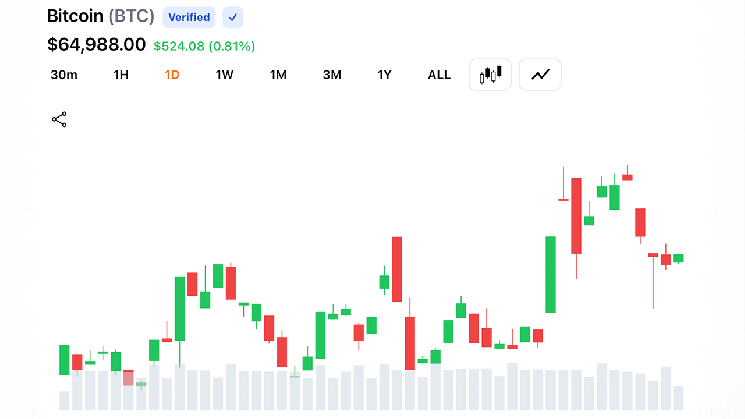
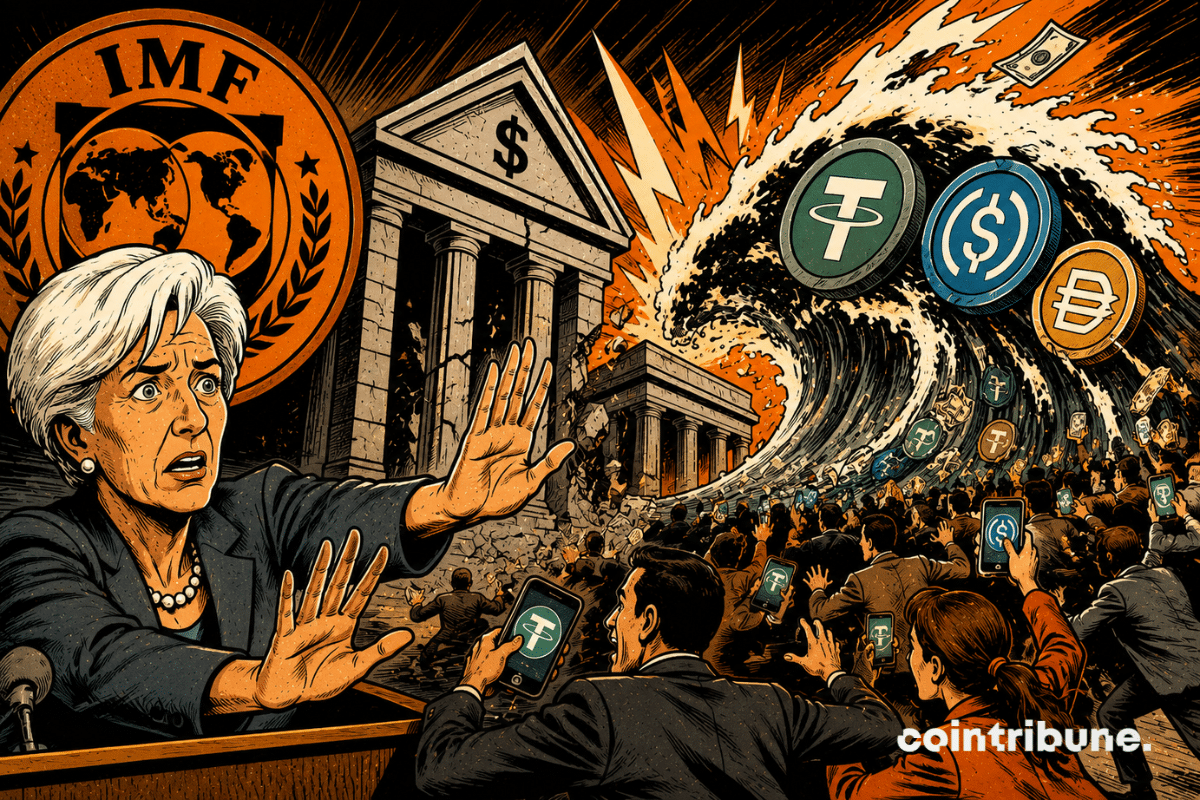
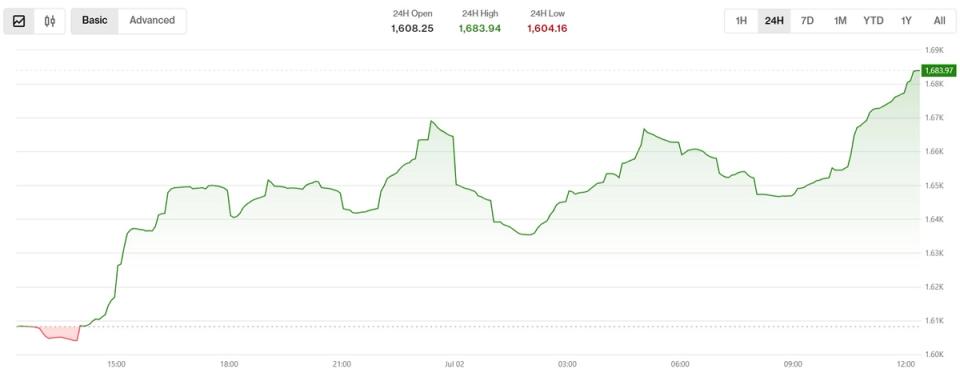
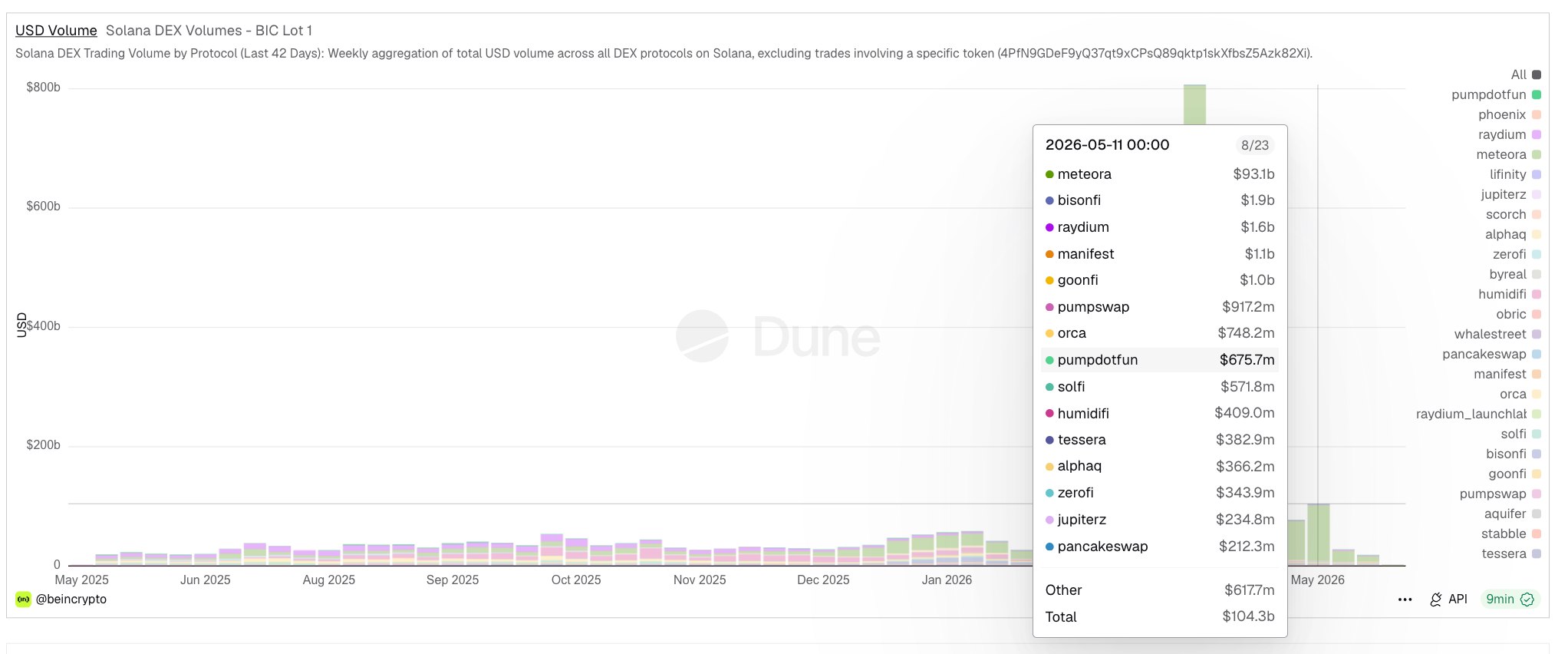
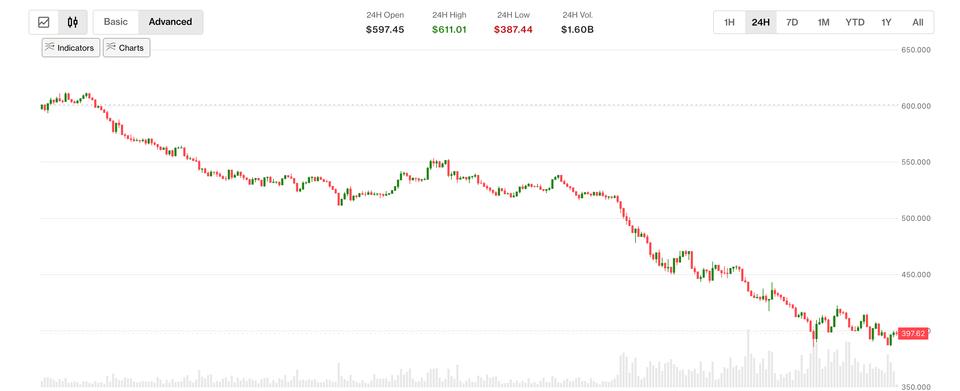
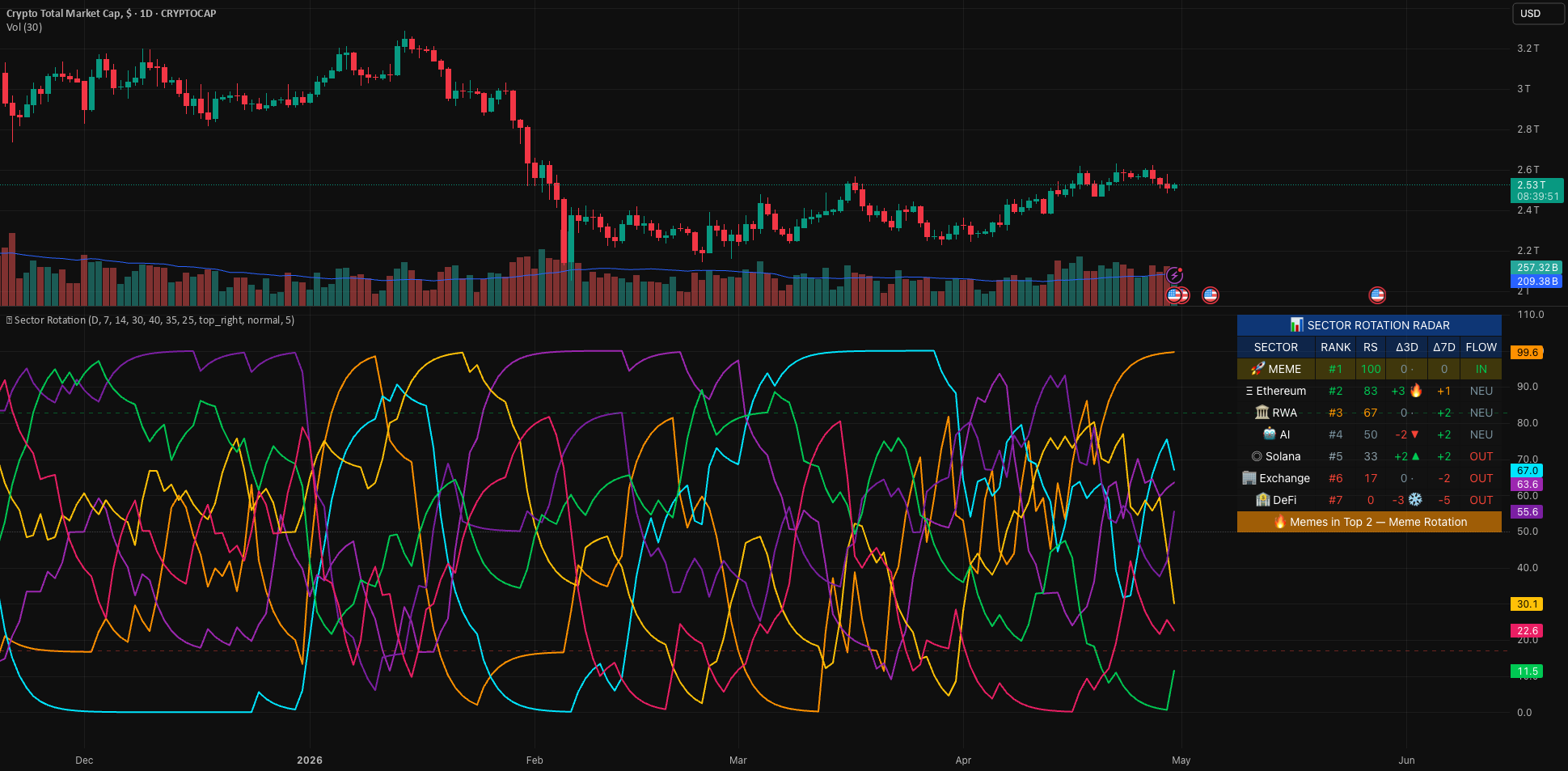
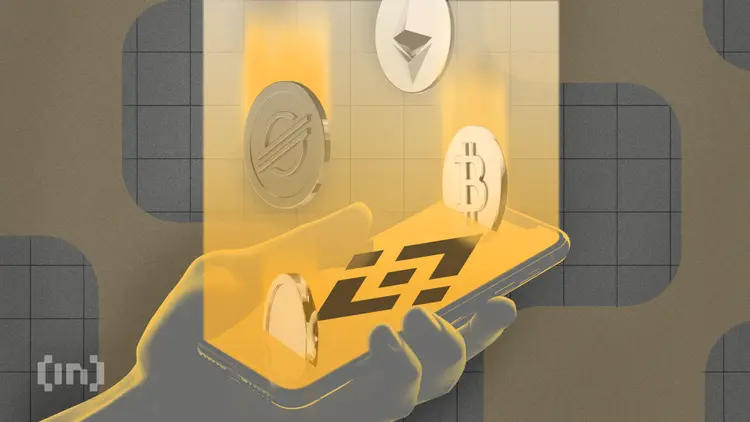
Stablecoin banks are not a threat to traditional banks, according to a Moody’s analyst, with crypto yield scaring the institutions. SOURCE: CoinGecko
Moody’s Rationale: Regulatory Limits on Yield-Bearing Stablecoins Contain Deposit Competition
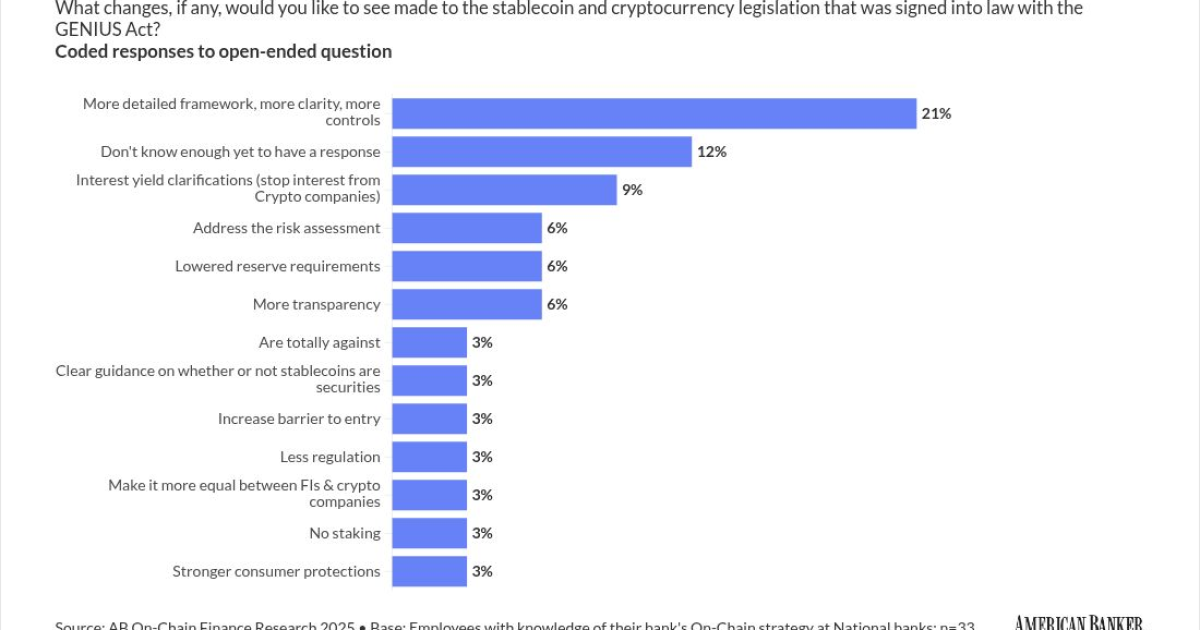
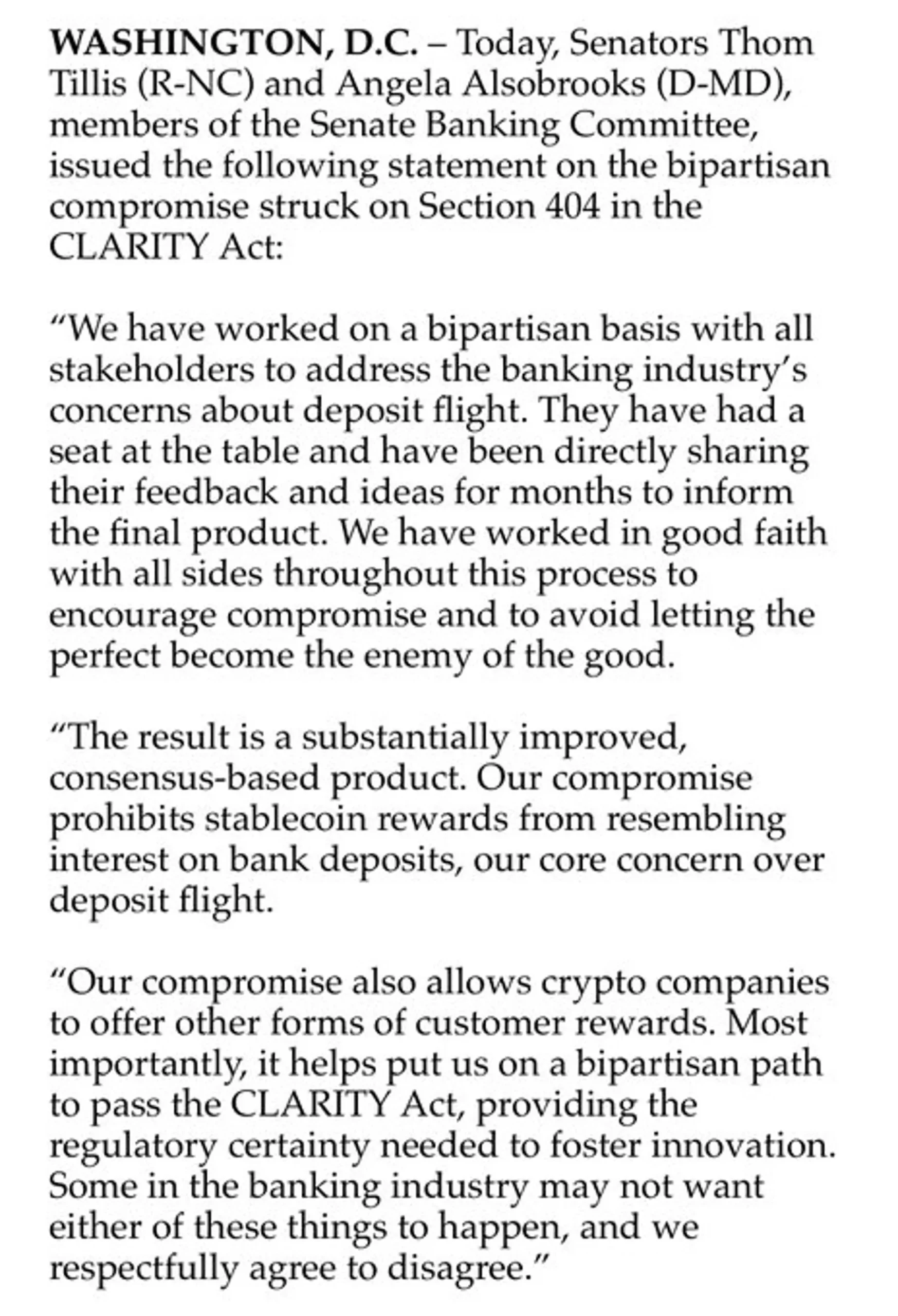
The core of Srivastava’s argument rests on a specific policy constraint: current regulatory frameworks prohibit yield-bearing stablecoins in key domestic markets, thereby eliminating the most direct mechanism by which stablecoins could attract retail deposits away from banks.
Without the ability to offer competitive yields, stablecoin banks function primarily as payment rails and trading instruments rather than deposit substitutes, a structural distinction that preserves the primary funding advantage banks currently hold.
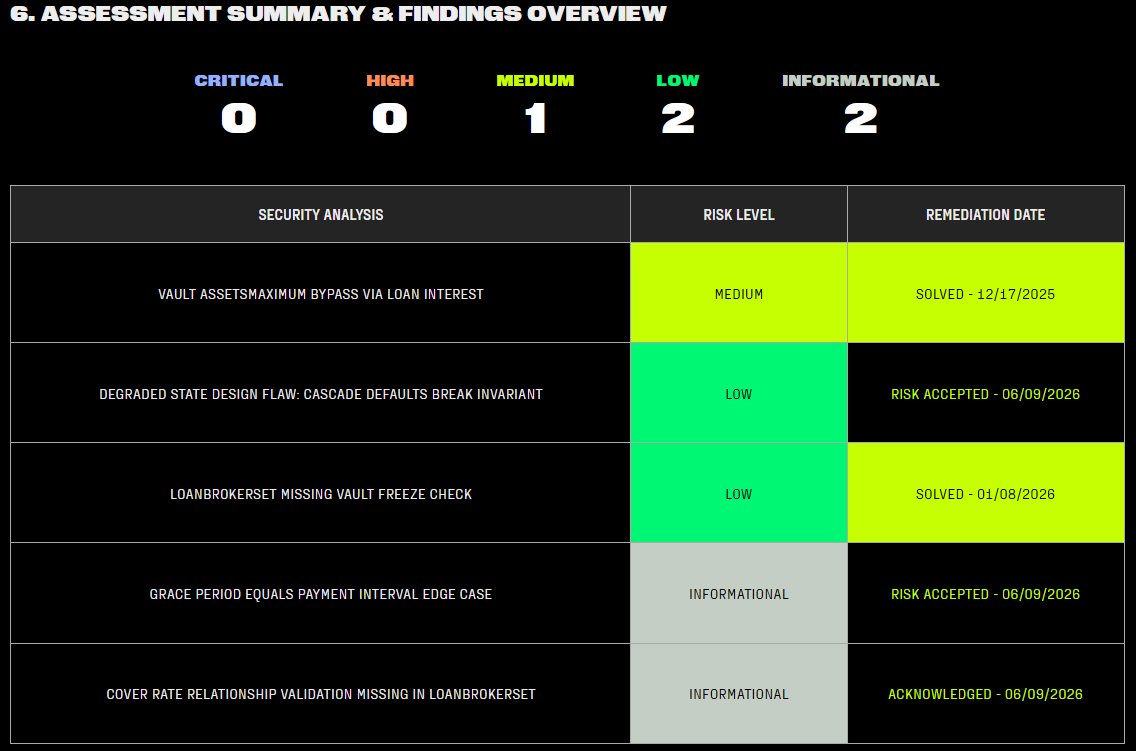
Moody’s published a formal stablecoin rating methodology on March 17, 2026, requiring reserves to be effectively segregated from issuers’ balance sheets and applying haircuts to underlying assets, with a 99.6% haircut for U.S. 1-month T-Bills under liquidation scenarios.
That methodology categorizes reserves into five tiers, from cash held at banks (Tier A) through overnight repo (Tier E), and identifies issuer operational risks, including third-party custodian concentration, limited stress testing, and the absence of prudential capital requirements that apply to licensed depository institutions.
These structural gaps in the stablecoin regulatory framework relative to banking oversight reinforce why adoption inertia at the institutional and retail levels remains high.
The Bank Policy Institute has echoed concerns about inadequate consumer protections in the stablecoin space, arguing the current framework exposes retail users to risks that do not exist within FDIC-insured deposit accounts, a friction point that further slows migration from traditional banking relationships.
Where Stablecoin Banks Could Become a Competitive Factor for TradFi Banks Over Time
Srivastava’s ‘not near-term’ framing implicitly acknowledges that medium and long-term competitive pressure is a different question. The $300Bn market cap figure and $9 trillion in annual settlement volume, supported by 19 new stablecoin launches in 2025 alone, signal an infrastructure buildout that is moving faster than the regulatory perimeter around it.
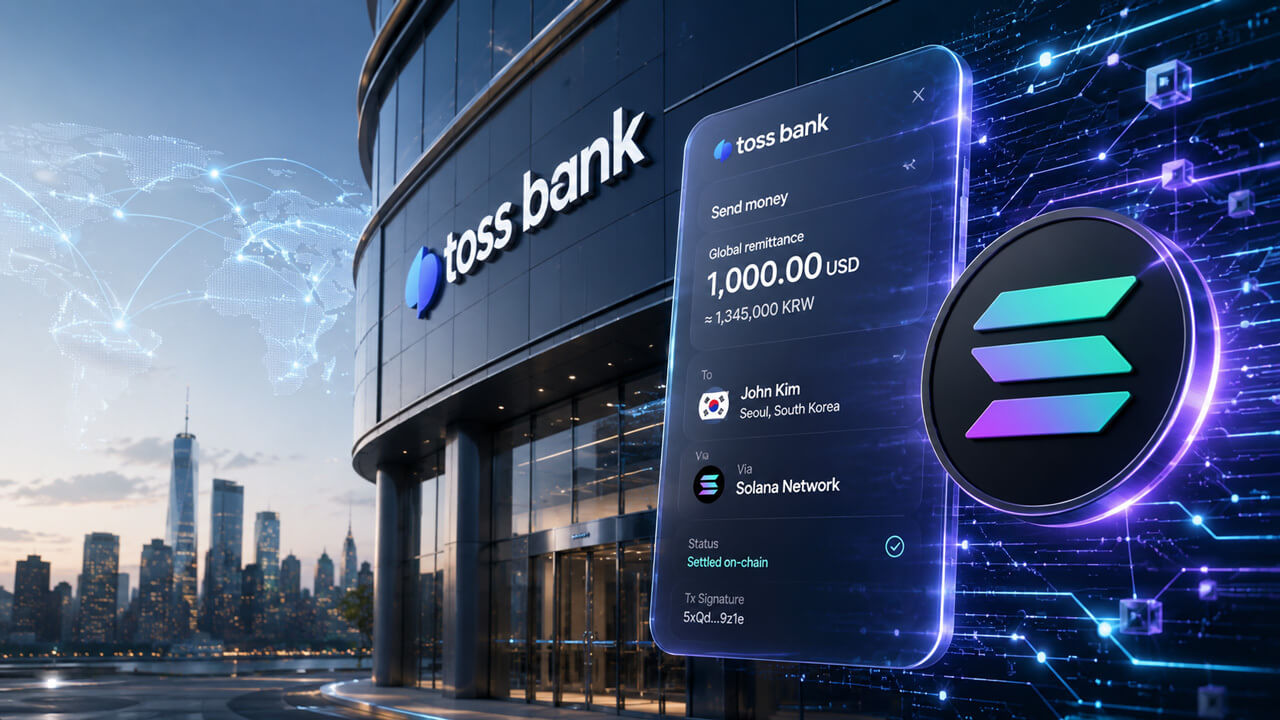
Cross-border payments represent the most immediate beachhead, where stablecoins already compete on cost and speed against correspondent banking networks without requiring yield to be competitive.
The longer-term risk Srivastava identified centers on tokenized real-world assets (RWAs), which are expanding alongside stablecoins and introduce credit-like dynamics tied to reserve quality and redemption capacity.
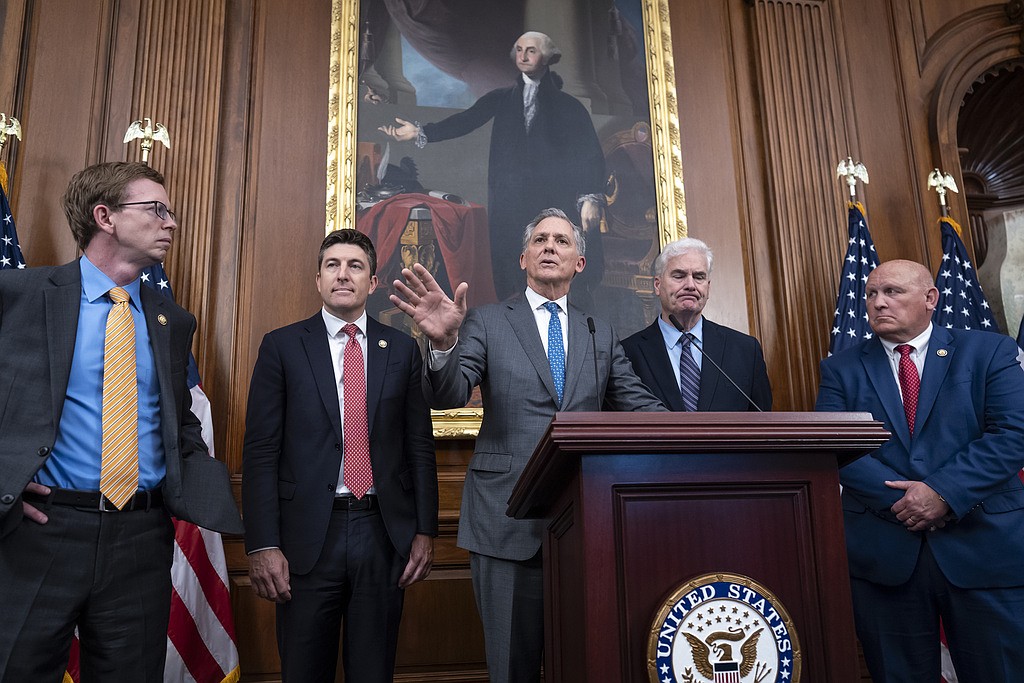
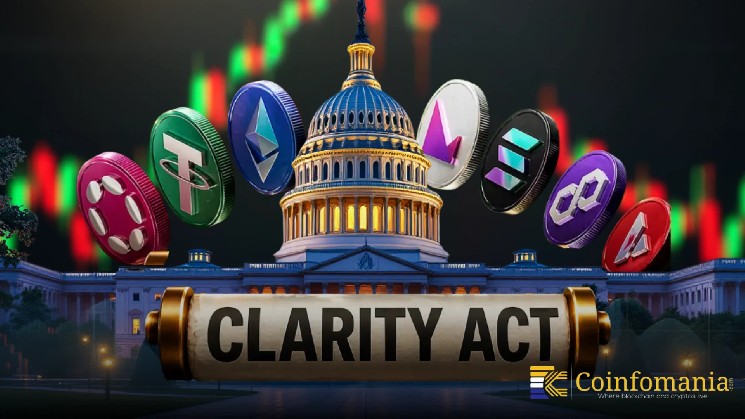
If yield-bearing stablecoins receive regulatory approval, a scenario that U.S. legislative discussions around the Clarity for Payment Stablecoins Act are actively shaping, the deposit competition calculus shifts materially.
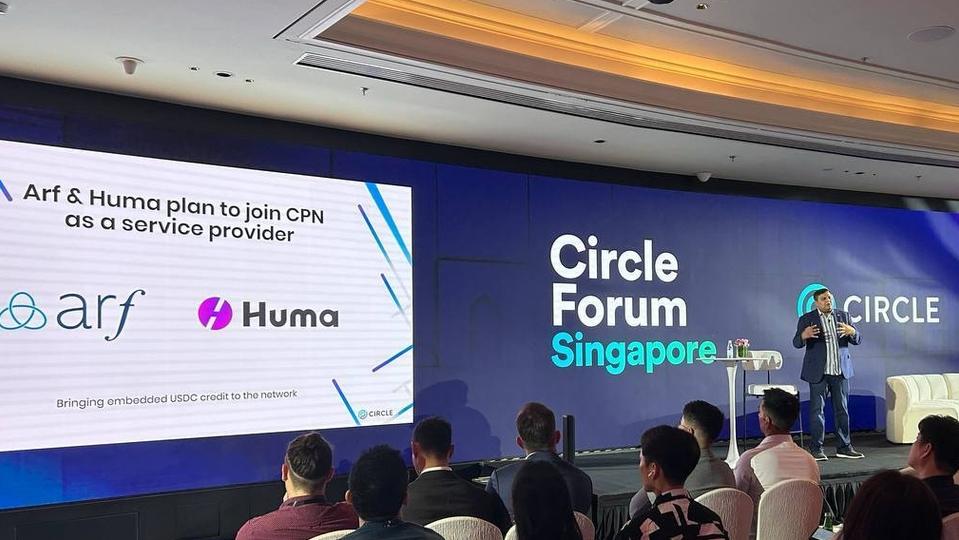
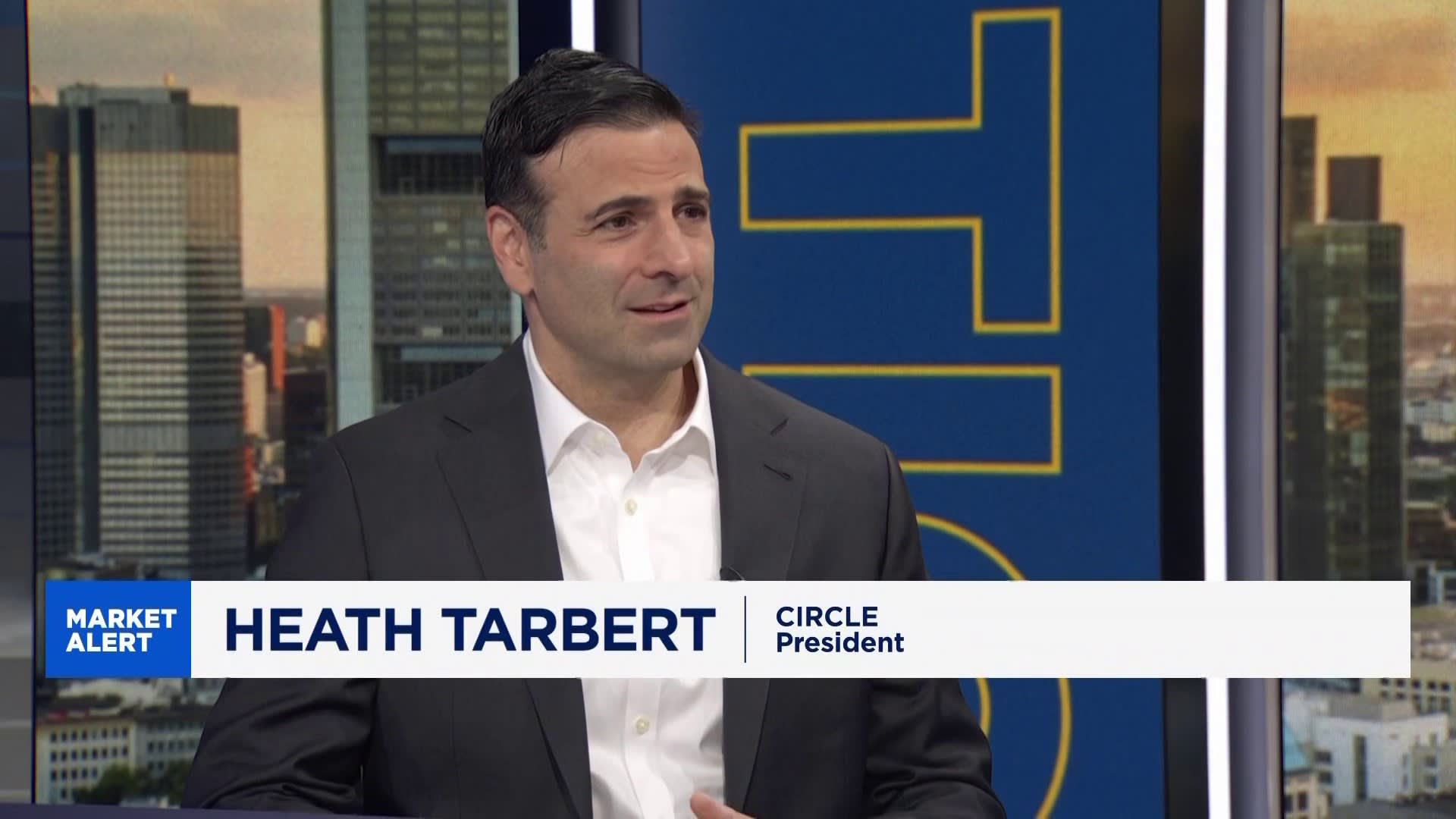
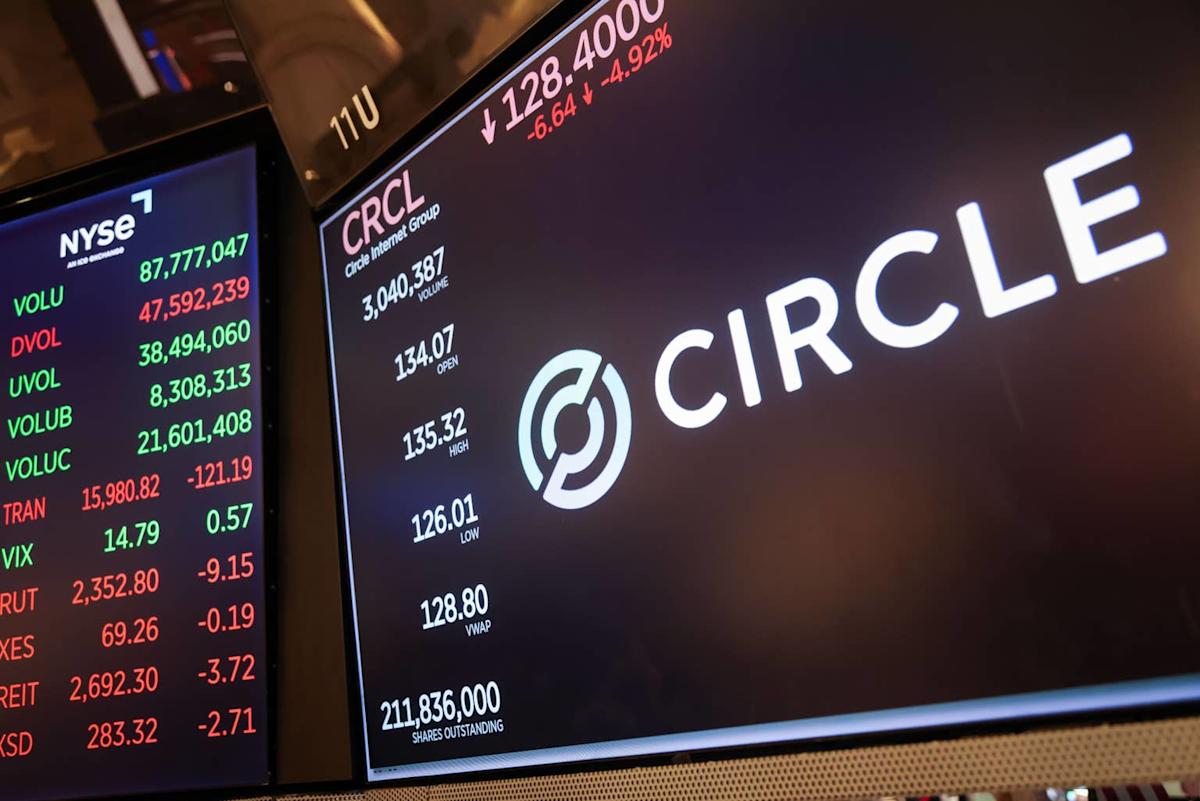
Circle’s positioning in cross-border payment infrastructure illustrates how stablecoin issuers are already building the rails that could eventually route around traditional correspondent banking, a structural pressure that does not require retail deposit competition to constrain bank revenues.
Tether’s expansion into self-custody infrastructure reflects the same dynamic: the stablecoin ecosystem is broadening its surface area well beyond trading, into payments, custody, and settlement layers that banks have traditionally owned. The pace of that infrastructure buildout is the variable most worth monitoring.
Bank Stock Snapshot: What Moody’s Read Means for Investors Watching the Sector
For bank equity investors, the Moody’s assessment serves as a near-term hold signal on the risk of competitive moat erosion from digital assets, not a permanent all-clear.
The specific conditions that would change the thesis are identifiable: U.S. legislative action permitting yield-bearing stablecoins, material deposit outflow data appearing in quarterly bank filings, or accelerating bank-stablecoin integration deals that shift payment volume off legacy rails.
’s stablecoin payments partnerships with fintech firms represent exactly the kind of incremental integration that, at scale, could alter the competitive landscape Moody’s currently characterizes as stable.
The next significant data point will arrive with U.S. Senate floor movement on stablecoin legislation, where any provision allowing yield on dollar-pegged tokens would require a direct reassessment of the deposit competition risk Srivastava currently treats as contained.
***
Looking to start your trading day ahead of the curve?
Get up to speed before the bell with Bull Whisper—a sharp, daily premarket newsletter packed with key news, market-moving updates, and actionable insights for traders.
Start your day with an edge. Subscribe to Bull Whisper using this link.