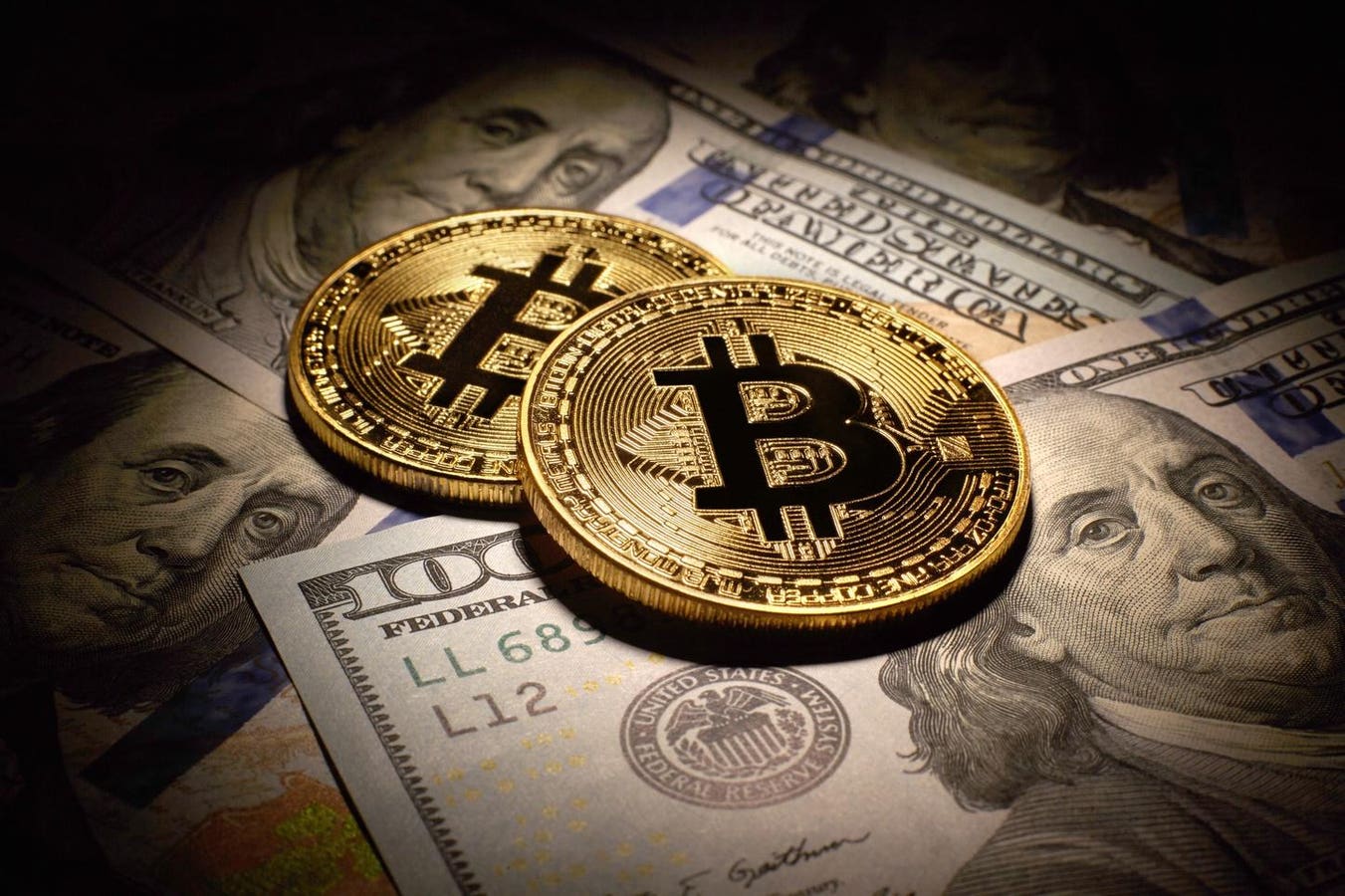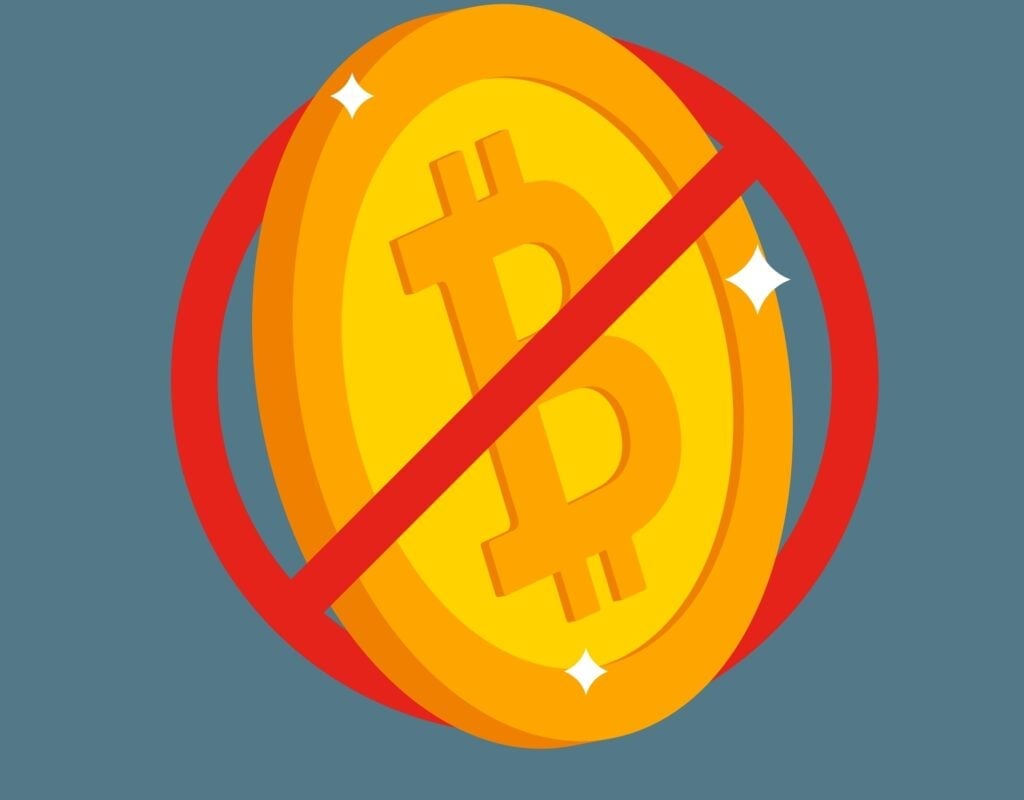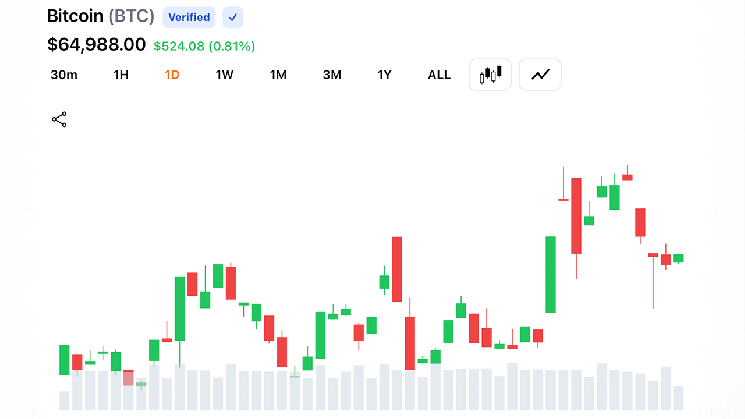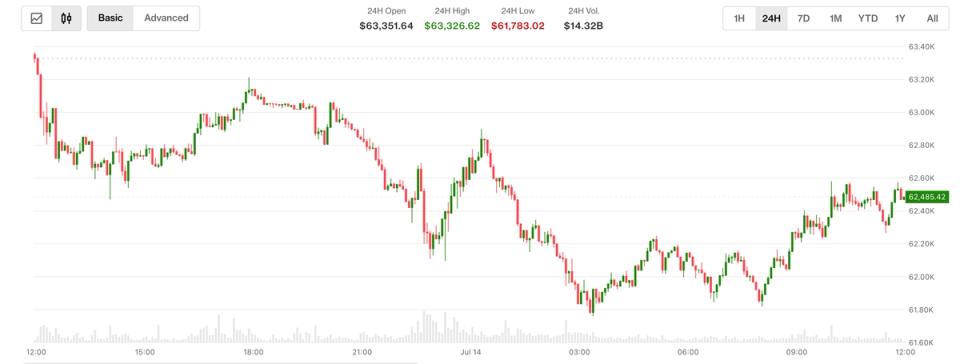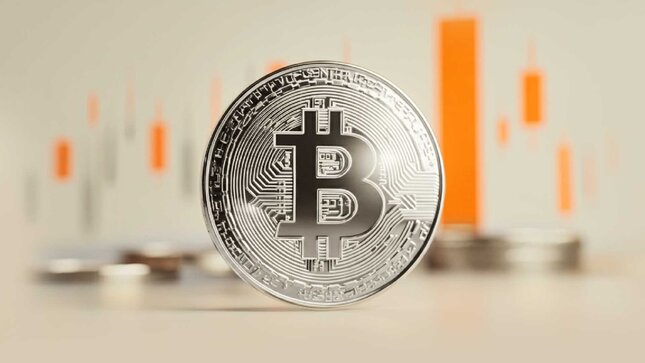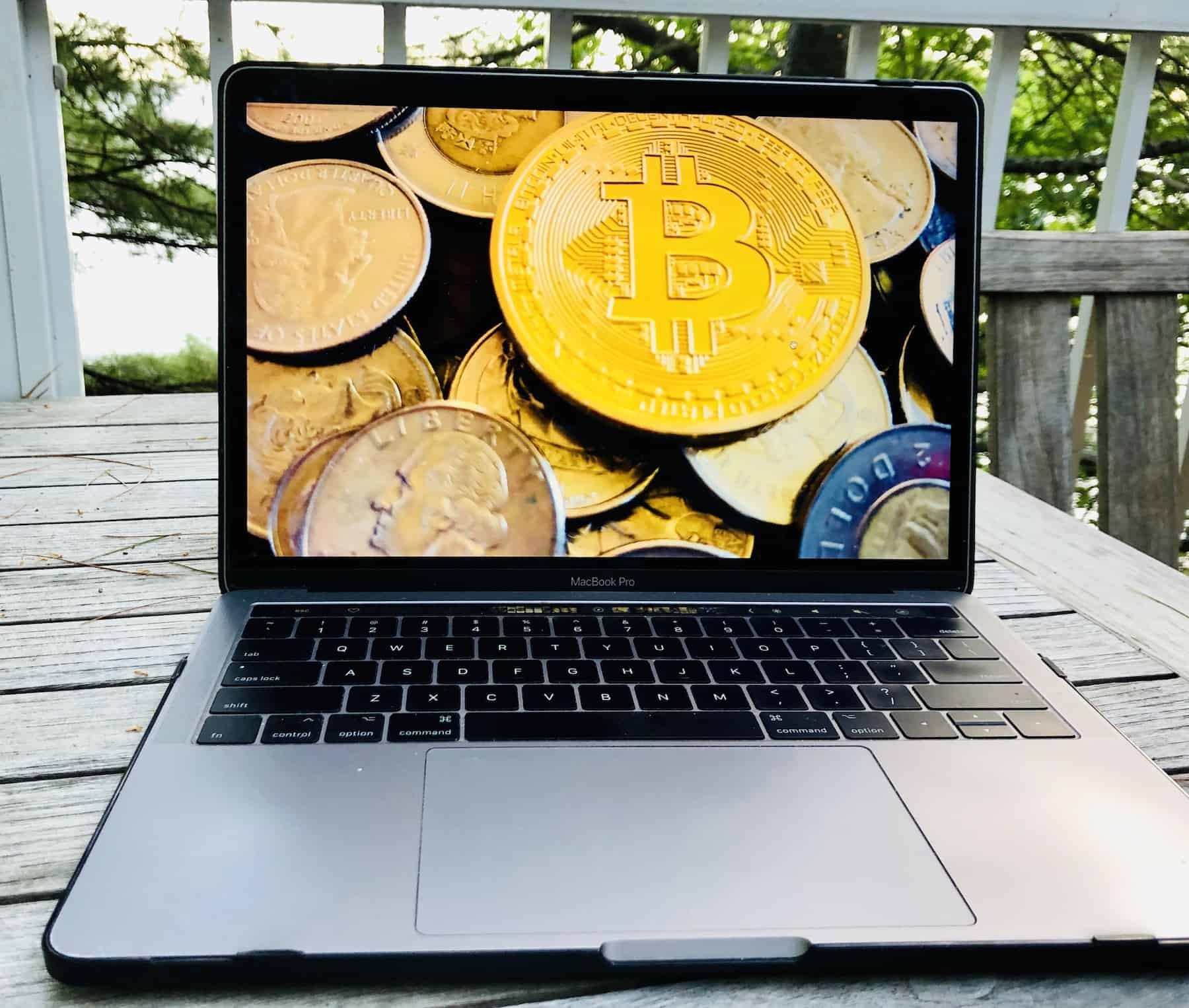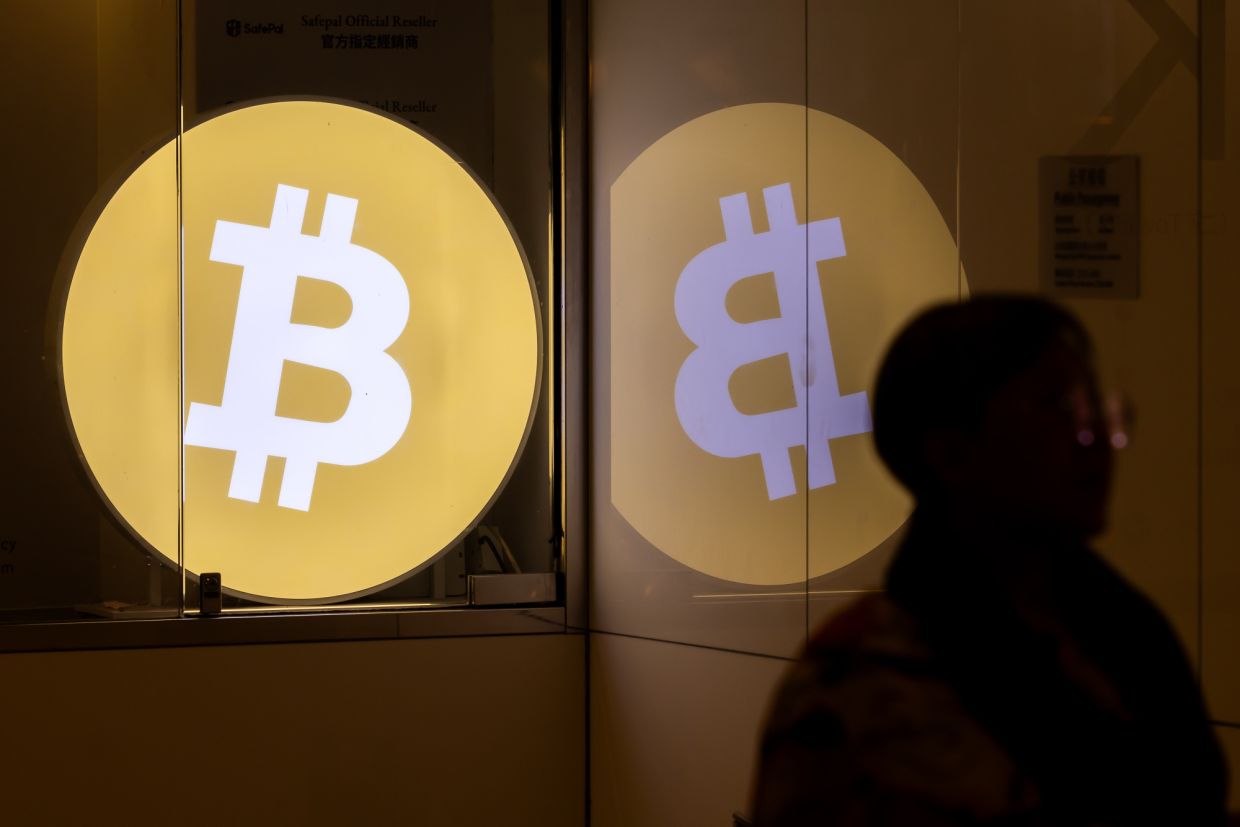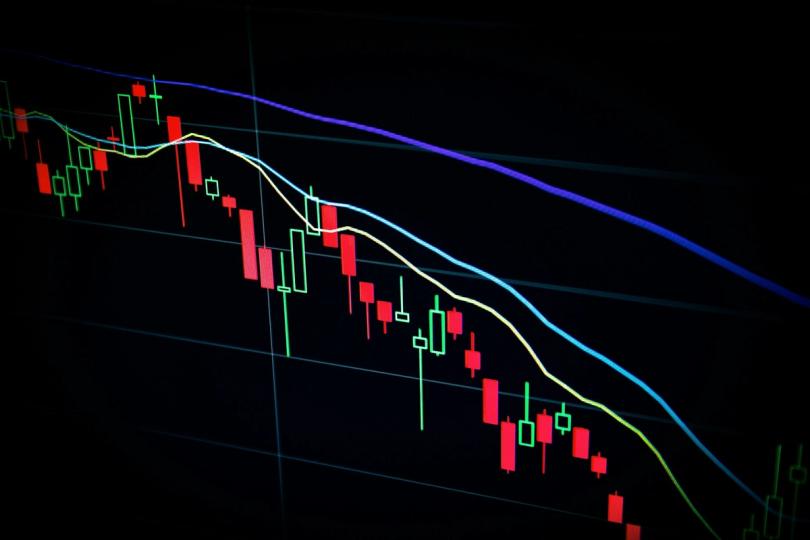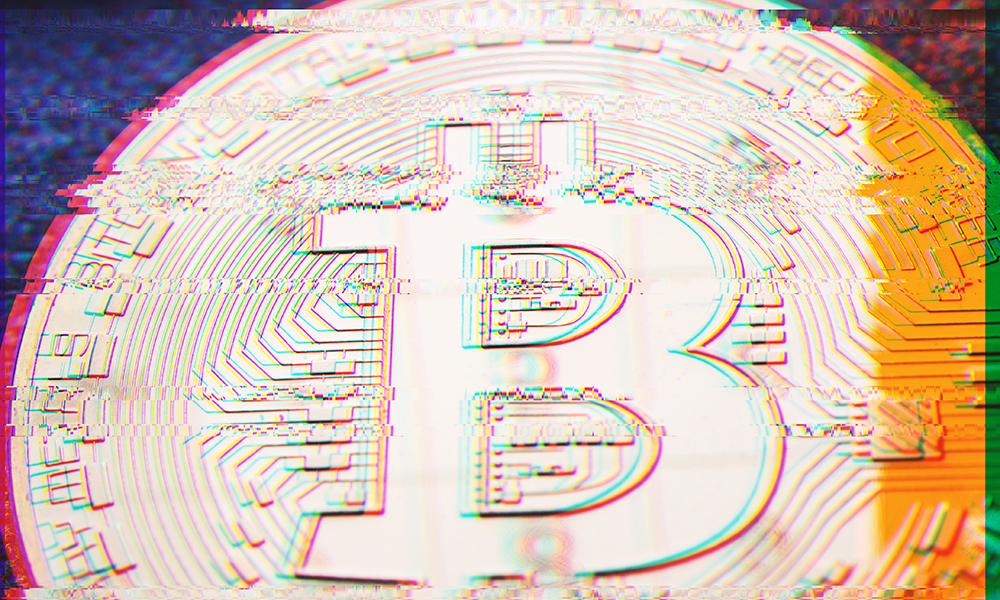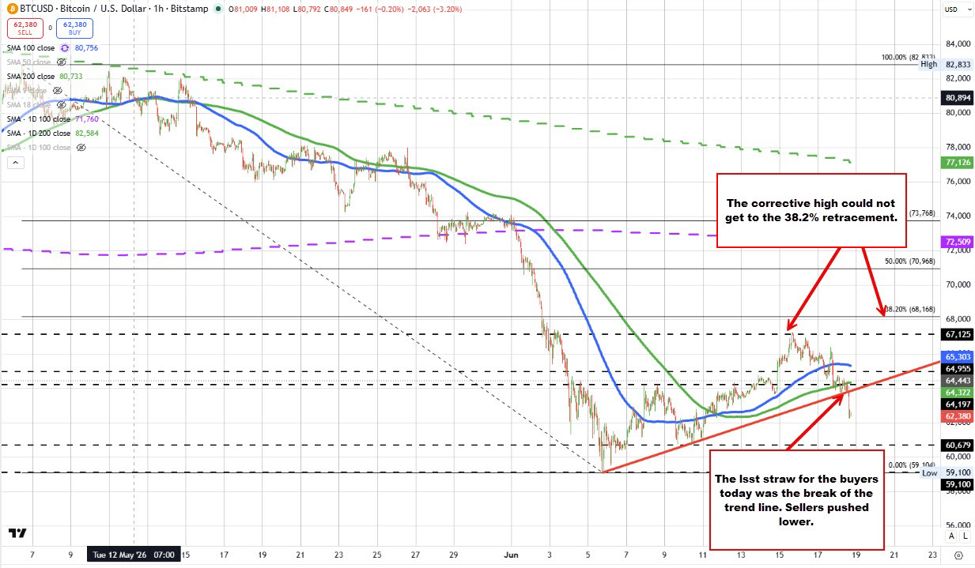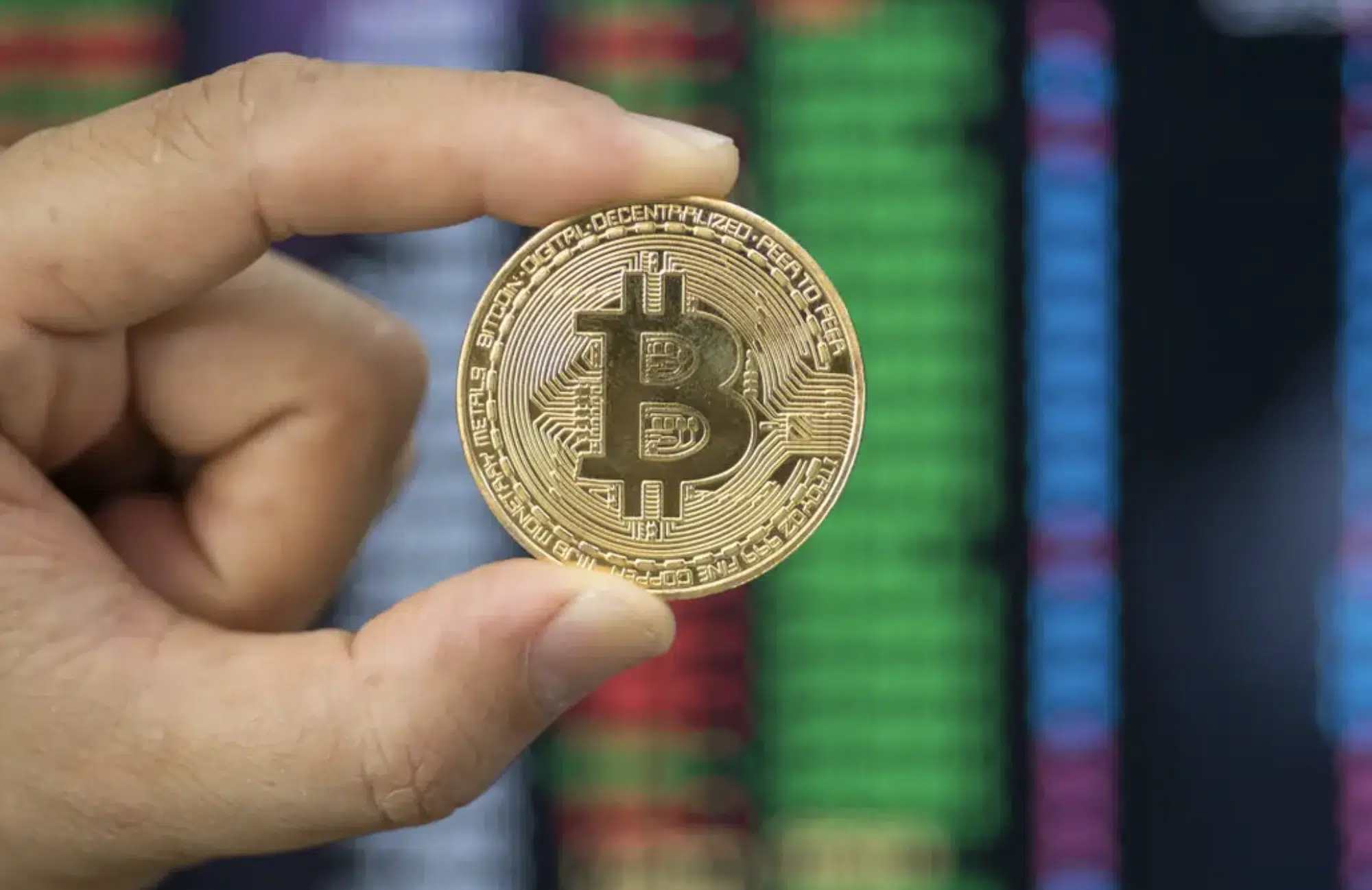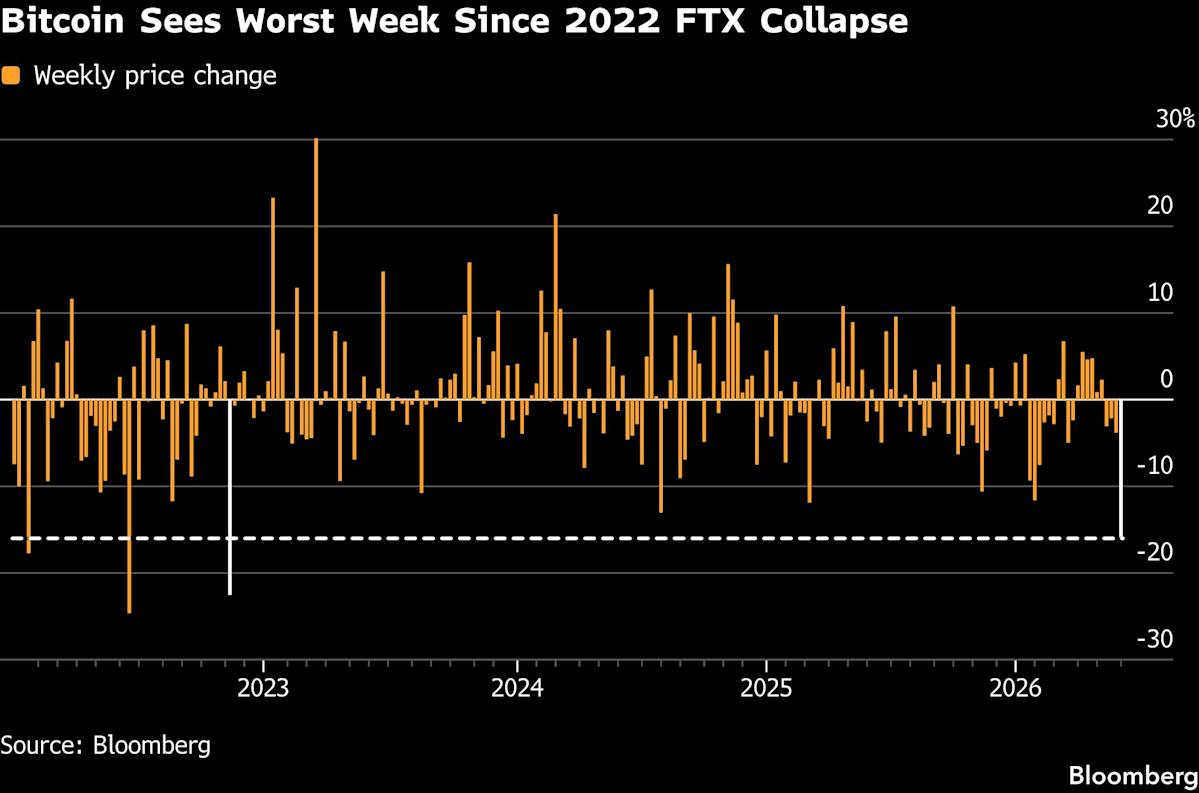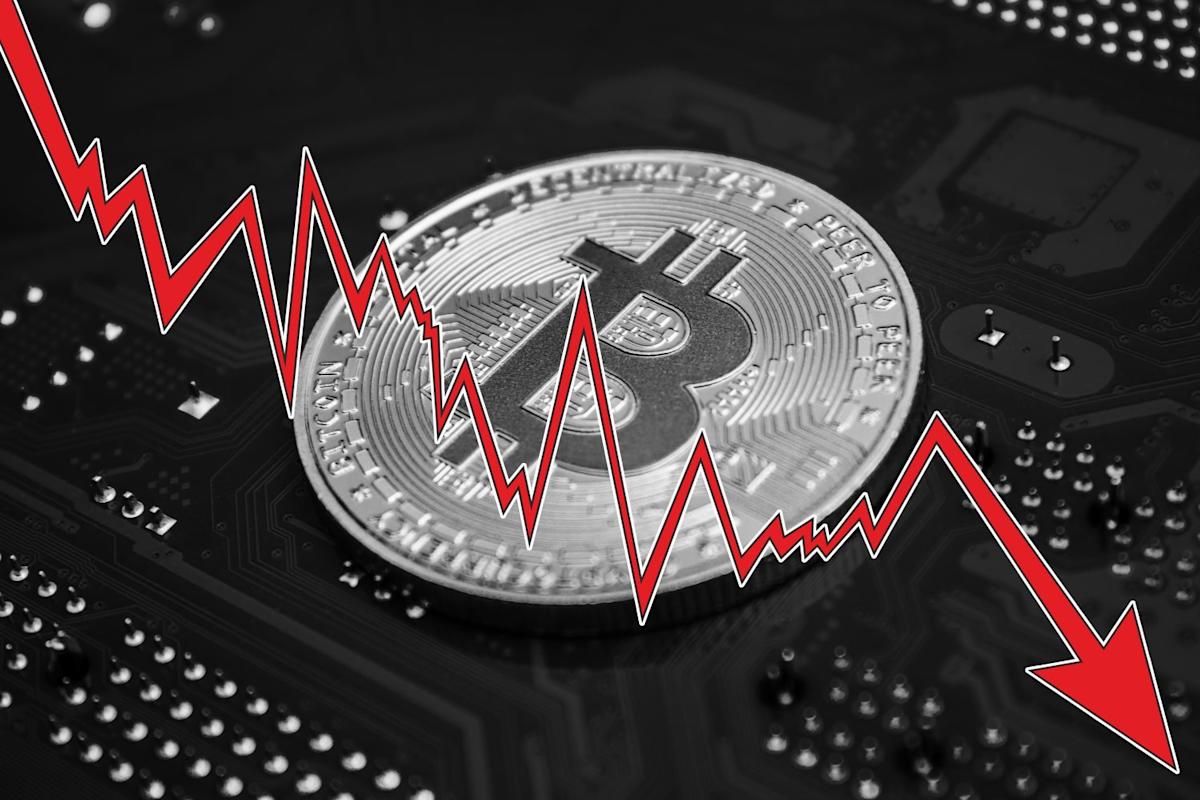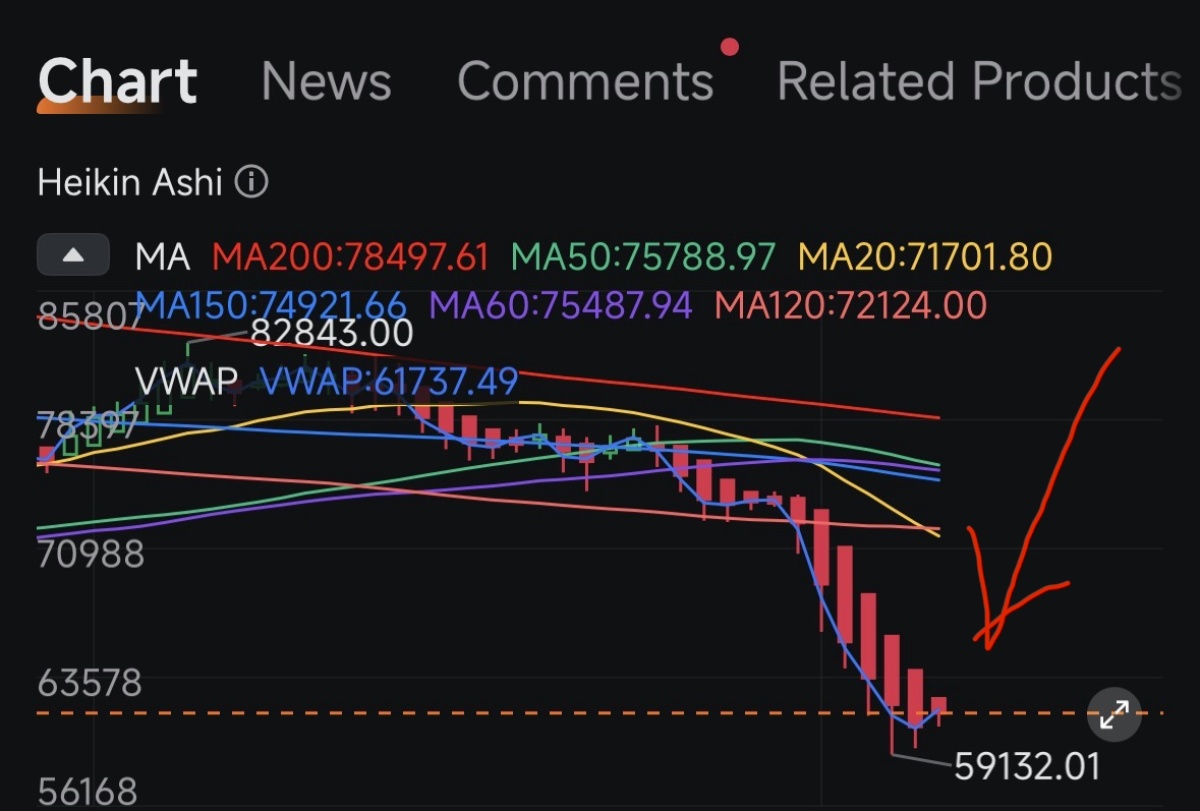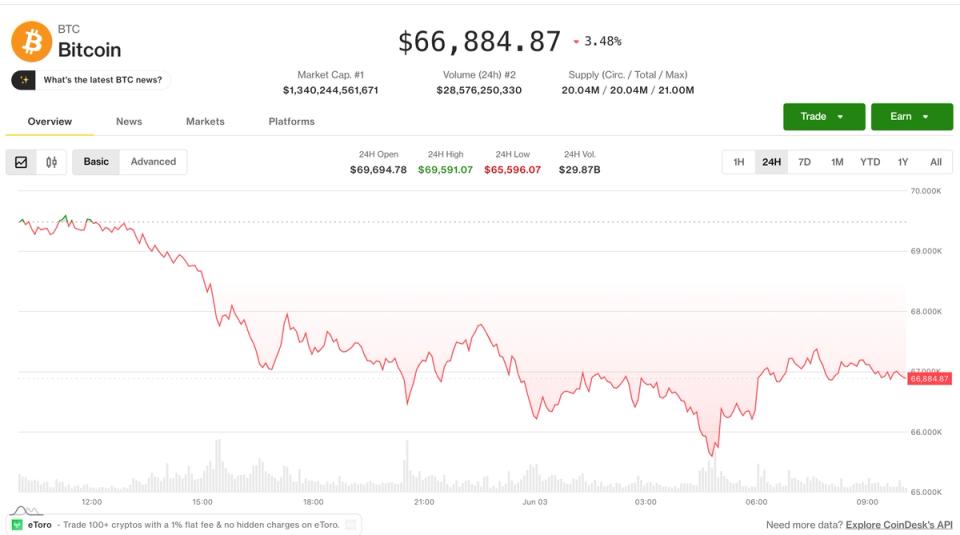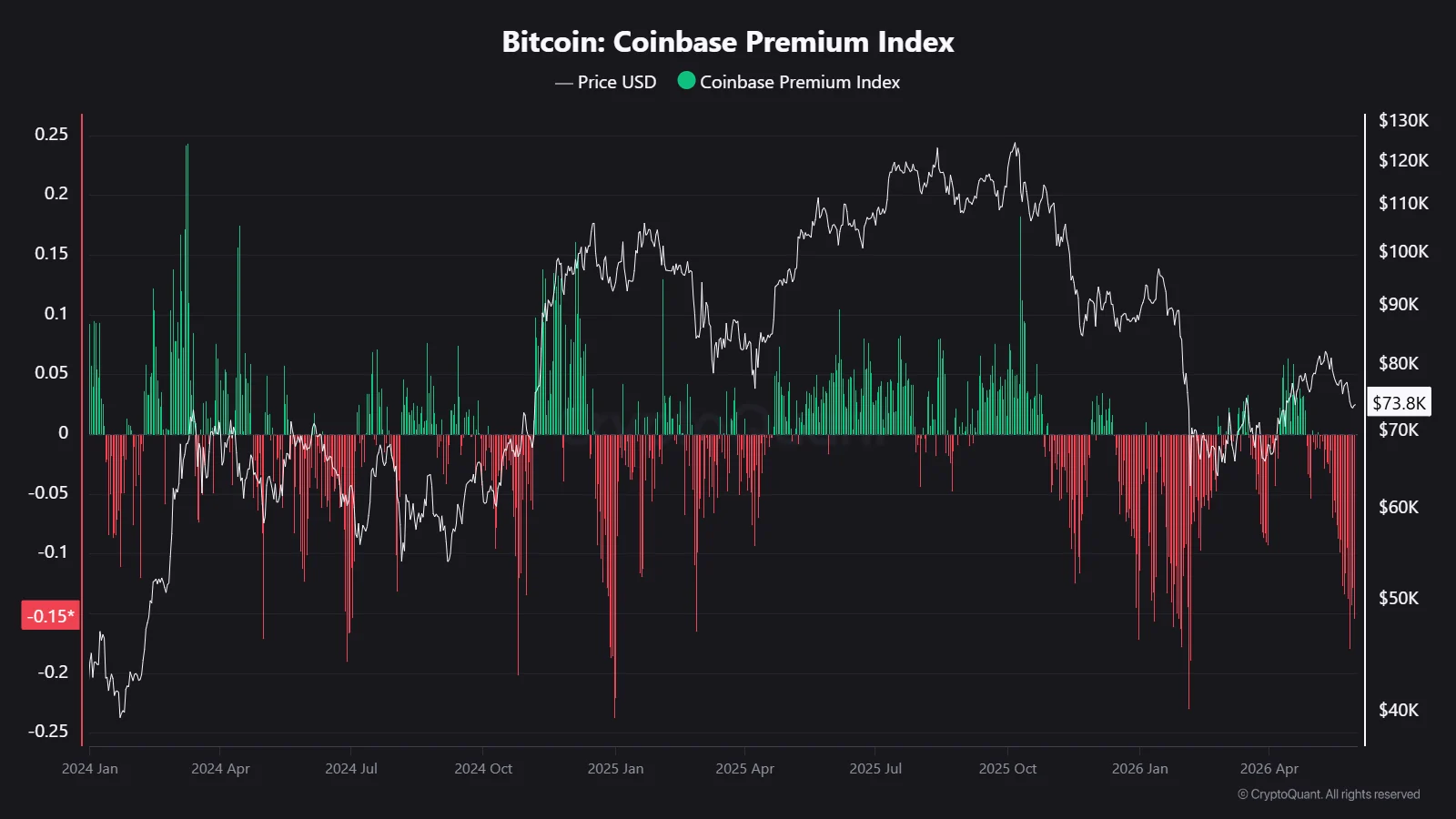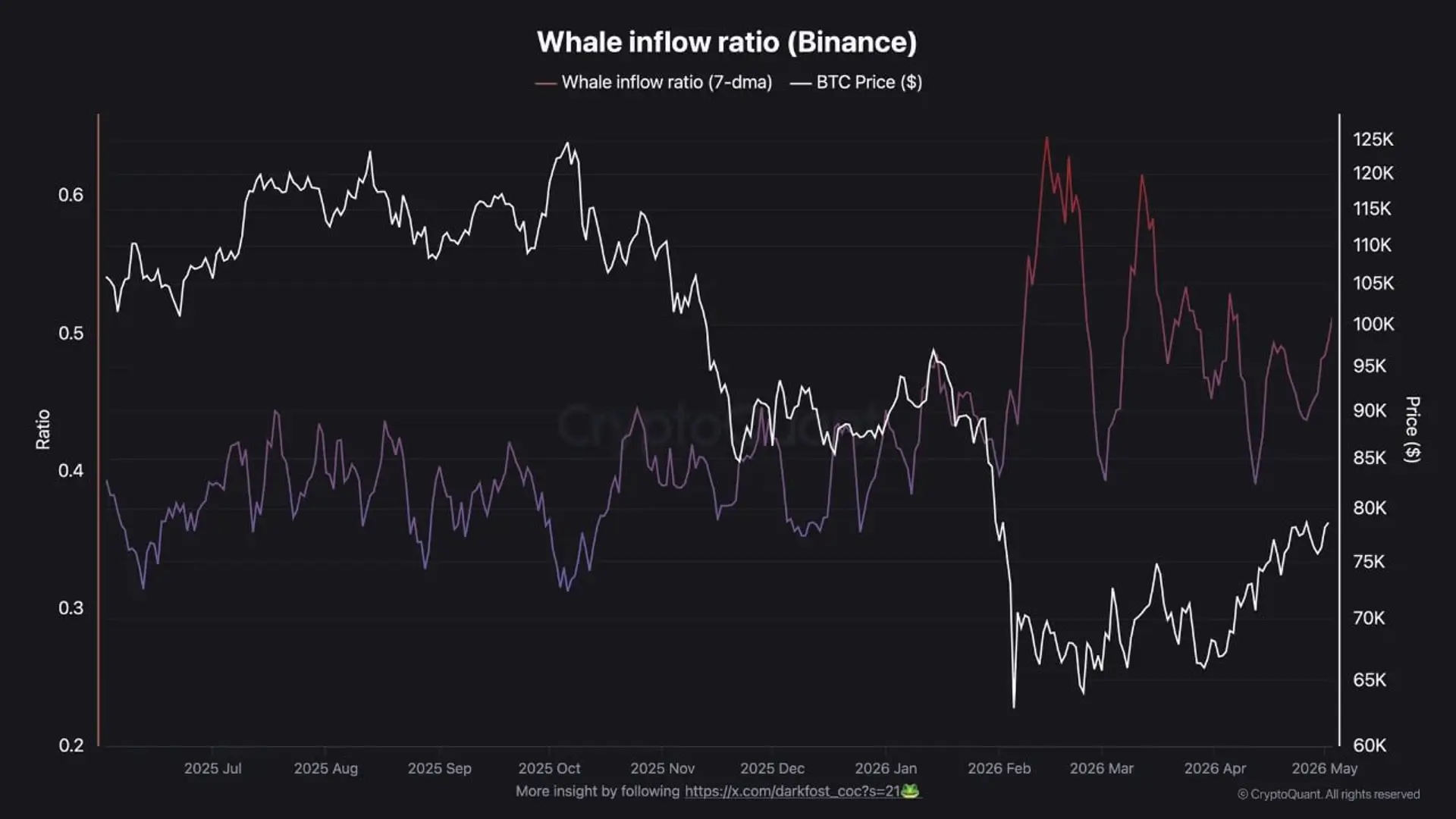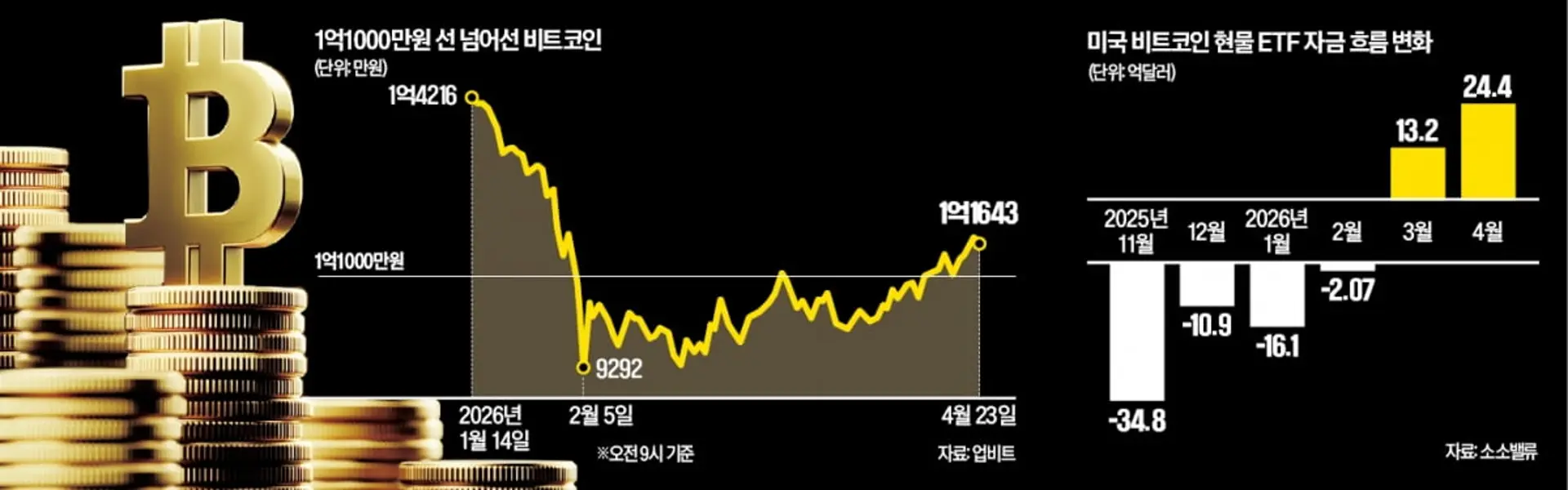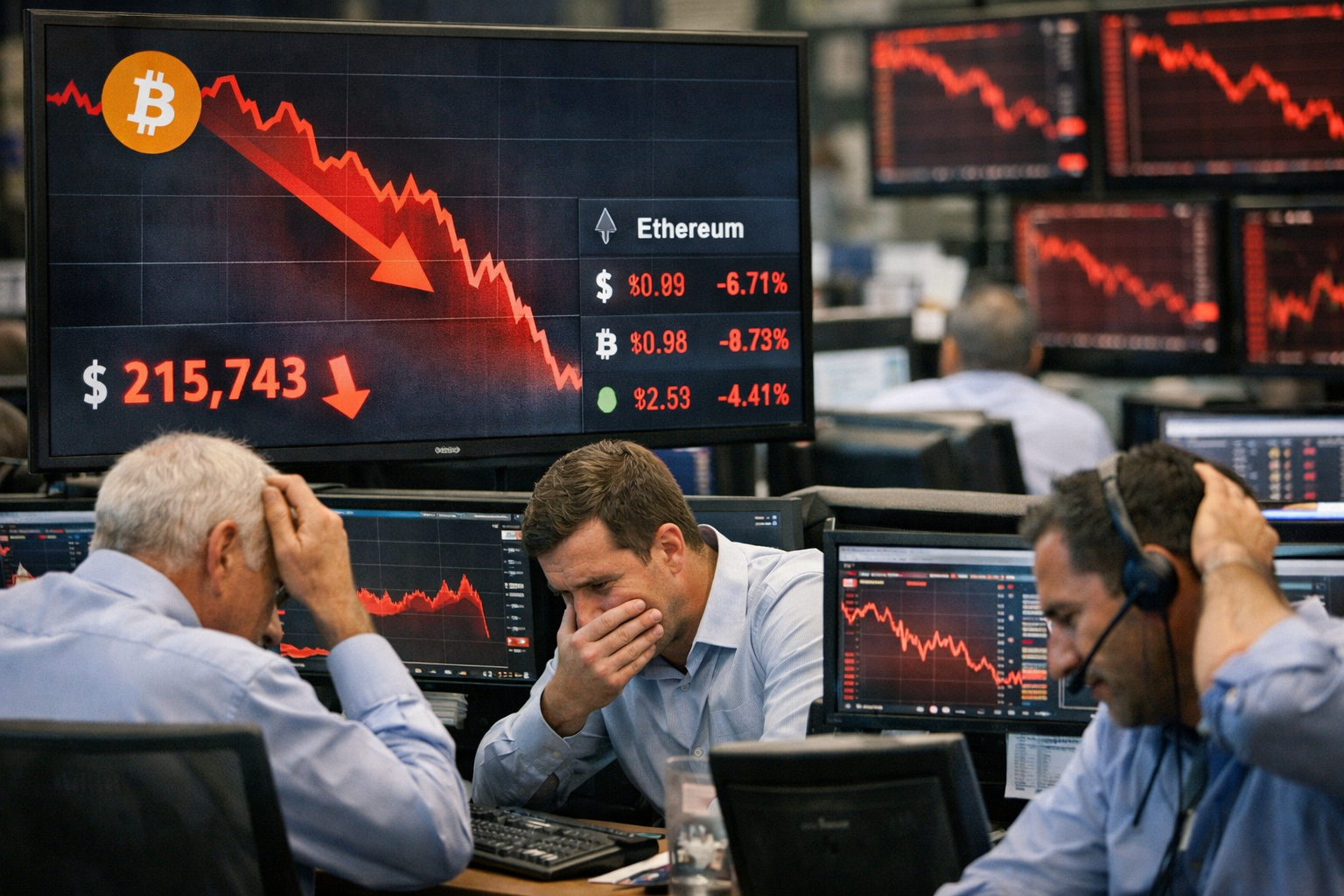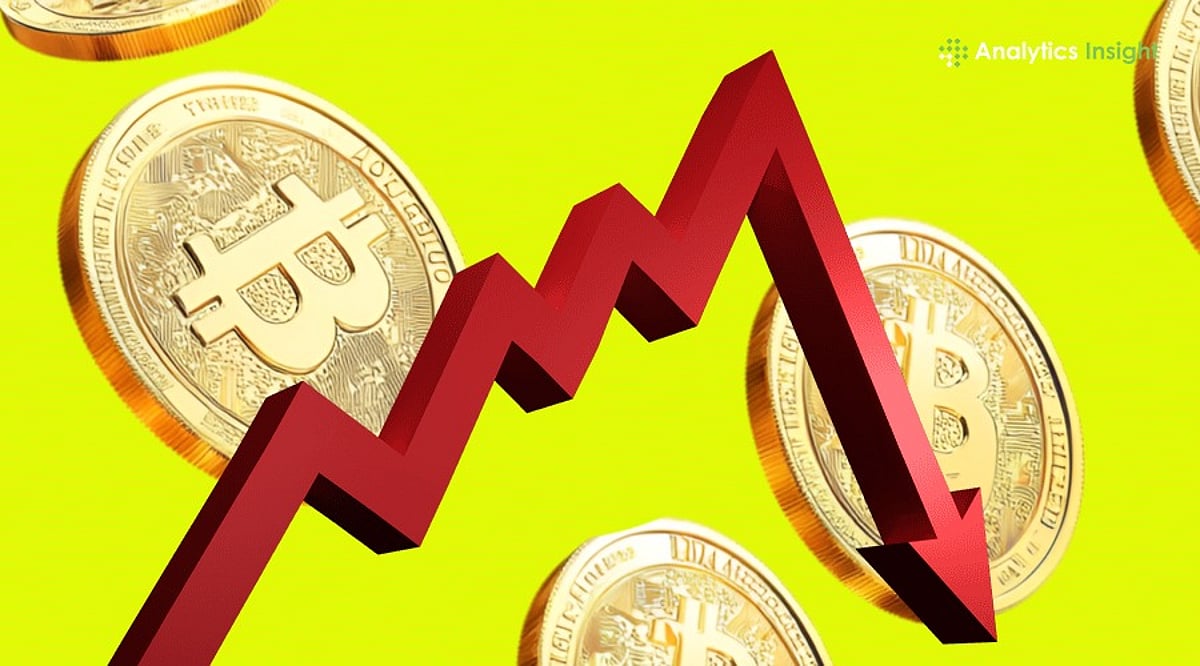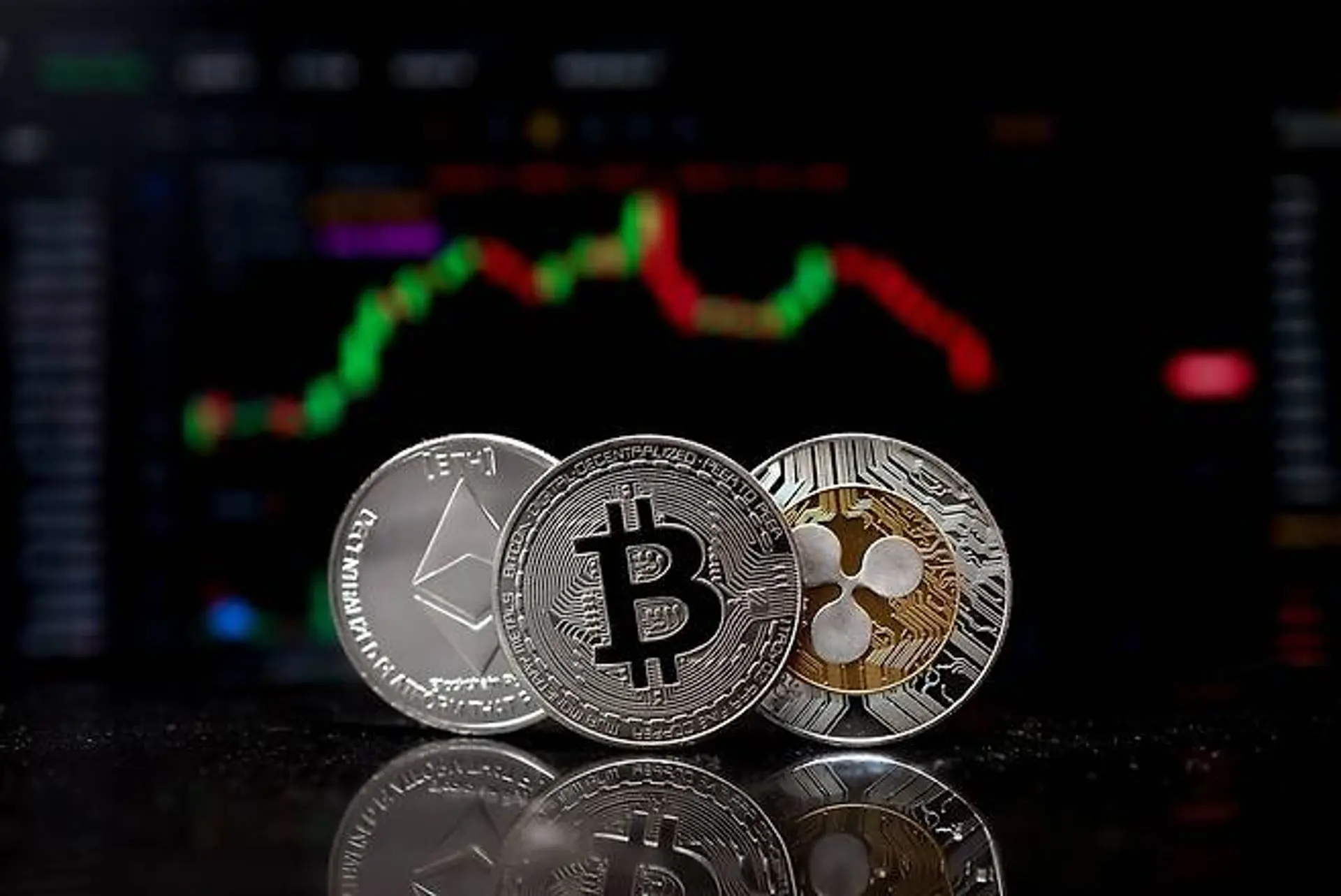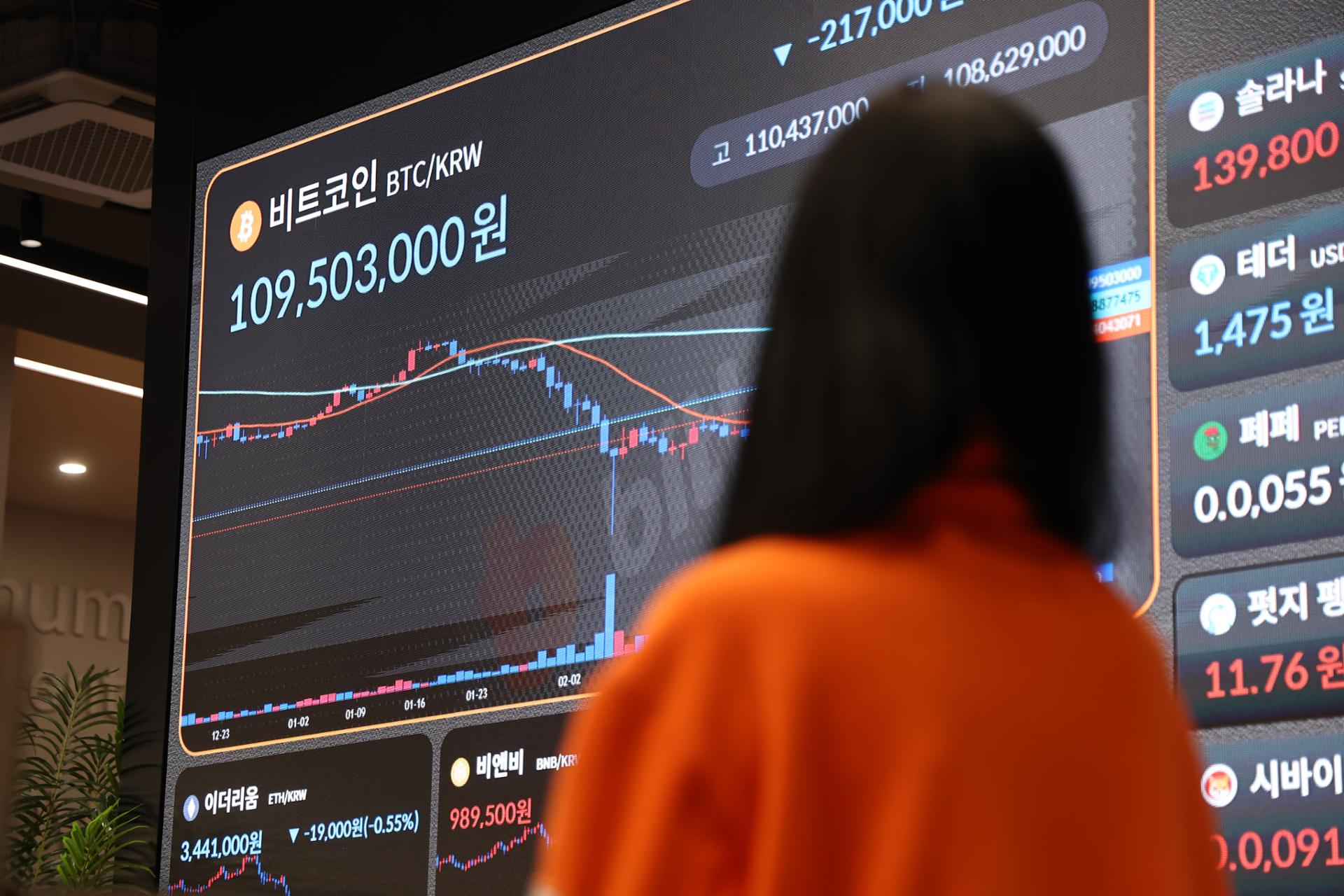
Bitcoin (BTC +0.46%) is down more than 40% since its apex in early October 2025, leaving investors in pain precisely as many other global assets and markets are surging. As a result of this disconnect, crypto investors are tossing around three arguments why Bitcoin might be finished — and for real this time — despite the fact that all of the vast (and counting) number of prior predictions of its demise have turned out to be false.
Let’s unpack all three to determine if the king of crypto is actually starting to lose its throne.
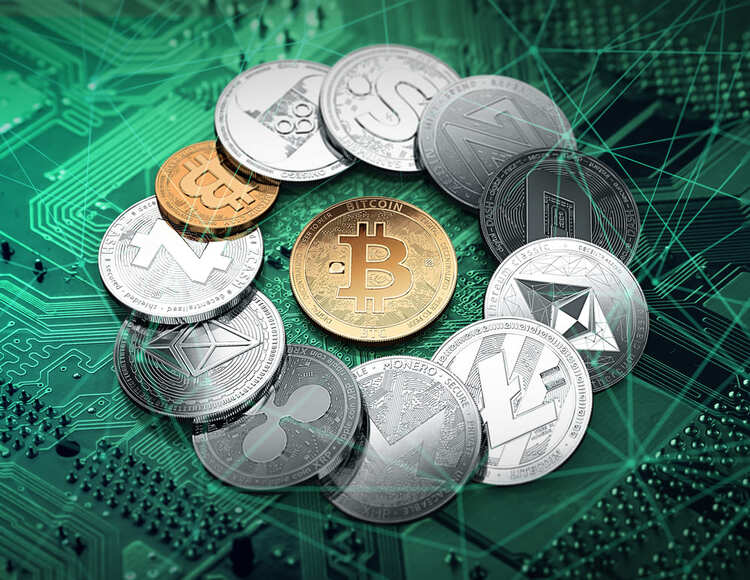
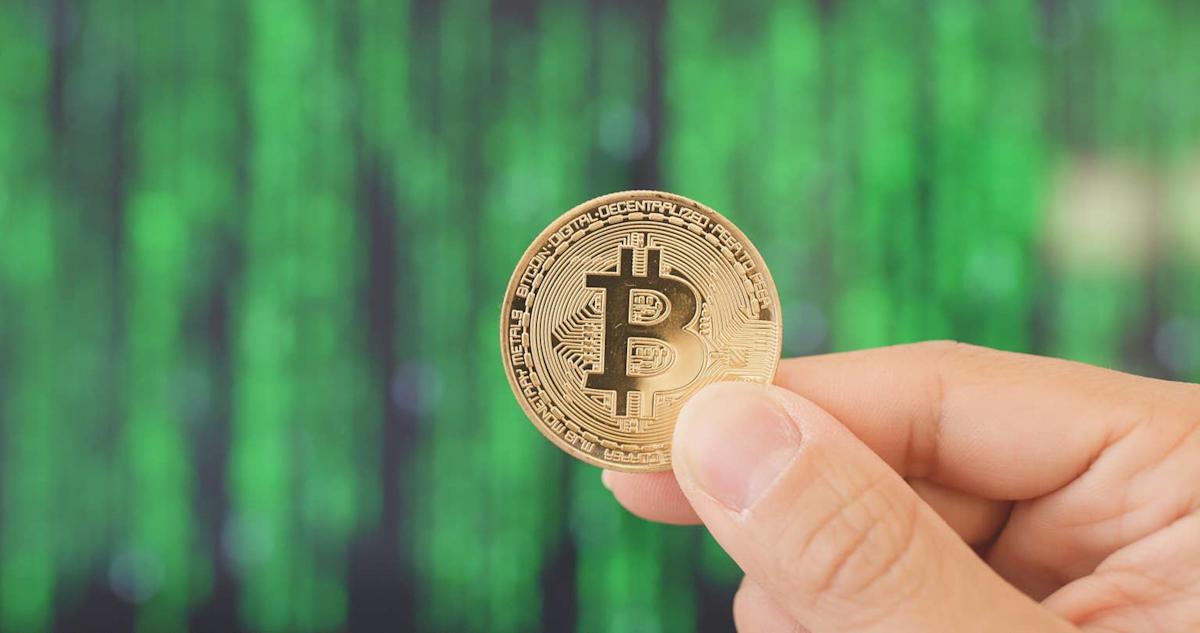
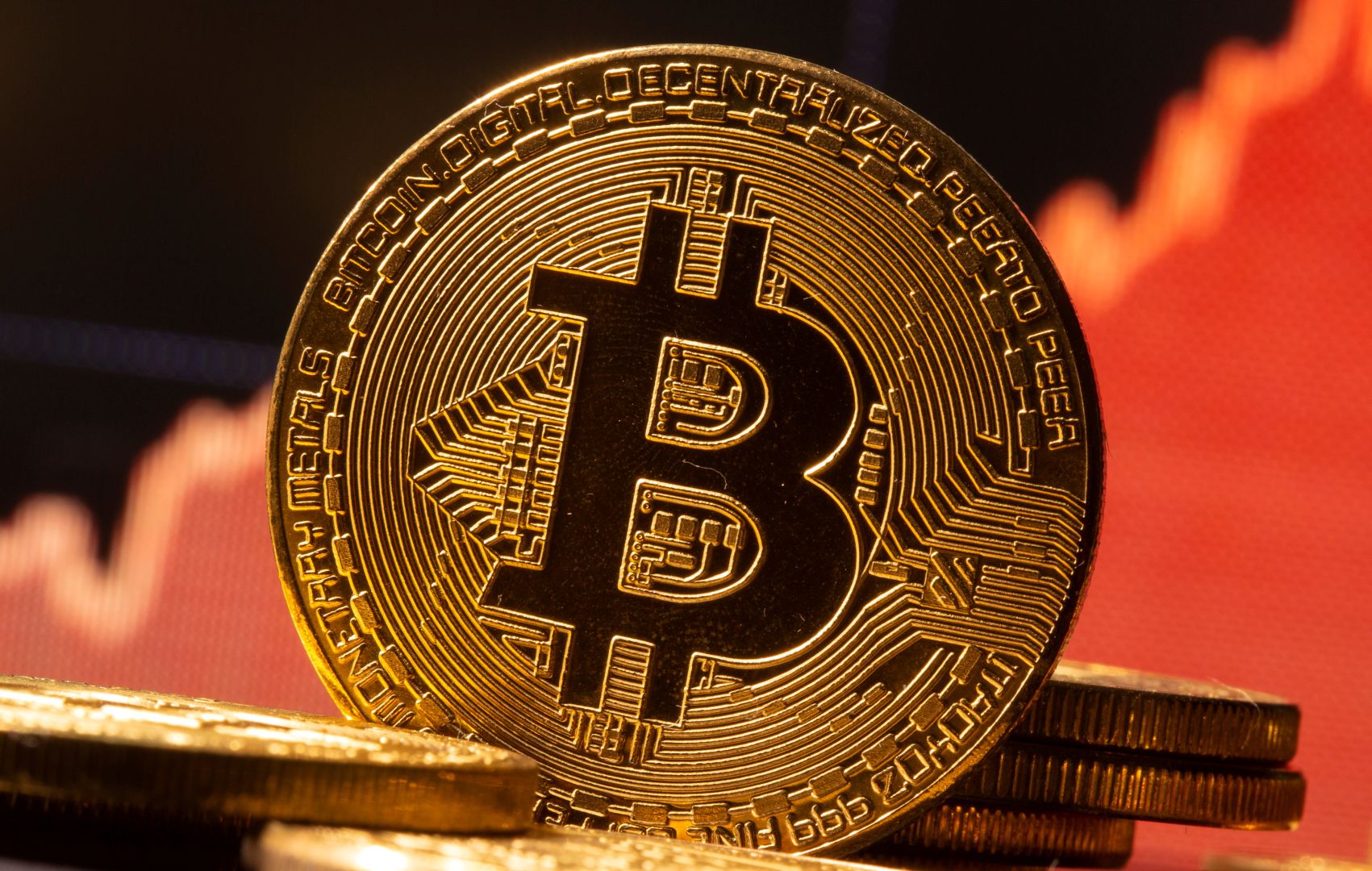
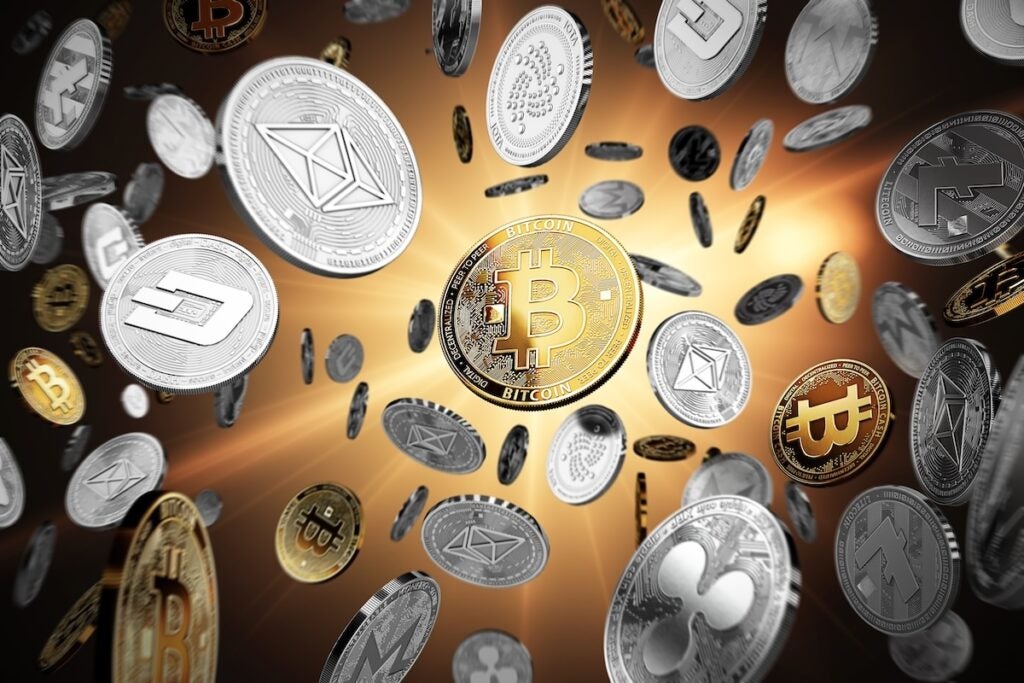
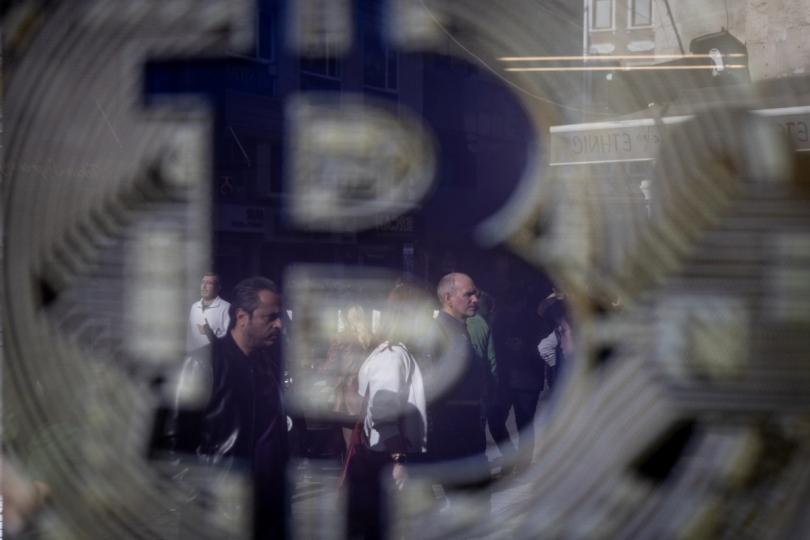
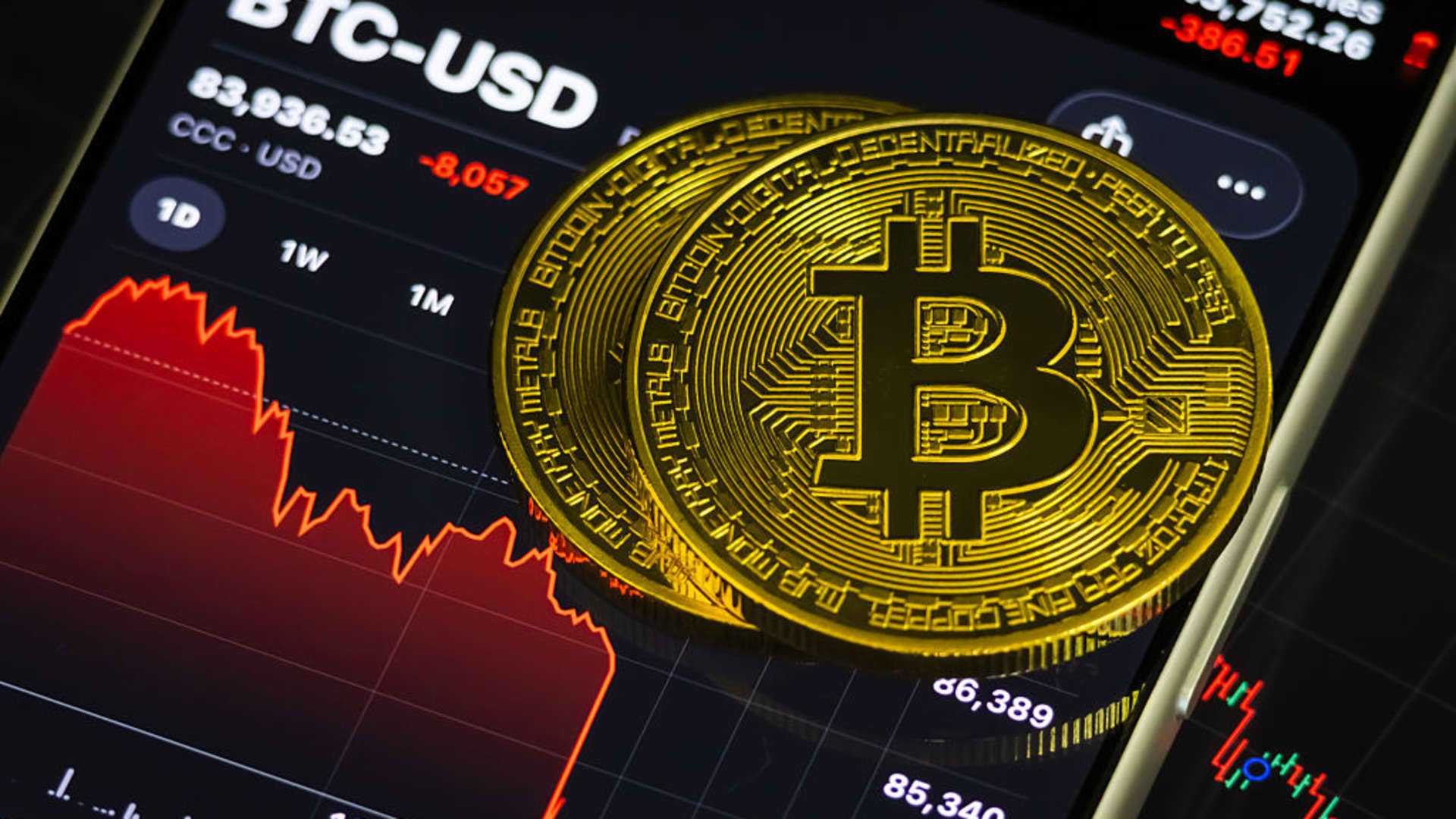
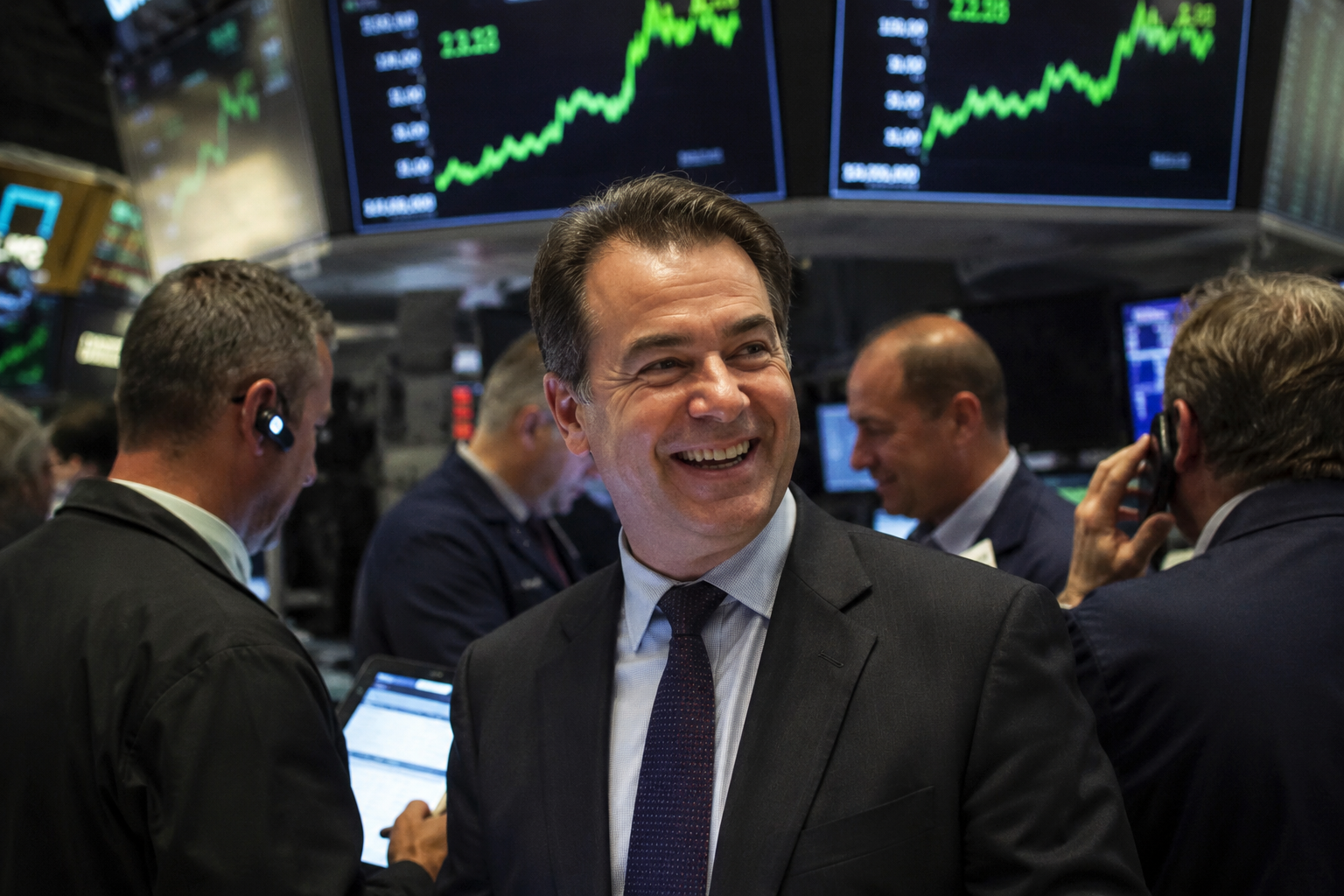
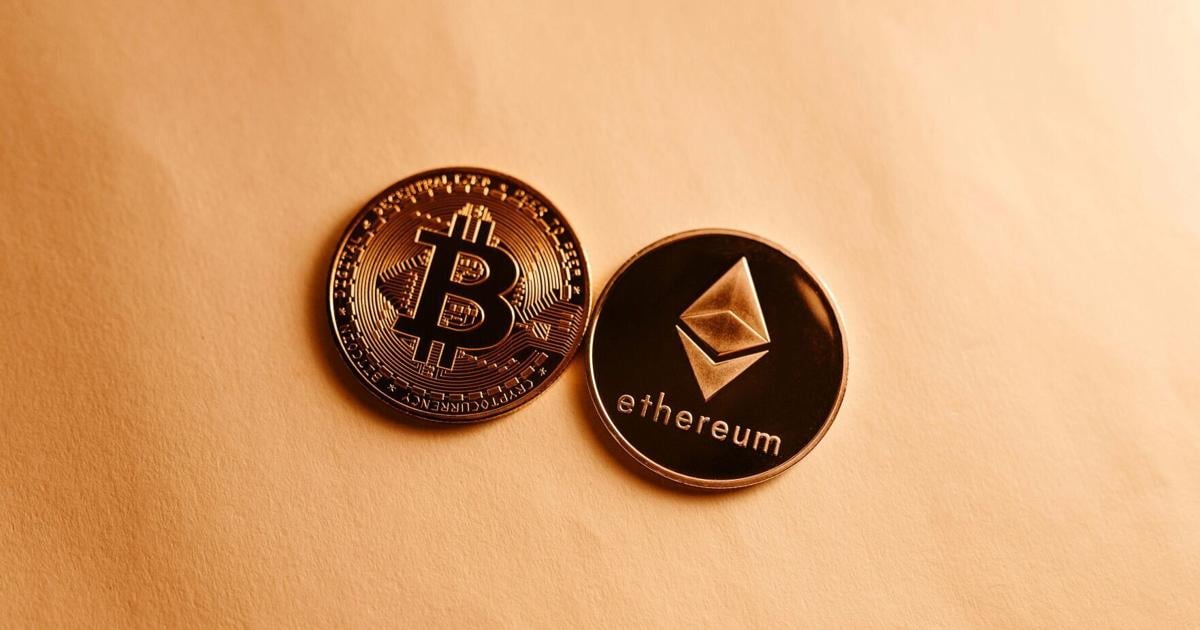
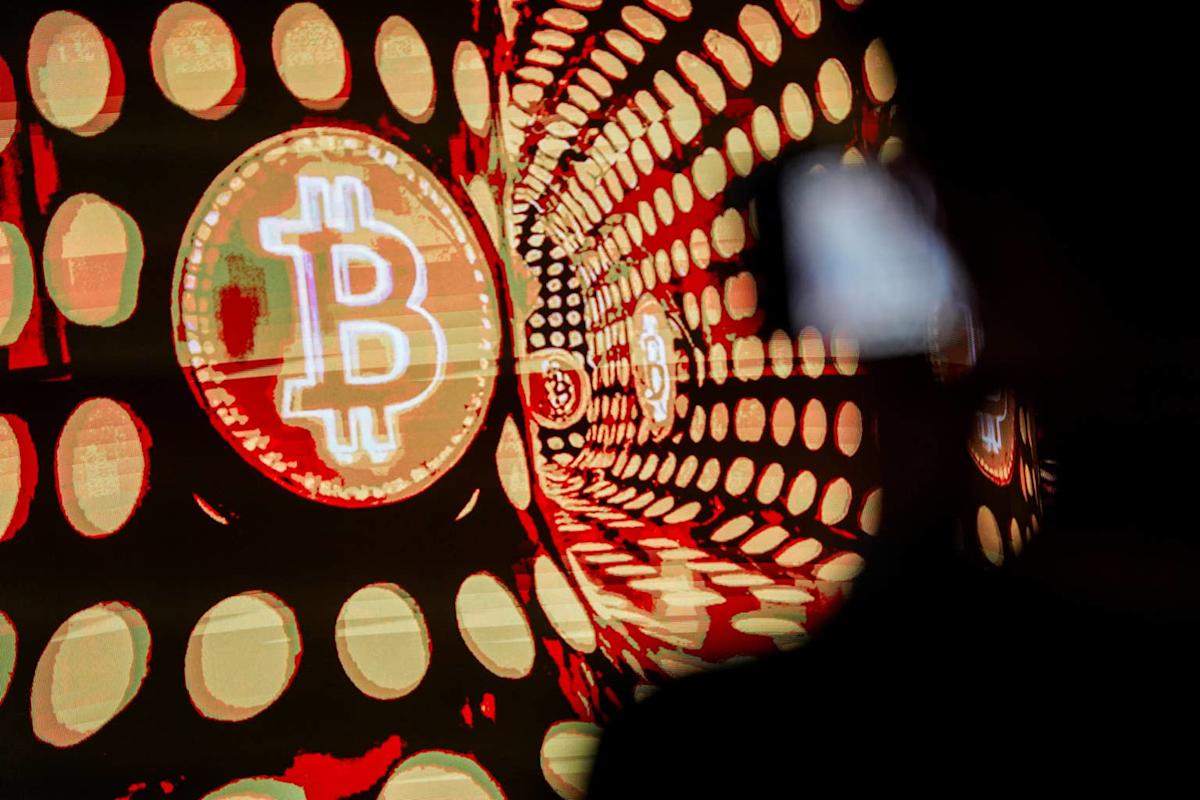
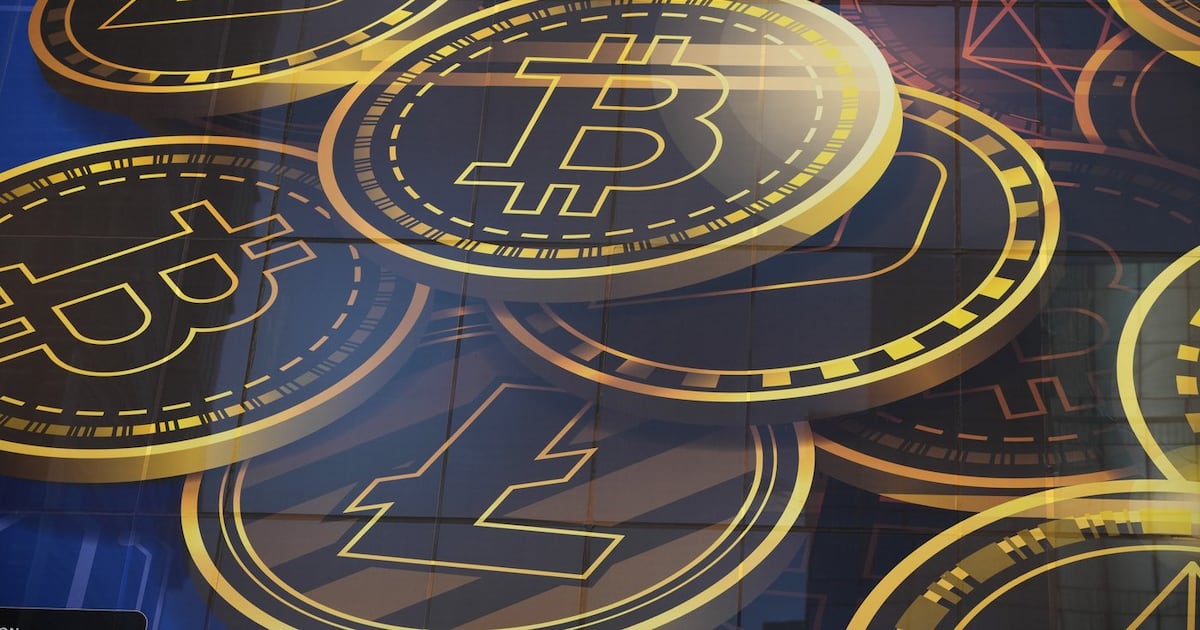
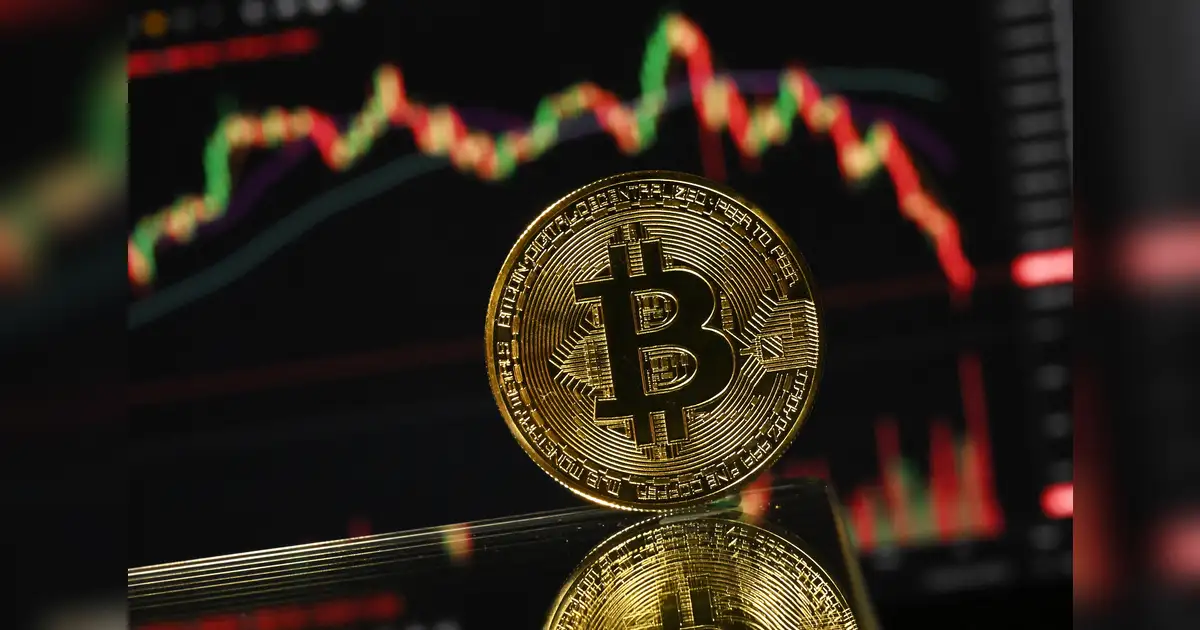
Image source: Getty Images.
1. The “one buyer” problem
Bitcoin was originally envisioned as an independent and neutral store of value that governments couldn’t print more of, and which powerful groups or individuals would struggle to control. But some people had other ideas about what to do with it, and that’s becoming a bit of an issue.
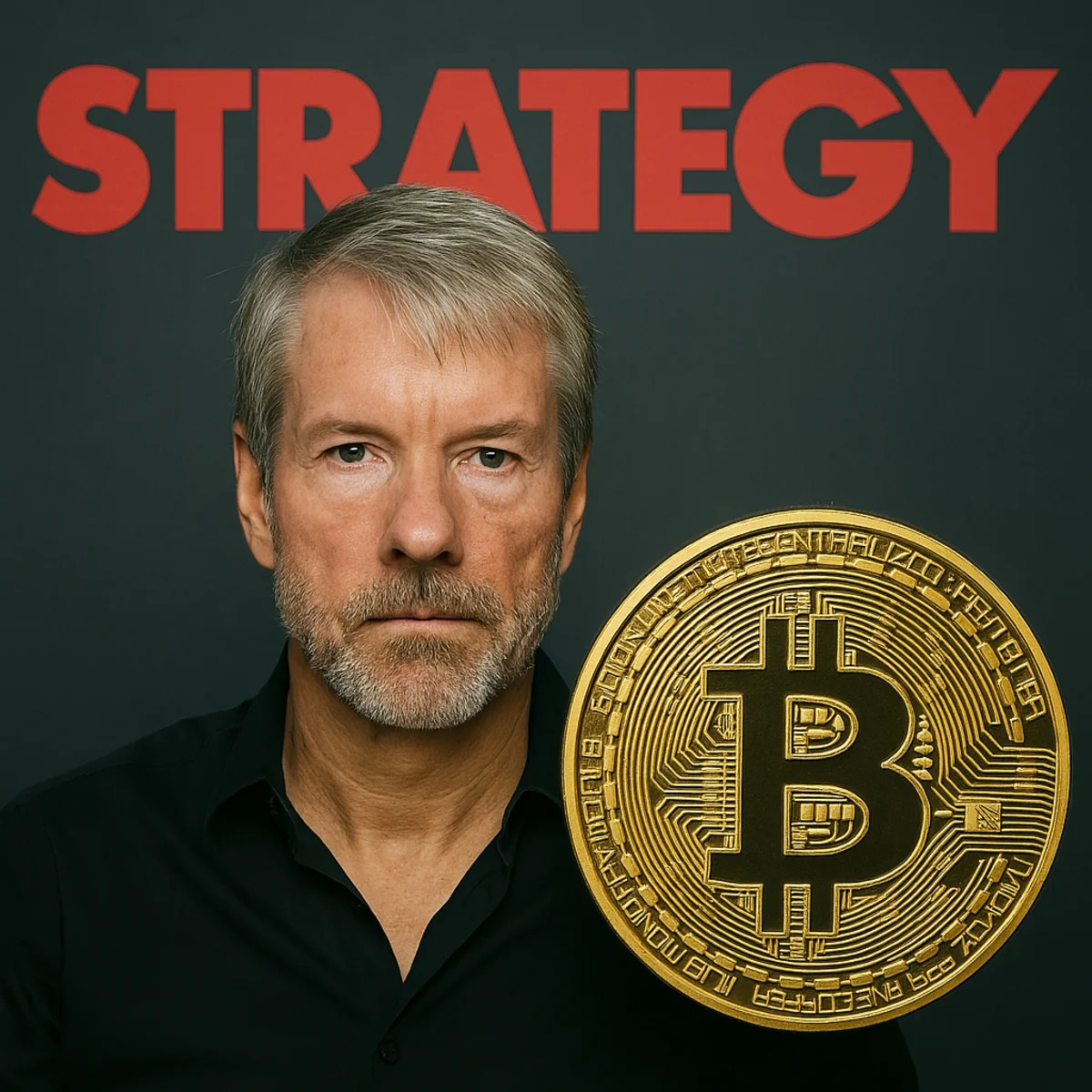
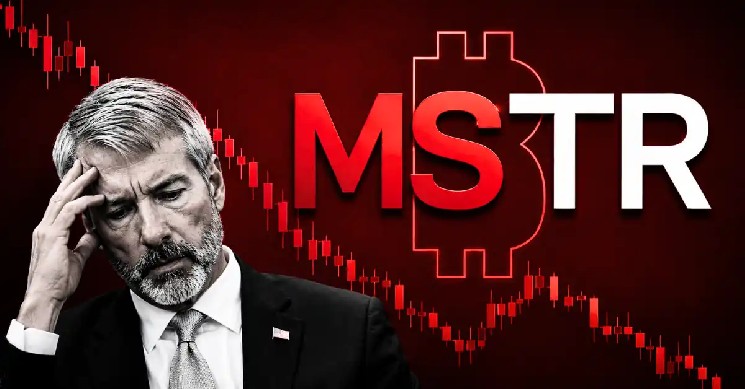
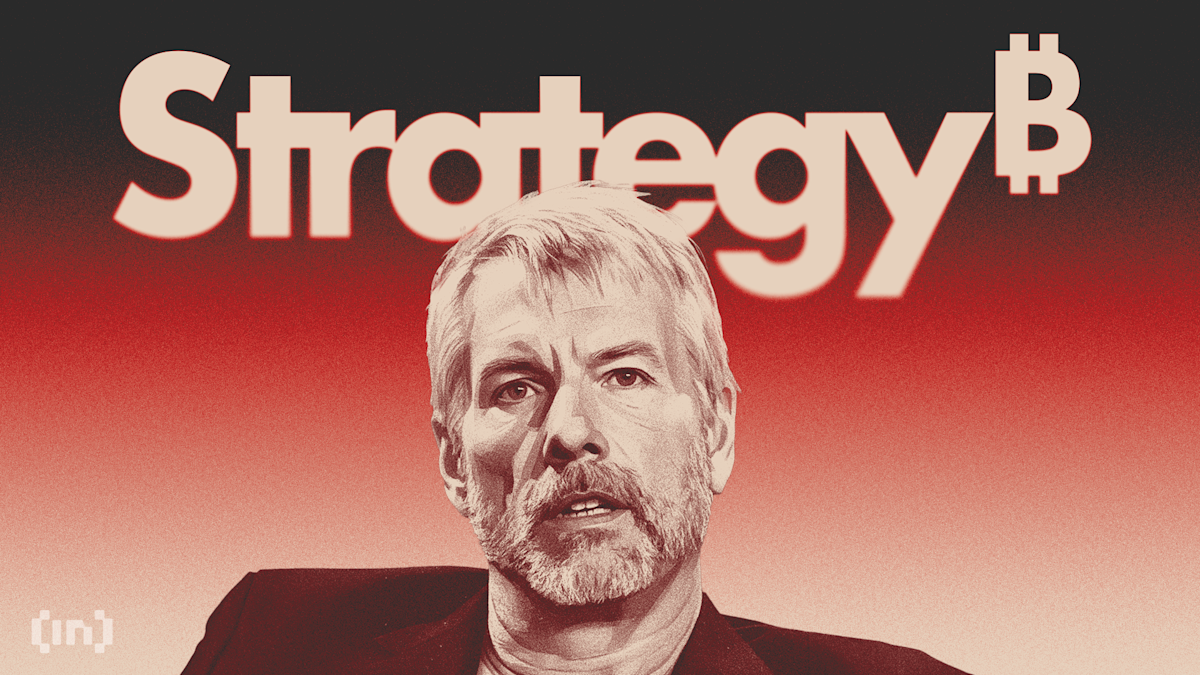
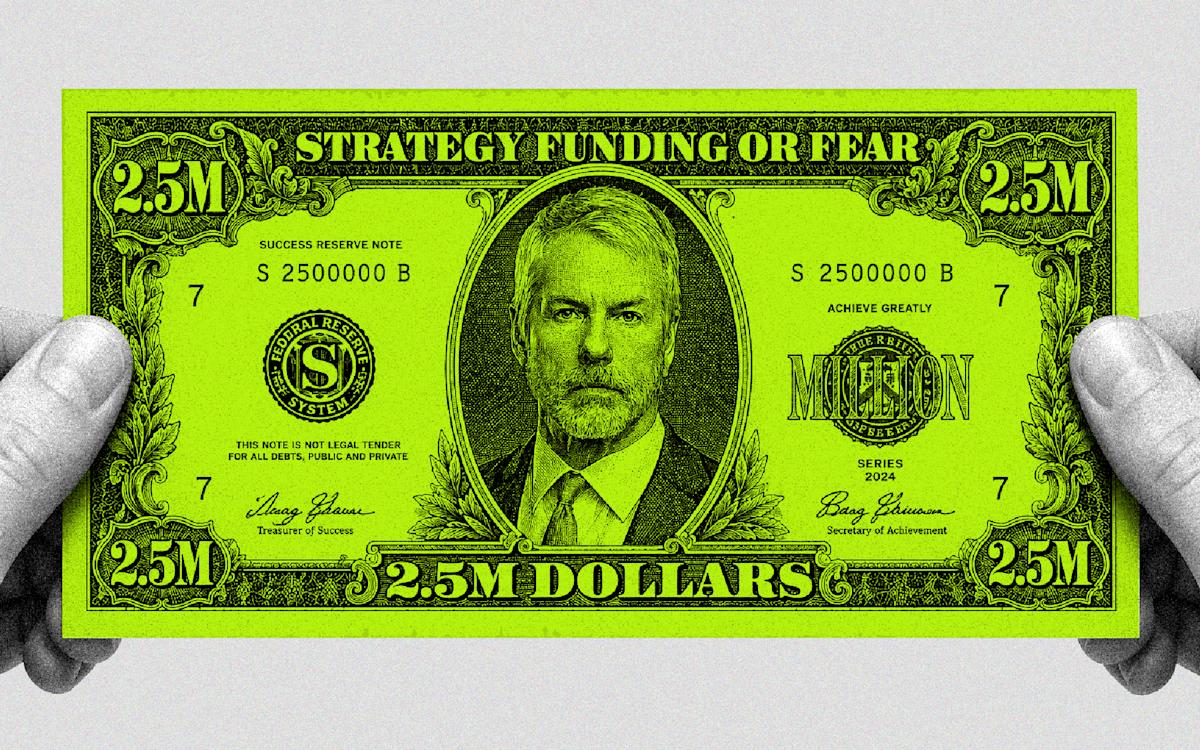
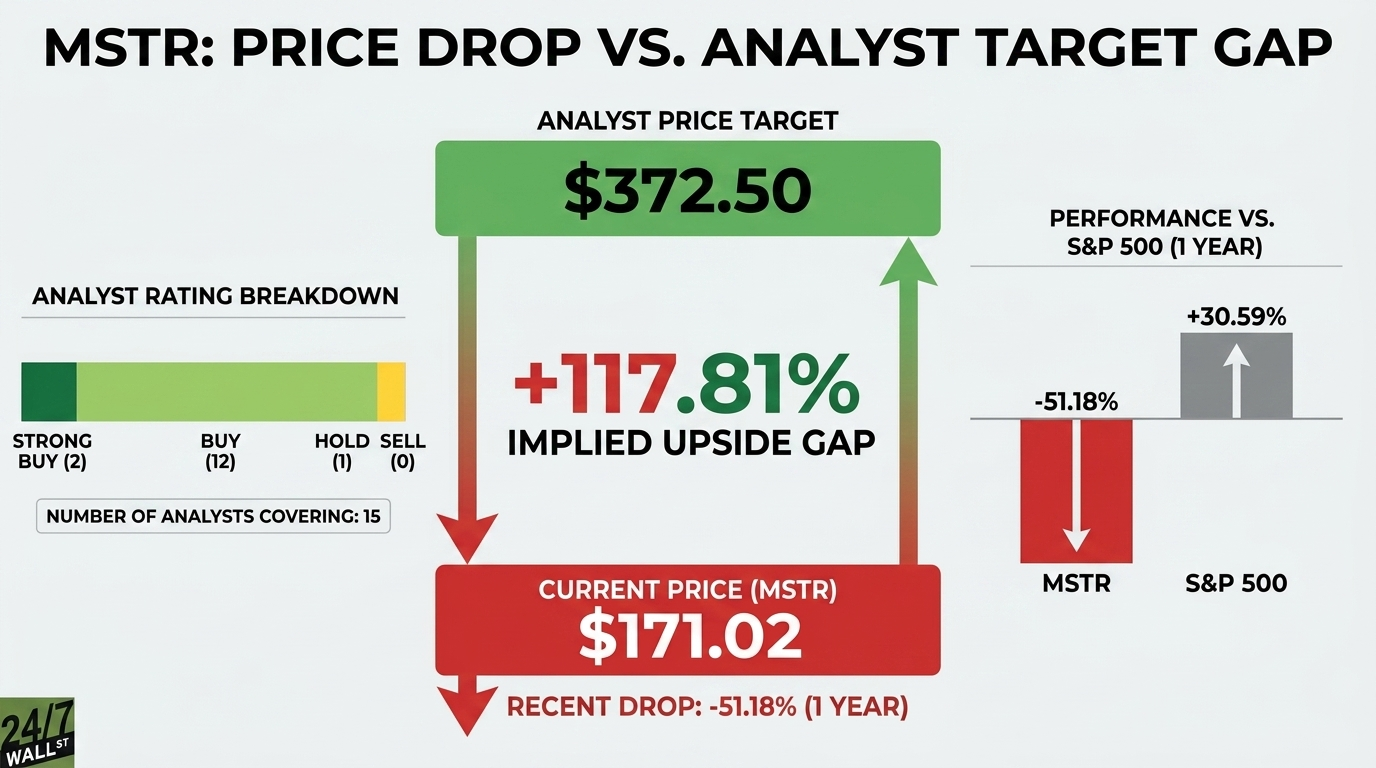
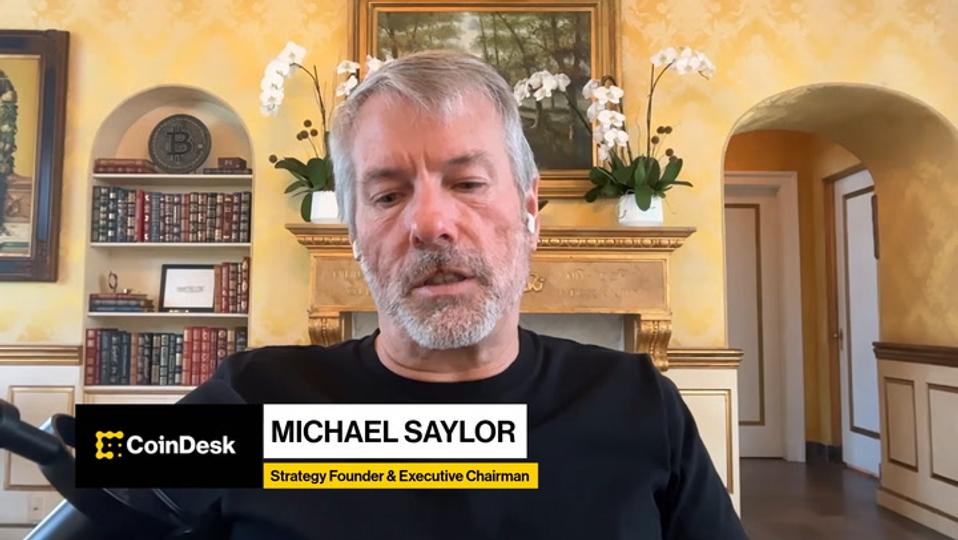
Strategy (MSTR 1.66%), the Bitcoin treasury company formerly known as MicroStrategy, holds 843,738 bitcoins today, or about 4% of the maximum supply; it aspires to hold 1 million bitcoins in total.

Today’s Change
(-1.66%) $-2.56
Current Price
$151.64
Key Data Points
Market Cap
$53B
Day’s Range
$144.30 – $153.64
52wk Range
$104.17 – $457.22
Volume
16.3M
Avg Vol
18.3M
Gross Margin
68.11%
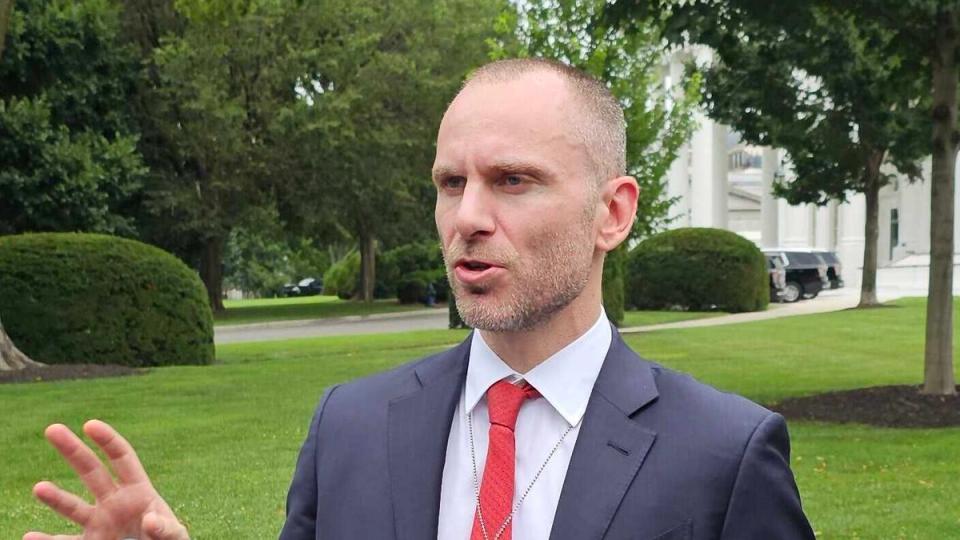
If one entity is doing most of the heavy lifting when it comes to purchasing the coin, what happens when it stops? The answer could be that Bitcoin becomes a lot less valuable, especially if a cessation of purchases gives way to selling. On that note, Strategy’s executive chairman even hinted recently that the company might sell some of its holdings for the first time.
But the truth is that this concern is overstated, and it isn’t a reason to think that Bitcoin is actually dead. Strategy’s demand accounts for just 7% to 9% of net Bitcoin inflows, which is hardly a threatening monopoly.
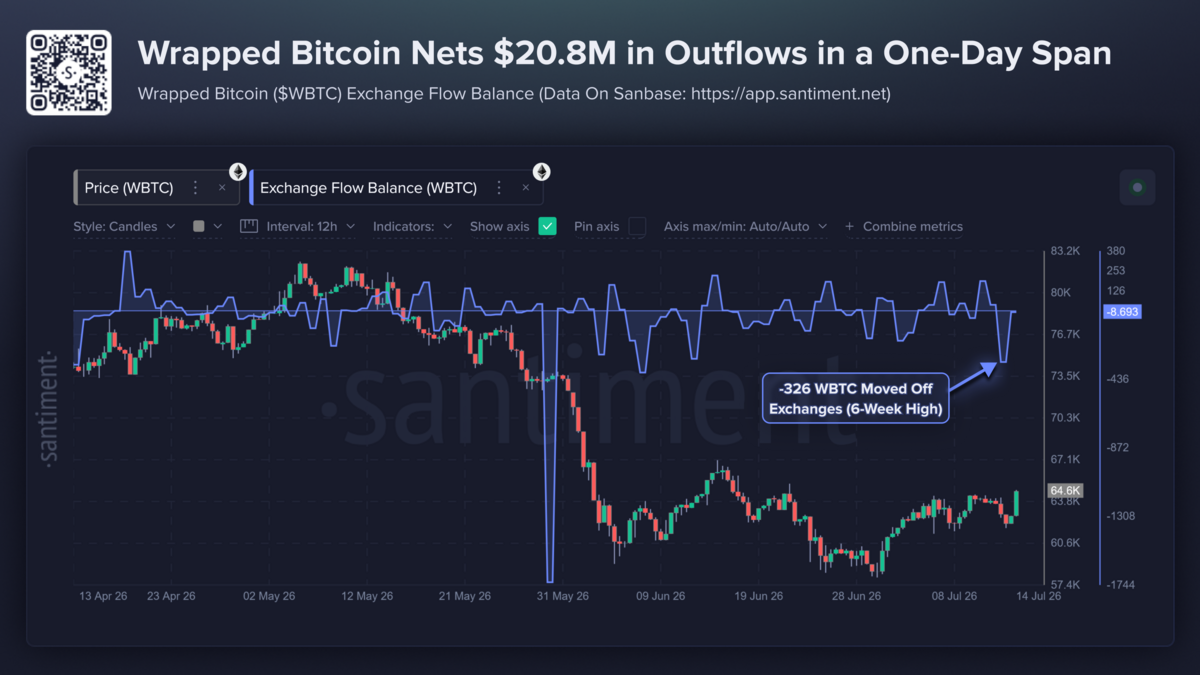
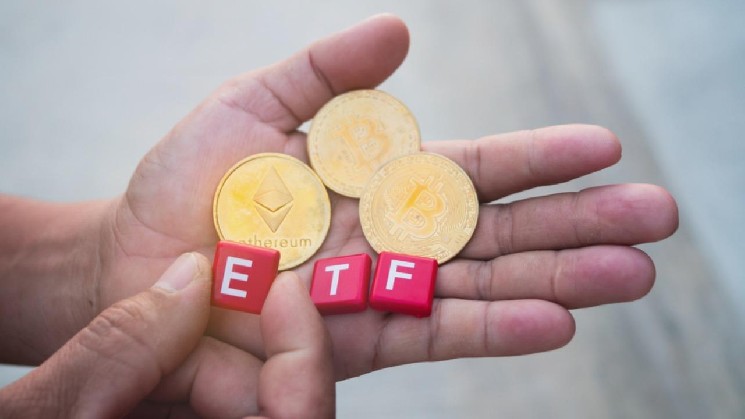
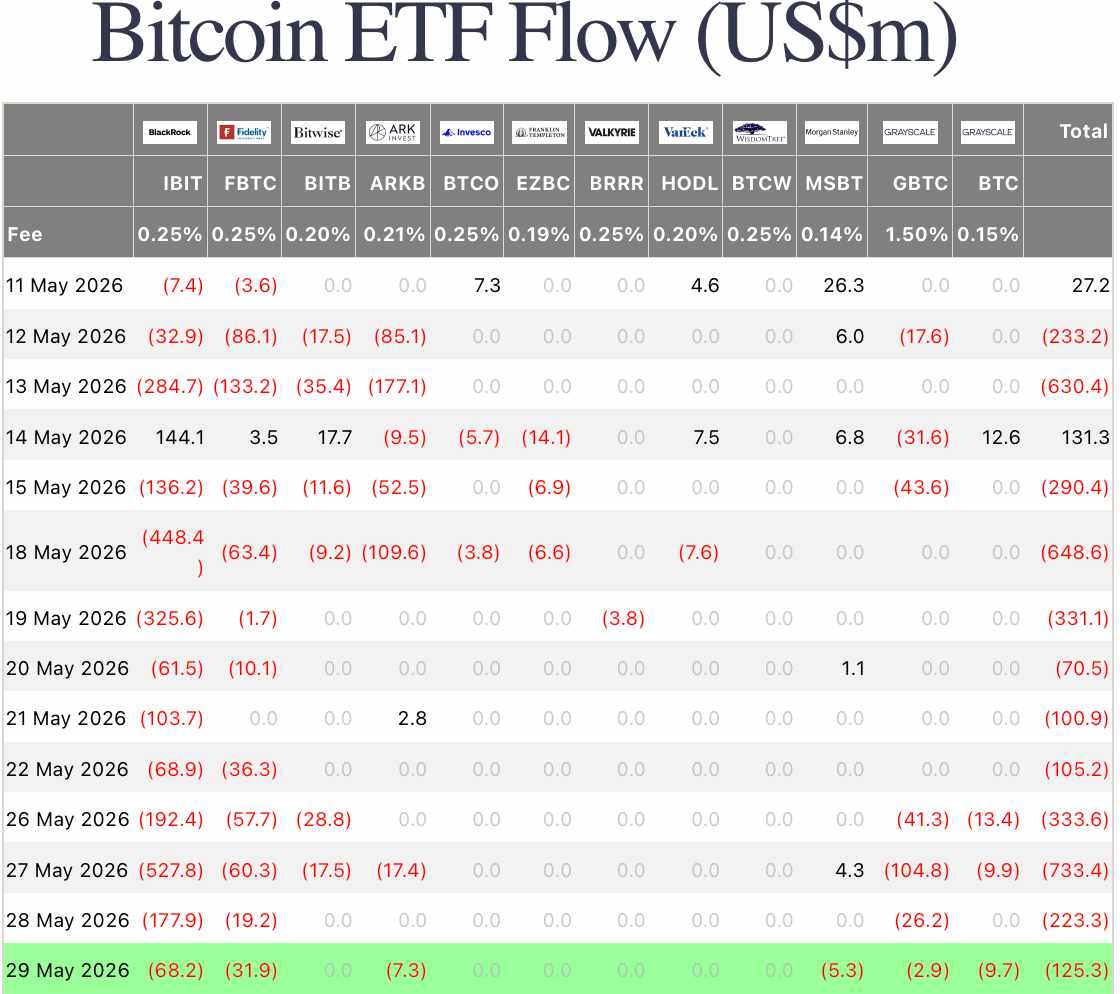
A bigger red flag may be how poorly Bitcoin exchange-traded funds (ETFs) have performed recently; spot ETFs tracking the coin had $1.5 billion in capital outflows in late May, their worst stretch of 2026 so far.
2. Bitcoin is missing a big party in the market
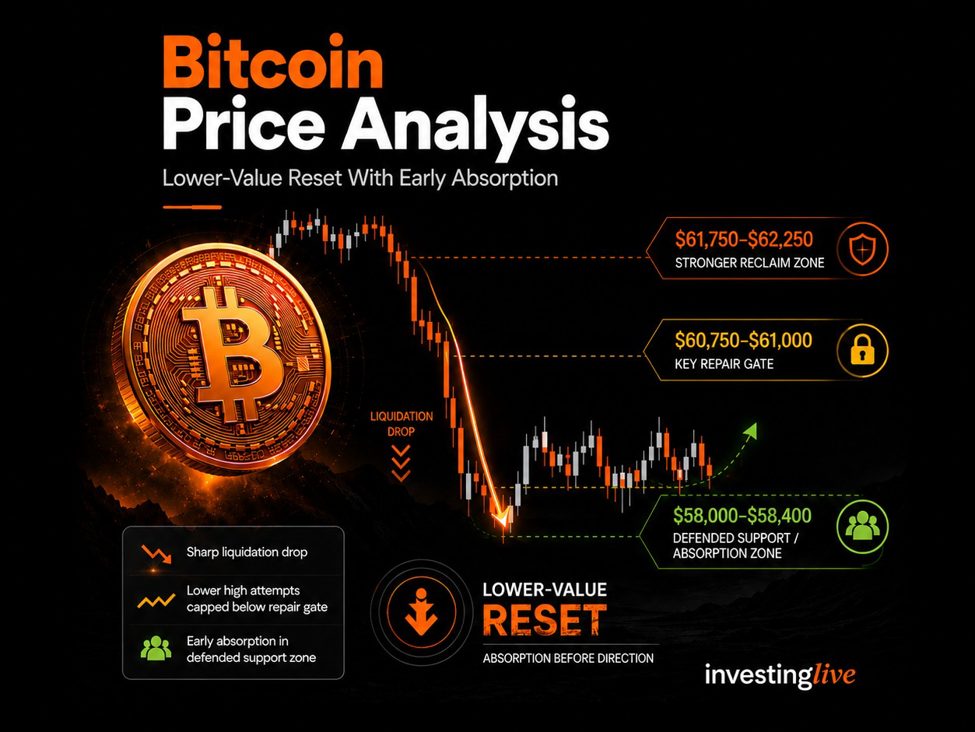
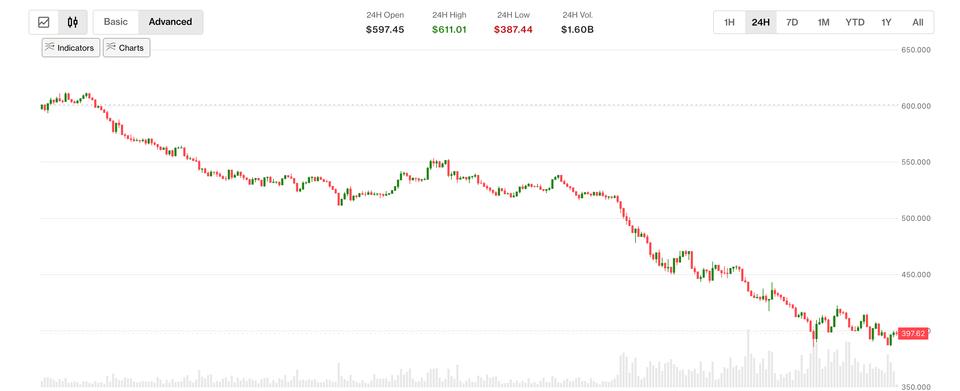
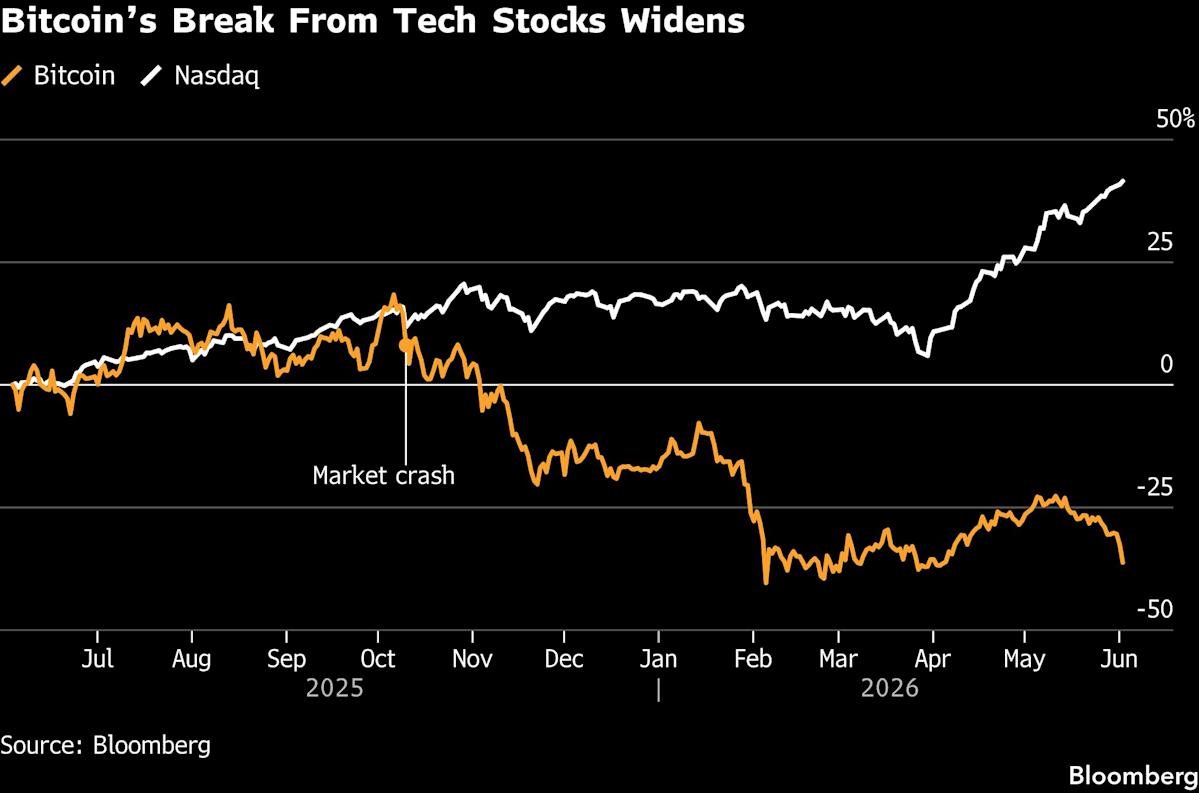
On Oct. 10, 2025, crypto’s largest single-day flash crash happened, with more than $19 billion in leveraged positions liquidated, and with the price plunging from $122,000 to below $105,000 in hours. The coin hasn’t reclaimed that high. To add insult to injury, the SPDR S&P 500 ETF rallied to all-time highs shortly thereafter, gaining roughly 27% over the past year while Bitcoin sank.

Today’s Change
(0.46%) $336.64
Current Price
$73570.00
Key Data Points
Market Cap
$1.5T
Day’s Range
$72669.00 – $73792.00
52wk Range
$60255.56 – $126079.89
Volume
31.3B
In a healthy bull market, risk assets like crypto and tech stocks tend to rise together. Instead, Bitcoin’s ratio to the S&P 500 has declined through 2026, with its correlation flipping negative. That’s a bearish decoupling; it signals capital is actively disfavoring Bitcoin because of how much better the balance of risk and reward is elsewhere.
Bitcoin sitting on the sidelines probably isn’t permanent, as past periods of disconnection with the wider markets have eventually resolved themselves. Unless, that is, the asset really is dead.
3. The privacy insurgency is here
One of Bitcoin’s flaws is that all of its transactions are public. Thus, the rise of competing stores of value that also offer privacy is said to pose a significant threat to the crypto’s survival, because its lack of privacy was known to be a constraint at the time of its inception.
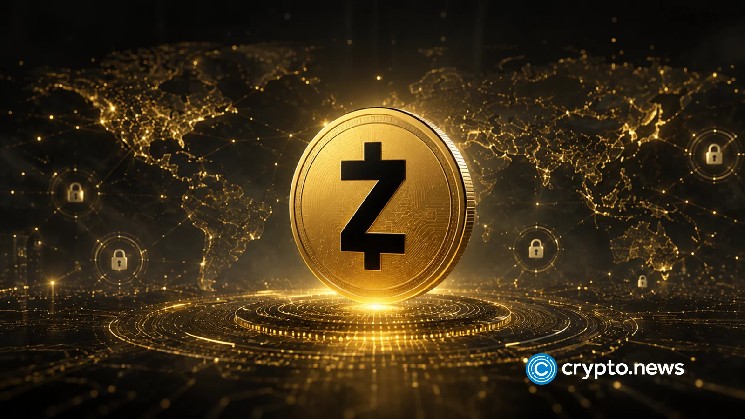
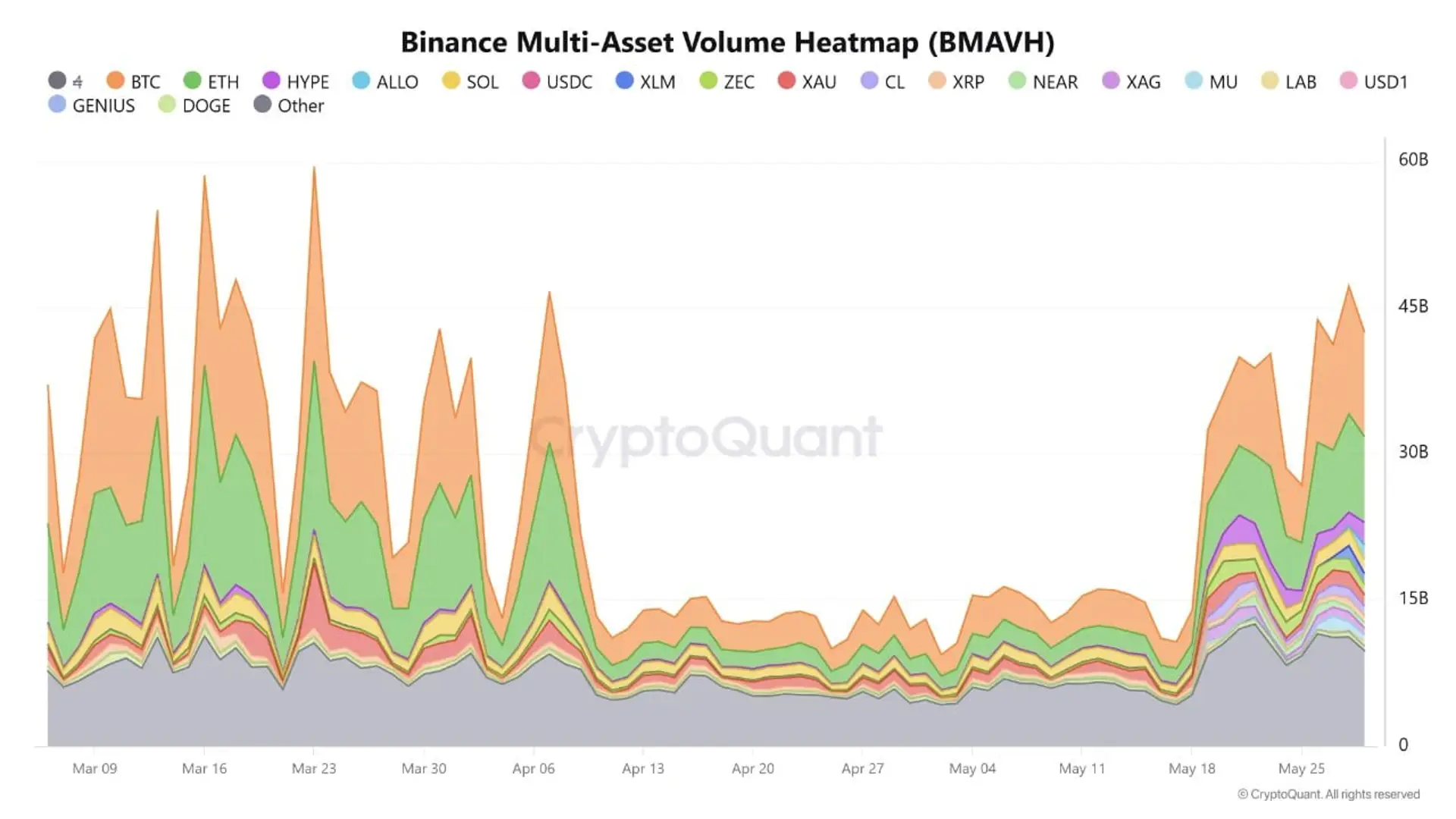
On that front, Zcash (ZEC +2.36%), a privacy coin, has staged one of crypto’s most dramatic comebacks in recent months, surging from an all-time low near $16 in mid-2024 to $574 (as of May 28). The coin is essentially a mirror of Bitcoin, copying its supply policies and then adding optional functions letting users mask the amount of funds in their wallets, as well as their transactions. It’s attracting all sorts of attention and investment at the moment, leading some to speculate that it will surpass Bitcoin someday.

Today’s Change
(2.36%) $12.39
Current Price
$538.19
Key Data Points
Market Cap
$9.0B
Day’s Range
$521.89 – $560.74
52wk Range
$34.50 – $734.96
Volume
637.3M
The enthusiasm about the coin is real. But Zcash’s market cap of $9.5 billion is less than 1% of Bitcoin’s $1.5 trillion. It was launched in 2016 and has never approached Bitcoin’s adoption curve. And most investors can probably recognize that investments in financial-privacy projects and investments in non-private stores of value can coexist within the same well-balanced crypto portfolio; conflating one asset’s momentum with another’s obsolescence misreads the market.
In closing, Bitcoin isn’t dead, but it is in a funk that has cut deeper than most advocates expected. The protocol’s fundamentals, like its scarcity, remain intact, at least for now.