Get insights on thousands of stocks from the global community of over 7 million individual investors at Simply Wall St.
-
Visa has launched its own validator node on the Tempo blockchain, taking an active role in processing and securing on chain payments.
-
The move places Visa directly within the core infrastructure of the Tempo network, supporting stablecoin transactions and real time settlement.
-
This development marks a shift from prior partnerships toward direct network participation by Visa as a payments infrastructure operator.
For investors watching NYSE:V, the validator launch comes as Visa’s share price stands at $315.91, with a 3 year return of 39.0% and a 5 year return of 44.1%. Over shorter periods, the stock shows a 2.2% return over 7 days and a 1.9% return over 30 days. Year to date performance reflects an 8.8% decline and a 3.9% decline over 1 year.
Visa’s step into running infrastructure on the Tempo blockchain places it closer to the mechanics of stablecoin settlement, rather than just offering card rails or APIs on top. For investors, the move indicates that blockchain based payments are becoming a more integrated part of Visa’s broader roadmap, with the company exploring how core transaction processing might evolve.
Stay updated on the most important news stories for Visa by adding it to your watchlist or portfolio. Alternatively, explore our Community to discover new perspectives on Visa.

We’ve flagged 0 risks for Visa. See which could impact your investment.
Visa’s Tempo validator launch pushes it deeper into the core plumbing of on chain payments rather than staying at the edge as a card network. By configuring and running the node in house after six months of technical work with Tempo, Visa is tying its security standards directly to a Layer 1 blockchain that is built for real time, machine to machine payments. For you as an investor, that points to a market opportunity where stablecoin settlement and agentic commerce could sit alongside existing card volumes instead of being entirely separate flows.
-
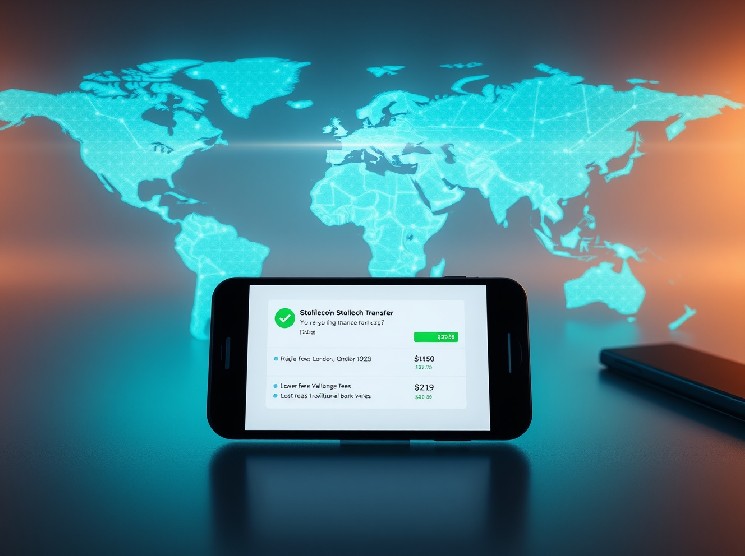
The move lines up with the narrative around cross border and value added services, as Tempo’s real time stablecoin settlement could complement Visa Direct and other non card flows.
-
If stablecoins and agentic payments grow off card rails, this validator role could also test Visa’s traditional fee model, especially as it competes with Mastercard and newer networks backed by firms like Stripe.
-
The narrative highlights stablecoin integrations, but operating as an anchor validator on a purpose built Layer 1 aimed at agentic commerce takes Visa further into infrastructure than the narrative currently details.