Prediction markets have surged from academic curiosity to a $44 billion industry in under three years.
What began as simple election wagers on Wall Street in the 1860s now prices everything from Federal Reserve rate decisions to whether OpenAI will announce achieving AGI before 2027.
The growth reflects something deeper than a crypto bull market: in a world of fragmented trust, algorithmic media, and institutional decline, probability itself has become a product.
TL;DR
- Combined trading volume on Polymarket and Kalshi exceeded $44 billion in 2025, up from roughly $2 billion the year before, with 13 federally regulated platforms now operating in the US
- Prediction markets outperformed polls and expert forecasters on the 2024 presidential election and Federal Reserve rate decisions, but remain vulnerable to manipulation, wash trading, and insider exploitation
- Congress has introduced at least eight bills targeting prediction markets, while the CFTC, state regulators, and federal prosecutors battle over whether these are financial instruments or unlicensed gambling products
From Wall Street Betting Pools to Information Machines
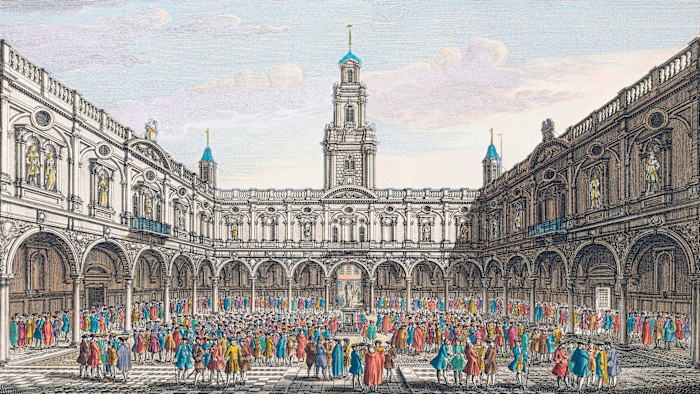
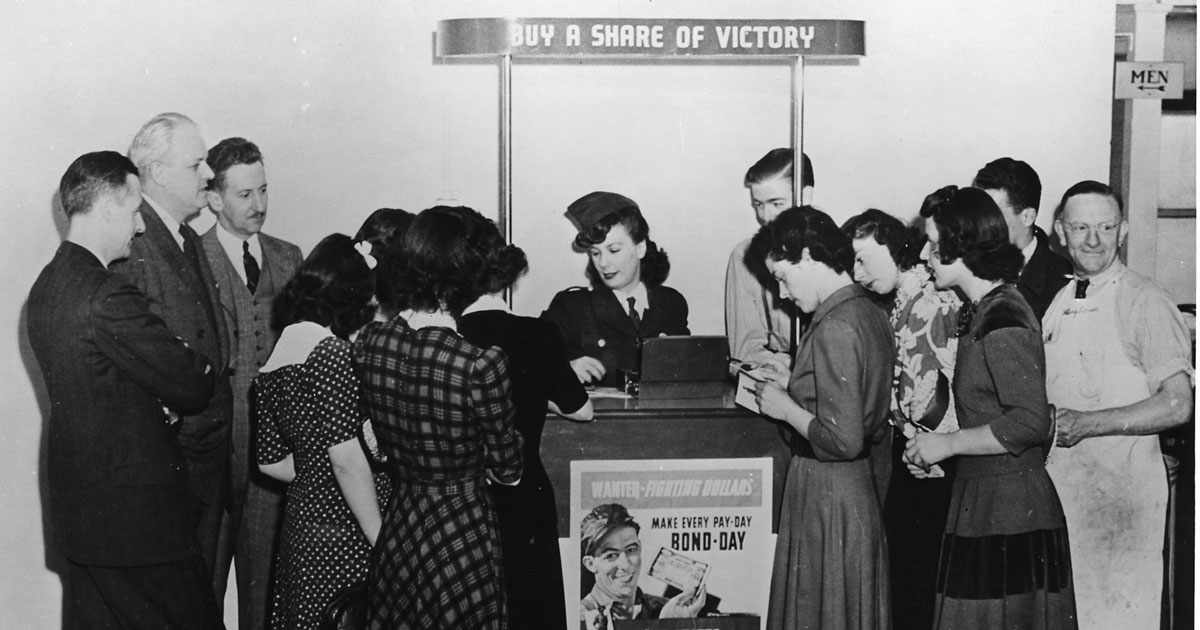
Prediction markets are far older than most people realize. Historians Paul Rhode and Koleman Strumpf documented organized election betting on Wall Street dating to 1868. Volumes sometimes eclipsed stock exchange activity. In the 1916 presidential race alone, bettors wagered over $165 million in today’s dollars.
These early markets proved remarkably accurate.
They correctly identified all four razor-thin elections between 1884 and 1916 as toss-ups. But organized political betting faded after George Gallup’s polling revolution in the 1930s and a wave of anti-gambling legislation.
The modern revival began in 1988 at the University of Iowa. Professors Robert Forsythe and George Neumann launched the Iowa Electronic Markets after Jesse Jackson’s surprise Michigan caucus win exposed the limits of polling.
Across five presidential elections from 1988 to 2004, the IEM outperformed polls 74% of the time, predicting vote shares with average errors of just 1.5 percentage points versus Gallup’s 2.1.
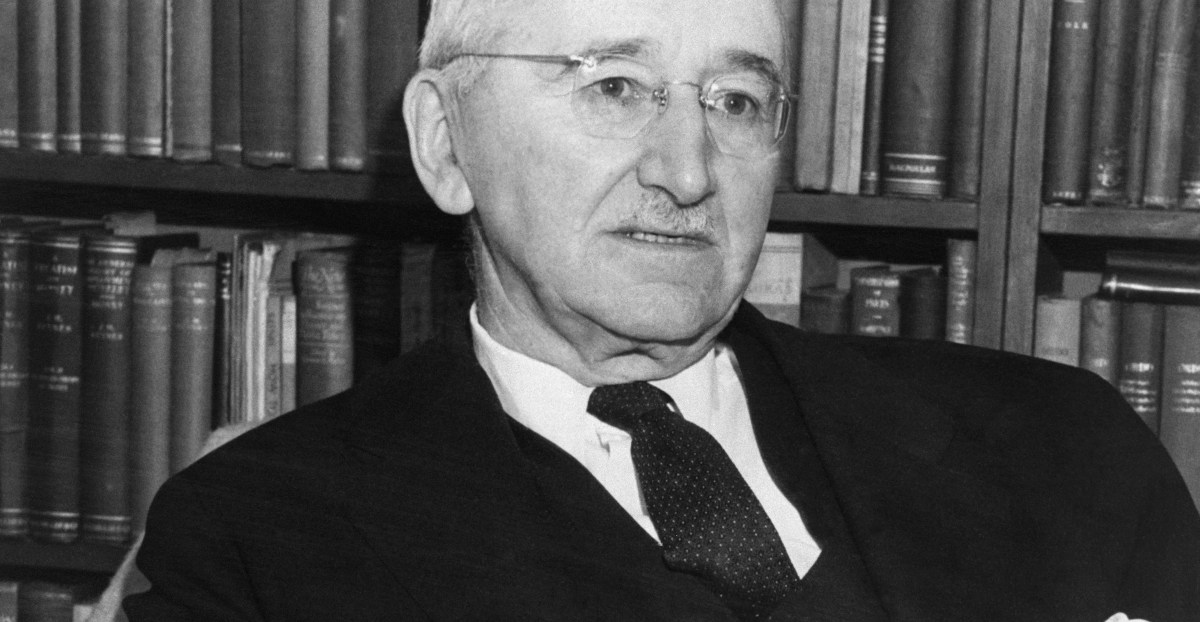
The intellectual architecture came from Friedrich Hayek’s 1945 insight that markets aggregate dispersed knowledge no single actor possesses. Economist Robin Hanson later formalized this idea, creating the first web-based prediction markets in 1994 and proposing “futarchy” as a governance model where societies vote on values but bet on beliefs.
Intrade, the Irish platform founded in 1999, brought prediction markets to mainstream attention. At its peak during the 2012 election, it attracted 50 million monthly page views and hosted over $200 million in wagers.
CFTC enforcement action and financial irregularities shuttered it by Mar. 2013. The gap it left would remain unfilled for nearly a decade.
Also Read: Iran Loses 7 EH/s In One Quarter As Bitcoin Mining Power Shifts Elsewhere

Why the Explosion Is Happening Now
The prediction market surge of 2024–2026 sits at the intersection of several converging forces:
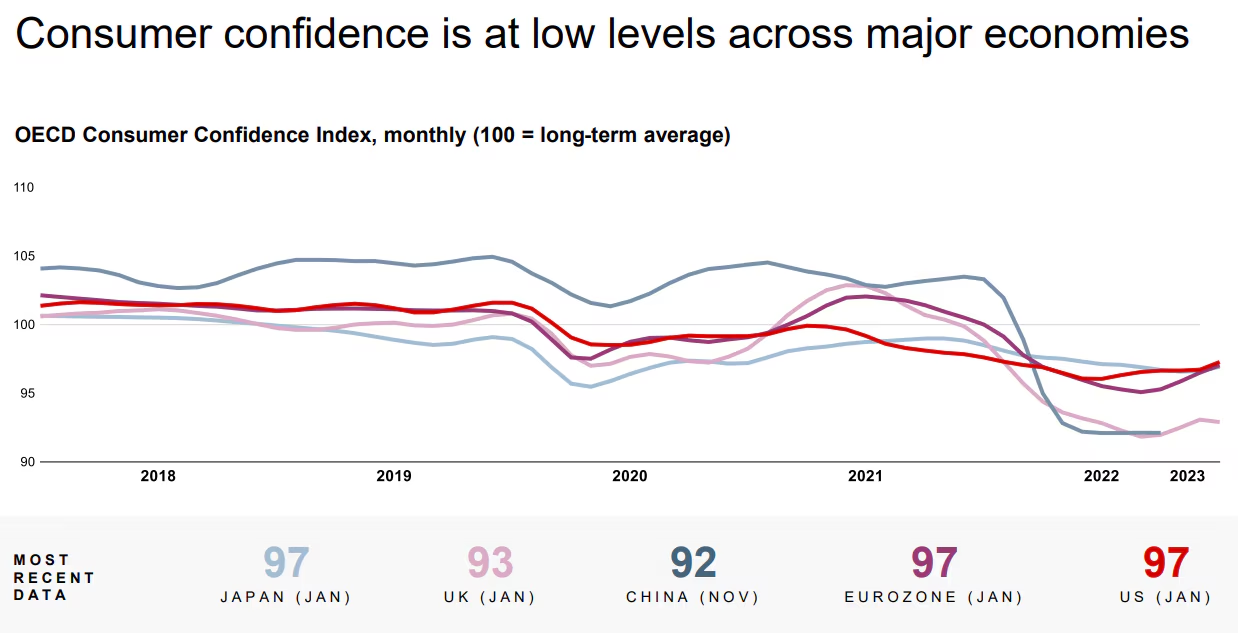
- Institutional distrust acts as the cultural accelerant, with Americans retreating from patriotism, religion, and community involvement according to a 2023 Wall Street Journal poll
- Crypto infrastructure provides the technical rails through stablecoins, Layer 2 blockchains, and smart contract settlement
- A 24/7 trading culture, driven by mobile-native audiences, demands real-time probabilities rather than delayed expert interpretation
- Fragmented media ecosystems have eroded the authority of traditional forecasting sources like polls and pundit panels
When polls feel manipulated and news feels algorithmically curated, a bet that settles cleanly carries a kind of brutal honesty. As journalist Derek Thompson wrote in Mar. 2026, markets are filling the moral void left by retreating institutions.
Polymarket, founded in 2020 by then-22-year-old NYU dropout Shayne Coplan, runs on Polygon — an Ethereum (ETH) Layer 2 chain with sub-cent transaction costs.
Settlement happens in USDC (USDC) stablecoins through smart contracts, eliminating counterparty risk and enabling global access without traditional banking. Users can sign up in 60 seconds through fiat on-ramps from Stripe or MoonPay, never touching a crypto wallet directly.
This is the infrastructure lesson Augur learned the hard way. Its pioneering 2018 launch on Ethereum mainnet was crippled by high gas fees and clunky user experience.
Also Read: 4.37M BTC Now Sit In Accumulation Wallets — Here’s Why That Matters
How Uncertainty Became an Asset Class
The numbers tell the scale story. Polymarket processed roughly $9 billion in 2024, driven by $3.3 billion wagered on the presidential race alone. That figure jumped to $23 billion in 2025. By Feb. 2026, the platform was recording $8 billion in monthly volume, with daily active users jumping from 59,000 in Oct. 2025 to 150,000 by Mar. 2026.
Kalshi, the regulated US counterpart, posted $263.5 million in fee revenue in 2025. Sports contracts accounted for 89% of that total, despite launching only in Jan. of that year.
The two platforms now command valuations of $9 billion and $22 billion respectively.
The competitive landscape is expanding fast. DraftKings, FanDuel, Coinbase (COIN), Robinhood, and even Trump Media’s Truth Social have all launched or announced prediction market products. By Apr. 2026, 13 federally regulated prediction market platforms operate in the United States. Paradigm, a major crypto investor, is building its own dedicated trading terminal.
What distinguishes prediction markets from their historical predecessors is the sheer range of events they now price.
Polymarket hosts 521 active AI markets, contracts on whether Satoshi Nakamoto will move Bitcoin (BTC) in 2026 at 6% probability, and whether OpenAI will announce achieving AGI before 2027 at 22.5%. Kalshi offers contracts on specific words spoken during Palantir earnings calls and the highest temperature in Seattle on a given date.
During the Feb. 2026 US-Israeli strikes on Iran, Polymarket spun up dozens of contracts within hours, generating over $529 million in Iran-related volume. One contract briefly existed on whether a nuclear weapon would be detonated in 2026 before being quietly deleted after public outcry.
Also Read: XRP Active Addresses Plunge 41%, Hitting Post-FTX Lows On Santiment Data
Attention, Belief, and Narrative as Tradeable Products
Prediction markets turn public attention into liquidity and collective belief into price movement. The 2024 presidential election was the industry’s breakout moment.
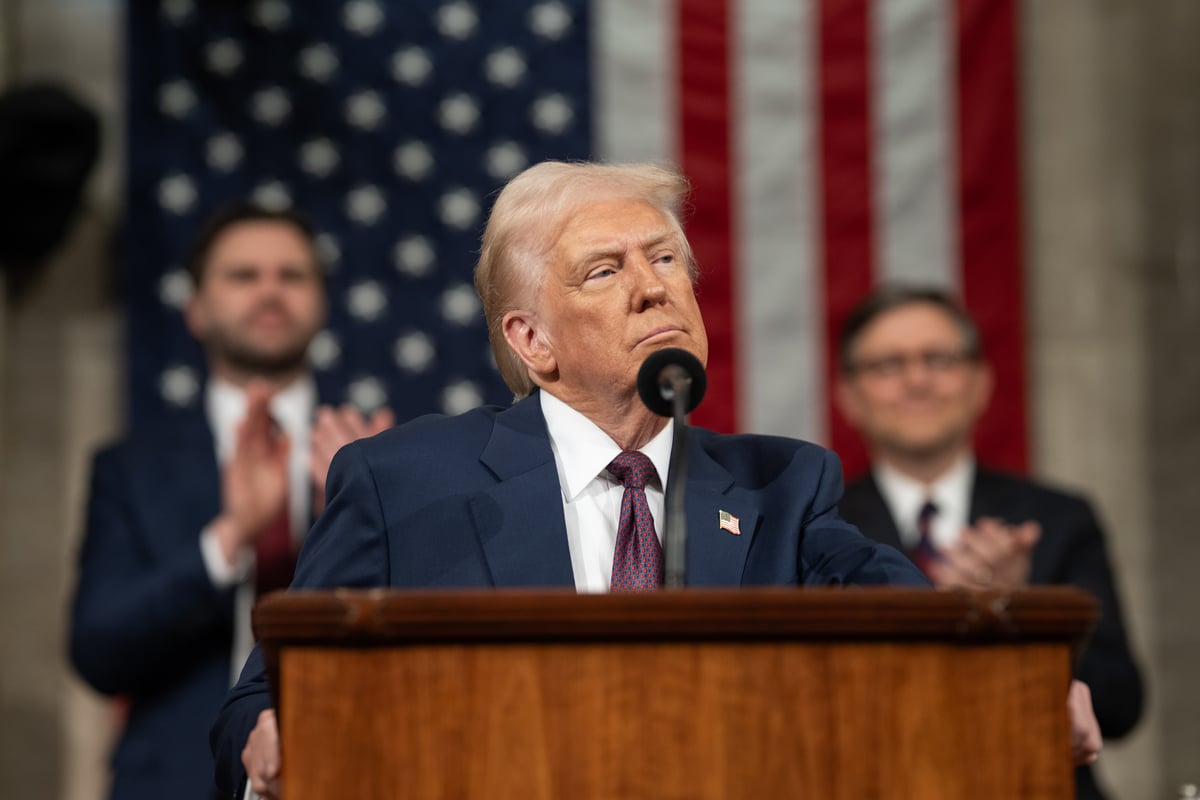
While mainstream polls showed a statistical dead heat and FiveThirtyEight gave Kamala Harris a 55% chance, Polymarket had Donald Trump at 58–61% through late Oct.
A French trader operating through four accounts placed roughly $30 million in Trump bets, driving odds higher.
He ultimately won $85 million when Trump won decisively. Polymarket’s call proved far more accurate than traditional forecasting, vindicating the market mechanism.
The platform also predicted Joe Biden’s withdrawal weeks before it happened. After his June 27 debate performance, withdrawal probability shot from 20% to 70% on Polymarket. The actual announcement came nearly a month later on July 21.
These markets are not only reflecting reality. They are monetizing the stories people are most obsessed with at any given moment. The more uncertain and emotionally charged an event, the more liquidity flows toward it. Iran strikes, presidential debates, Taylor Swift album drops, AI product launches — each generates trading spikes that mirror social media engagement patterns.
Also Read: From Joke To ETF? PEPE’s Wall Street Moment Raises Big Questions
Why Prediction Markets Feel Smarter Than Polls
Macro policy markets show particular promise. An NBER working paper found Kalshi maintained a “perfect forecast record” on FOMC rate decisions from 2022 through June 2025. The platform showed 40.1% lower mean absolute error than Bloomberg consensus on inflation shocks.
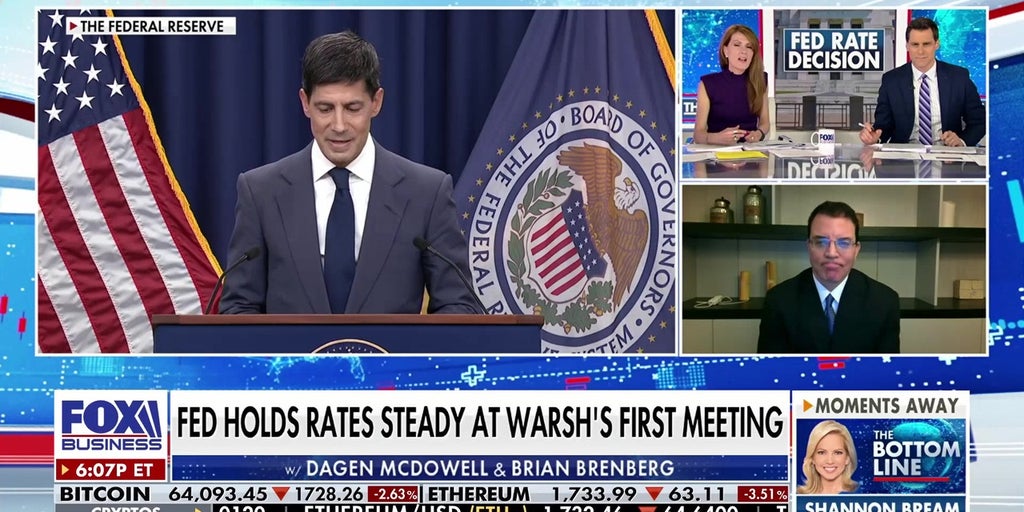
Federal Reserve researchers acknowledged that Kalshi provides useful intraday dynamics for assessing whether central bank communications are landing as intended. Fed rate decision contracts alone have drawn hundreds of millions in volume.
But the accuracy narrative has limits. Prediction markets confidently priced Remain at 75% before Brexit. They assigned Hillary Clinton an 83% probability in 2016. They predicted Labor would win Australia’s 2019 election. All three calls were wrong.
In 2024, Polymarket gave Josh Shapiro a 68% chance of being Harris’s VP pick. She chose Tim Walz. A 2016 randomized experiment found prediction markets were 12% less accurate than “prediction polls.” FiveThirtyEight’s model outperformed prediction markets across the 2022 midterms.
The evidence suggests prediction markets excel under specific conditions:
- Sufficient liquidity ensures prices reflect genuine information rather than thin-market noise
- Participant diversity prevents groupthink and circular reasoning, where traders anchor on each other’s signals instead of updating from independent knowledge
- Manipulation resistance keeps large-scale bets from distorting the signal
When those conditions are absent, markets can fail as dramatically as the polls they claim to replace.
Also Read: The U.S. Is Redefining Stablecoins — Here’s What The New Rules Do
The Platforms Building the Prediction Market Economy
The infrastructure layer behind the trend combines crypto rails, stablecoin settlement, and increasingly sophisticated market-making. Polymarket runs on Polygon using USDC for settlement, with an order book model powered by a hybrid onchain-offchain architecture. Kalshi, founded by Tarek Mansour and Listopad Tarunov, operates as a CFTC-designated contract market with traditional fiat settlement and a centralized order book.
Several other platforms compete for different segments of the market:
- Azuro (AZUR) operates as a decentralized liquidity layer for prediction markets, providing shared infrastructure that front-end applications can plug into
- Drift (DRIFT) offers prediction markets on Solana (SOL), leveraging the chain’s speed for rapid settlement
- Gnosis (GNO) developed the conditional token framework that underpins several prediction market protocols
- Truth Social’s Truth.Fi prediction product targets politically engaged retail users through the Trump Media ecosystem
Better market plumbing has made it easier to turn almost any event into a tradeable contract. Fiat on-ramps from Stripe and MoonPay reduced friction for non-crypto users. AI-powered market makers now provide liquidity on long-tail contracts that would have been too illiquid to trade a year ago. Over 30% of Polymarket wallets now use automated trading agents executing thousands of trades daily.
Also Read: Cloudflare Follows Google, Sets 2029 Deadline To Go Quantum-Proof
Where Prediction Markets Are Heading Next
The expansion beyond elections and sports into macro policy, crypto events, tech launches, and cultural outcomes is accelerating.
Polymarket volumes are on track to surpass $300 billion in 2026. The Oscar ceremony now features real-time Polymarket odds displayed on CBS. Cable news anchors cite Kalshi probabilities the way they once cited Gallup numbers.
The US Army’s Military Intelligence Professional Bulletin published an article arguing prediction market data should be integrated alongside HUMINT and SIGINT for national security threat assessment.
Corporate treasurers are exploring event contracts as hedging instruments for regulatory and geopolitical risk.
Kalshi has stated its long-term vision is to create a tradeable asset out of any difference in opinion. PayPal Ventures described the sector’s trajectory in a Dec. 2025 report: the boundary between finance, media, and gambling is disappearing.
Also Read: Binance XRP Data Shows Bulls Losing At Double The Rate Of Bears
The Ethical and Regulatory Fault Lines
Prediction markets sit in an unresolved legal space between financial regulation and gambling law. The CFTC granted Kalshi designation as a regulated contract market in 2020 but then blocked its congressional election contracts in Sept. 2023, ruling they constituted “gaming” under the Dodd-Frank Act.
Kalshi sued. In Sept. 2024, a federal judge ruled the CFTC had exceeded its authority, finding that elections are not “games.” The D.C. Circuit declined to stay the ruling. Under the Trump administration, the CFTC voluntarily dismissed its appeal in May 2025, leaving Kalshi’s victory as binding precedent.
This opened the floodgates.
Polymarket, fined $1.4 million by the CFTC in 2022, acquired CFTC-licensed exchange QCEX for $112 million in Sept. 2025 and relaunched in the US by December.
But state regulators are fighting back fiercely. Nevada, New Jersey, Maryland, Massachusetts, Arizona, and Ohio have all taken enforcement action against Kalshi, arguing its sports contracts are unlicensed gambling.
A Third Circuit panel ruled 2-1 in Apr. 2026 that federal law preempts state regulation. The dissenting judge called Kalshi’s products virtually indistinguishable from conventional sports betting. The CFTC has taken the extraordinary step of suing Arizona, Illinois, and Connecticut directly to block state enforcement.
At least eight bills in Congress now target prediction markets. They range from the bipartisan “Prediction Markets Are Gambling Act” to the “DEATH BETS Act” banning contracts on terrorism, assassination, and war. Supreme Court review of the broader preemption question appears likely.
Also Read: Morgan Stanley Enters Bitcoin ETF Race With The Lowest Fee On Market
Are Prediction Markets Actually Useful — or Just Addictive?
Manipulation and insider trading represent growing threats. In the hours before the Feb. 2026 Iran strikes, six newly created Polymarket wallets earned approximately $1.2 million by purchasing “Yes” shares when markets implied only 17% probability. One account placed its first-ever trade just 71 minutes before news broke.
An Israeli Air Force reservist was subsequently indicted for betting on Polymarket using classified military information.
Blockchain analytics firms found that roughly one-third of Polymarket’s presidential market volume was likely wash trading. Kalshi has referred over a dozen suspected insider trading cases to law enforcement.
The addictiveness concern is backed by data. Roughly one in five men under 25 falls on the spectrum of having a gambling problem.
Prediction markets are legal in all 50 states, unlike sportsbooks available in only 38. They charge no gambling taxes and fund no addiction prevention programs. A Fordham Law analysis found prediction market interfaces embed betting mechanics that exploit the same behavioral levers driving slot-machine compulsion.
The ethical questions intensify as contracts expand into war, death, and disaster. When Polymarket listed contracts on the Jan. 2025 LA wildfires, critics noted the obvious moral hazard. When Ayatollah Khamenei was killed in the Feb. 2026 strikes, Kalshi invoked a “no settlement for death” clause and refused to pay out $54 million in winning contracts, prompting a class-action lawsuit.
Also Read: Iran Demands $2M Bitcoin Toll From Every Tanker Crossing Hormuz Strait
The New Economy of Probability
The prediction market economy ultimately reflects a world where certainty itself has become scarce. Traditional information authorities — polls, experts, media institutions — have lost public trust through a combination of genuine failures and manufactured distrust.
Prediction markets offer something seductive in response: a number that updates in real time, settles definitively, and punishes overconfidence with financial loss.
The very qualities that make them useful also make them dangerous when applied without boundaries.
Whether prediction markets represent democratized intelligence or the final financialization of human experience depends on institutions now scrambling to regulate them.
They need to distinguish between the two before the market prices that outcome too.
The prediction market economy is not merely a new financial product category. It is the logical endpoint of a culture that has lost faith in authoritative claims about the future and decided to let the market speak instead. That may become one of the defining features of the next internet economy.
Read Next: Germany Tops EU In Crypto Licenses But Startups Flee. Why?