Key Takeaways
- Argentina is not fully socialist but has many socialist tendencies.
- Economic challenges, like inflation and debt, impact perceptions of Argentina’s policies.
- Argentina’s government has socialist roots dating back to Juan Peron’s era.
- Some policies, such as tax increases and debt restructuring, reflect socialist ideals.
- True socialism involves public ownership; Argentina maintains some economic freedoms.
Get personalized, AI-powered answers built on 27+ years of trusted expertise.
Argentina, with a history of socialist influences and policies, often raises the question of whether it is a socialist country. Despite some socialist tendencies, it is not explicitly defined as such.
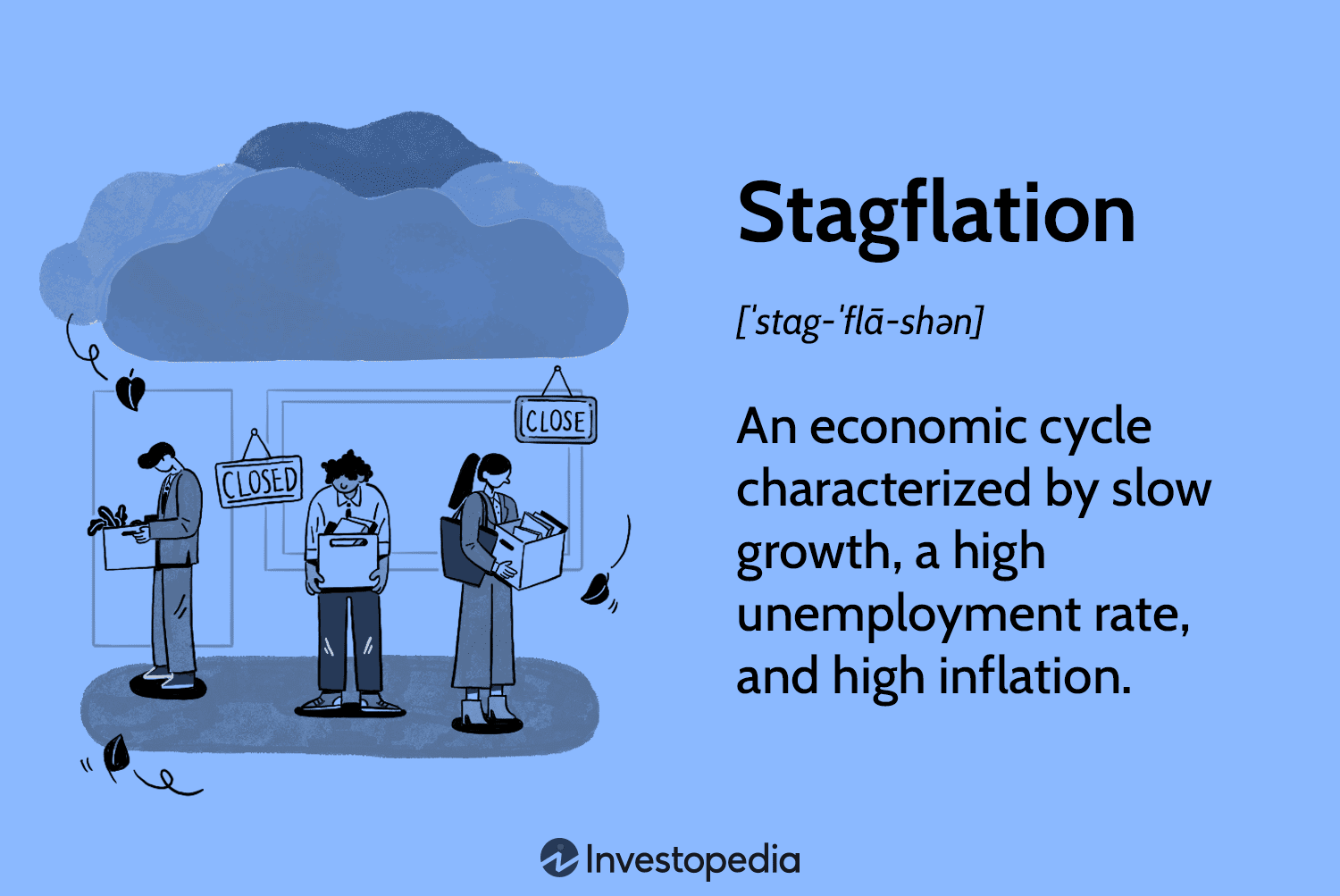
The South American nation’s recurring economic challenges, such as massive inflation and sovereign debt defaults, stem from mixed economic policies—some of which are socialist.
While populist economic sentiment exists among many Argentine voters, particularly after massive inflation problems and sovereign defaults during the 1980s and from 2000 to 2001, there is no actual movement toward significant public ownership.
Critics have targeted socialist policies for economic woes, yet political corruption and monetary policies also play roles.
Find out more about Argentina and its many socialist tendencies.
Understanding Argentina’s Place in Latin American Socialism
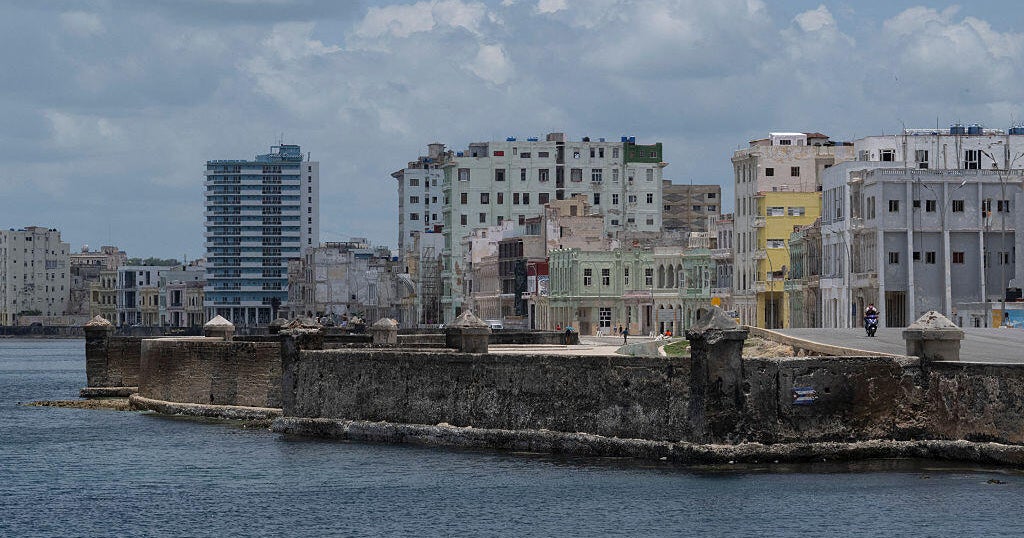
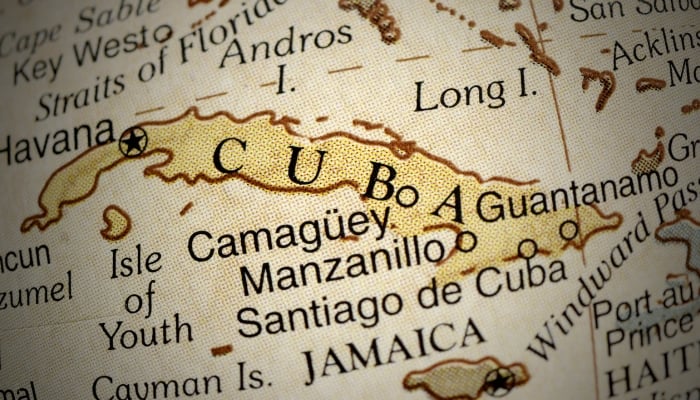
Argentina has a long tradition of protectionist and pro-worker politics, dating back to the presidency of Juan Peron. Other countries, notably Ecuador, Cuba, Bolivia, Peru, and Venezuela, have explicitly leftist governments. Some of Argentina’s neighbors are less socialist, and these include Chile, Uruguay, Colombia, and Saint Lucia.
The Latin American region has a long history of populist, socialist, and communist movements. For example, the political waves led by Salvador Allende in Chile, the National Liberation Army in Colombia, and Che Guevara and Fidel Castro in Cuba. By the fall of the Soviet Union in 1991, however, most of these movements had petered out.
This modern wave of Latin American socialism can be seen as a direct response to failed attempts at international development efforts by supranational organizations such as the International Monetary Fund (IMF) in the 1980s and 1990s. During this period, many countries in the region leaned on foreign loans, printed large quantities of money, and focused on their respective balances of trade. These policies were subsequently blamed for poor economic performance and rising levels of inequality, according to the Gini index.
No country declined as rapidly or as severely as Argentina. In 1989, the average inflation rate in Argentina approached 5,000%, and in March 1990, it peaked at over 20,000%. The country defaulted on its loan obligations, and international investing dried up.
Examining Argentina’s Socialist Tendencies
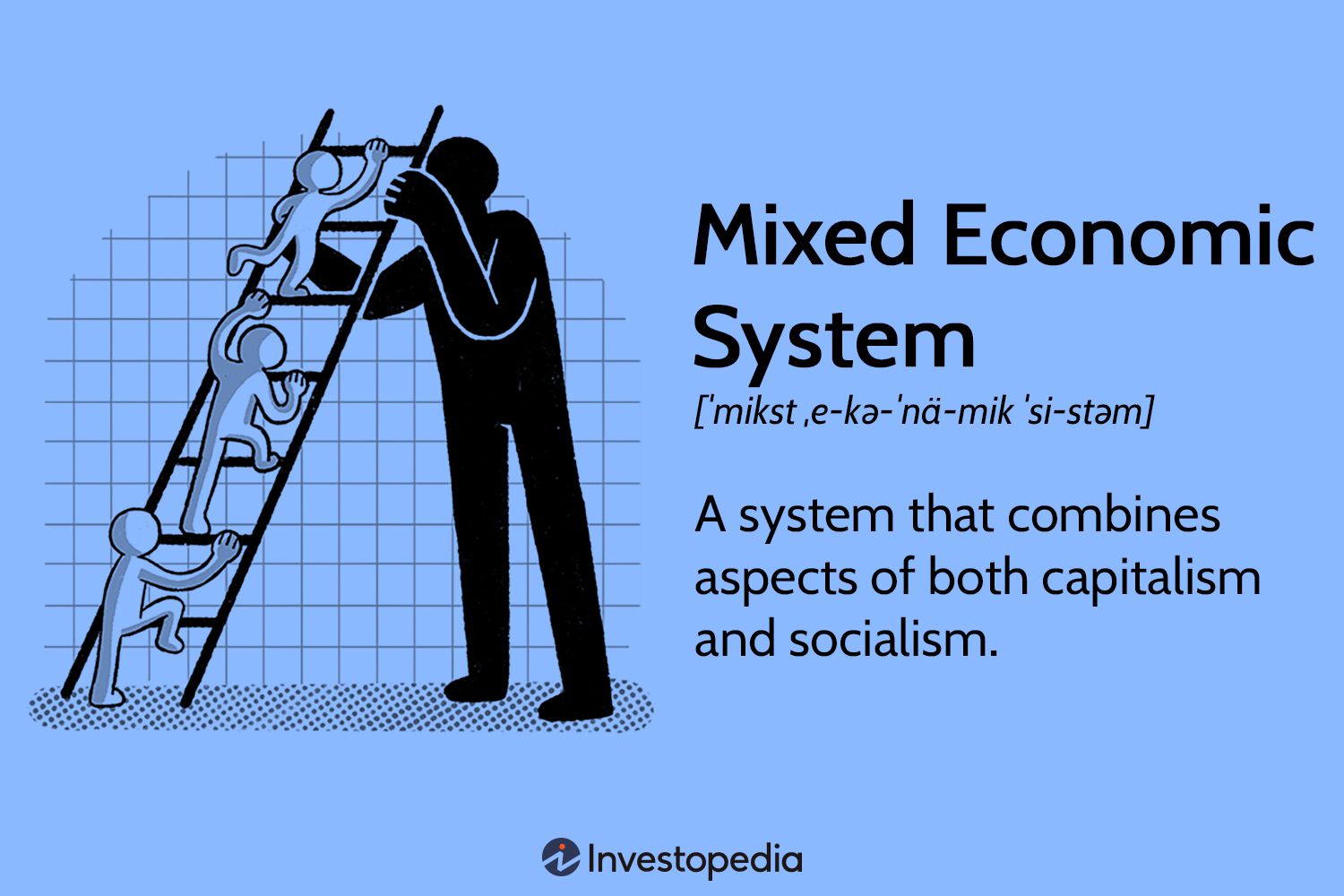
Many people confuse socialism with a strain of equitable egalitarianism, which advocates the belief that everyone should have equal outcomes. Many socialists might agree with this, but socialism is a public policy platform that argues for government control over the production and distribution of resources; it is not necessarily egalitarian.
If you consider socialism to be the absence of private economic freedom and subjugation of private property to the state, then Argentina is fairly restrictive with respect to property rights, as measured by the International Property Rights Index.
Some areas of economic life have become more socialist. Following the election of the center-left Alberto Fernandez in 2019, the new president raised taxes on foreign currency purchases, agricultural exports, and car sales, while freezing utility rates and increasing subsidies for the poor. Fernandez also restructured the country’s debt, which was at risk of imminent collapse. His term ended in 2023.
Many fundamental Argentine problems, such as massive debt and irresponsible monetary policy, are not part of an official socialist agenda. Some argue that socialist policies lead to larger government deficits, but there are many indebted countries in the world that do not have strong socialist movements.
The Bottom Line
Argentina has socialist tendencies, but it does not fit the mold of an explicitly socialist country.
Key Argentine socialist policies and tendencies include property rights restrictions and the economic policies of then-President Alberto Fernandez.
Like other countries, Argentina blends socialist policies (e.g., debt restructuring and tax hikes) with market-based elements (which have led to problems like massive debt and irresponsible monetary policy).