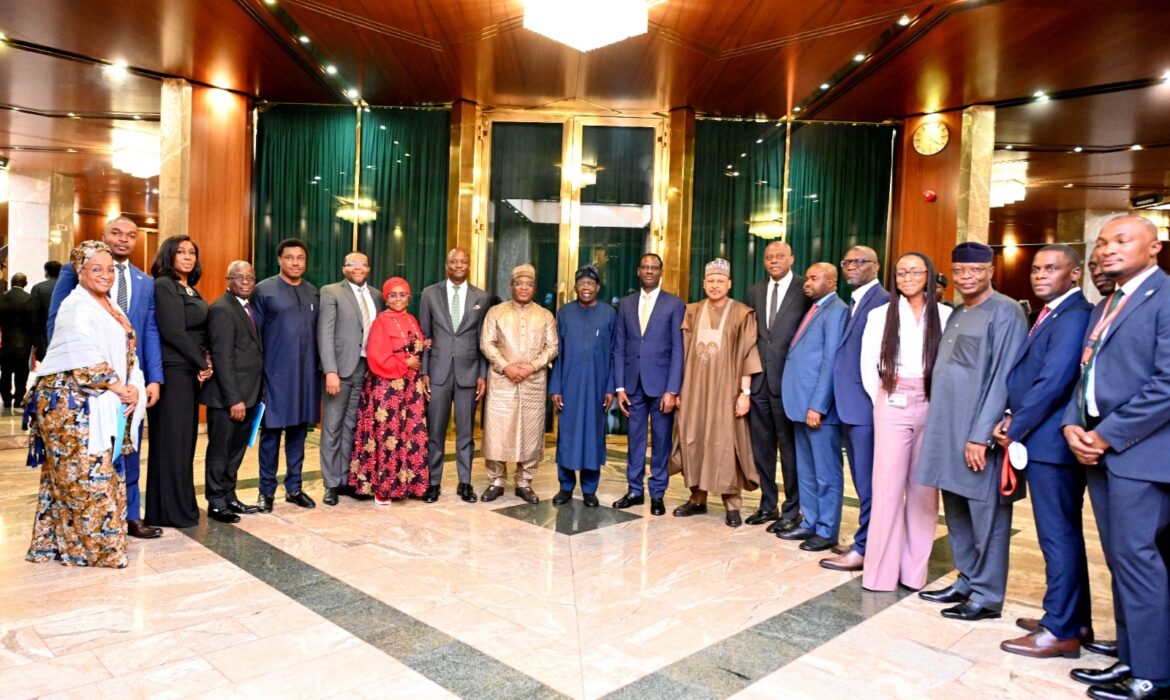

Ghana’s non-traditional export (NTE) sector has long been treated as a complement to the country’s commodity-driven economic identity. The latest data released at the Ghana Export Promotion Authority’s (GEPA) 2025 NTE Statistics Report launch in Accra on Friday suggests it may be time to rethink that framing entirely.
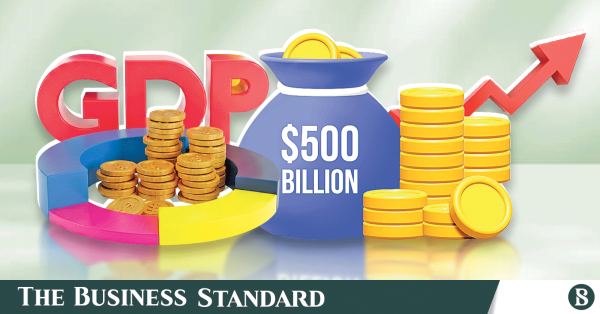
The sector generated $5 billion in 2025, equivalent to 16 per cent of Ghana’s total export earnings of $31.2 billion. That scale, the Bank of Ghana says, can no longer be considered peripheral to the country’s economic architecture.
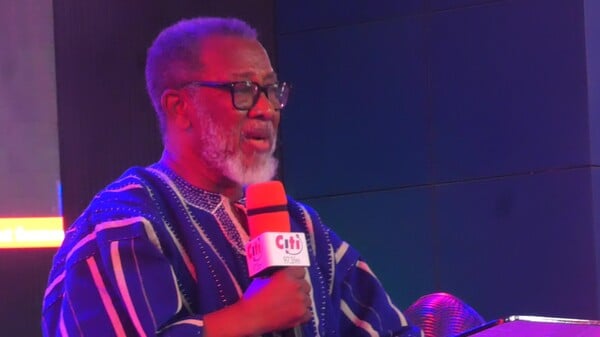
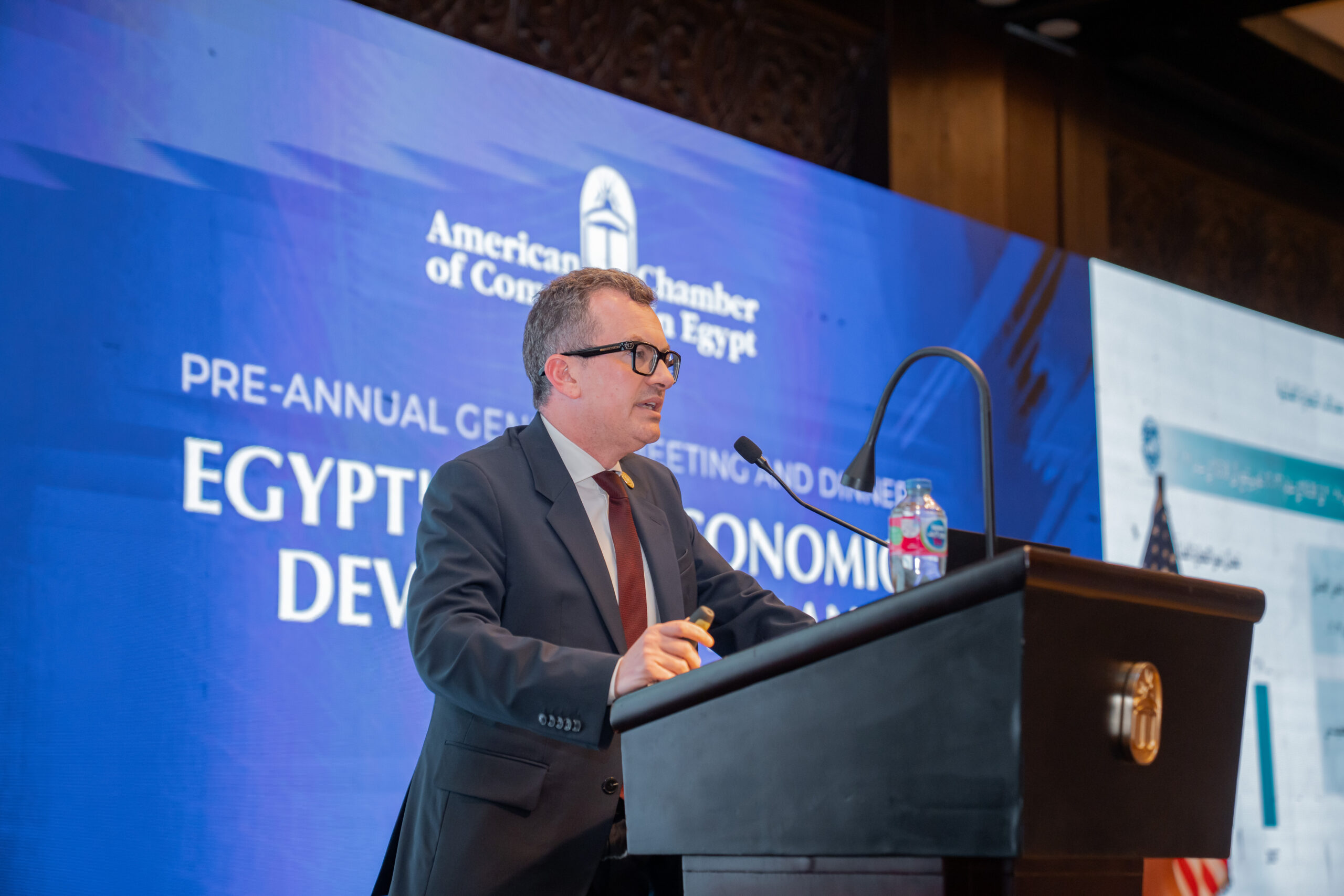
Delivering a statement on behalf of Bank of Ghana Governor Dr Johnson Asiama, economic advisor Dr John Kwakye drew a direct line between NTE performance and everyday economic stability, arguing that the sector’s contribution runs deeper than trade figures.
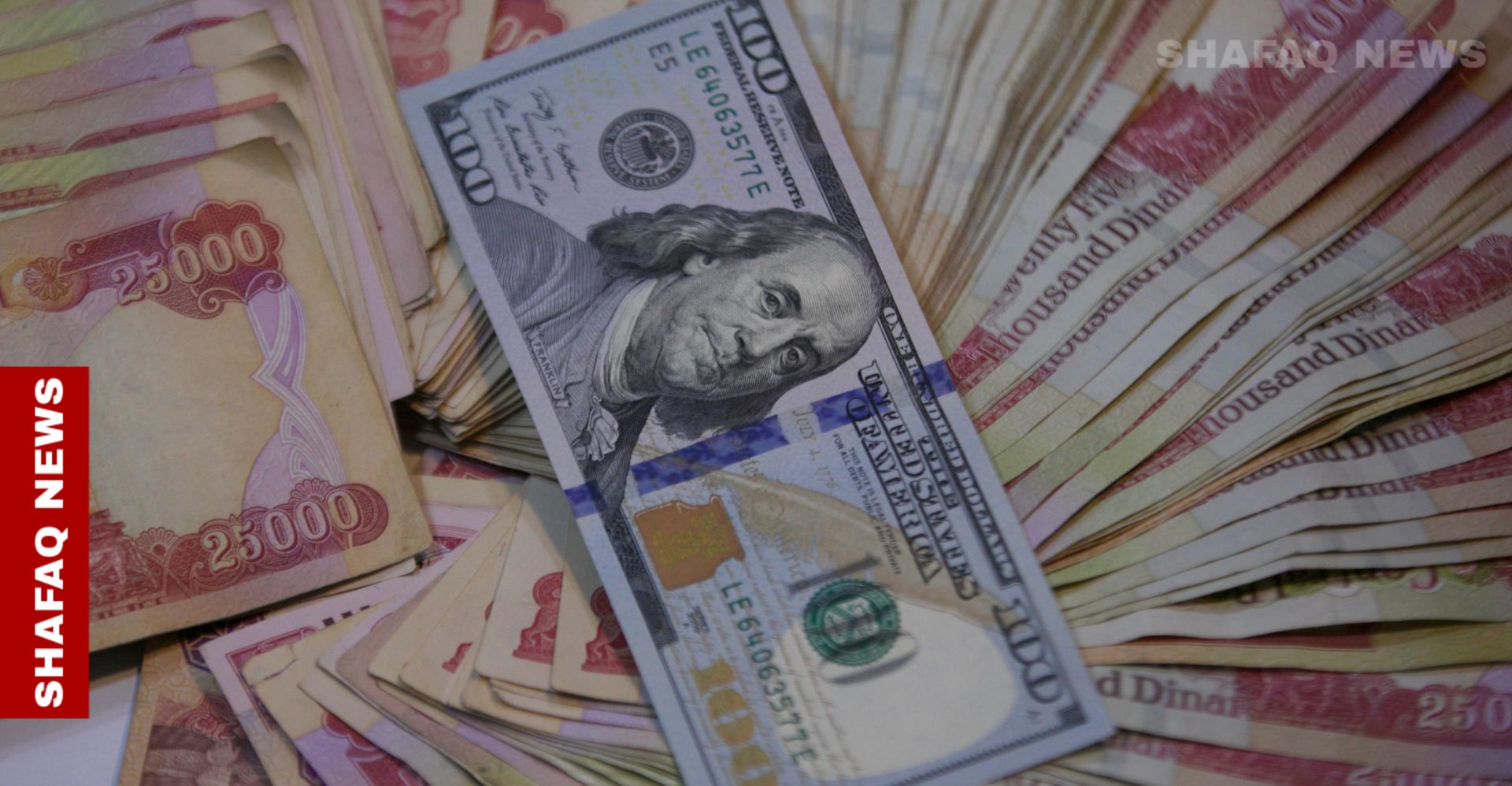
“The NTE sector contributes to the Bank of Ghana’s reserves, thereby aiding the stability of the exchange rate, which in turn helps to anchor inflation,” Dr Kwakye said.
The logic of that chain is worth spelling out. When NTE earnings rise, the central bank accumulates more foreign exchange, which strengthens its capacity to defend the cedi. A steadier cedi moderates import costs and reduces pressure on consumer prices. What happens in Ghana’s agricultural export depots, agro-processing plants, and rural handicraft workshops, in other words, feeds directly into the cost of living for ordinary Ghanaians, even if that connection rarely makes the front page.
Beyond Commodities
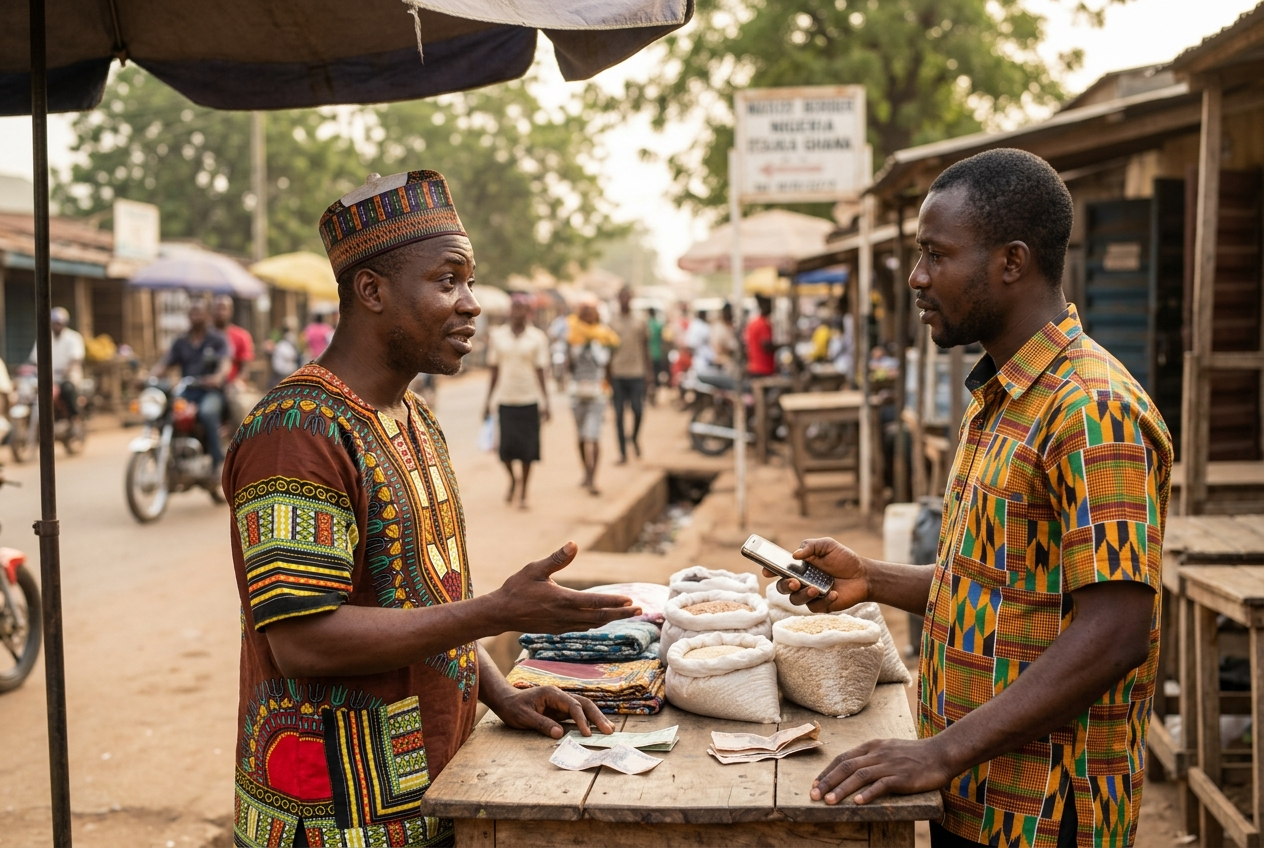
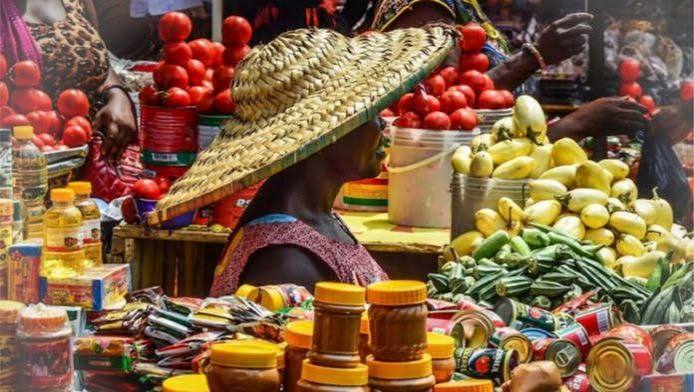
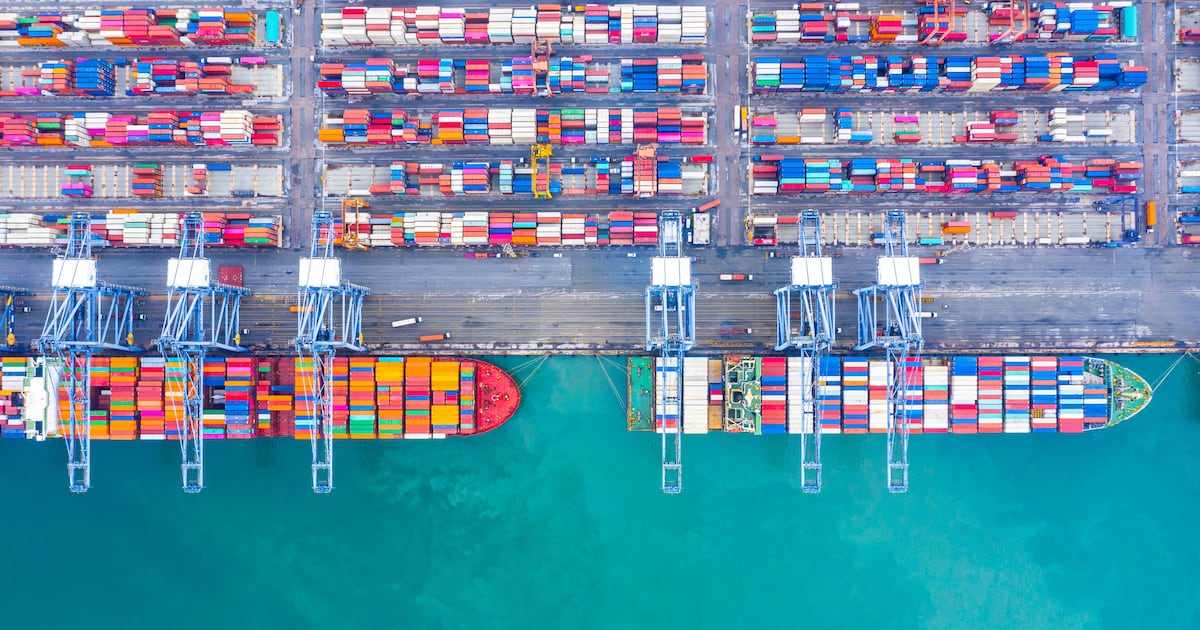
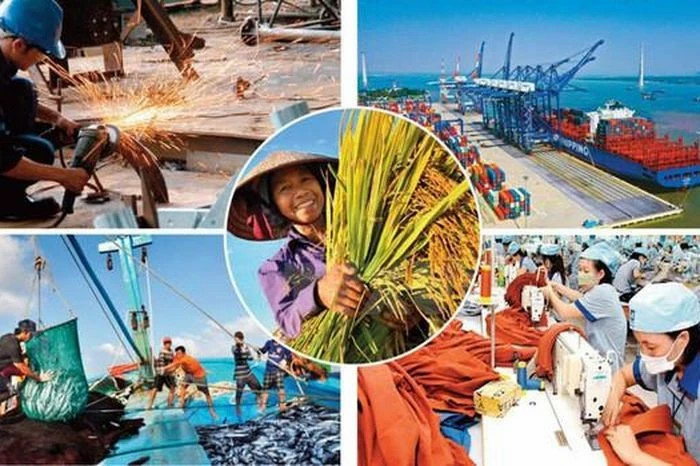
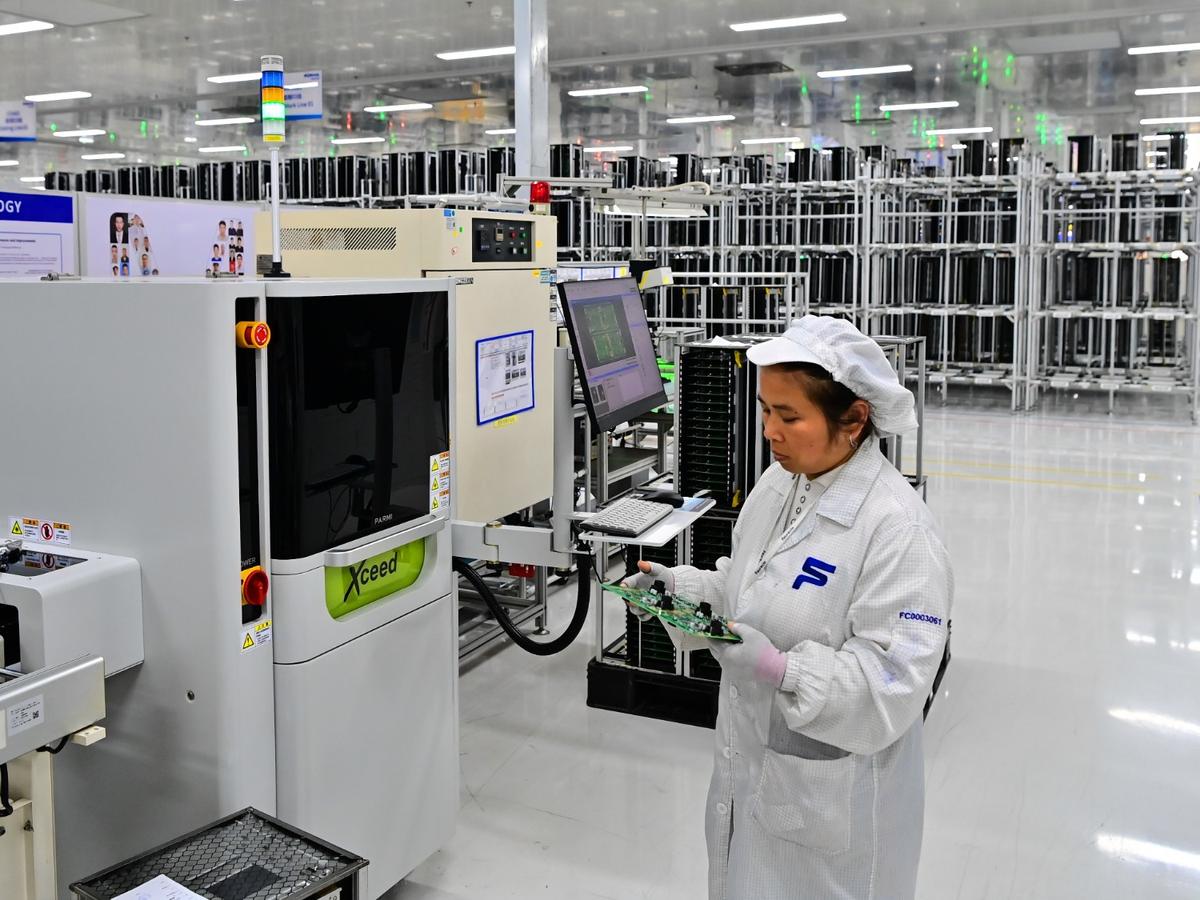
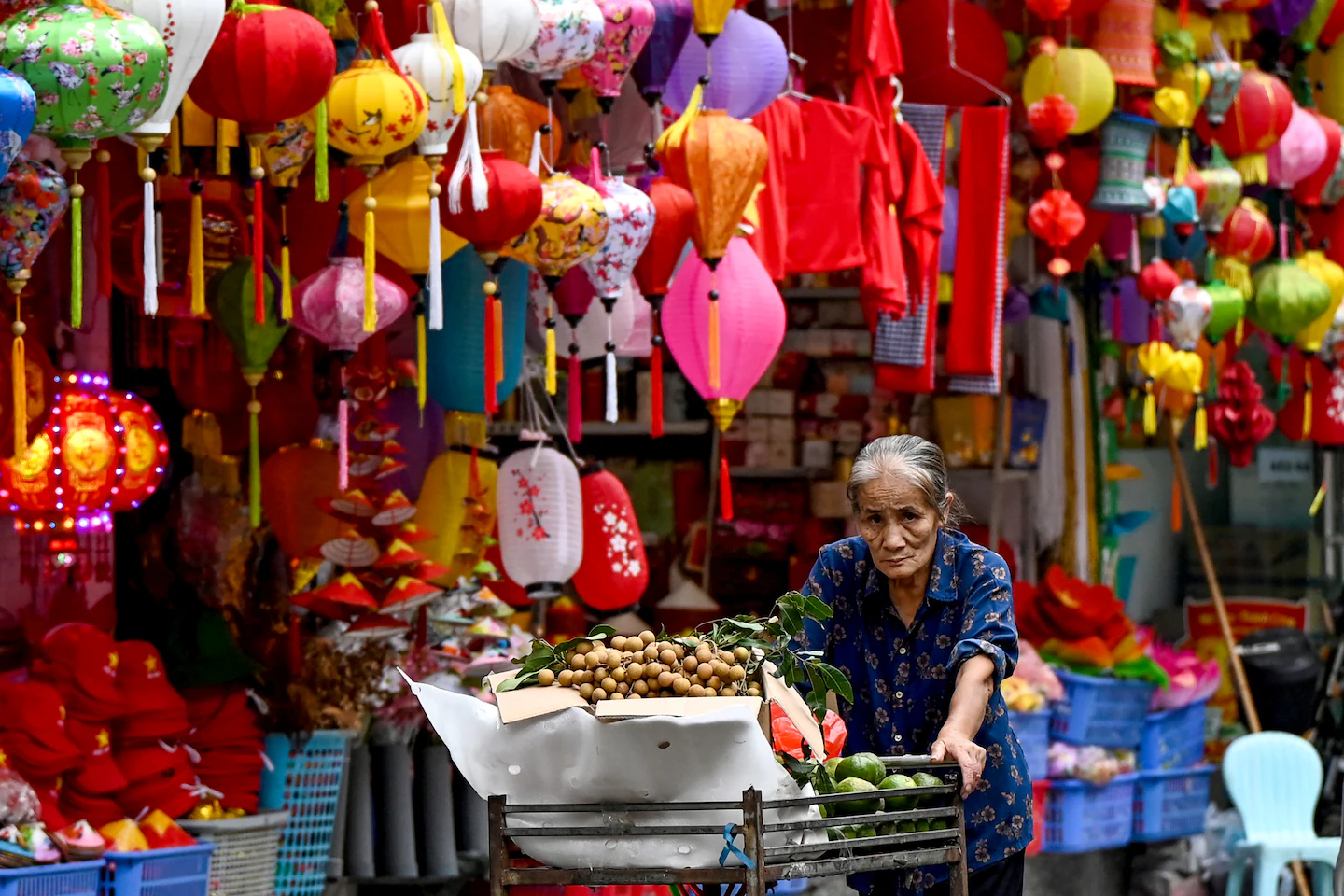
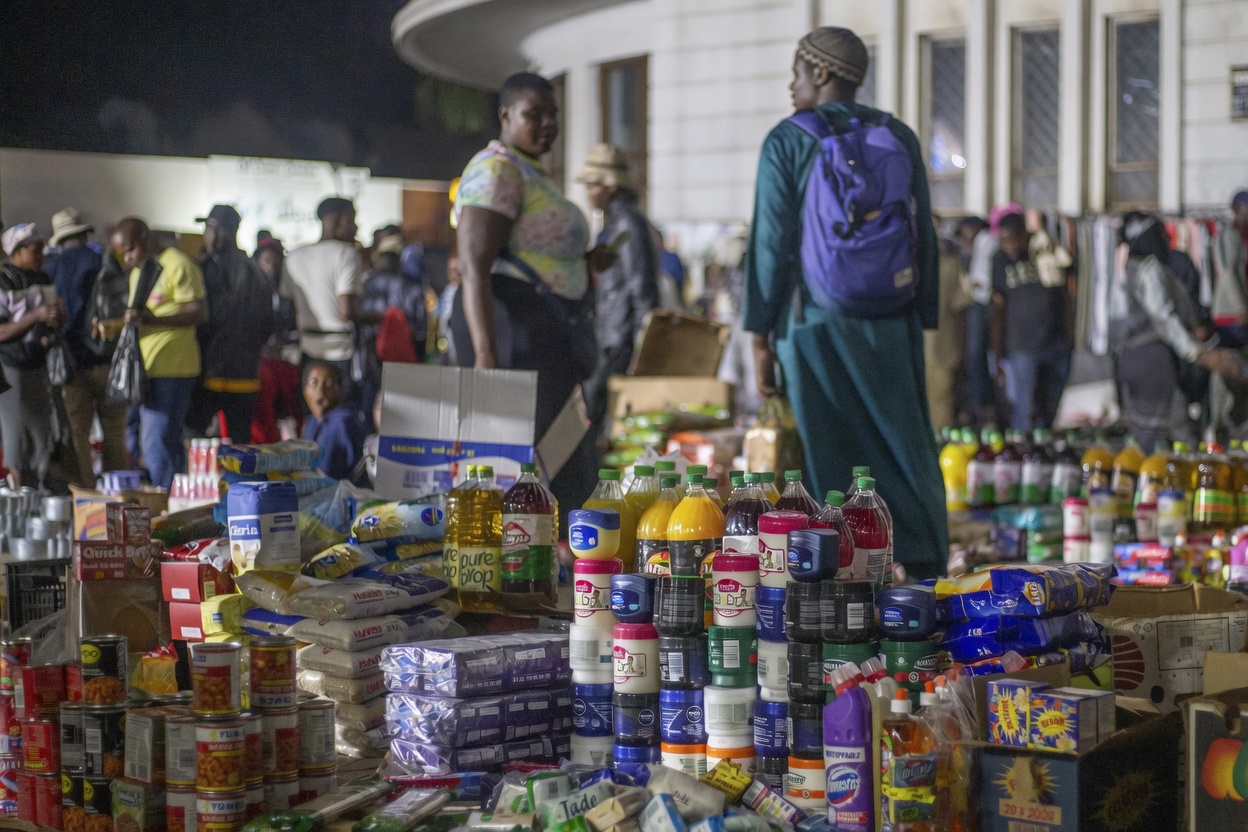
What distinguishes the NTE sector from traditional exports is its breadth. The sector now spans more than 500 different products, from processed foods and horticultural produce to manufactured goods and cultural exports. That diversity is not merely a talking point. It represents a structural buffer that Ghana’s narrow commodity base has historically lacked.
When global cocoa prices fall or oil revenues disappoint, the impact on the country’s foreign exchange position is immediate and concentrated. A broad export base absorbs those shocks more gradually, because 500 products do not move in the same direction at the same time. For an economy repeatedly destabilised by commodity price swings, that resilience has tangible value.
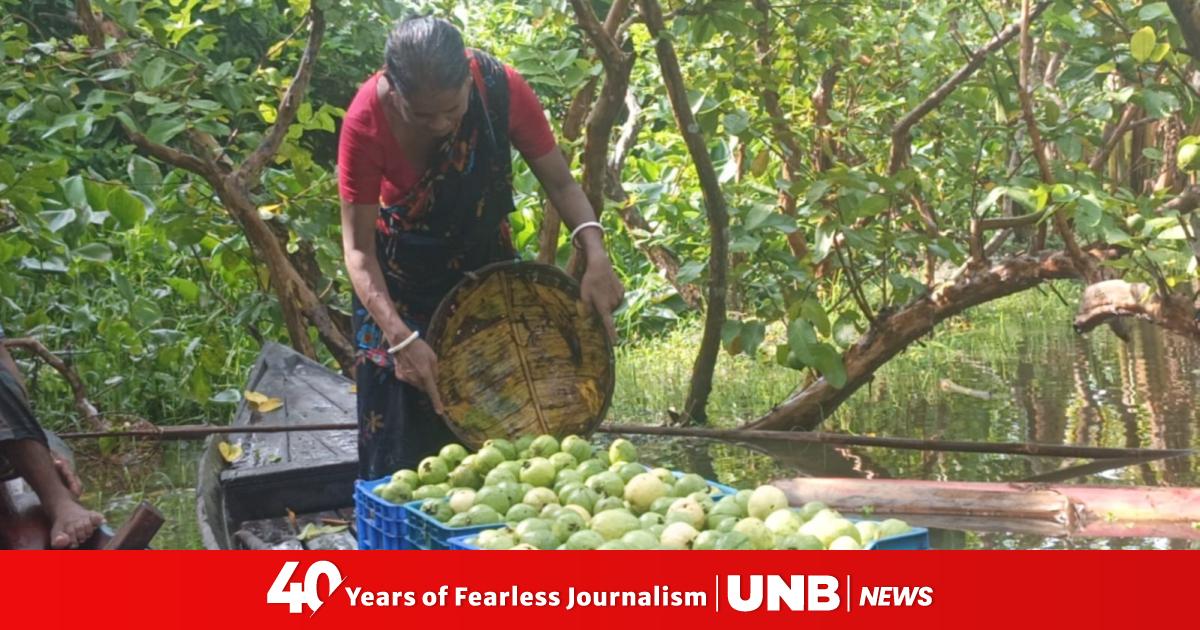
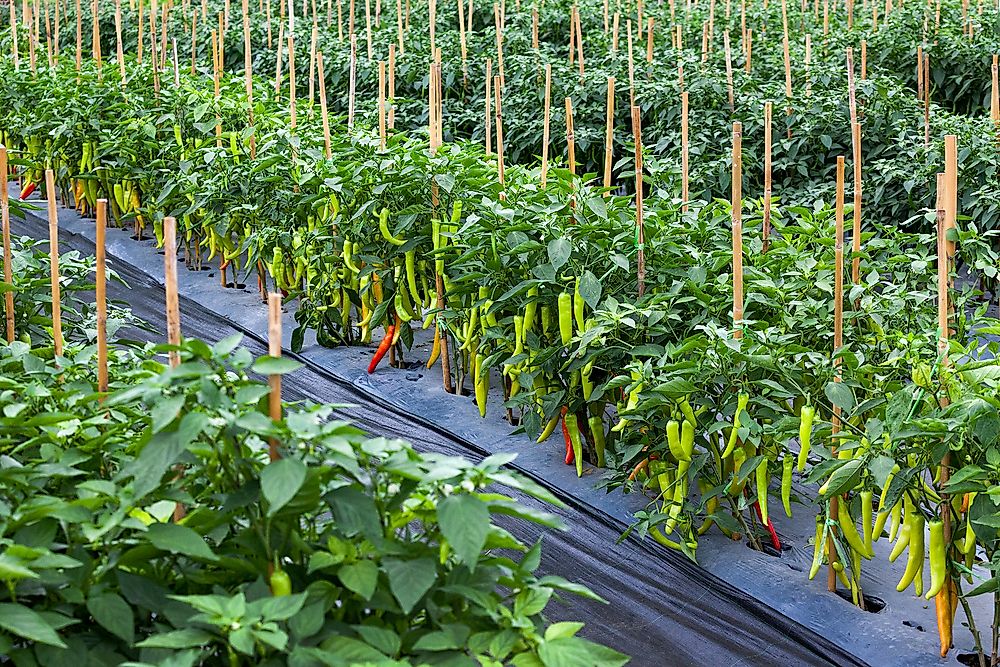
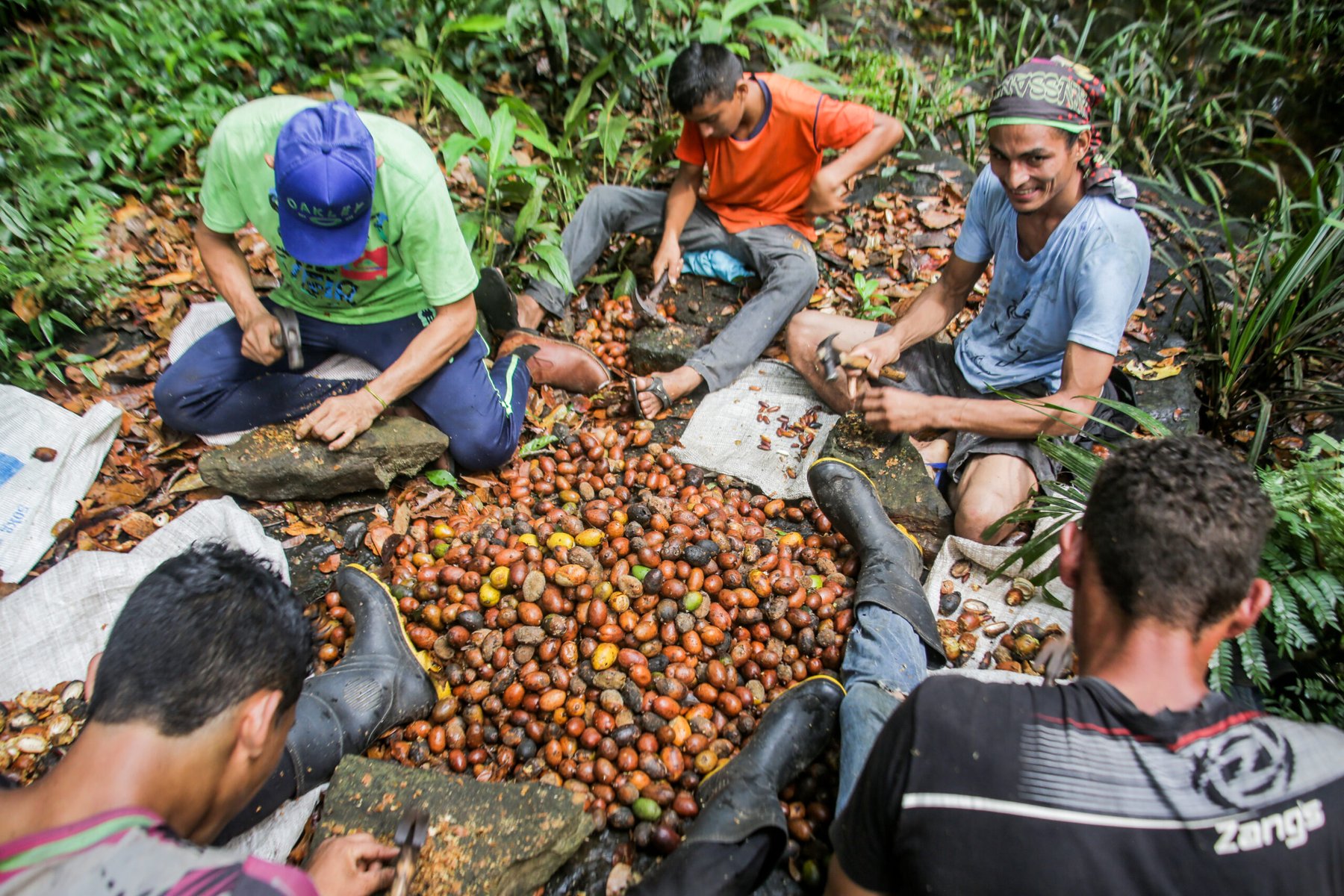
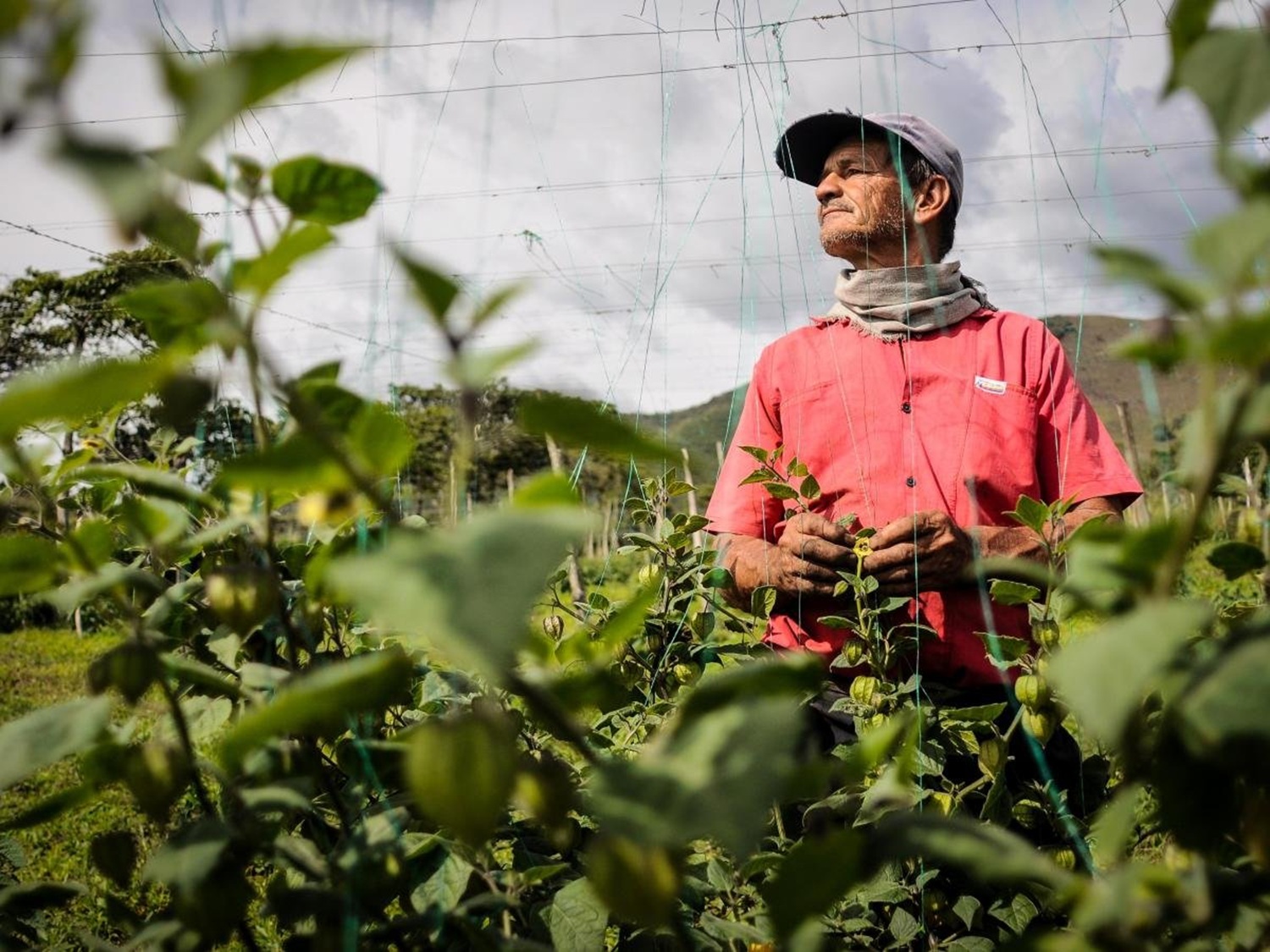
The 2025 data reinforces the point. Processed and semi-processed products contributed $3.09 billion, a 52.78 per cent increase over 2024. Agricultural NTE earnings grew 37.82 per cent to $710.3 million, while yam exports recorded a striking 559 per cent surge, signalling that deeply local produce is finding serious international traction far beyond traditional markets.
The Jobs Dimension
The economic case for NTEs is also a social one. Much of the sector is labour-intensive and locally rooted, anchored in small and medium enterprises (SMEs) across agriculture, agro-processing, and light manufacturing. Growth in these activities tends to generate employment in both rural and urban areas and retains more economic value within Ghana rather than exporting raw materials for processing elsewhere. Each percentage point of NTE growth derived from processed rather than primary exports represents a measurable shift in the structure of the economy.
The Policy Question
The $5 billion milestone carries a clear message for policymakers. GEPA Chief Executive Officer Francis Kojo Kwarteng Arthur has argued that the Authority’s current 10 per cent share of the import levy already produces outsized results, and that raising it to 20 per cent would accelerate progress toward a $10 billion export target by 2030. Beyond GEPA’s own funding, sustaining the sector’s trajectory will require affordable financing for exporters, improved infrastructure linking producers to ports, stronger export incentives, and consistent market development support.
The evidence of the NTE sector’s economic contribution is no longer ambiguous. Whether the policy response will match that evidence remains the more consequential question.