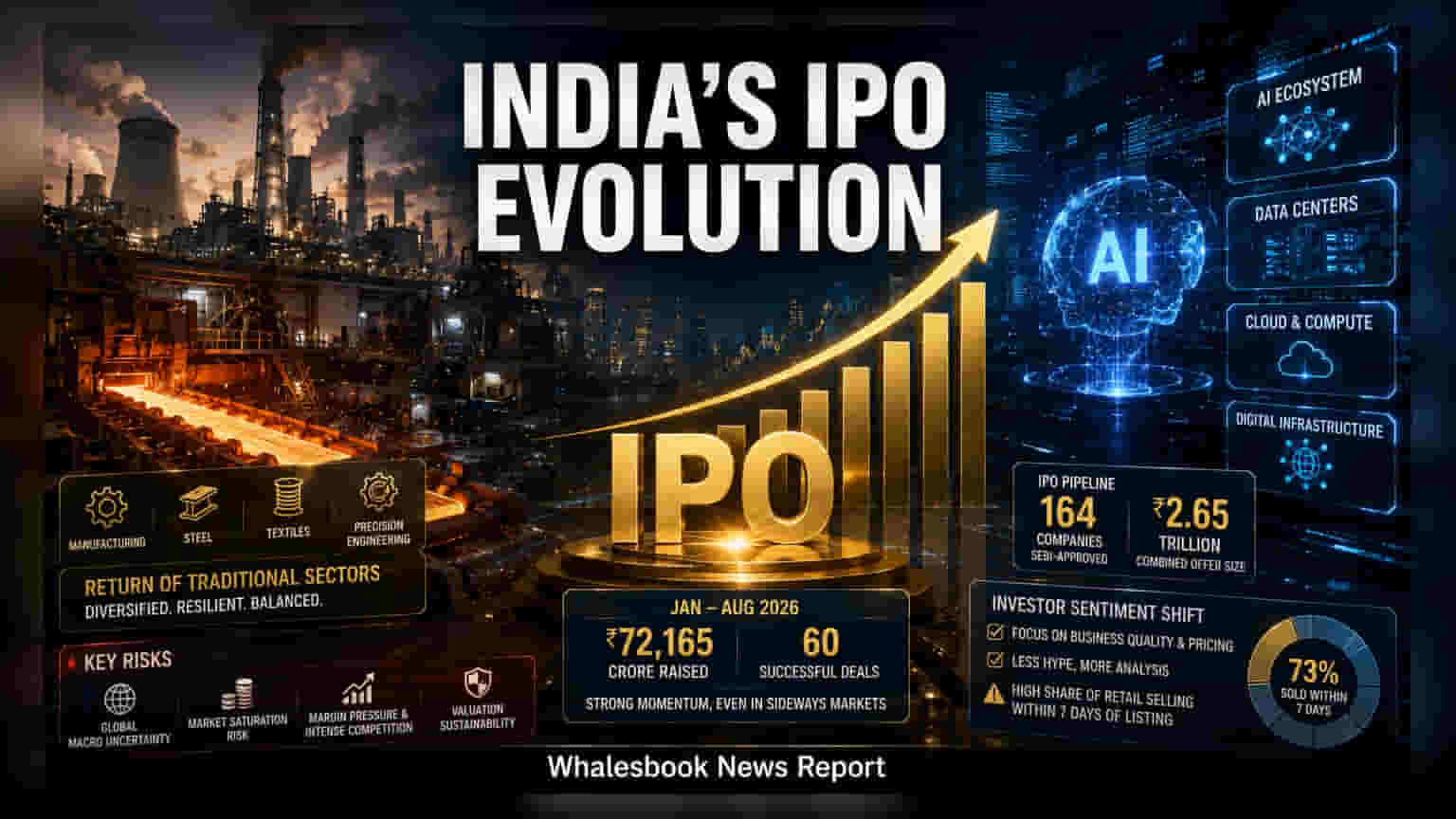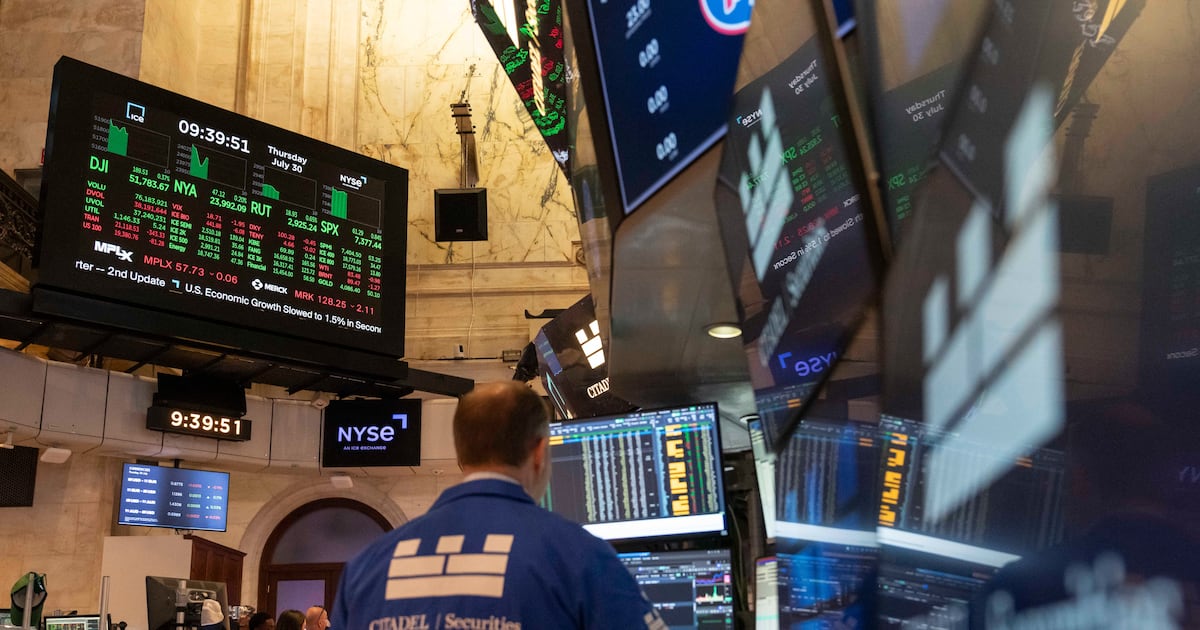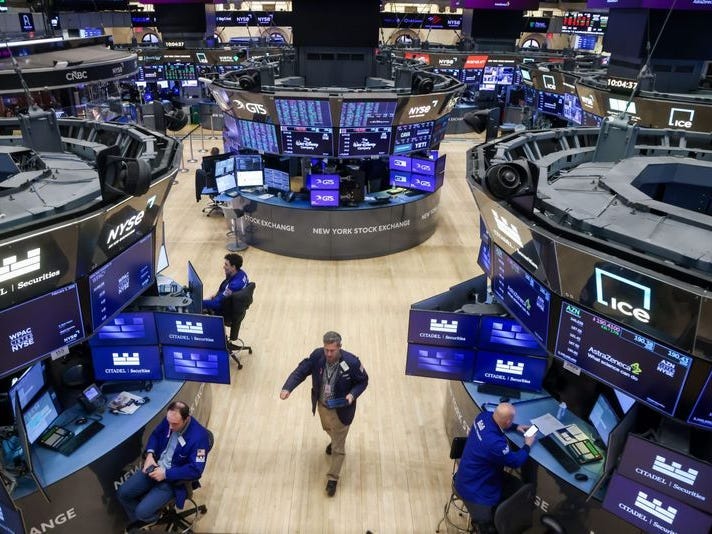
The ‘old economy’ sector of the U.S. stock market has regained momentum, driven by a cooling of economic data and artificial intelligence investment.
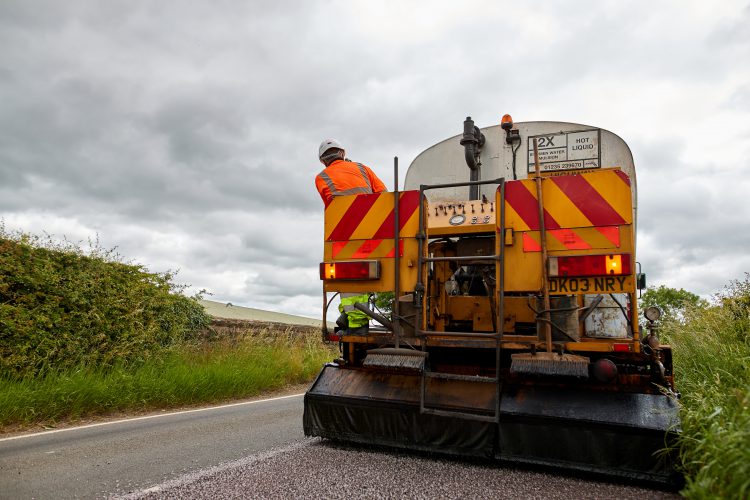
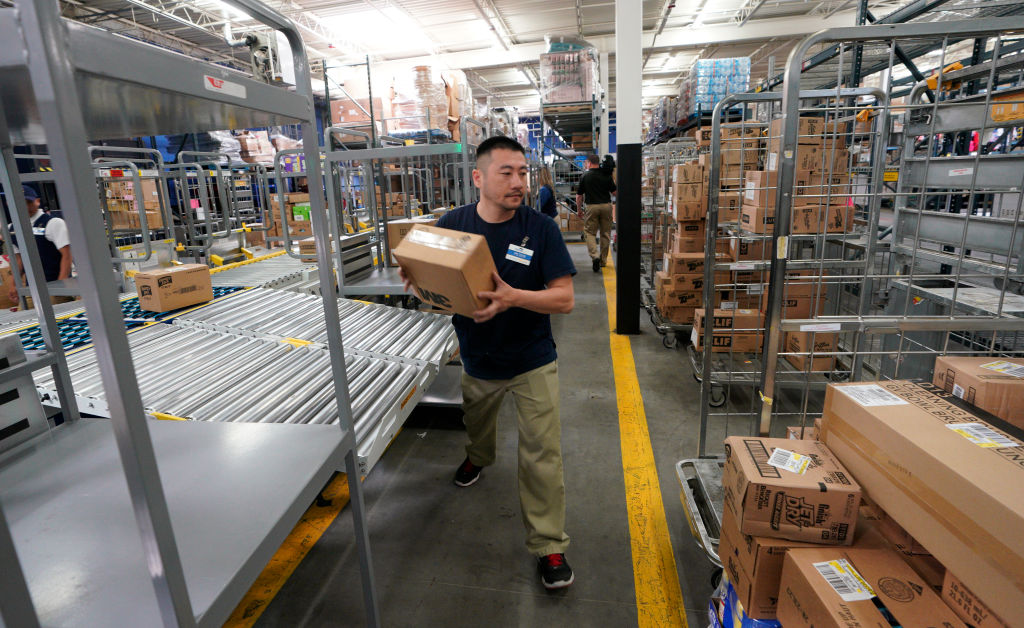
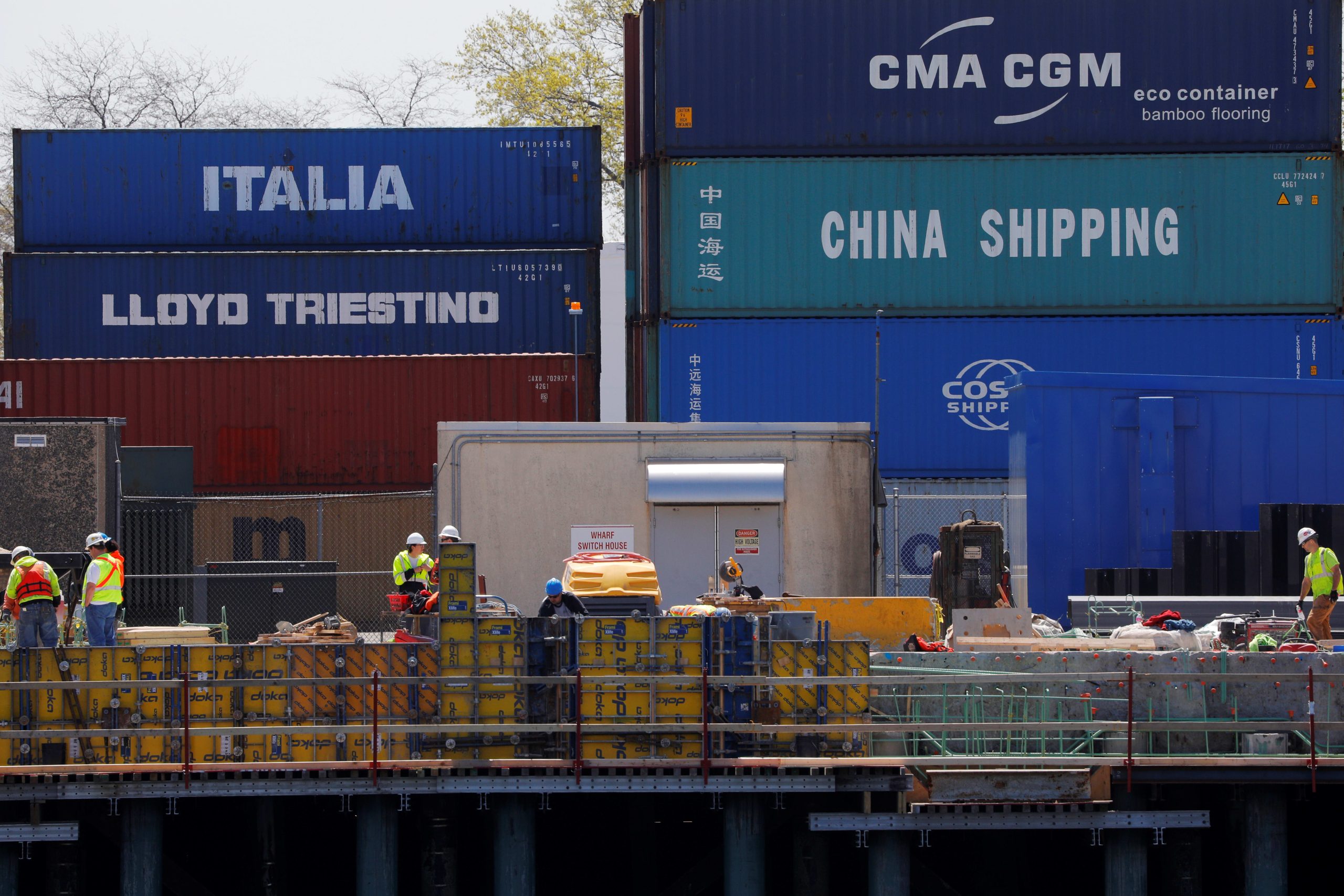
According to Zhitong Finance, the Dow Jones Transportation Average Index, which has lagged behind major U.S. indices for years, has now stood out by outperforming the S&P 500 Index by 13 percentage points over the past one and a half months, nearing its largest increase since the financial crisis. The index includes industry giants such as CSX Corp (CSX.US), FedEx (FDX.US), Old Dominion Freight Line (ODFL.US), and United Airlines (UAL.US). Strong economic data and the trend of reducing positions in tech giants have driven the surge in this index.
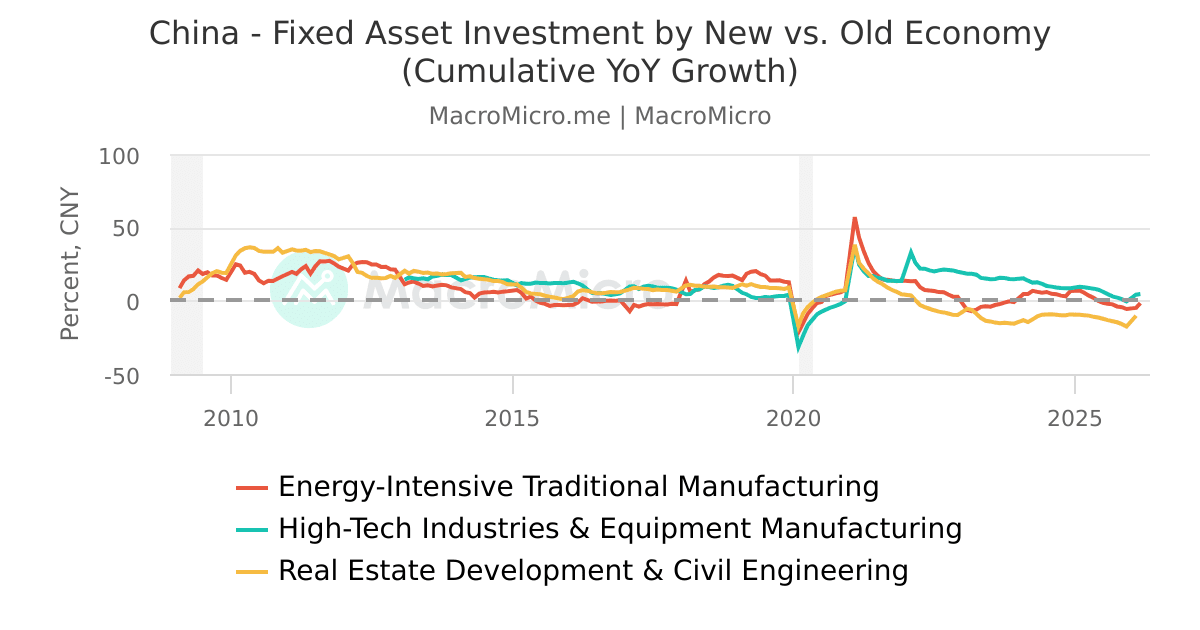
The demand from U.S. equity investors for diversified investment has enhanced the appeal of the “traditional economy” sector. Previously, concerns over the potentially disruptive impact of artificial intelligence, along with massive capital expenditure plans formulated by hyperscale data center operators for this technology, prompted investors to withdraw from the tech sector and shift toward other areas. Manufacturing data further reinforced this trend, providing an optimistic signal for investors seeking safer investments.
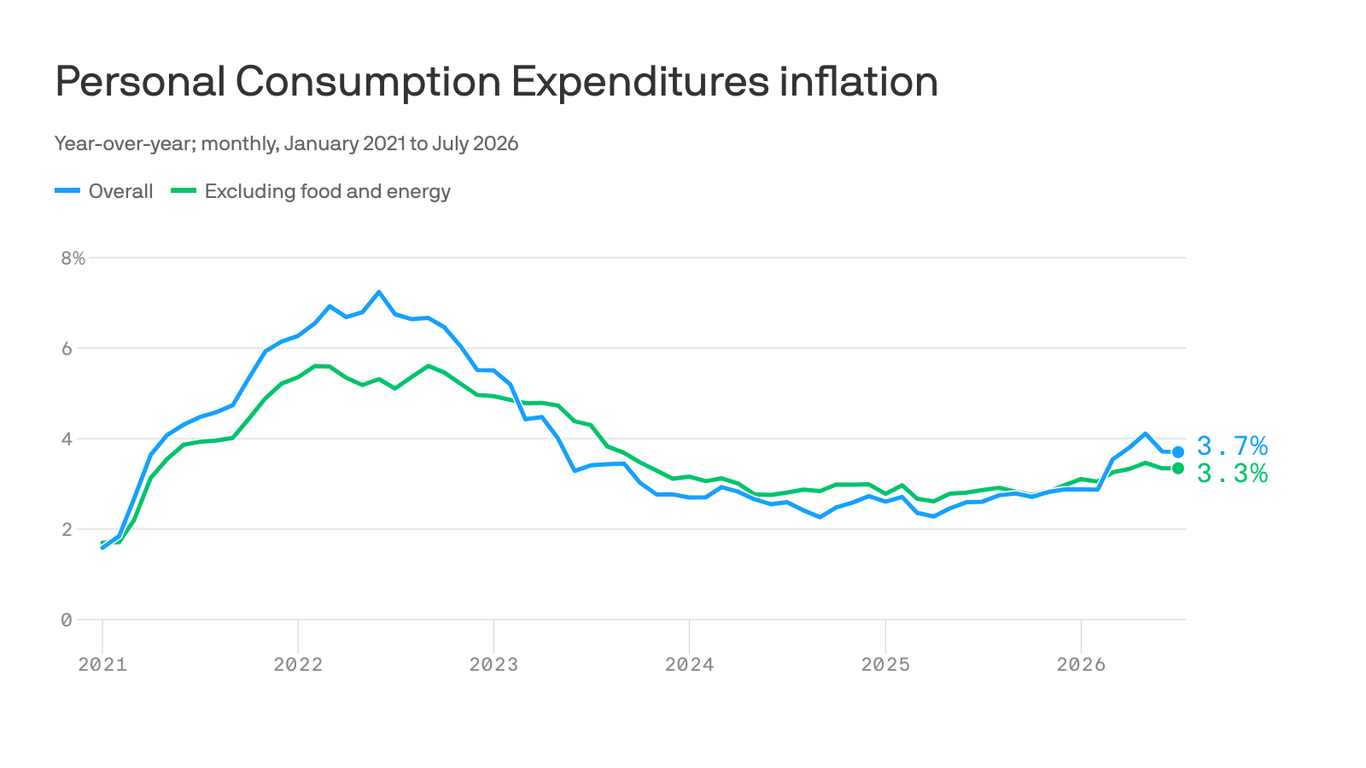
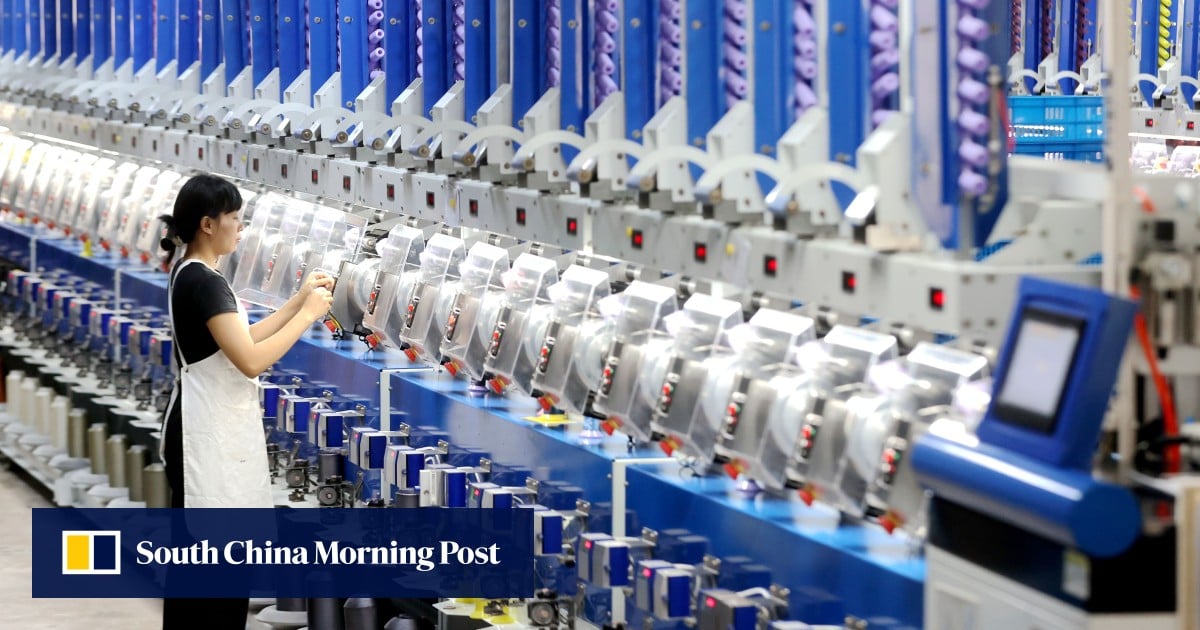
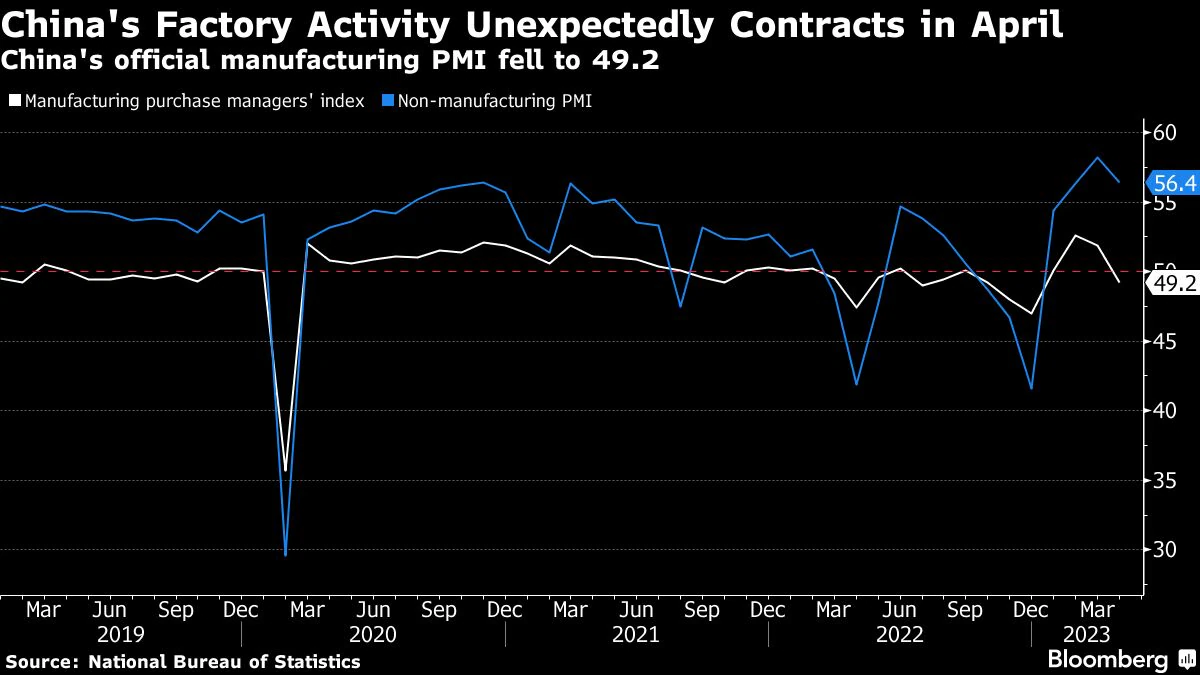
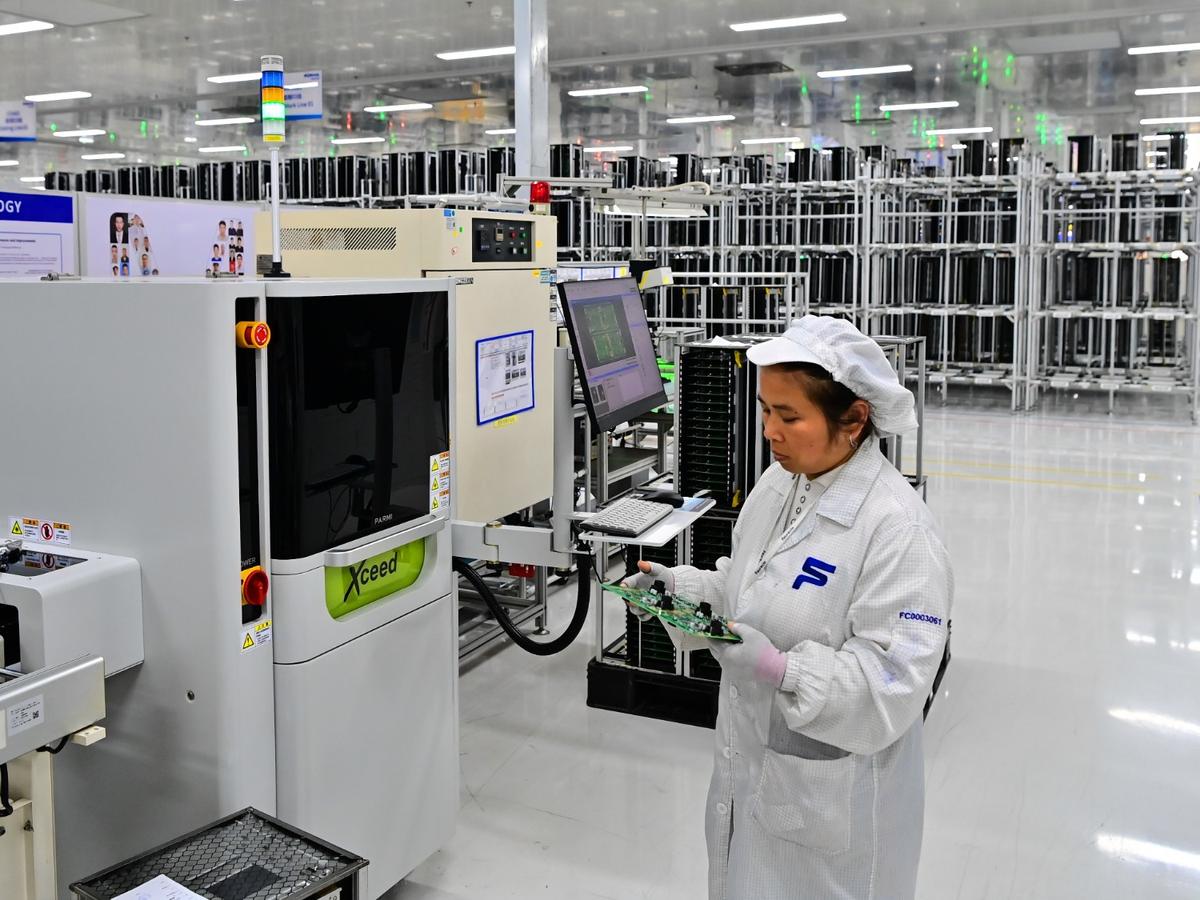
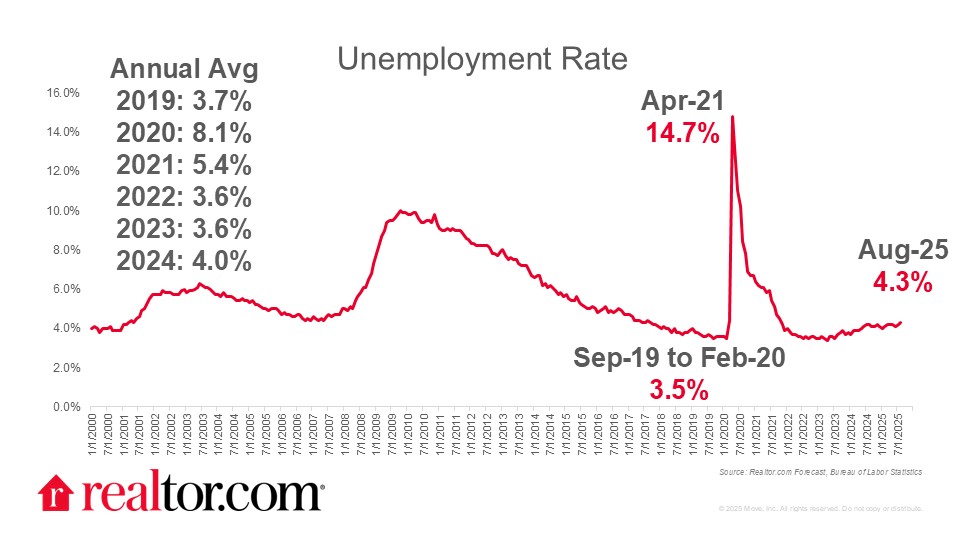
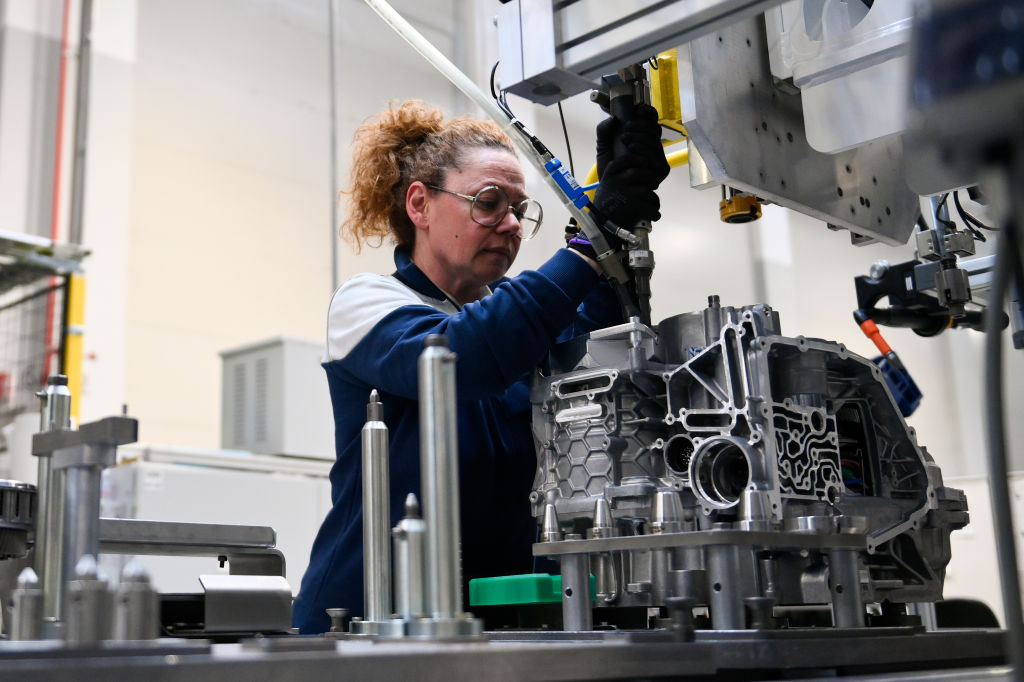
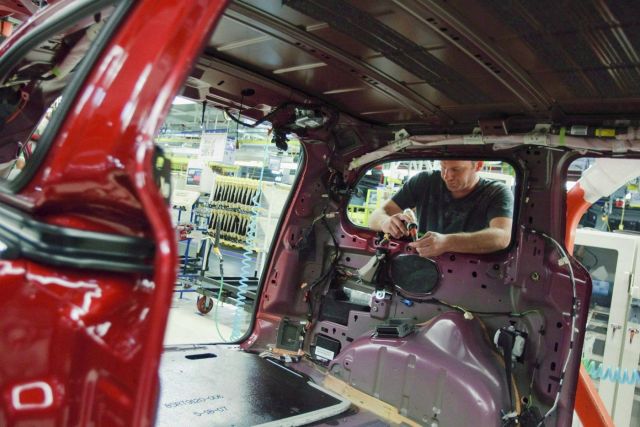
 Following the release of data by the Institute for Supply Management last week showing that U.S. manufacturing activity expanded at its fastest pace since 2022 in January, the transportation index reached new highs. On Wednesday, after a stronger-than-expected nonfarm payroll report indicated stabilization in the labor market, the index edged slightly higher.
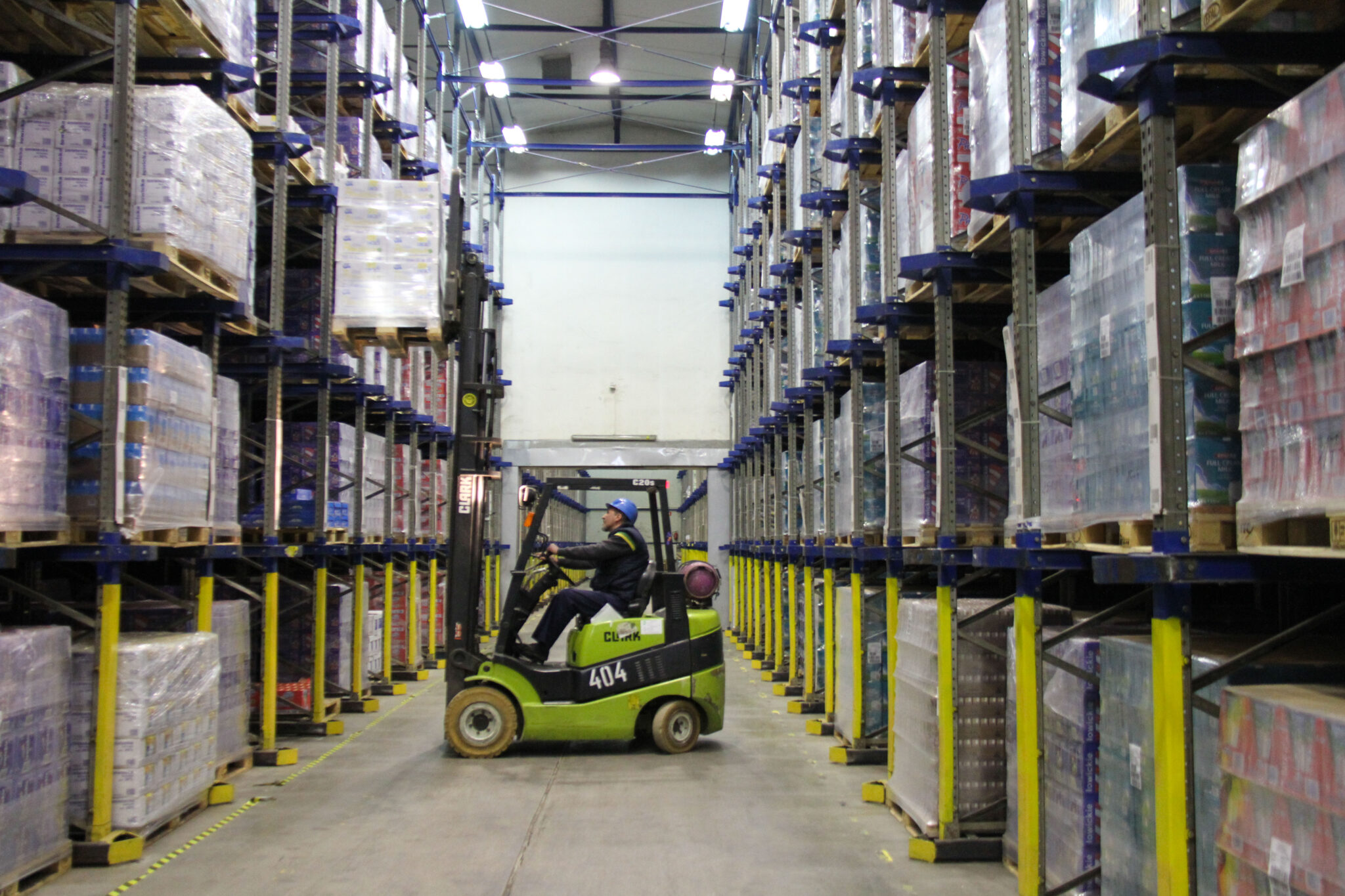
Sameer Samana, Head of Global Equities and Real Assets at Wells Fargo & Co Investment Institute, stated, ‘This sector is the most sensitive to economic conditions because a higher level of economic activity means goods need to be transported domestically (and globally).’ Investors seeking alternatives to AI-related stocks are finding strong economic conditions ‘further reinforcing positive investment logic.’
The transportation sector belongs to the ‘AI-resistant’ industries, with investors increasingly favoring companies whose core functions cannot be replicated by AI technologies.
Mark Hackett, Chief Market Strategist at Nationwide, explained that recent data has further boosted transportation stocks in several ways. He noted, ‘Clearly, if manufacturing demand increases, transportation demand will inevitably rise as well.’ This also indicates overall economic improvement, serving as a key technical signal for investors looking to buy stocks poised to benefit first from economic recovery.
However, some have warned that future gains may be limited, at least for certain companies. After the release of ISM data, Citi analyst Ariel Rosa downgraded four trucking companies, including Old Dominion Freight Line. In a note to clients, Rosa wrote that improvements in these companies’ economic environments had ‘largely been priced into their stock prices.’
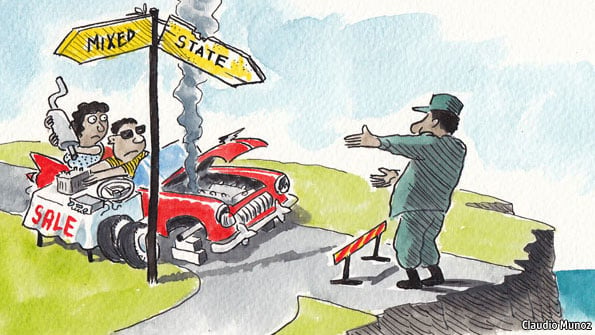
Last week, Greg Swenson of Leuthold Group described the aviation, railway, and freight sectors as presenting a ‘mixed picture.’ However, he expressed greater optimism about the prospects for air freight and logistics.
Christopher Kuhn, an analyst at Benchmark who tracks trucking stocks, pointed out that the ISM industrial service quality index expanded for only one month. However, if trucking demand rebounds, related companies will quickly benefit. He believes there is still upside potential in the trucking sector.
Kuhn said, ‘With just a small increase in revenue, a slight rise in sales volume, and a minor price hike, you’ll see significant incremental profits reflected in net income.’