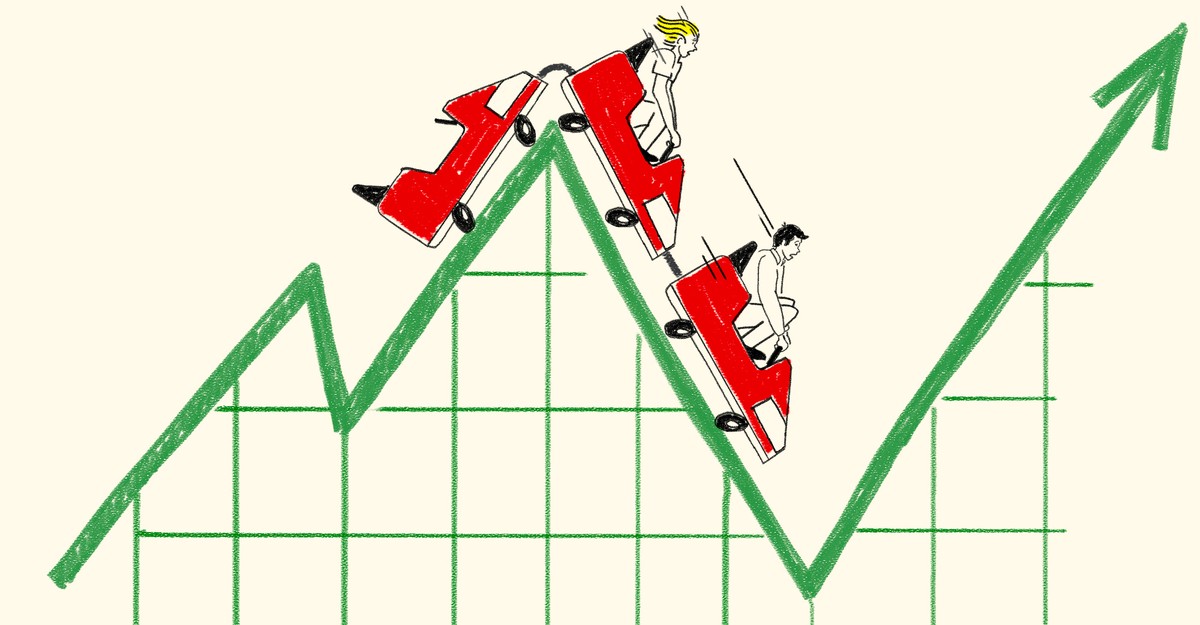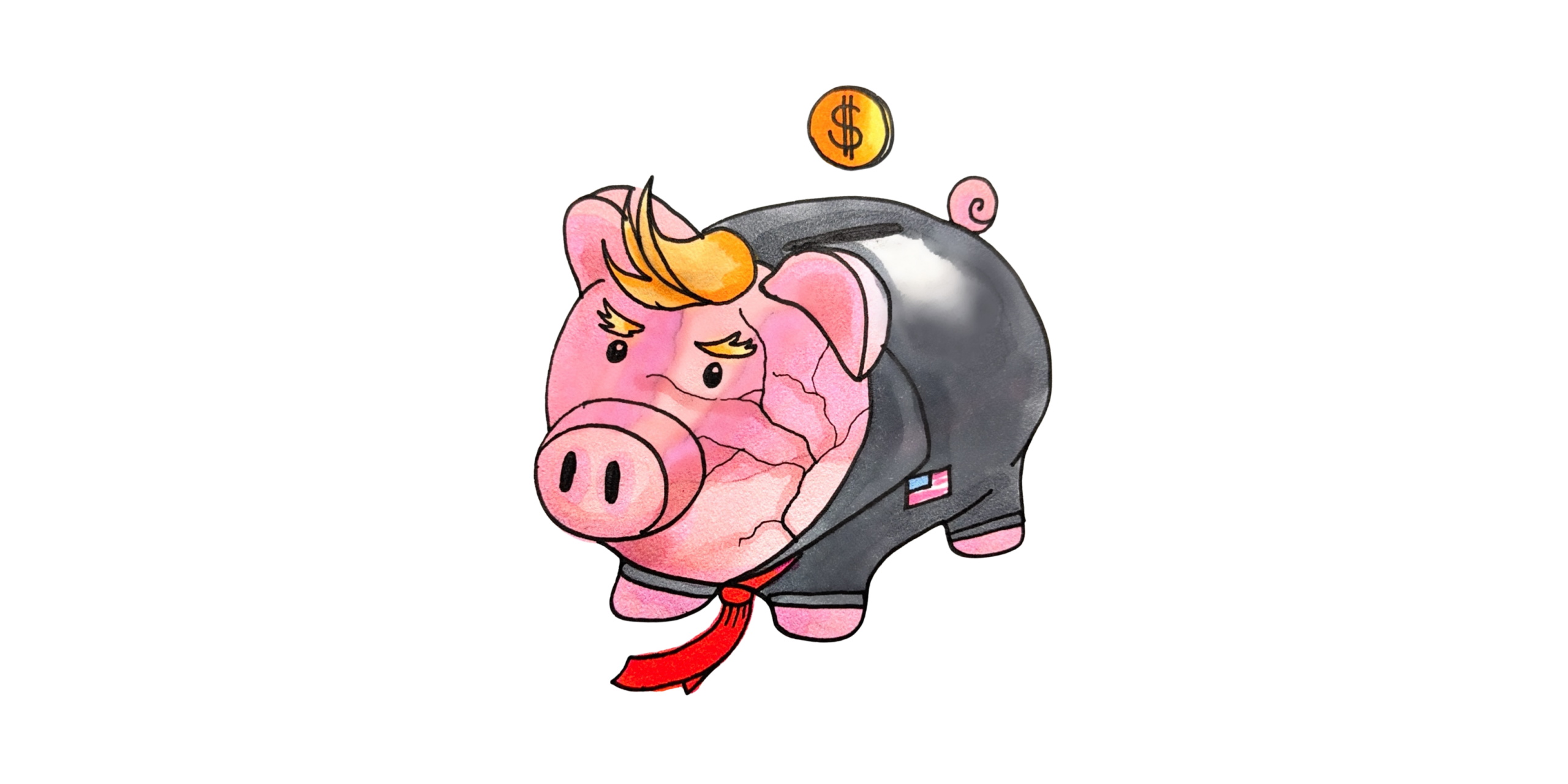
Watch out now, take care, beware of fiscal darkness, as tonight’s Budget could cast the Albanese Government either as a maker or breaker of business and investors.
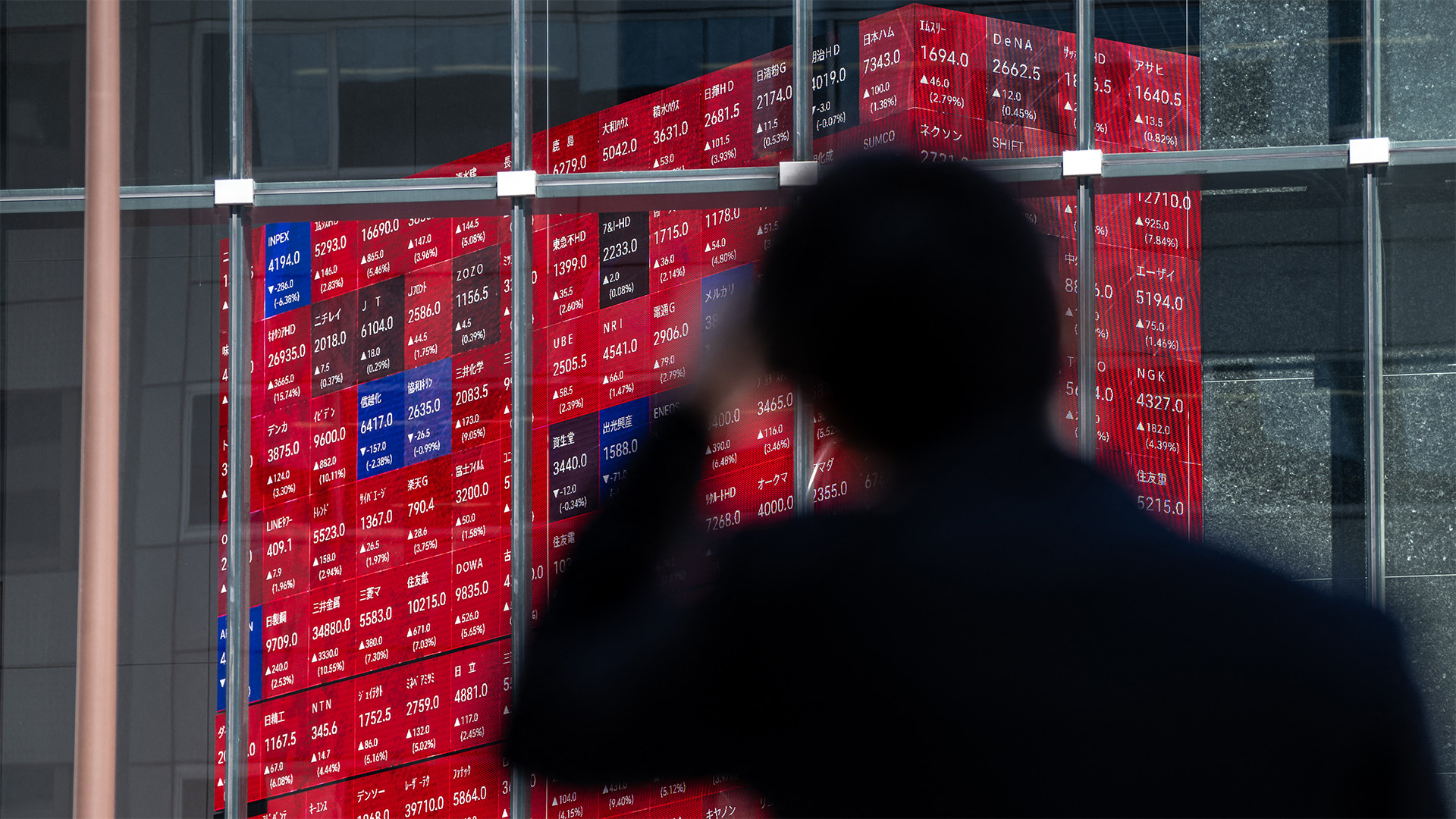
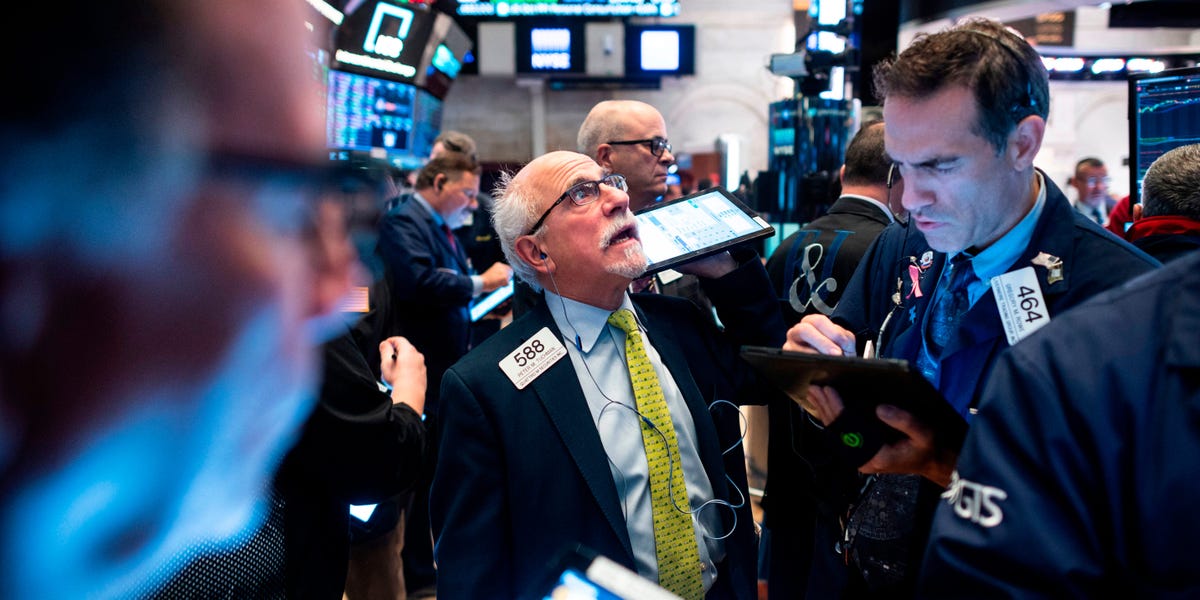
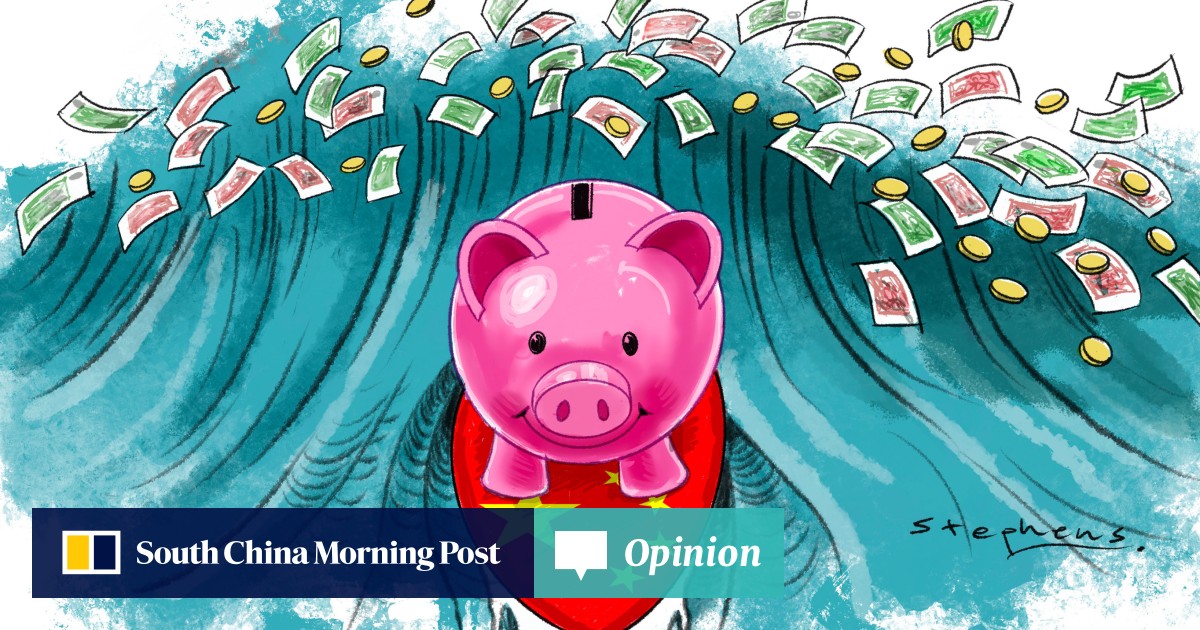
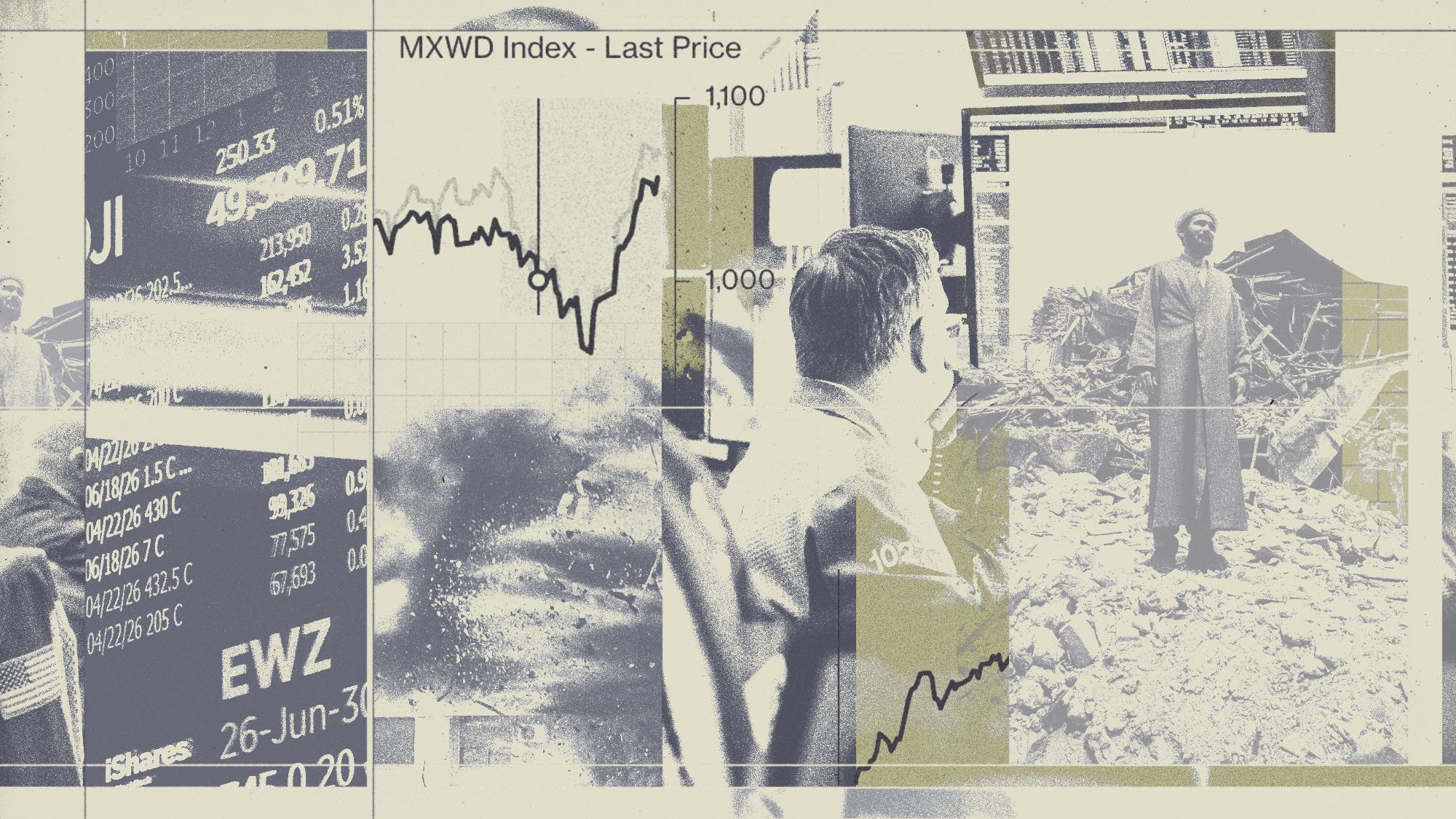
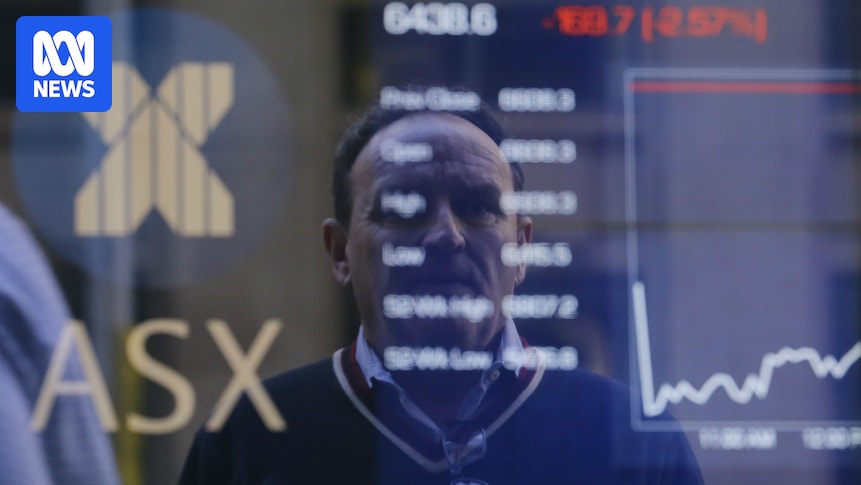
Tonight’s Budget will cast the Albanese Government either a maker or breaker of business and investors. and this assertion comes as expected changes to the capital gains tax (CGT) discount could make us among the highest taxers of capital gain. It comes as our stock market is up 5.69% for the year, while the US market is 26.77%!
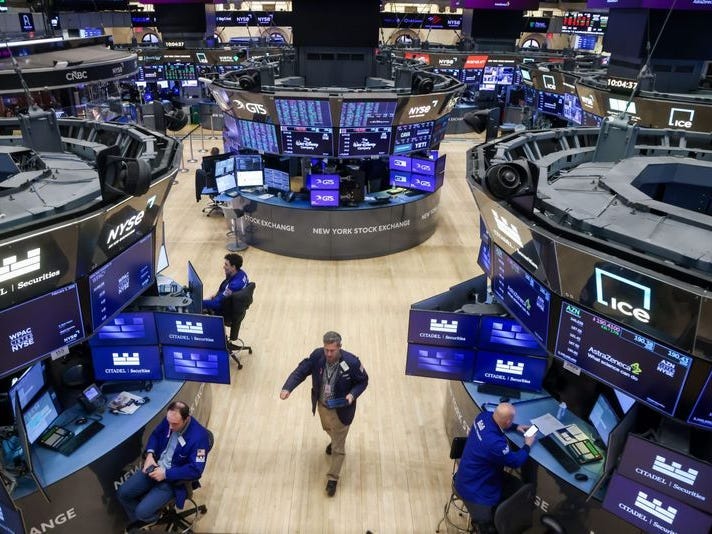
Sure, while the Yanks have the greatest tech businesses in the world, we do have the best miners in the world, when resources are globally popular and our banks are some of the world leaders, and combined banks and miners dominate our stock market.
Where the big differences exist between these two economies is on the productivity each country achieves and how pro-business and pro-investor is their governments.
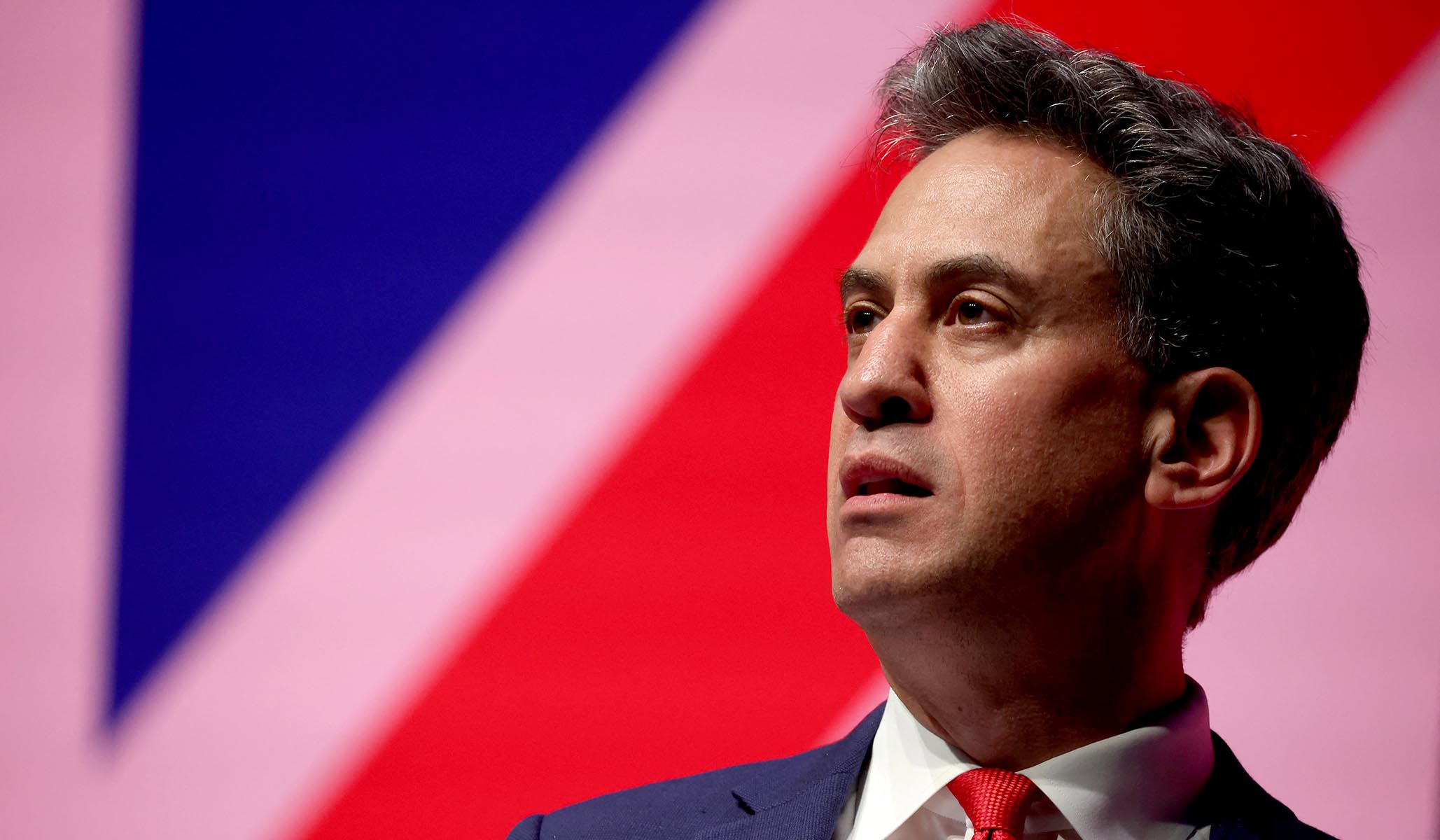
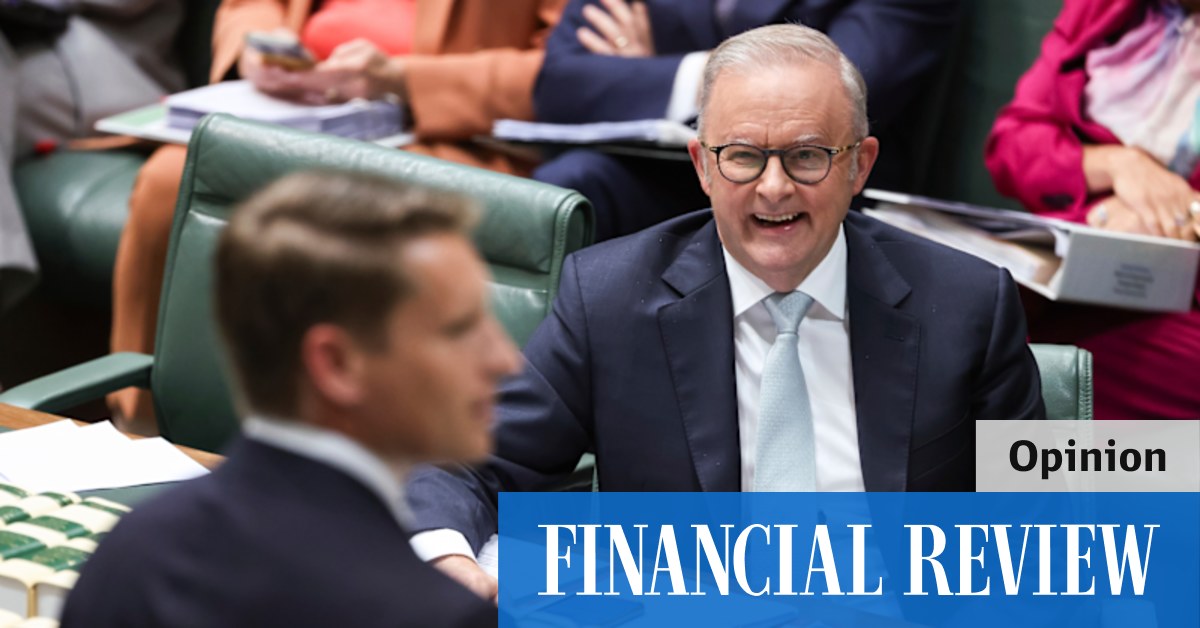
And this is why tonight’s efforts of Treasurer Jim Chalmers are going to tell us if he’ll persist in playing up to the voters who gave his boss PM Anthony Albanese the historically significant win in June last year. The last time either major party won a higher seat share than Labor at this election was in 1996, when the Coalition won 94 of the 148 seats (63.5% of seats) on a national two-party vote of 53.6–46.4. The last time a major party exceeded Labor’s two-party share at this election was in 1975, when the Coalition won by 55.7–44.3. (theconversation.com )
Given Labor’s majority of 94 seats out of the 150 on offer, this Budget should be a defining line in the sand, when the national government sets the scene for an economy that embraces higher productivity, lower inflation and potentially greater economic opportunities for the greatest number.
But this doesn’t mean hitting those who are well-off and entrepreneurial to redistribute income to the less well-off. It should be about growing the economic cake so proportionally more Australians earn more in an economy that’s a strong grower.
So, the headline from the AFR that our “Capital gains tax to be among highest in world” doesn’t raise a lot of hope that the wealth-creators and business builders of Australia stand to cheer after the 7.30 pm revelations from the Treasurer tonight.
The average CGT for countries we compare to is 19%, while ours is now 23.5%. Former Reserve Bank of Australia economist Christian Gillitzer told the AFR, under the proposed alternative CGT discount based on inflation indexation, that could be as high as 37% to 47%.
For moderate growing investments, the CGT might creep up to say 26%. But for fast growing investments — the ones that bring productivity and profits — the CGT slug will grow.
This implies the reward for taking risks and winning is: “More tax for you!”
This is very non-American. I hope I’m wrong!
So, what do the Budget leaks tell us? Try these:
- If indexation replaces the 50% discount rule now applying, the AFR’s John Kehoe calculates that investors making gains from fast-growing businesses will face tax rates of between 33% and 47%.
- These expected tax changes will hit small businesses, venture capital investors and those start-ups that issue shares to attract talent at lower wages.
- Shares for investors and super funds will be taxed more heavily.
- Farmers will lose out from the new CGT calculation.
- A tax rebate for workers is expected.
- Heavier taxing on trusts has been tipped.
- 160,000 people will be chopped from the NDIS.
- $2 billion worth of savings from reducing the number of public servants.
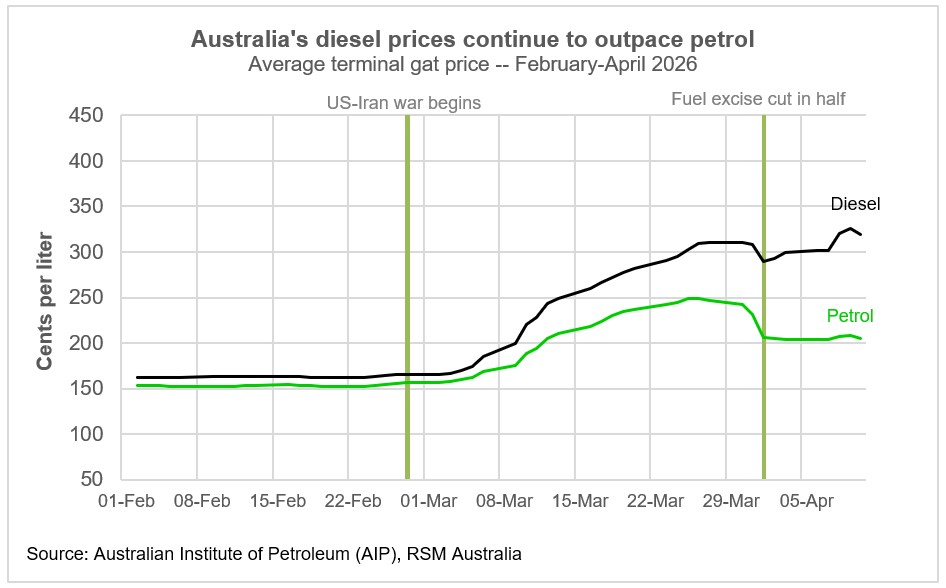
- A cut to the fuel excise and heavy road user charge for three months, which will cost $2.55 billion.
- $2 billion on infrastructure will be spent to increase housing supply.
- It will be easier to get skilled migrants into Australia.
- The EV FBT discount will remain for another year and will only apply to cars under $75,000 after March next year.
Like most budgets, this one will have winners and losers. But given this Government has done a lot to raise wages and working conditions for average Australians and have ended up with high inflation and high interest rates, as well as slow economic growth, as well as low productivity, this Budget should pass or fail on what it does for those who provide capital to successful businesses, that then employ Australians.
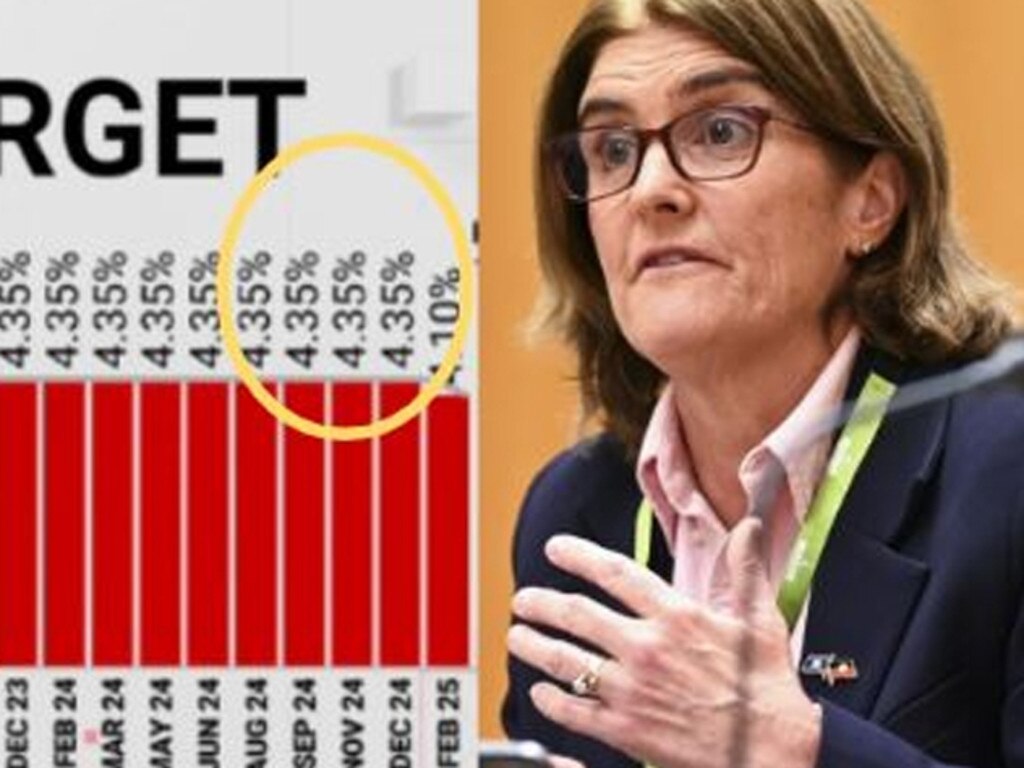
If this Budget doesn’t significantly boost productivity to kill inflation, then the RBA will raise interest rates. And that’s not good for a stock market already struggling to keep up with the world.
By the way, a big chunk of my financial advice client’s money has been invested in the US and overseas via various ETFs and funds, such as IHVV and WCMQ and that has given them performances that means they’ve beaten the local stock market’s overall gain, while having defensive assets as well.
While I’d love to bet/invest more on Australia, Canberra has to make it more rational to do so!