Growth in the Northern Ireland economy has been “weak and uneven” so far in 2026, a report said today.
The NI Chamber and Queen’s Business School report said there had been little evidence of confidence or momentum — even before the outbreak of war between Iran and the US-Israel alliance.
Their report found that, overall, the economy was holding up, but without building enough momentum for stronger growth.
Just over 70% of firms reported some level of profitability, but that was driven by moderate rather than strong performance.
Only one in 10 reported high profitability, while 44% said they were only moderately profitable.
Cost pressures were very much still in the picture, so margins remained under pressure, even where activity was good.
Business confidence was still apparent from the NI Chamber’s research, but was less buoyant than at the end of last year.
Optimism was steady but profit expectations were more subdued, highlighting continued pressure on margins.
And investment intentions were cautious, particularly when it came to capital investment, with a reluctance to commit to larger-scale spending.
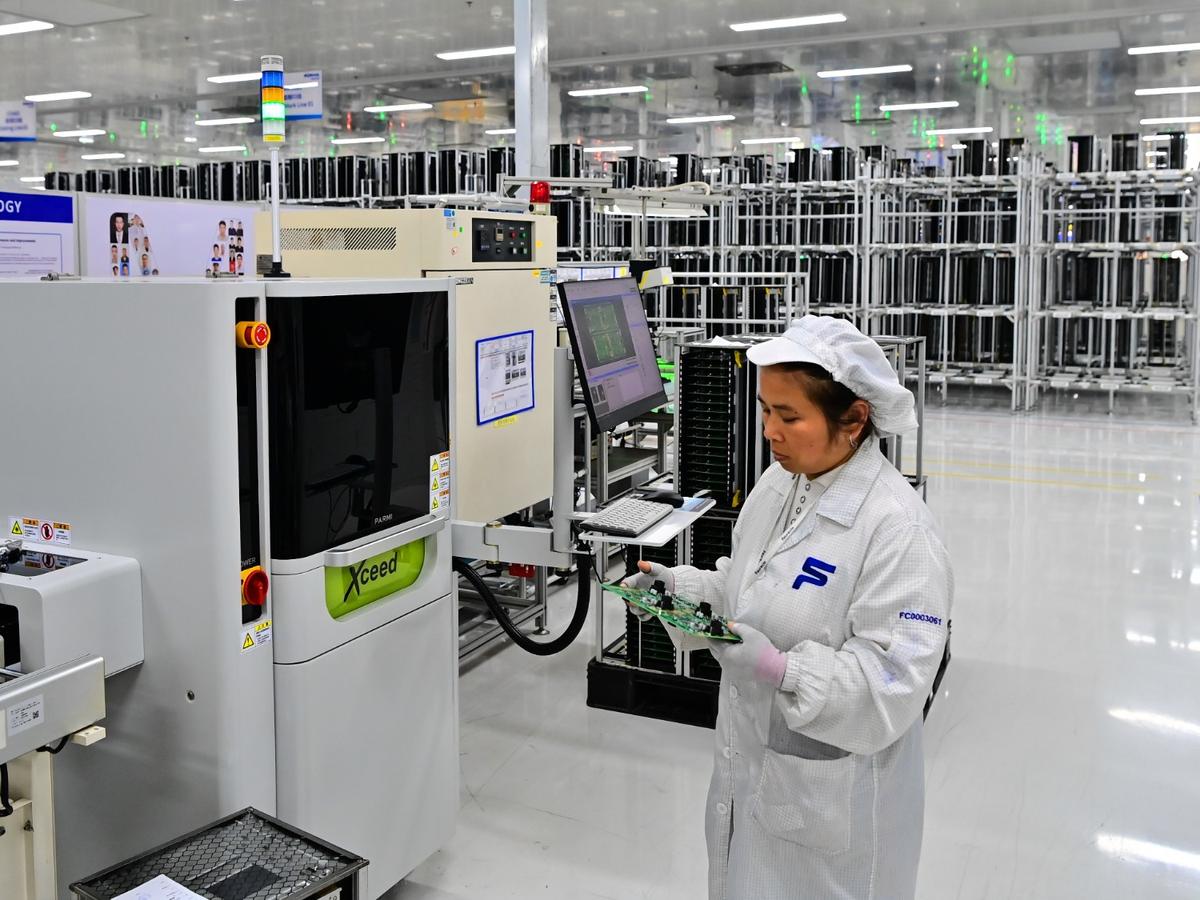
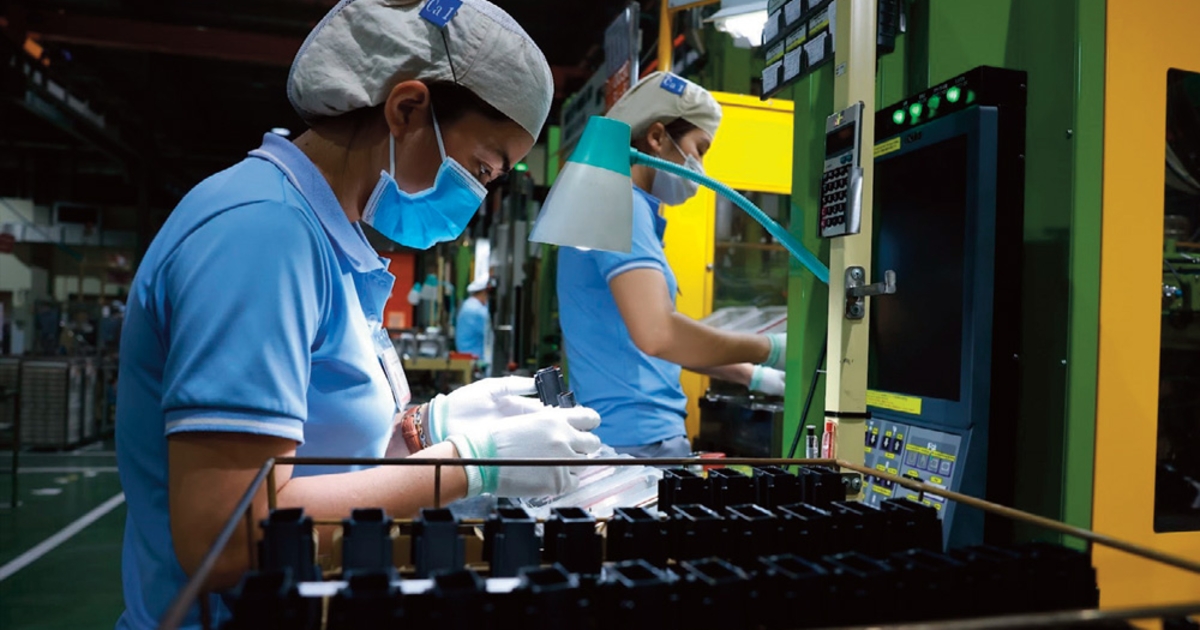
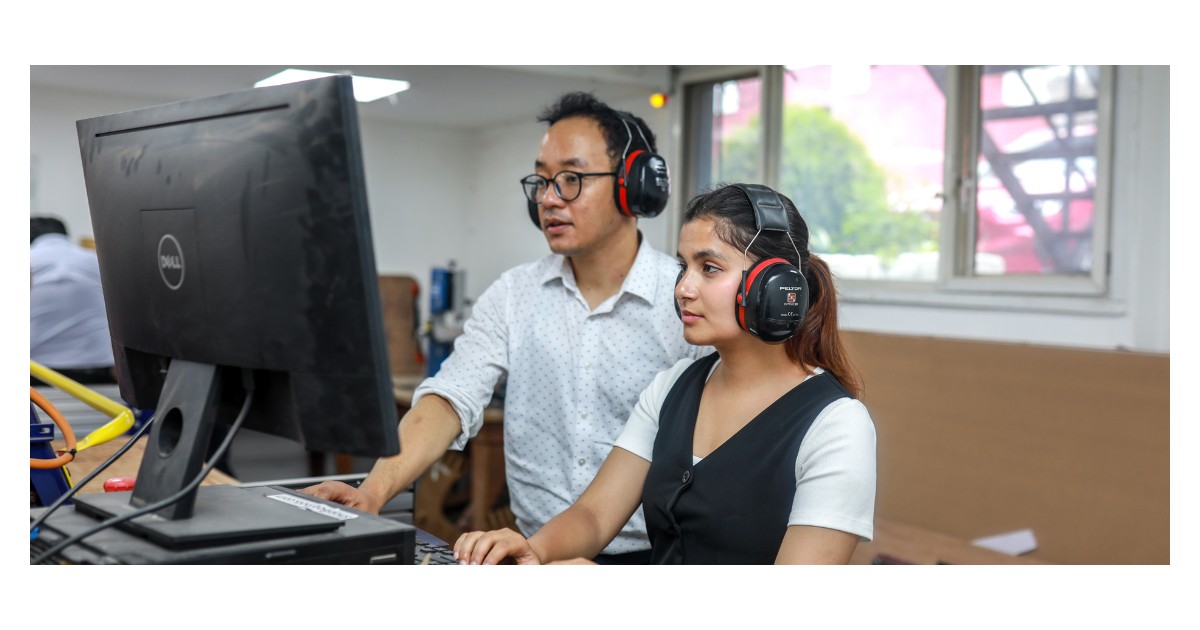
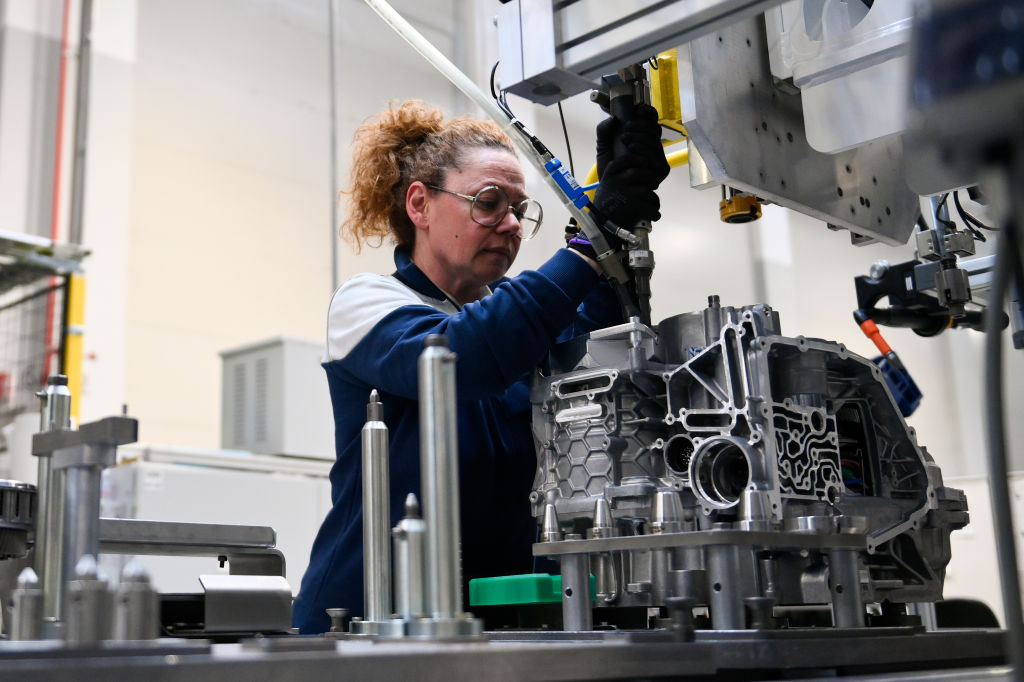
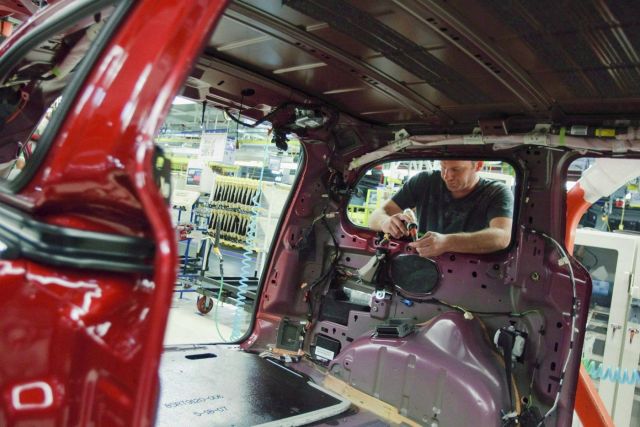
Recruitment activity did get stronger in the quarter, but was focused on replacing people rather than expansion, reflecting continued skills shortages.
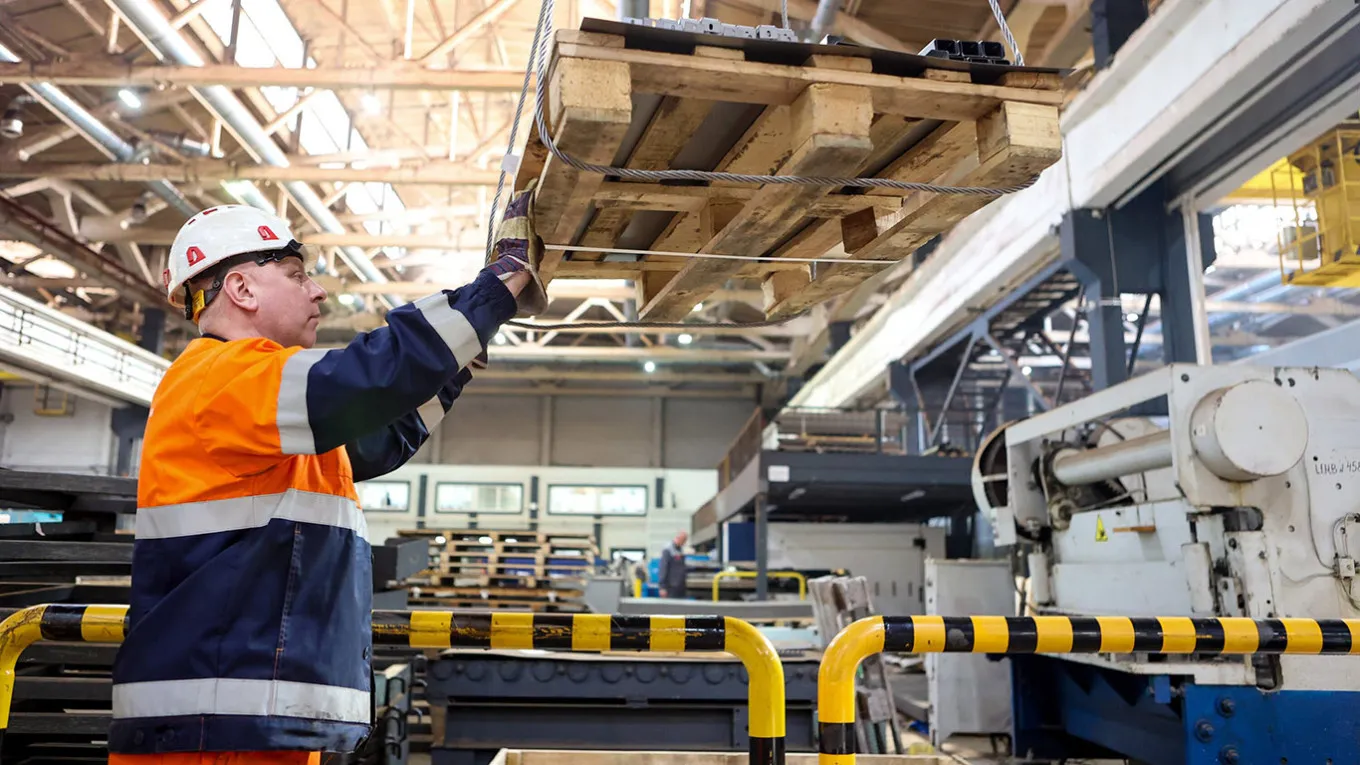
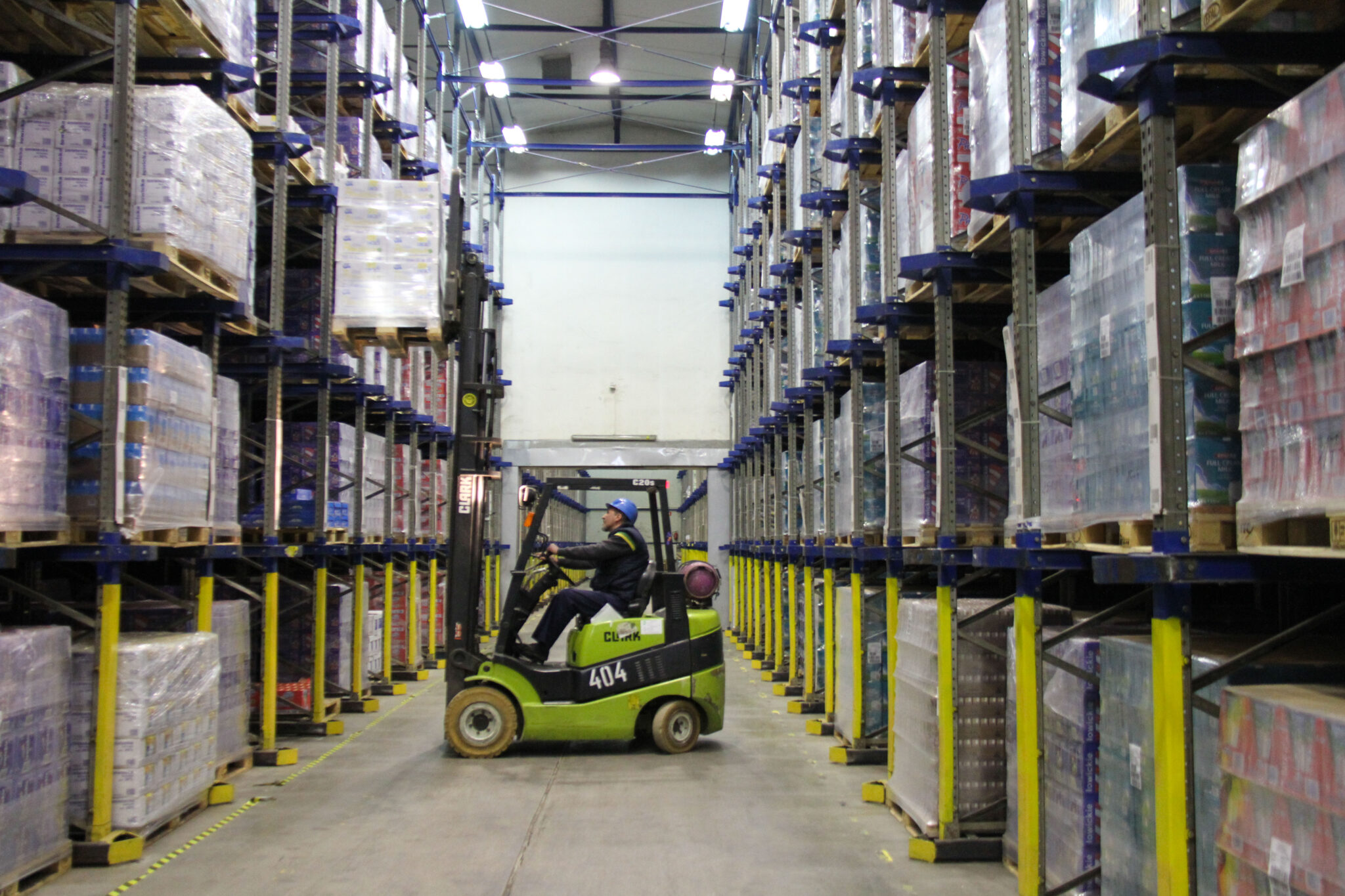
And recruitment problems were persisting, with all manufacturers surveyed and more than three-quarters (75%) of services firms reporting difficulties finding people.
All manufacturers reported recruitment difficulties
The Windsor Framework was affecting around 46% of firms, and for those affected, the main challenges related to clarity on NI/EU rules (61%), use of the Trader Support Service (45%) and regulatory divergence (40%). Those impacted continue to face complexity and an administrative burden from the rules.
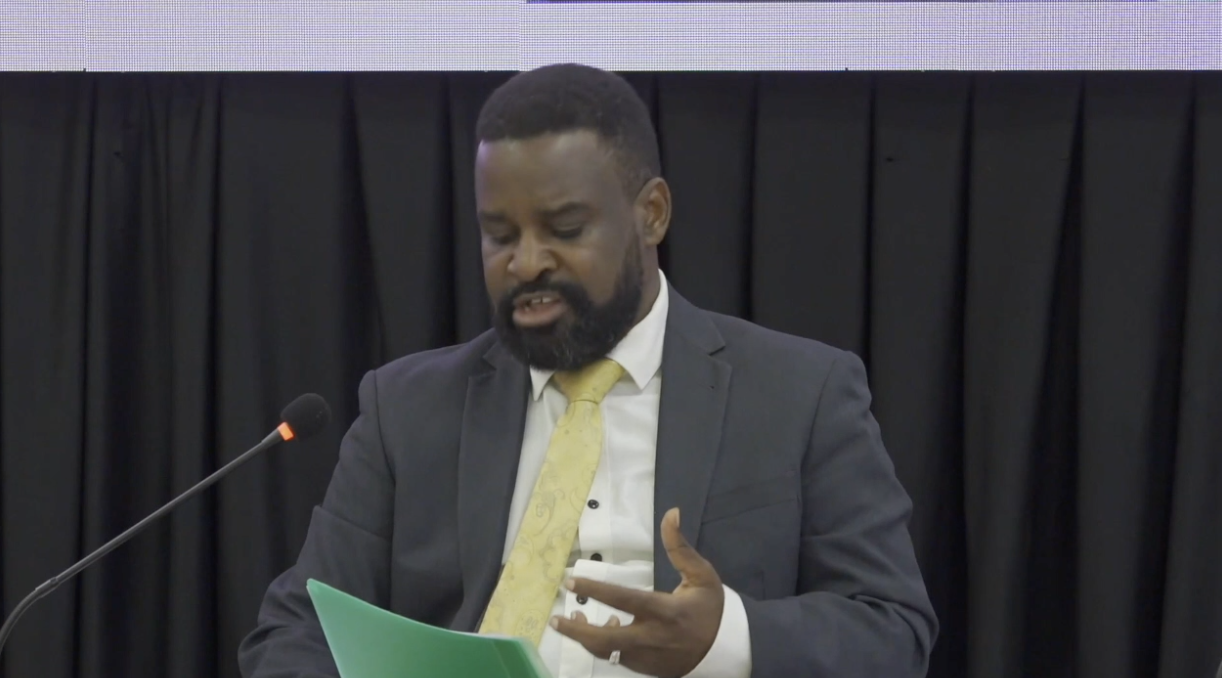
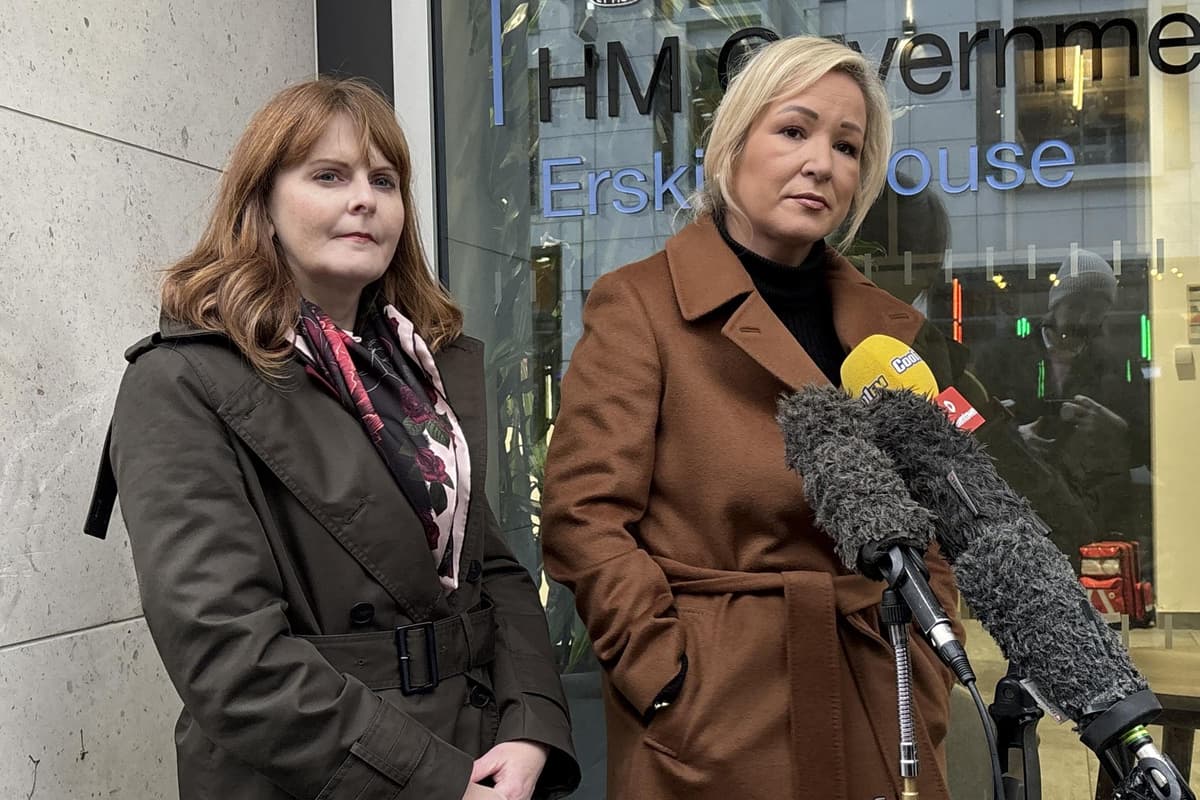
Suzanne Wylie, chief executive of NI Chamber, said businesses were operating in an increasingly challenging environment.
“This report confirms that even before the recent escalation in the Middle East, businesses in Northern Ireland were operating in a fragile, low-growth environment.
“We stand ready to work in partnership with the UK Government to best understand and support businesses through this challenging period.
“At the same time, the Northern Ireland Executive must not lose sight of the long-term structural issues firmly within its control, starting with putting Northern Ireland on a credible path to financial sustainability through a comprehensive review of public spending.
“At the same time, we urgently need progress on the long-standing barriers to growth that continue to hold back investment, particularly skills, planning, and wastewater capacity constraints that are preventing development right across Northern Ireland.”
She said reducing unnecessary complexity in the Windsor Framework was required if it was to provide stability and certainty.
“On trade, it is vital that both the UK and EU continue to uphold their commitments under the legal text of the Windsor Framework to keep its operation under constant review.
“That must include reviewing the ‘goods at risk’ test to ensure it is as simple, proportionate and up to date as possible, and reflects the capabilities of modern supply‑chain technology.”
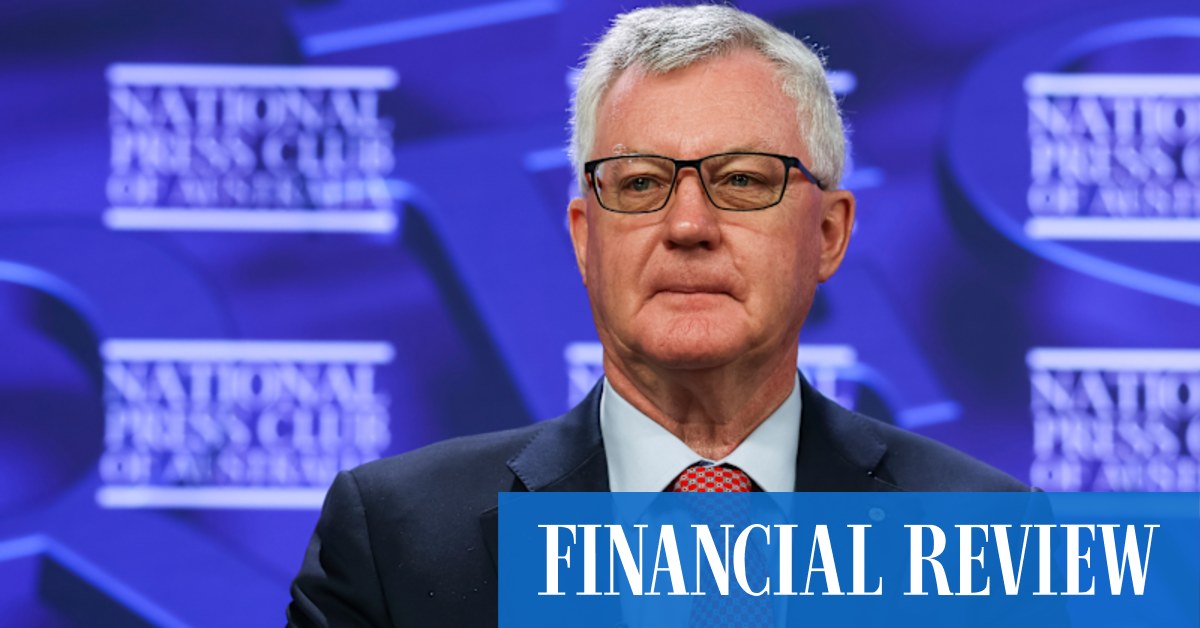
Professor Richard Ramsey, professor of practice at Queen’s Business School, added: “The quarter-one results point to an economy that is proving resilient, but where weak demand, persistent cost pressures and severe labour market constraints continue to limit momentum.
“Northern Ireland’s relative UK performance increasingly reflects resilience rather than strong growth.”
NI fit-out company MJM wins major cruise ship contract