The rapid growth of artificial intelligence (AI) is reshaping the energy requirements of the digital economy.
As AI workloads become more power-intensive, data centre operators are under increasing pressure to identify energy pathways that are resilient, scalable and sustainable.
Strengthening Singapore’s hydrogen ecosystem
Singapore’s National Hydrogen Strategy launched in 2022 identified hydrogen as a key potential decarbonisation pathway for Singapore.
The government estimates that hydrogen could supply up to half of Singapore’s power needs by 2050, which is also Singapore’s target year for achieving net zero emissions.
However, scaling hydrogen remains complex.
While hydrogen produces little to no emissions when it is combusted, its overall decarbonisation potential depends on how it is produced, transported and stored.
In addition, cost, infrastructure readiness, safety standards and supply chain maturity remain key barriers to hydrogen’s adoption at scale.
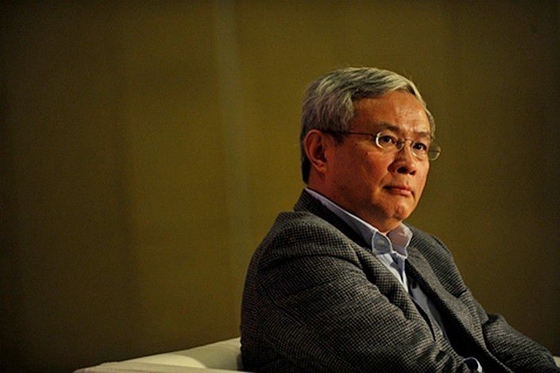
In July 2025, Minister-in-charge of Energy and Science & Technology, Dr Tan See Leng highlighted how the government is pressing ahead with research in energy options despite these challenges.
Pioneering innovative hydrogen solutions
Against this backdrop, Bridge Data Centres (BDC) and Concord New Energy (CNE) have announced plans to jointly develop Singapore’s first floating hydrogen power generation solution tailored for next-generation AI data centres.
Bridge Data Centres, Chief Executive Officer, Eric Fan said, “The accelerating demand for AI-ready data centres requires new energy architectures that are resilient, scalable, and sustainable. This collaboration with Concord New Energy reflects our commitment to diversifying long-term power pathways.”
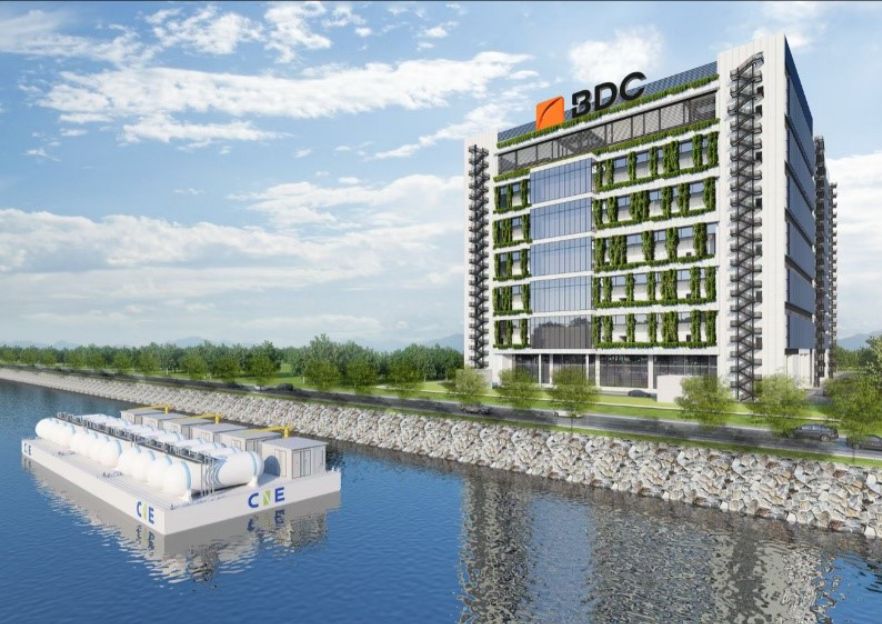
The collaboration combines BDC’s expertise in hyperscale data centre development and operations with CNE’s technical capabilities in renewable and hydrogen energy systems.
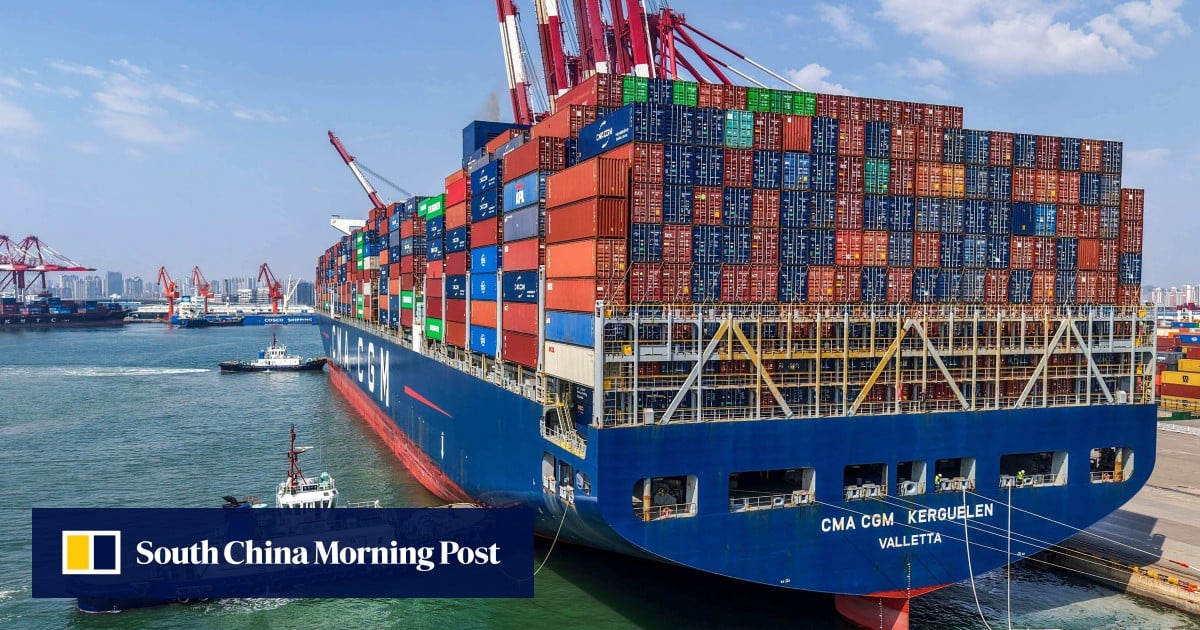
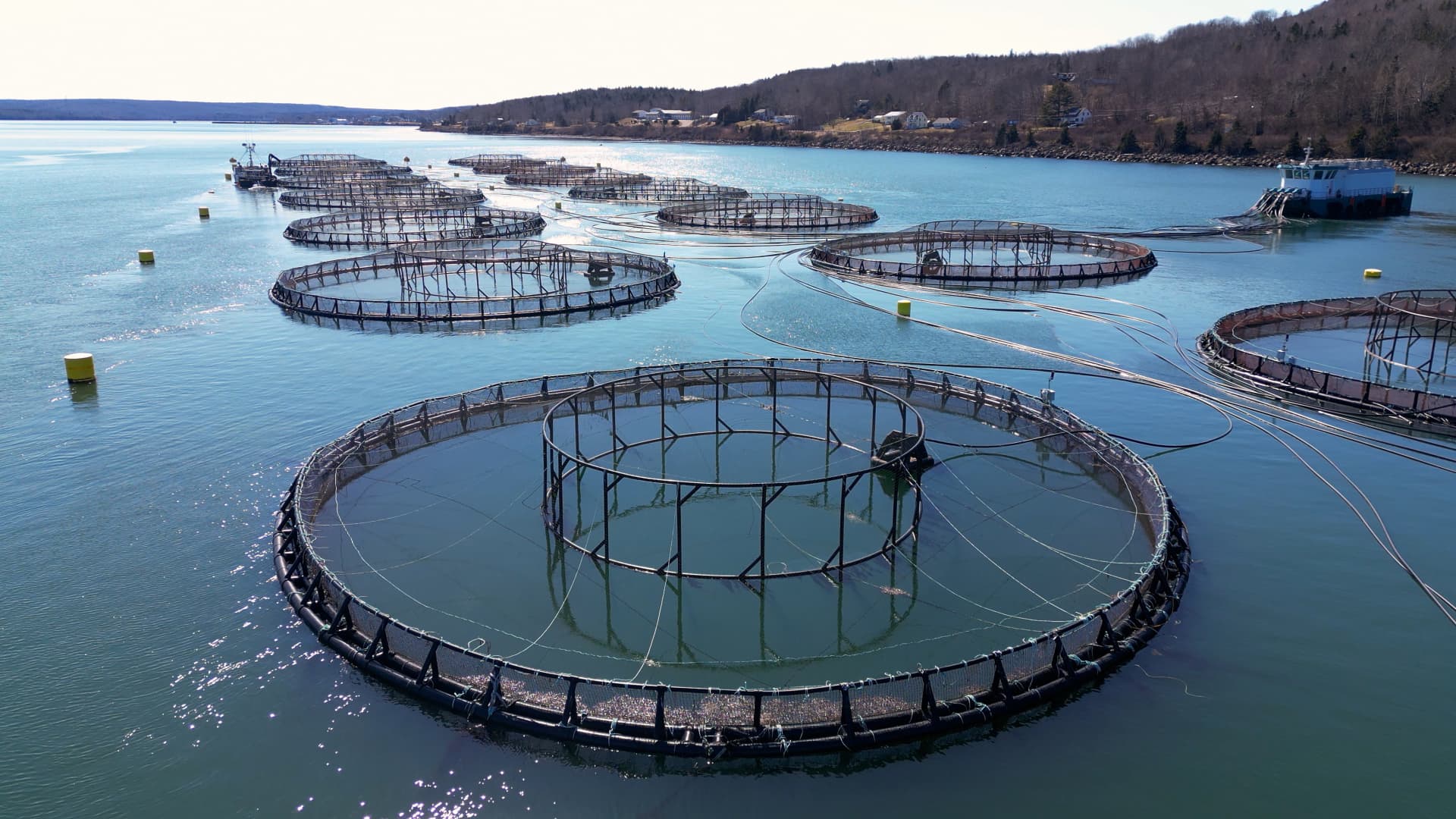
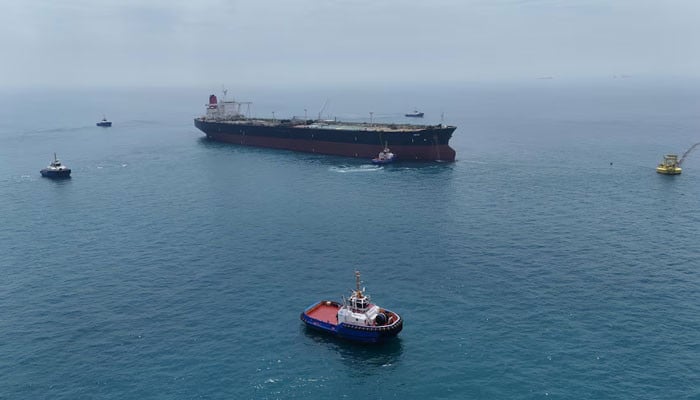
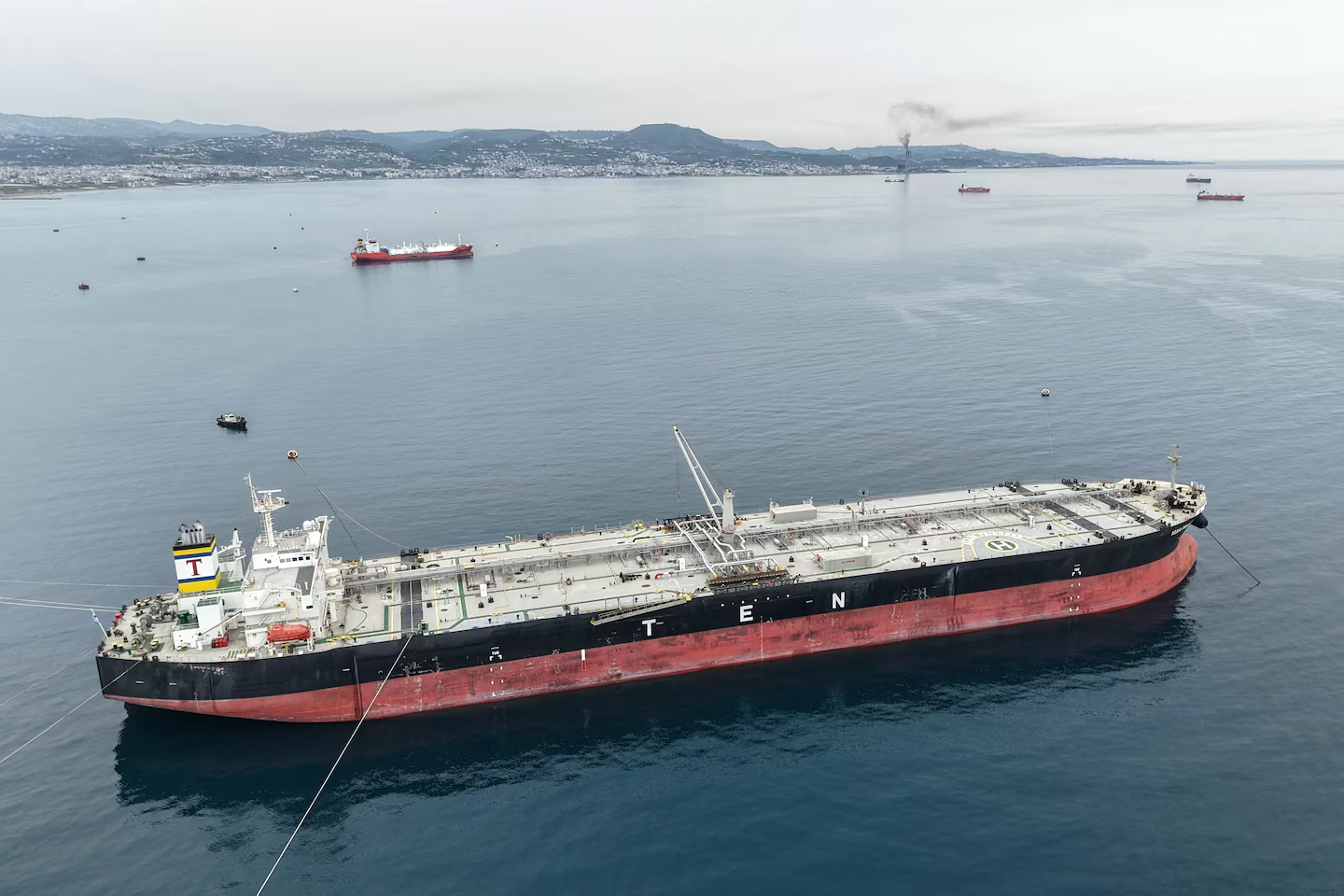
The innovative floating hydrogen power generation concept presents a practical deployment model for land-scarce Singapore.
By shifting hydrogen-related infrastructure offshore, scarce land can be reserved for other strategic purposes.
Moreover, the modular design also provides scalability advantages, enabling additional hydrogen generation units to be deployed efficiently and quickly to meet future demand growth.
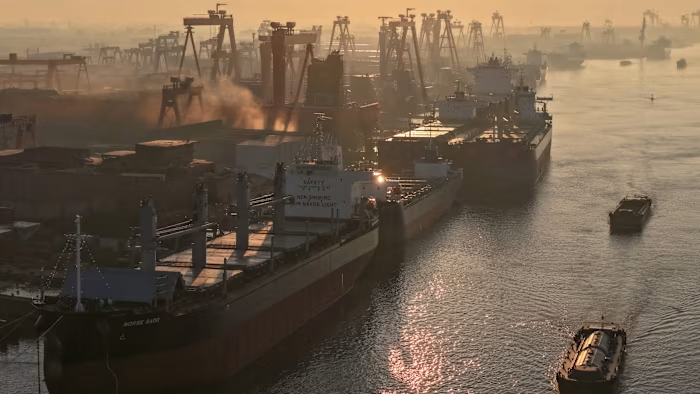
The concept also builds on Singapore’s established strengths in maritime engineering, offshore operations and energy logistics — sectors that could support the safe and efficient deployment of hydrogen-related infrastructure at sea.
“While we are a data centre operator, our role in the energy sector goes beyond being a pure consumer of power. BDC is an early mover in this space and an active player across Asia Pacific’s renewable energy spectrum,” Fan said.
“By pioneering Singapore’s first barge-based hydrogen generation solution, we are exploring innovative models that integrate clean energy with advanced digital infrastructure,” he added.
BDC and CNE will also collaborate with Singapore’s Nanyang Technological University to accelerate the research, engineering, and deployment of scalable clean energy solutions across the hydrogen value chain.

The partnership aims to facilitate structured knowledge transfer and local talent development in hydrogen systems integration, which are important as Singapore builds deeper expertise in emerging energy technologies.
The collaboration is also expected to catalyse investment surrounding hydrogen infrastructure which strengthens Singapore’s renewable energy ecosystem in the years to come.
Looking ahead
Fan believes the floating hydrogen power generation model could serve as a scalable offshore clean power framework for other land and energy constrained data centre markets across the region.
The collaboration between BDC and CNE reflects BDC’s proactive strategy to future-proof its power architecture, diversify long-term sourcing pathways and strengthen infrastructure resilience.
Beyond Singapore, the initiative aims to establish a scalable offshore-integrated clean power framework that can be adapted for other land- and energy-constrained data centre markets across the region.
As hydrogen technologies mature, early-stage pilots such as the floating hydrogen power generation concept will play an important role in accelerating Singapore’s energy transition.