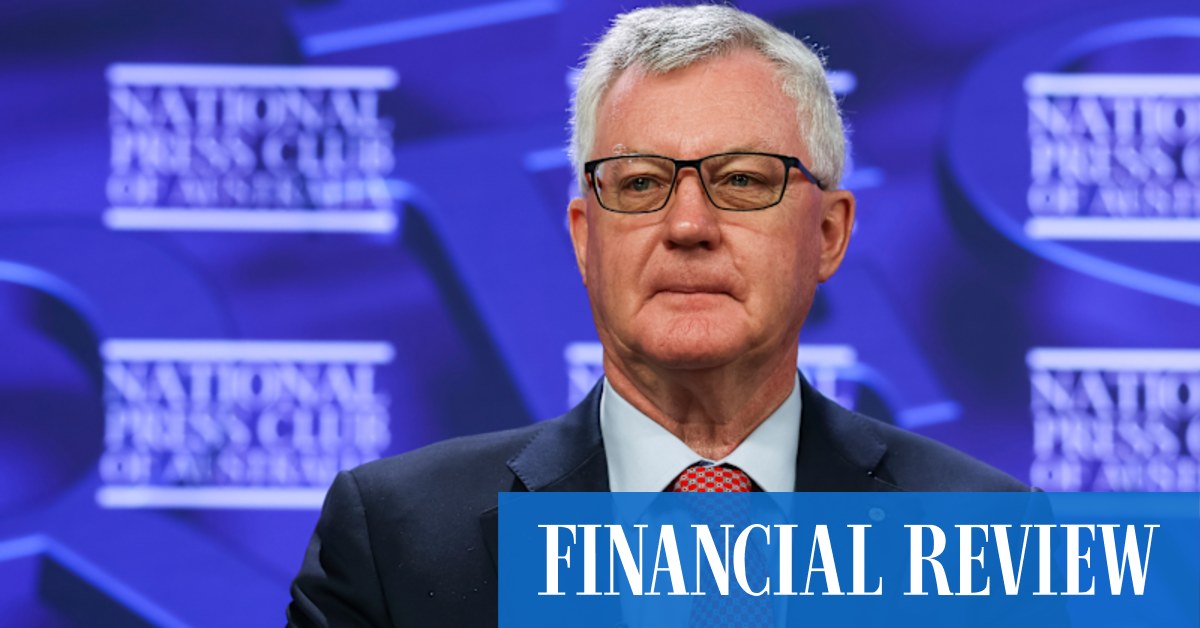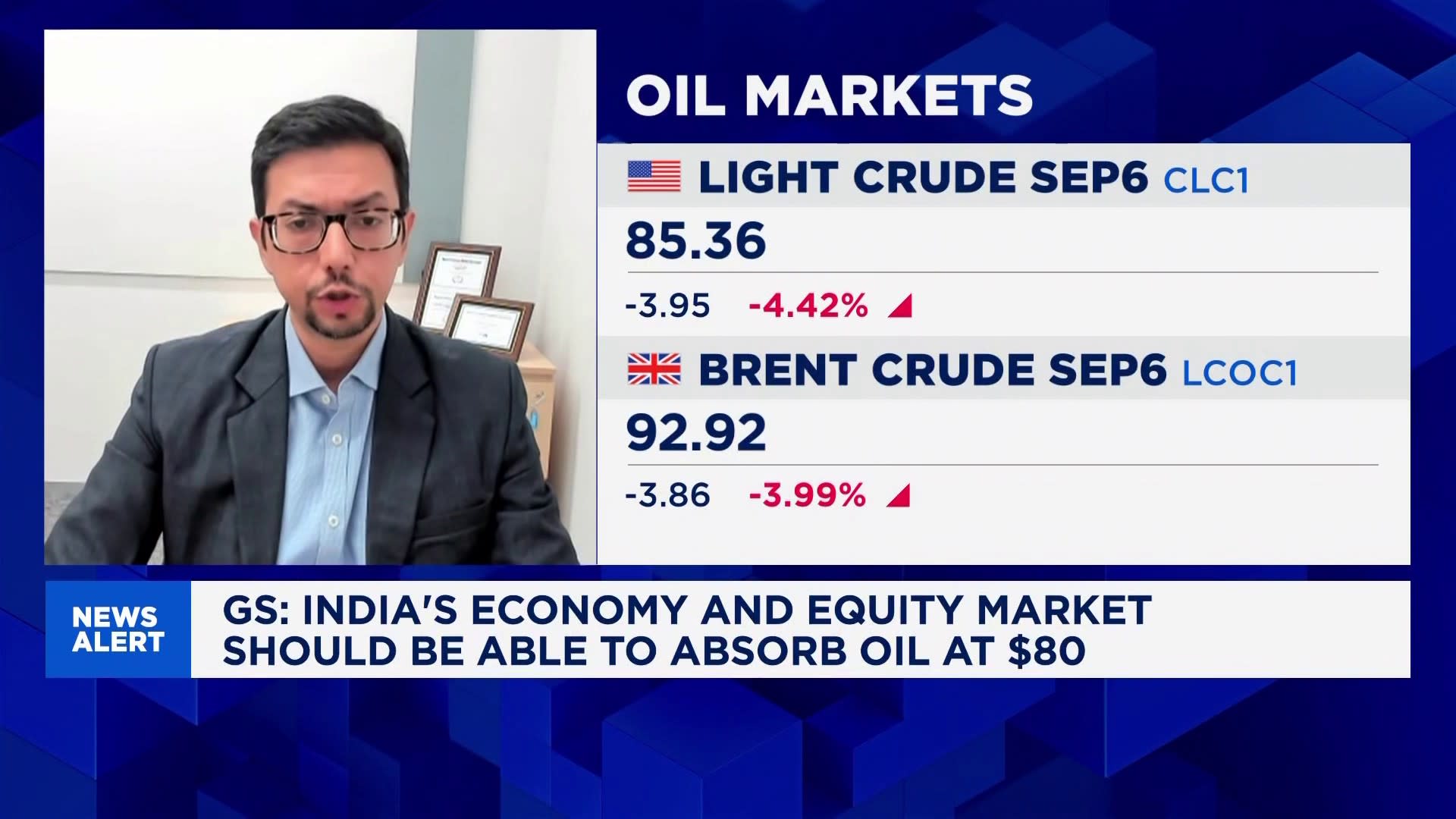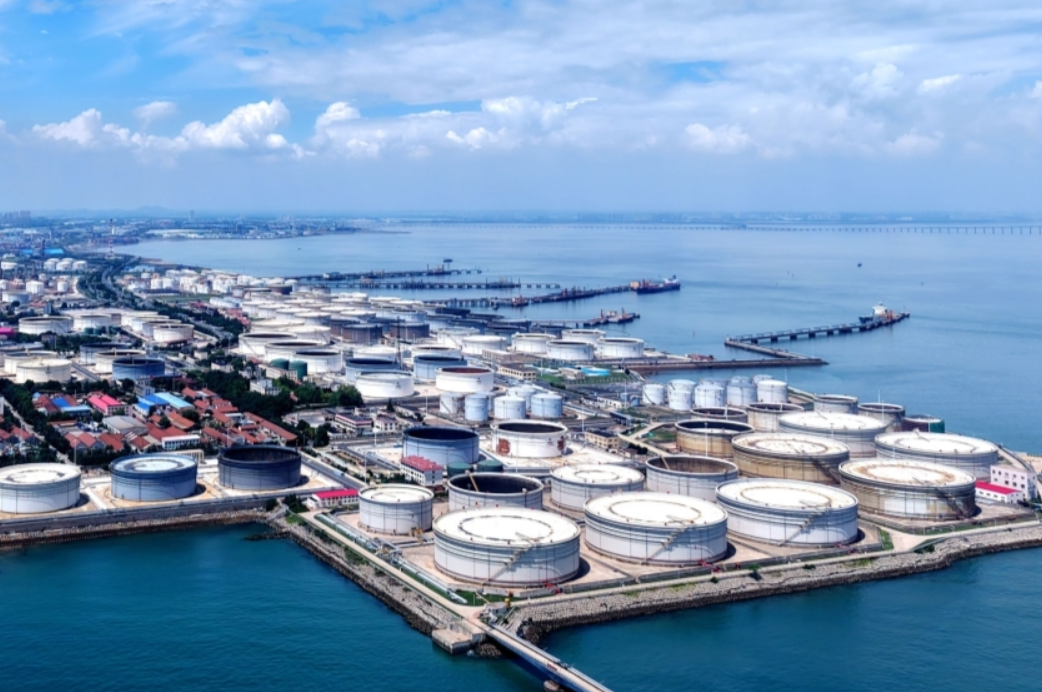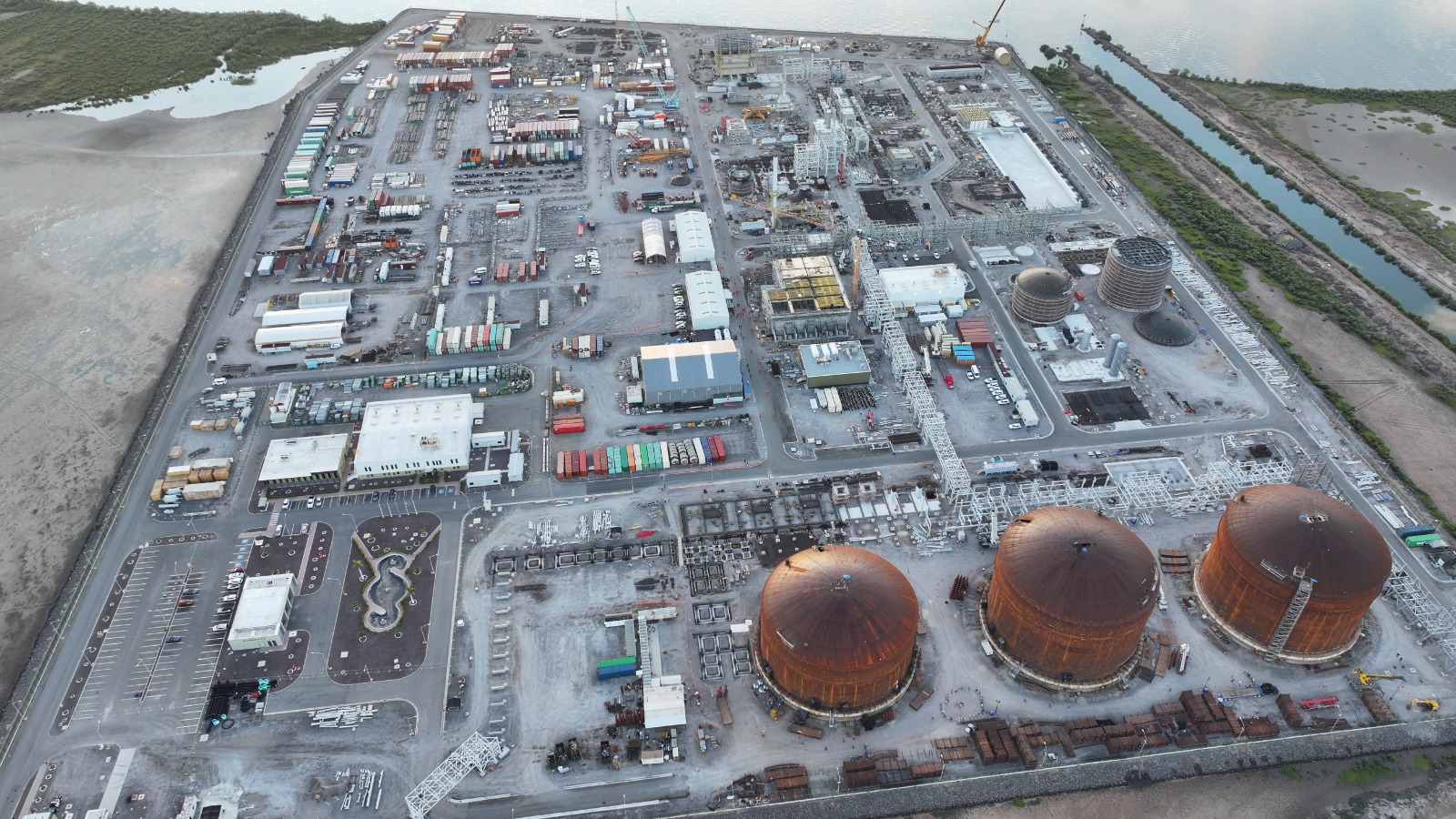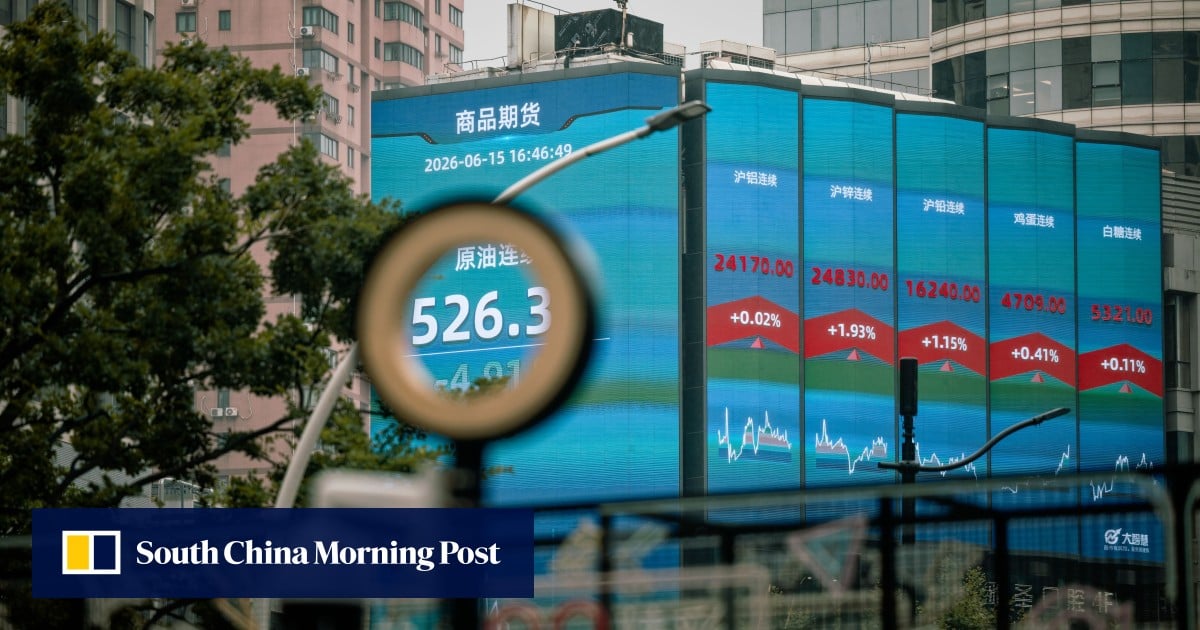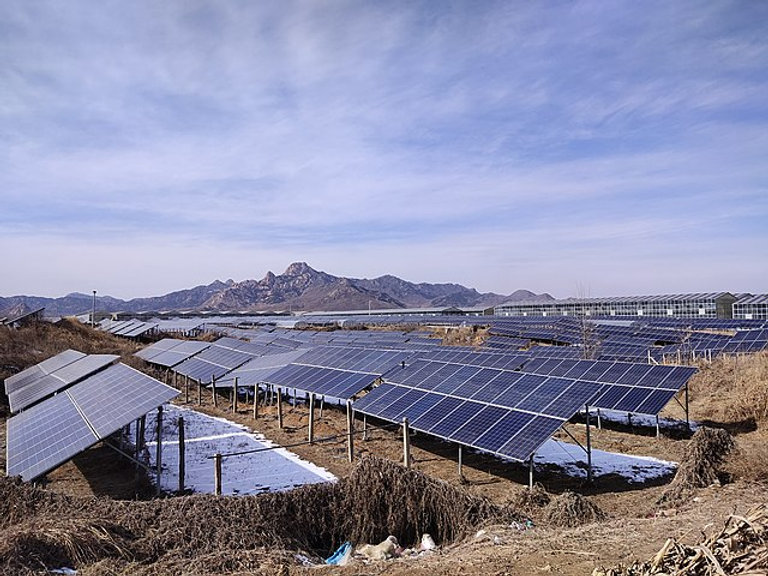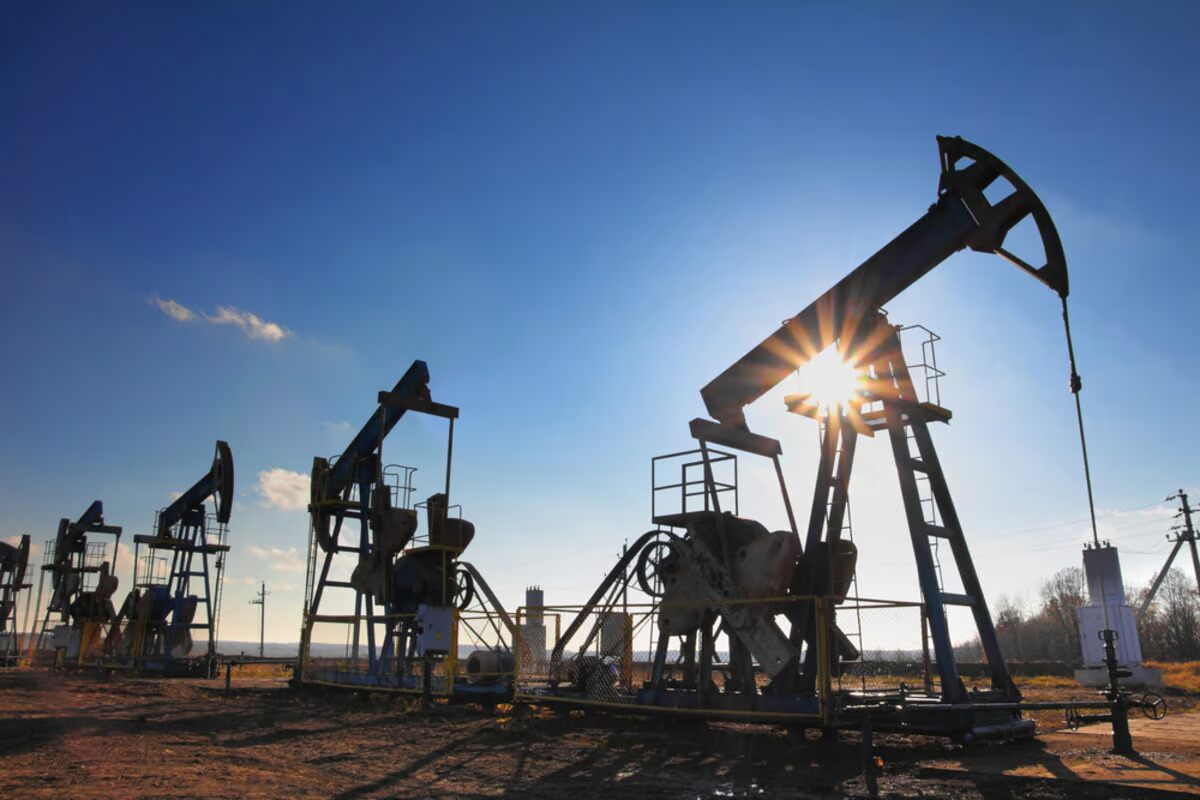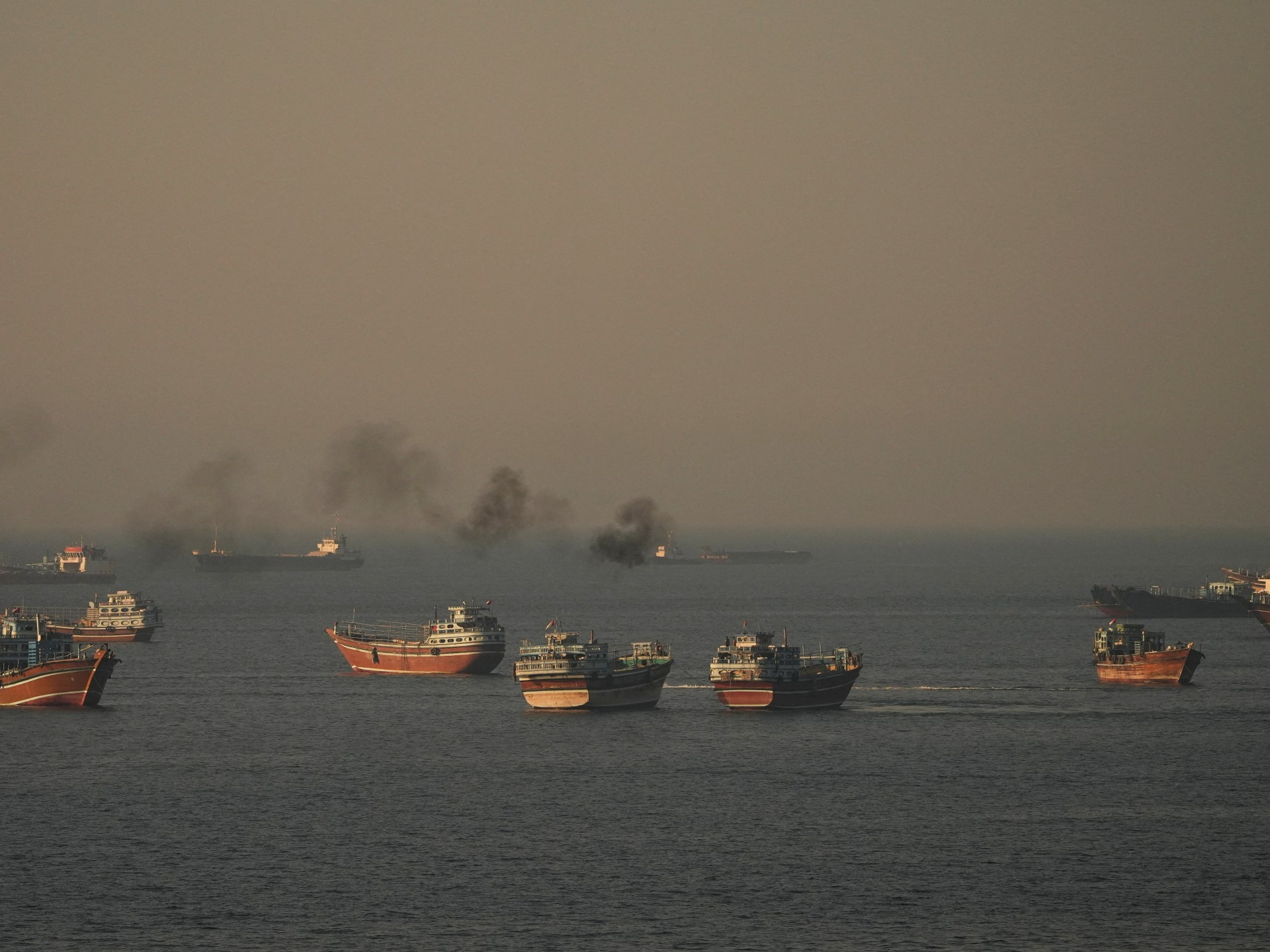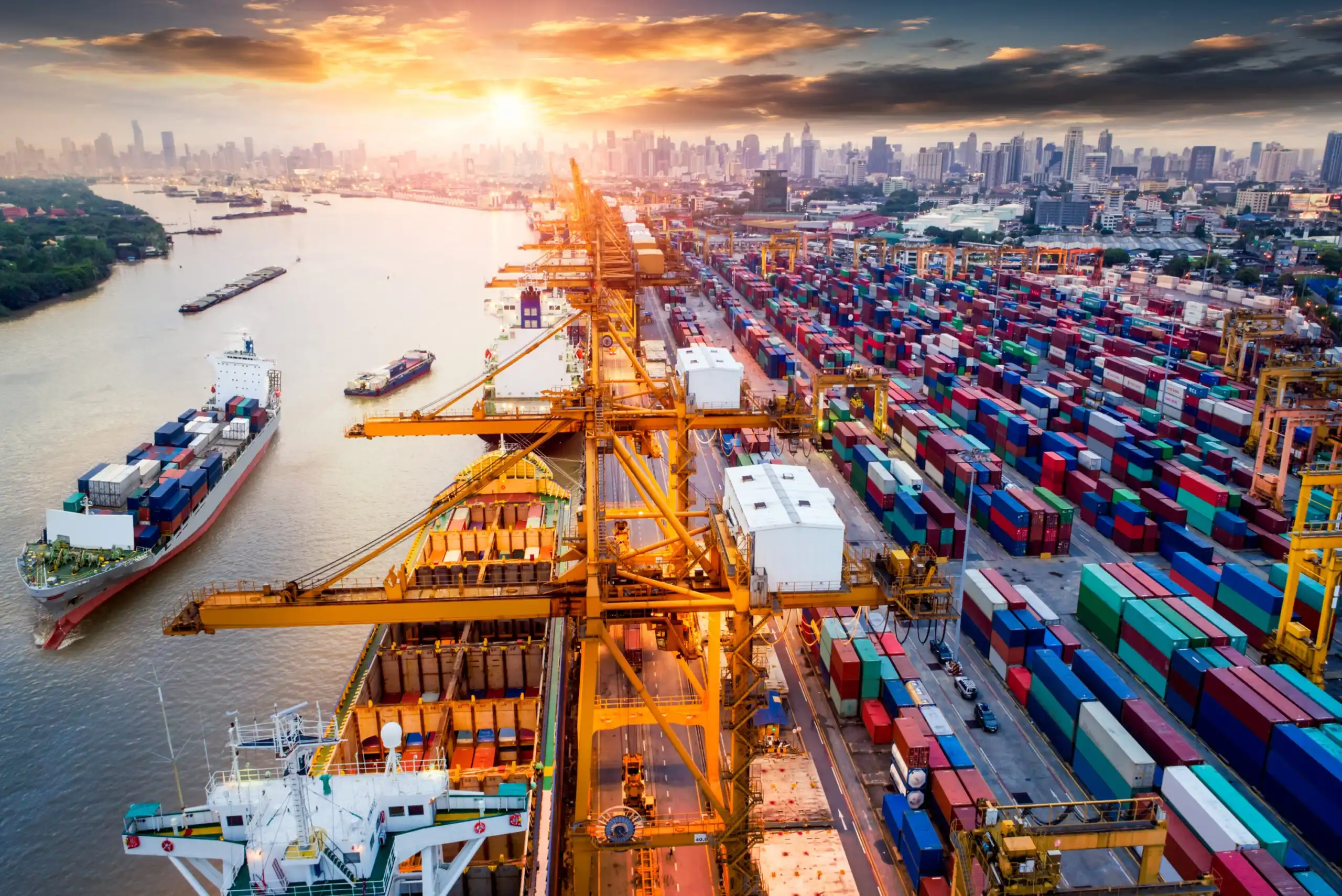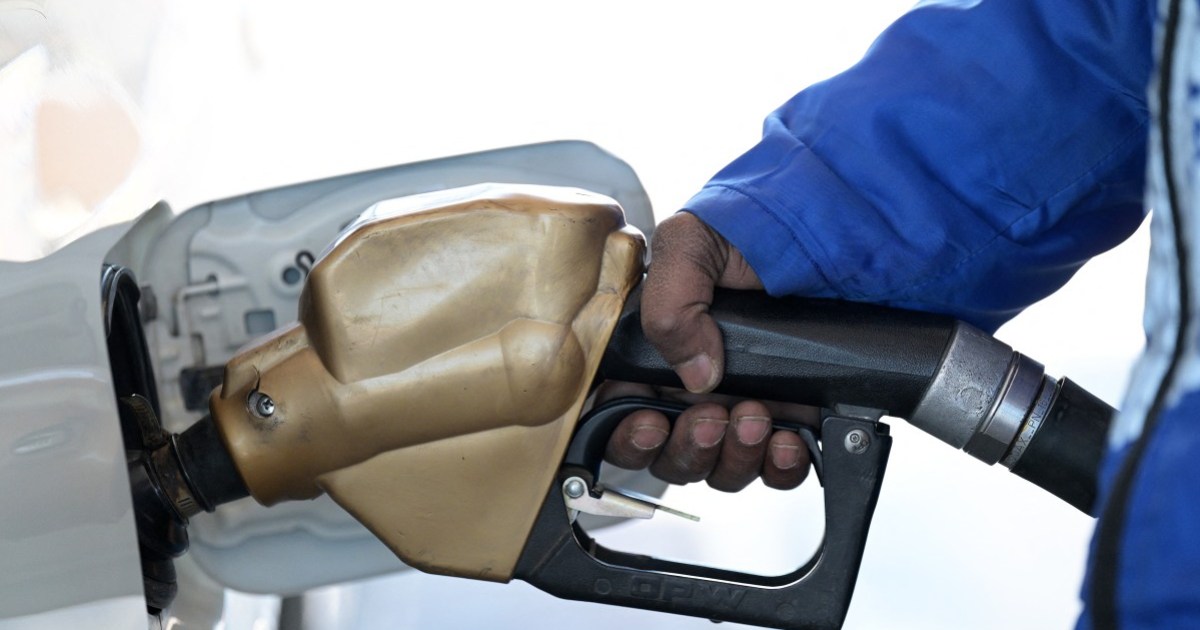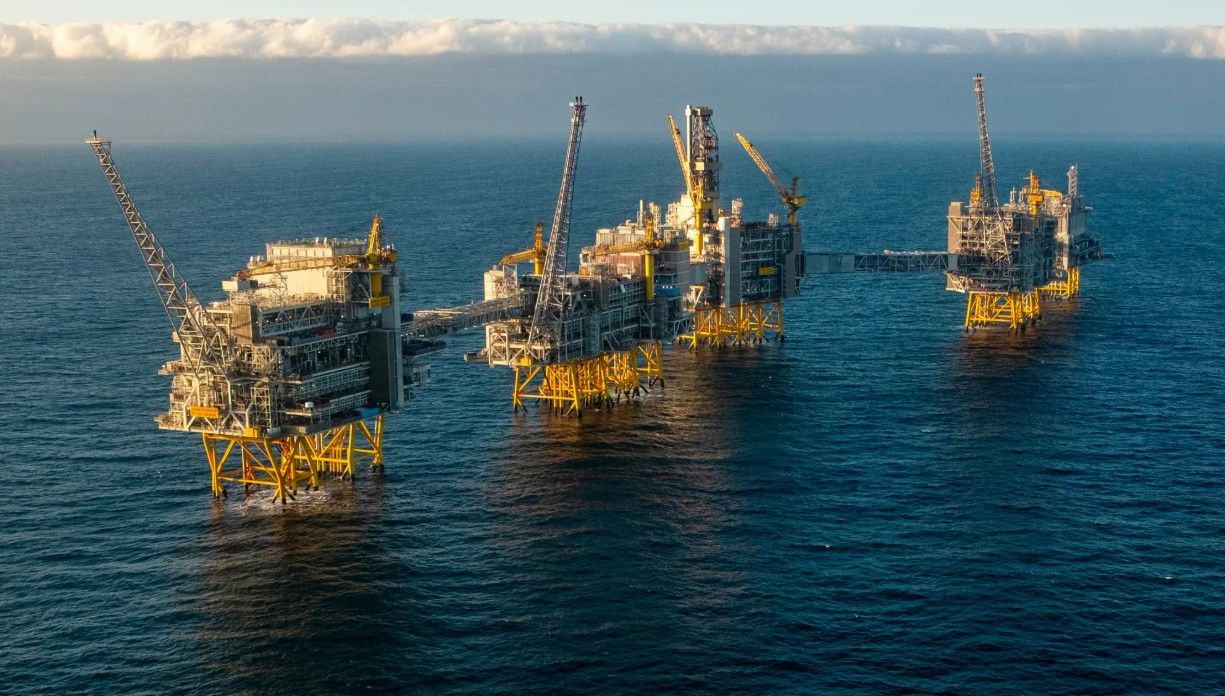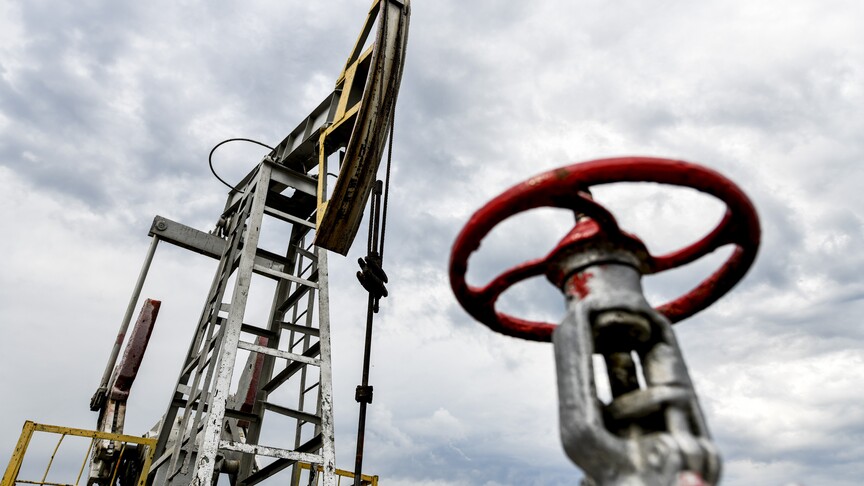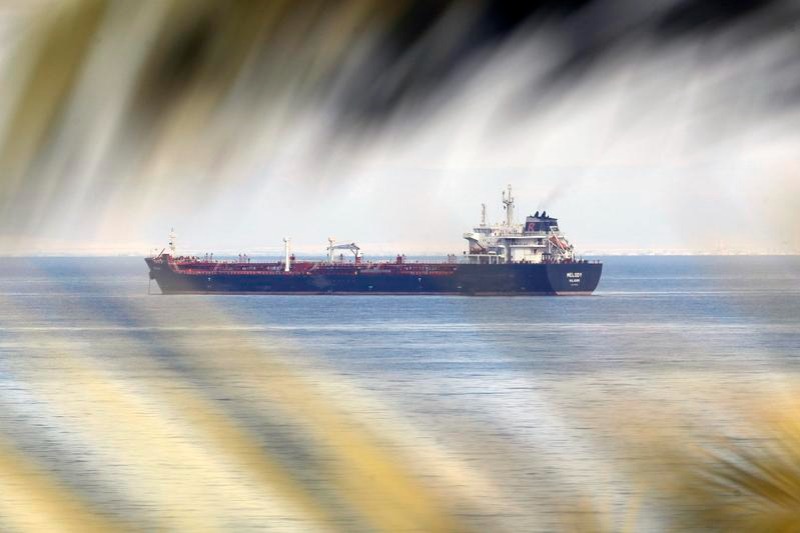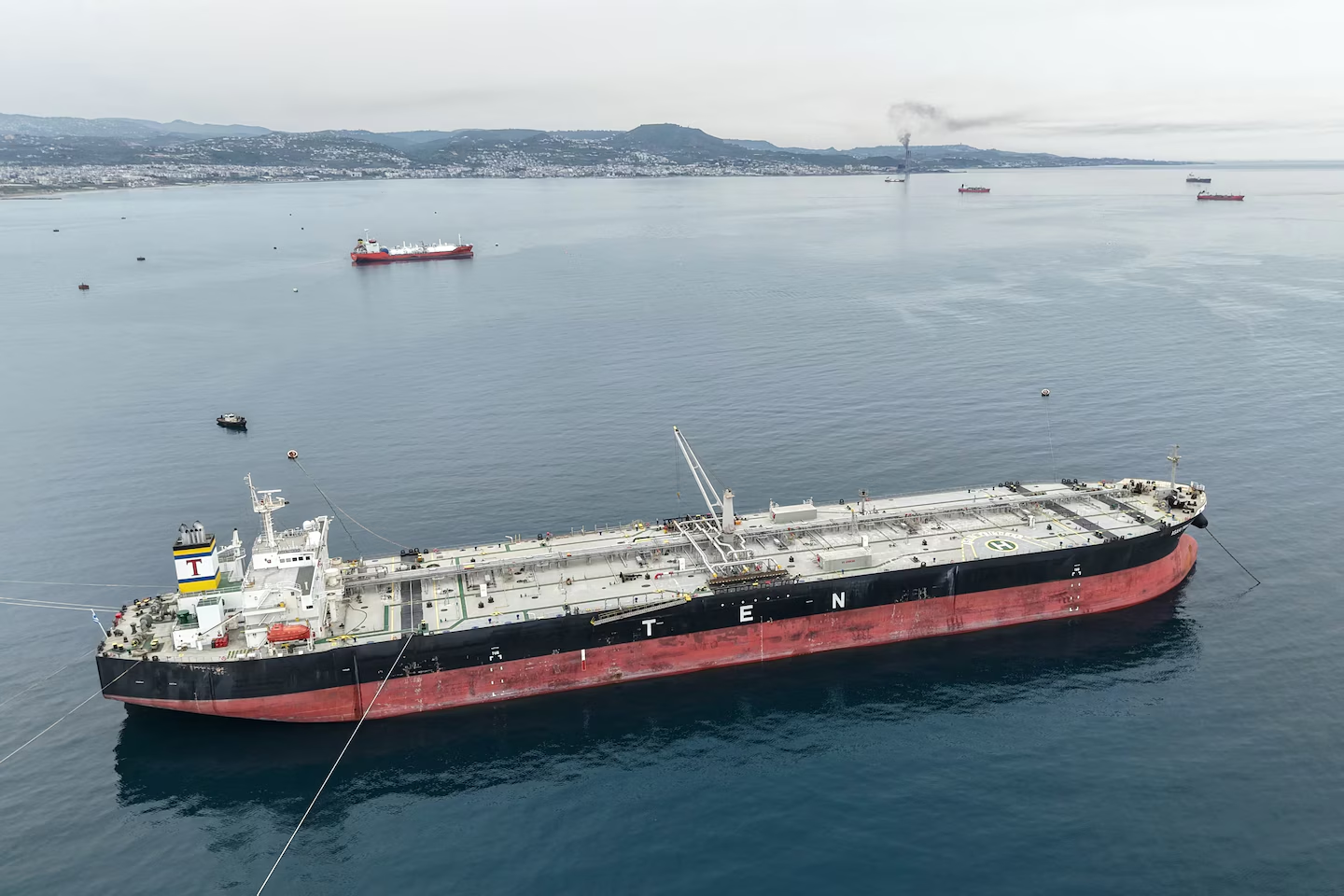
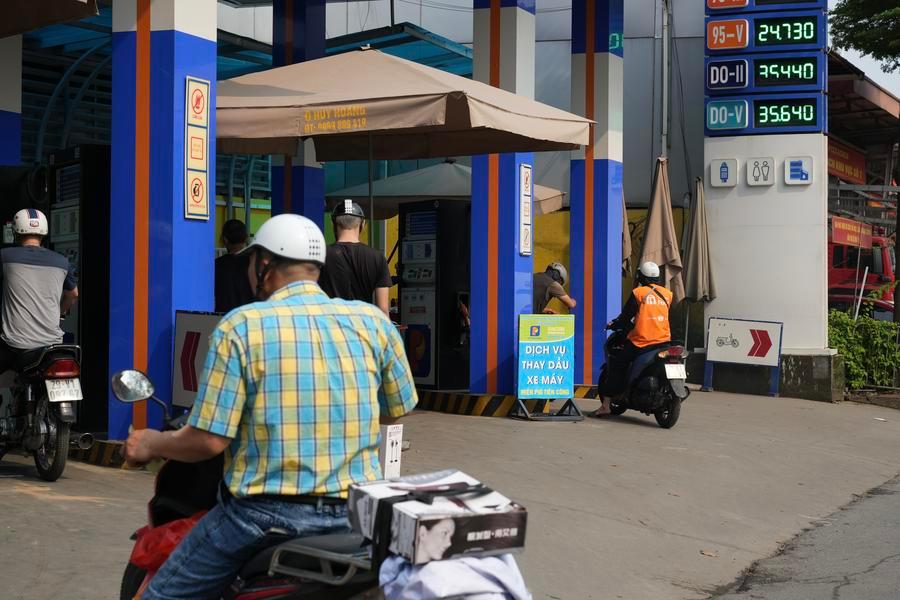
The Middle East remains the main source of oil supplies for many Asian economies, but greater energy diversification — reducing reliance on any single source by expanding the mix of energy supplies — would strengthen Asia’s long-term energy security, an IMF official said.
by Xiong Maoling, Li Rui
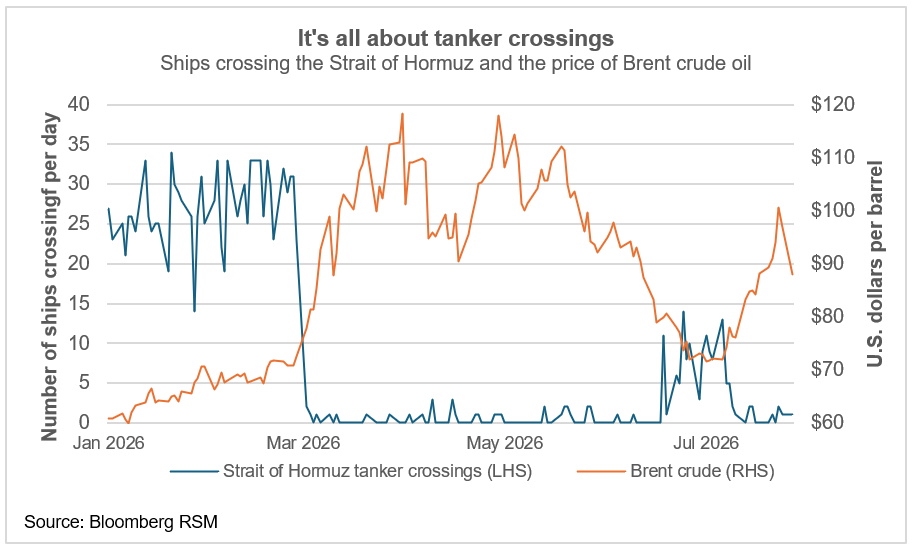
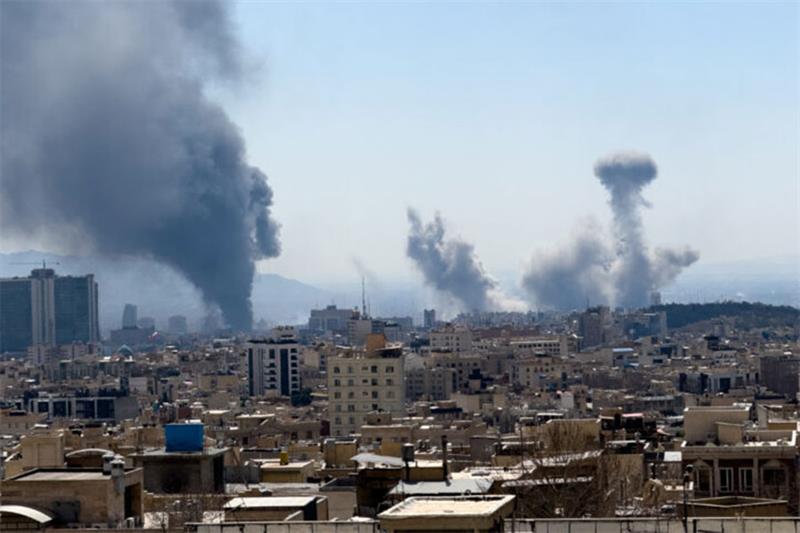
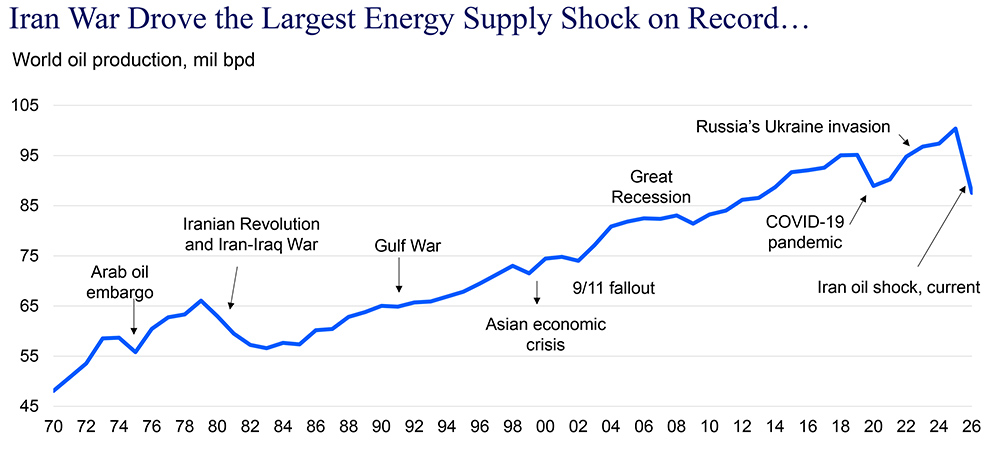
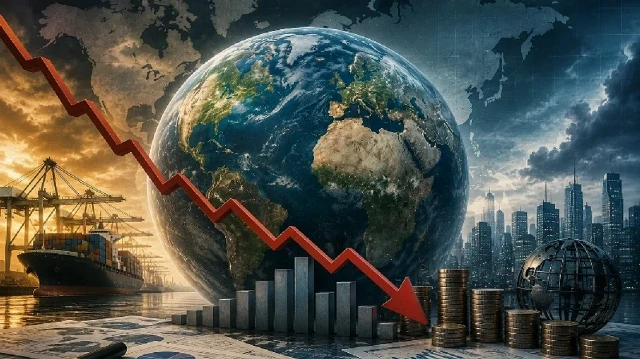
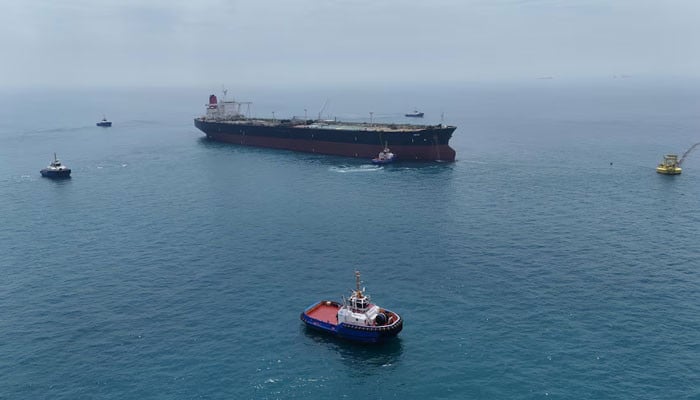
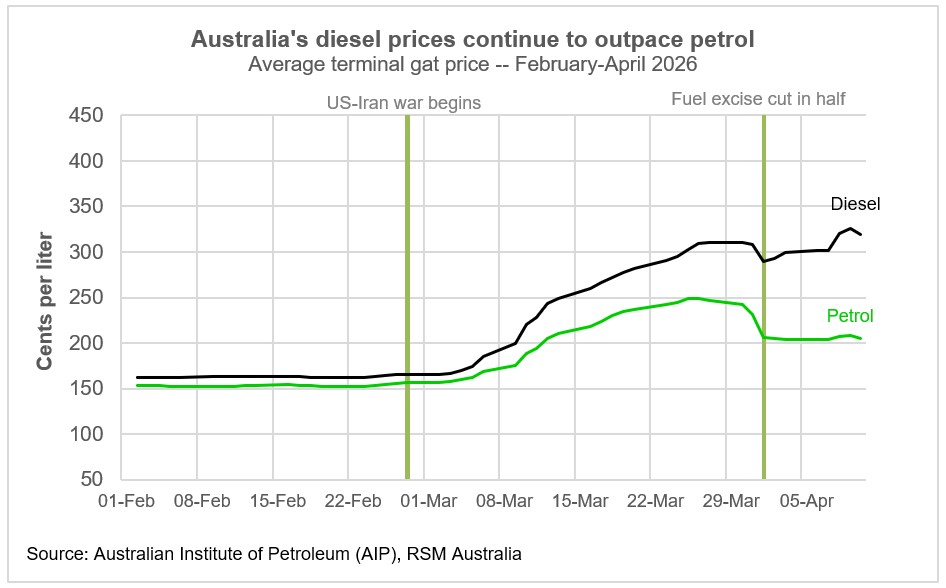
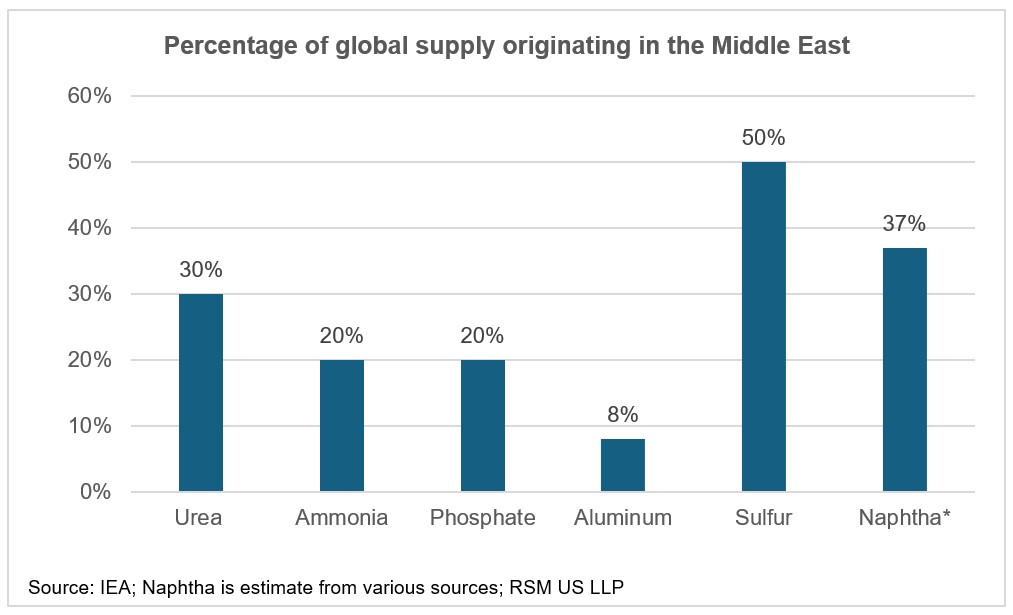
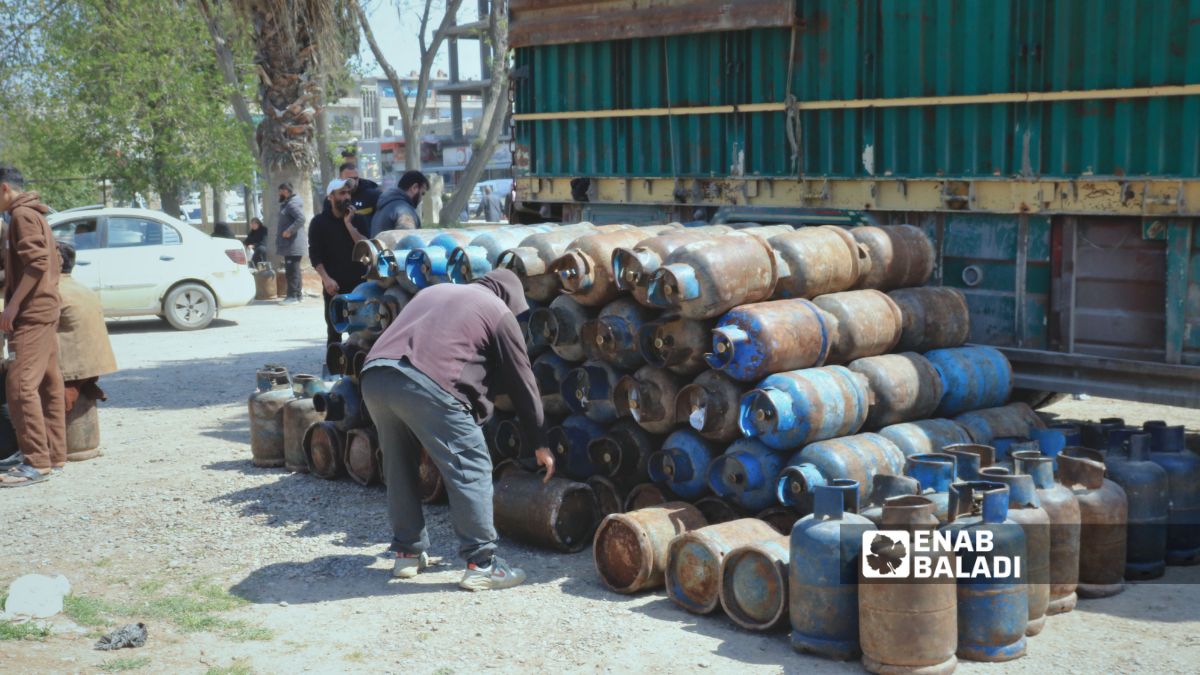
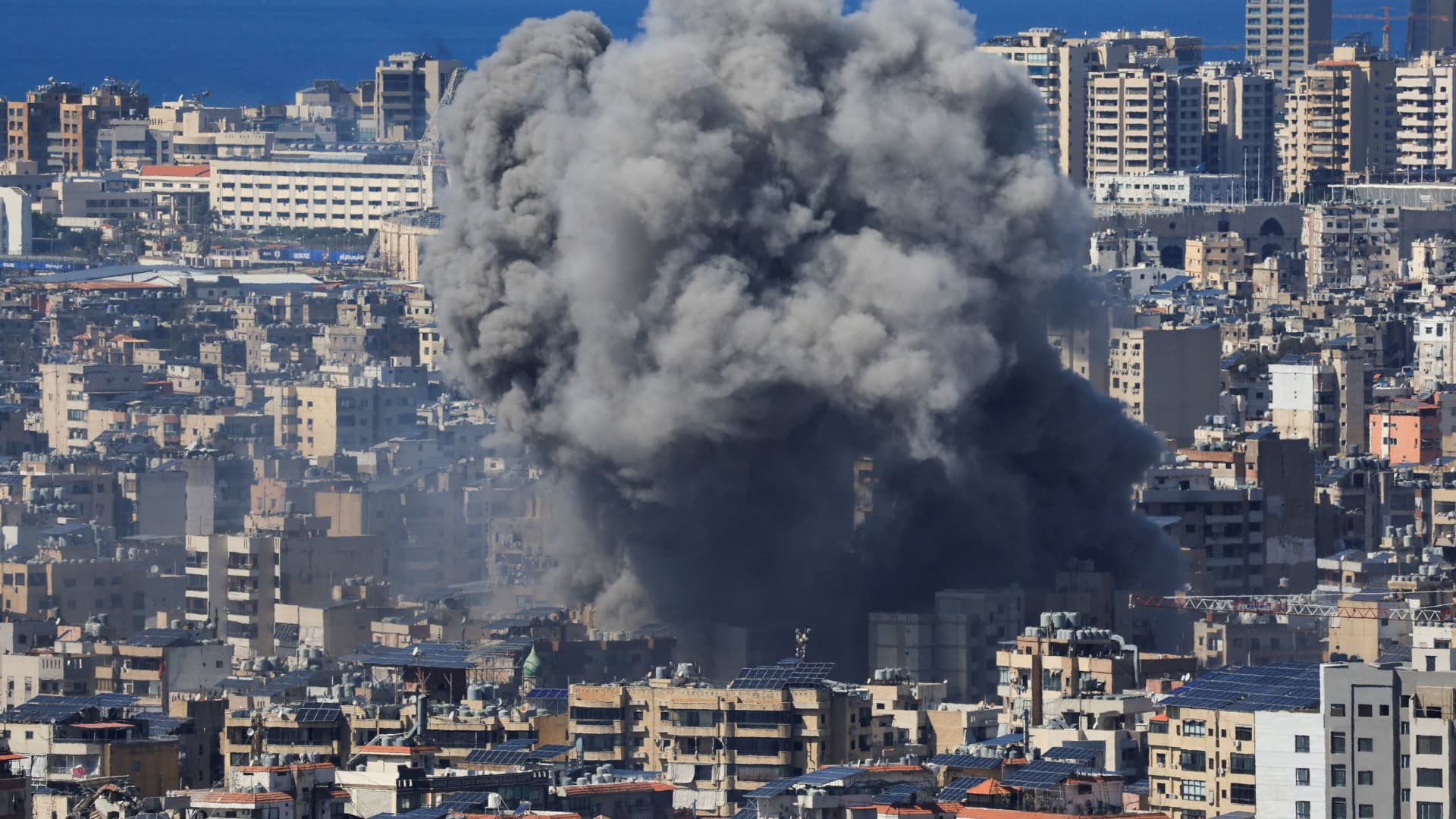
WASHINGTON, April 25 (Xinhua) — The global energy supply disruption caused by the war in the Middle East has heightened Asia’s concerns about energy diversification, an International Monetary Fund (IMF) official has said.
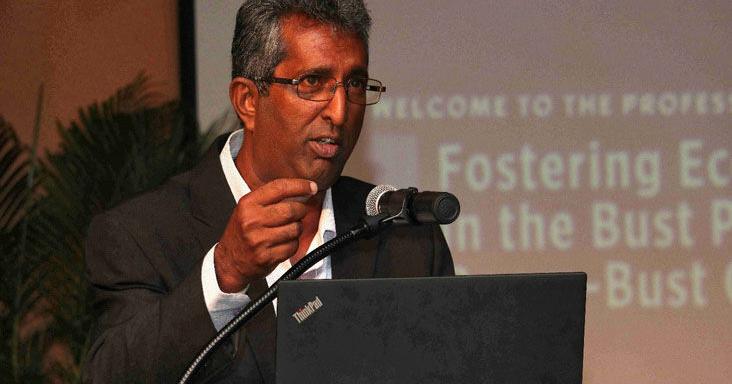
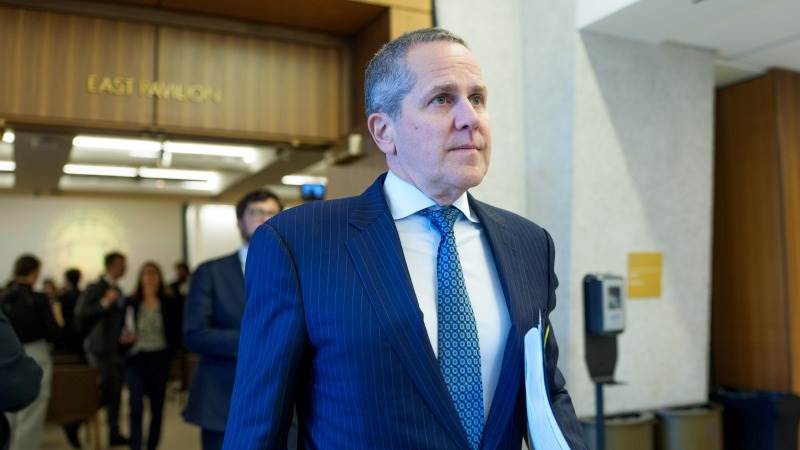
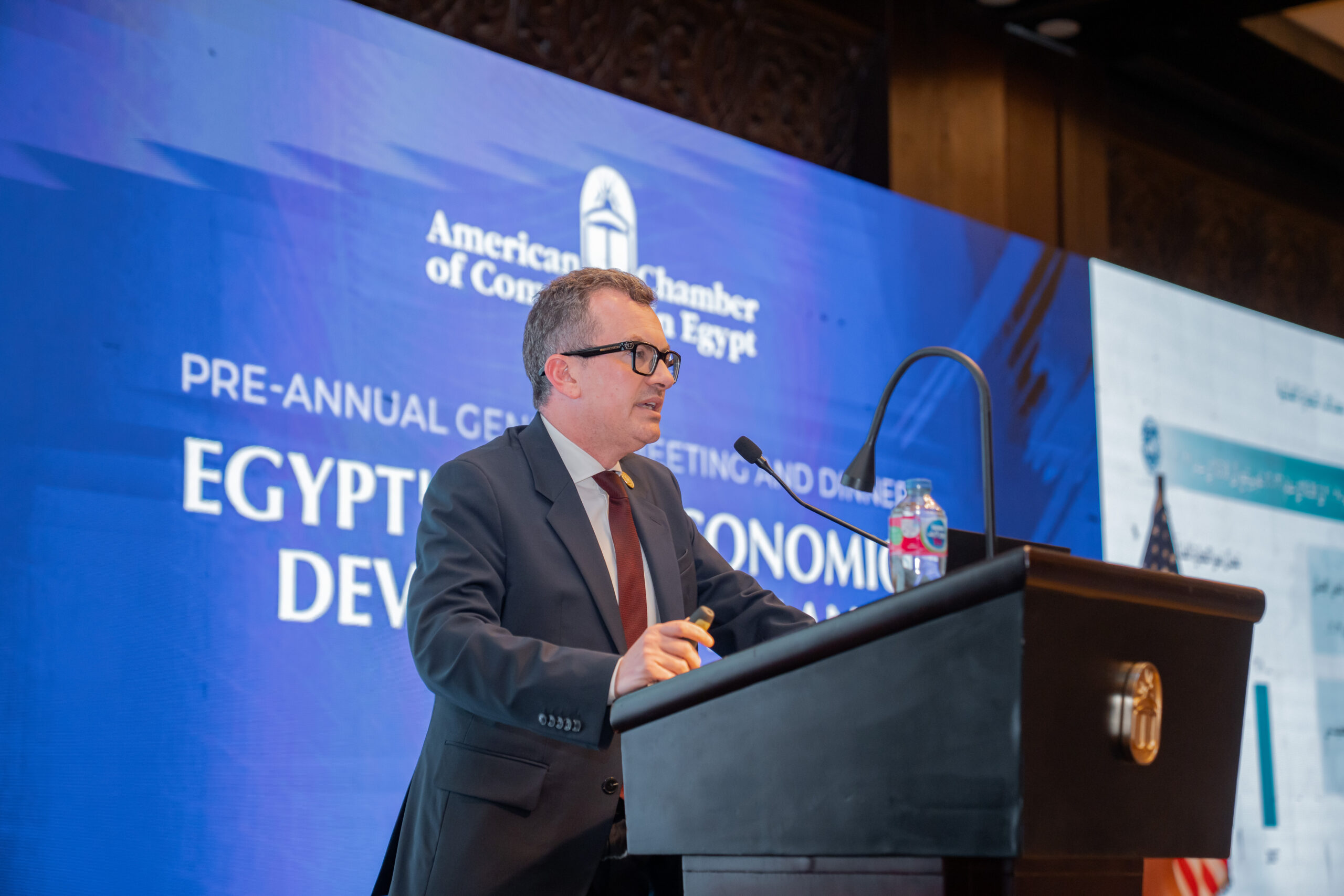
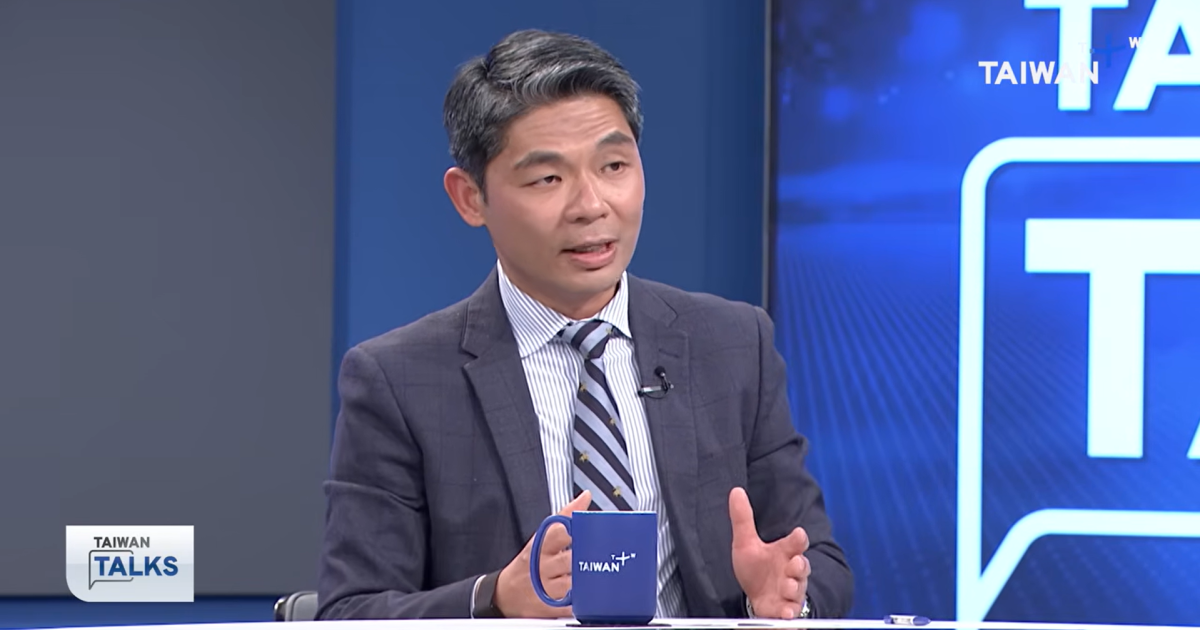
“I think the shock has brought to the fore concerns about energy security,” Thomas Helbling, deputy director in the IMF’s Asia and Pacific department, told Xinhua.
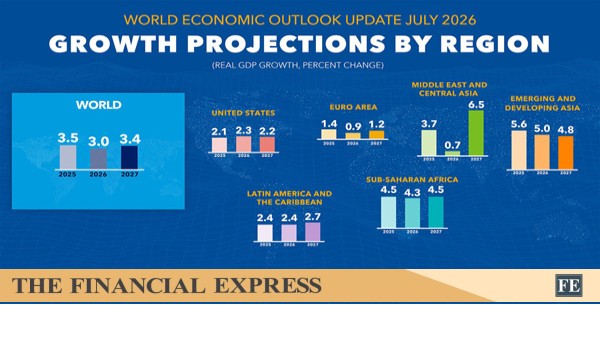
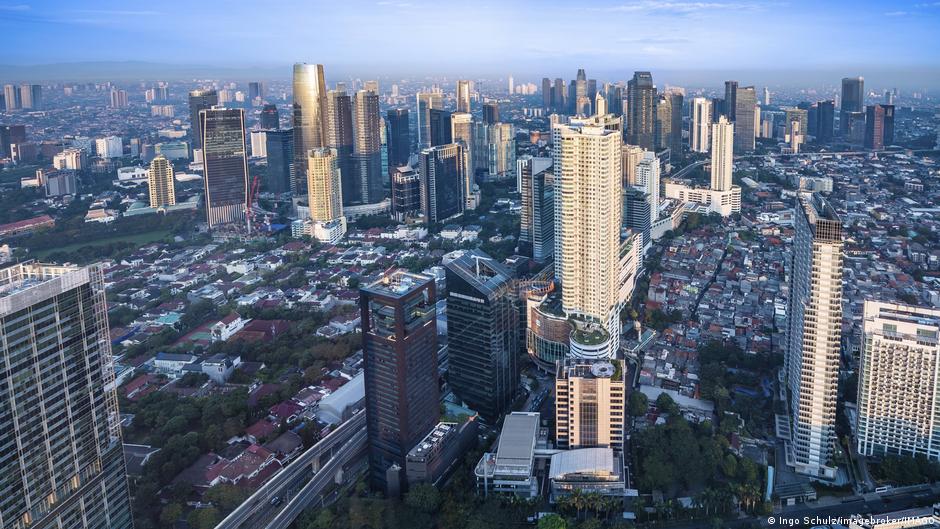
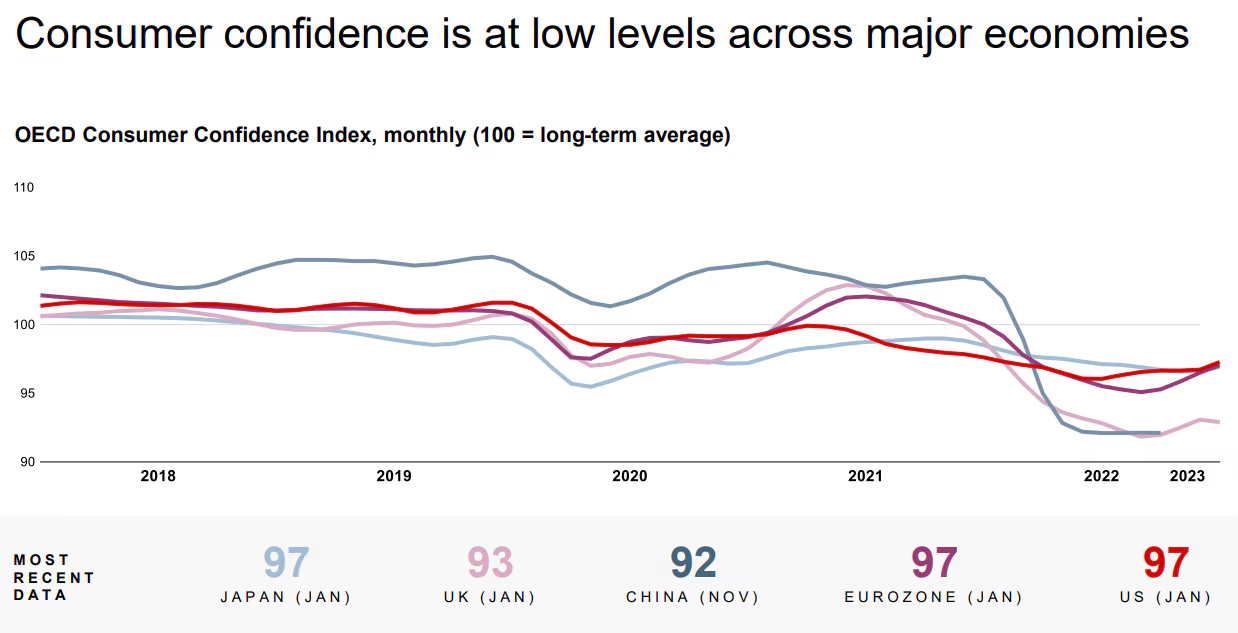
According to the IMF’s latest Regional Economic Outlook for Asia and Pacific released last week, Asia’s growth is projected to moderate from 5 percent in 2025 to 4.4 percent in 2026 and 4.2 percent in 2027.
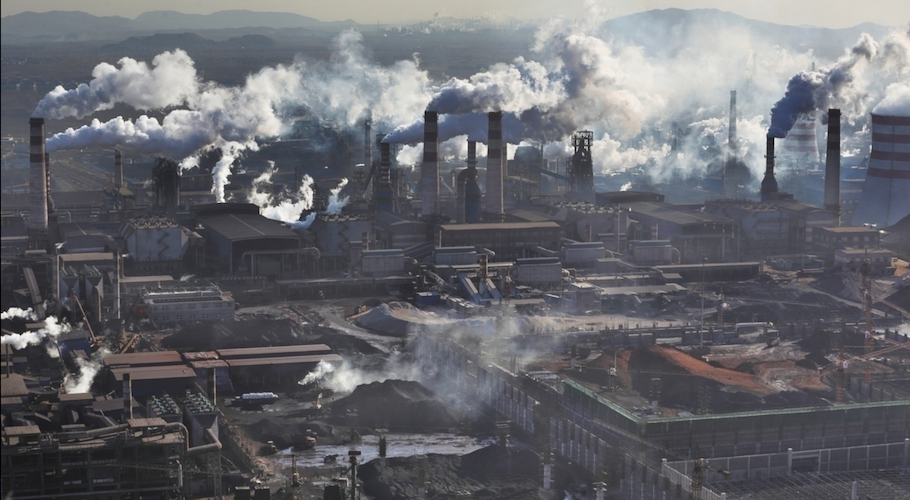
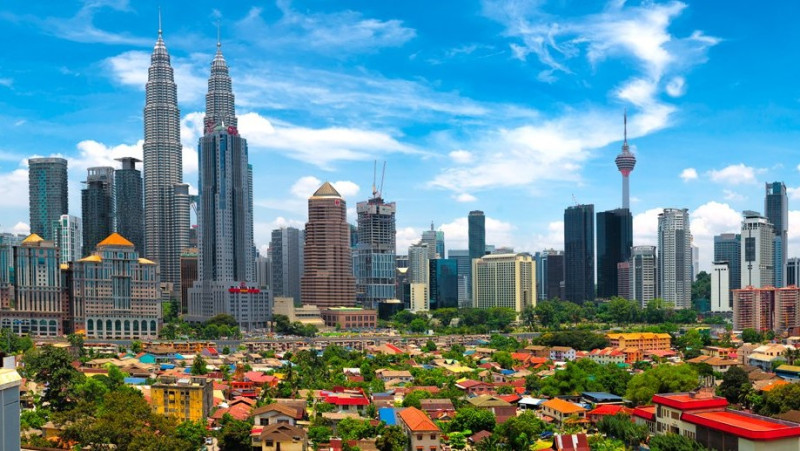
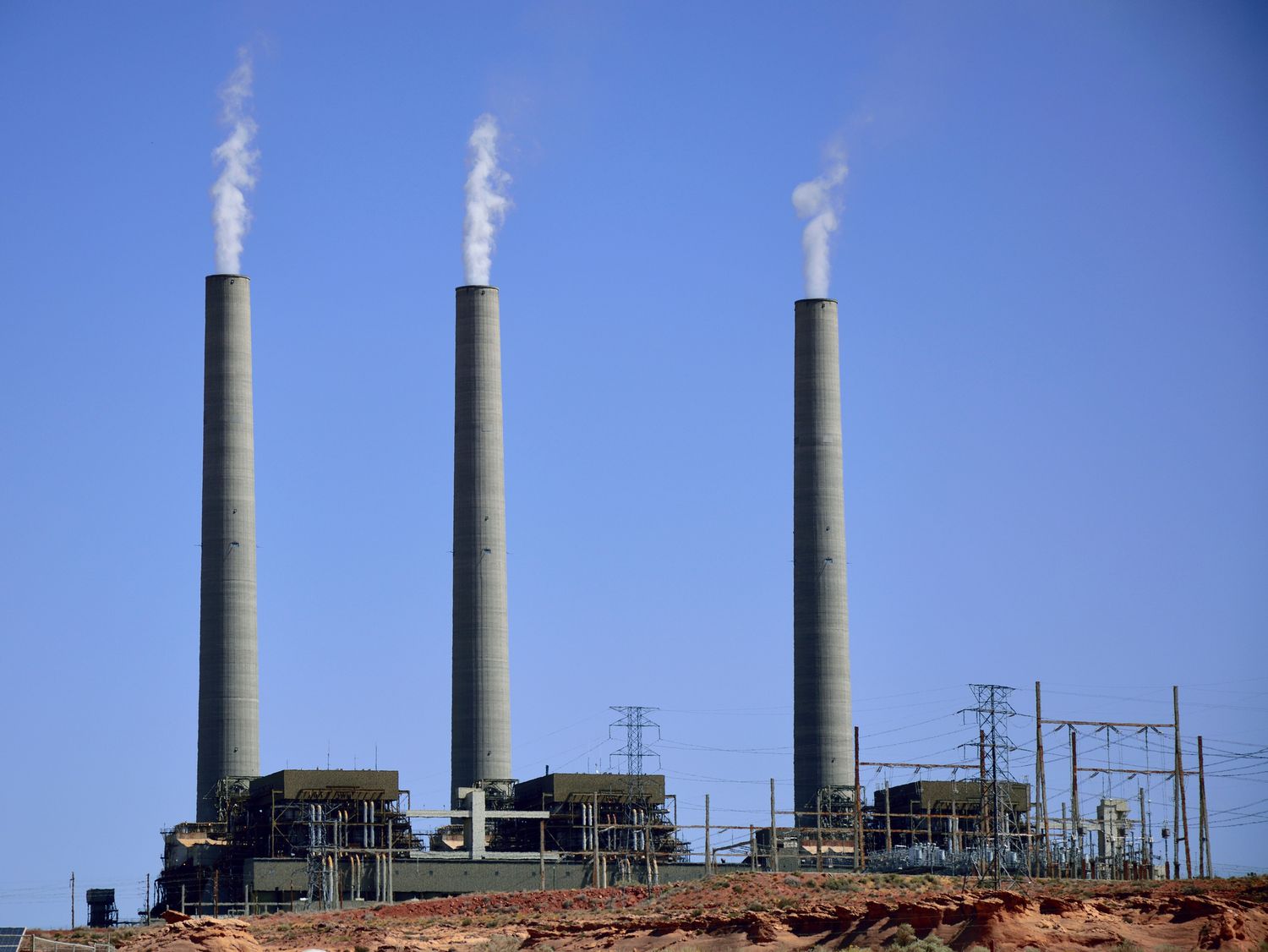
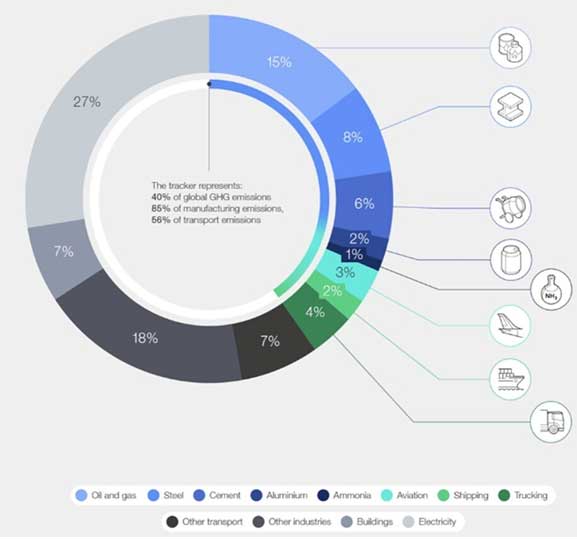
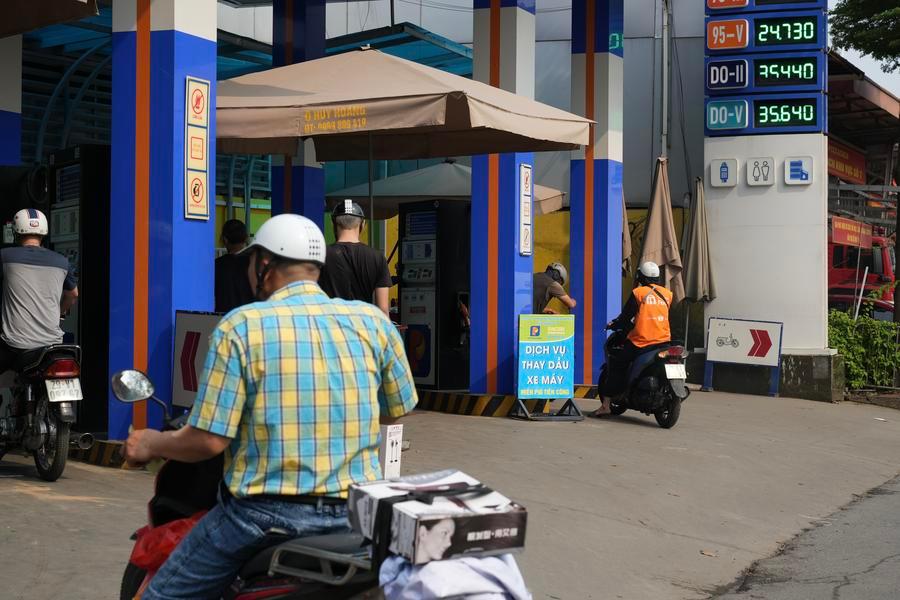
The report noted that the region’s oil and gas use amounts to about 4 percent of GDP, nearly double Europe’s share. It exceeds 10 percent in economies such as Malaysia and Thailand, where transport and industry play larger roles.
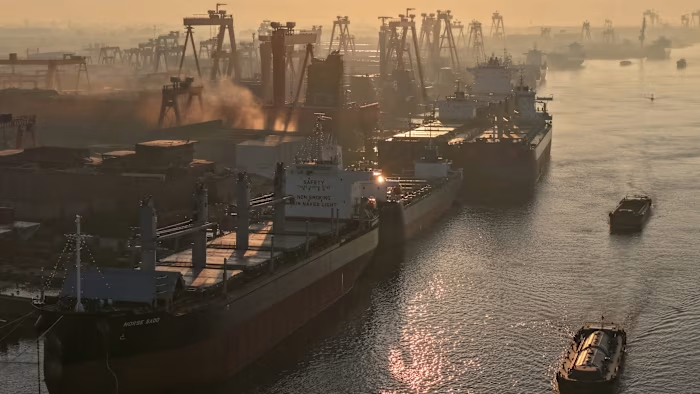
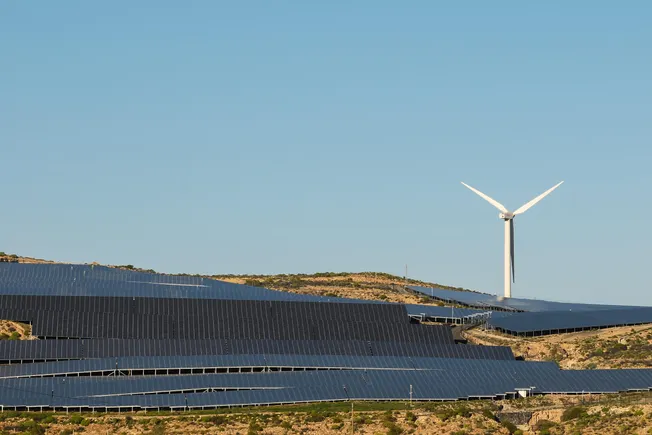
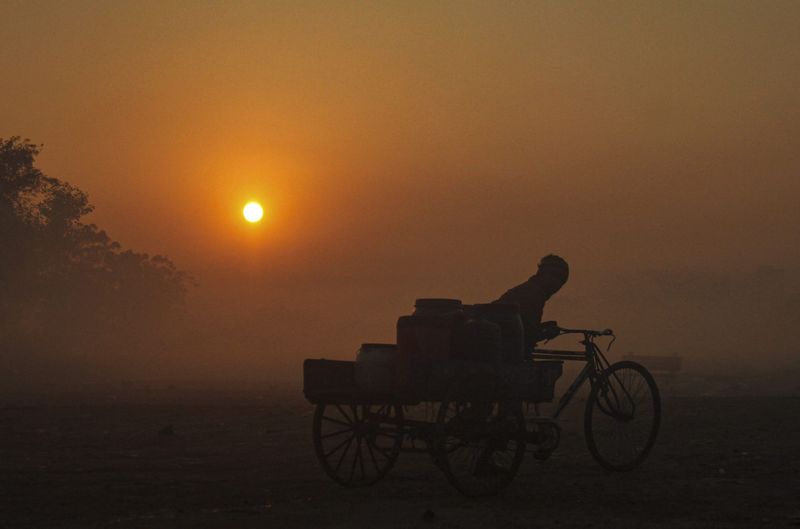
The Middle East remains the main source of oil supplies for many Asian economies, but greater energy diversification — reducing reliance on any single source by expanding the mix of energy supplies — would strengthen Asia’s long-term energy security, Helbling said.
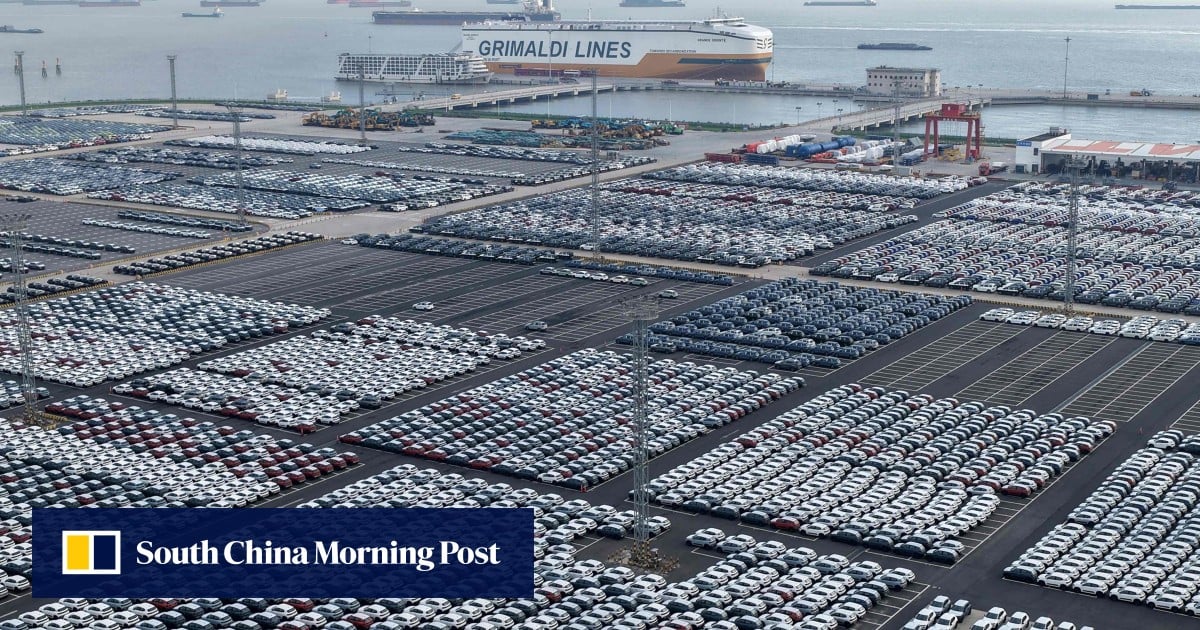
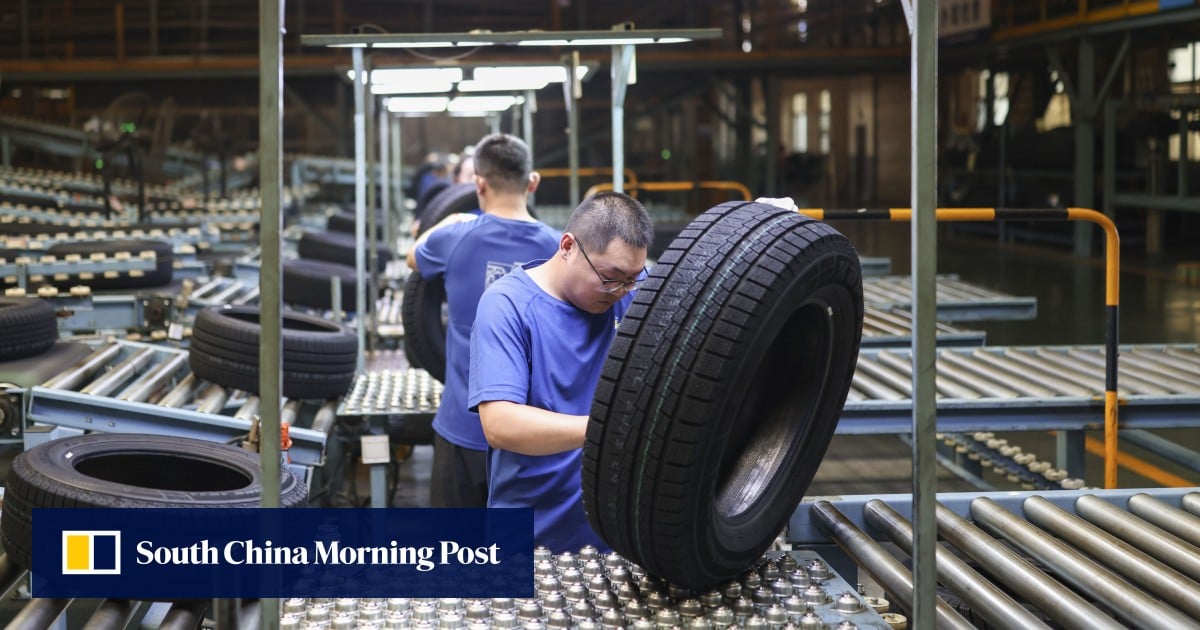
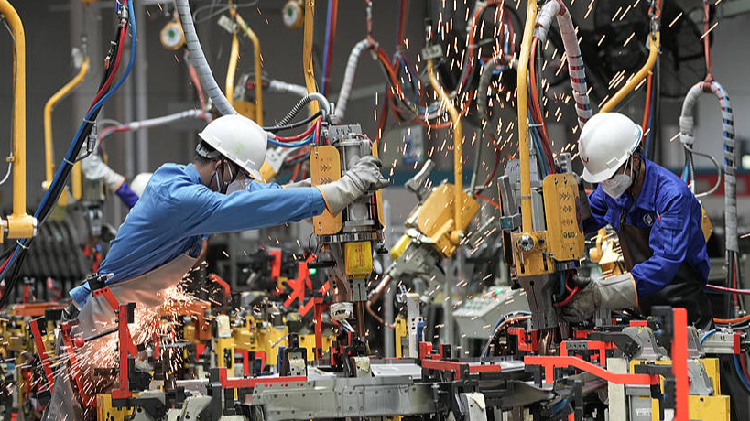
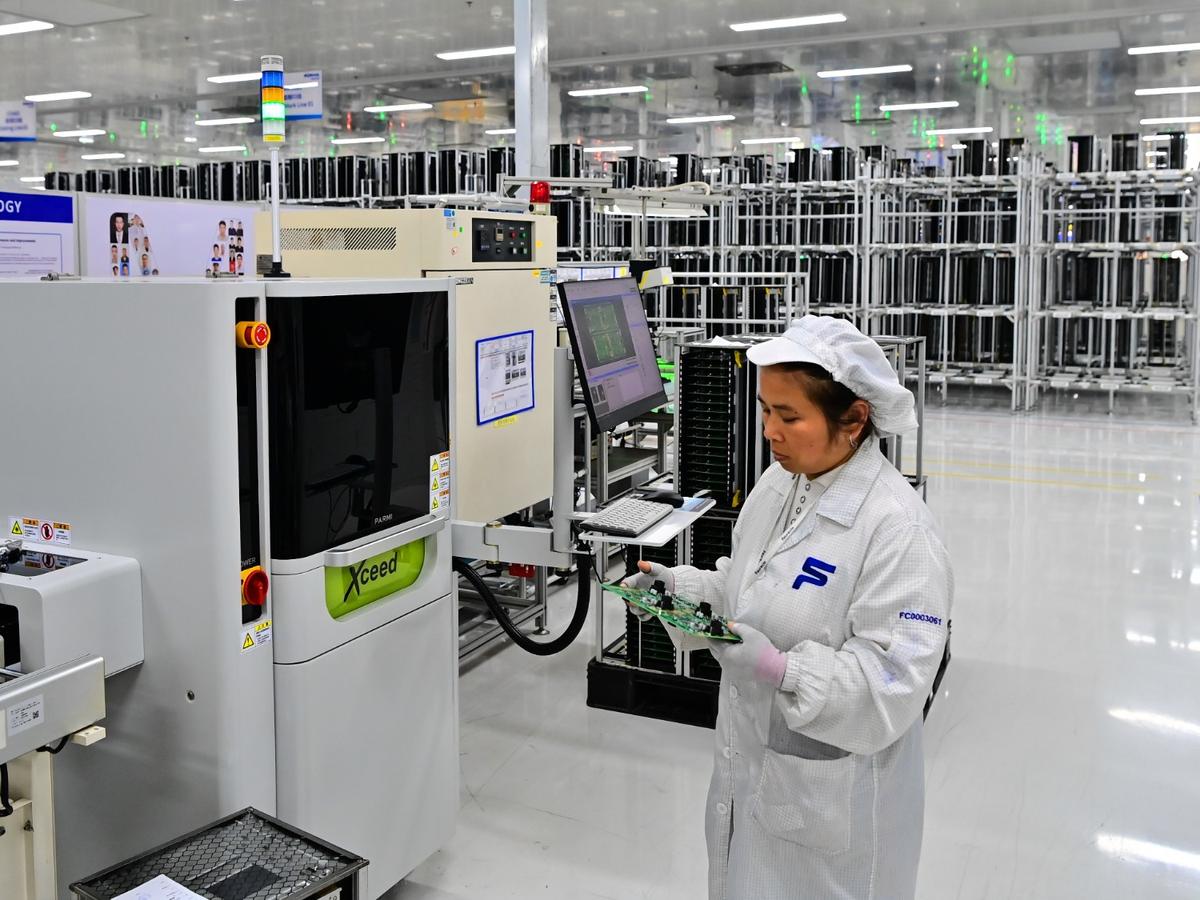
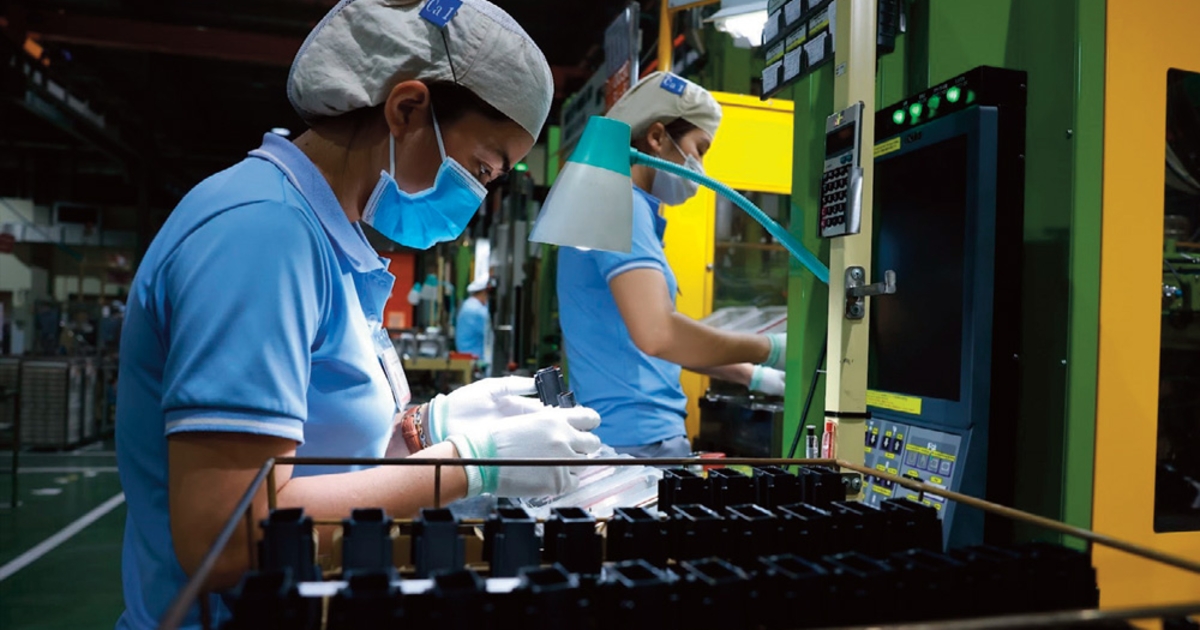
“We also say economies that are more fossil fuel-intensive are more affected,” Helbling said, adding that Asia serves as a major manufacturing hub for the world and therefore consumes a significant amount of energy in producing goods that are also exported globally.
The IMF official noted that emerging and developing economies in Asia are generally more vulnerable to energy shocks because consumers and end users spend a larger share of their income on fossil fuels compared with those in more developed economies.
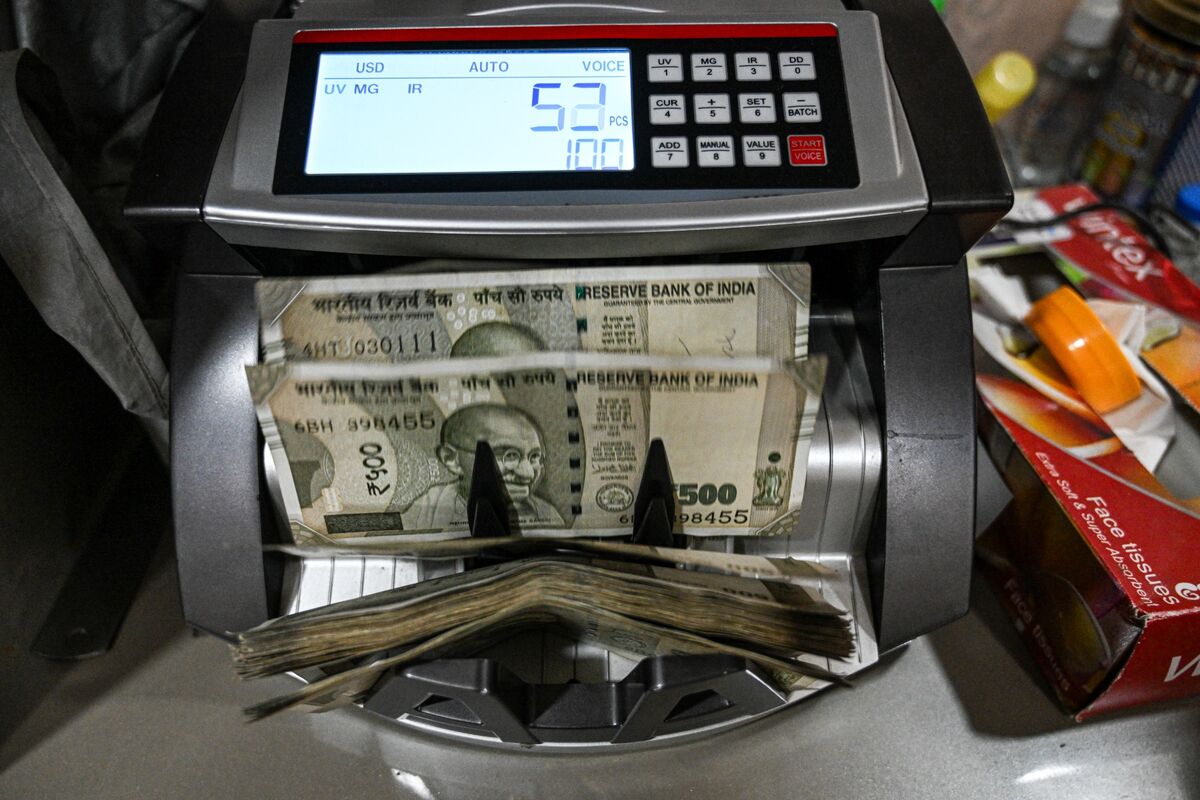
Helbling said another concern for net energy importers is that if they face balance-of-payments financing constraints, higher import costs make it more difficult to finance oil imports.
Looking forward, there is considerable uncertainty facing the Asian economy and the global economy more broadly, he noted.
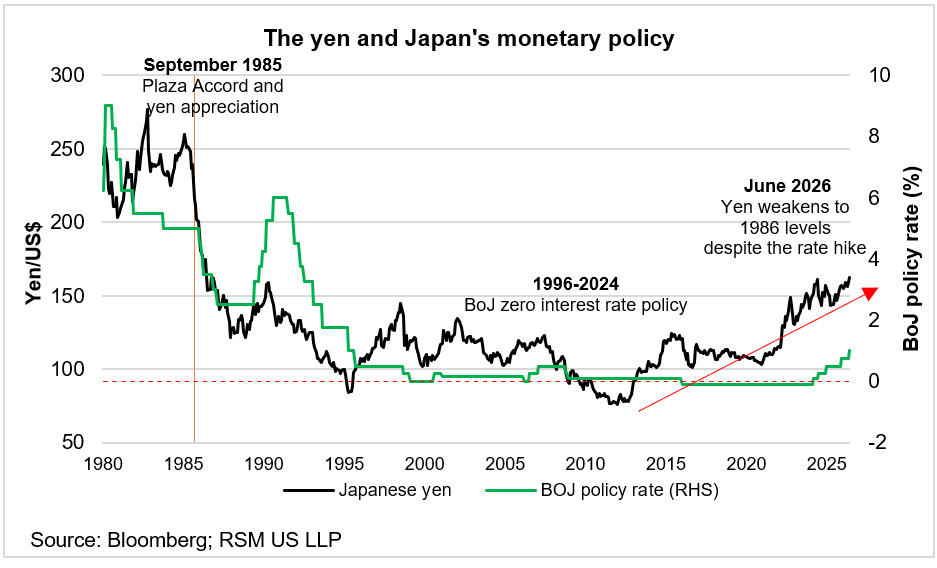
Monetary policy should be agile to anchor inflation expectations and prevent the energy shock from generating significant second-round effects, he said, urging Asian policymakers to allow exchange rates to act as shock absorbers, particularly in energy-importing and trade-dependent economies.■