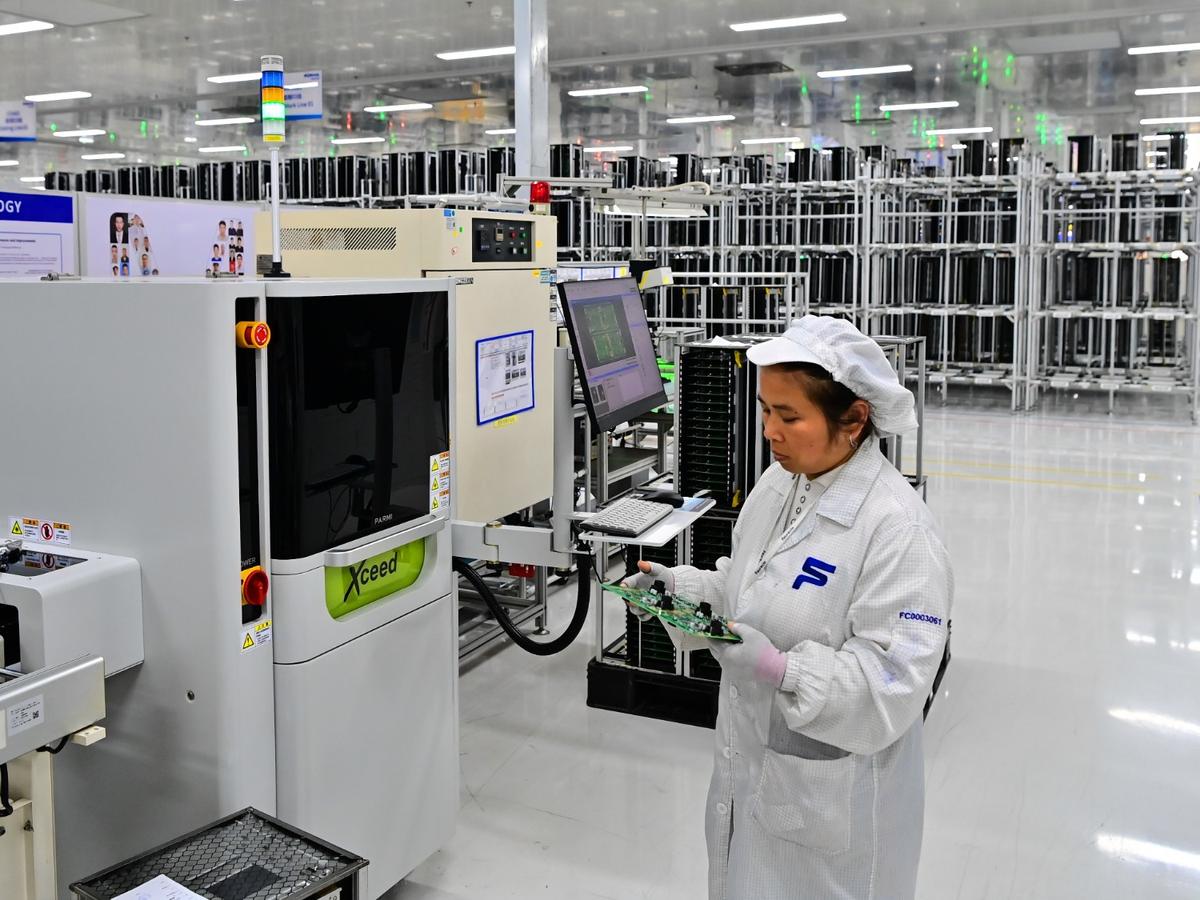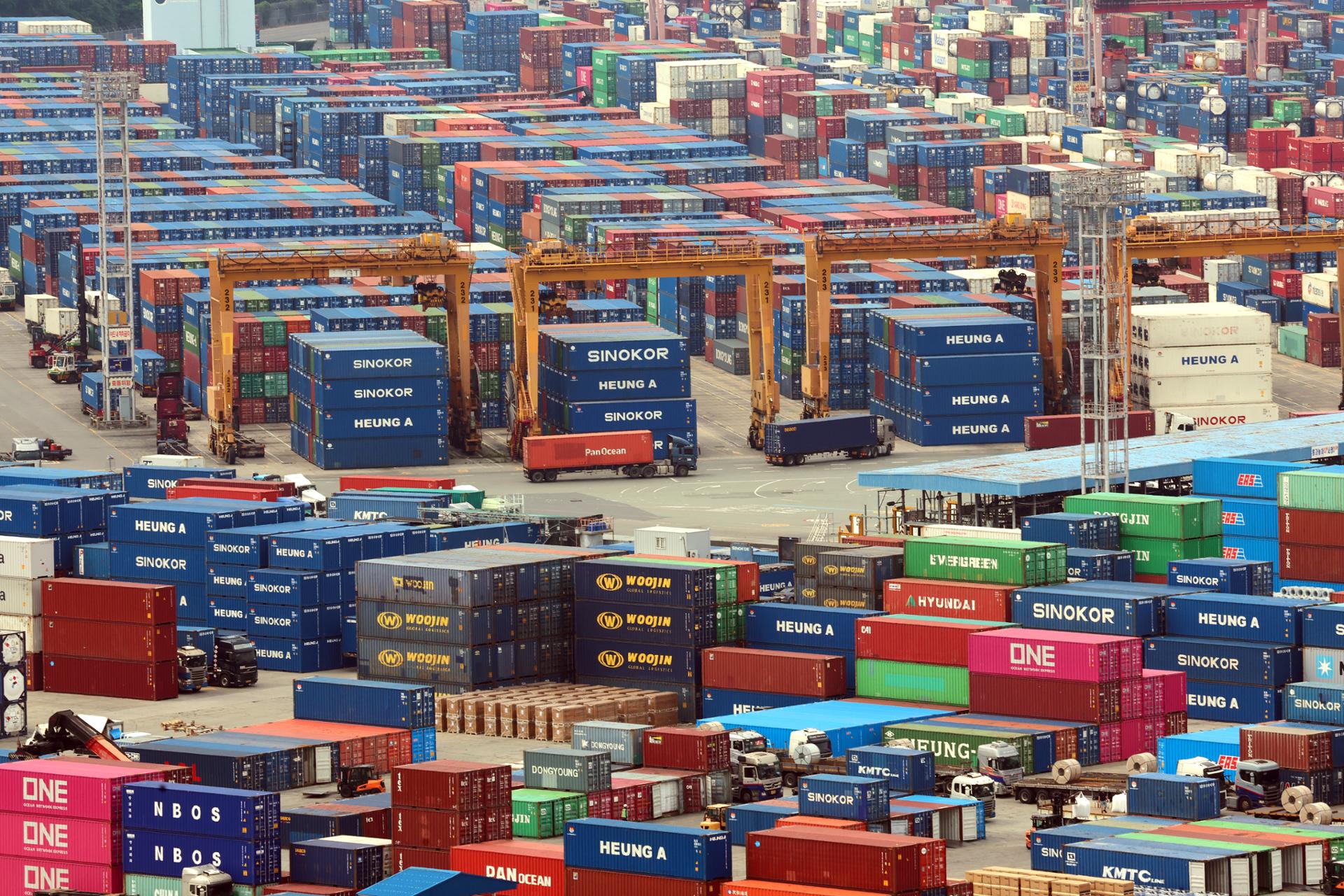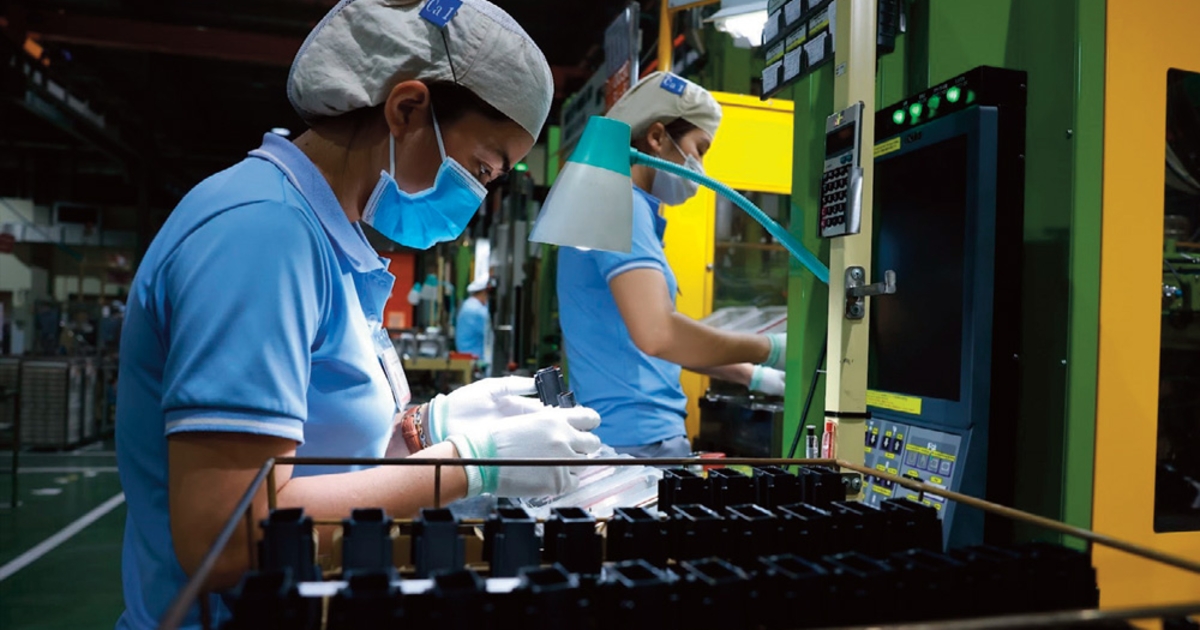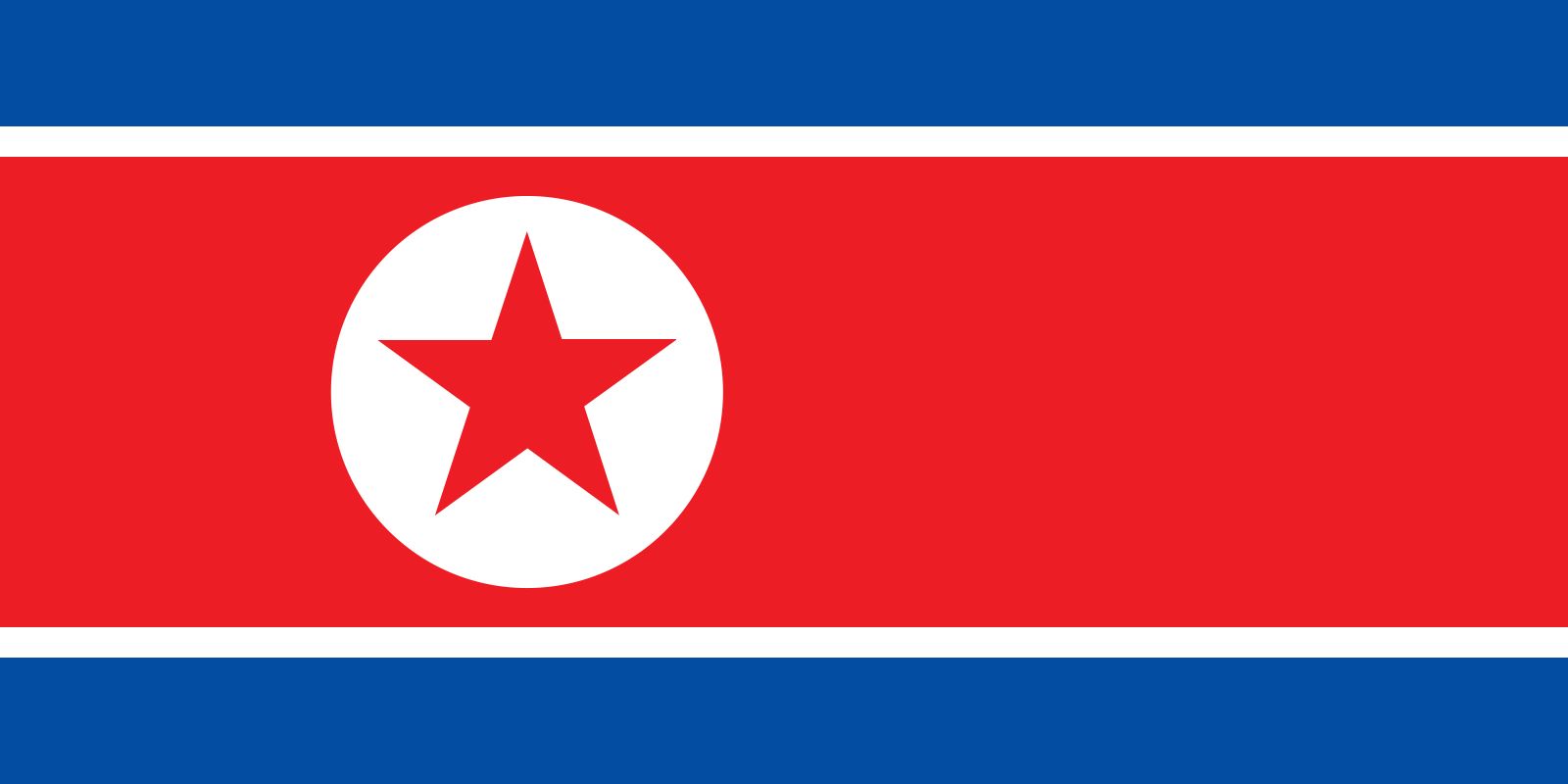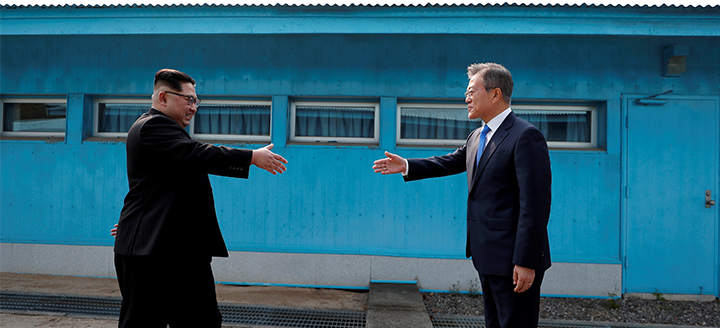
South Korea is one of the world’s most successful economies. It’s home to billion-dollar corporations like Samsung and produces some of the best high-tech electronics. But just across the border, North Korea is one of the most impoverished countries in the world. How can two countries with the same language, culture, and history—that were, not long ago, one united country—turn out so differently?
North and South Korea had been one nation for over a thousand years. Theoretically, they could have developed similarly after splitting in 1945, at the end of World War II. In fact, North Korea possessed the resources to outpace the south in development. But the political and economic decisions their leaders made destined the countries for completely different futures.
The Division of the Koreas
From 1910 until 1945, Japan ruled Korea in a brutal occupation. The colonial rule ended when Japan surrendered to the Allied forces at the end of World War II and was forced to give up its colonies. In turn, the Soviet Union and the United States—victors over Japan—moved in, jointly occupying the Korean Peninsula under two spheres of influence. The Soviets occupied the north, the Americans oversaw the south, and the line known as the thirty-eighth parallel divided the peninsula.
The division was supposed to be temporary, but two countries with authoritarian governments began to form: a communist country under Kim Il-sung in the north and a capitalist one under Syngman Rhee in the south. Both sides claimed to be the legitimate government of all Korea.
Tensions peaked in 1950 when North Korea, with Soviet and Chinese backing, invaded South Korea, starting the Korean War. The United States came to the defense of South Korea, fearing that North Korea’s attempt to take over the entire peninsula could turn more countries communist. In 1953, the two sides reached a stalemate. Hundreds of thousands had died on both sides in the war, and the peninsula remained divided along the thirty-eighth parallel.