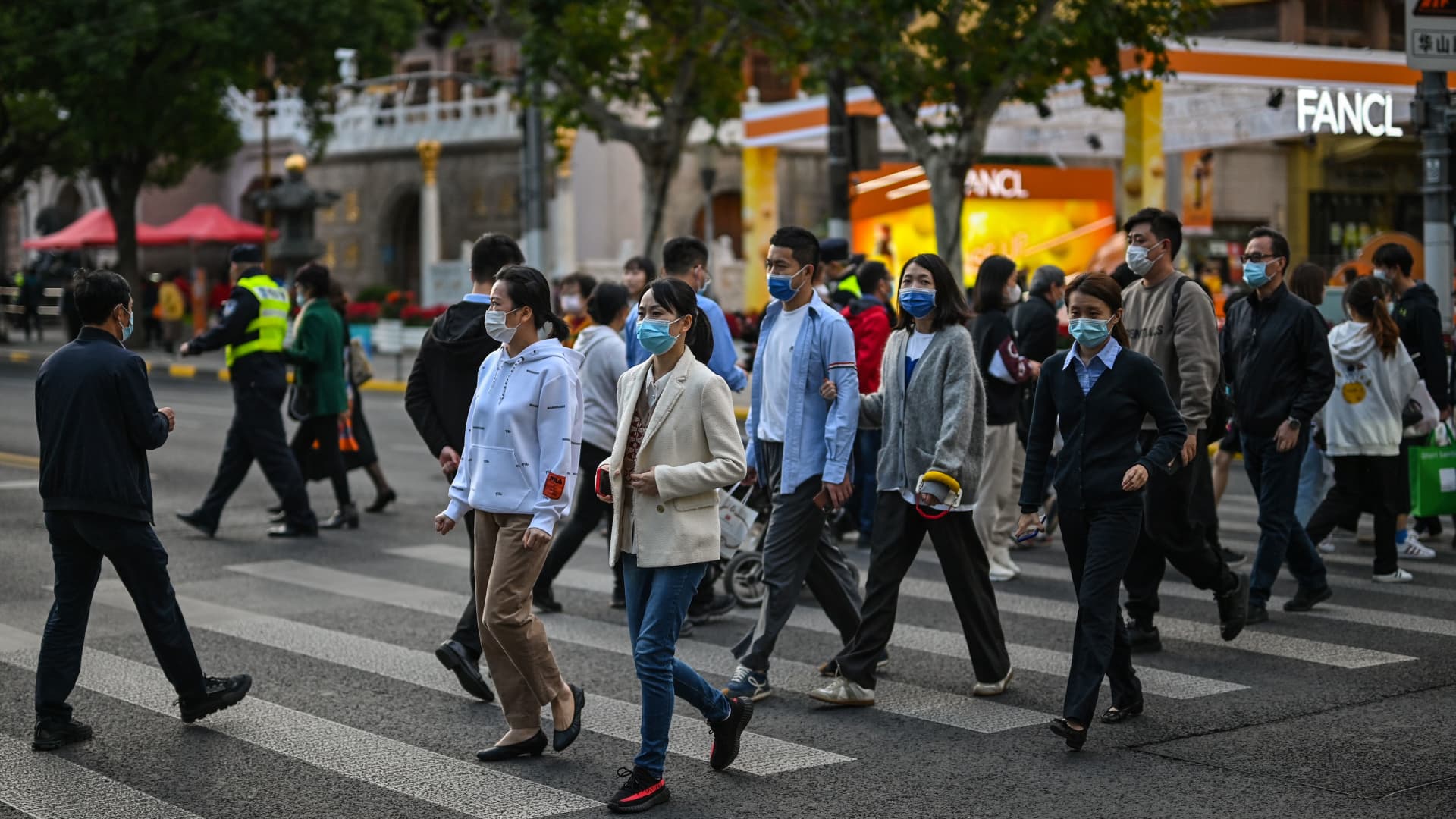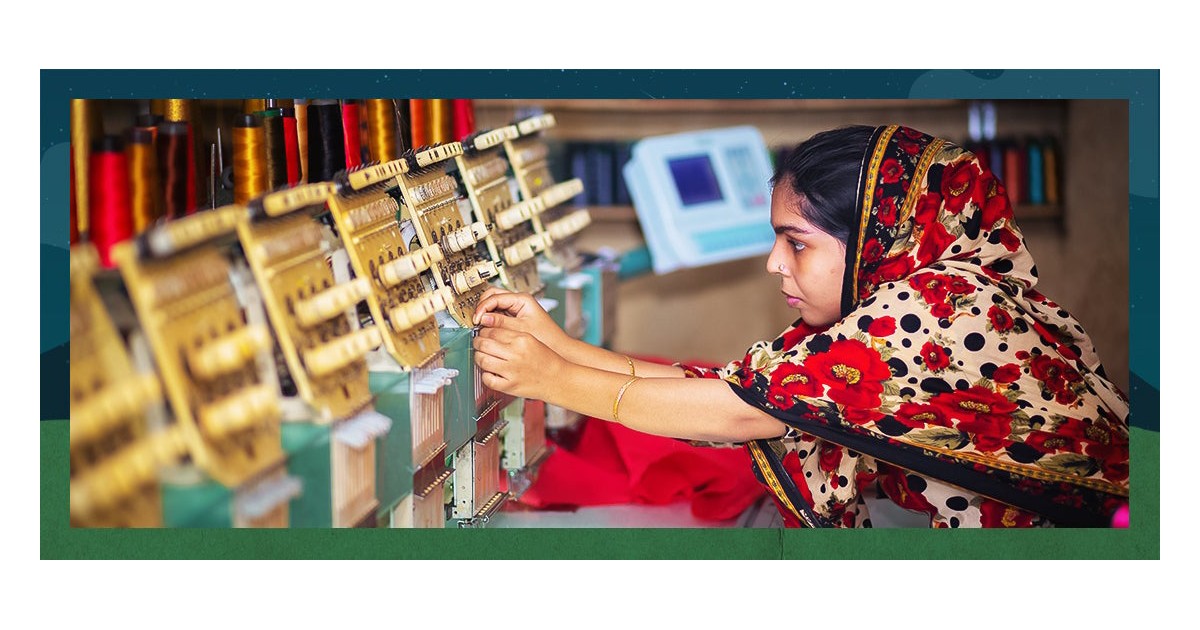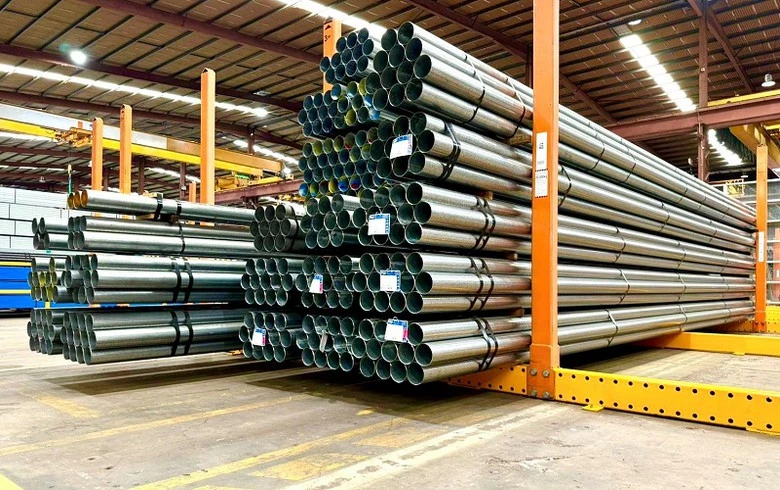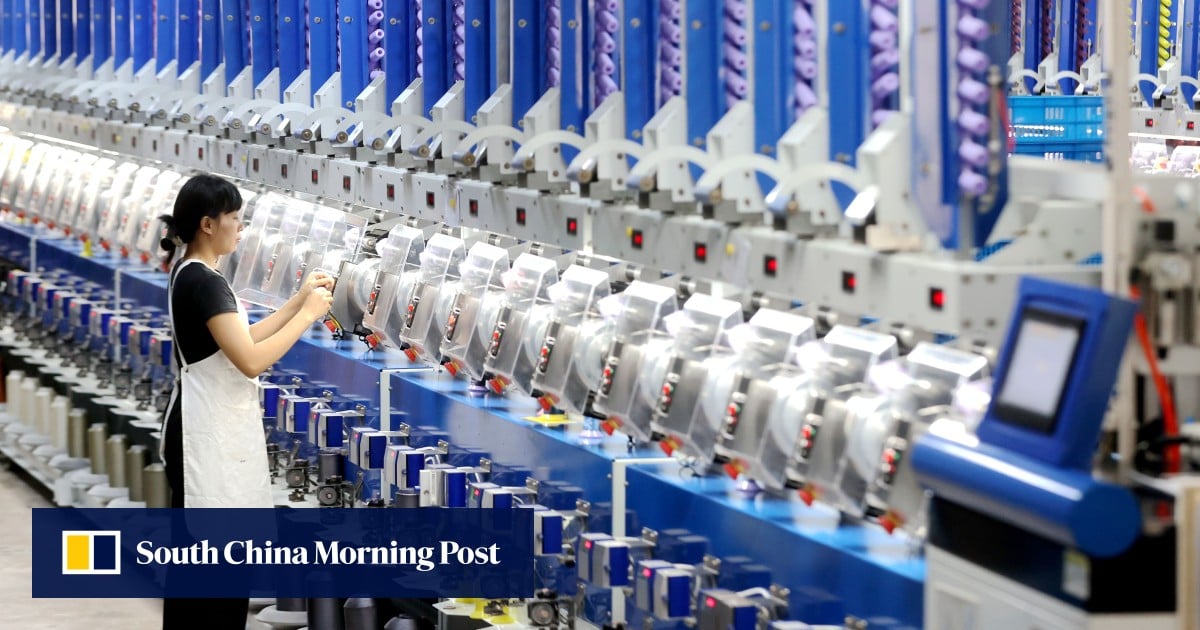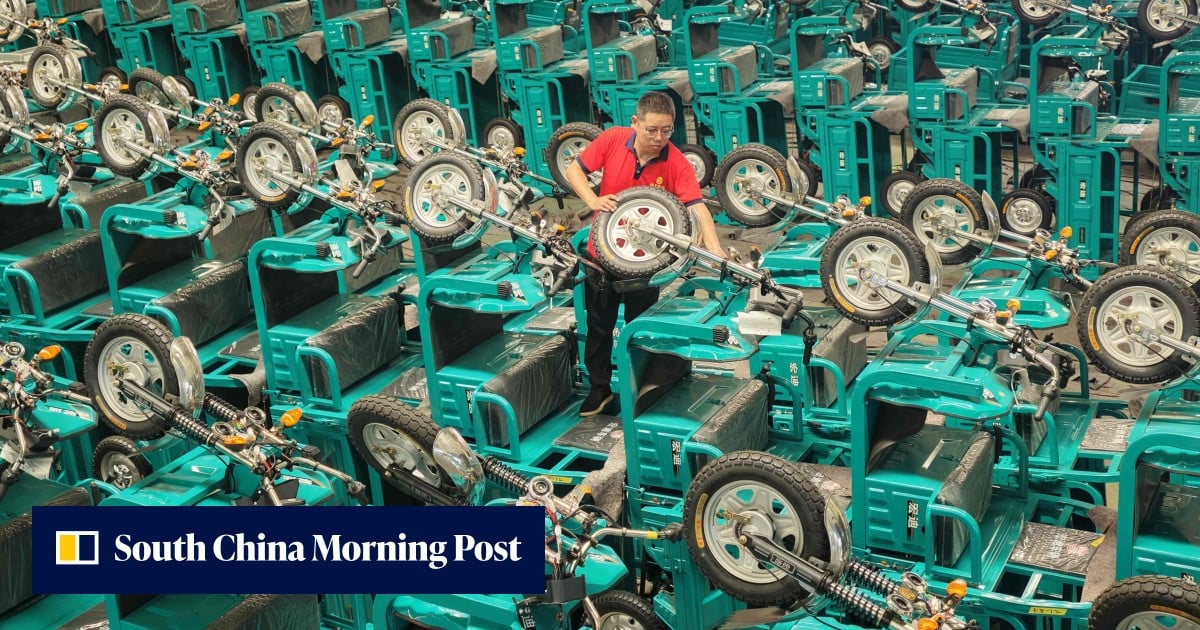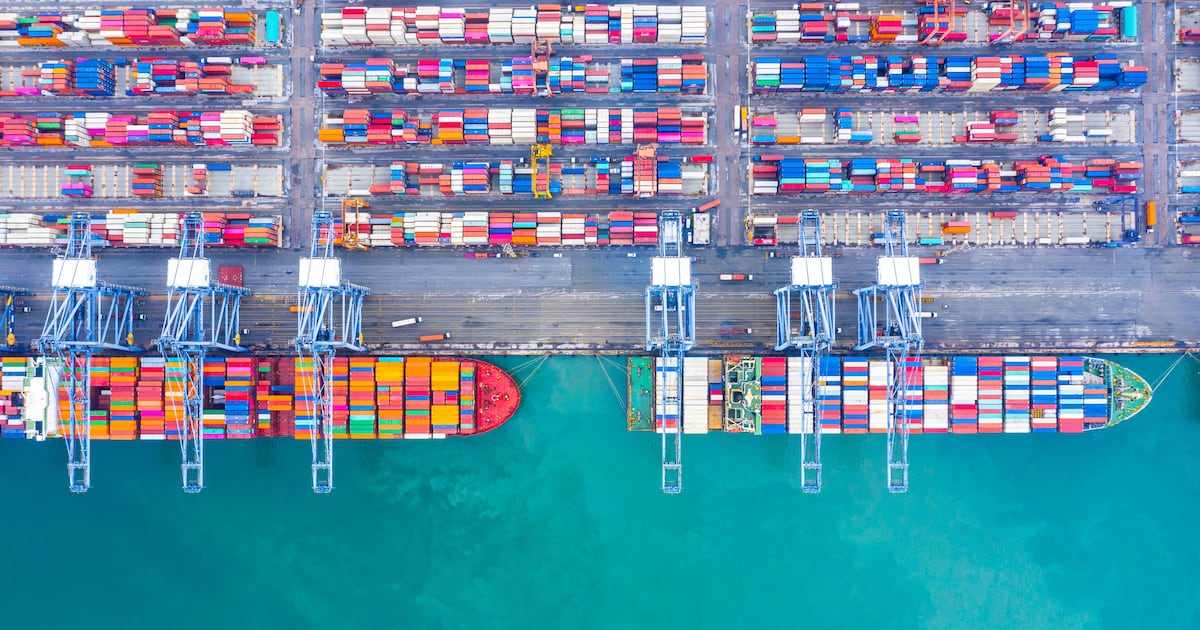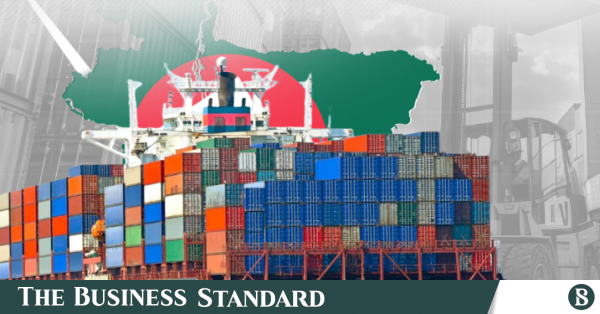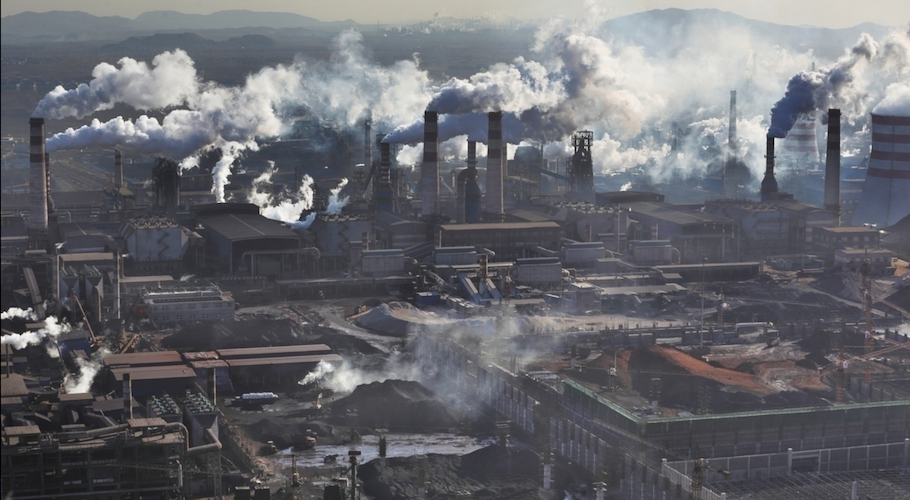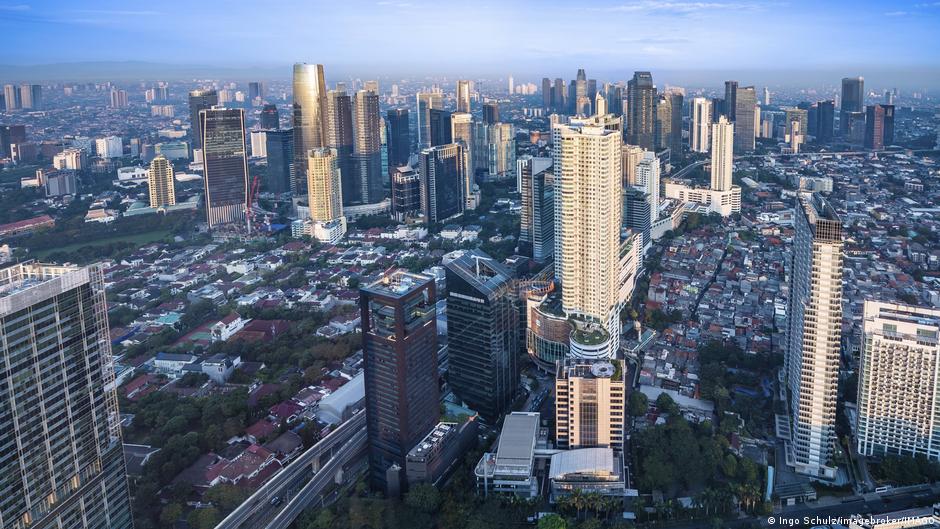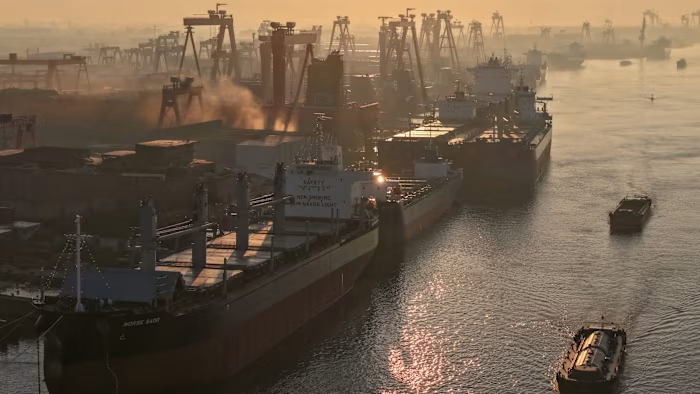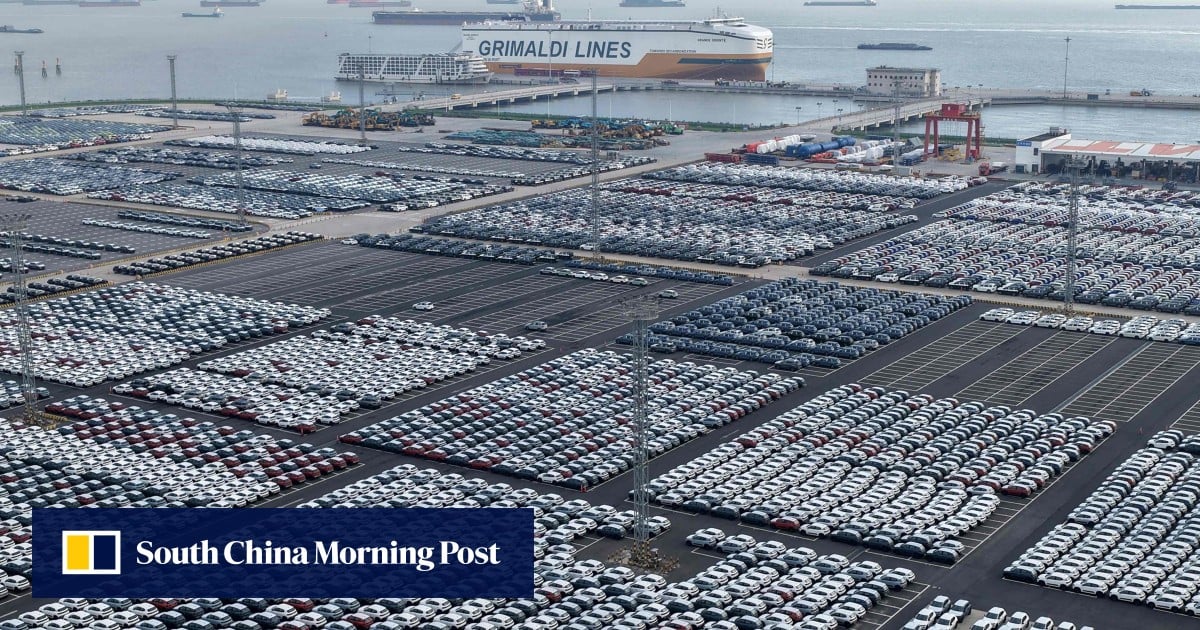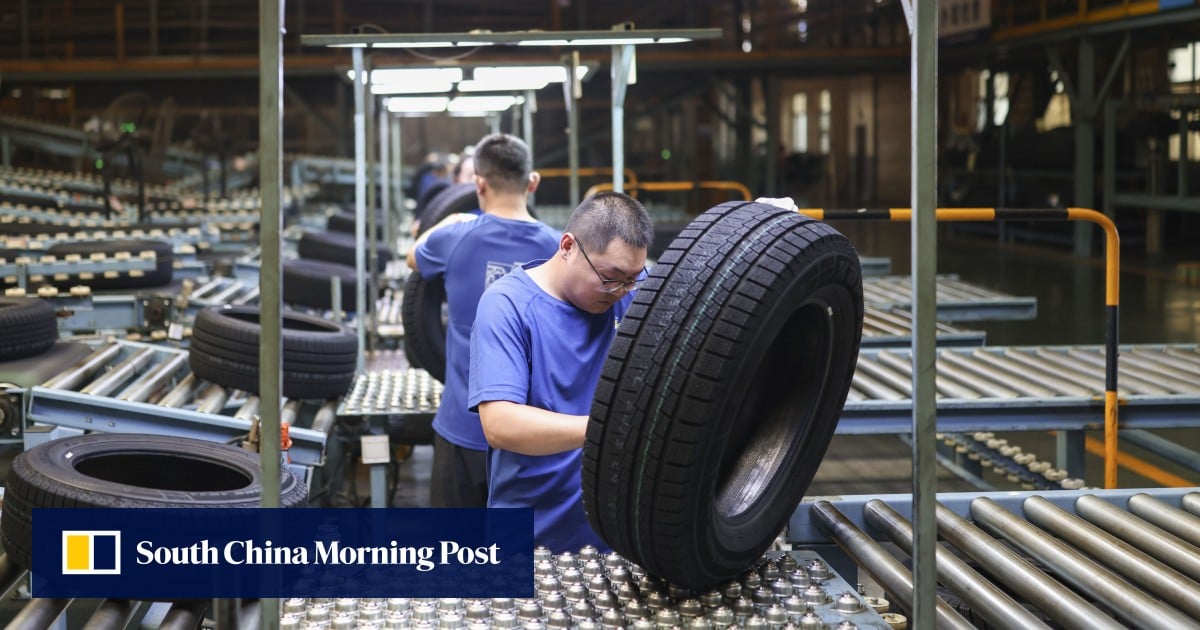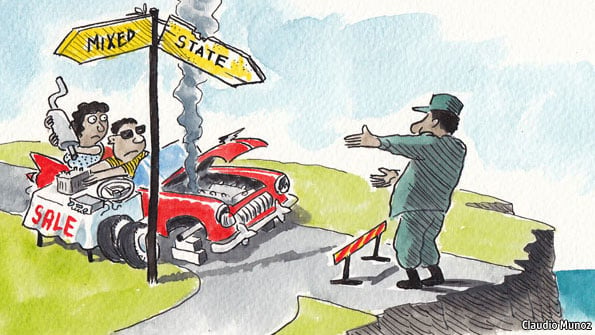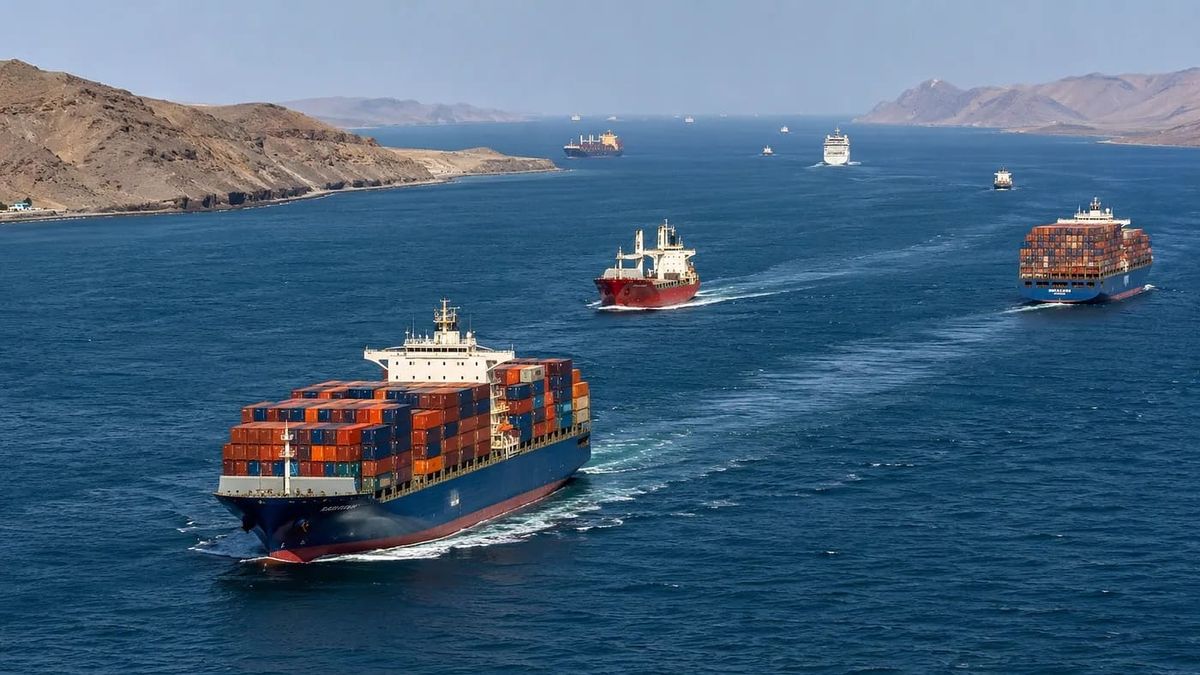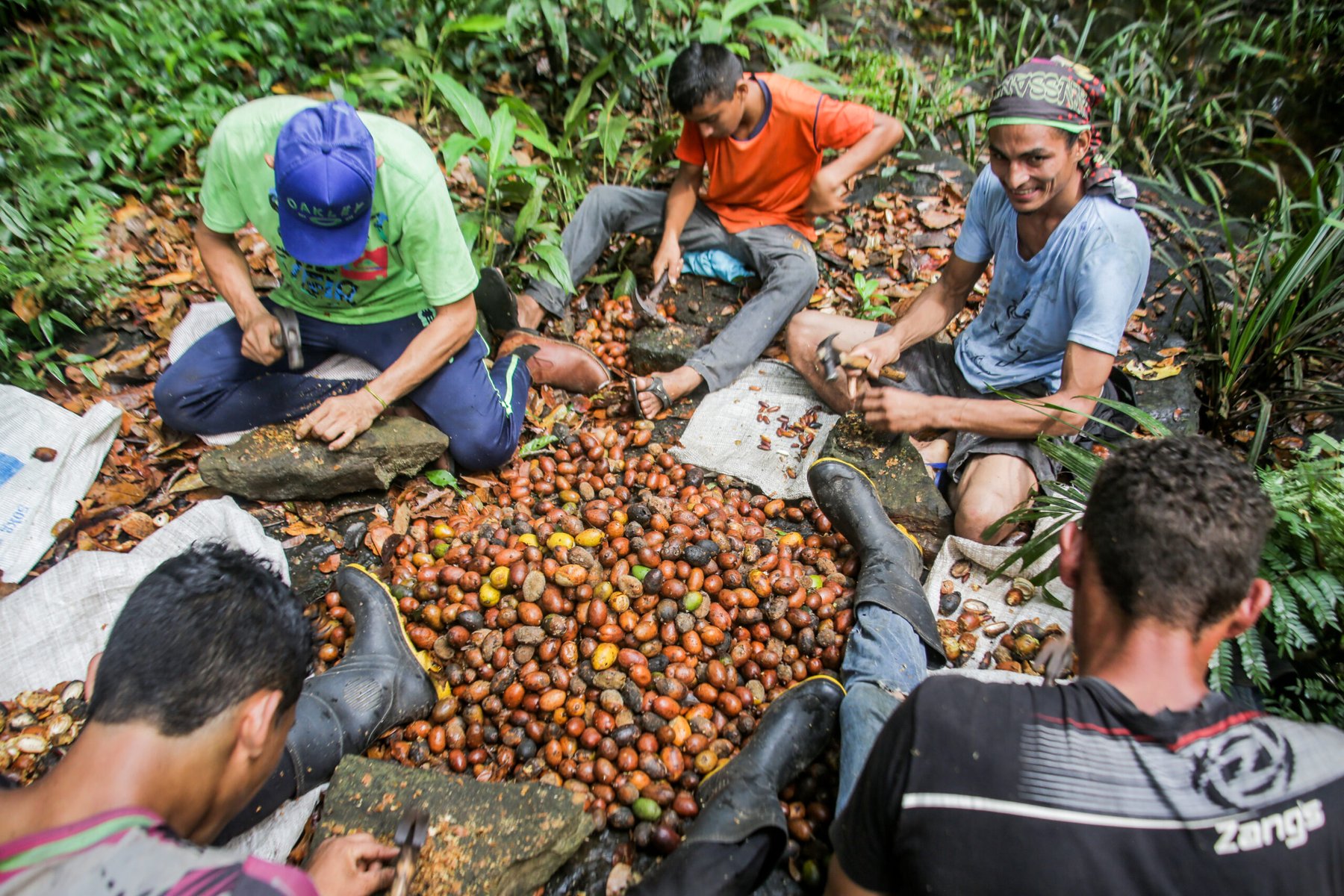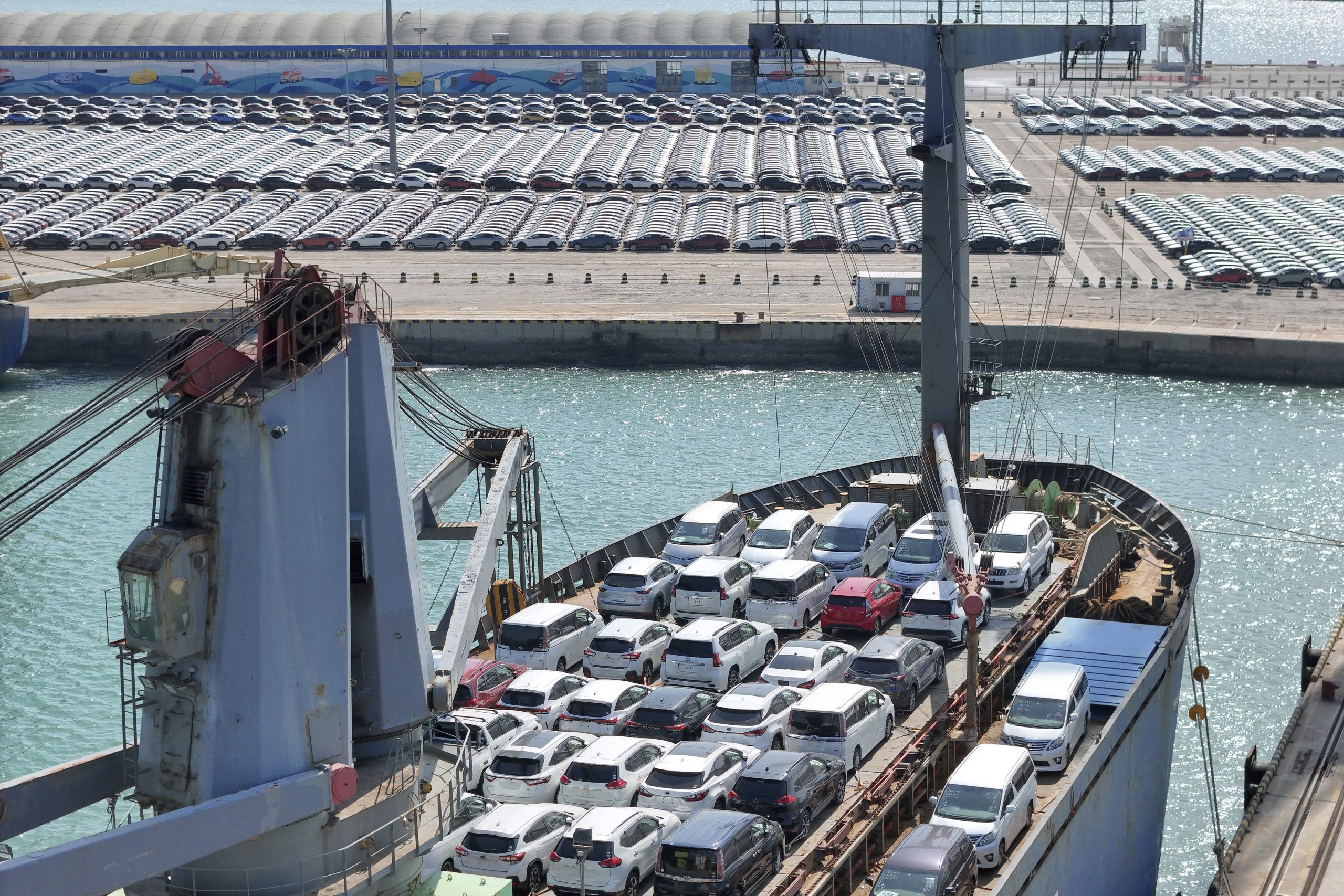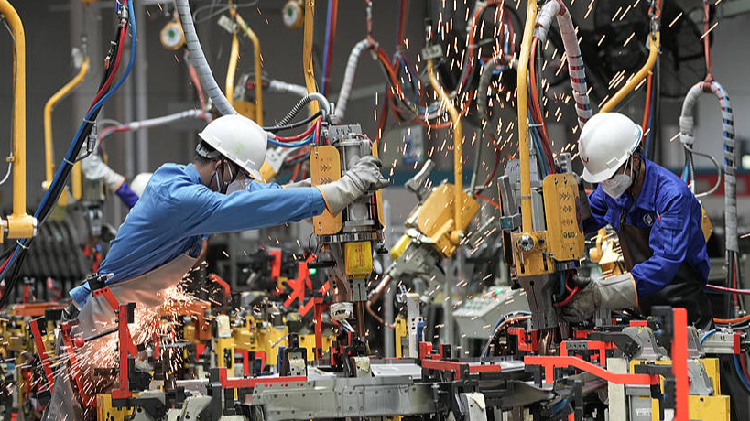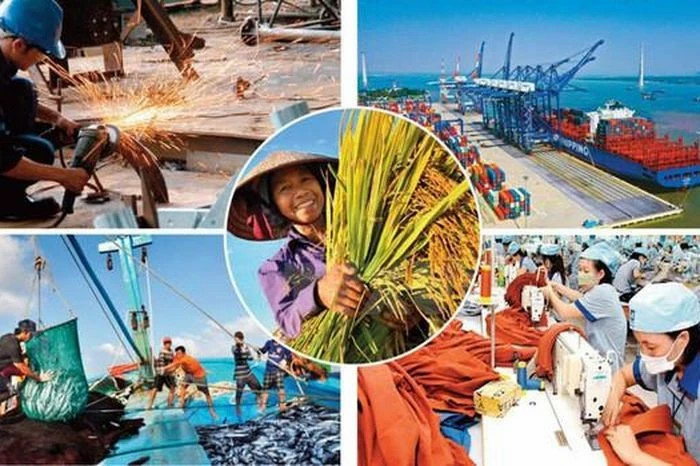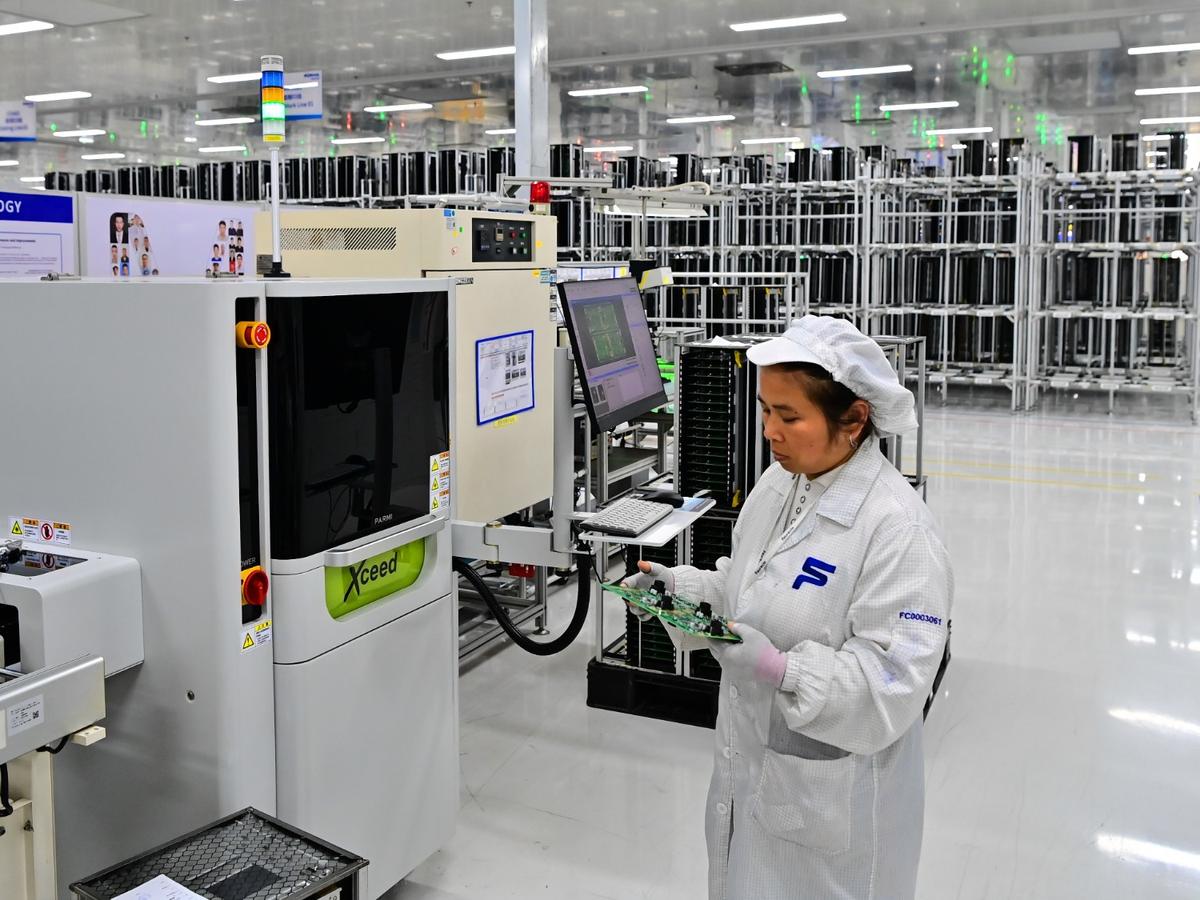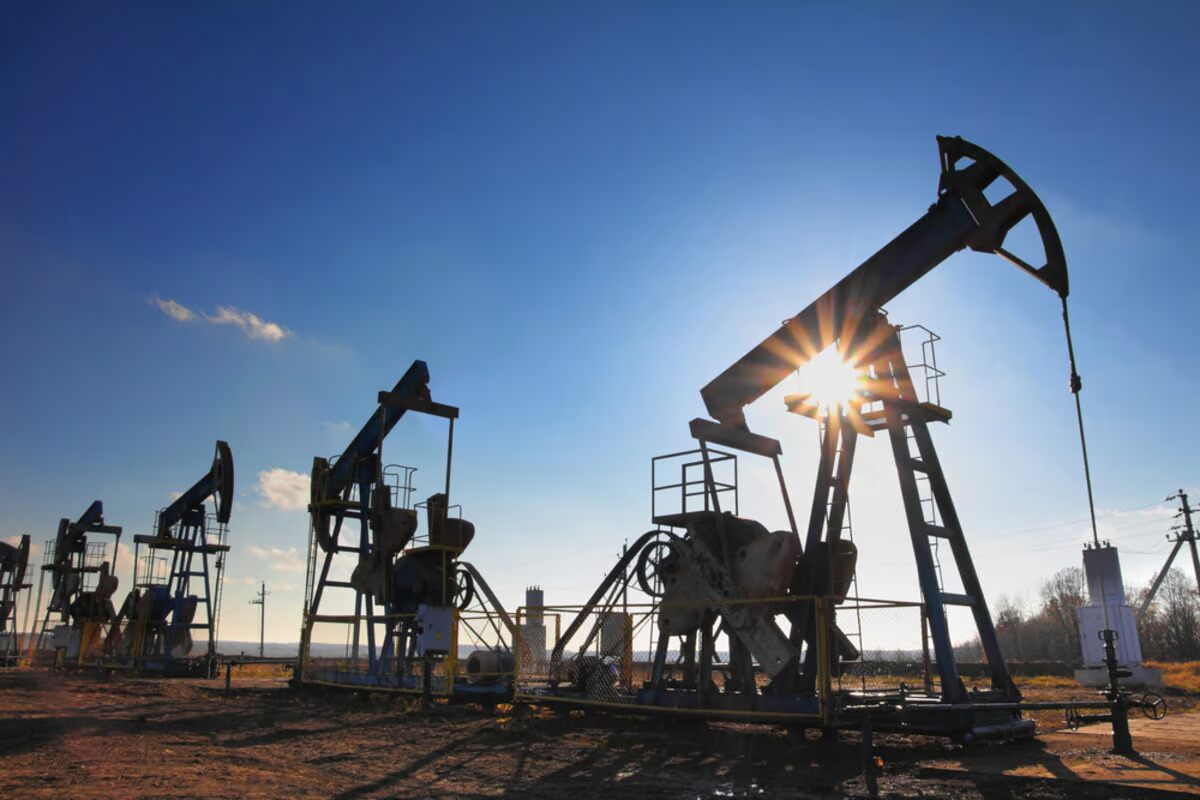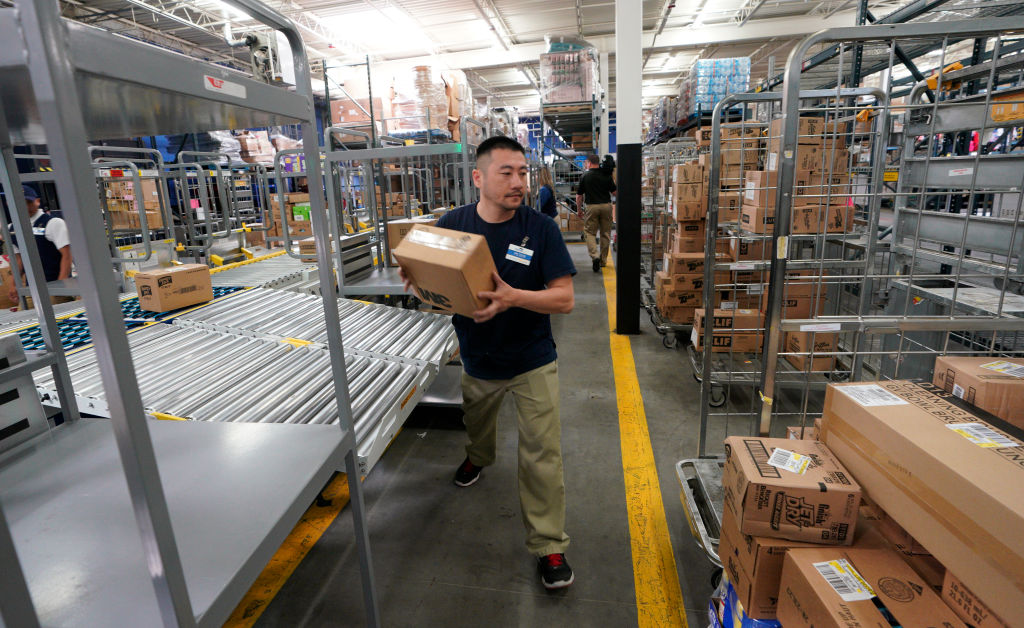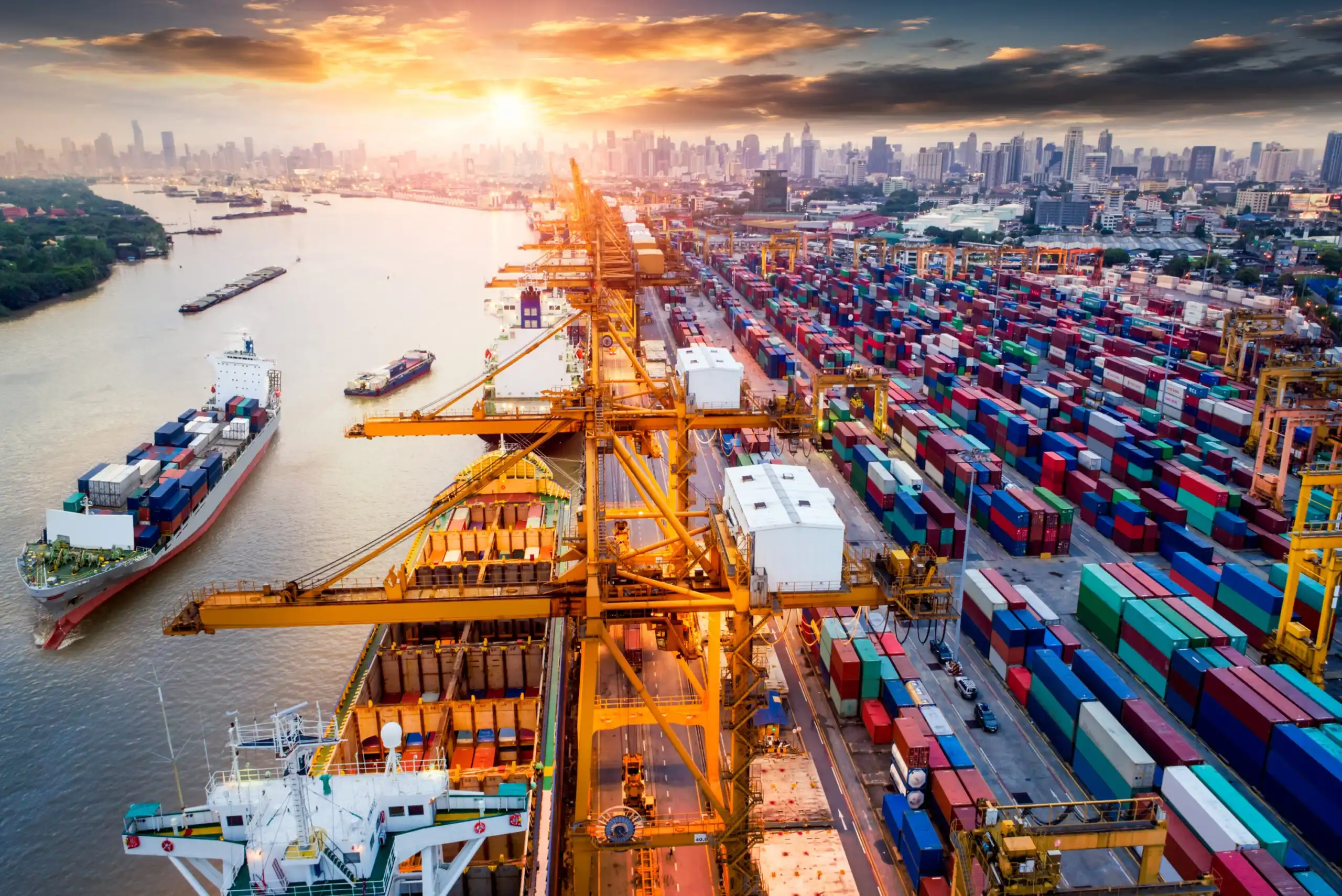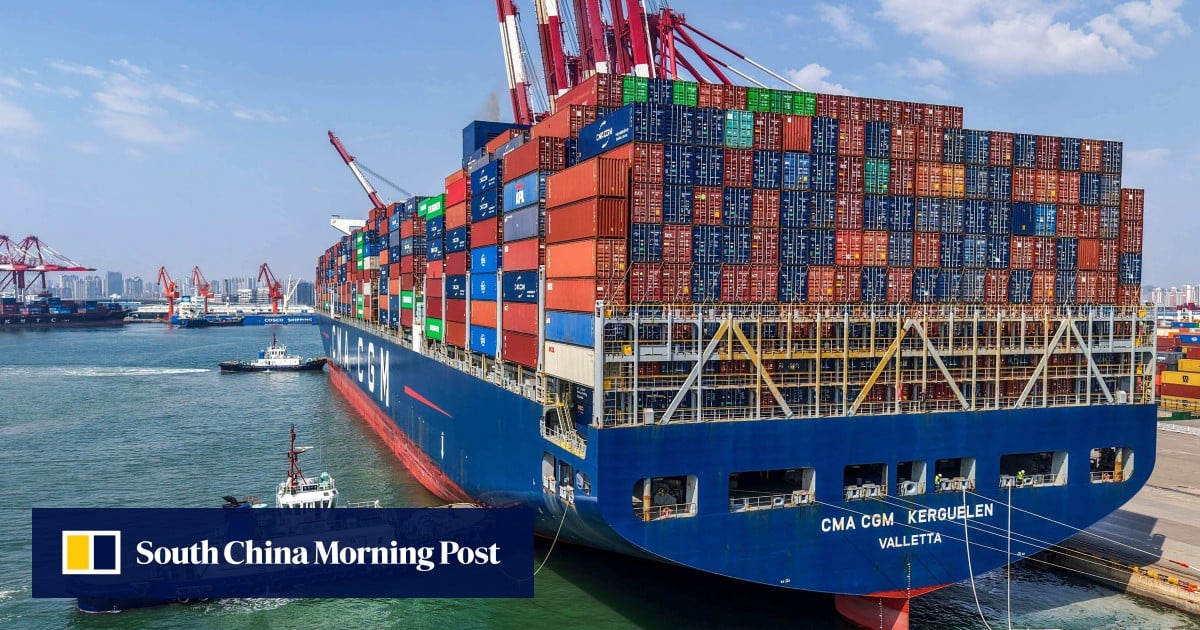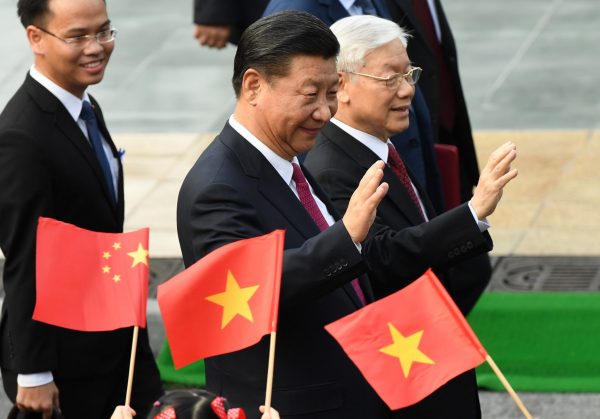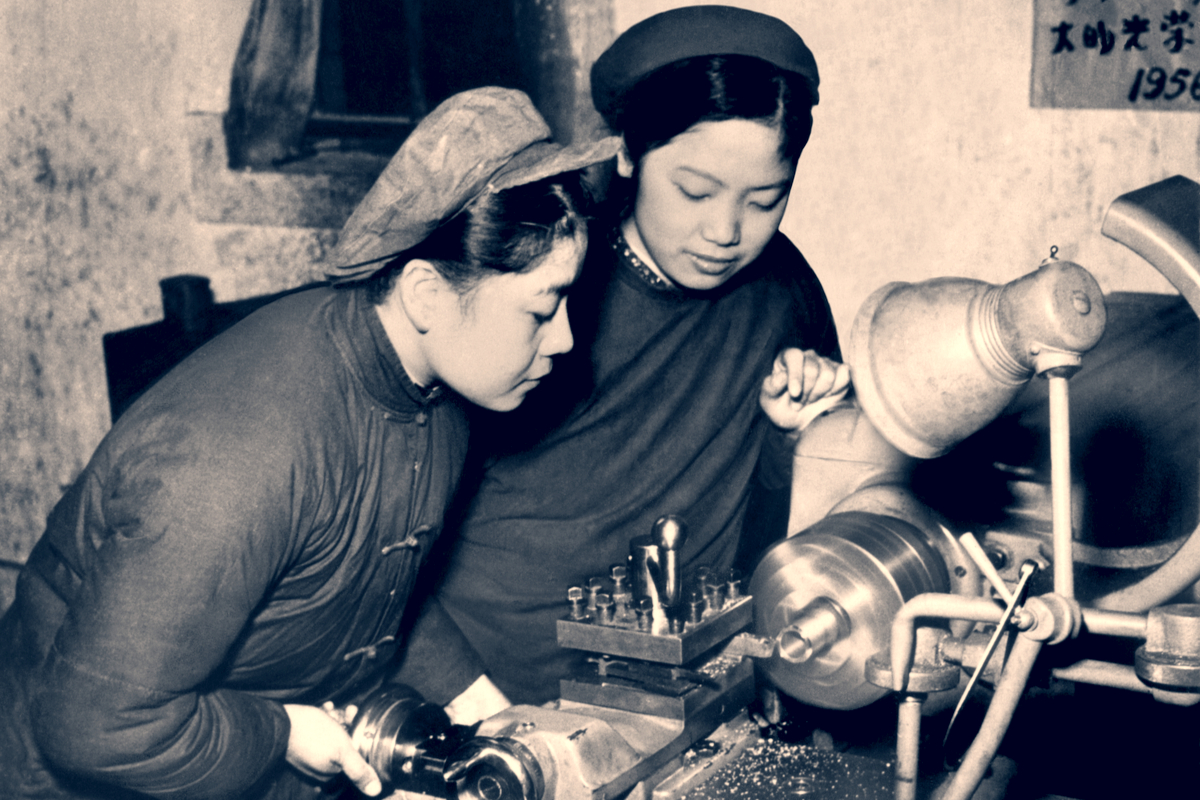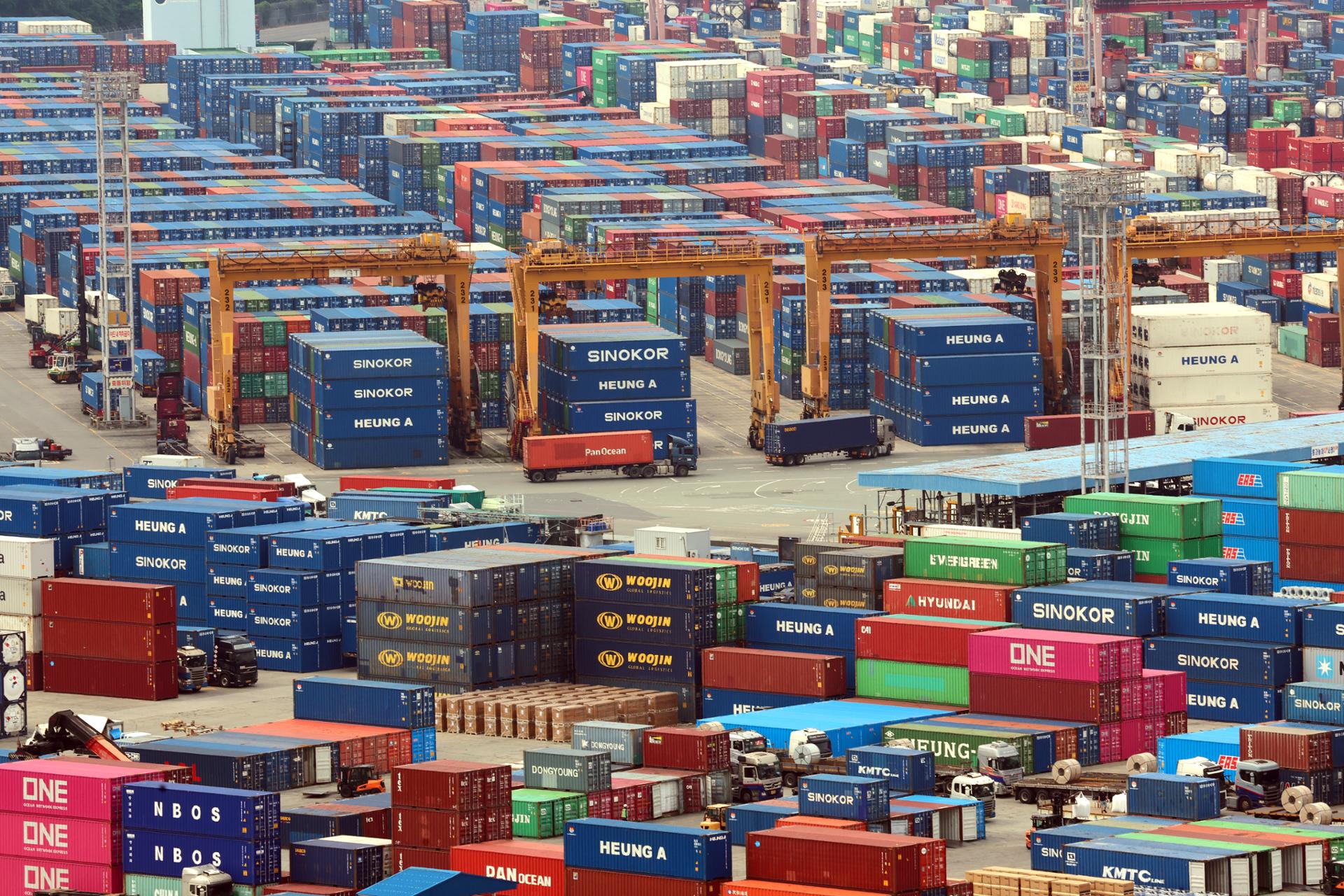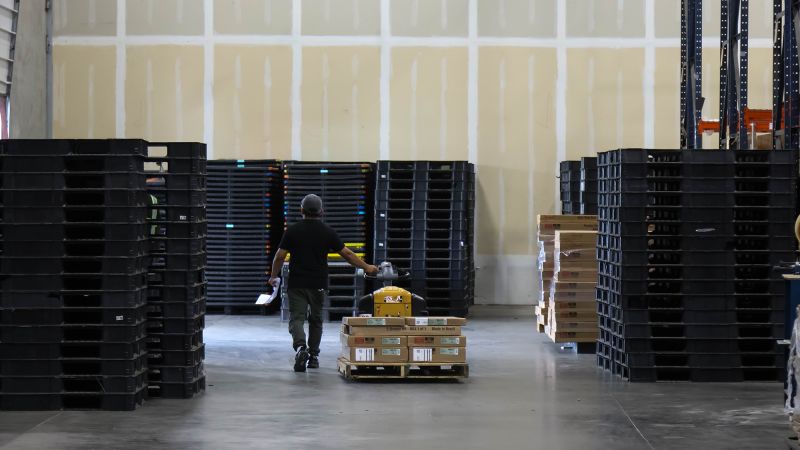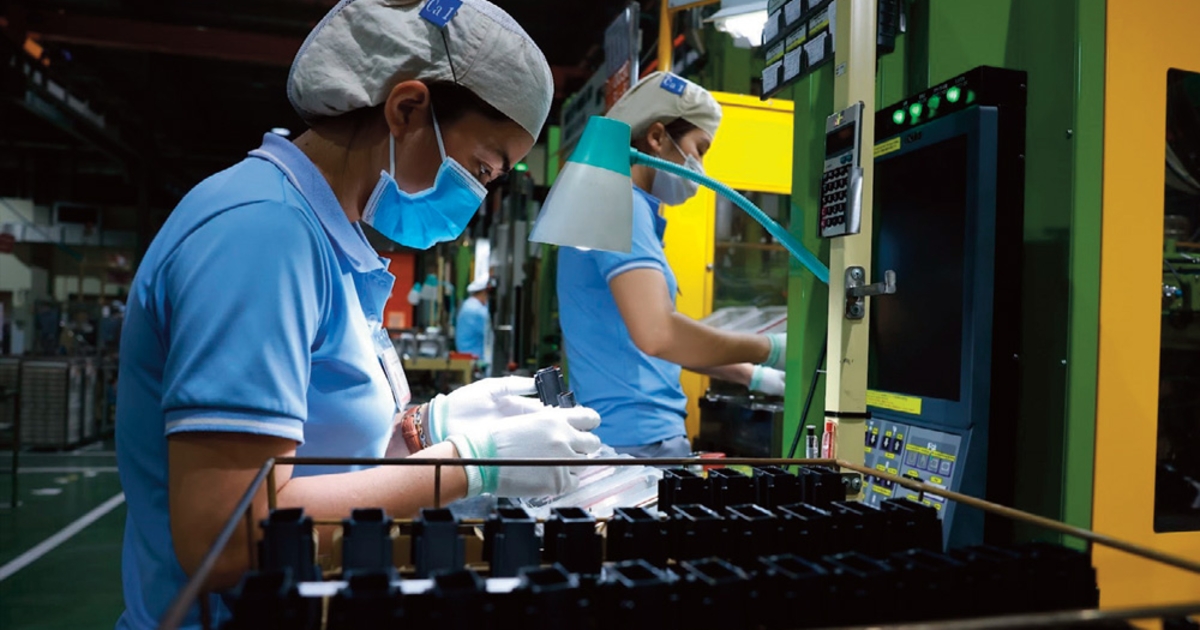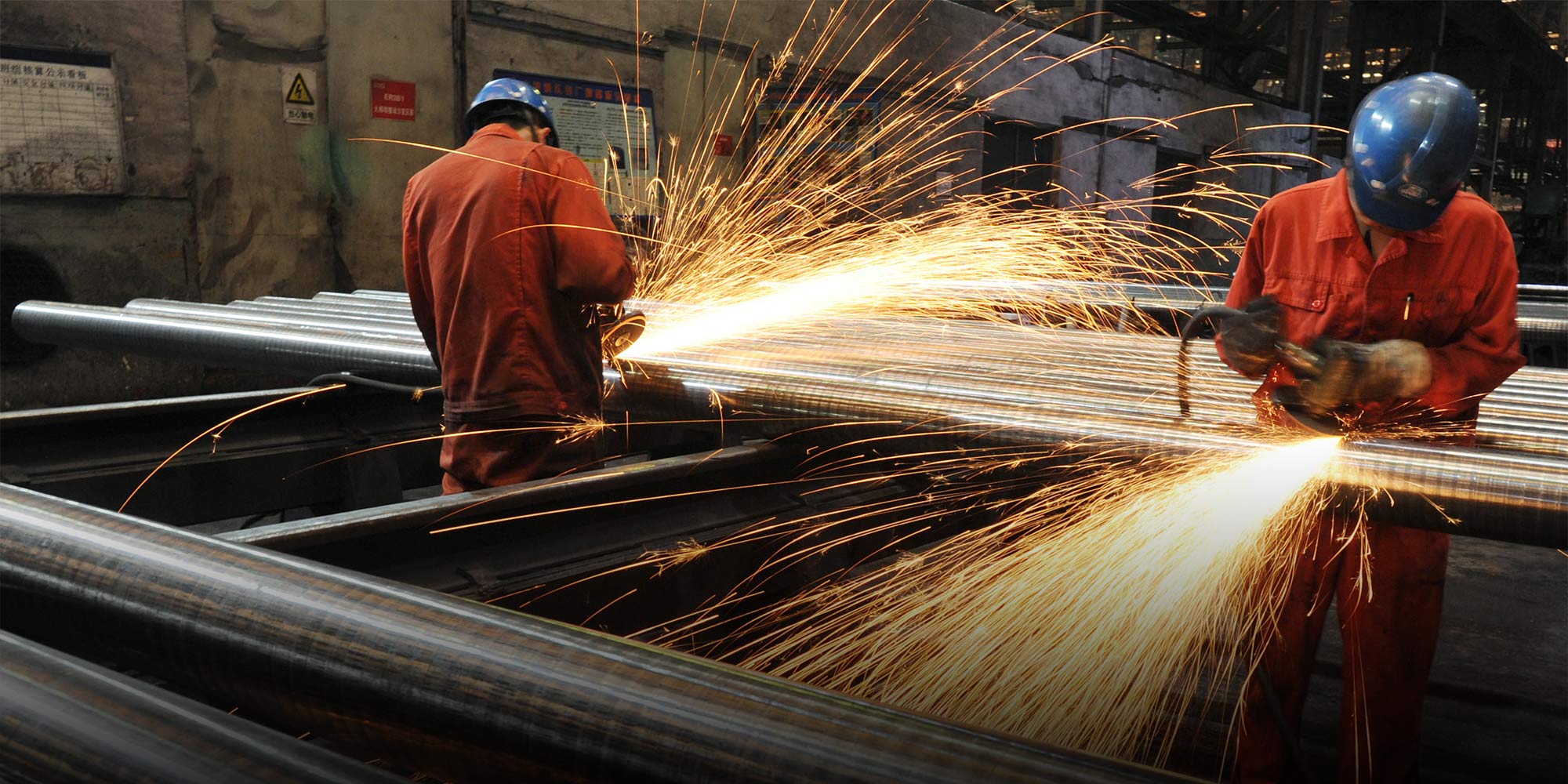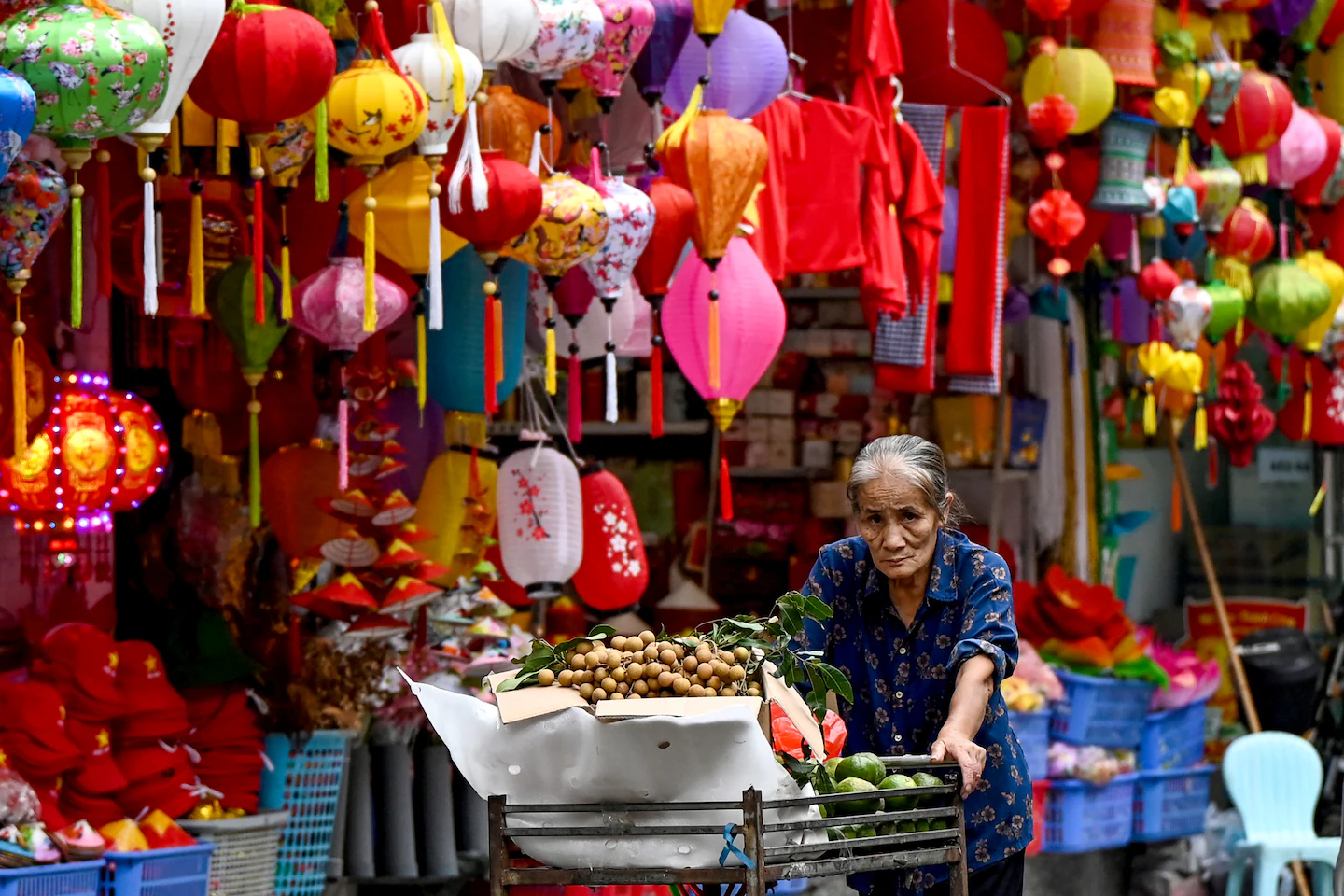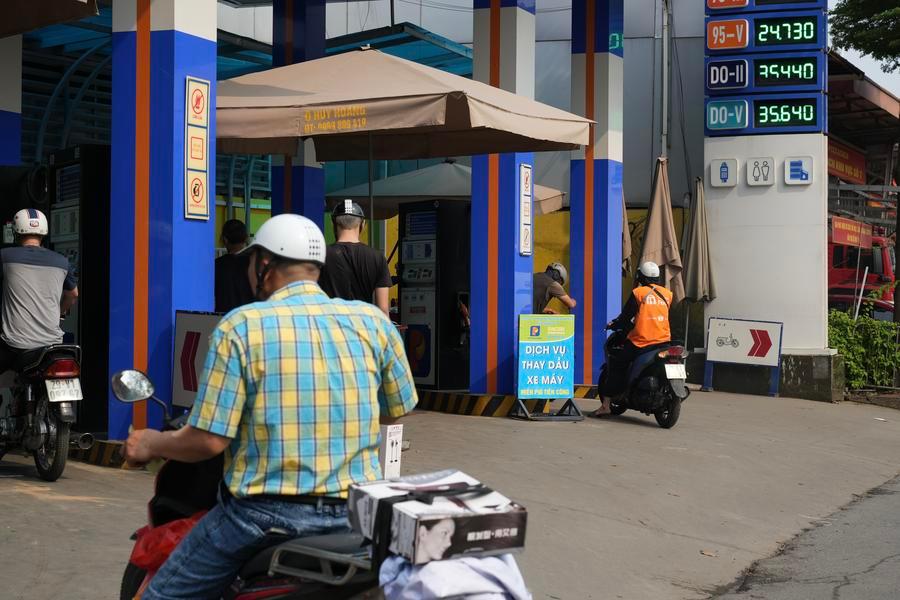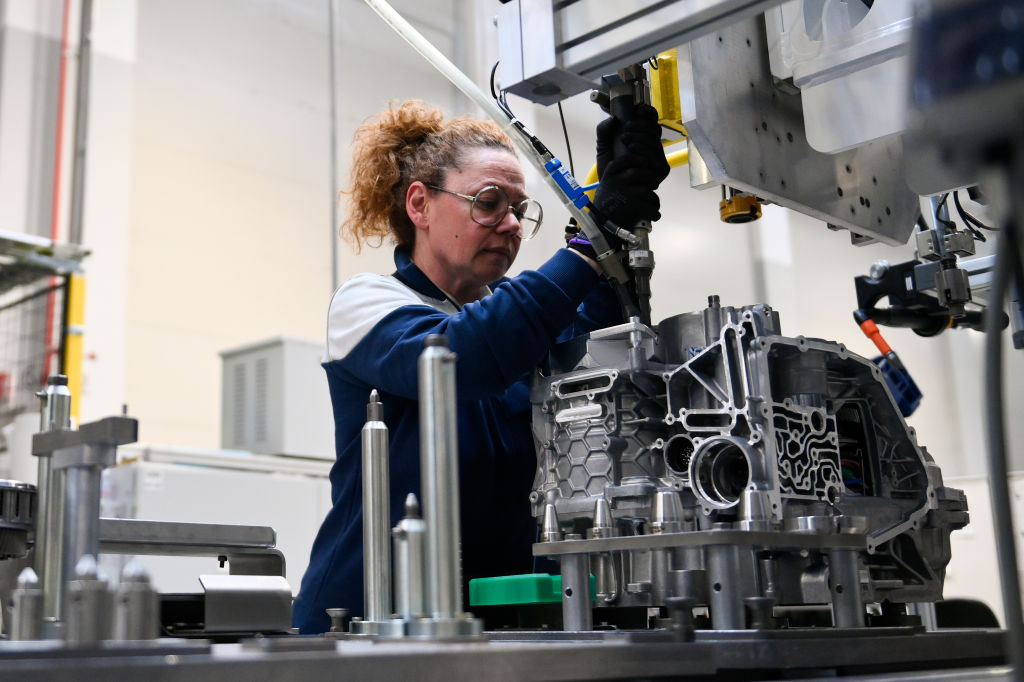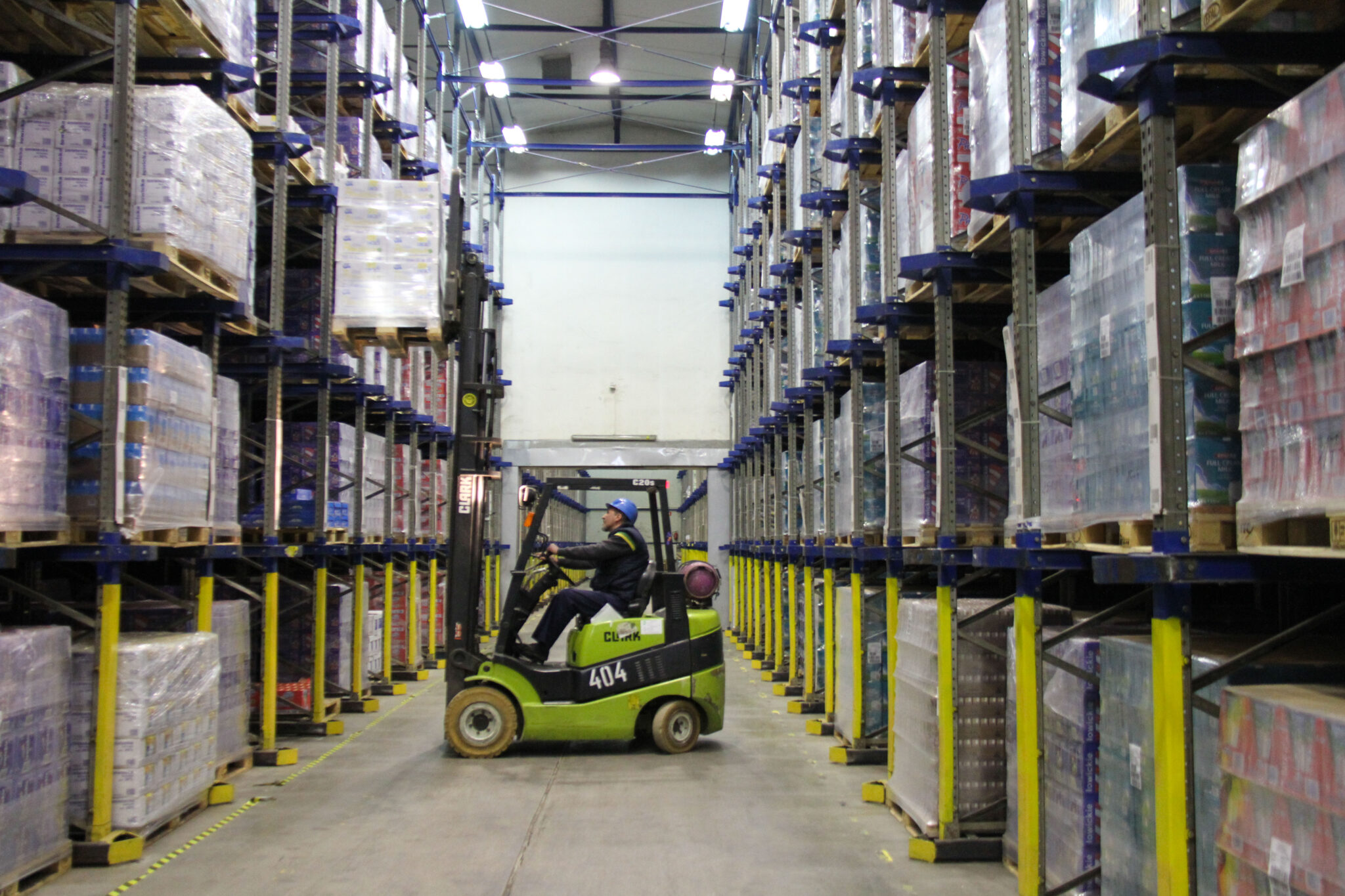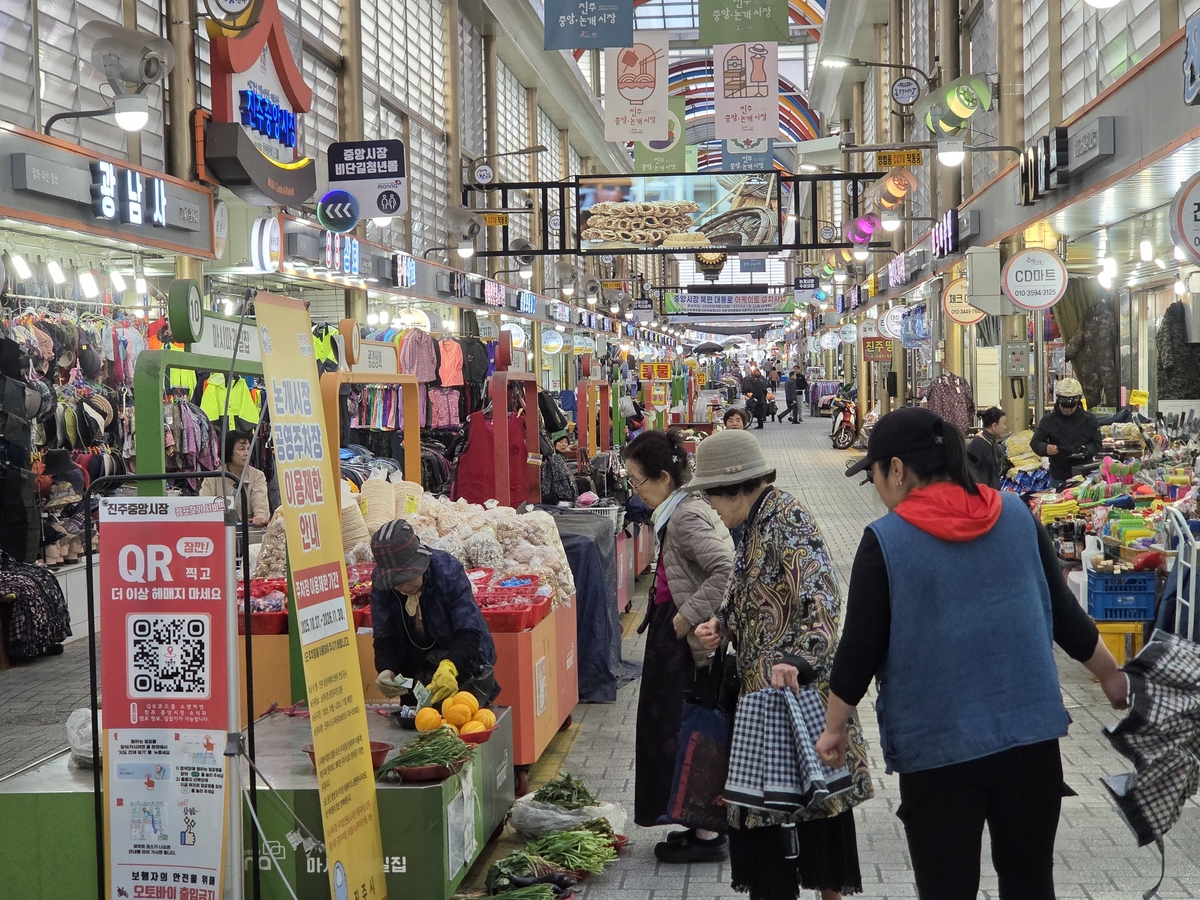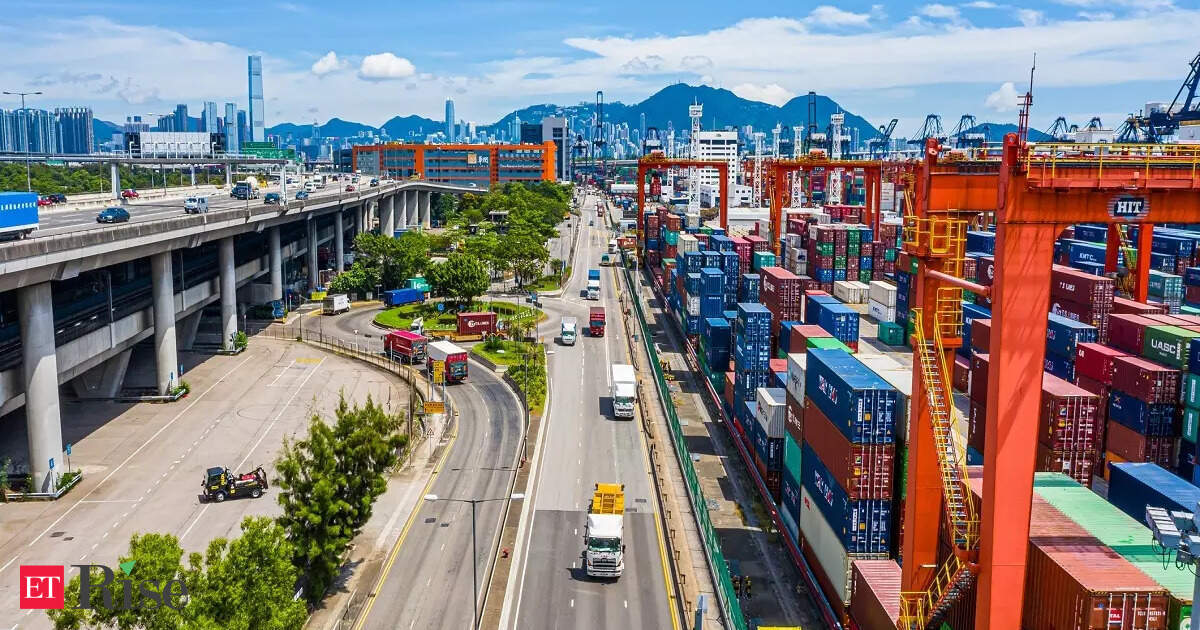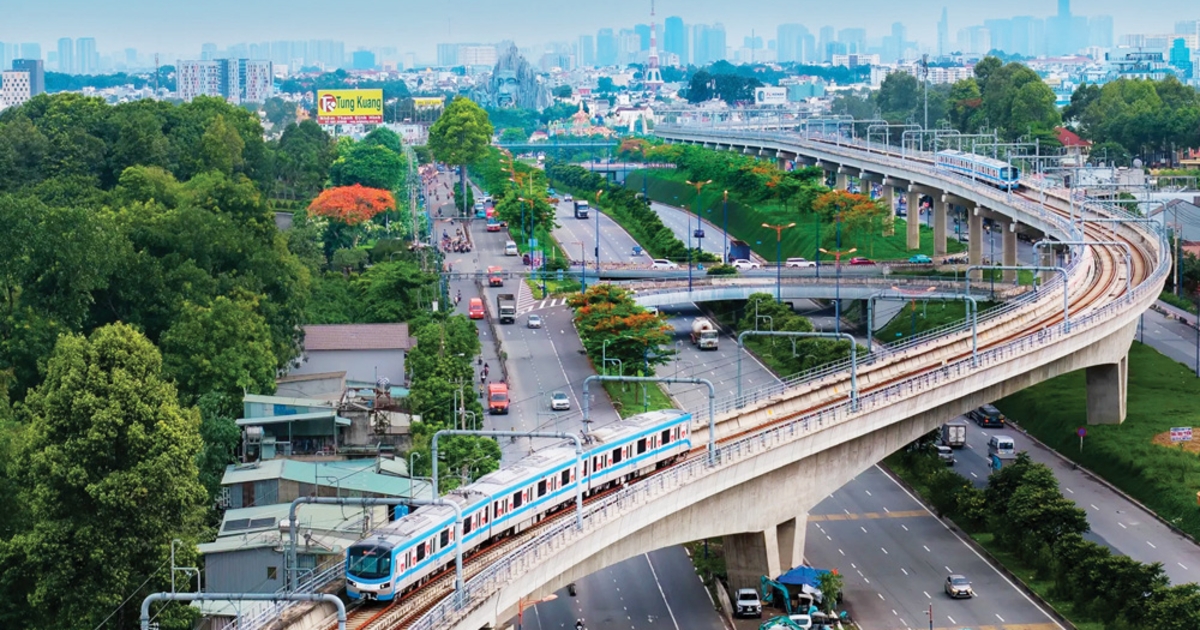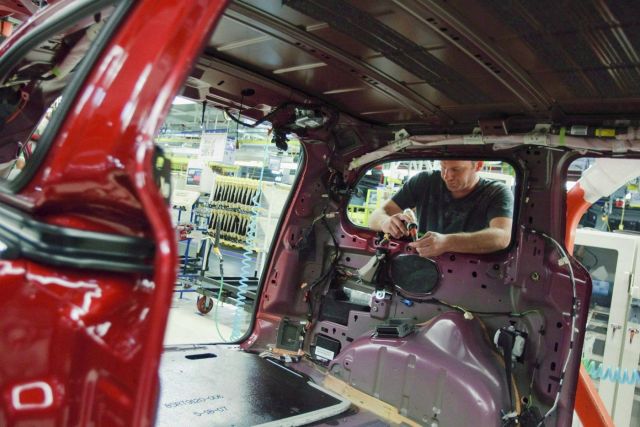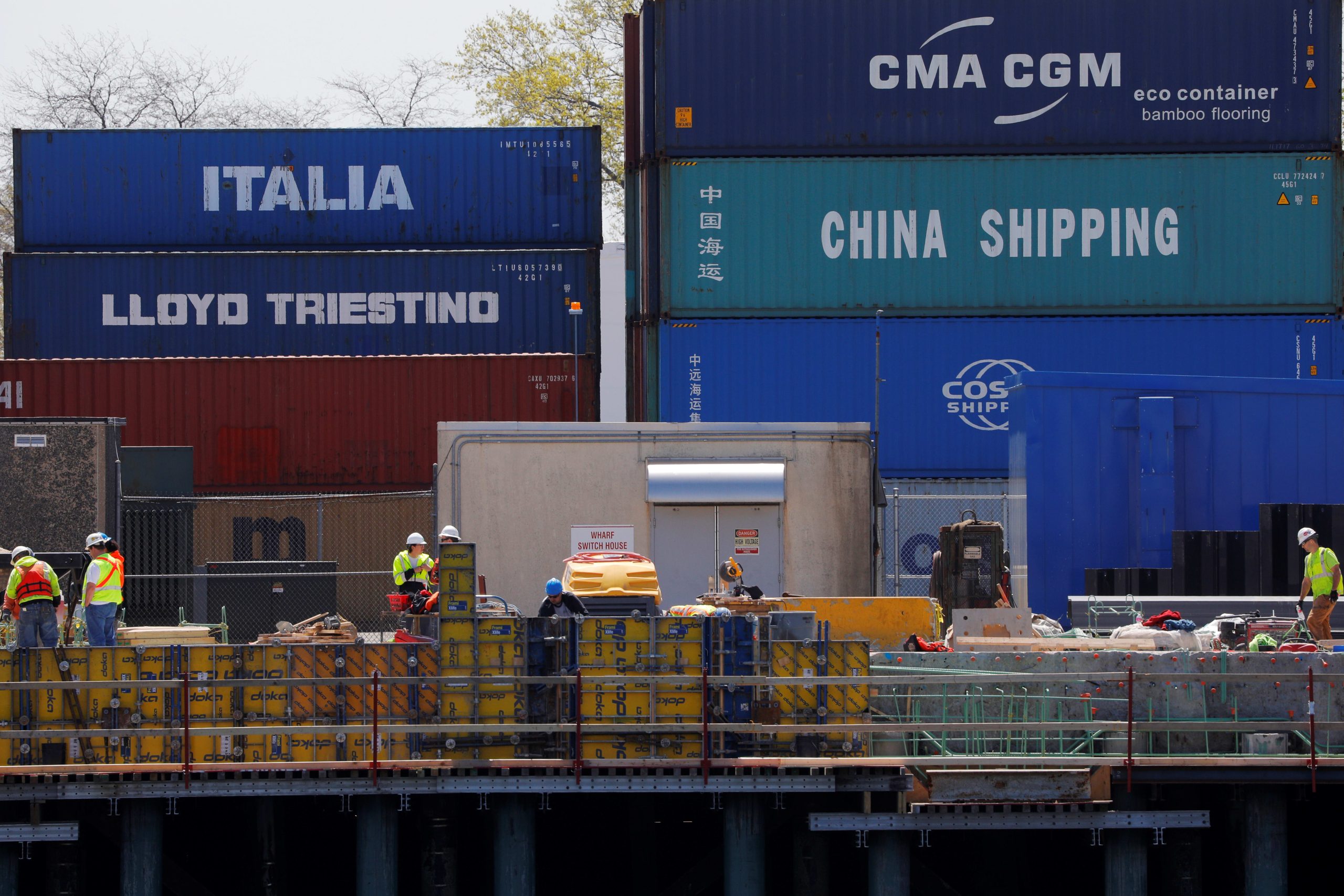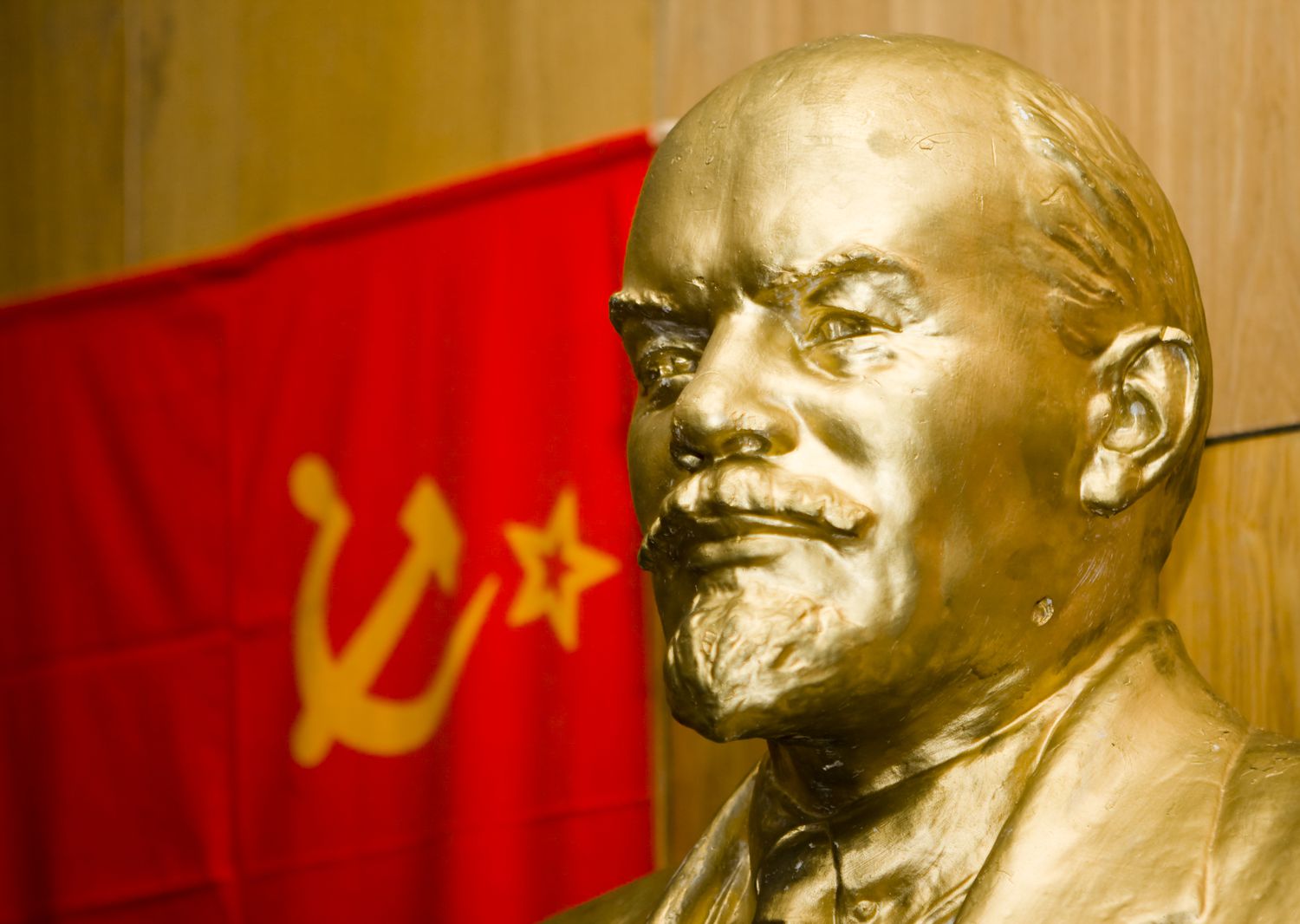
VIETNAM is one of the miracle nations of Southeast Asia. War and civil strife in the 1960s and 1970s had ravaged Vietnam’s economy, and many experts had seen little chance of the country recovering fast from its highly centralized socialist system. However, by the 1980s, the “Doi Moi” reforms introduced a shift from a socialist, centrally planned economy to a liberal, export-oriented one. With the restoration of political stability and a more open market, foreign investments poured in. Growth in the country’s electronic, textile, agricultural, machinery, coffee, steel, crude oil and seafood sectors surged. Vietnam soon became an export powerhouse in Asia.
But why has Vietnam overtaken the Philippines?
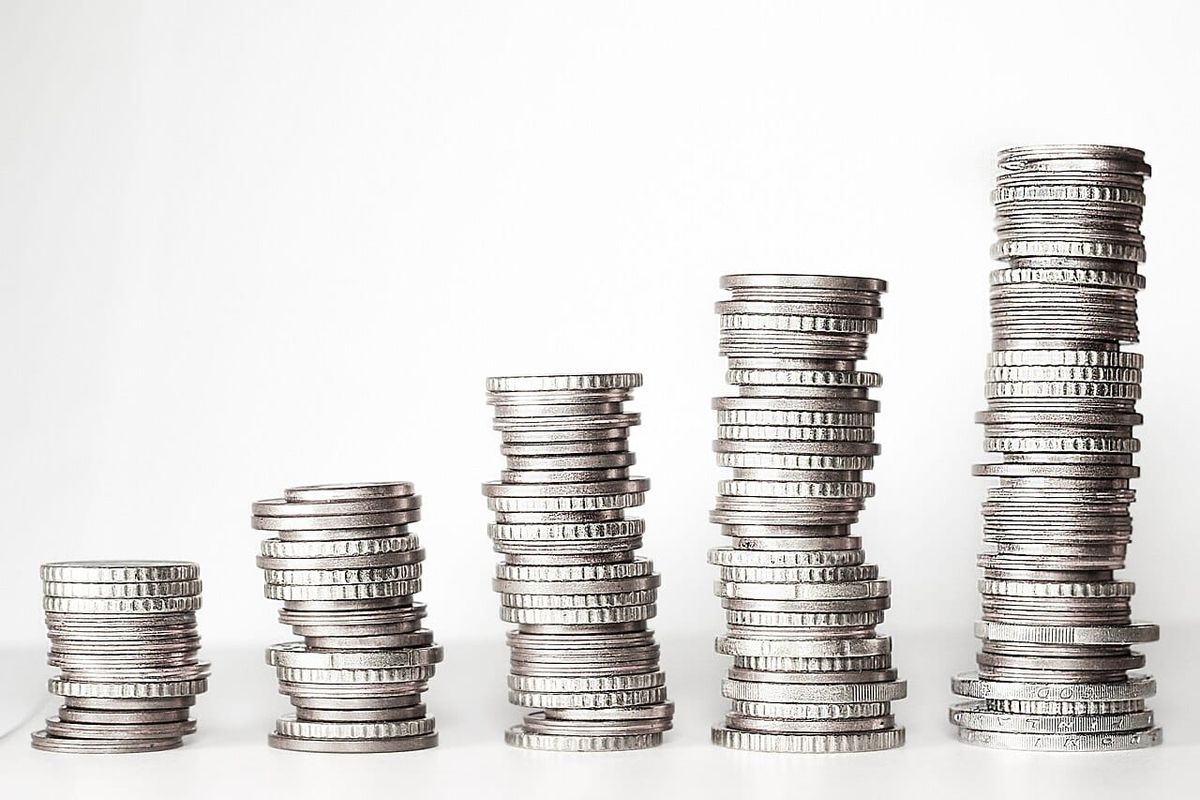
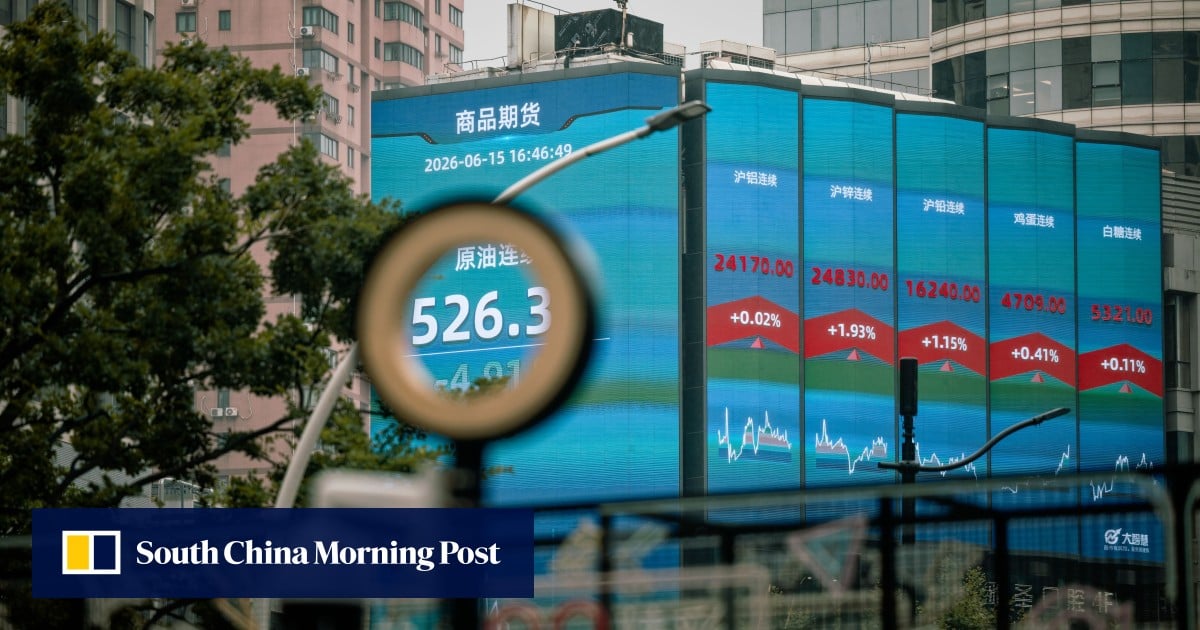
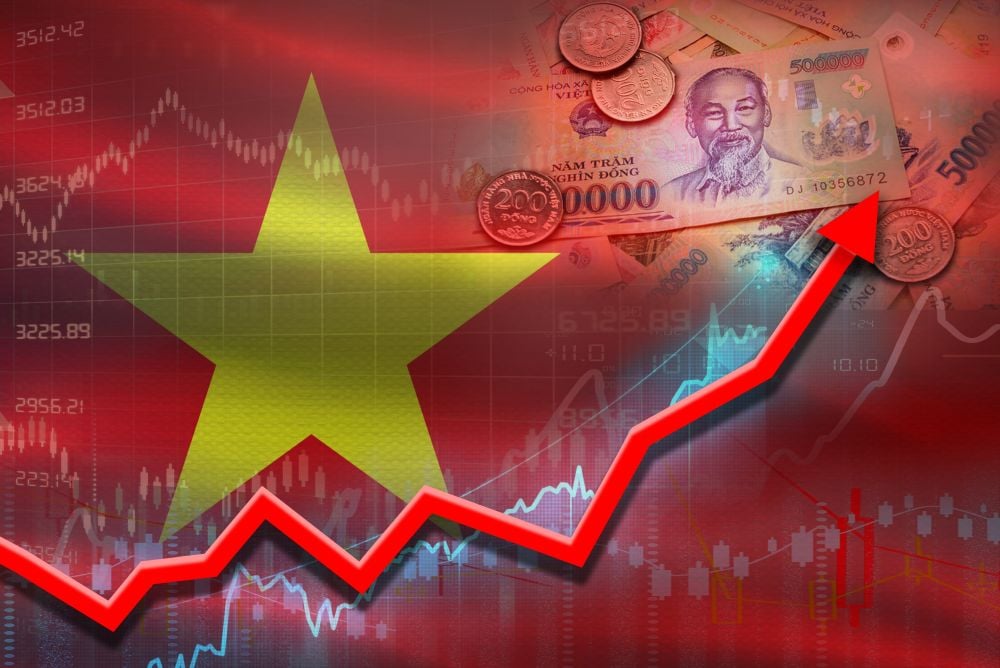
Despite a global slowdown, Covid-19 pandemic and other geopolitical headwinds, Vietnam’s gross domestic product (GDP) grew by an impressive 8 percent in 2025. Its economy is now estimated at $527 billion and expected to continue growing by at least 6.7 percent this year, notwithstanding the Middle East war.
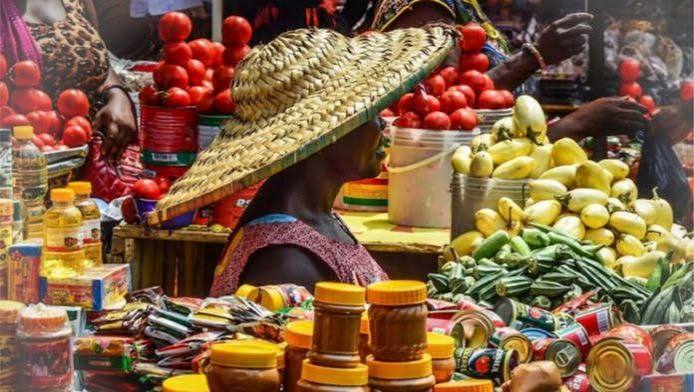
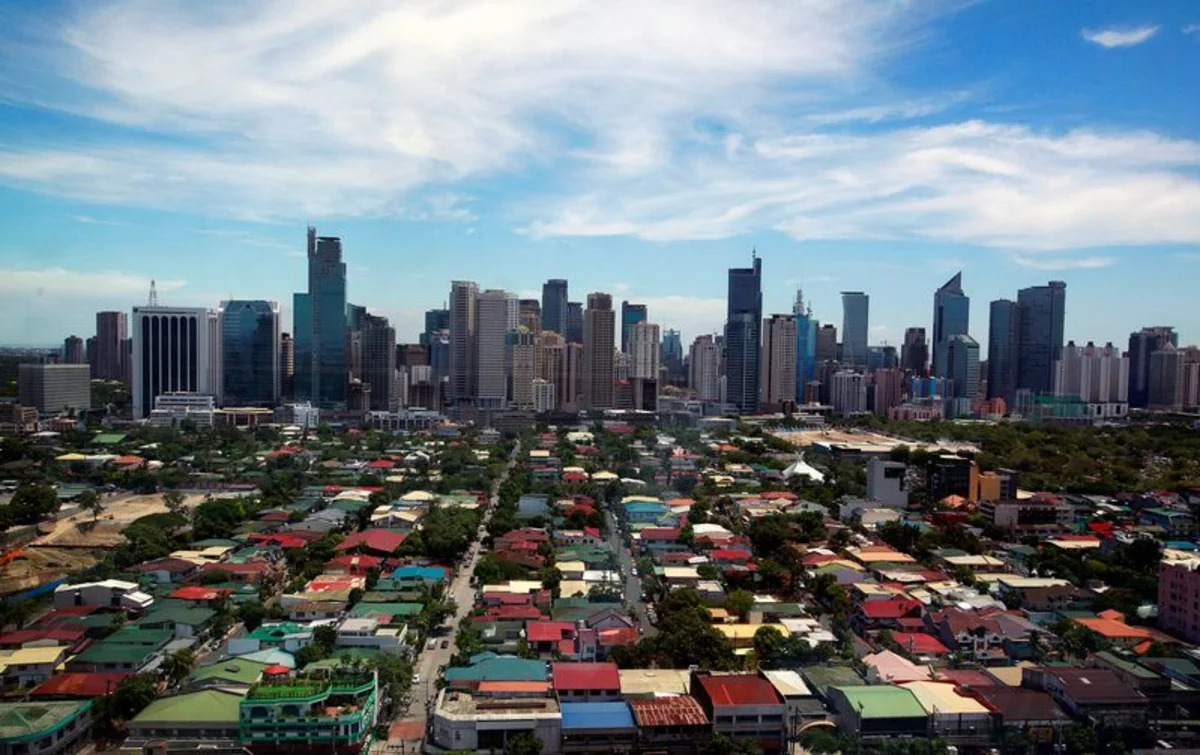
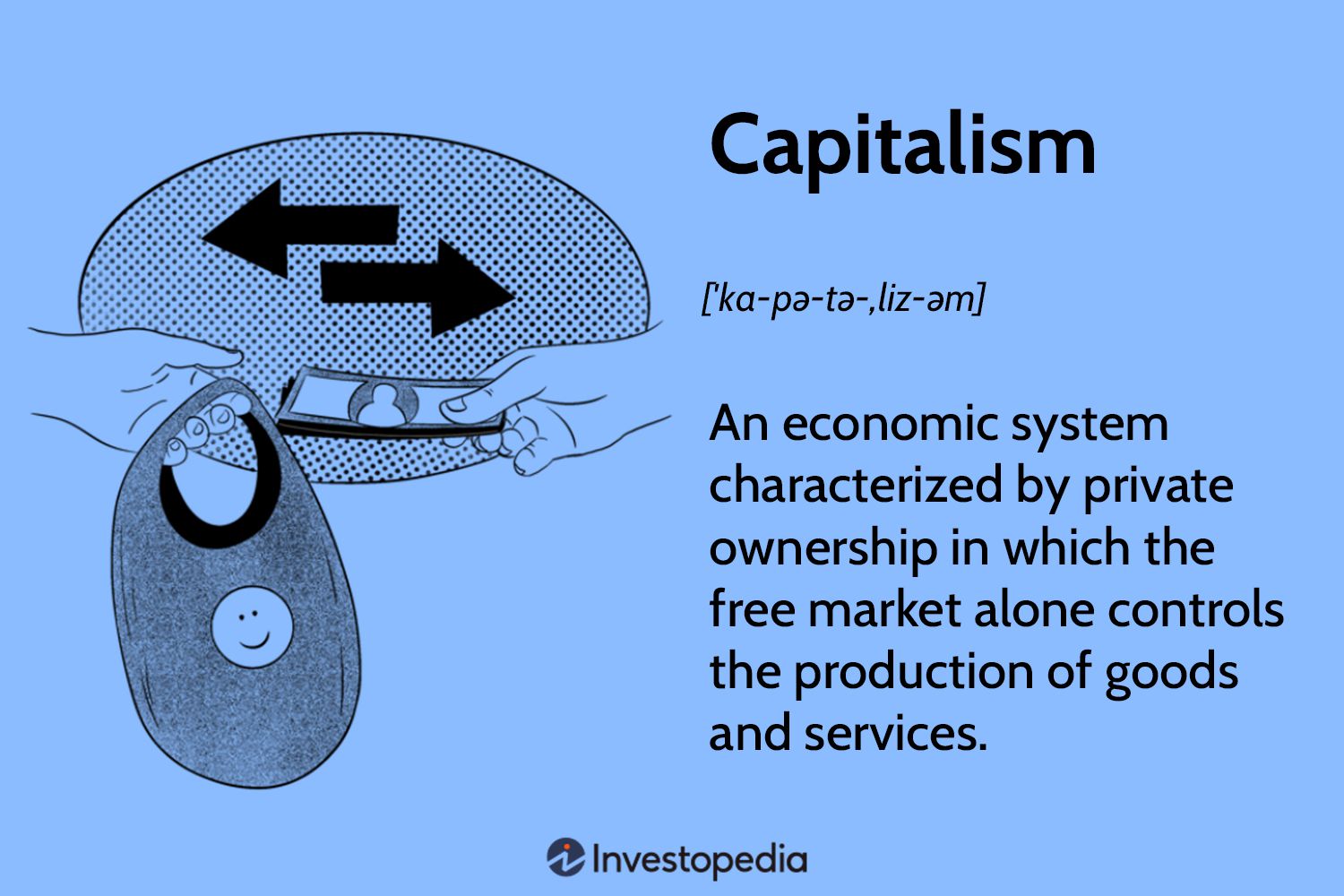
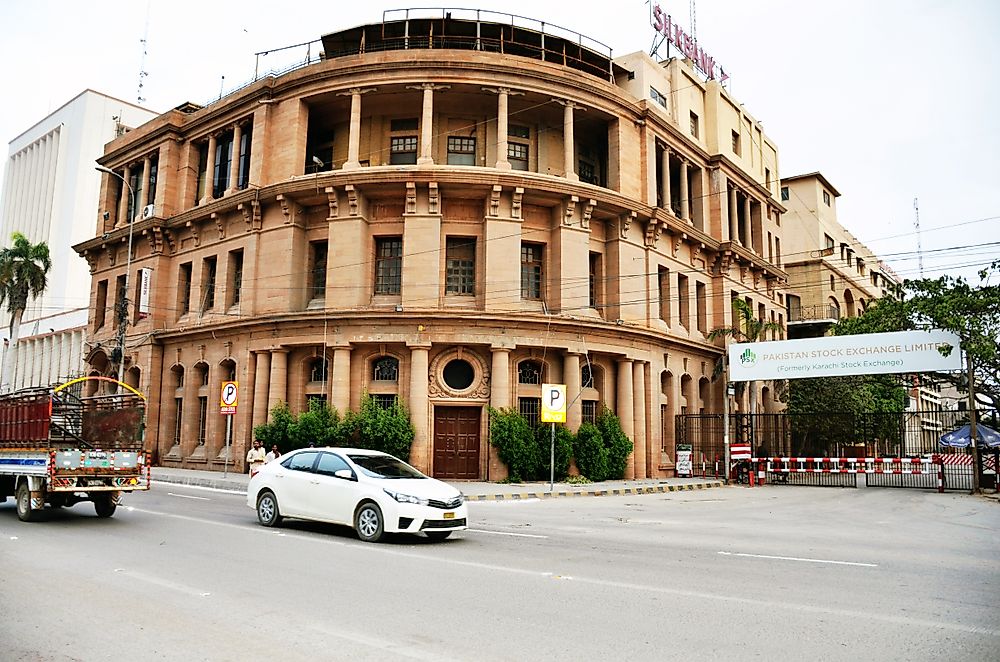
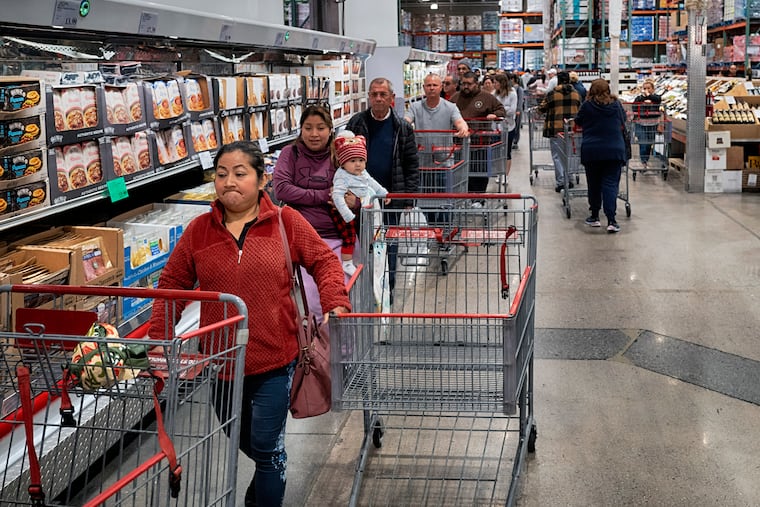
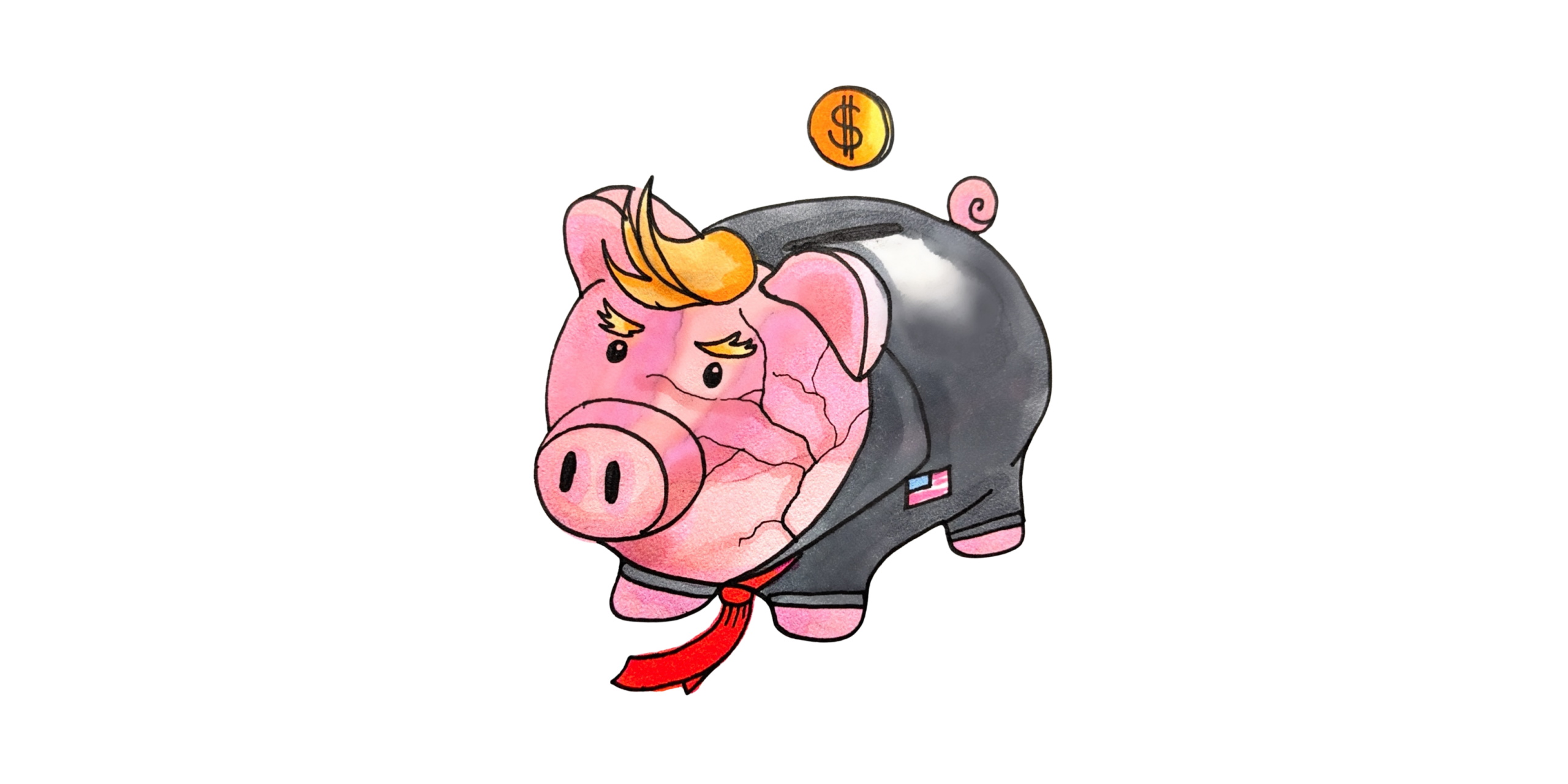
Unlike the Philippines, whose GDP is lower at $512 billion, Vietnam’s economic growth has been inclusive, equitable and well-distributed, with millions of people now joining the burgeoning middle class, and small and medium enterprises accounting for a significant share of its businesses. In the Philippines, many middle-class households are shrinking and descending into the ranks of lower-income and near-poor households, while the retail and service markets are often dominated by conglomerates, such as San Miguel Corp., Ayala Corp., Aboitiz Group, and SM Group.
There is nothing wrong with private sector-driven growth in the Philippines, but these conglomerates have been relatively slow and risk-averse in pushing the country up the value chain toward high-tech manufacturing industries, where small and medium enterprises can be integrated and generate more quality employment.
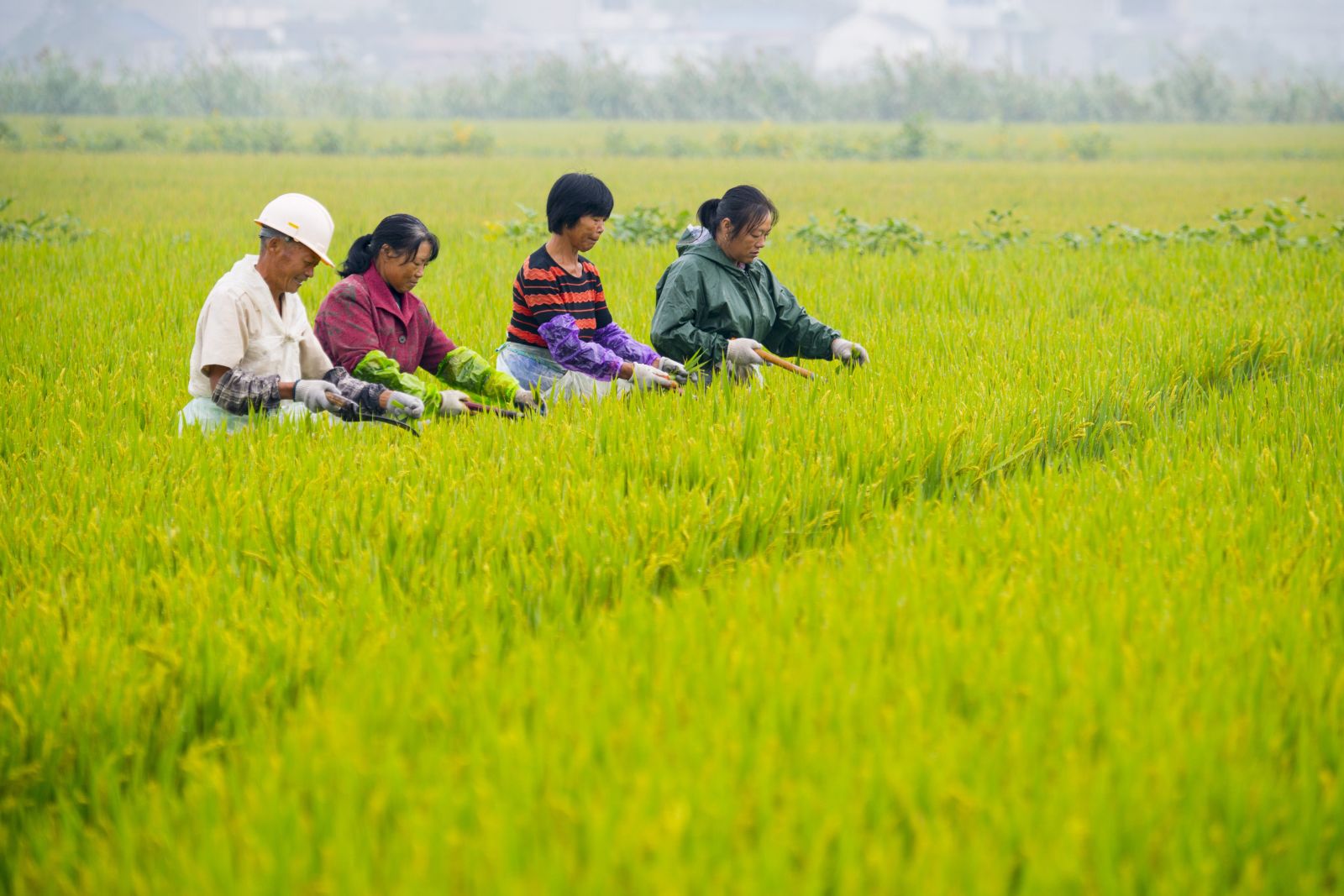
Another factor is Vietnam’s governance and regulatory framework, which encourages foreign investments, not as carpetbaggers or prospectors but as generators of real wealth and jobs. Vietnam’s government has been more disciplined in pursuing its industrial and agricultural targets than the Philippines’. The transition from a centralized economy to a socialist-oriented market economy encouraged foreign investments and export-led growth. Innovation, research and development have ramped up across universities and industries.
Although corruption is still present in Vietnam, it has not been enough to derail economic growth, trigger capital flight, or erode state capacity. In the Philippines, widespread corruption has undermined people’s trust, strained the country’s public debt and slowed down economic growth. Vietnam also has the political will to enforce the law, regardless of the fallout.
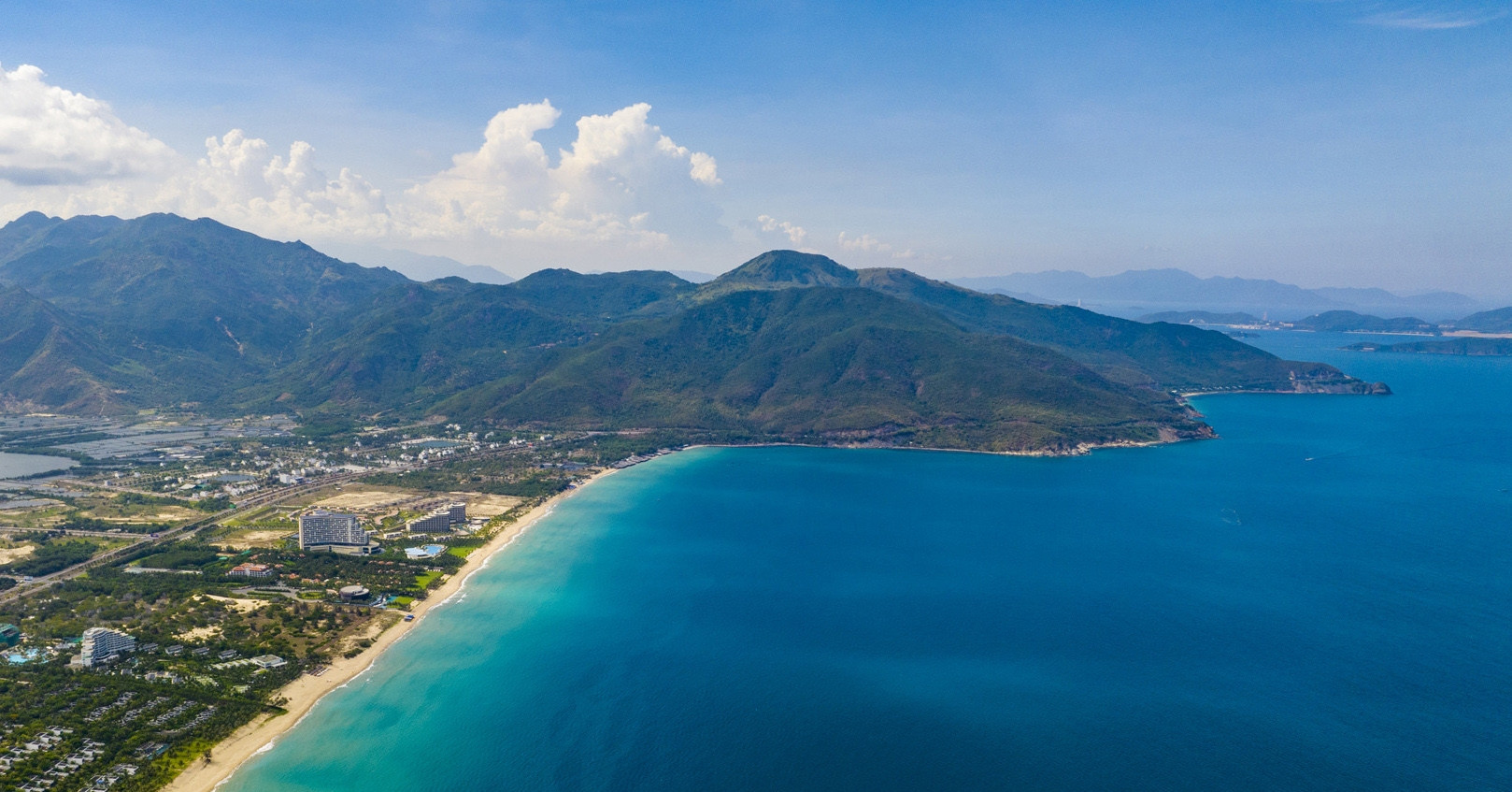
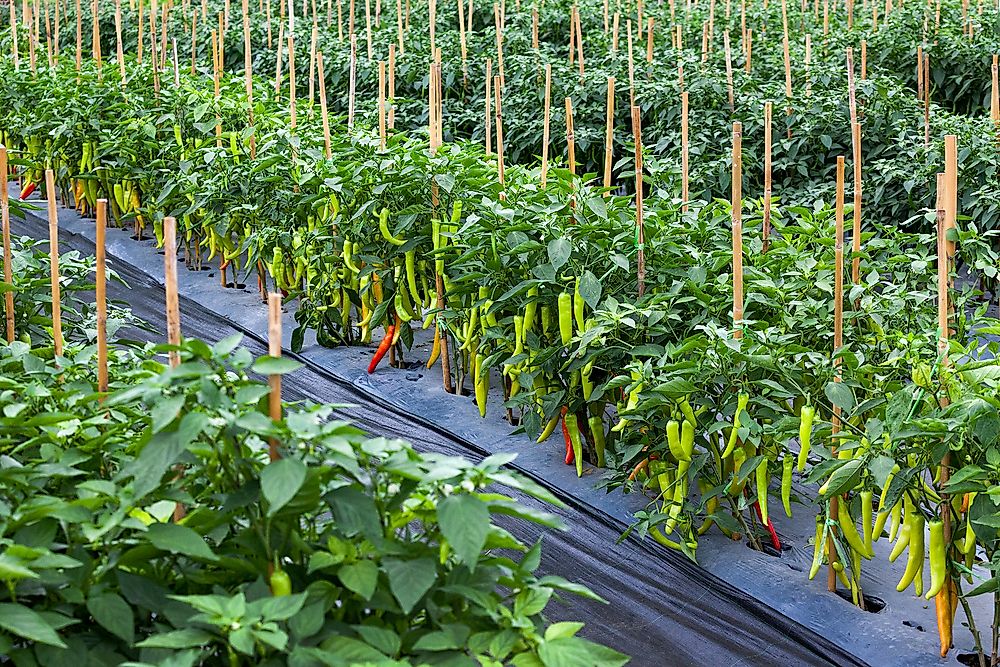
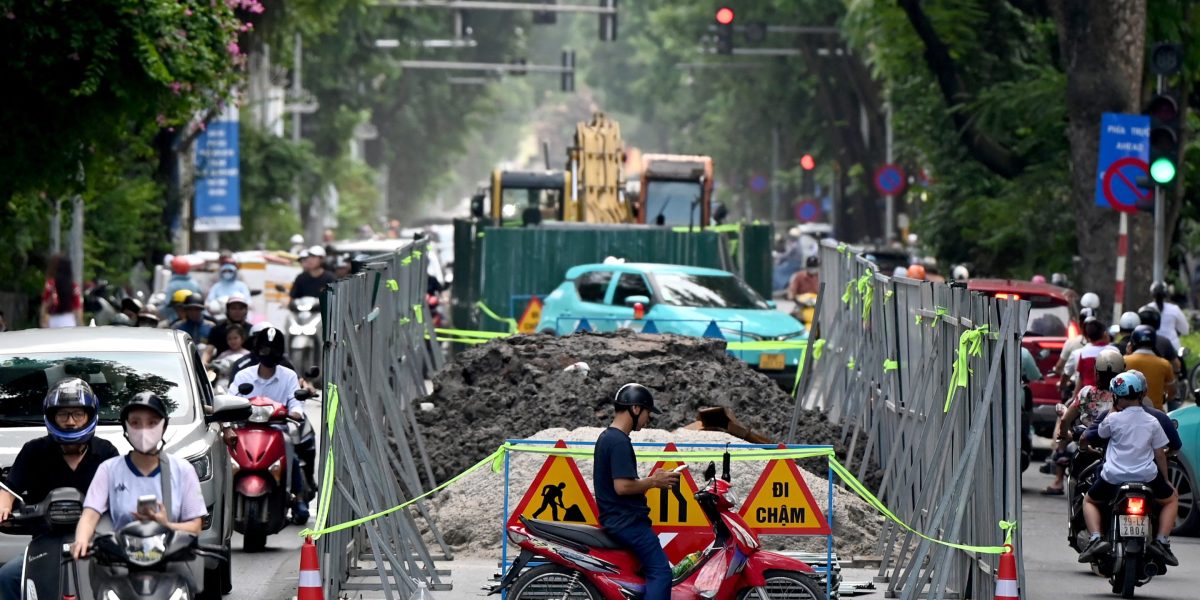
Finally, Vietnam has instituted measures to streamline government processes and promote ease of doing business, from transportation infrastructure and property rights to market regulations, financial transactions, and import/export processes. The government undertook the privatization and restructuring of state-owned enterprises that were dragging down the economy. By the mid-2010s, Vietnam’s economy was growing steadily at roughly 6 percent to 7 percent annually. It was able to manufacture and export higher-value goods while creating better-paying jobs for its people. Moreover, foreign investments in luxury hotels, resorts and tourism facilities have further driven growth in travel and tourism.
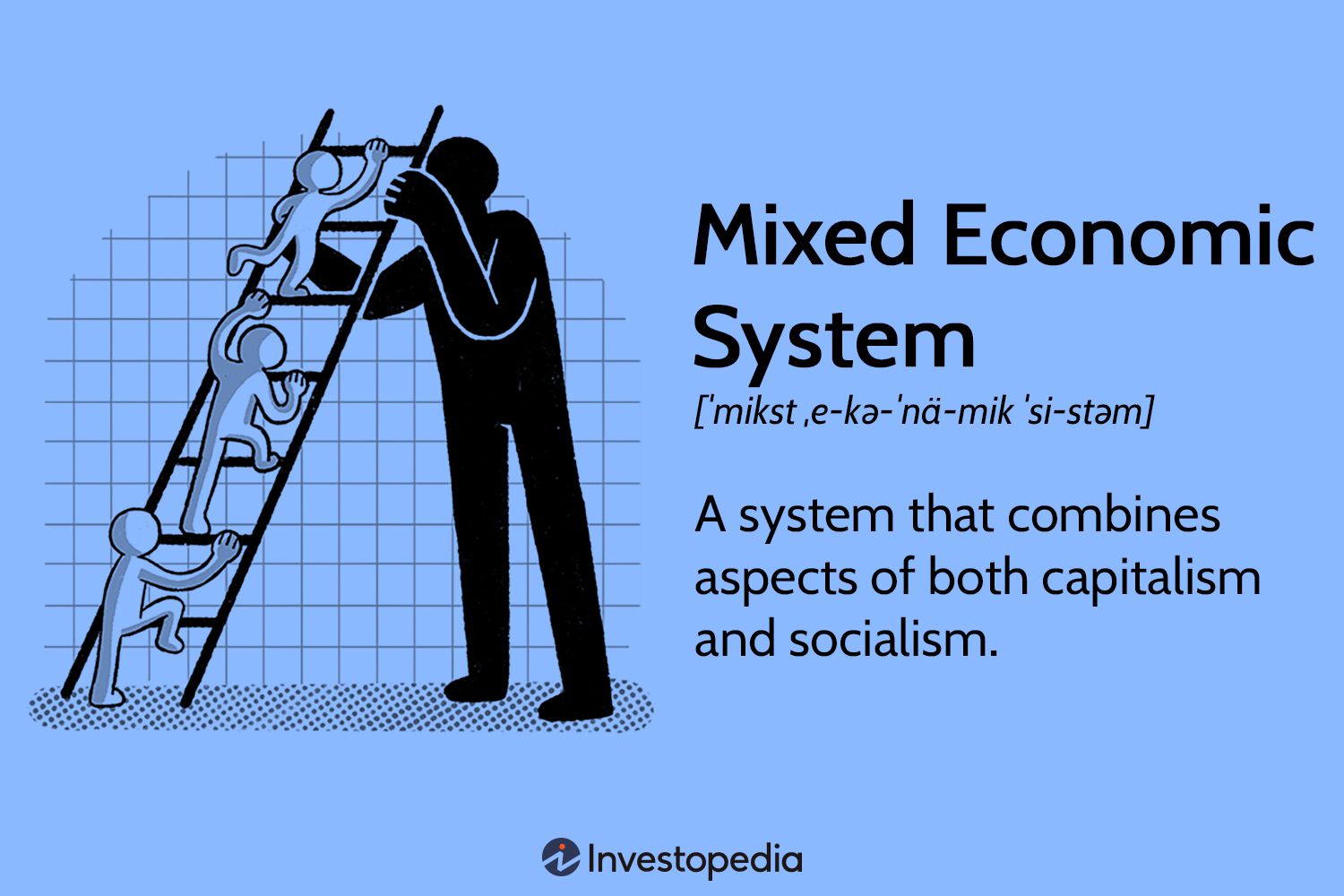
In short, Vietnam was better organized, purposive and relentless to lift millions of its people out of poverty. Its government may have its shortcomings, but it has largely remained focused on economic development, rather than political brinkmanship. Although Vietnam is a socialist nation, it is also one of the most market- and export-oriented economies in the region. In the final analysis, Vietnam appears more agile and attuned to what its nation needs, not only to survive but also to thrive in a highly competitive and volatile world, than the Philippines.
The Philippines must pull its act together if it hopes to catch up to Vietnam. Otherwise, it is very possible that it might even be overtaken by smaller economies like Laos or Cambodia in the near future.