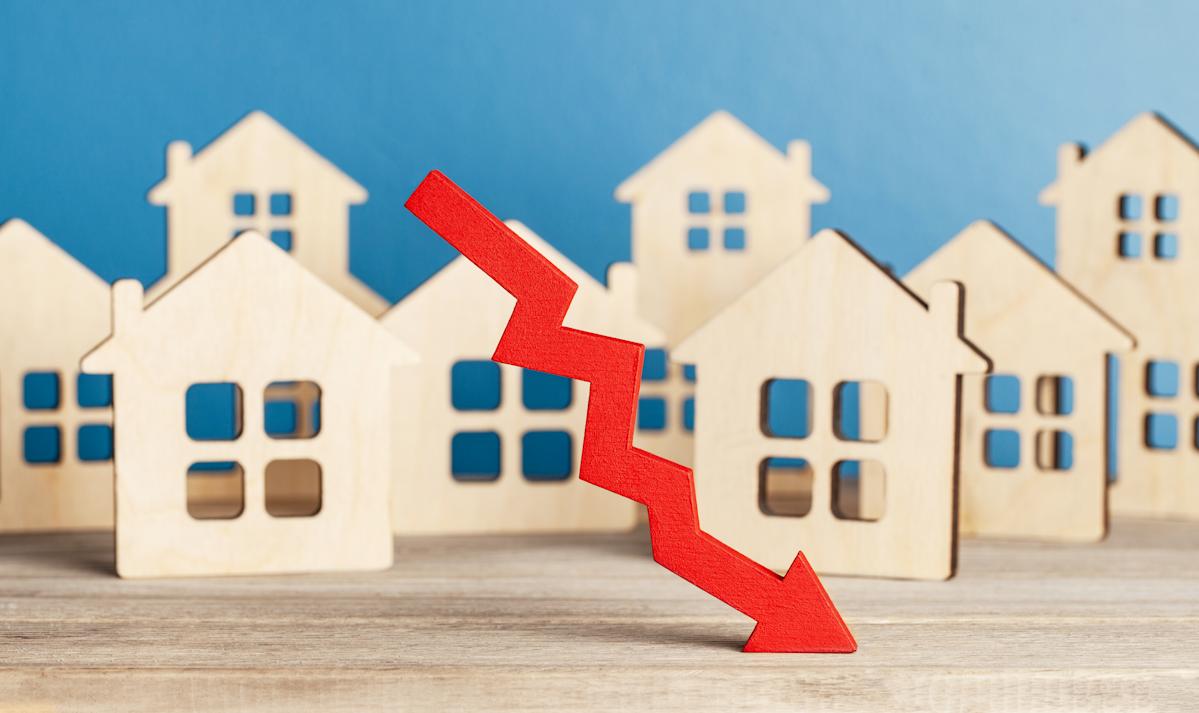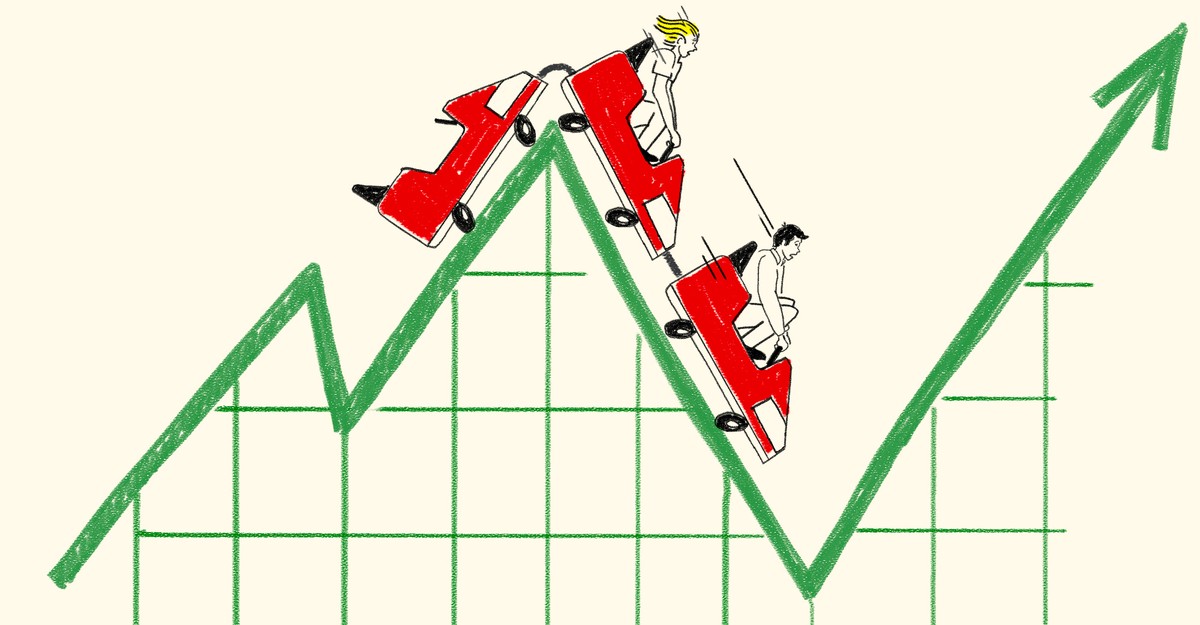
Affordability has become a paramount political issue, especially housing for young Americans. But do poor spending decisions and not house prices keep Gen Z and Millennials from buying? The debate highlights how markets ration goods and suggests that young Americans may face unprecedented challenges.
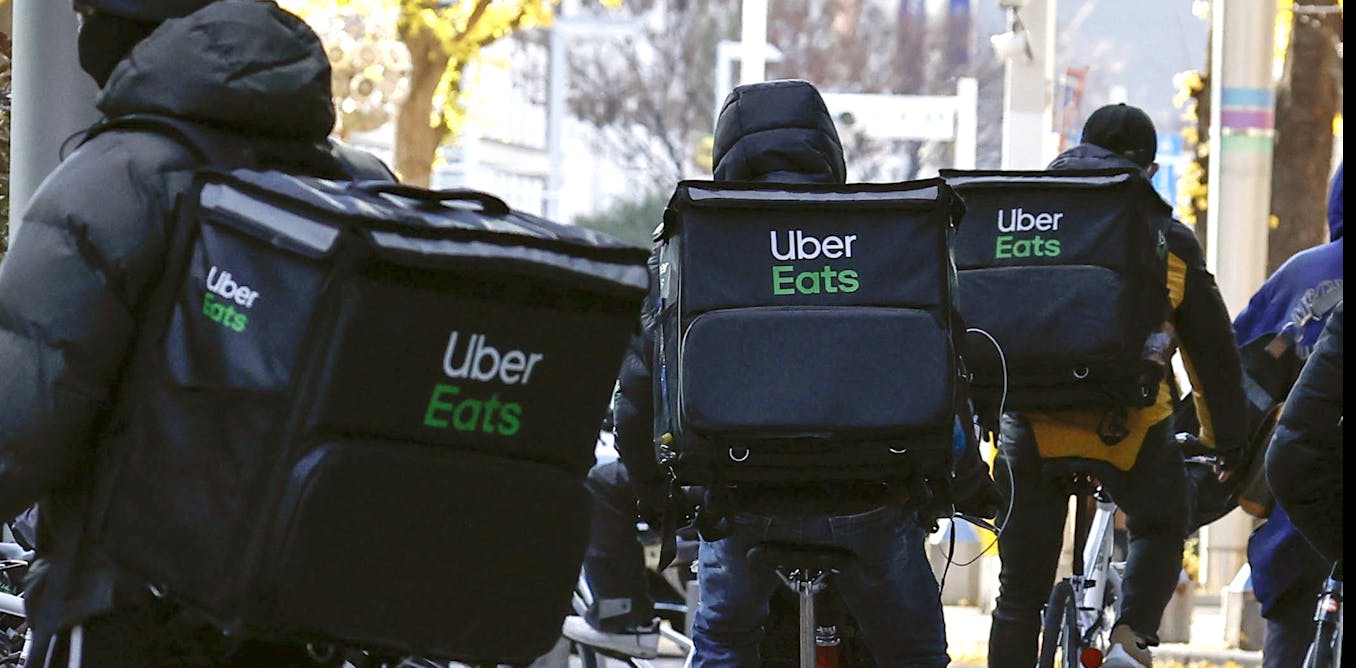
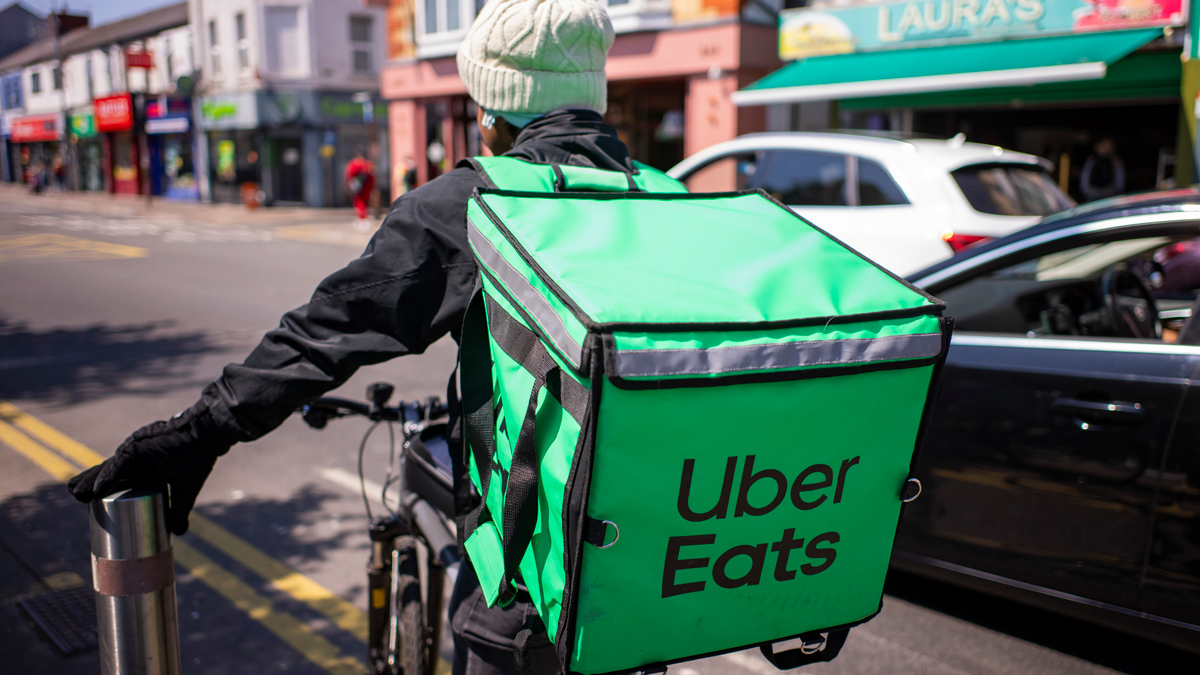
Several May posts by Shark Tank’s Kevin O’Leary sparked the discussion. “Mr. Wonderful” called out young Americans spending $28 on lunch and ordering Door Dash continually and wondering why they cannot afford a home. Affordability becomes less salient if driven by spending.
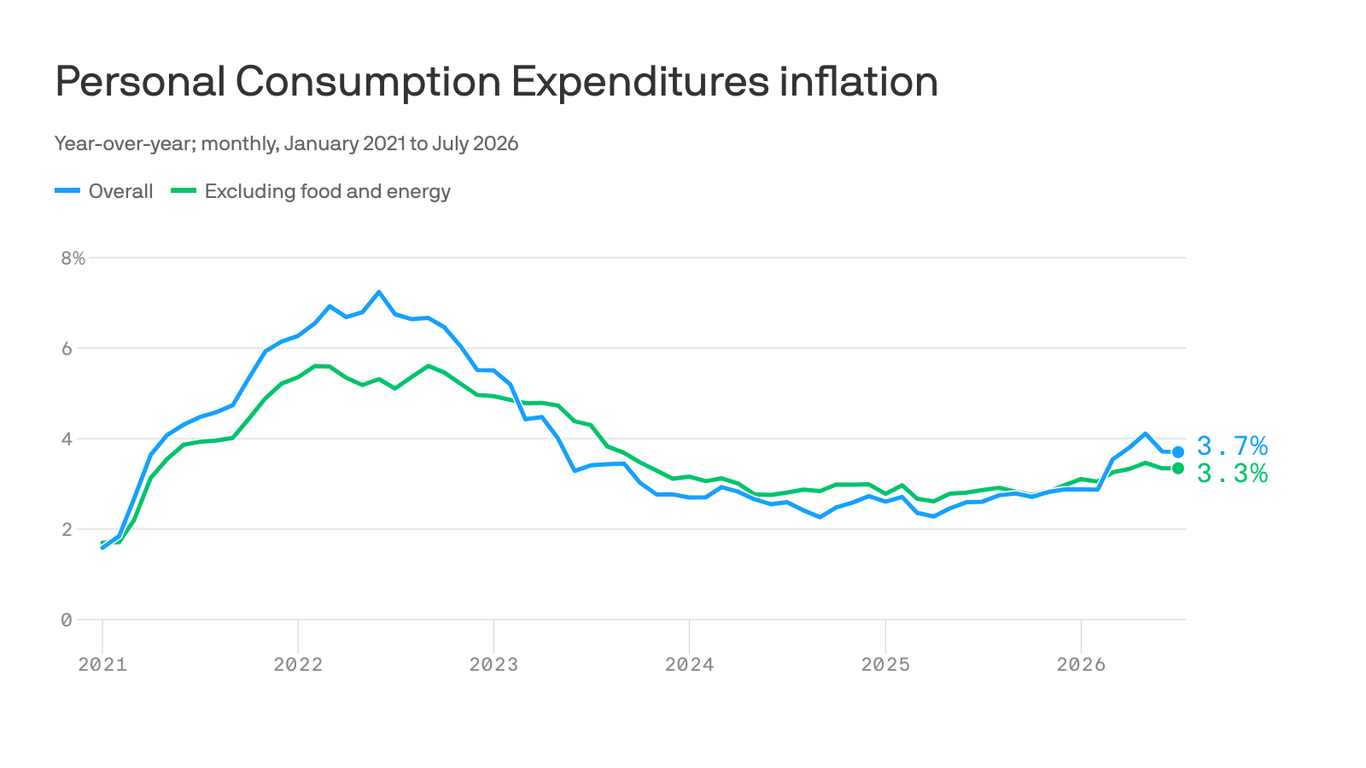
Poor decisions may explain the weak evidence for unaffordability. Examination reveals that Gen Z has on average higher real incomes than earlier generations did at the same age. Real means adjusted for inflation, so higher prices should not drive affordability.
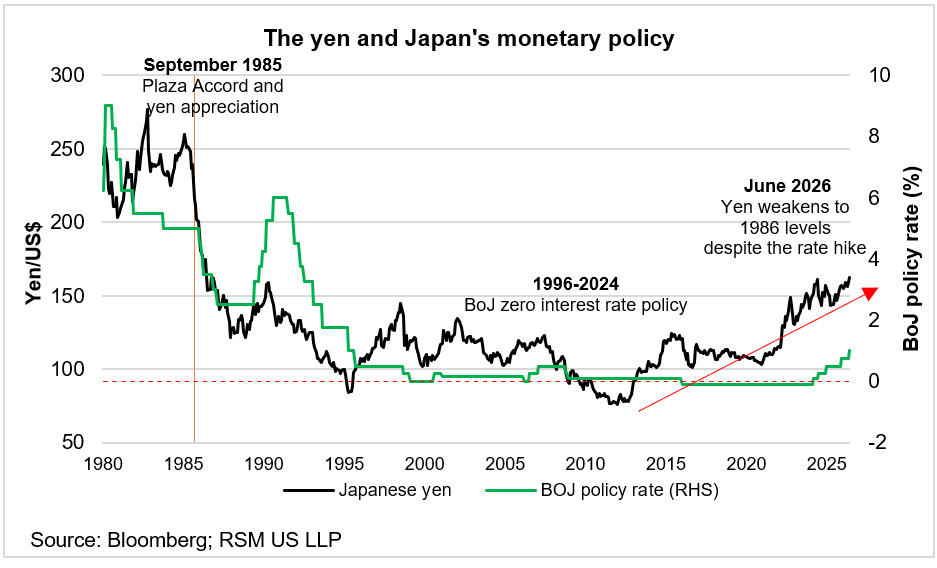
The spending Mr. O’Leary criticizes could be a response to home prices. A similar logic explained Japanese consumer electronics purchases in the 1990s. Japanese families bought more consumer electronics than Americans because they were never going to own a home in Tokyo.
I wish to focus on the market rationing process and how it impacts our life experience. We live in a world of scarcity, meaning that peoples’ wants and desires exceed the capacity to satisfy them. Scarcity requires all economic systems to ration goods and services, although the how differs.
Economists say that prices ration goods in a market economy. People have a limited amount of money to spend and must pay businesses to cover their production costs. Buying A makes B unaffordable.
Yet this obscures how consumers ration themselves. We must choose not to buy something we like but cannot afford. Stores will happily help us buy some pricey items.
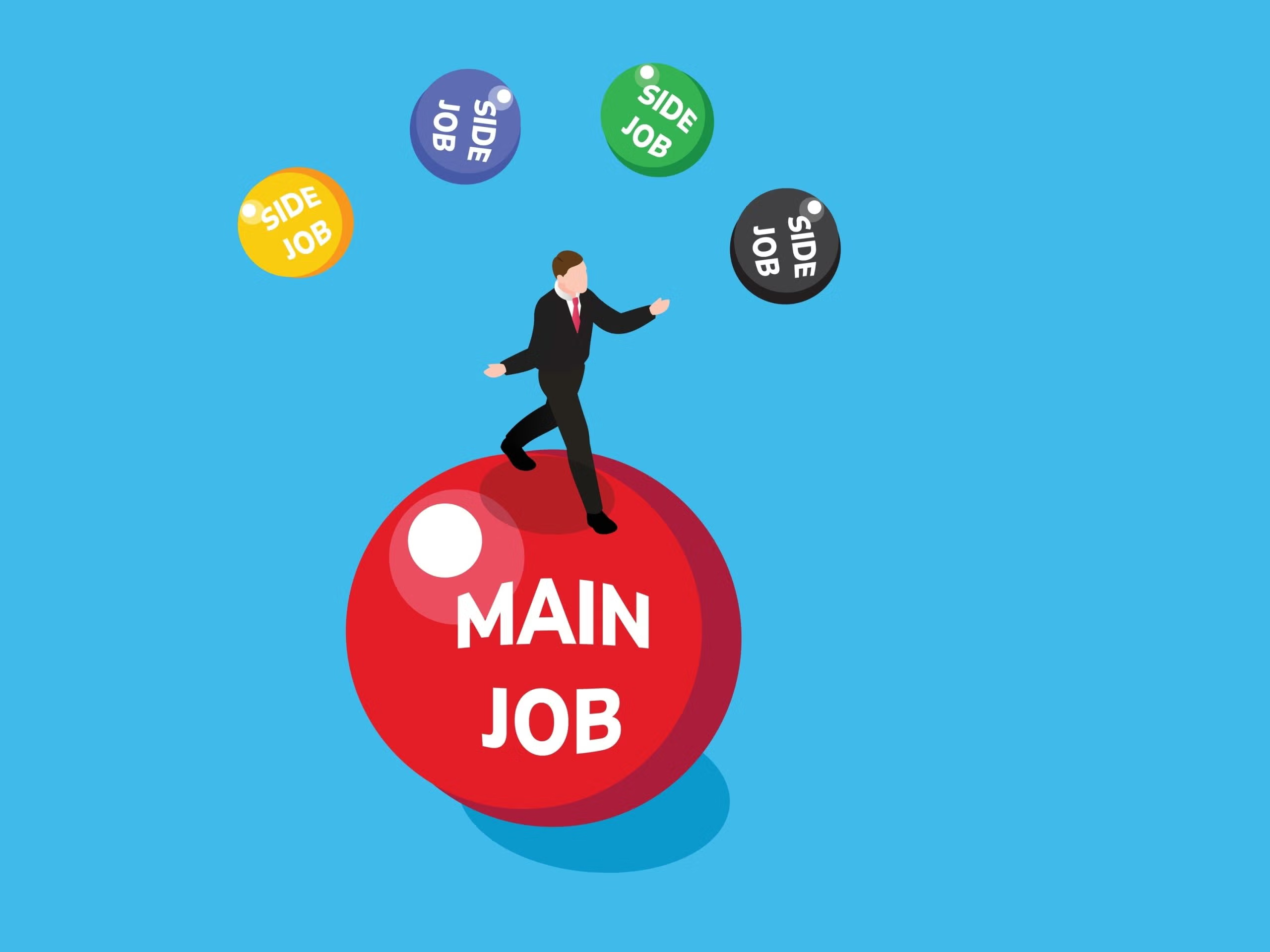
Consumers must determine how to spend their income (economists call this the utility maximizing consumption bundle). In budgeting over time (intertemporal utility maximization), families can almost always spend more today, by either using credit cards or saving less. Sticking to a budget requires self-discipline.
We almost always know how we would spend an extra $1,000 and must resist the temptation. This explains, I think, why increasing real income has not made Americans significantly happier. Rationing involves denying ourselves and our families nice things.
But has a consumer’s challenge gotten harder? I think plausibly yes.
The quality of the options must affect difficulty. Dieting is harder when offered a delicious piece of cake instead of a stale cupcake. When restaurants, theaters, and much of life shut down during COVID-19, the personal savings rate temporarily skyrocketed.
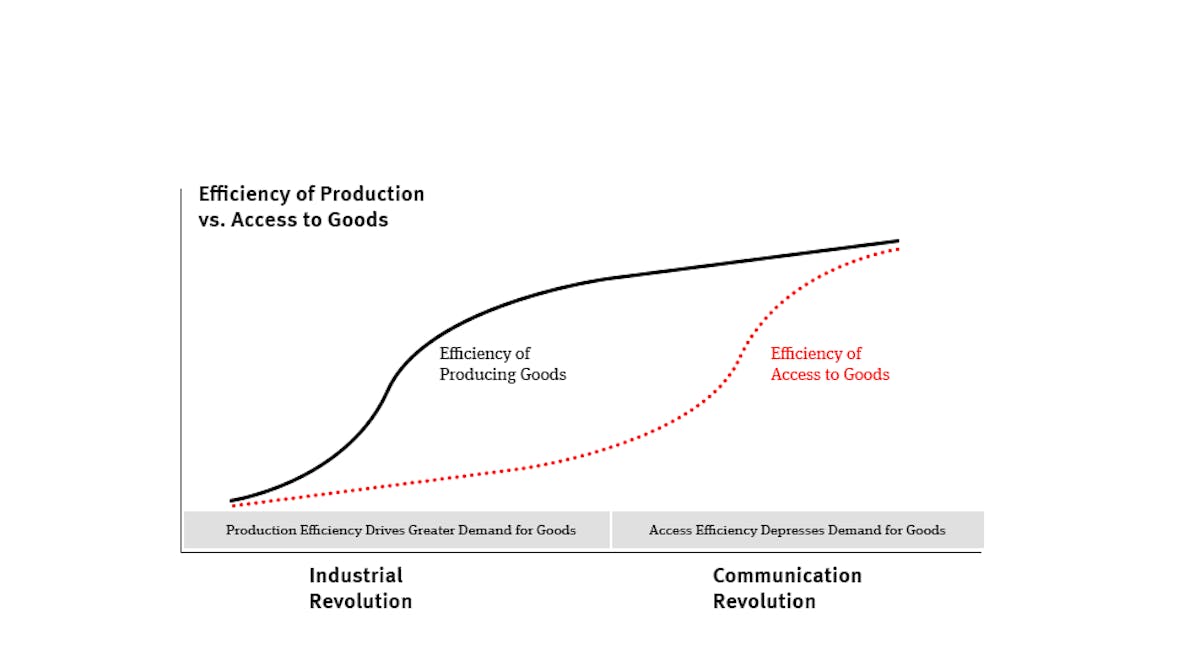
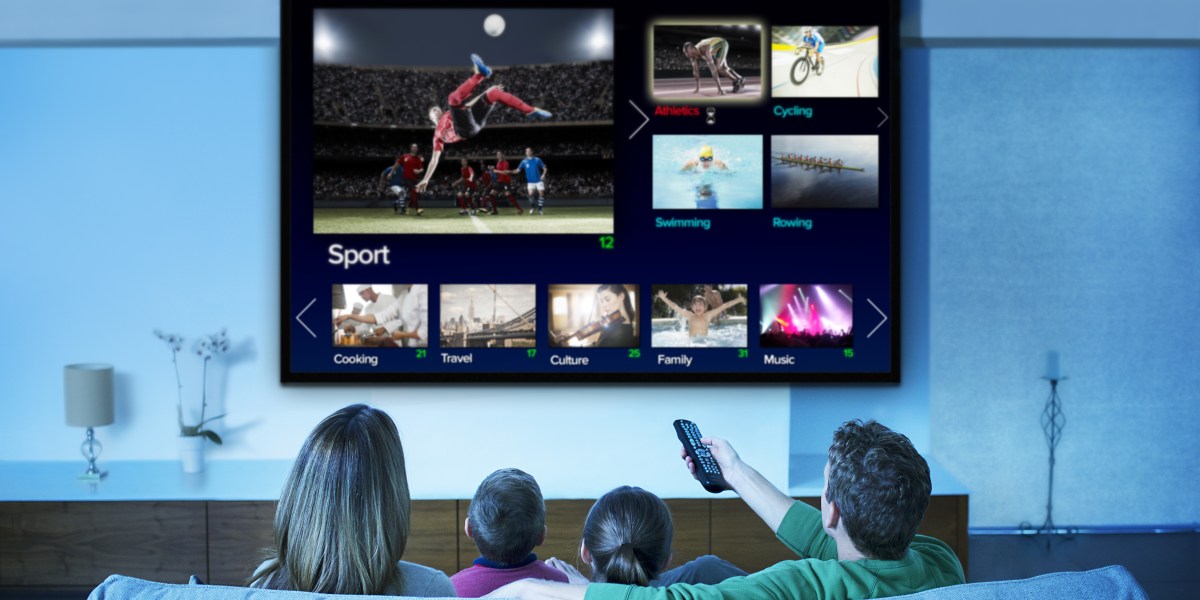
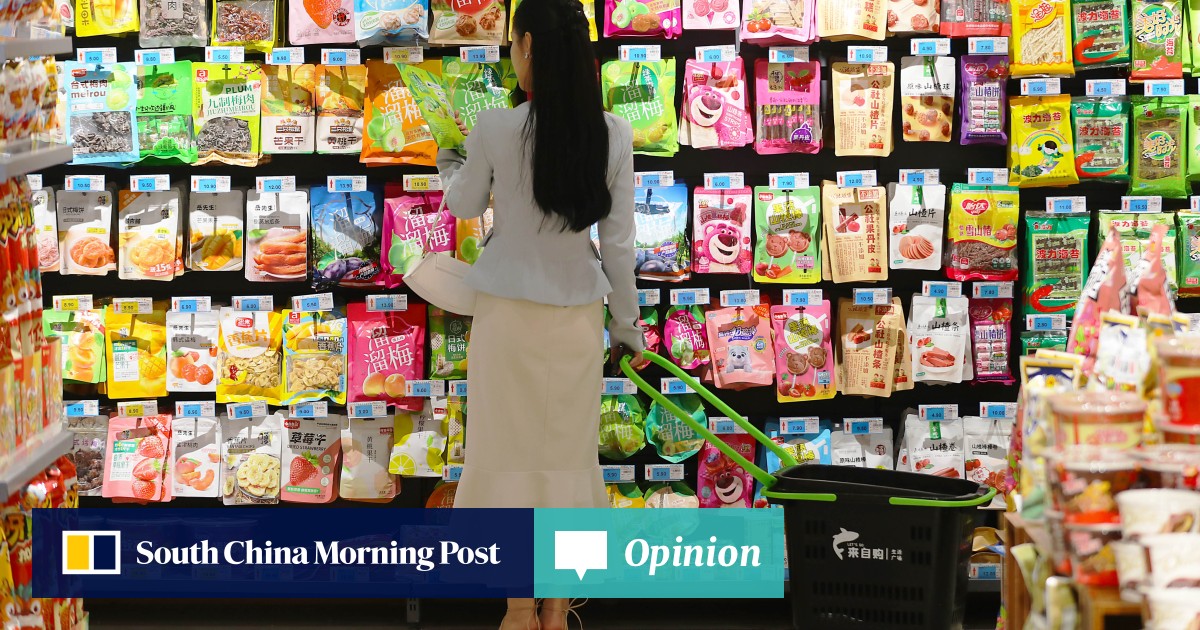
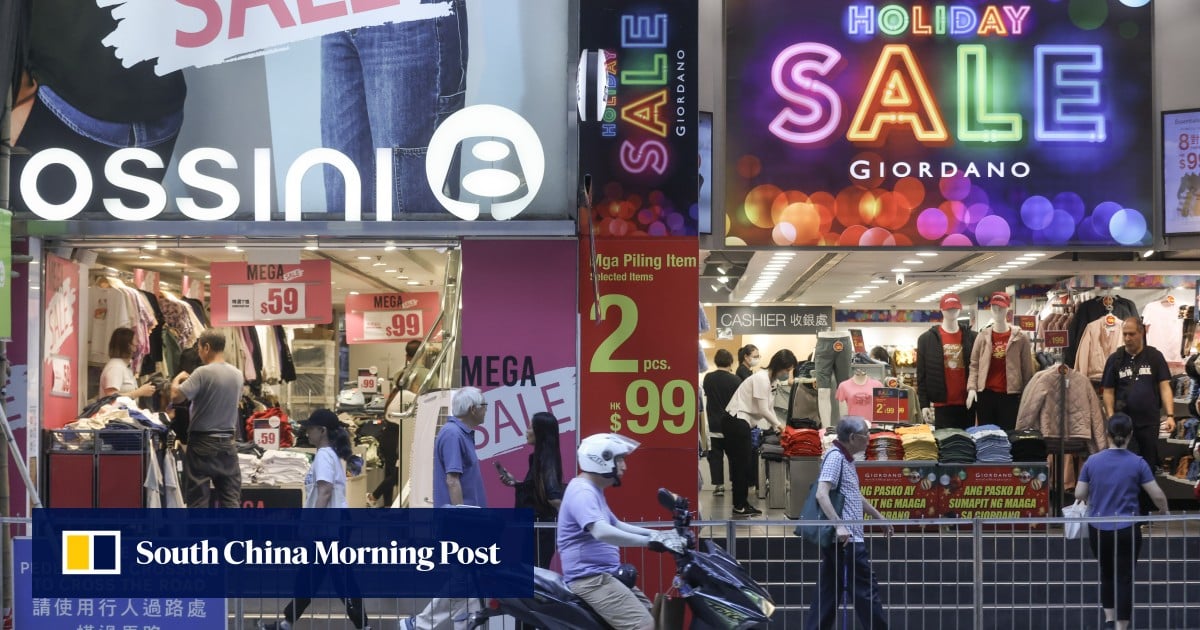
Many observers quite validly argue that America’s economy offers more and better consumption options than ever. Yet this makes the consumer’s challenge that much harder. Bringing a sandwich to work is easier if the alternative is the employee cafeteria than two dozen food trucks offering a range of culinary delights.
The accumulation of knowledge in advertising and marketing contributes to the challenge. As experts better understand, say, impulse buying, businesses can trigger budget-busting impulse purchases. Thanks to the internet, social media, streaming, and listening devices in our homes and pockets, marketers today have unprecedented information about individuals plus the technology to personalize ads.
To illustrate, a Gen Zer might receive a $5 off coupon for Door Dash delivery from their favorite Indian restaurant at 5pm. How does this irresistible offer arise? Because their phone heard them say that they were craving Indian food, knows what restaurants they have patronized, and that they have no dinner plans.
The market economy can address problems from marketing through services strengthening consumer self-discipline. Rocket Money, for example, automates cancelling subscriptions. Credit cards could offer bonuses for paying the monthly balance instead of spending more.
A new emphasis on consumer education could also help. The knowledge of consumer behavior empowering sellers can empower consumers. Perhaps we need home economics classes updated for the information age.
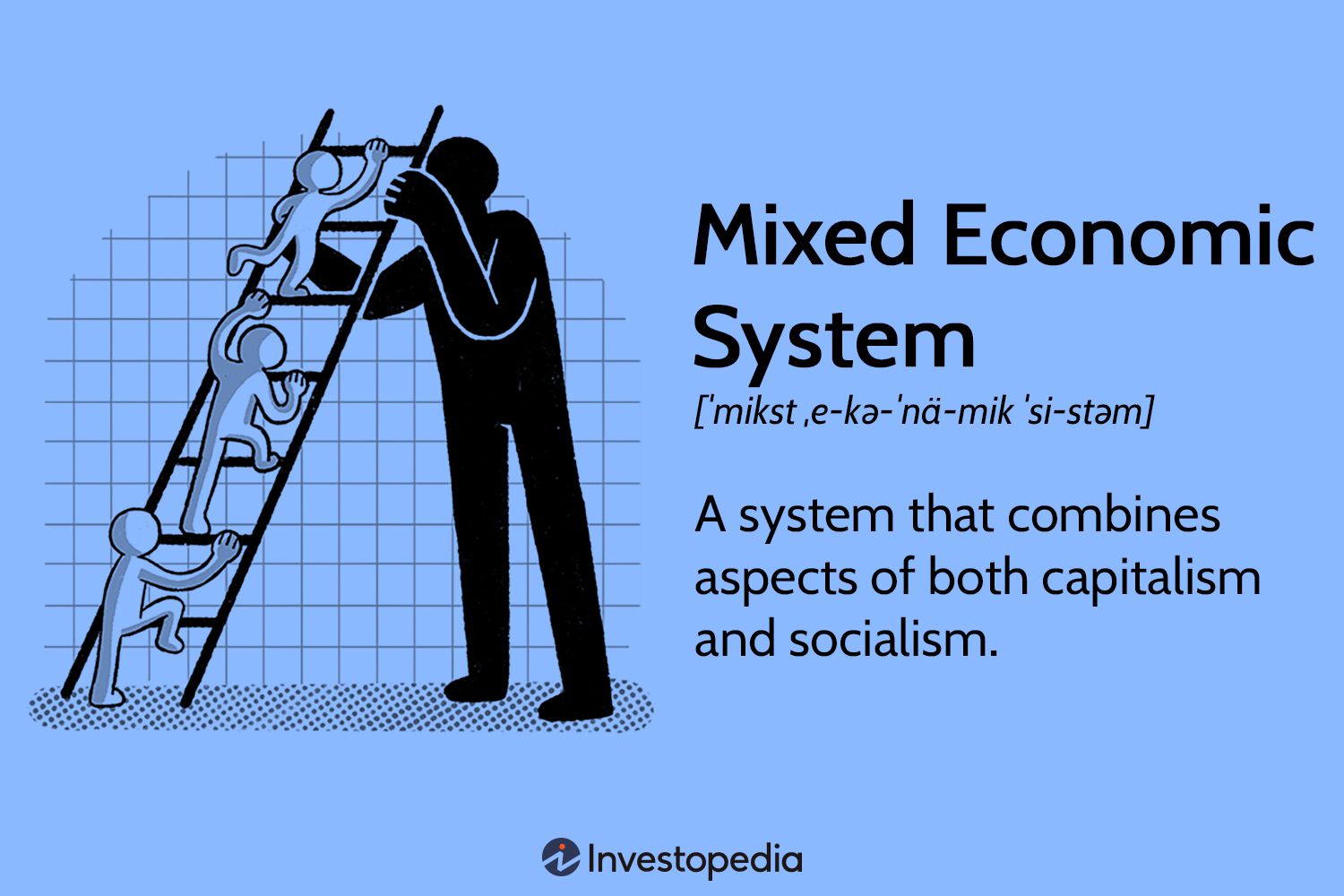
Some observers contend that affordability concerns fuel young Americans’ embrace of socialism. Empty shelves are socialism’s solution to impulse buying. America has the greatest consumer economy in history, but let’s not forget that great options also challenge American consumers.