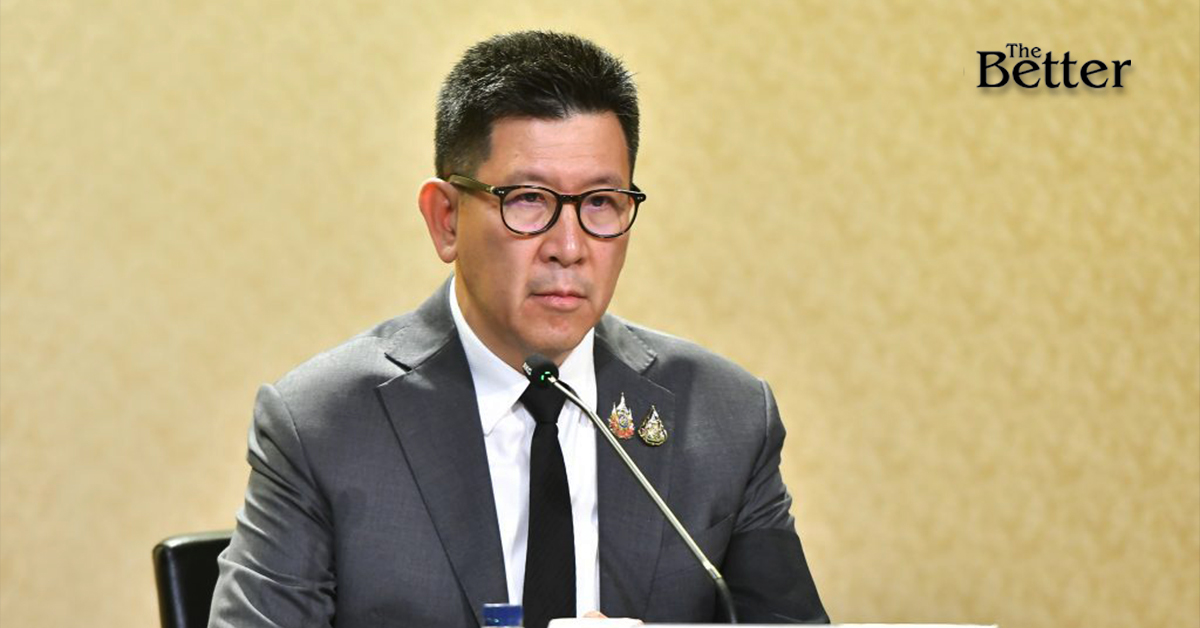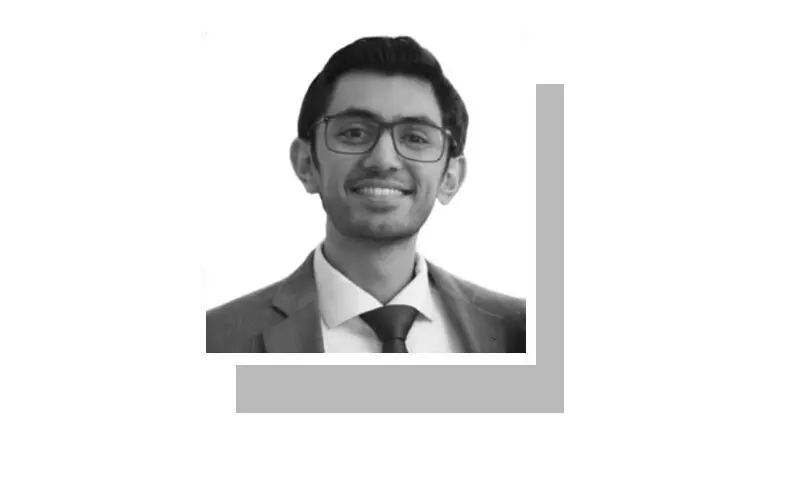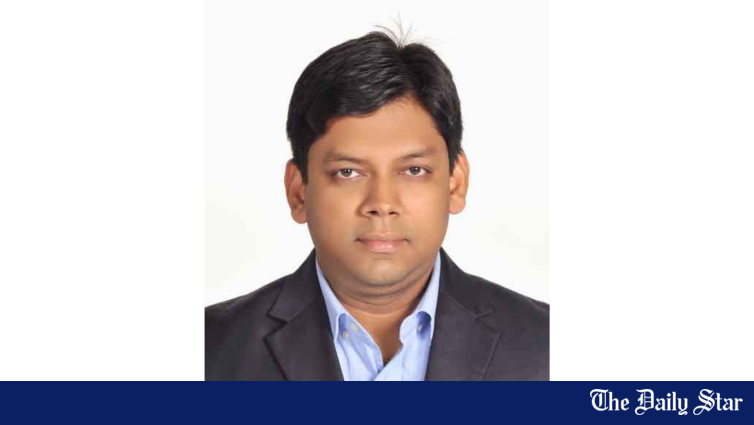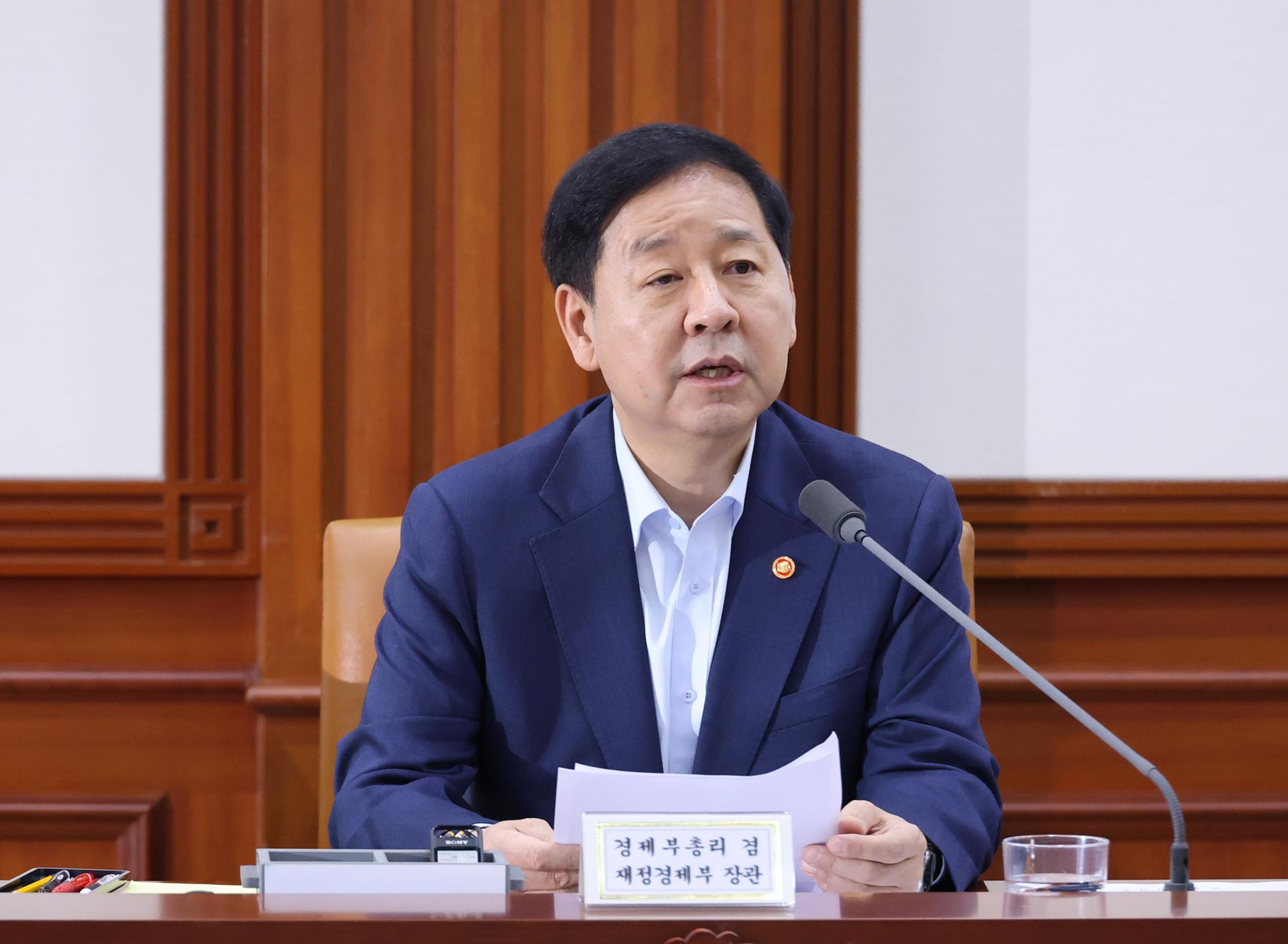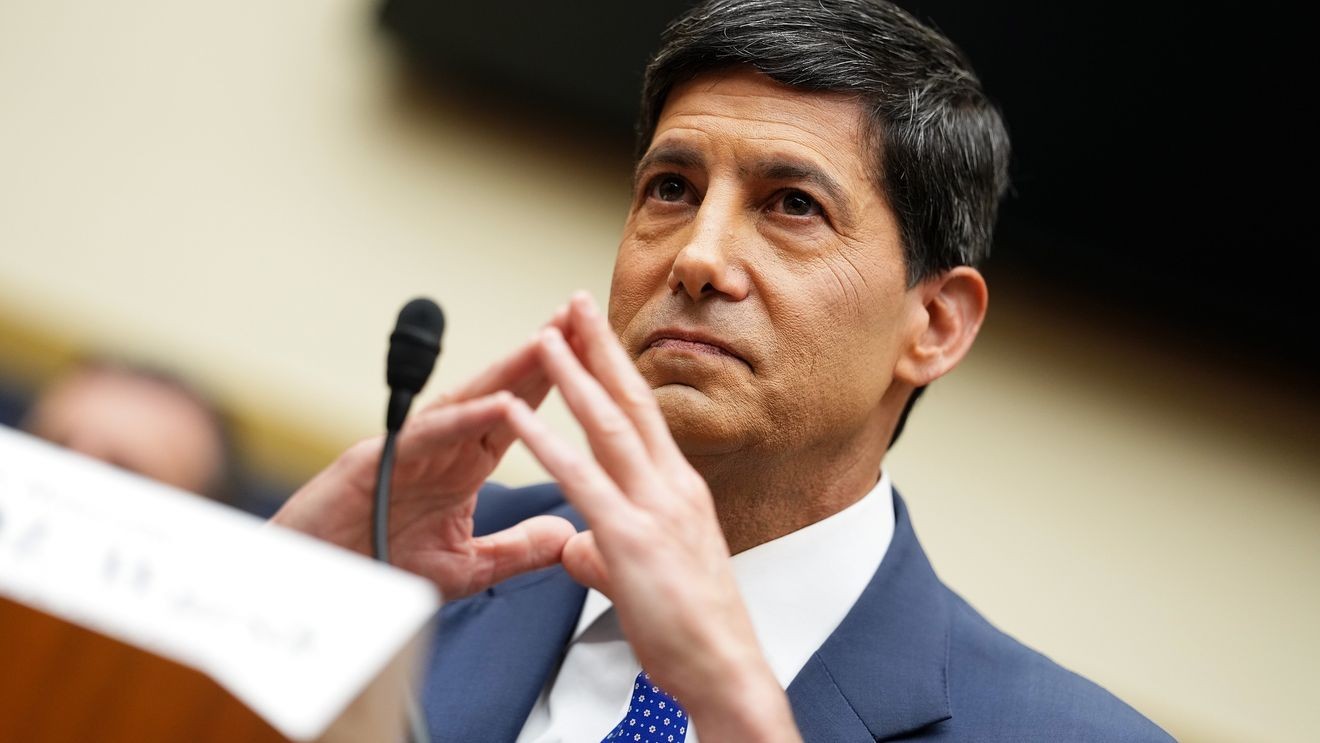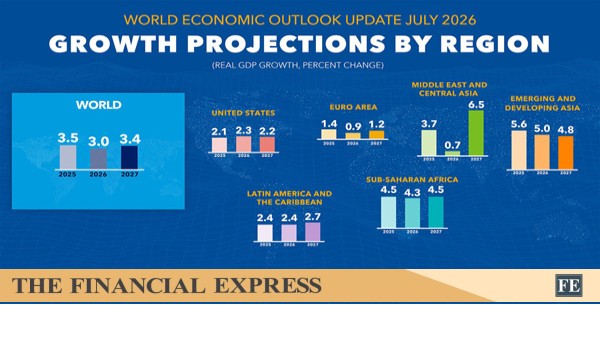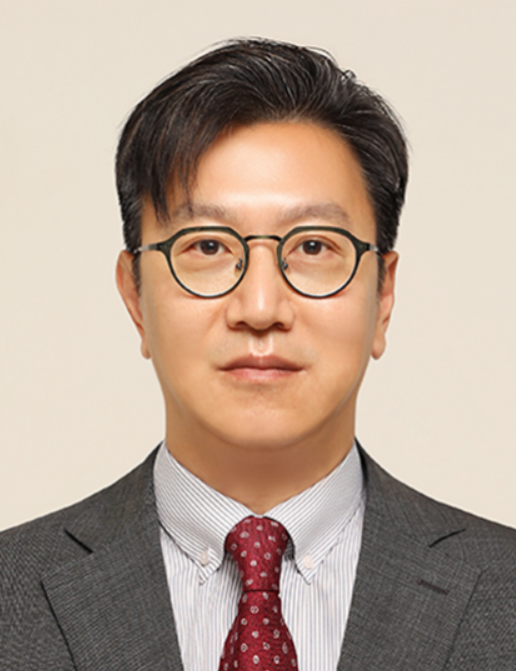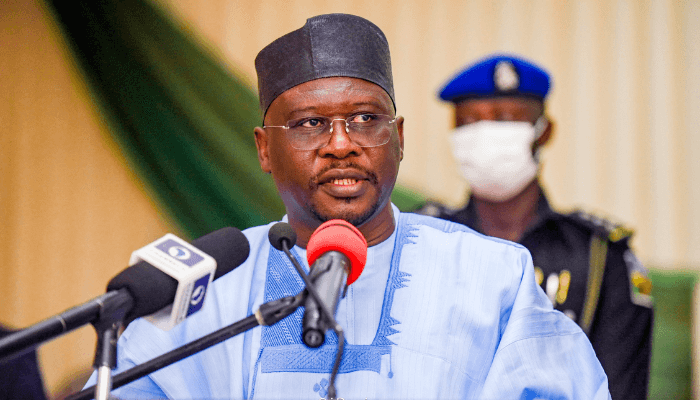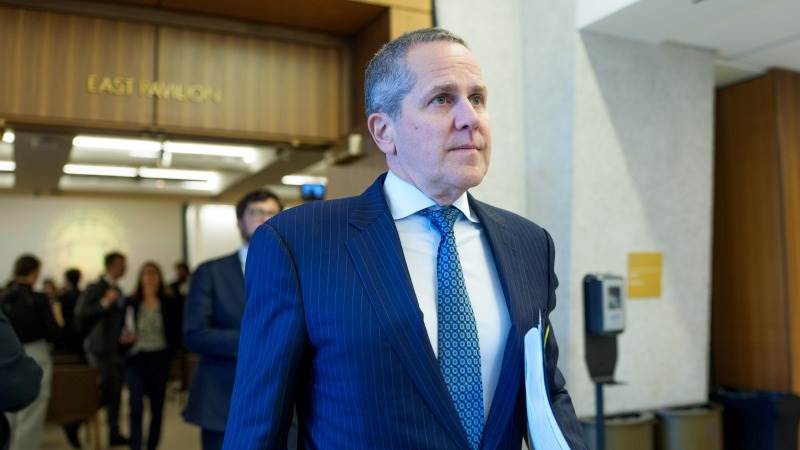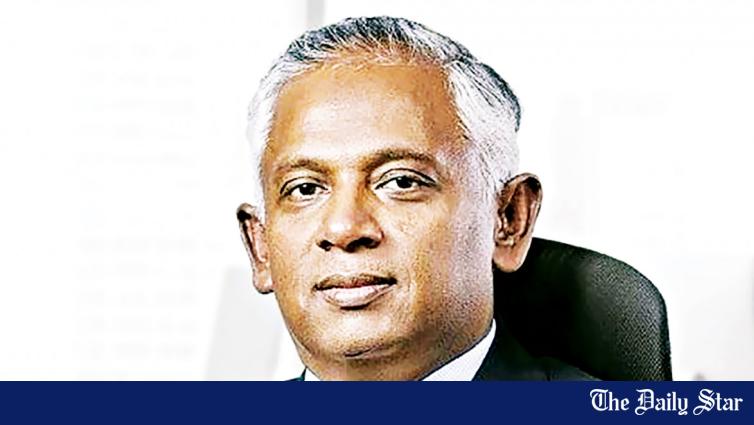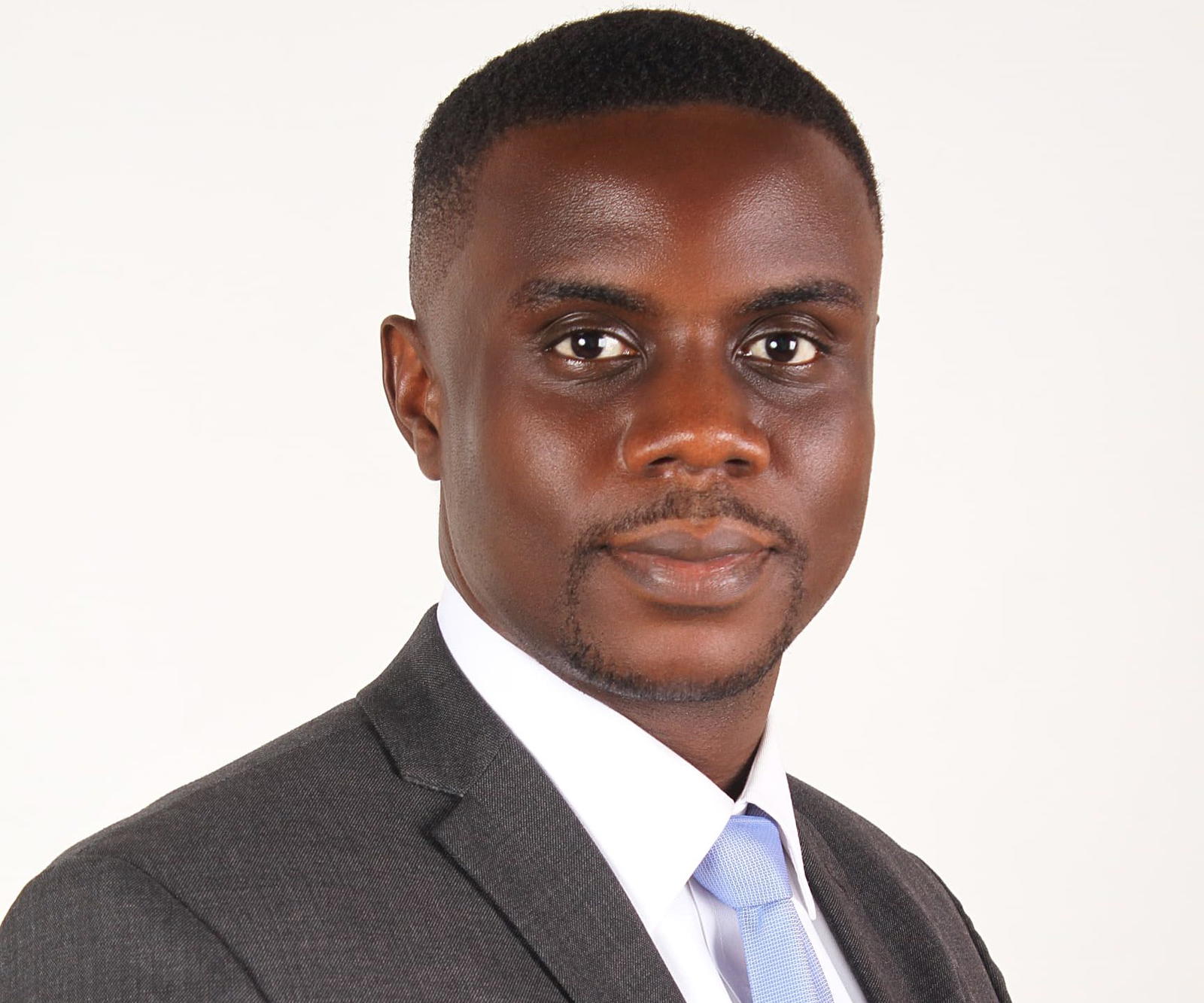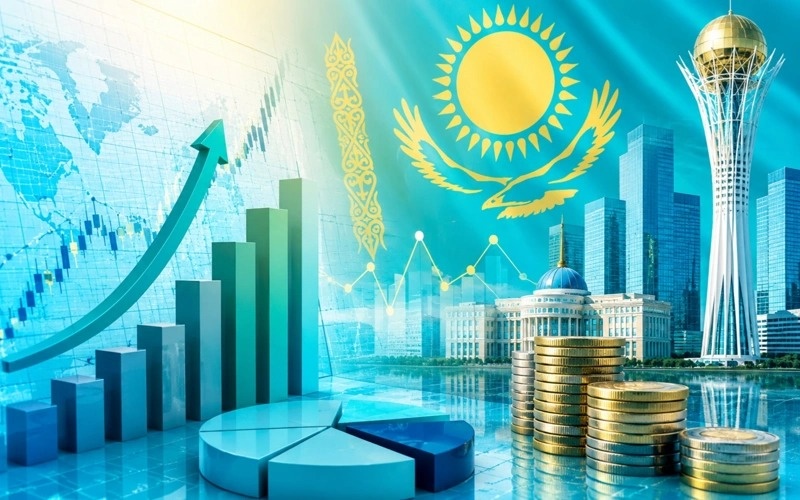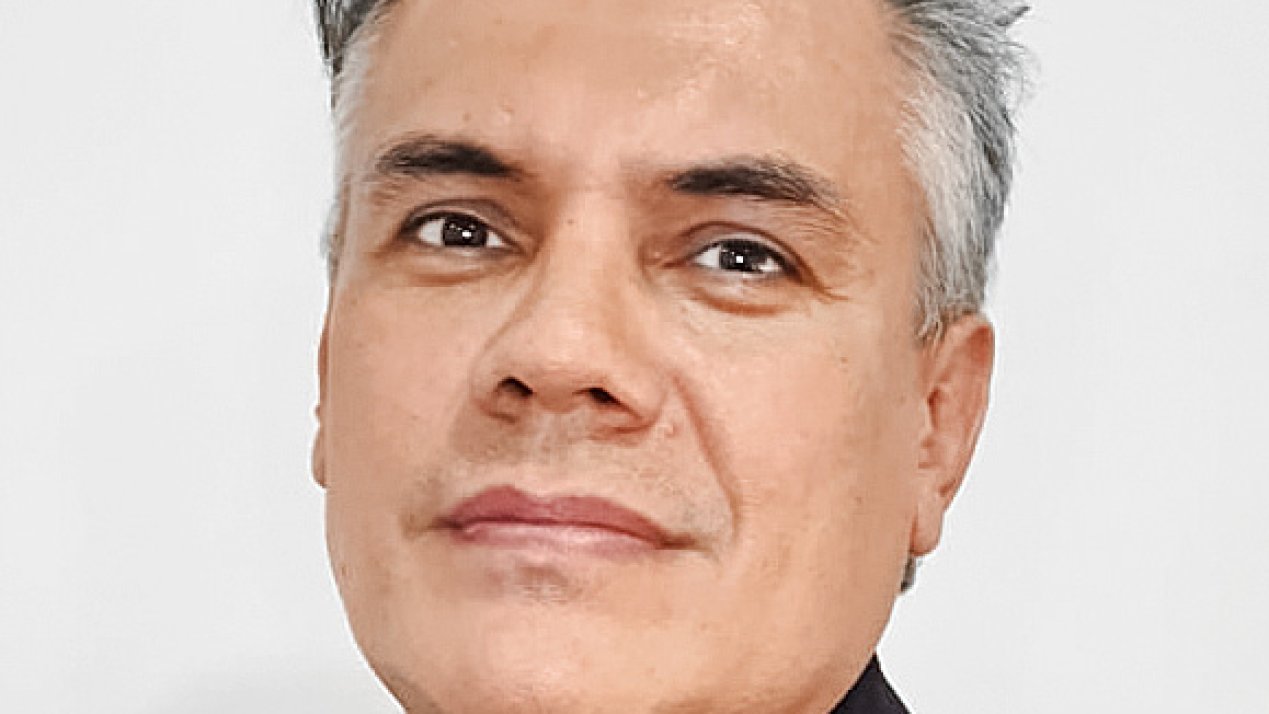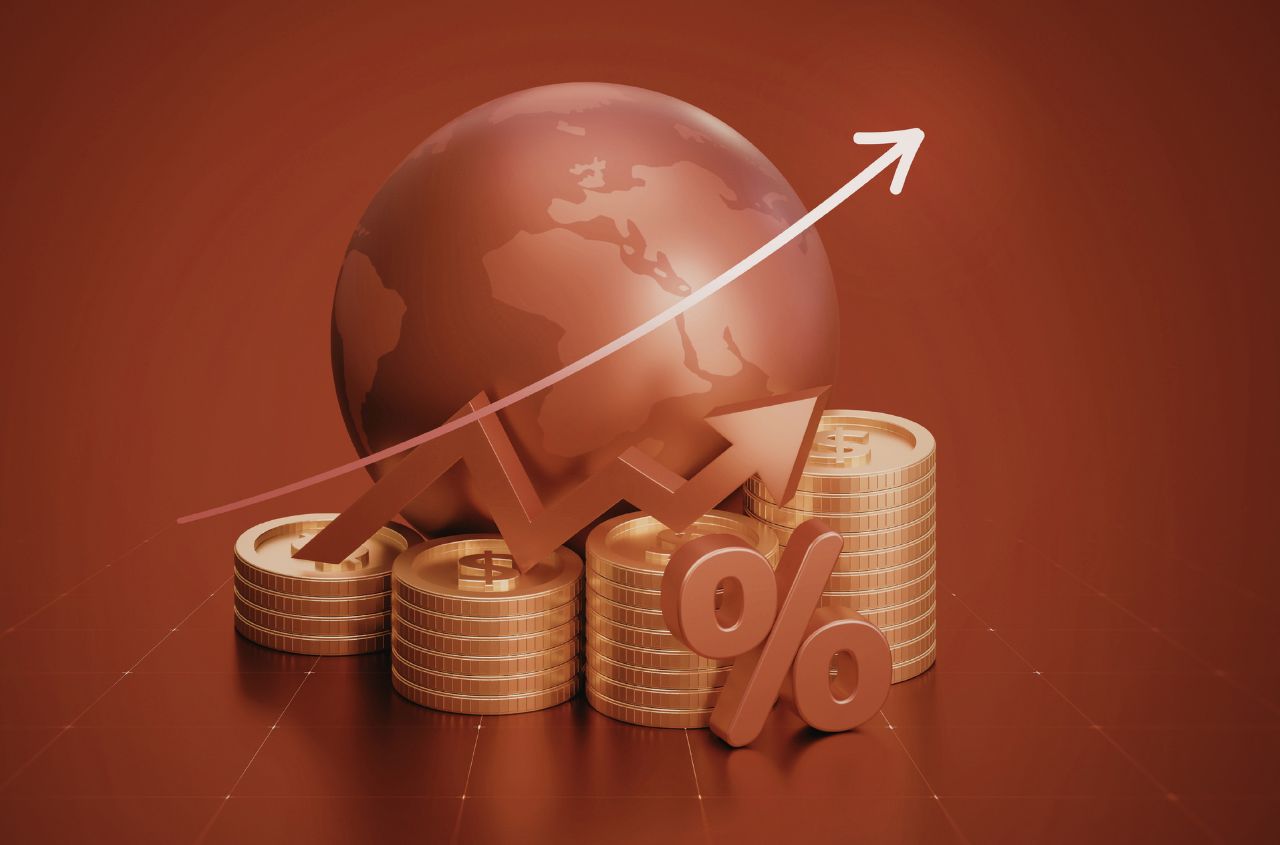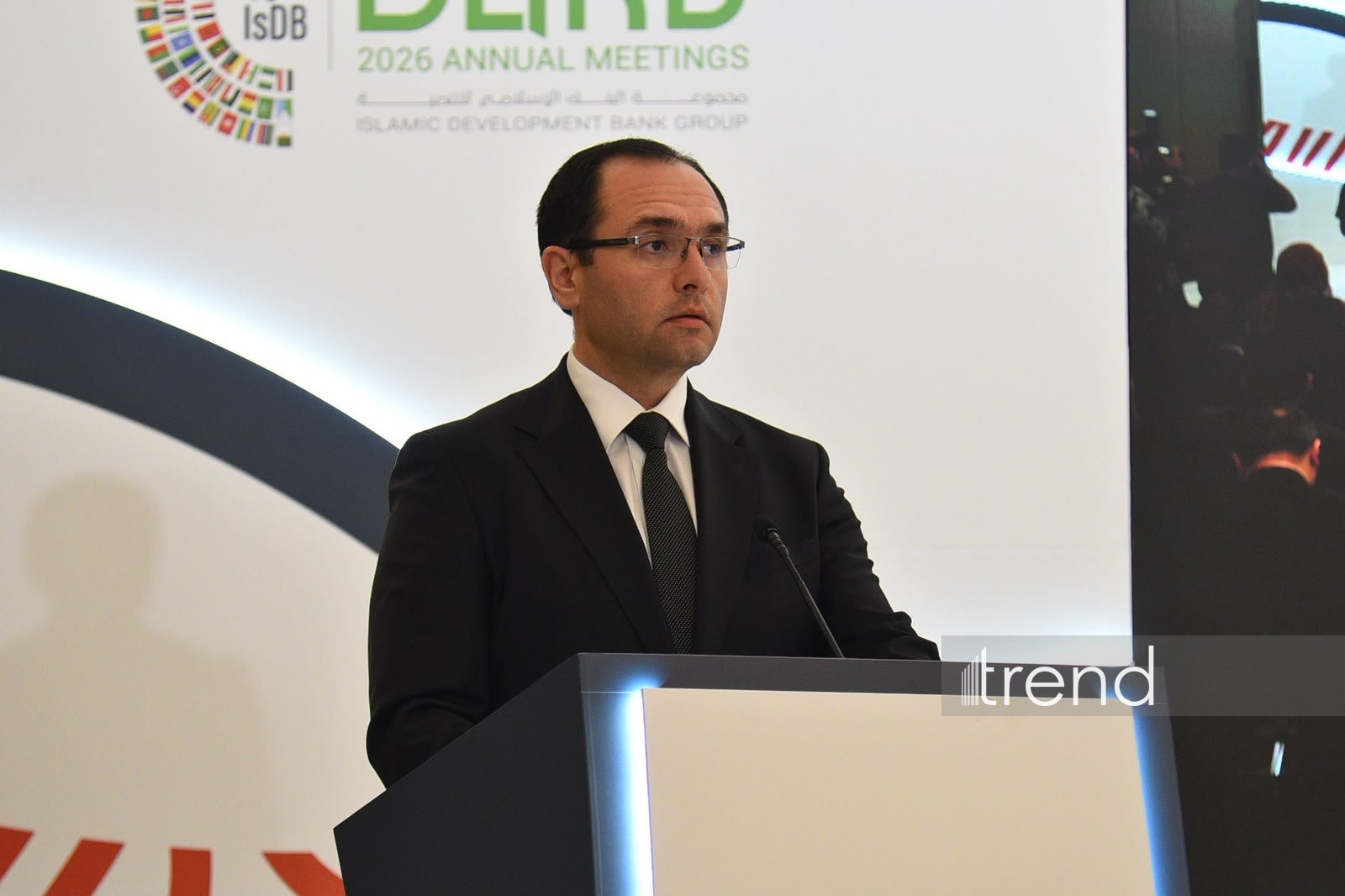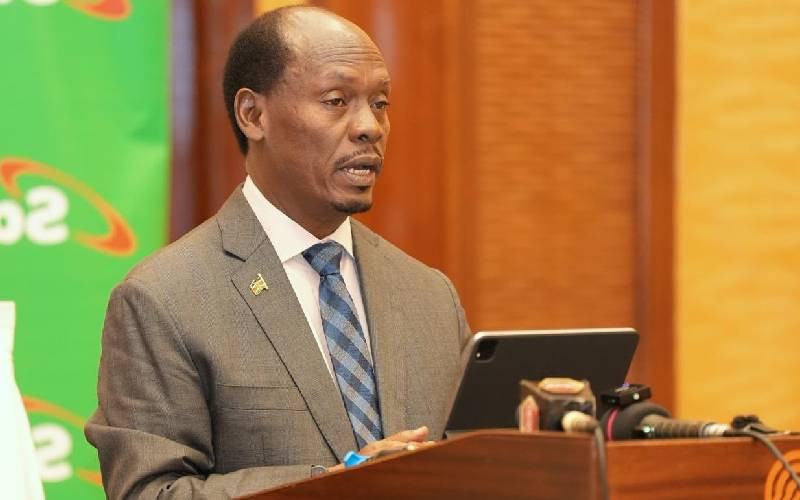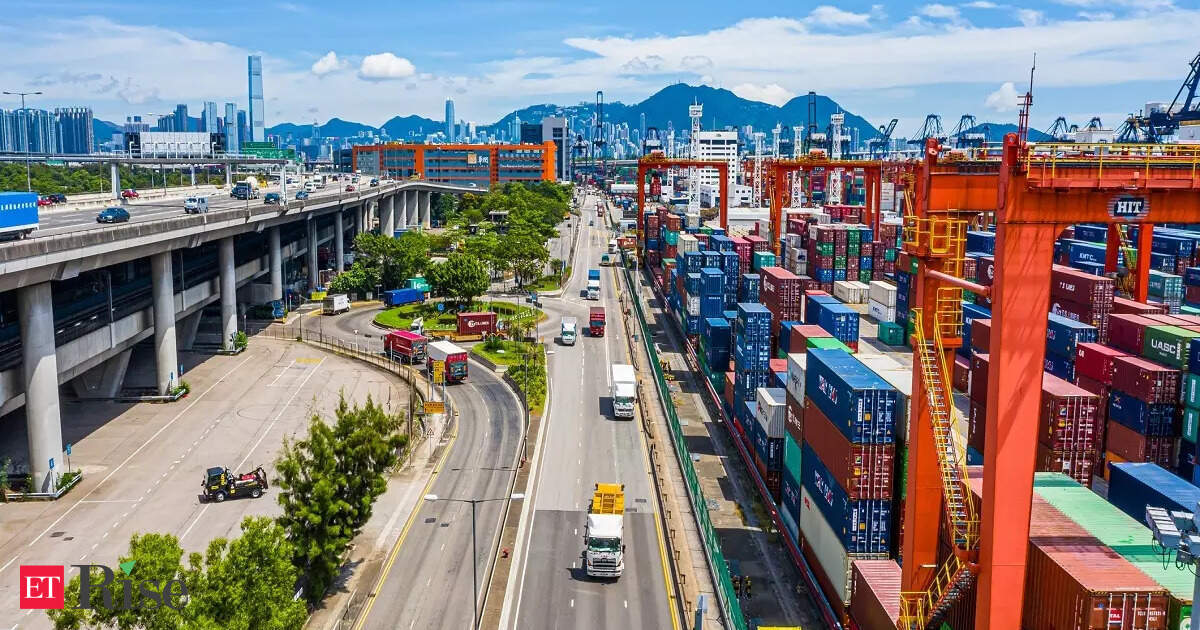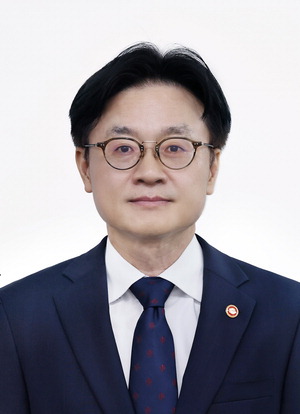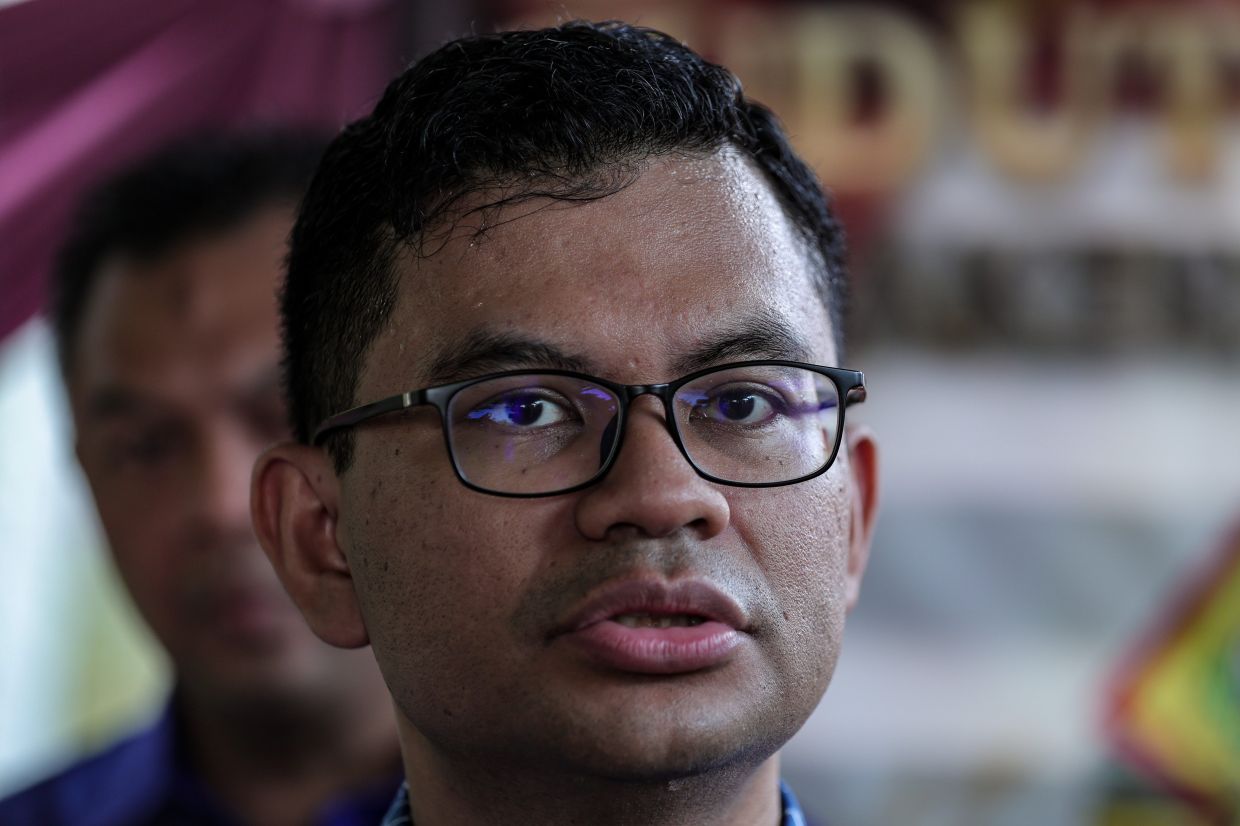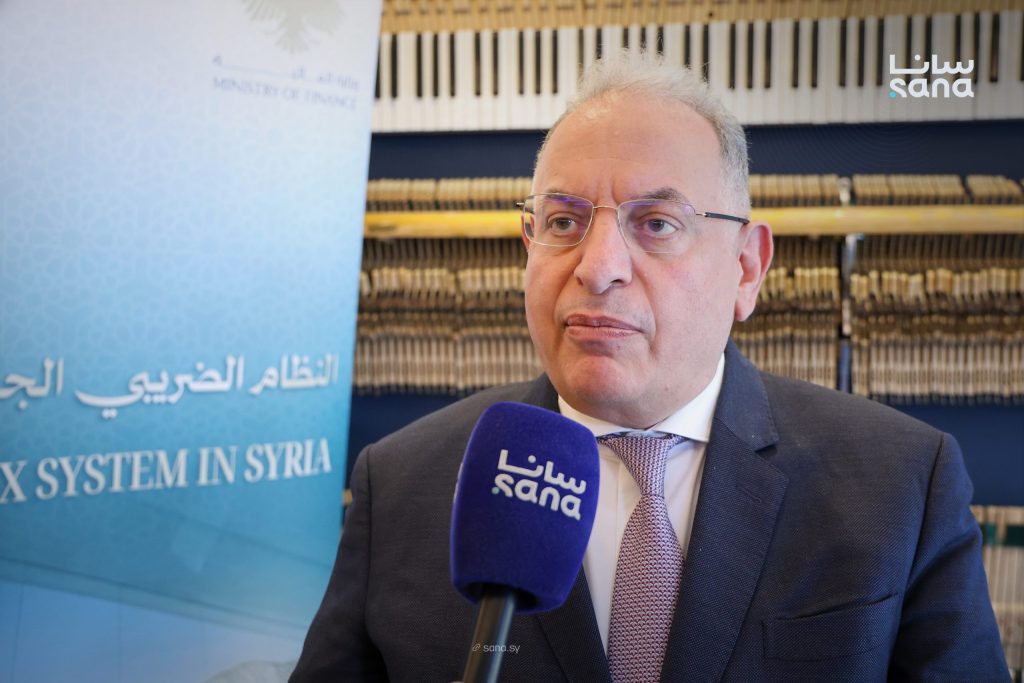
Damascus, Aug. 10 (SANA) Finance Minister Mohammed Yisr Barnieh said Syria’s economy is expected to grow by 11.3% this year, with growth momentum projected to continue in the coming years, while production in several sectors is expected to return to pre-2011 levels by 2030.
In an exclusive interview with SANA on Monday, Barnieh said budget revenues are expected to reach nearly $8 billion in 2026, adding that exceptional revenues will be directed toward investment projects in affected areas and support for entrepreneurship and technology startups.
He stressed that the government’s priority is to make high economic growth sustainable and inclusive, ensuring that its benefits reach all Syrians while strengthening social protection networks.
New tax system
Barnieh said Syria’s new tax system is designed to serve broader economic, financial and social objectives by simplifying procedures, reducing tax rates for individuals and companies, and introducing a package of tax incentives.
The system aims to stimulate economic activity, encourage private-sector investment and reduce the tax burden on low-income groups, he said, adding that it is intended to make Syria’s tax system among the most competitive in the region, in line with assessments by international financial institutions.
The new tax framework is ready to be presented to the People’s Assembly, with the government hoping it will enter into force at the beginning of 2027.
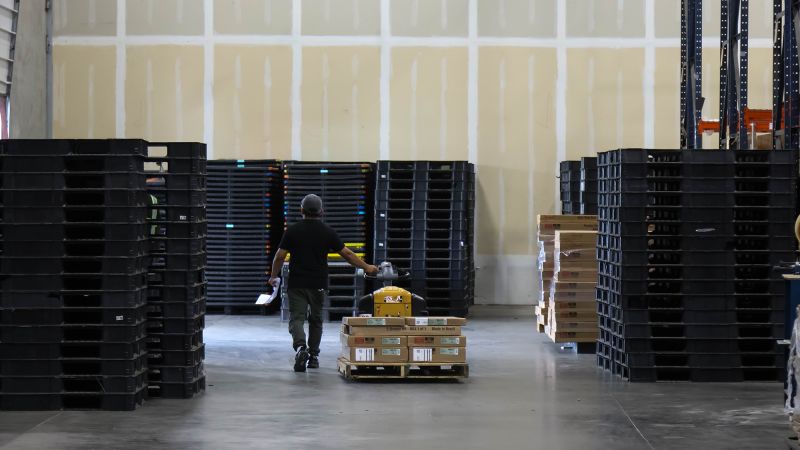
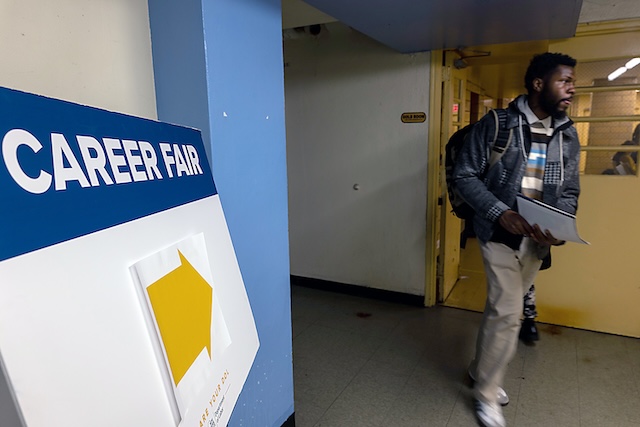
Barnieh said the system is designed to encourage the reopening of damaged or inactive industrial, commercial and tourism facilities, facilitate the establishment of new businesses and create jobs.
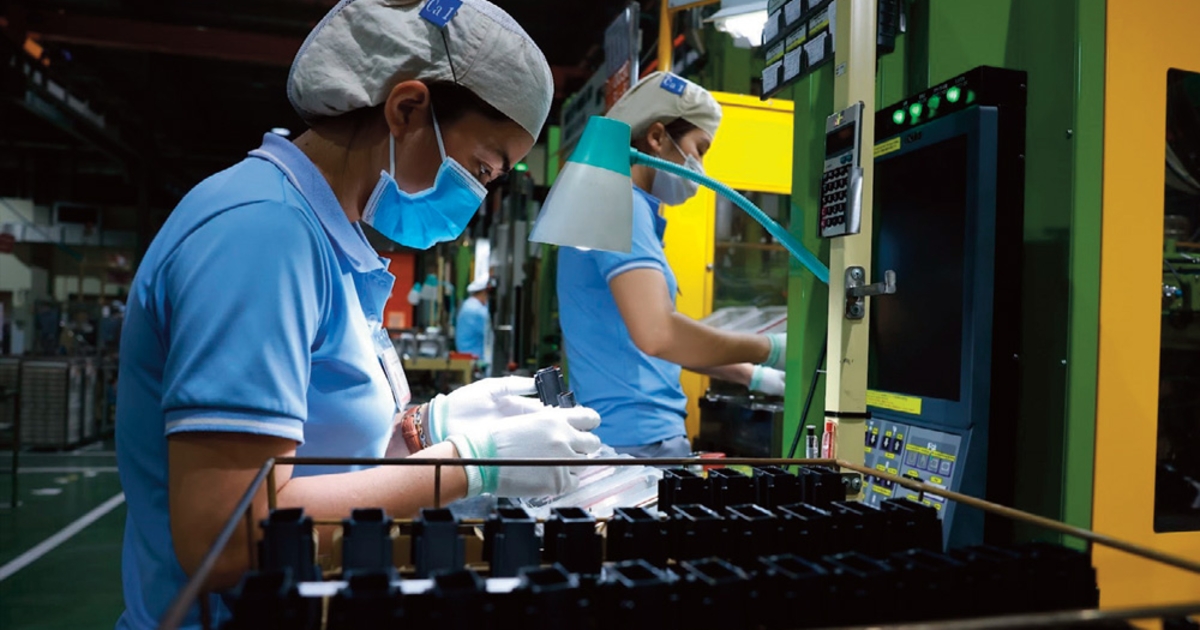
It also includes incentives linked to the size of the workforce and measures encouraging the adoption of modern technologies and production lines to strengthen the competitiveness of Syrian industry, while providing significant consideration for low-income groups to ease their tax burden.
Growth, revenues and fiscal discipline
The finance minister said the government’s approach relies on stronger economic growth, combating corruption and tax evasion, and increasing compliance, which is expected to improve tax revenues over time.
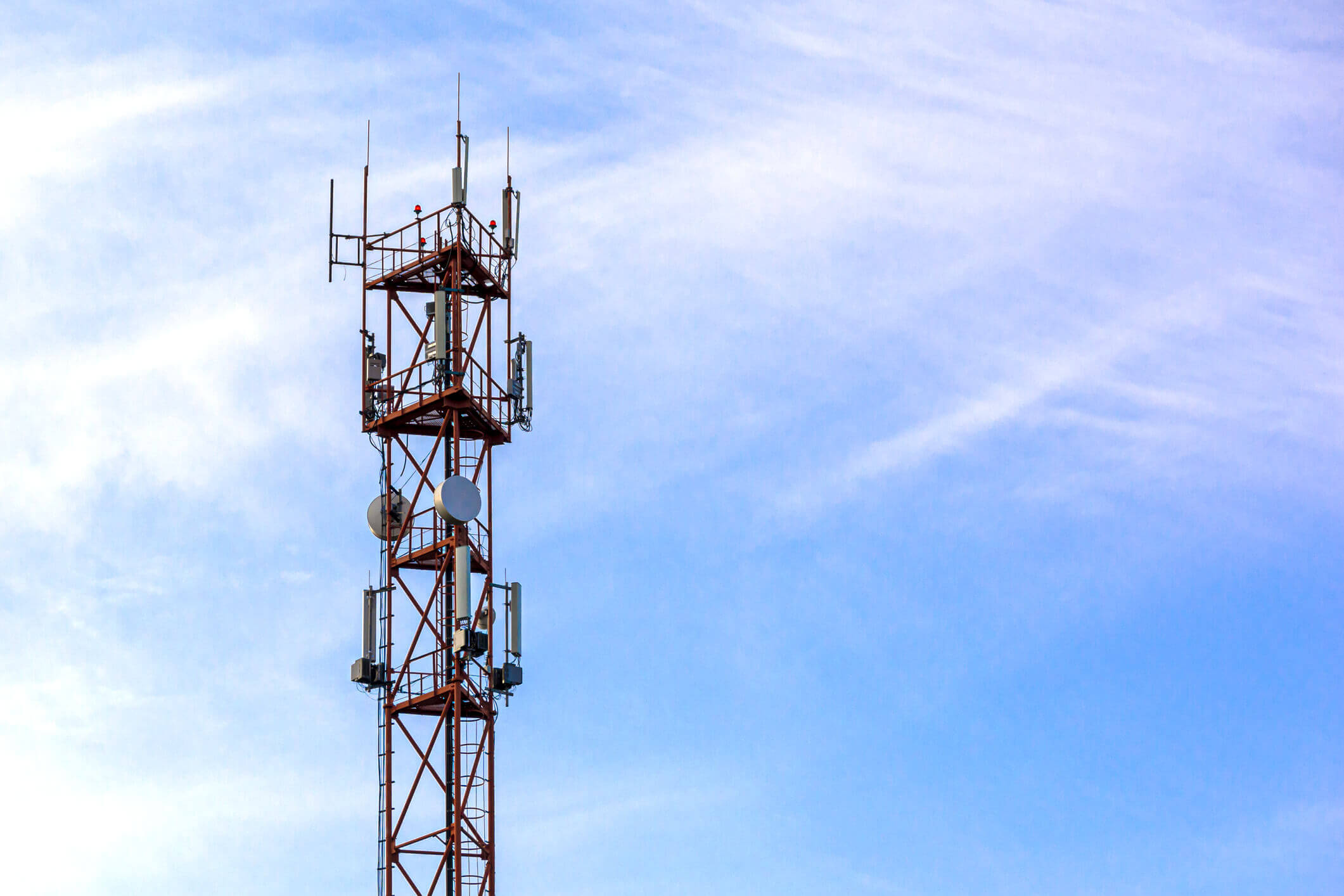
He added that preliminary planning for the 2027 budget indicates higher revenues driven by economic growth and increased compliance, even without factoring in revenues from telecommunications licensing fees and temporary increases in oil revenues.
Barnieh affirmed the Ministry of Finance’s commitment to fiscal discipline, greater transparency and integrity, and the consolidation of economic and financial stability.
Supporting entrepreneurship and social protection
Barnieh said the Ministry of Finance, in cooperation with the Ministry of Communications and Information Technology, is working to establish a national fund to support entrepreneurship and technology startups, financed through part of telecommunications revenues.
He stressed that the objective is not merely to achieve high growth, but to ensure that it is broad-based and sustainable, rather than concentrated in specific sectors, regions or social groups.
More inclusive growth, he said, would contribute to tangible improvements in purchasing power, household incomes and state revenues, allowing greater investment in public services and living standards.
The minister also highlighted the importance of social protection policies, saying the Syrian state is working to launch a national strategy to combat poverty, improve livelihoods and strengthen social protection networks.
A/Dh – H.H