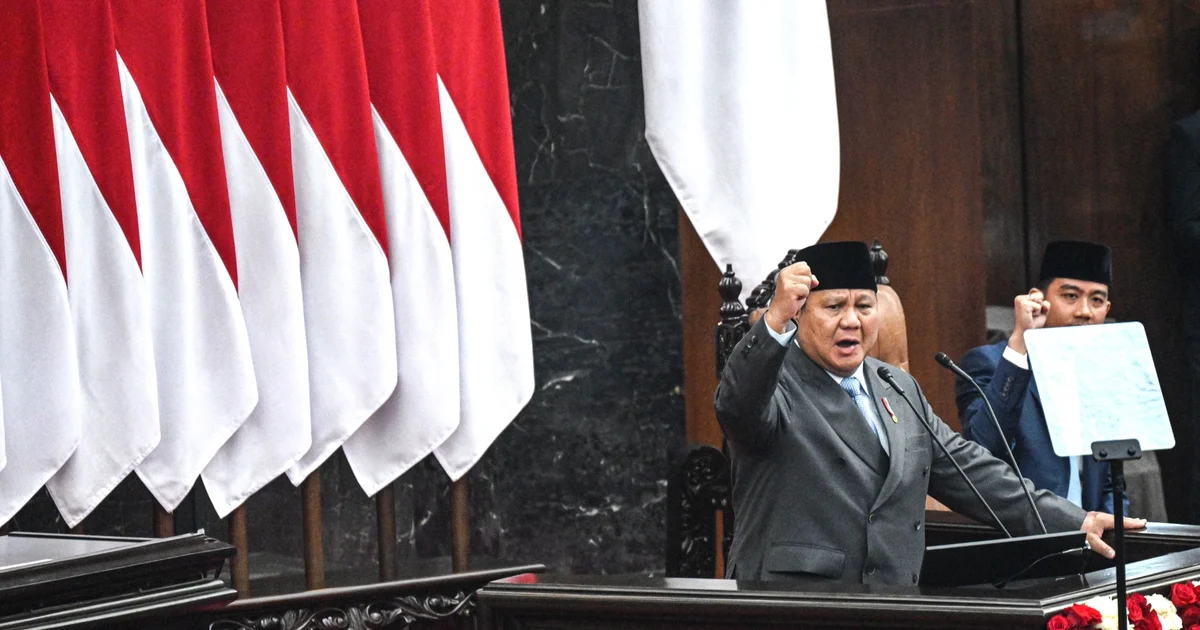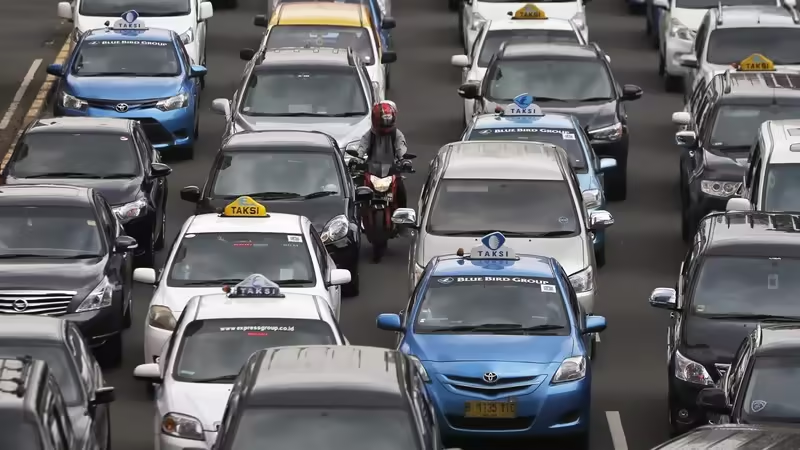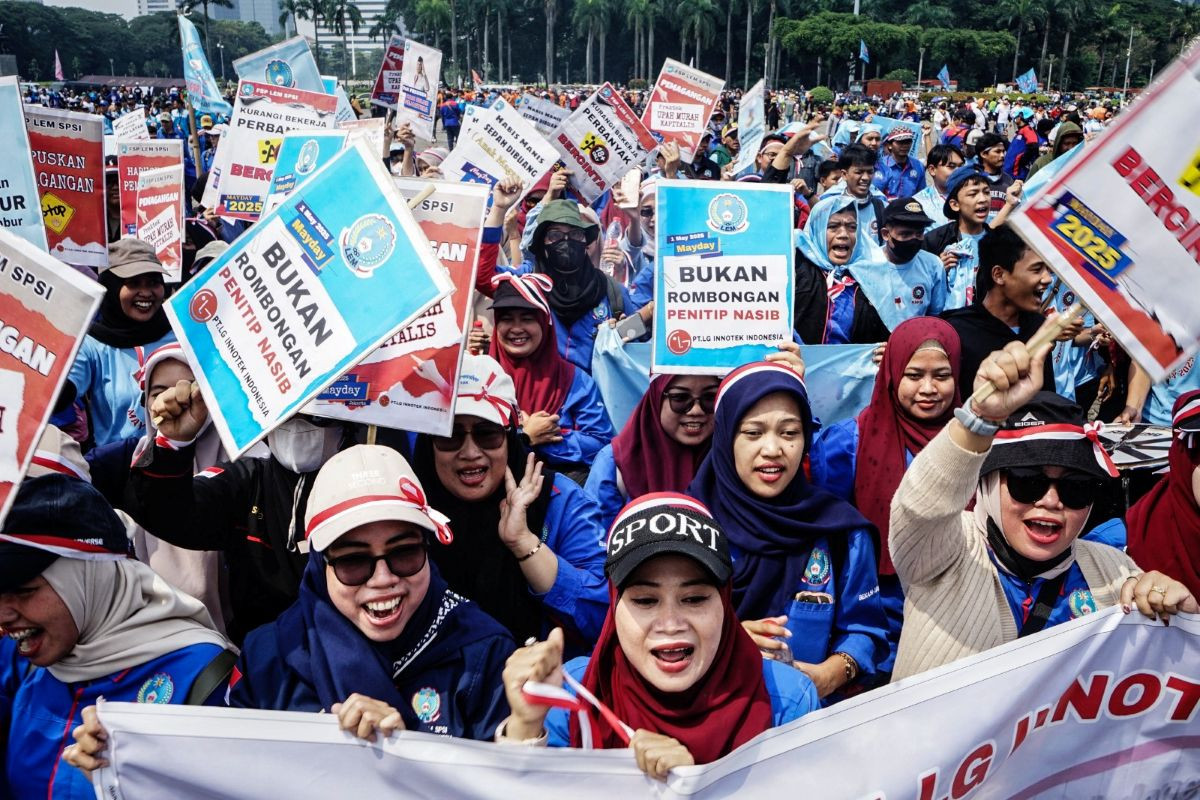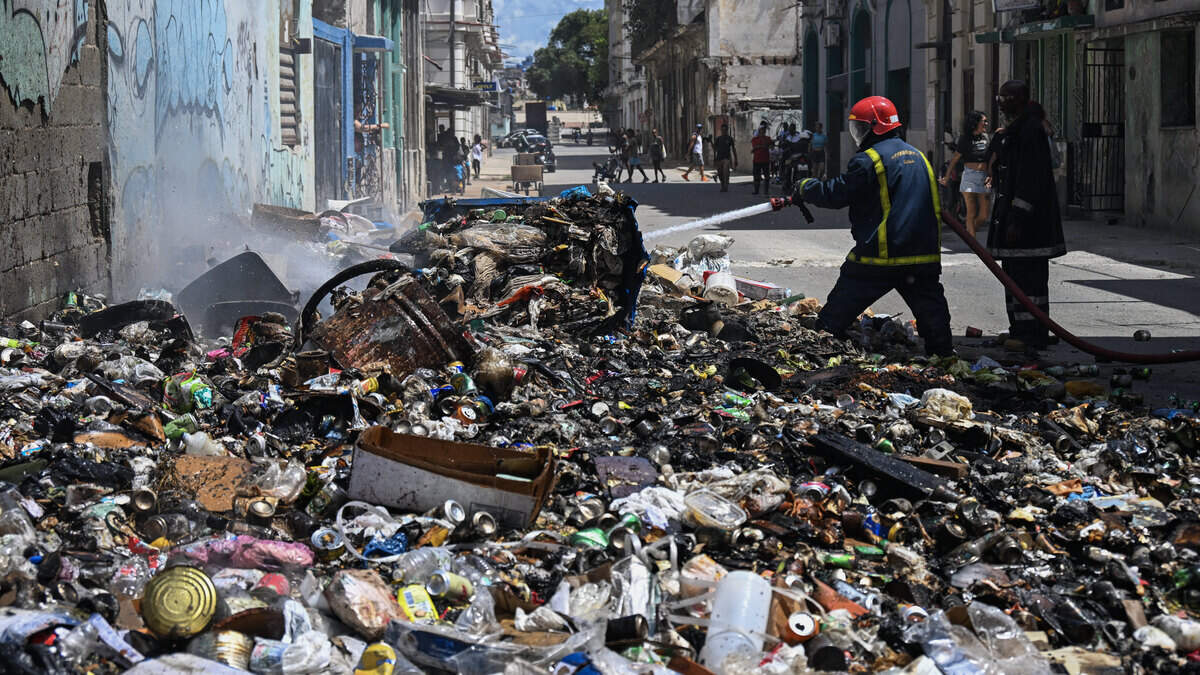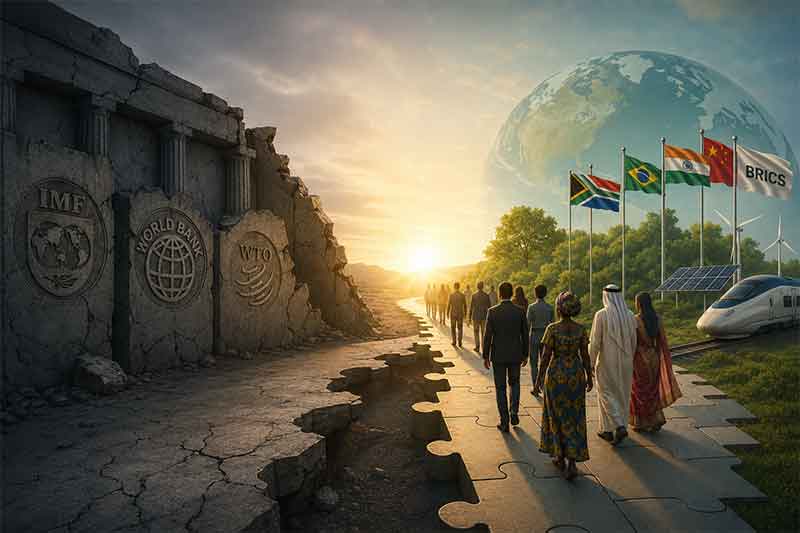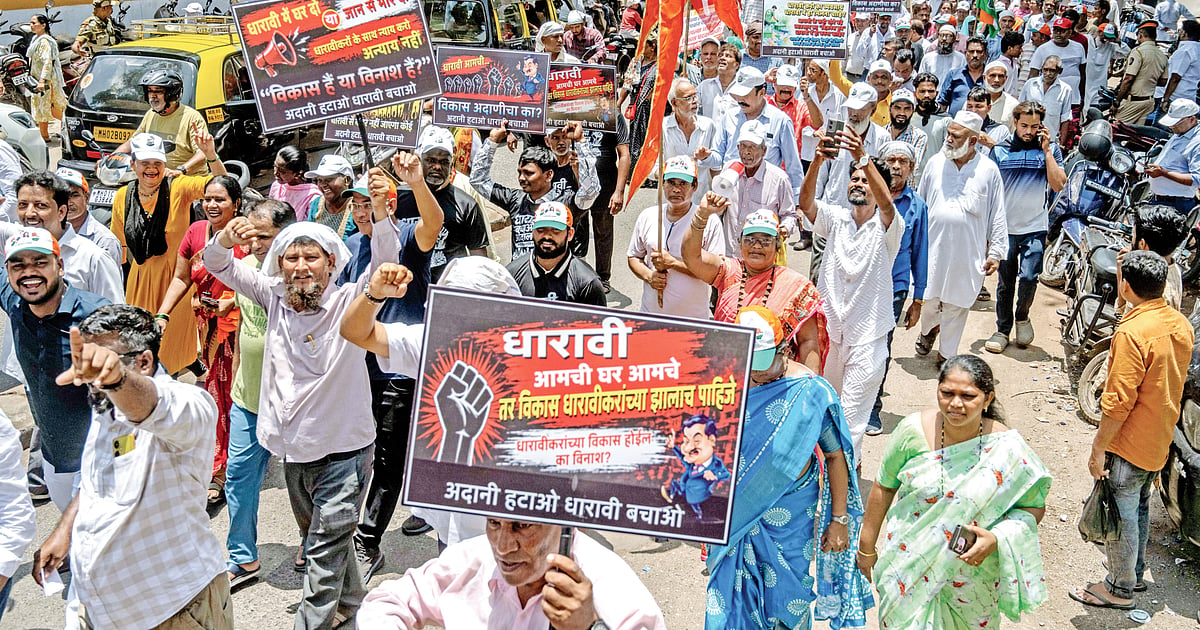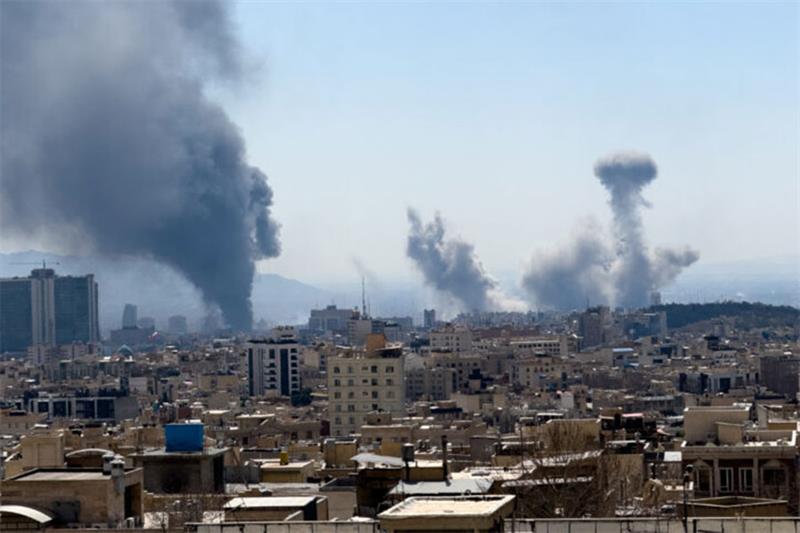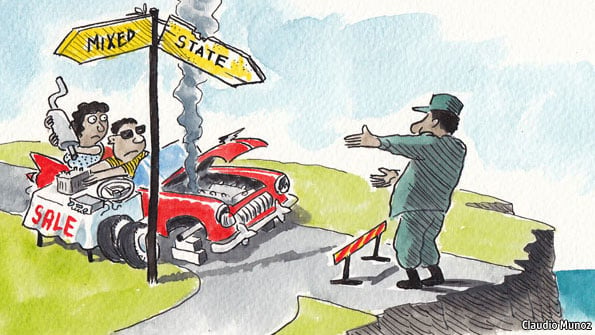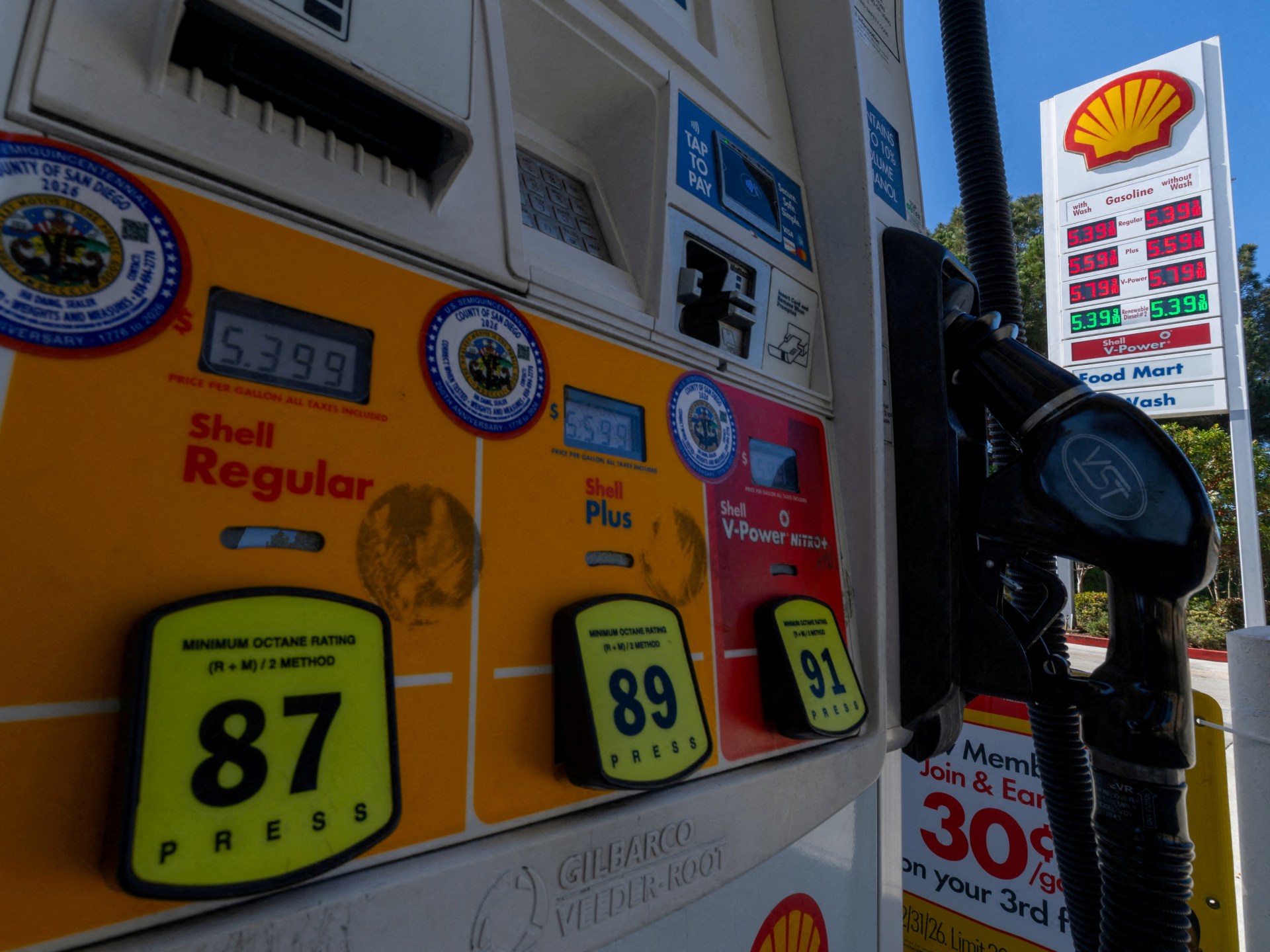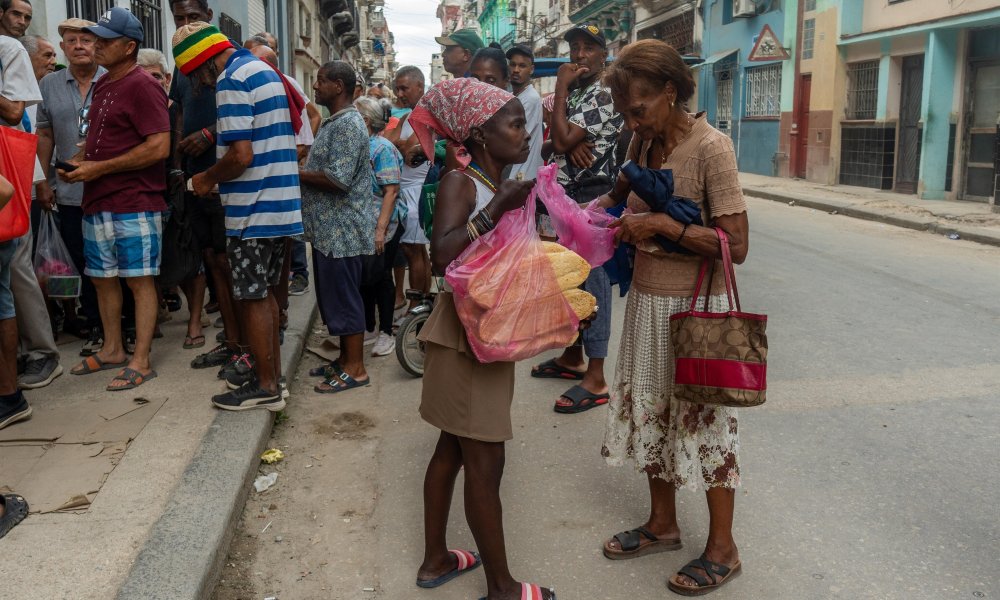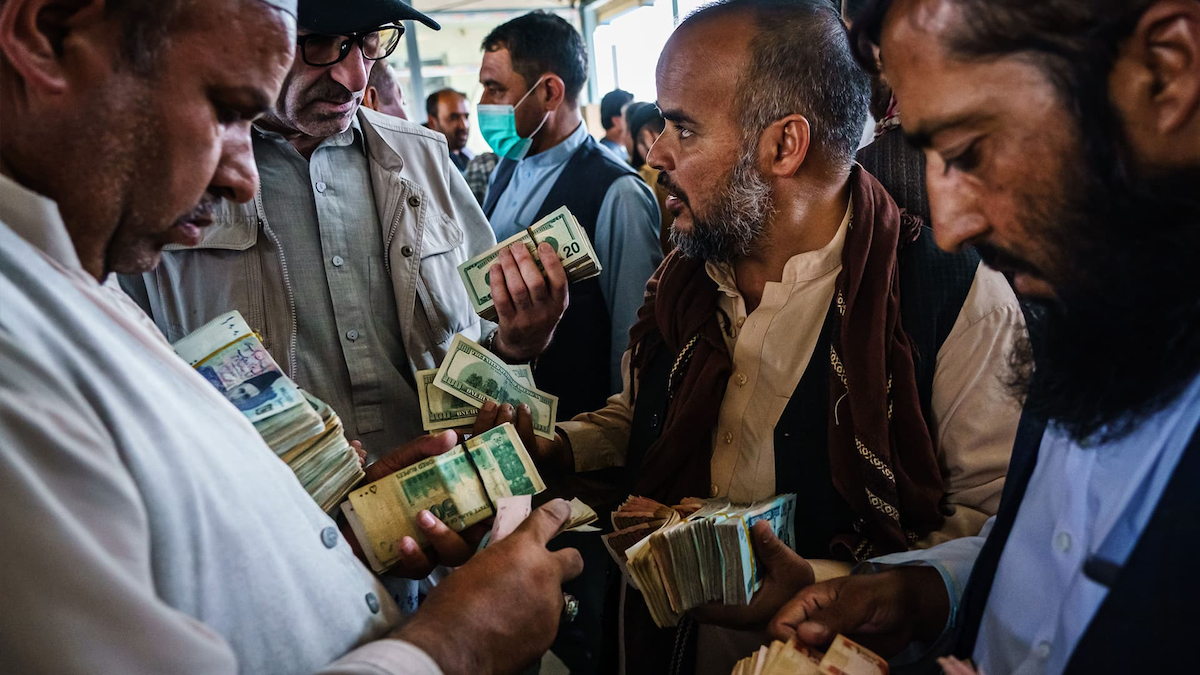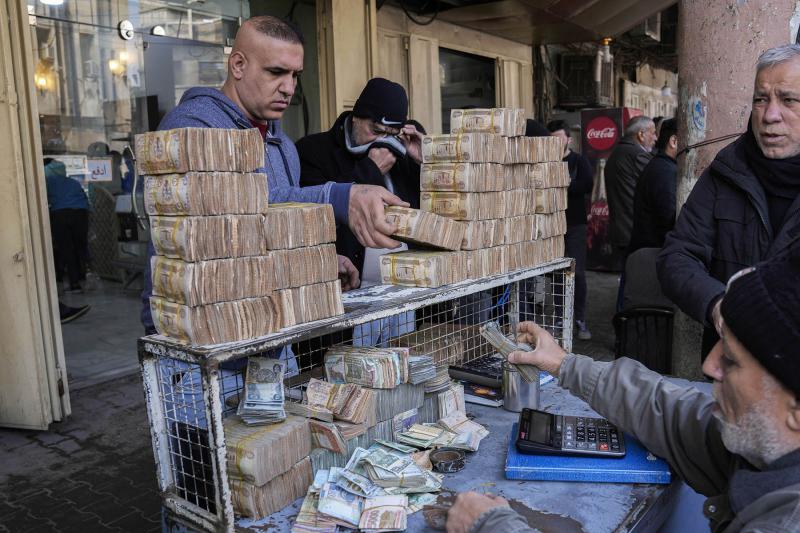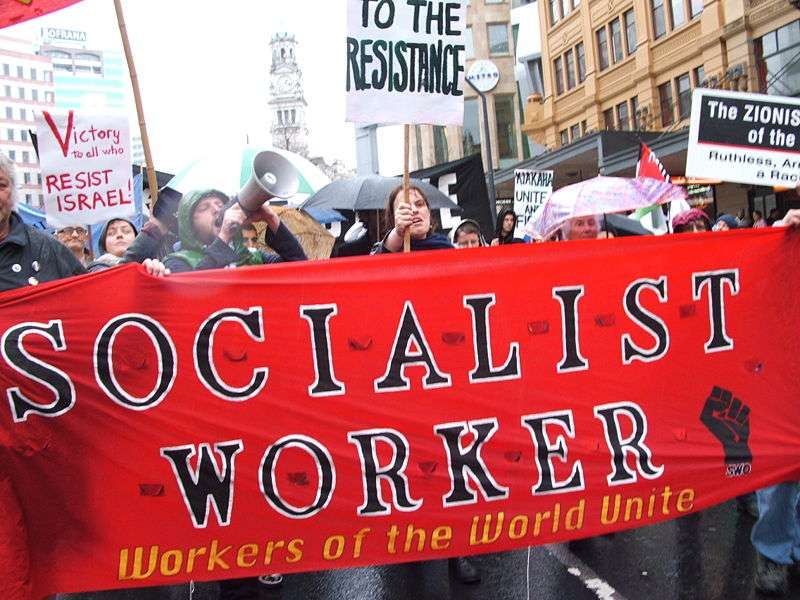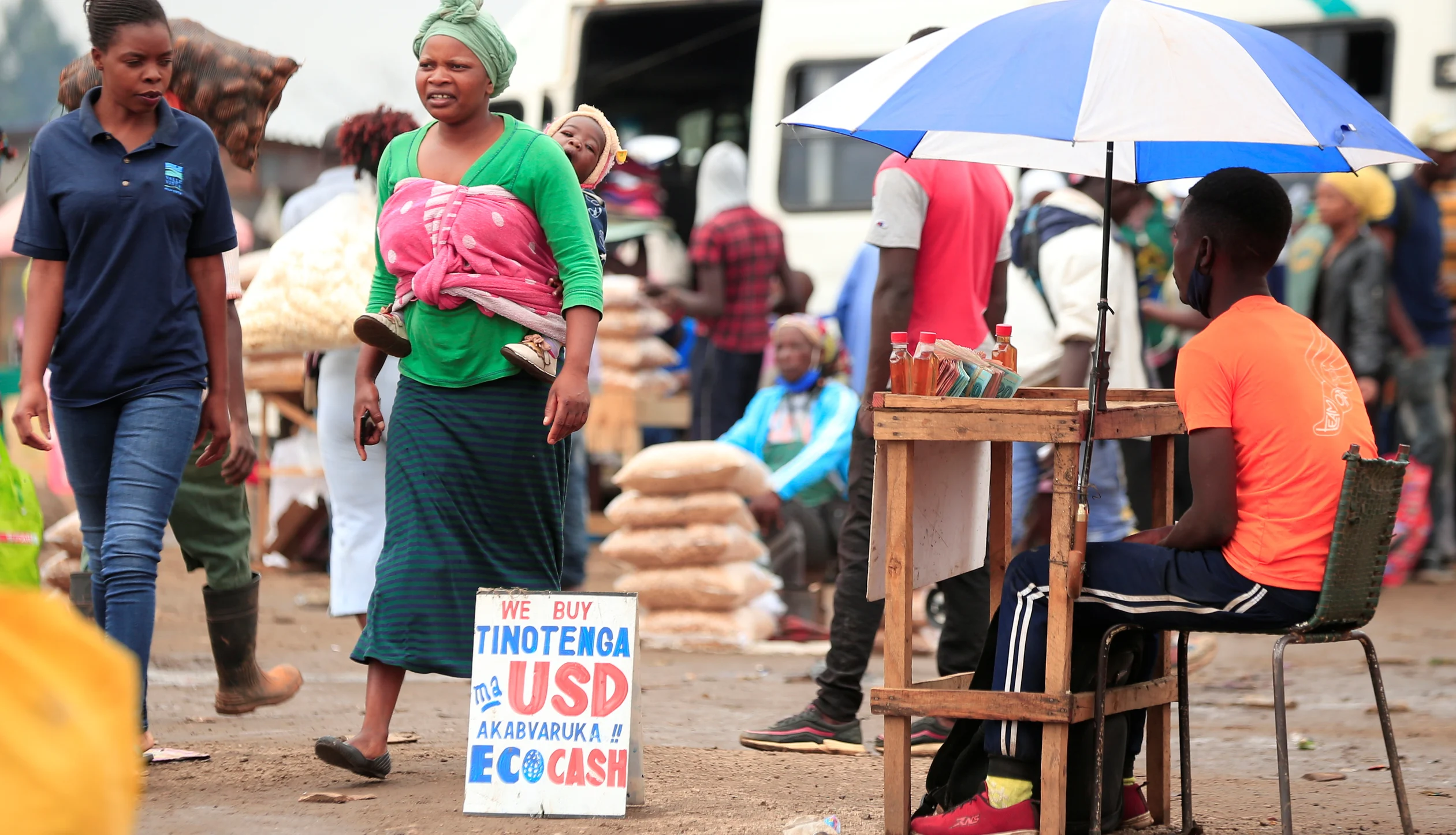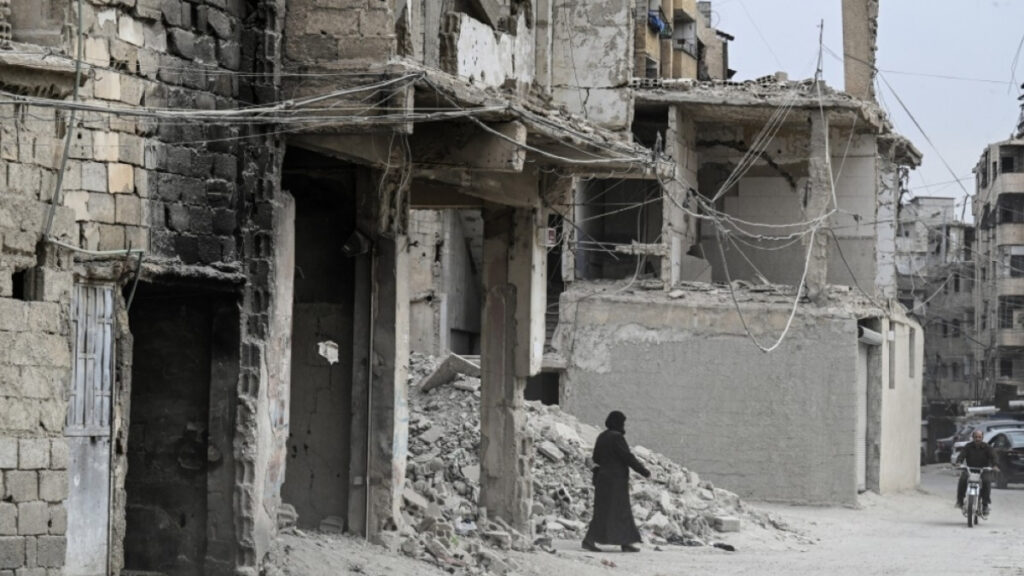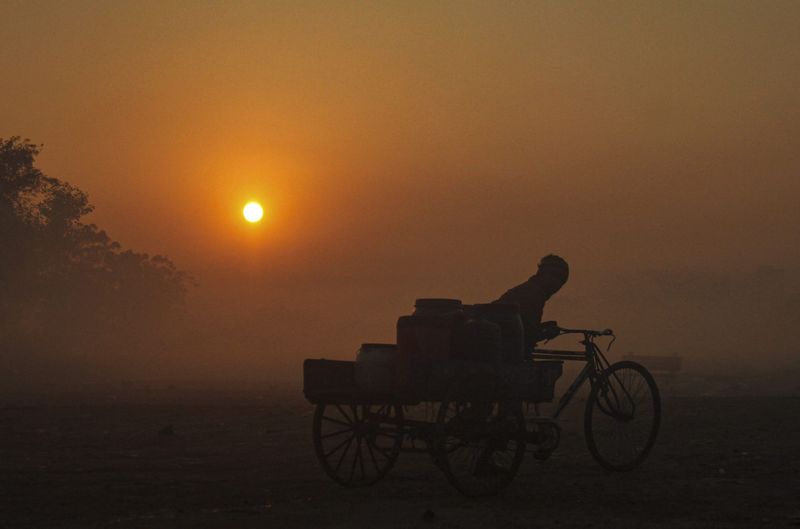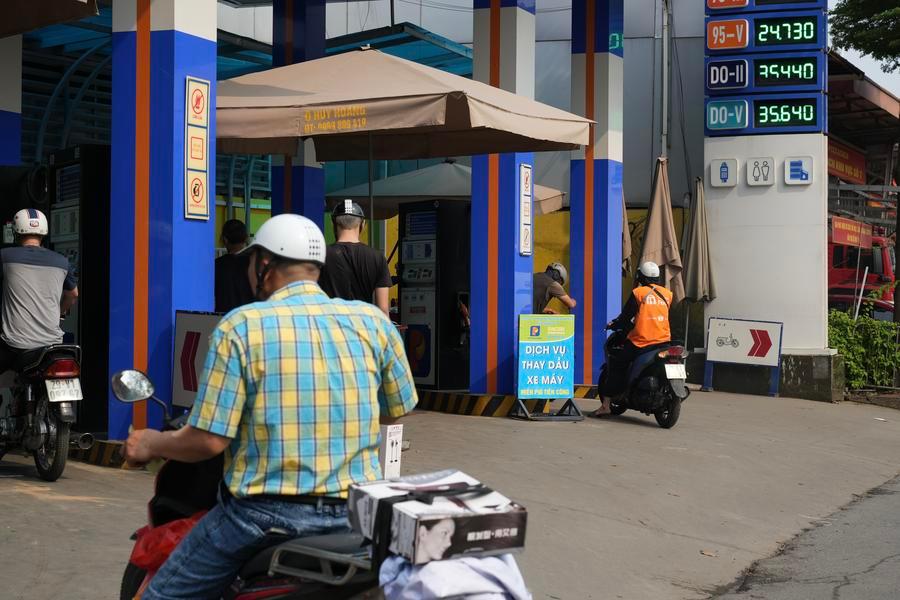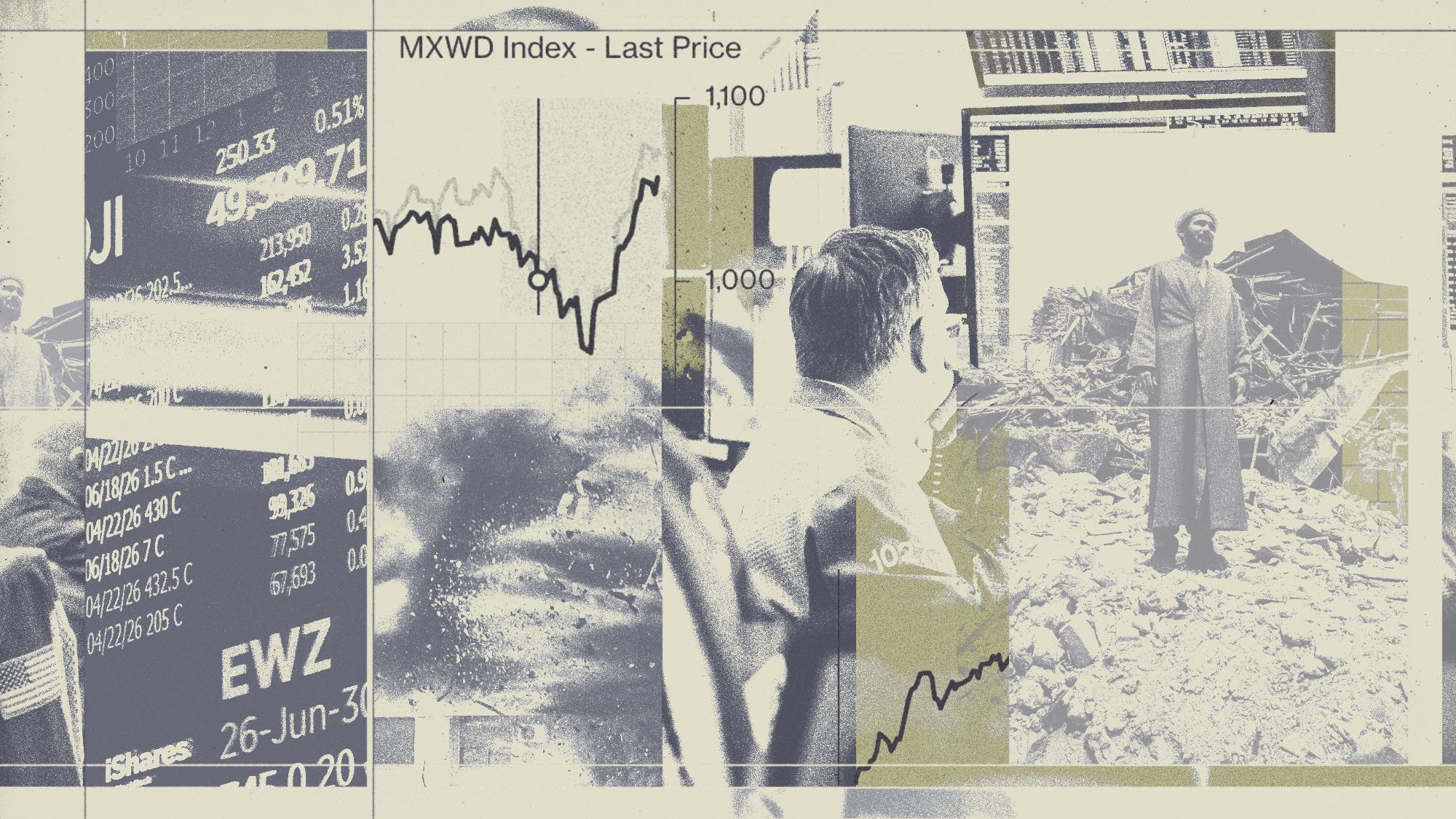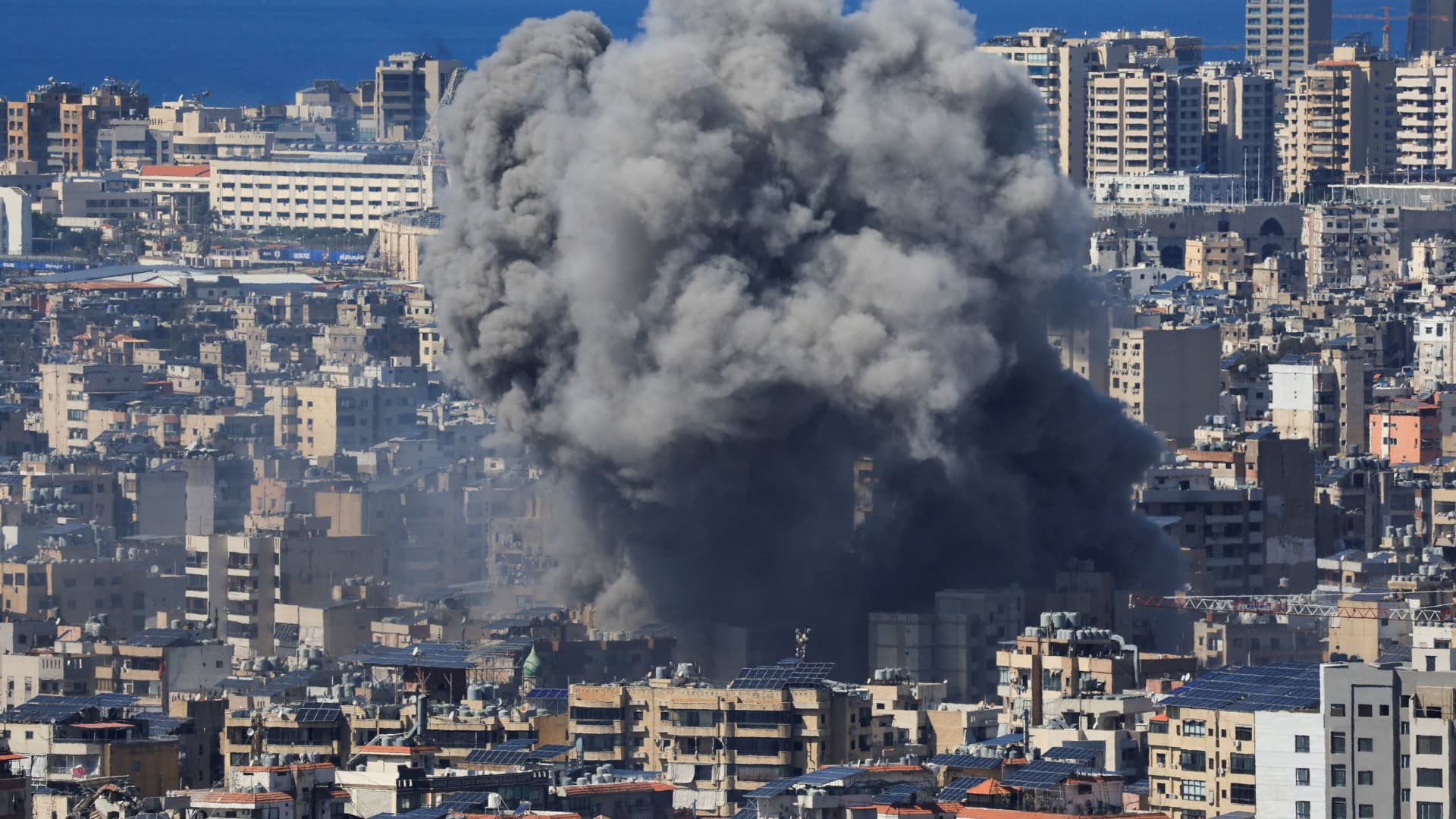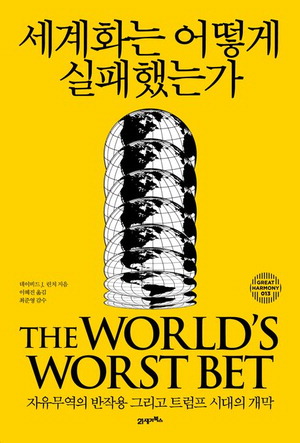

The book opens at a horrific protest scene in Jakarta. In May 1998, there were “bodies lying on blackened, swollen tile floors” in the streets there. To avoid default, the Indonesian government borrowed $43 billion and accepted the International Monetary Fund (IMF)’s demands in return. As food, fuel, transportation, and electricity prices soared, mass protests broke out. Streets burned, and citizens’ lives were shattered. The result was death.
For the author, a journalist covering the scene at the time, this was not merely a tragedy caused by one country’s financial crisis. It was the opening act of globalization’s side effects.

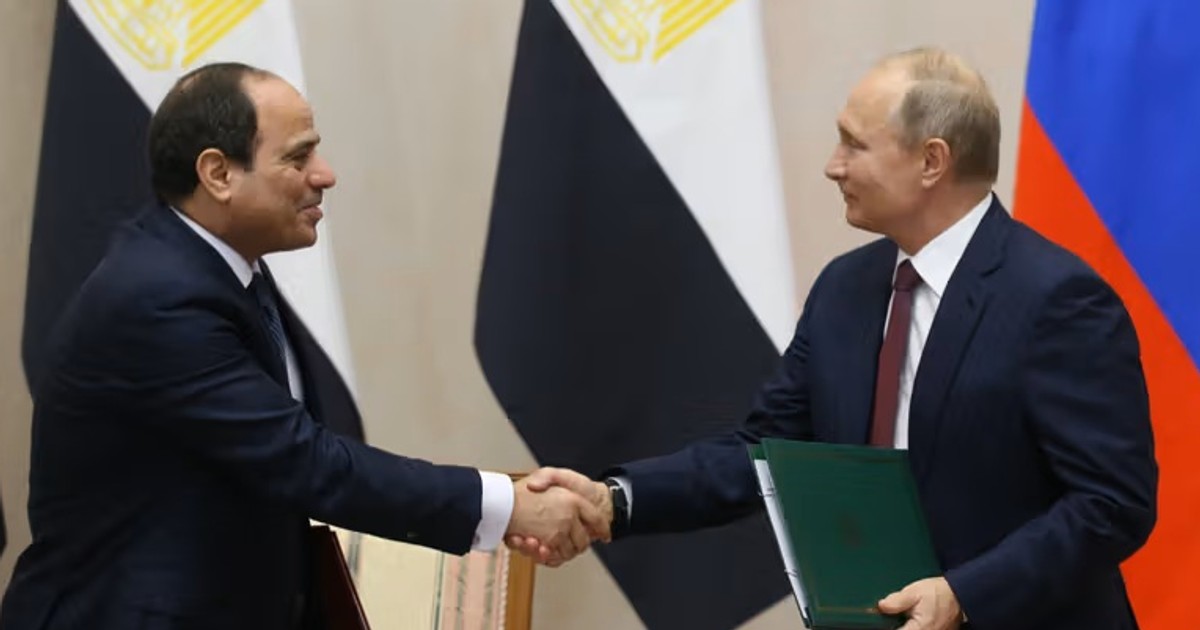
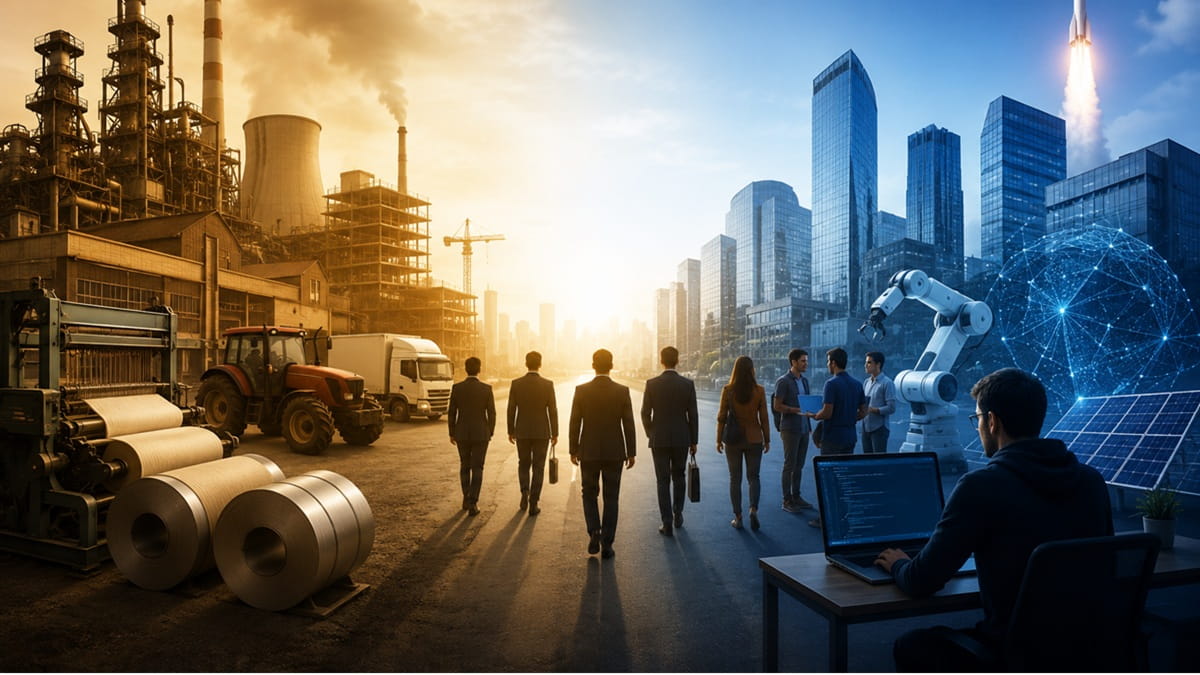
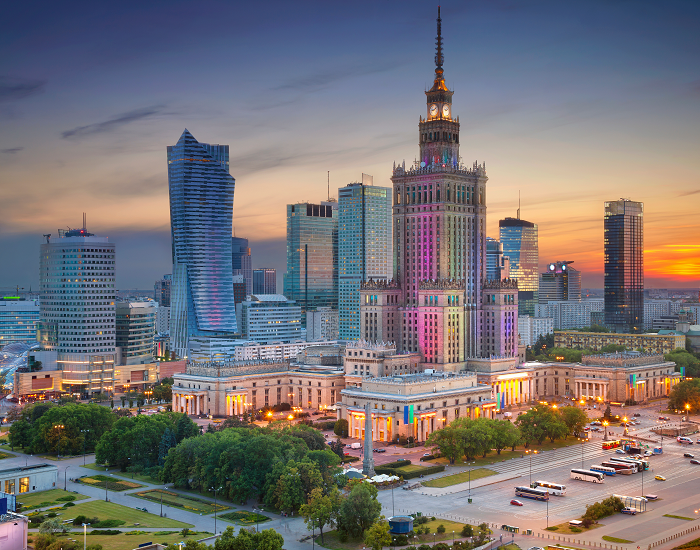
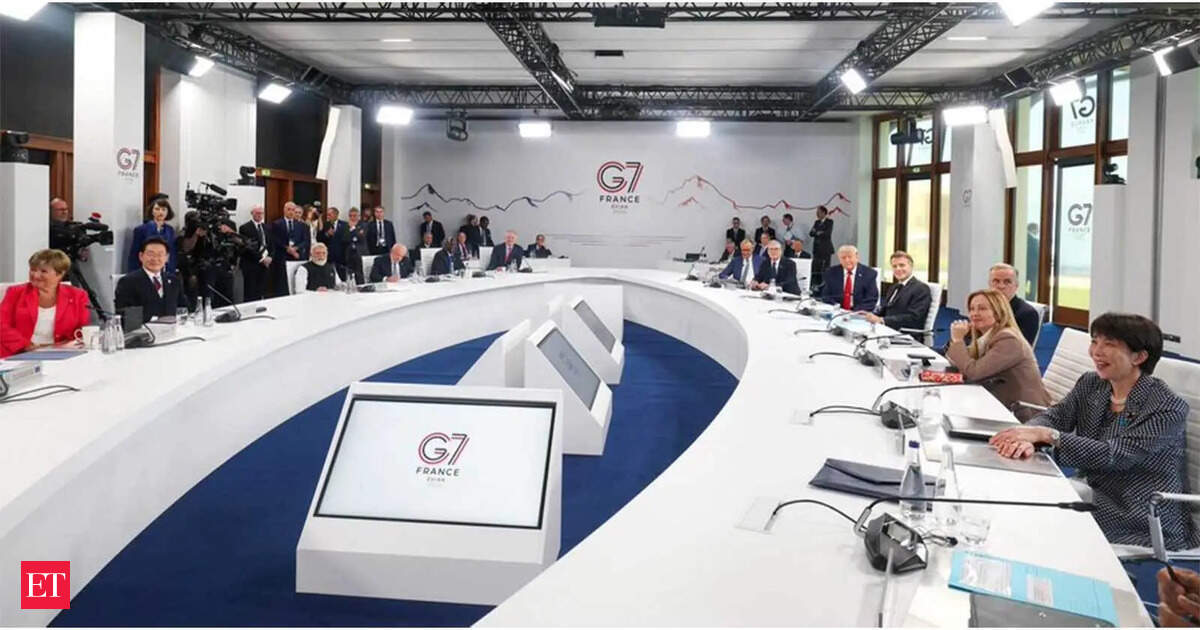
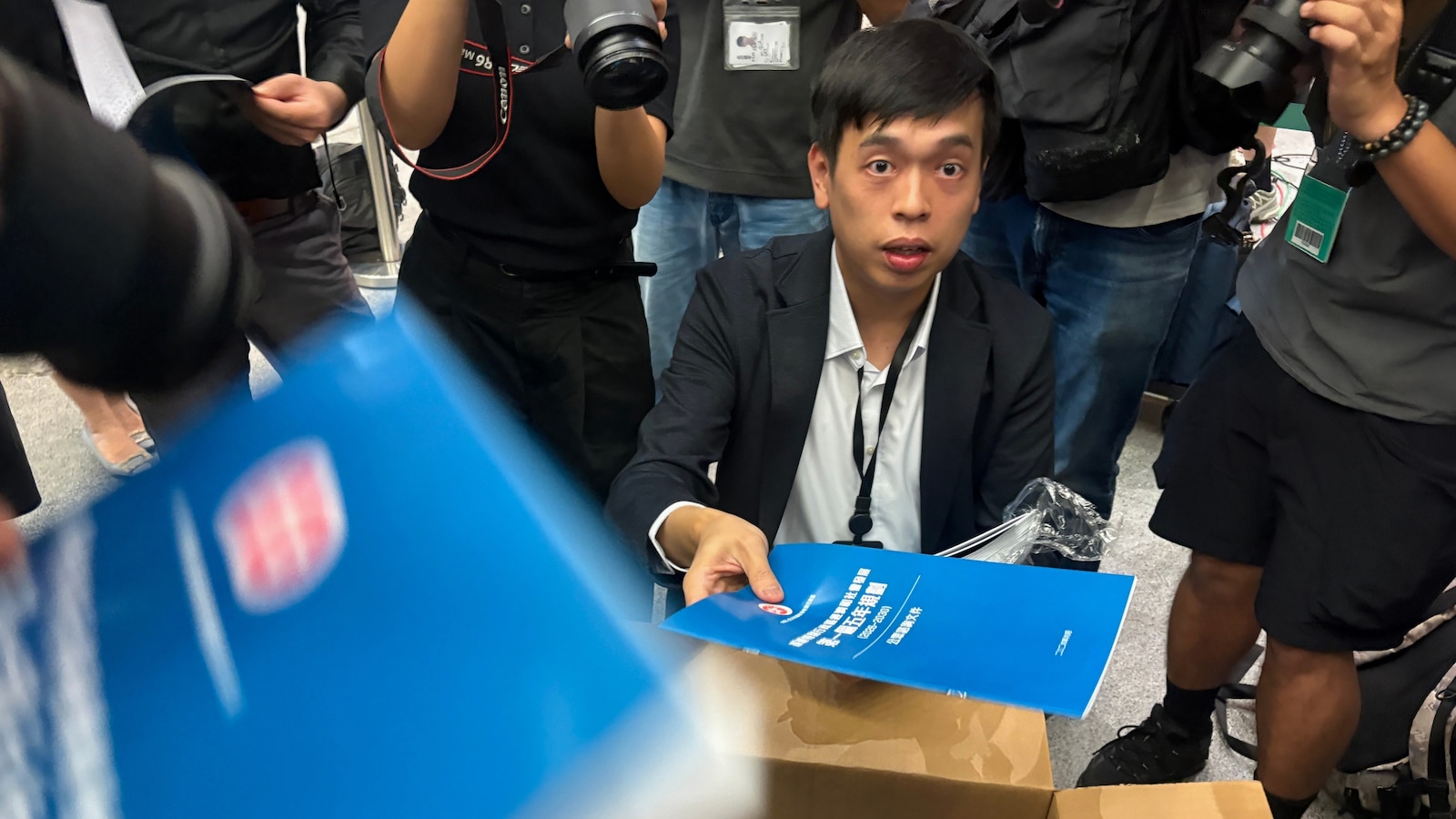
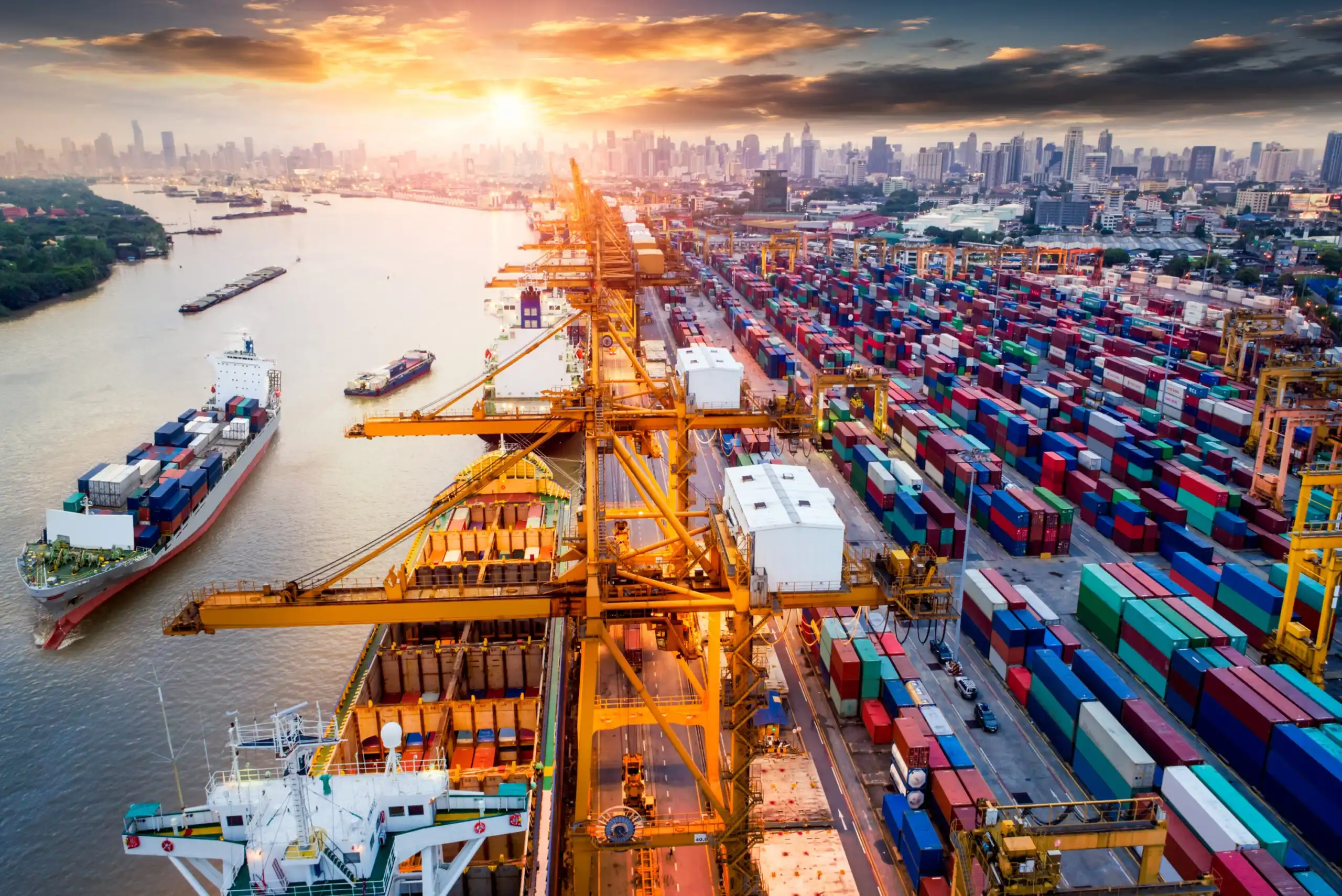
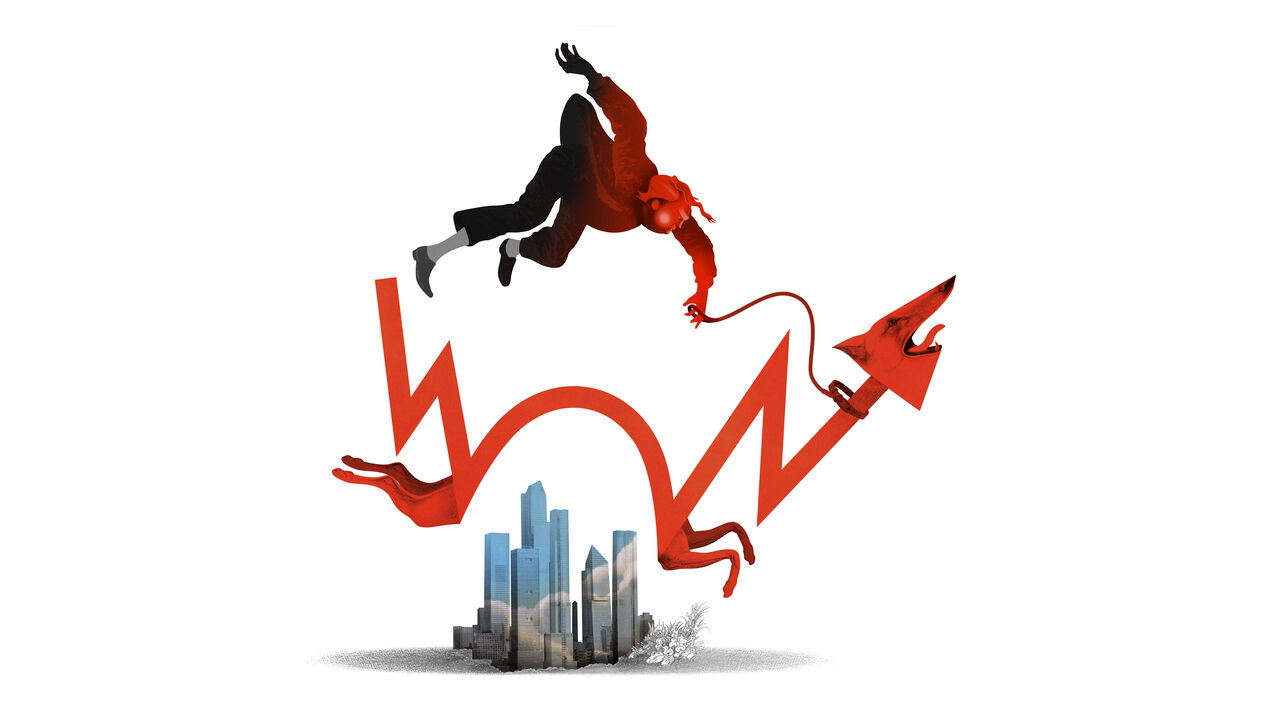
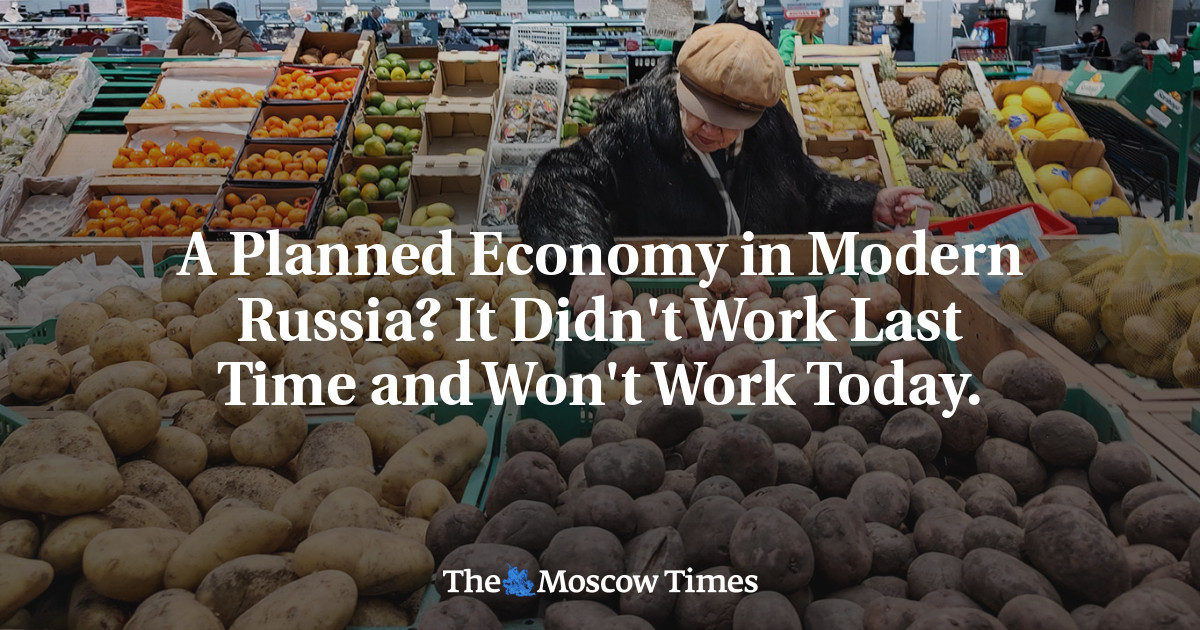
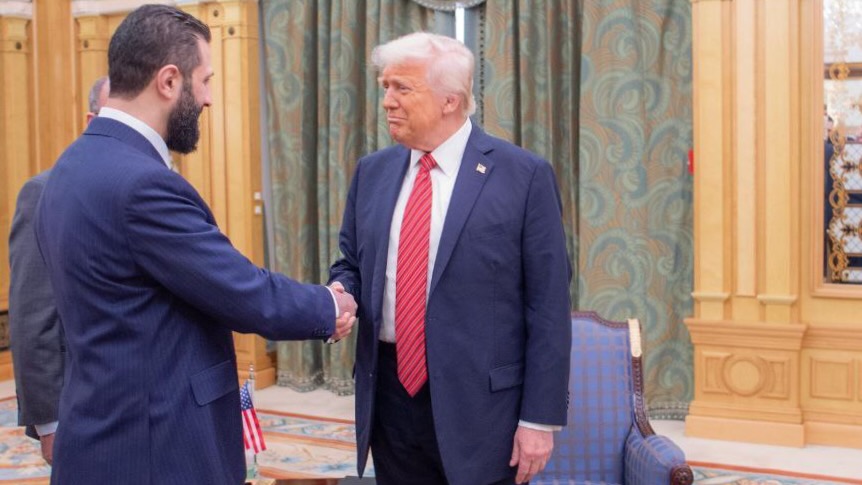
The Washington Post global economics correspondent’s new book, How Globalization Failed, has been translated and published in Korea. It is a sharp analysis of how globalization, which accelerated after the end of the Cold War, abandoned its promise of delivering both domestic prosperity and peace abroad, and how it ultimately came to a complete end nearly 30 years later with Donald Trump’s two election victories. Ahead of the 1997 G8 summit, Bill Clinton was in a good mood. Growth was running at 7 percent a year, unemployment was at a 24-year low, and Wall Street had posted annual returns of more than 20 percent for three straight years. Russia was scheduled to take part in the G8 meeting in Denver. The world was full of anticipation. Many believed Russia would be absorbed into the Western-led market economy and democracy. Bringing Russia in would amount to a victory for globalization.
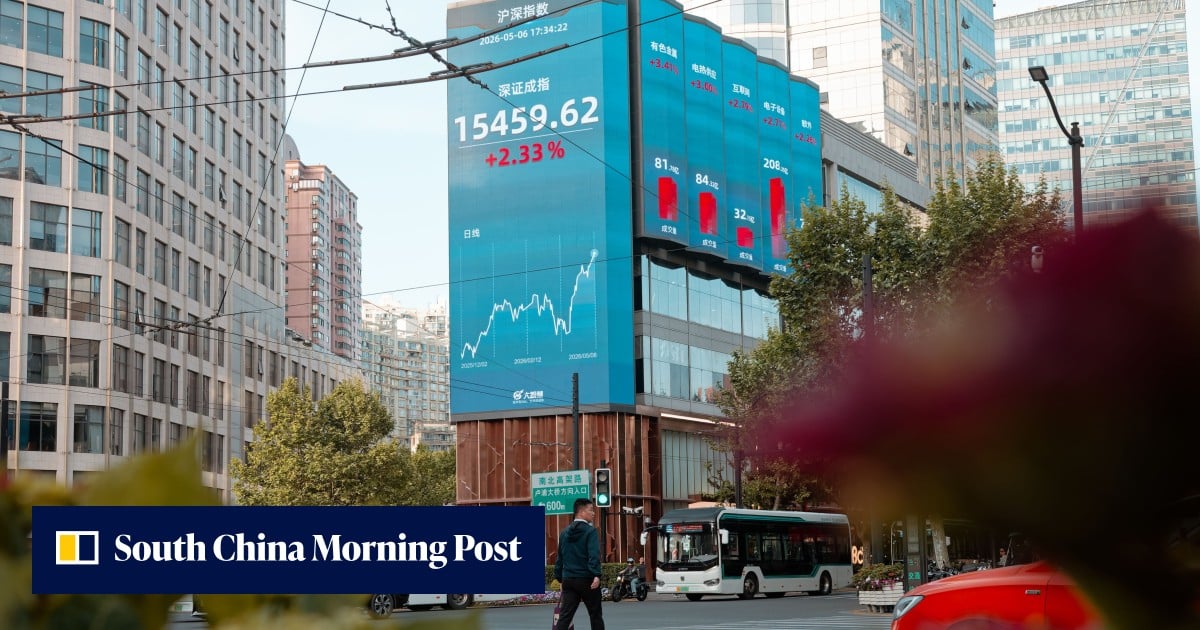
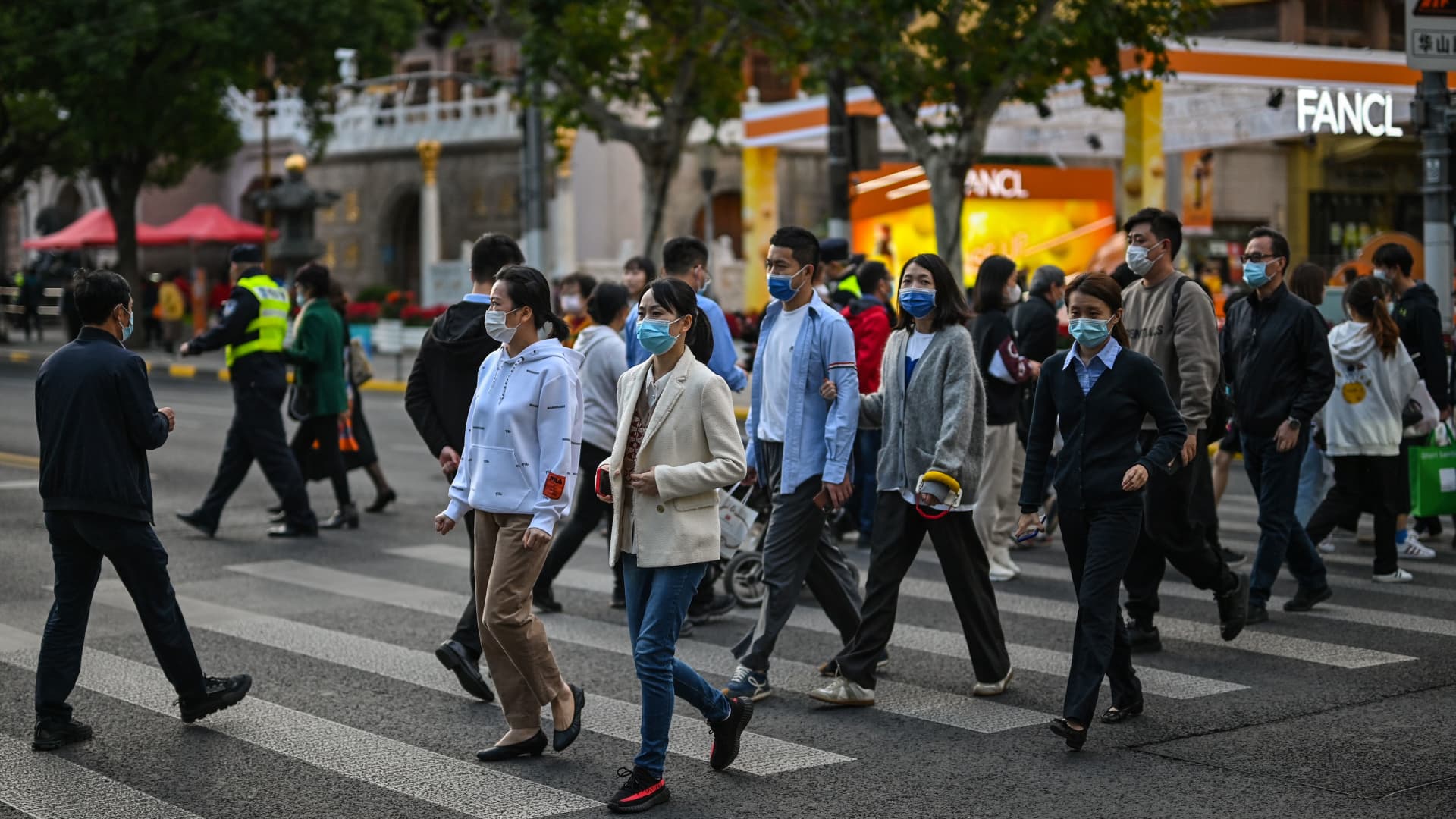
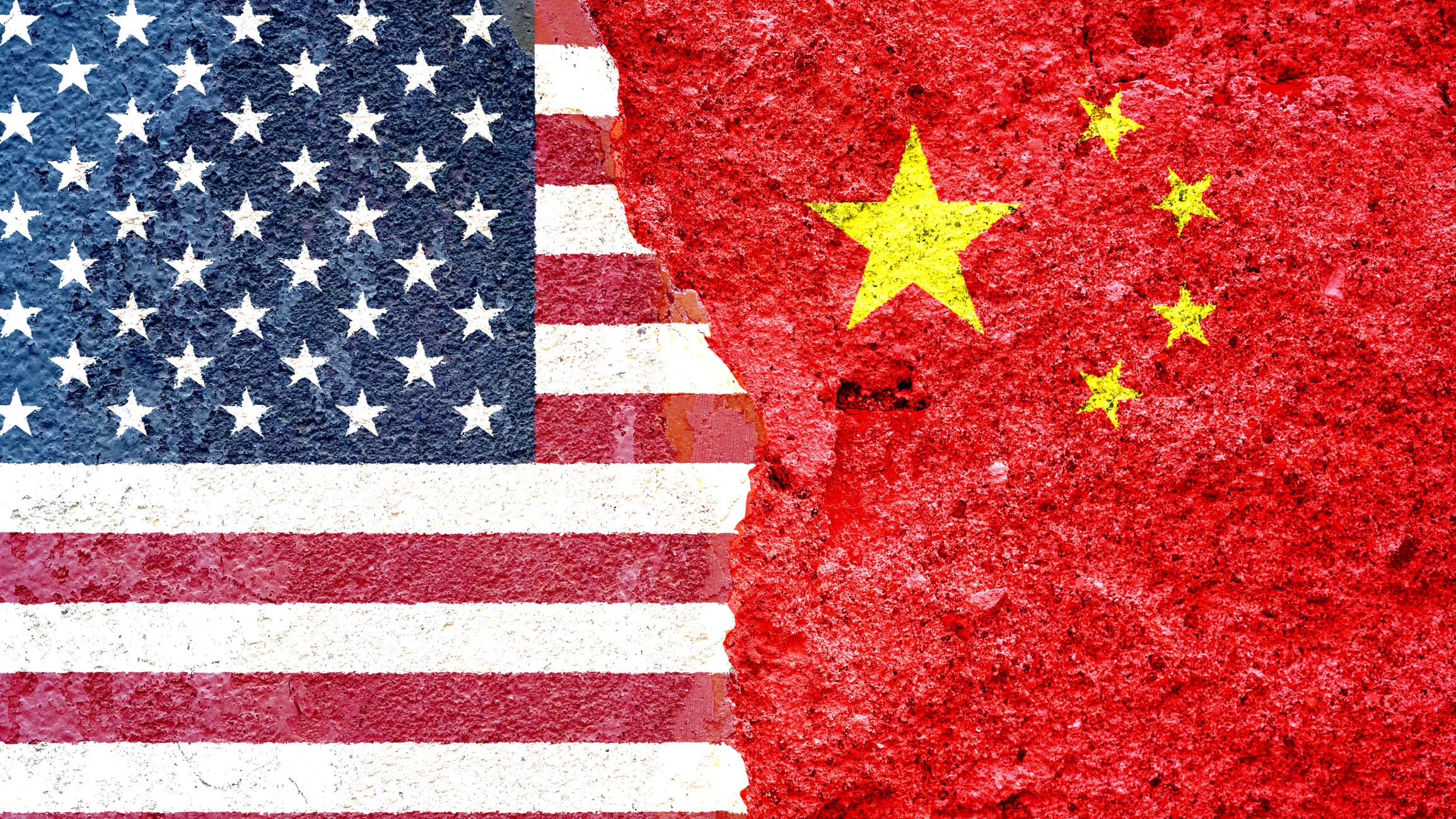
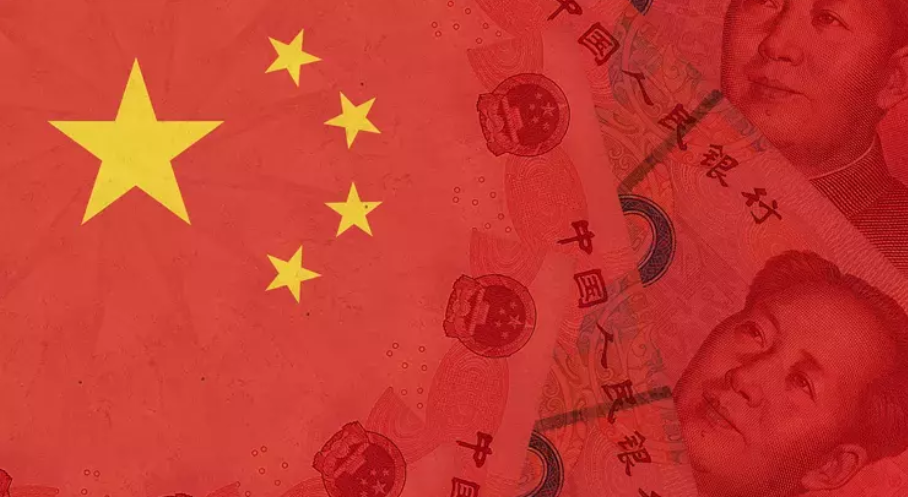
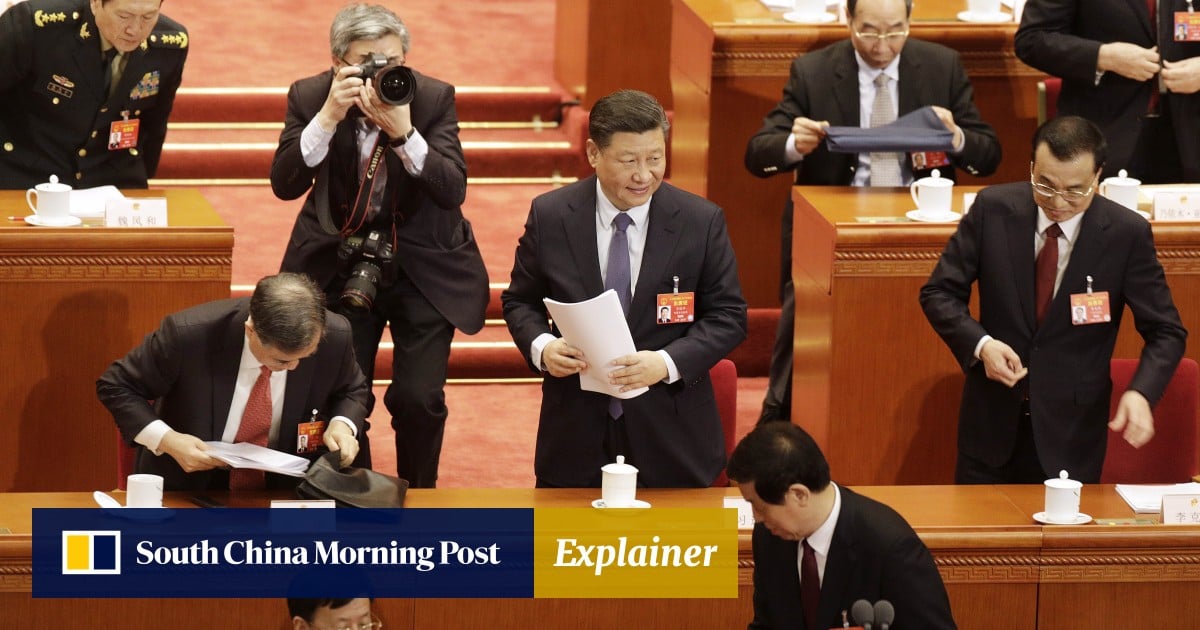
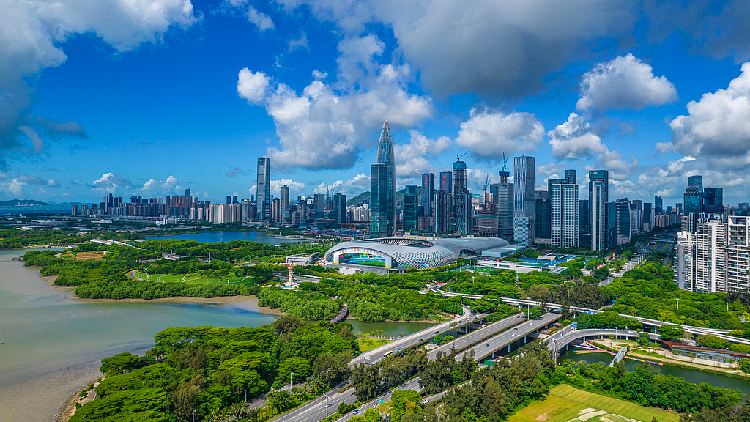
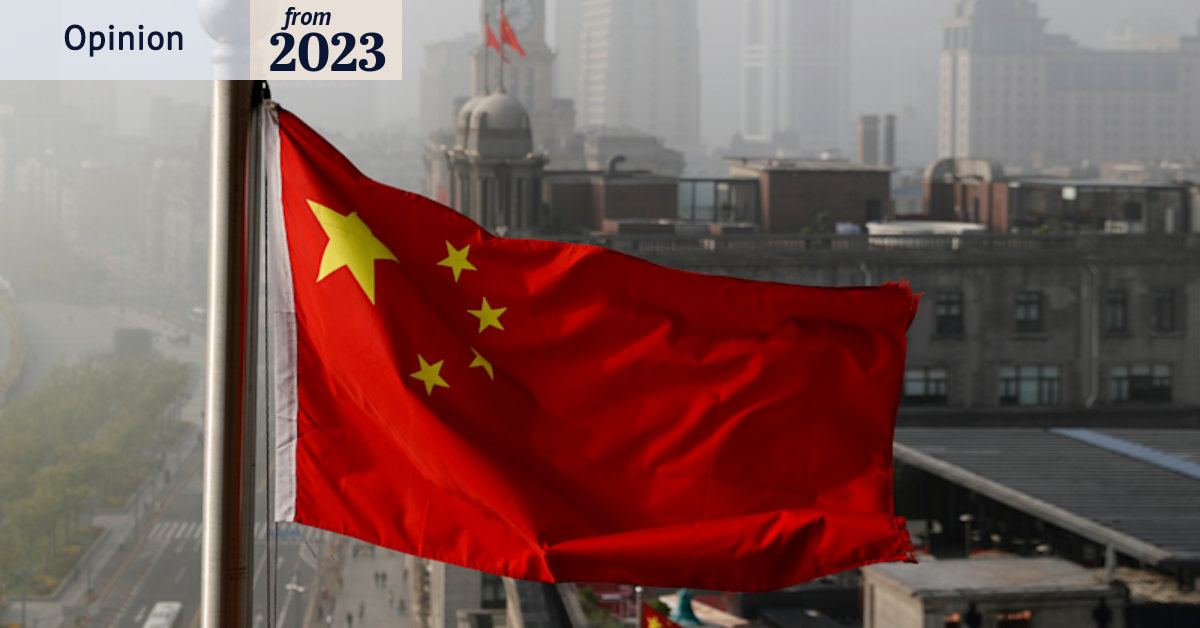
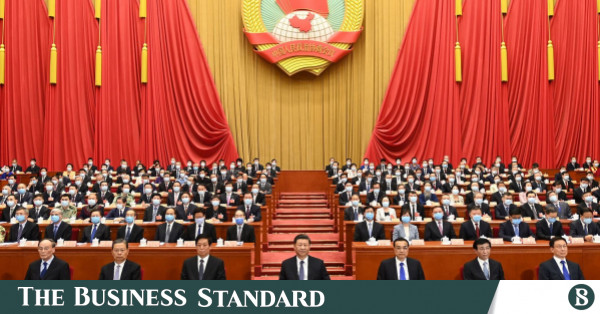
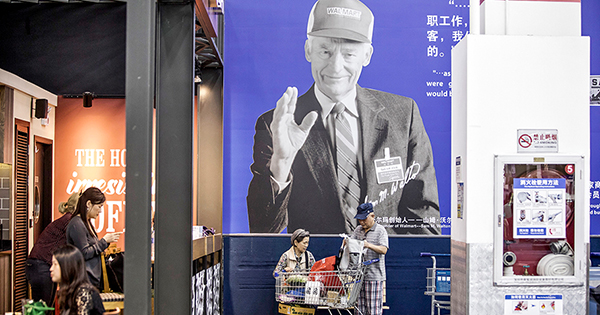
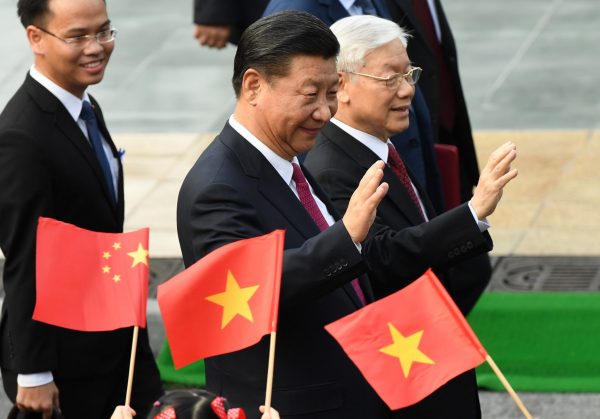
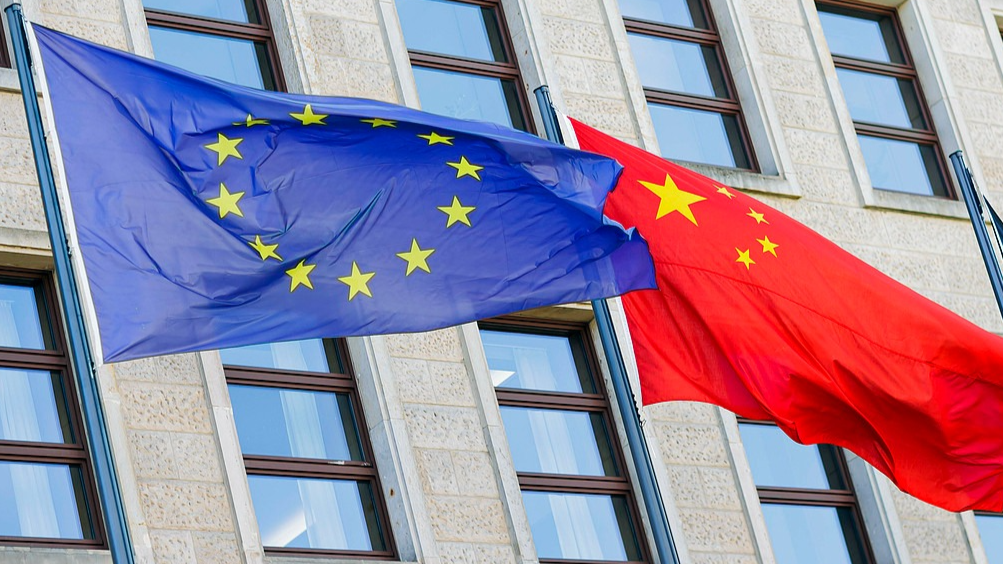
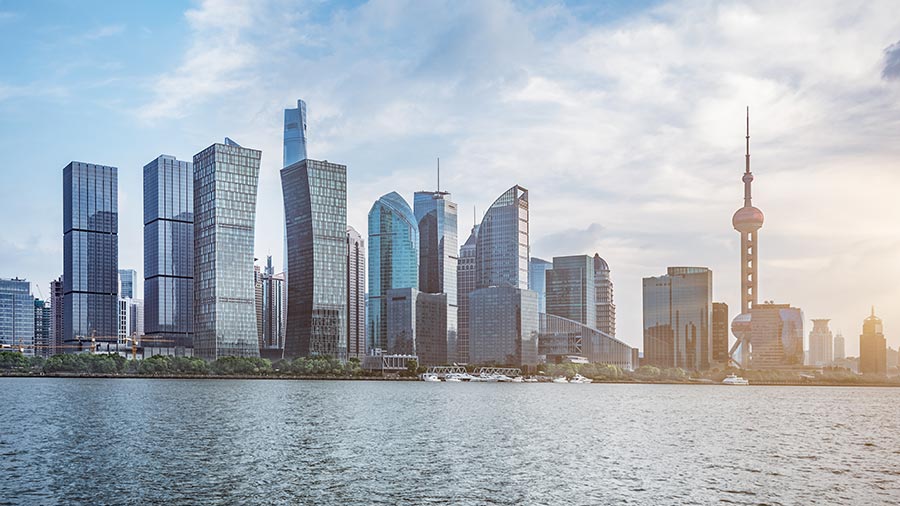
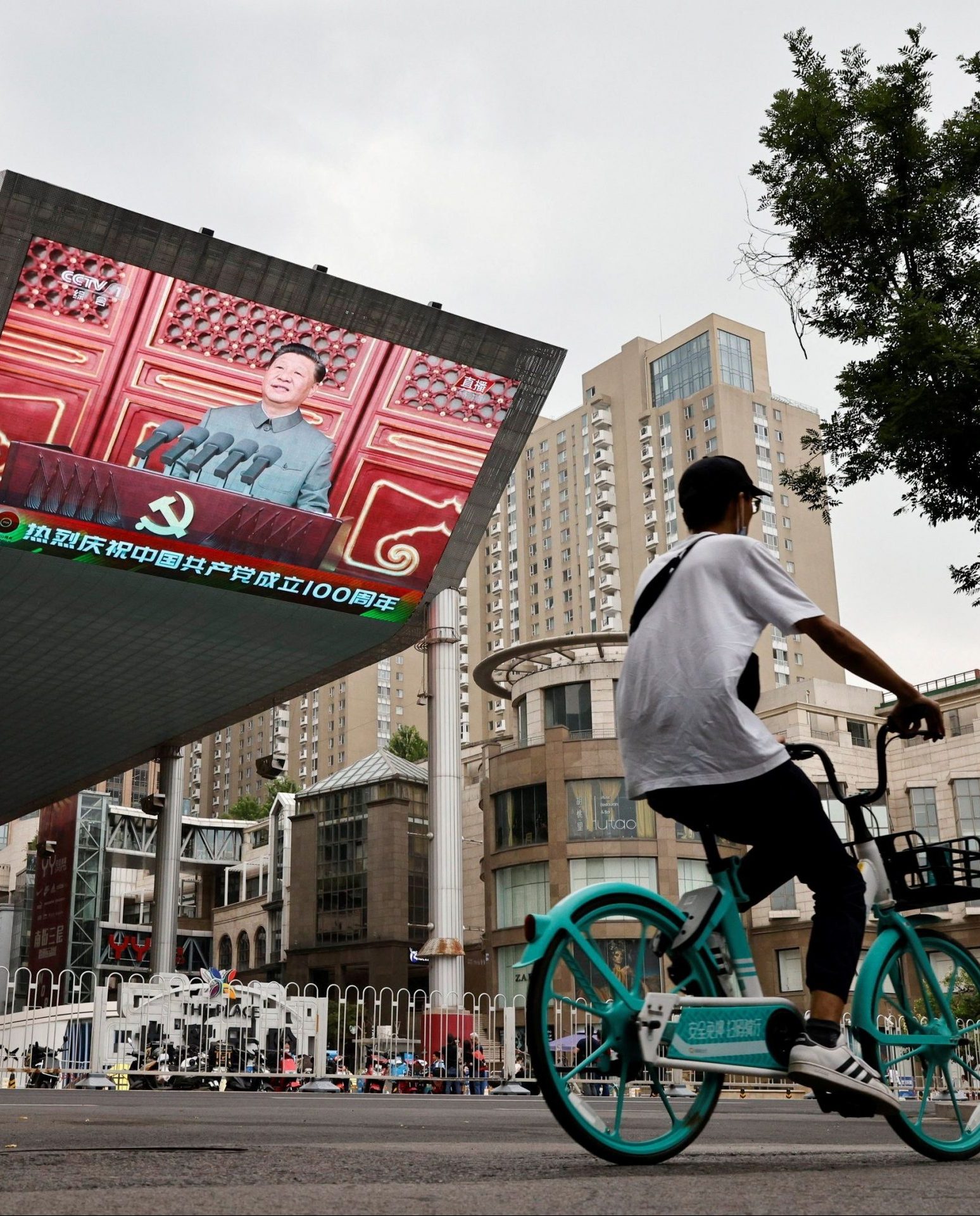
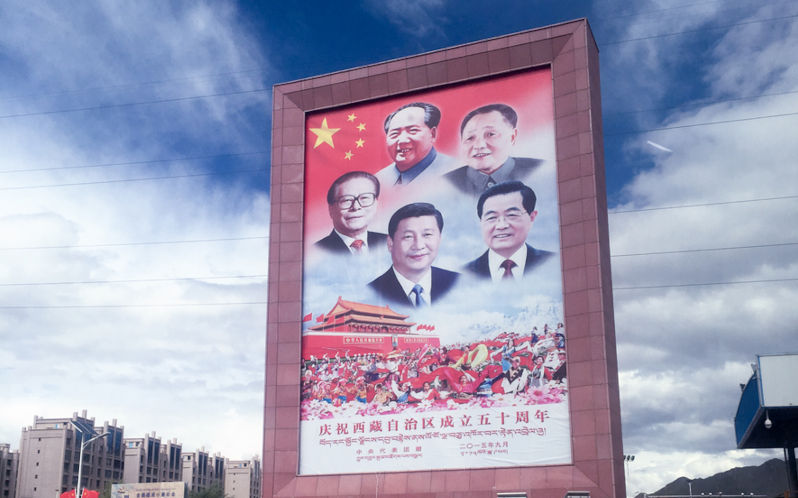
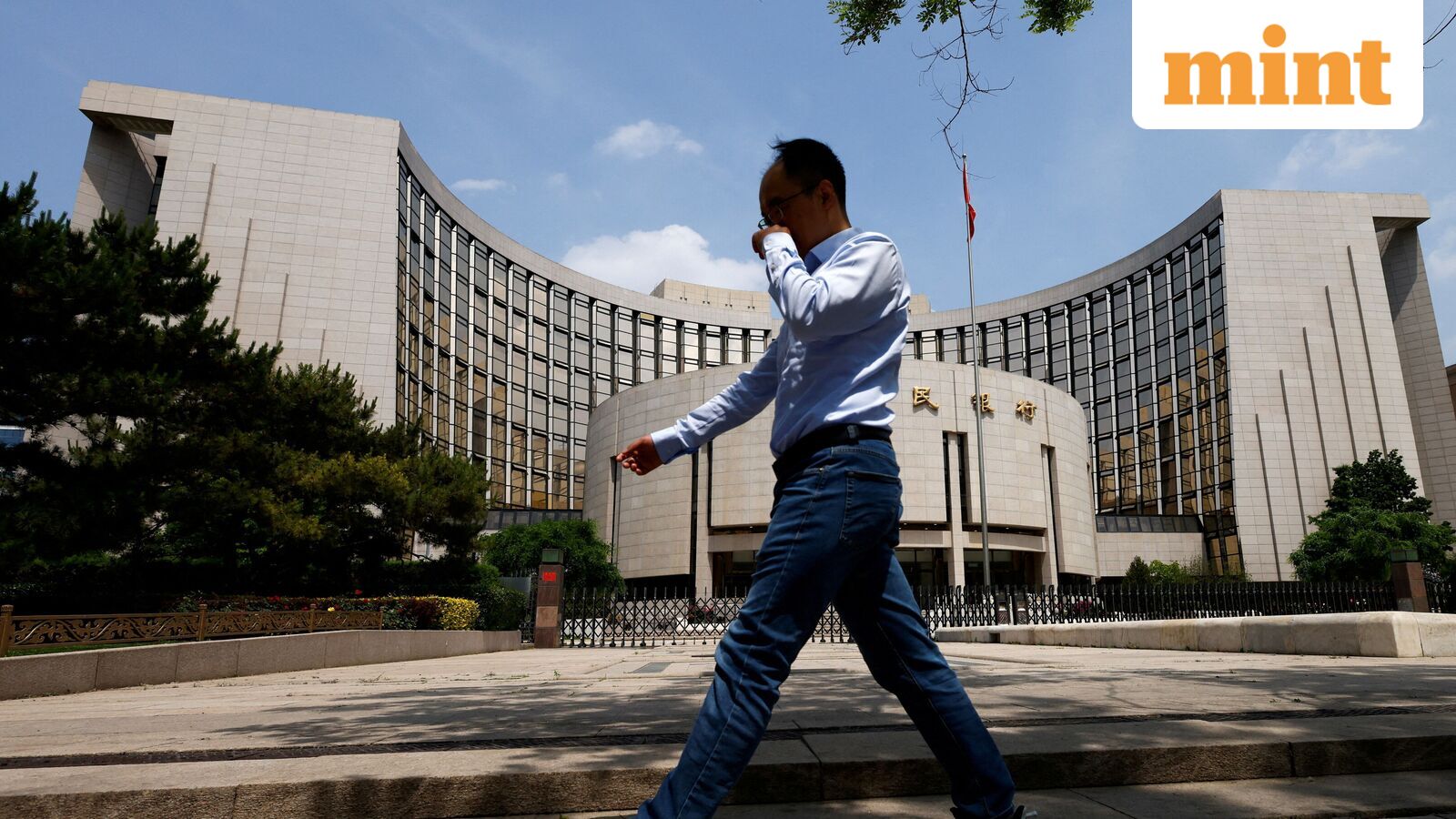
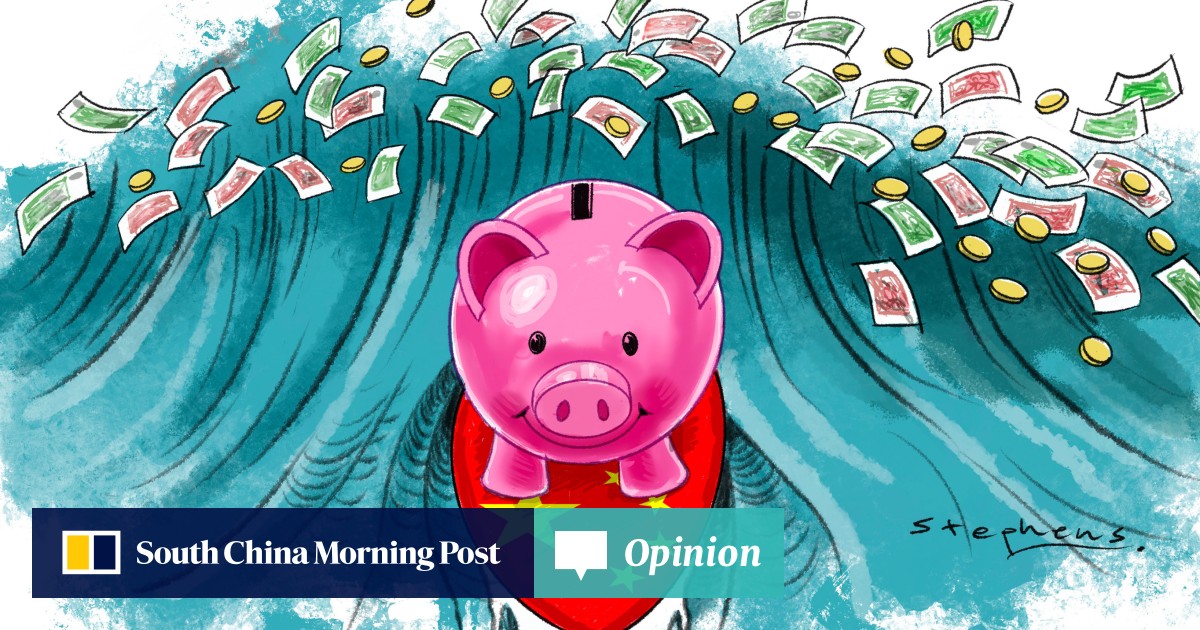
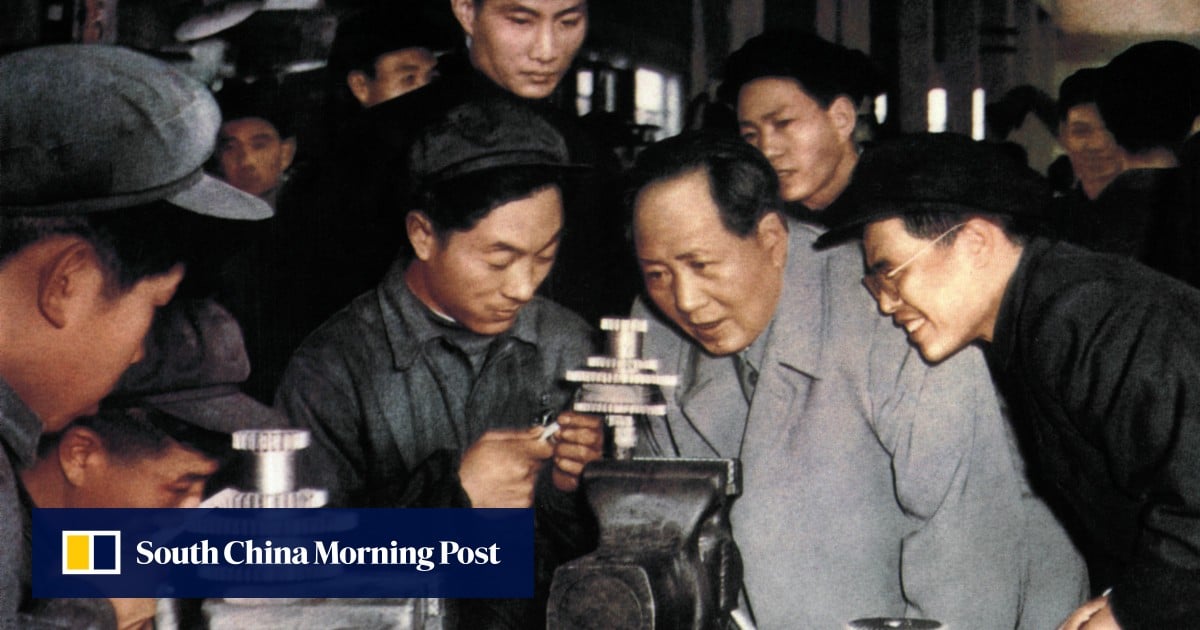
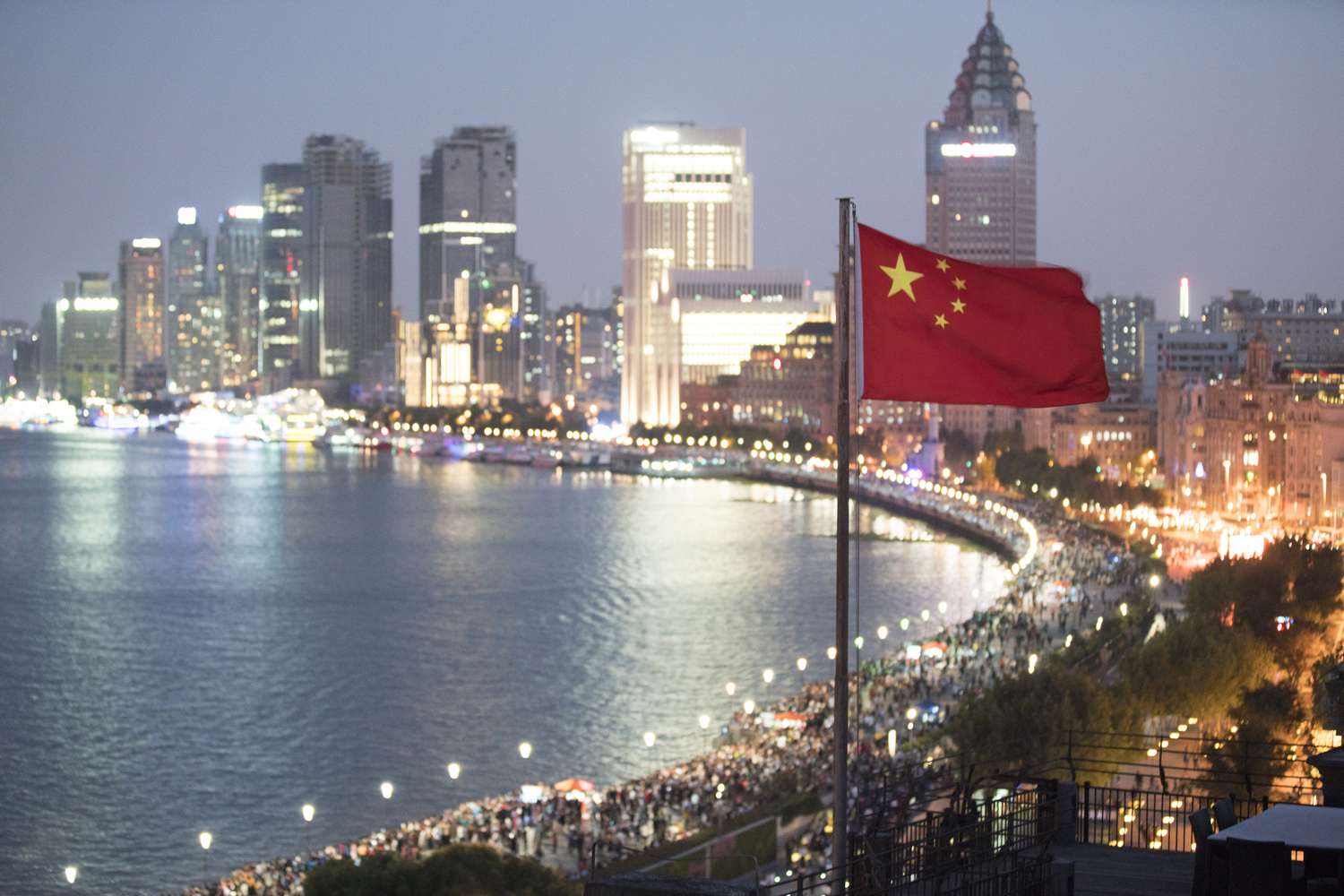
The next country was China. The idea was that if China were integrated under a single set of rules, everyone would become wealthier, and democracy could also be exported to China. China’s accession to the World Trade Organization (WTO) in 2001 was a decisive moment. For the Chinese government, it could serve as proof that the state was legitimizing private wealth.
But what was the outcome? History moved in a different direction than expected.
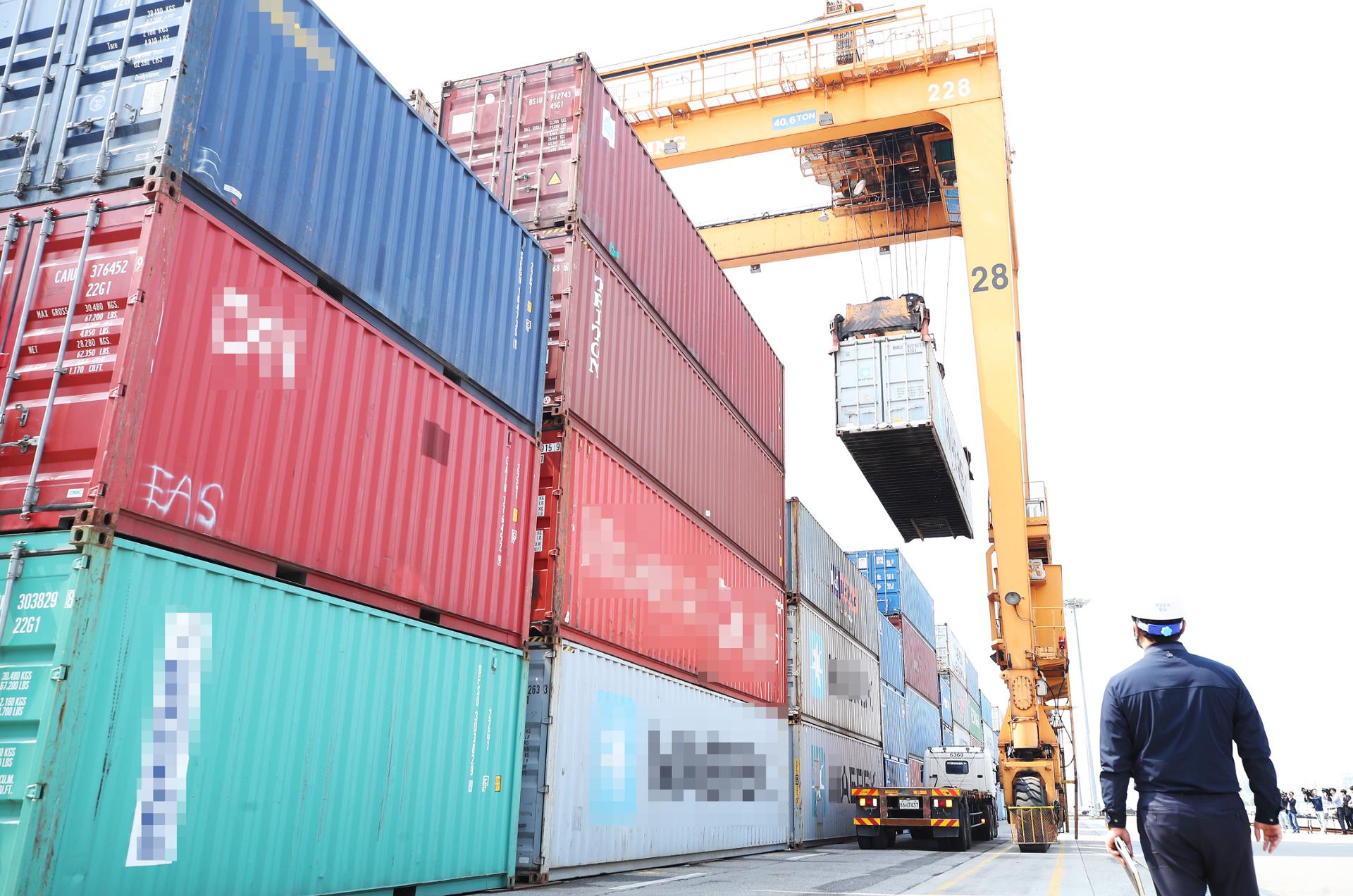
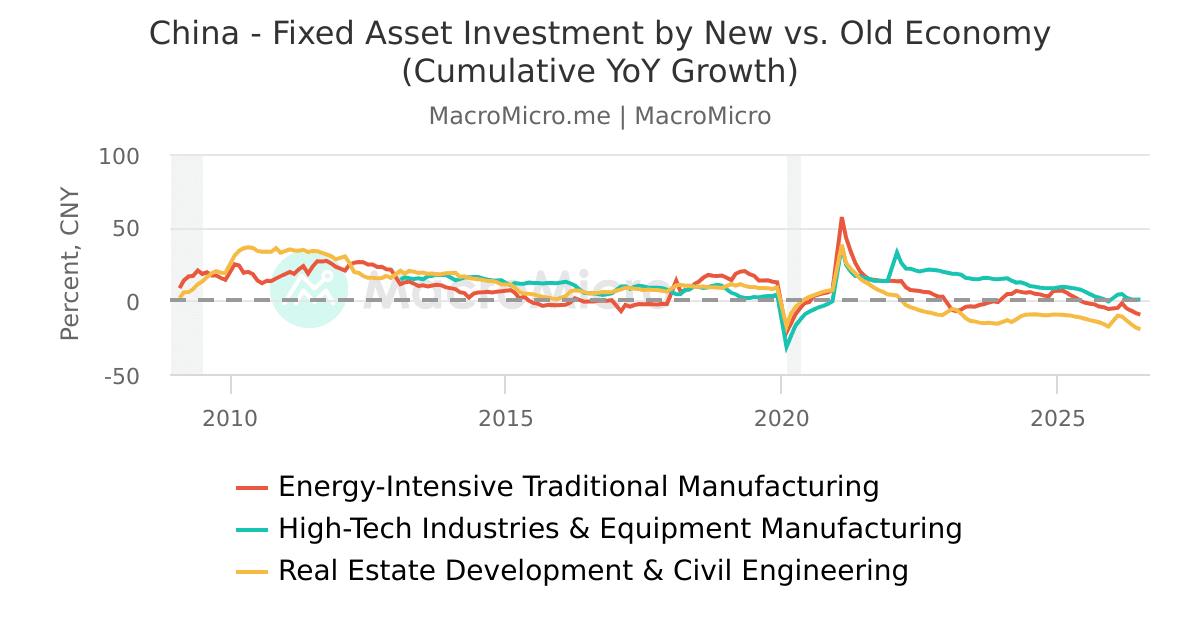
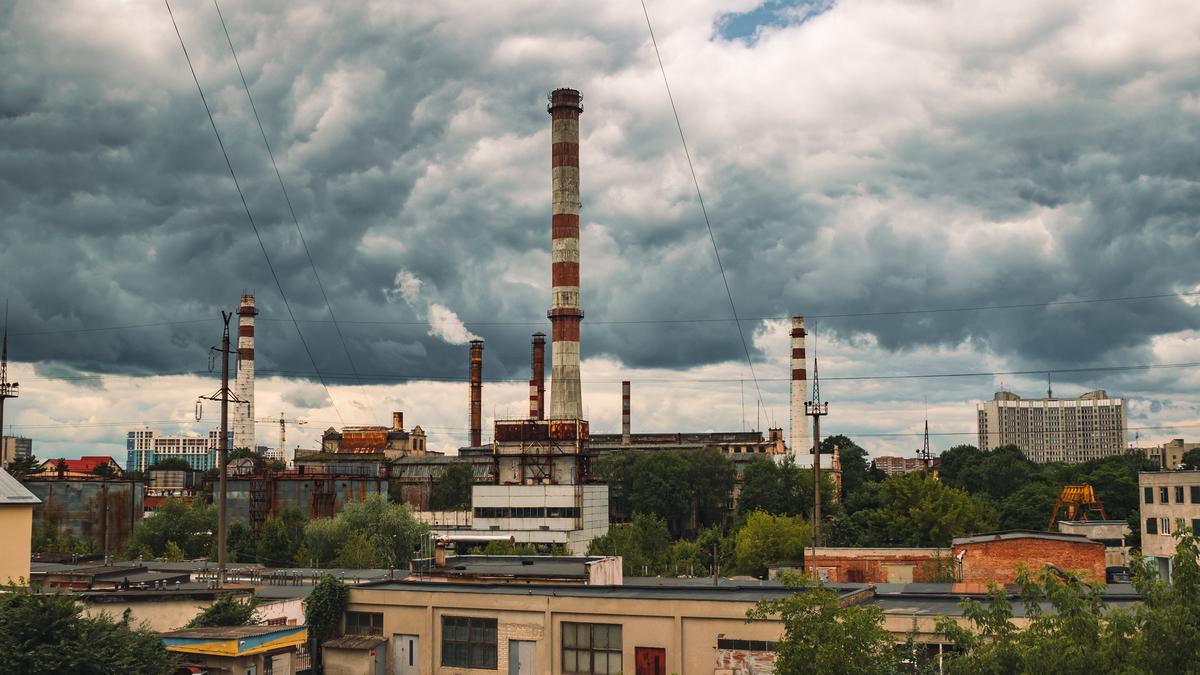
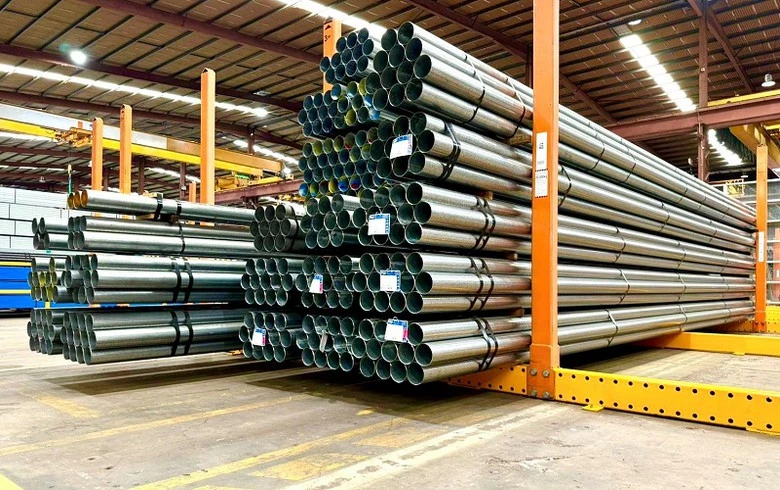
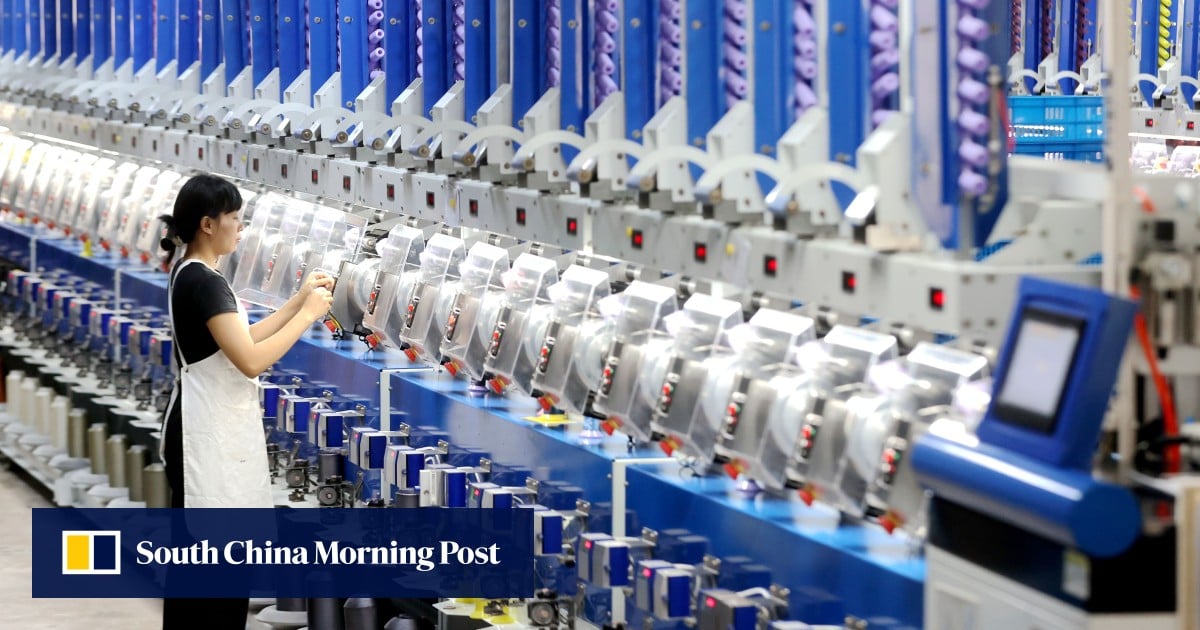
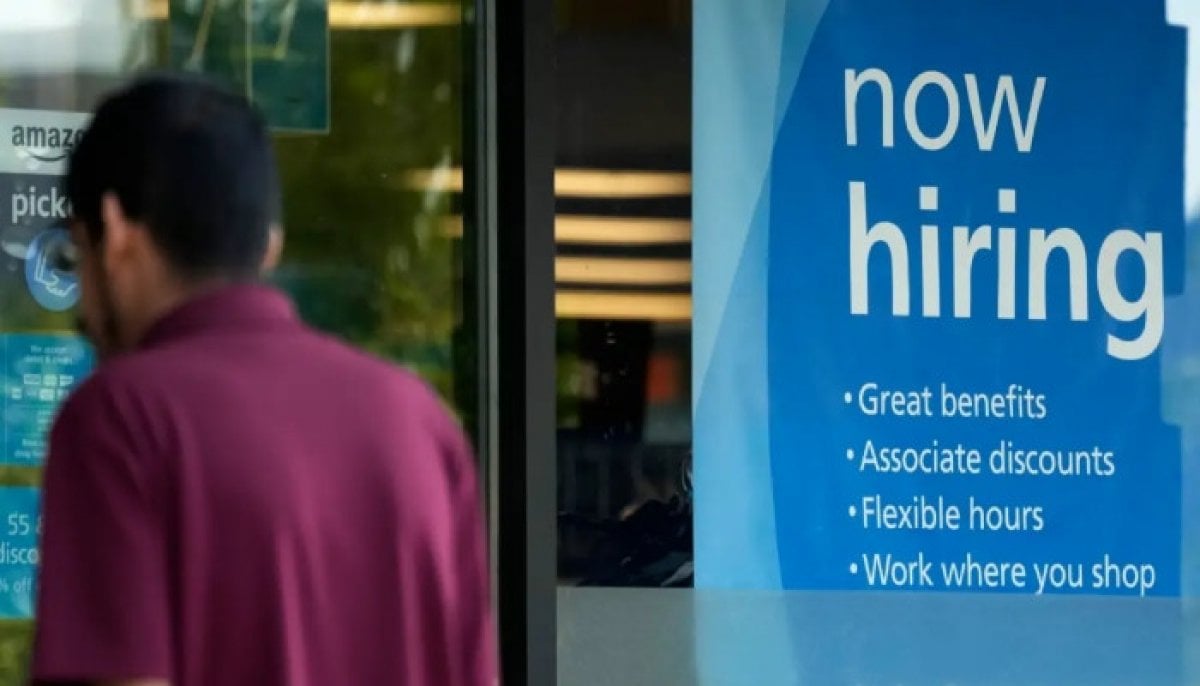
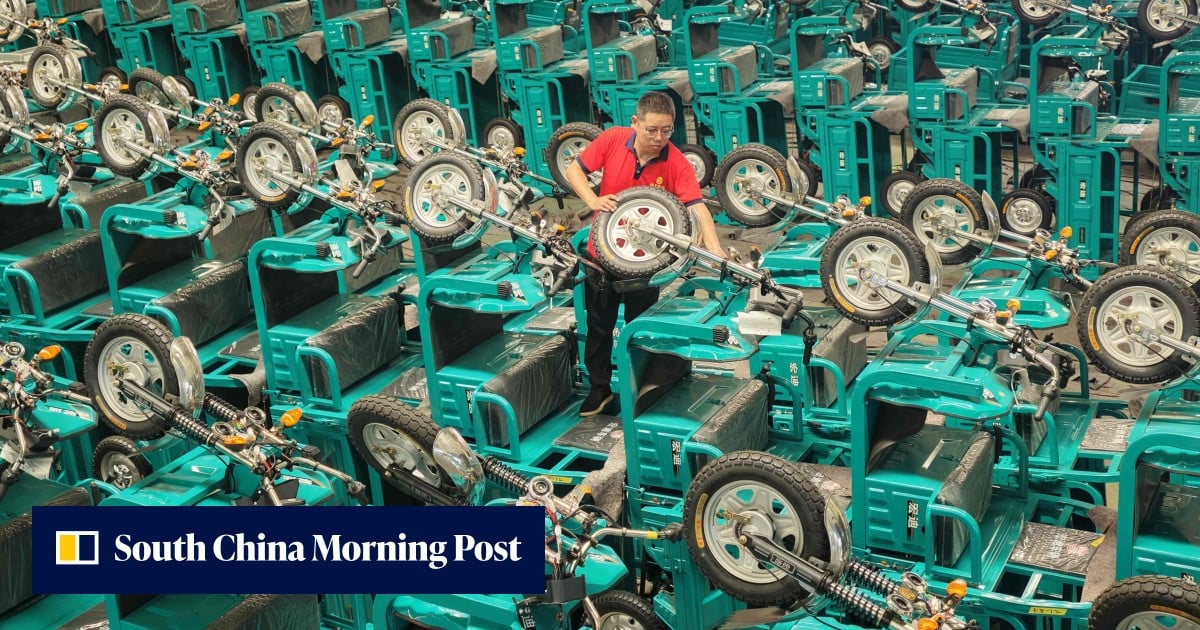
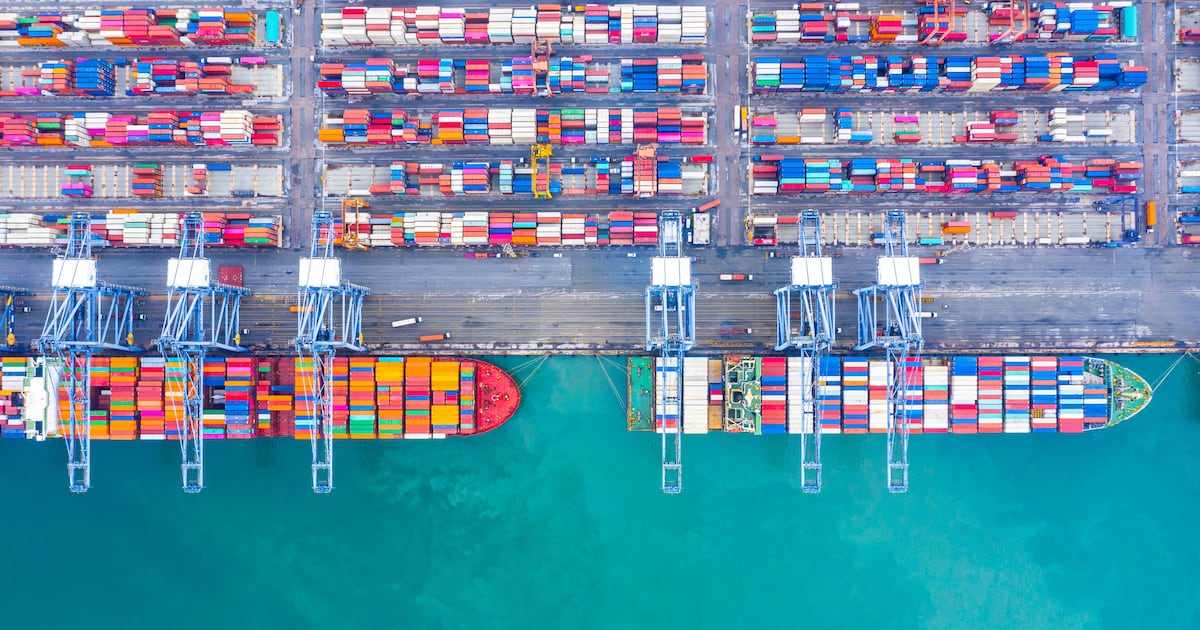
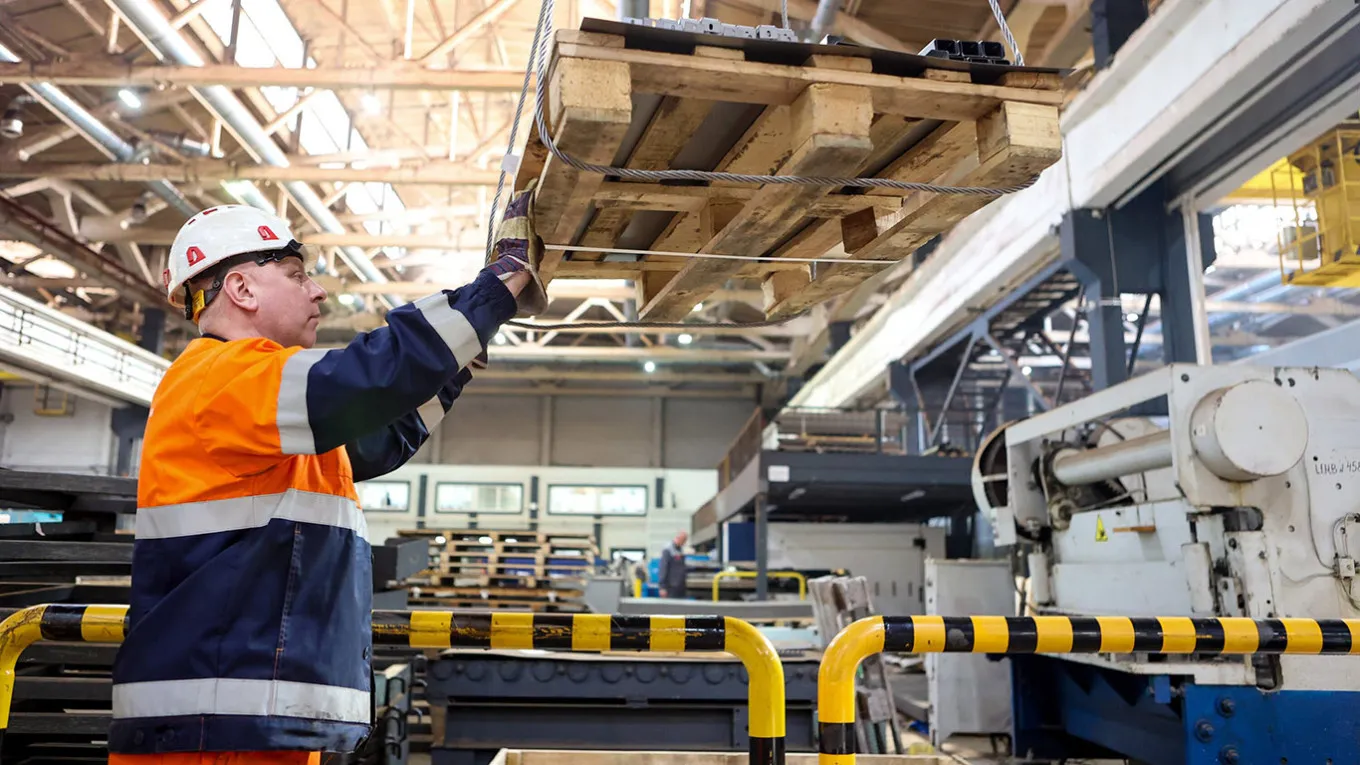
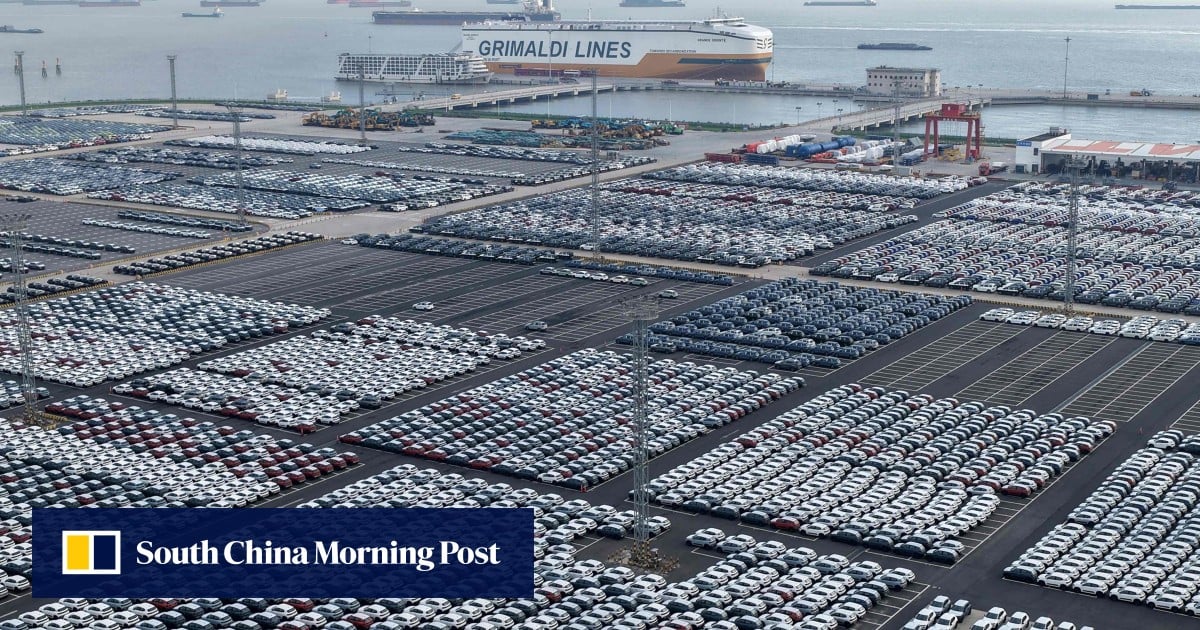
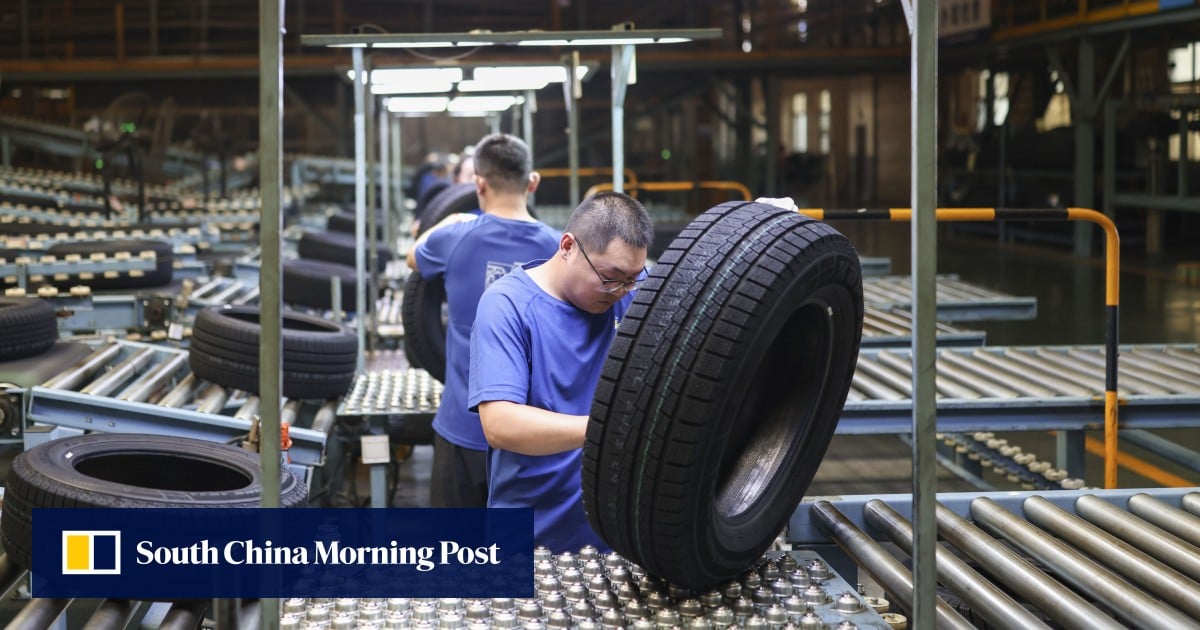
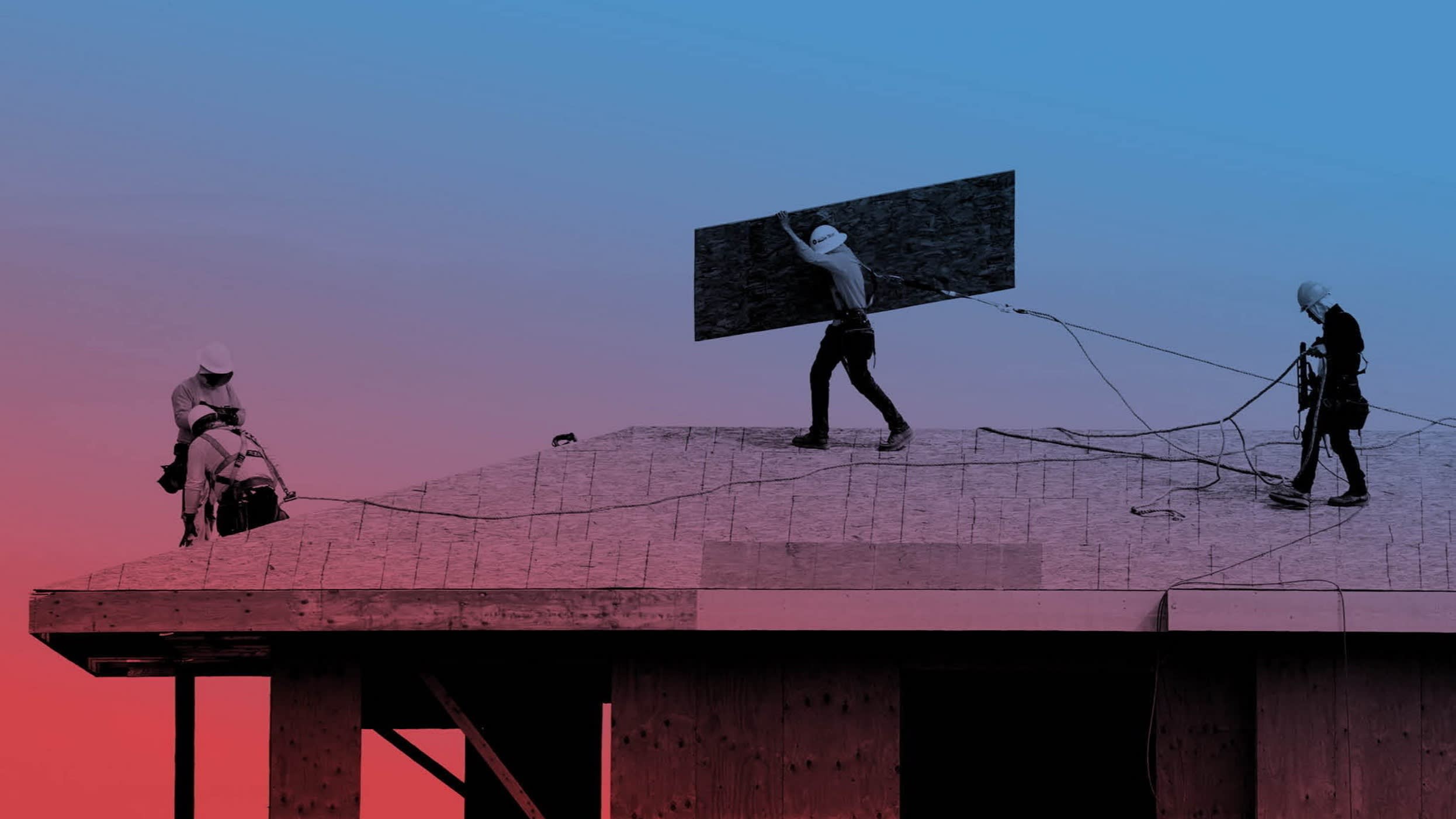
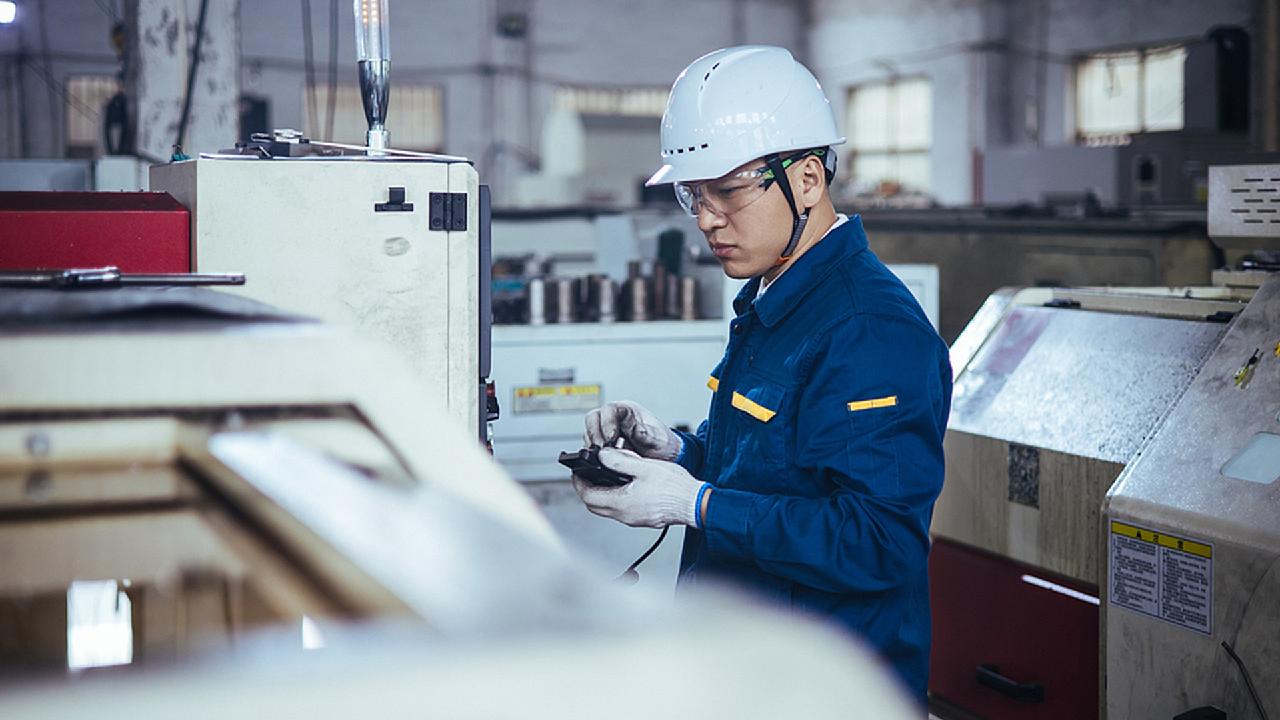
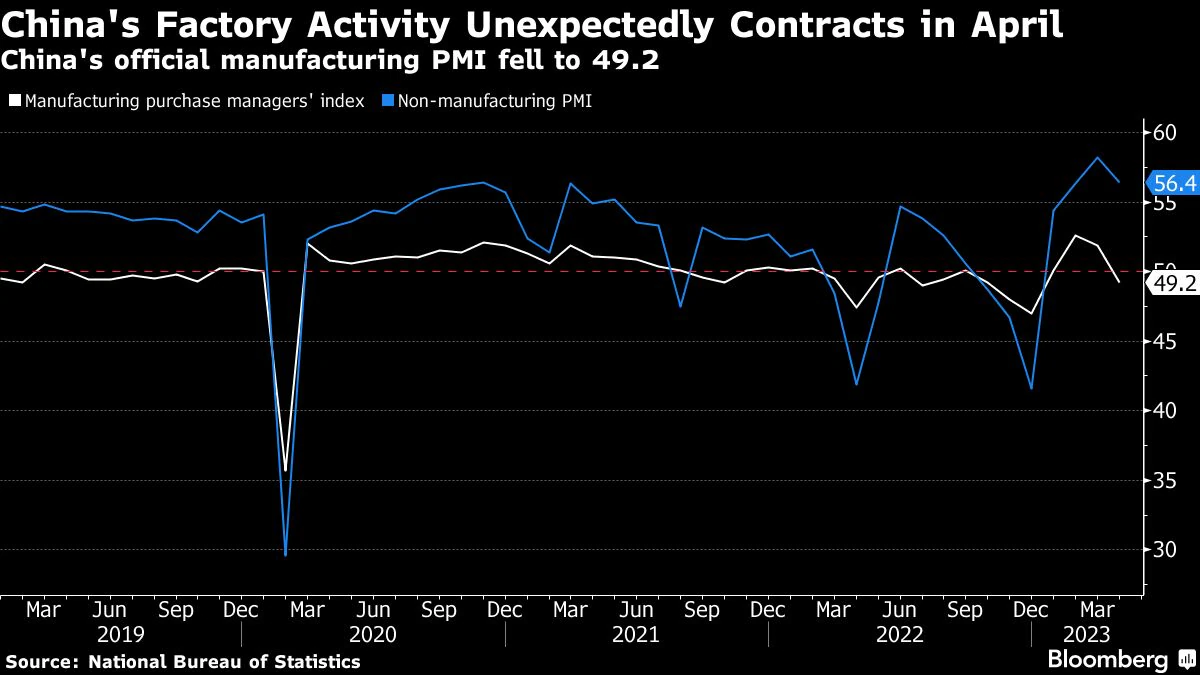
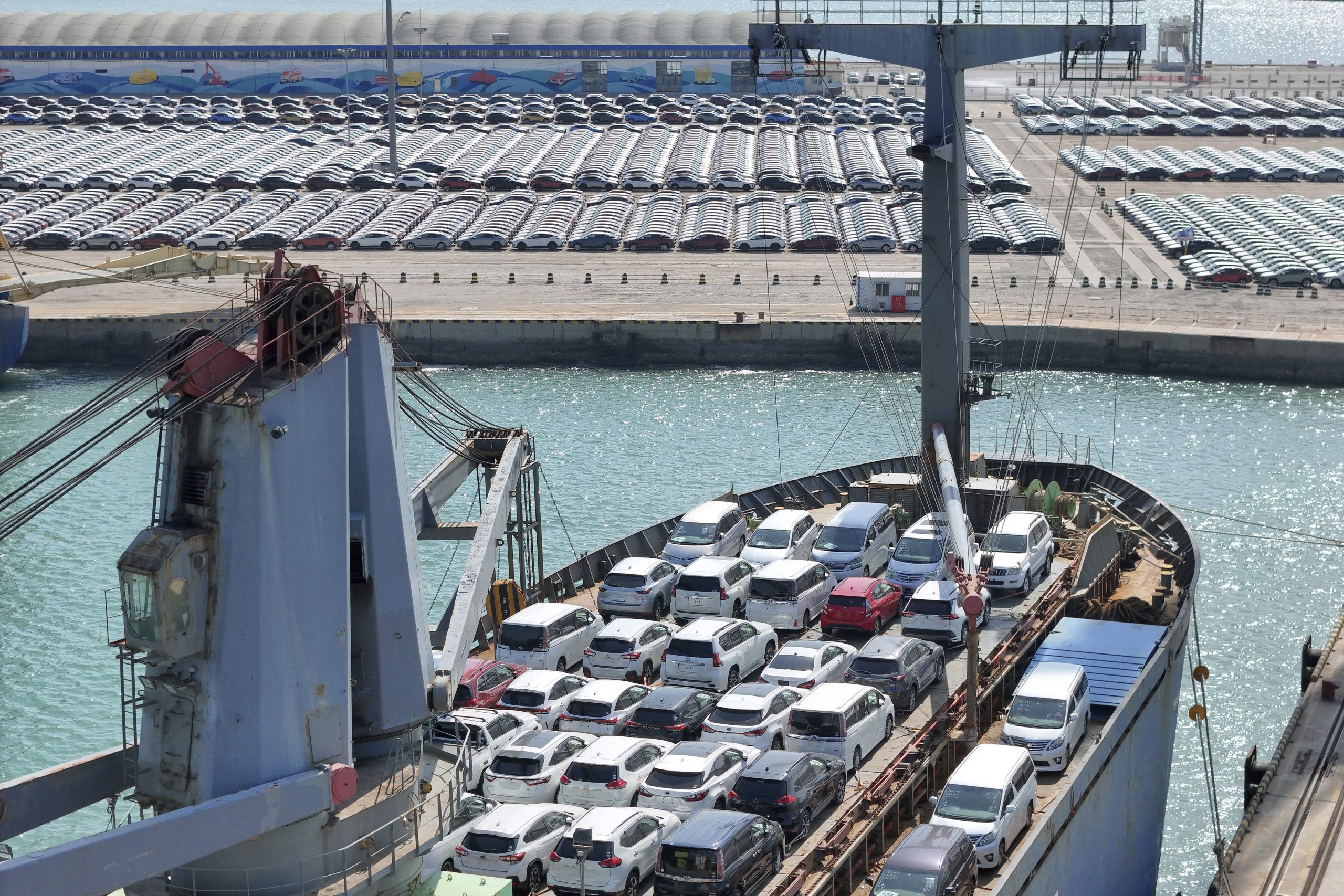
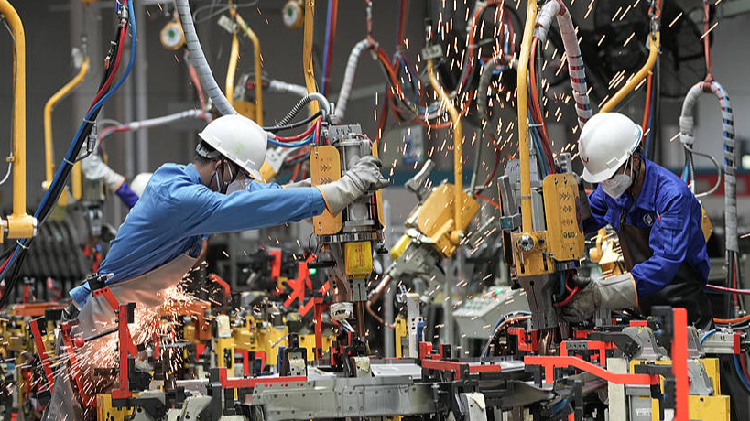
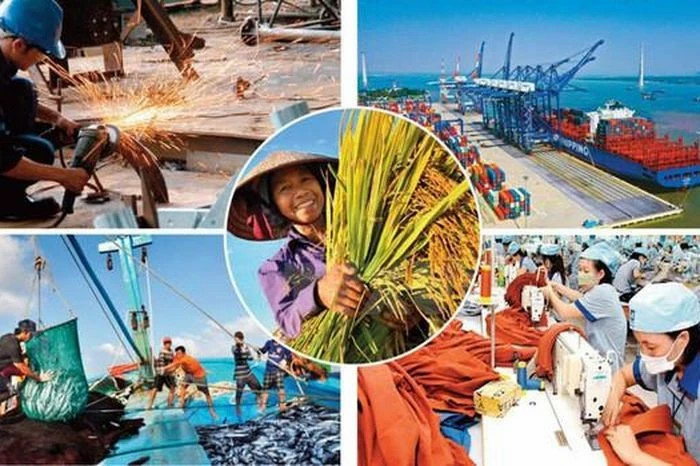
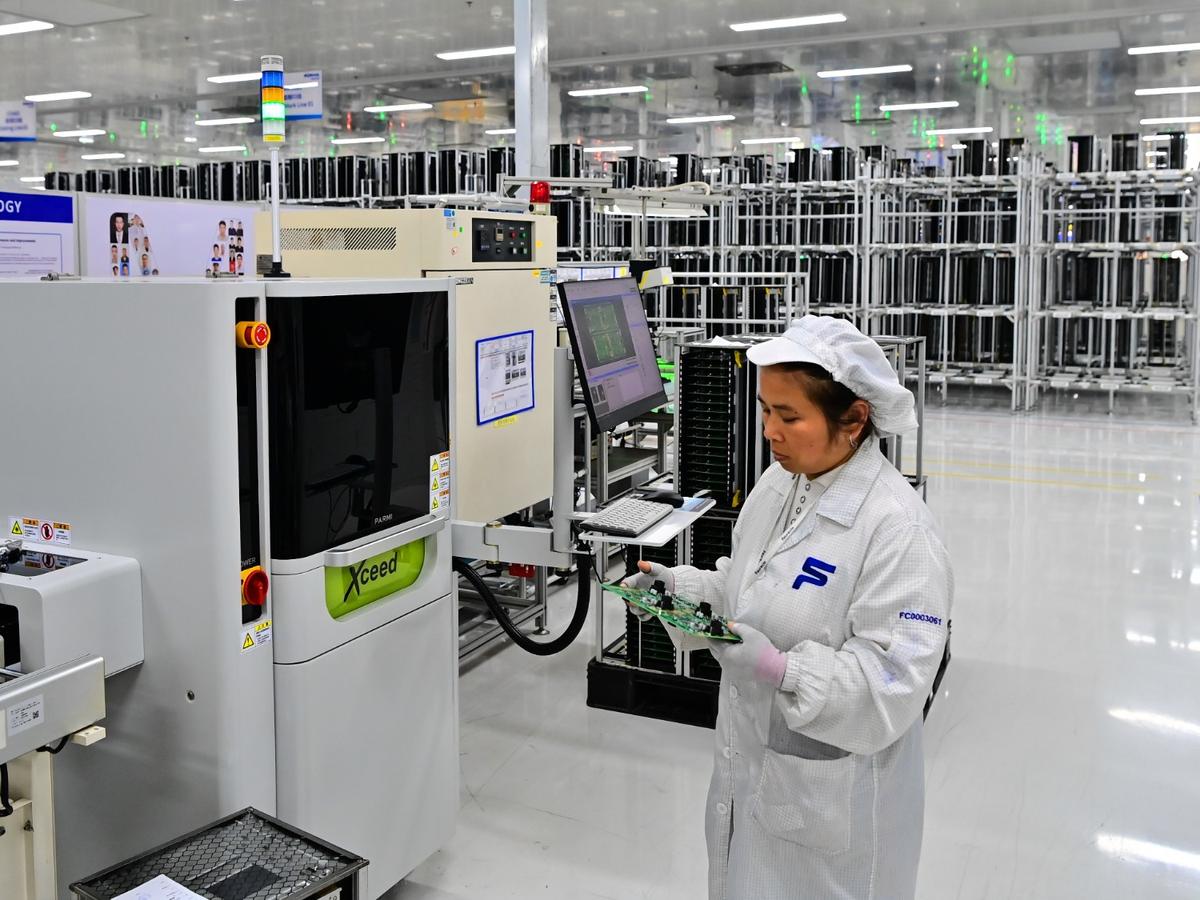
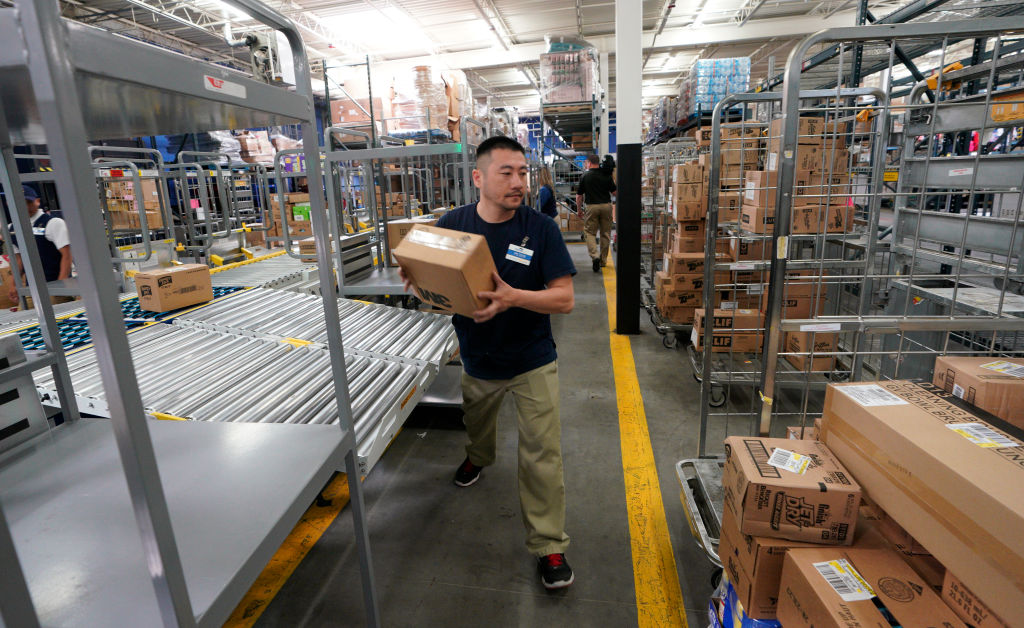
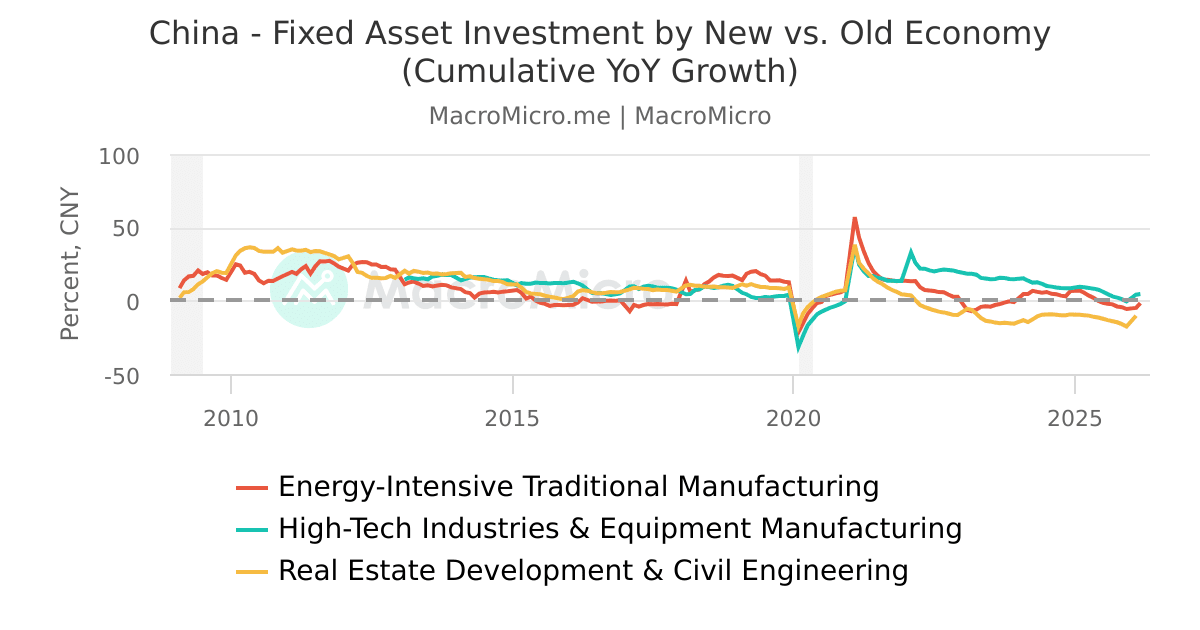
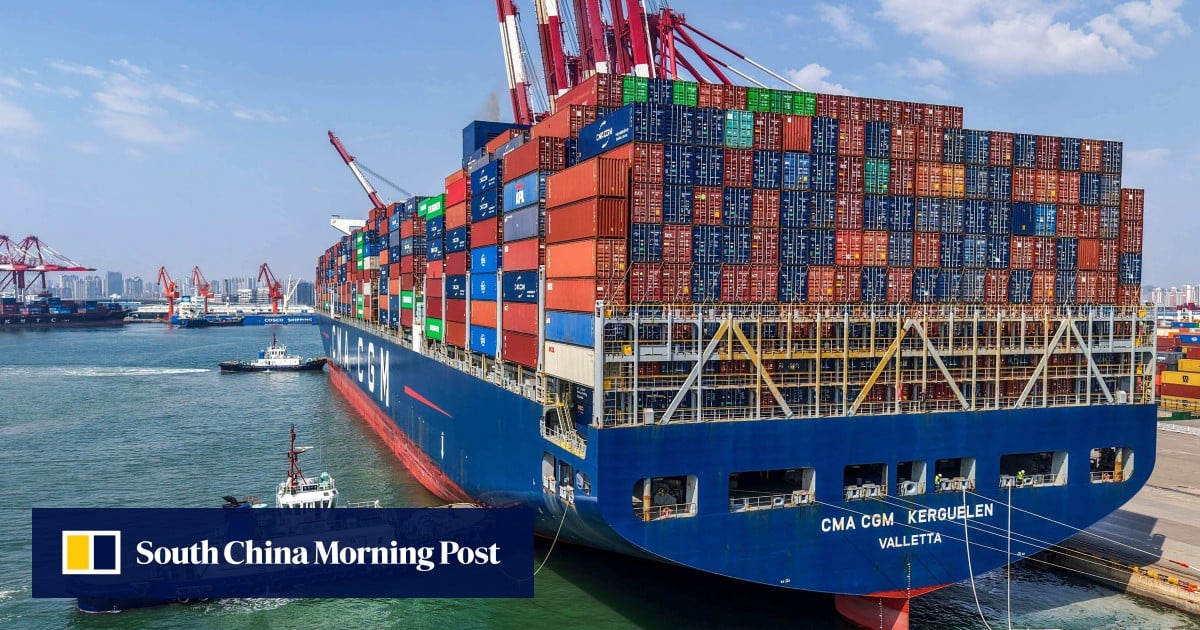
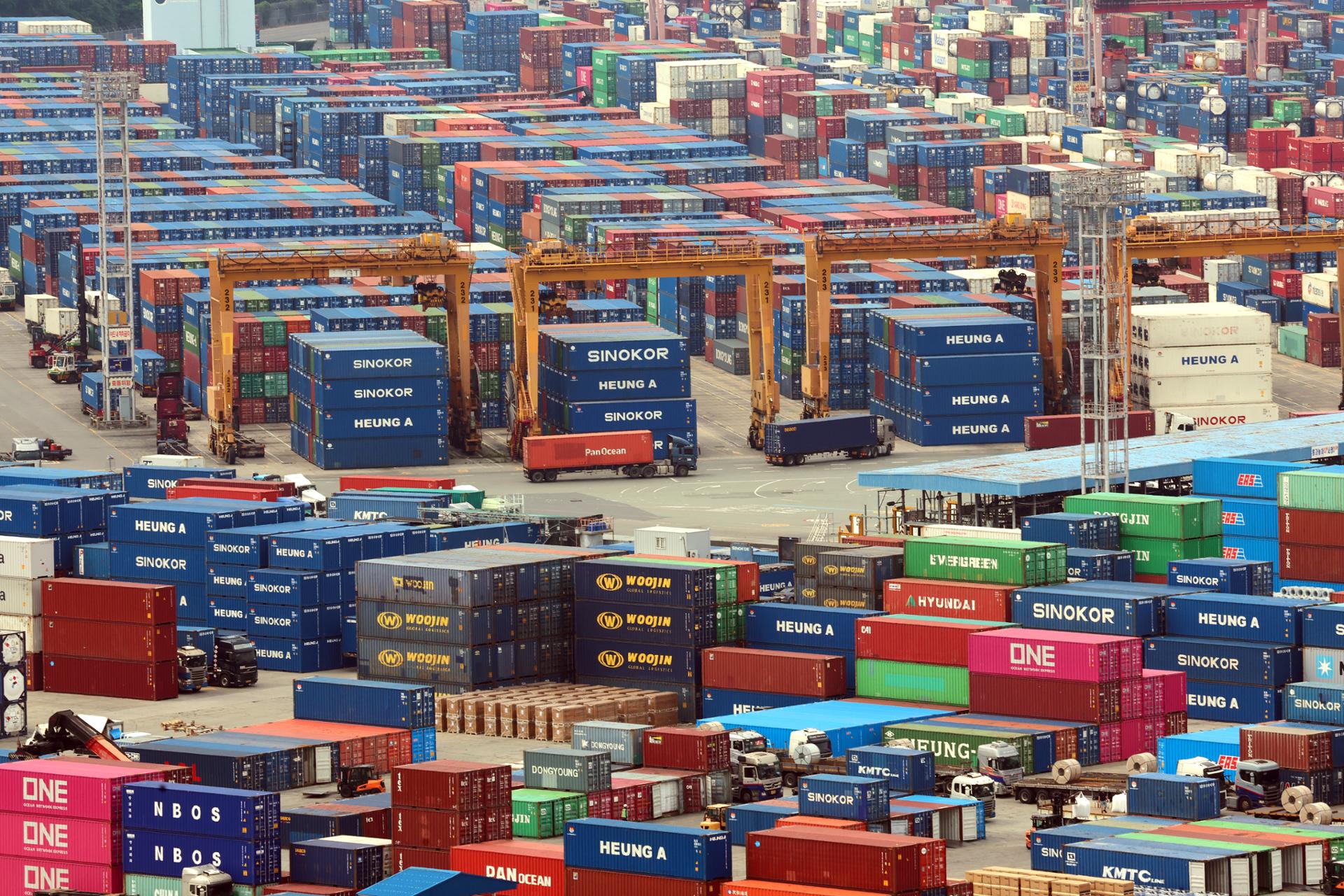
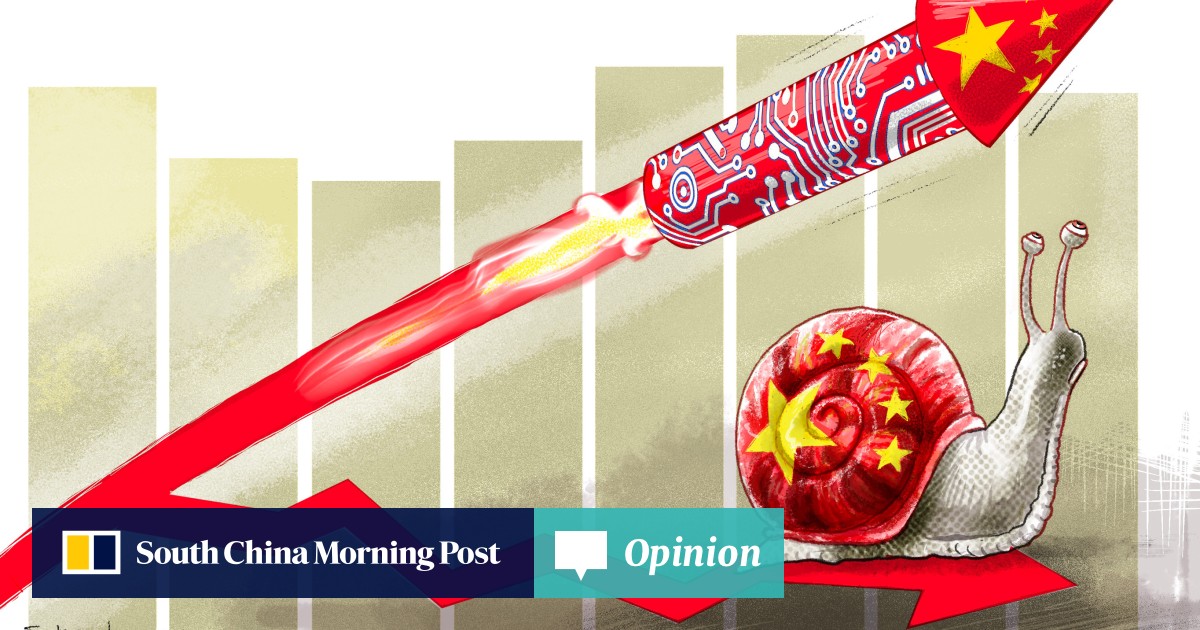
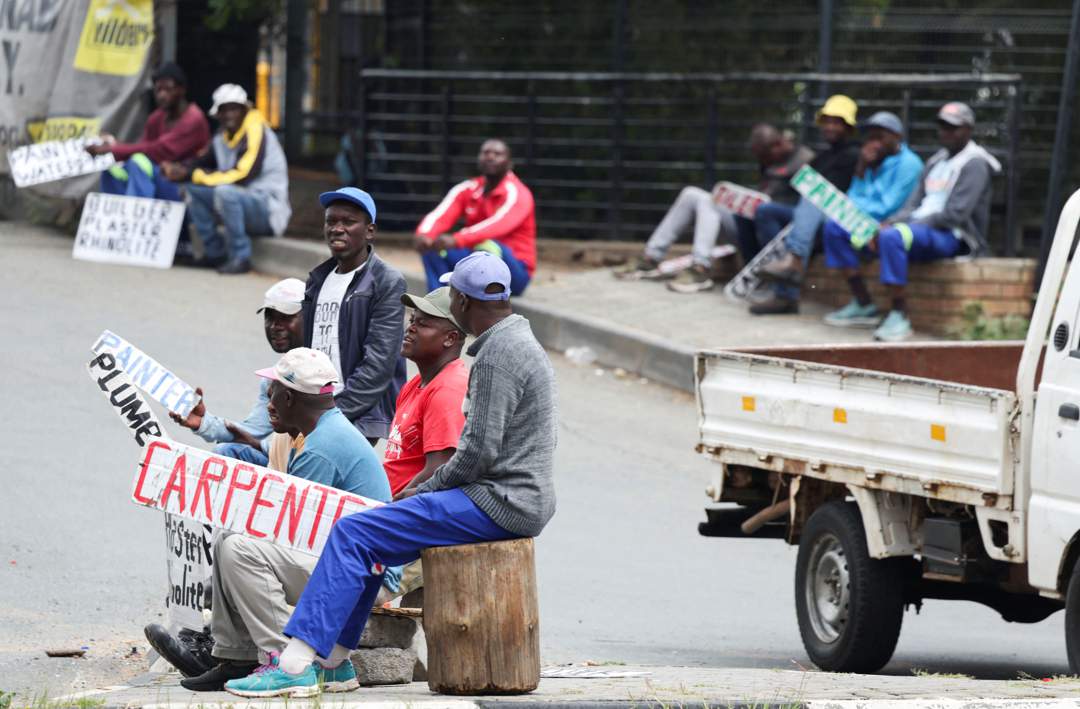
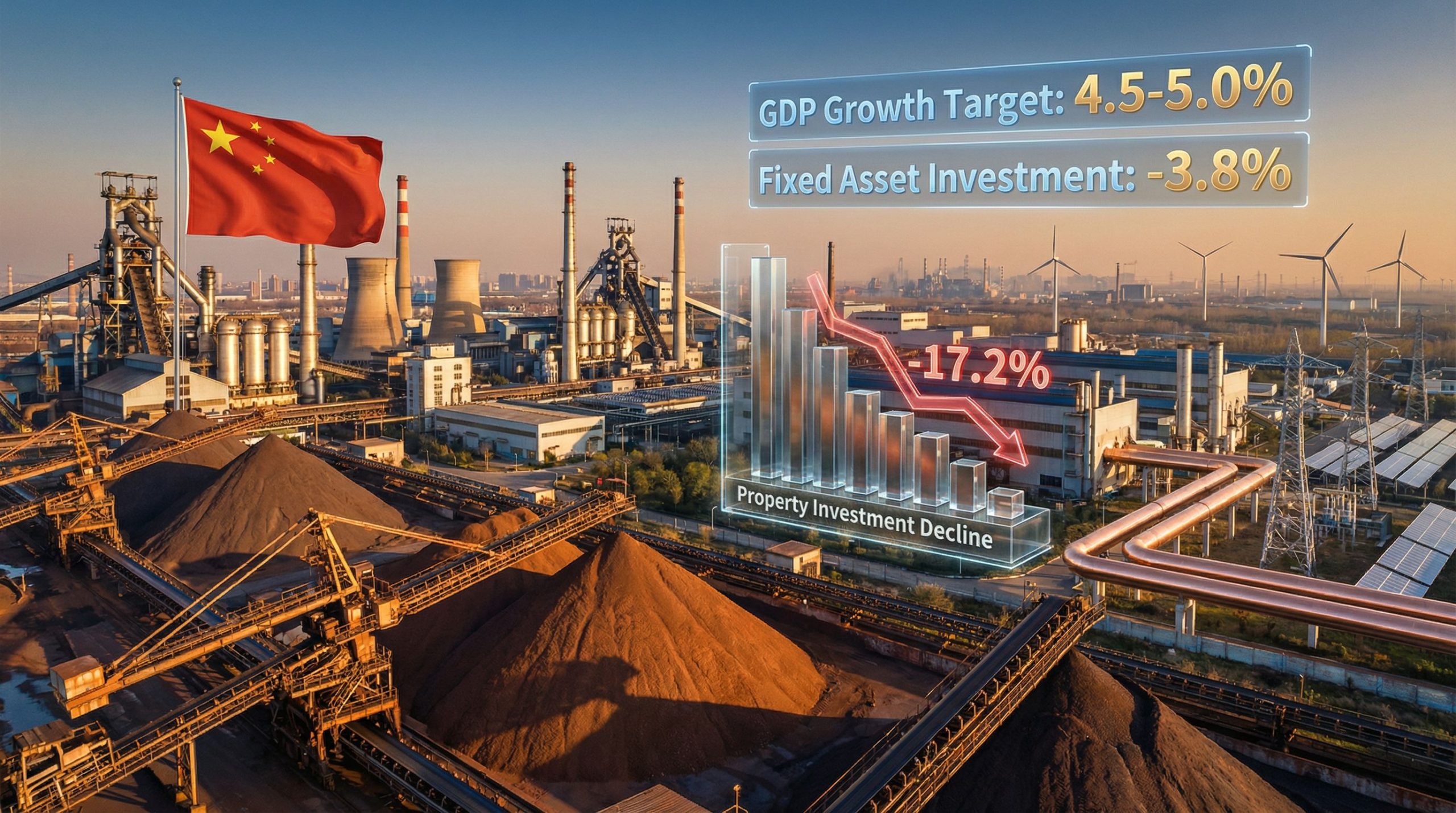
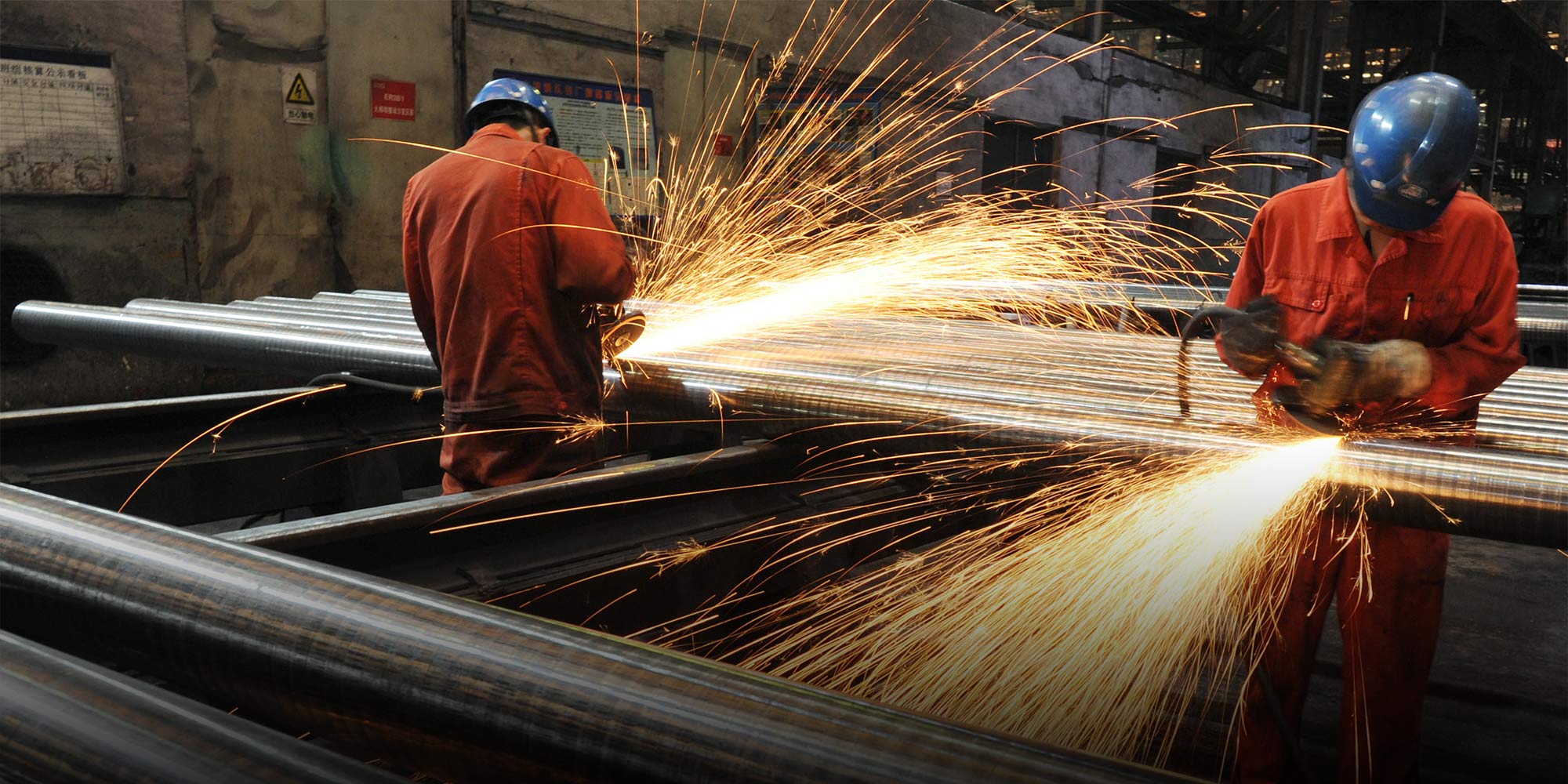
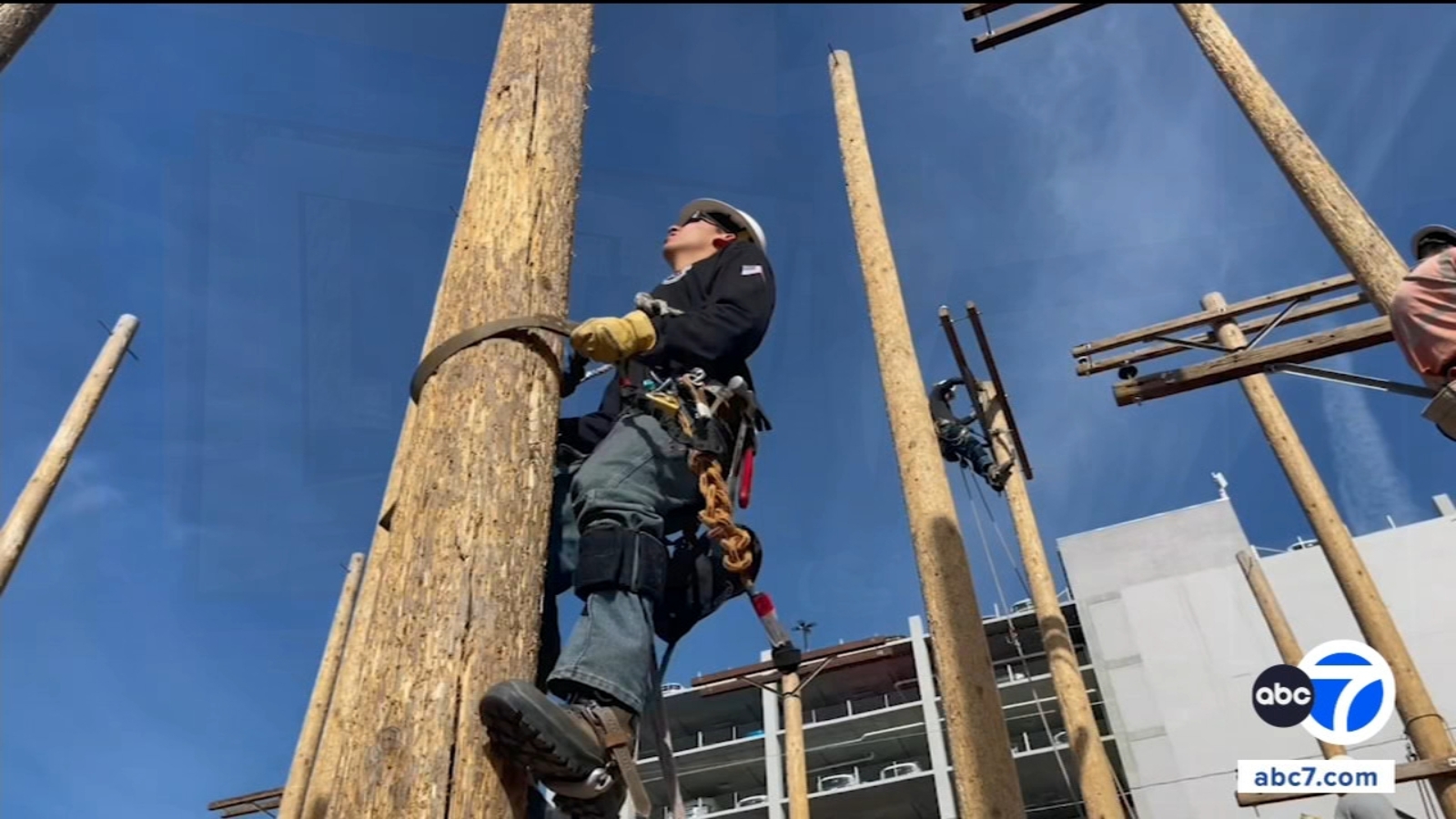
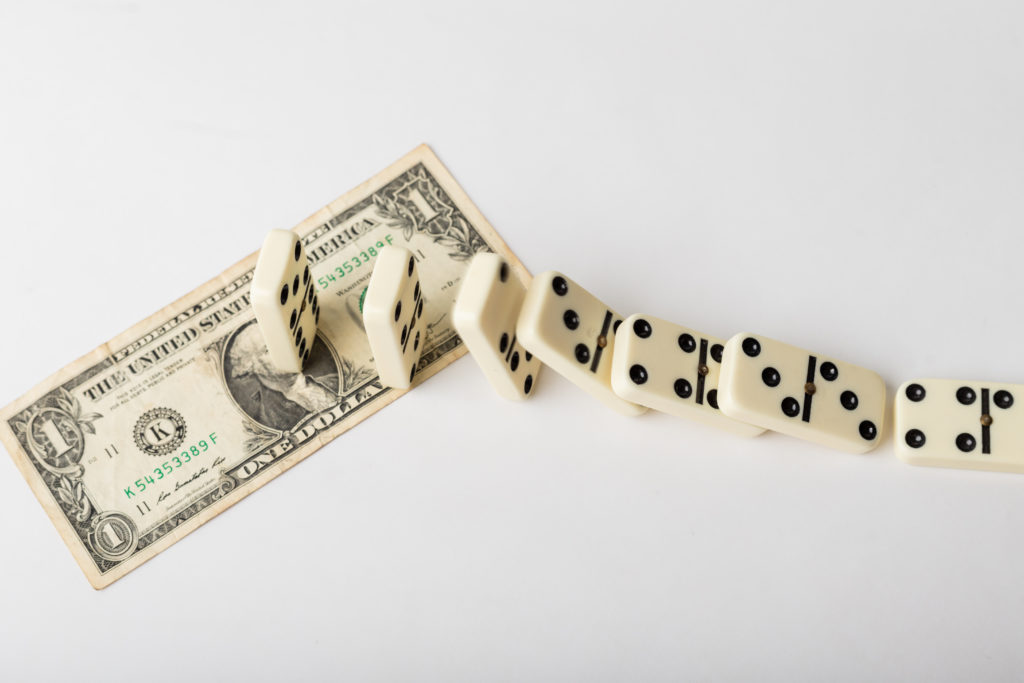
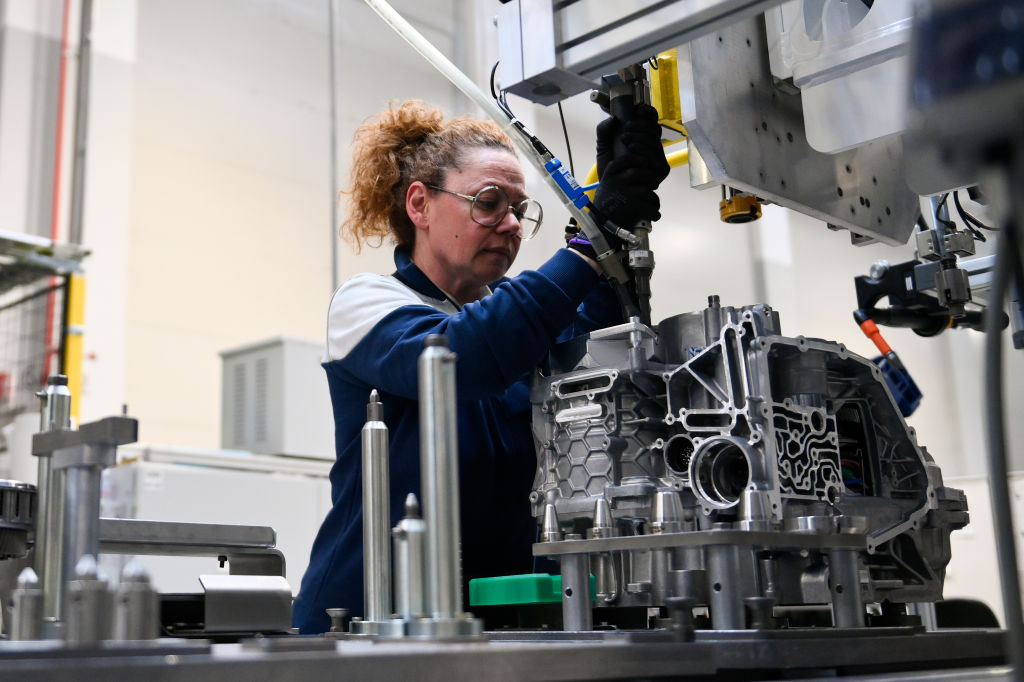
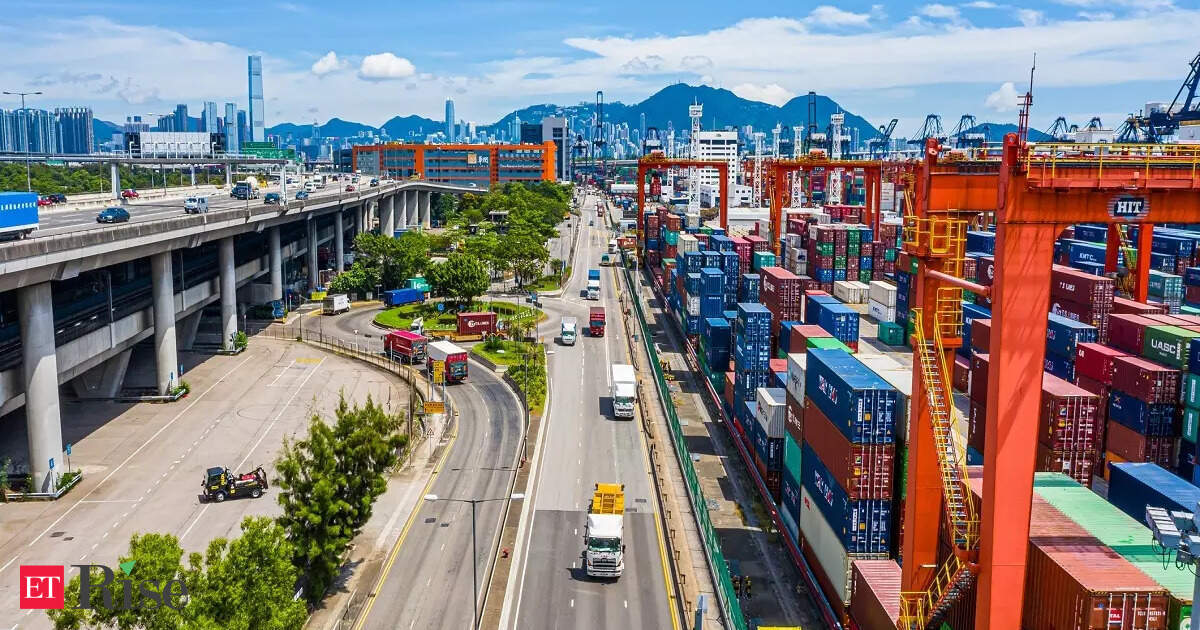
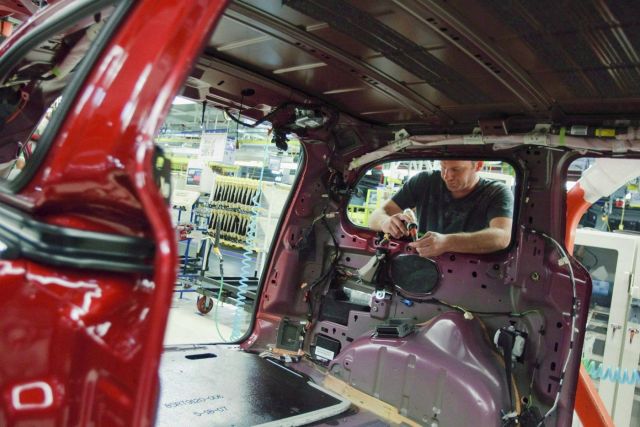
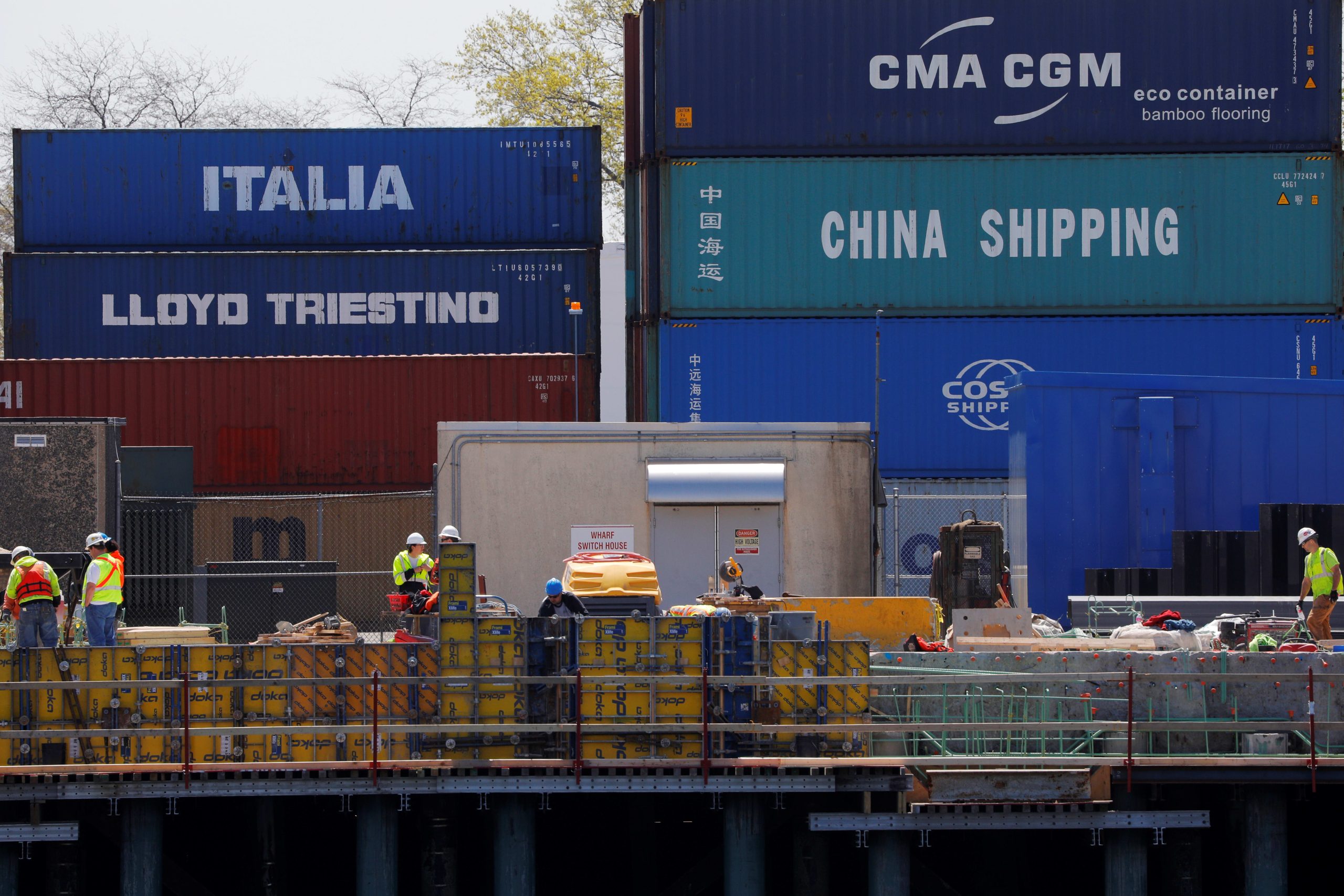
There was no change in the political systems of communist China and post-communist Russia. Instead, imports flooded in, and U.S. manufacturing collapsed one by one like dominoes. China was not a vast country full of steadily wealthier consumers. It was a country that poured Chinese products into the U.S. market, backed by generous government subsidies. In the industrial belt of the American Midwest, 2.4 million manufacturing jobs disappeared.
“Globalization was America’s gamble. The belief that unrestricted globalization would bring broad prosperity at home and spur political liberalization abroad was shattered.”
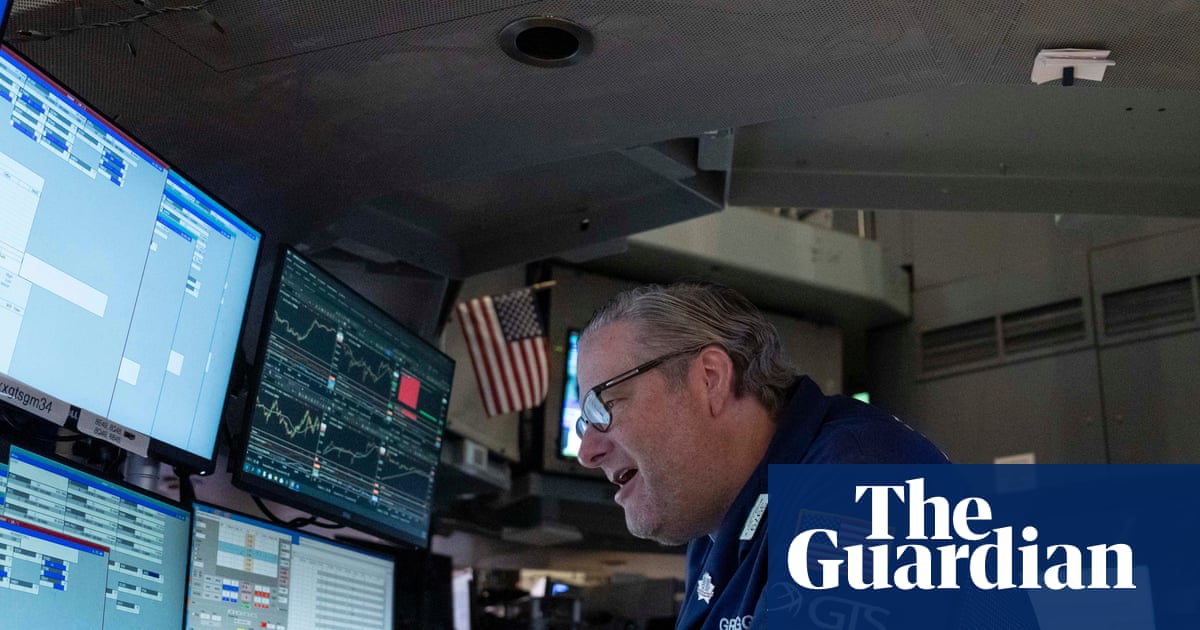
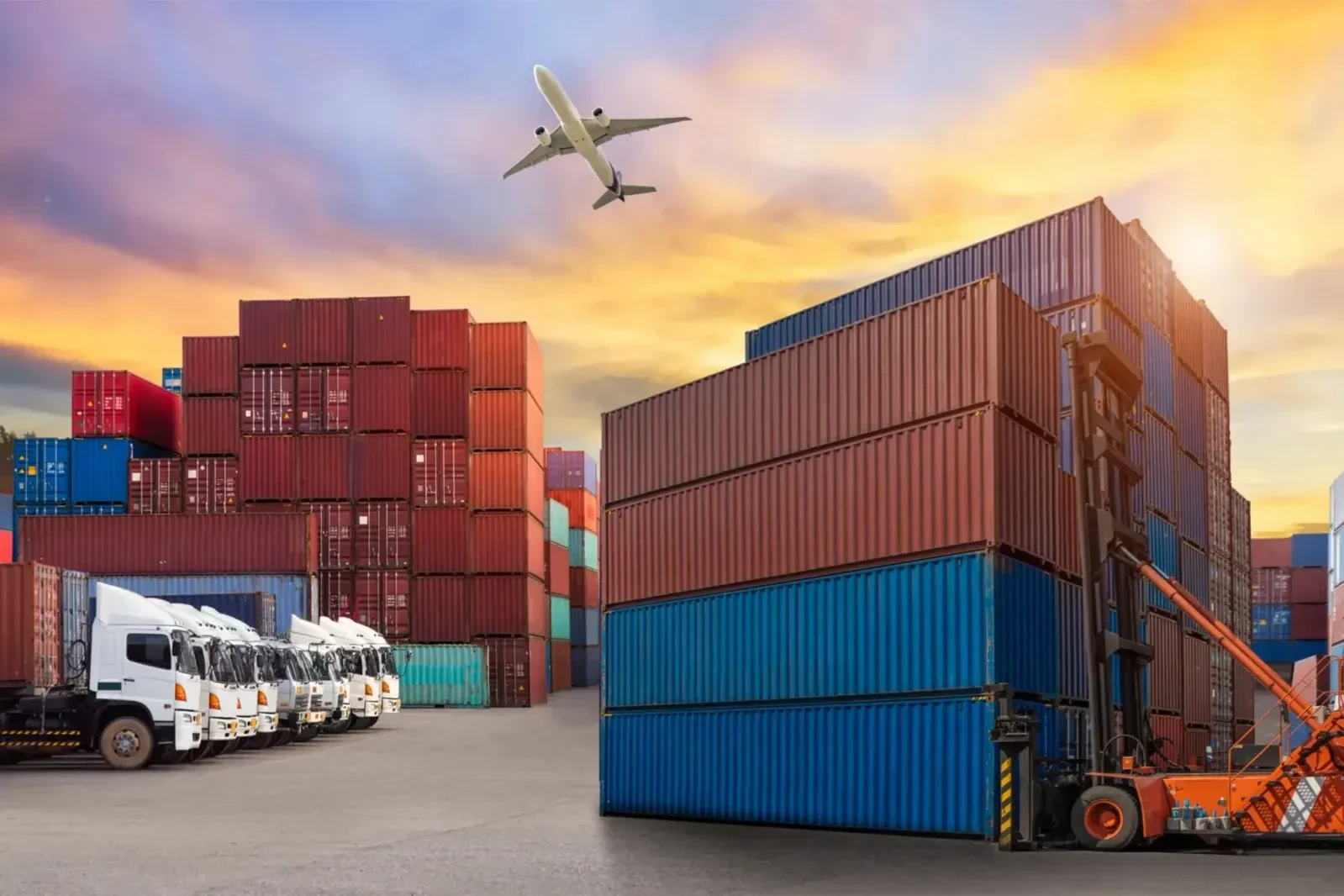
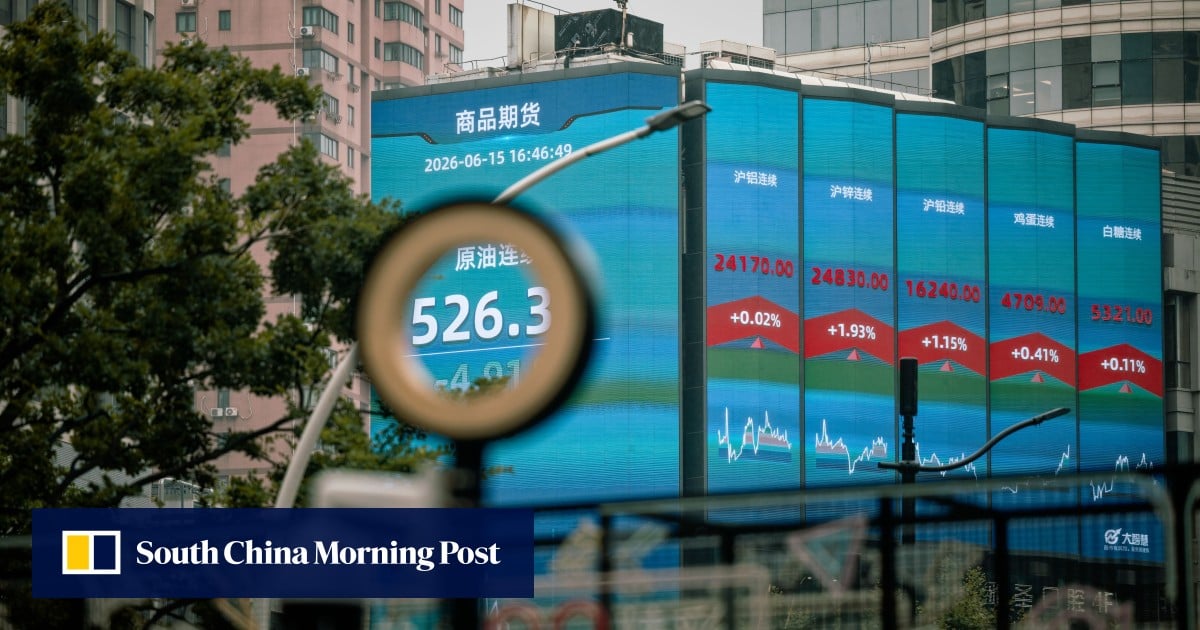
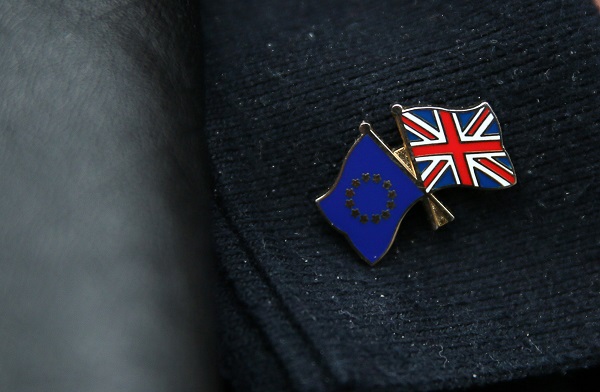
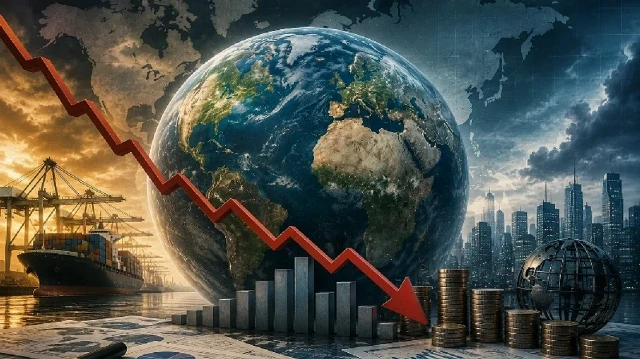
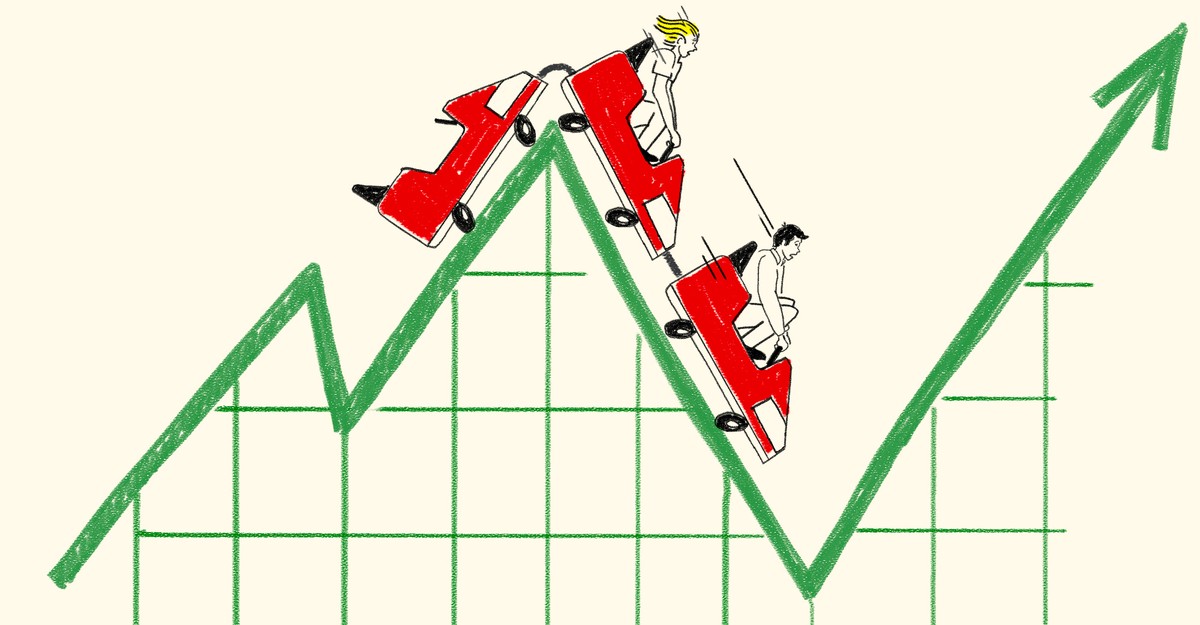
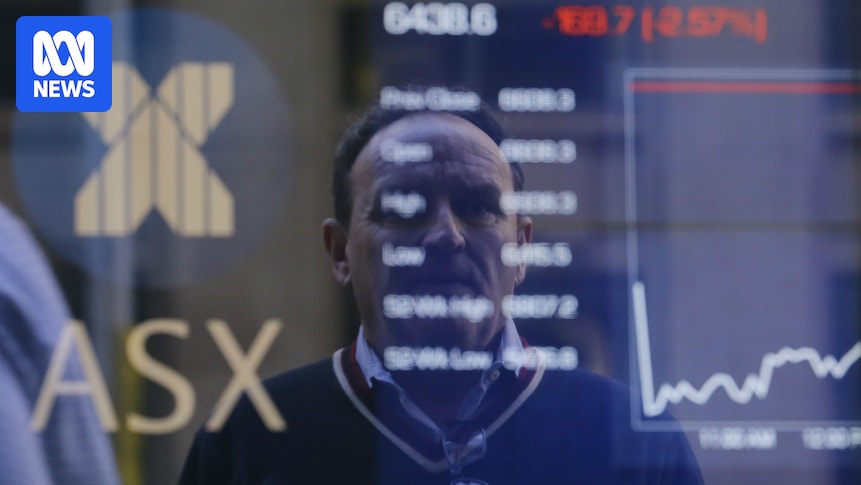
The collapse of globalization became visible in the 2009 financial crisis and Brexit in 2016. COVID-19 exposed the breakdown of supply chains without mercy.
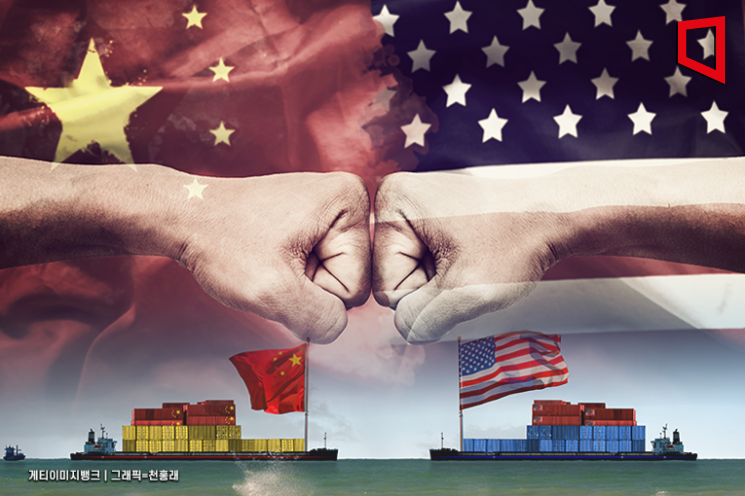
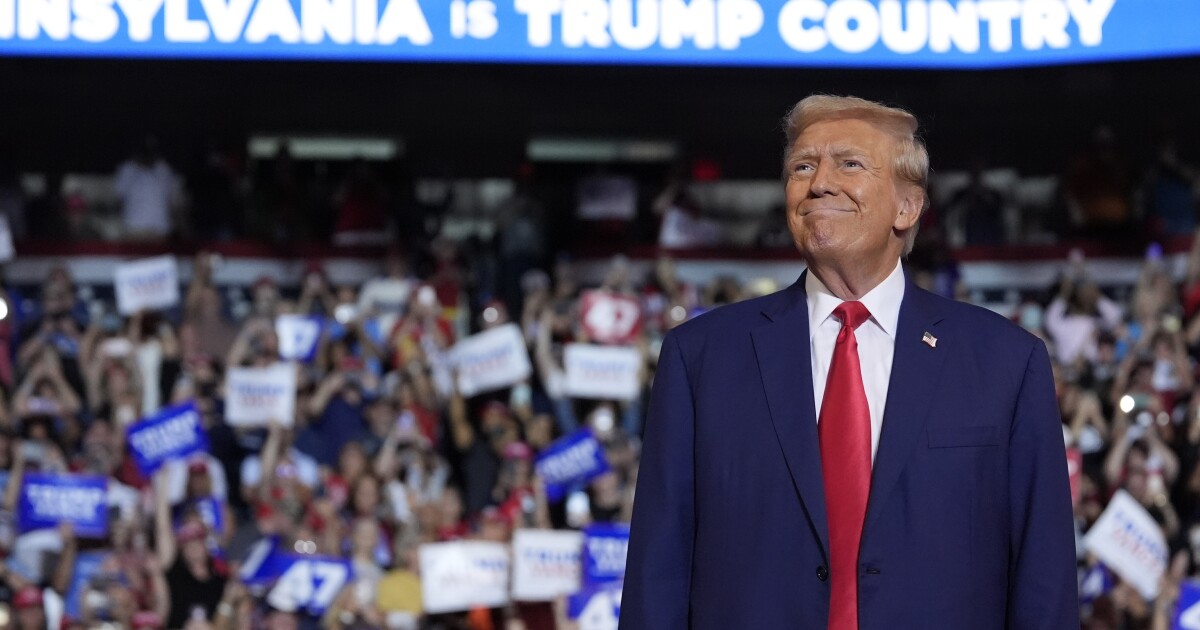
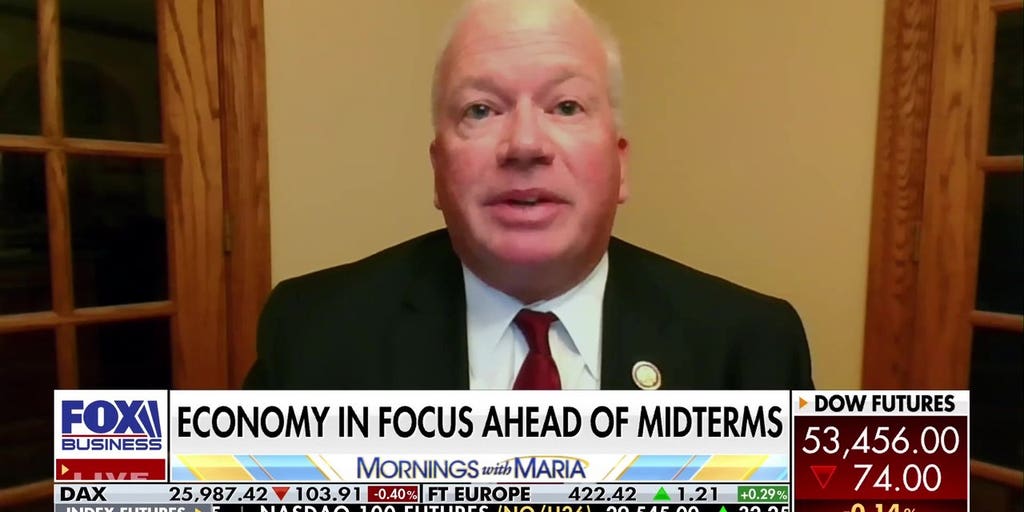
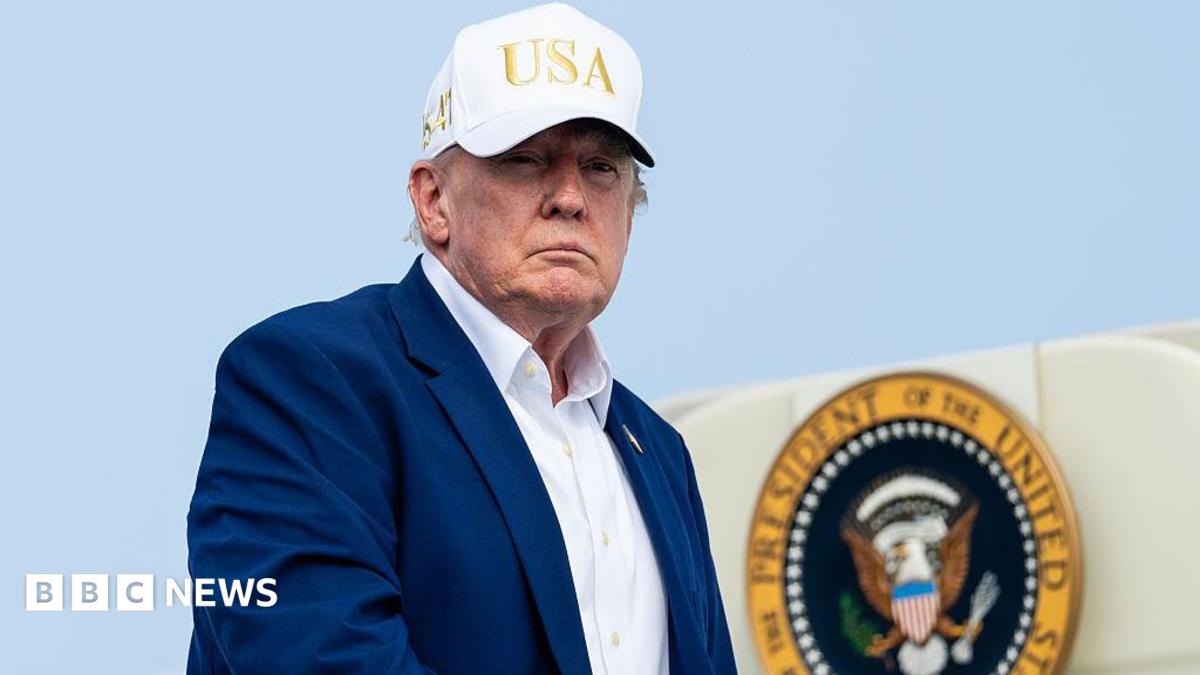
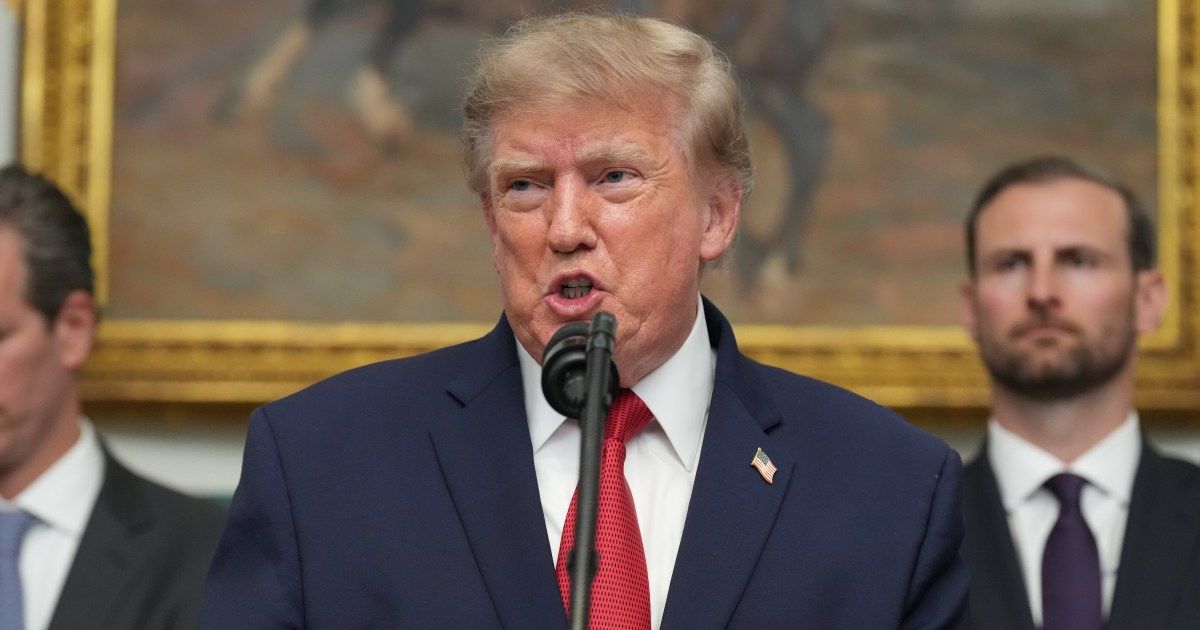
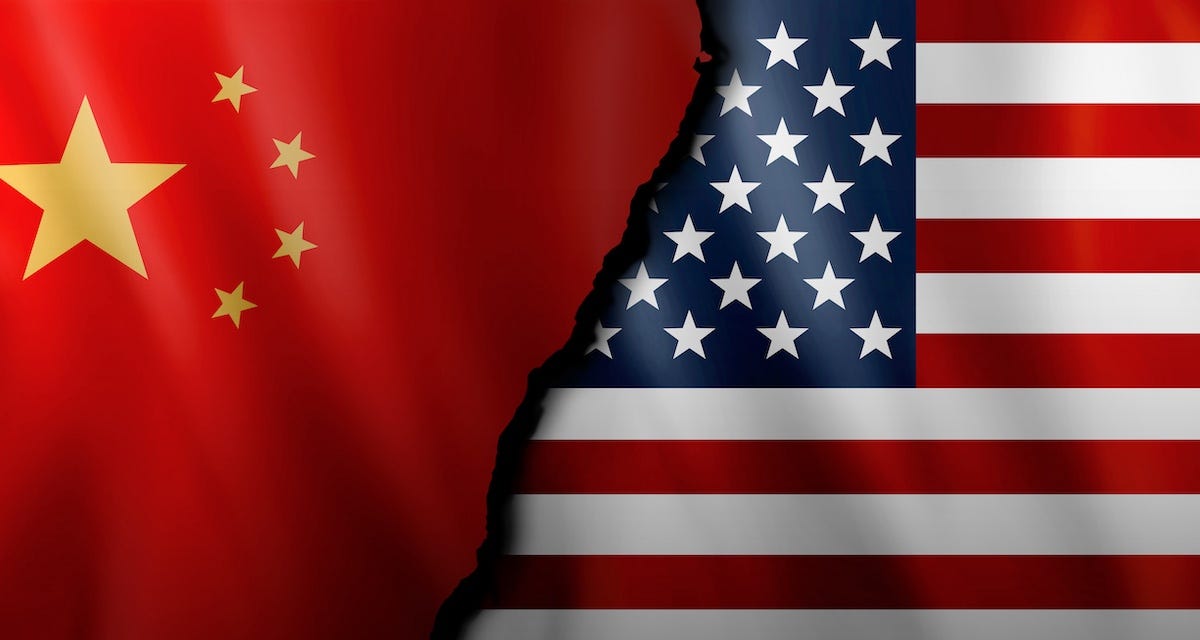
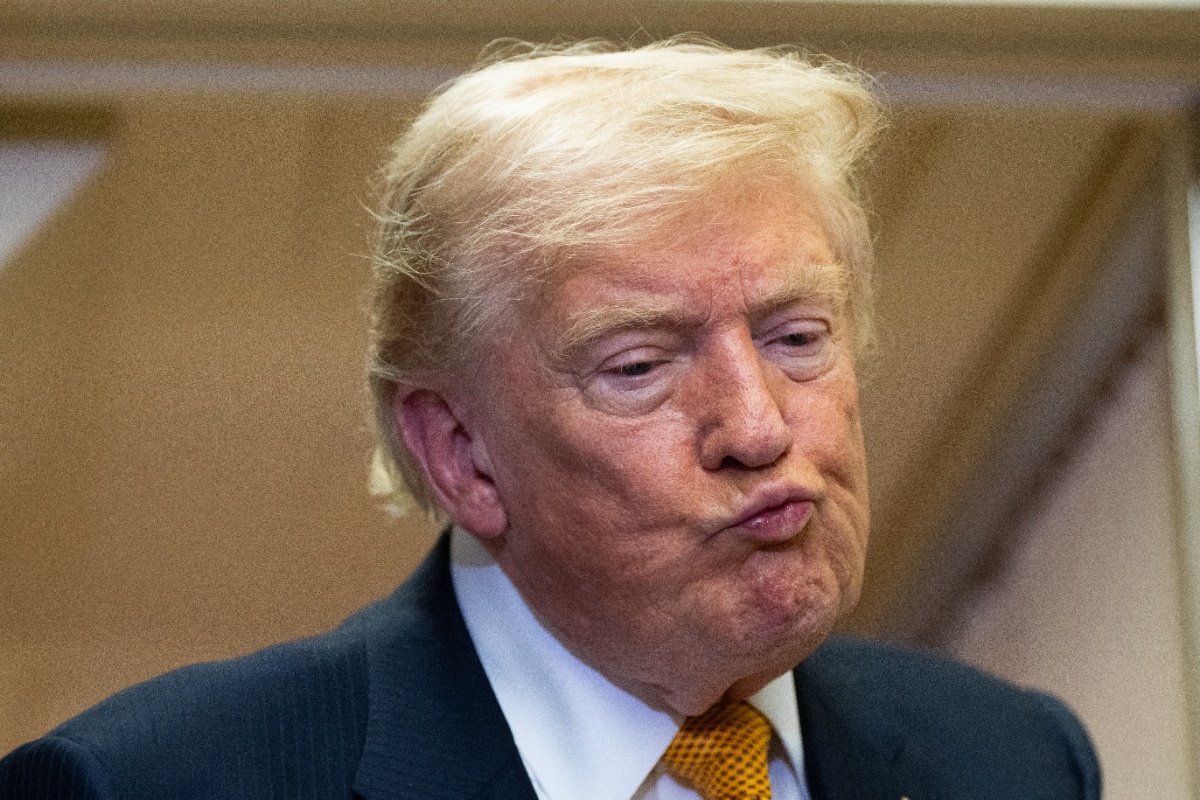
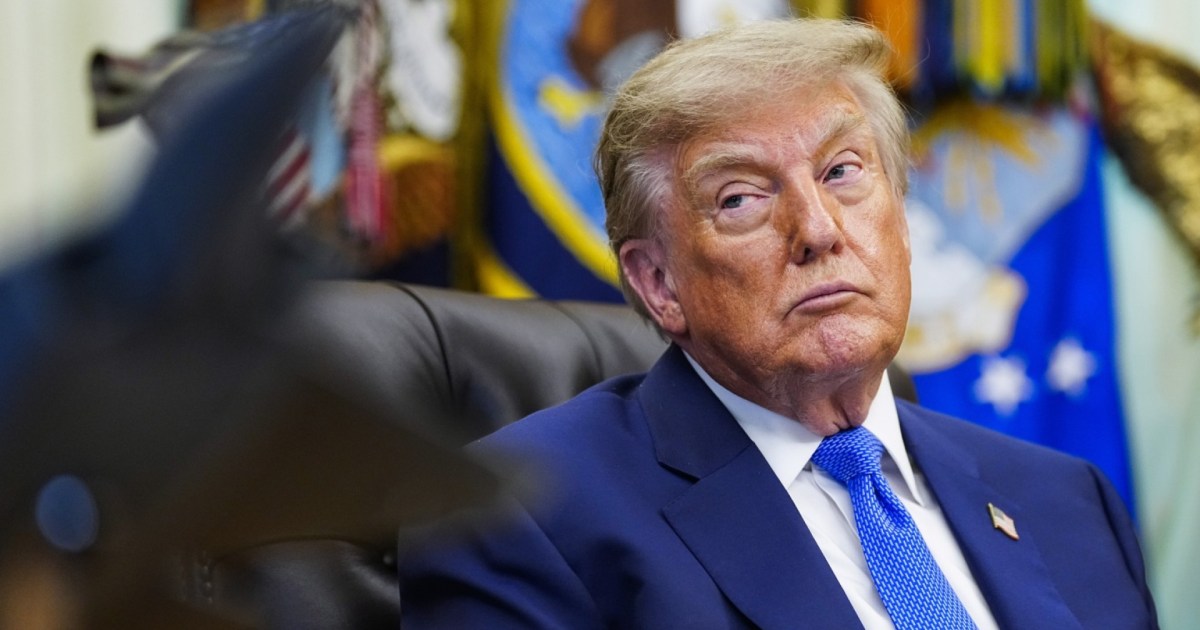
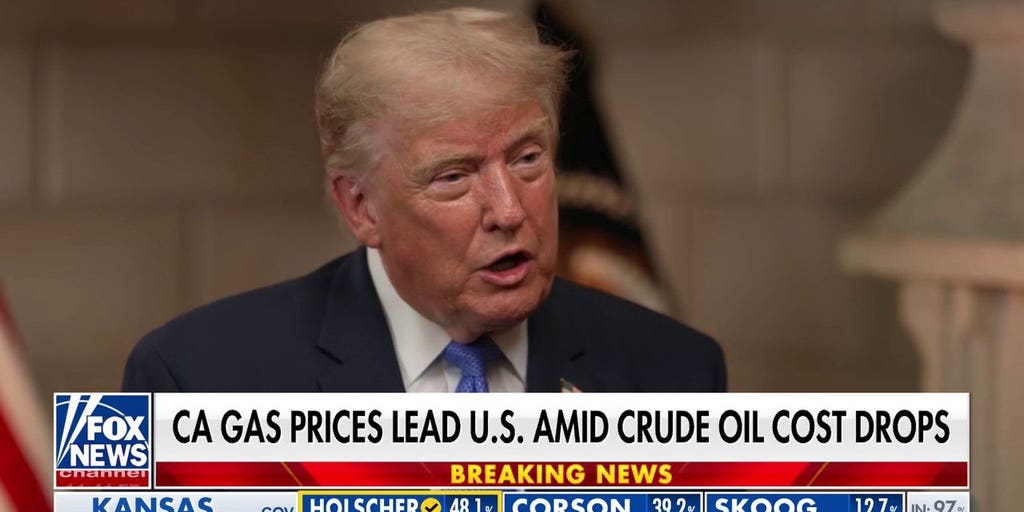
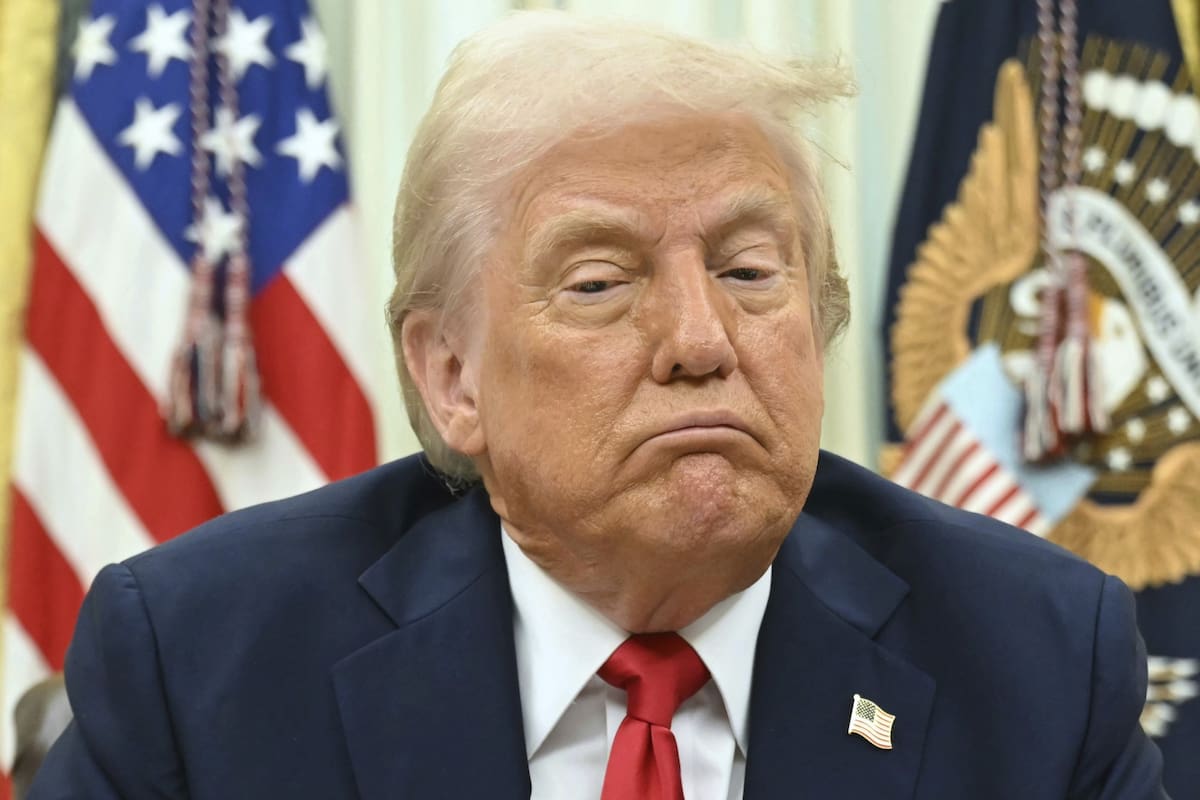
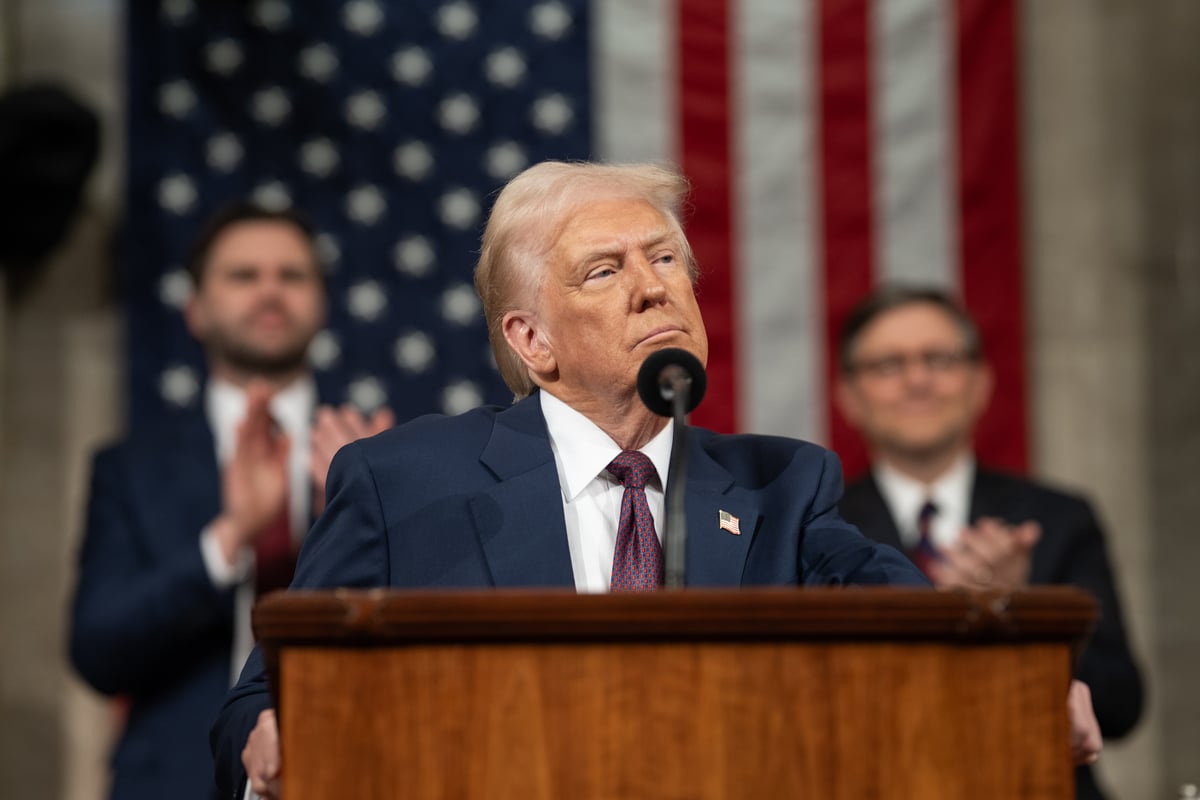
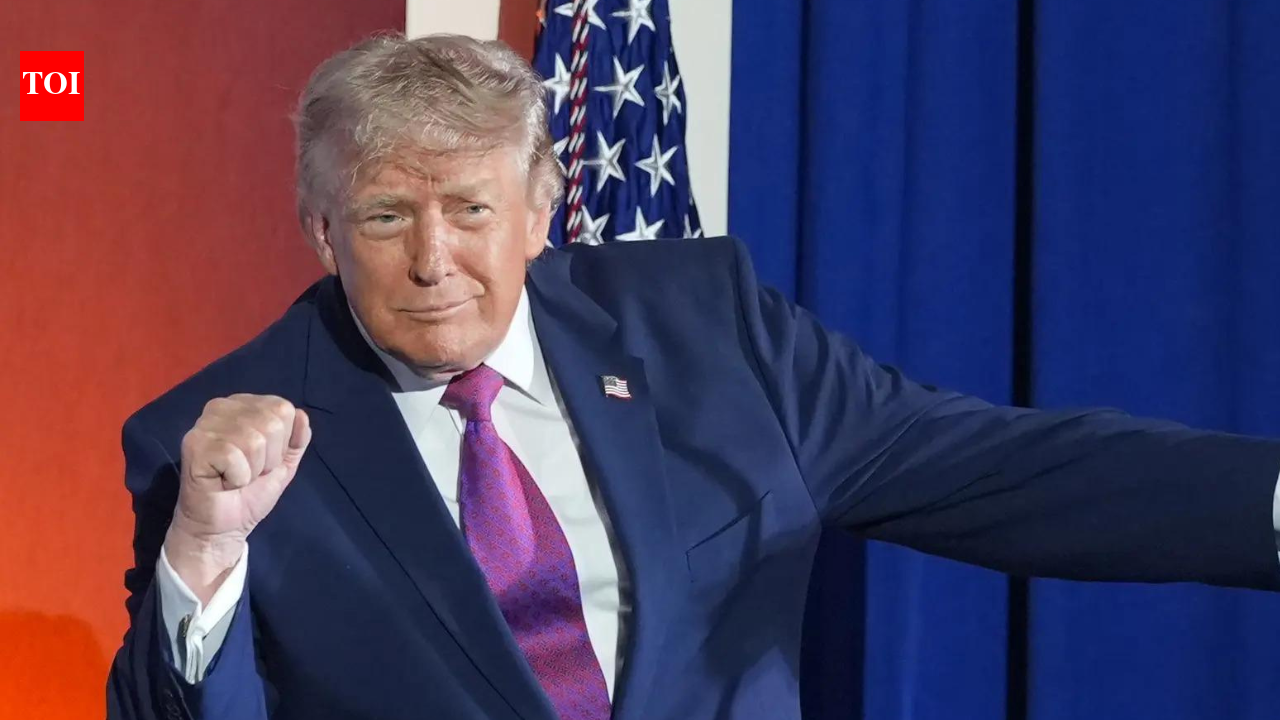
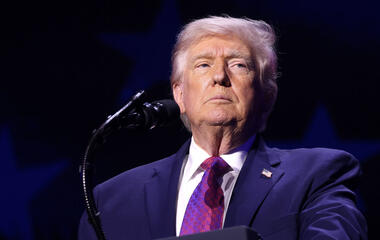
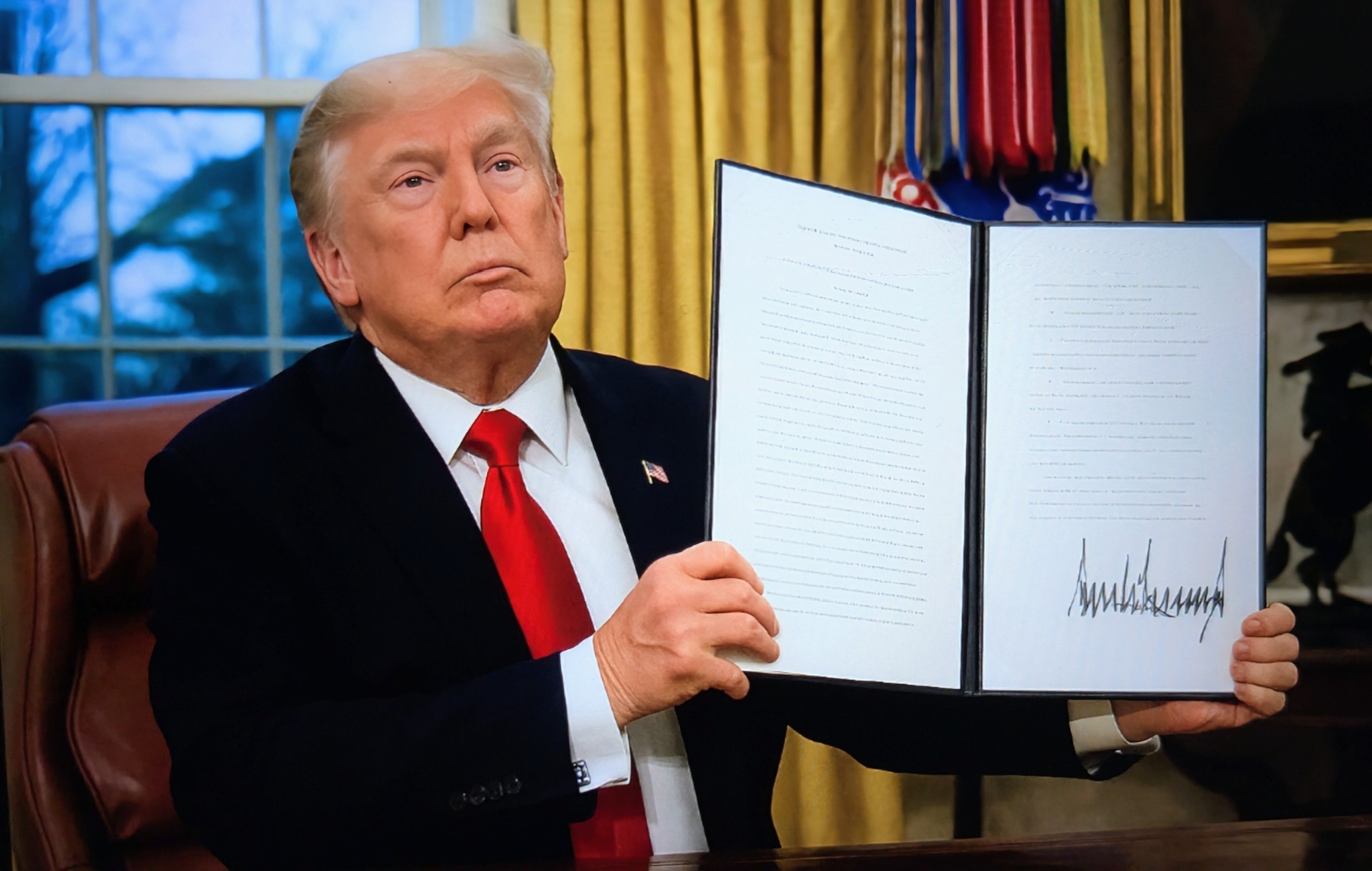
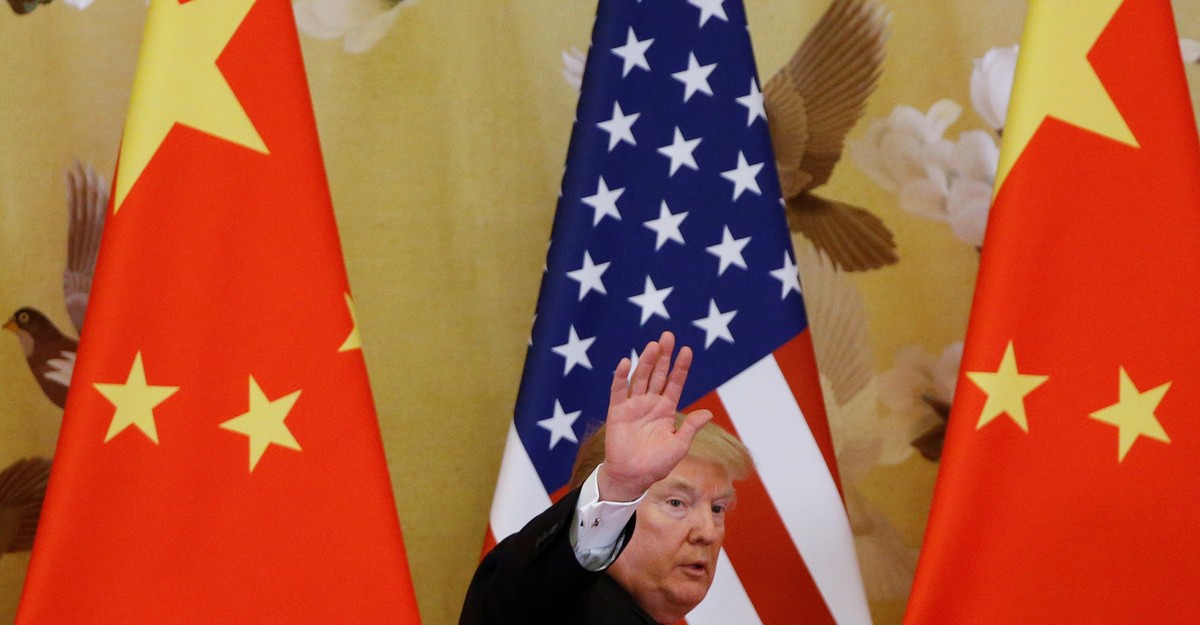
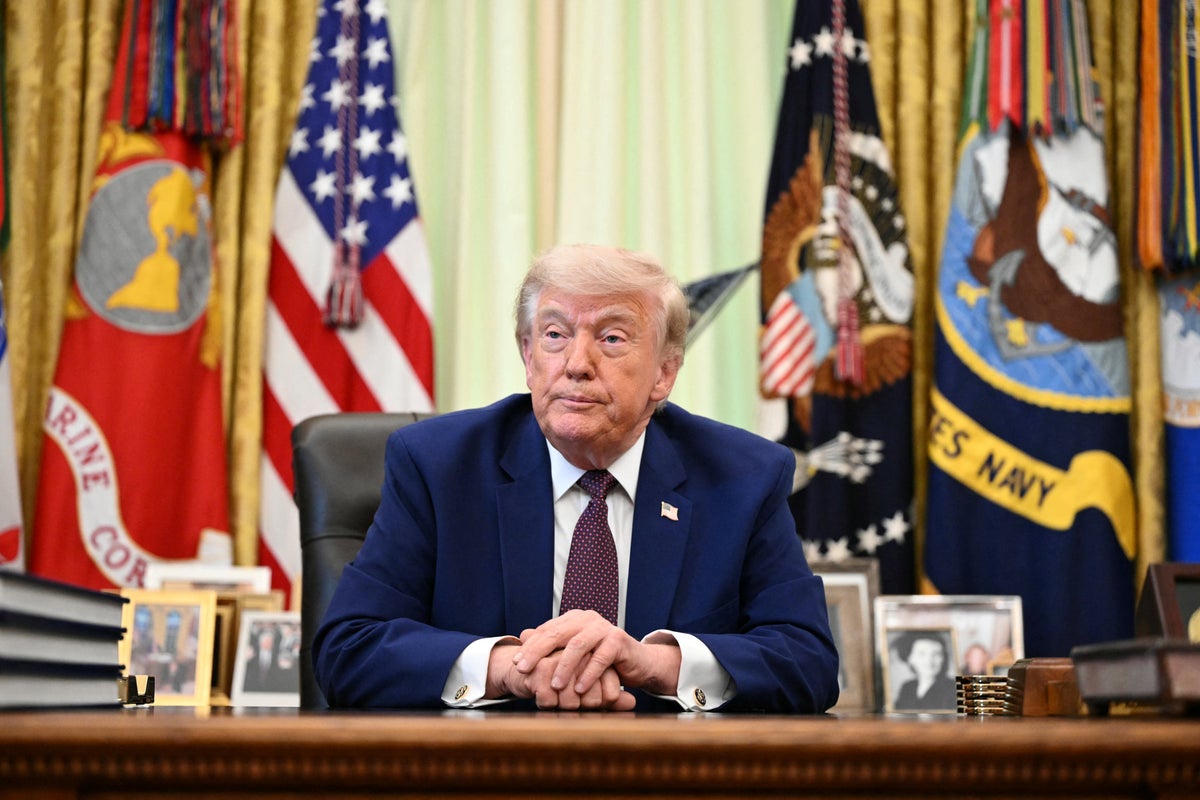
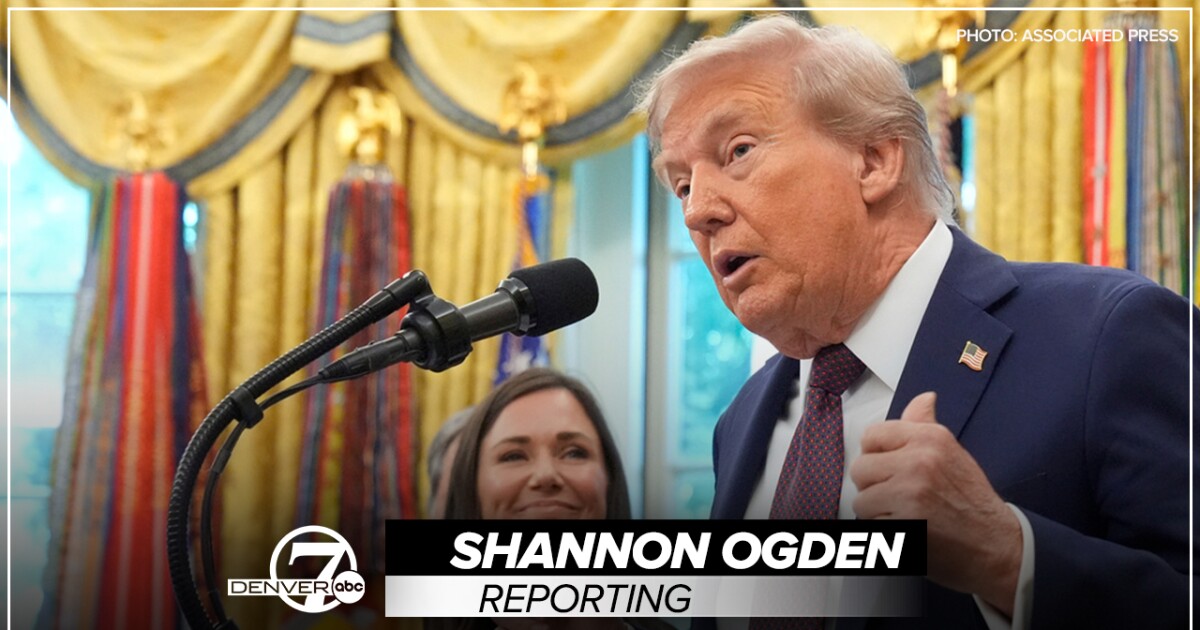
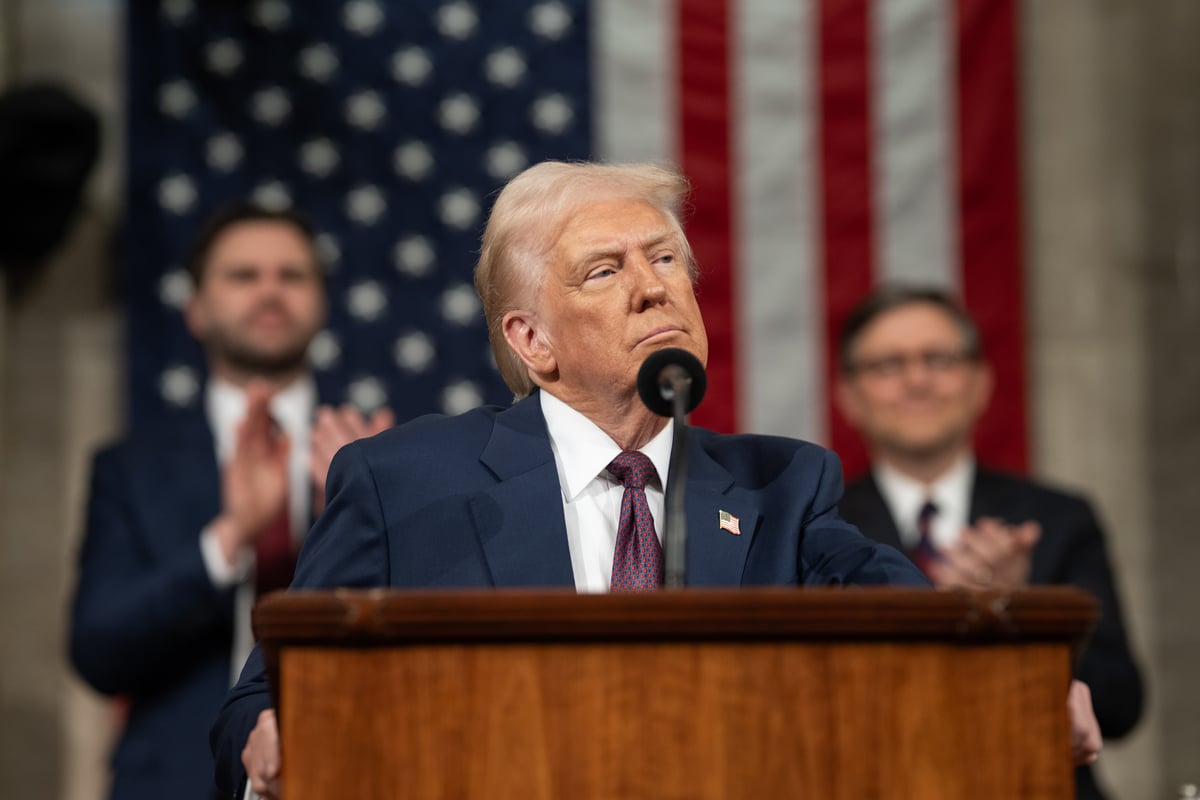
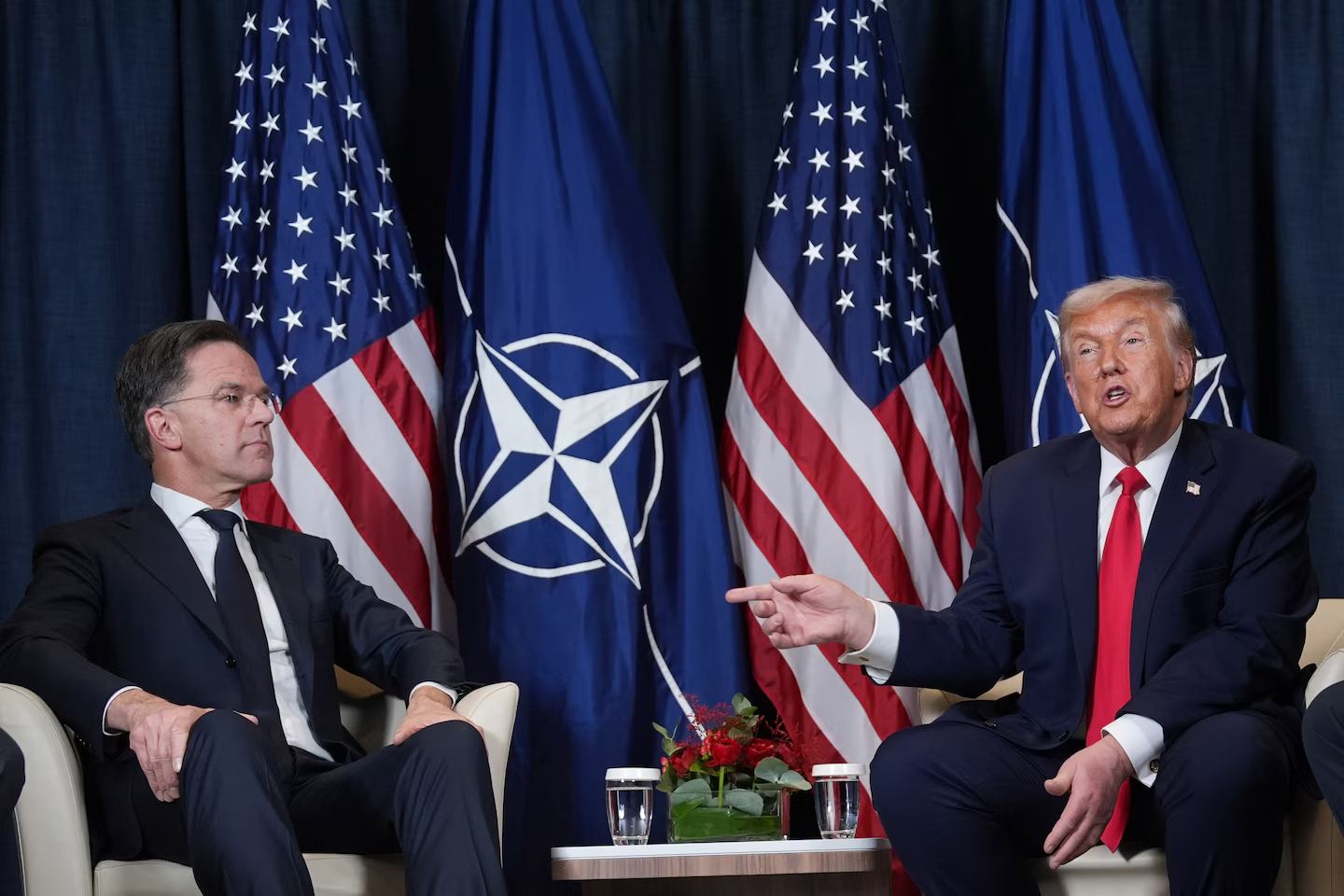
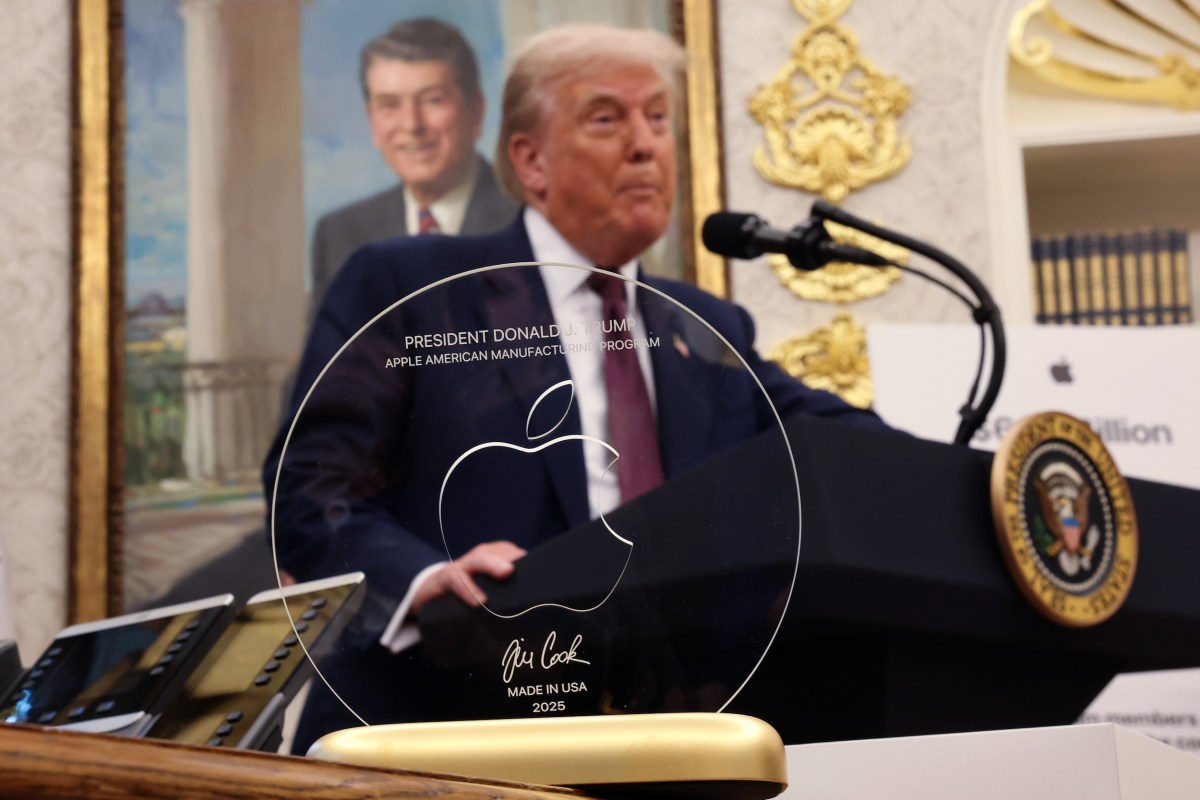
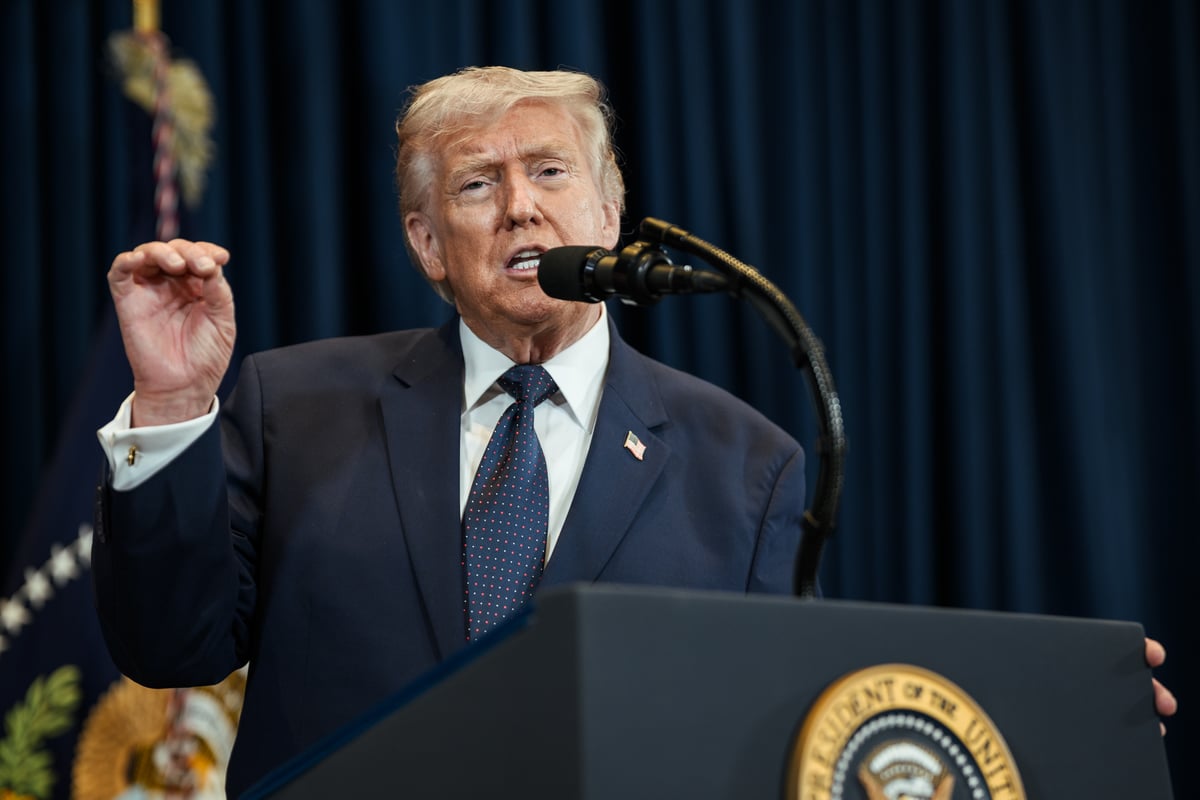
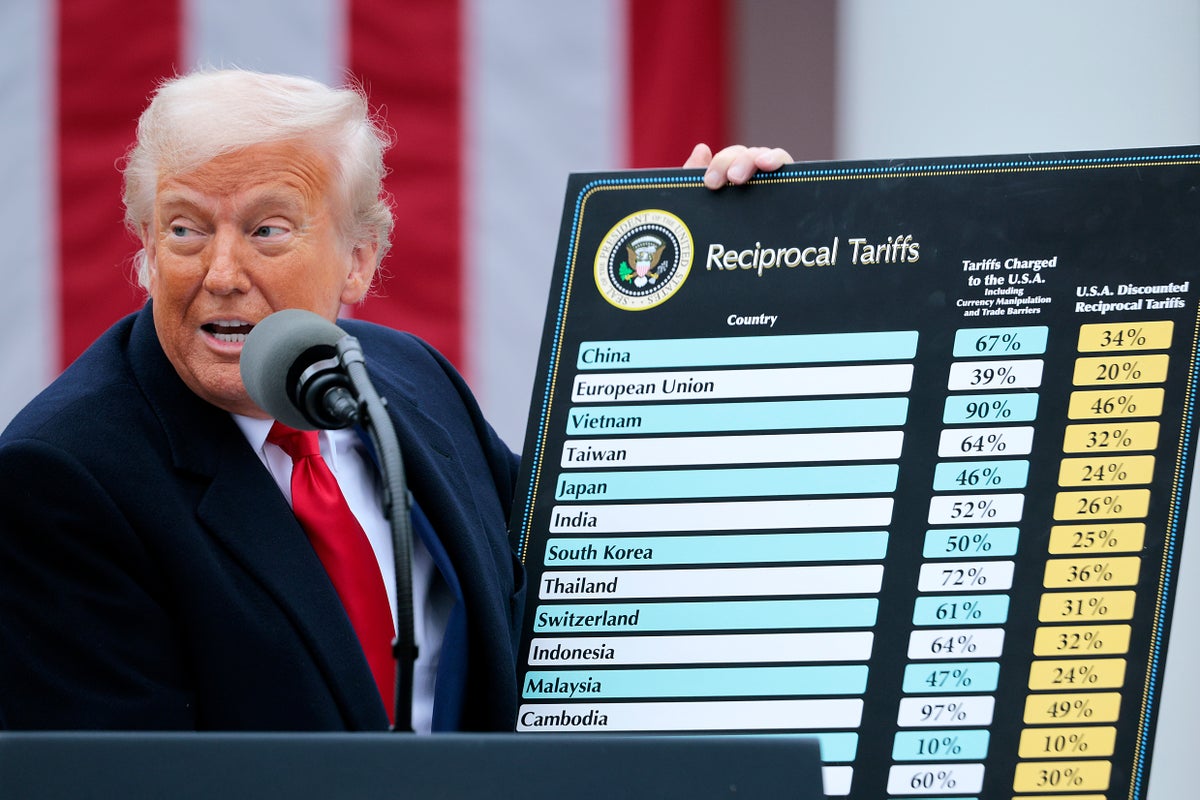
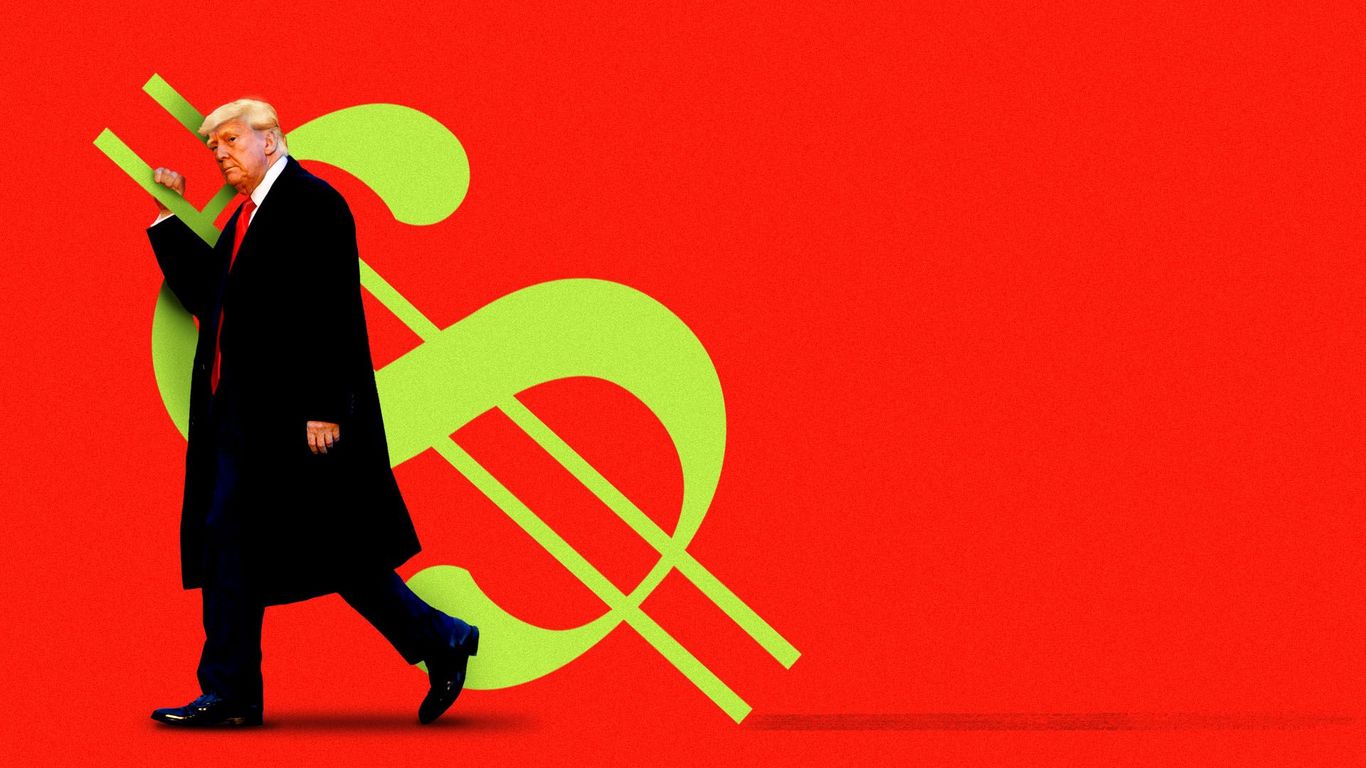
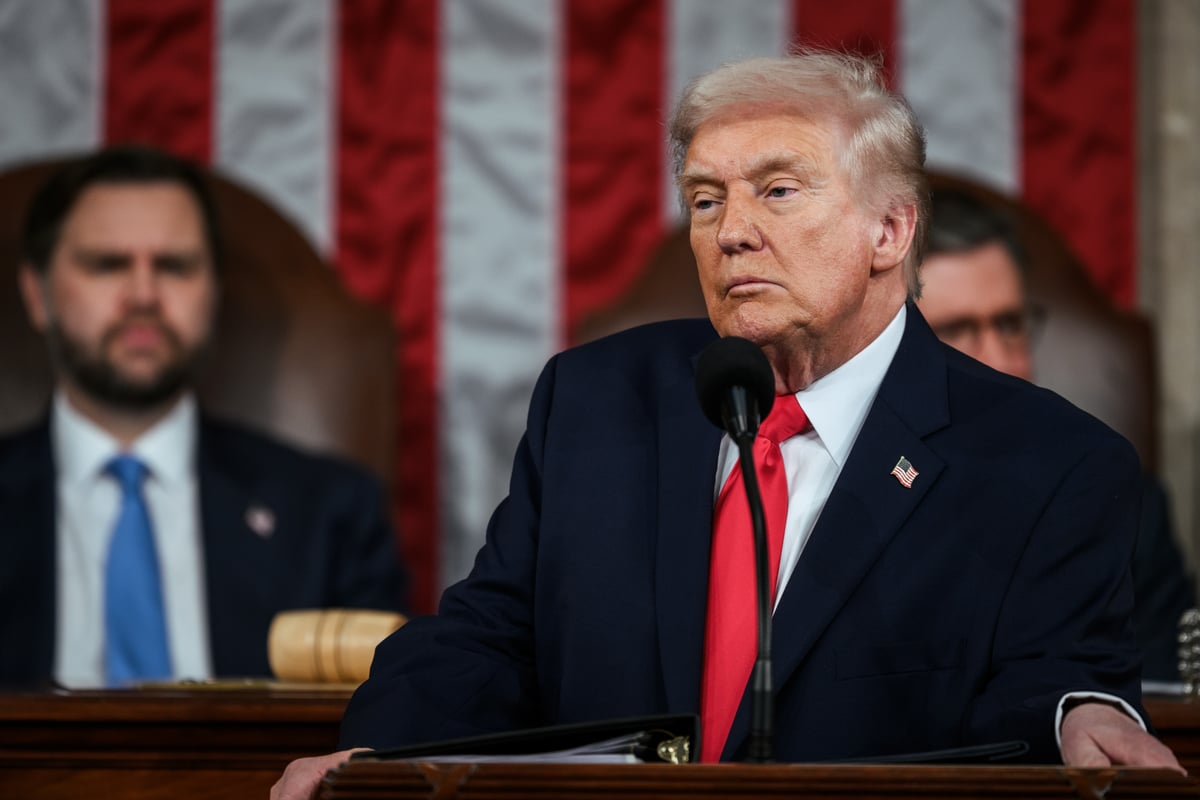
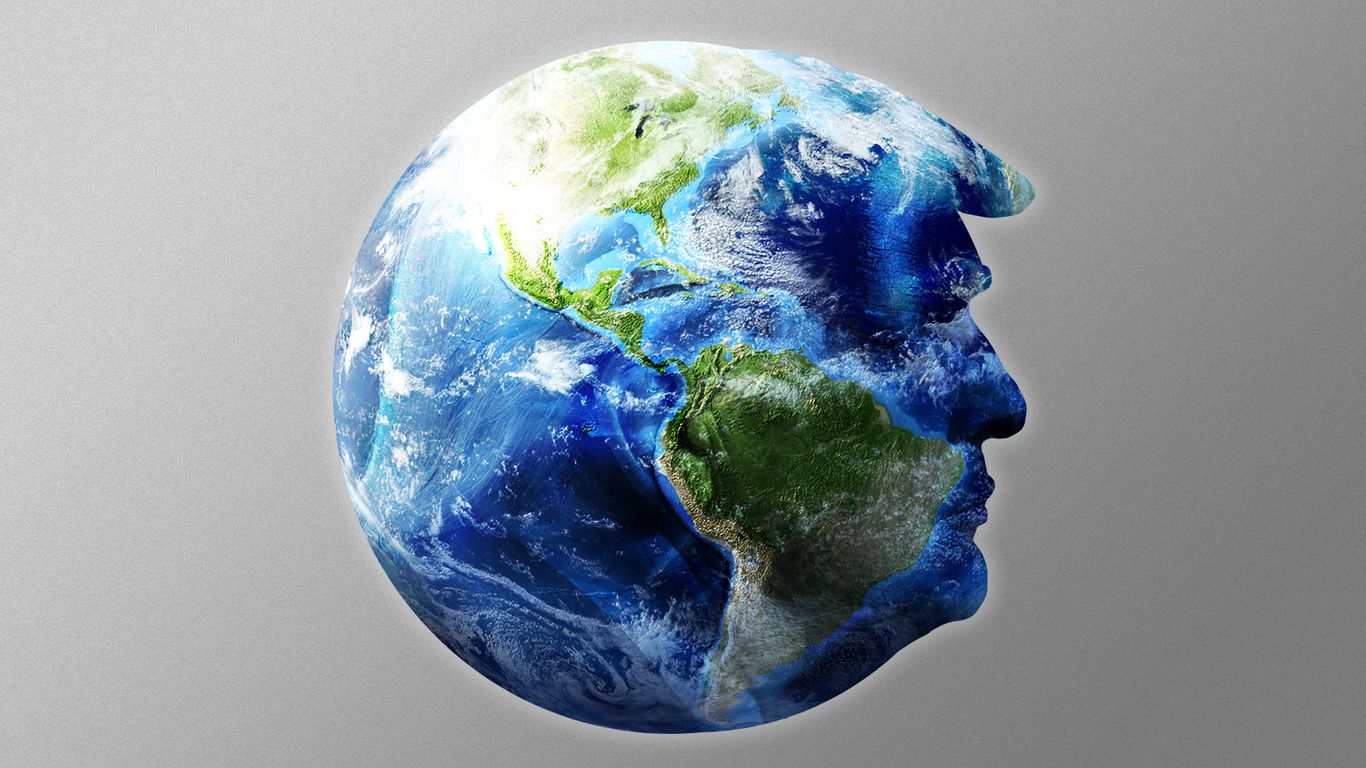
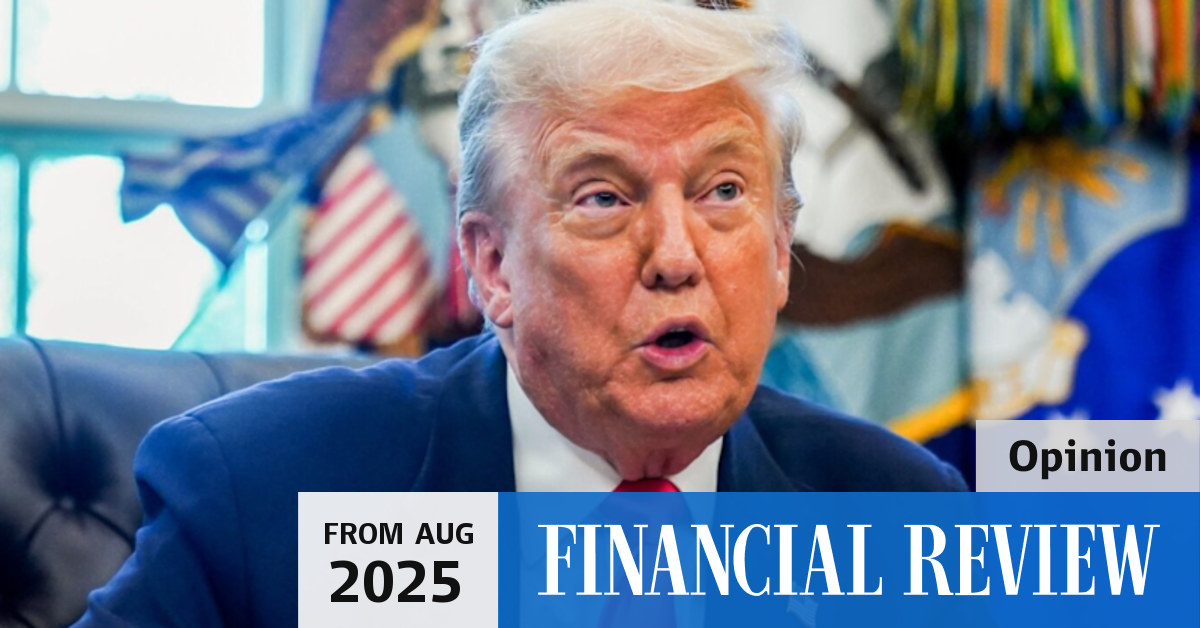
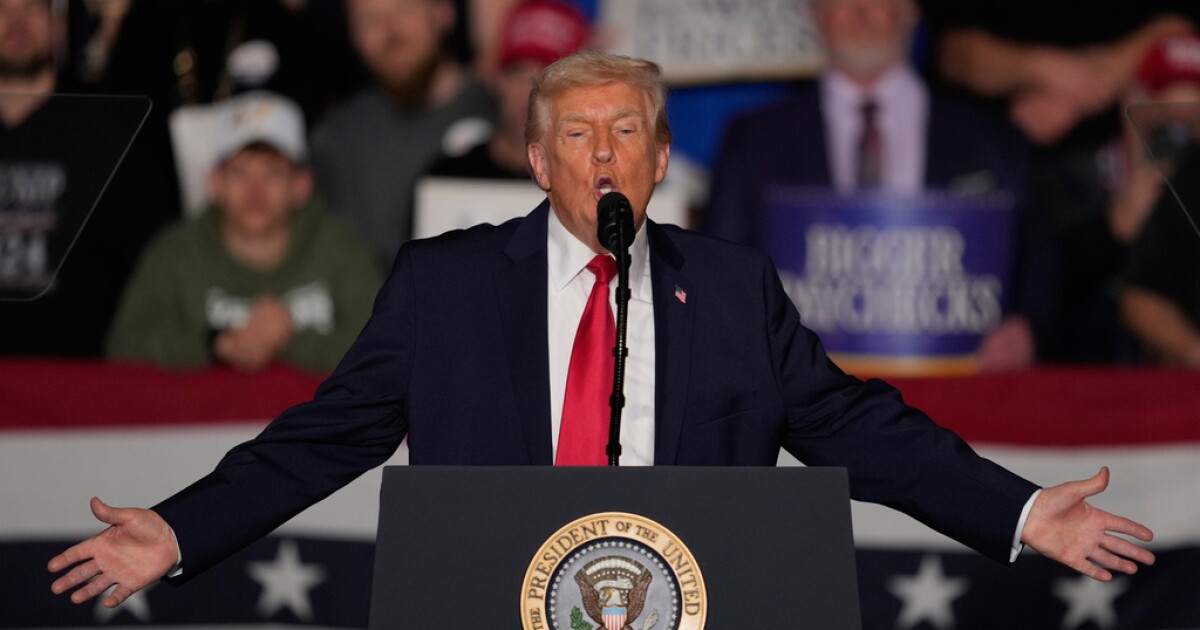
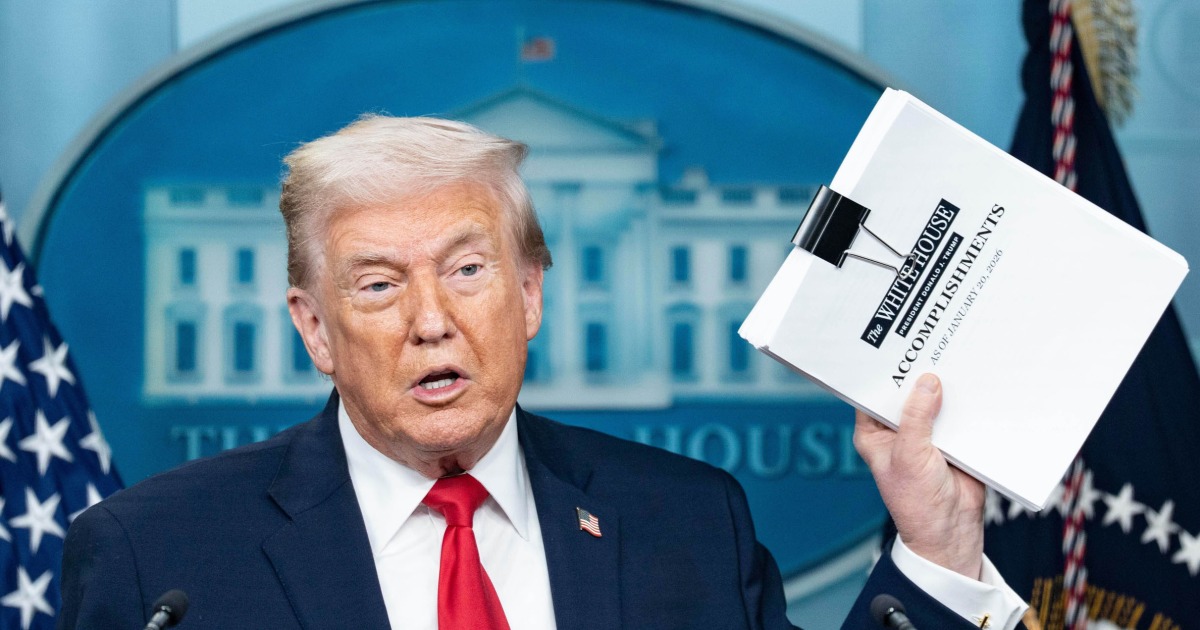
The author argues that the clearest evidence that globalization had reached a dead end was Trump’s election. After his victory, America-first policies took hold in earnest, including withdrawal from the Trans-Pacific Partnership (TPP) in 2017 and the dismantling of NAFTA. The U.S.-China trade war and tariff war brought the globalization built over the past 30 years to a close.
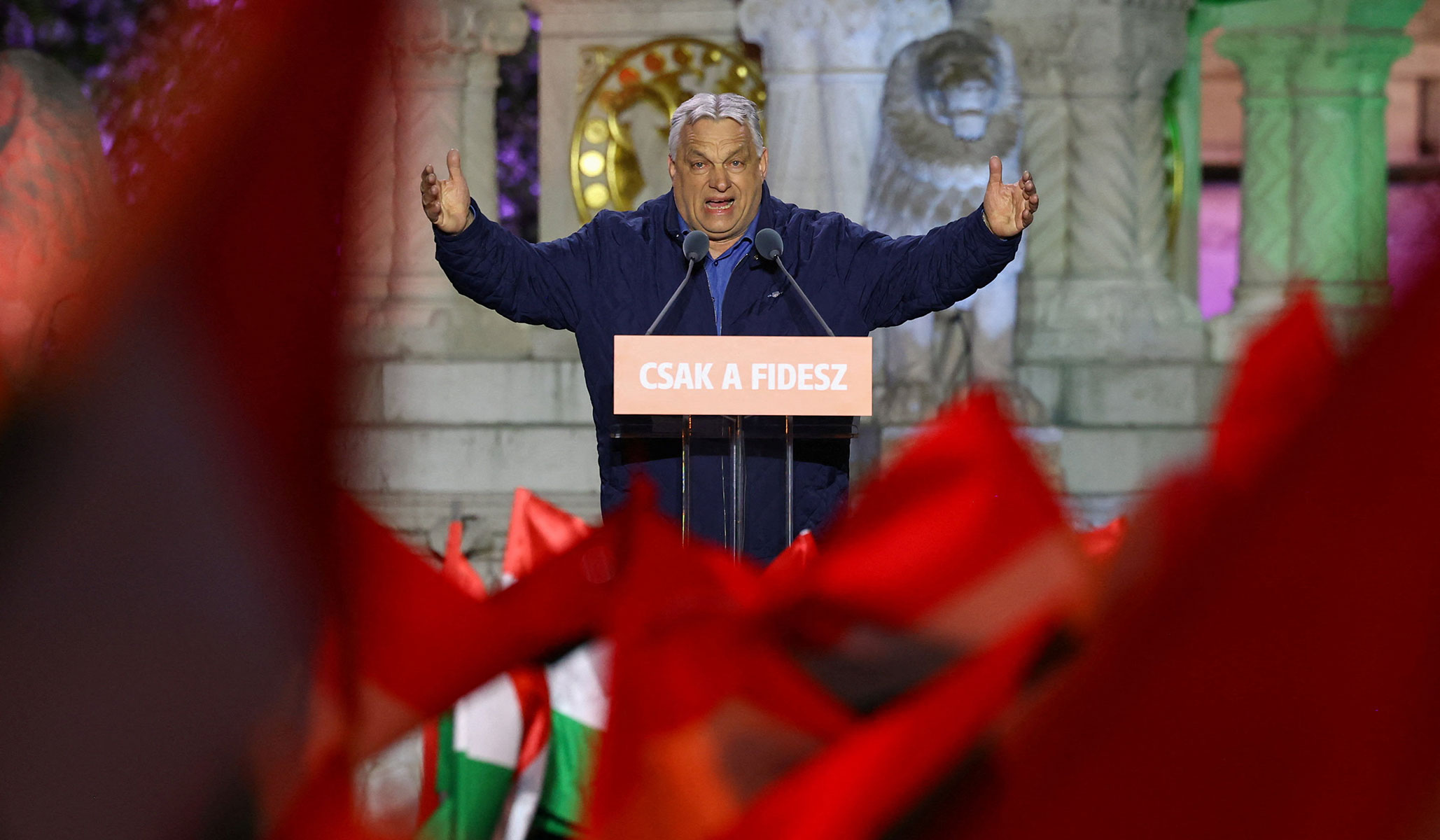
At the start of the presidential race, Trump seemed to have little chance of defeating Hillary Clinton. But he tapped into workers’ anger over the way the United States had engaged with the world. He railed that American elites had rigged the system, leaving millions of workers with nothing but poverty and trouble. He argued that China’s entry into the WTO had cost the most jobs in history and that foreign powers had impoverished Americans.
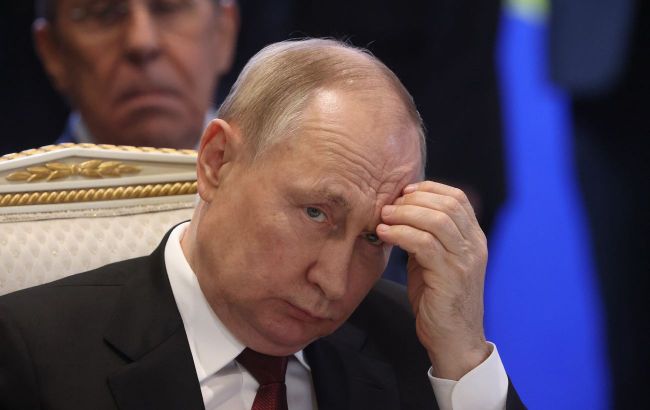
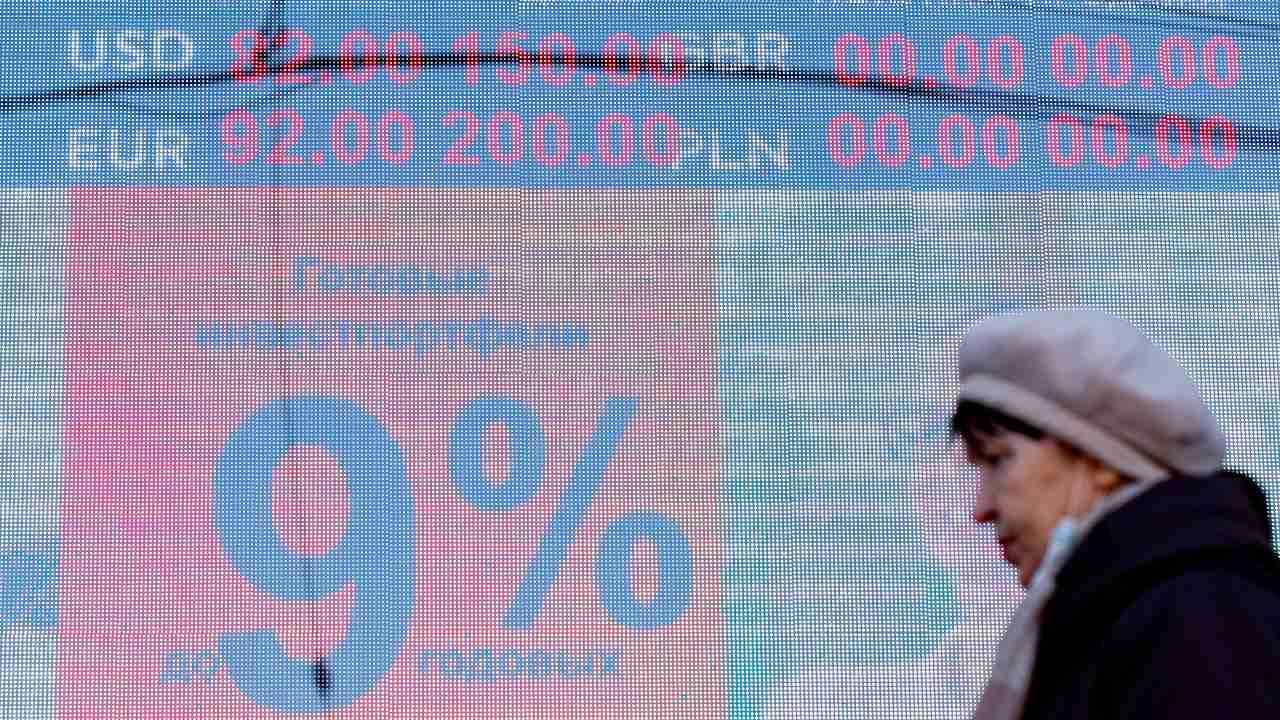
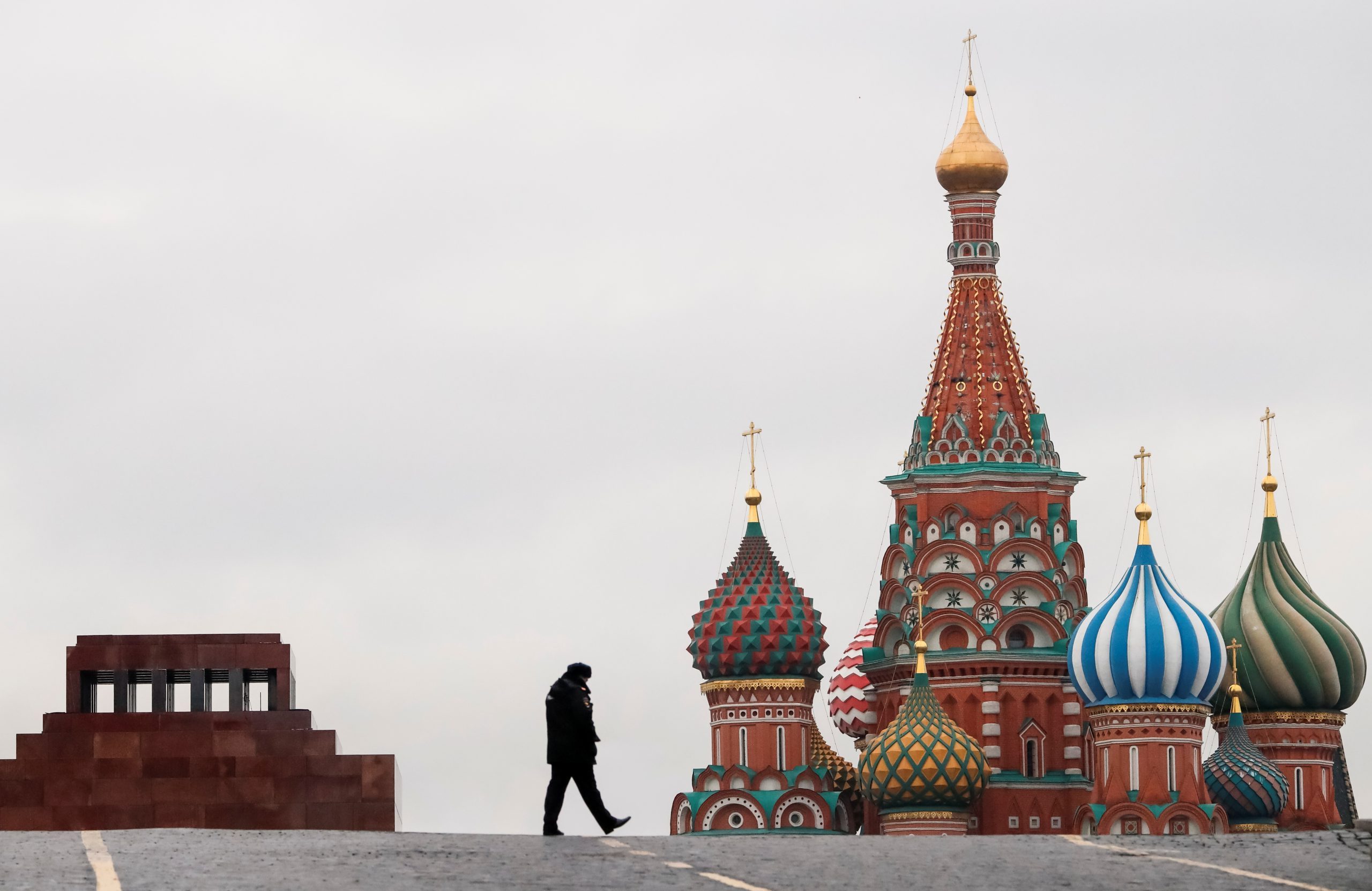
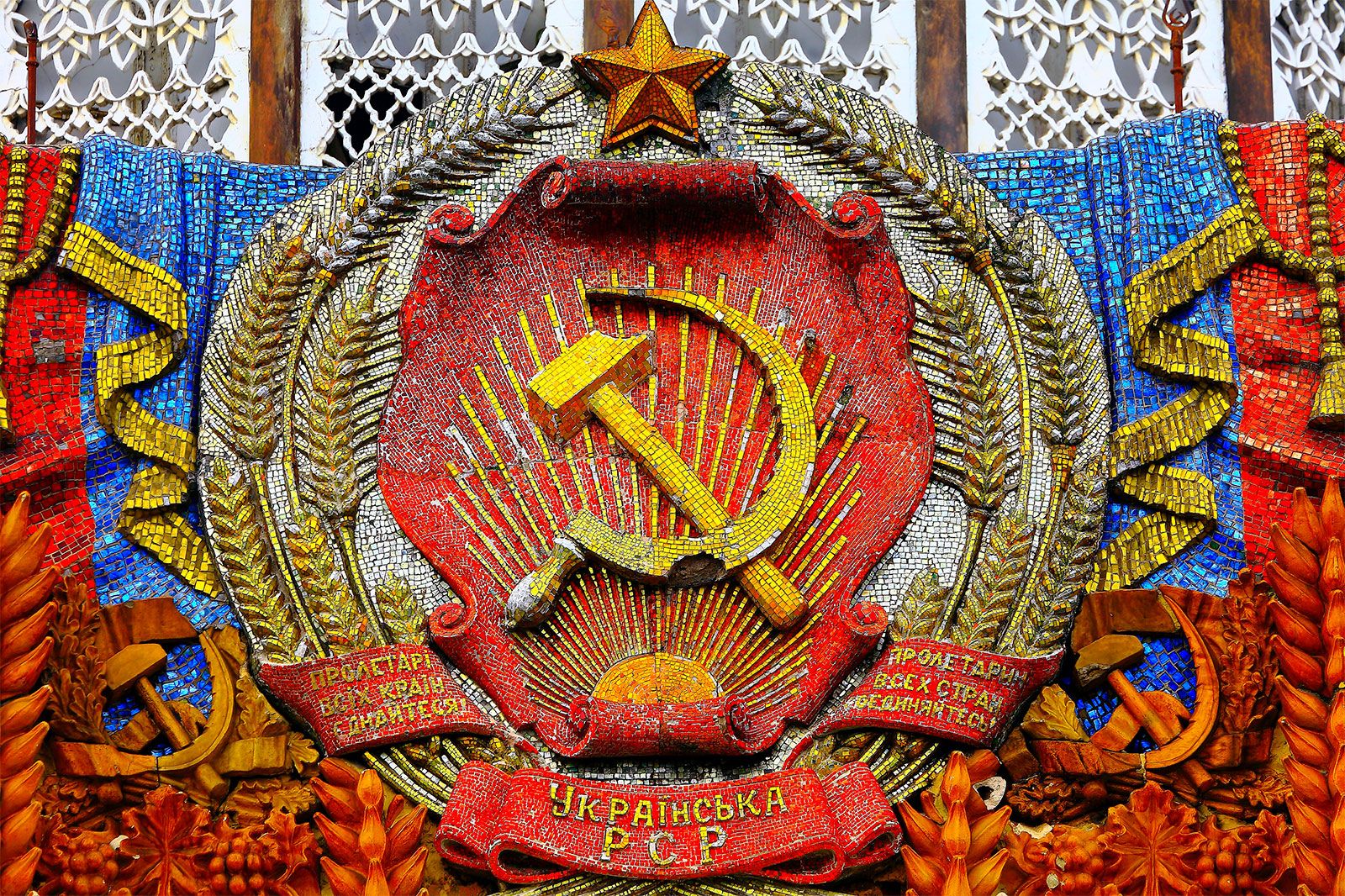
Russia’s invasion of Ukraine is also a symbolic scene showing that globalization has reached a dead end. The war demonstrated that globalization failed to export democracy to Russia and that Russia did not abandon its imperial ambitions even after being integrated into the world economy. The author insists that globalization was not merely a failed economic policy, but a failure of political imagination.
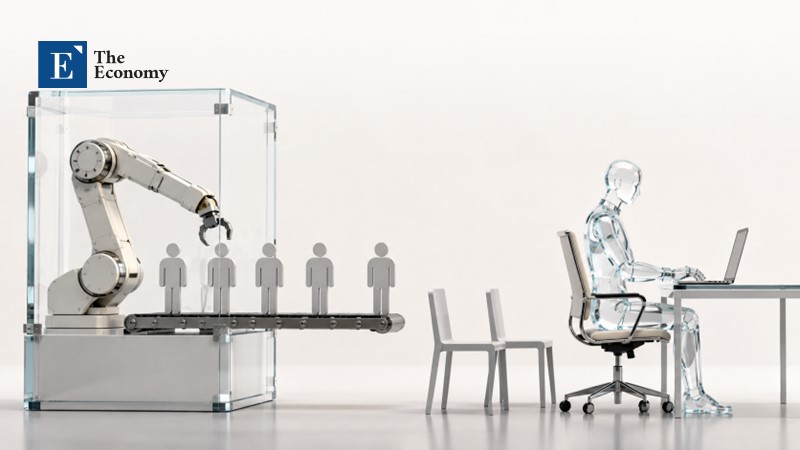
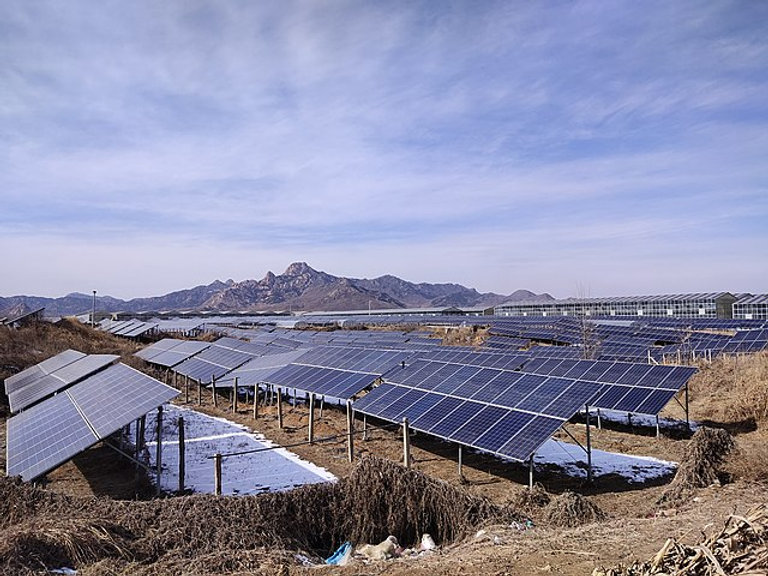
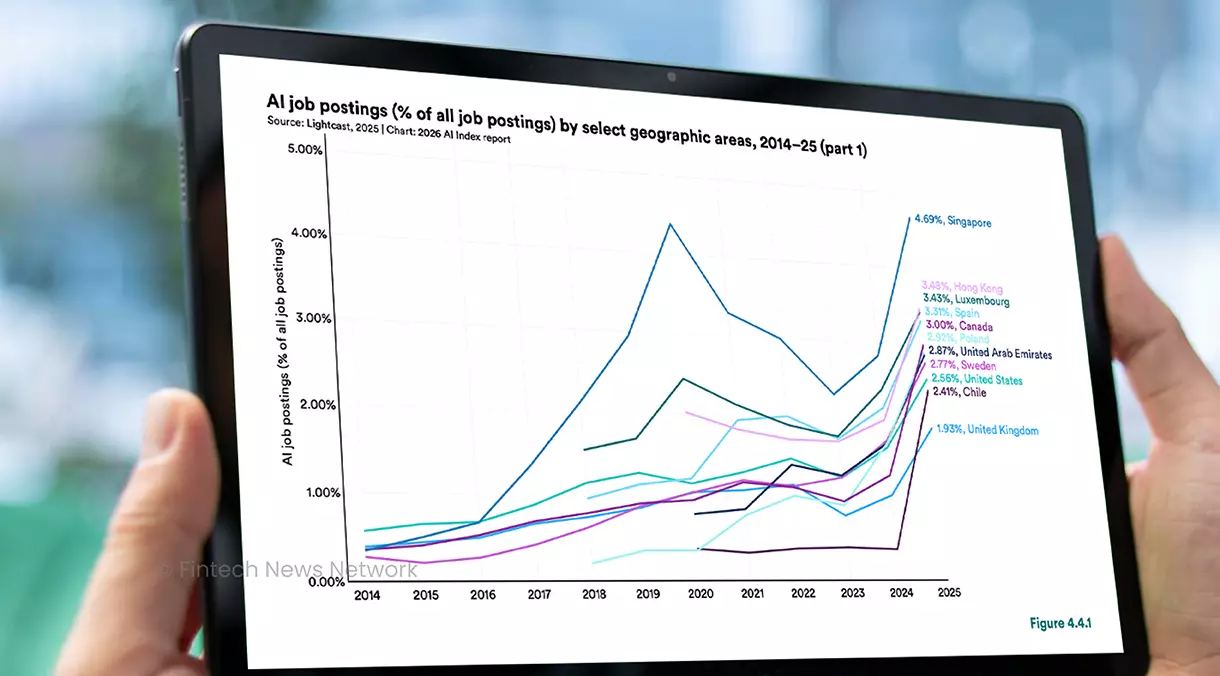
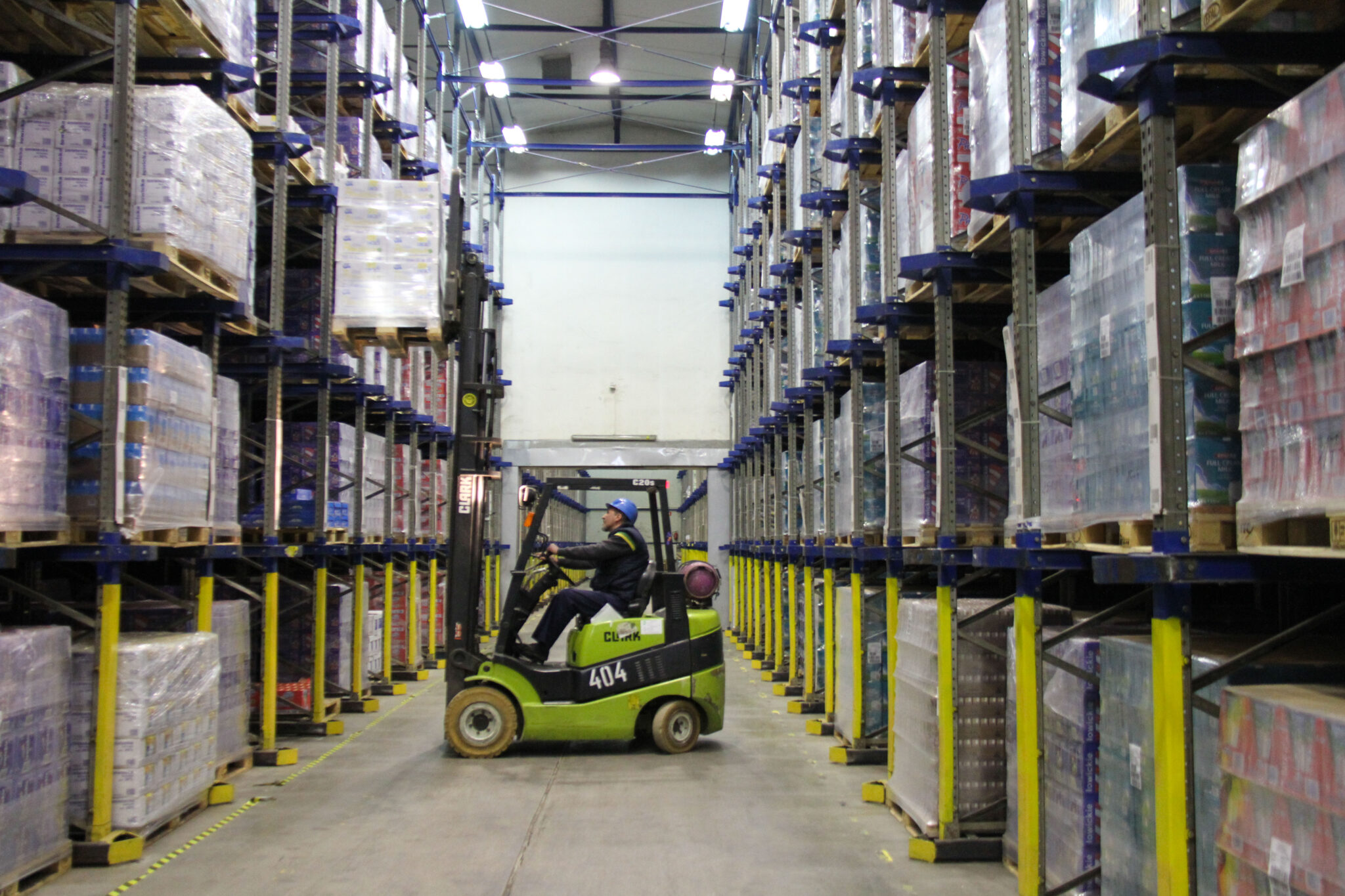
What, then, does the future hold? The author writes that the United States is still taking a gamble. “Supply chains are being rebuilt, even at the cost of higher production expenses, to reduce dependence on Chinese factories. The rise of AI and the shift to a low-carbon economy will bring upheaval to the labor market, but America’s social safety net is weaker than ever. Workers pushed out by this transition are likely to turn to populist supporters.”
The author also describes today’s era as hyper-globalization, or selective globalization. “Just as globalization created winners and losers, this new era of economic nationalism will also produce winners and losers. One thing is certain: the world is no longer flat.”
The book’s epilogue is chilling, even unsettling. The author cites a 2024 interview with Bill Clinton. The American who helped lay the foundation for globalization, and who signed 300 trade agreements over eight years, admitted, when asked about globalization, that things had not turned out as he had expected.
[Kim Yu-tae]
This article has been translated by GripLabs Mingo AI.