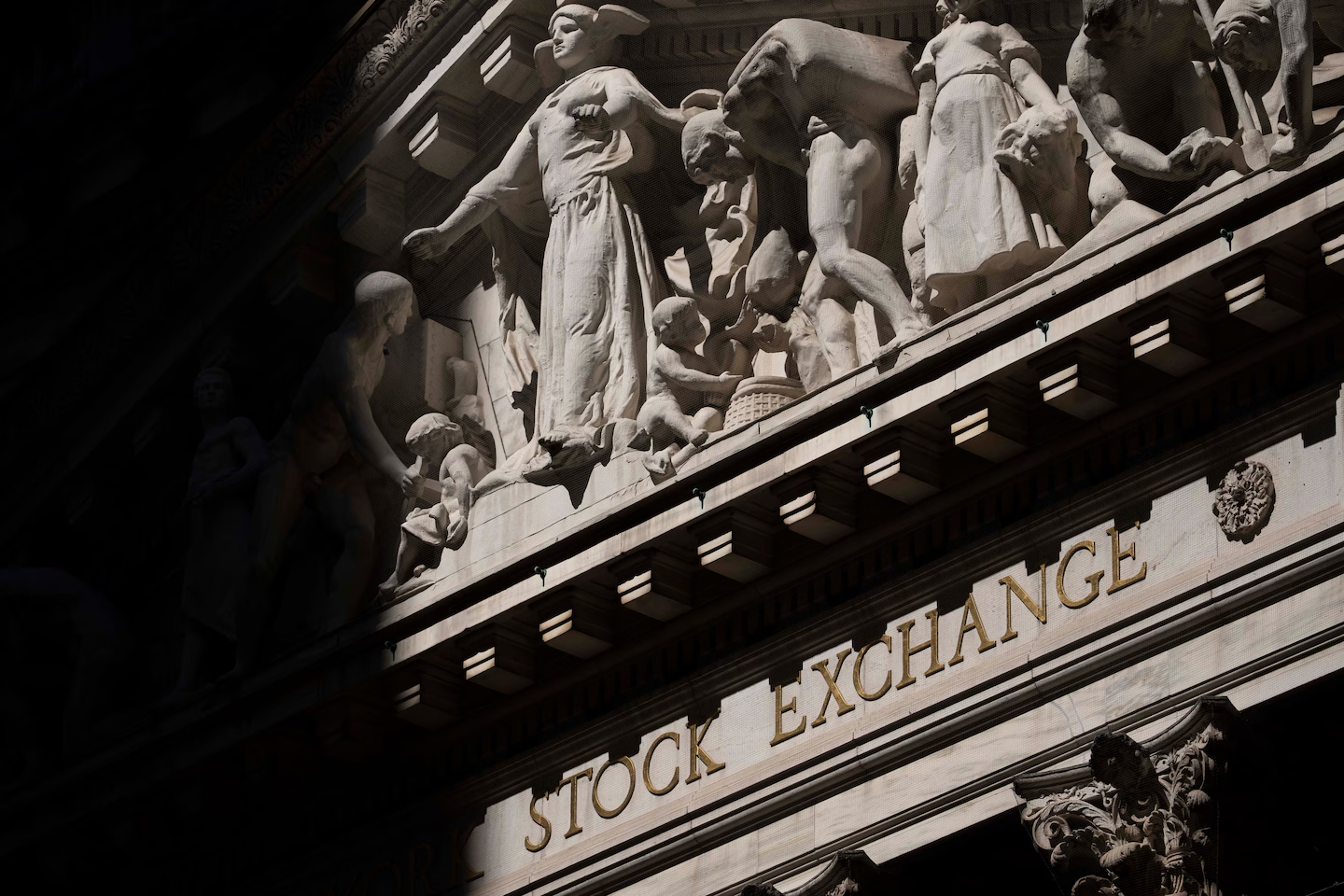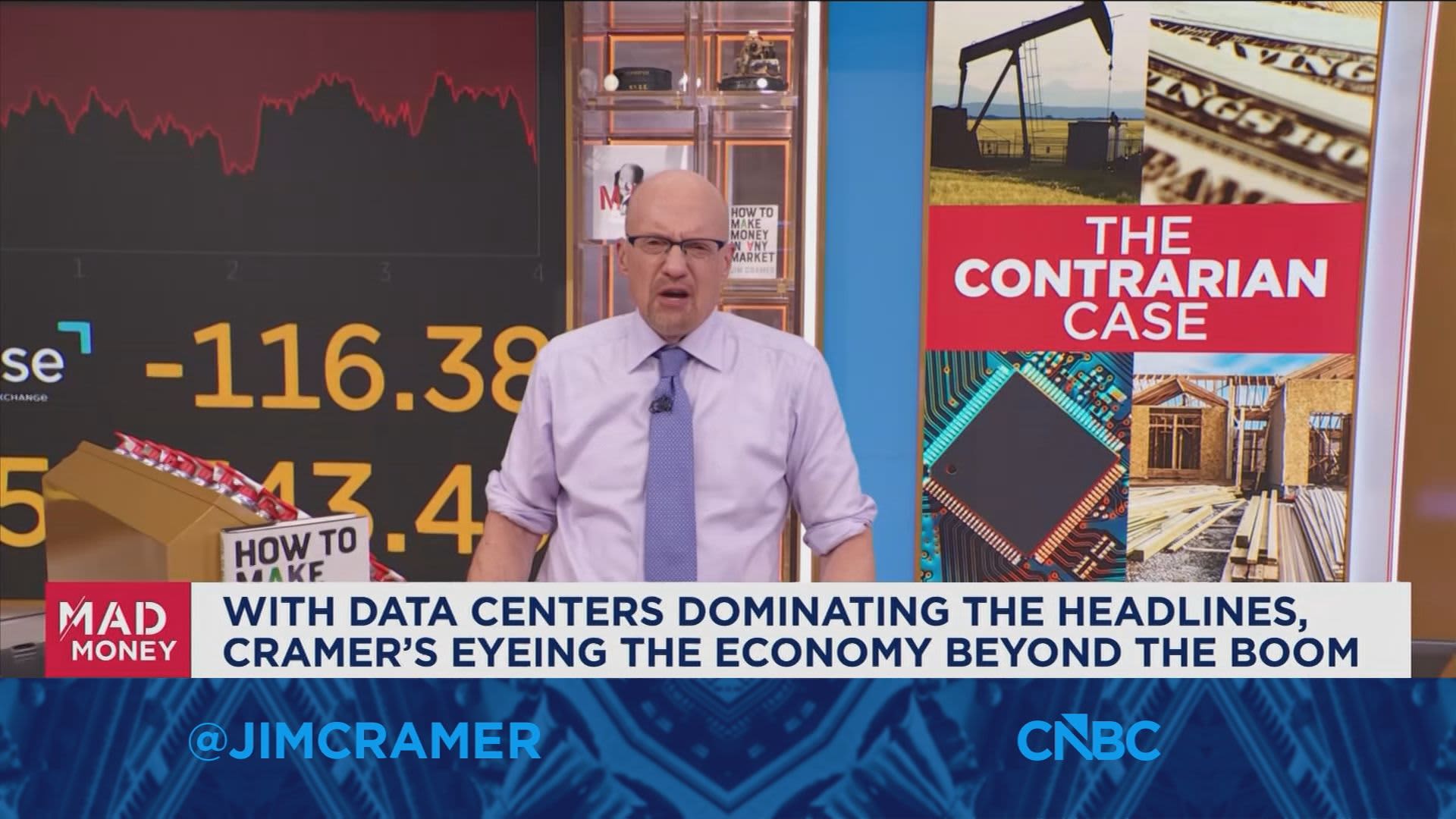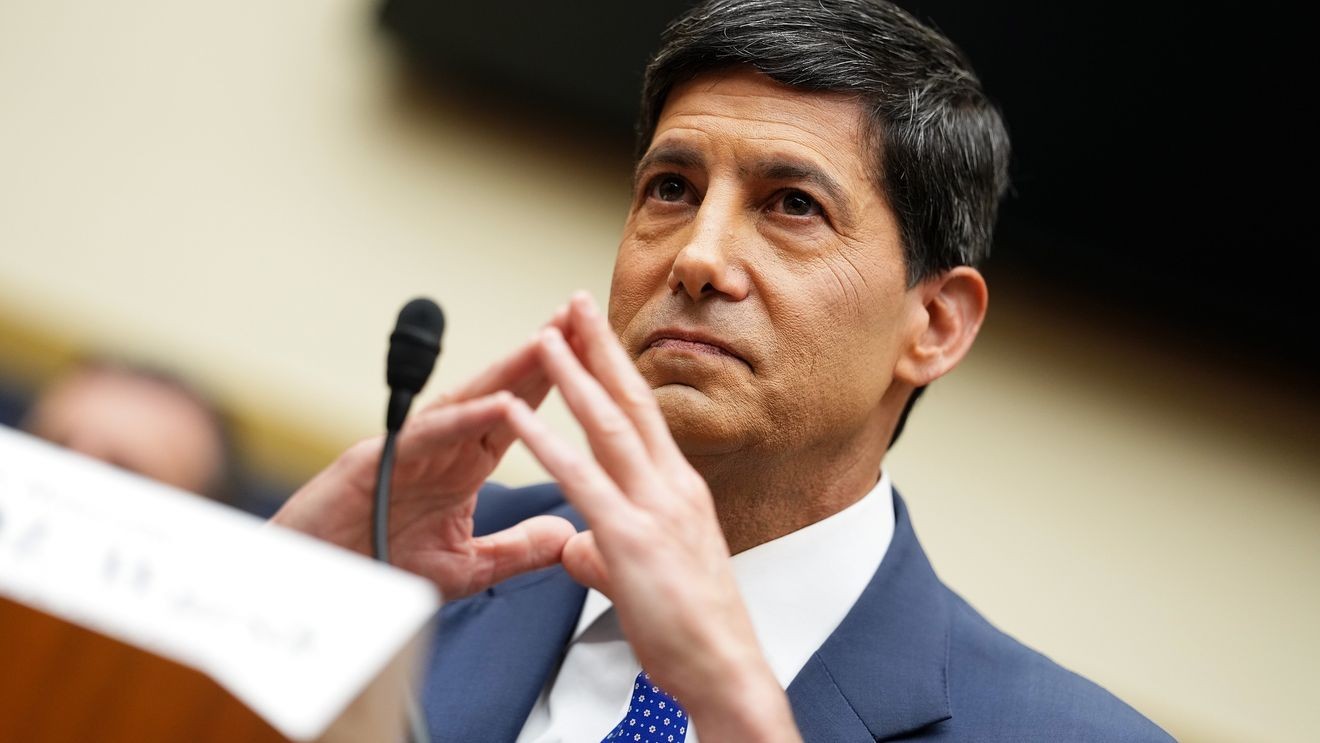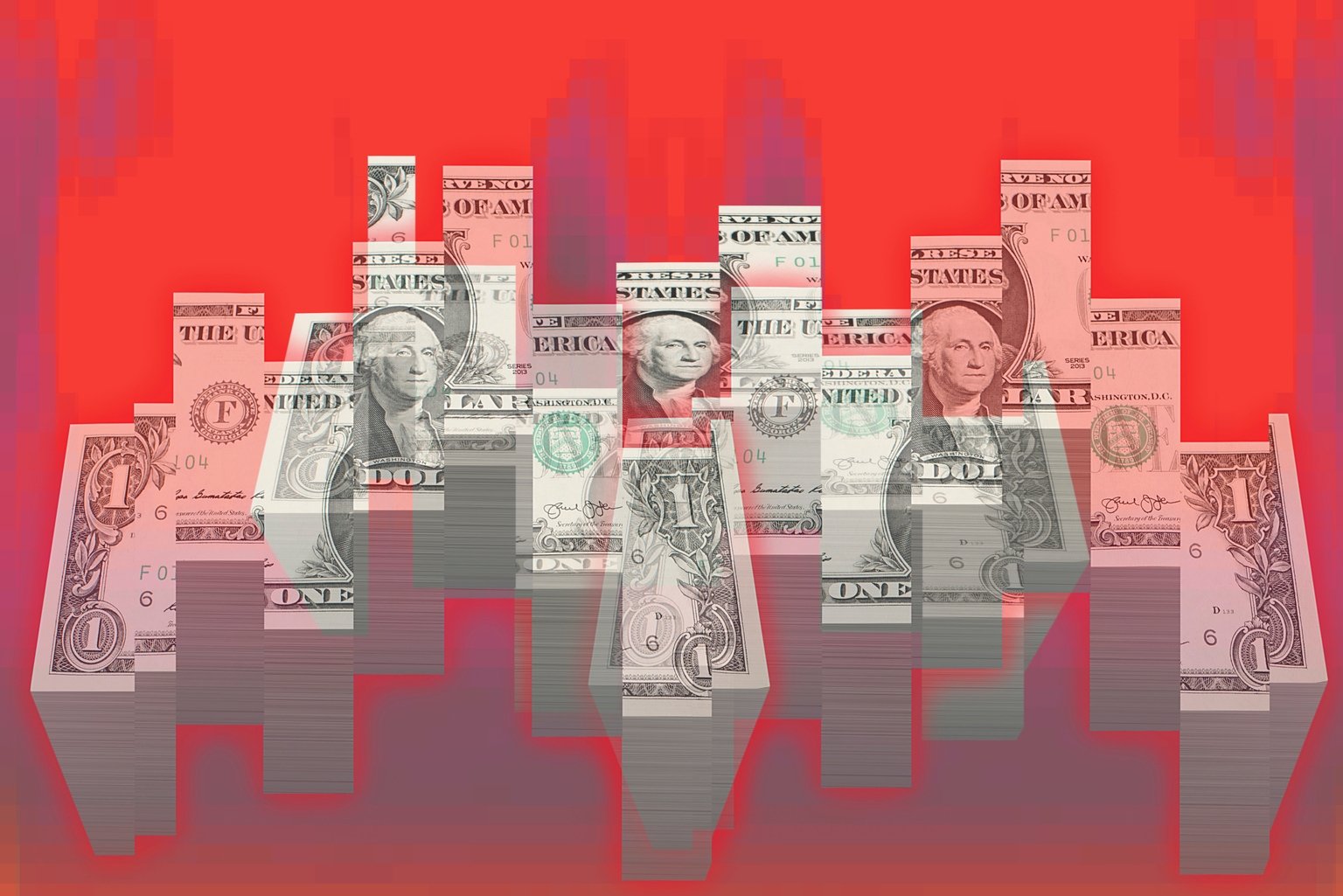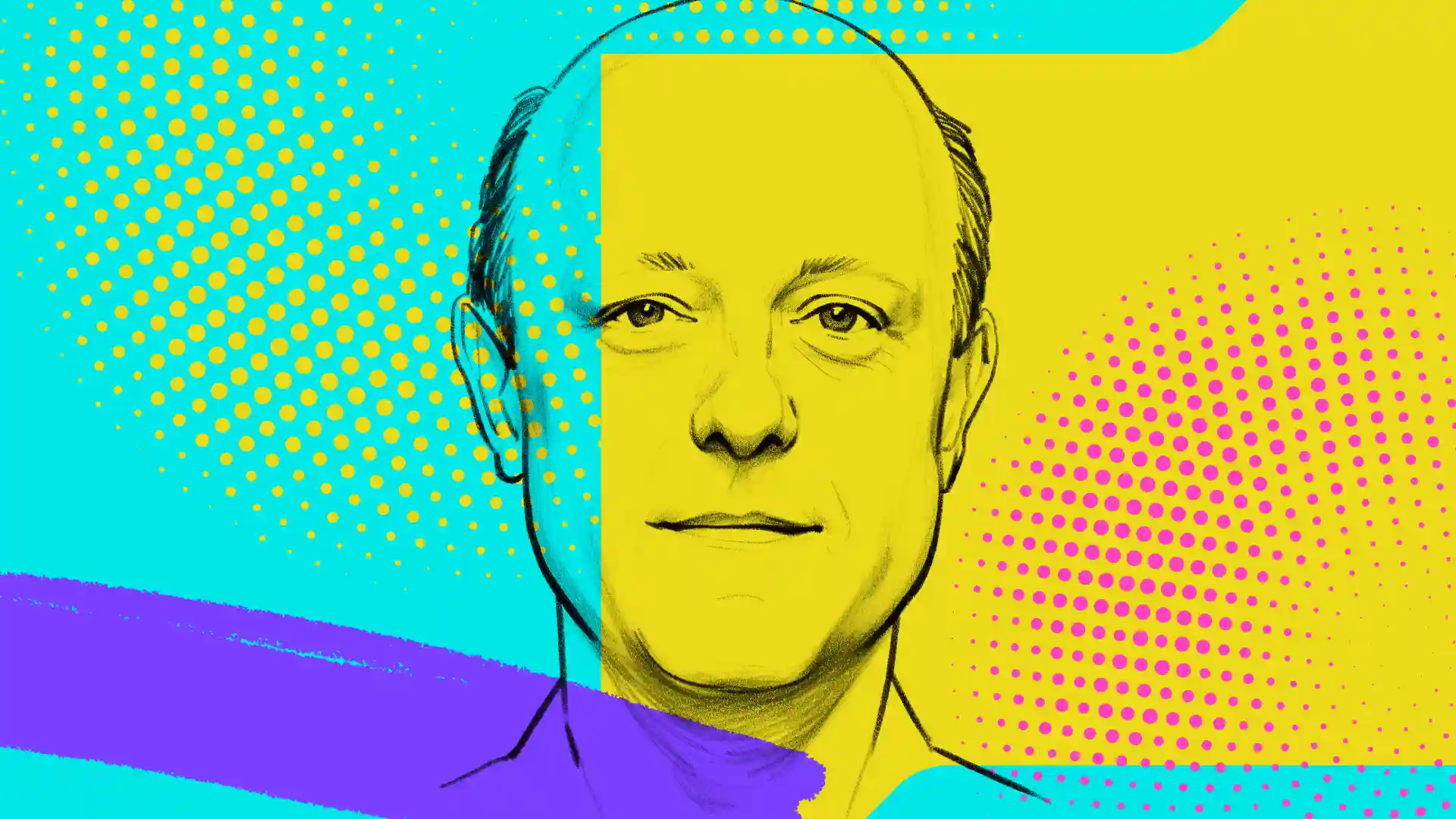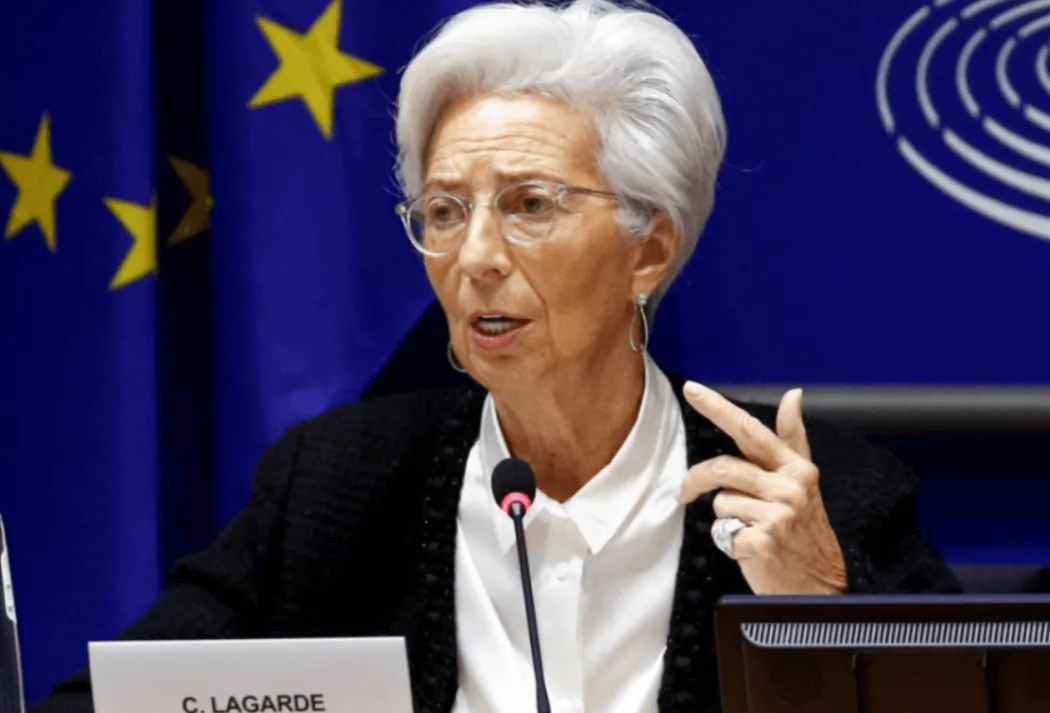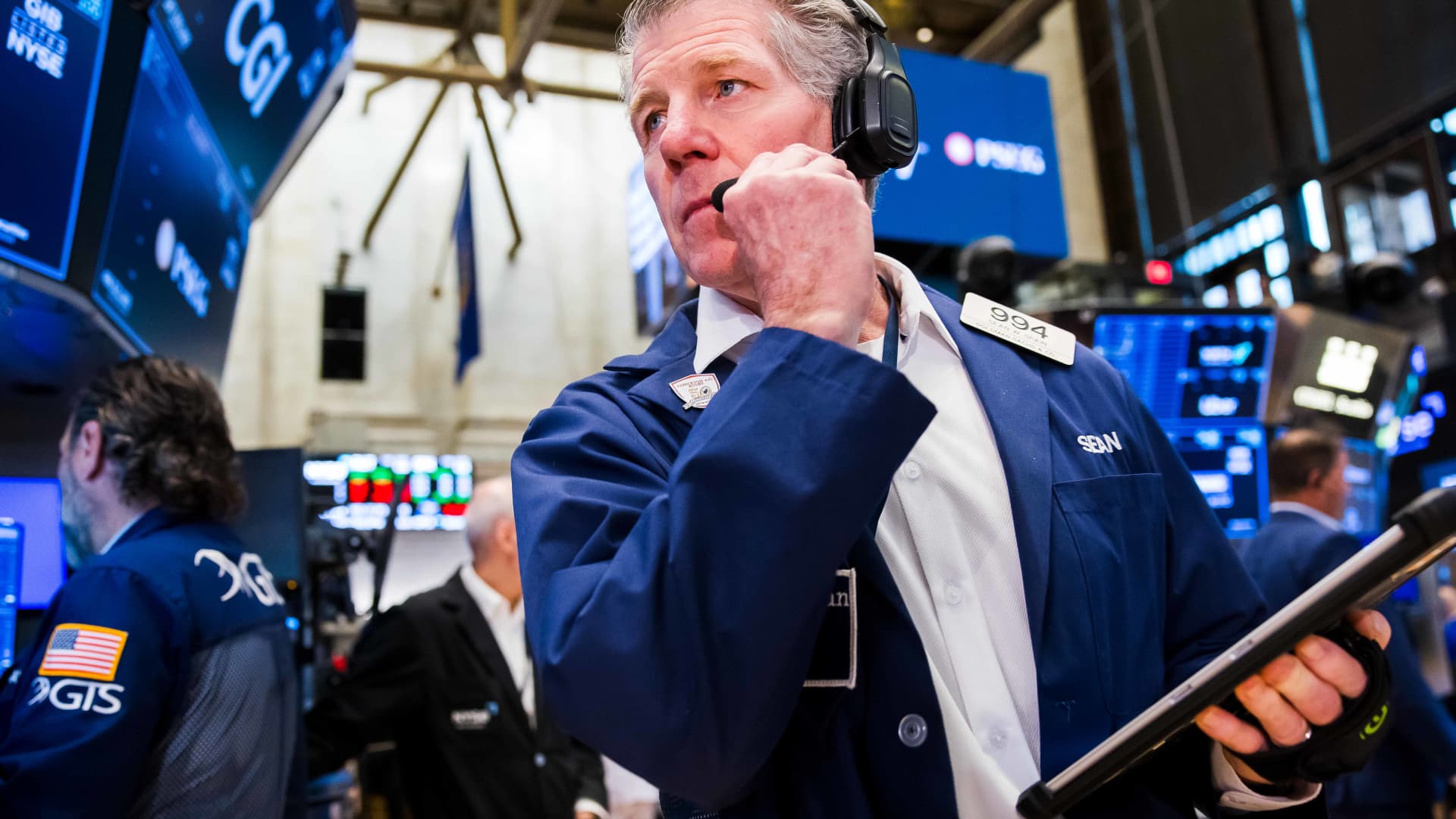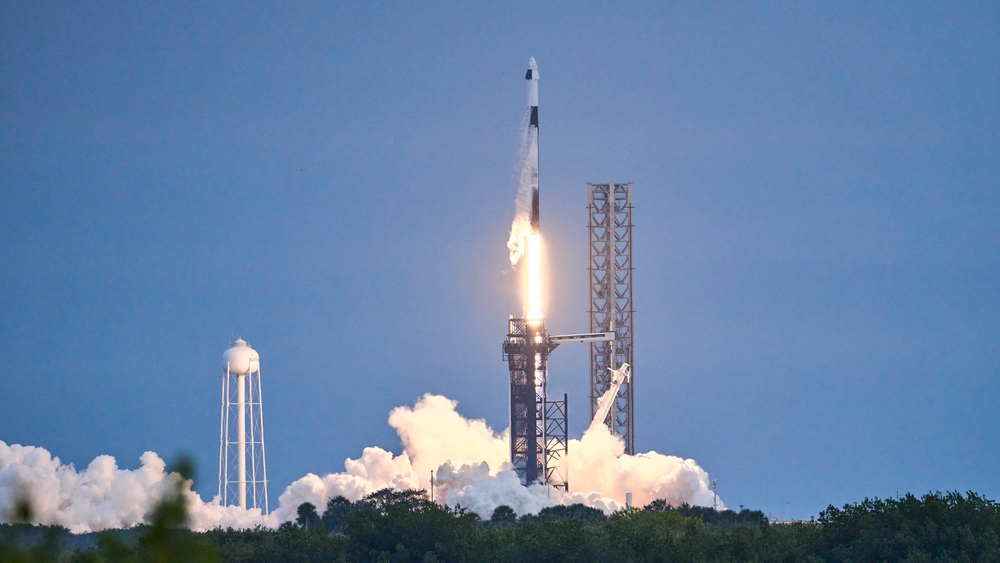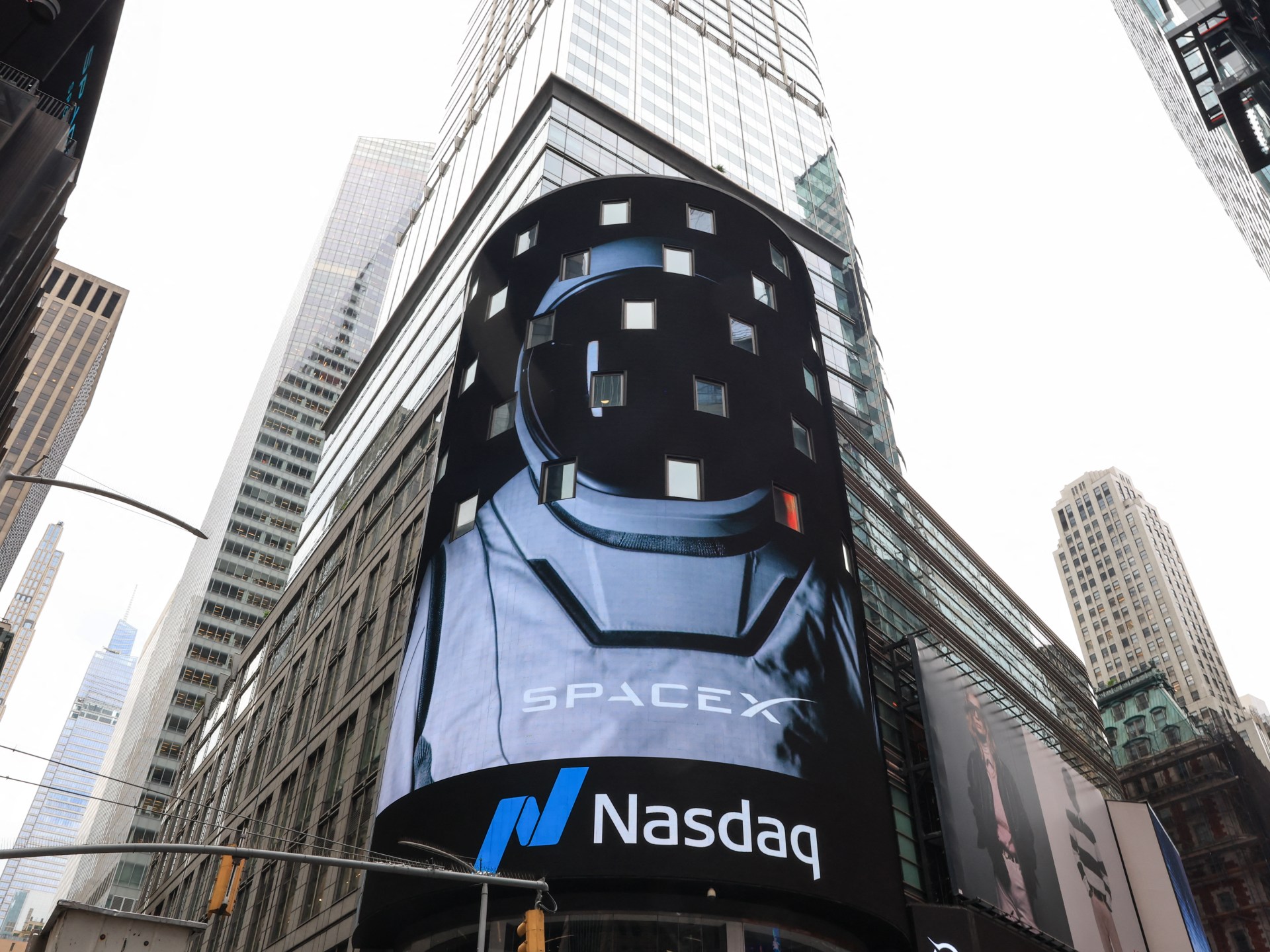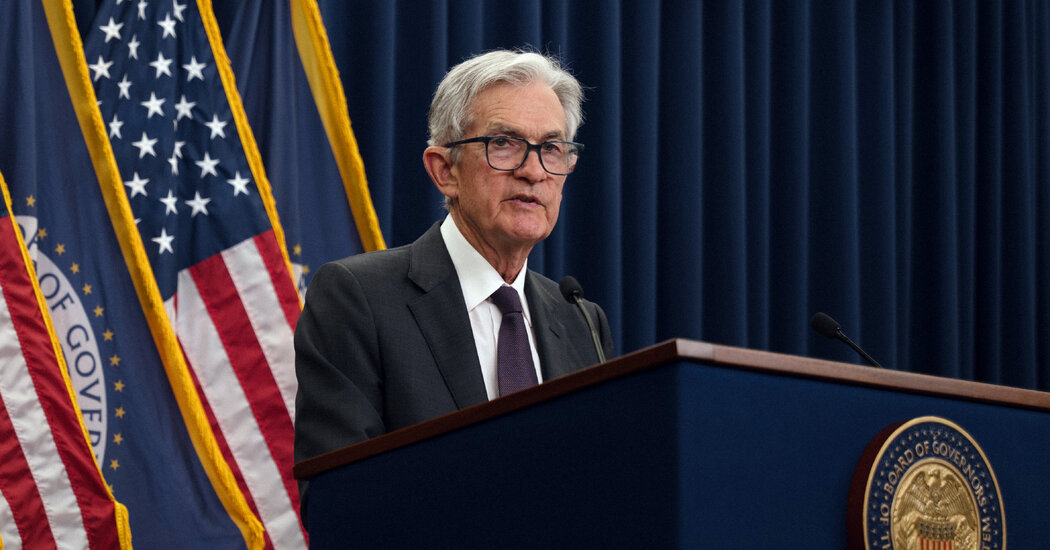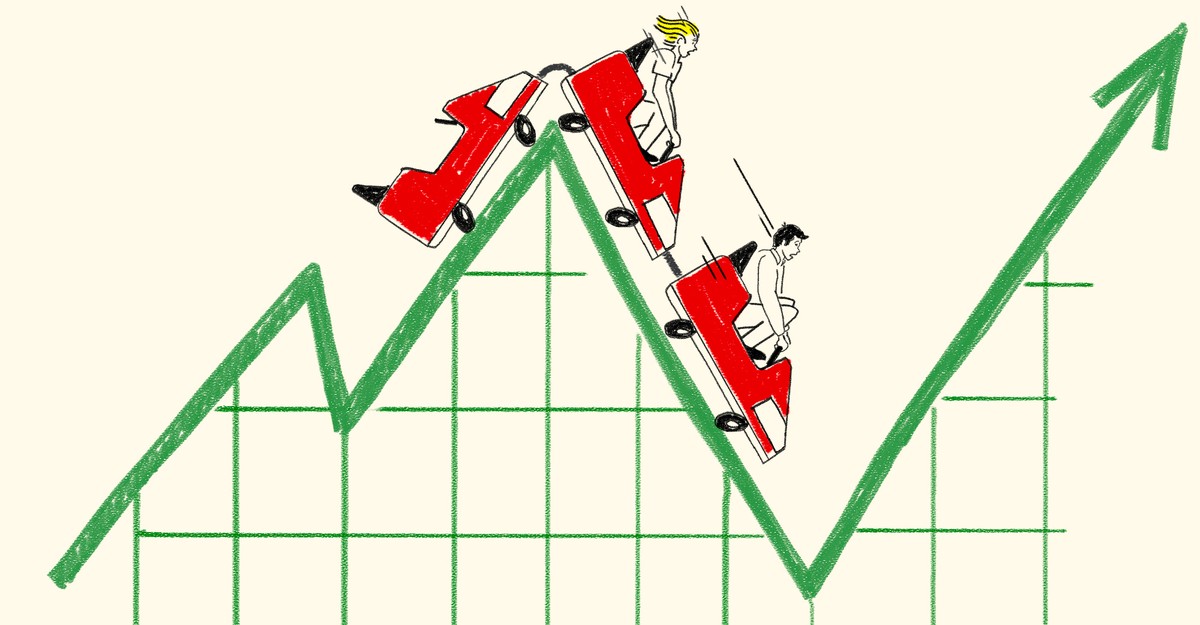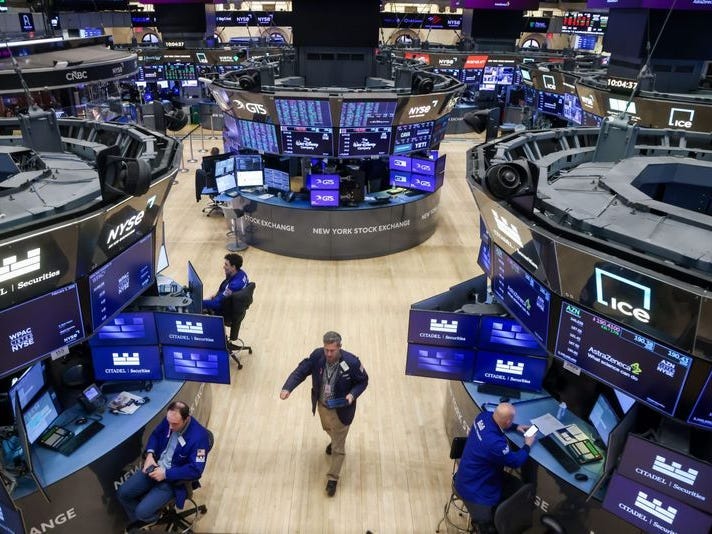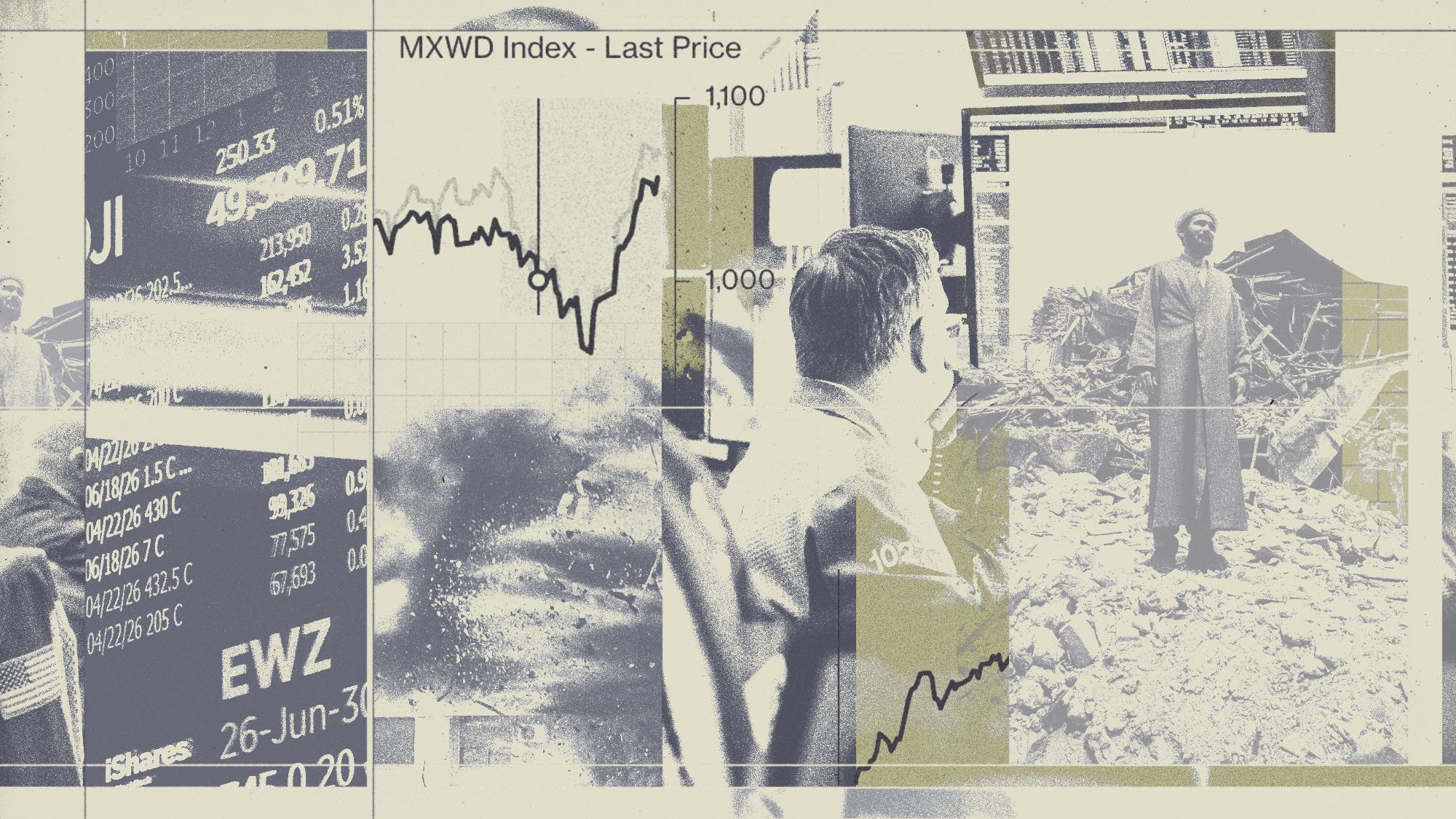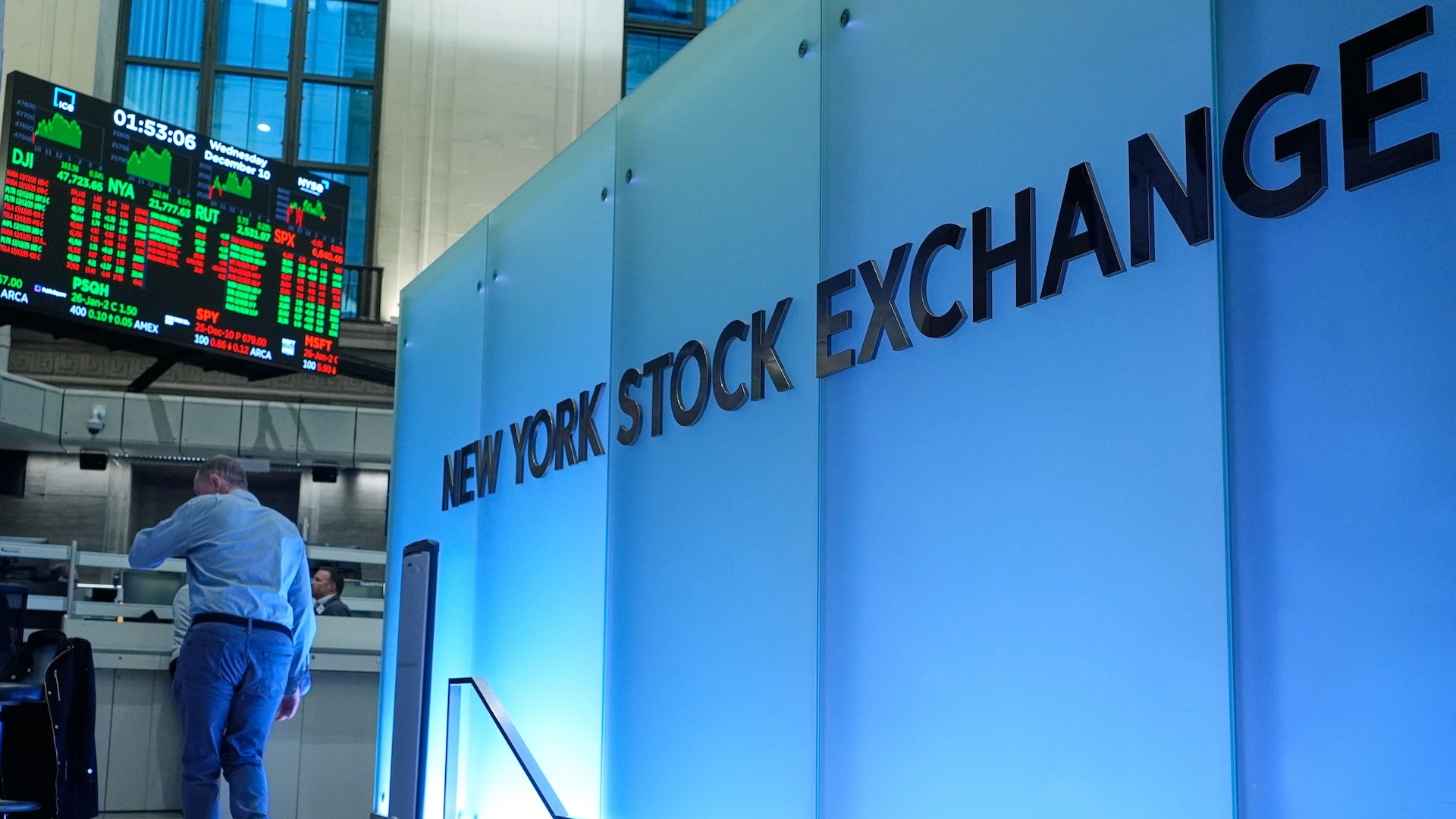
According to a Reuters report, June has been marked by several major developments, including the blockbuster SpaceX IPO and Federal Reserve Chair Kevin Warsh‘s first policy meeting. While economic indicators have continued to paint a picture of resilience, equity markets have struggled, with investors reassessing lofty valuations and the sustainability of the artificial intelligence (AI)-driven rally.
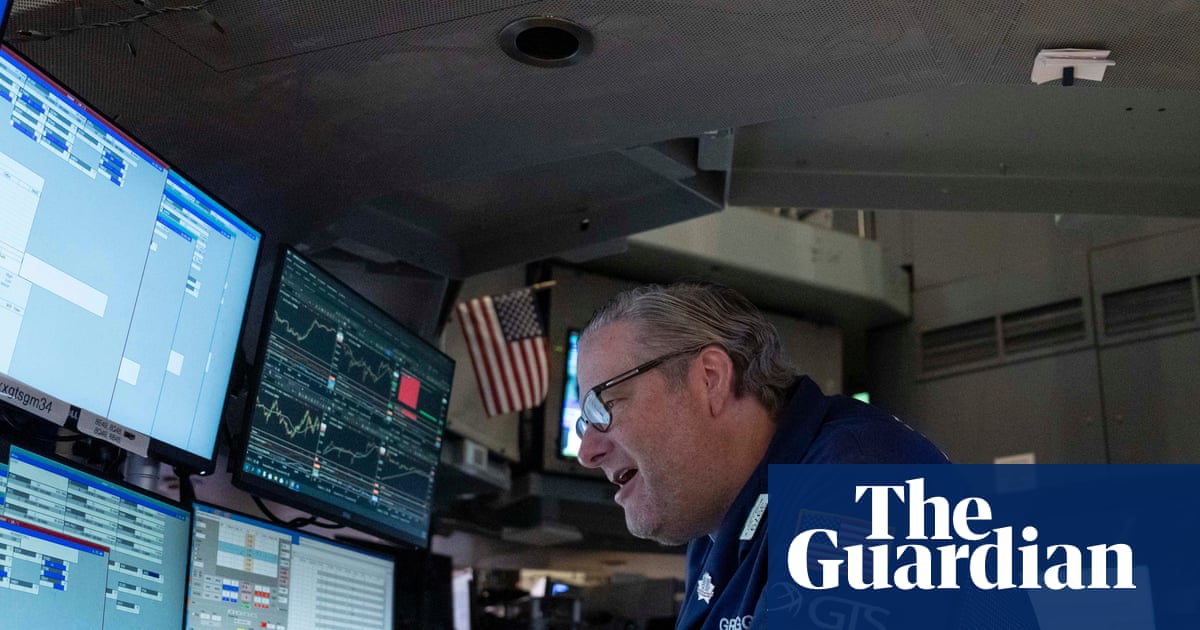
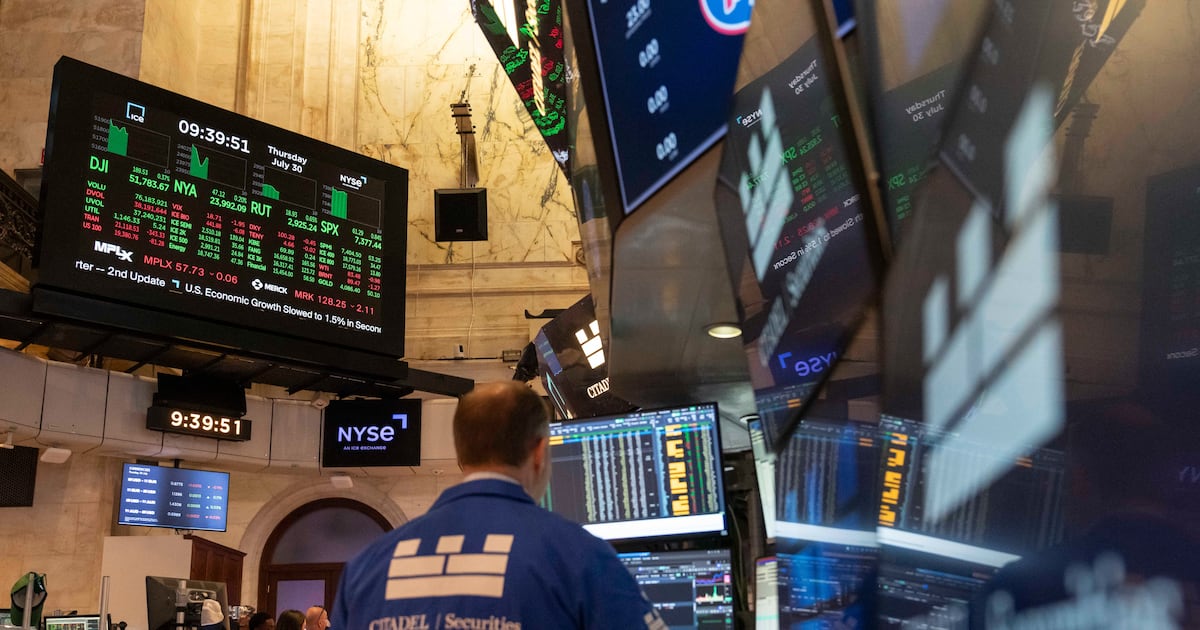
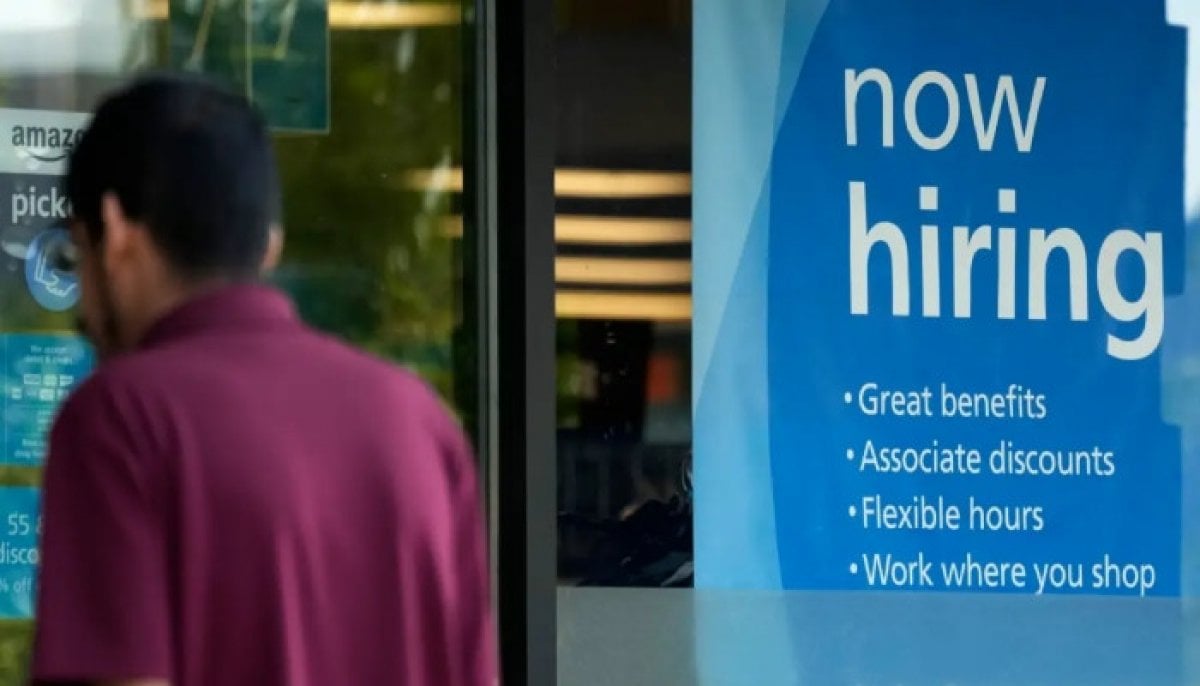
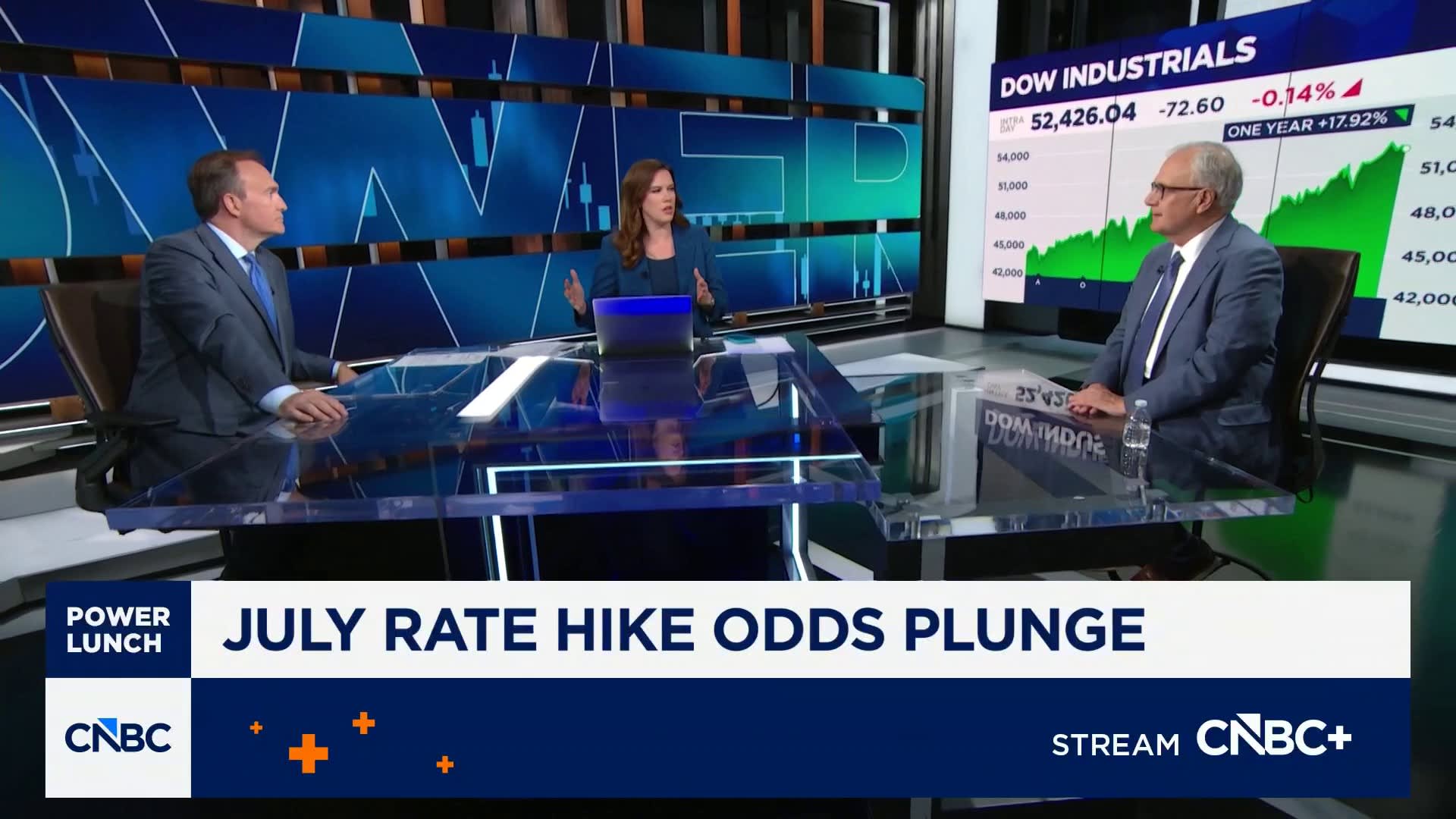
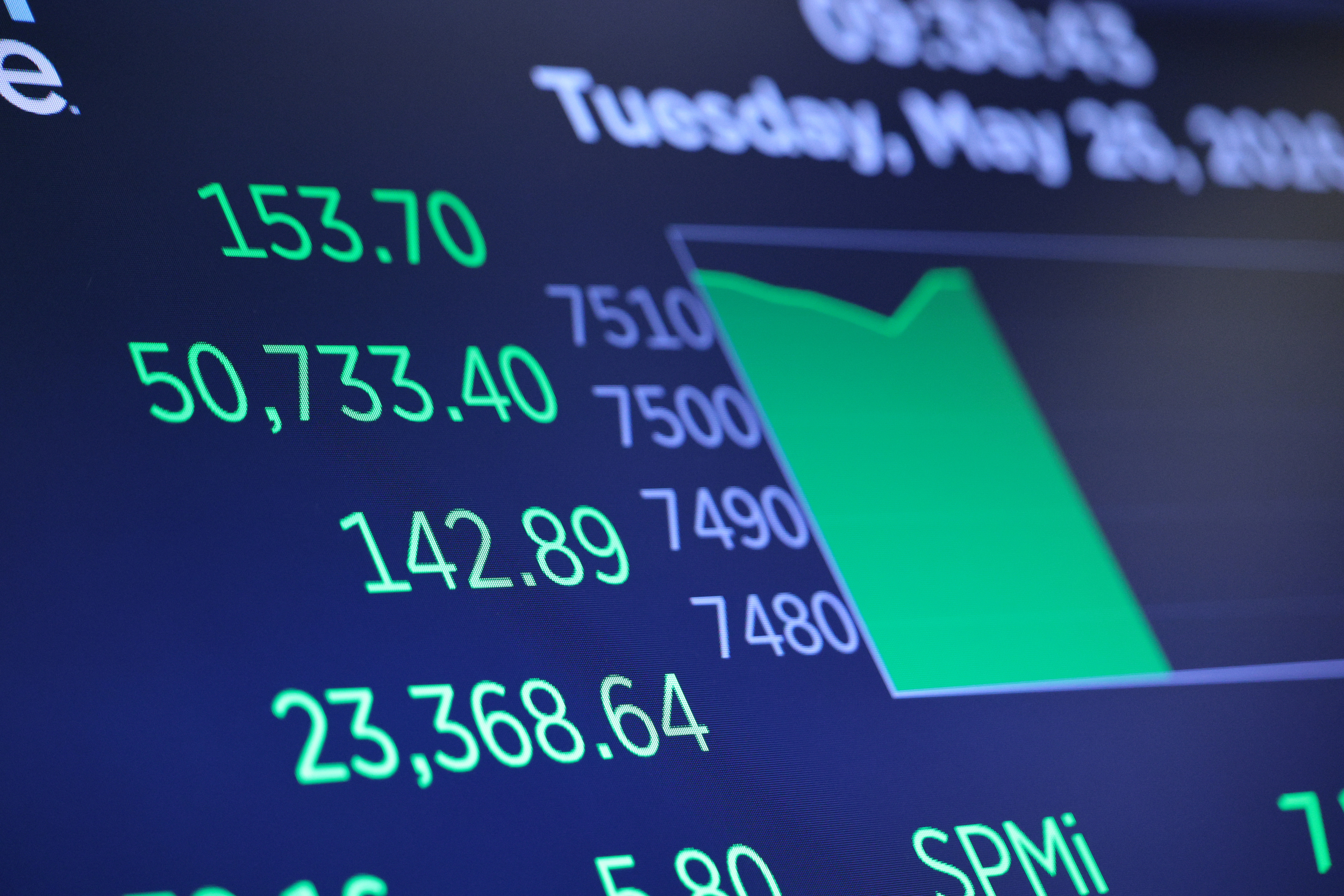
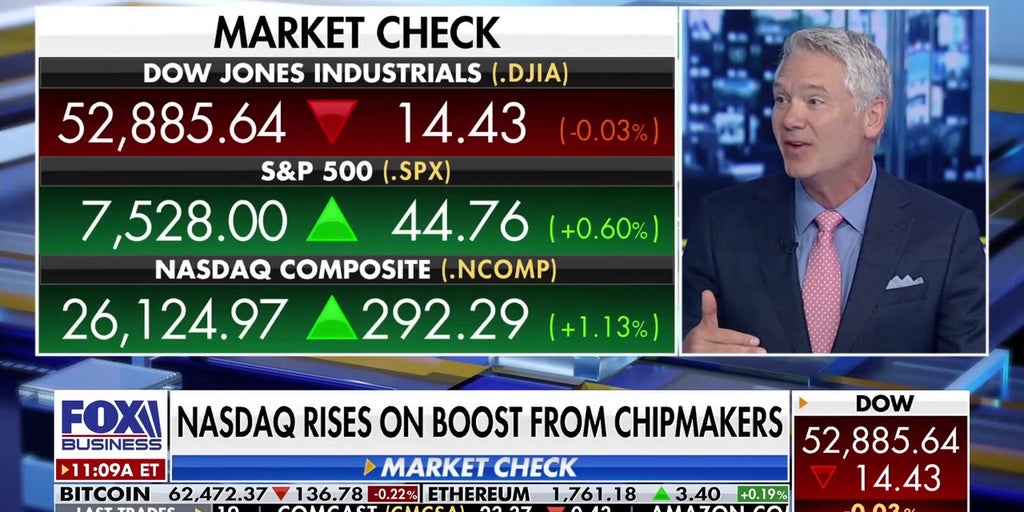
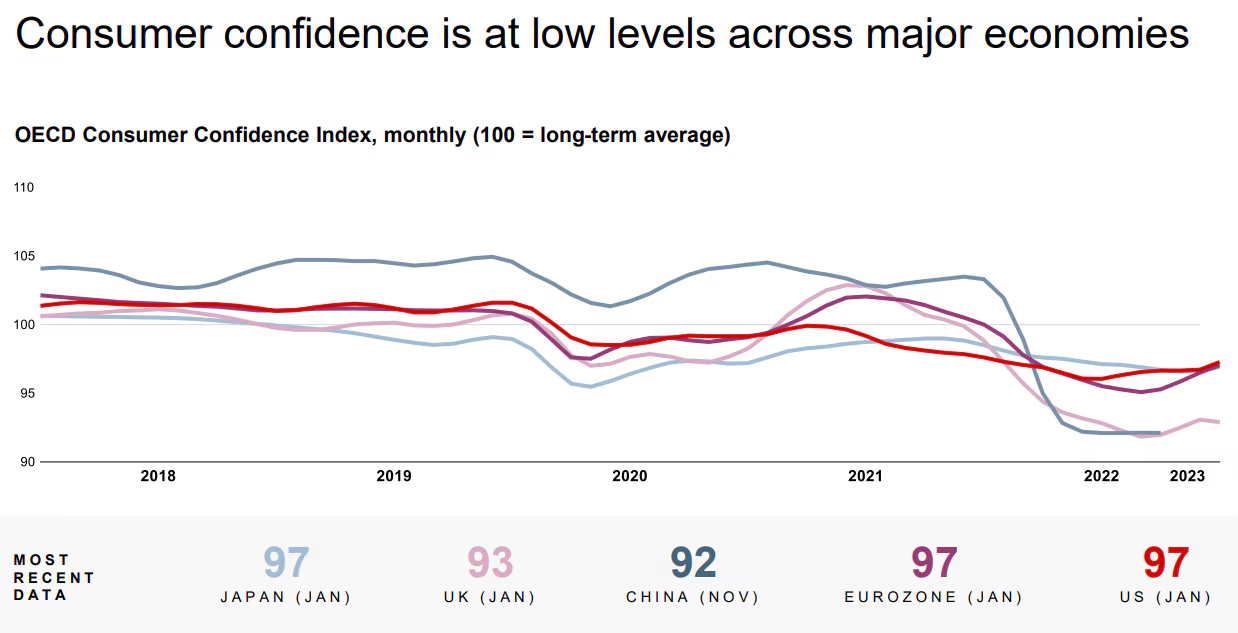
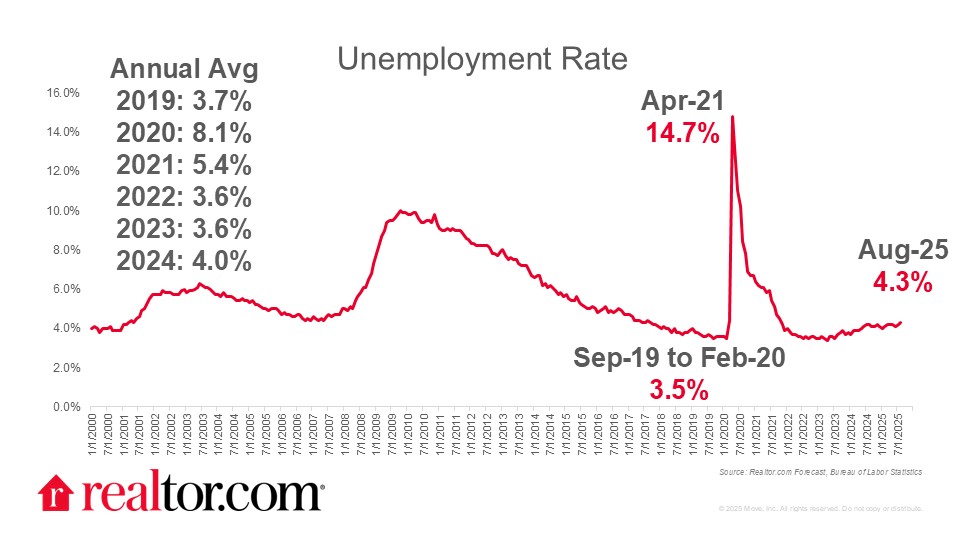
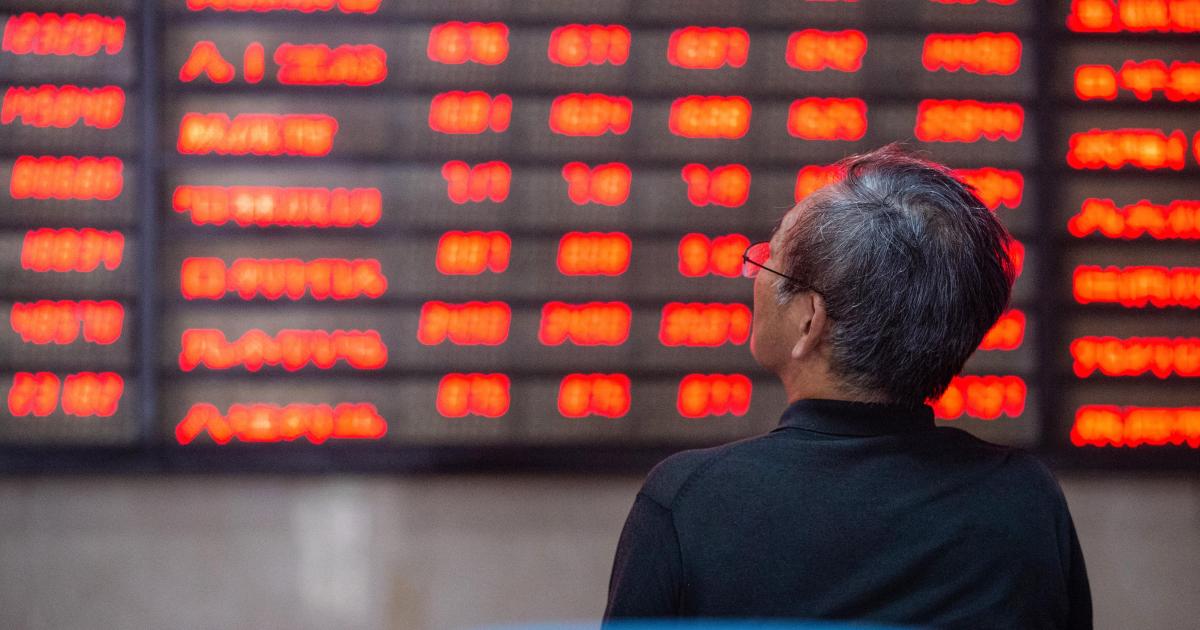
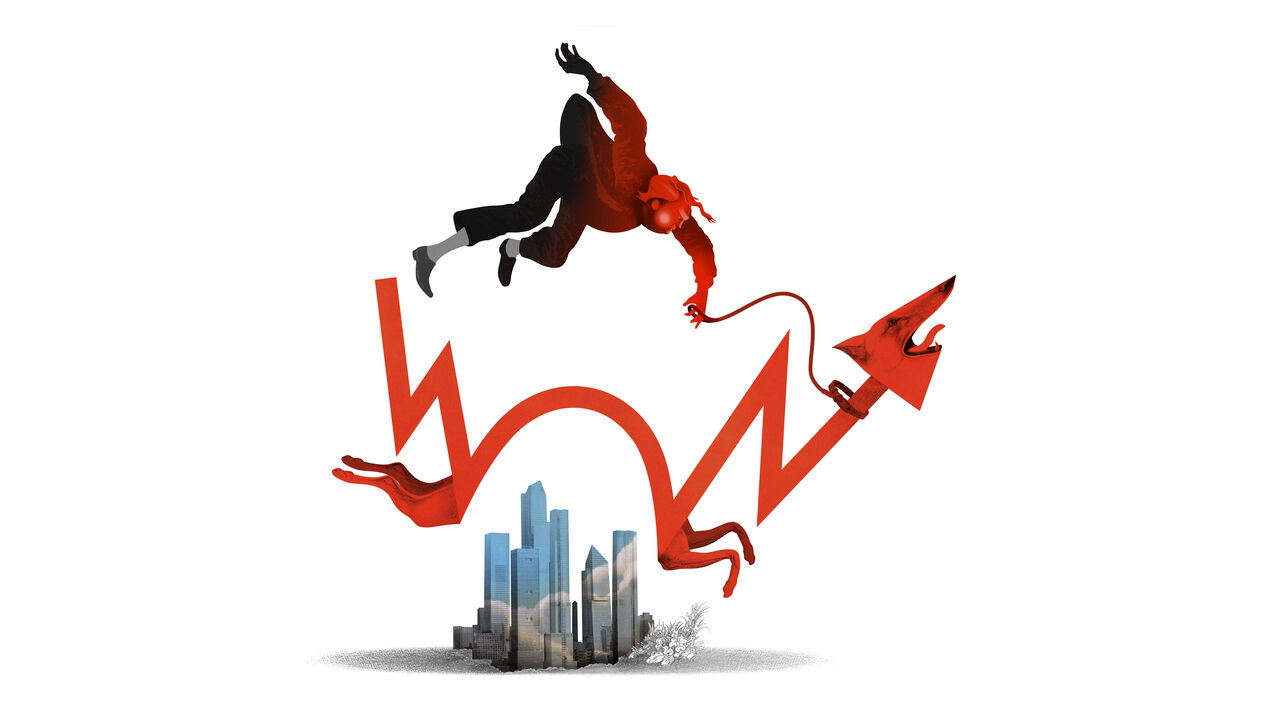
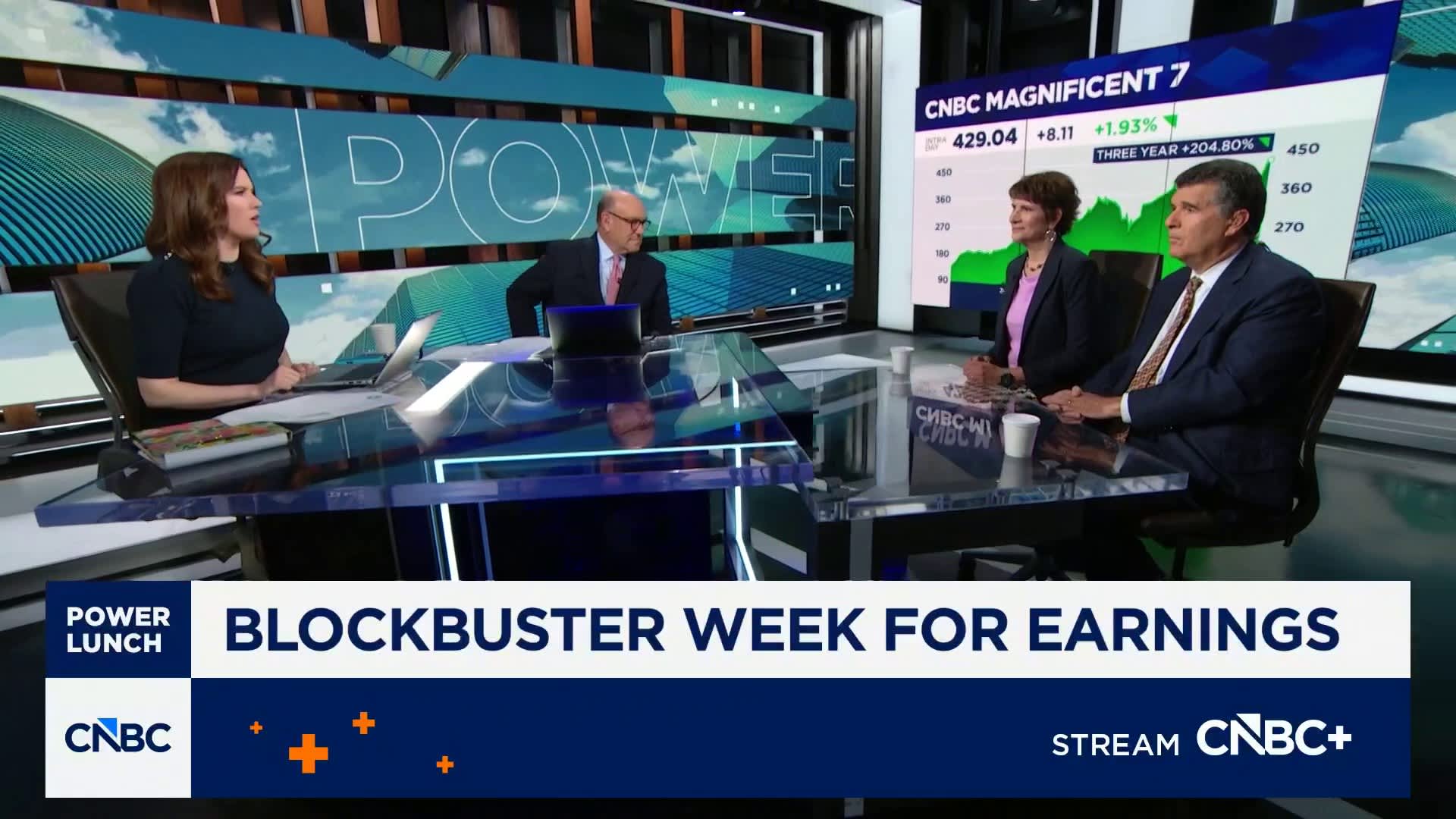
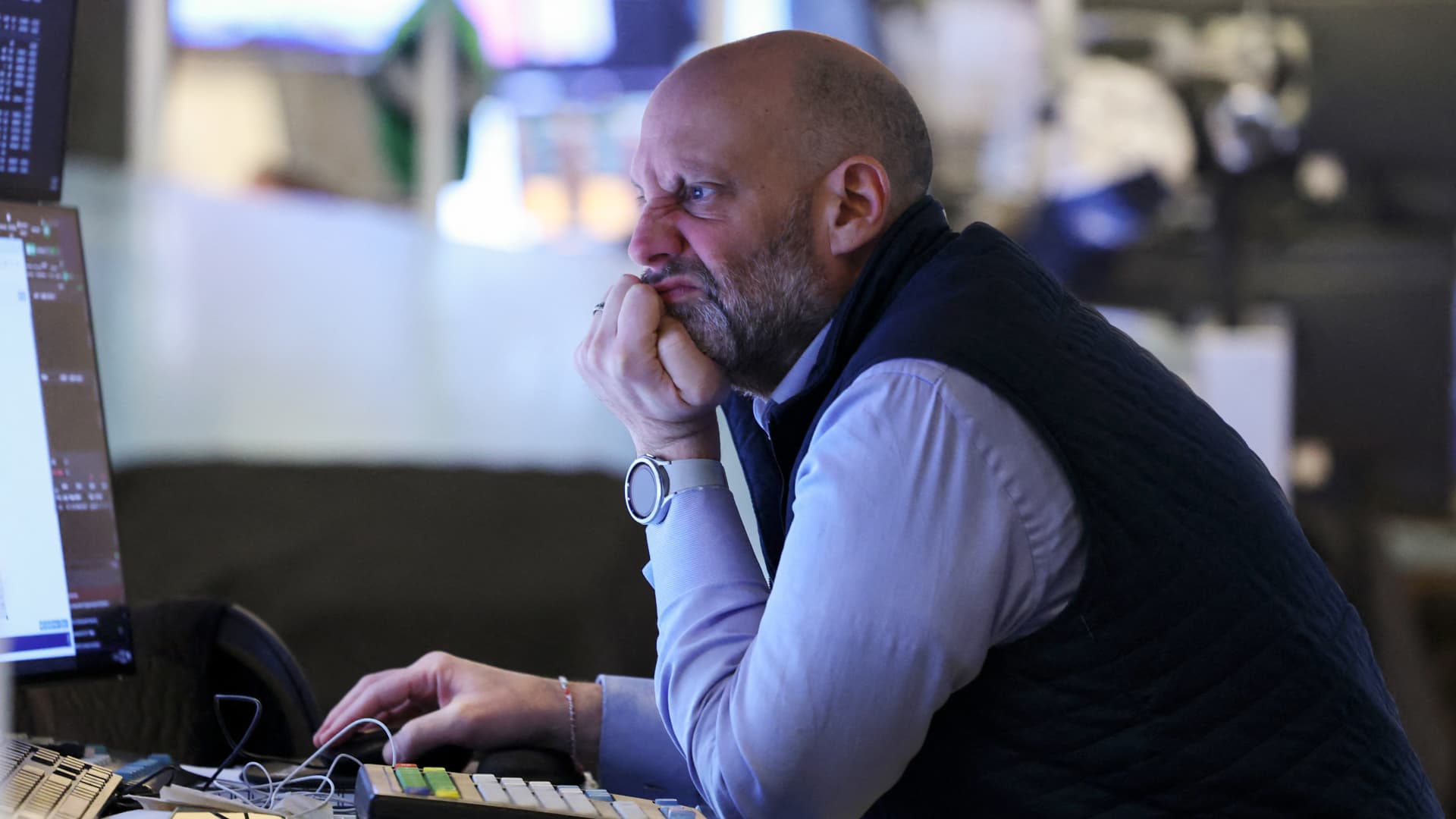
Recent economic data has remained encouraging. Employment growth has continued, consumer spending has stayed robust, and measures of consumer sentiment have improved. However, these positives have not translated into gains for equities. Both the S&P 500 and Nasdaq have declined during the month, while the once-dominant “Magnificent Seven” technology stocks have fallen by more than 10% on some measures.
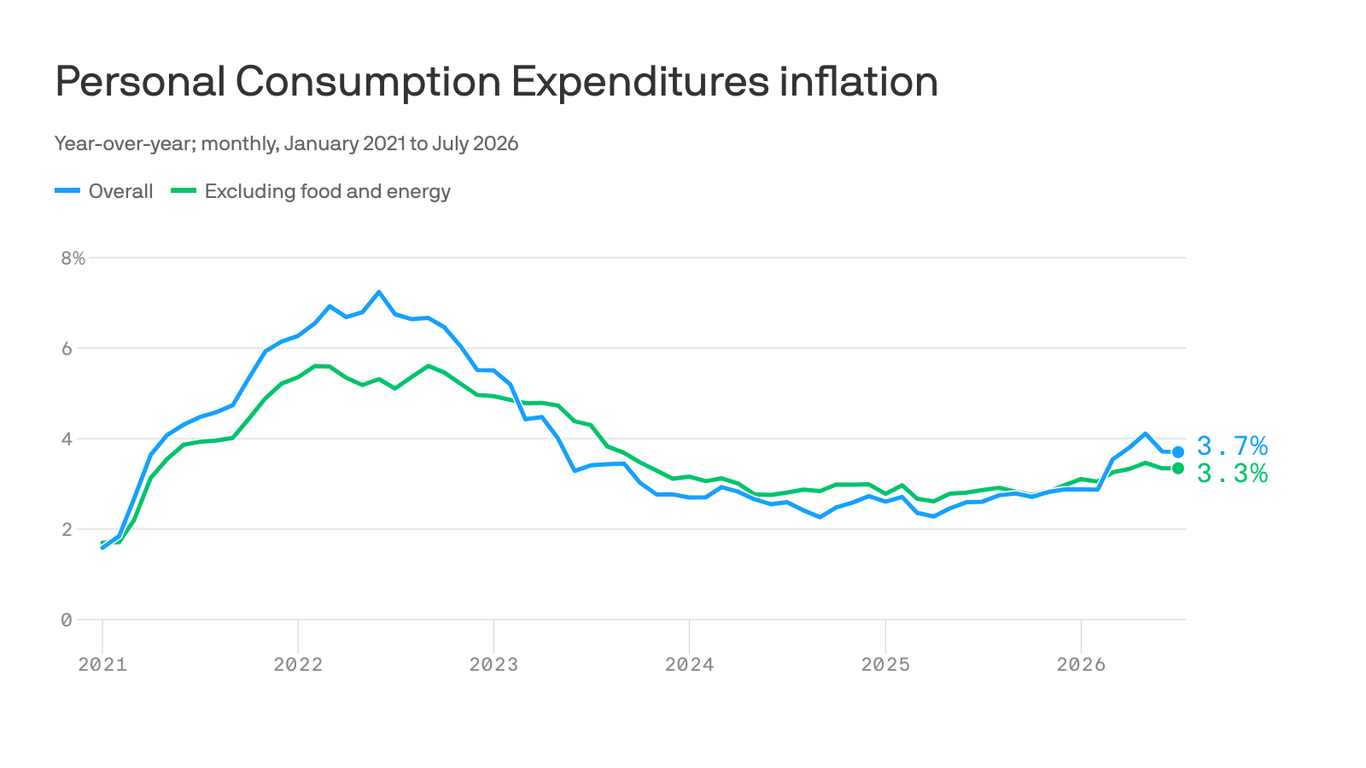
At the same time, U.S. Treasury bonds have rallied, pushing yields lower even after inflation climbed above 4% for the first time in three years, reflecting growing uncertainty over the market’s outlook.
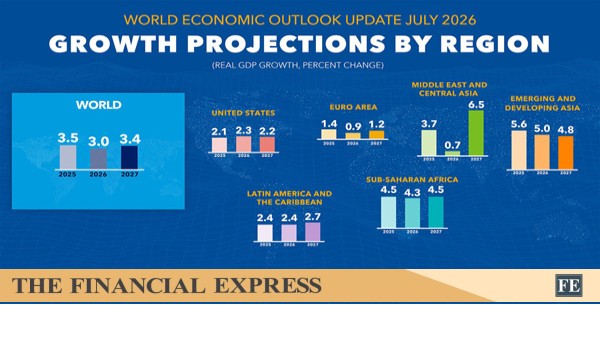
Reuters reported that some market participants believe the resilience of consumer spending despite elevated energy prices suggests the U.S. economy remains stronger than many had anticipated at the beginning of the year. That has prompted expectations that economic growth could surprise on the upside.
Higher real interest rates reshape market expectations
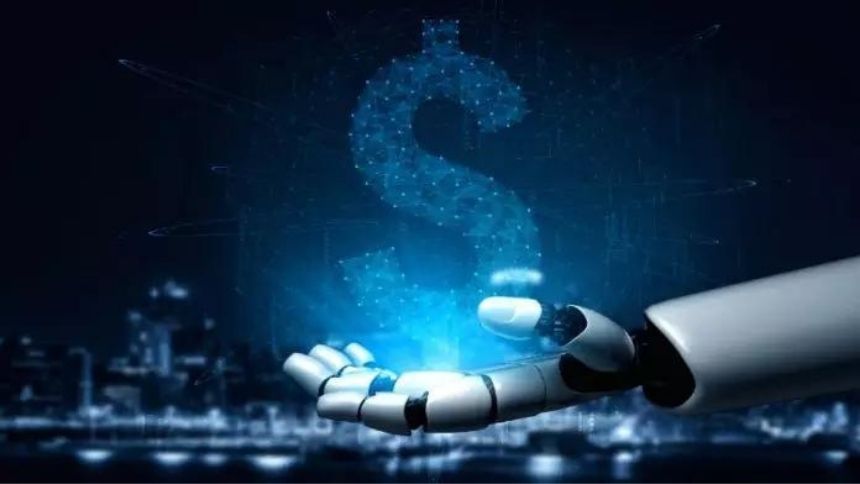
Investors are increasingly focused on the impact of rising inflation-adjusted, or real, interest rates as massive AI-related investments reshape financial markets.

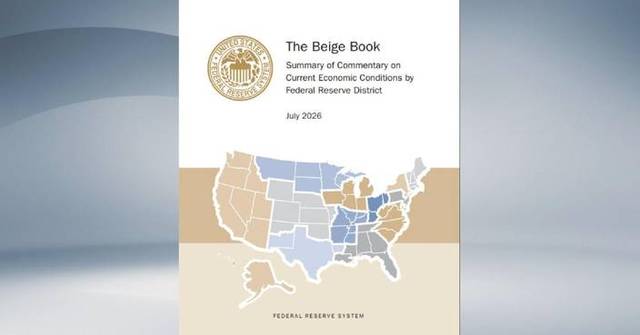
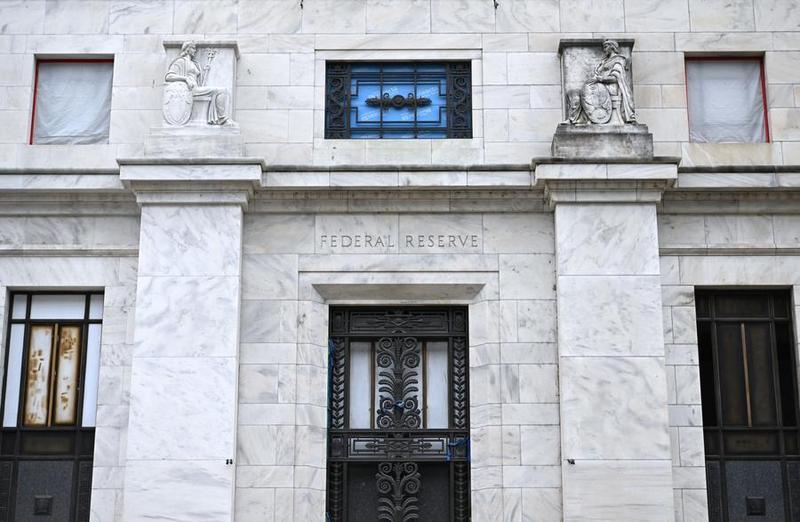
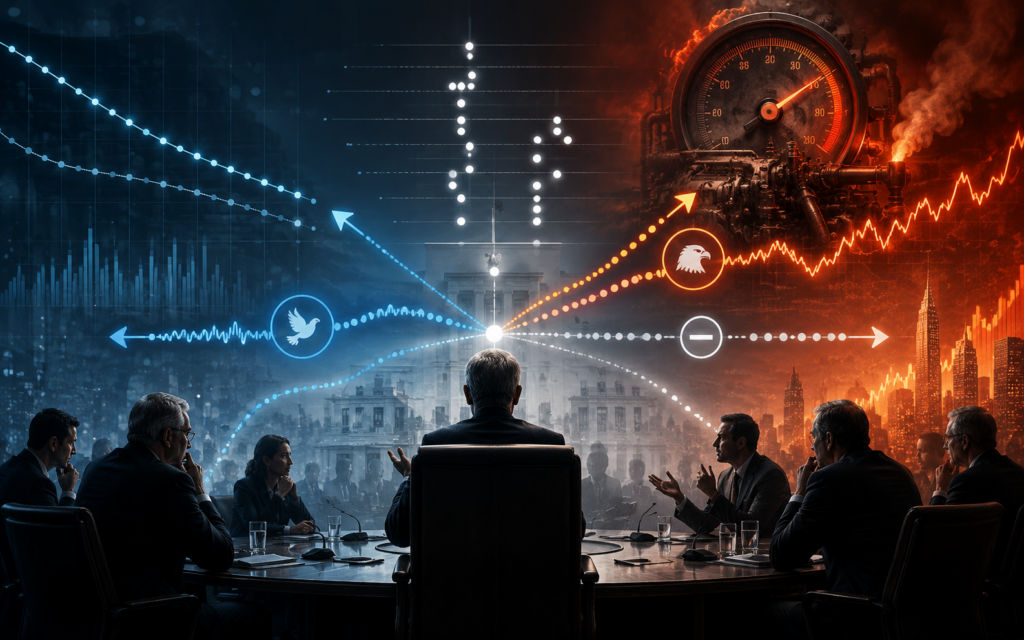
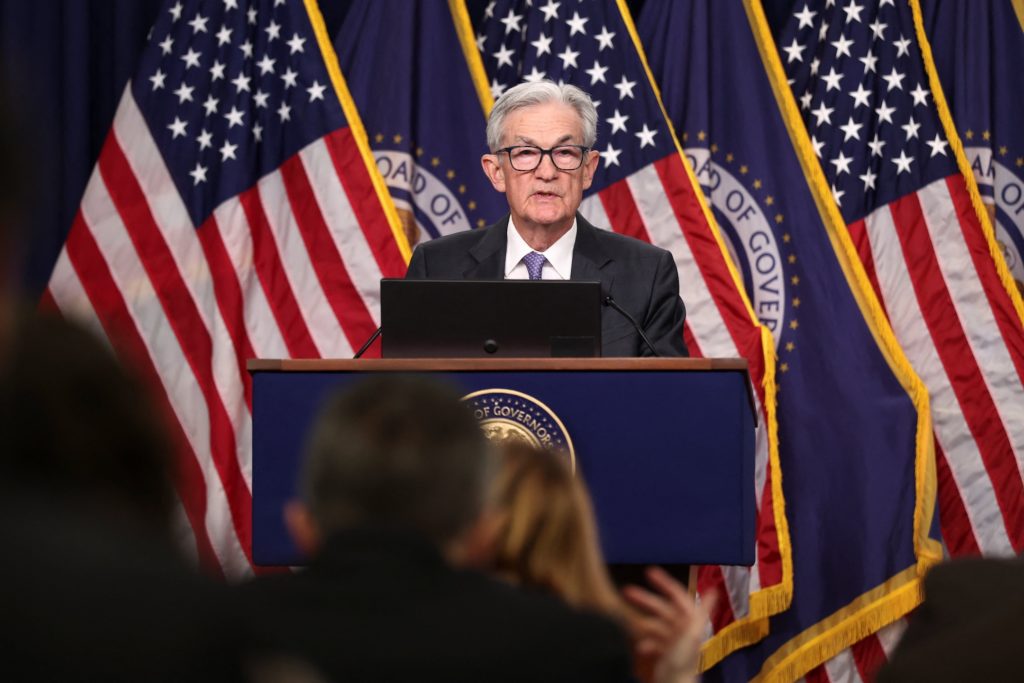
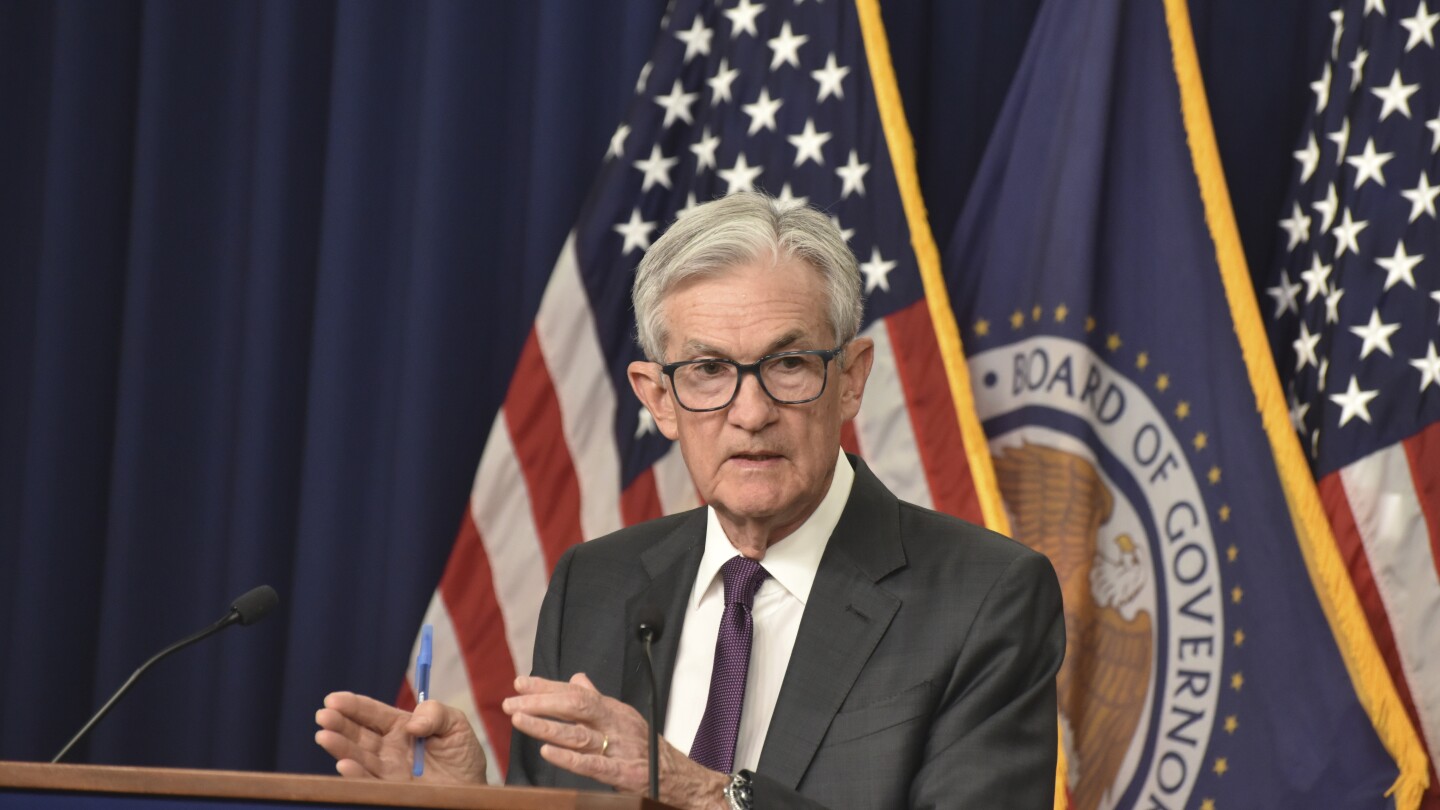
According to Reuters, Kevin Warsh’s relatively hawkish stance has fueled speculation that the Federal Reserve could raise interest rates, although many analysts remain skeptical that further tightening will be necessary given the recent tightening in financial conditions.
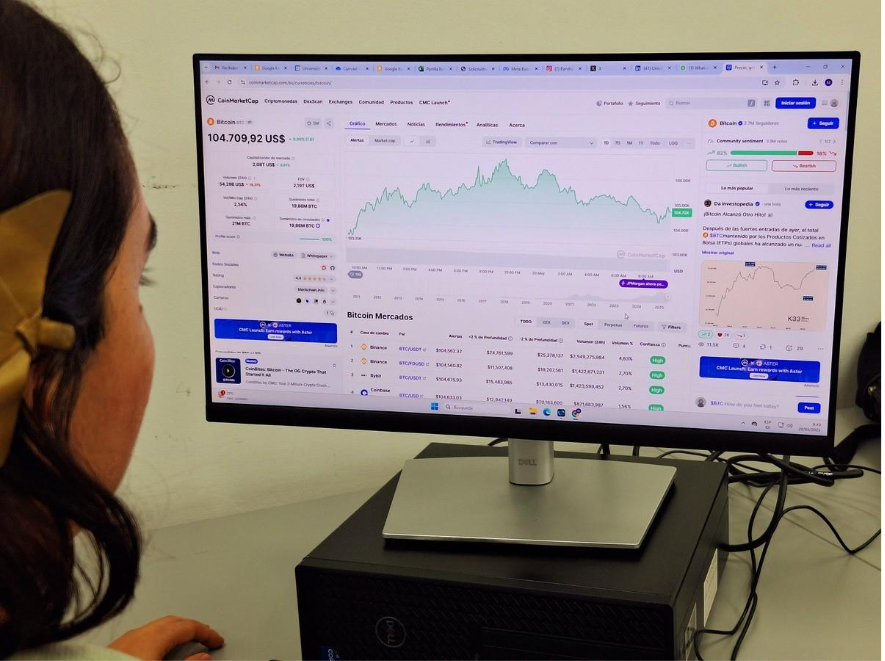
Higher borrowing costs have already weighed on several asset classes. Gold, bitcoin and leading technology stocks, including Microsoft and Meta Platforms, have all retreated from recent highs.Meanwhile, companies continue to tap capital markets aggressively by issuing both debt and equity to finance expanding AI infrastructure. Reuters noted that while strong investor demand has supported these fundraising efforts, the combination of elevated valuations and rising financing costs has raised concerns about whether the market’s momentum can be sustained if real borrowing costs remain high.
AI sector emerges as the biggest source of market volatility
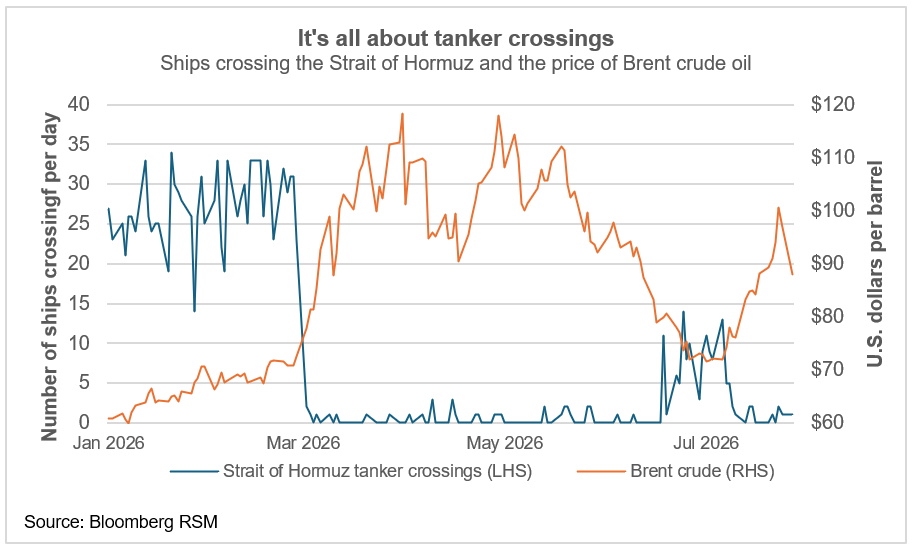
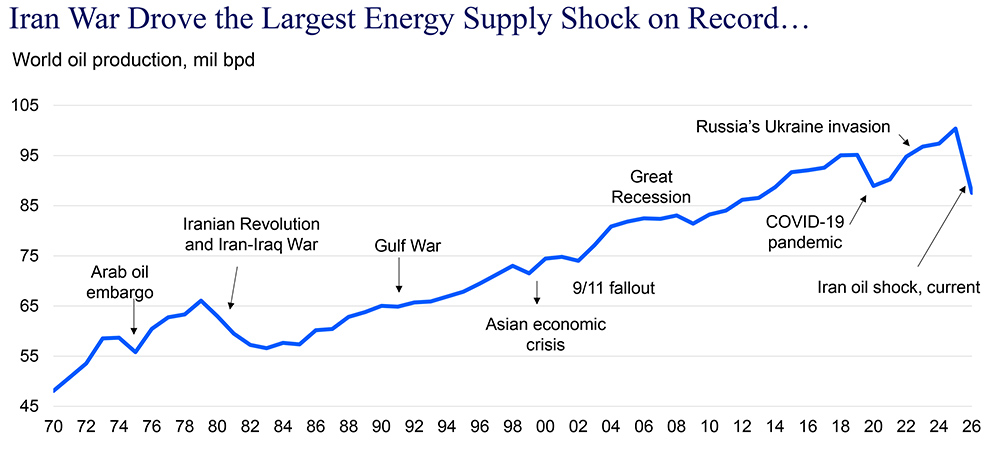
Reuters reported that easing geopolitical tensions and declining oil prices have restored a more supportive macroeconomic backdrop. However, analysts caution that much of this optimism is already reflected in elevated equity valuations.
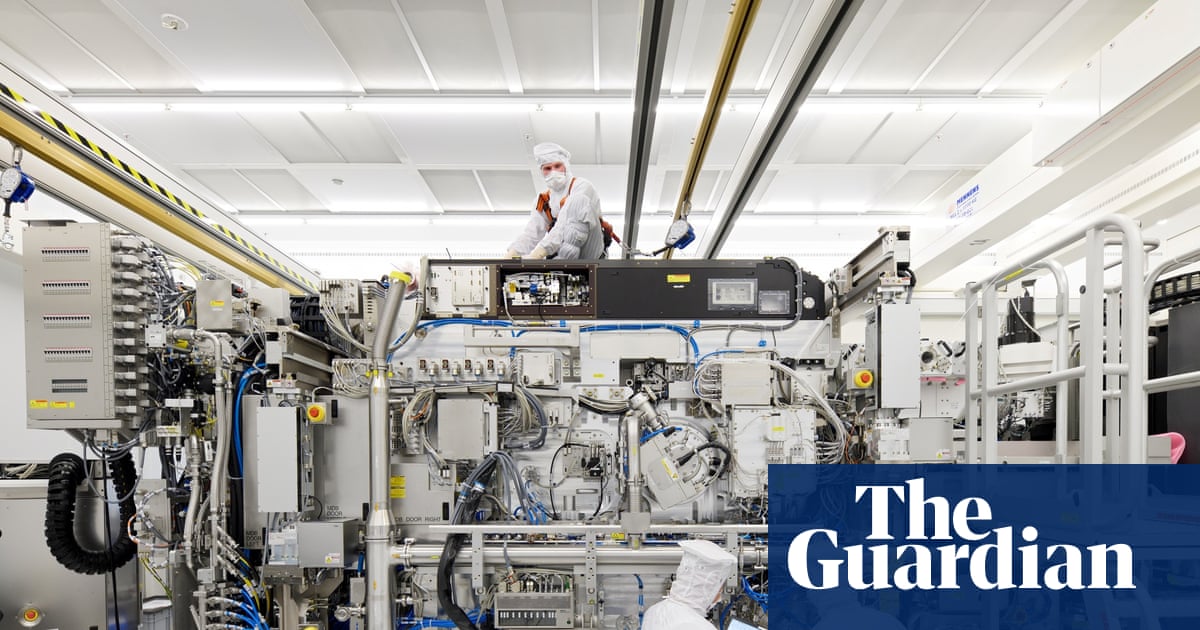
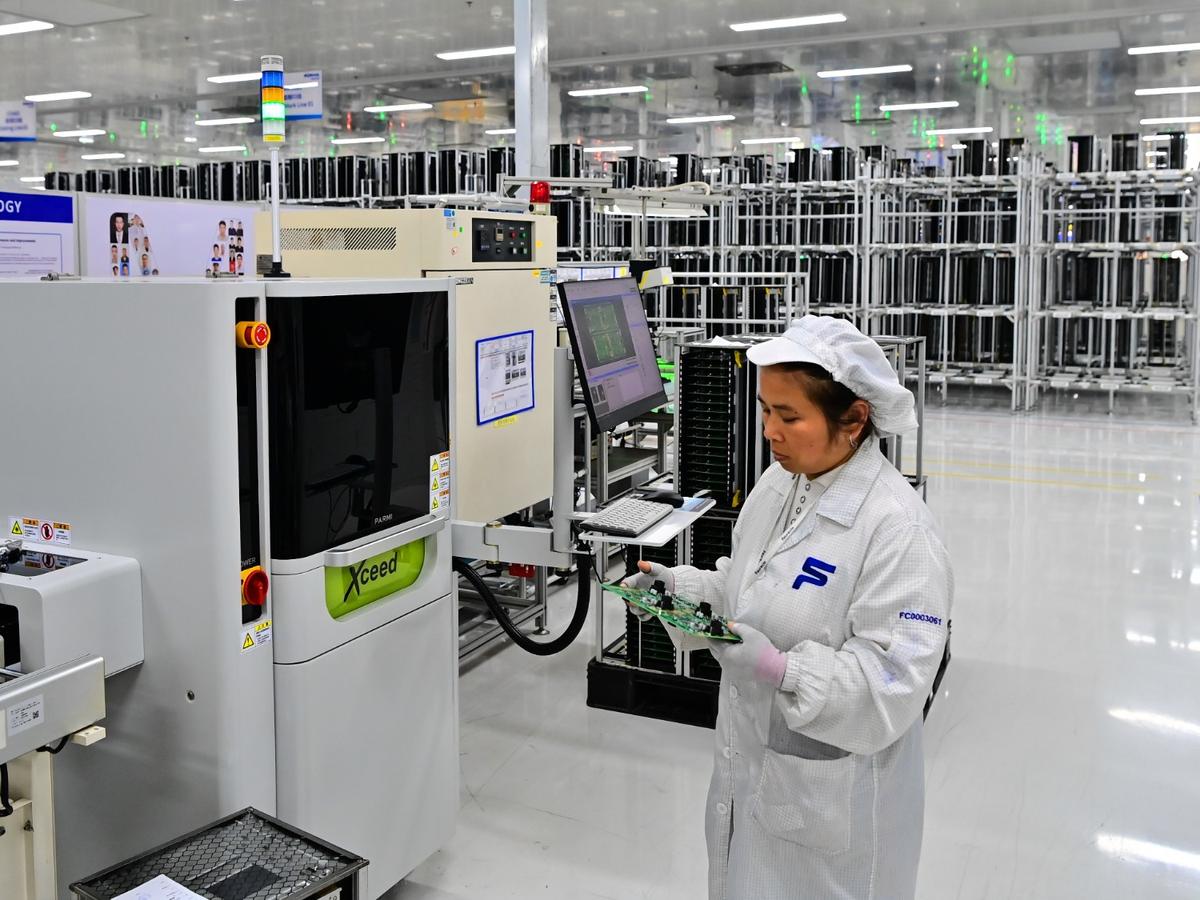
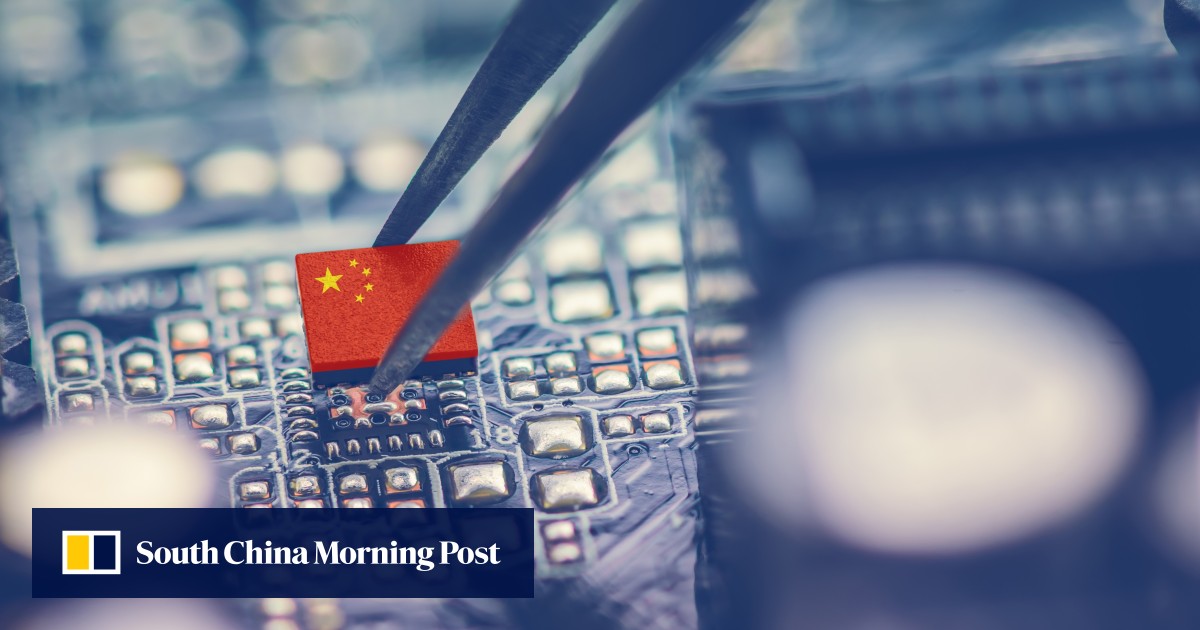
The AI sector has become the primary driver of market volatility, with investors rapidly rotating between momentum trades. Semiconductor stocks have surged sharply since geopolitical concerns peaked in late March, with the semiconductor index gaining nearly 87% this year. Chipmakers including Micron, Intel and Marvell Technology have posted outsized gains as enthusiasm around AI infrastructure spending has accelerated.
In contrast, the Magnificent Seven group, including Nvidia, Apple and Alphabet, has underperformed this year after accounting for a substantial share of the S&P 500’s gains in 2025.
Rising debt among hyperscalers sparks investor concerns
Investor sentiment towards the largest technology companies has also been affected by their growing reliance on debt to finance AI expansion.
According to Reuters, concerns began emerging late last year when companies traditionally known for maintaining strong balance sheets started increasing borrowings. Amazon and Alphabet alone have issued roughly $60 billion worth of bonds across multiple currencies over the past year.
Investment-grade bond issuance by major hyperscale technology companies has already exceeded last year’s total and is on track to reach around $250 billion this year, based on BNP Paribas estimates cited by Reuters.
Some investors believe AI is currently generating stronger returns for companies supplying AI infrastructure, such as semiconductor manufacturers, than for the technology giants making the largest investments in AI data centers and computing capacity.
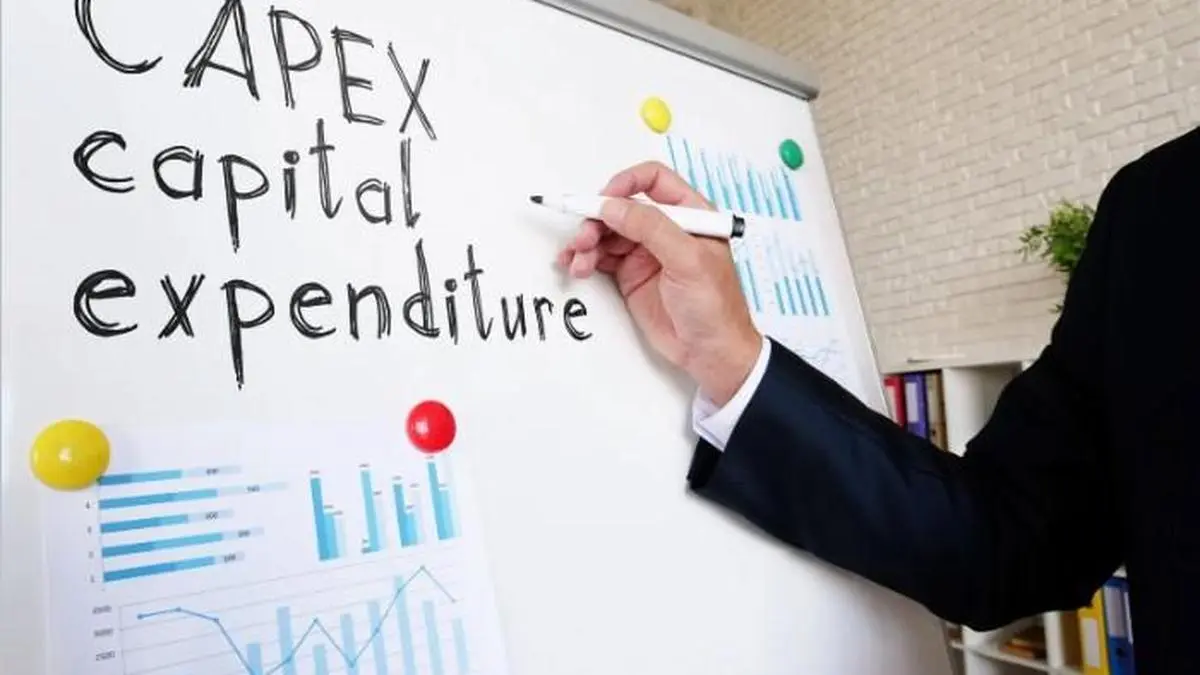
These concerns have prompted portfolio adjustments. Reuters reported that UBS recently reduced its exposure to semiconductor and hardware stocks within its AI-focused portfolio, citing the possibility that declining share prices among hyperscalers could eventually lead to cuts in capital expenditure.
Such a slowdown could have broader economic consequences given the enormous scale of planned AI investments by the world’s largest technology companies.
Nevertheless, Reuters noted that many investors remain reluctant to bet against U.S. equities, pointing to a market that has repeatedly rebounded from periods of weakness as investors continue to buy into declines despite growing concerns over valuations and AI-related spending.