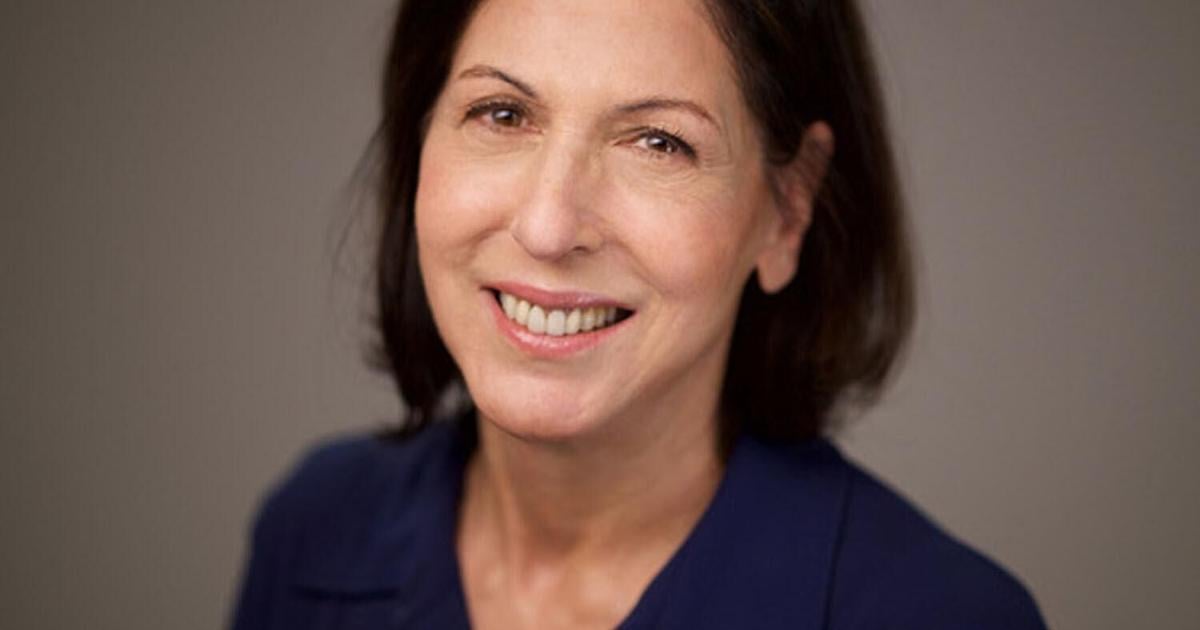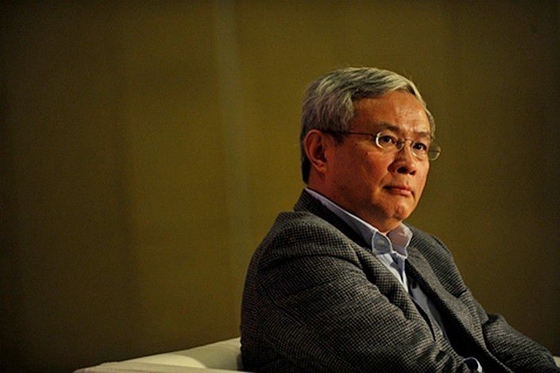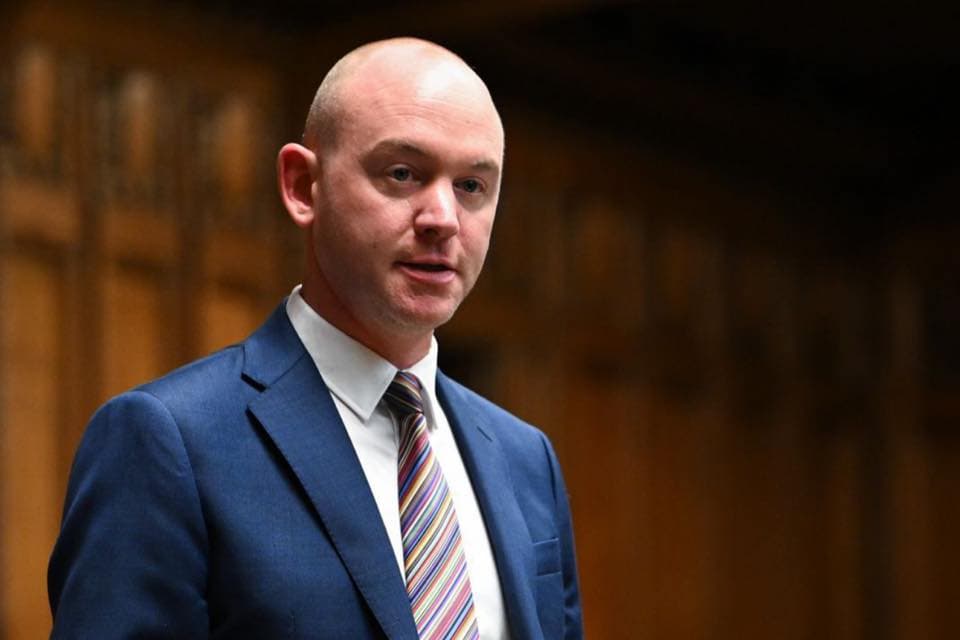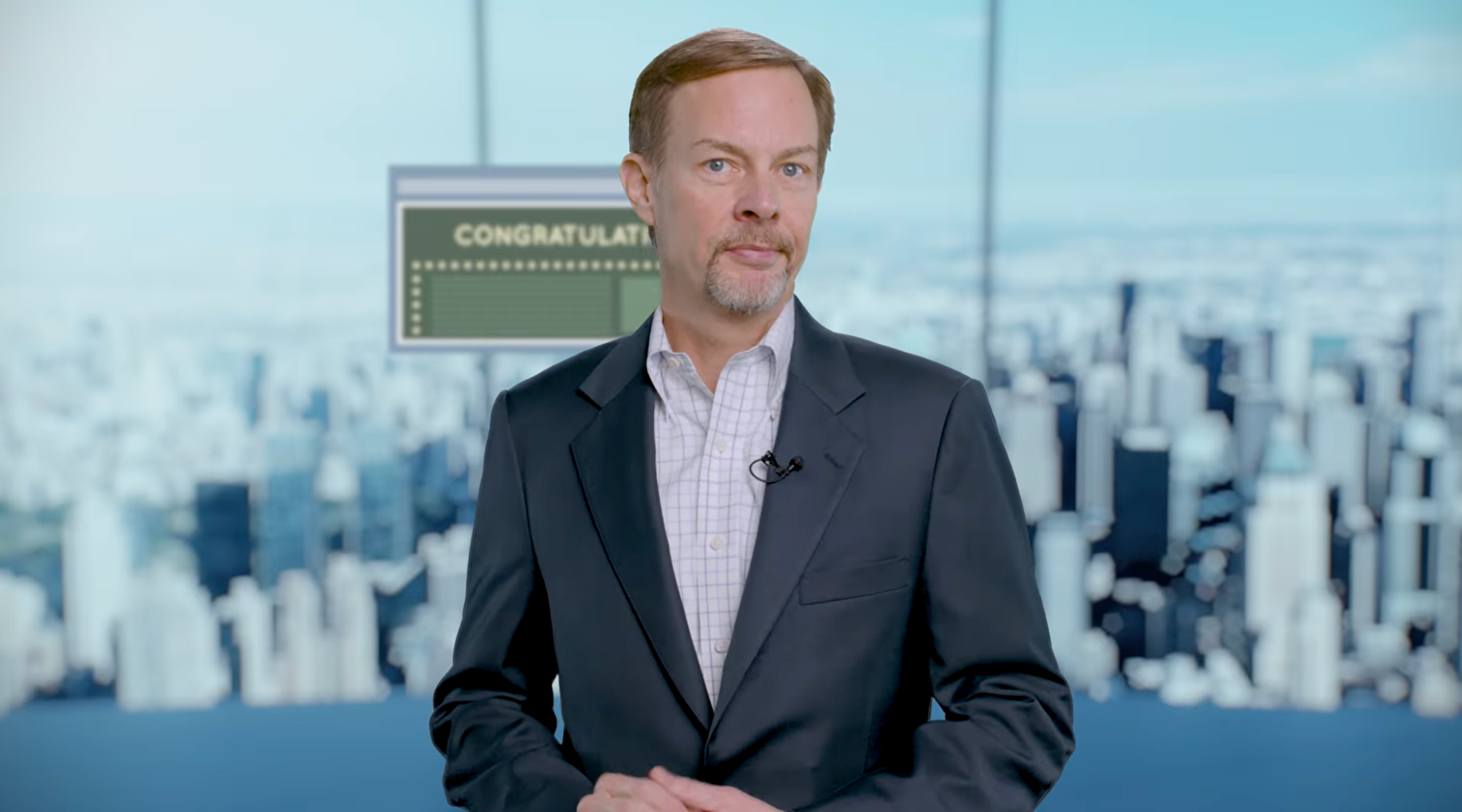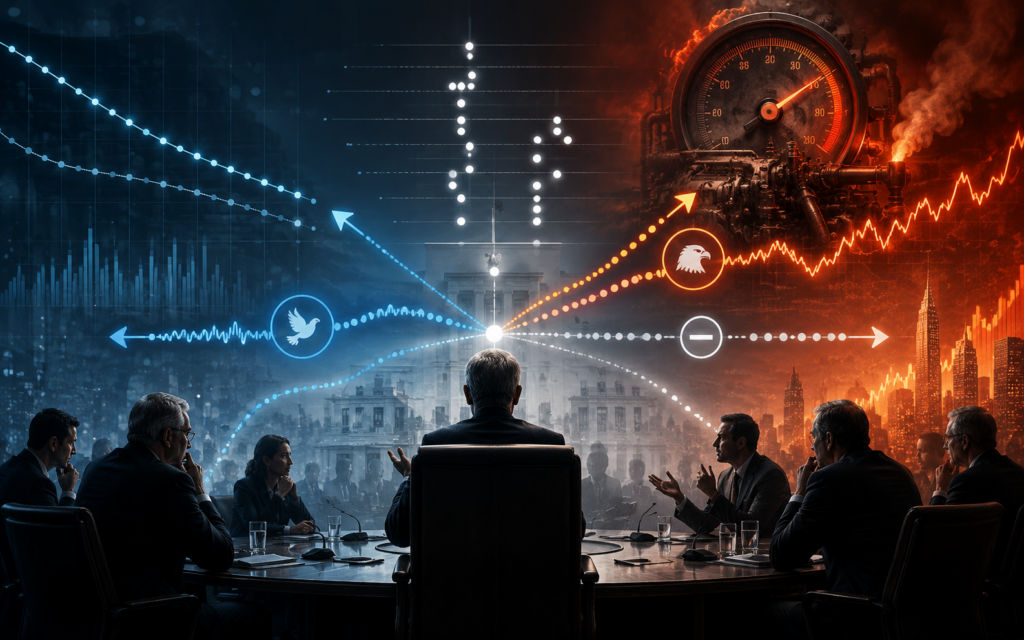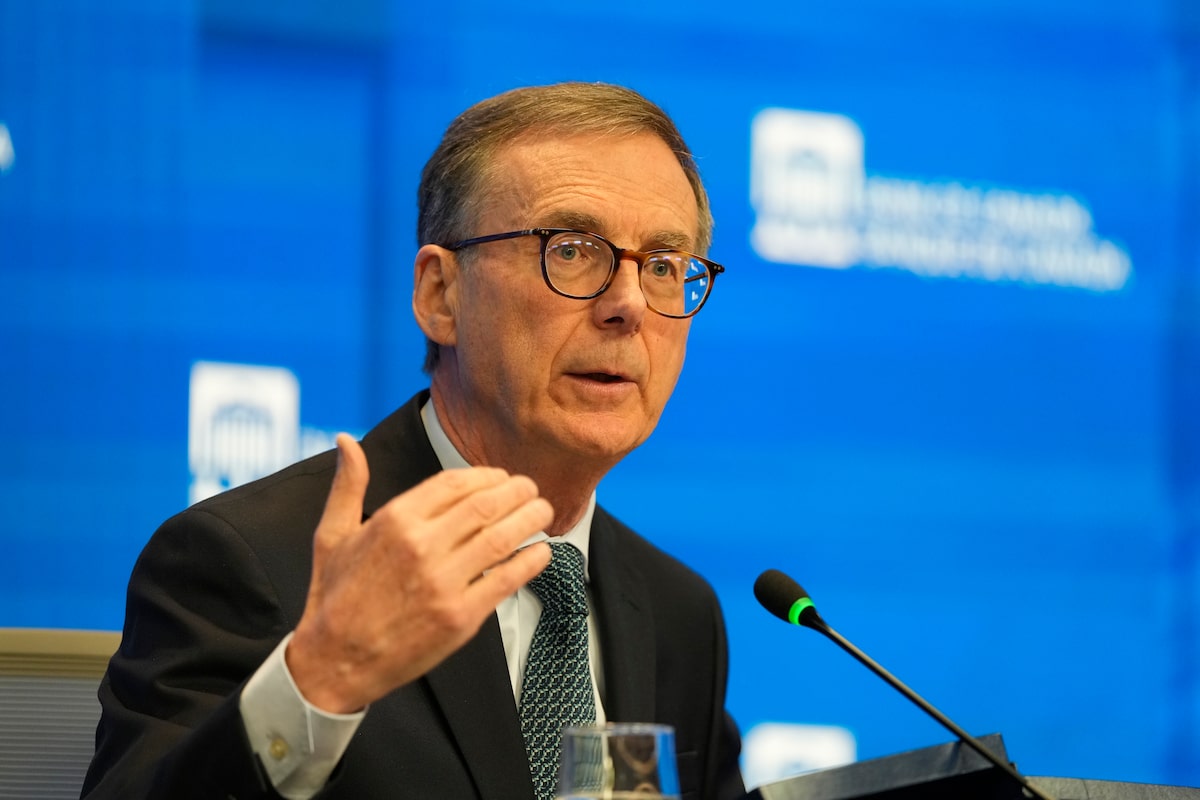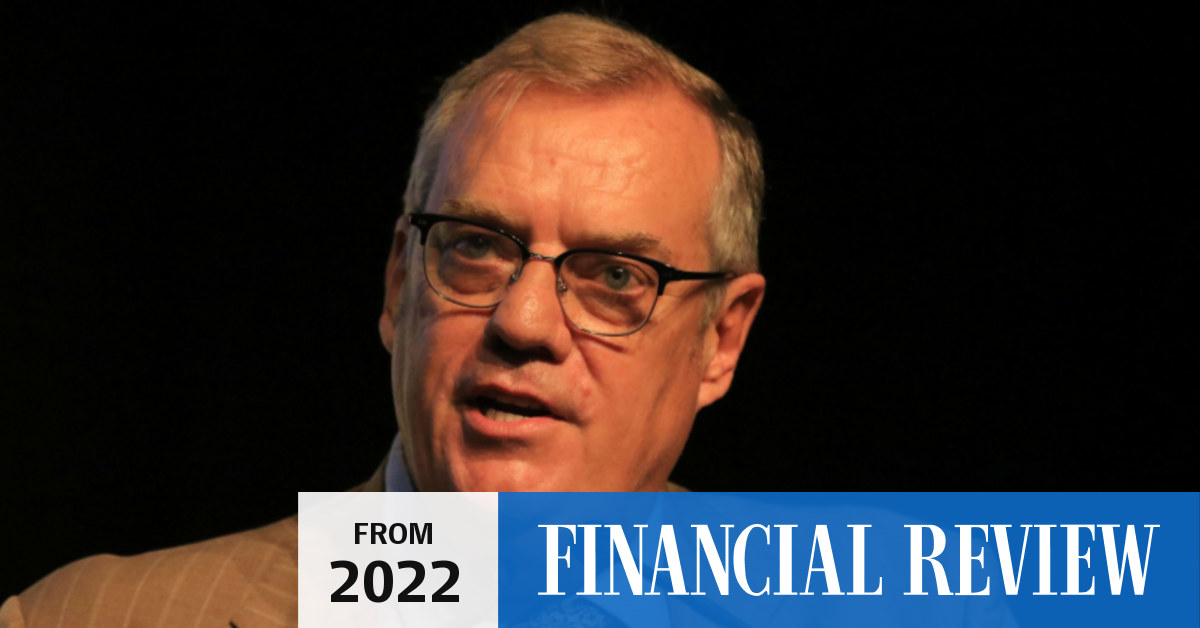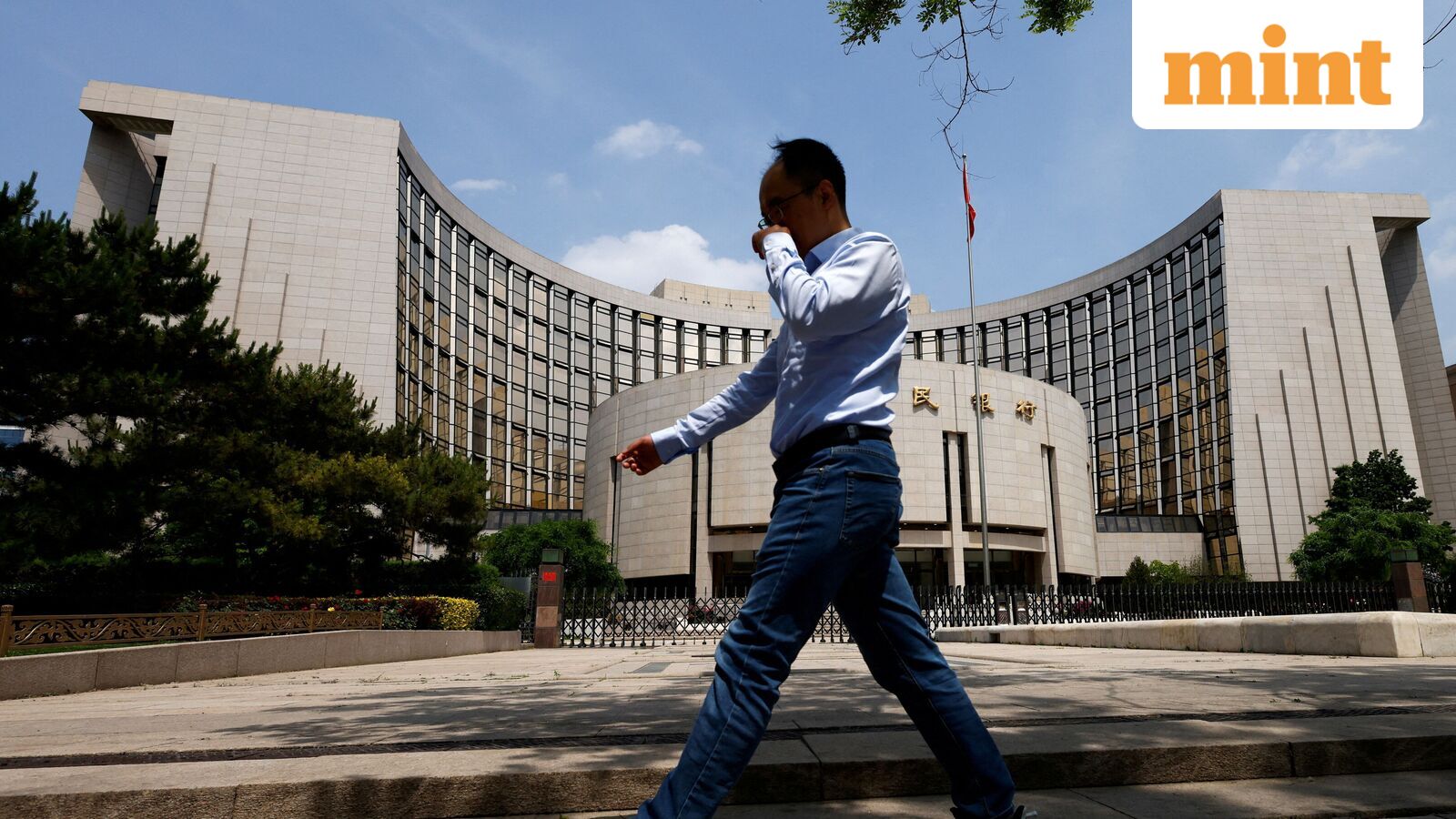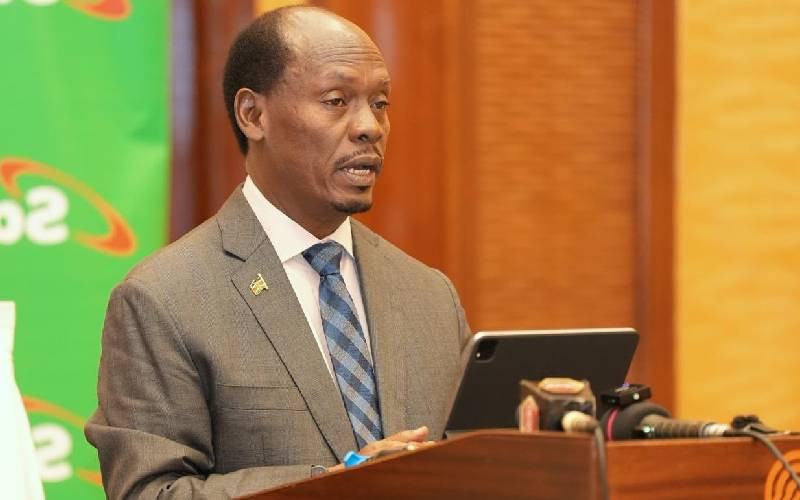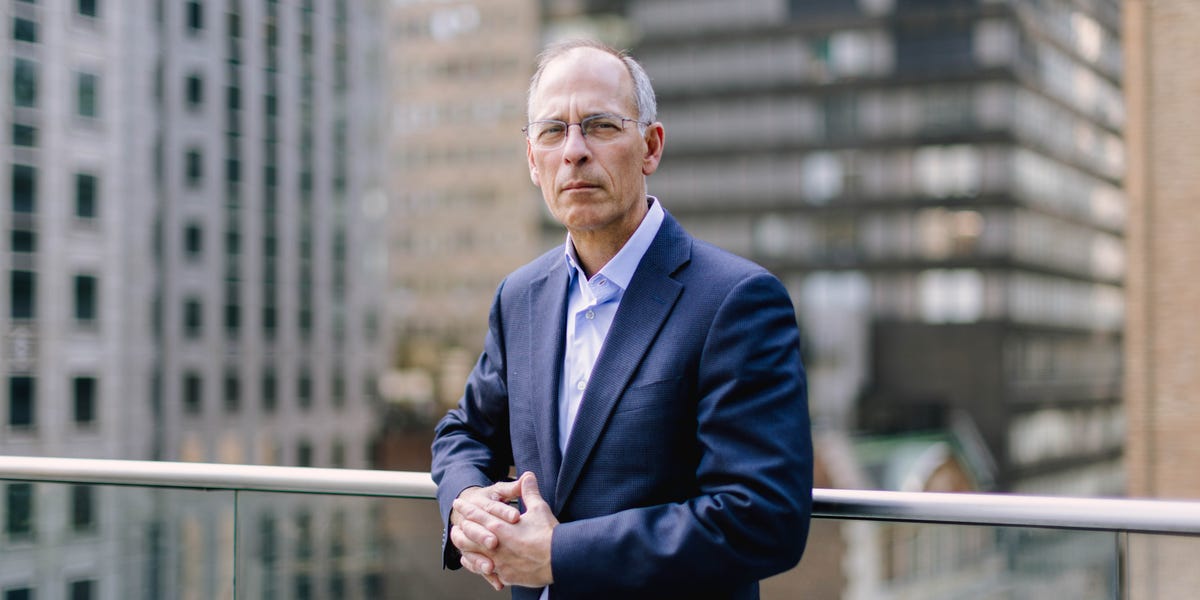
The Fed’s newfound resistance to providing “even a modicum” of guidance on where policy may be heading is a growing risk to markets and the economy, Mark Zandi says.
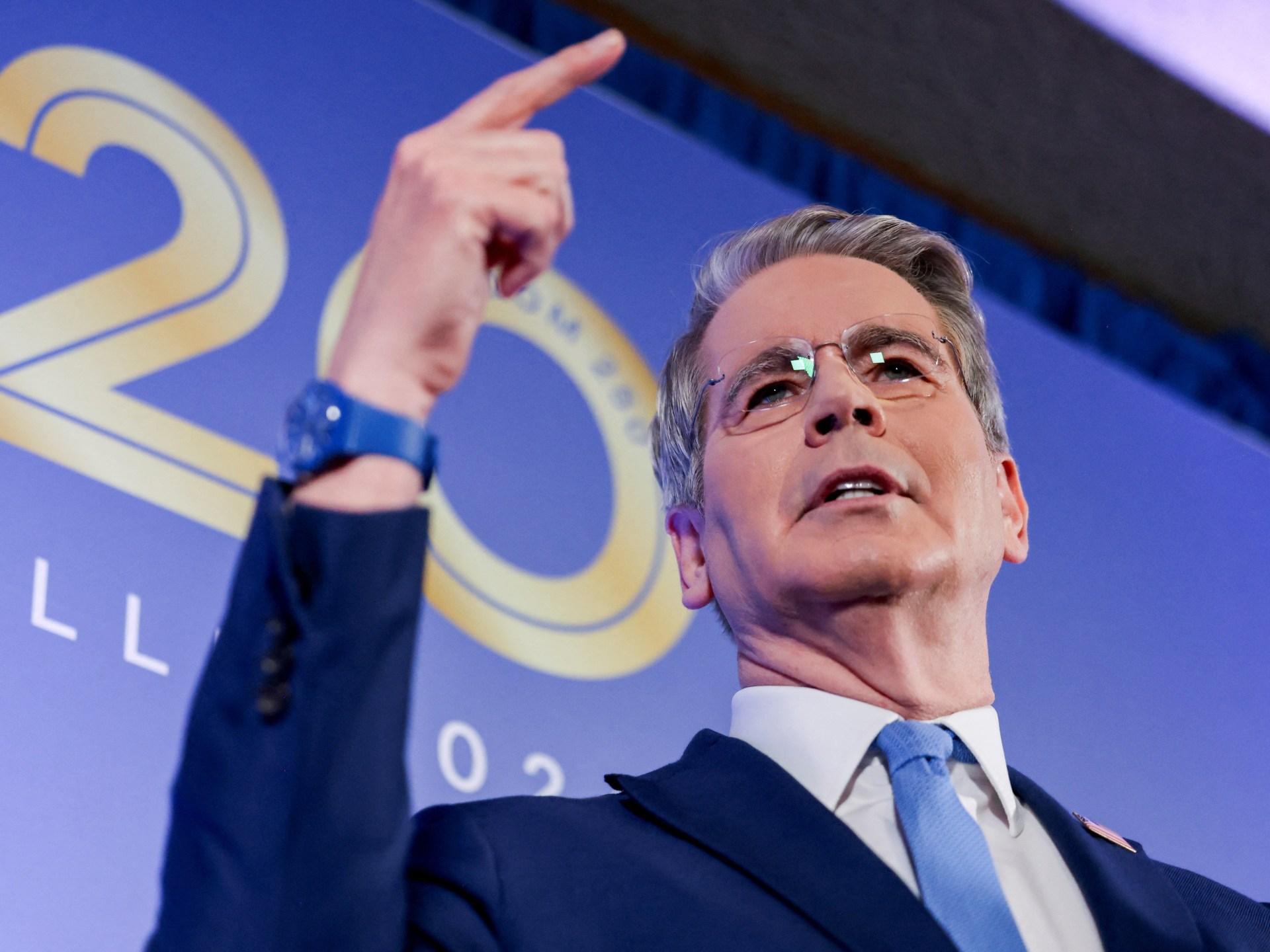
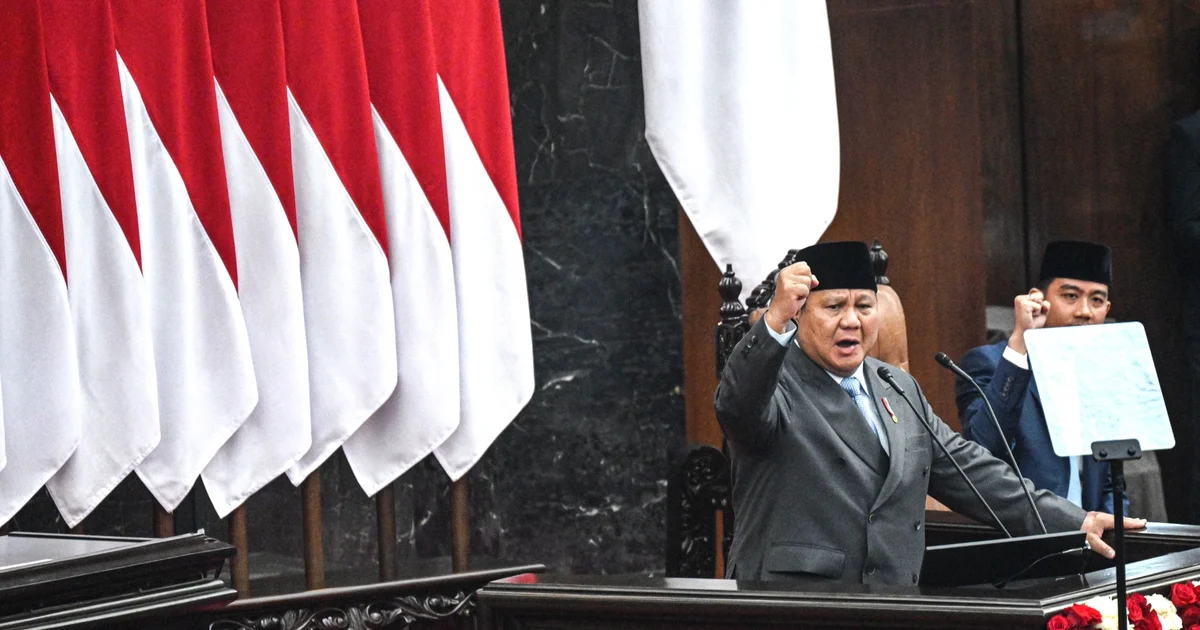
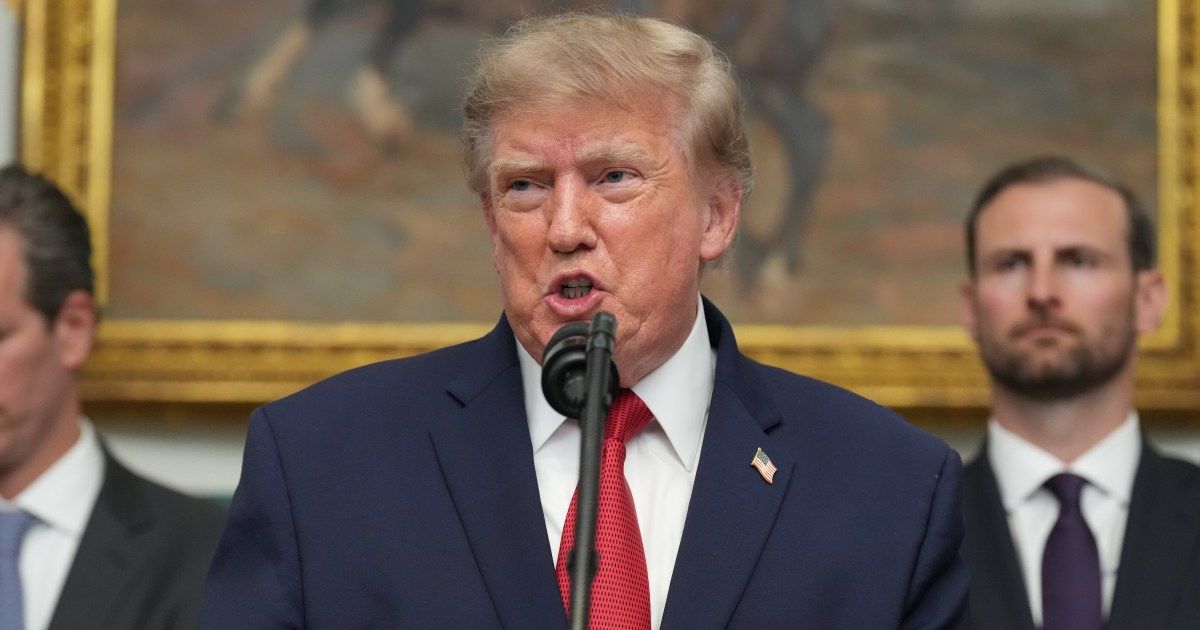
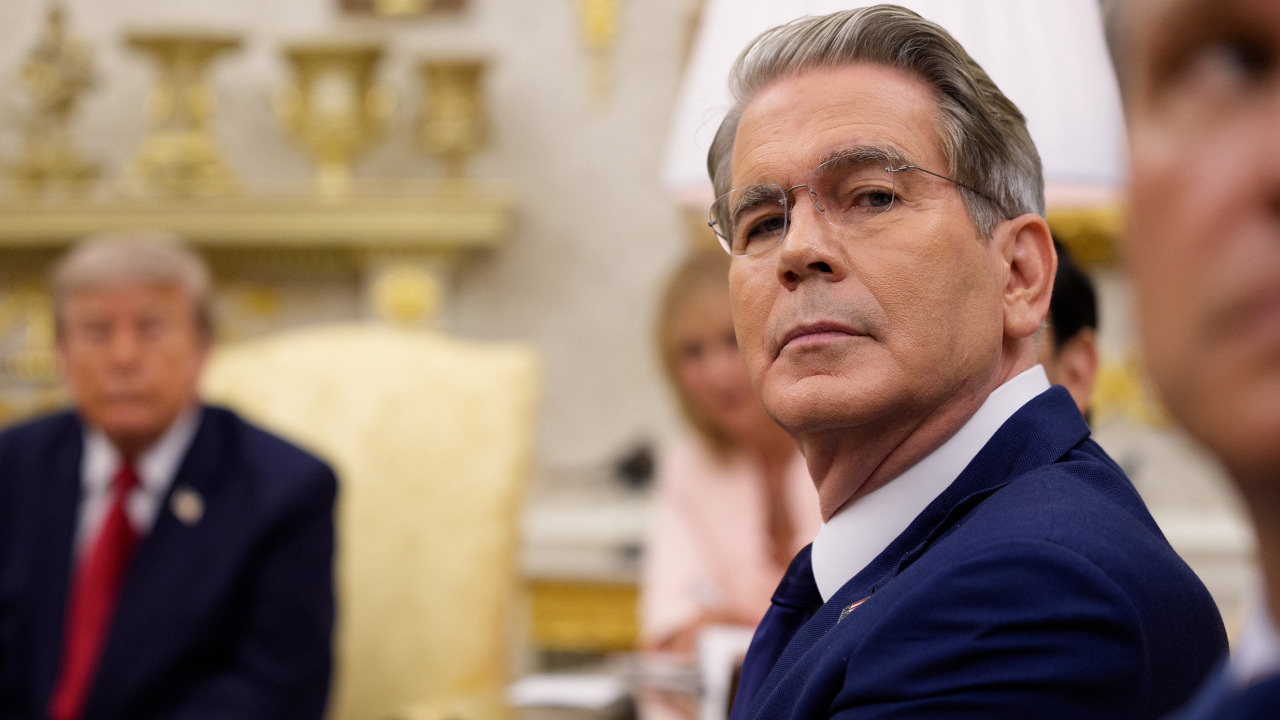
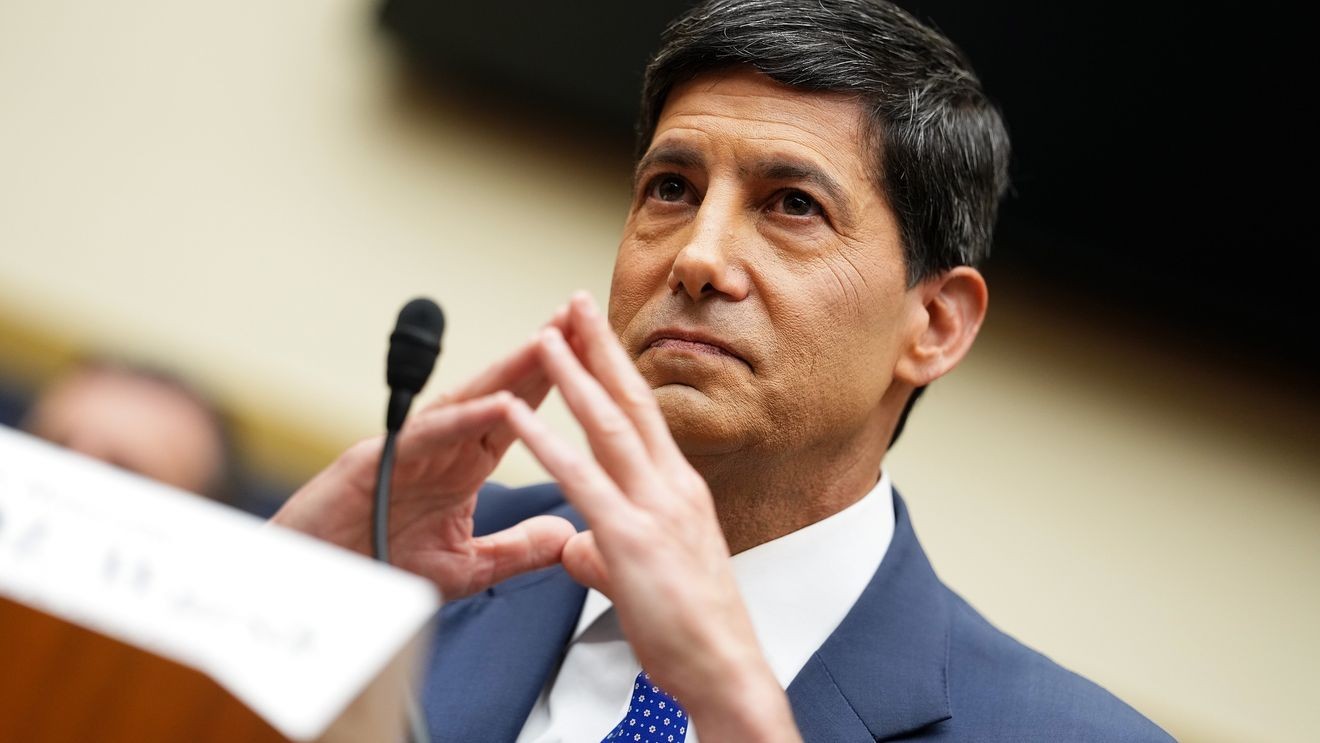
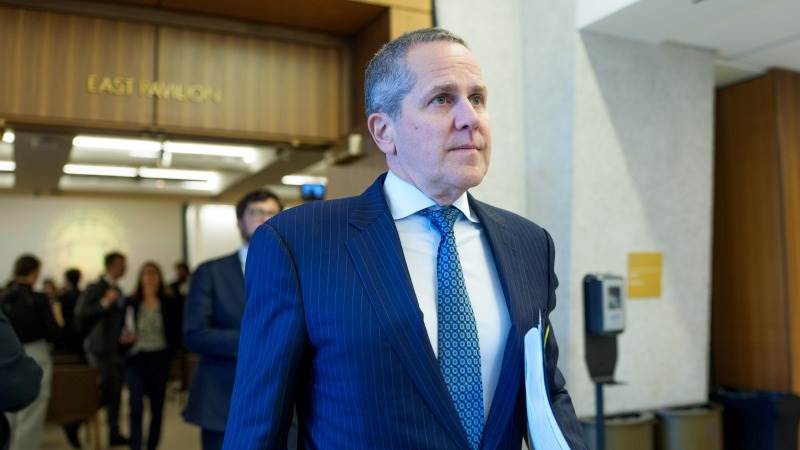
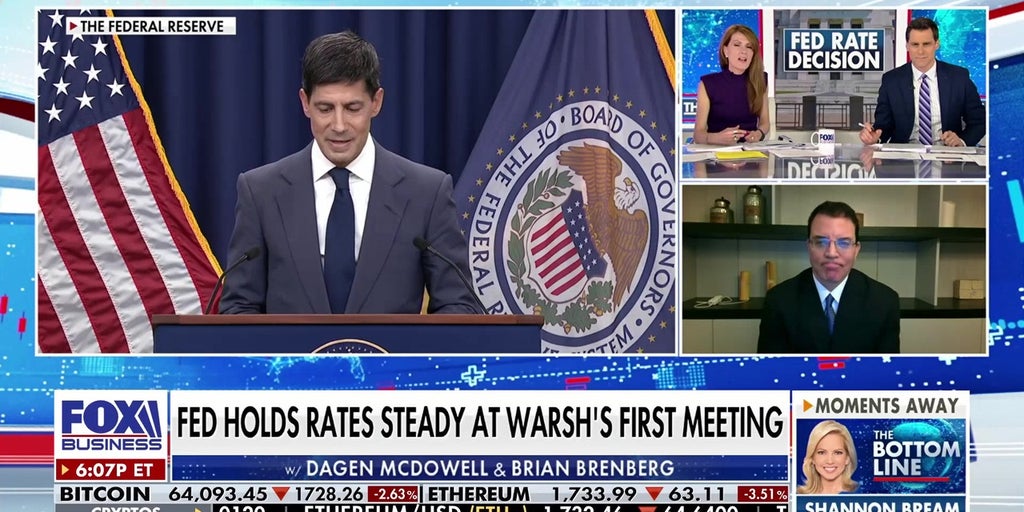
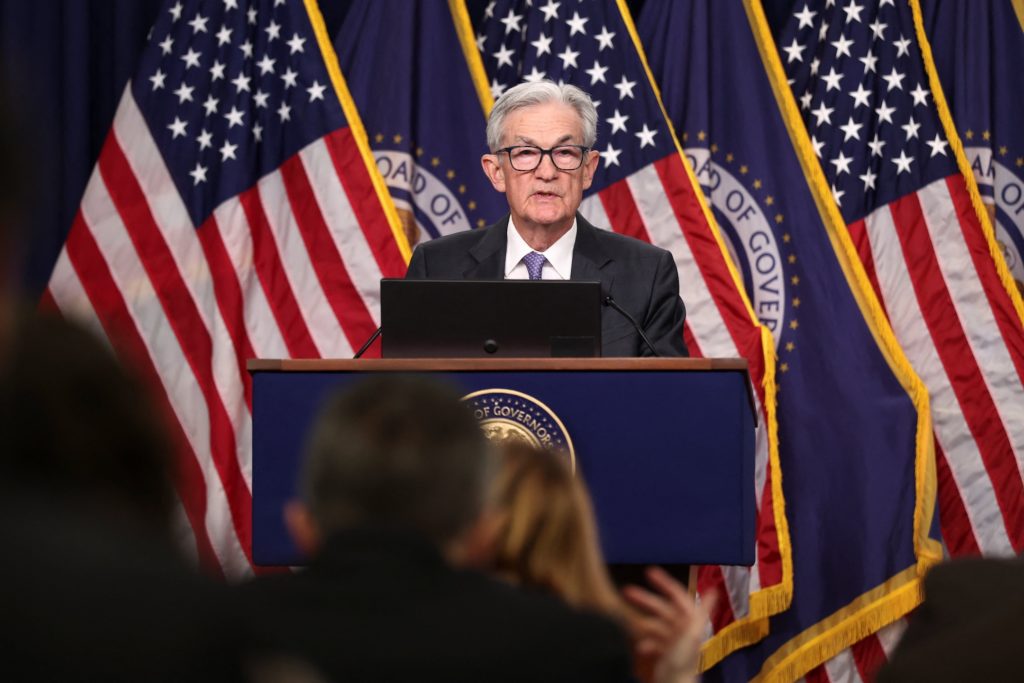
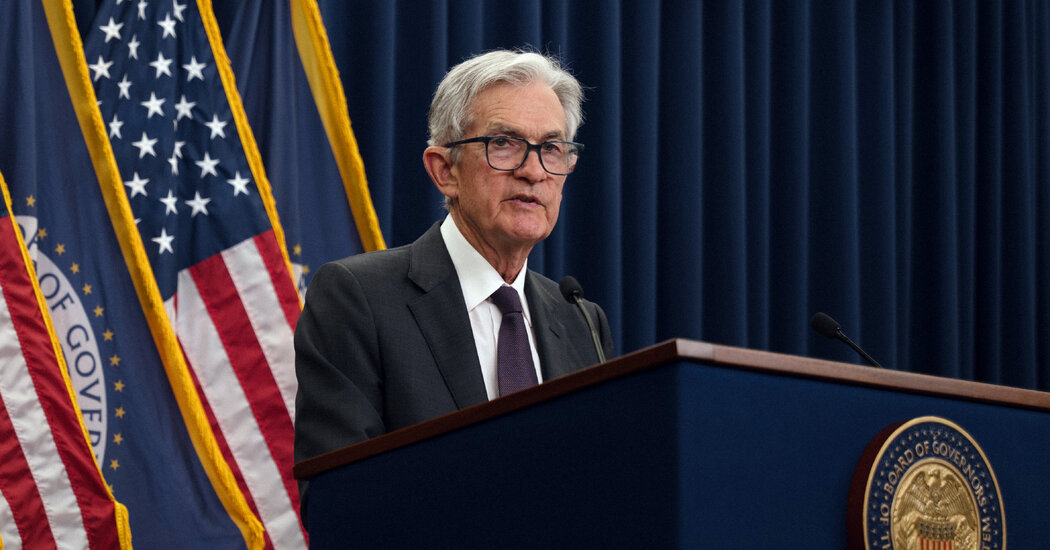
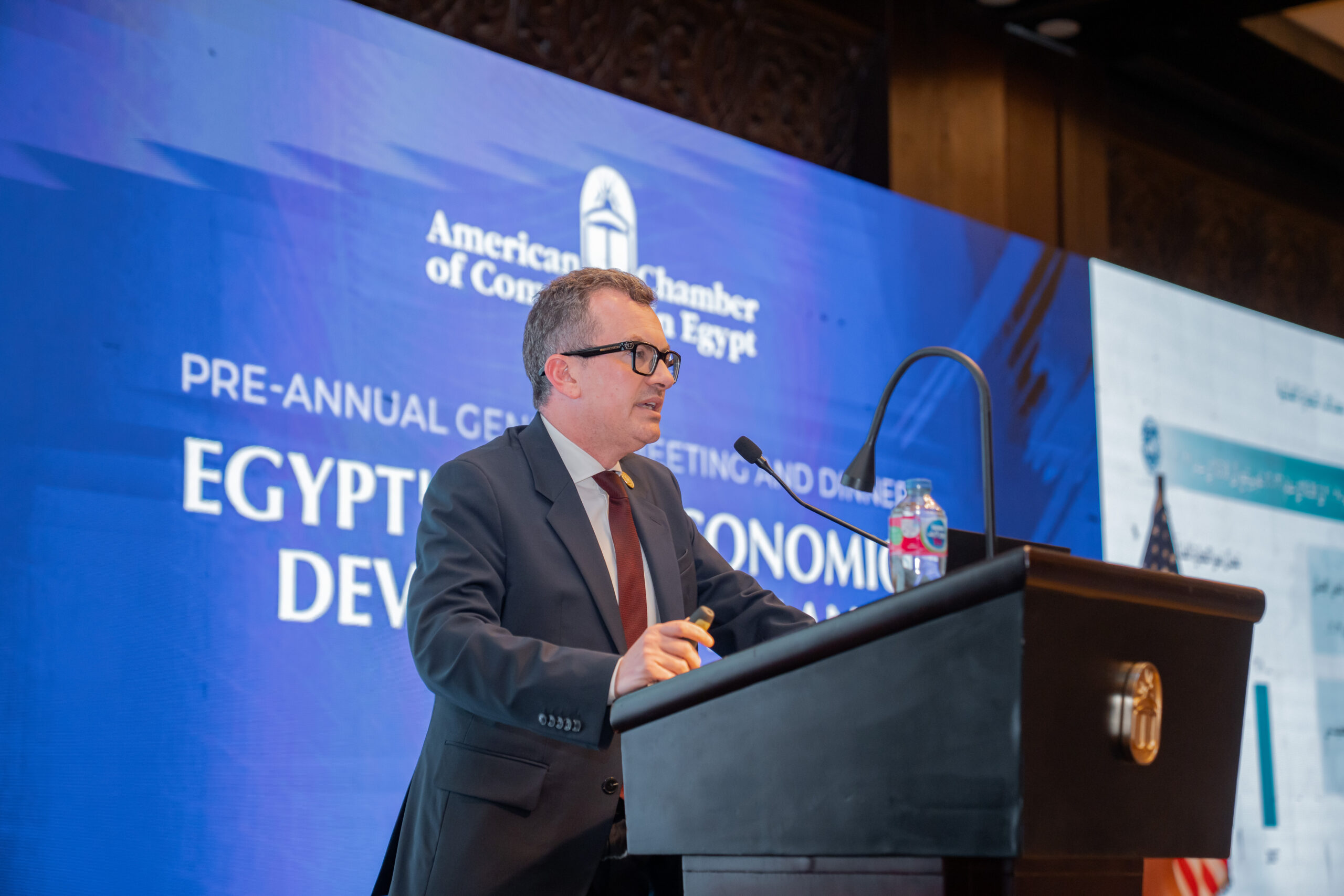
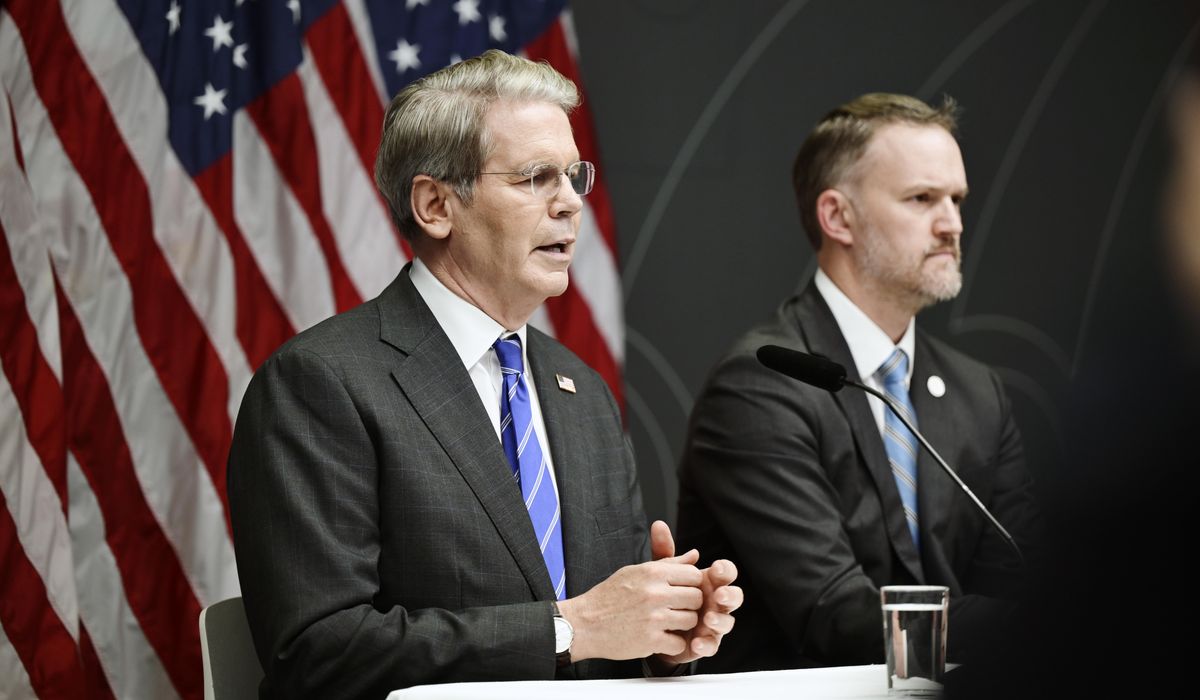
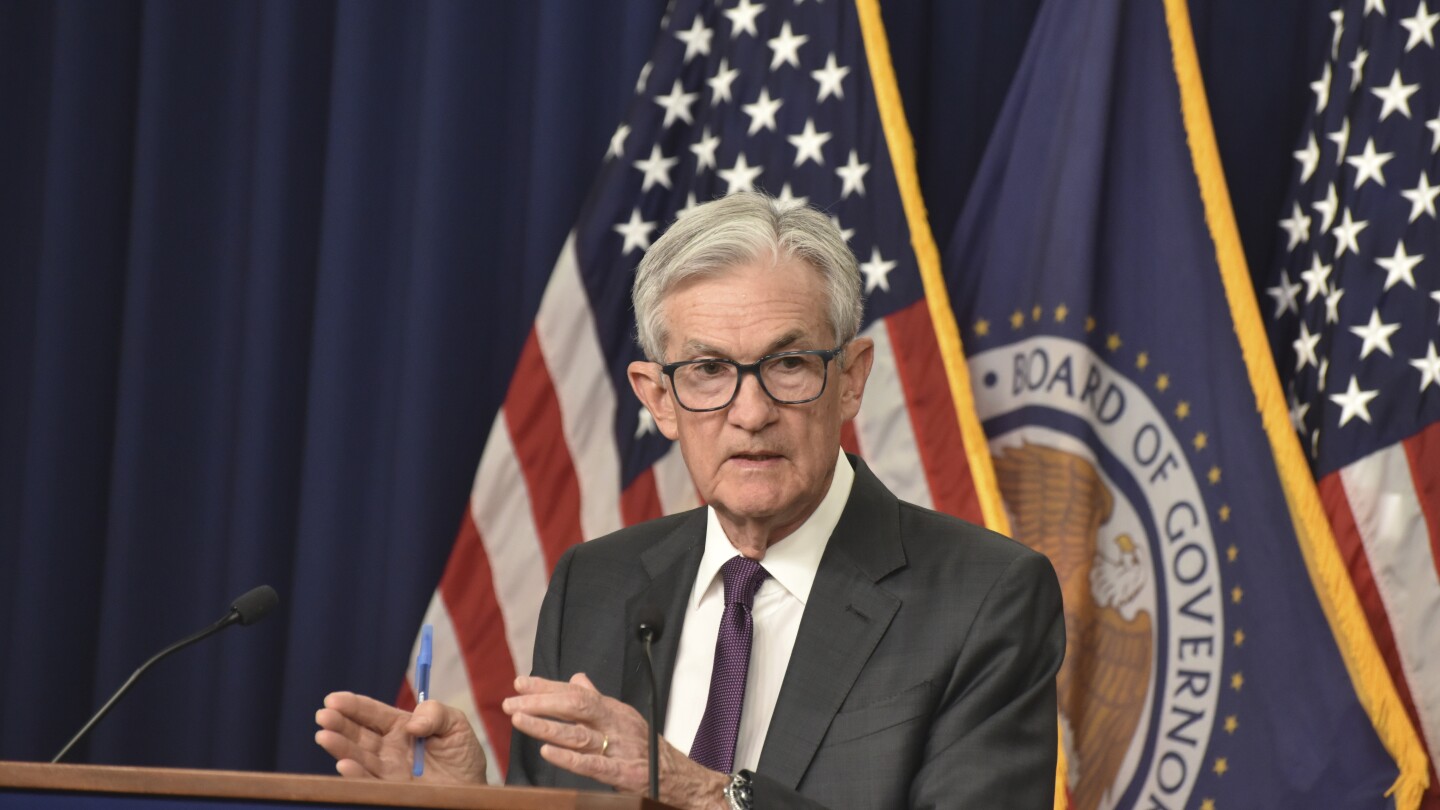
When the Fed Chair stepped up to the podium at last week’s Federal Open Market Committee meeting, the focus was mainly on whether he would announce a change in interest rates. However, Zandi said that there’s a bigger problem with the Fed’s new communication style under the leadership of Kevin Warsh.
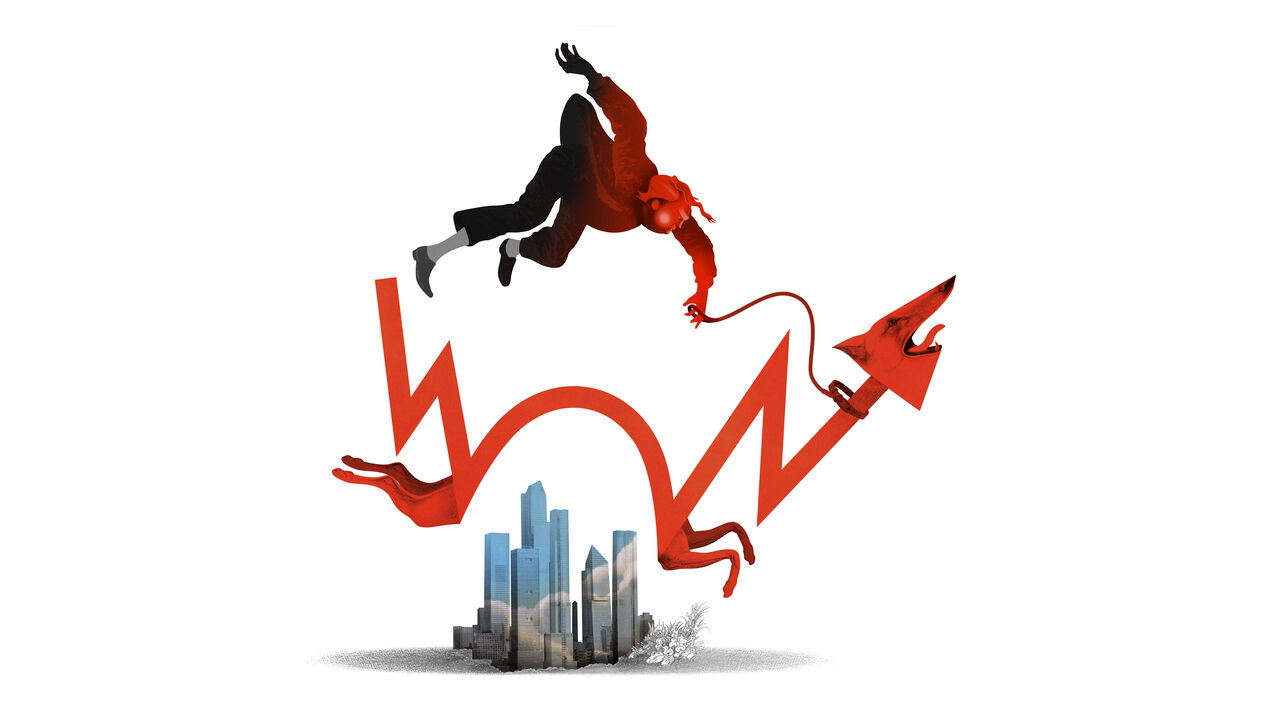
“If the Fed continues down this increasingly opaque path, a future meeting could trigger a serious market sell-off — putting the broader economy at risk,” Zandi wrote in a post on X on Sunday.
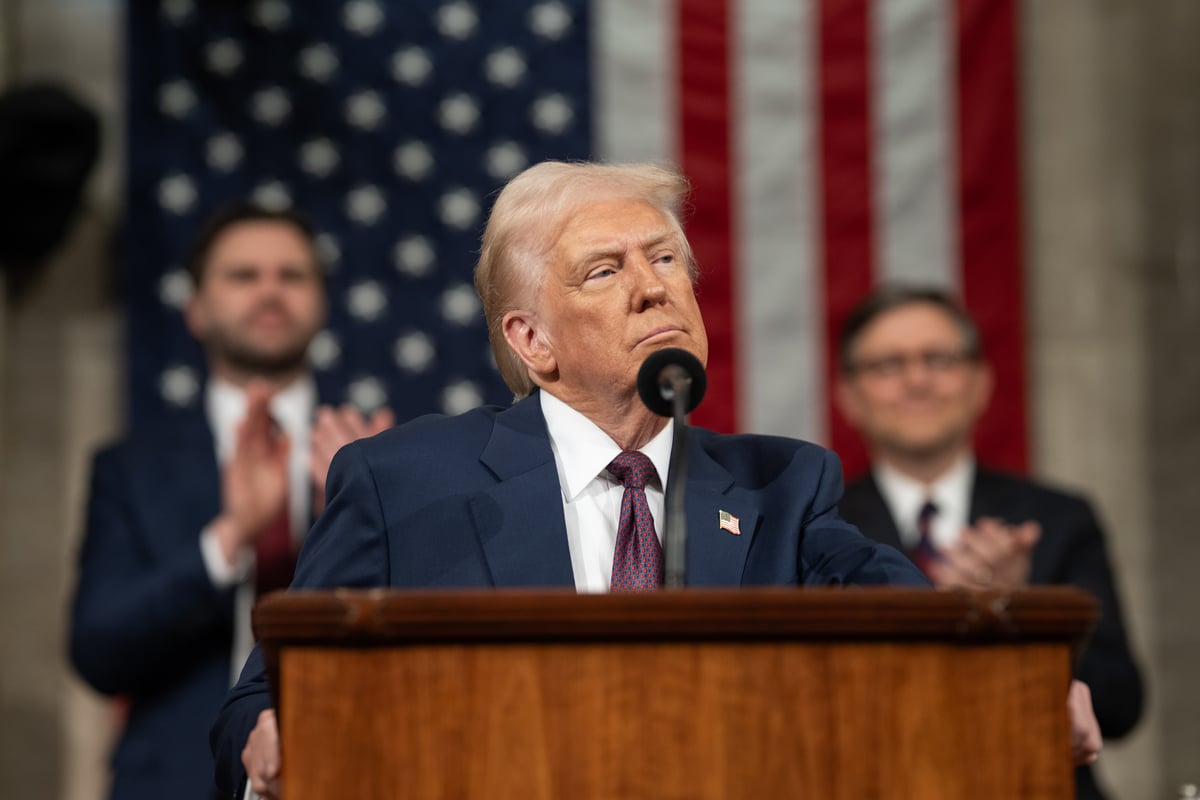
Zandi, the chief economist at Moody’s Analytics, has repeatedly warned of problems ahead for the US economy this year. His bearish forecasts often center on the risk of a recession due to Donald Trump’s trade wars and restrictive immigration policy.
But after the last Fed meeting, Zandi’s newest cause for concern is a “serious mistake” that could severely compromise markets as well as the broader economy.
“I’m not concerned about the Fed’s decision to keep rates unchanged,” Zandi said. “My concern is that policymakers are unwilling to provide even a modicum of forward guidance — or a broad sense of their reaction function,”
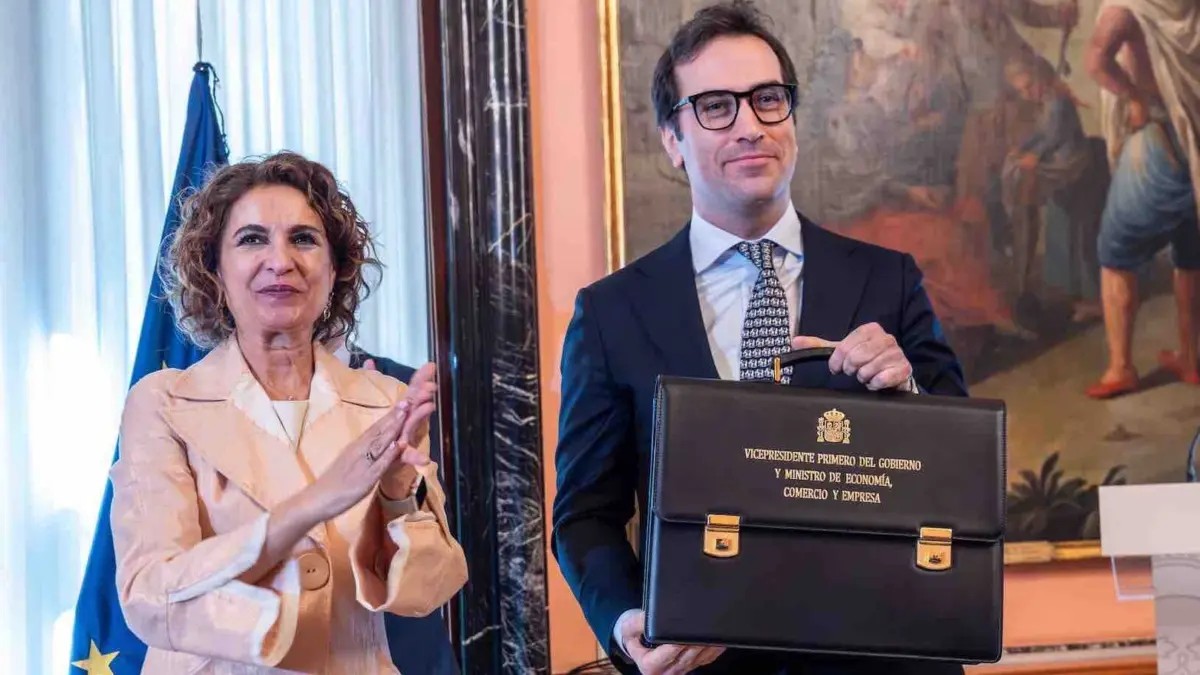
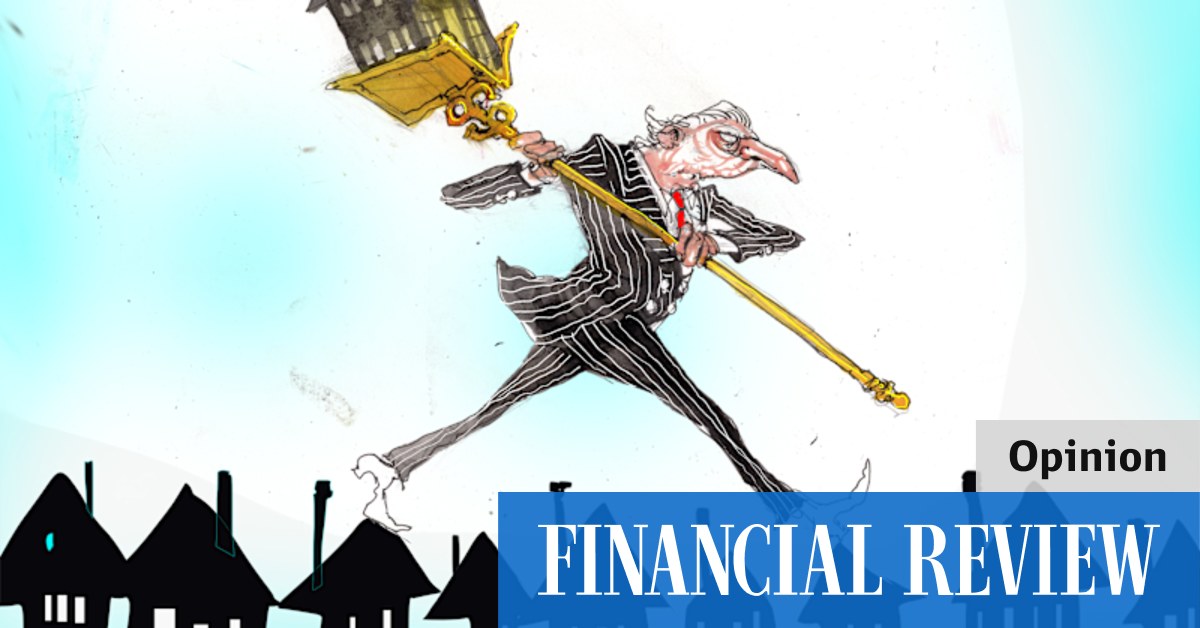
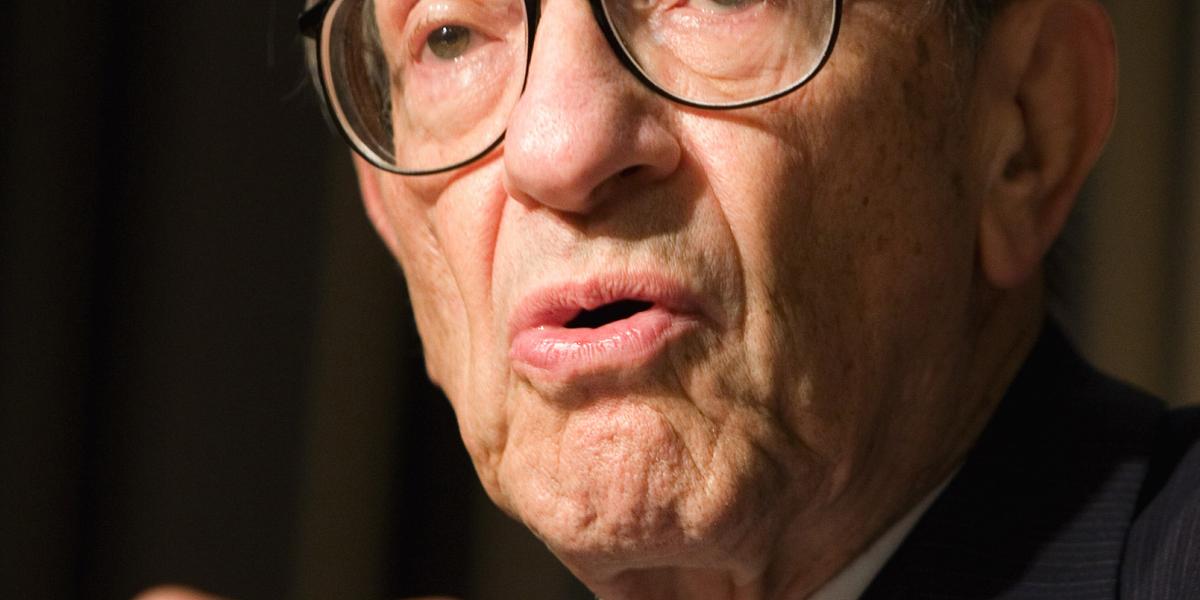
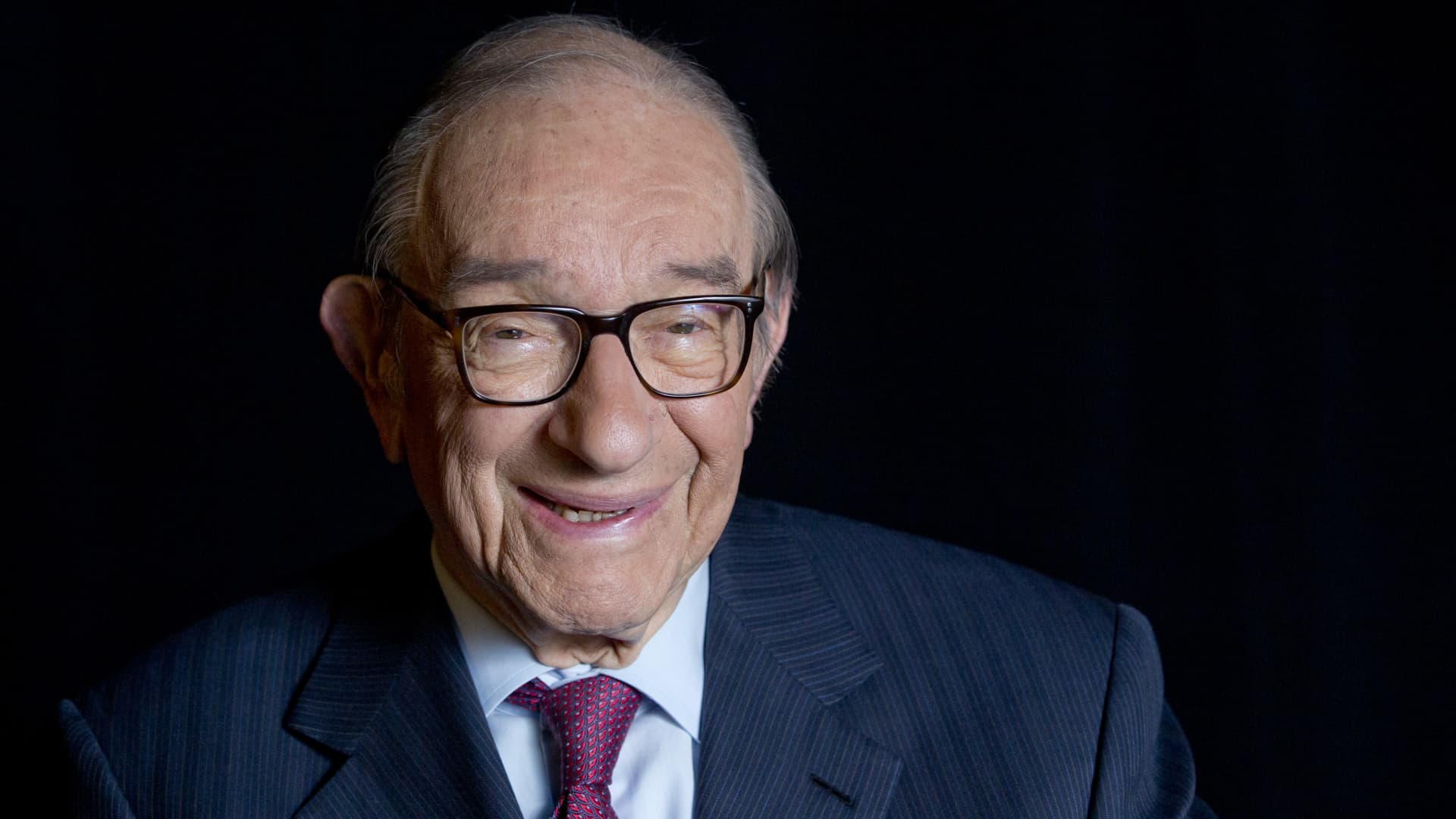
The topic of how a Fed chairman communicates is important for investors and economists, and their comments are often highly scrutinized for clues about their thinking. During Alan Greenspan’s tenure as leader of the central bank, his communication was often so vague that people took to scrutinizing the thickness of his briefcase on meeting days.
But now, Warsh seems to be leaning toward even less guidance and communication with markets. That means less information for investors at a critical time when uncertainty is already high.
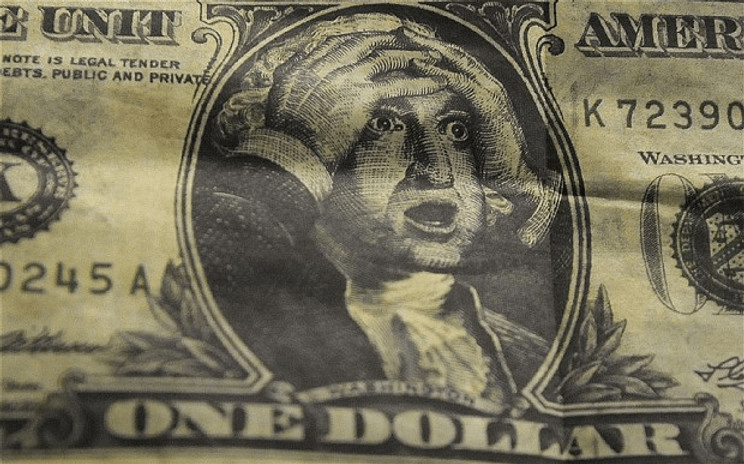
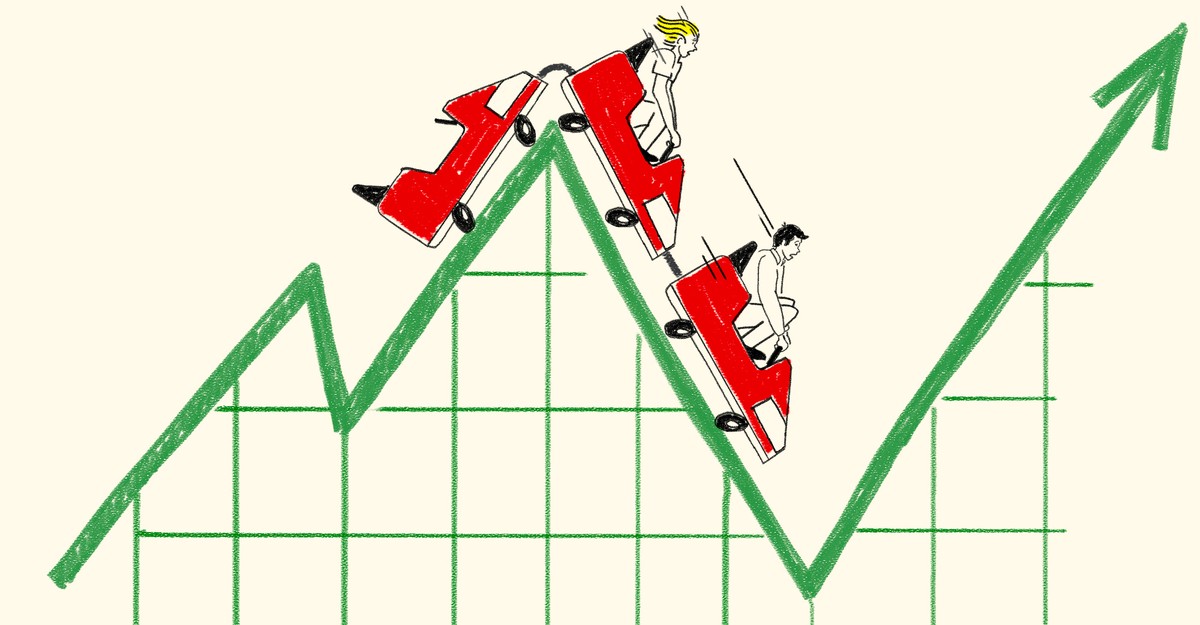
For Zandi, the risk isn’t just that there will be fewer market signals. Potentially more problematic is the possibility that each Fed gathering could be a “live” meeting, creating a new source of volatility as investors react on the day of a decision rather than pricing in the move ahead of time based on signals from officials.
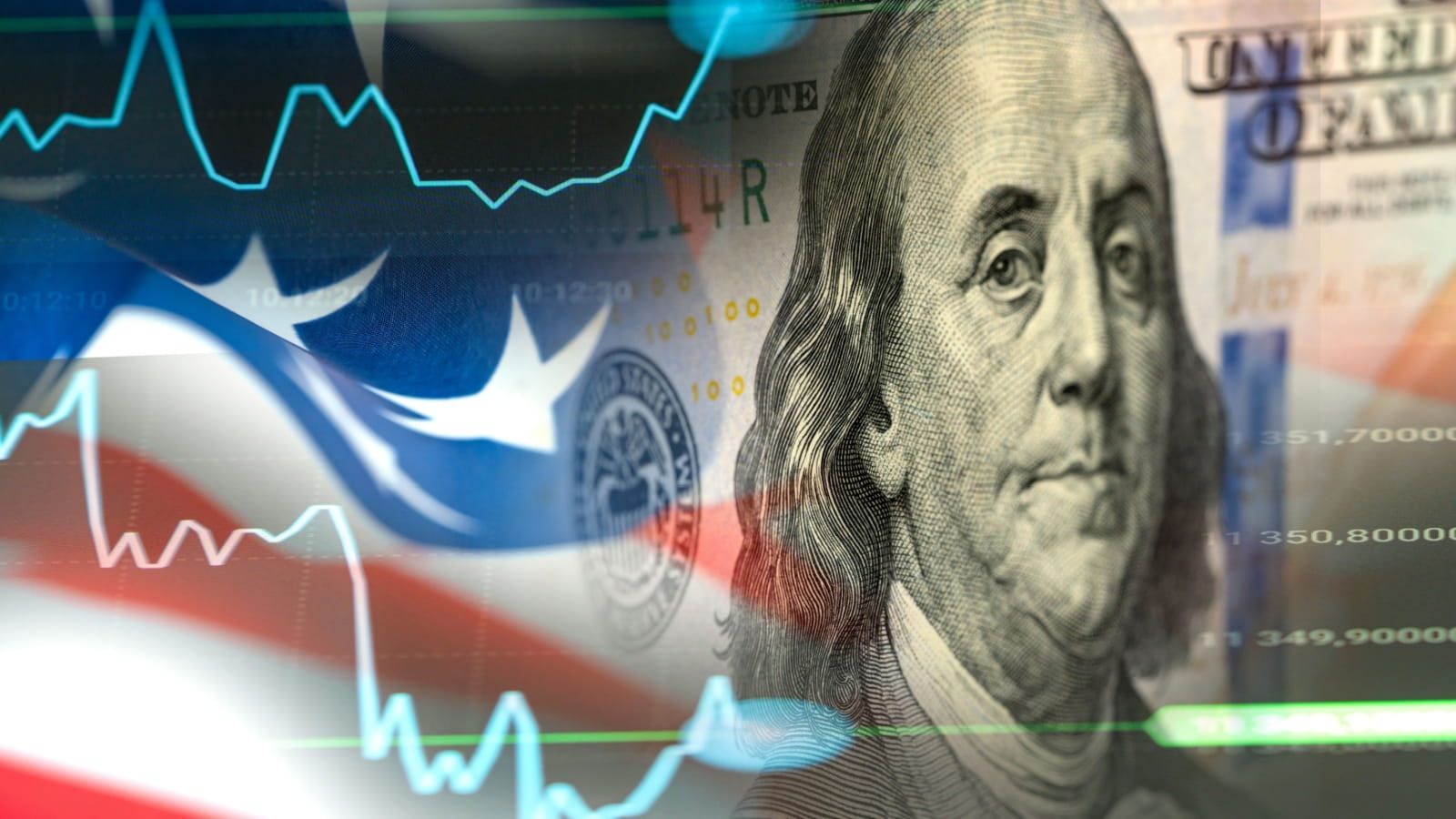
“Many (most) meetings will thus be live, and investors will be unsure of what the committee will decide,” Zandi added. “They will be left guessing and repeatedly wrong-footed. That means more volatility in bond and stock markets, which is likely already reflected in a larger term premium, rising long-term interest rates, and a wobbly equity market.”