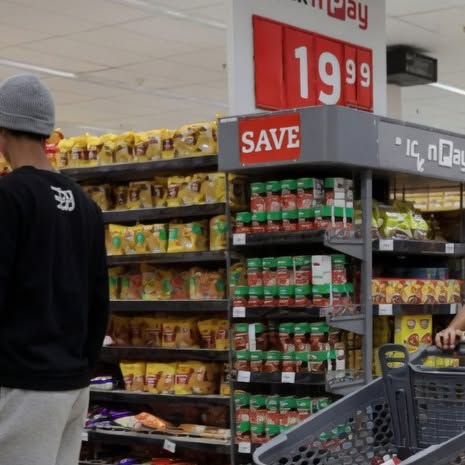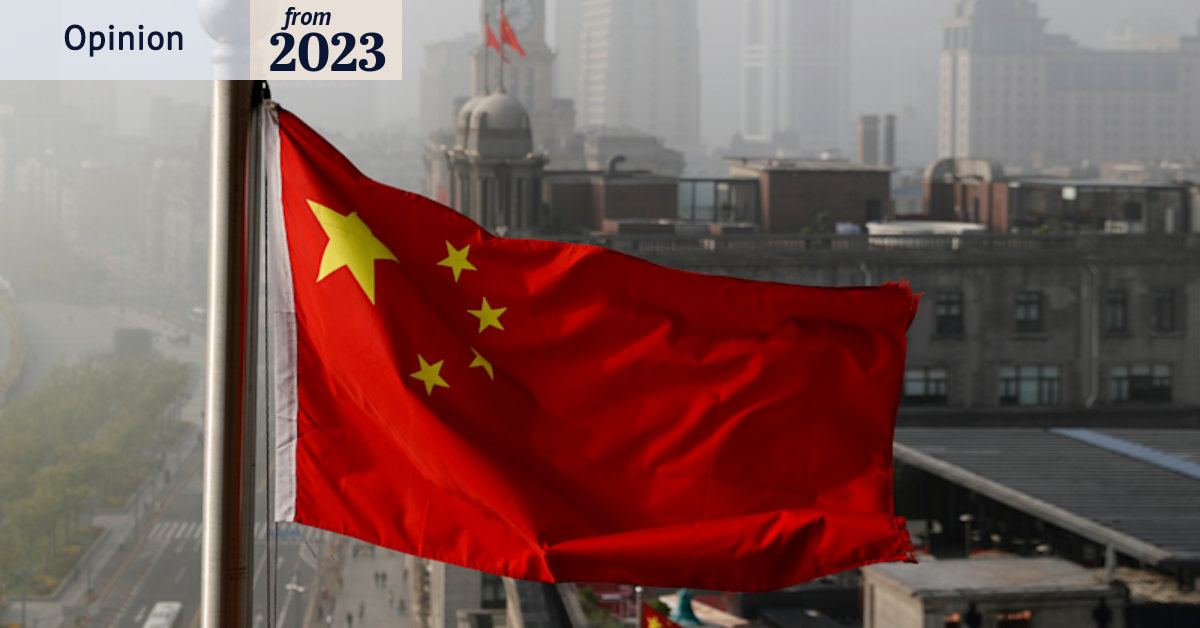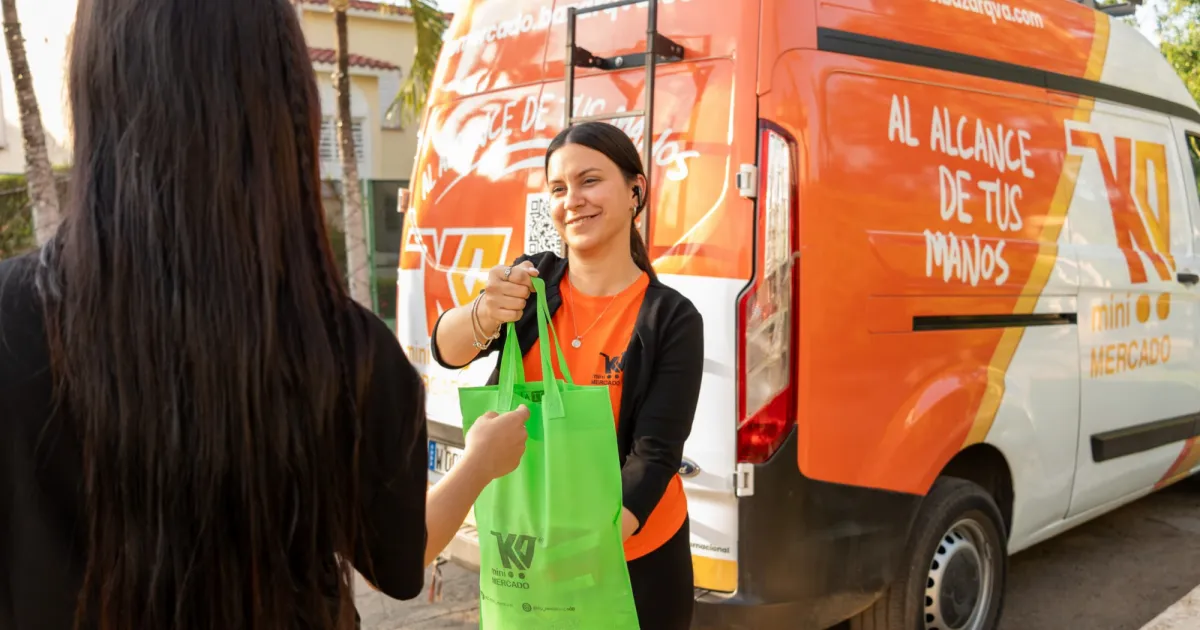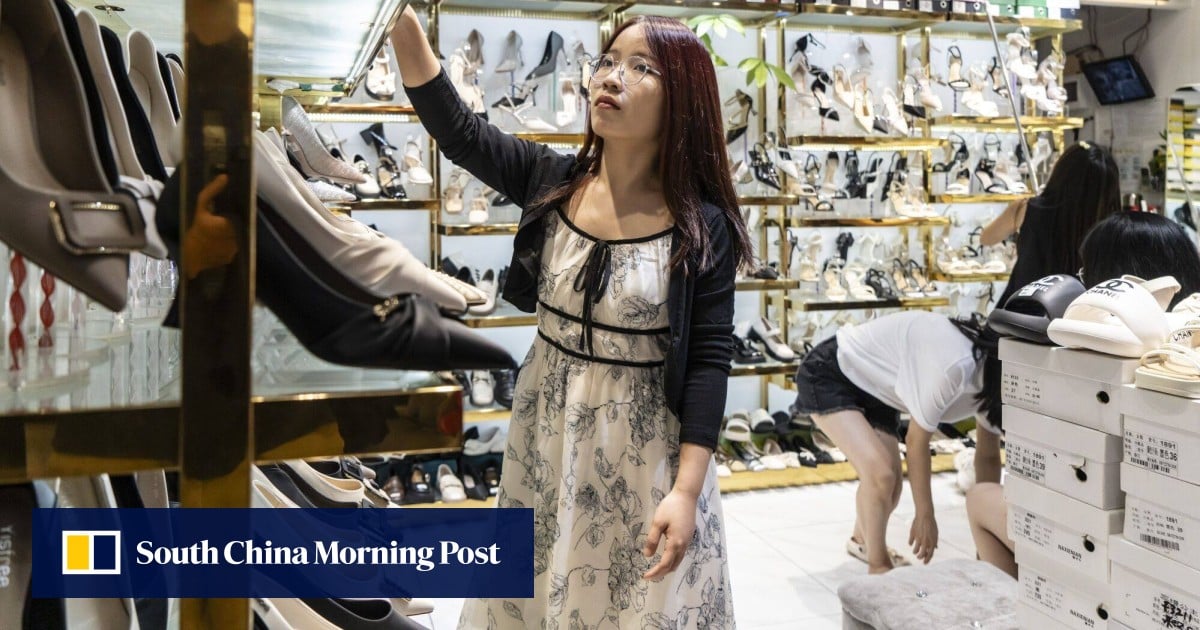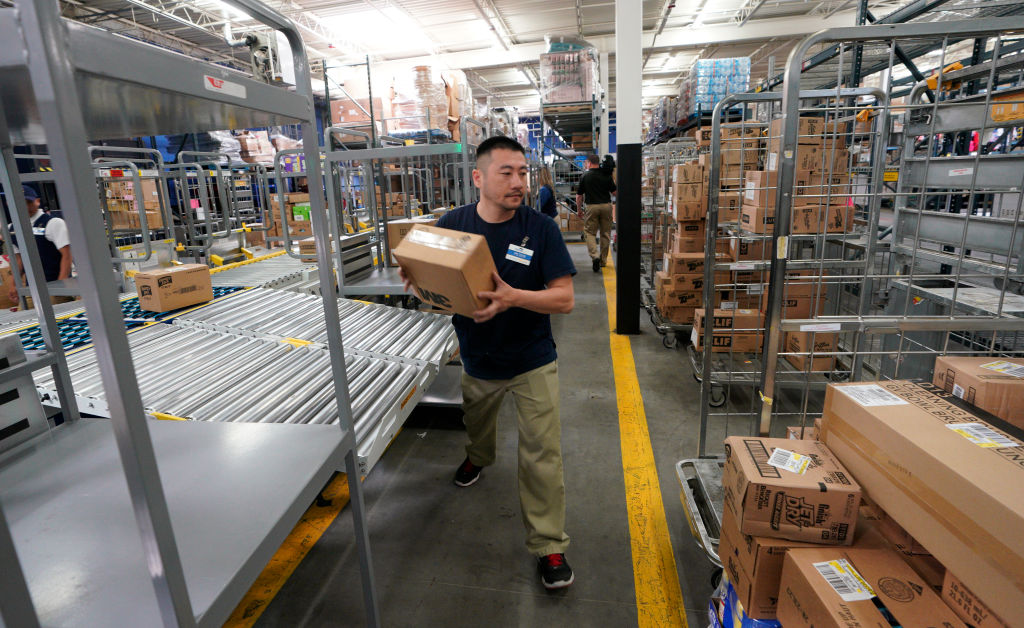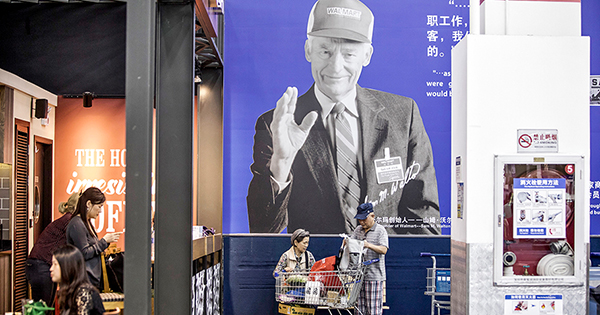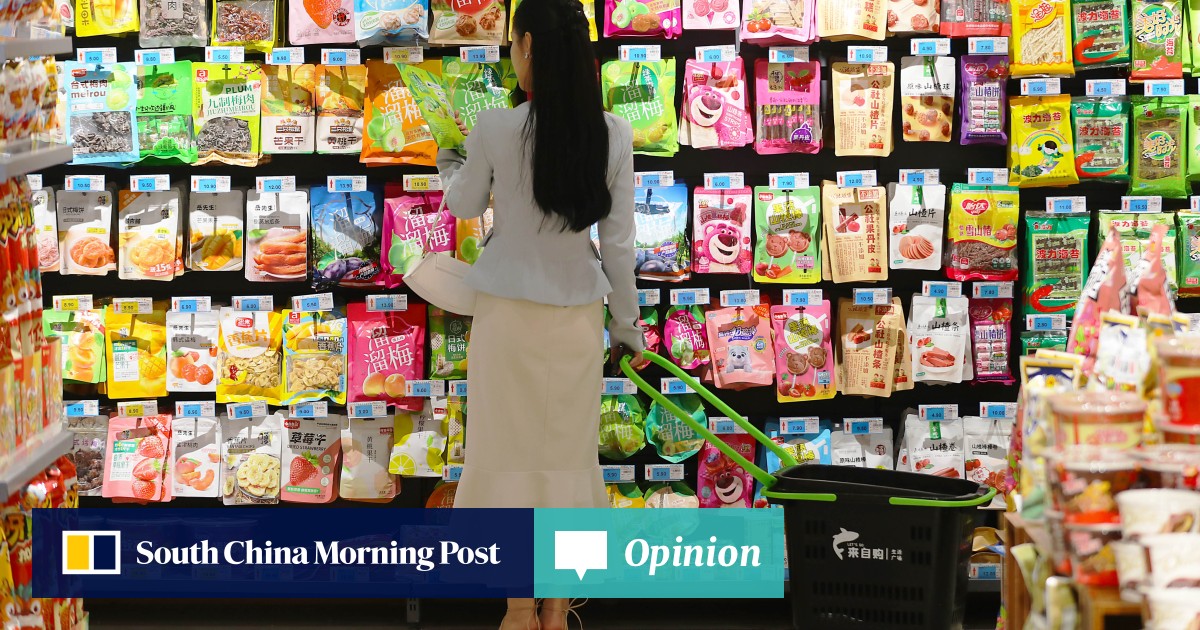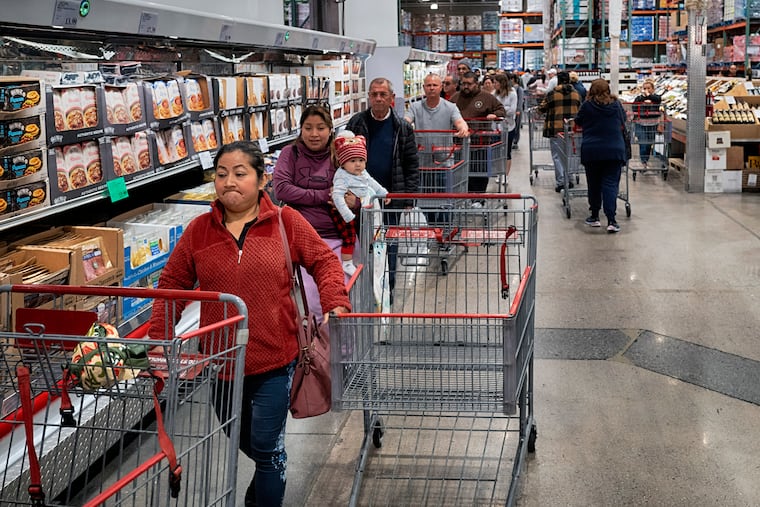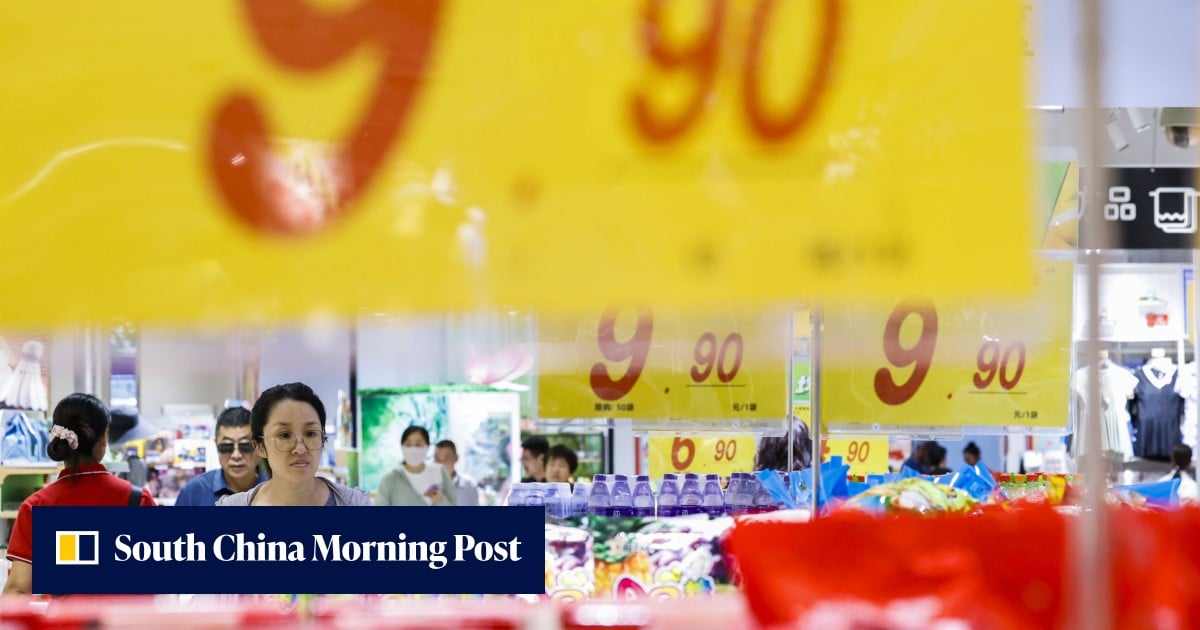
Before Sam’s Club – the American membership-only retailer with status appeal among China’s urban middle class – opened in the lesser-known city of Jingshan in Hubei province, Zhang Liang decided to “bring it there” himself.
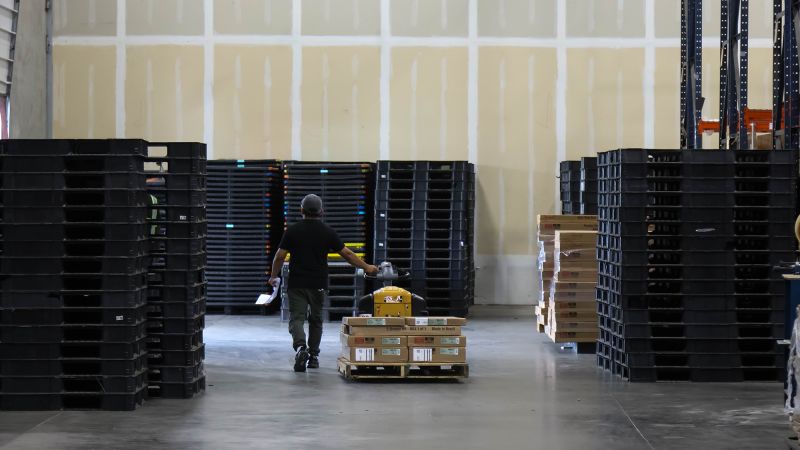
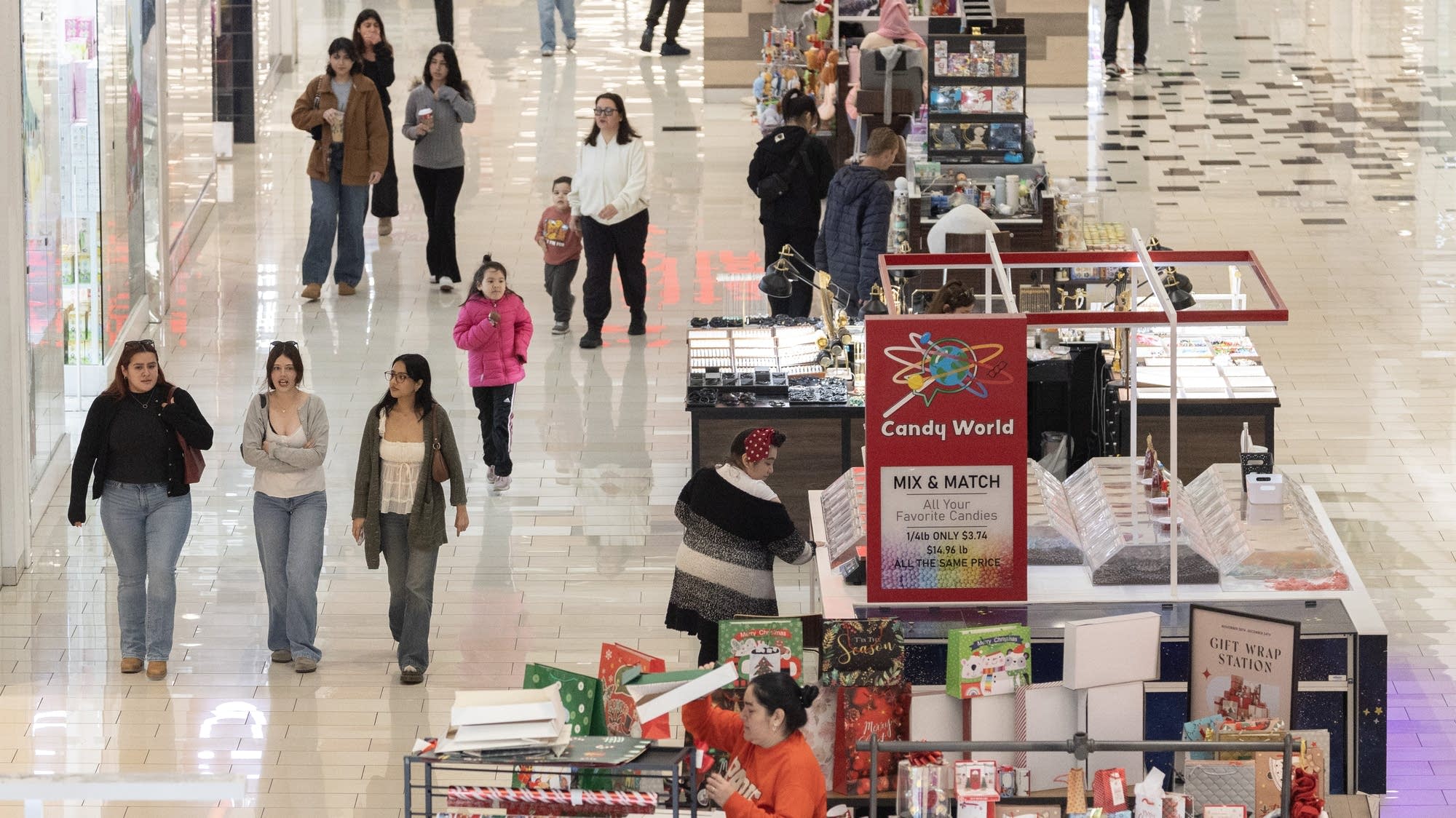
The former truck driver invested about 600,000 yuan (US$88,969) in May to open a Sam’s Club reseller shop, sourcing goods from authorised Sam’s stores to sell locally. He was betting that consumers in Jingshan, despite its modest population of fewer than 600,000, would pay a premium for better-known brands and higher-quality products.
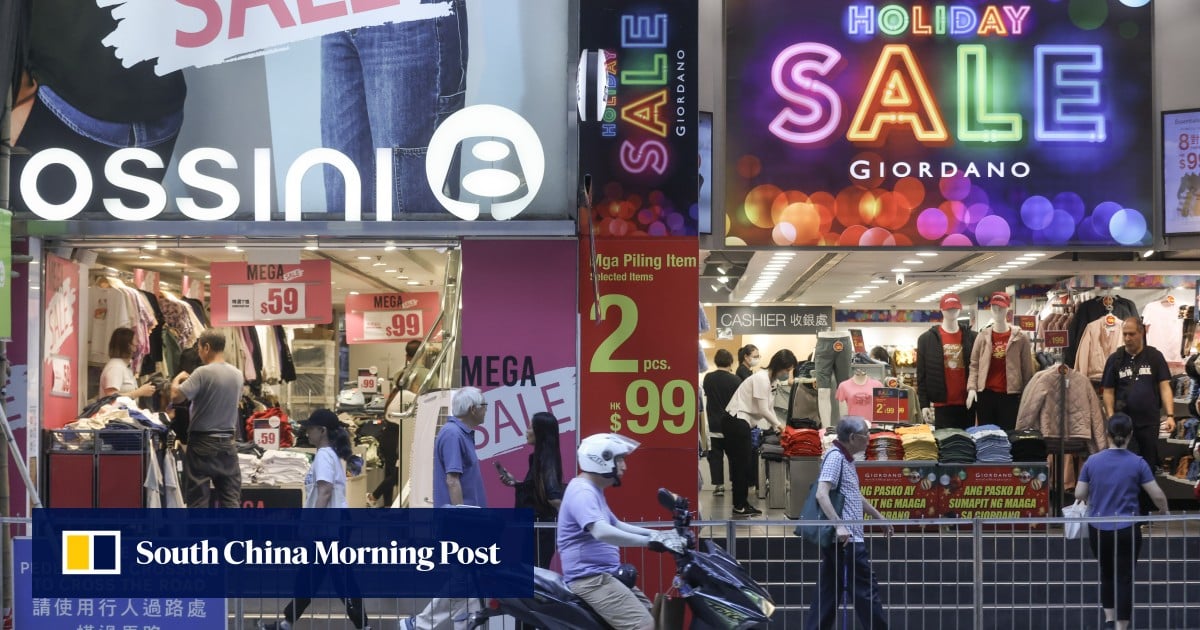
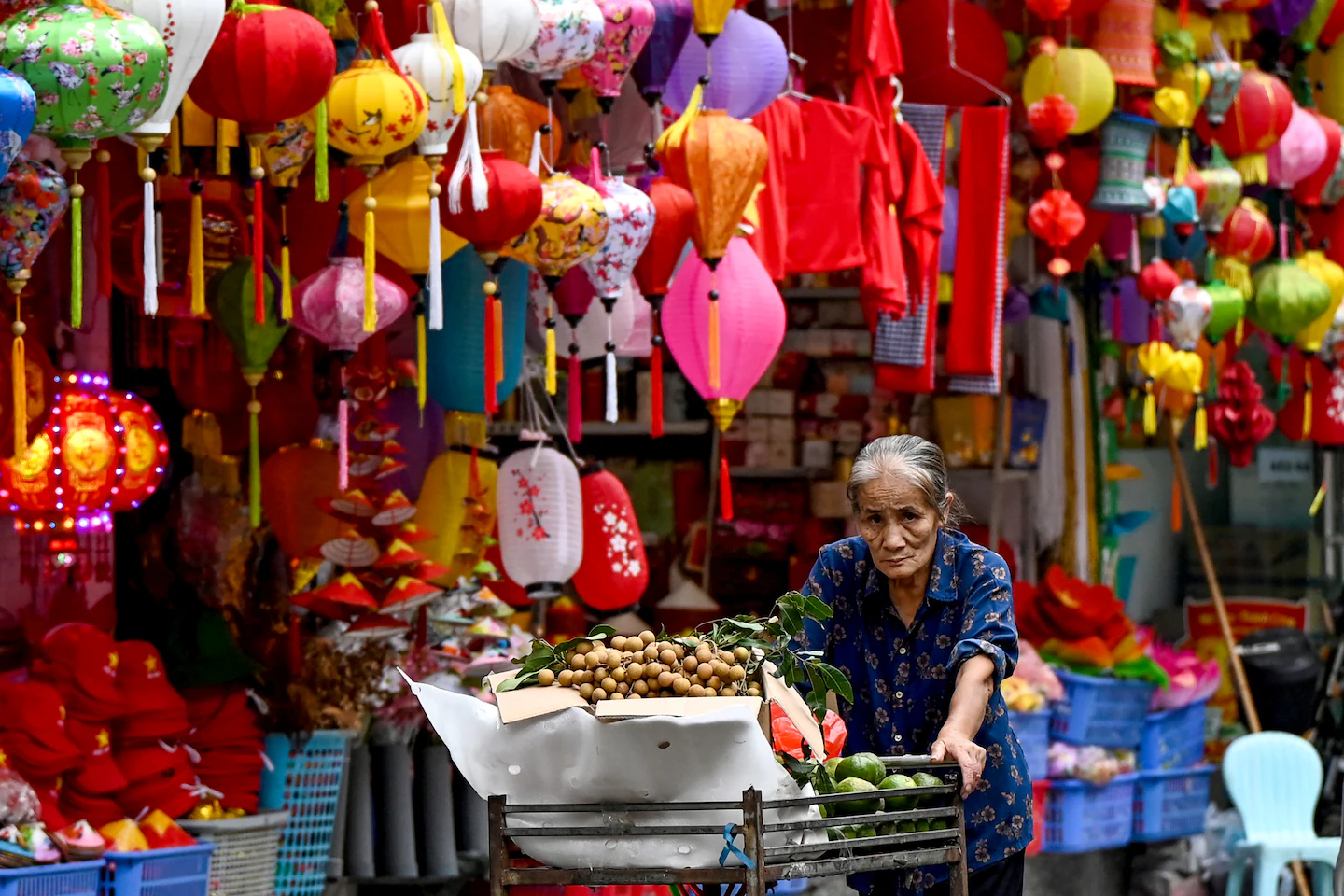
While Jingshan is hardly among China’s most prosperous areas, its appetite for Sam’s Club-style retail is a sign of growing consumer enthusiasm in many smaller, traditionally not-so-wealthy cities, in contrast to generally dampened sentiment nationwide.
Zhang found that several resellers of Sam’s Club goods already operated in the industrial county, but he believed there was room for more in the market.
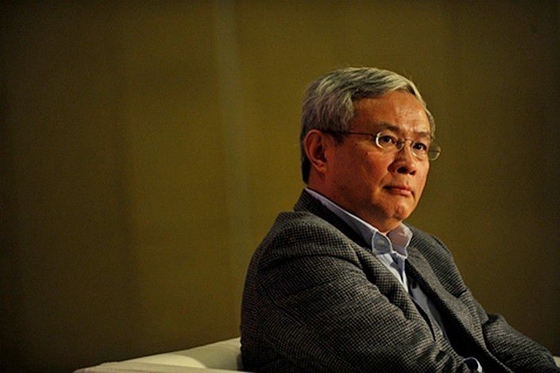
China’s smaller cities increasingly have the means and eagerness to rival their first-tier counterparts in demand for premium goods and services, said Peng Peng, executive chairman of the Guangdong Society of Reform. The think tank is affiliated with the Guangdong provincial government, which has been studying regional economic development.
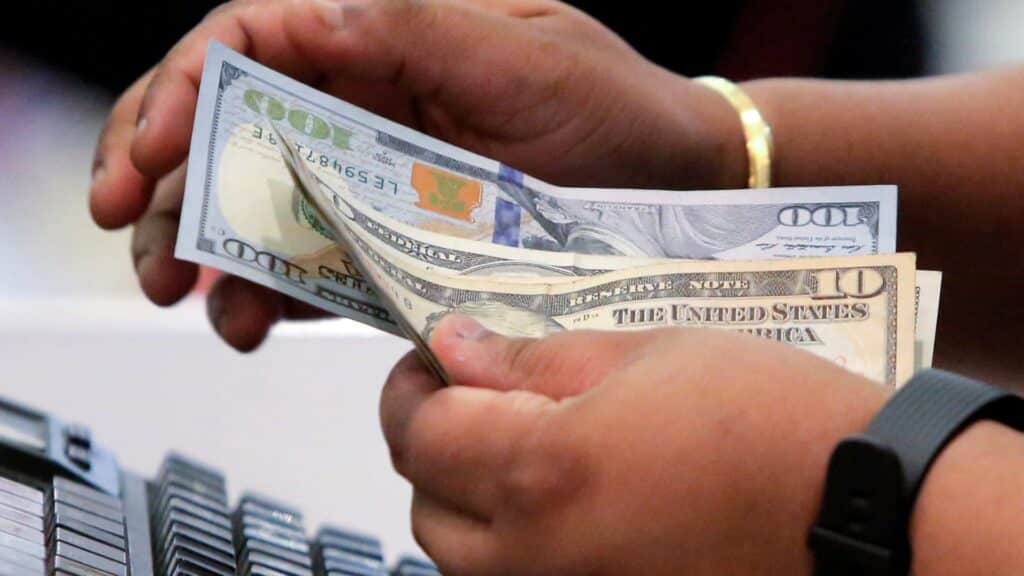
Per capita consumer spending among urban residents of five counties in eastern China’s Zhejiang province – Leqing, Yuhuan, Yiwu, Wenling and Haiyan – surpassed that of Beijing and Shanghai in 2025, according to data from local authorities.
Beijing’s per capita consumer spending was 50,667 yuan last year, while Shanghai’s was 54,765 yuan, according to data from the cities’ statistical bureaus.