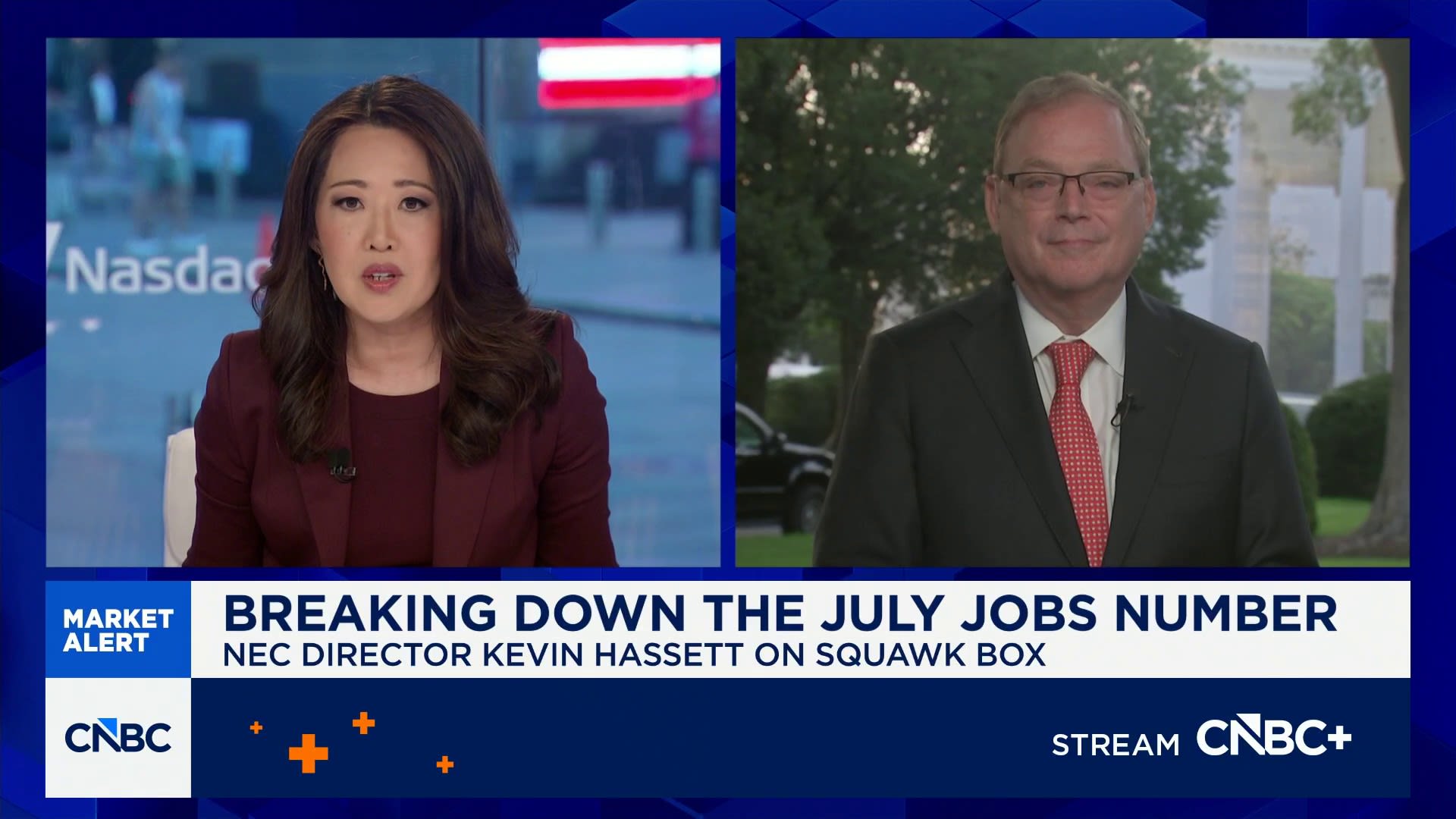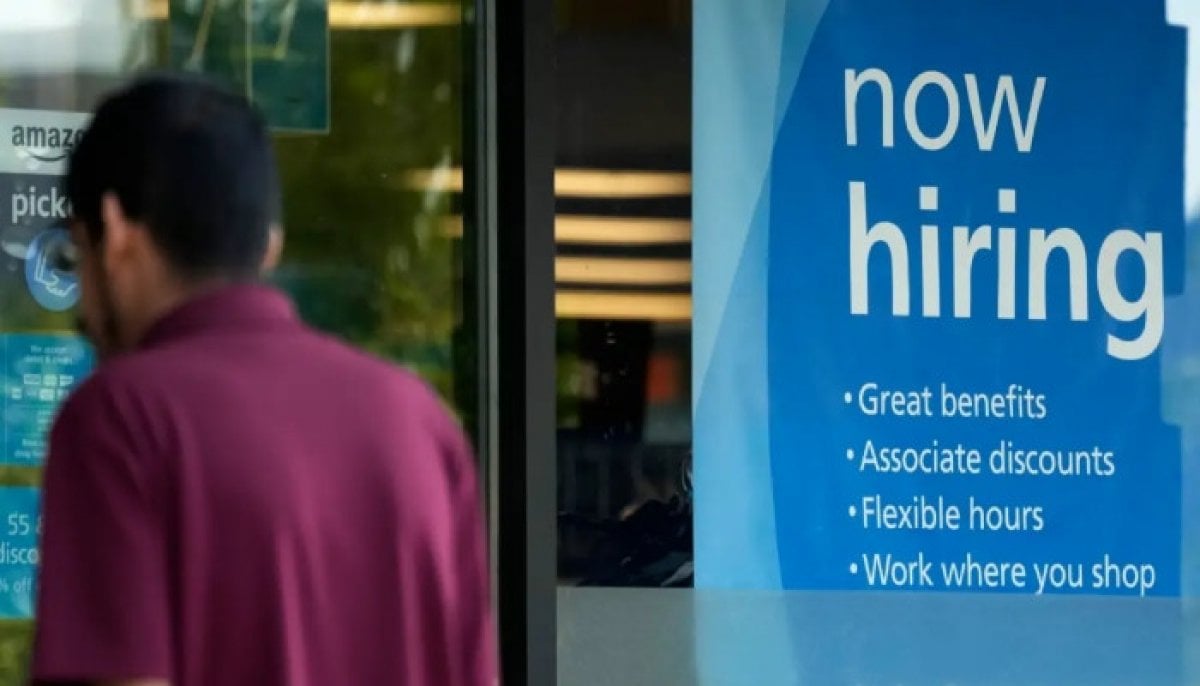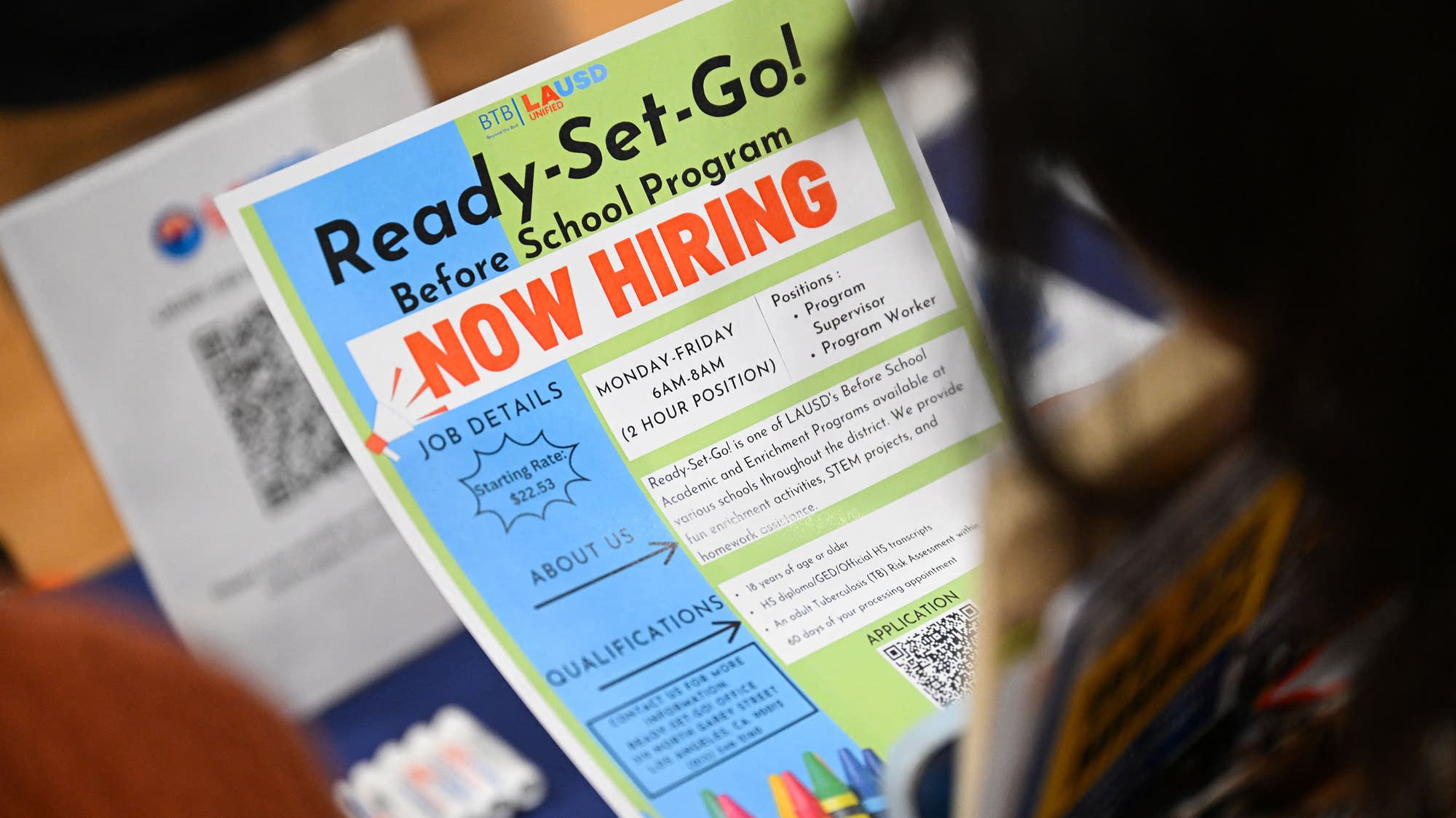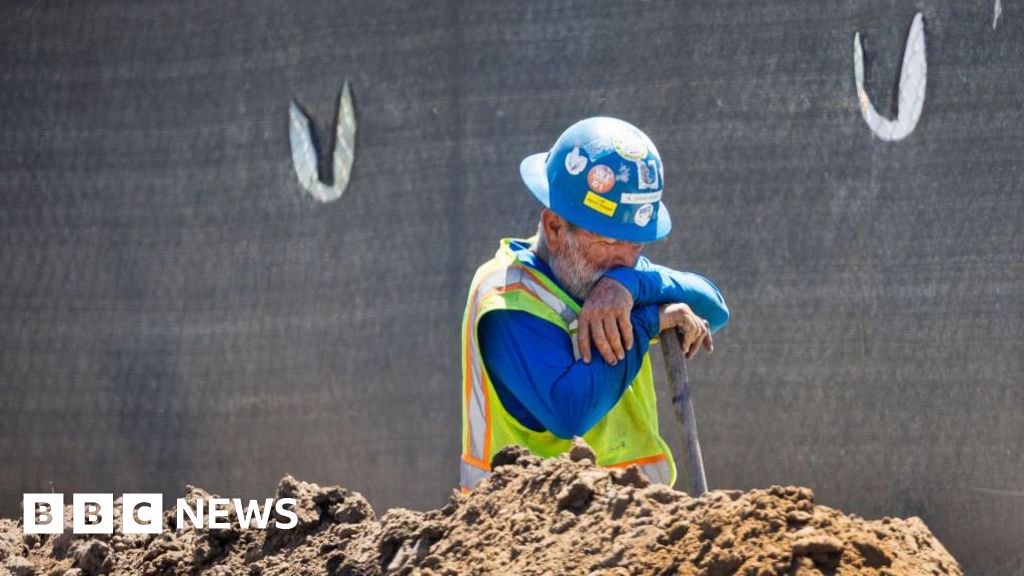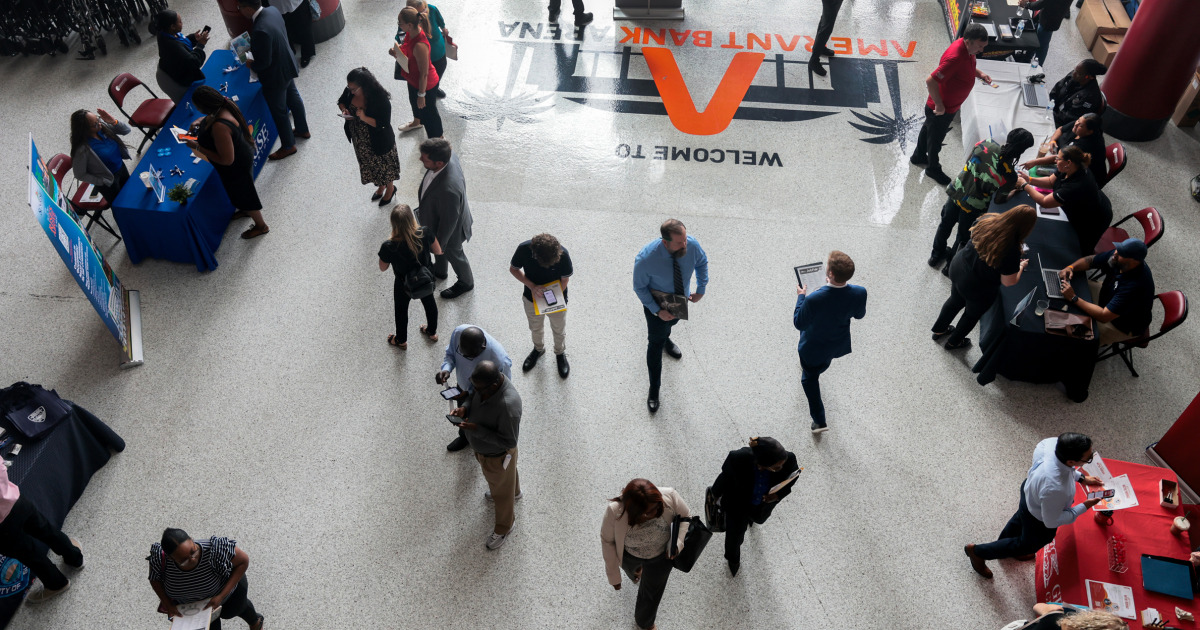
The U.S. economy unexpectedly shed jobs in July, according to data released Friday by the Bureau of Labor Statistics.
Nonfarm payrolls dropped month-on-month by a seasonally adjusted 23,000, compared with a downwardly revised 20,000 in the prior month. The figure was well below economists’ expectations for an increase of 83,000.
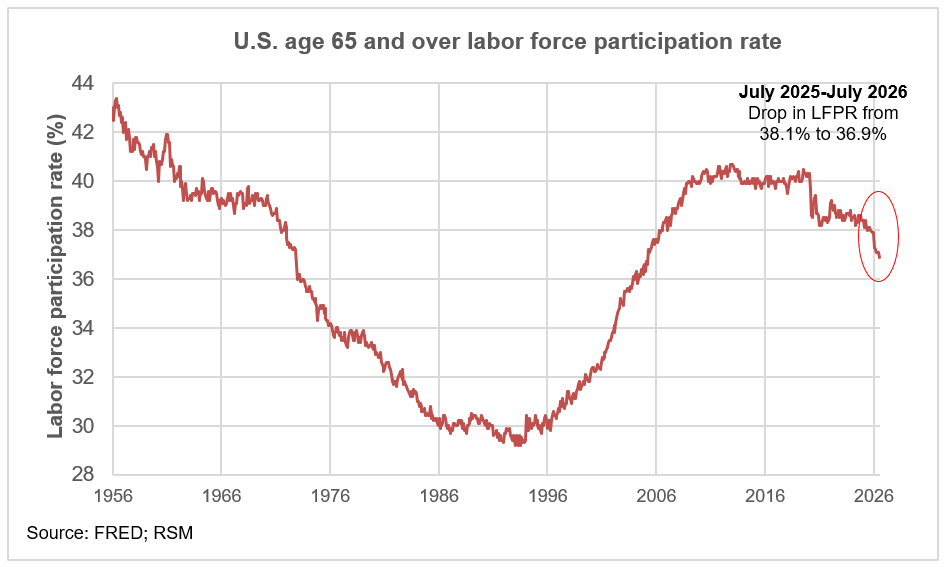
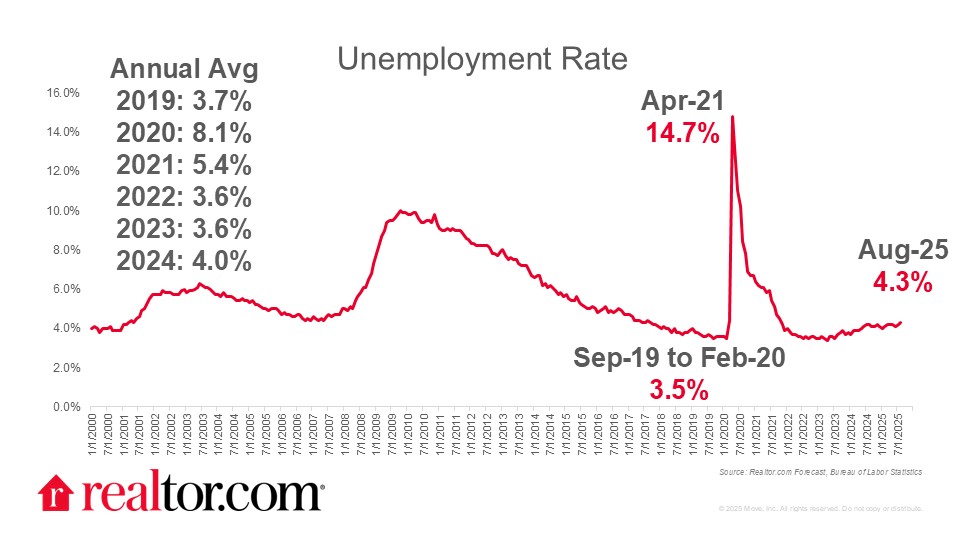
The jobless rate declined to 4.1 percent while the labor force participation rate dropped to 61.4 percent — a five-year low. The labor force participation rate measures the percentage of the population that is either working or actively looking for a job.
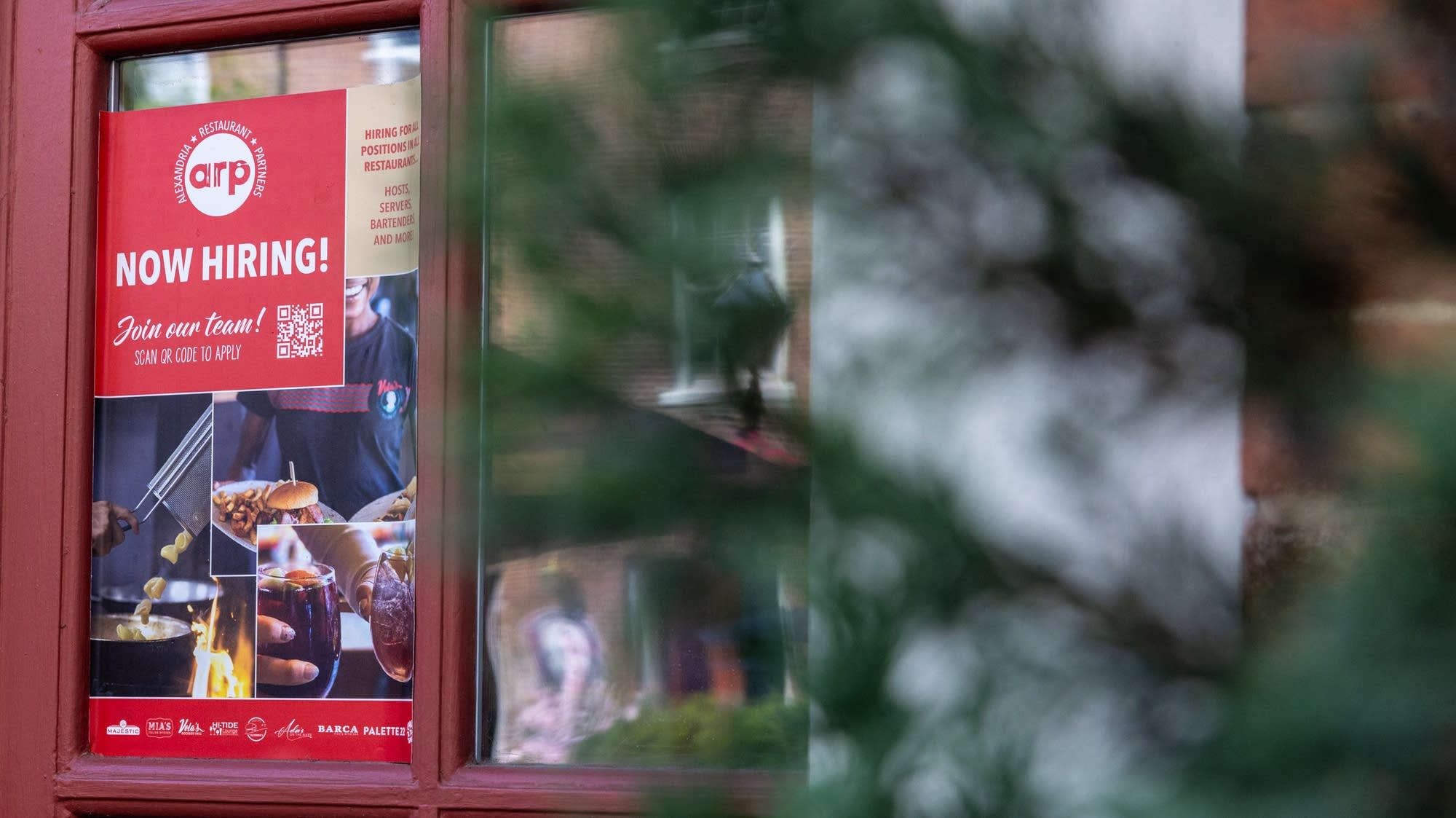
The employment slide was driven by a loss of 50,000 jobs in local government education and a reduction of 19,000 retail positions. Financial activities also saw a drop of 14,000, and leisure and hospitality declined by 40,000.
Healthcare, a sector that has been pushing job creation, continued to rise, this time by 22,000, while the figure stands below the sector’s 12-month average of 36,000.
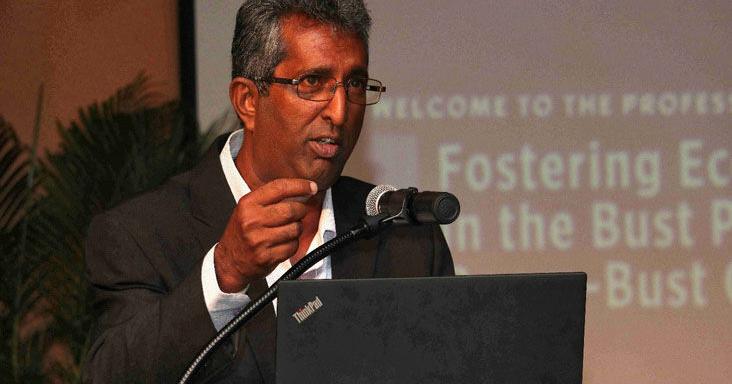
Dean Baker, macroeconomist and co-founder of the Center for Economic and Policy Research, told Xinhua: “The bigger issue is slowing wage growth and a decline in employment for prime-age — age 25 to 54 — workers.”
“That suggests a real weakening of the labor market,” Baker said.
Wages remained flat month-on-month, with average hourly wages rising by a mere 2 cents.
Some economists expressed the belief that July’s figures do not constitute a trend.
Gary Hufbauer, a nonresident senior fellow at the Peterson Institute for International Economics, told Xinhua that job numbers “in the months ahead will bounce between minus 40,000 and plus 80,000. No strong trend.”
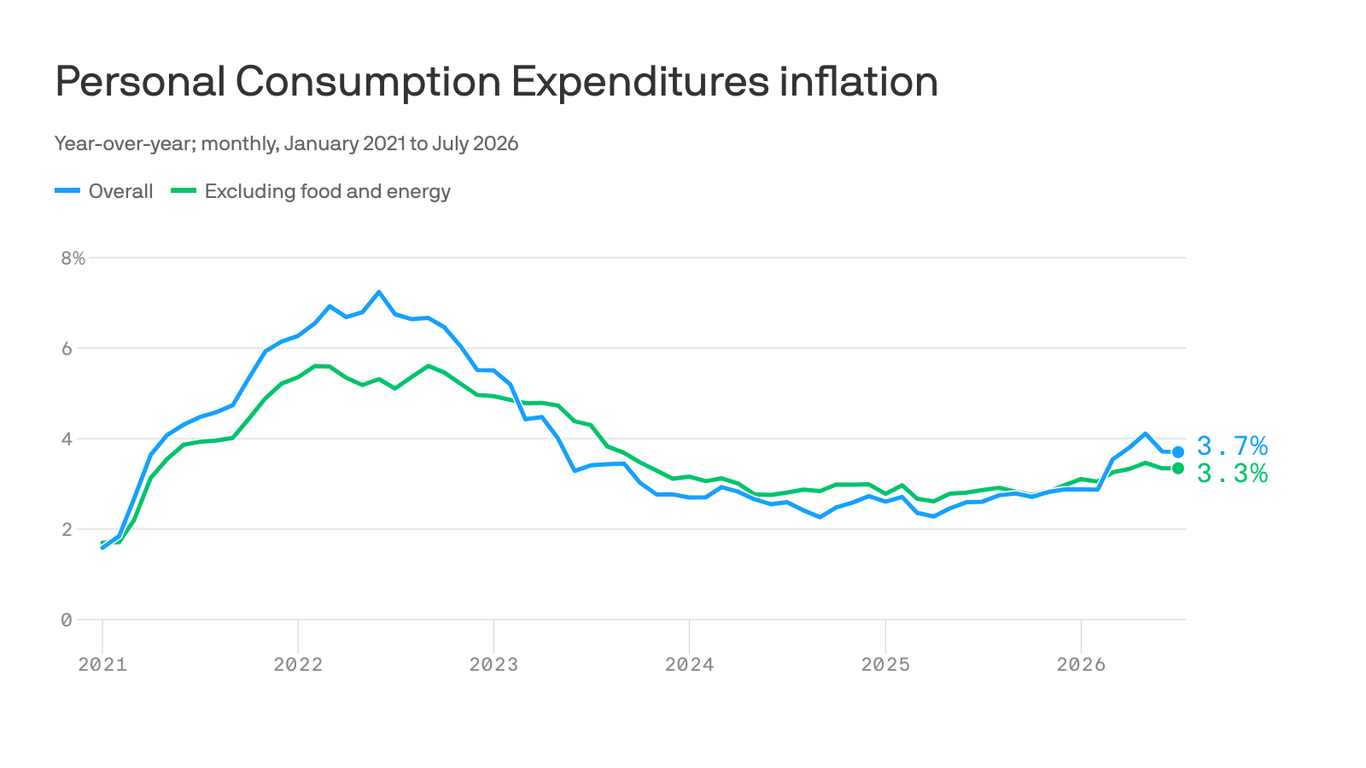
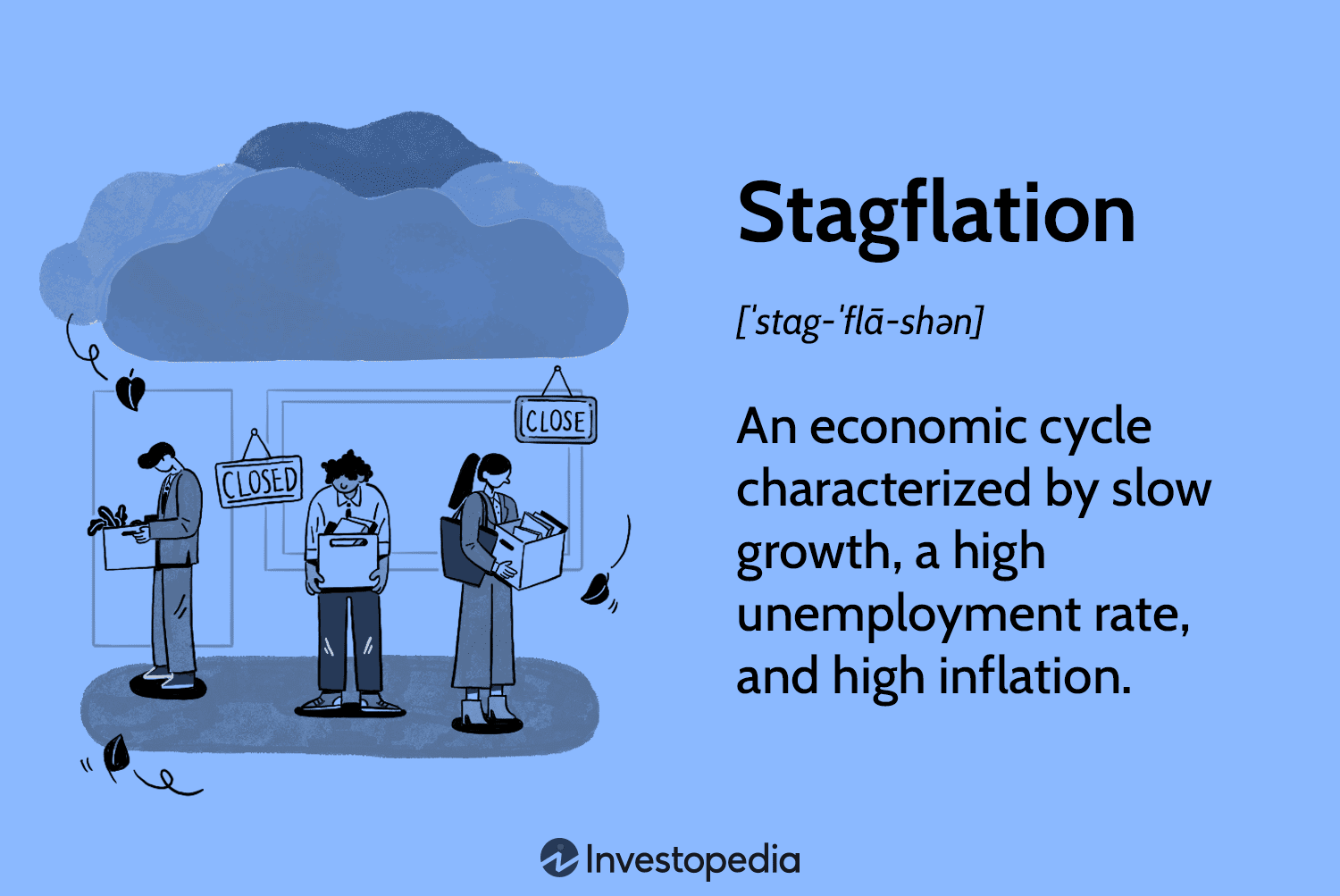
However, personal consumption expenditures, the Federal Reserve’s preferred inflation gauge, “will stay above 3 percent,” Hufbauer said.
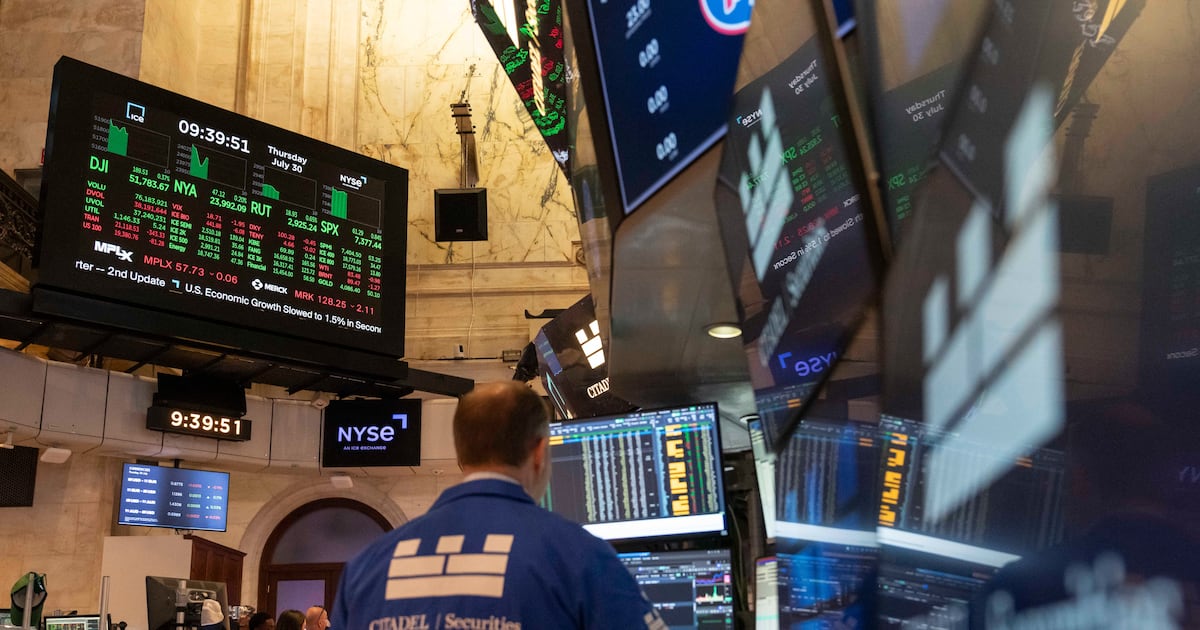
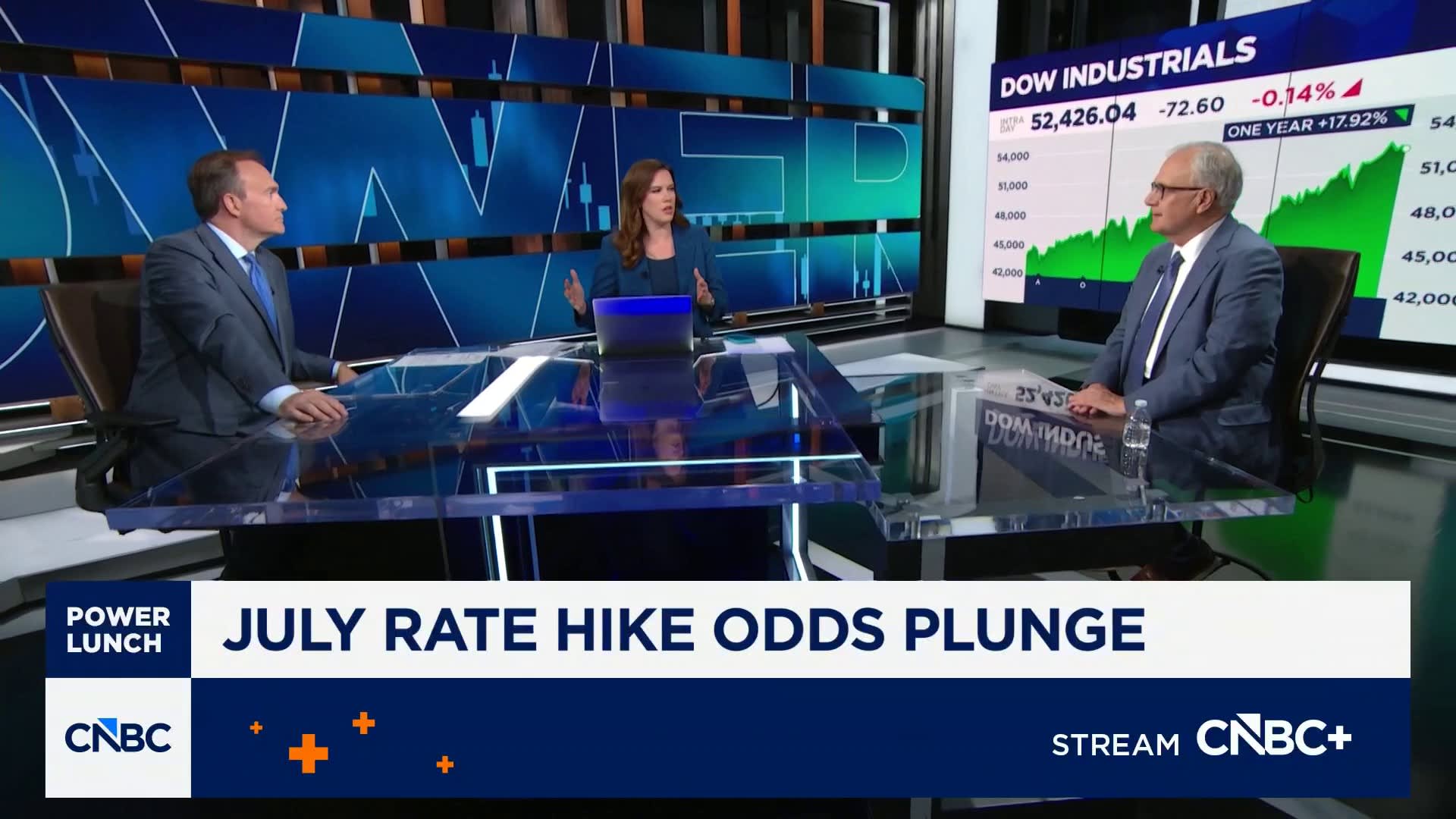
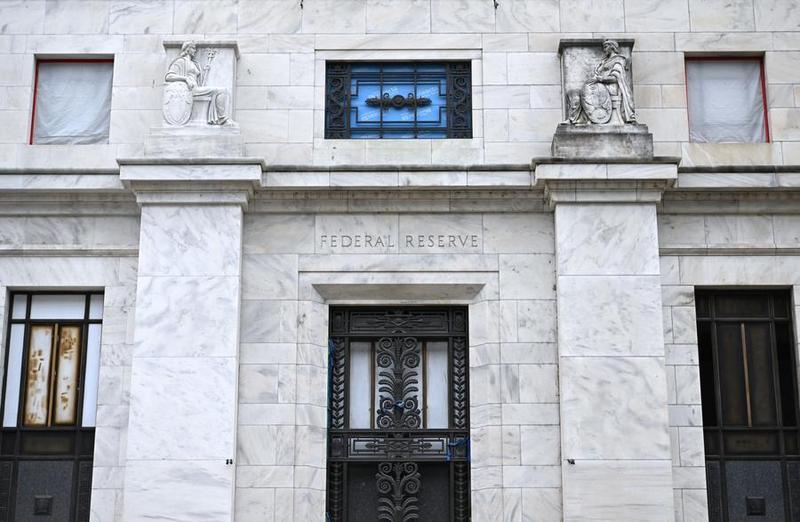
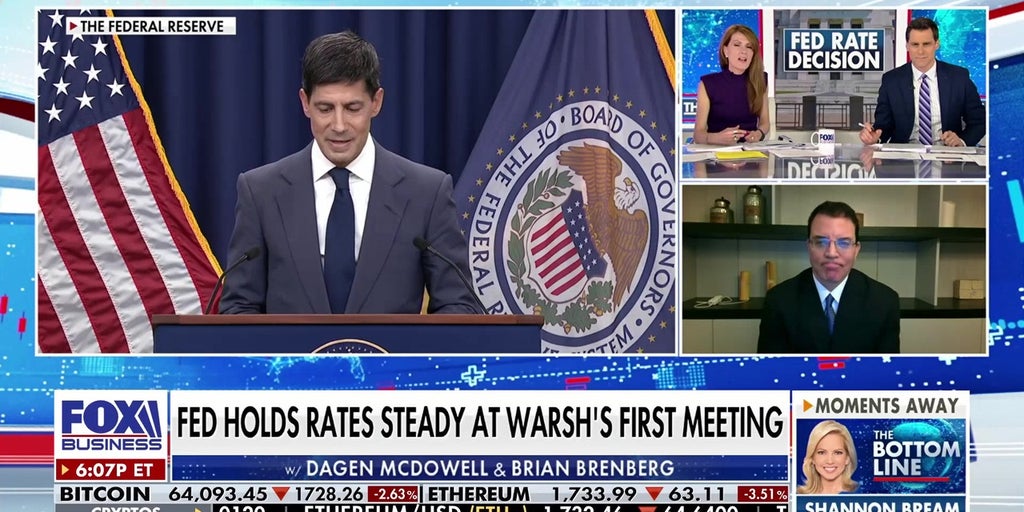
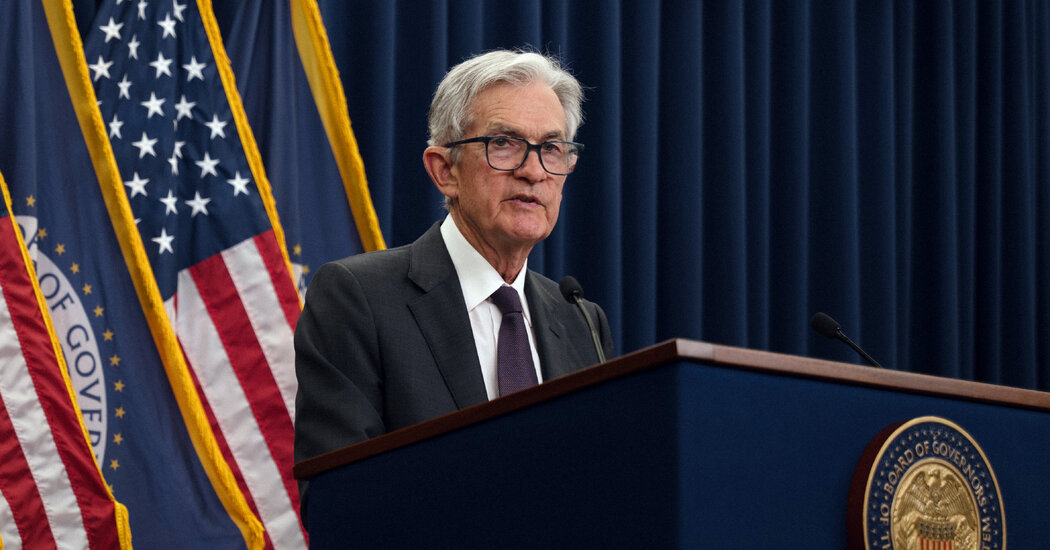
The report comes at a time when Fed policymakers remain deeply divided on the next policy move, with inflation still running well above the 2 percent target. Following the report, market participants lowered expectations for a rate hike in September.
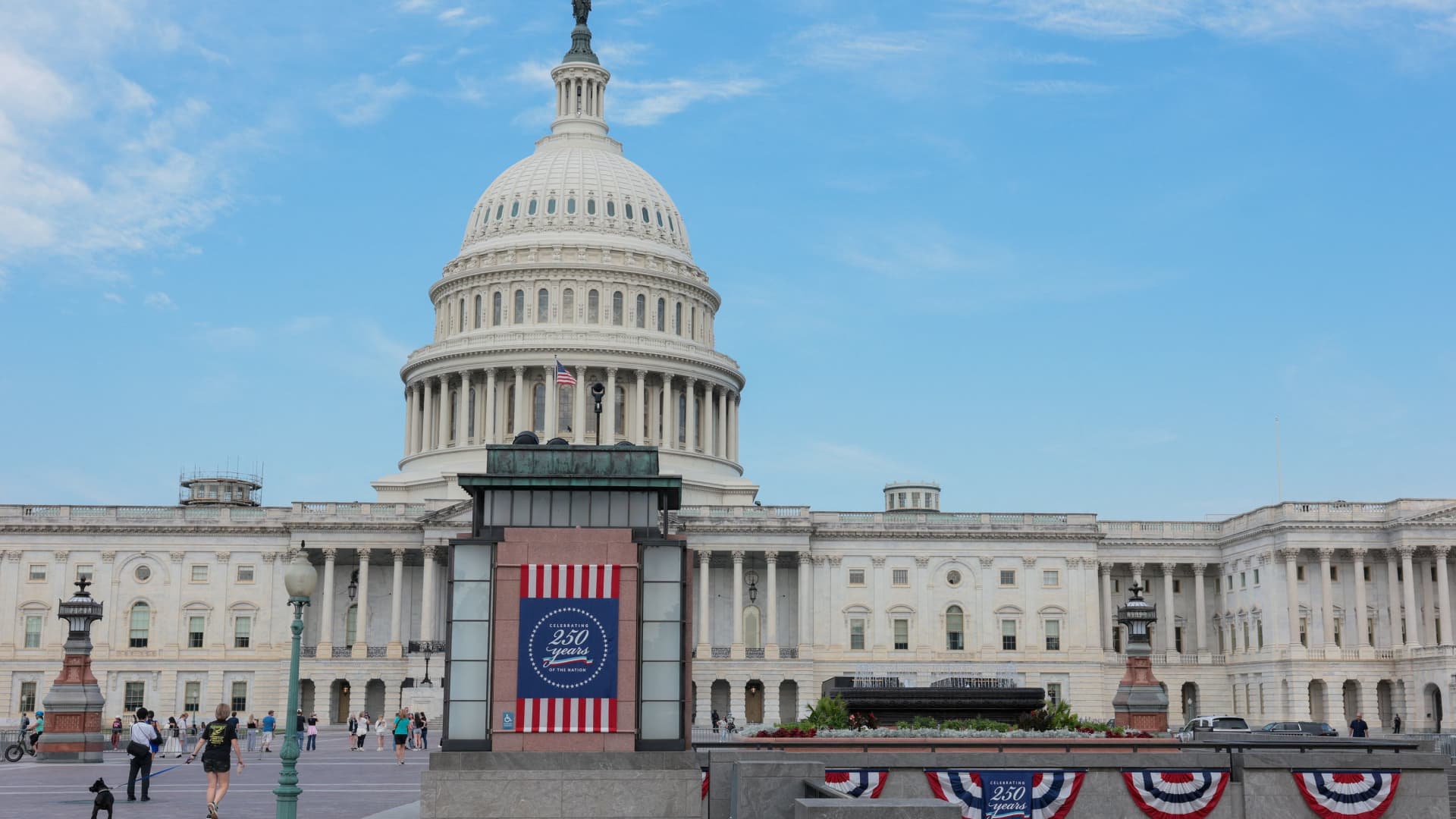
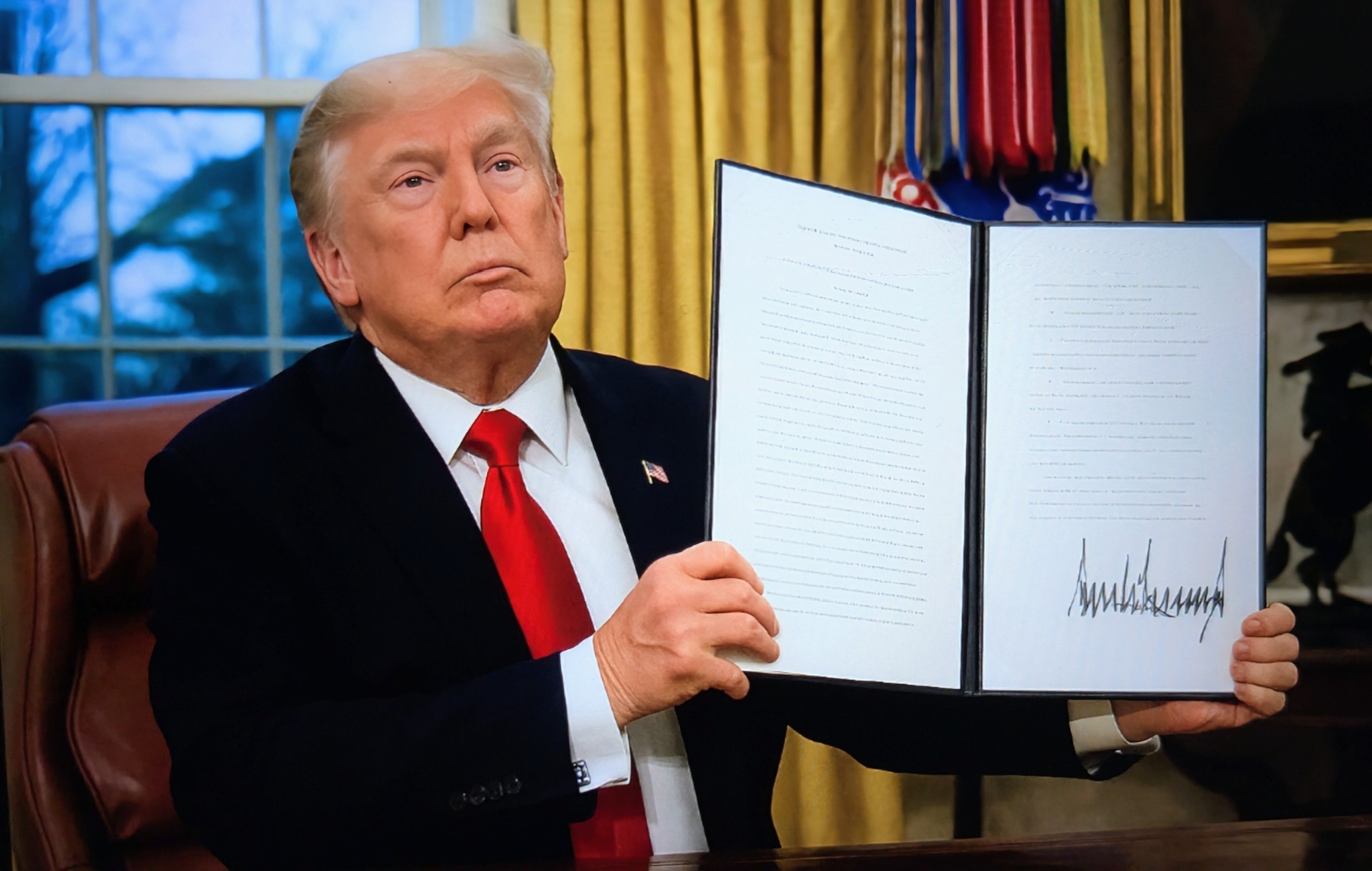
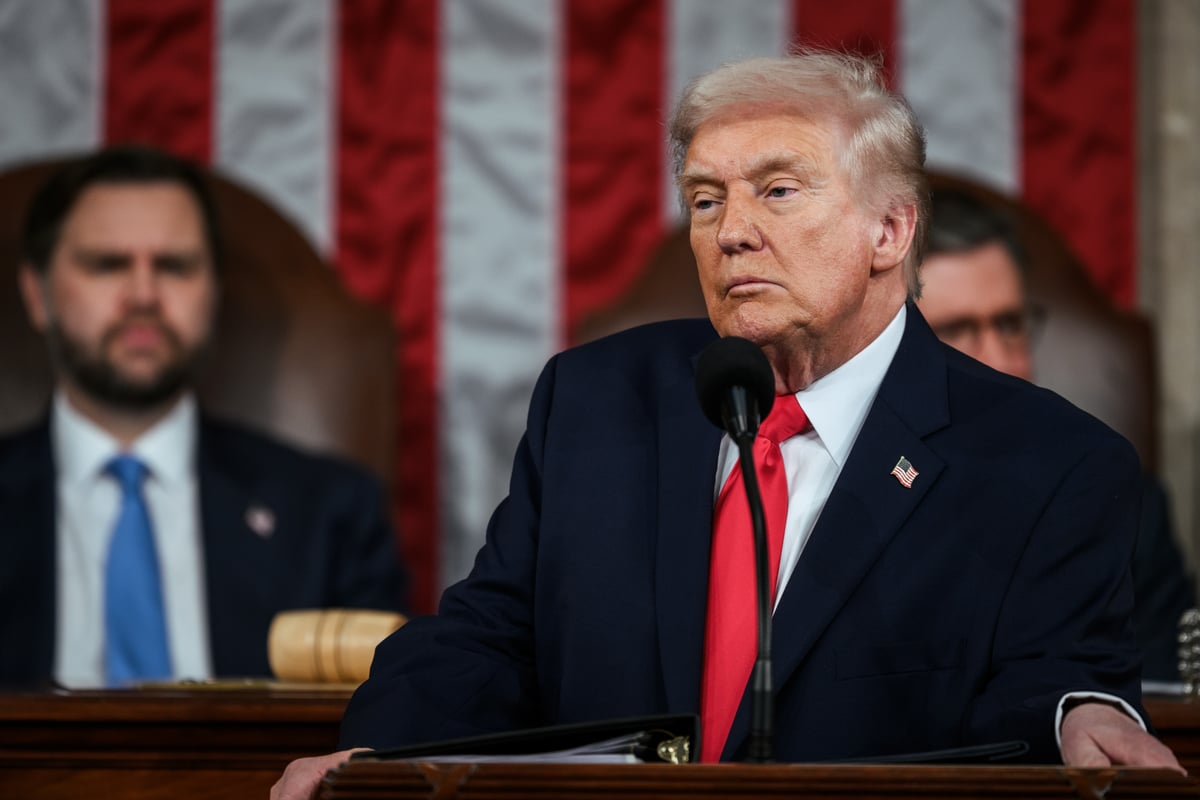
Meanwhile, the jobs report signaled more challenges for Republicans in the lead-up to November’s midterm elections, which are already expected to be an uphill climb for the GOP.
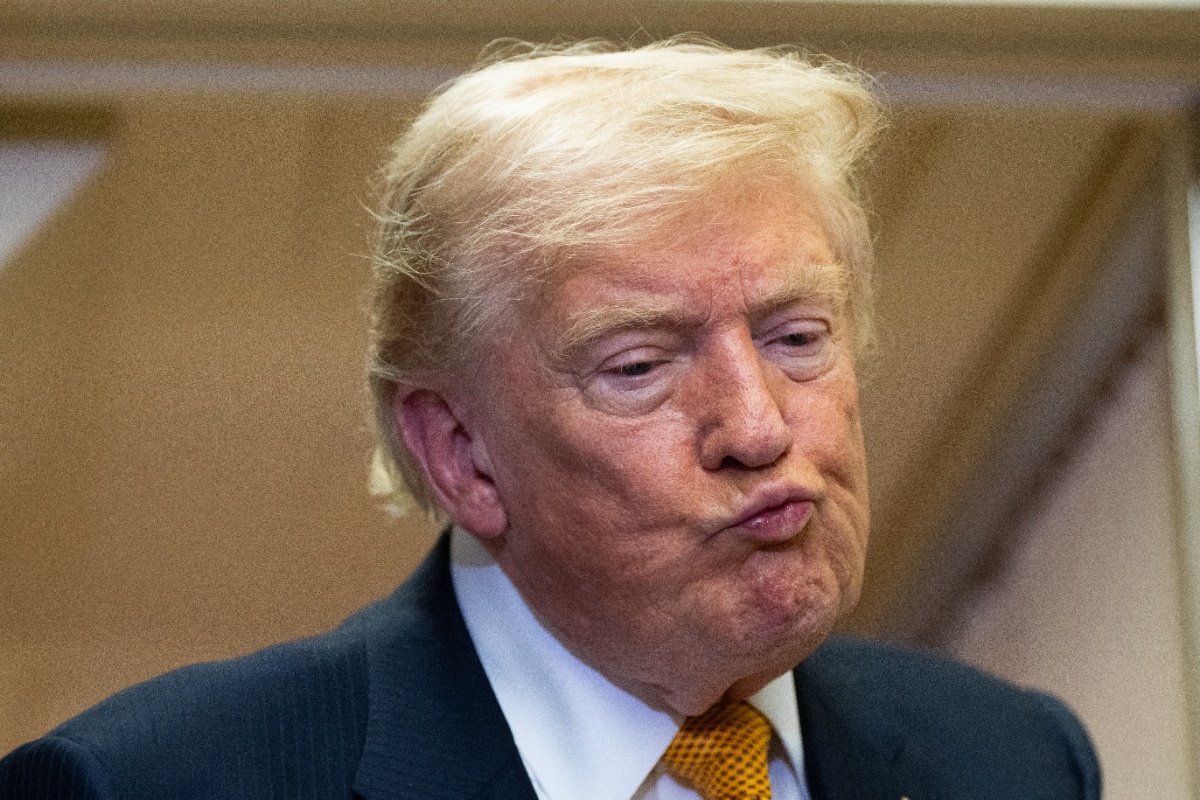
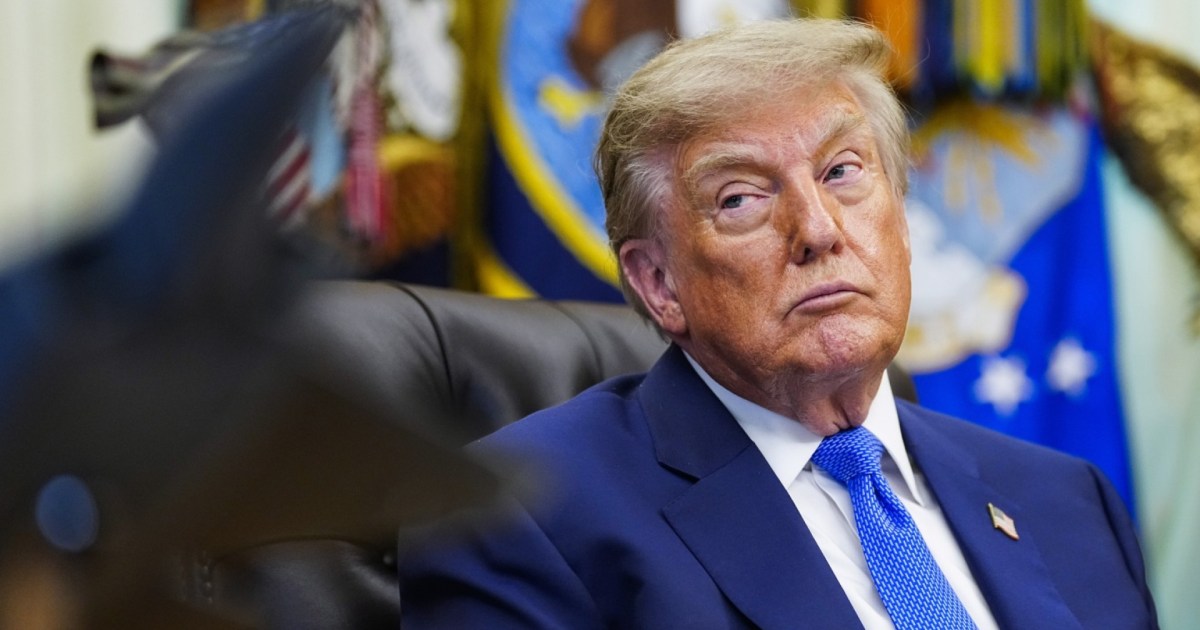
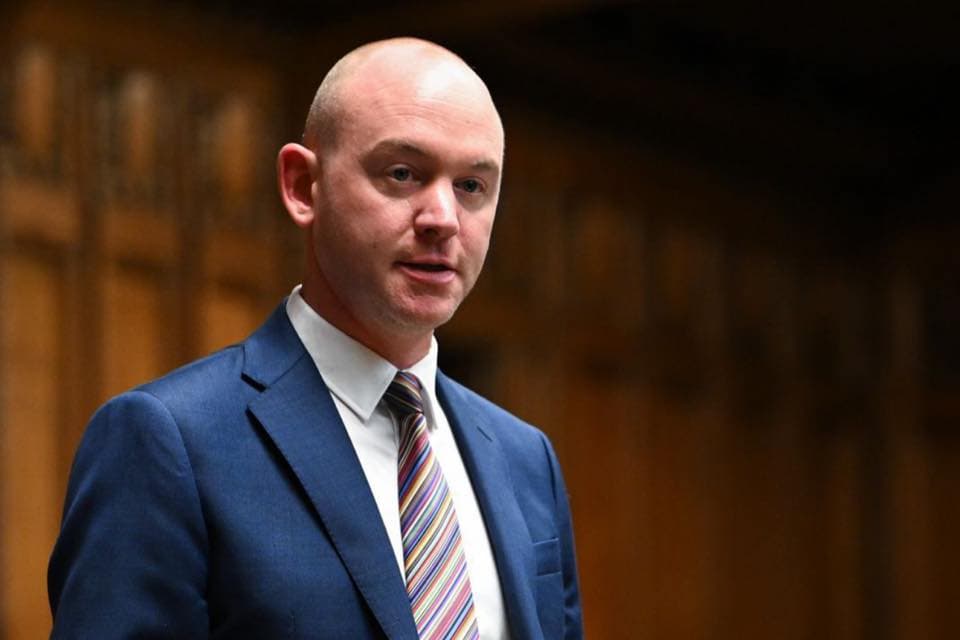
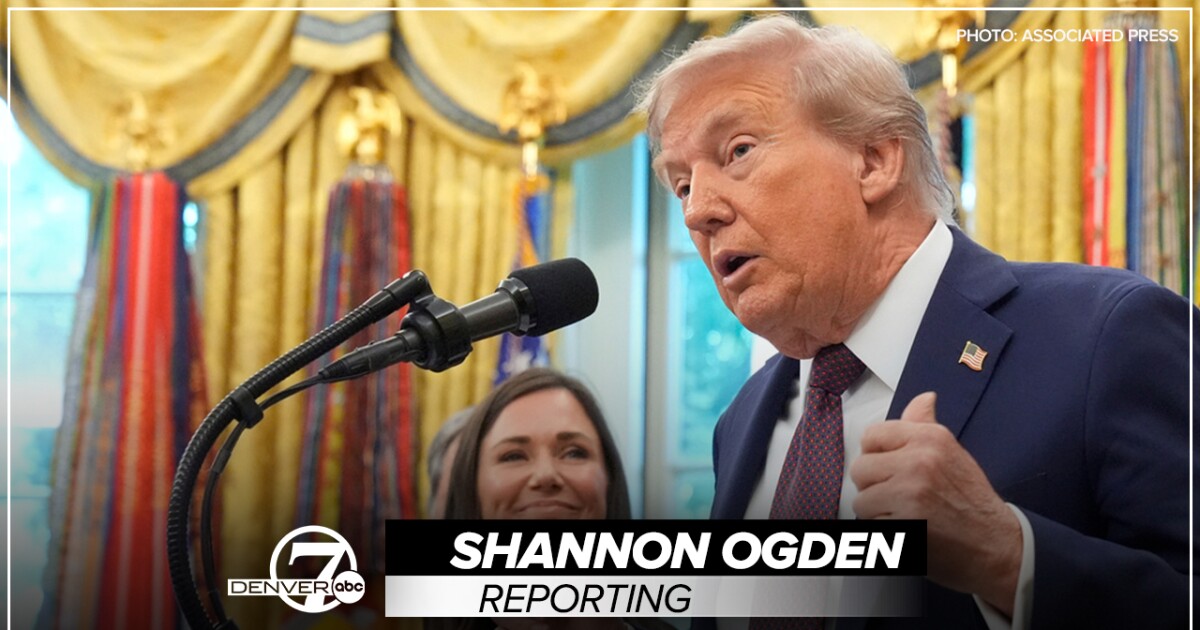
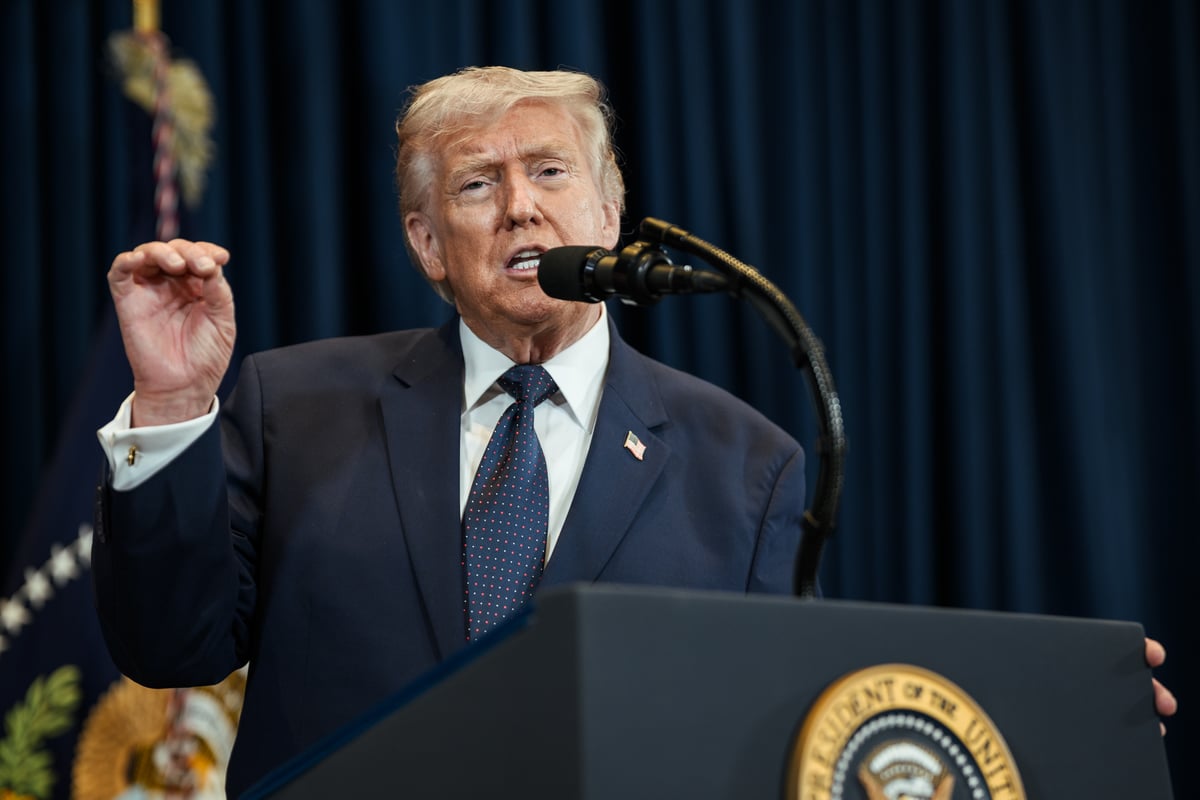
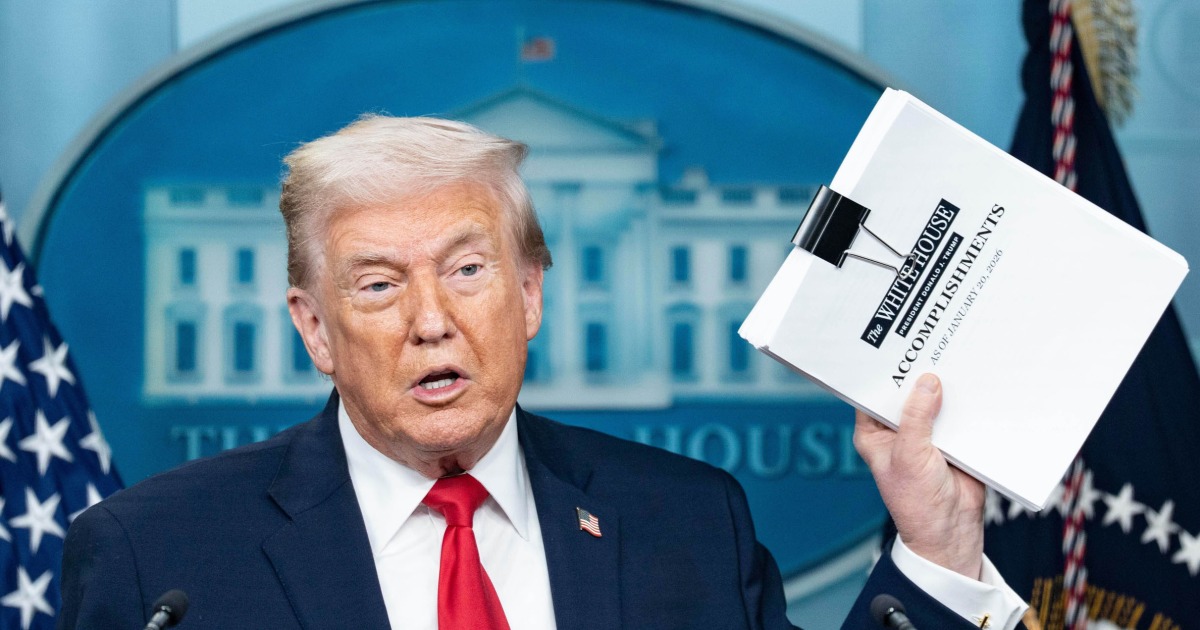
Christopher Galdieri, a political science professor at Saint Anselm College in the northeastern state of New Hampshire, told Xinhua: “This is one more thing Democrats will use to attack the (Donald) Trump White House and Republicans generally.”
“It also cuts against Trump’s selling point in 2024 that he could cut inflation and create jobs. Neither of those has happened,” Galdieri said.