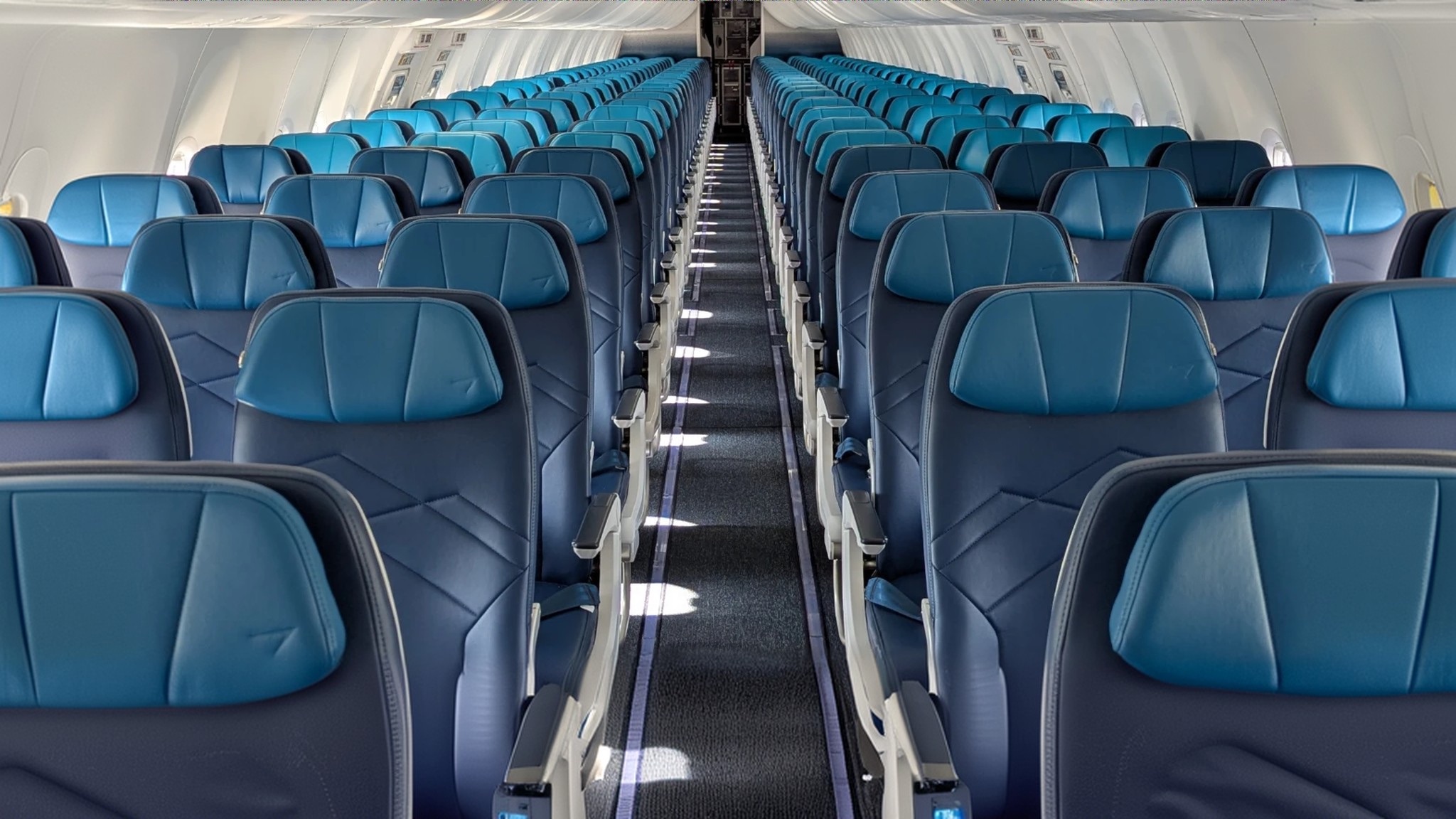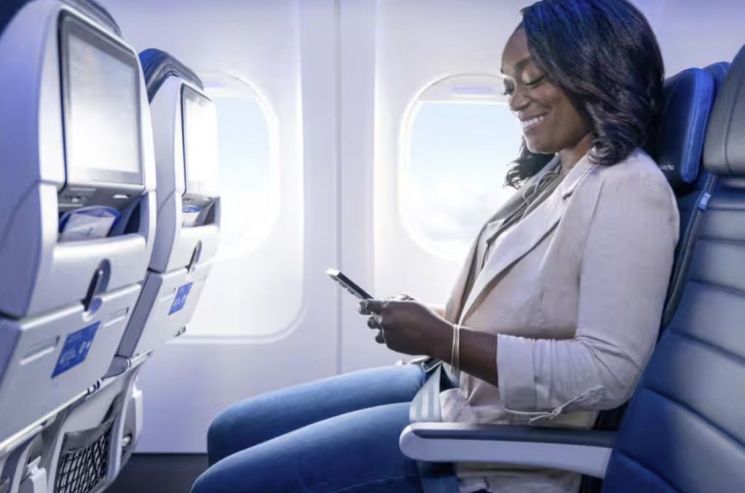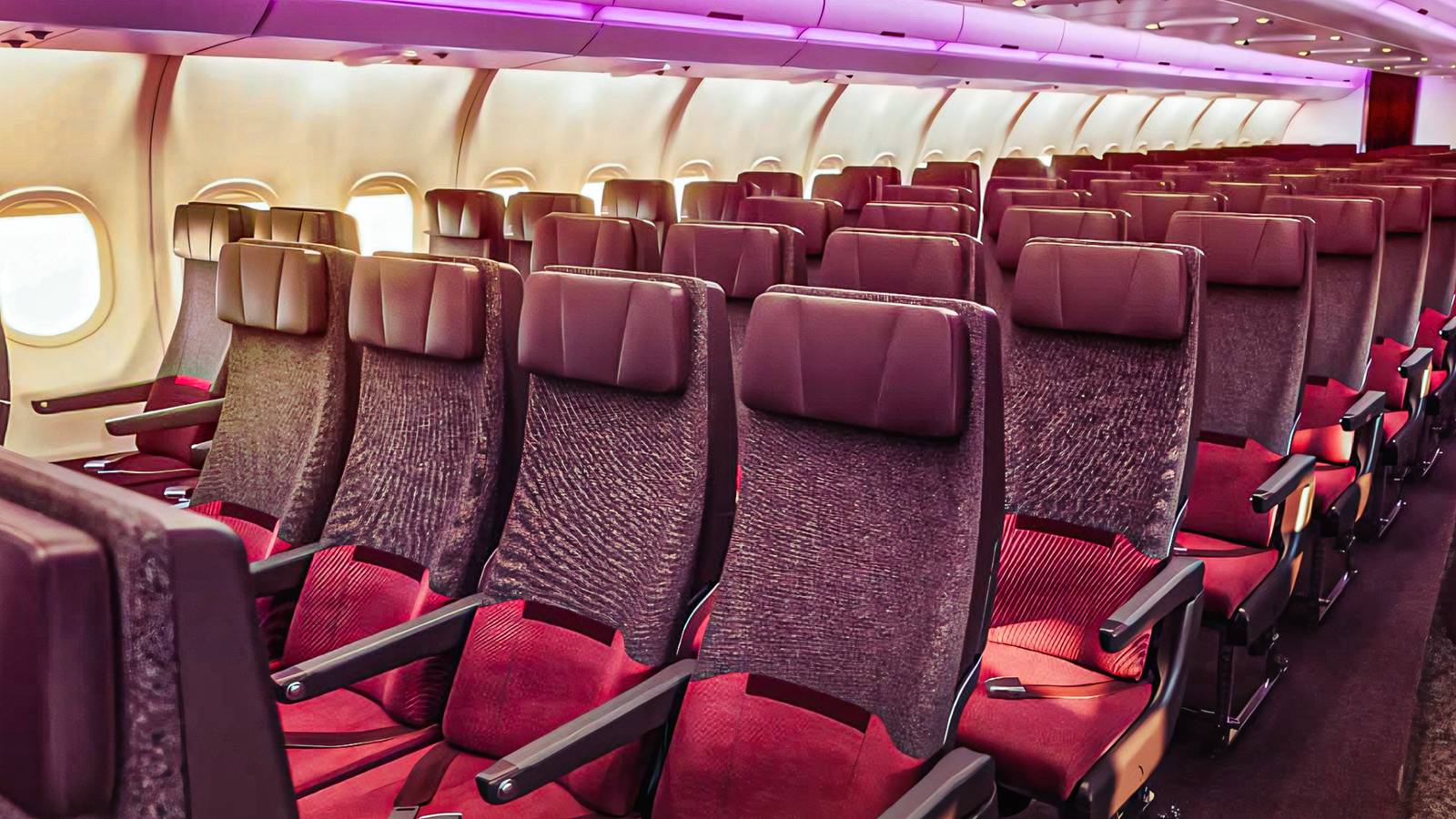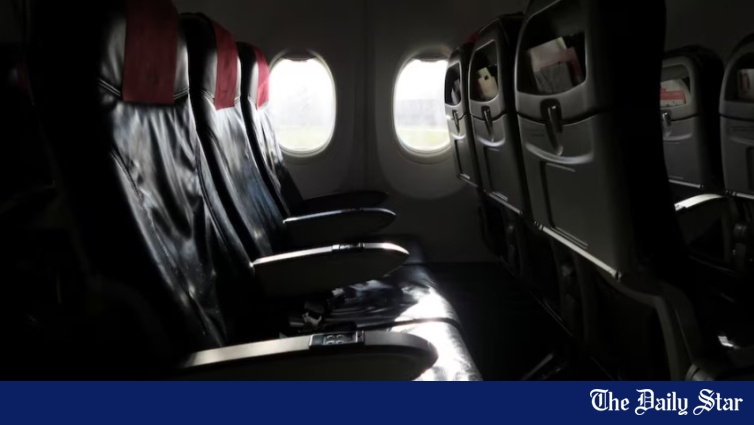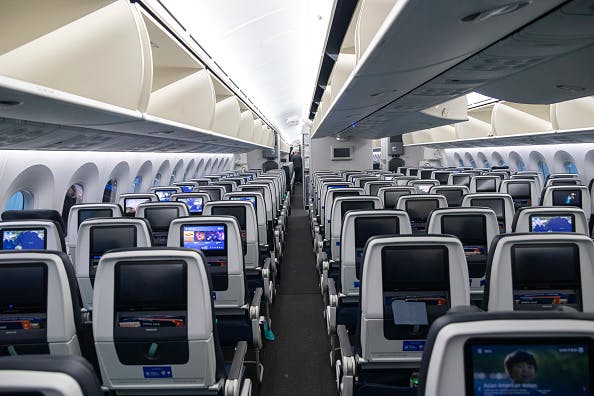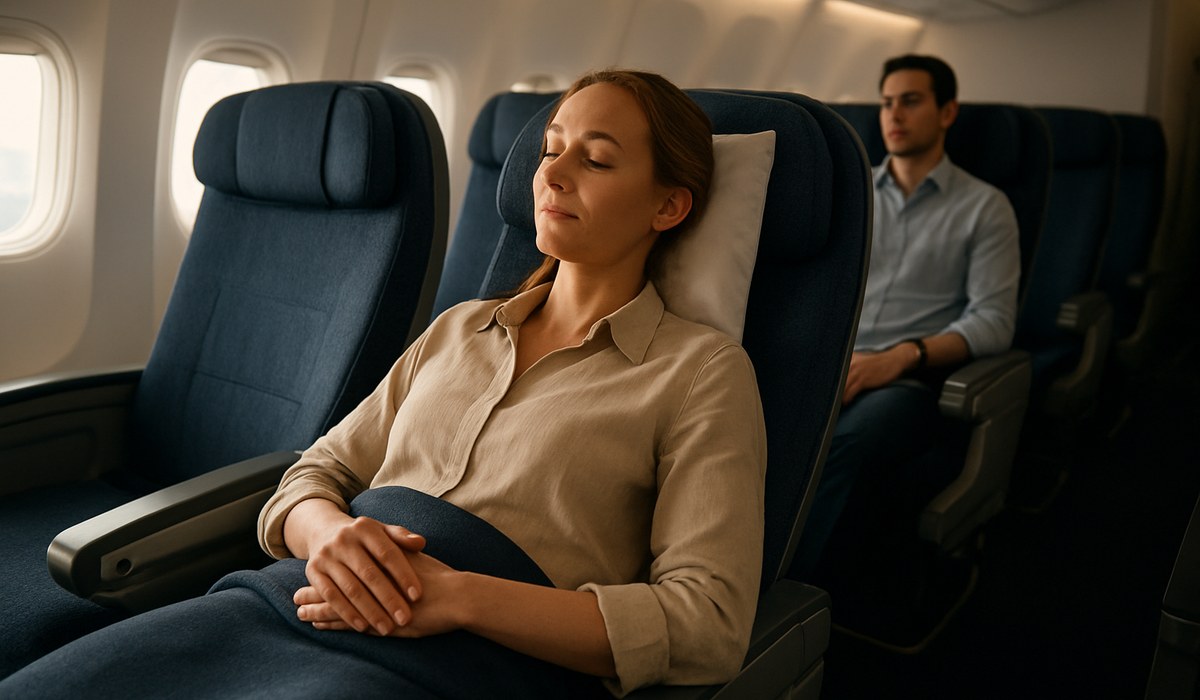

“What have they done to deserve it?”Director Farah Khan recently asked this rhetorical question on a podcast with comedian Bharti Singh, while revealing that when she flies business class, her triplets travel “peeche” — at the back, in economy. Actor Archana Puran Singh has followed a similar rule with her sons. So have American singer Jessica Simpson and television personality Kristin Cavallari. Actor Mike Farrell reportedly goes a step further: his children take red-eye flights with long layovers while he sits in first class.Their logic is the same: privilege must be earned. This form of tough-love parenting is not limited to celebrities. A growing section of affluent parents is choosing to deny their children certain luxuries — even when they can easily afford them. They fly their children economy while they themselves turn left on the aircraft, hand them basic Android phones while using the latest iPhones, or dress them in high-street brands while carrying Bottega bags.The aim, they say, is simple: to teach the value of money before comfort begins to feel like birthright. Mumbai-based casting director Shruti Mahajan follows this rule at home. Her 19-year-old daughter has always had the basics and more, but Mahajan says she has “never indulged” her. The teen flies economy when her parents travel first class and used a basic “dabba” phone until she completed Class 10. “I want her to know that she will have to study and work hard if she wants to fly business one day,” she says. “I also did not want to fall into the trap of thinking, ‘I am a working mother, and I am not giving my daughter enough time, so I should make up for it with gifts.’ I made sure I spent quality time with her. I even scheduled work in a way that allowed me to pick her up from school every day till Class 9.”Mahajan adds that her parenting style comes from her own upbringing. She grew up in large bungalows with a fleet of househelp, courtesy of her father, who was an IPS officer. However, her mother made sure she never confused family privilege with personal entitlement. “One day, I asked the bhaiya who used to get my father’s uniform and shoes ready to polish my shoes too,” she recalls. “My mother was furious. As punishment, she made me polish my shoes, my father’s and hers. She told me, ‘Your father has earned these privileges. The help is for him, not for us.’ That stayed with me. I learnt that respect and comfort are earned. You can’t demand them because you’re someone’s child, spouse or relative.”
Miser or wiser?
Mahajan admits her daughter has not always taken these restrictions lightly. There have been arguments, she says, but her daughter has slowly understood the intention behind them.Experts, however, caution that not every child will read such choices as life lessons. Some may simply see them as unfair. “Most kids will resent their parents if they are made to sit in economy while the parents enjoy business class. It is neither fun nor an equal experience,” says Shristhi Gupta, founder of Money Lessons, a financial literacy course for children. She adds that she does not understand the logic of this kind of “discrimination” during air travel. “By that logic, children don’t even deserve to go to London or New York, right? Our children are already living the lifestyle we have at home. The clothes they wear, the schools they attend, the toys they own — all of it is determined by family income. So what’s the point of flying separately?”Psychologist Dr Upasana Chaddha Vij says deliberately giving children less than one can afford does not automatically create gratitude. The impact depends on the explanation attached to it. “There is a big difference between saying, ‘You don’t deserve this because you haven’t earned it,’ and saying, ‘We can afford this, but we don’t need everything we can afford,’ or ‘This is a privilege and I want you to understand that,’” says Vij. The first approach, she says, can feel punitive and even shaming. The second can teach restraint, perspective and gratitude. Parents also need to be careful that they do not make luxury more alluring by constantly withholding it. “If handled poorly, this approach can end up teaching kids that they should measure themselves and others through privilege,” she adds.That said, not every “no” is a moral lesson. Sometimes, parents are simply being practical. Ahmedabad-based Nishita Shah recently bought her 14-year-old daughter a replica of a Stanley tumbler after the teenager spent weeks asking for the original. Shah says the decision had nothing to do with making her daughter “earn” a luxury bottle. It was about common sense. “She has new demands every day depending on what is trending and Pinterest-y,” says Shah. “She also keeps forgetting things everywhere, so obviously I cannot keep buying expensive brands.”
Earn and learn
Experts say giving children less is not the only — or necessarily the best — way to teach financial discipline. Involving them in money decisions may work better. “Give them a budget. Let them make choices. Allow them to save for expensive things. Help them understand that money brings choices, but also priorities,” says Vij.Gupta agrees. “Giving children a small amount of pocket money every month and letting them save up for what they want helps delay gratification,” she says.Parents can also allow children to earn extra pocket money through tasks that build problem-solving, discipline or skill. Gupta, however, draws a distinction between paid tasks and basic responsibilities. Cleaning one’s room or doing one’s laundry, she says, should not necessarily be rewarded because these are everyday life skills. “You can reward something commendable — reading a set number of books, for instance, or organising bookshelves genre-wise,” she says.So what should parents do when a child demands something extravagant? “Never say no immediately,” says Gupta. “Tell them they can dream of the whole world, and that can be their goal. But then they must think of a sustainable and financially responsible way to get there.” She adds that children should also be encouraged to make a case for what they want. Persuasion, after all, is a life skill too.US-based entrepreneur Jesse Pujji recently shared a post that resonated with many parents facing this dilemma. He had taken his kids for a Disneyland trip and wondered if he was spoiling them by paying extra to skip the long queues. He later asked his kids why they got to skip the line and then reminded them of the late nights, long hours and sacrifices that led to their cushy life. He then planned out a system to teach his kids to value money better. For starters, privileges like screen time or ski trips come only after homework and chores are done. Secondly, he links the allowance to age and tells his kids to divide the amount into three equal parts (spend, save and give) so they learn to choose wisely, be patient and give back to society. Finally, he has decided that when his kids grow up they will have to get part-time jobs. Moreover, if they want a car or any other expensive item they will have to approach ‘Bank of Dad’ for a loan and borrow at an interest and make monthly payments too.
The great flight divide
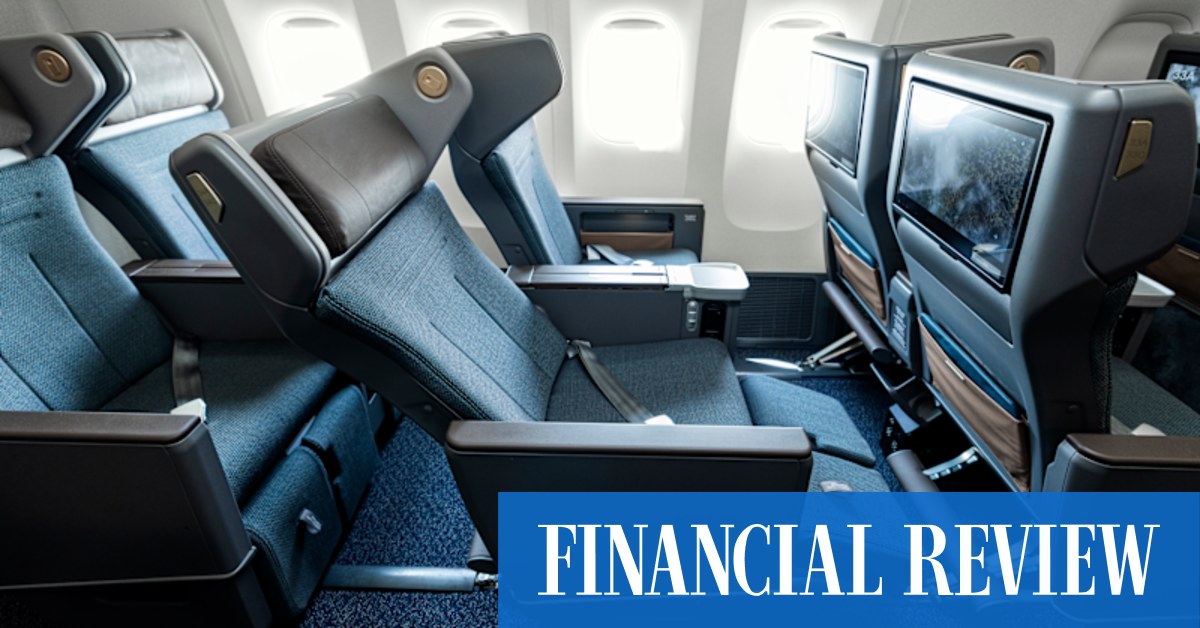
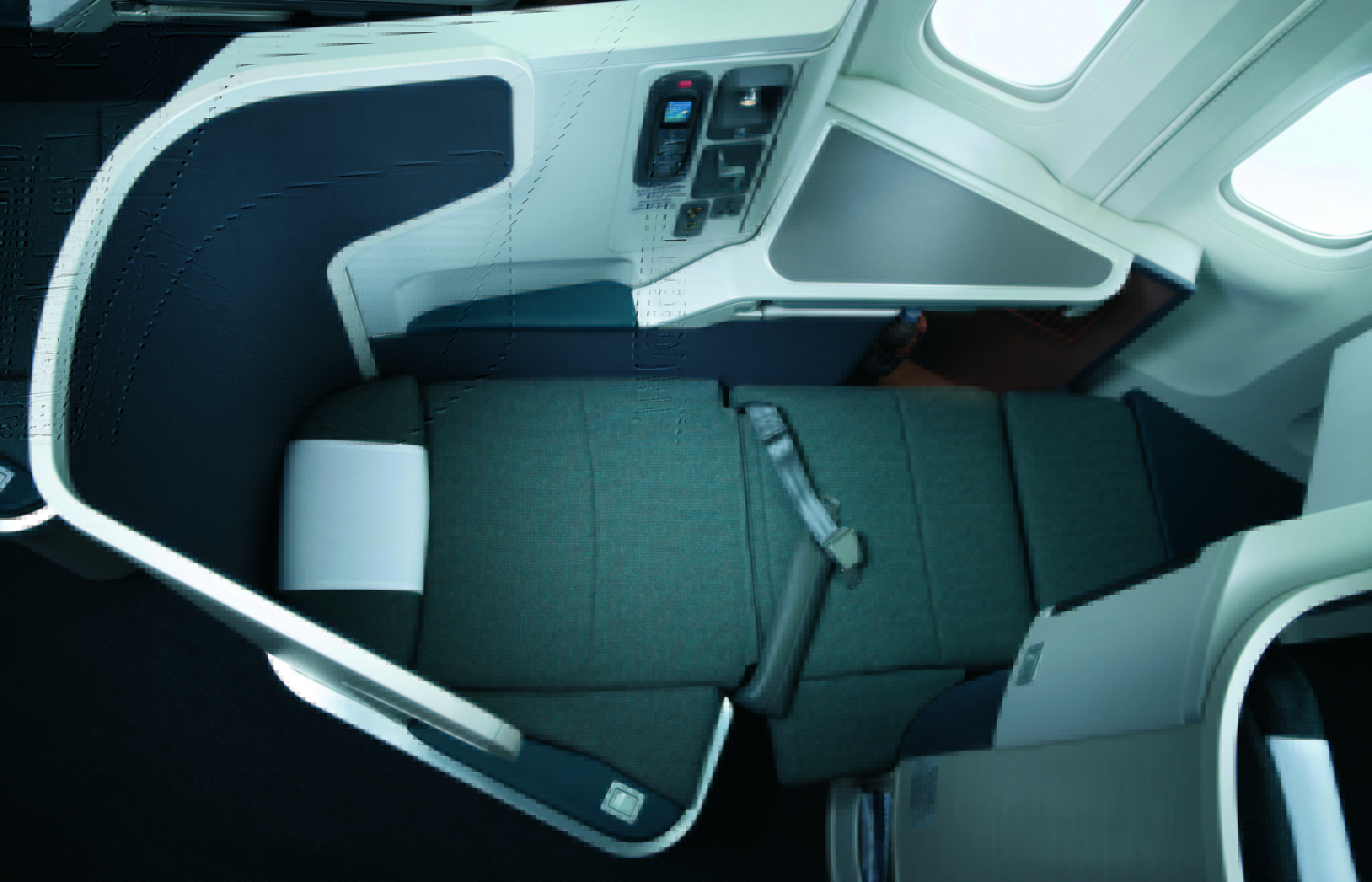
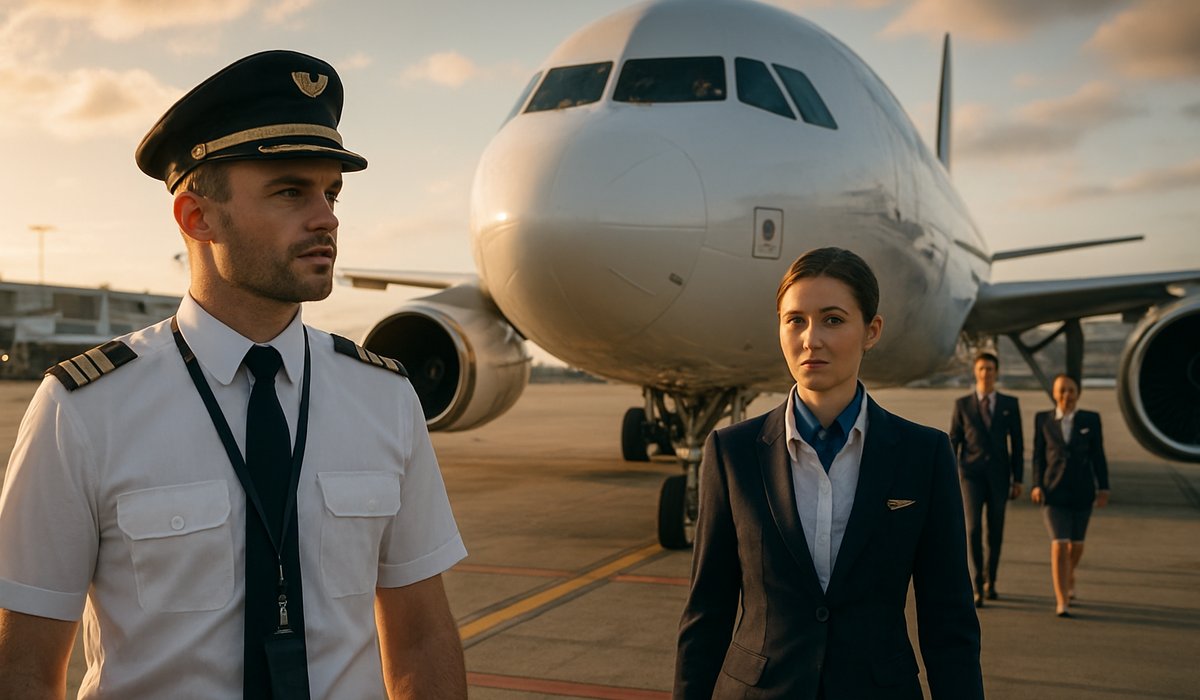
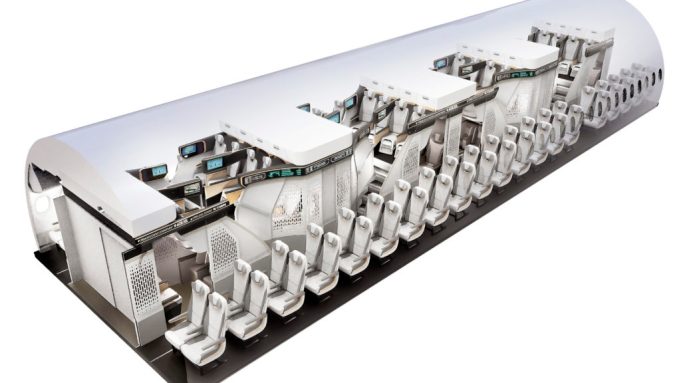
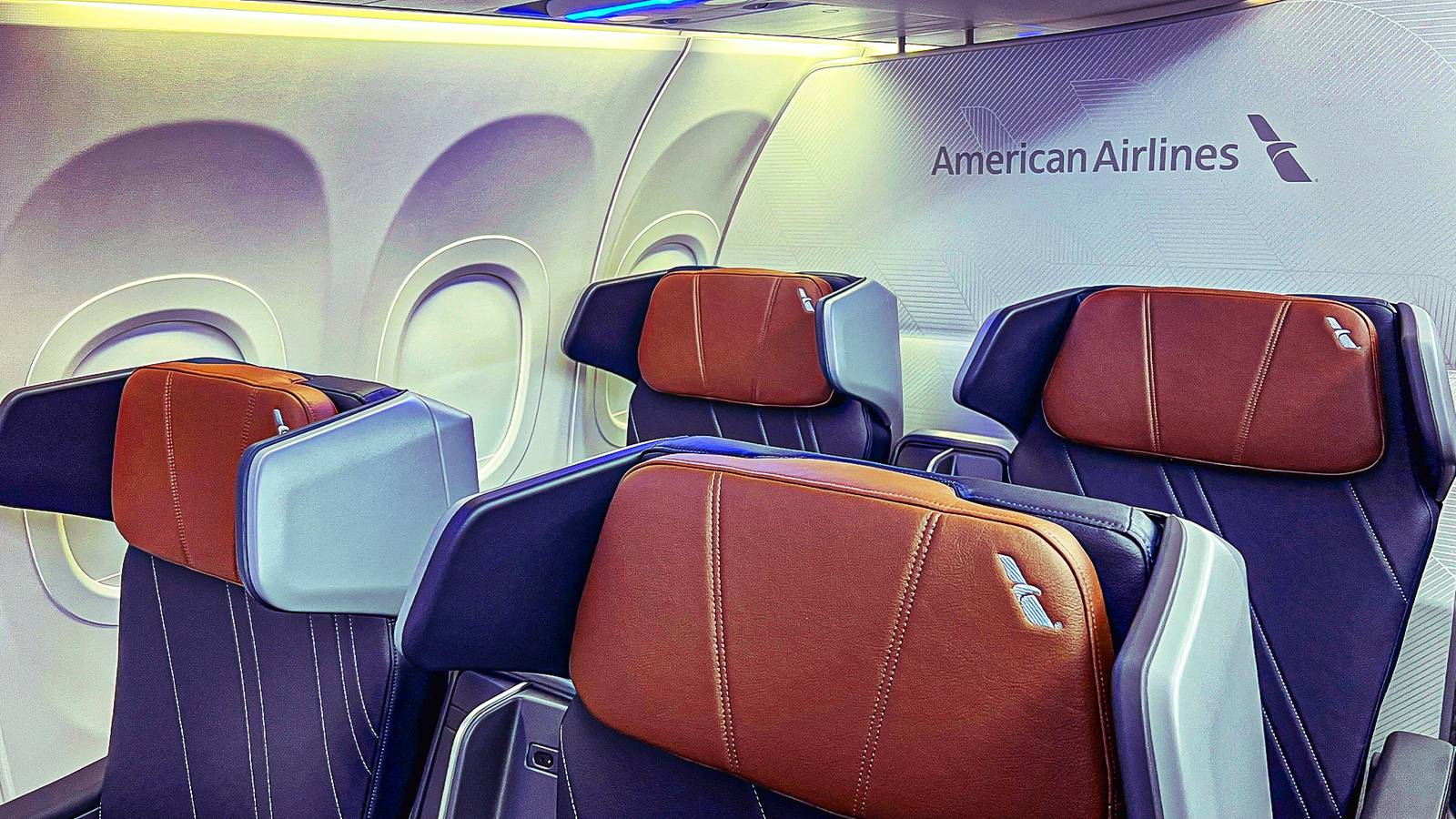
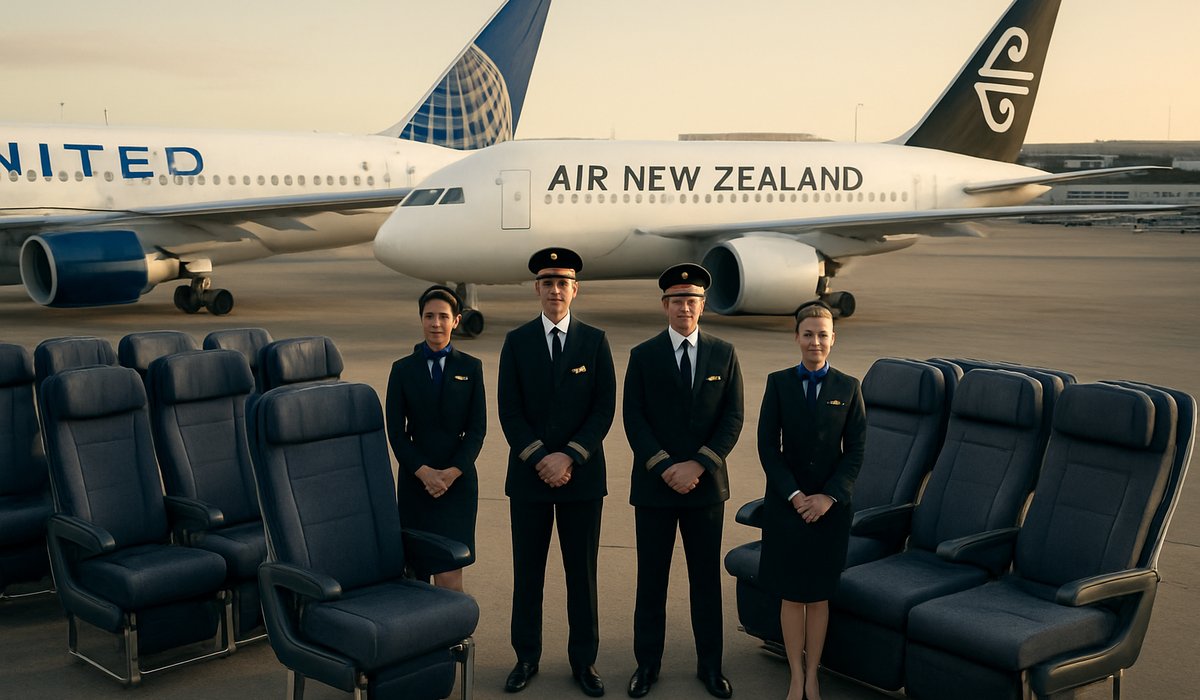
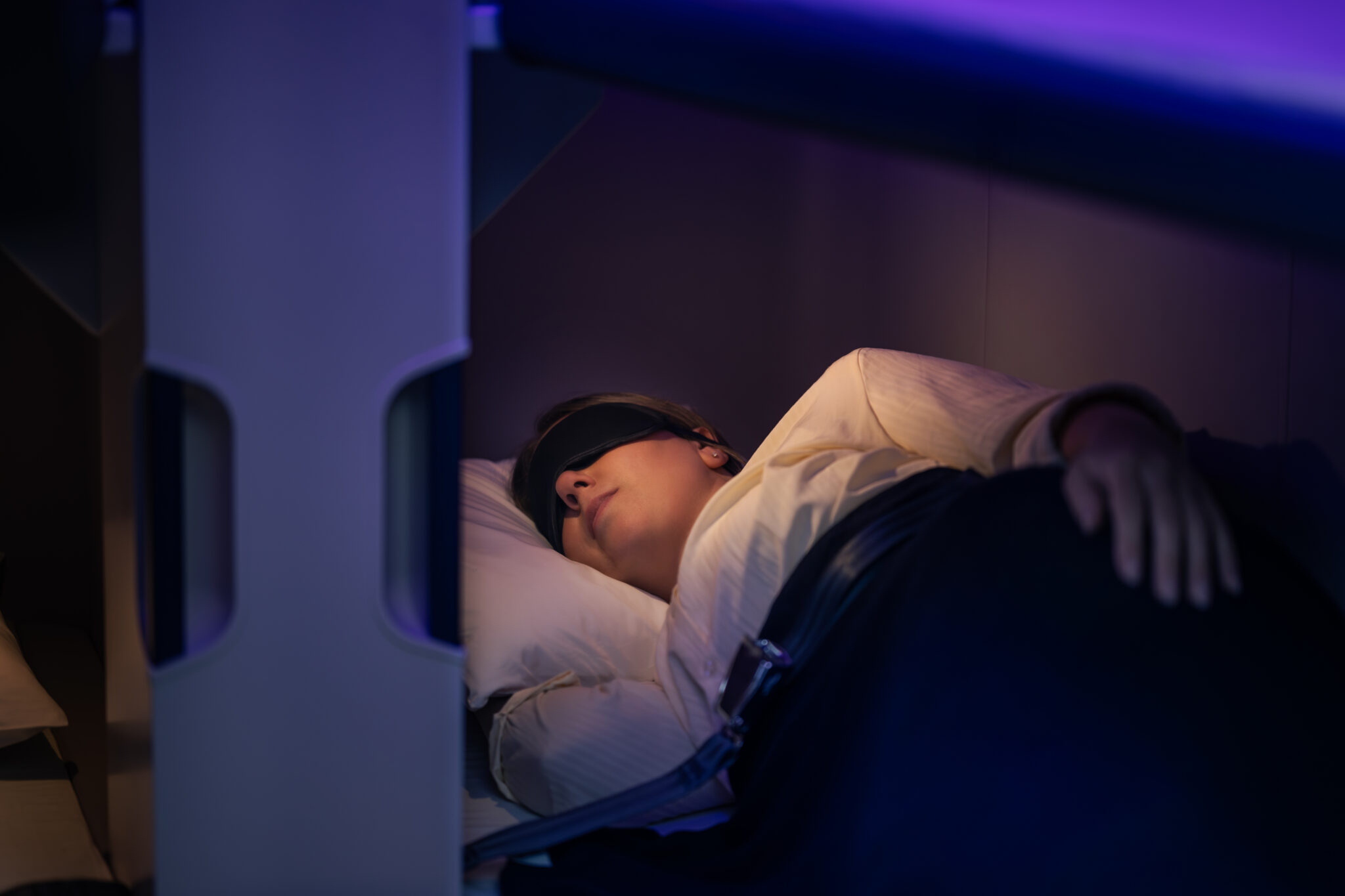
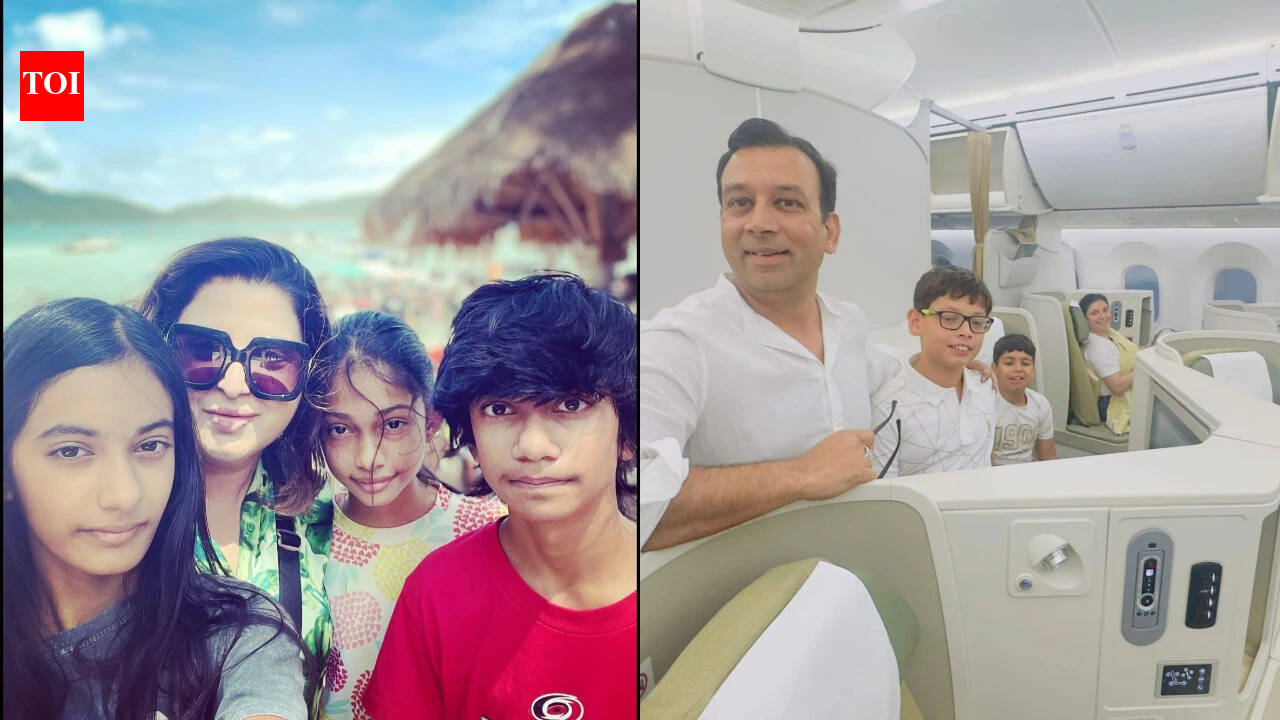
Whatever the lesson parents hope to teach, the question of children in premium cabins remains divisive. Many business-class flyers believe children do not belong at the front of the aircraft at all. “If I paid that much for a ticket, the last thing I would want is a baby potentially wailing its head off during the flight,” wrote one Reddit user.Mayank Arya, CEO of Yes Madam and a father of two, also believes it may be better to fly economy with children, albeit for different reasons. Arya recently flew business class with his children to Vietnam because he wanted to “treat” them, but did not enjoy the experience. The physical distance between the seats meant the family could not chat, share food or make the kind of memories they usually did in economy. He also worries that frequent upgrades may dull his children’s ambition to earn those comforts themselves. “Struggle bhi dikhani hai, aspiration bhi jagani hai. Business class tabhi jab woh khud afford karein (We have to show them the struggle and instill the aspiration. Business class only when they can afford it by themselves.) Not because papa can,” he posted on LinkedIn.