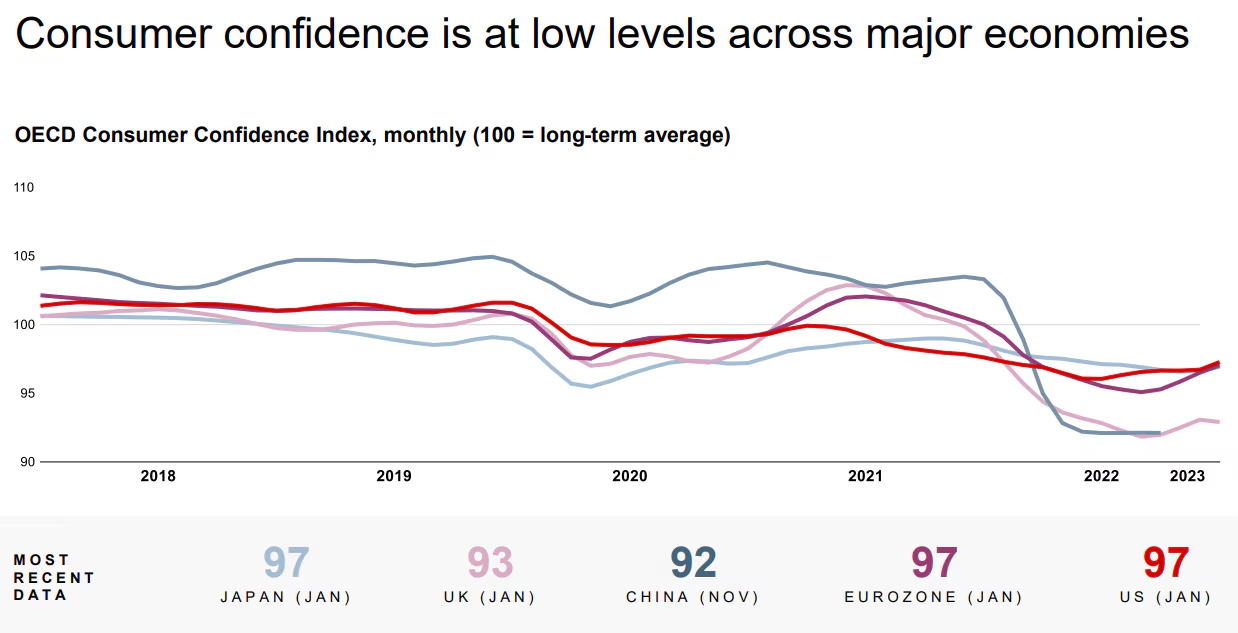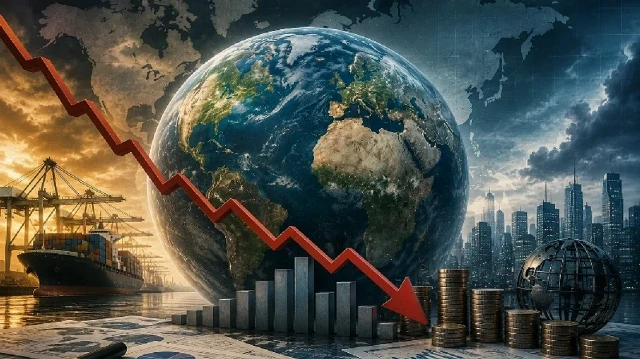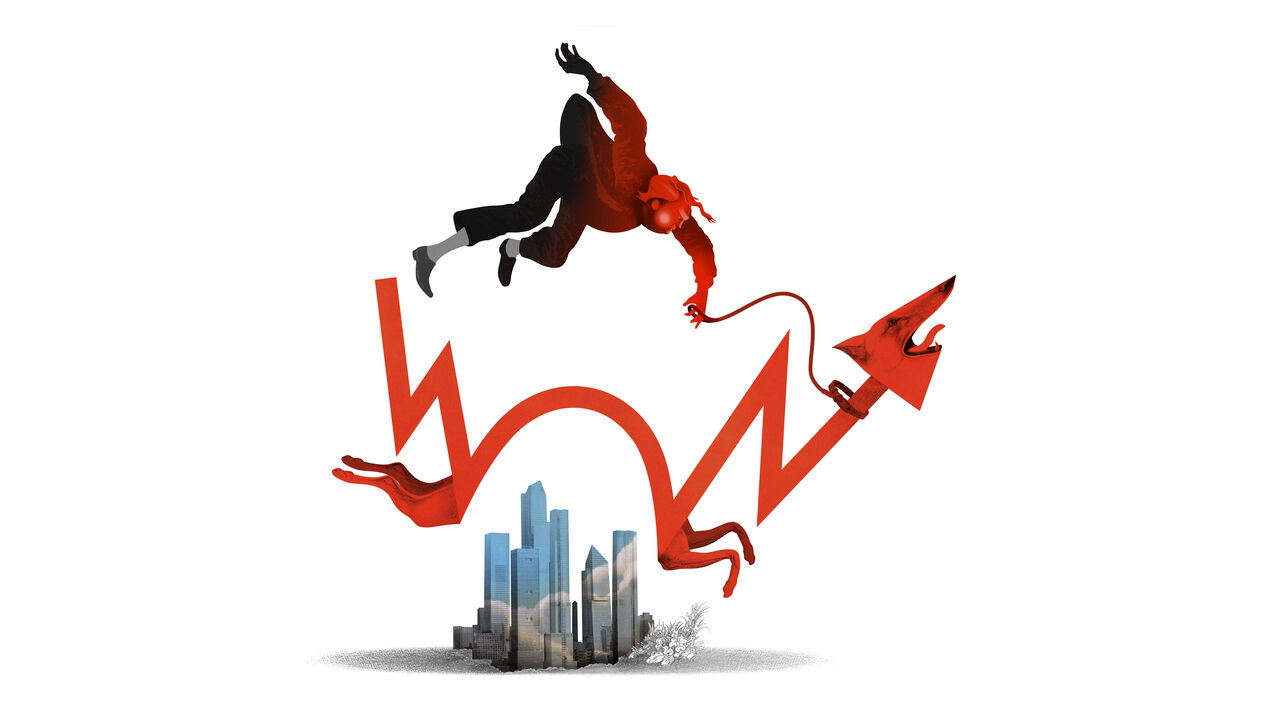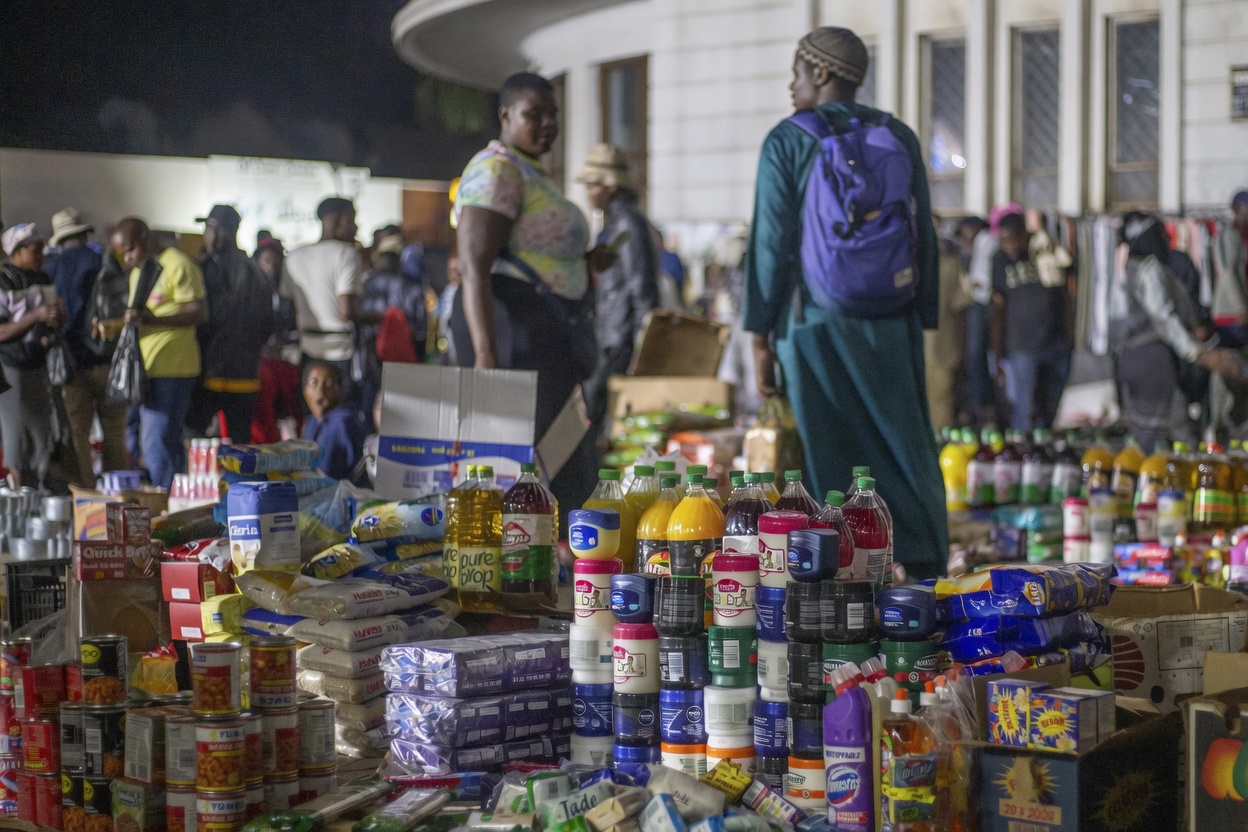
Most experts believe that the key driver of economic growth is total demand for goods and services. Whenever an economy shows signs of weakness, experts hold that strengthening total demand is required to prevent a recession.
Thus, according to this viewpoint, if the private sector fails to increase demand, then it is the role of the government to increase government demand in such a way that the total economy’s demand is going to strengthen.
Such thinking claims that economic recessions are the lack of total demand in the economy. We know, however, that individuals are aspiring to improve their living standards, which means that their demand for goods and services is growing and cannot be scarce.
In the free market economy, wealth generators do not produce everything for their own consumption. Part of their production is used to exchange for the products of other producers. Hence, in the free-market economy, production precedes consumption.
This means that something is exchanged for something else. This also means that an increase in the production of goods and services sets in motion an increase in the demand for goods and services. According to David Ricardo,
No man produces but with a view to consume or sell, and he never sells but with an intention to purchase some other commodity, which may be immediately useful to him, or which may contribute to future production. By producing, then, he necessarily becomes either the consumer of his own goods, or the purchaser and consumer of the goods of some other person.
Observe that one’s demand is constrained by his ability to produce goods. The more goods that an individual can produce, the more goods he can demand.
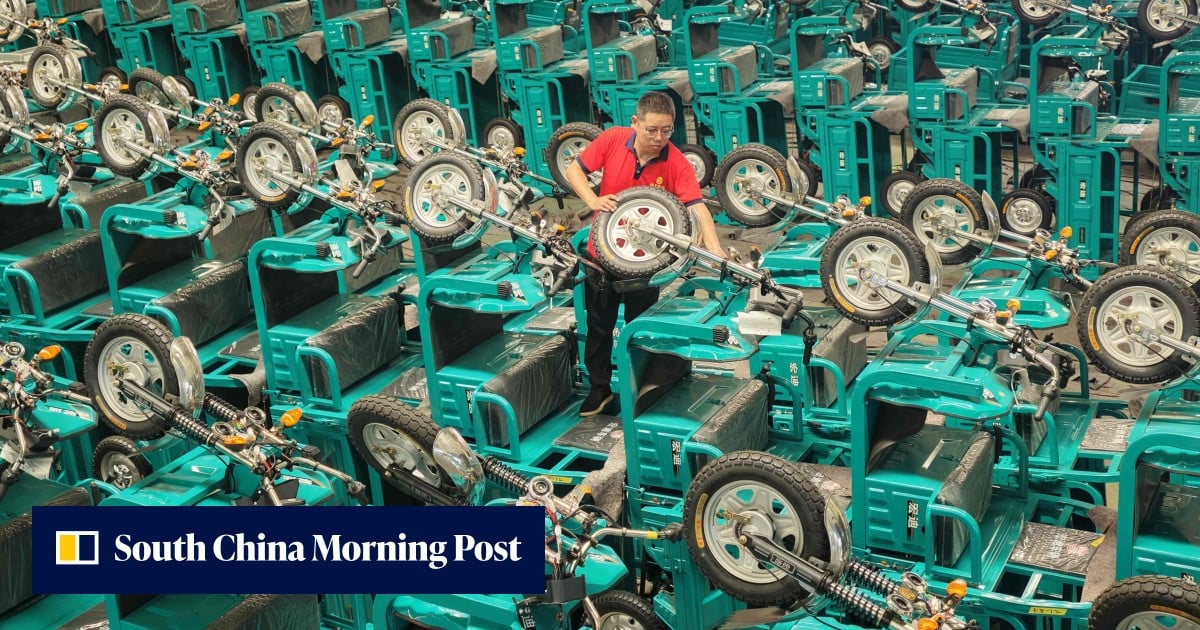
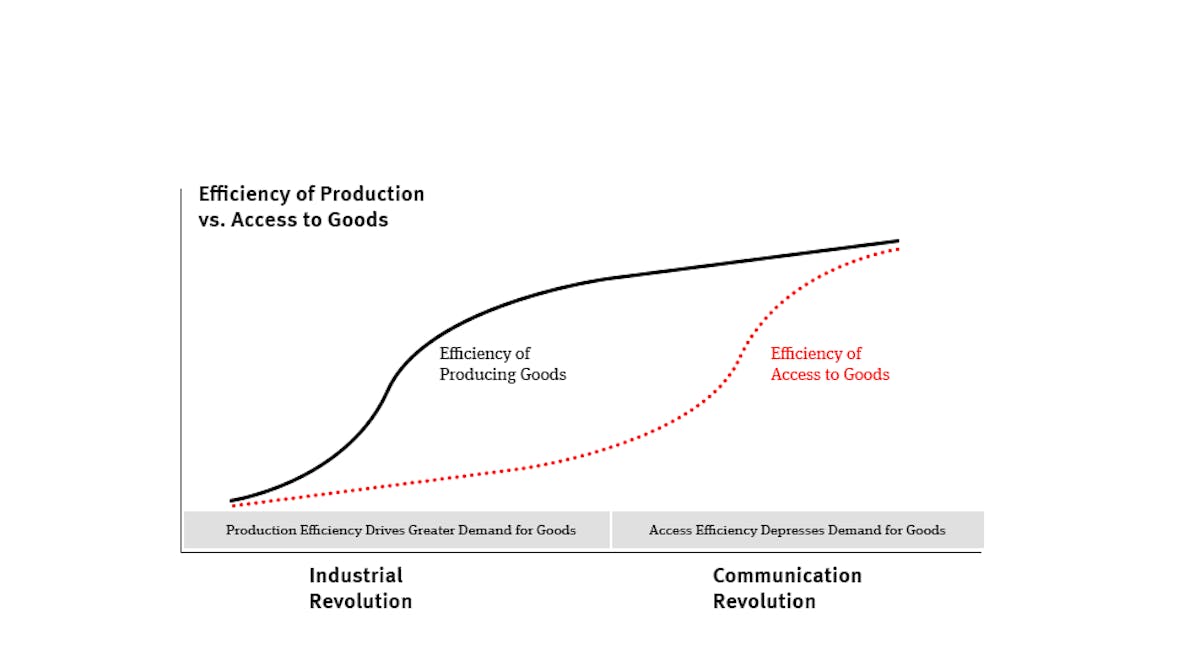
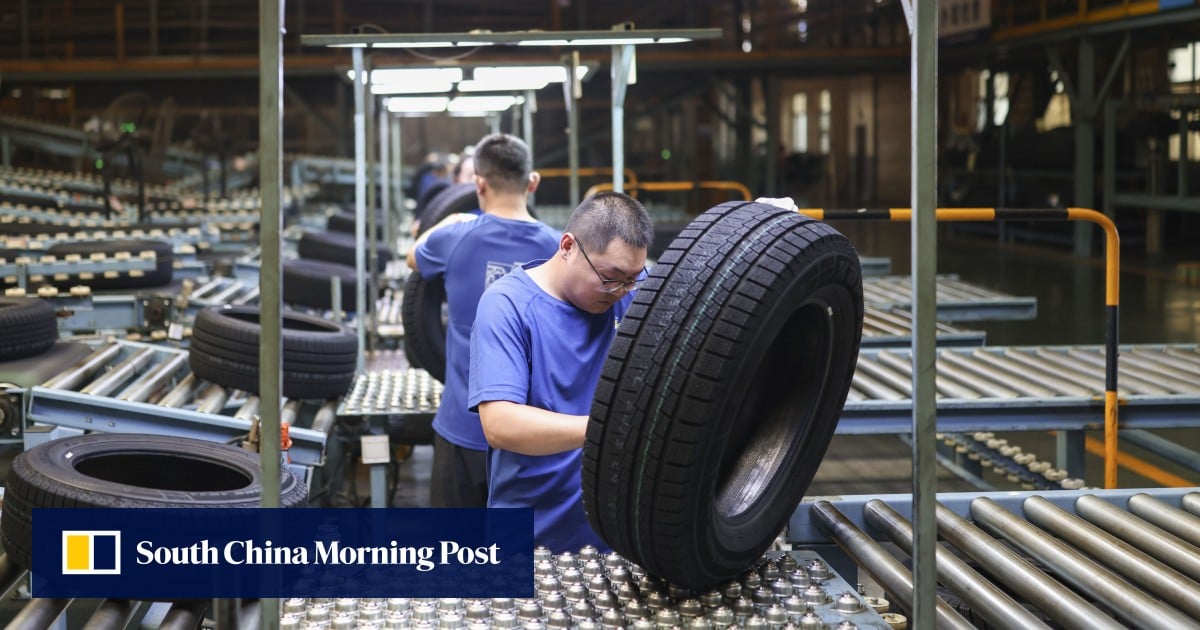
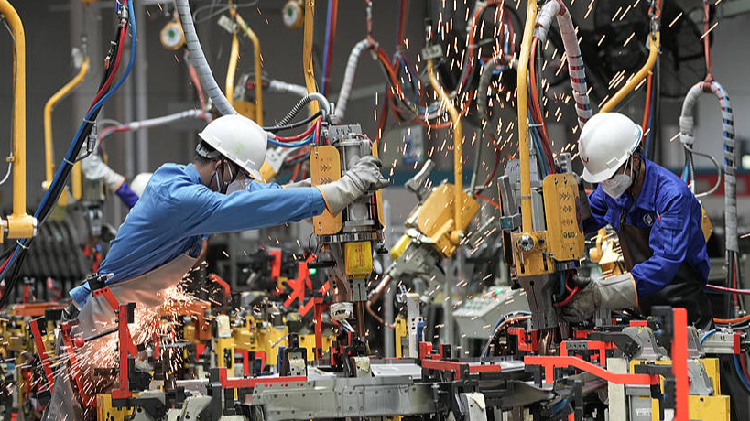
Demand cannot stand by itself and be independent – it is constrained by production. Hence, what drives the economy is not demand but the production of goods and services. In this sense, producers and not consumers are the engine of economic growth.
According to James Mill,
When goods are carried to market what is wanted is somebody to buy. But to buy, one must have the wherewithal to pay. It is obviously therefore the collective means of payment which exist in the whole nation constitute the entire market of the nation. But wherein consist the collective means of payment of the whole nation? Do they not consist in its annual produce, in the annual revenue of the general mass of inhabitants? But if a nation’s power of purchasing is exactly measured by its annual produce, as it undoubtedly is; the more you increase the annual produce, the more by that very act you extend the national market, the power of purchasing and the actual purchases of the nation…. Thus it appears that the demand of a nation is always equal to the produce of a nation. This indeed must be so; for what is the demand of a nation? The demand of a nation is exactly its power of purchasing. But what is its power of purchasing? The extent undoubtedly of its annual produce. The extent of its demand therefore and the extent of its supply are always exactly commensurate.
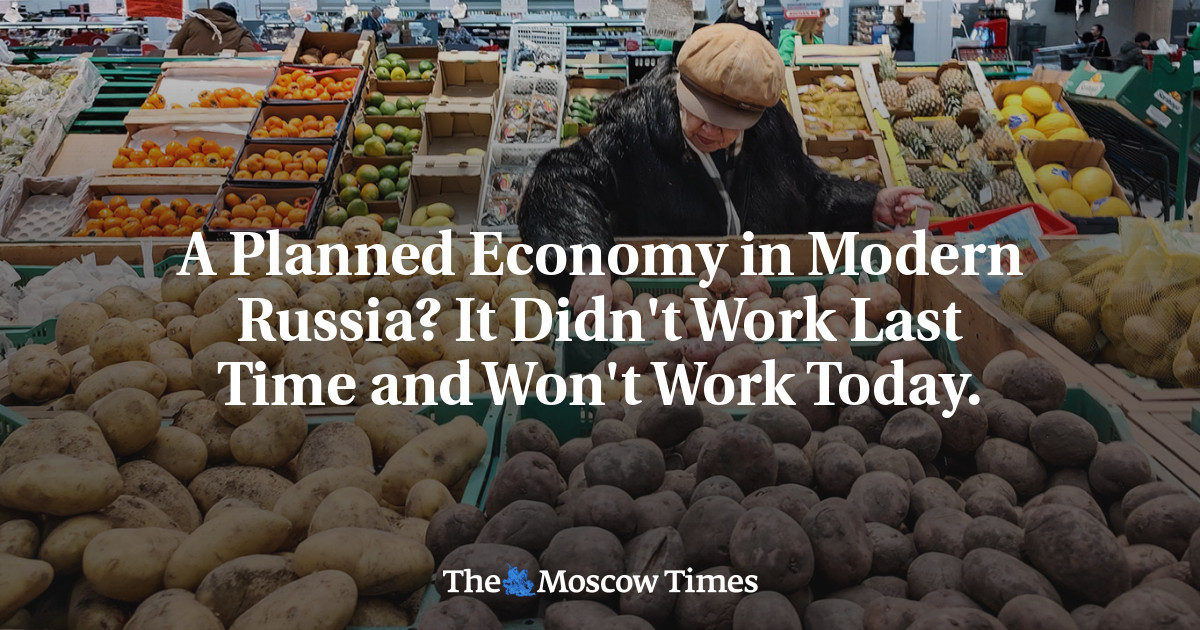
If a population of five individuals produces ten potatoes and five tomatoes – this is all that they can demand and consume.
No government and central bank’s tricks can make it possible to increase their demand. The only way to raise the ability to consume more is to raise the ability to produce more.
The dependence of demand on the production of goods cannot be removed by means of the monetary pumping and the government spending.
On the contrary, the expansionary fiscal and monetary policies are likely to impoverish wealth generators and weaken their ability to produce goods and services – it is going to weaken demand.
Therefore, what is then required to revive the economy is not the strengthening in total demand but the sealing off all the loopholes for the generation of money out of “thin air” and curbing the government spending.
This will enable wealth generators to revive the economy by allowing them to move ahead with the business of wealth generation.
We can conclude that by strengthening the economy’s ability to produce goods and services we are increasing total demand and promoting economic growth. This contrasts with the popular way of thinking, which takes production for granted and focuses on the ways and means by which consumption could be increased.
Expanding the pool of savings is key to economic growth
Now, without the expansion and the enhancement of the production structure, it is going to be difficult to increase the supply of goods and services. The expansion and the enhancement of the production structure hinge on the expanding pool of savings. The pool of savings supports individuals in the various stages of production. Hence, what matters for economic growth is not just tools, machinery and the pool of labor, but also adequate savings to purchase capital goods.
Government does not generate wealth
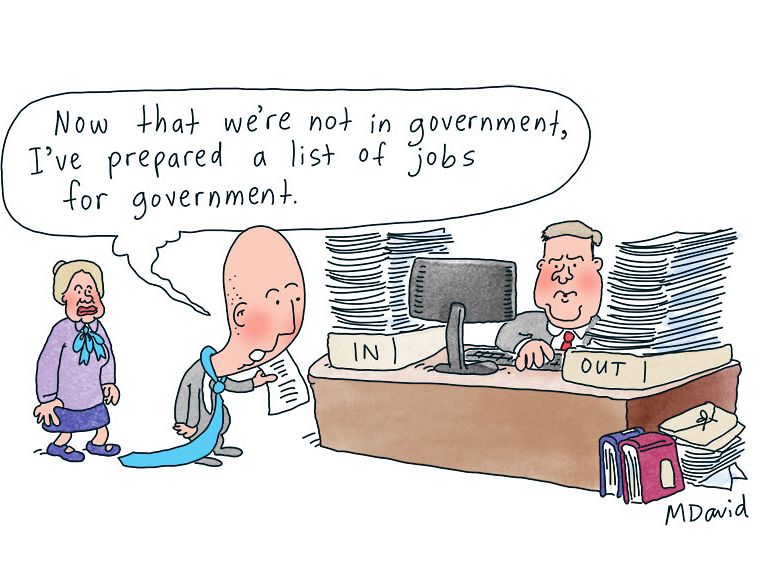
Contrary to popular thinking, the government does not produce any wealth, hence the increase in government outlays cannot grow the economy. Various individuals who are employed by the government expect compensation for their work.
One of the ways the government can pay these individuals is by taxing others who are generating wealth. By doing this, the government weakens the wealth-generating process and undermines the prospects for economic recovery.
According to Murray Rothbard,
Since genuine demand only comes from the supply of products, and since the government is not productive, it follows that government spending cannot truly increase demand.
Likewise, an increase in the money supply only sets in motion an exchange of nothing for something. This means a weakening in the process of wealth formation and economic impoverishment.
An important factor that makes the fiscal and monetary stimulus appear to “work” is if the flow of savings is large enough to support non-wealth generating activities while still permitting the growth rate in the activities of wealth generators.
If, however, the flow of savings is declining then regardless of increases in government outlays and monetary pumping by the central bank, overall economic activity cannot be revived. In this case, the more the government spends and the more the central bank pumps new money into the economy, the more that will be taken from wealth generators, thereby weakening any prospect for a recovery.
When expansionary monetary and fiscal policies divert bread from the baker, he will have less bread at his disposal. Consequently, the baker will not be able to secure the services of the oven maker. As a result, it will not be possible to increase the production of bread, all other things being equal.
As the pace of expansionary policies intensifies, a situation could emerge whereby the baker will not have enough bread left to even sustain the workability of the existing oven. (The baker will not have enough bread to pay for the services of a technician to maintain the existing oven in good shape). Consequently, the production of bread will actually decline.
Similarly, other wealth generators, because of the increase in government outlays and the monetary pumping, will have less savings at their disposal. This in turn is going to hamper the production of their goods and services and will retard and not promote overall economic growth.
Not only does the increase in the expansionary fiscal and monetary policies do not raise overall output, but on the contrary, it leads to a weakening in the process of wealth generation in general.
According to Say,
The only real consumers are those who produce on their part, because they alone can buy the produce of others, [while] … barren consumers can buy nothing except by the means of value created by producers.
Conclusions
In order to be able to exchange something for goods and services, individuals must first have something to exchange. This means that in order to demand goods and services individuals must first produce something useful.
Hence, supply drives demand, not the other way around. Furthermore, given that individuals aspire to improve their living standard, their demand is growing and never scarce.
Hence, contrary to the popular way of thinking, the key driver of an economy is not demand for goods and services but the production of the goods and services. Through the increase in production a greater demand can be supported.