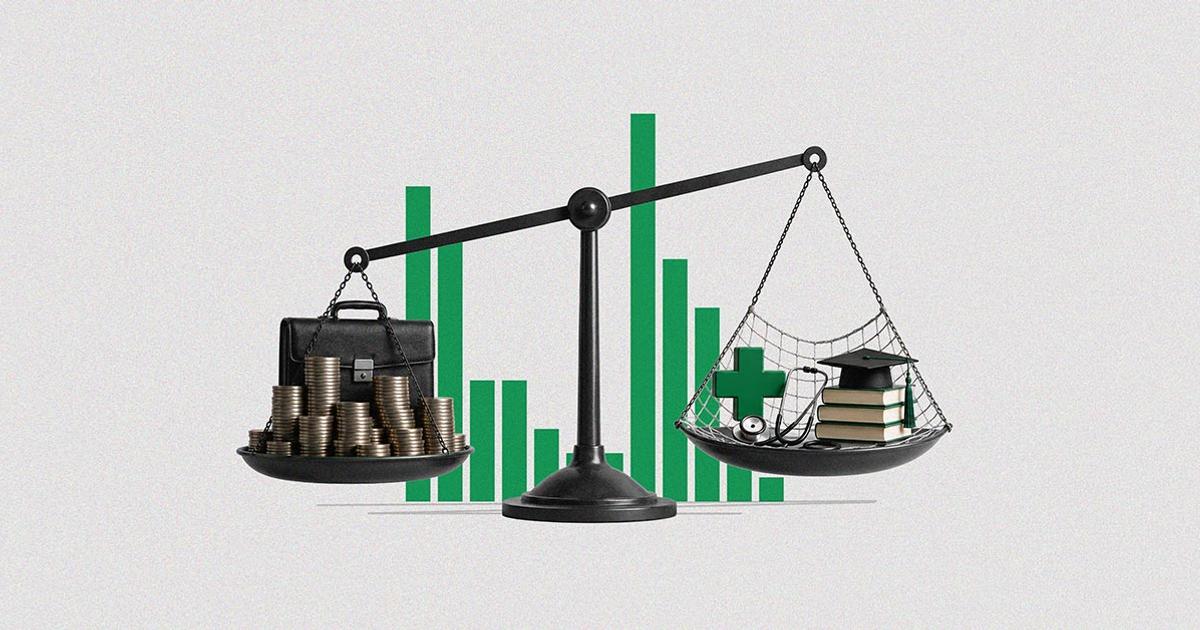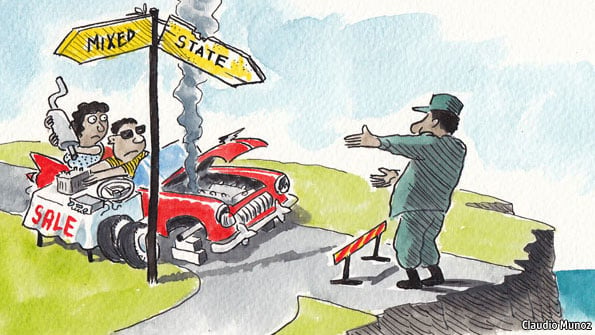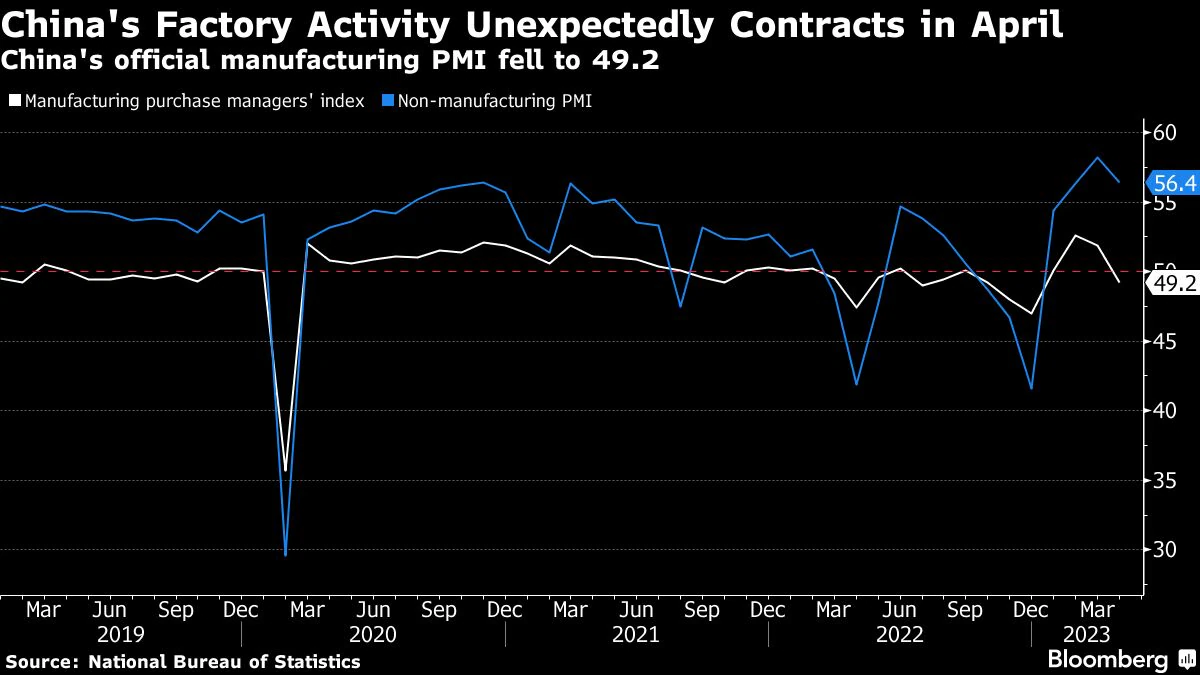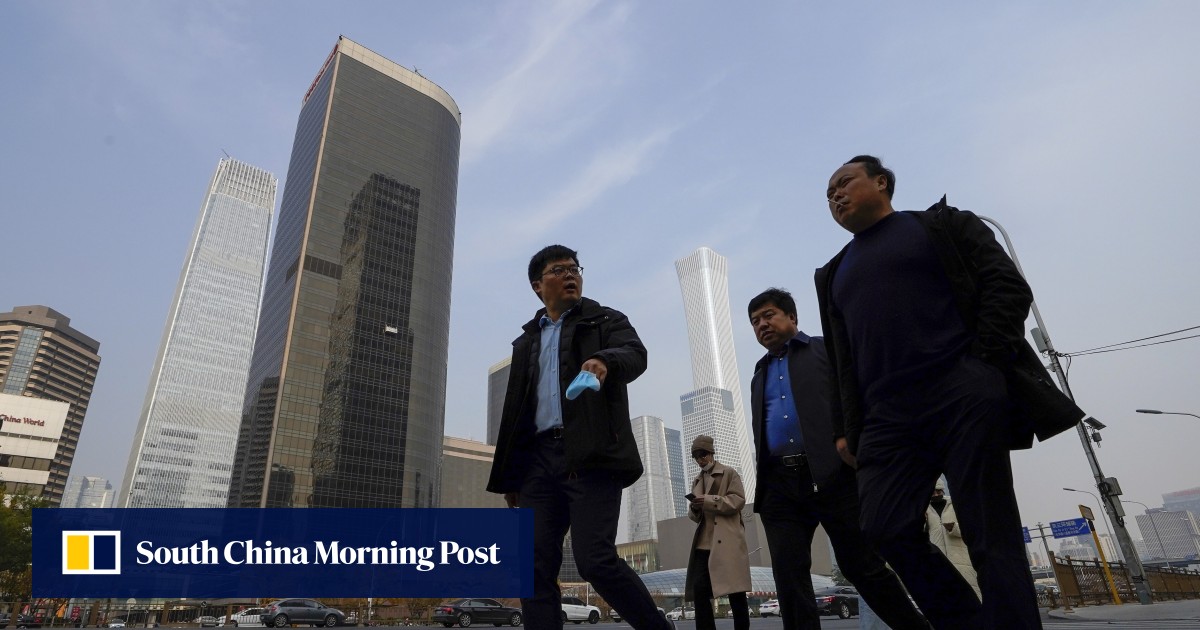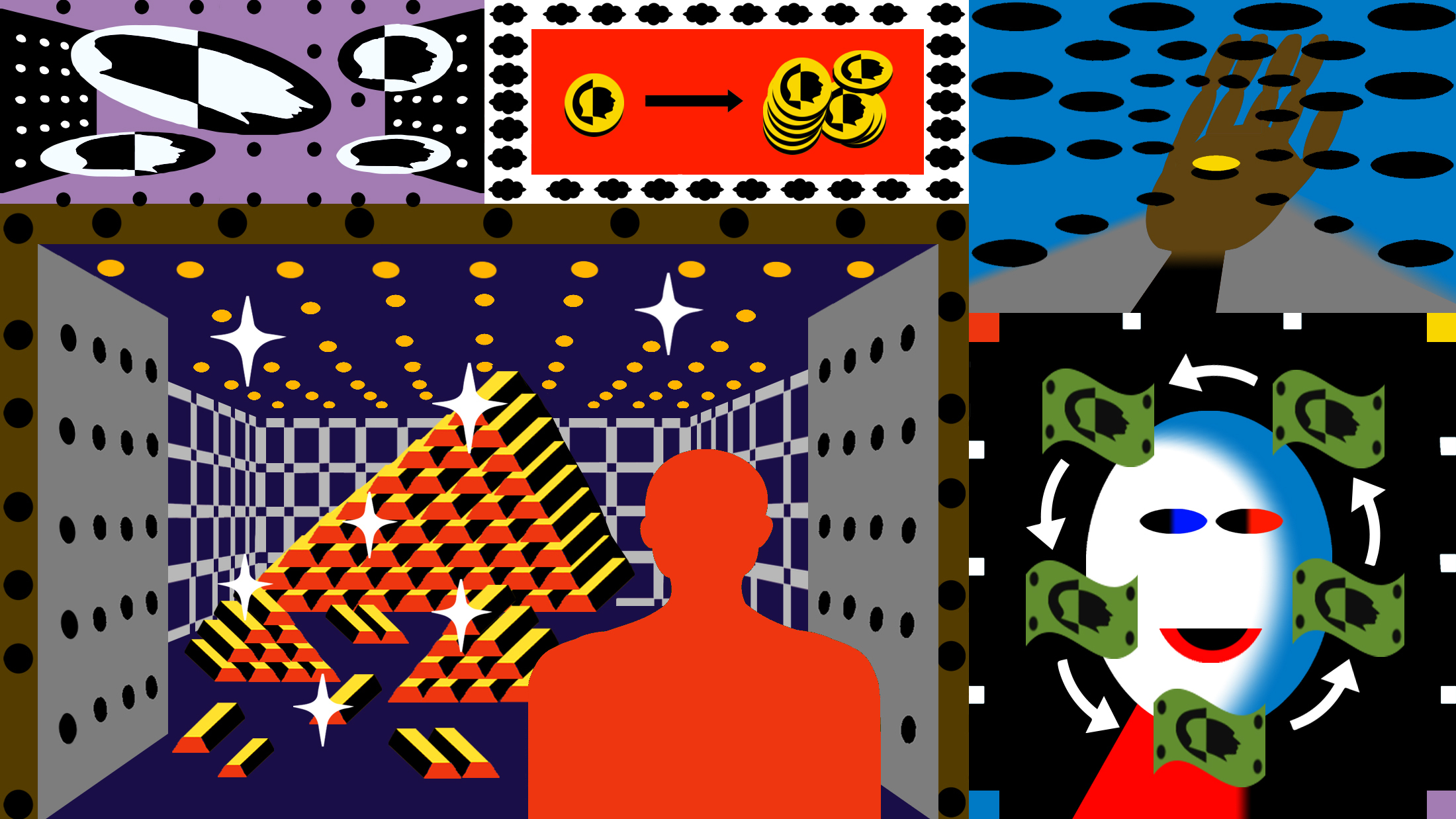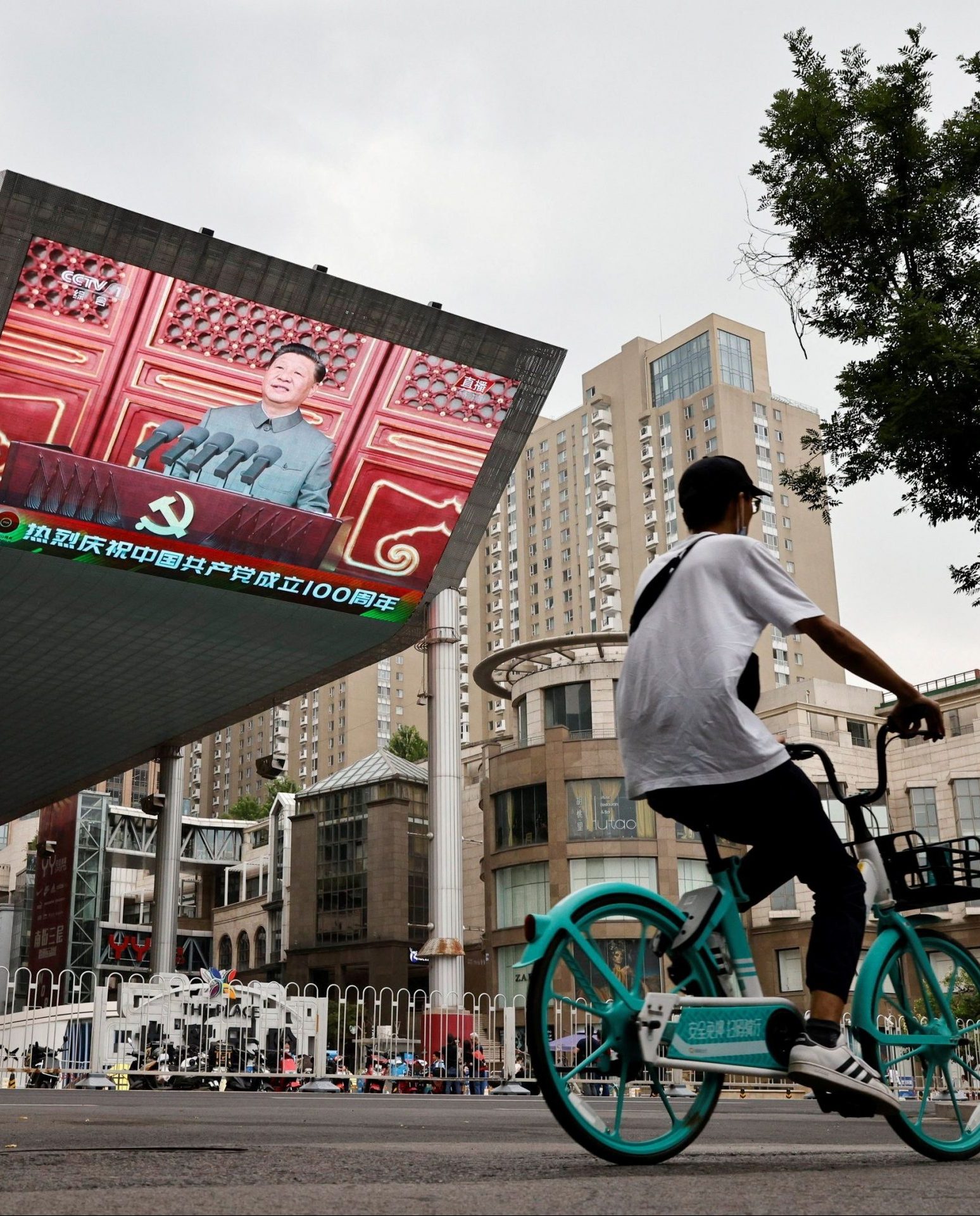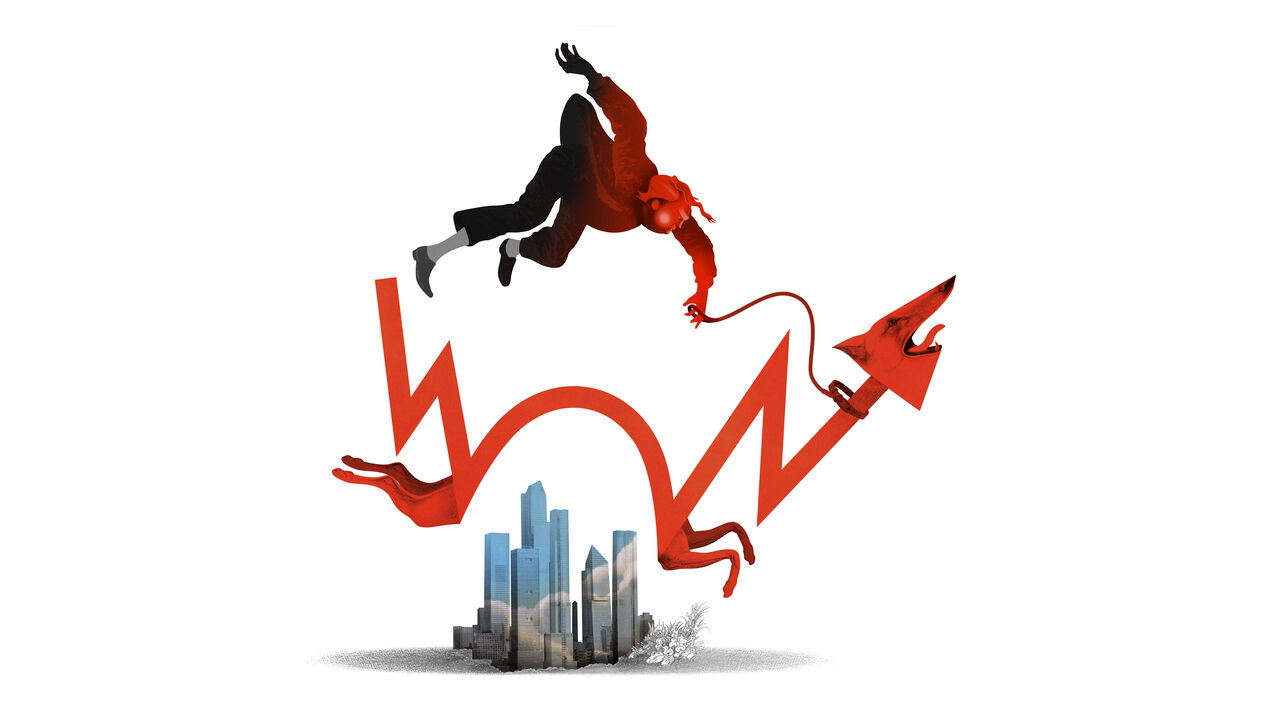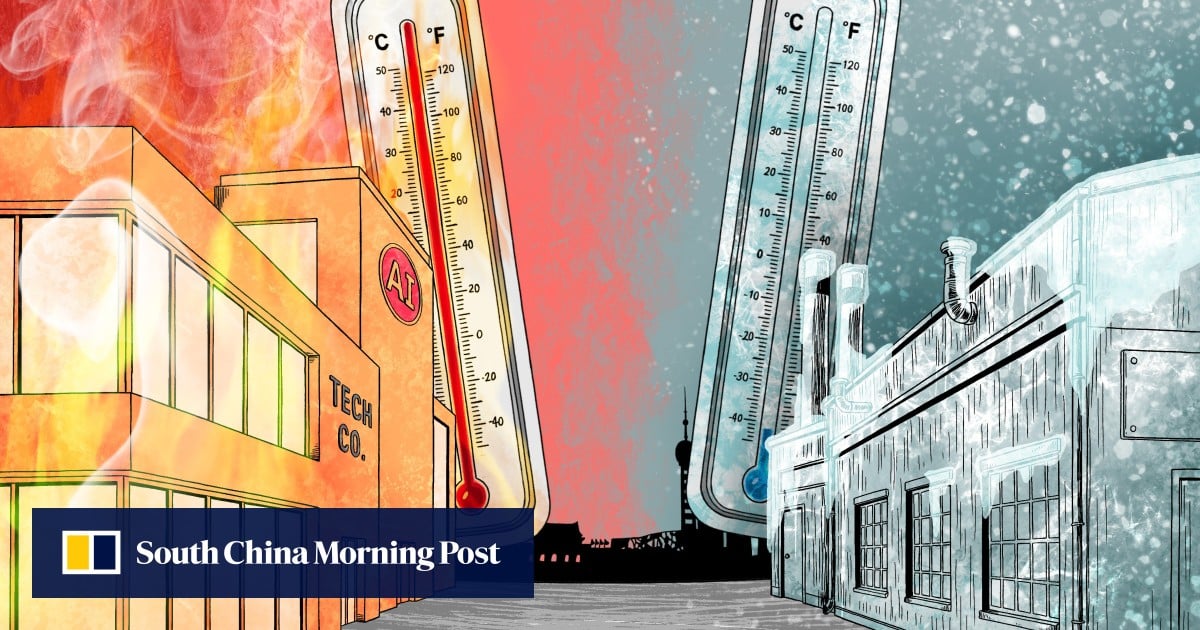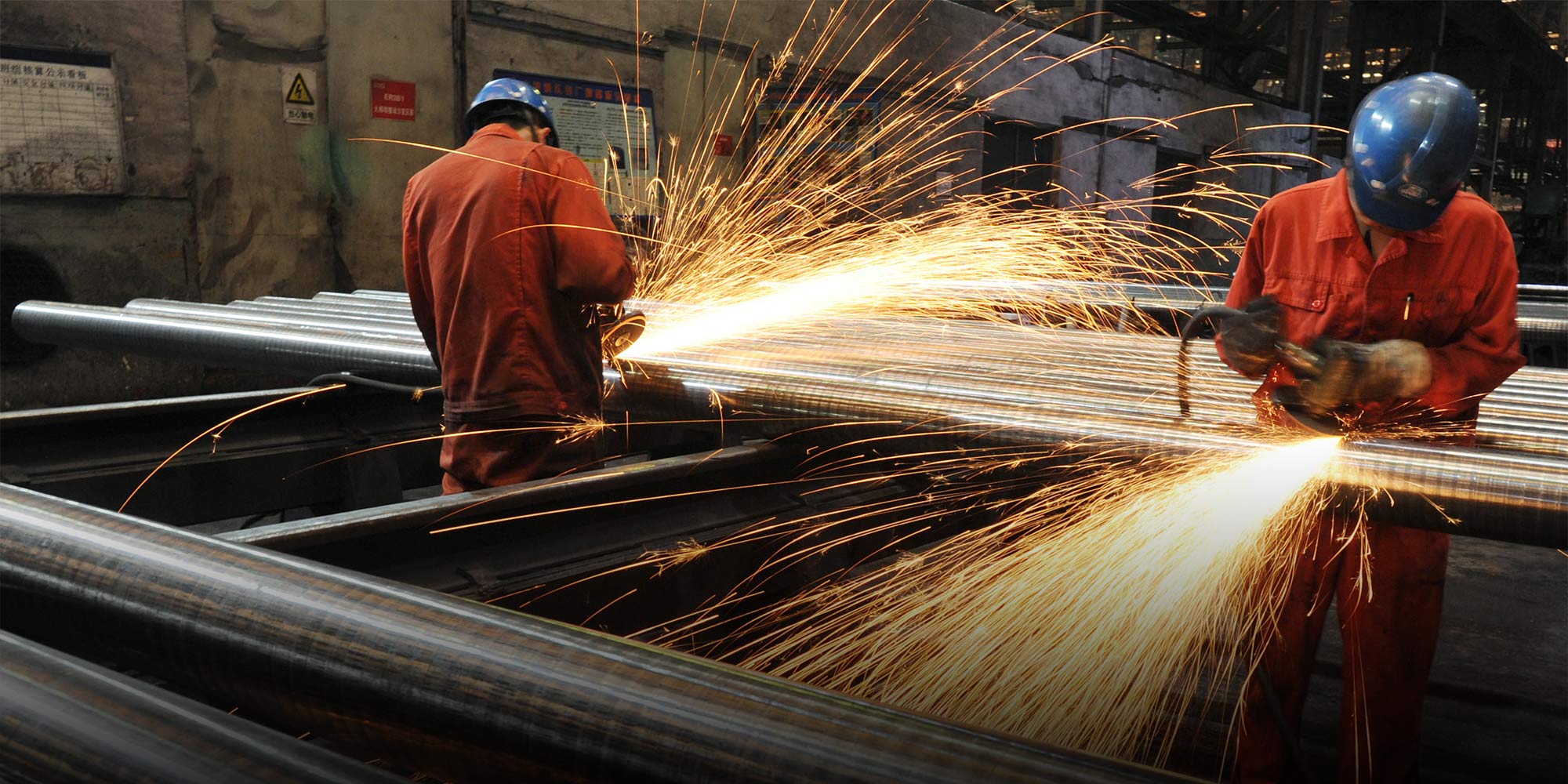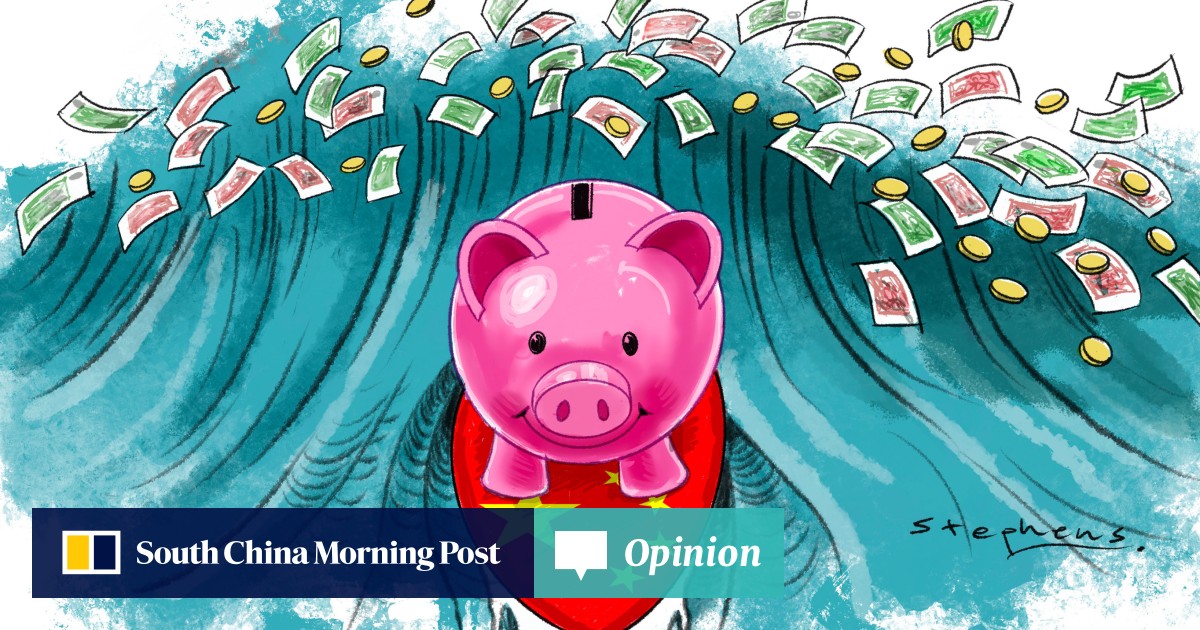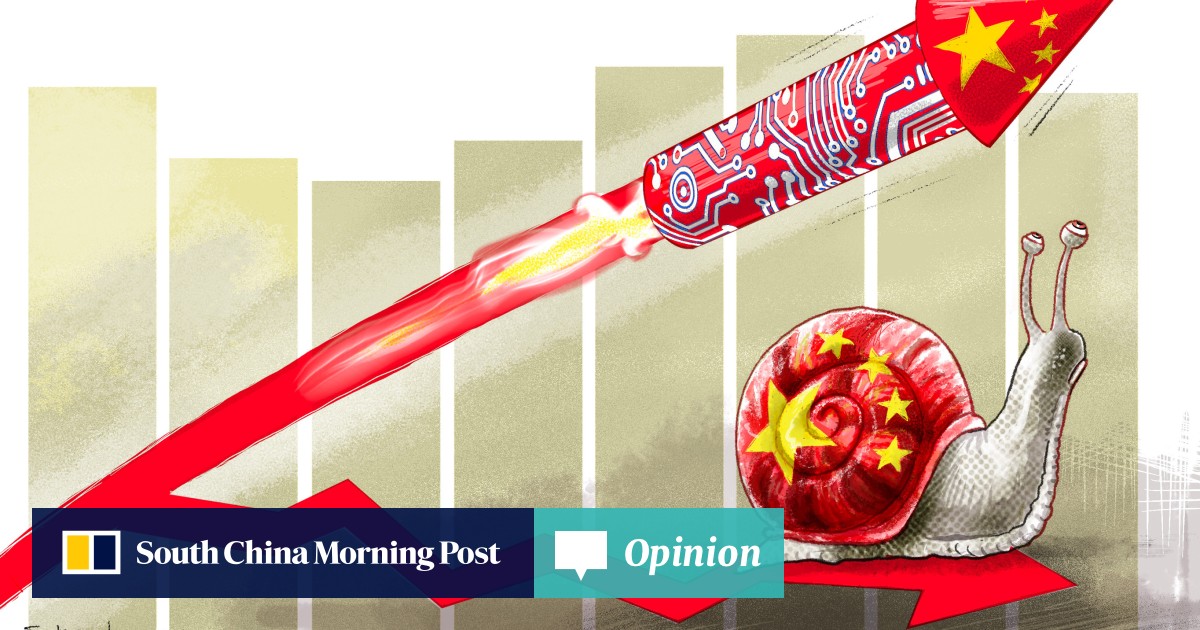
Western observers often view China as either a rising superpower on the cusp of global dominance or a country on the brink of collapse. These contradictory takes amplify only one side of China’s economic trajectory: a tech boom alongside a growth slump.
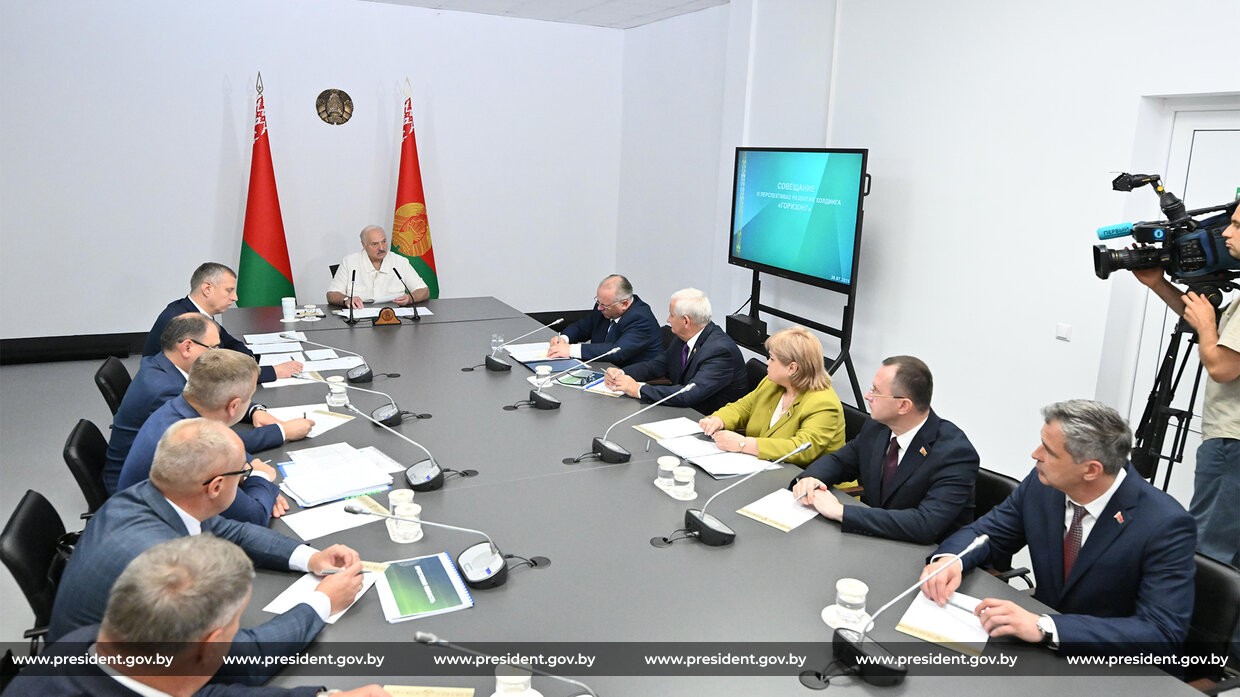
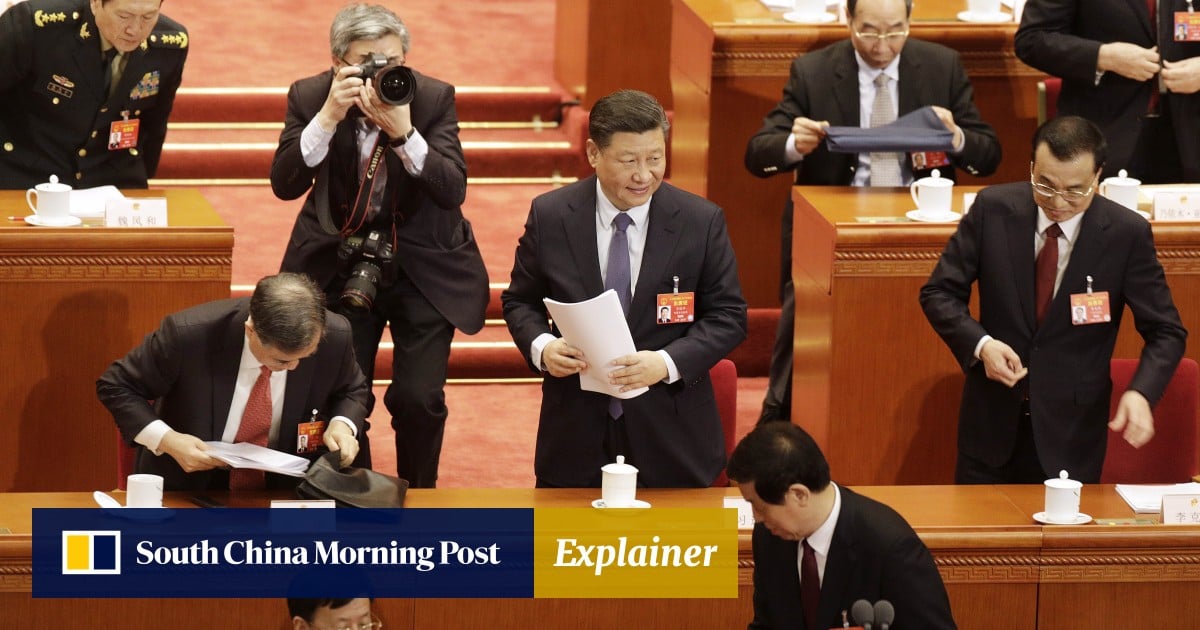
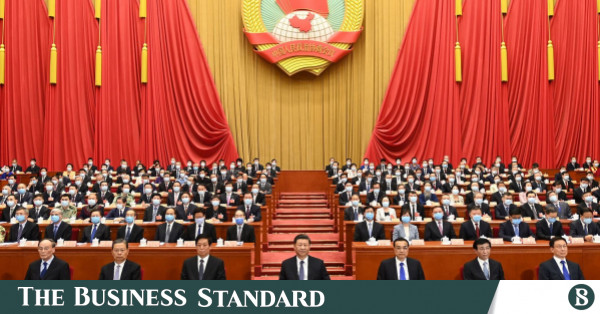
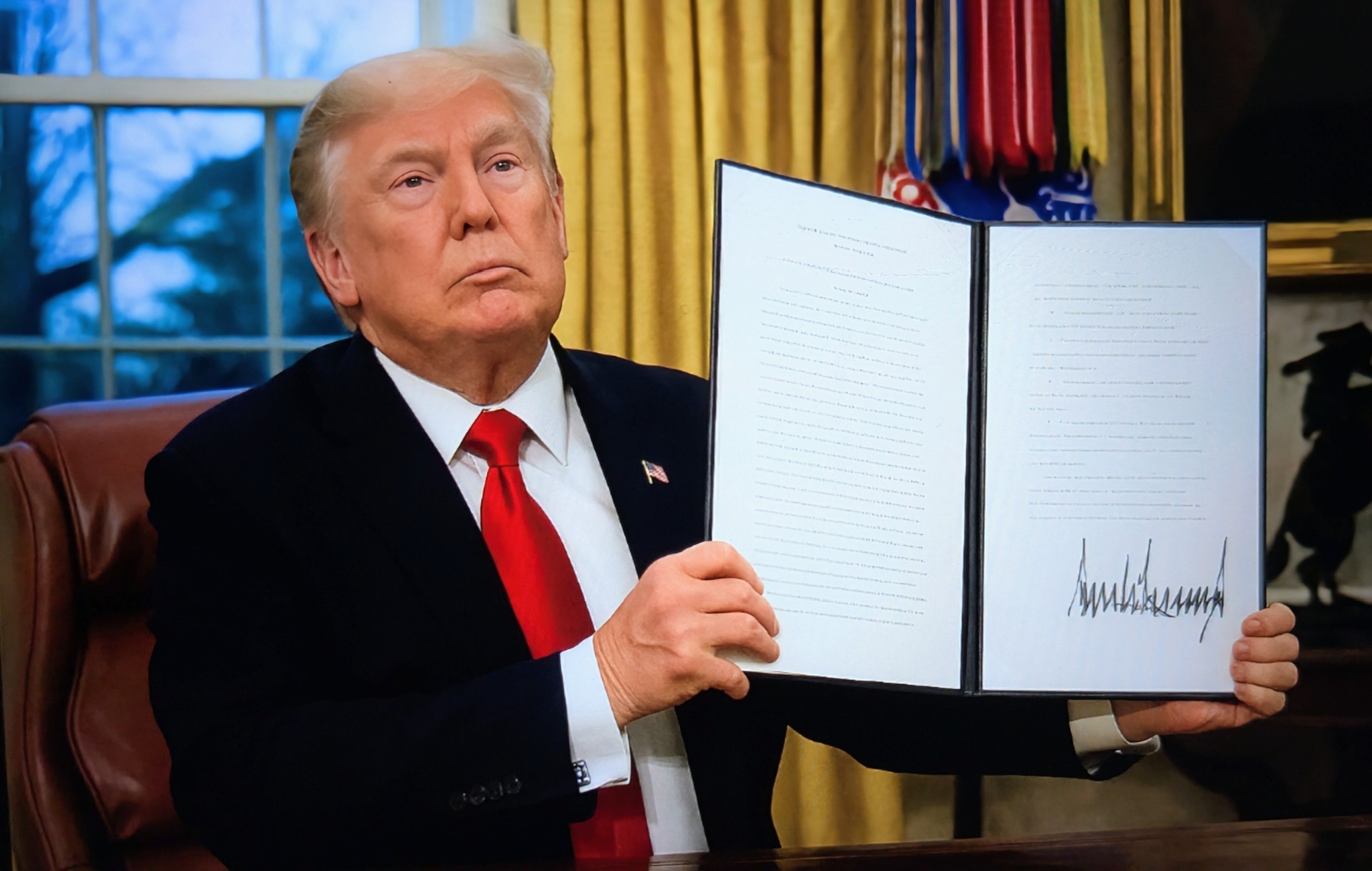
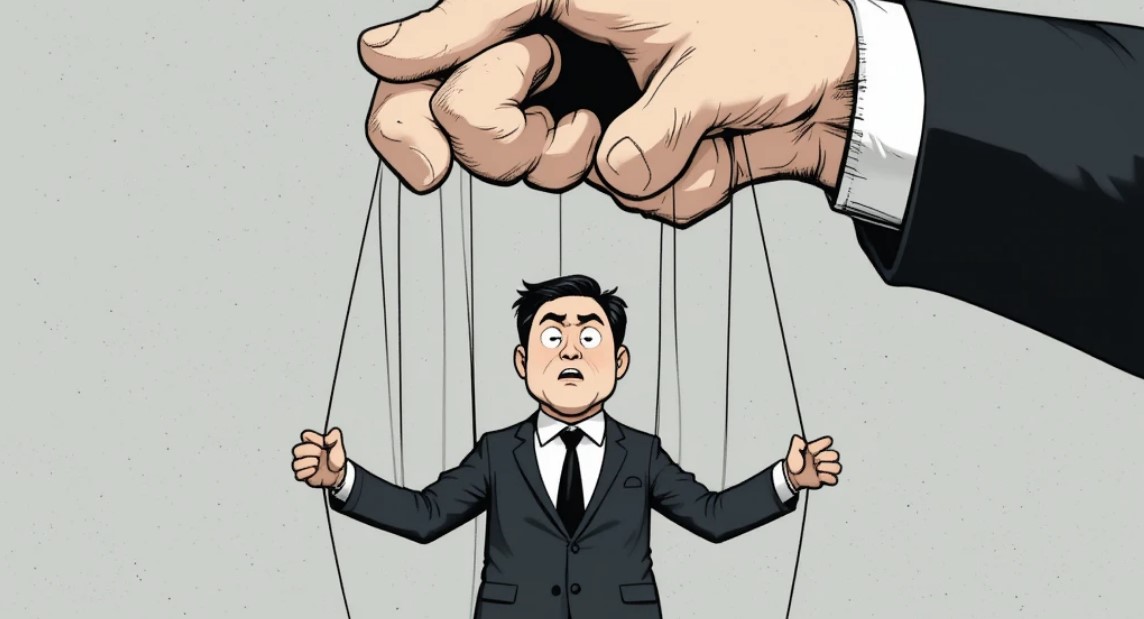
This paradox can be attributed largely to the directives issued by President Xi Jinping to millions of Communist Party apparatchiks tasked with realising his ambitious vision.
Contrary to the perception of China as a command economy where national leaders deliver precise orders, the logic of what I call “directed improvisation” prevails. Central leaders signal their priorities while the country’s vast bureaucracy – comprising ministries and local governments – interprets and acts on these signals according to political incentives.
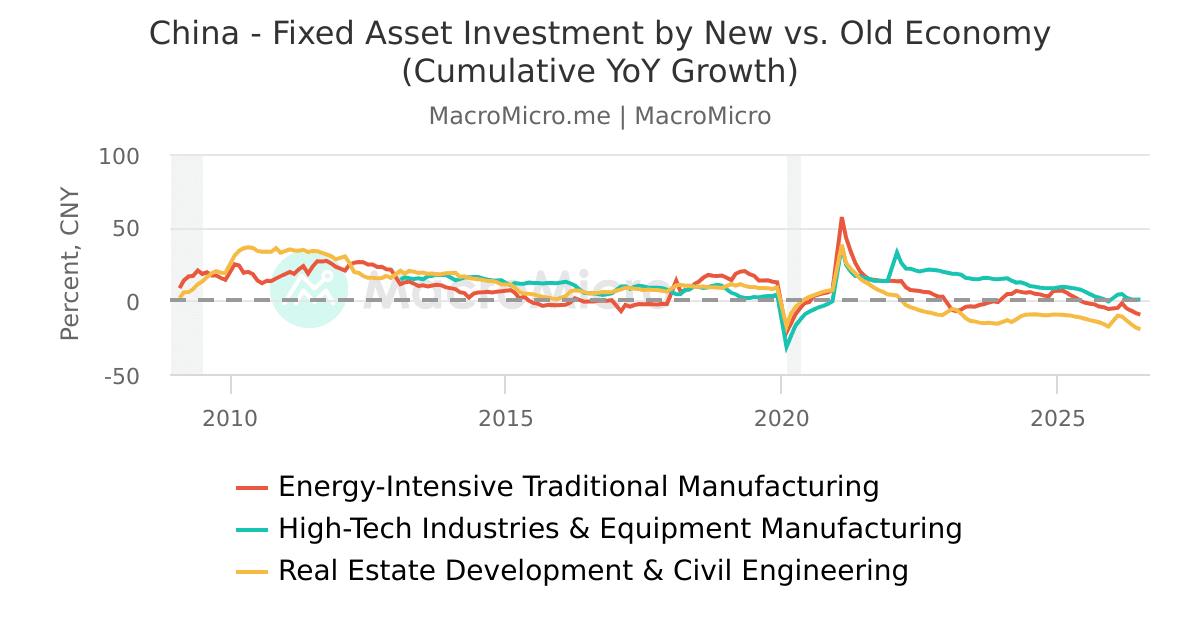
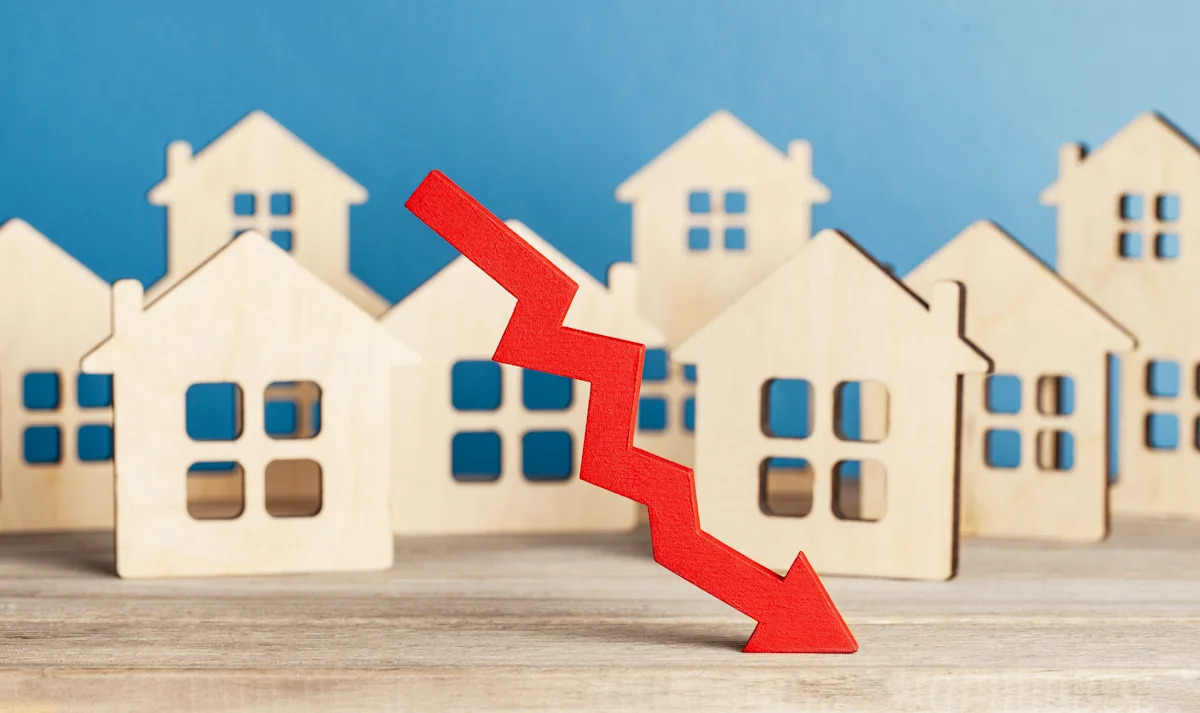
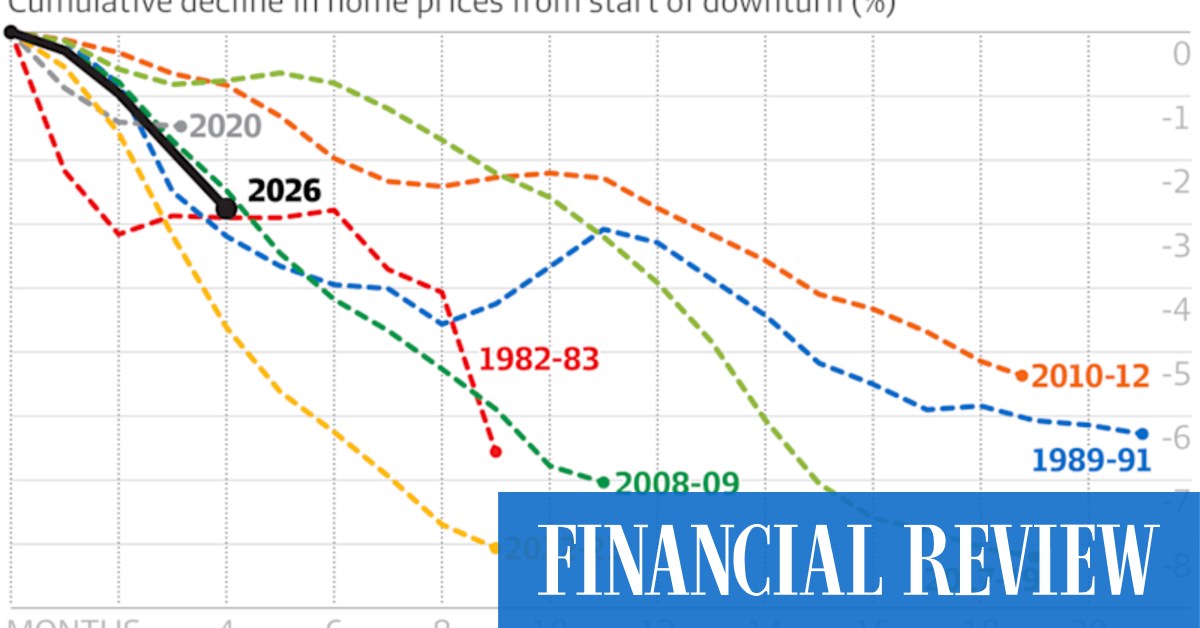
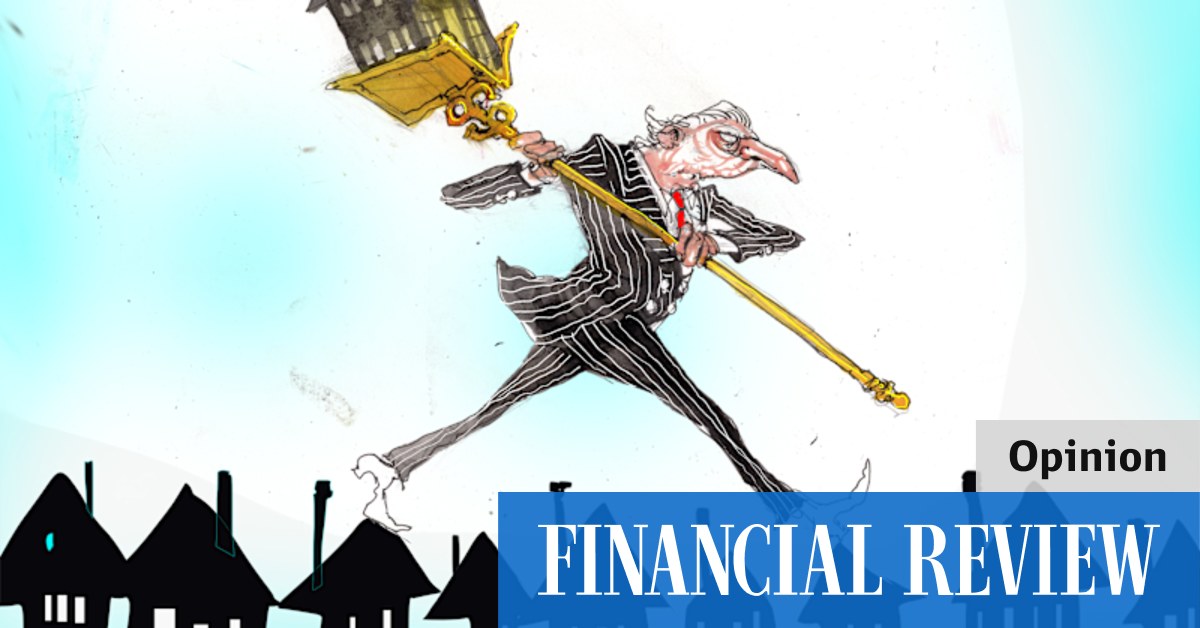
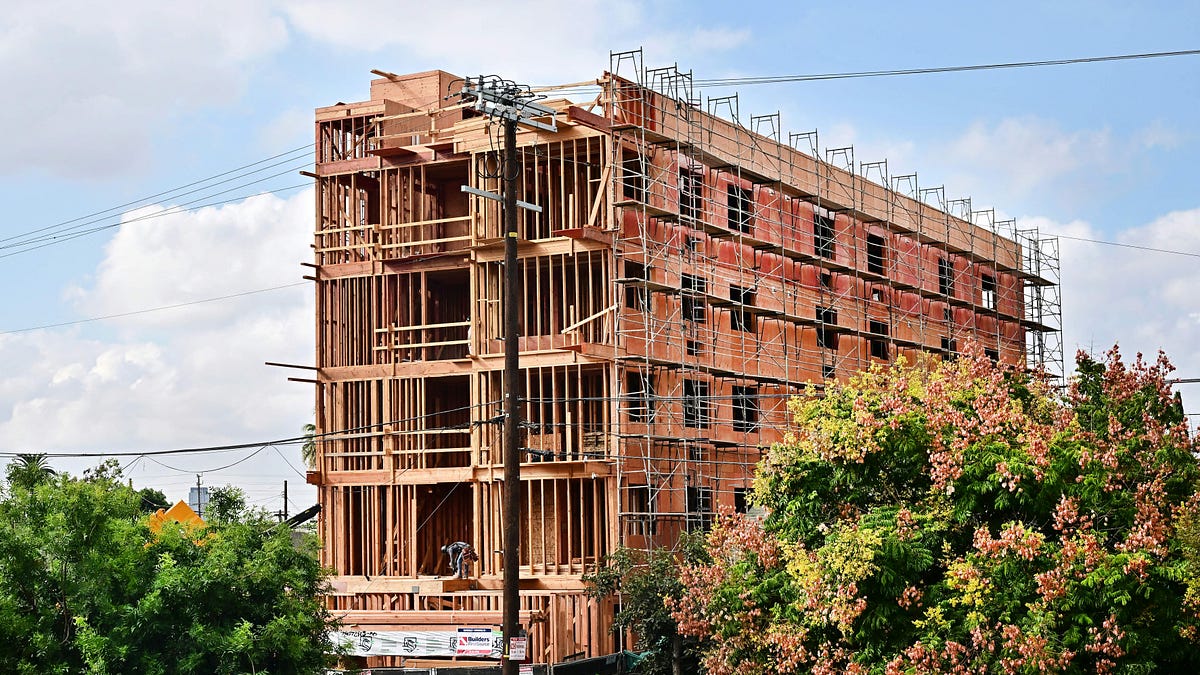
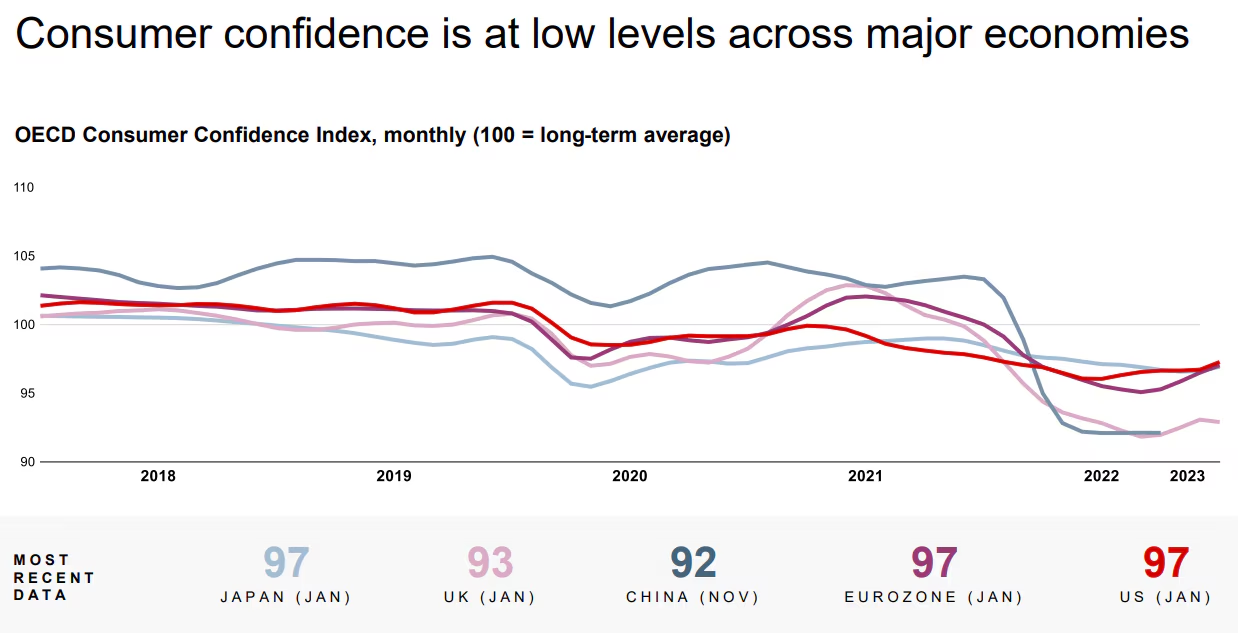
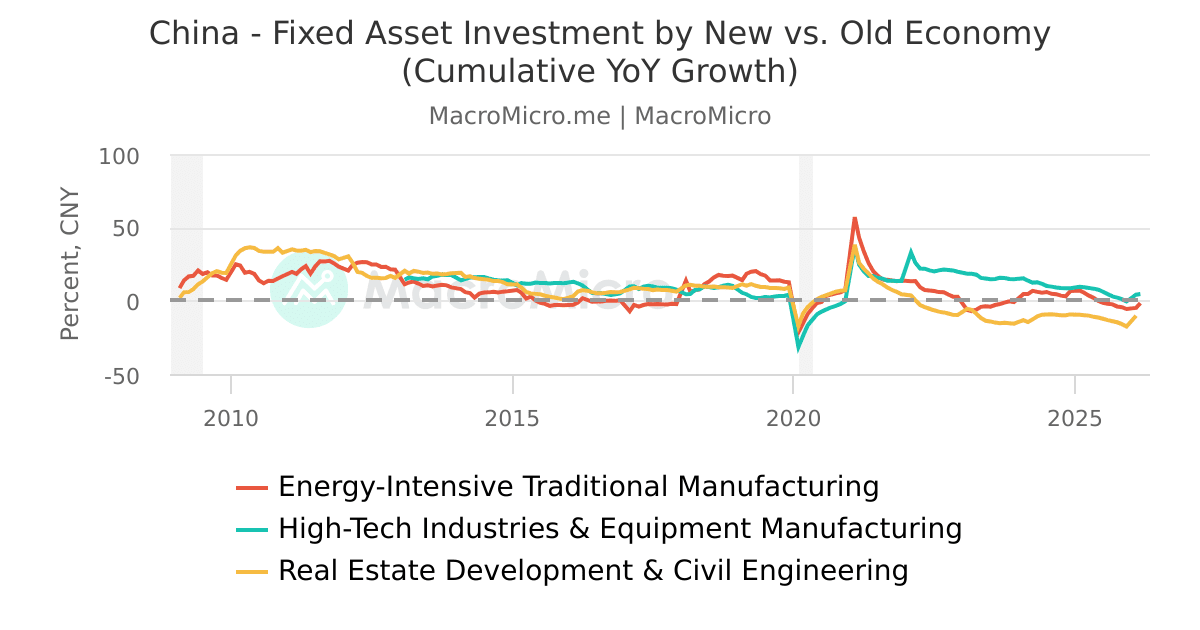
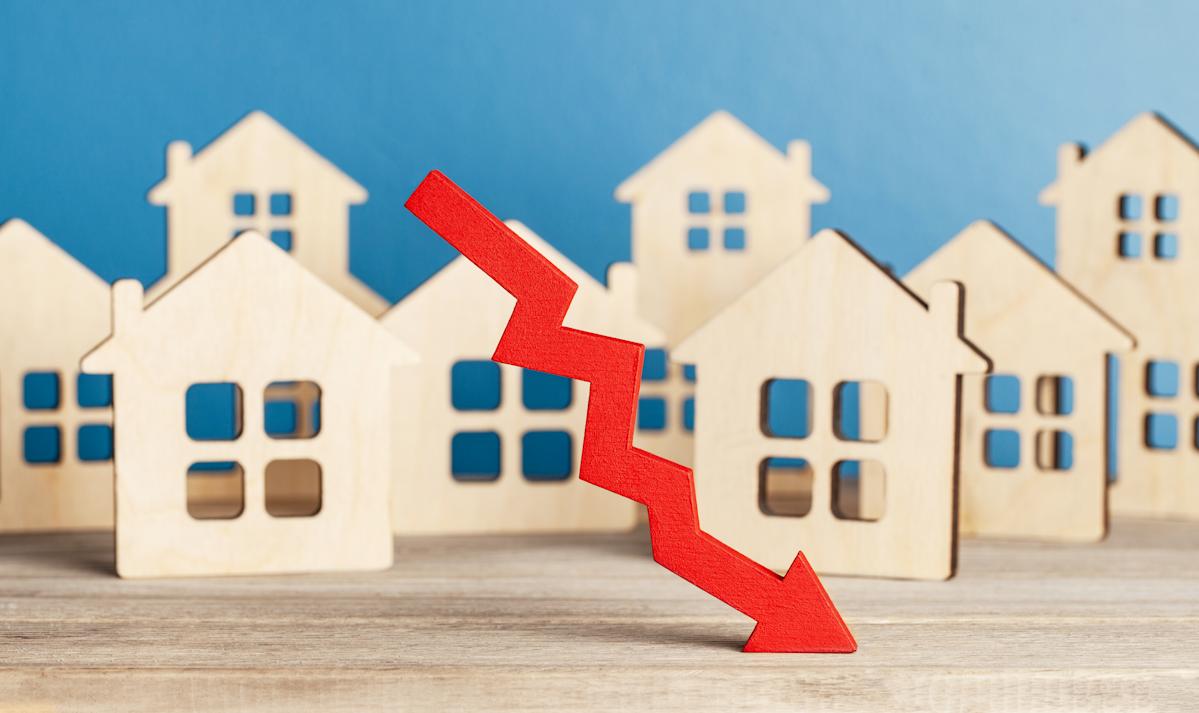
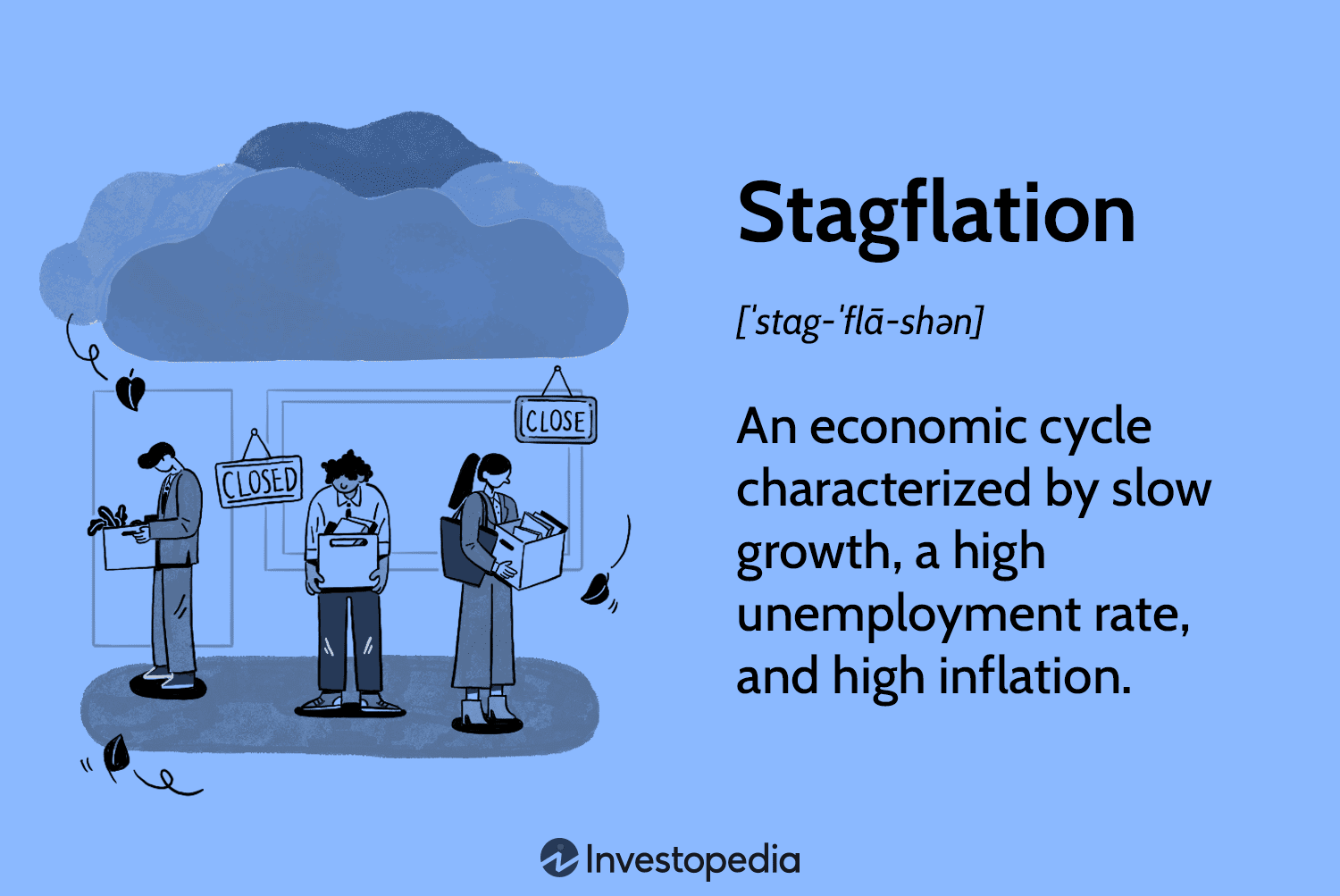
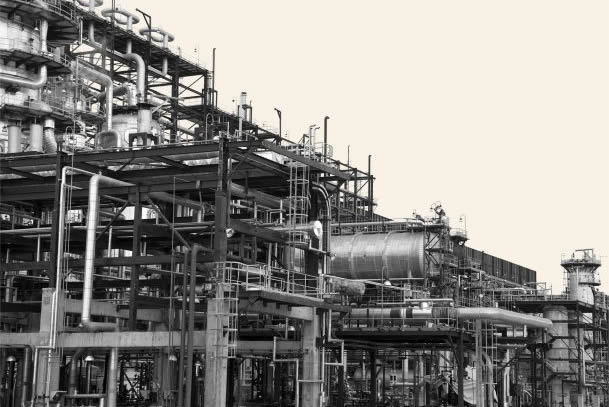
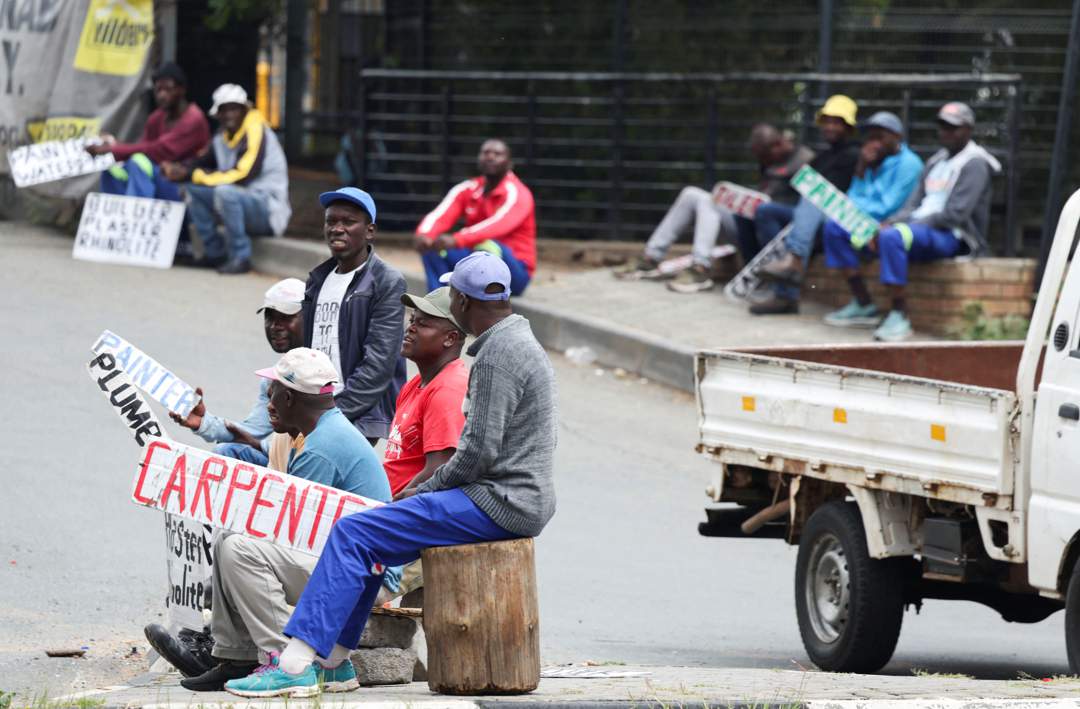
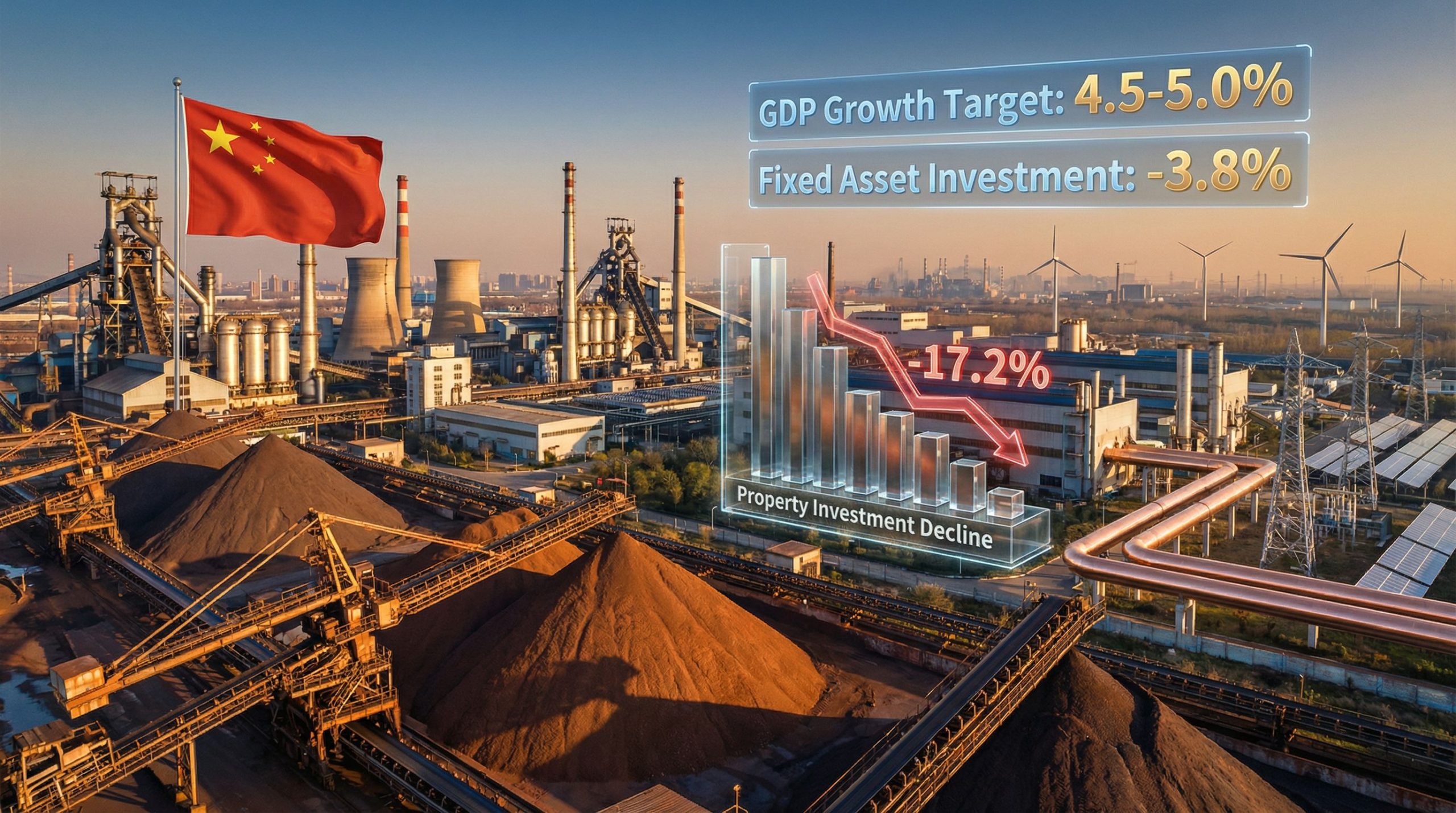
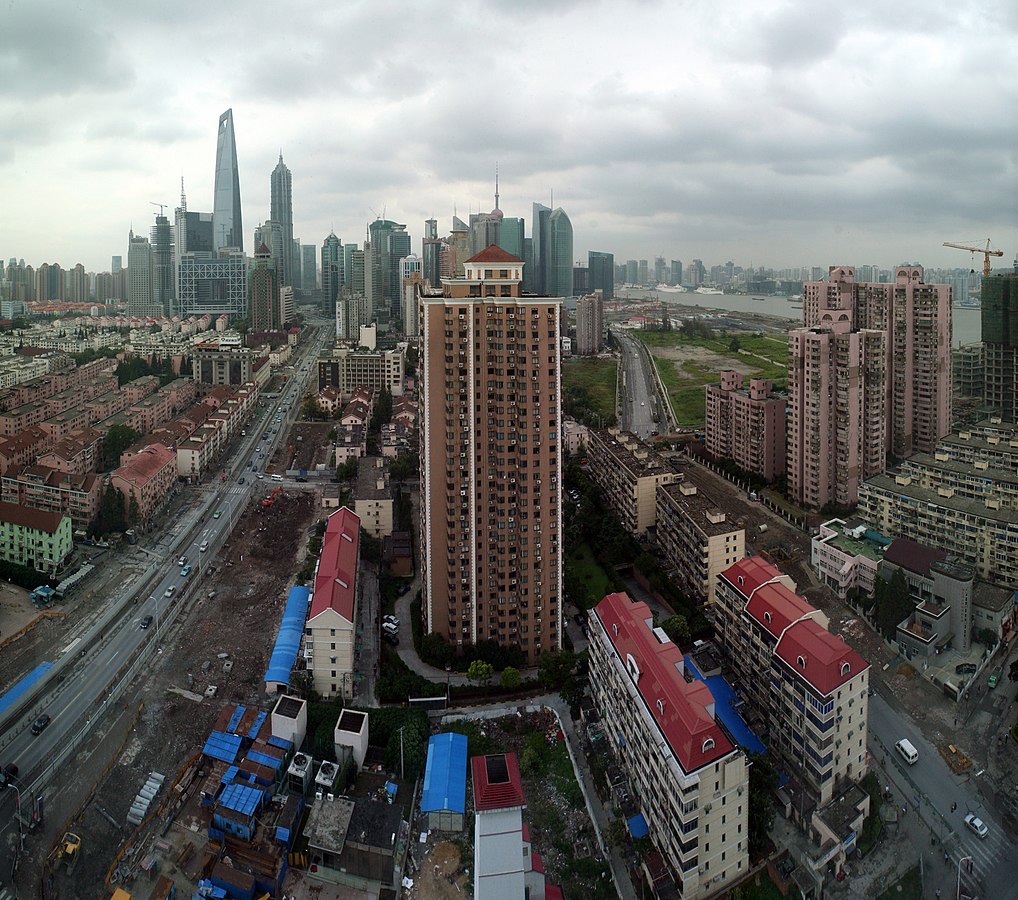
Chinese officials thus have little incentive to take bold steps to revive the old economy: success would do little to improve their standing and failure could end their careers. This helps to explain the central government’s lacklustre response to the ongoing real-estate slump. Had policymakers acted decisively right after the Covid-19 pandemic, they might have restored consumer confidence. By now, however, the economic slowdown has hit not just confidence but also incomes, as more people face lay-offs and pay cuts.
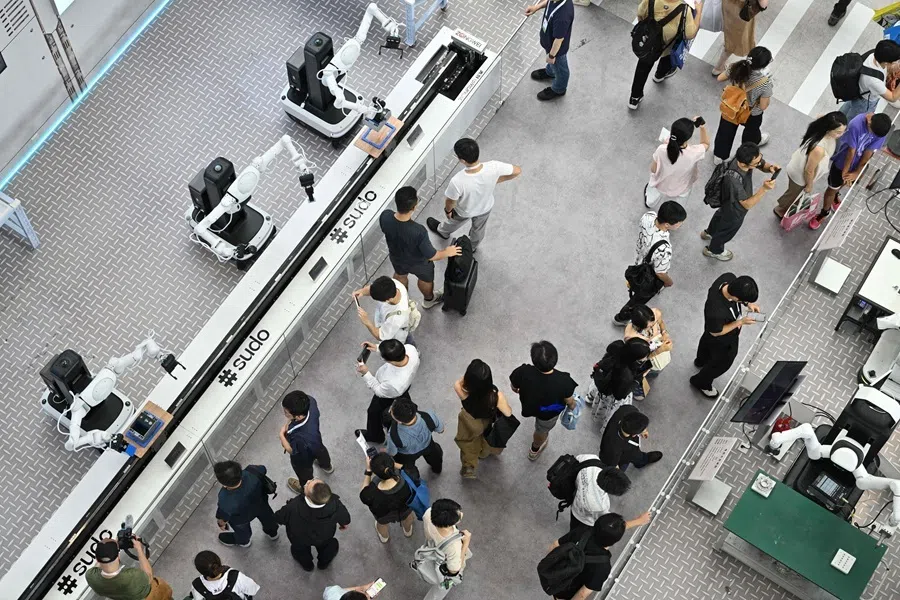
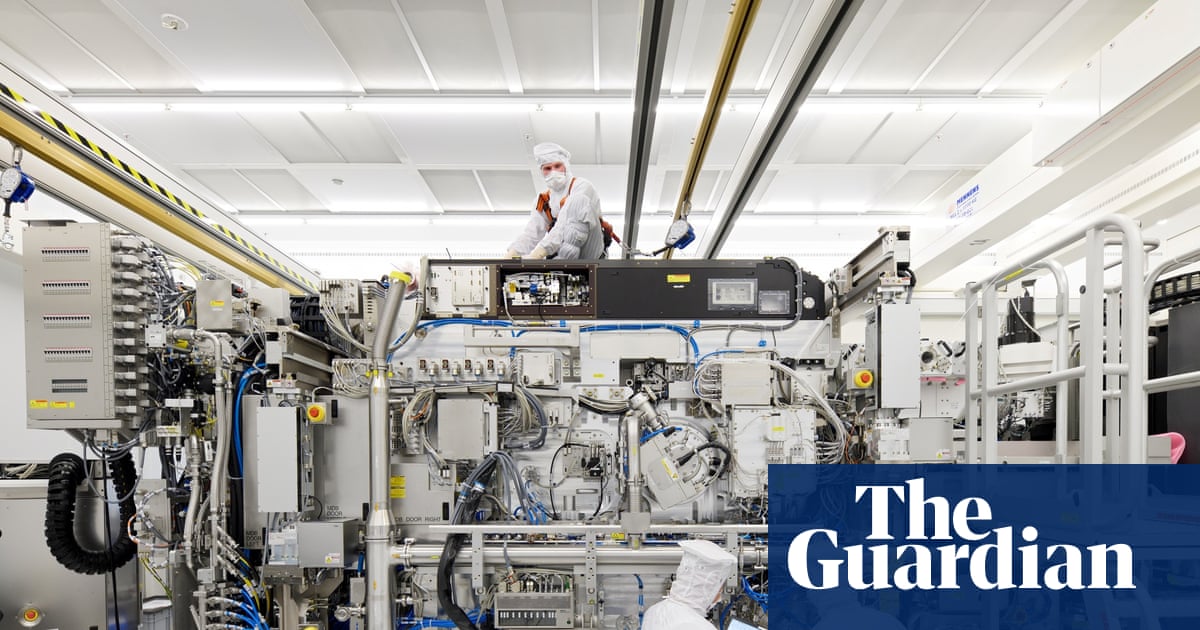
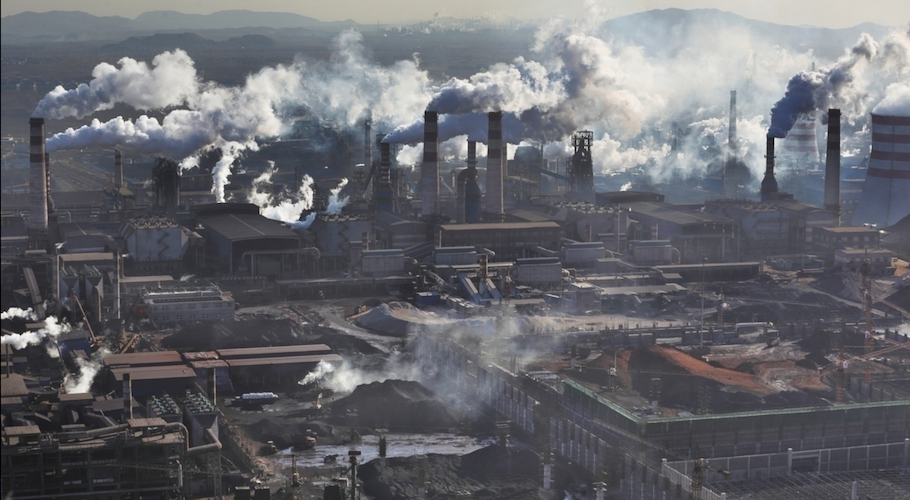
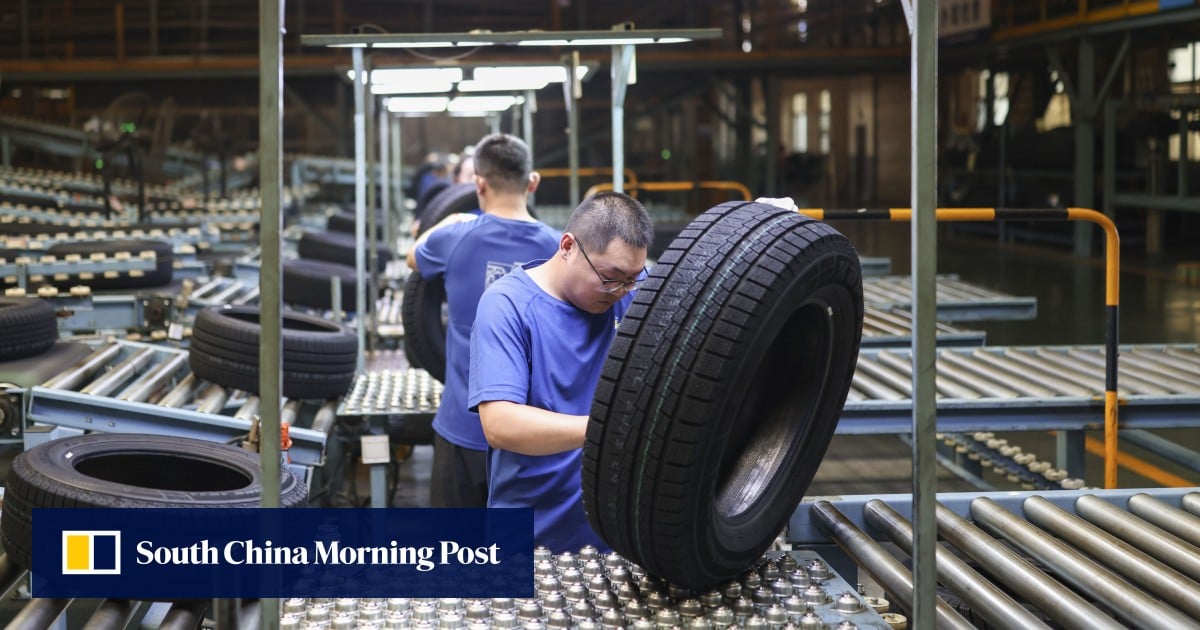
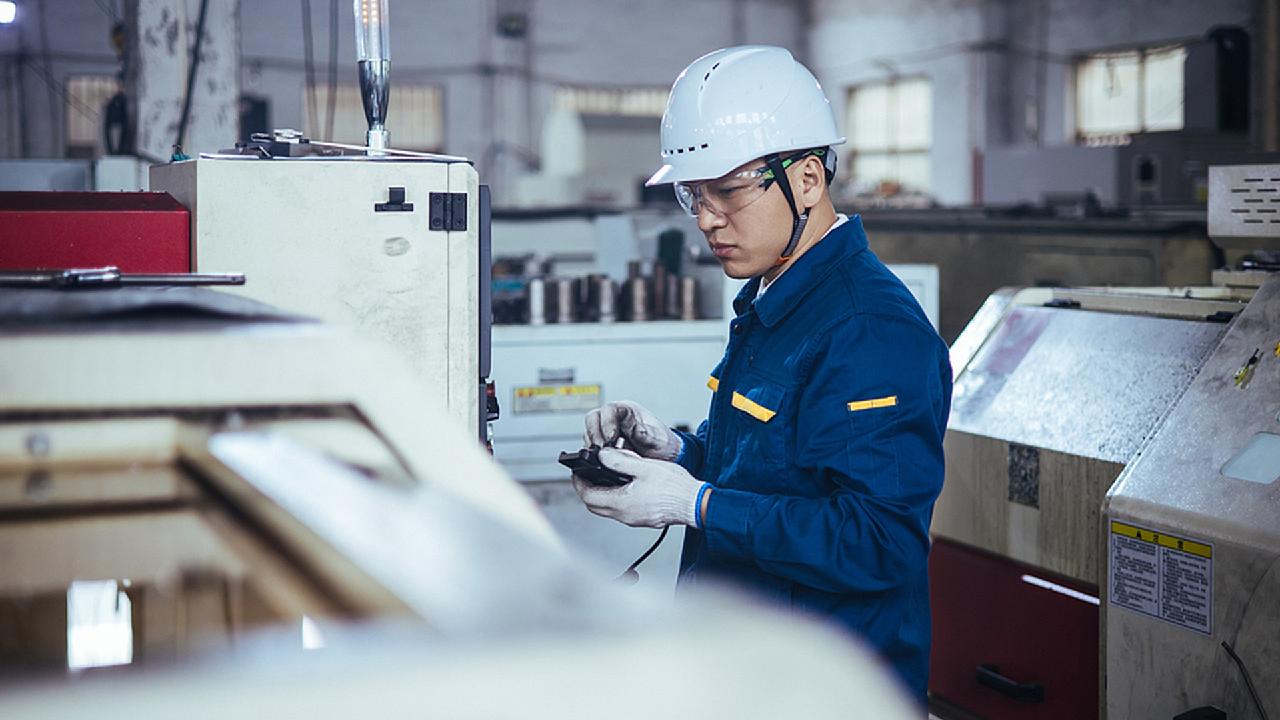
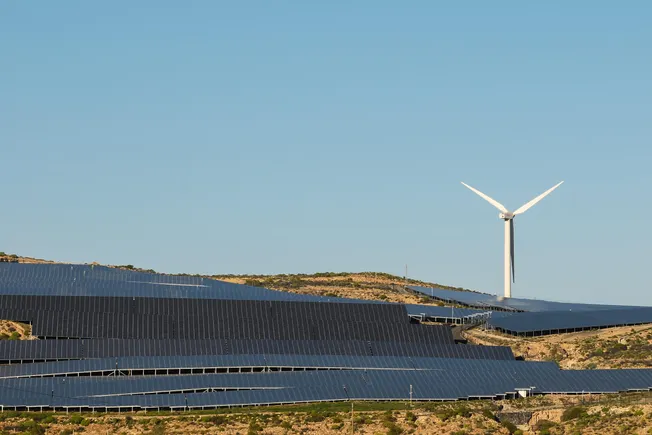
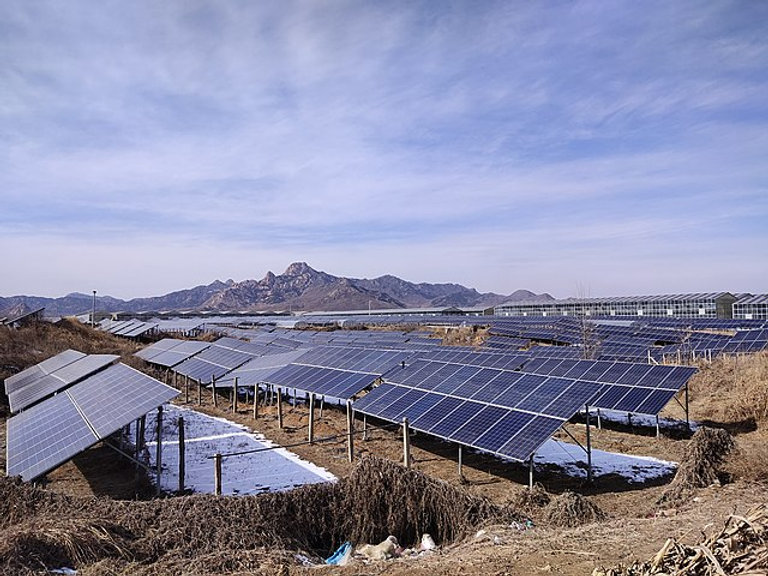
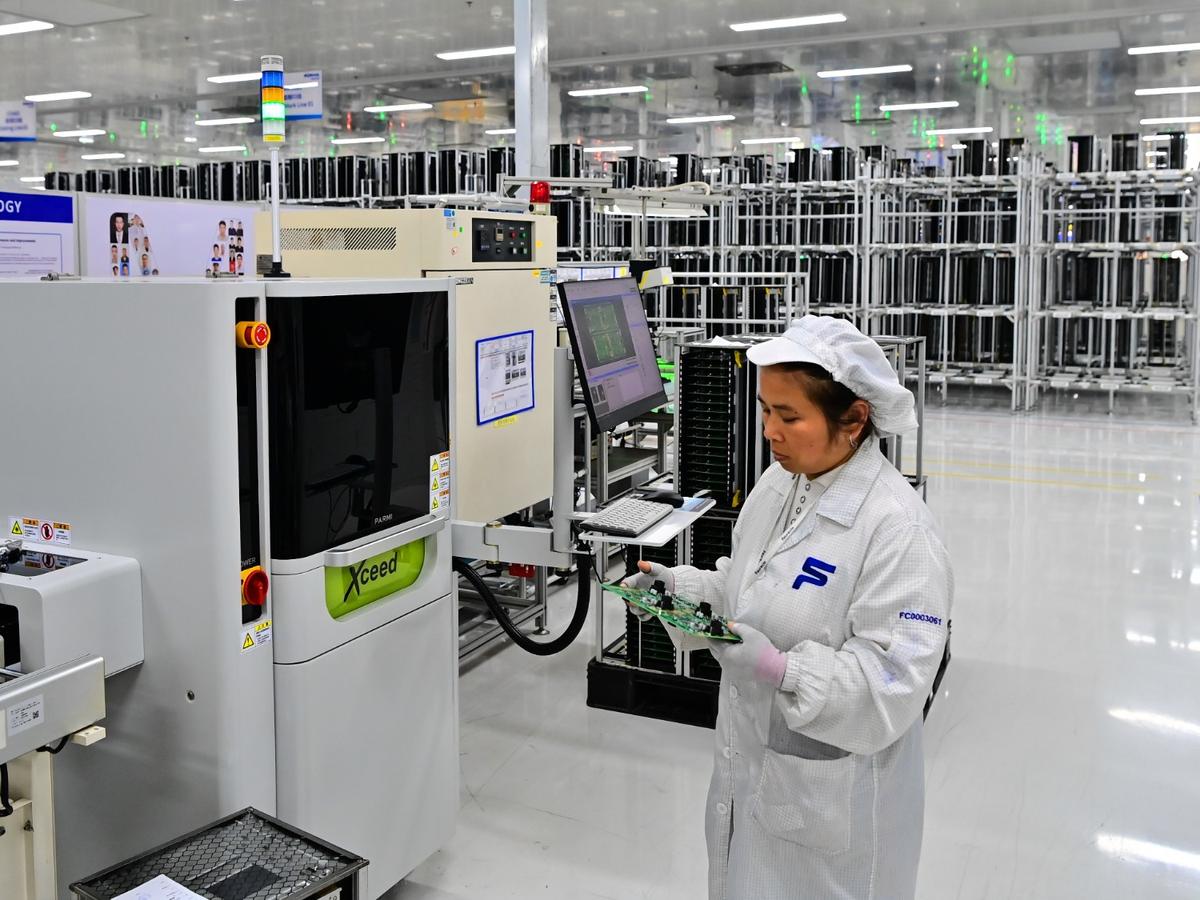
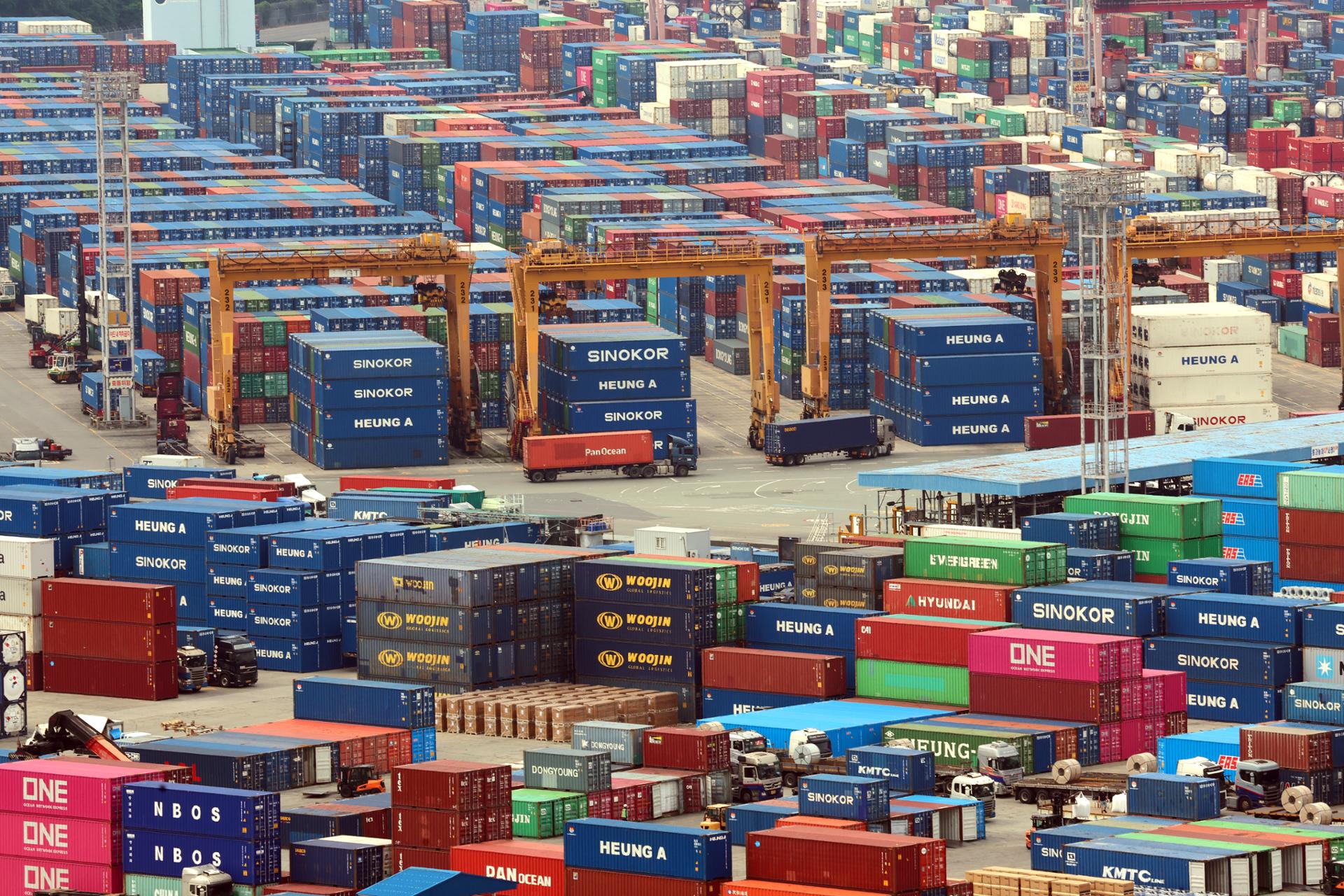
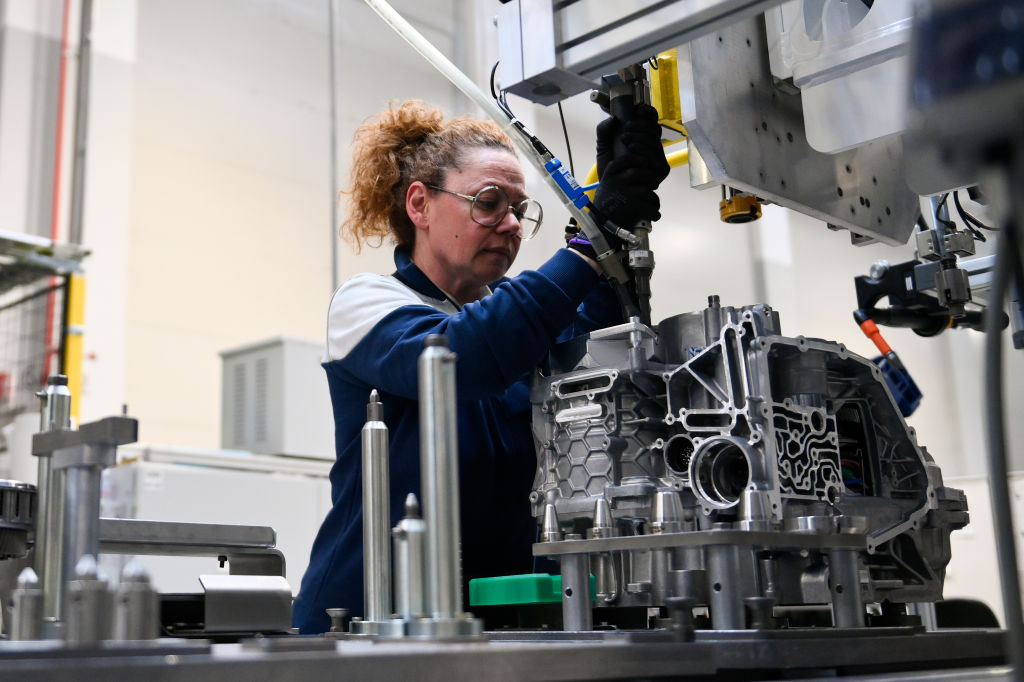
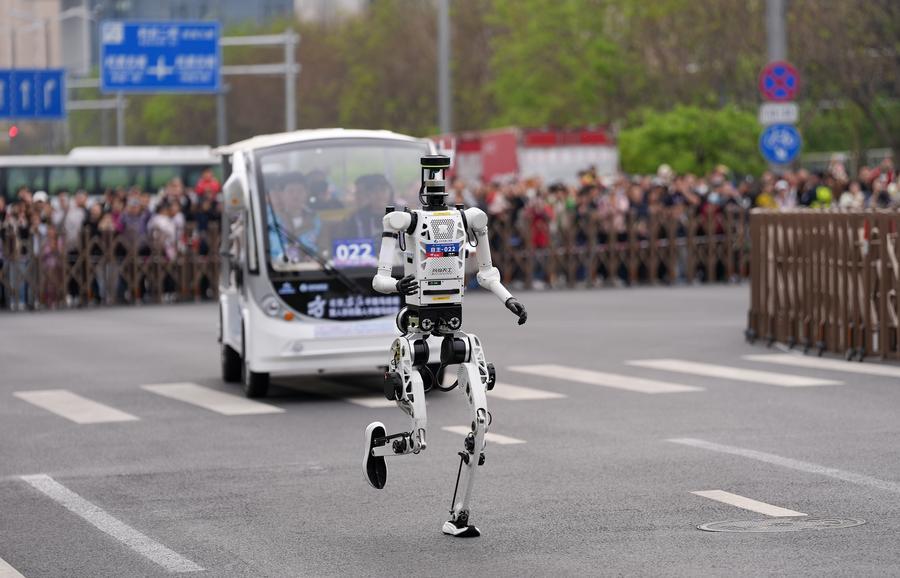
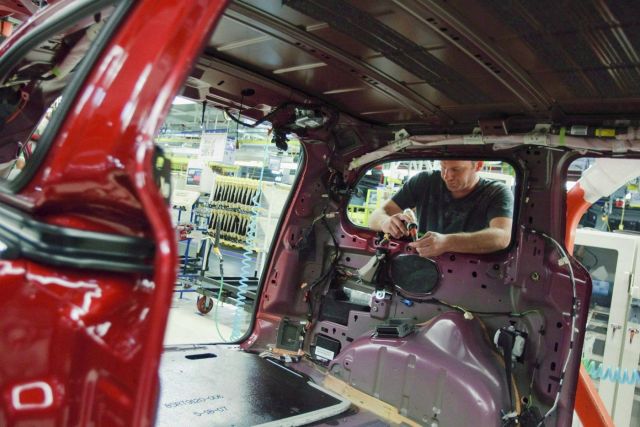
Meanwhile, the government’s focus on producing advanced-technology products has driven local authorities to overinvest in sectors favoured by Xi, such as electric vehicles (EVs) and solar panels.