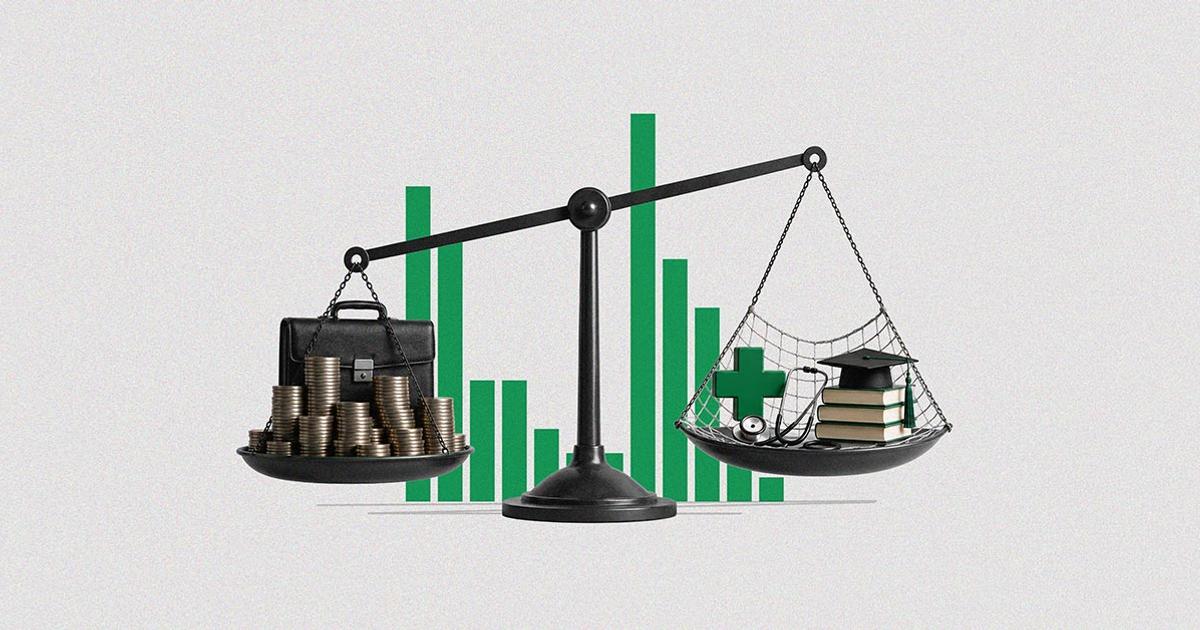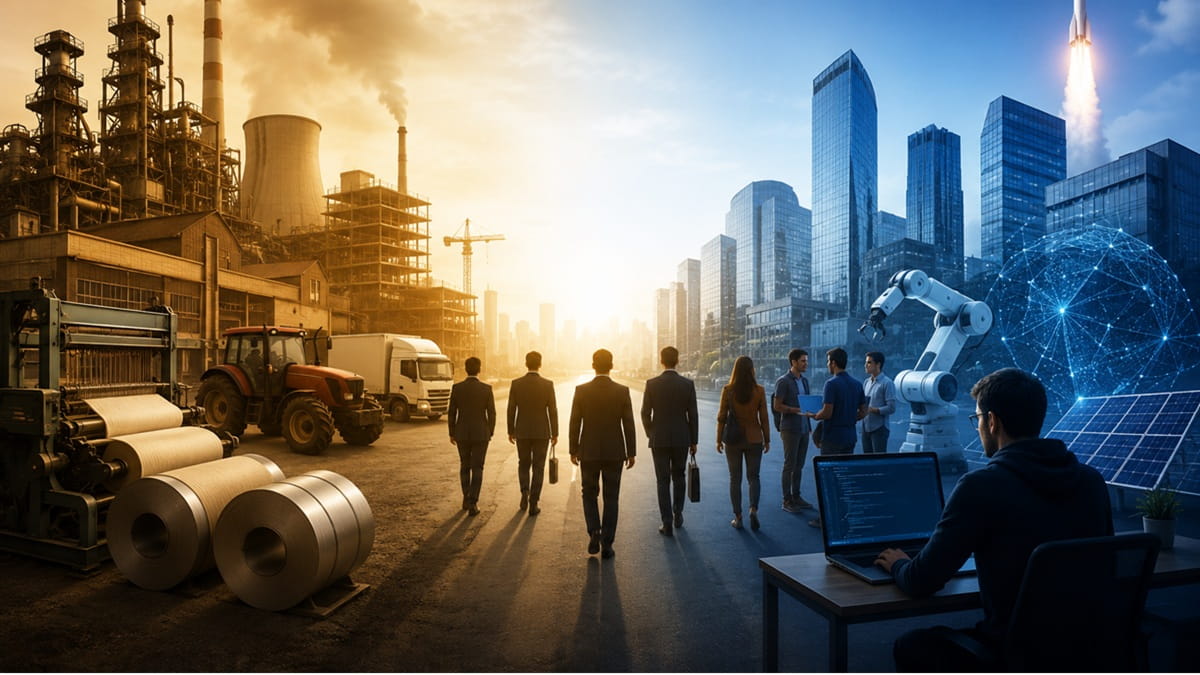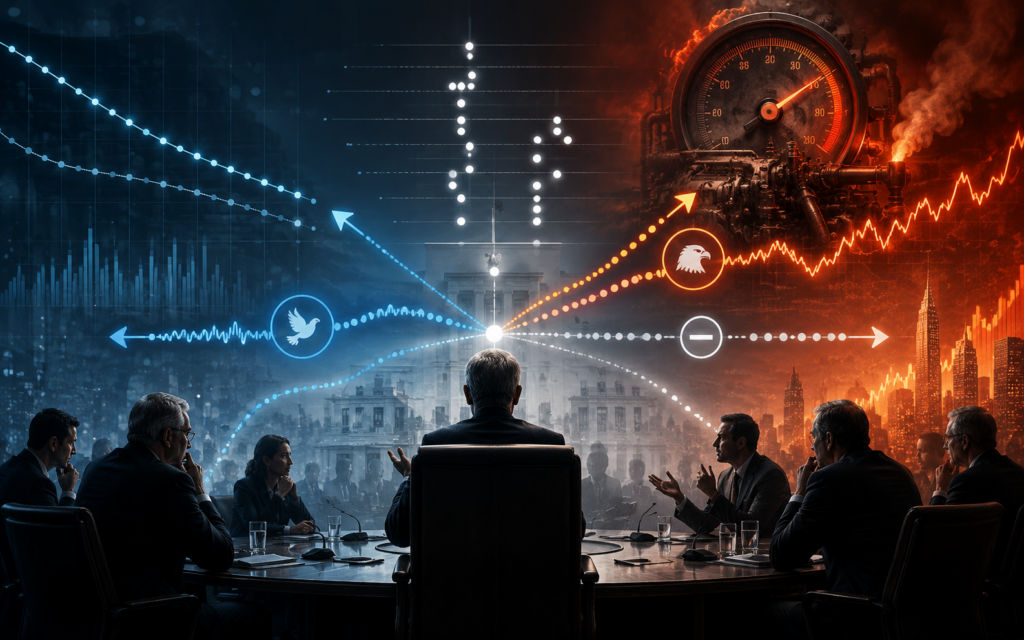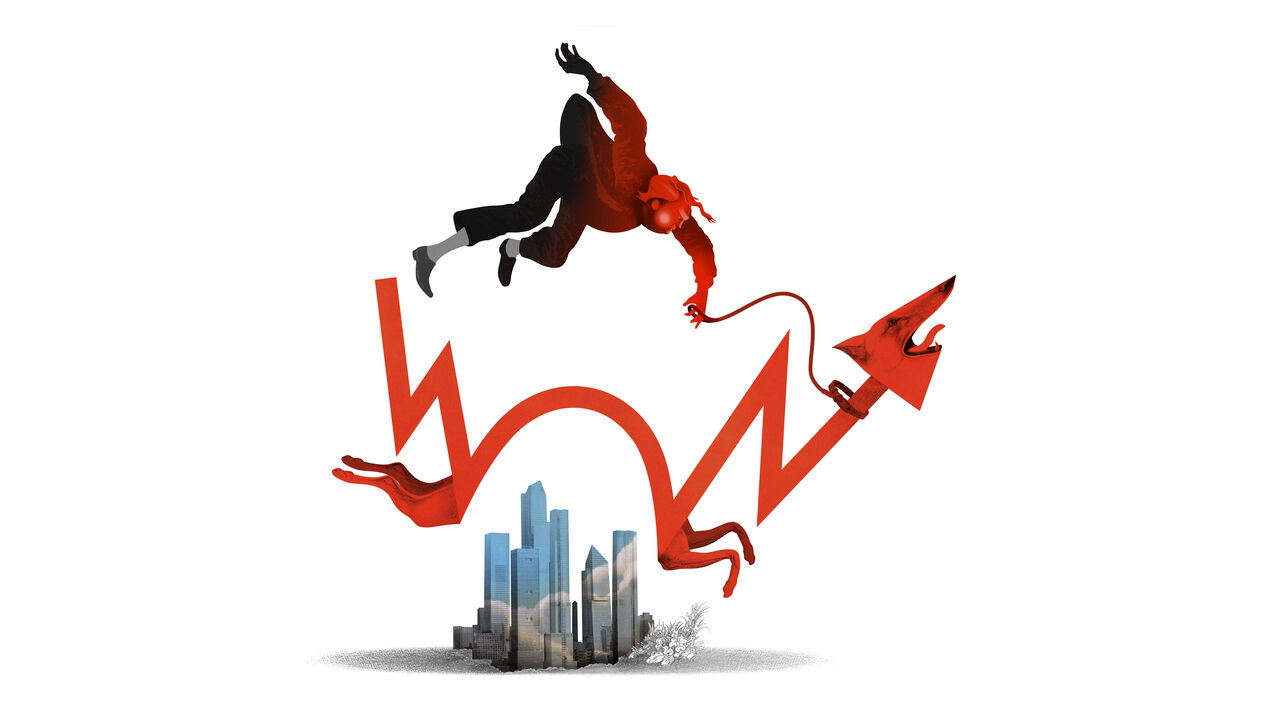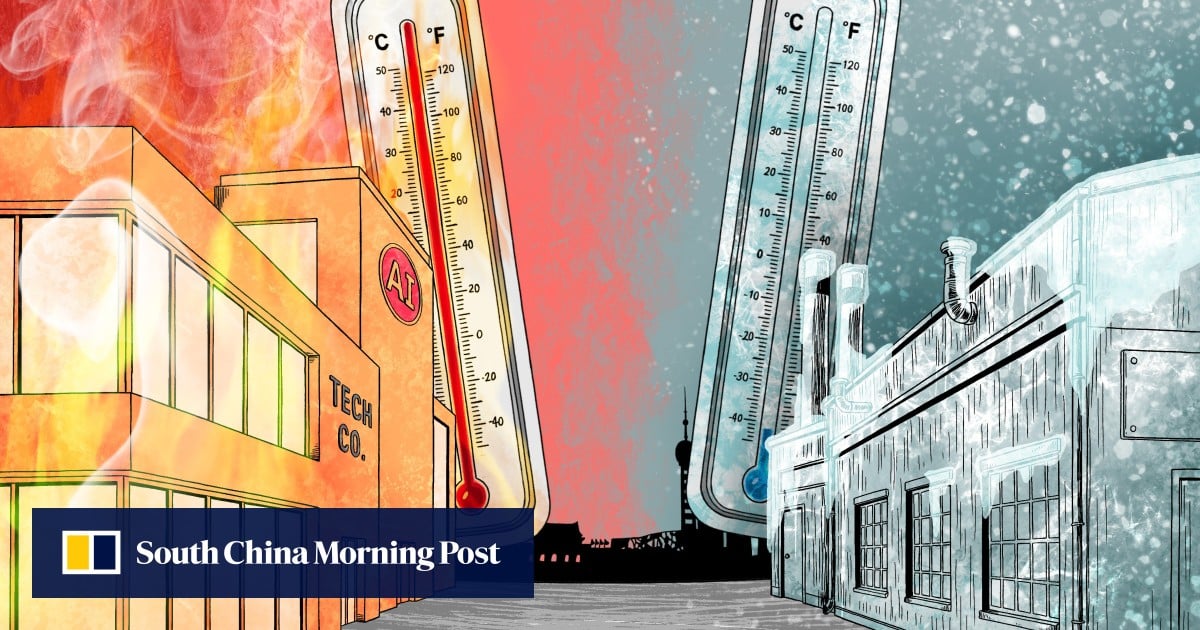
The global economy is navigating the opposing forces of geopolitical uncertainty and technological optimism.
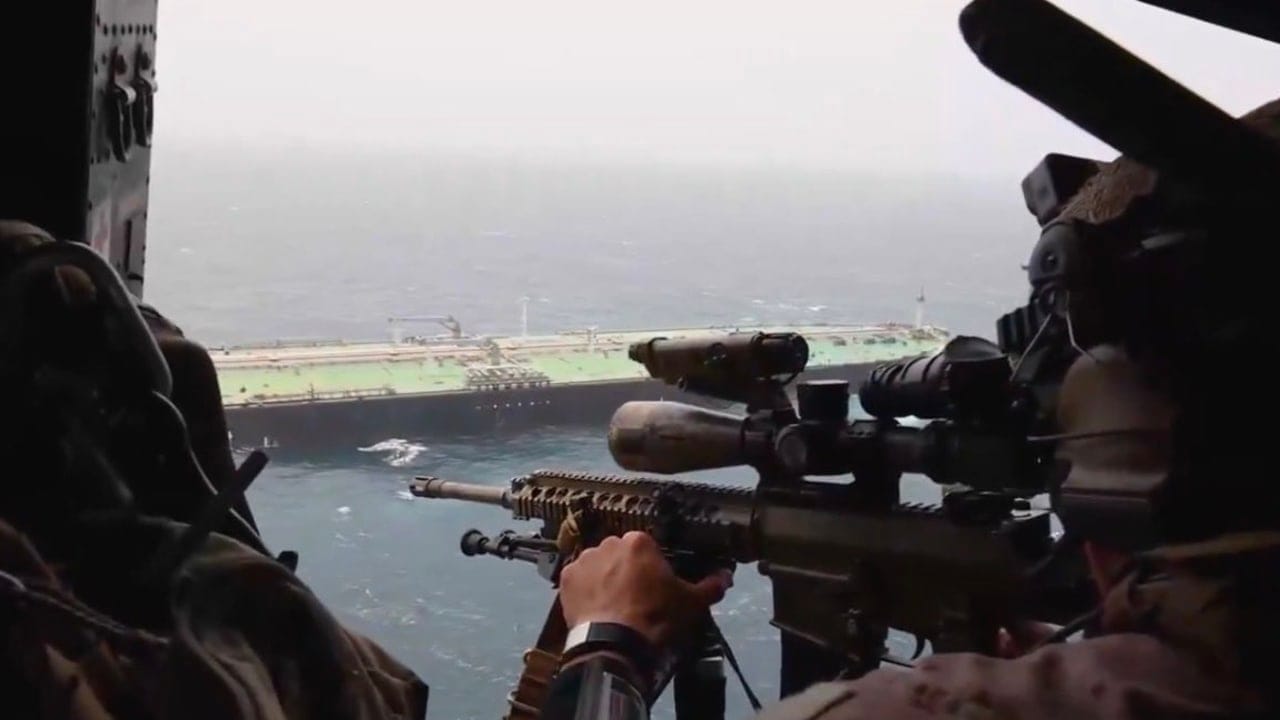
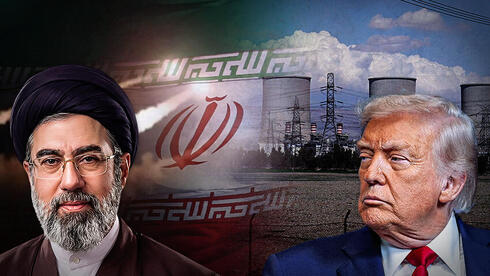
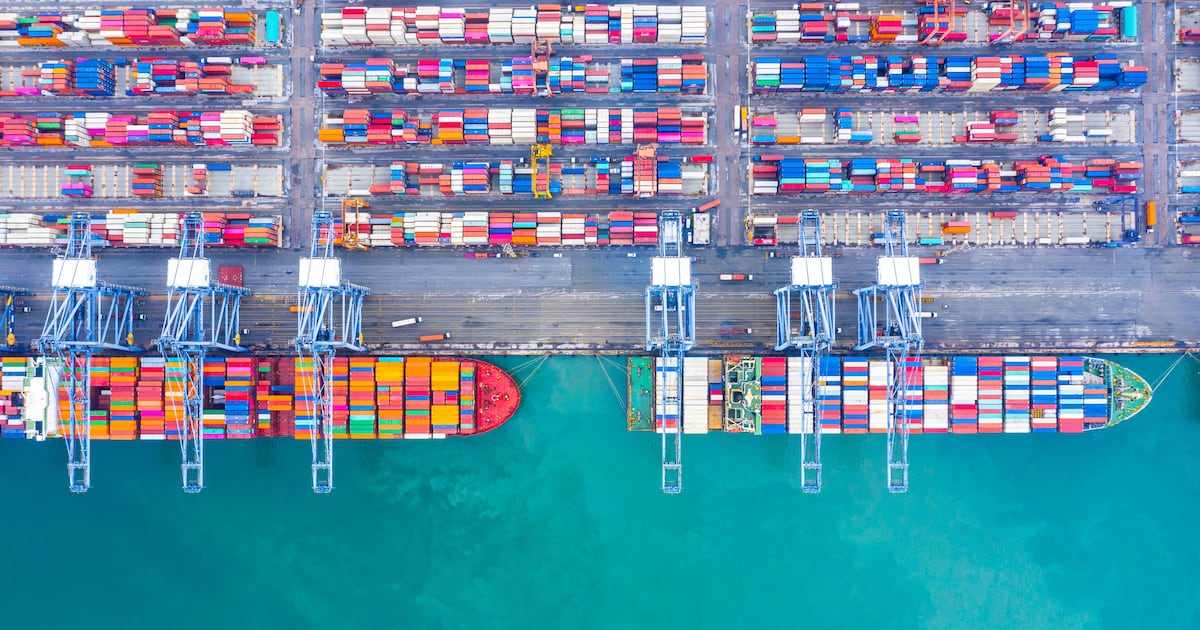
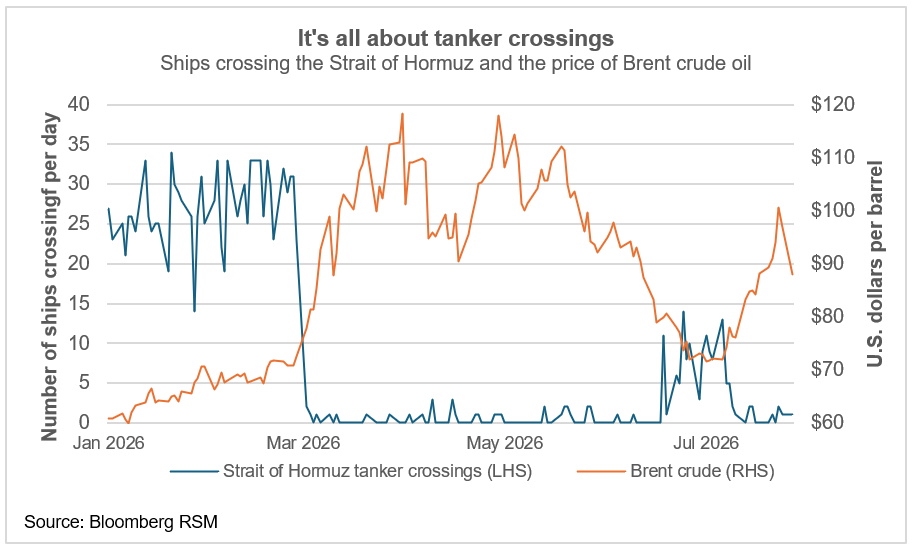
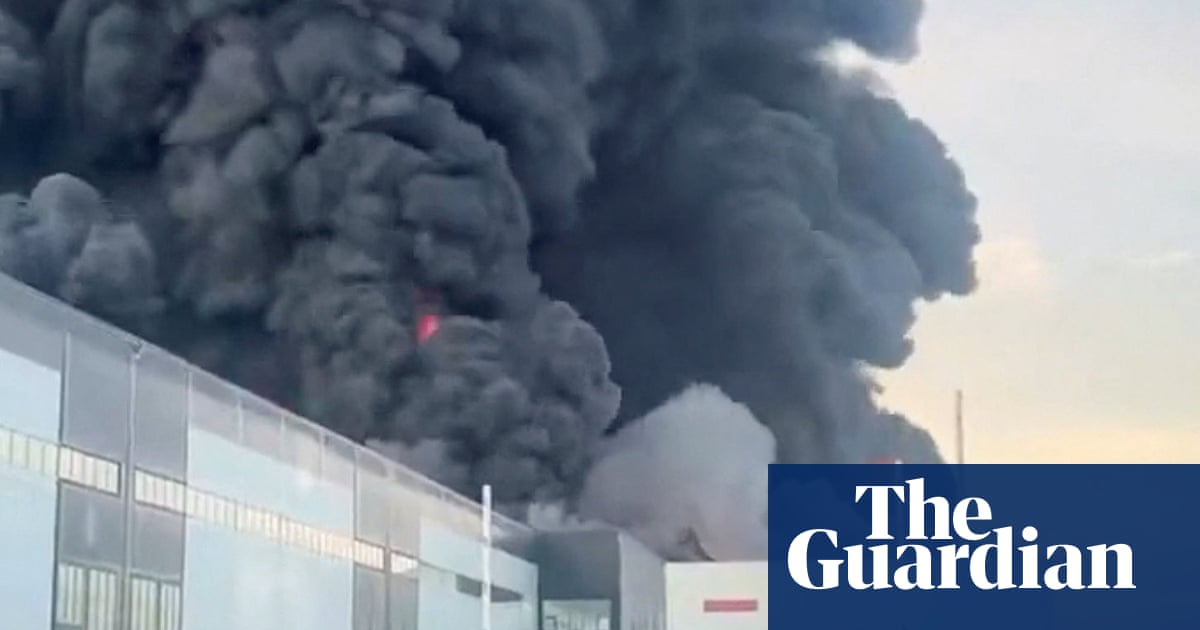
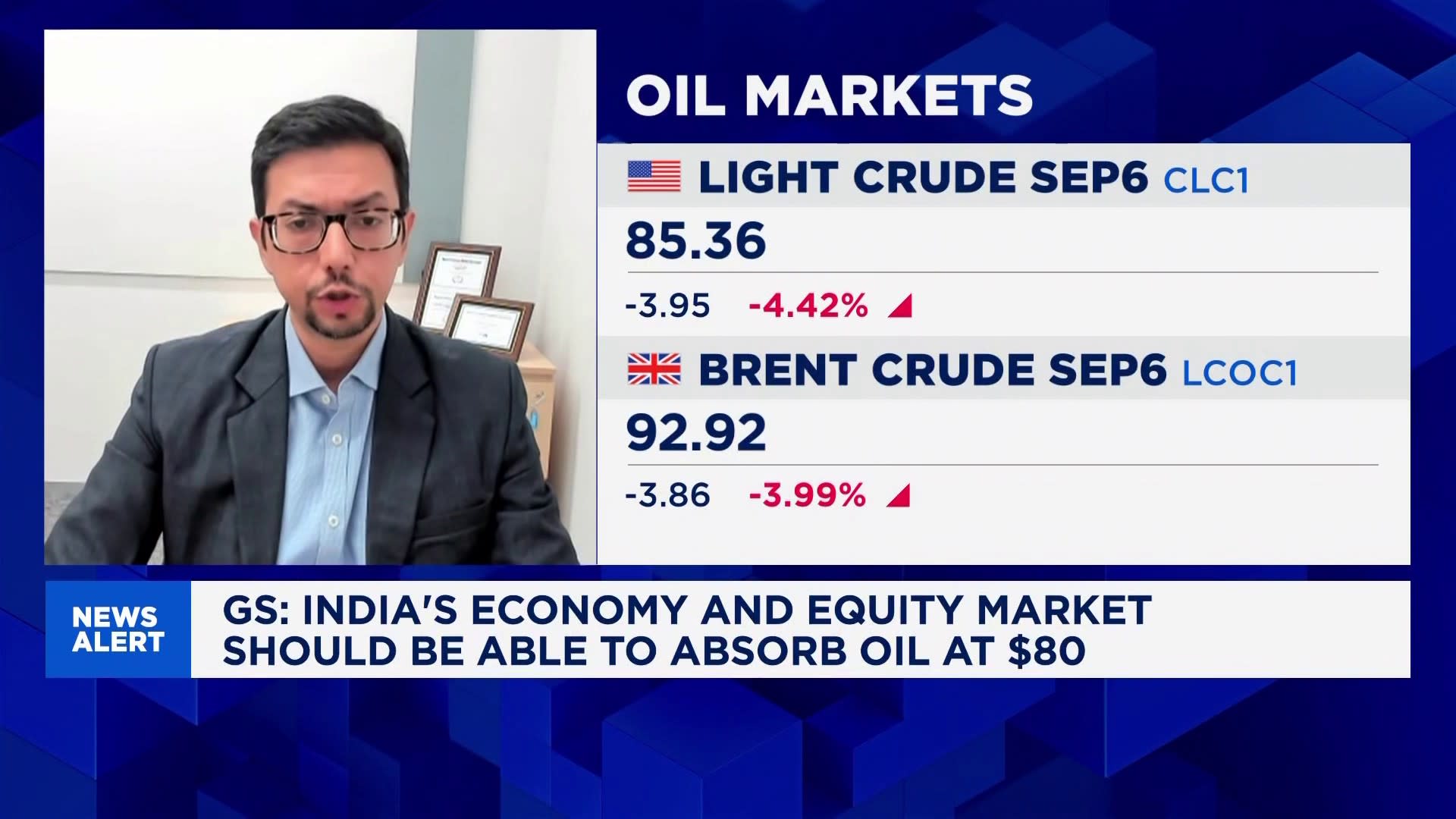
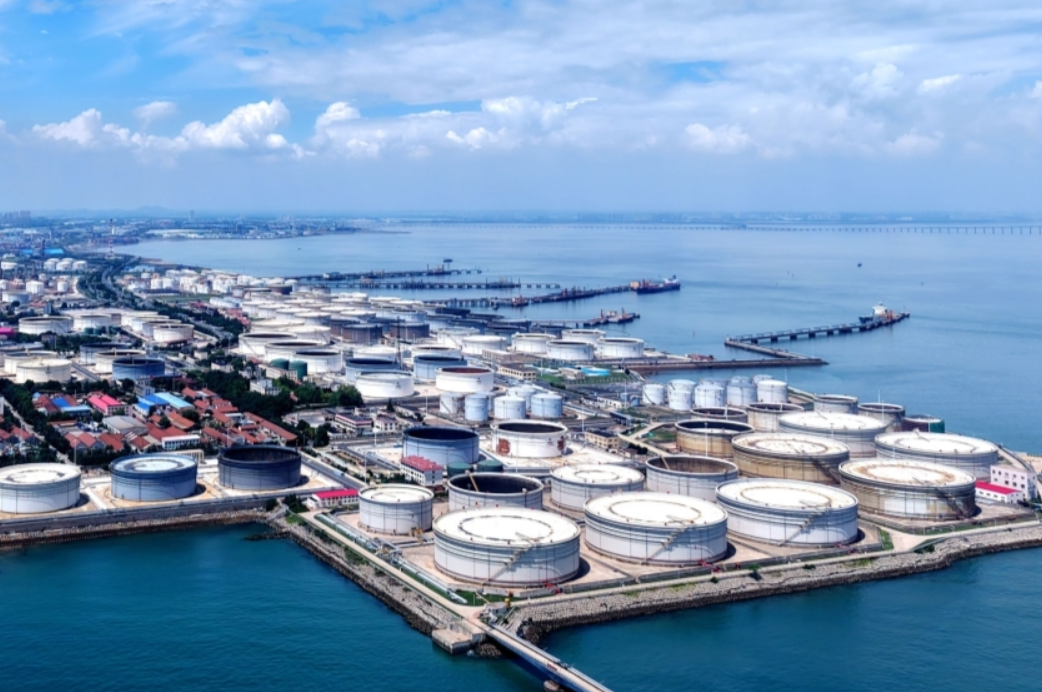
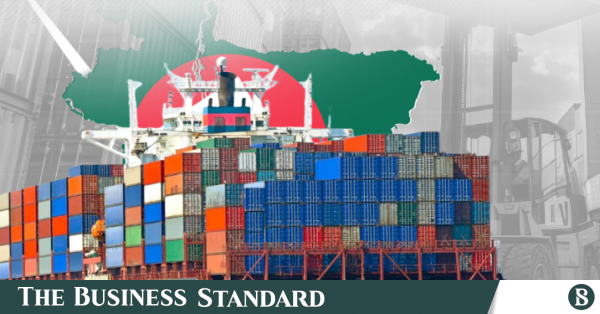
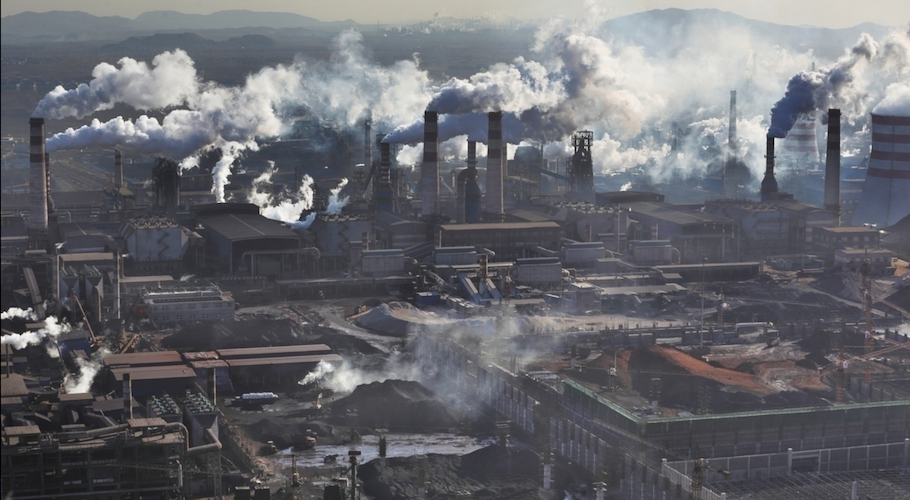
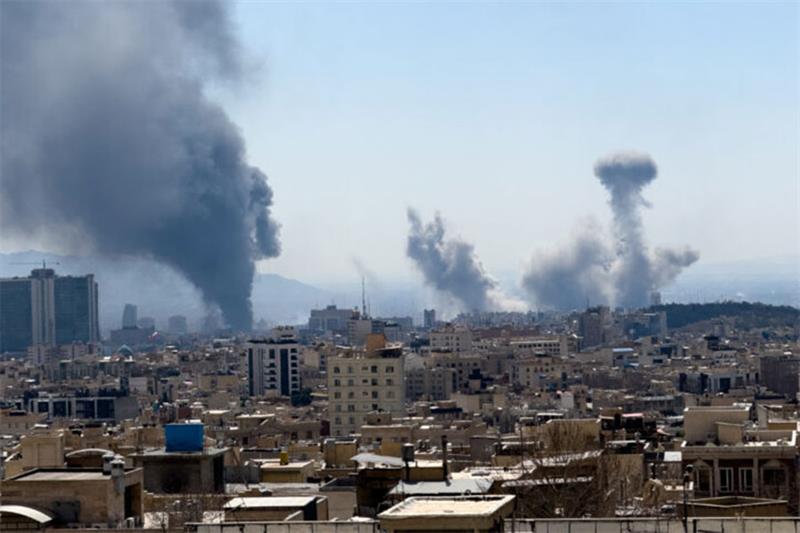
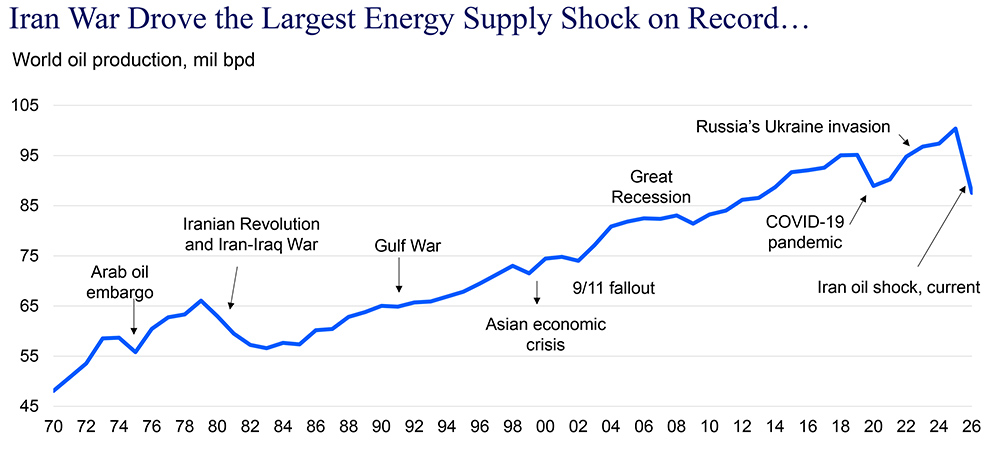
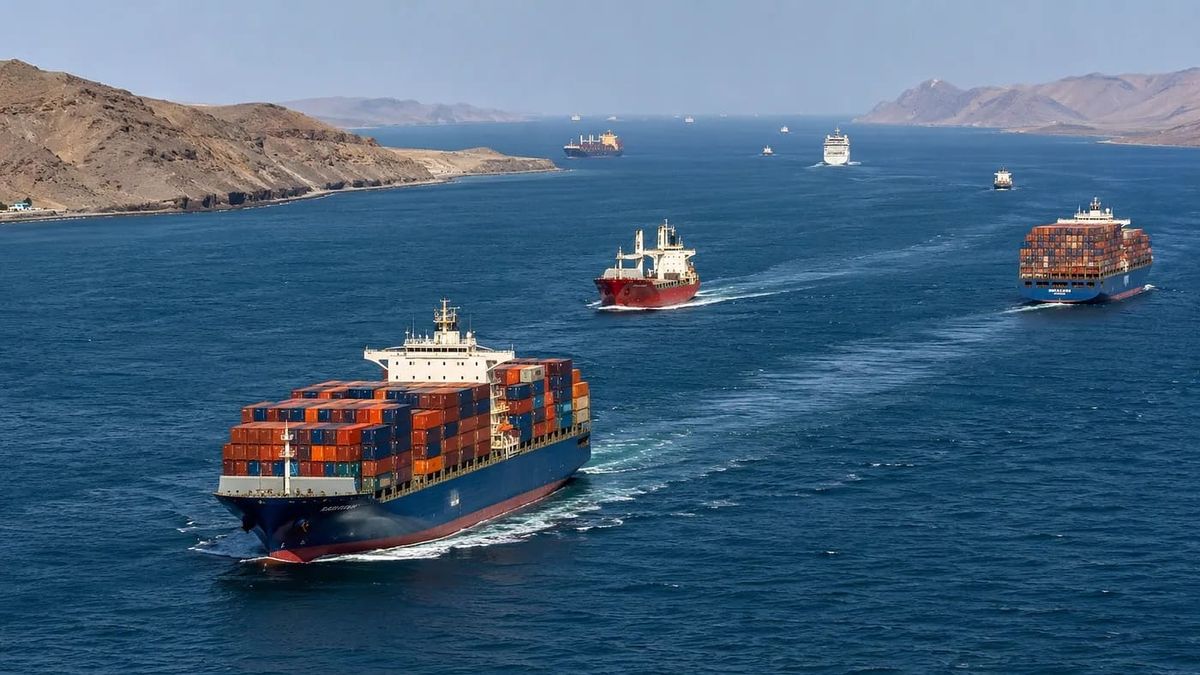
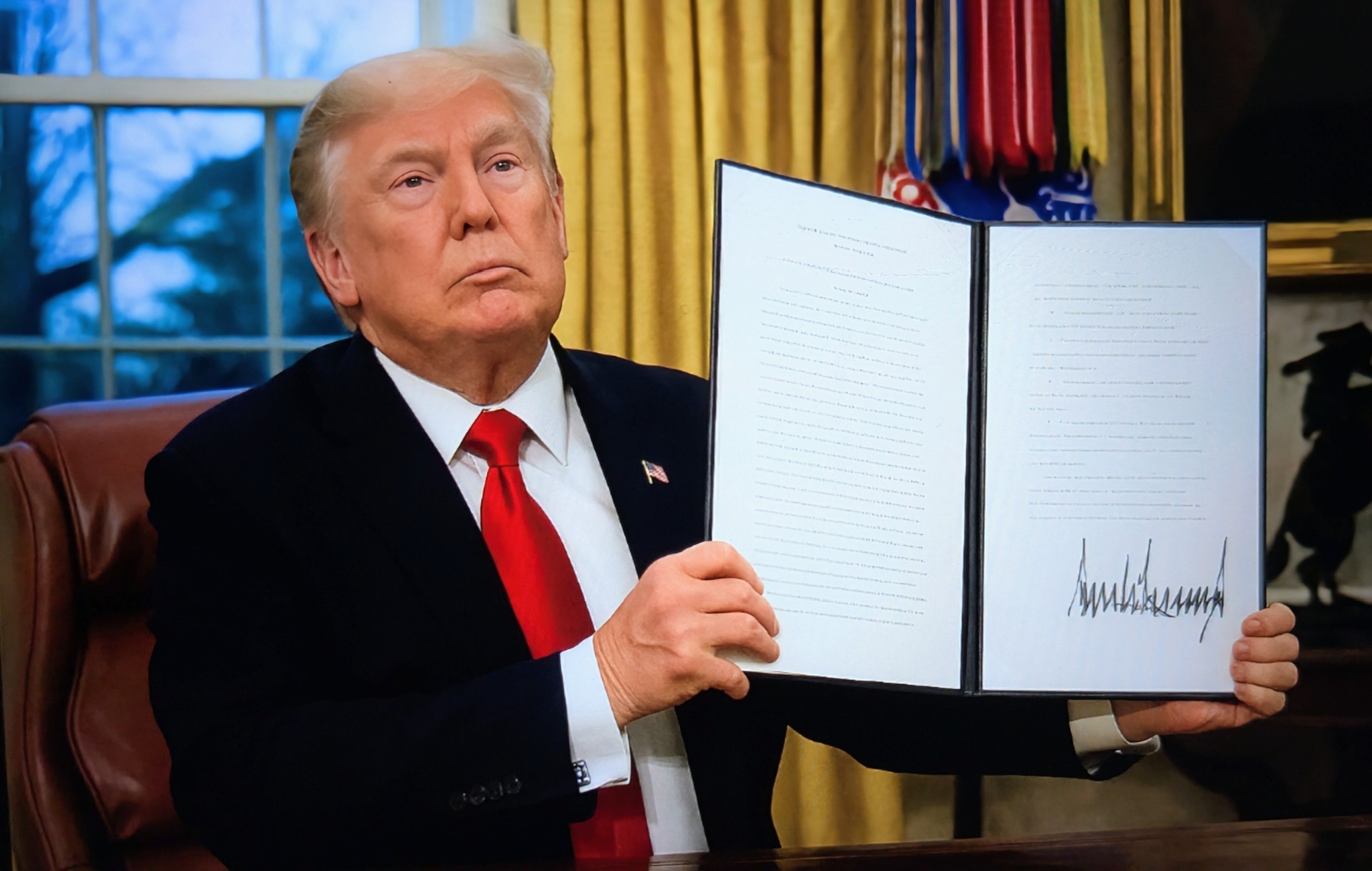
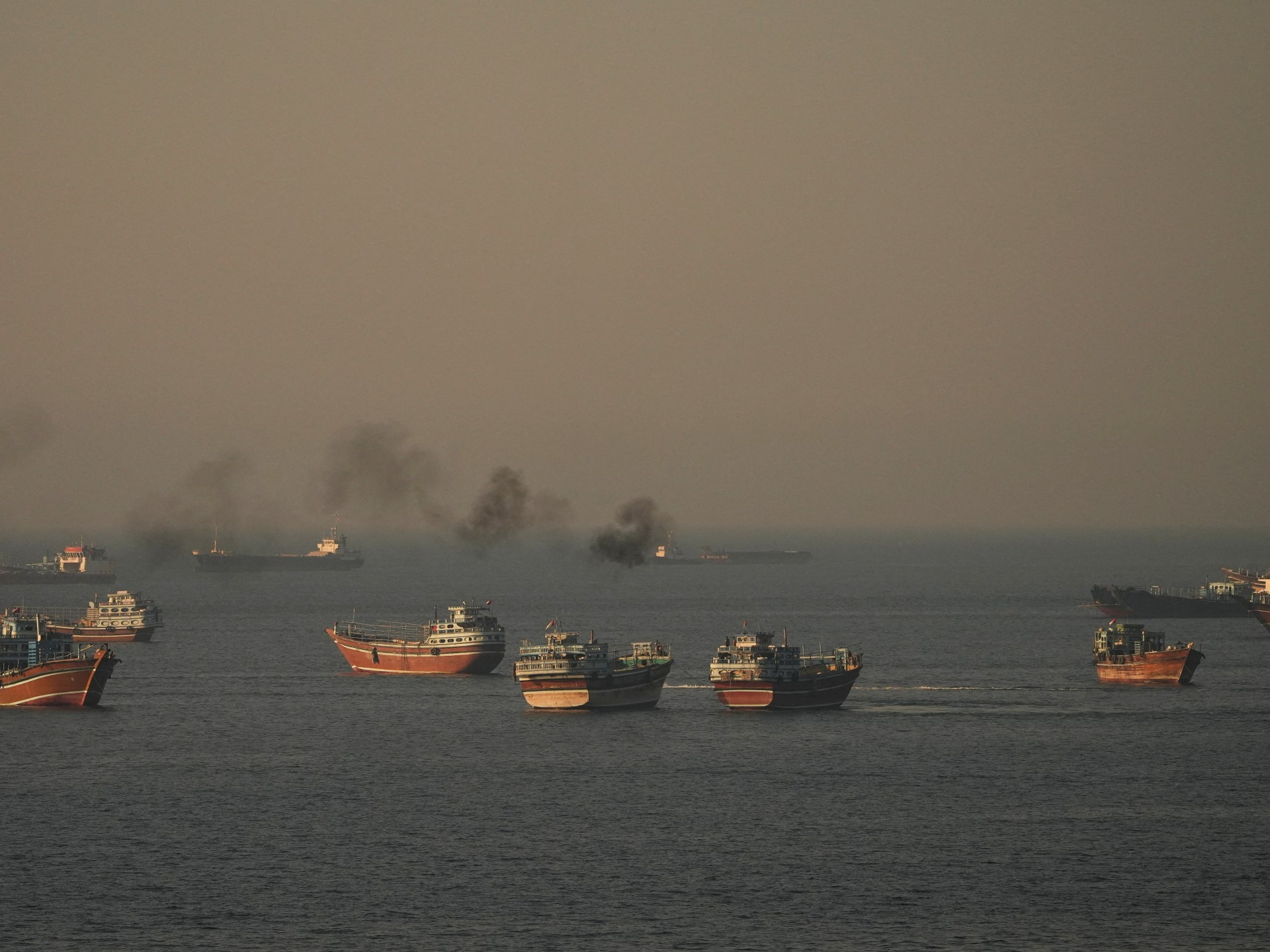
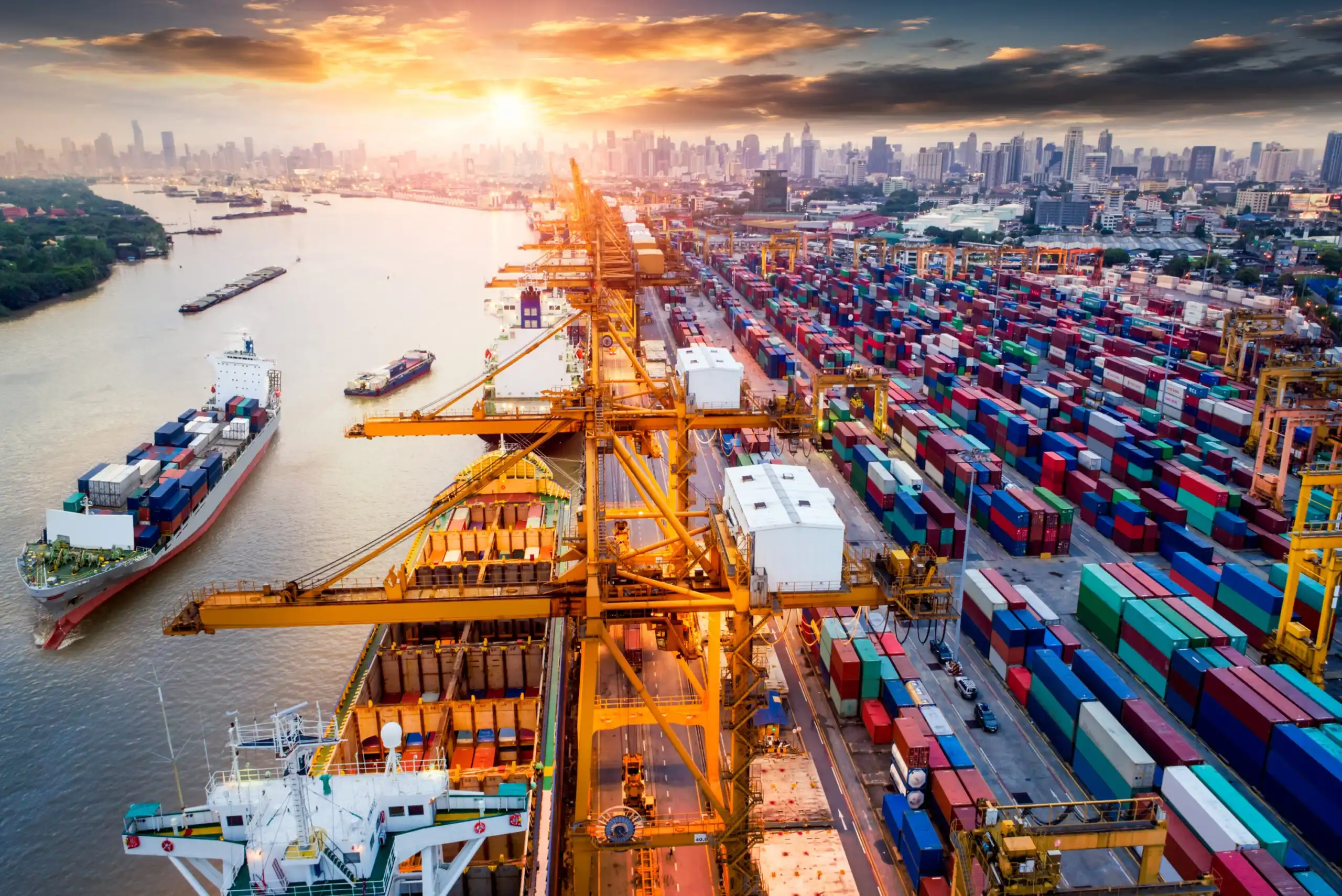
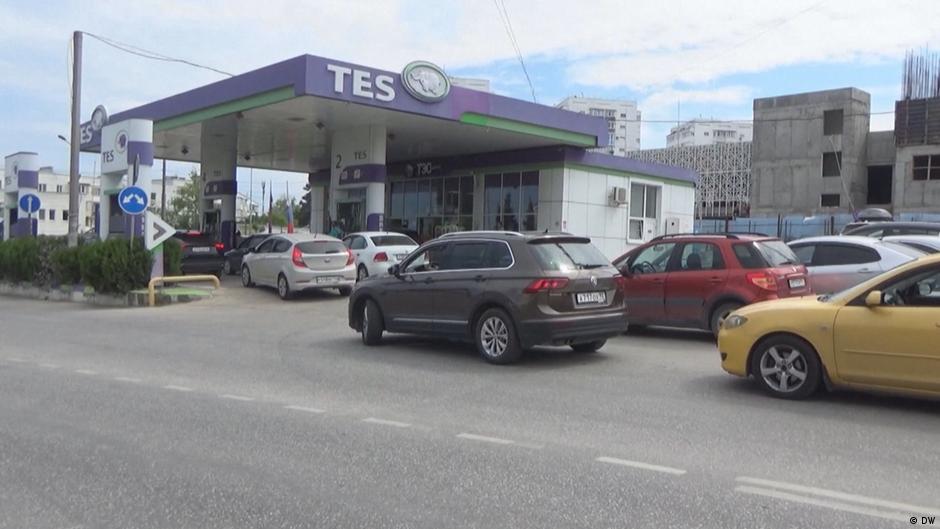
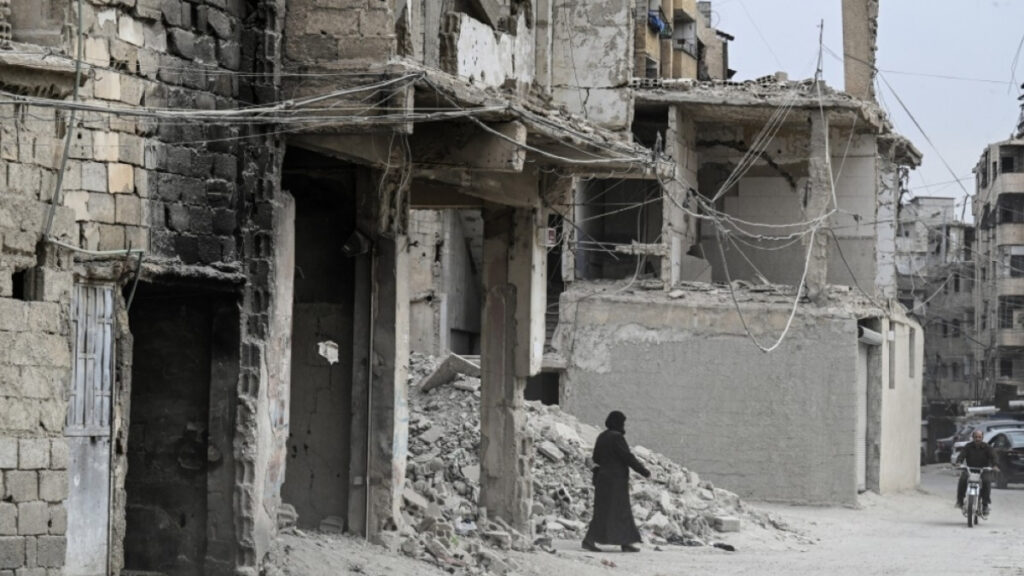
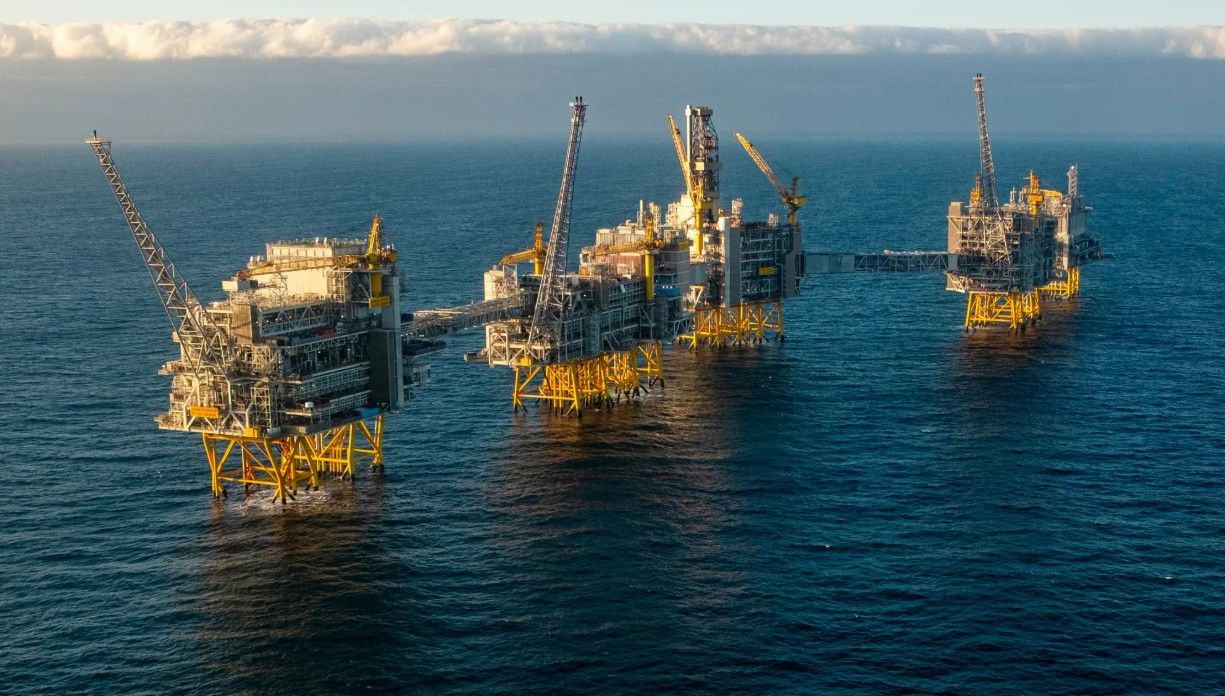
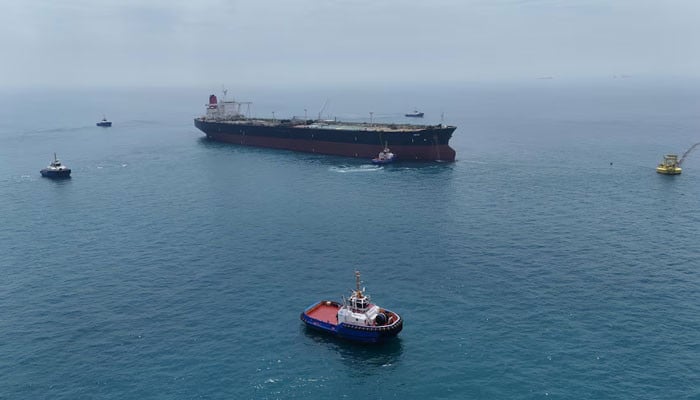
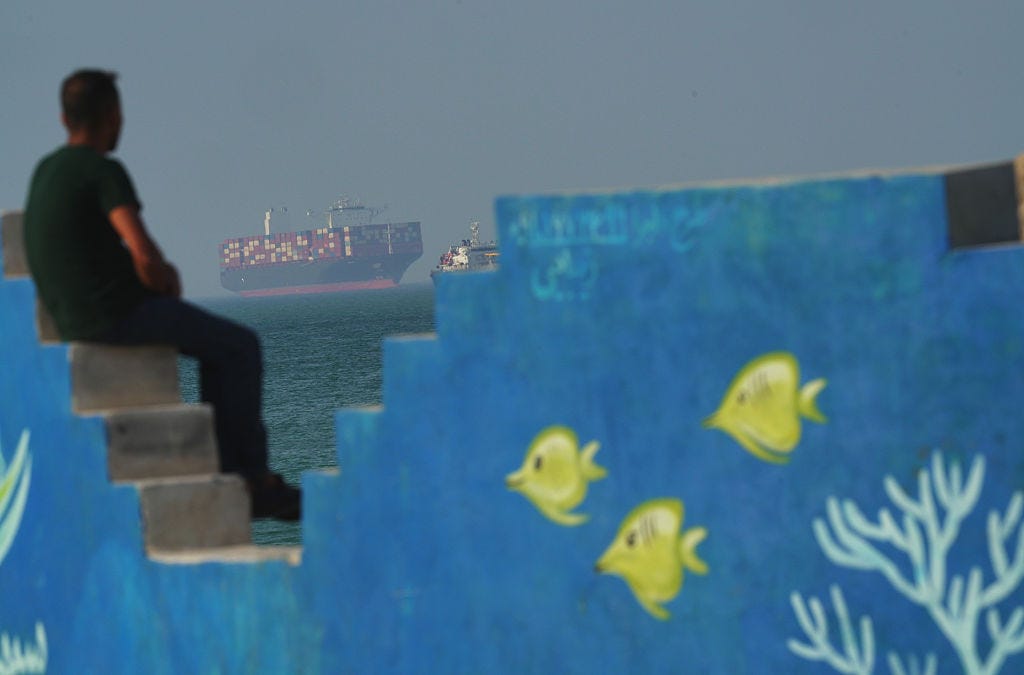
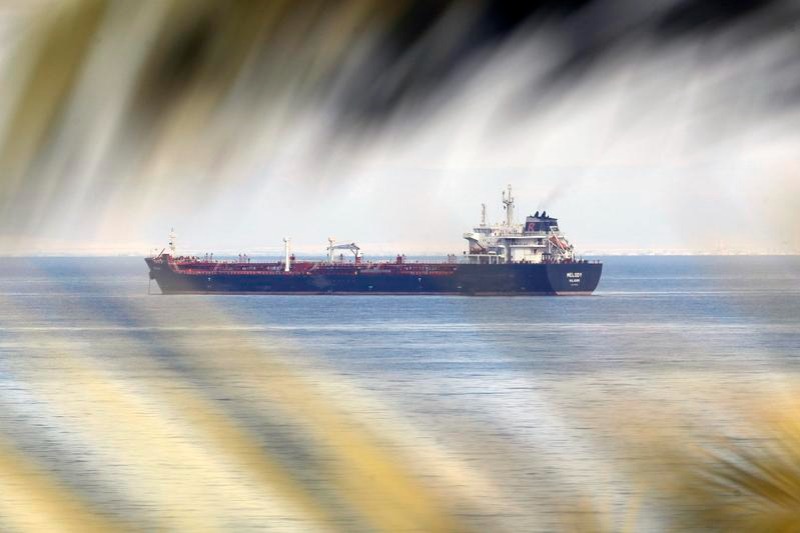
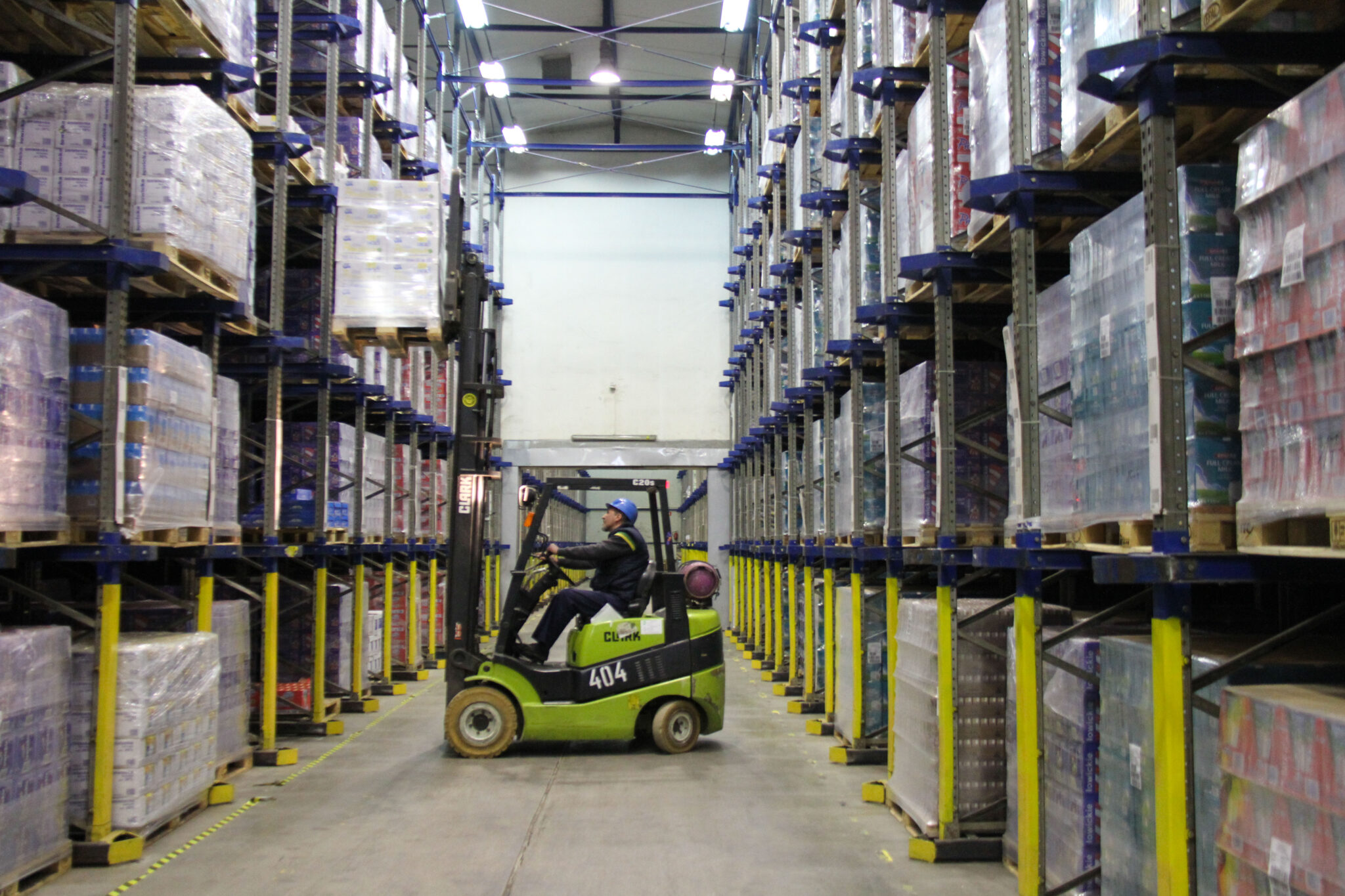
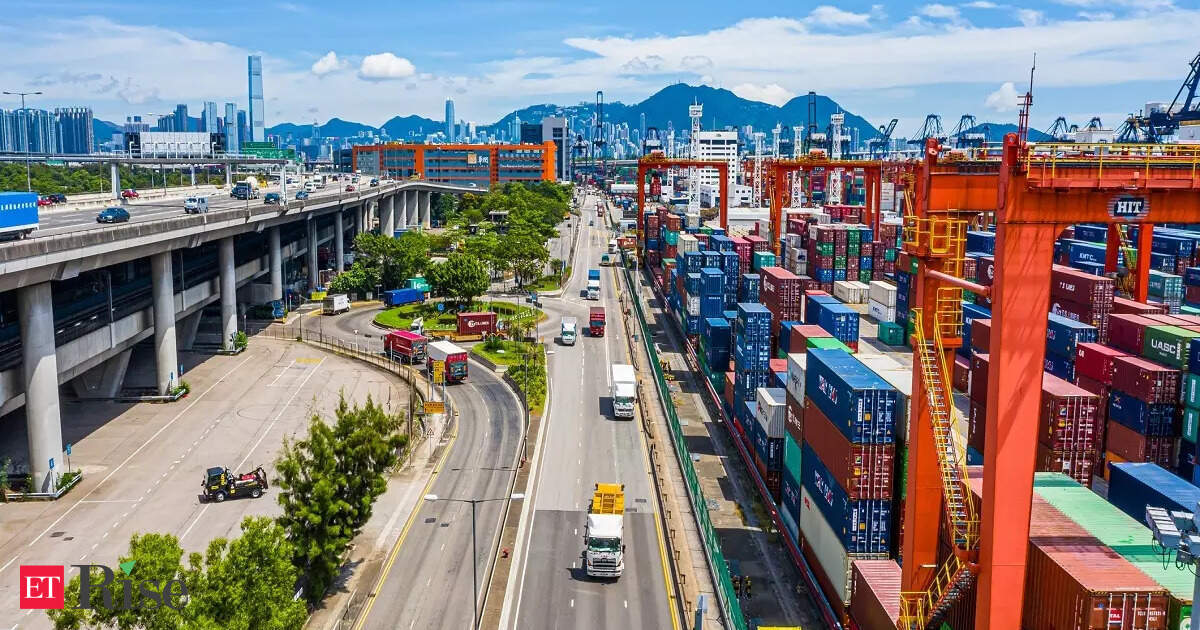
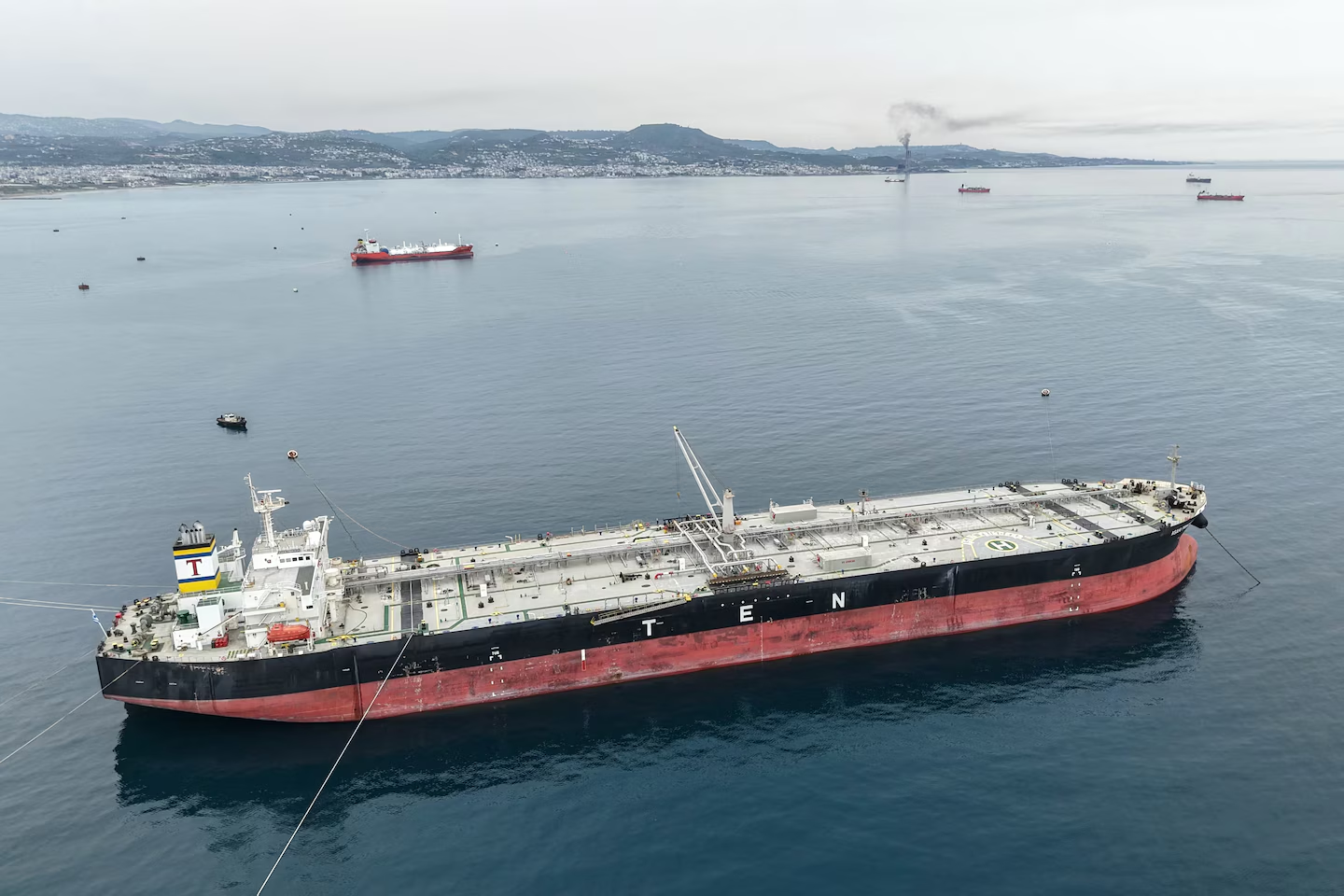
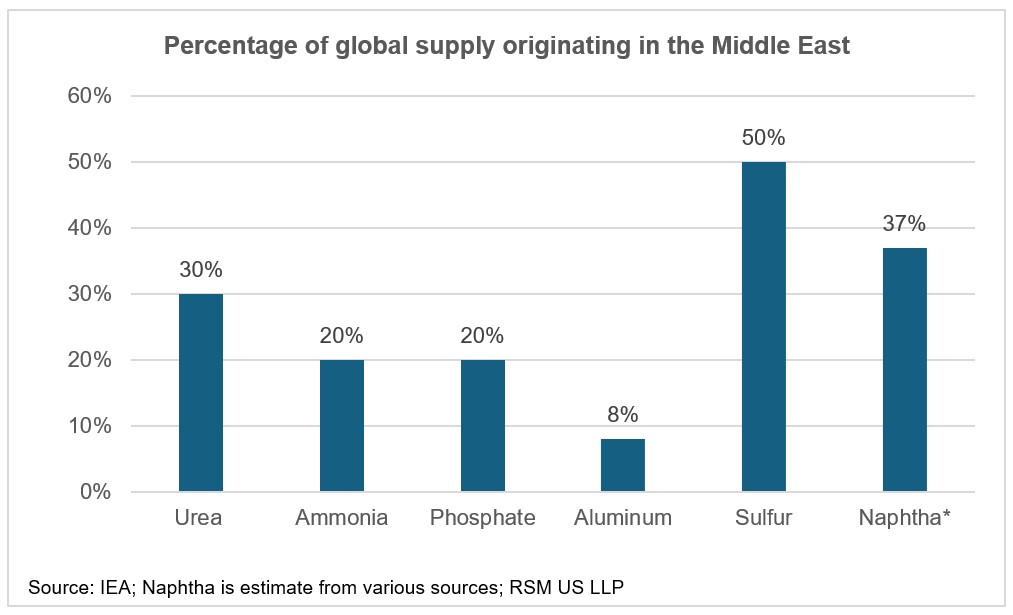
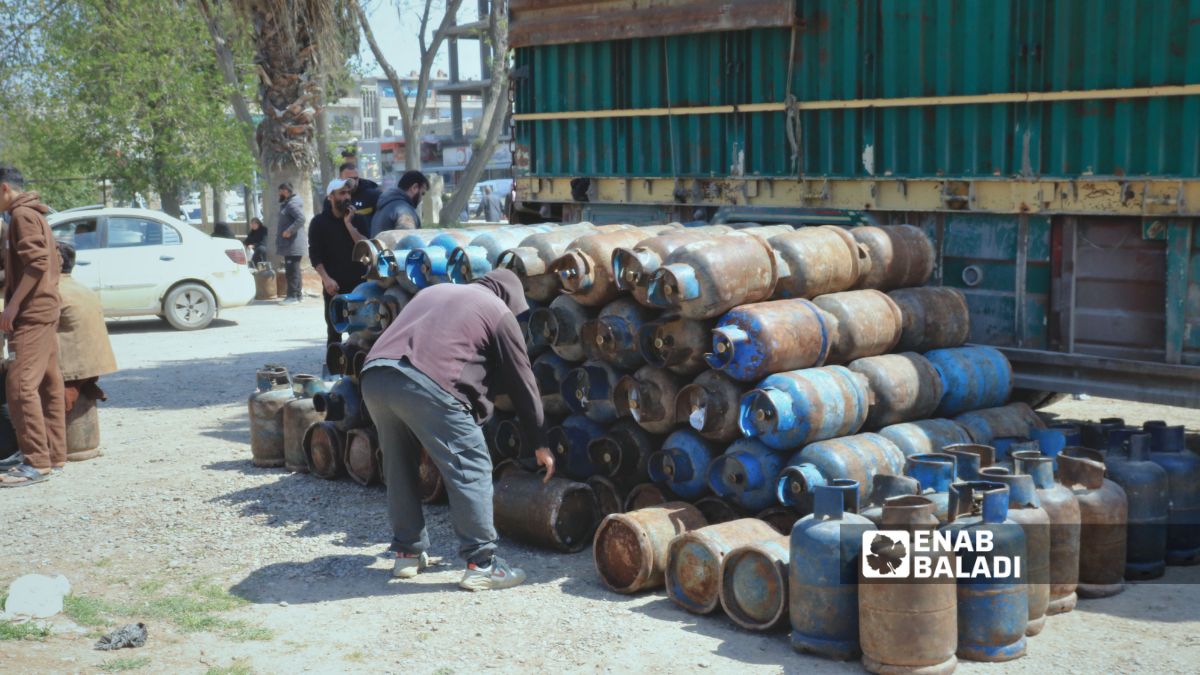
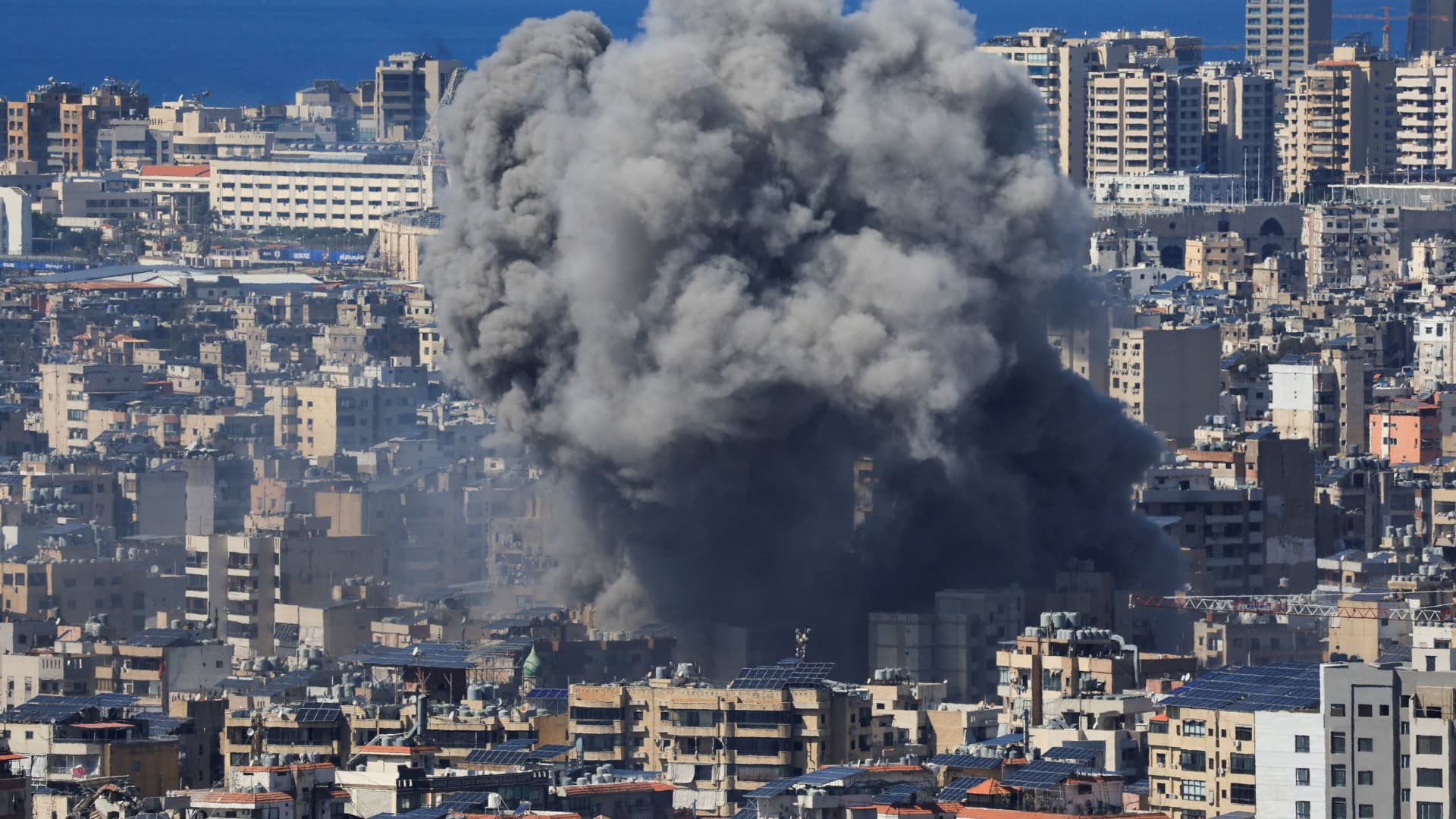
Despite the recent diplomatic breakthrough, geopolitical tensions in the Middle East remain a key source of uncertainty for the global economy. The energy supply shock caused by the effective closure of the Strait of Hormuz, a critical shipping route for global oil and gas supplies, has highlighted the vulnerability of energy markets and global supply chains to regional instability. Although the recent deal between the US and Iran to reopen it and extend the ceasefire by 60 days has increased the likelihood of a gradual normalisation of energy markets, the prospect of renewed disruptions remains elevated. Reaching a comprehensive agreement on Iran’s nuclear programme within 60 days will be challenging, and any setback in negotiations could quickly reignite tensions.
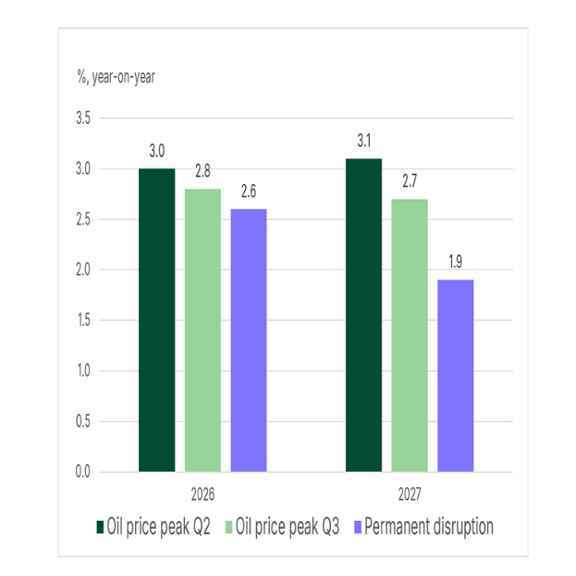
Against this backdrop, we consider three scenarios for how the conflict may evolve and the implications for the global economy. Economically, the main direct channels through which these scenarios impact the economy are energy and agricultural commodity price paths and the size of the confidence shock to the global economy. Together, these factors determine the outlook for inflation, economic growth and policy responses.
Inflation and AI-driven resilience
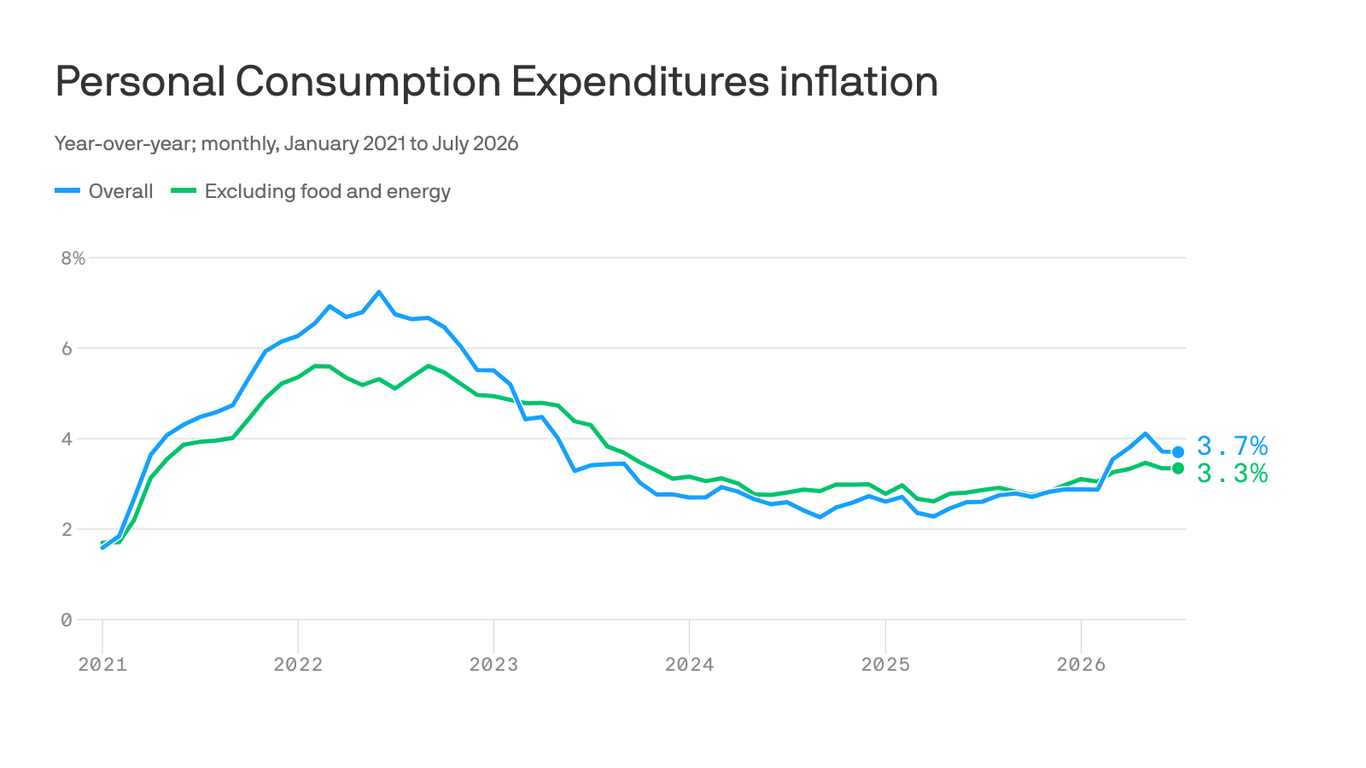
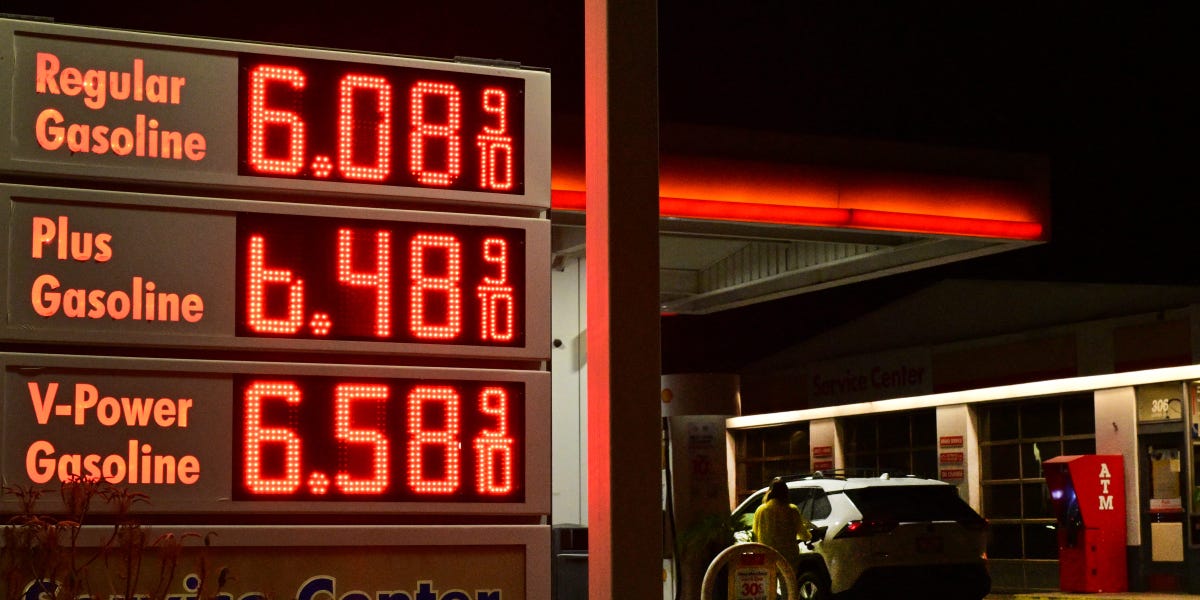
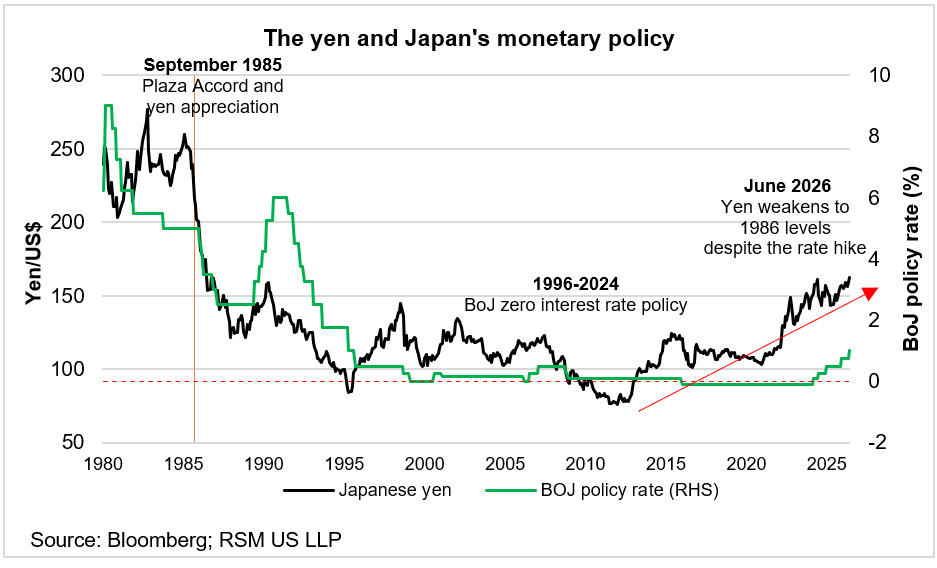
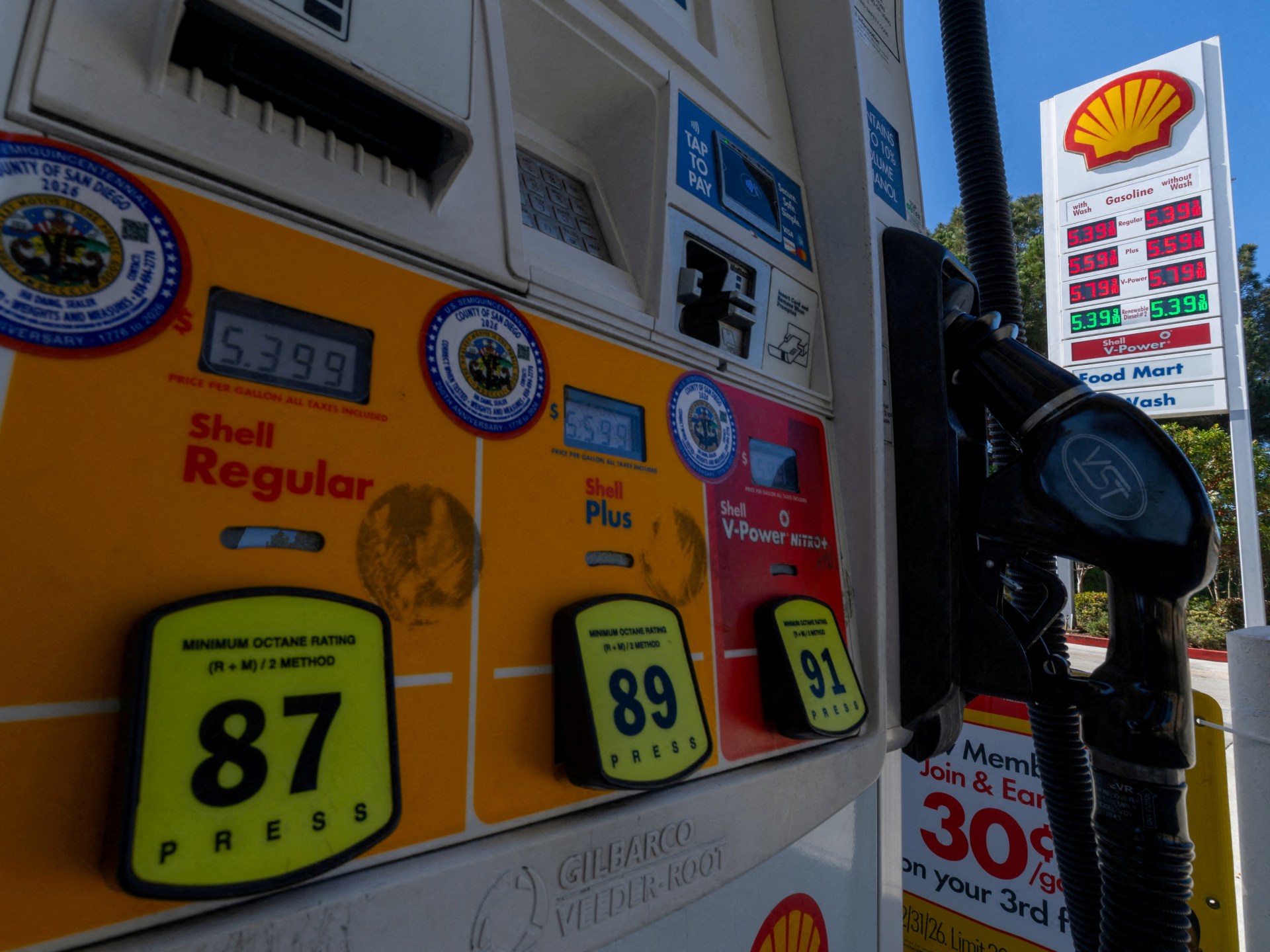
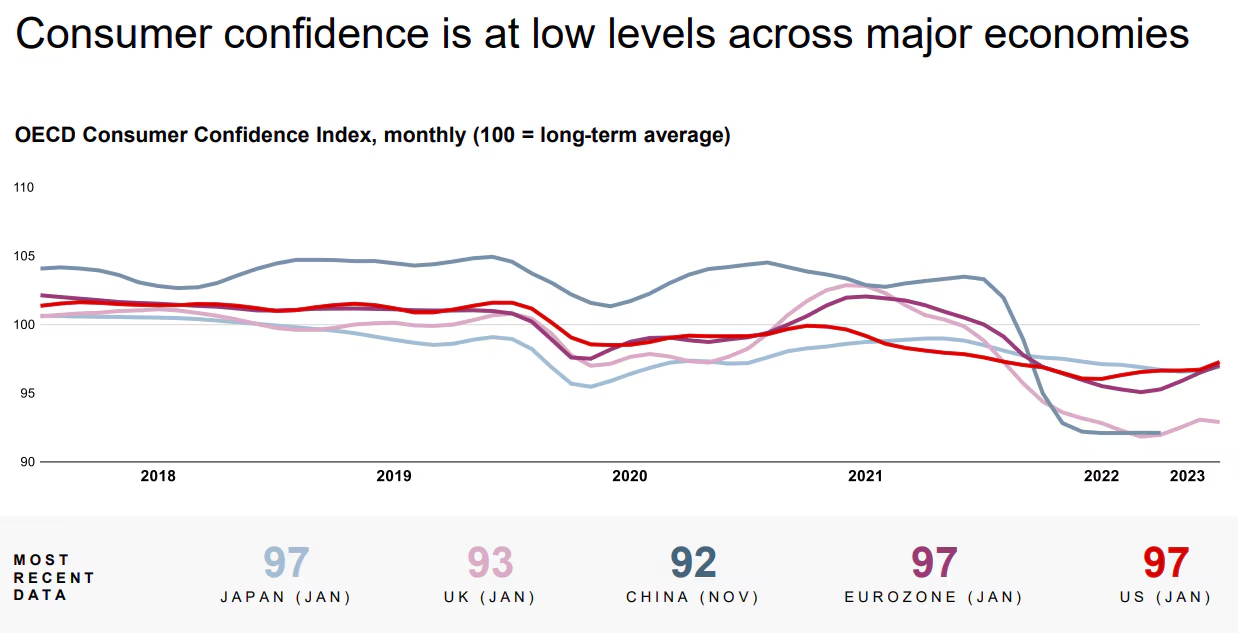
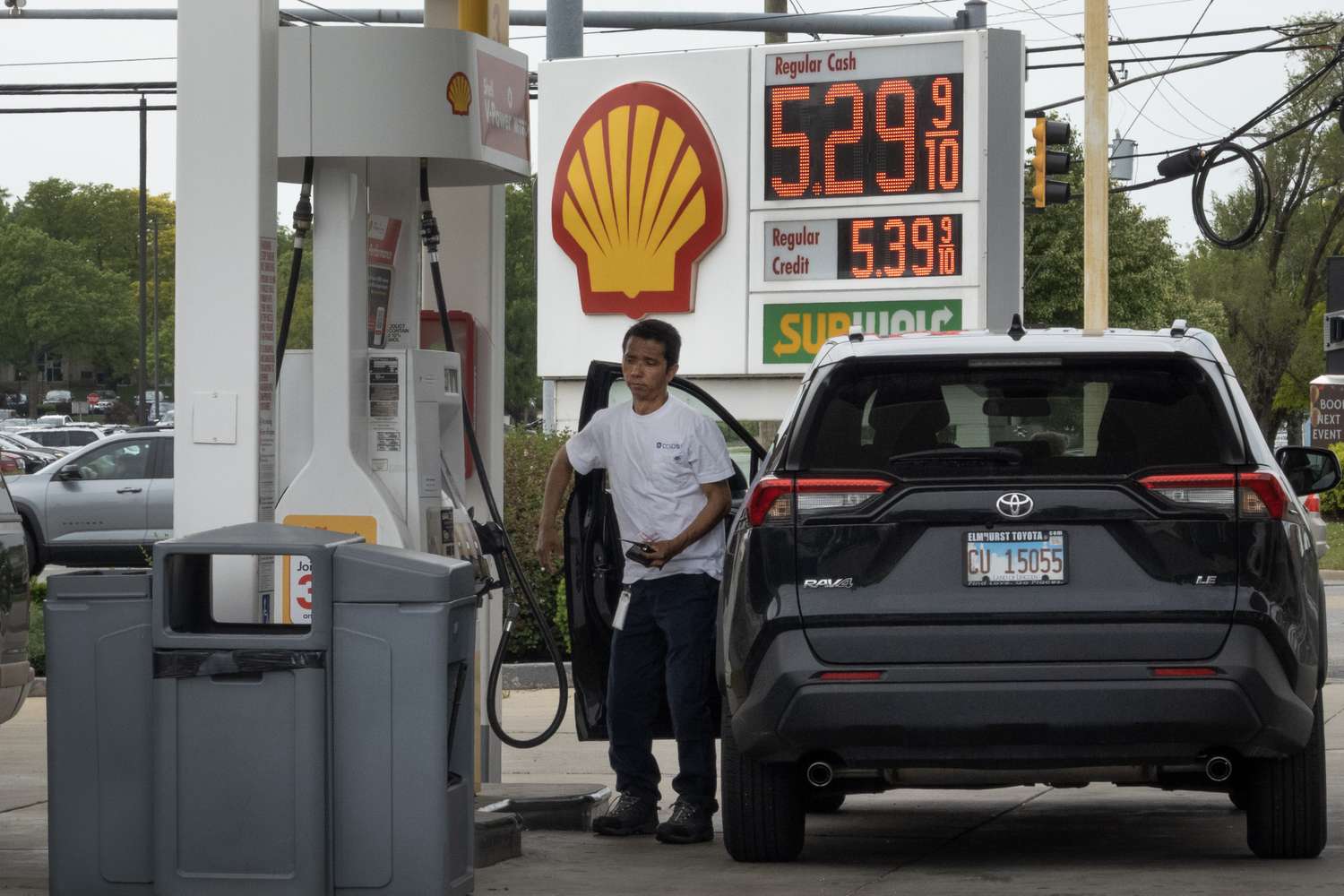
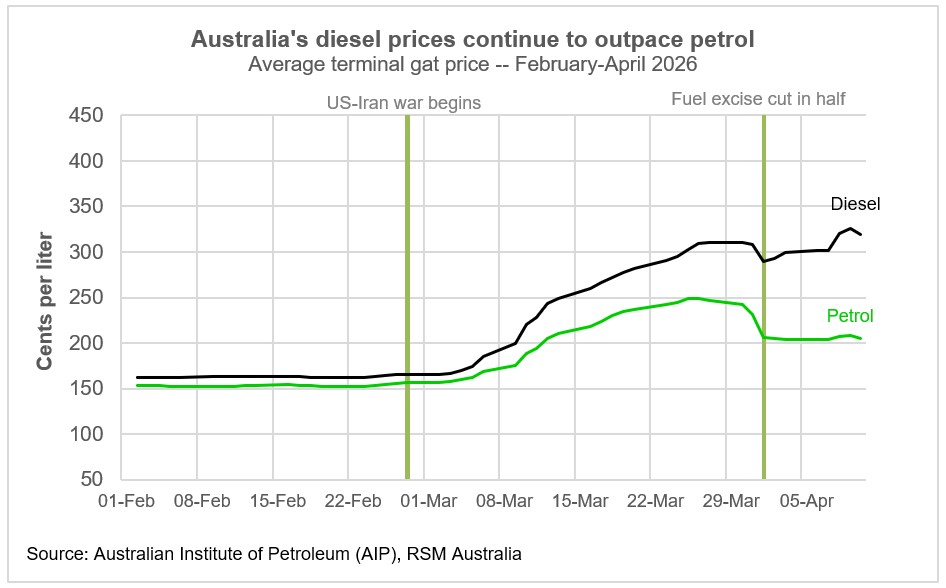
Higher energy prices have pushed inflation up across advanced economies, with the US and eurozone experiencing the sharpest increases in both headline and core inflation. The UK and Japan have seen more contained price rises, thanks to government subsidies that softened the impact of energy costs.
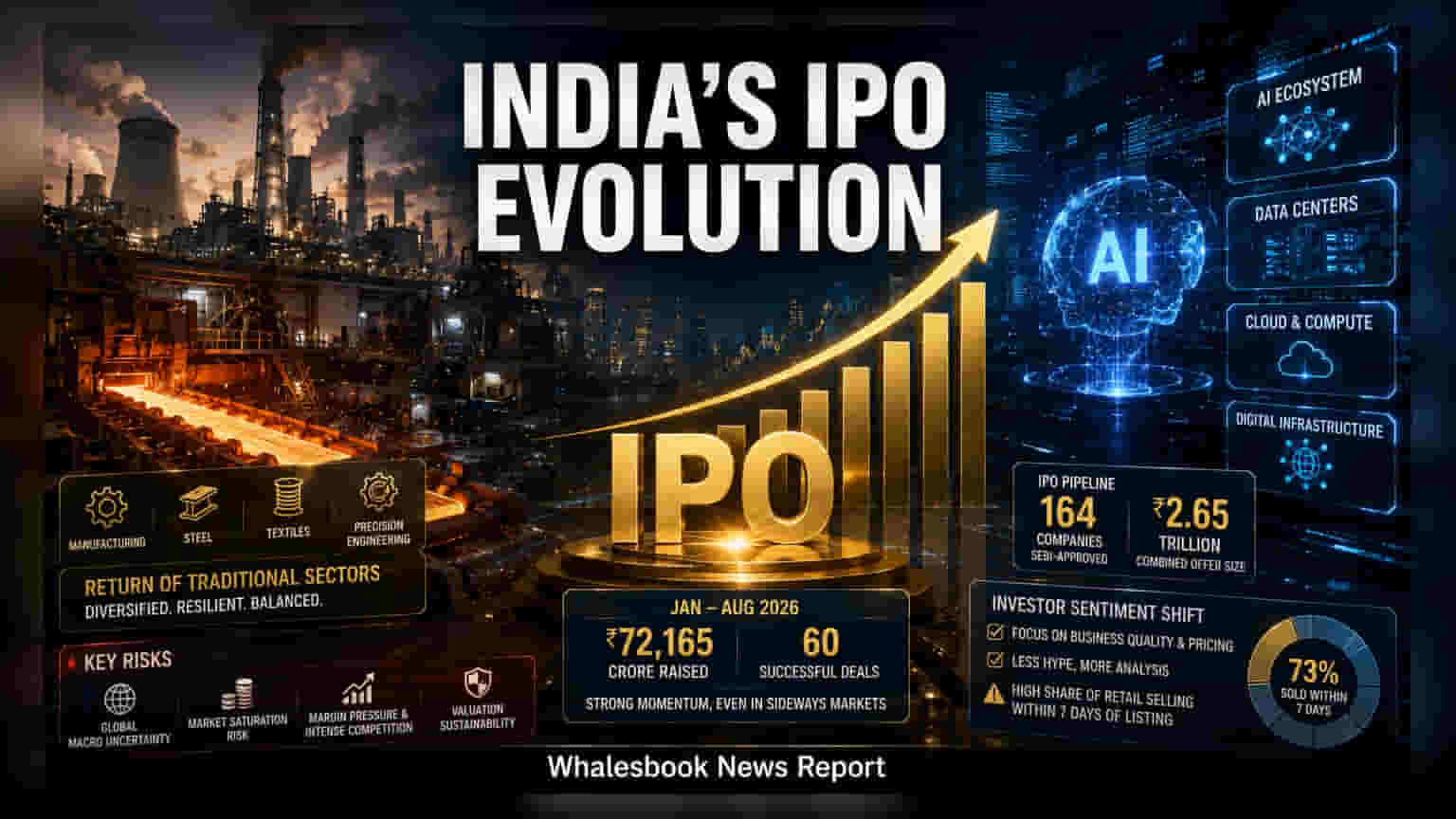
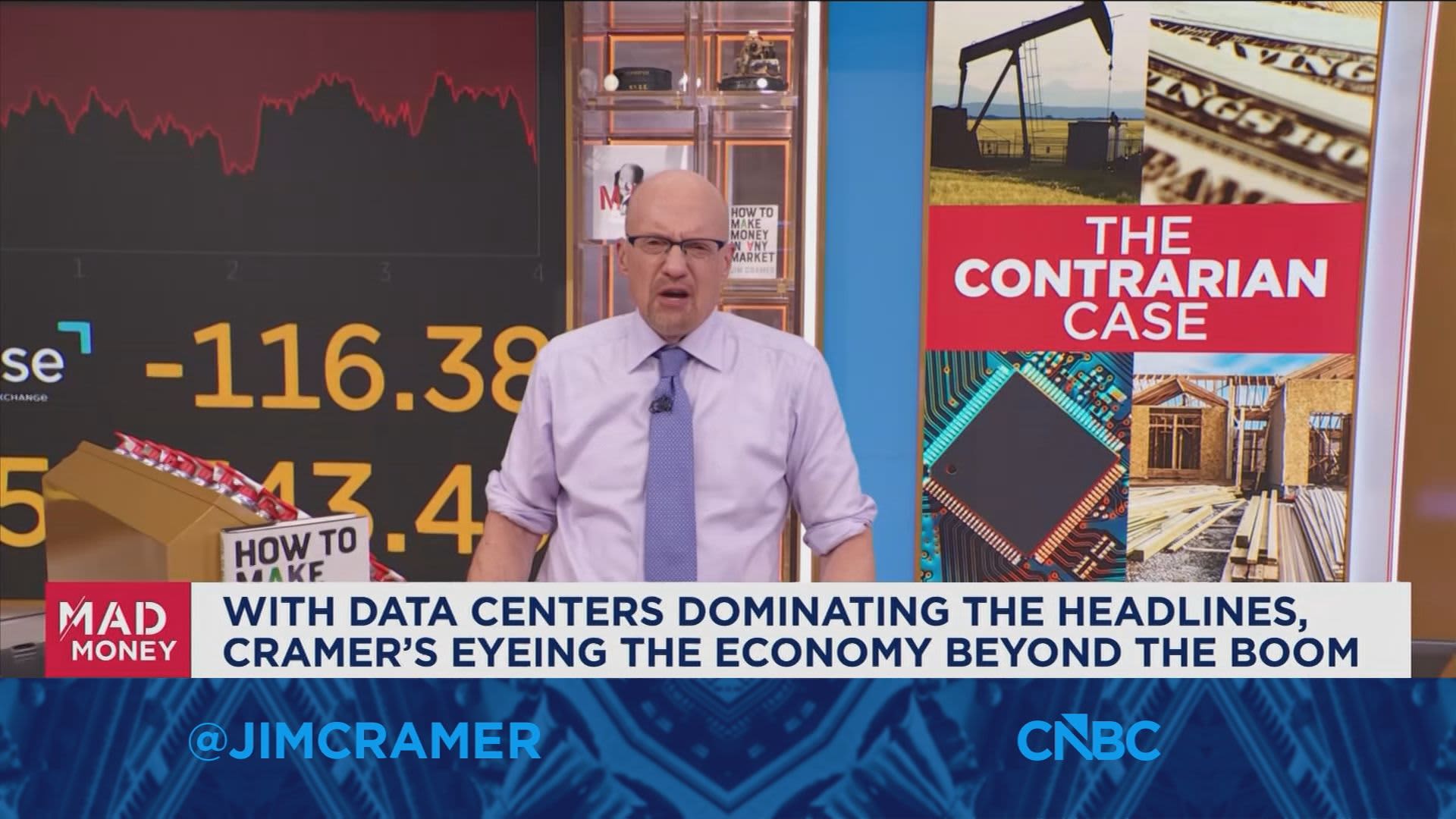
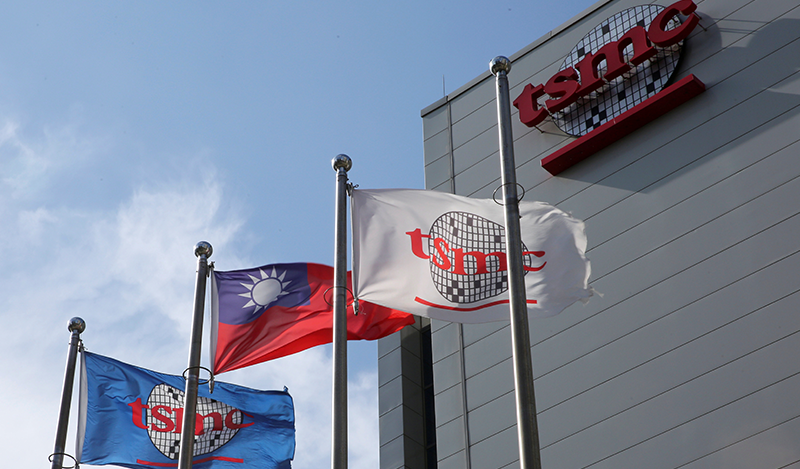
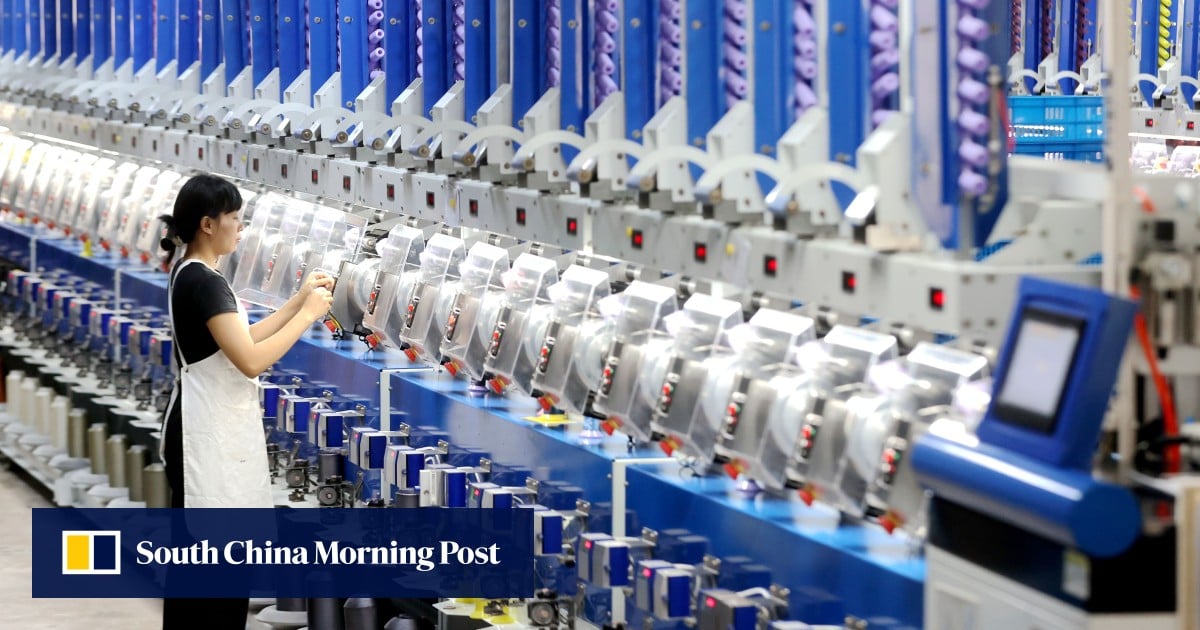
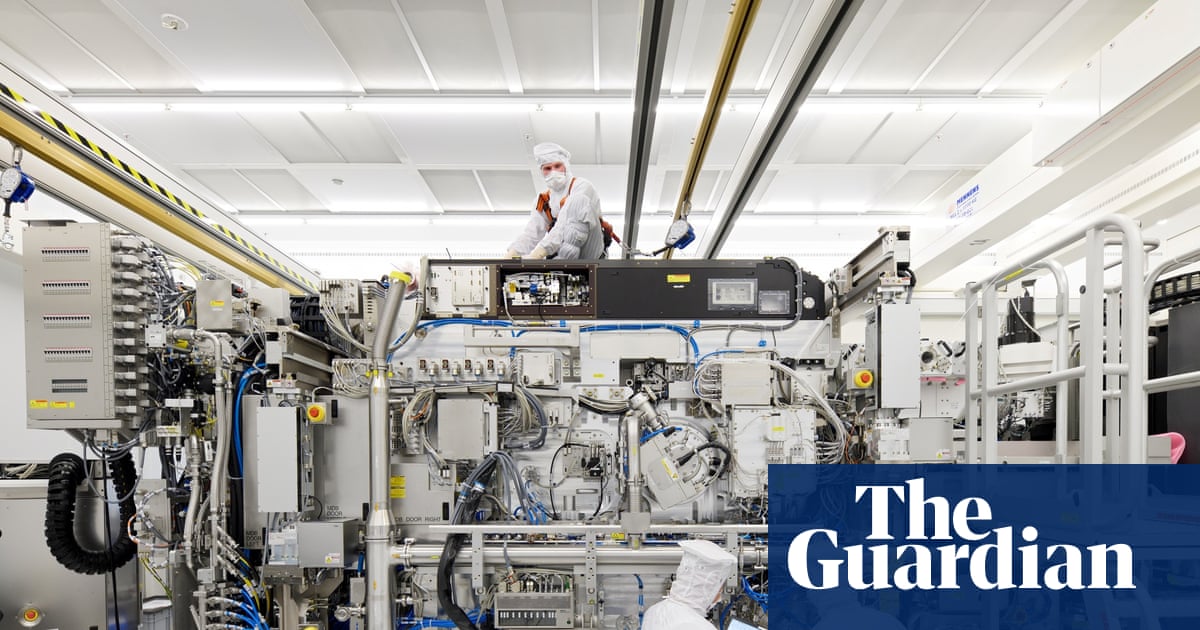
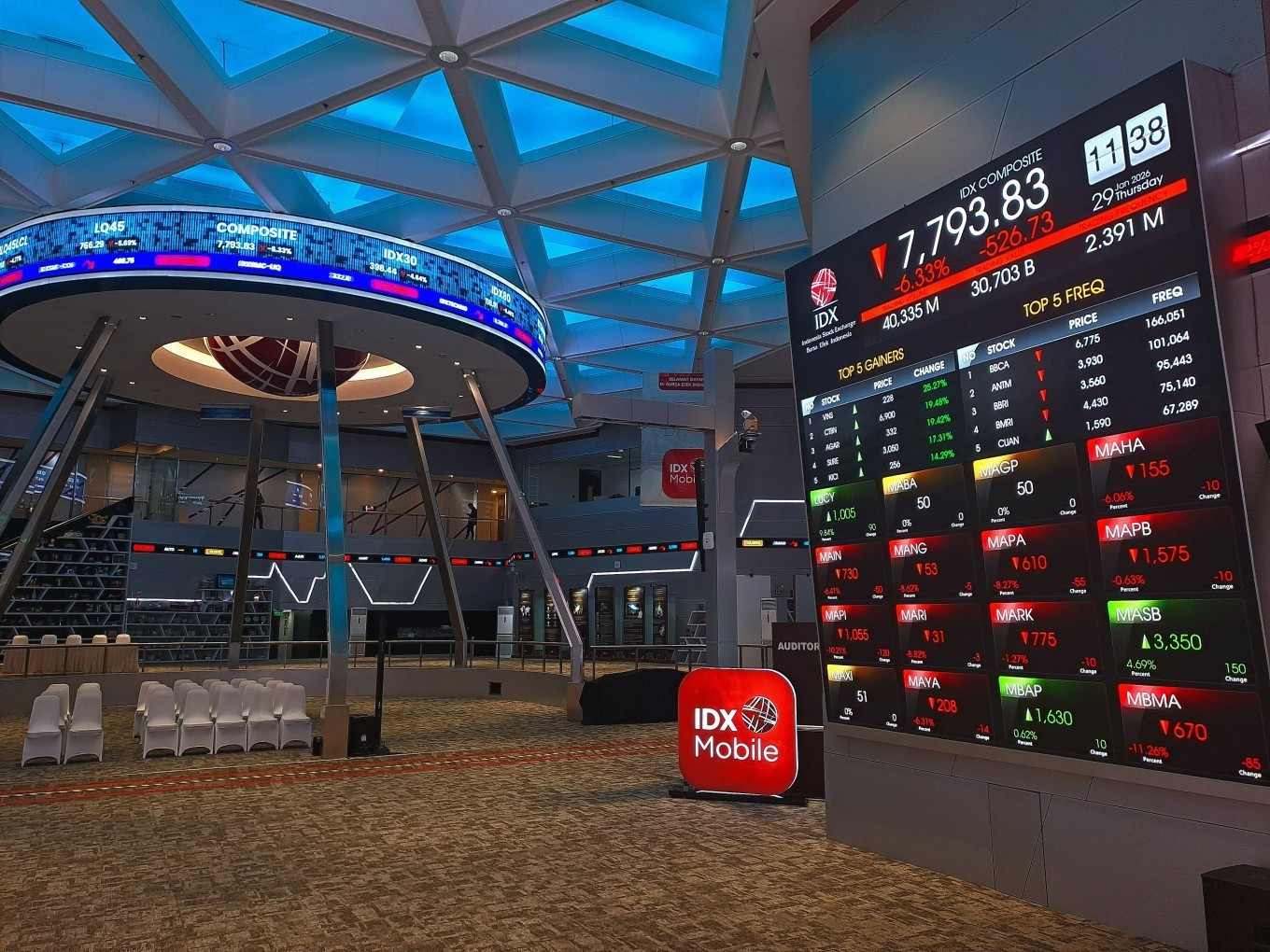
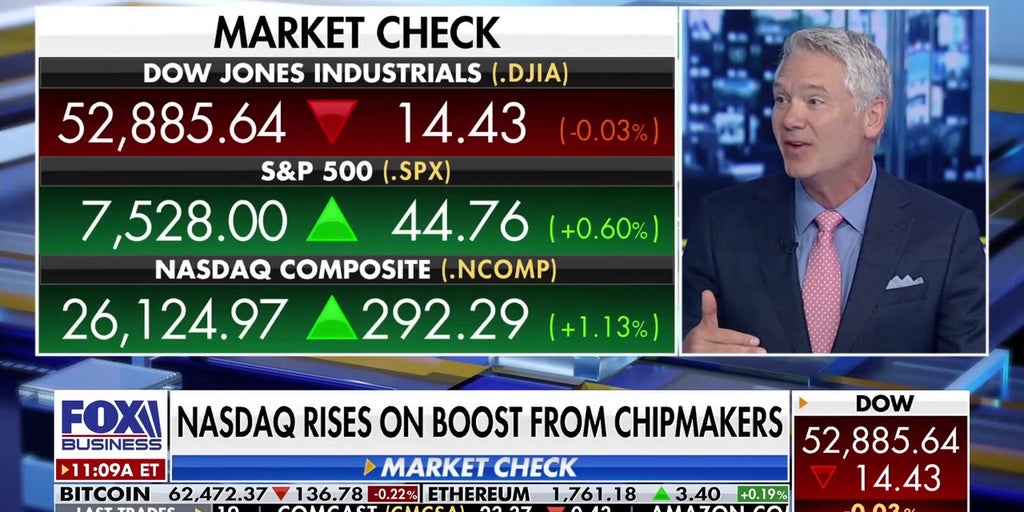
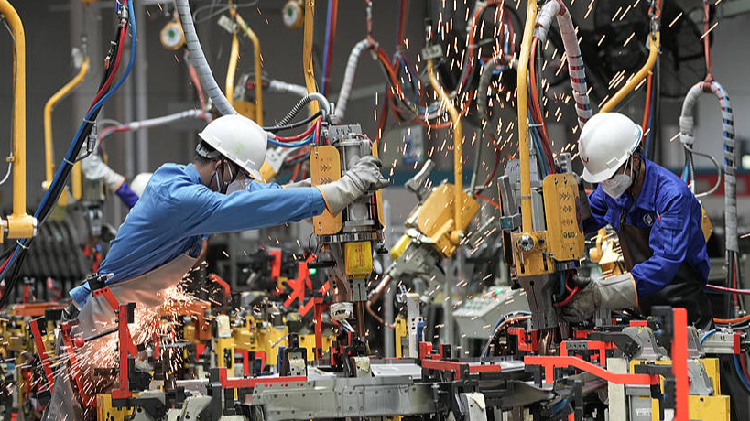
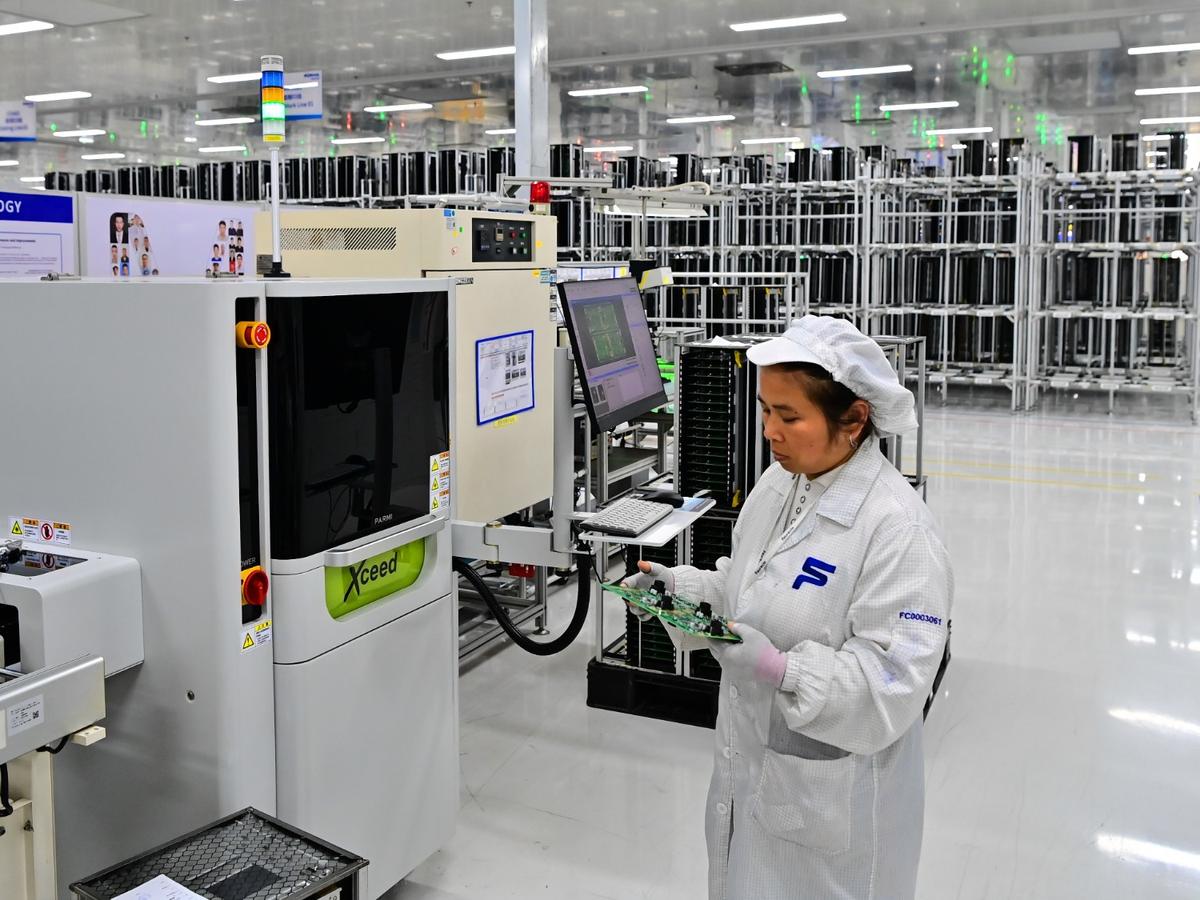
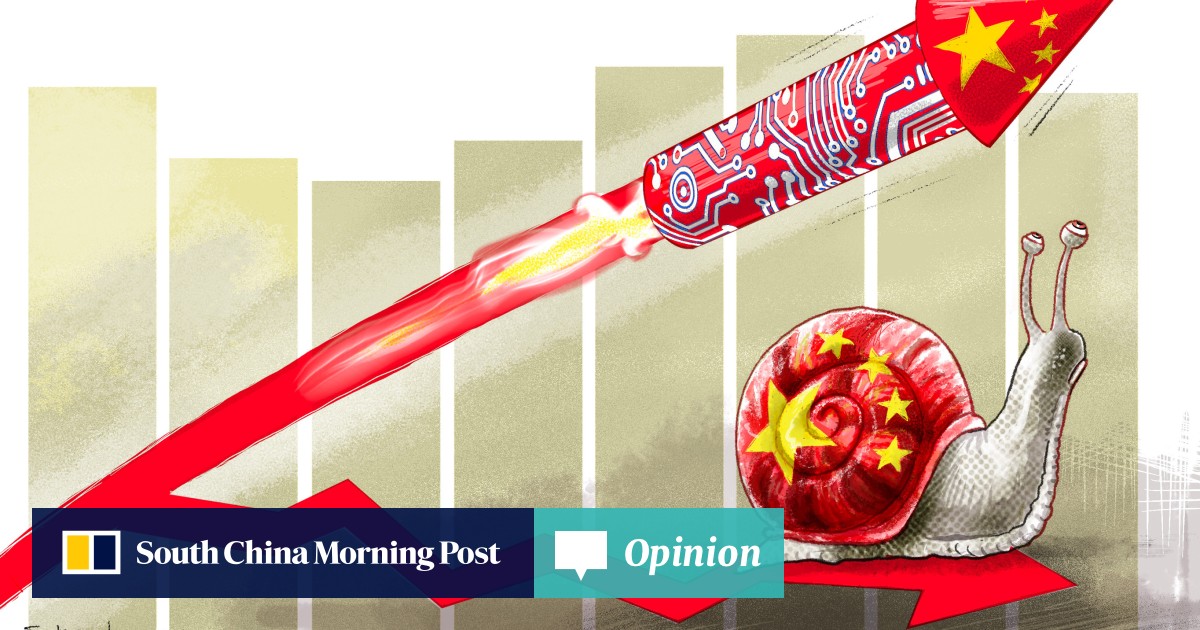
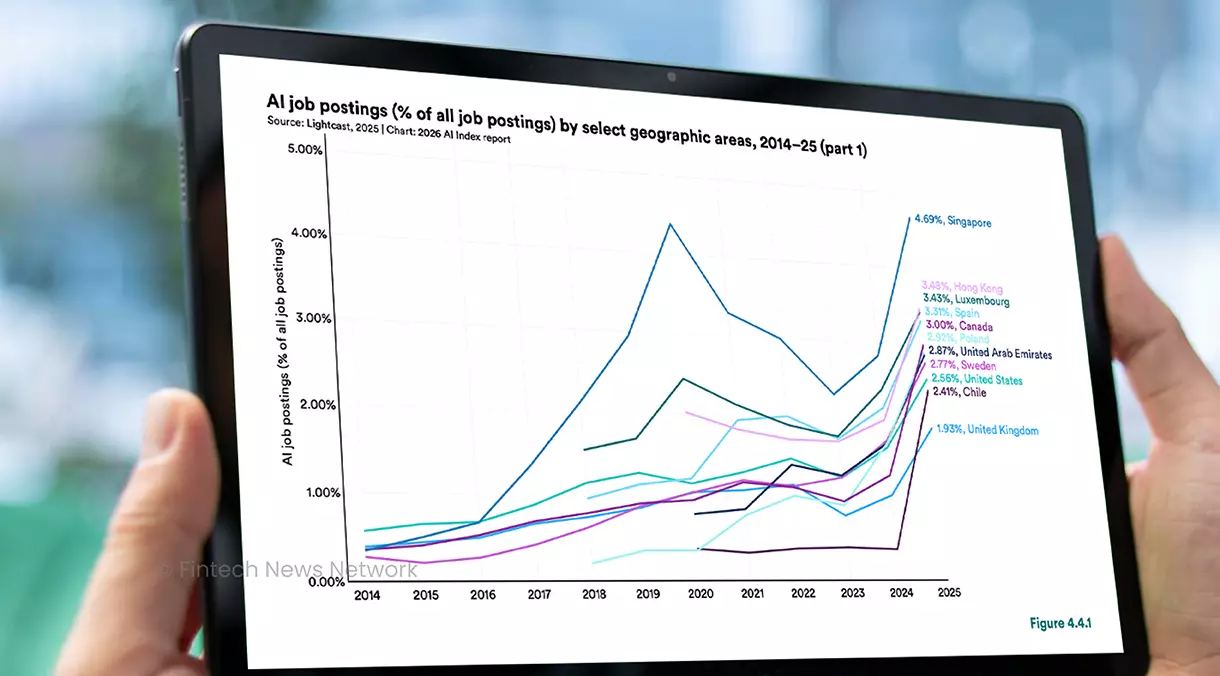
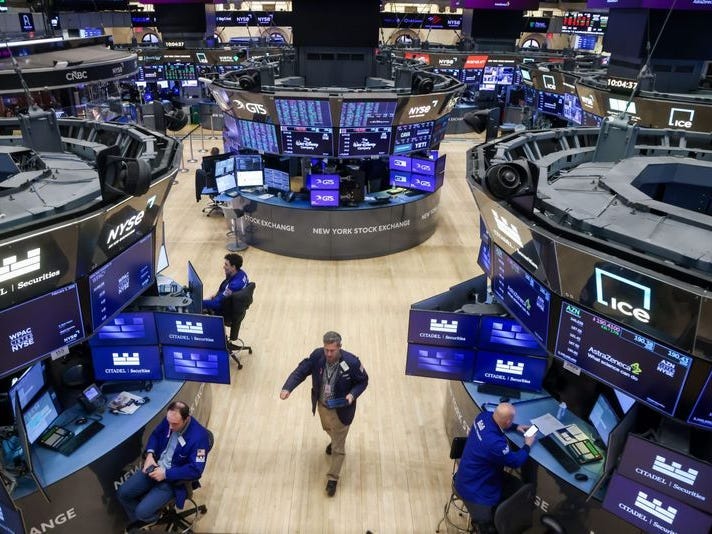
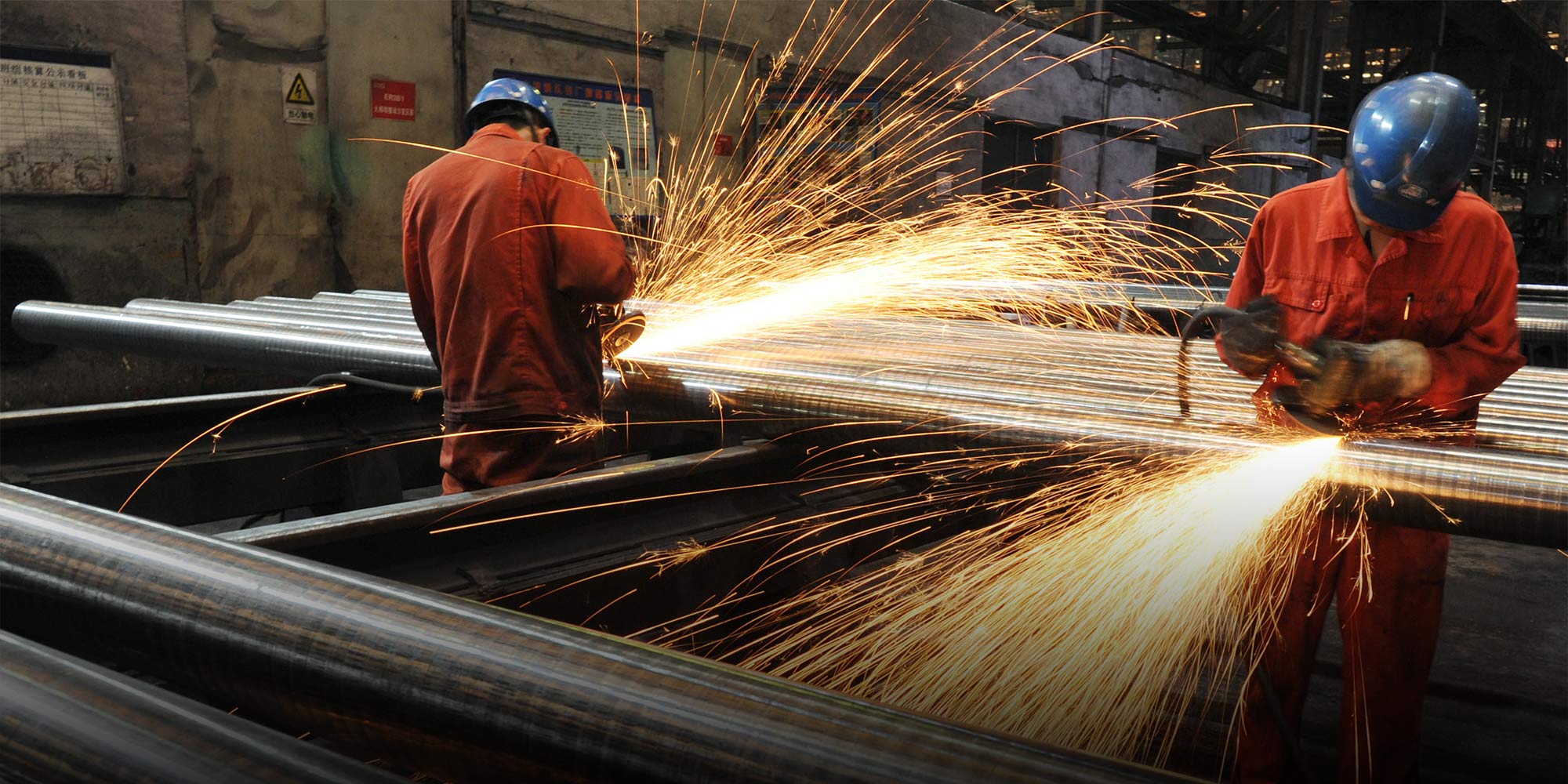
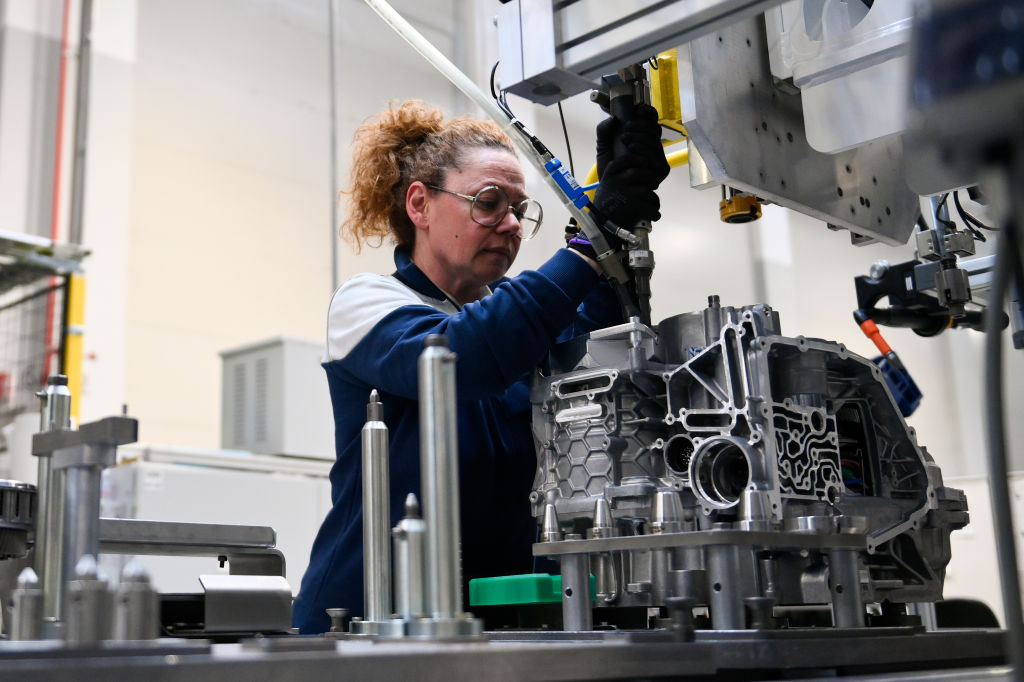
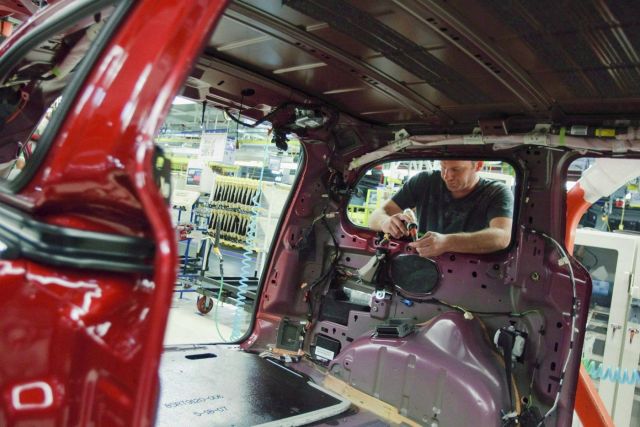
Despite this inflationary pressure, the global economy has remained resilient, largely due to strong AI-related investment. Businesses in the US and Japan, key players in the AI sector, have seen robust demand for semiconductors and data-center infrastructure, driving manufacturing growth. This surge in AI spending has boosted investor confidence, lifting equity markets and supporting consumer spending.
However, regional differences persist. While Europe’s manufacturing sector has shown temporary strength, its services sector remains weak, making the eurozone the only major economy to consistently underperform since the conflict began. If energy disruptions worsen, other regions could also face economic slowdowns.
The ongoing strength of AI investment depends on the duration of energy disruptions. While AI investment has helped offset some economic damage, its resilience is not unlimited; prolonged energy shortages could undermine growth, particularly in energy-importing economies like the eurozone, the UK and Japan. Meanwhile, net exporters like the US benefit from higher energy prices but may still face inflationary pressures and supply constraints. Ultimately, AI’s ability to sustain growth hinges on stable energy supplies.
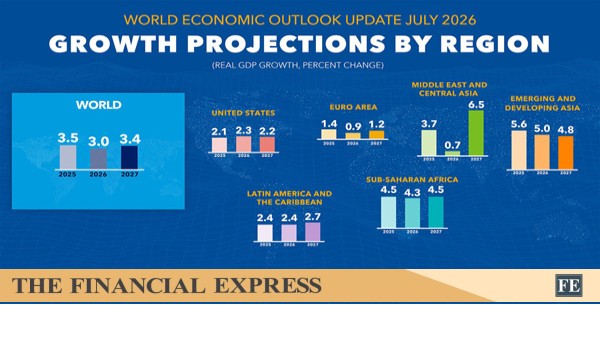
Global GDP growth in 2026 and 2027
Energy security key to long-term wellbeing
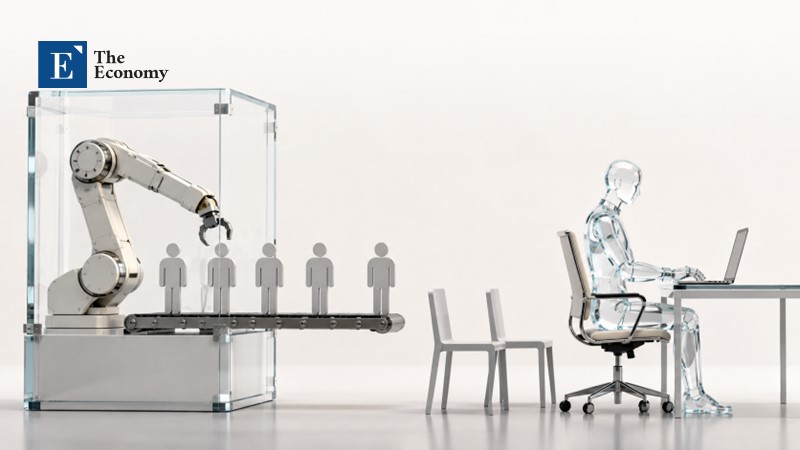
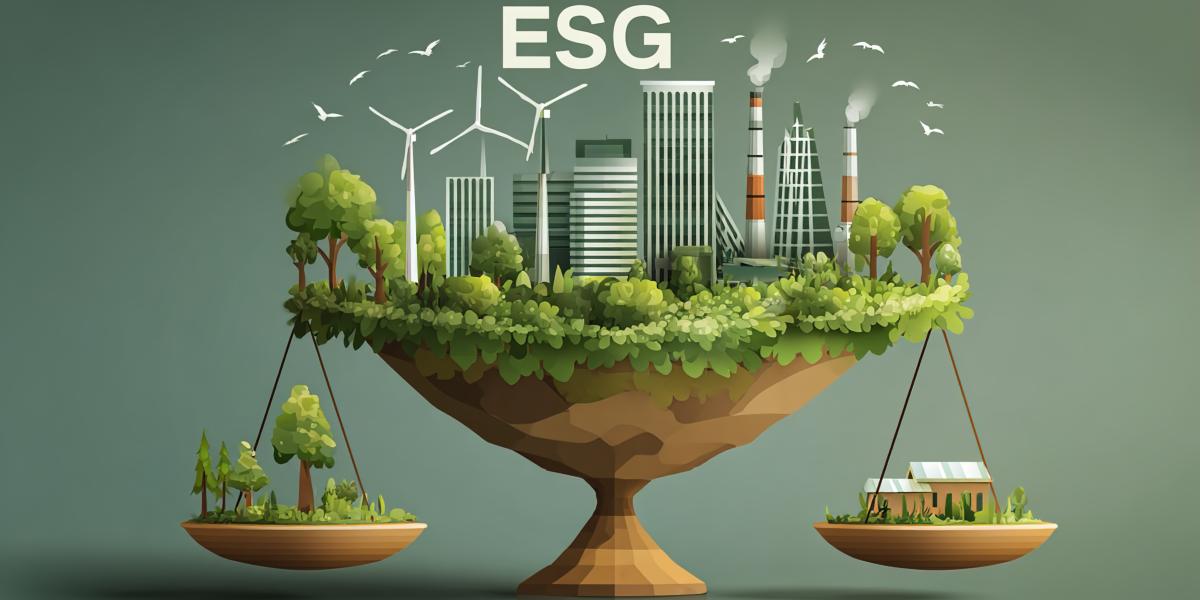
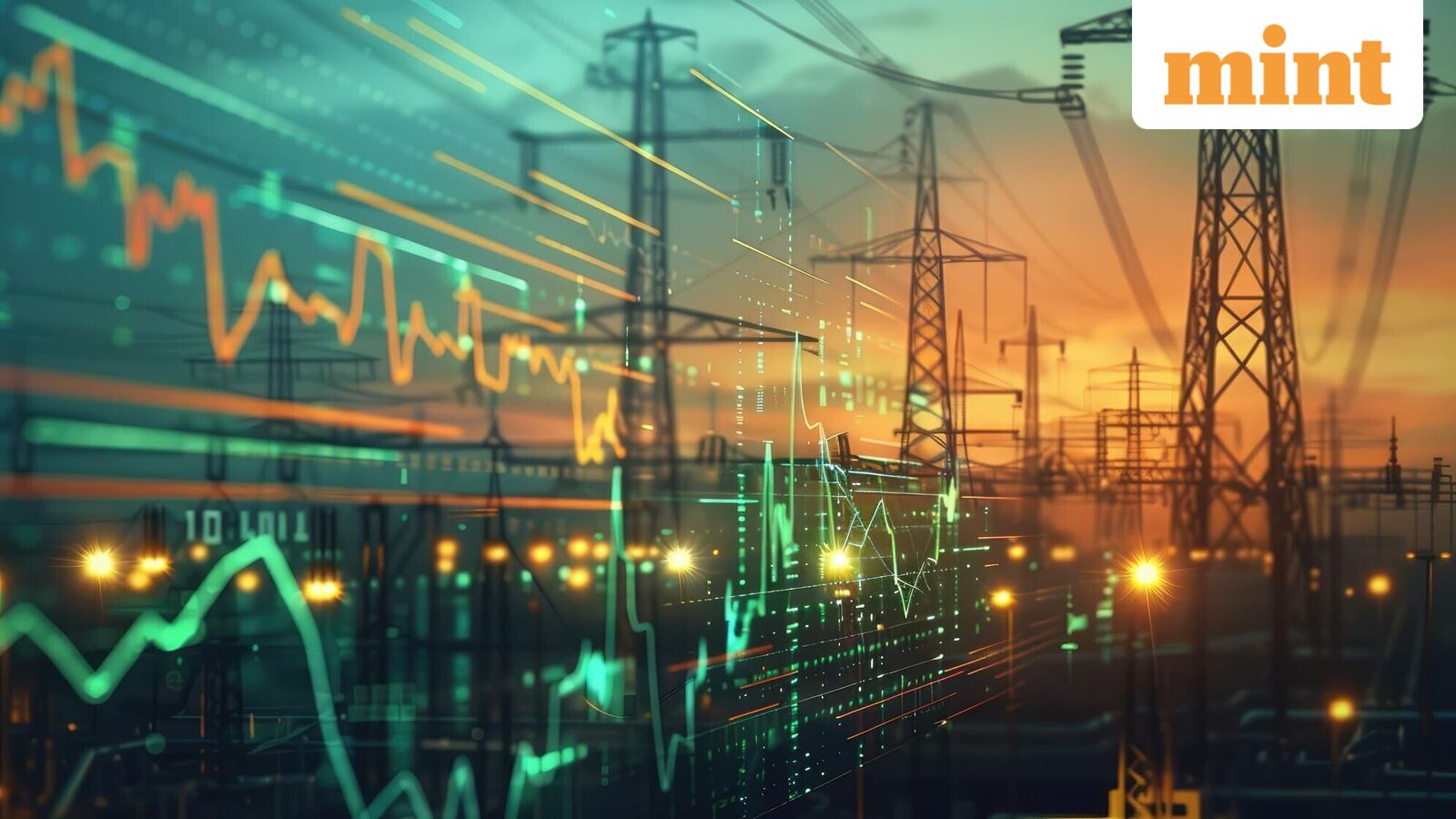
Strong investment in AI and related infrastructure, together with investor optimism about future productivity gains, has helped support economic activity and financial markets, cushioning the impact of the energy shock. Yet it remains uncertain whether AI will ultimately deliver the productivity gains currently embedded in market expectations. If not, the market bubble will burst, causing both a confidence shock and an abrupt halt to AI investment. But even if it does deliver, the technology is unlikely to reduce exposure to energy shocks. On the contrary, the rapid expansion of data centres and other AI-related infrastructure is expected to drive a substantial increase in electricity demand in the coming years, making access to reliable energy an increasingly important economic constraint.
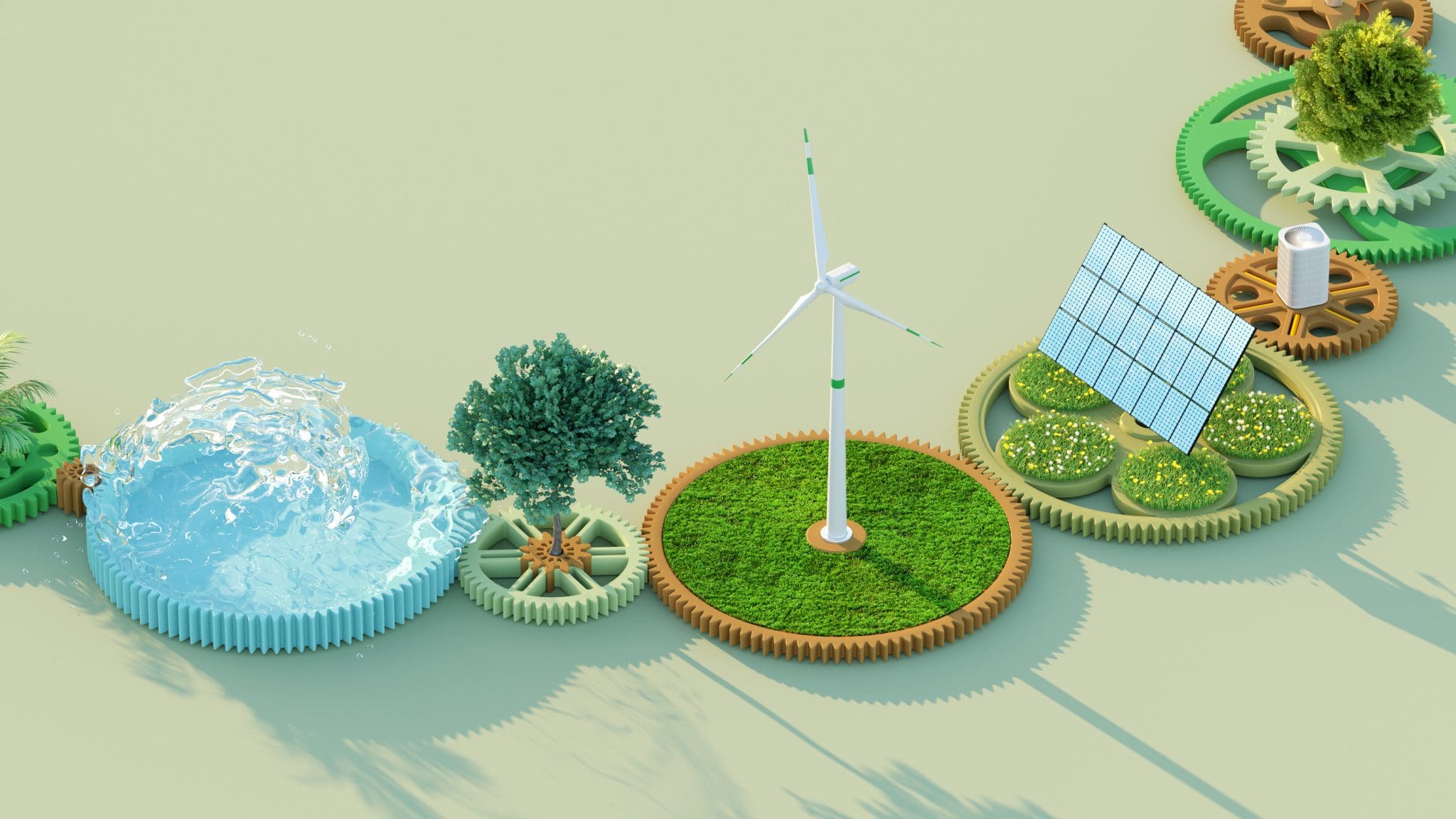
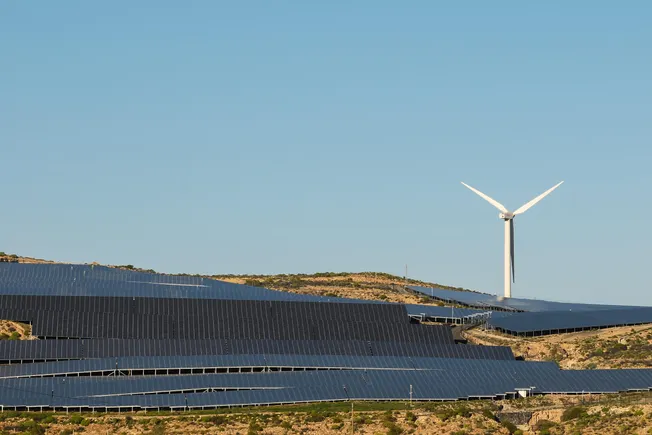
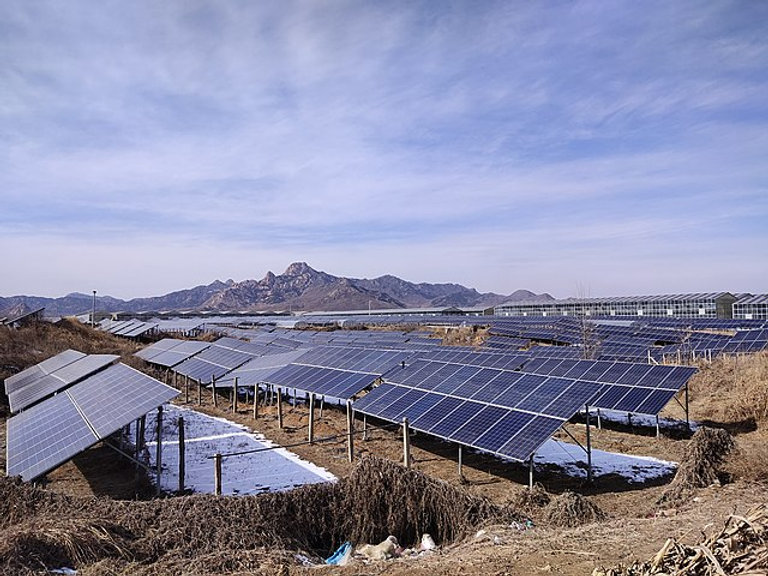
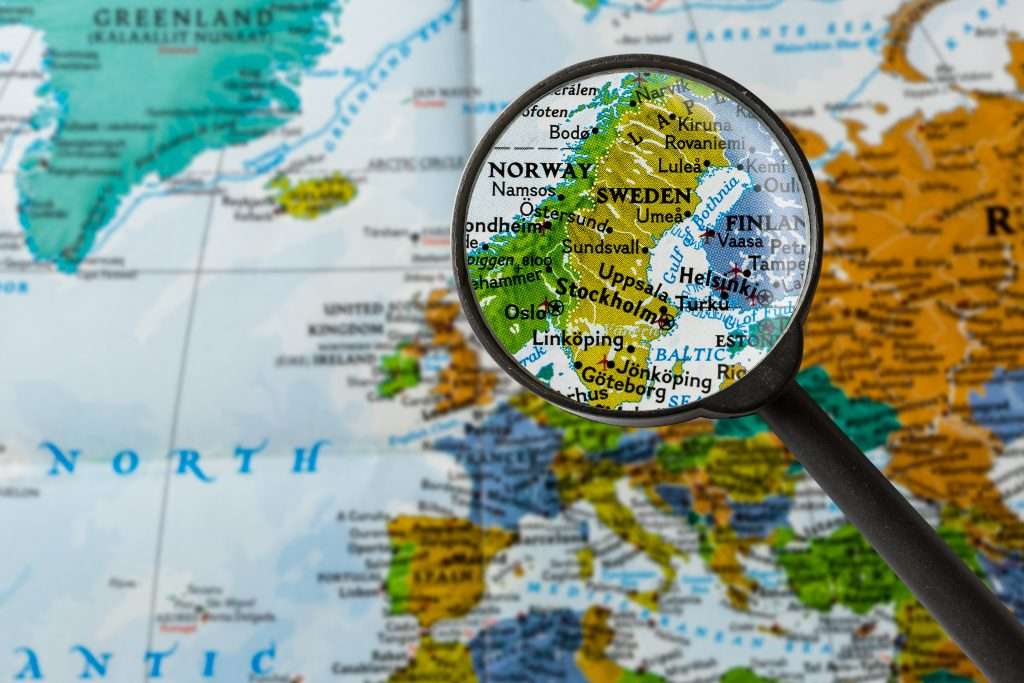
There is a lot of attention for the European position in the global AI race. However, the current crisis suggests that its central challenge is not so much how to rapidly expand AI capacity, but how to strengthen its energy resilience. Long-term wellbeing depends on the availability of secure, affordable and sustainable energy. This reinforces the case for accelerating the energy transition through greater investment in renewable energy, energy efficiency and electricity networks. Reducing energy demand, for example by phasing out low value added and energy intensive forms of production, could speed up the road to energy security. By reducing dependence on imported fossil fuels, Europe can strengthen its resilience to future geopolitical shocks while supporting a more sustainable and secure foundation for long-term prosperity.
Read the full mid-year Advanced Economies Outlook here.