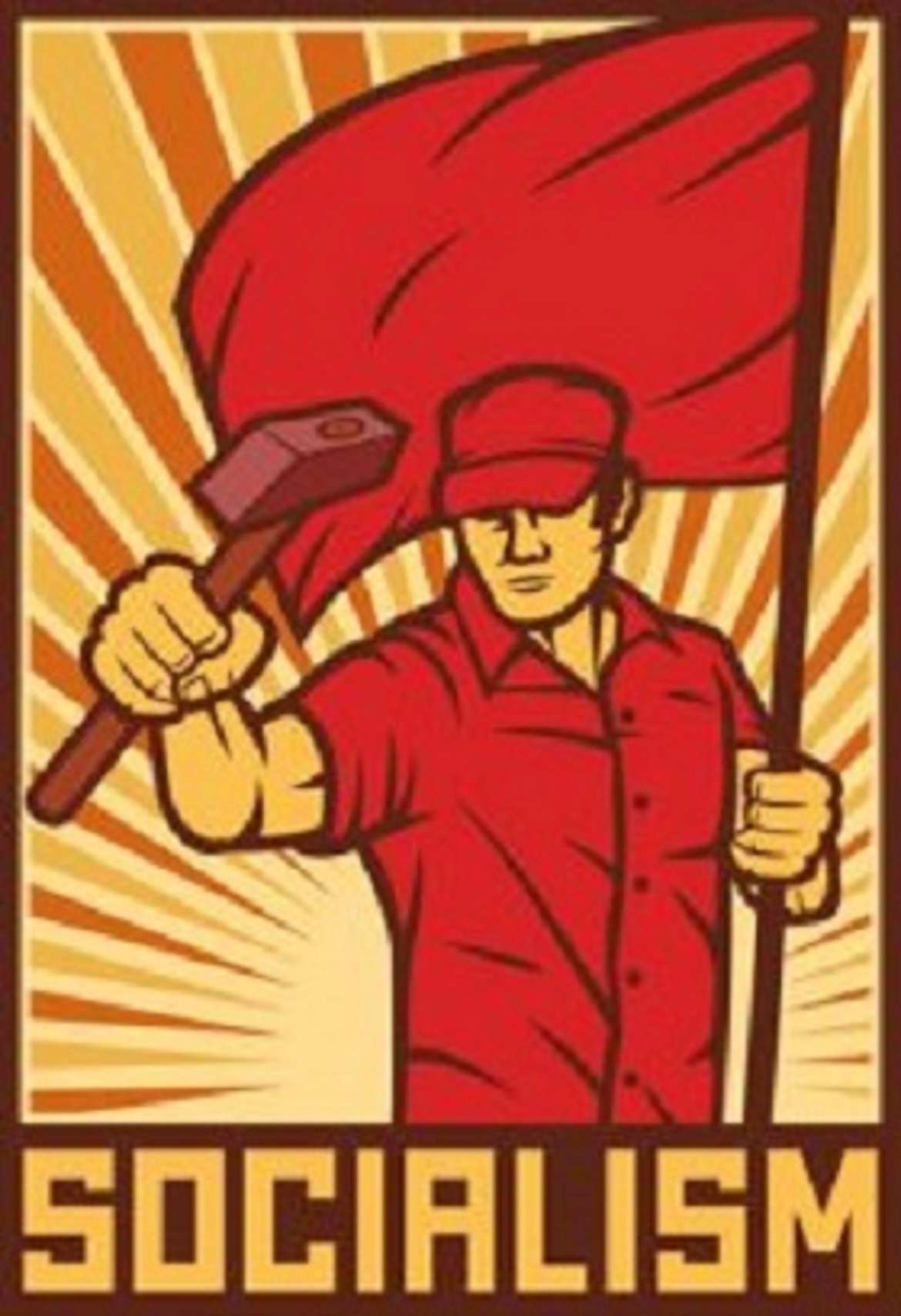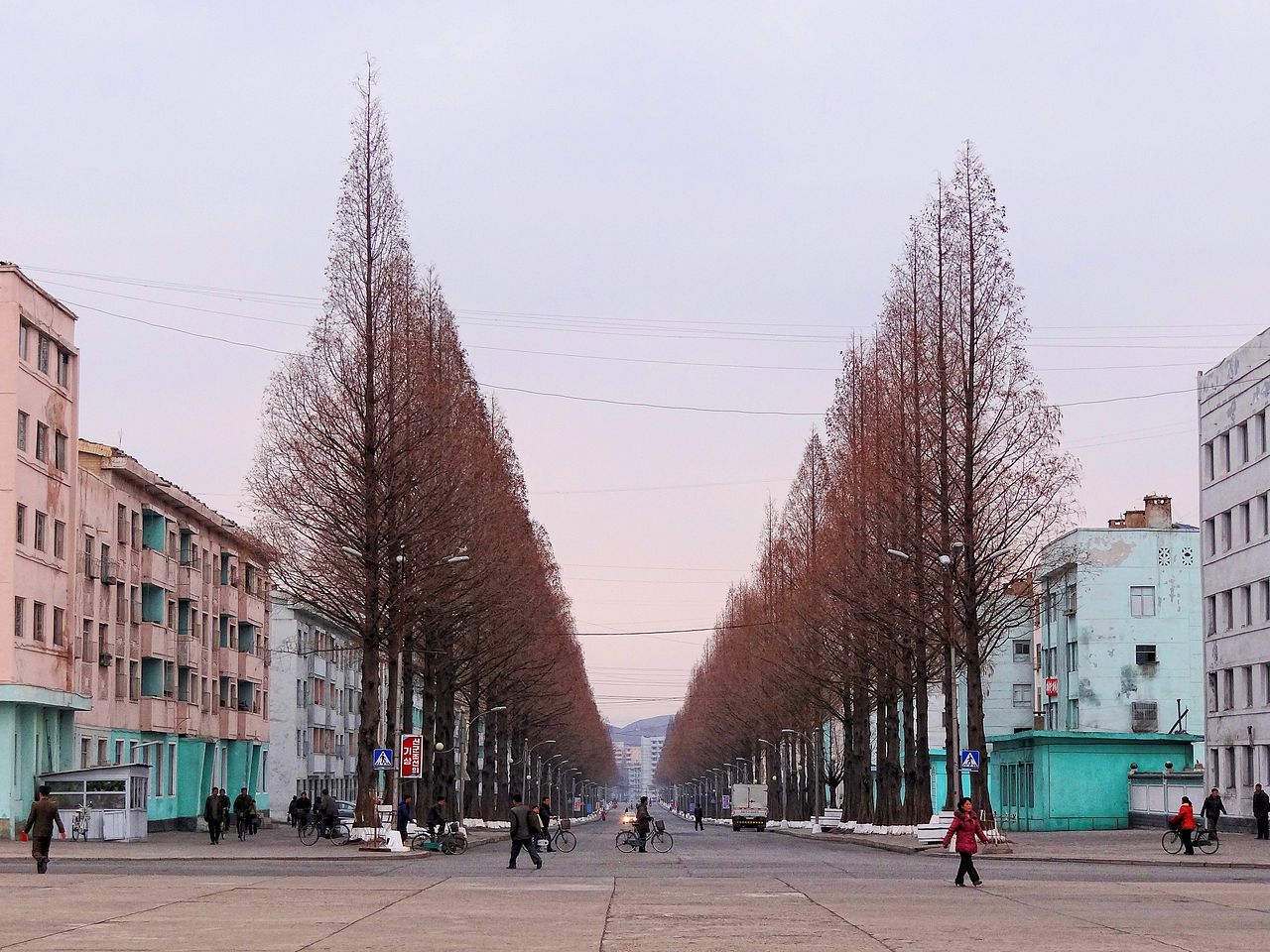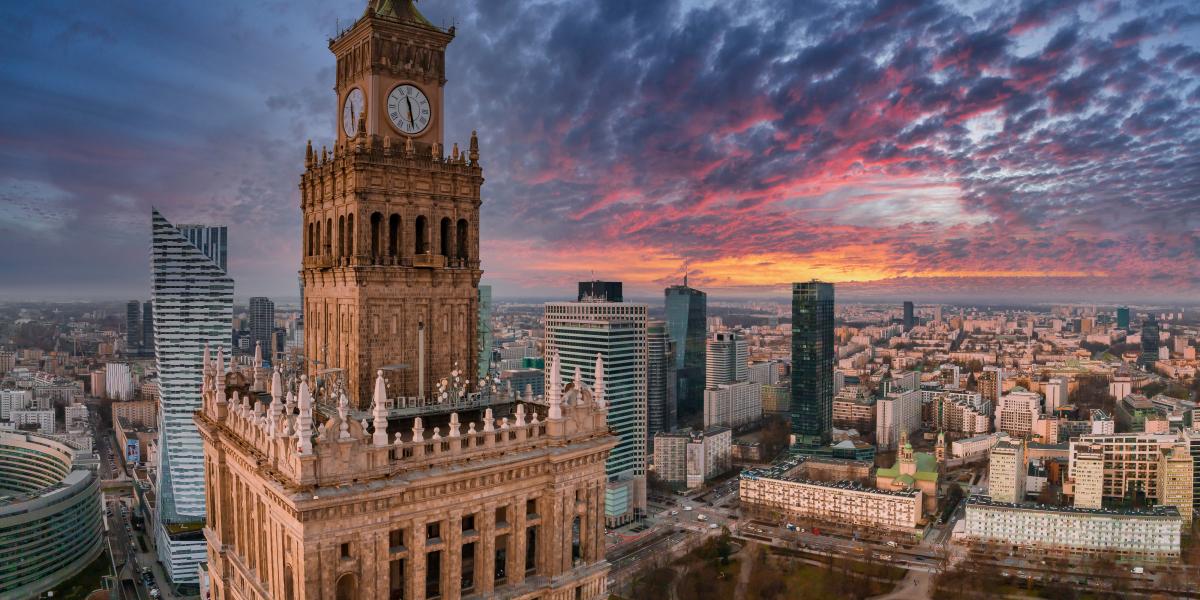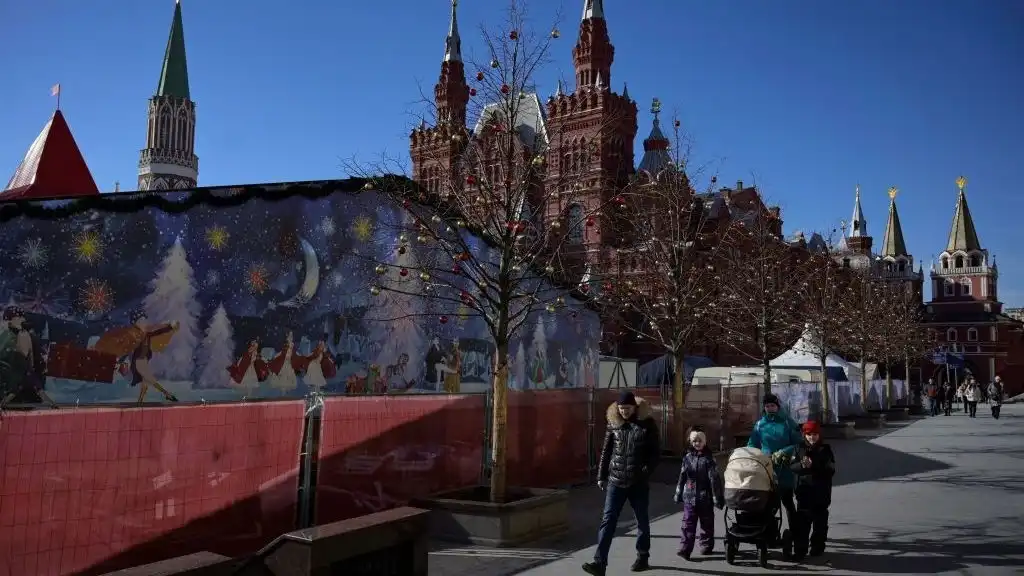
If you’re tired of pointing to the Soviet Union, North Korea, or Cuba as failed socialist experiments, might I recommend Poland as a new subject. The story of that country’s impoverishing socialist turn, followed by a transformation into a successful market-dominated mixed economy, is well told in The Road to Socialism and Back: An Economic History of Poland, 1939–2019 by Peter J. Boettke, Konstantin Zhukov, Matthew Mitchell, published last month by the Fraser Institute. As the authors write in the introduction:
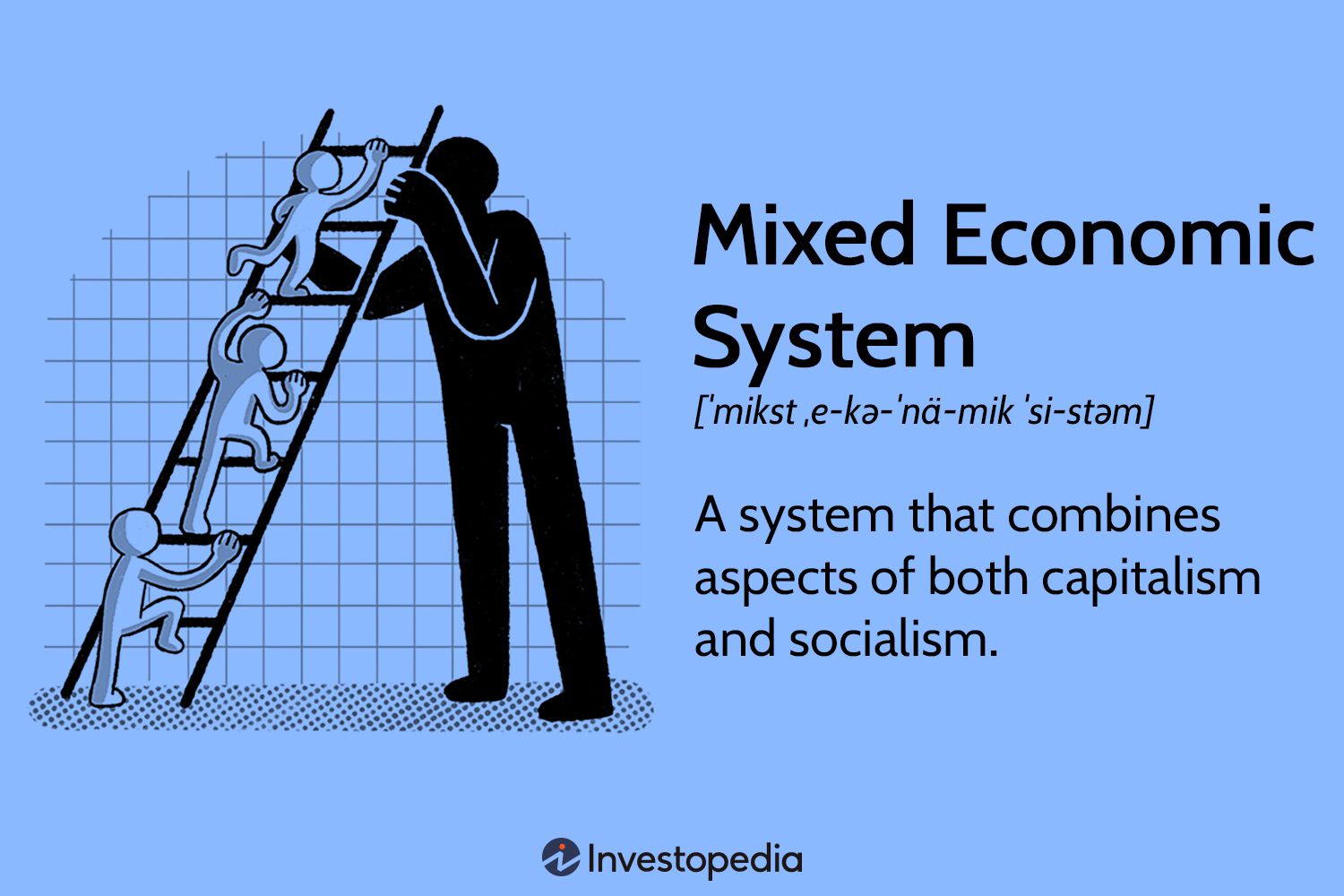
For four decades during the latter half of the 20th century, Poland and its people were the subjects of a grand socio-economic experiment. Under the watchful eye of its Soviet masters, the Polish United Workers’ Party transformed the mixed economy of this nation of 35 million into a centrally planned, socialist state (albeit one with an irrepressible black market). Then, in the closing decade of the 20th century, under the leadership of Polish minister of finance Leszek Balcerowicz, the nation was transformed back into a mixed economy. In this book, we document the results of this experiment. We show that there was a wide chasm between the lofty goals of socialist ideology and the realities of socialism as the Polish people experienced them. We also show that while the transition back from a socialist to a mixed economy was not without its own pain, it did unleash the extraordinary productive power of the Polish people, allowing their standard of living to rise at more than twice the rate of growth that prevailed during the socialist era. The experiences of the Poles, like those of so many behind the Iron Curtain, demonstrate the value of economic freedom, the immiserating consequences of its denial, and the often painful process of regaining lost freedoms.

But in addition to the story of Poland, The Road to Socialism and Back includes a wonderful explanation and critique of socialism that provides context throughout the book. It really serves as a sort of mini-course on socialism.
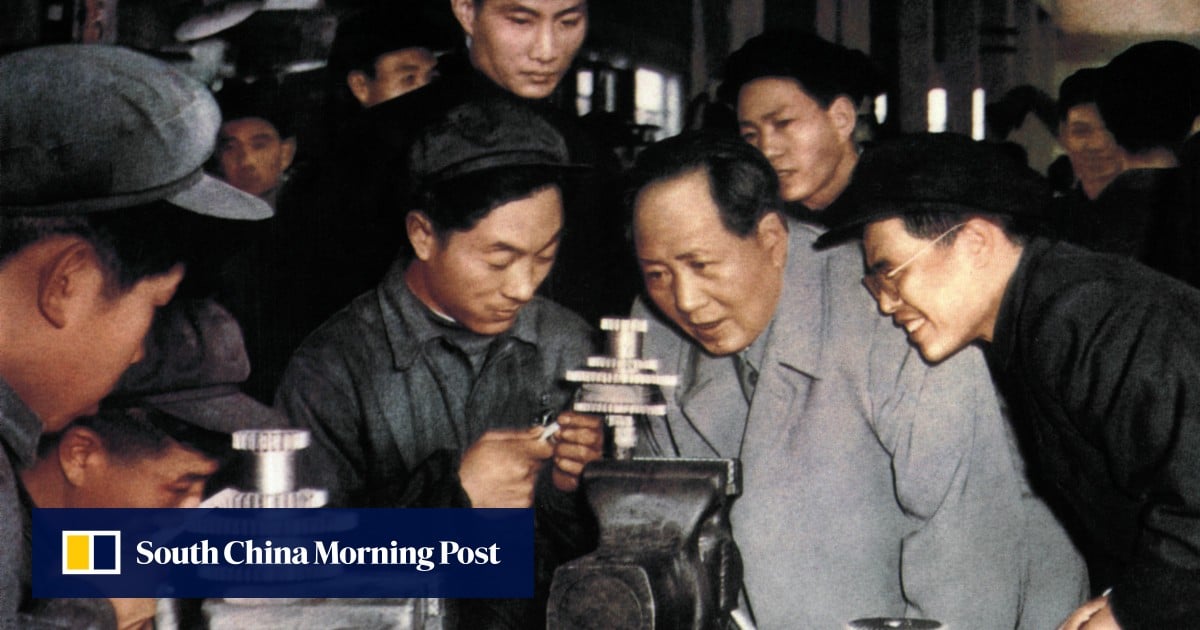
For example: Socialism aims for state control and ownership over production. But three major hurdles obstruct socialism’s path to triumph:
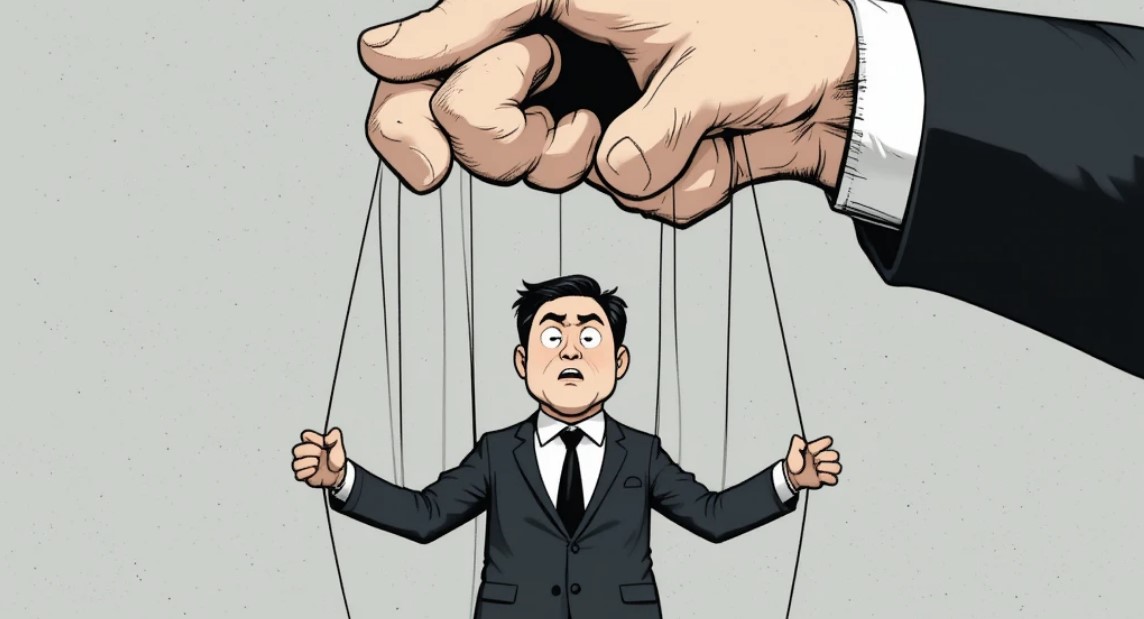
Control Dilemma. Socialism requires extensive central planning that overrides individual choices. This opens the door to potential abuse of power eroding personal freedoms. Socialist regimes try to mold the “New Socialist Man” and “New Socialist Woman,” loyal followers of the cause.
Knowledge Deficit. Economic wisdom is dispersed. Central planners lack full access to information needed for efficient resource allocation. This knowledge shortage causes inefficient decisions, undermining the system.
Bad Incentives. Decision-makers lack drive to prioritize society’s interests. Leaders focus on short-term gains. Privileged bureaucrats choose personal benefits over the public good.
Bottom Line: The culmination of these inefficiencies, misallocated resources, and erosion of ideals spells disaster. Ultimately this perfect storm brings economic decline, social inequality, and the death of socialism’s grand vision. Again, from the book:
The sad irony is that the society of a socialist state bears a striking resemblance to Marx’s indictment of capitalism. Though he thought it was capable of “massive” and “colossal productive forces” Marx believed that capitalism would ultimately lead to stagnation, inequity, materialist obsession, worker alienation, environmental degradation, political suppression, crisis, and revolt. As we will show, this is exactly what materialized in socialist Poland.
Also check out a great, information-packed website on the book.
[related-items item=”” title=”Learn more:”]