By Mikhail Flores and Nestor Corrales
MANILA, Aug 7 (Reuters) – The Philippine economy grew at its weakest annual pace since 2021 in the second quarter due to a slump in construction and softer domestic demand, but the government said there were some signs that activity may improve in the second half of the year.
Growth slowed to 2.3% in the June quarter, the statistics agency said, below the 2.8% median forecast in a Reuters poll and weaker than the previous quarter’s 2.8% expansion.
Growth in the first six months of the year was 2.6%, well below the bottom of the government’s 3.5%-4.5% full-year target.
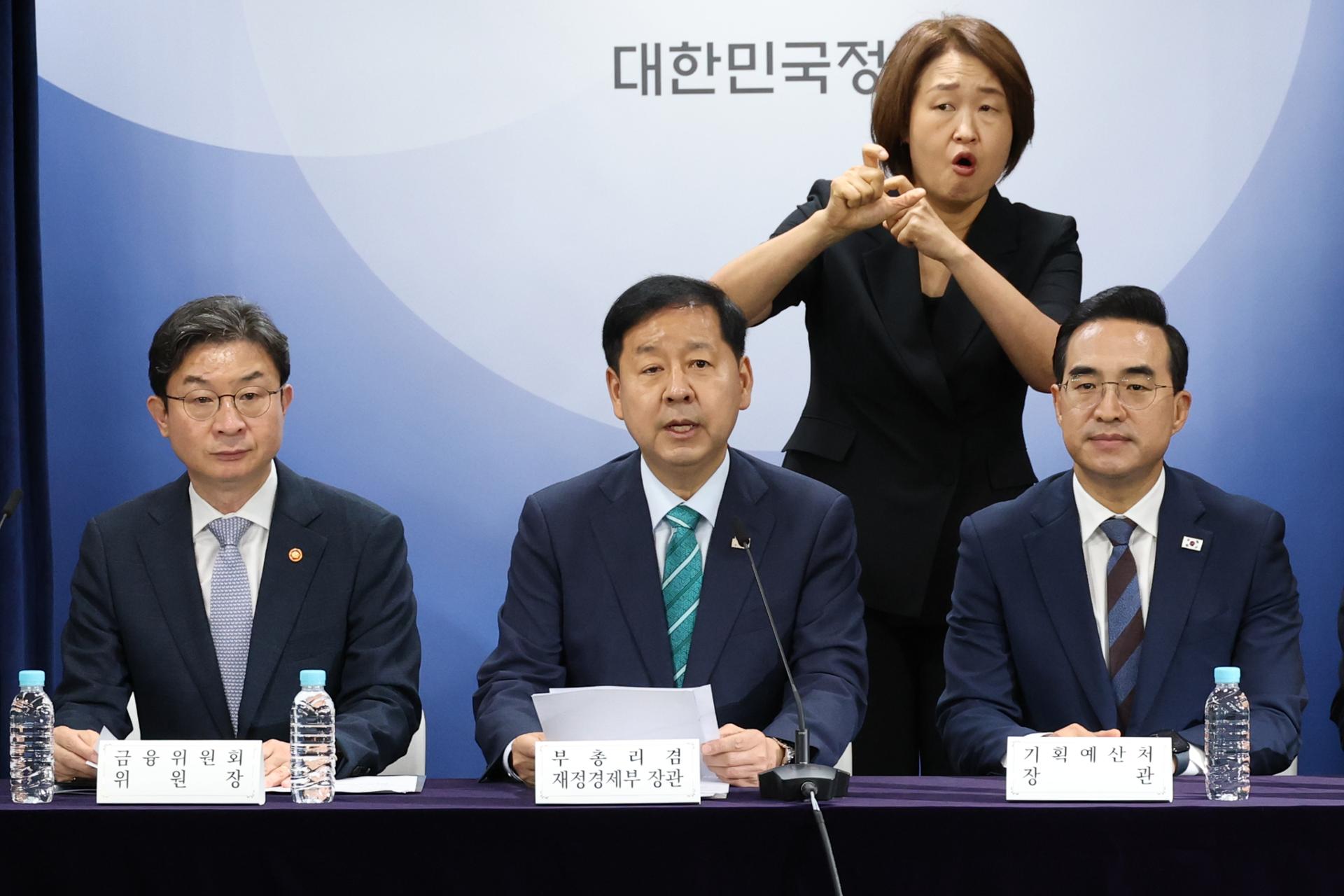
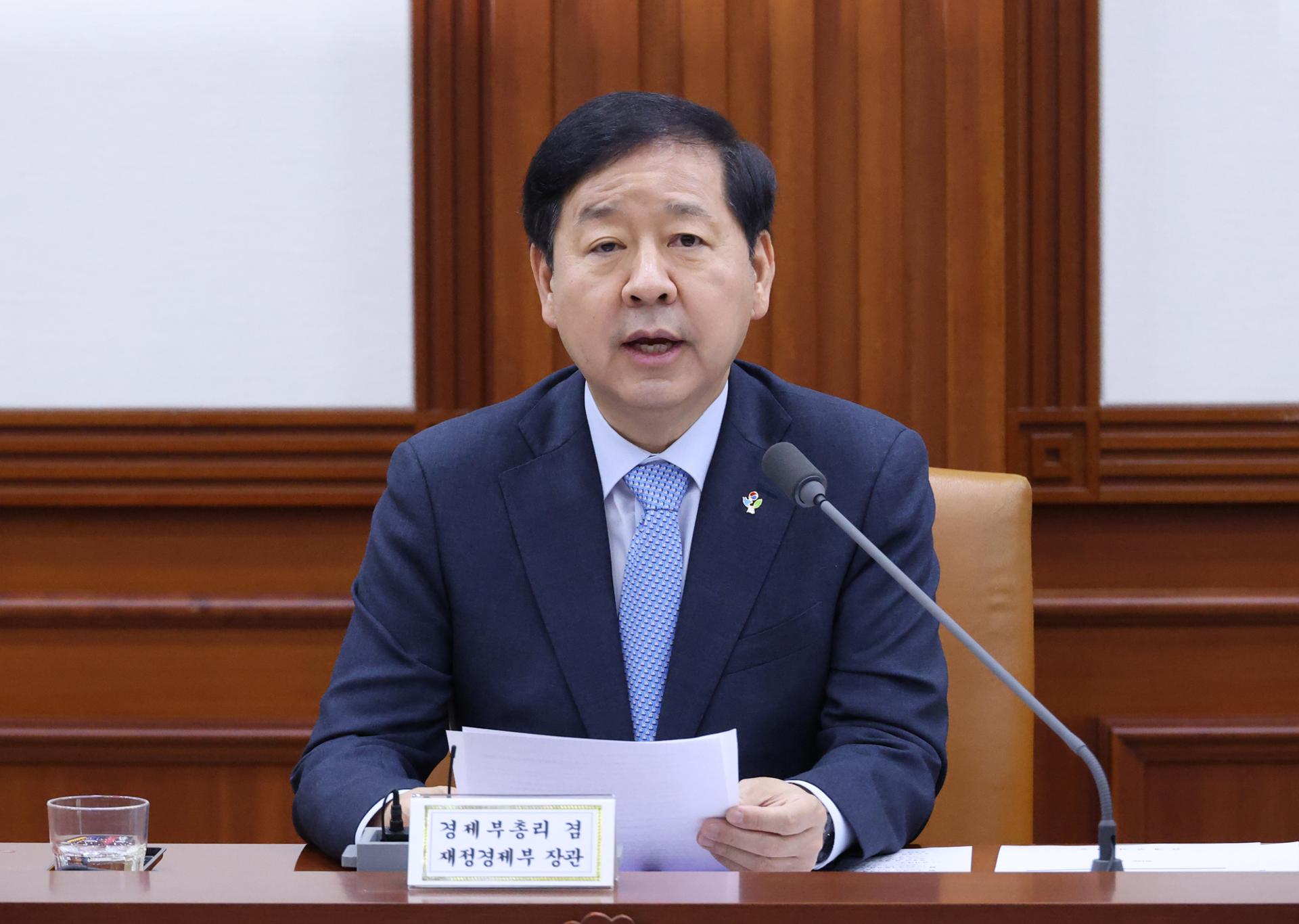
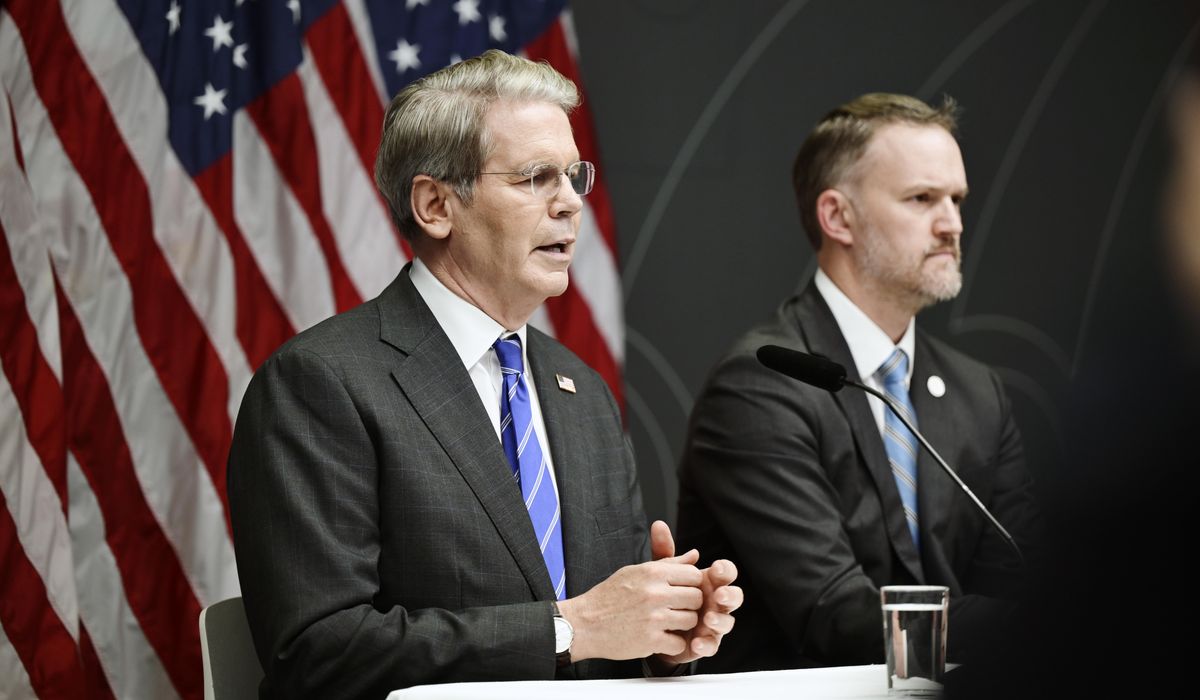
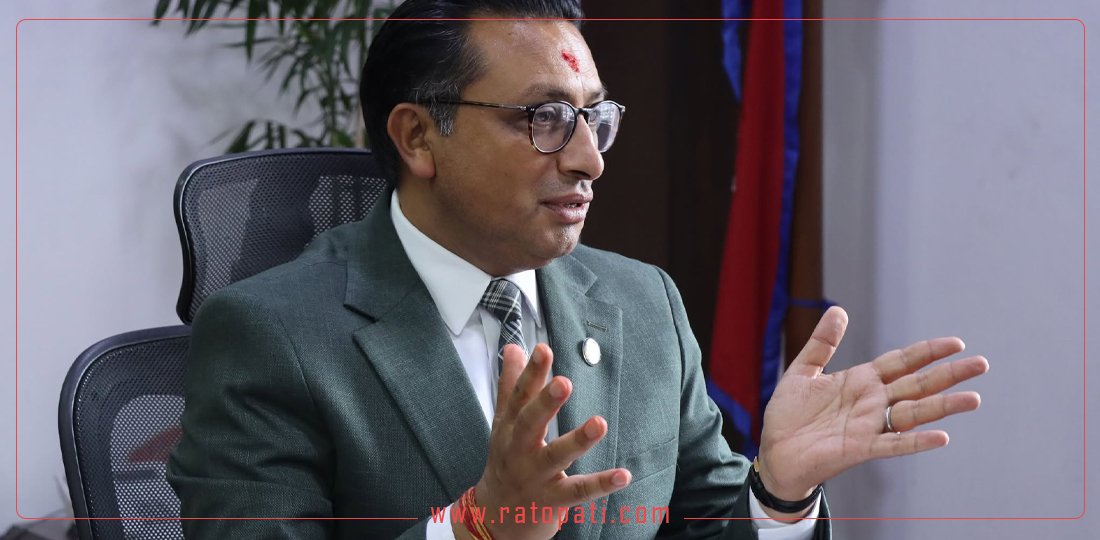
“While the second-quarter result calls for decisive actions, recent indicators give us reason for cautious optimism that the economy may already be entering the early stages of recovery,” Economic Planning Secretary Arsenio Balisacan told a media briefing.
The government is expecting infrastructure spending to pick up in the current quarter as work begins on recently approved projects, he said, adding that surveys point to improving business confidence and production conditions.
Balisacan blamed the slowdown on a corruption scandal that broke last year involving flood-control projects, saying it had curtailed public spending and dented investor sentiment, particularly around infrastructure projects.
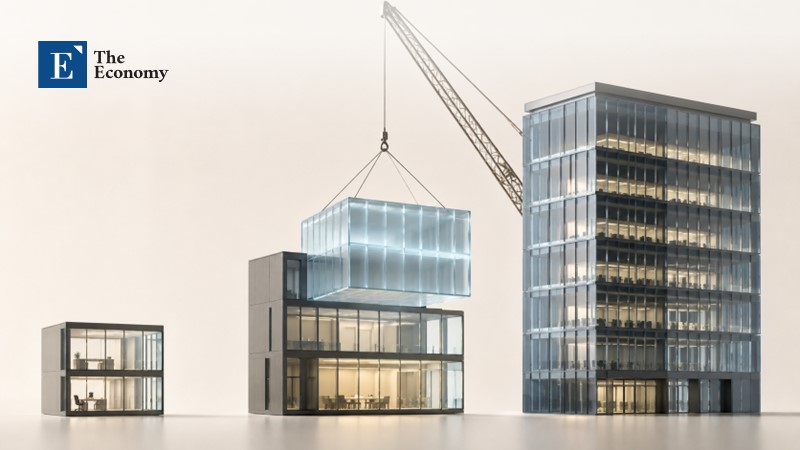
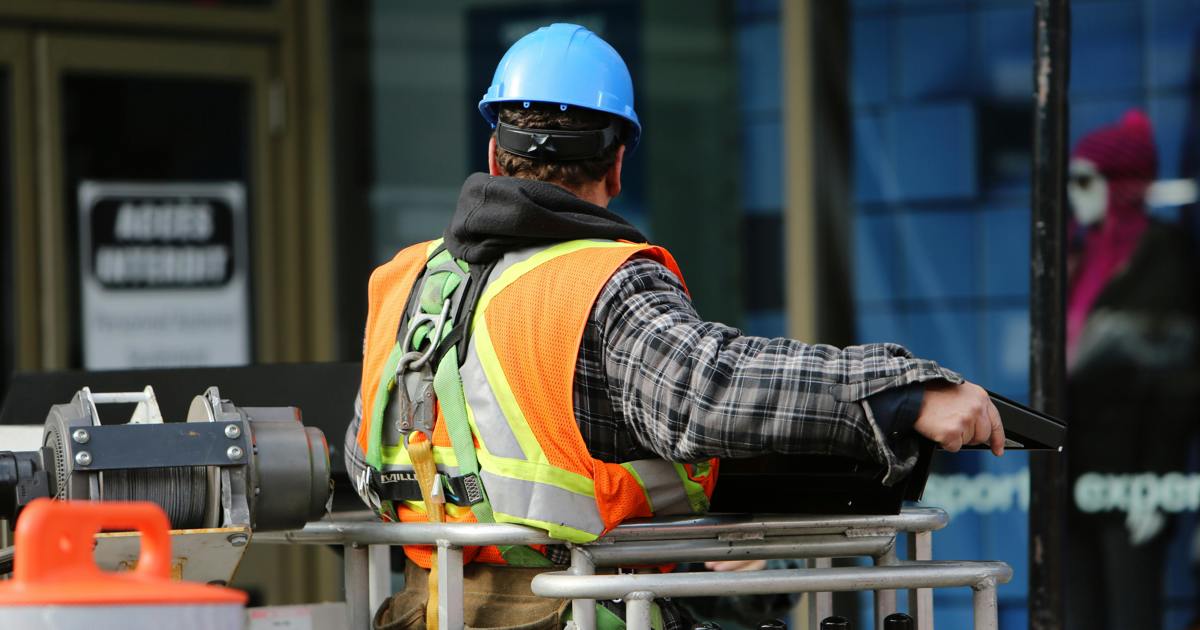
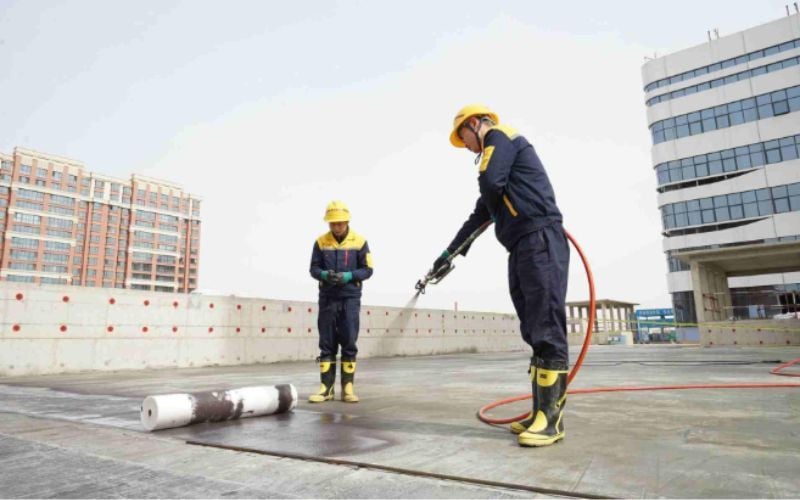
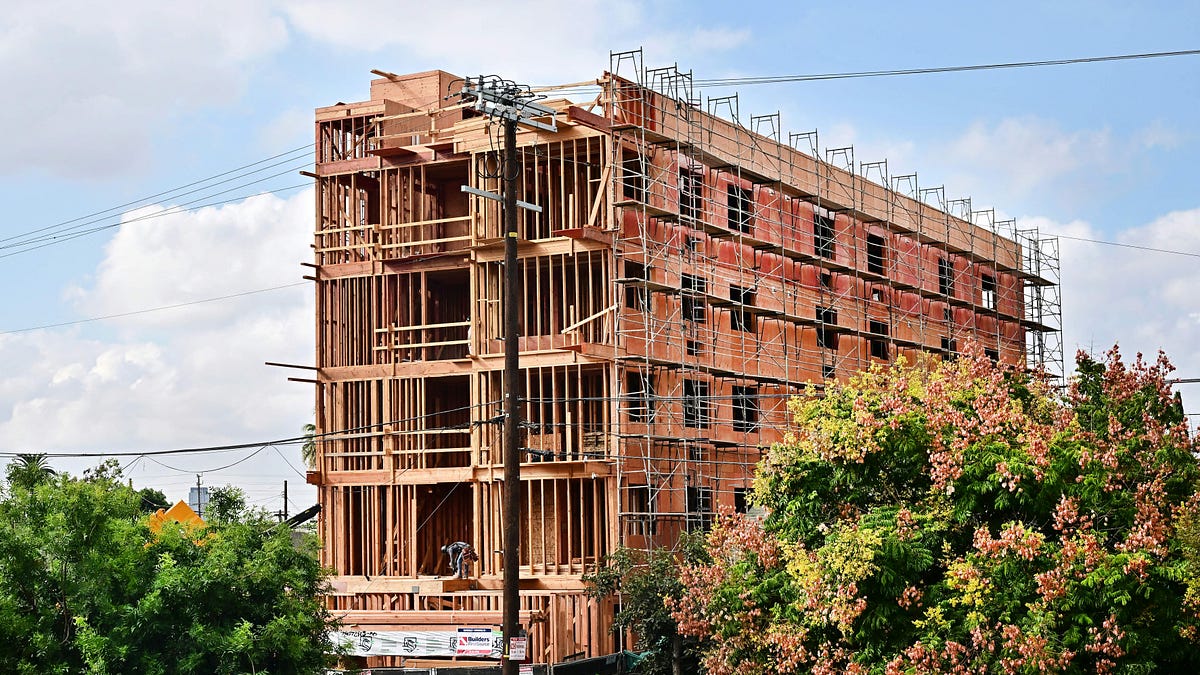
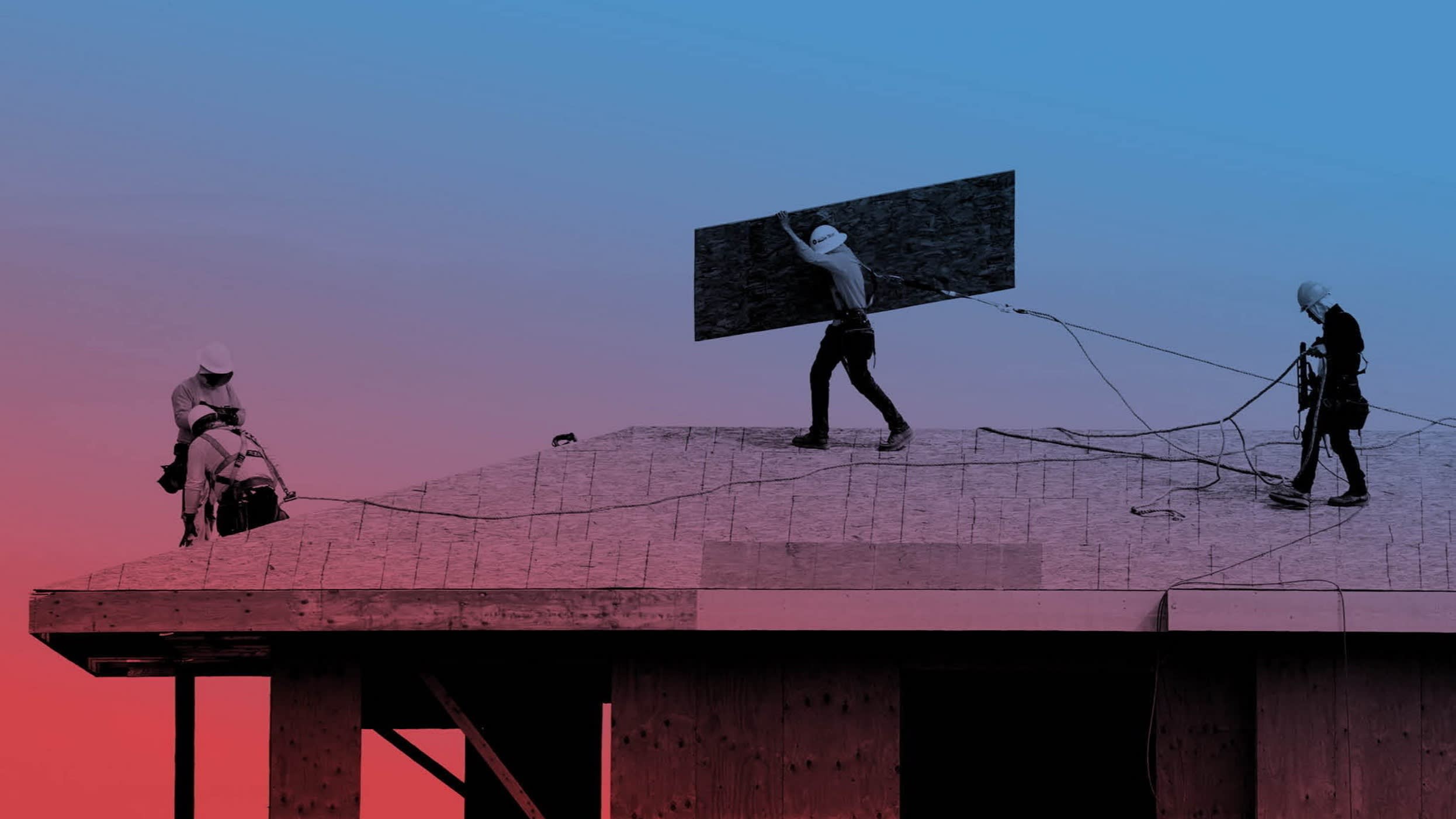
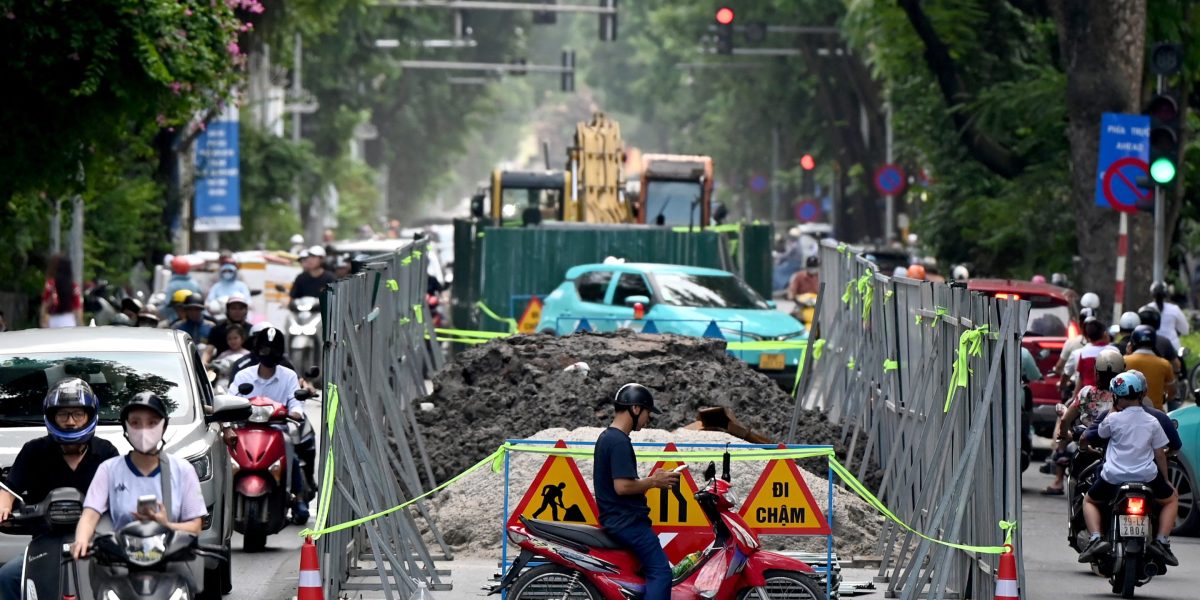
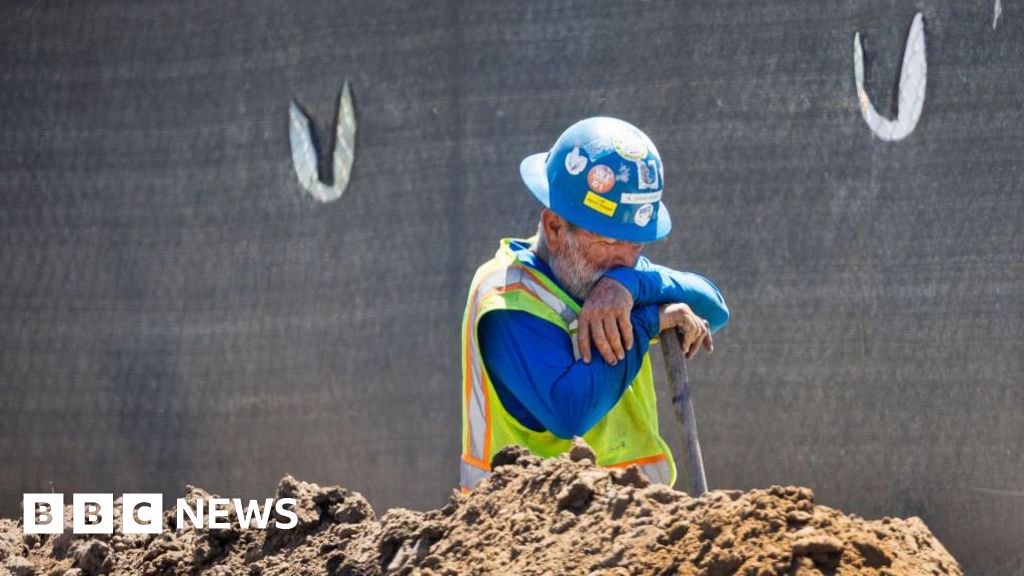
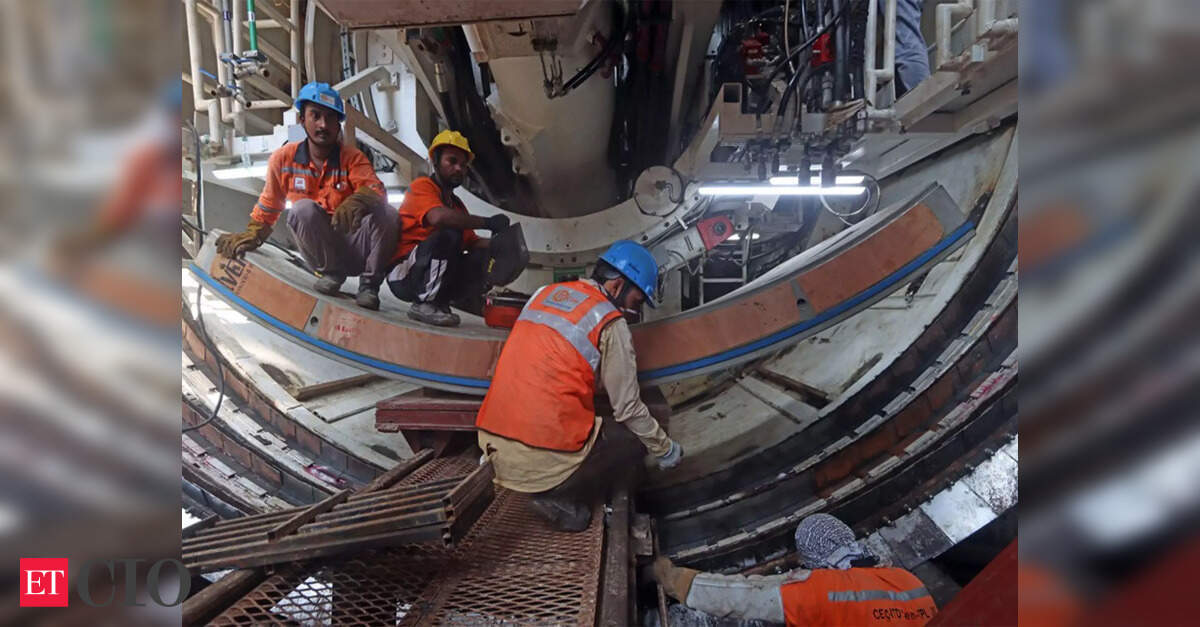
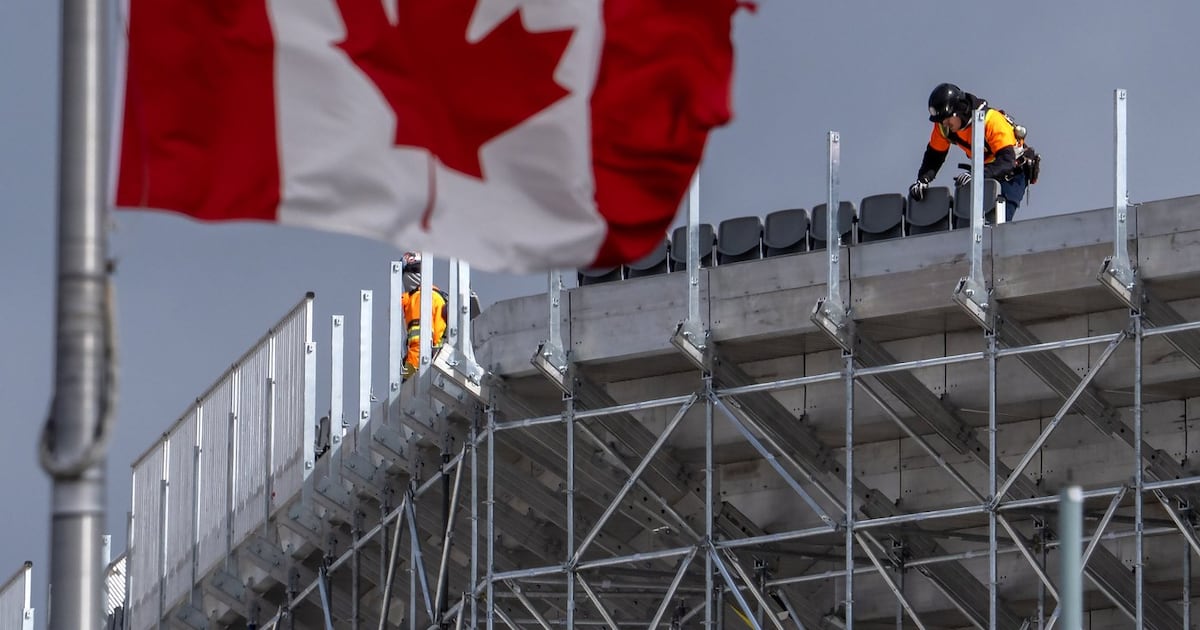
Construction contracted 14.8% in the second quarter from a year earlier, worsening from a 4.3% decline in the first quarter and weighing on investment, which shrank 9.2%, to mark a fourth straight quarter of contraction.
Growth in household spending, which accounts for more than two-thirds of economic activity, softened further to 2.8% in the second quarter from 3.0% in the first quarter as elevated inflation eroded purchasing power.
Inflation averaged 5.0% over the first seven months of 2026, above the government’s 3.0% target.
The weaker-than-expected growth data will be considered at the central bank’s next policy review on August 27, as it balances the need to support the economy against high inflation.
The central bank has raised its policy rate by 25 basis points at each of its past two reviews to try to cap inflation.
In June, the government cut its forecast for growth this year to 3.5% to 4.5% due to the Middle East crisis and the impact of the corruption scandal. The budget planning committee has set a GDP growth target of 5% to 6% for 2027 to 2030.
(Reporting by Mikhail Flores and Nestor Corrales; Editing by John Mair)