
(Edited and refined by Candice Chan, with the assistance of AI translation.)
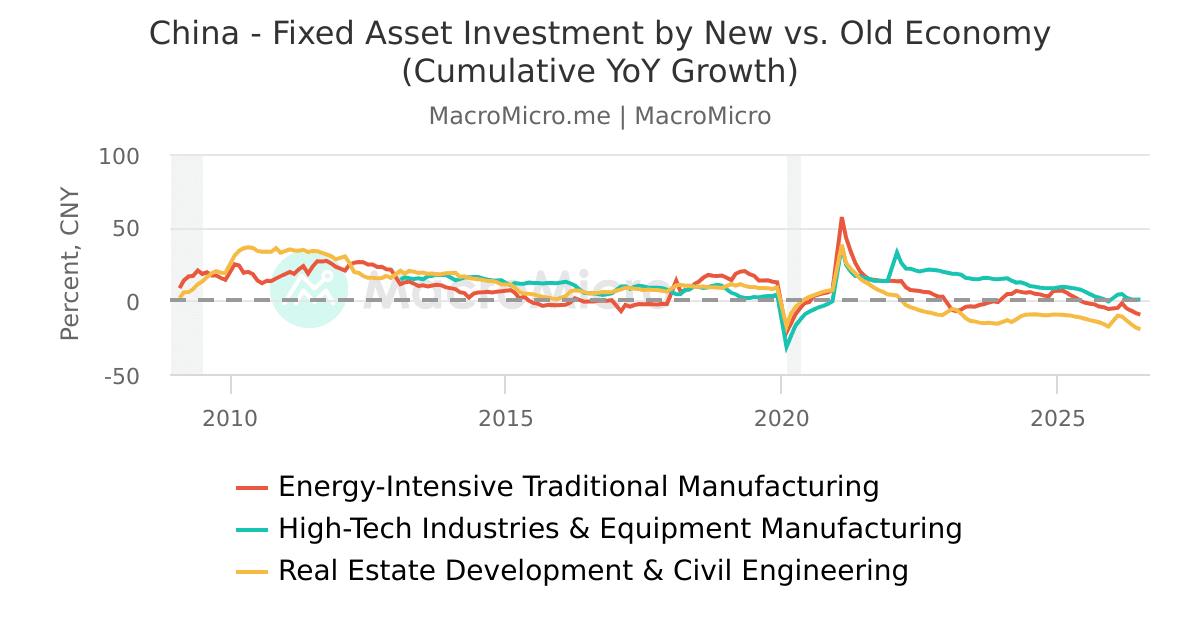
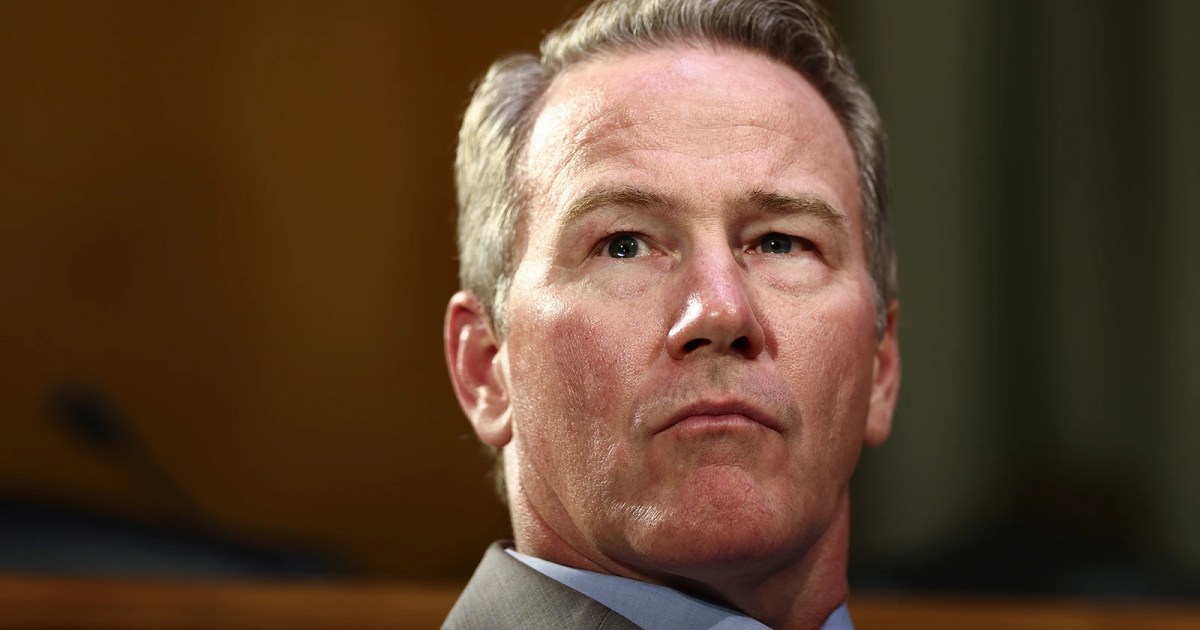
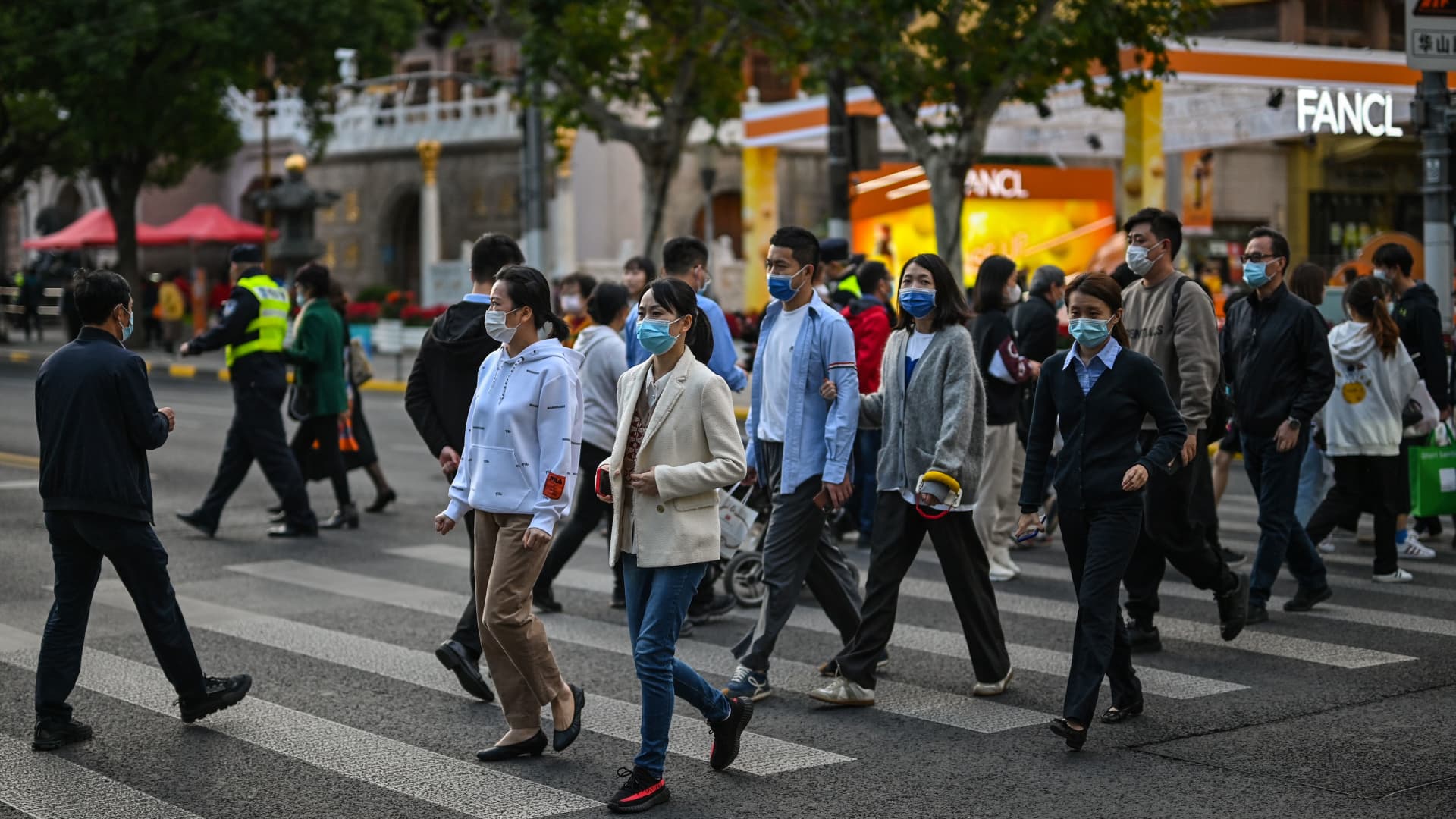
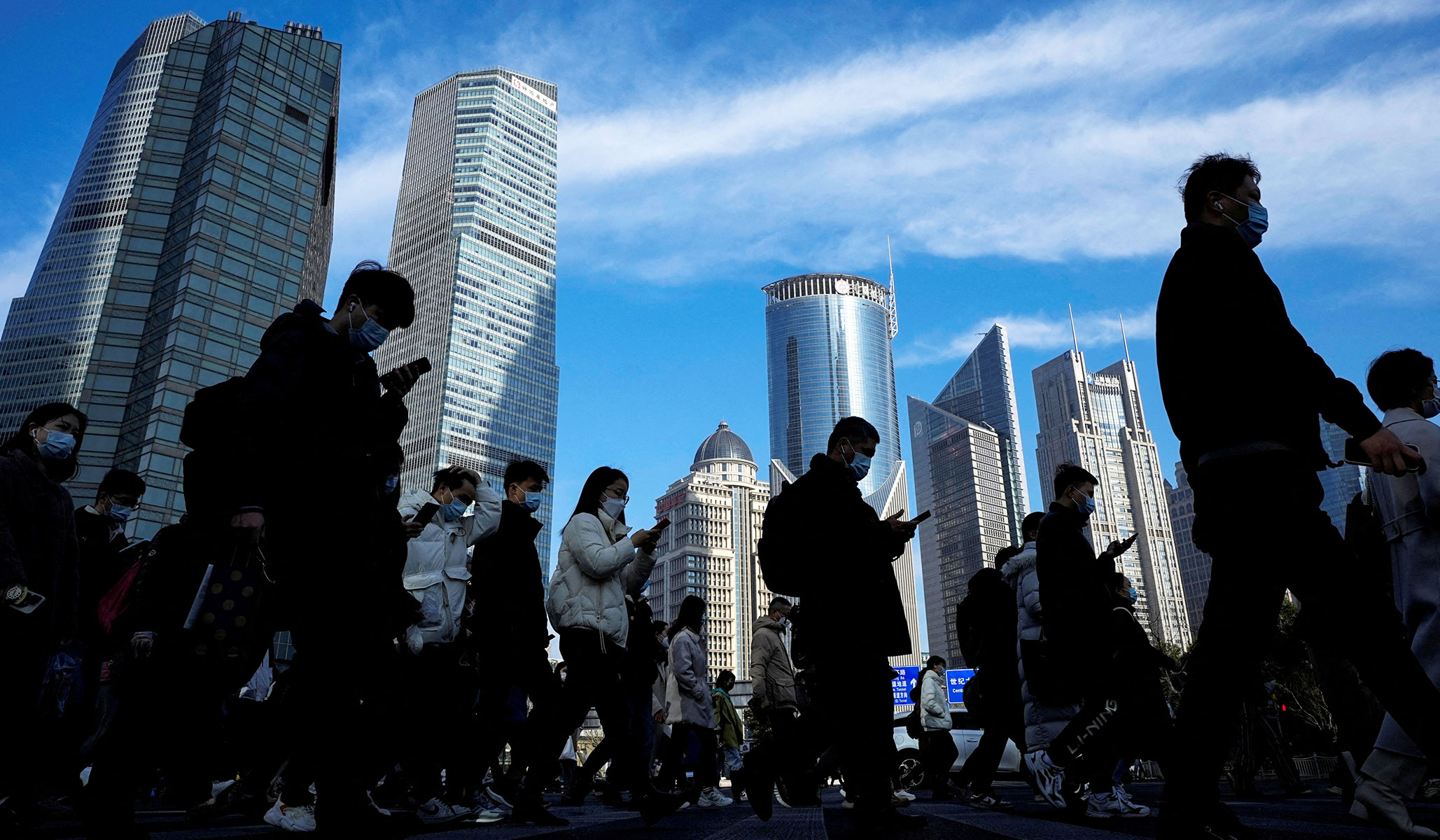
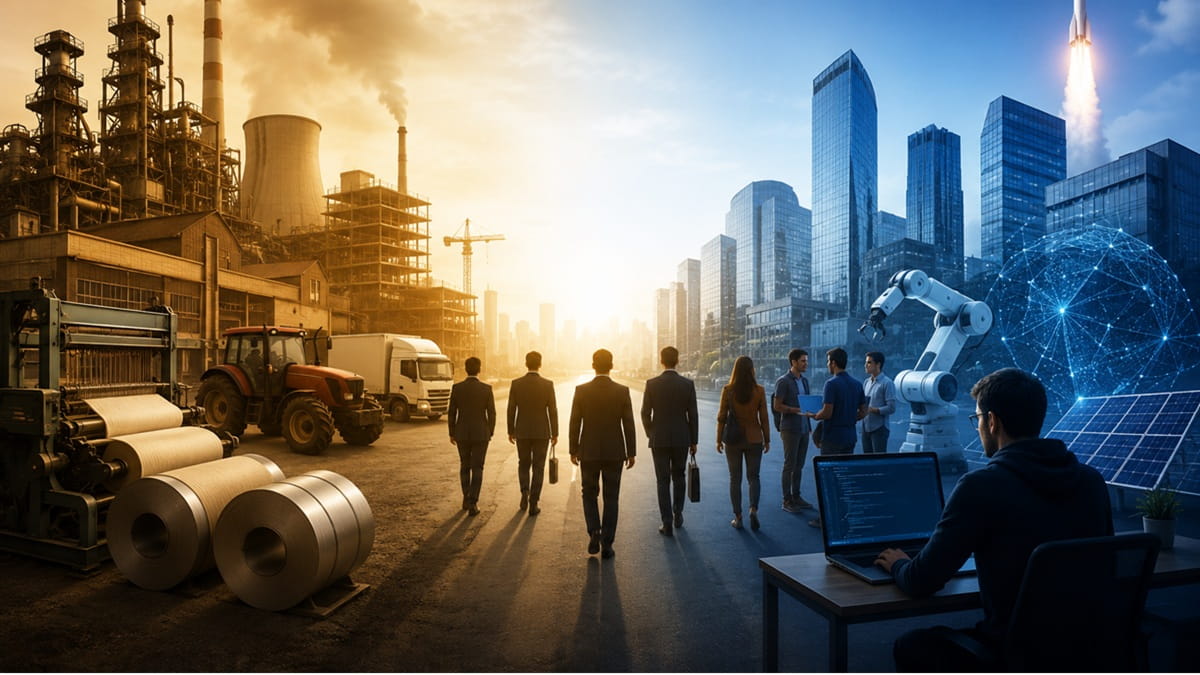
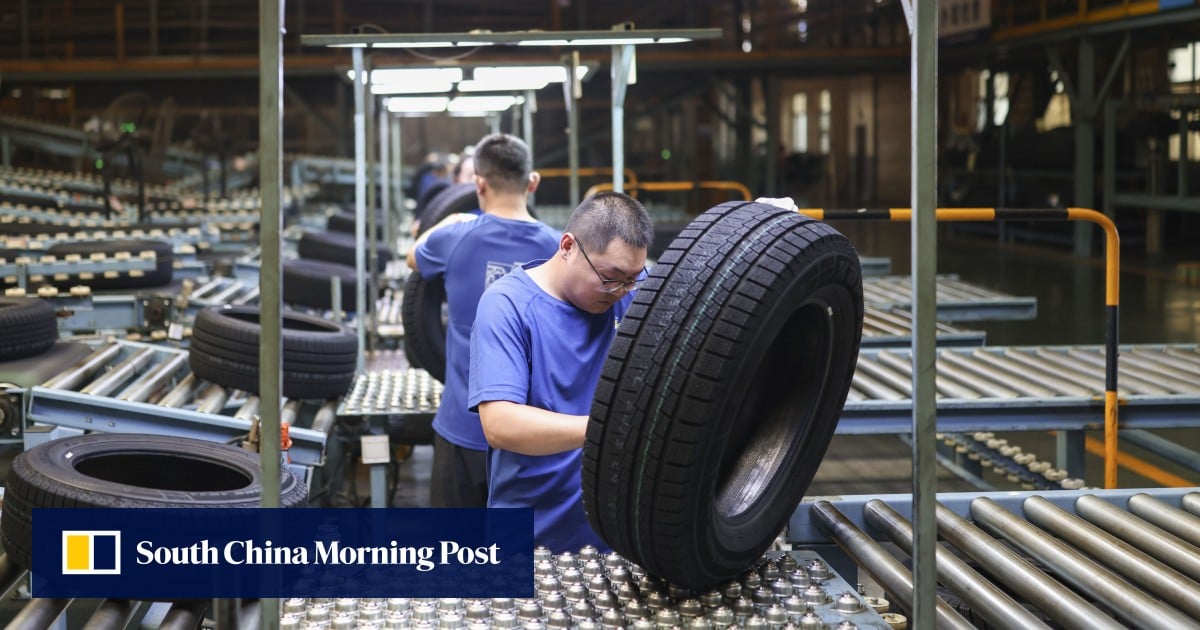
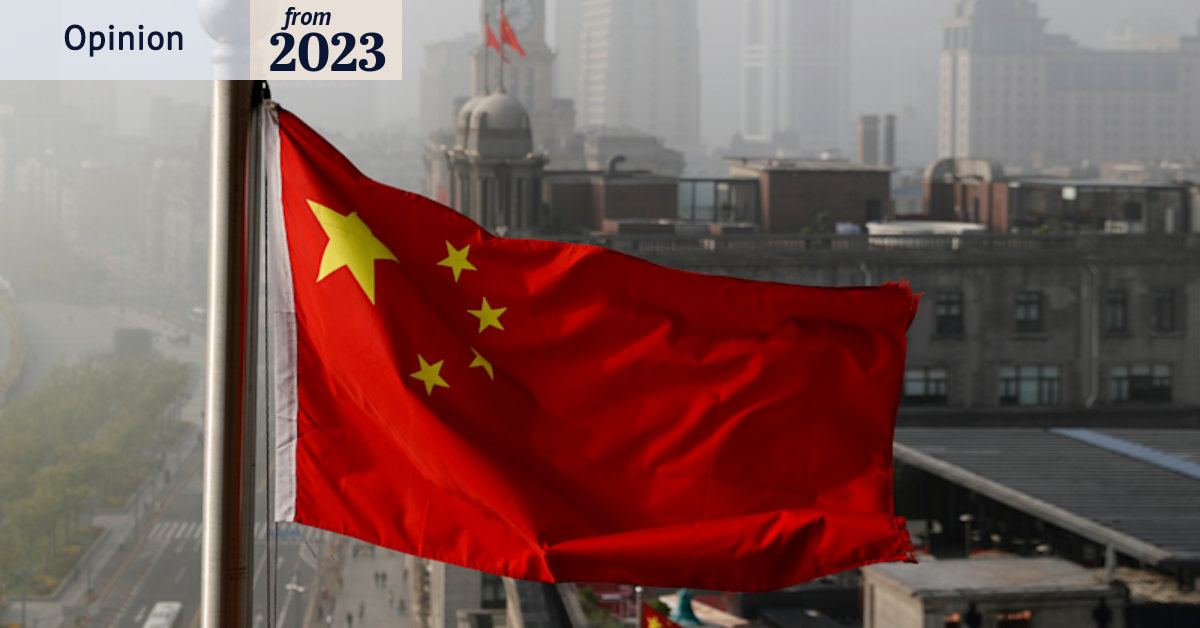
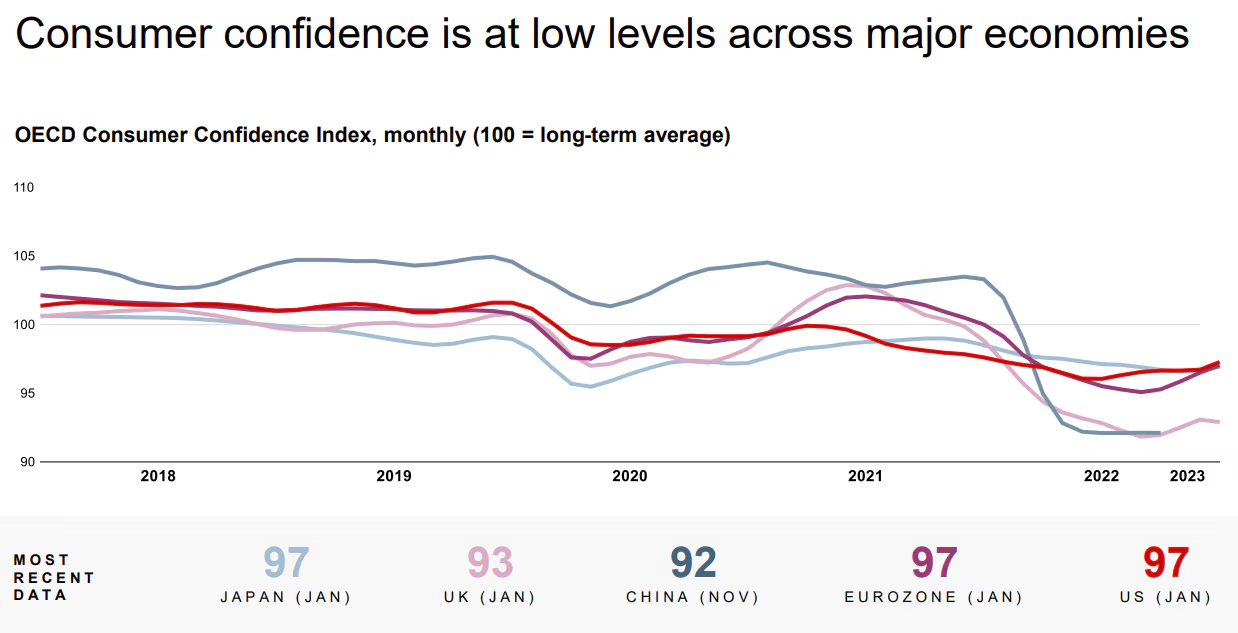
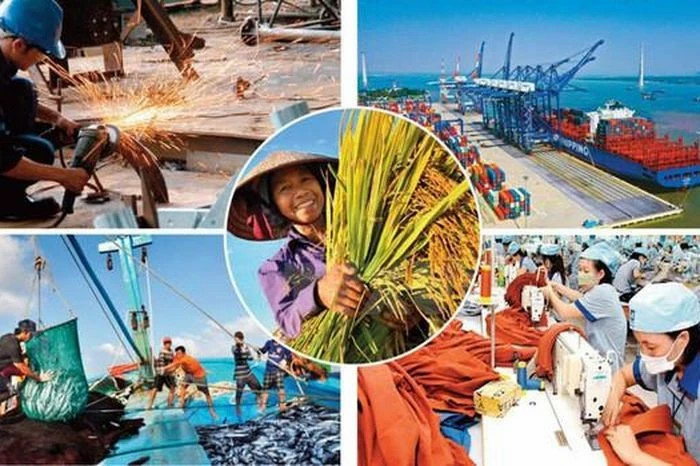
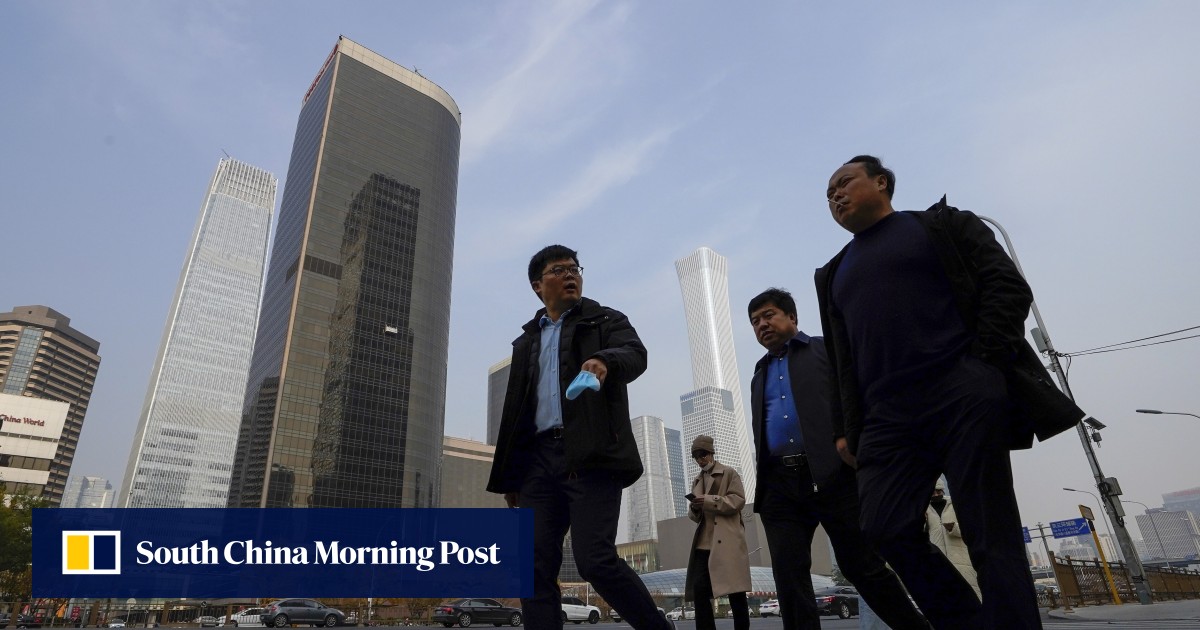
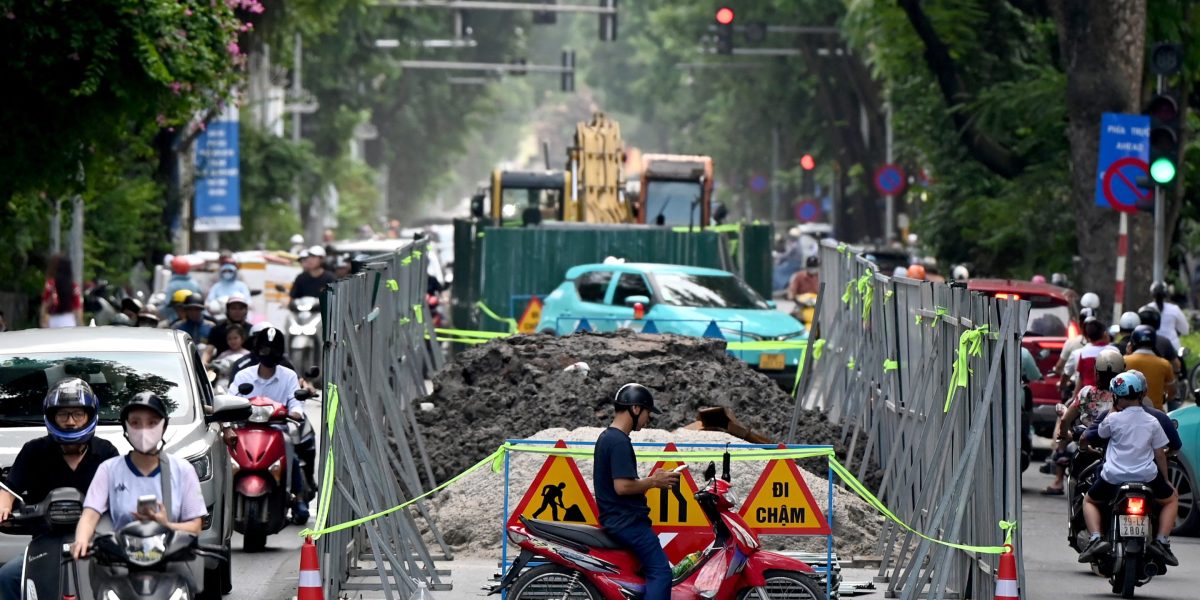
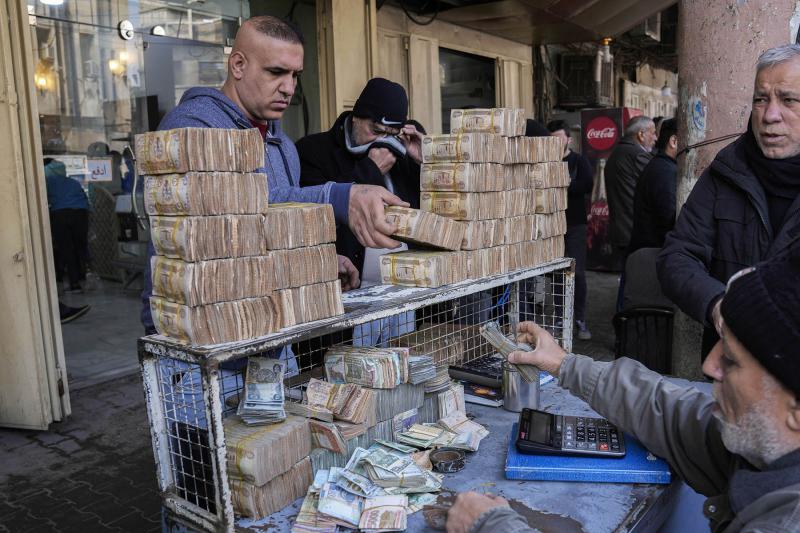
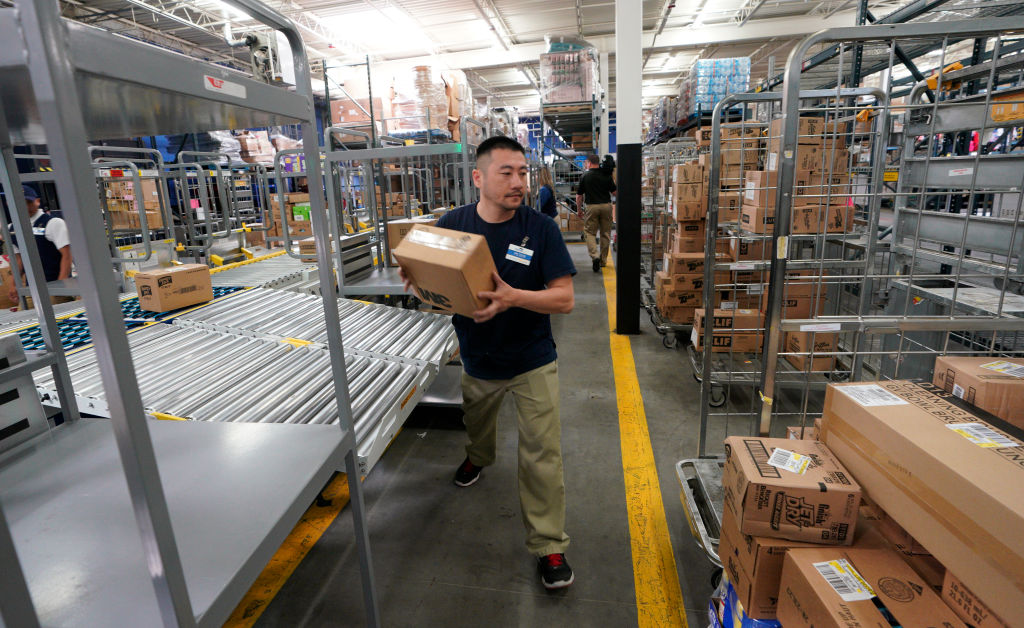
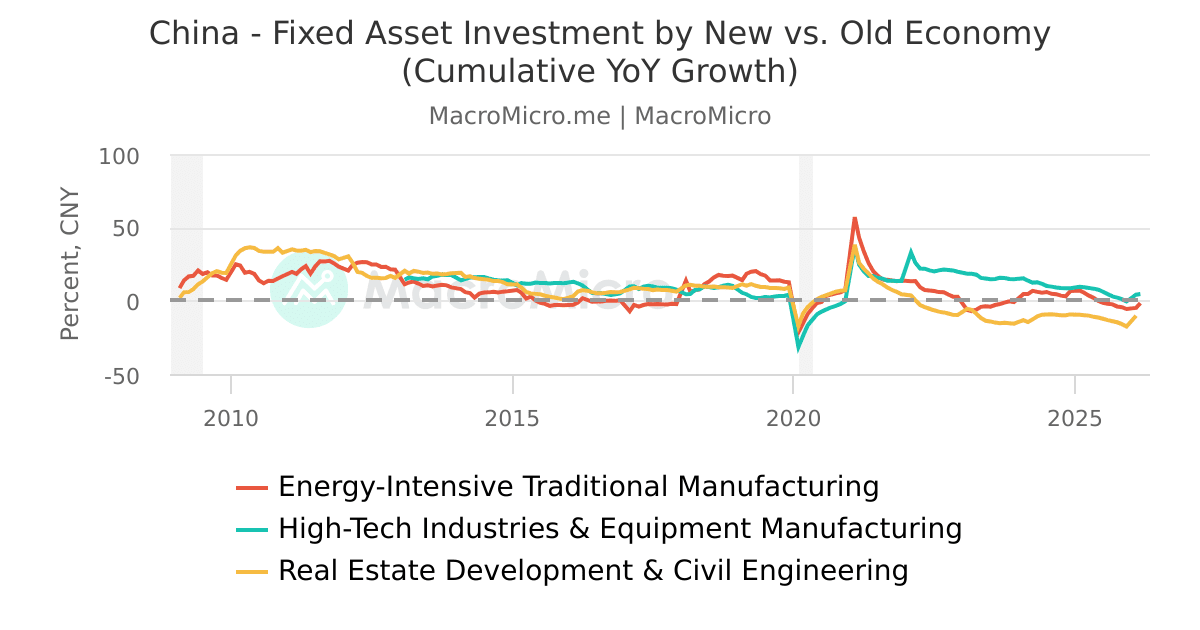
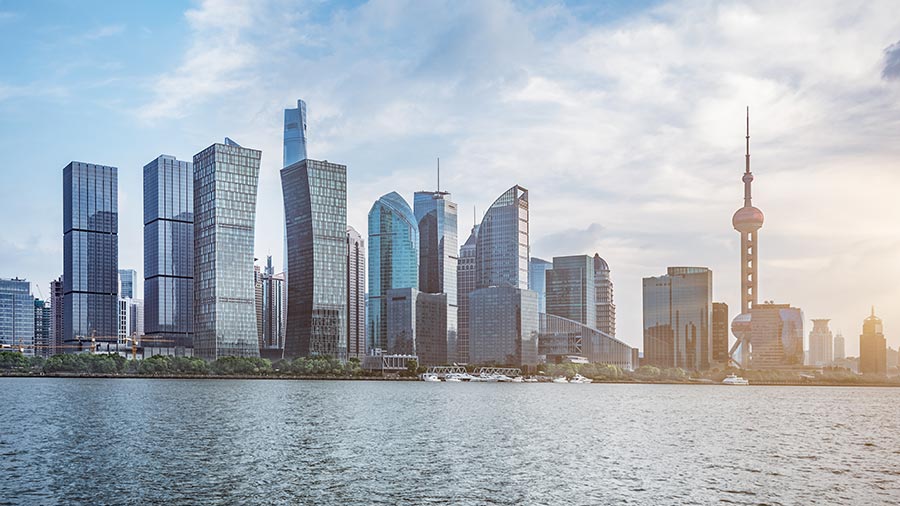
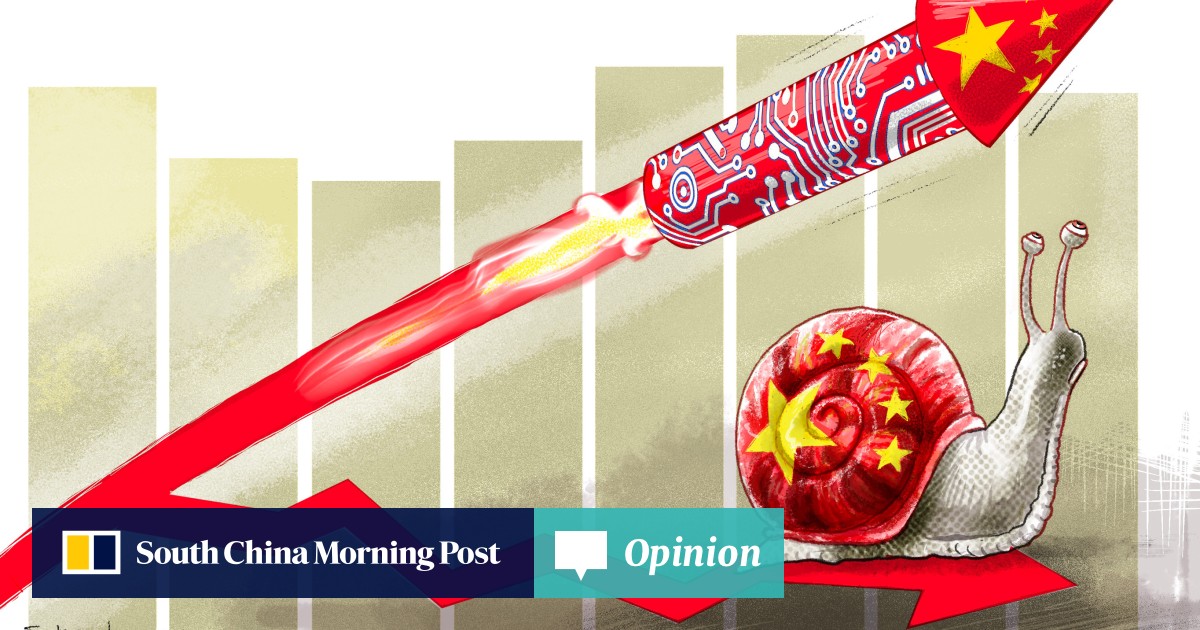
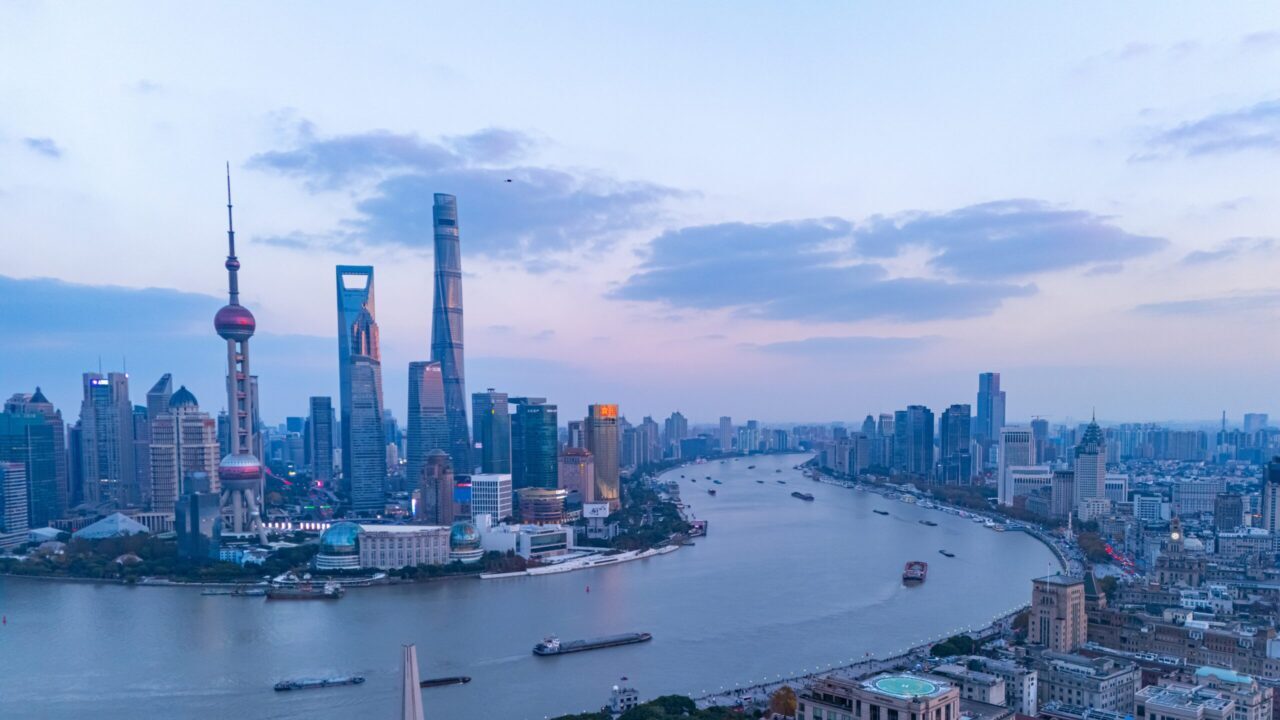
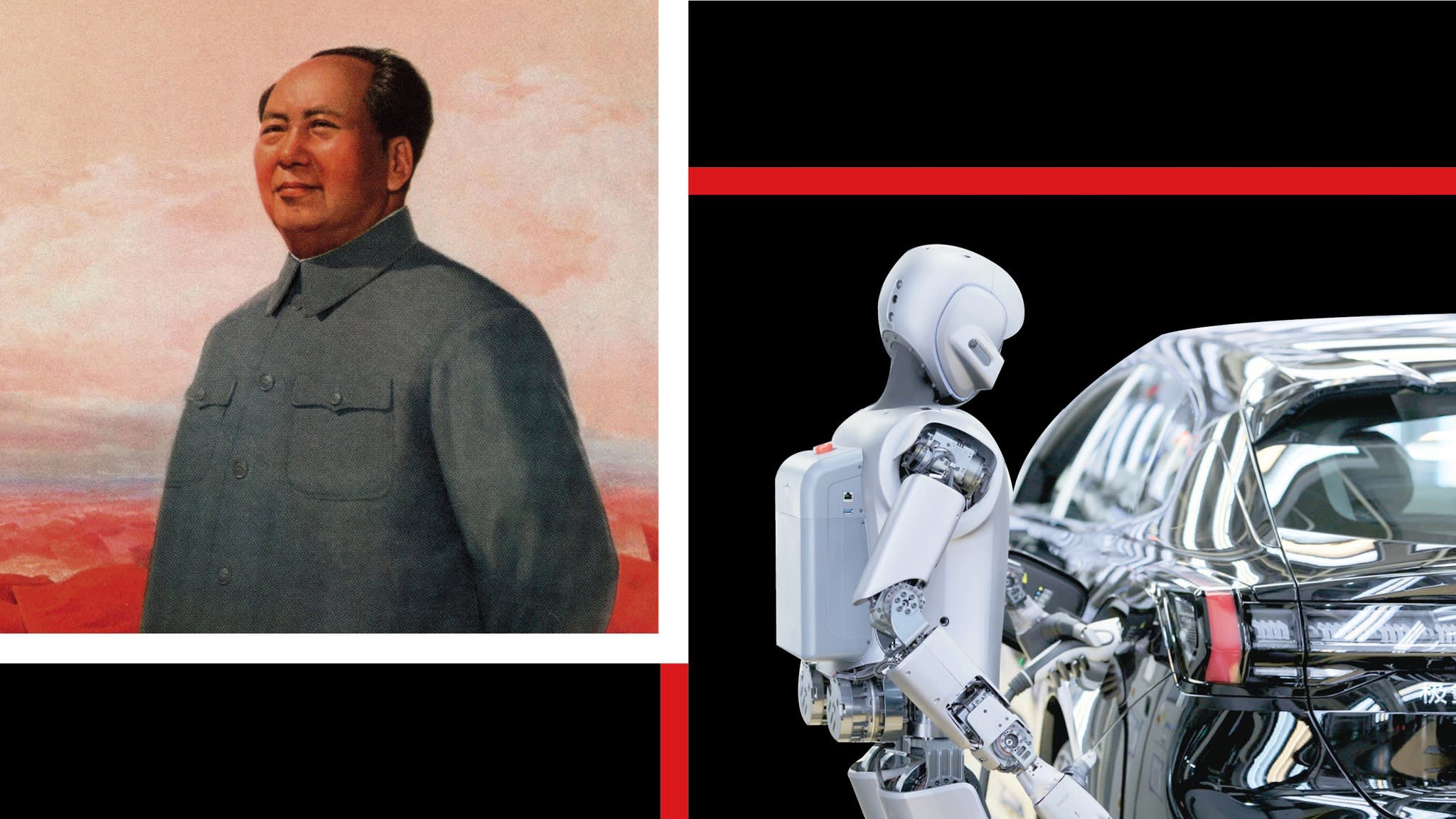
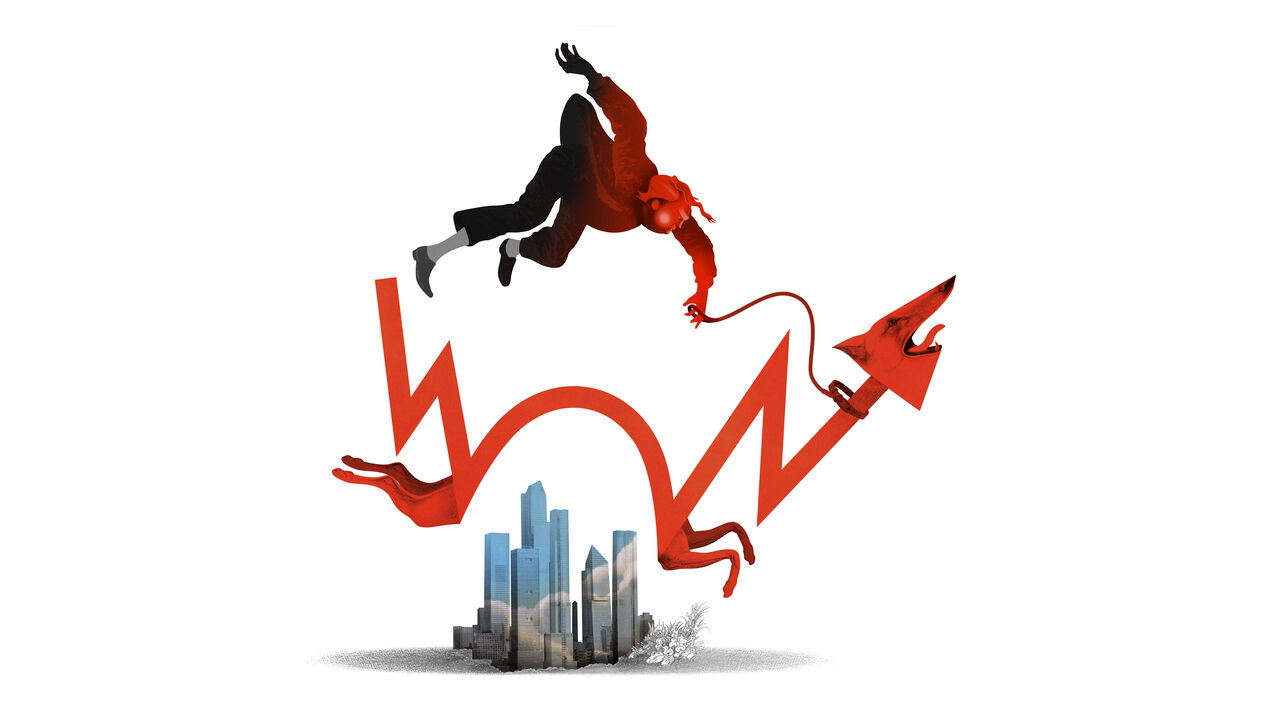
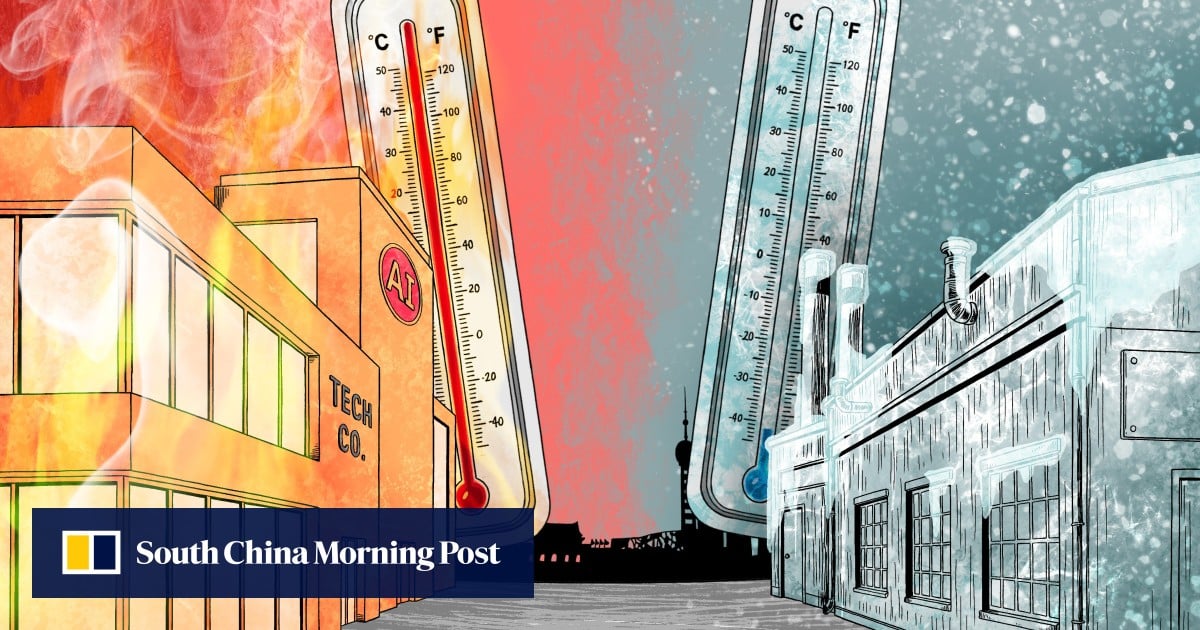
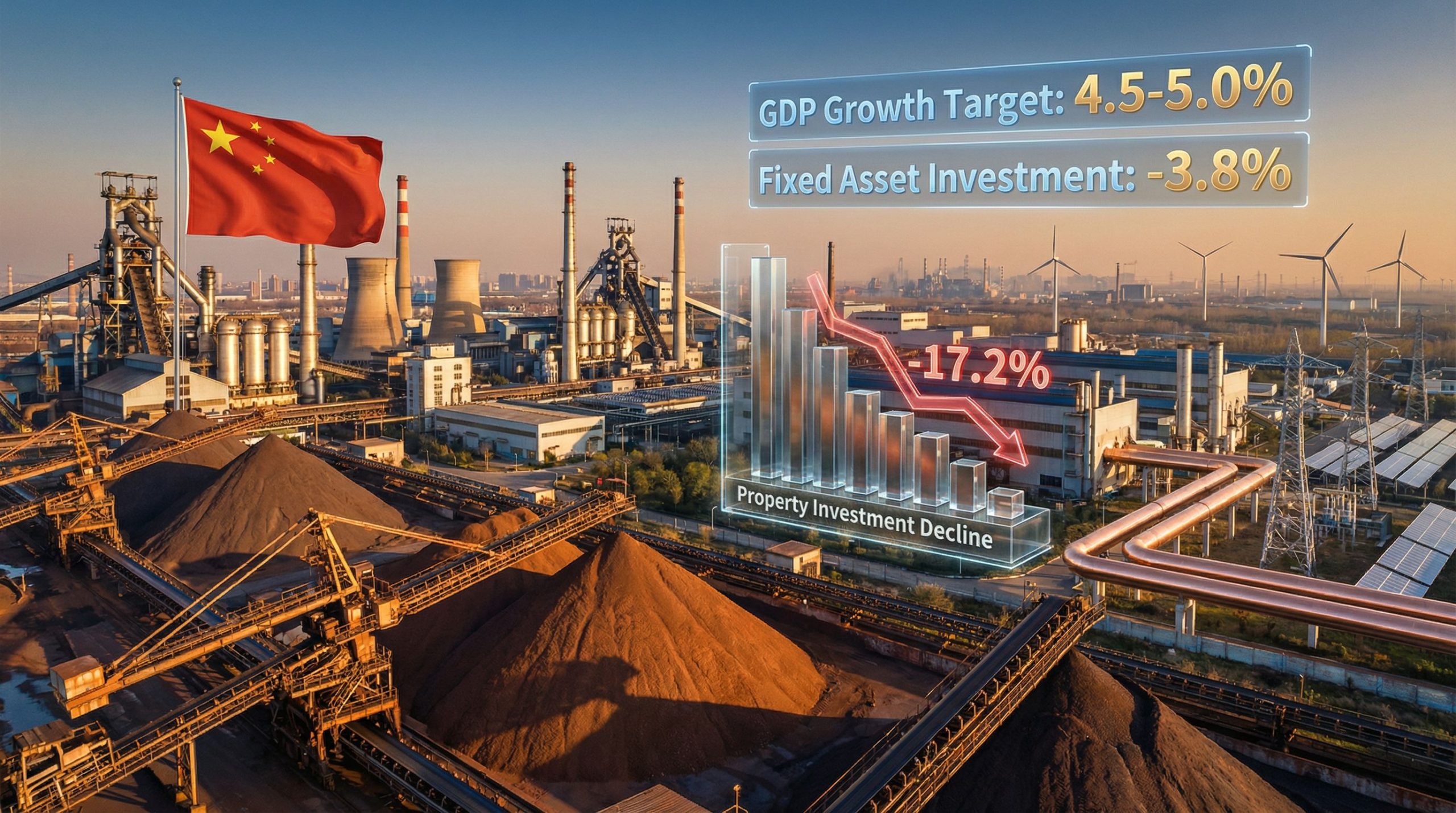
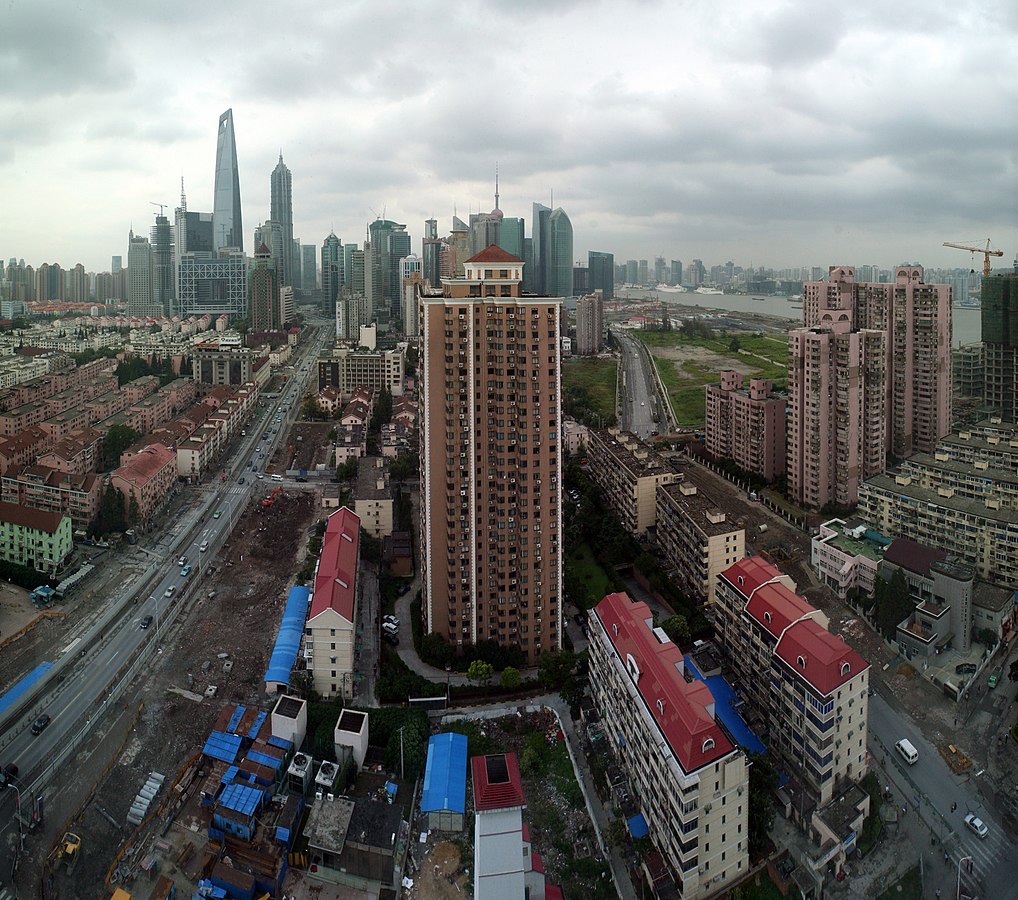
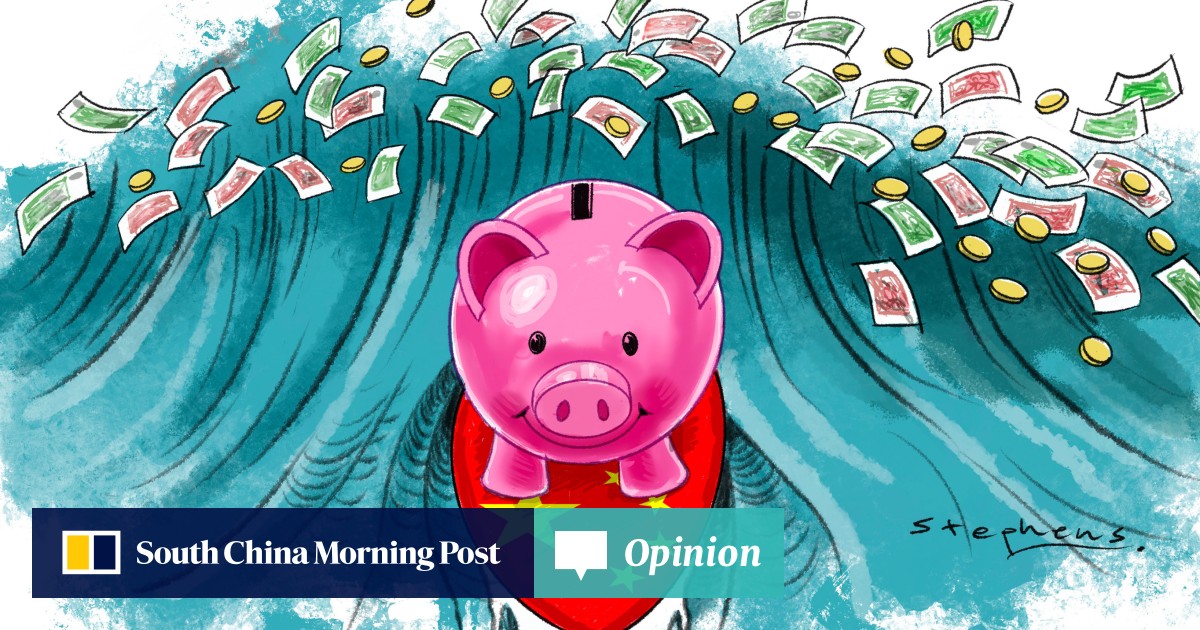
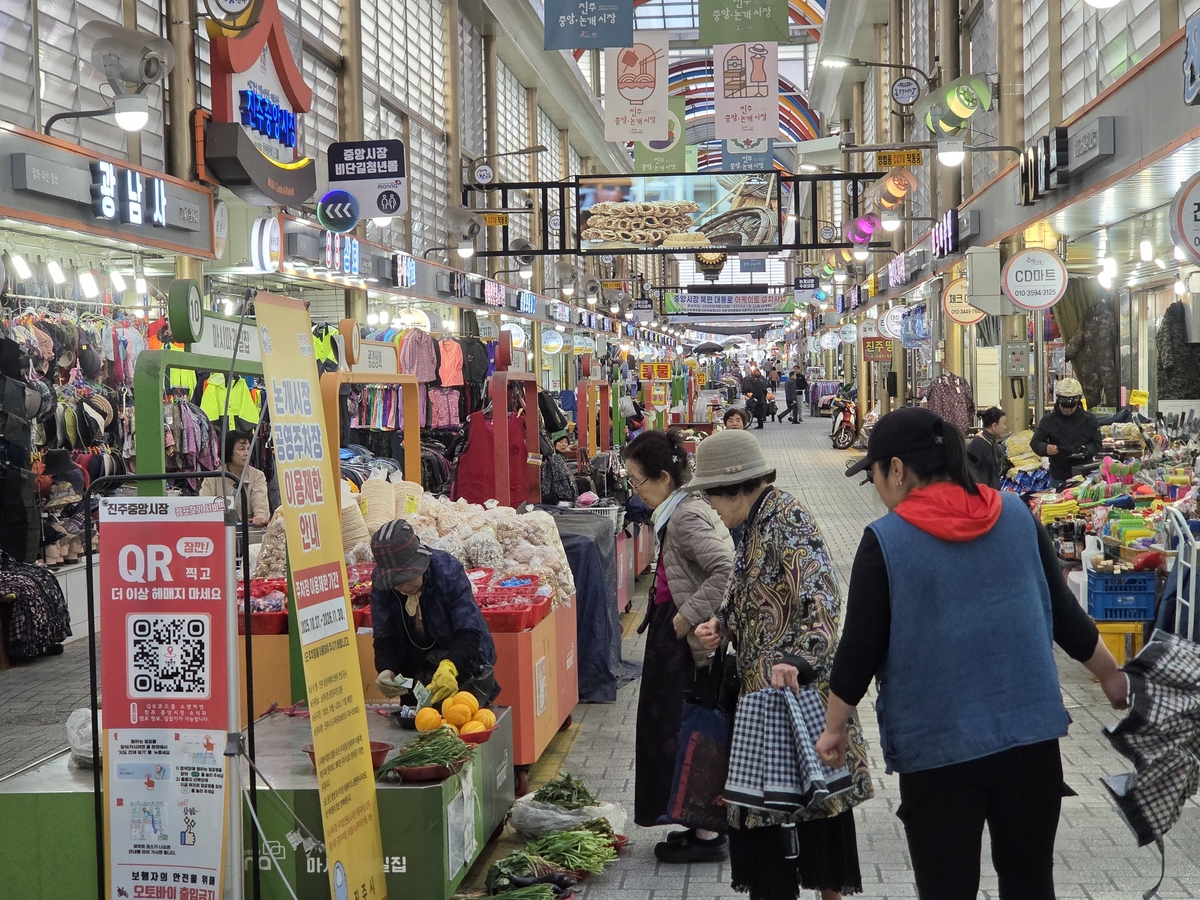
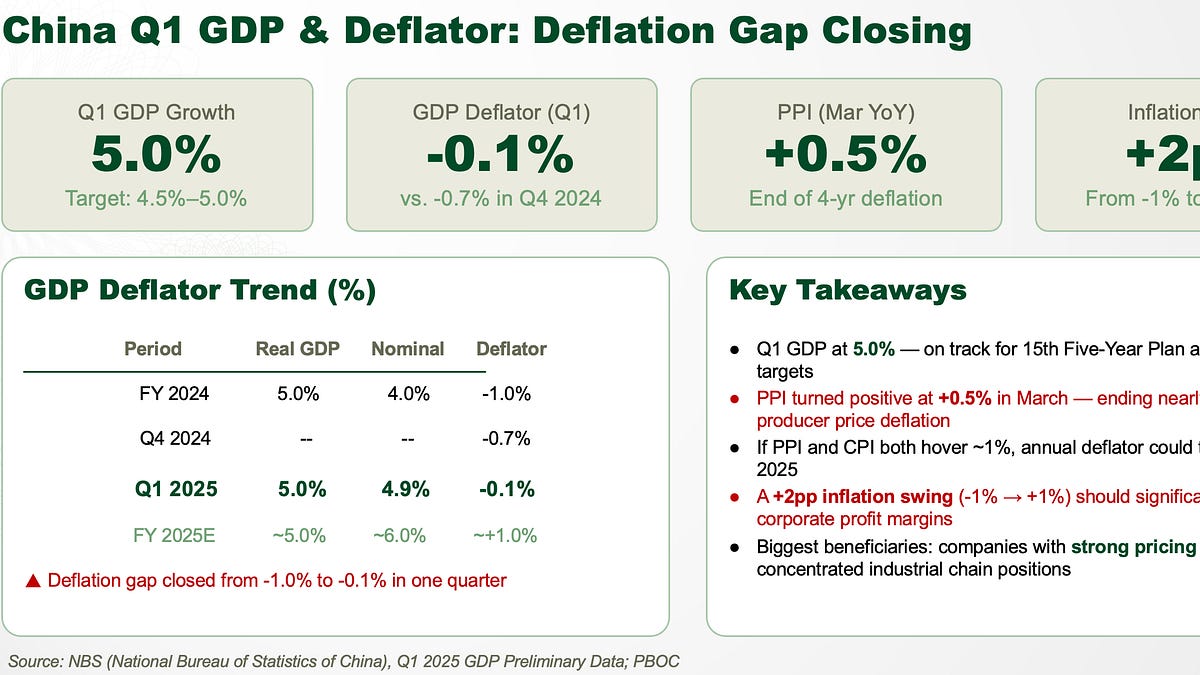
Singapore economist Tan Kong Yam said China currently has two economies: one, a highly competitive technology economy that is leading the world, and the other a traditional macroeconomy characterised by a weak property market, high local government debt, a shrinking population, sluggish household consumption and fragile consumer confidence.
He assessed that, in preparation for long-term strategic competition with the US, Chinese policymakers are placing increasing emphasis on the former, seeking to maximise the country’s overall national strength rather than pursue short-term economic performance.
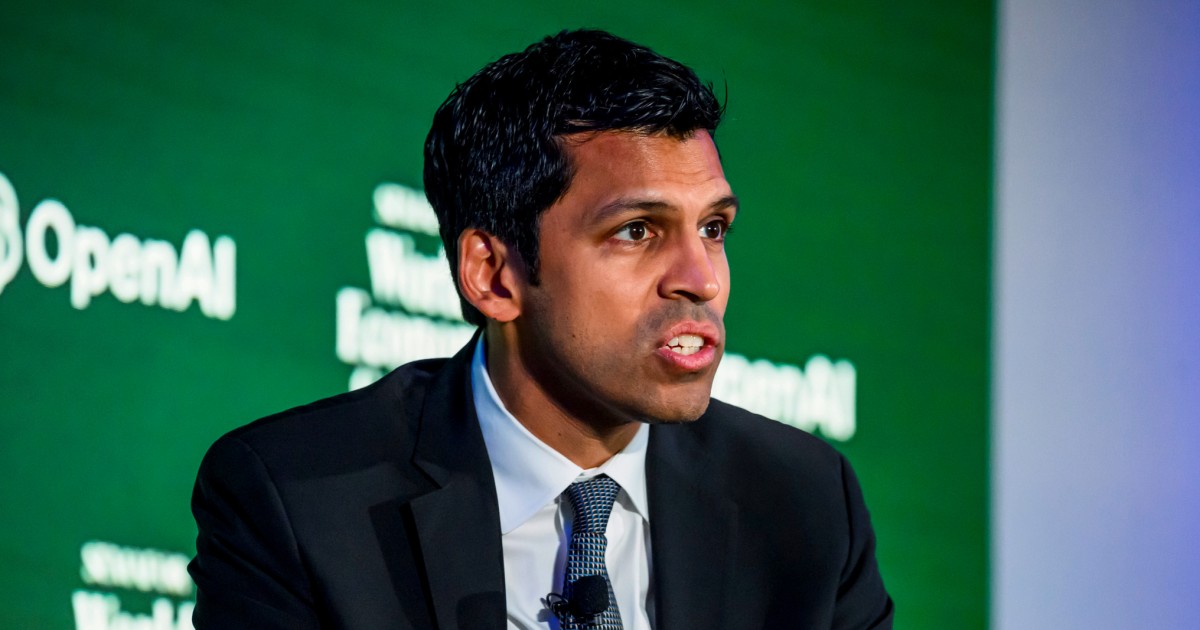
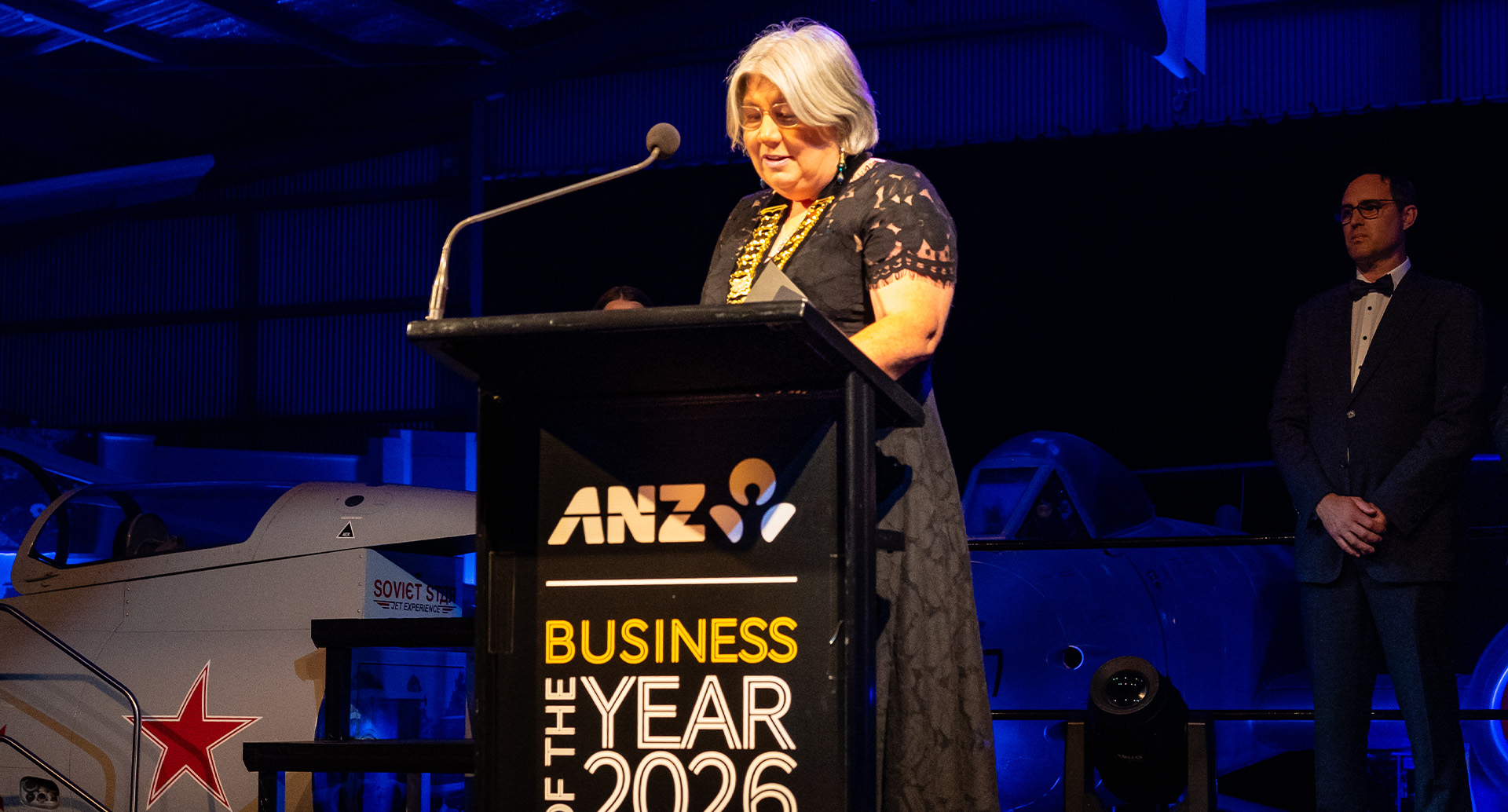
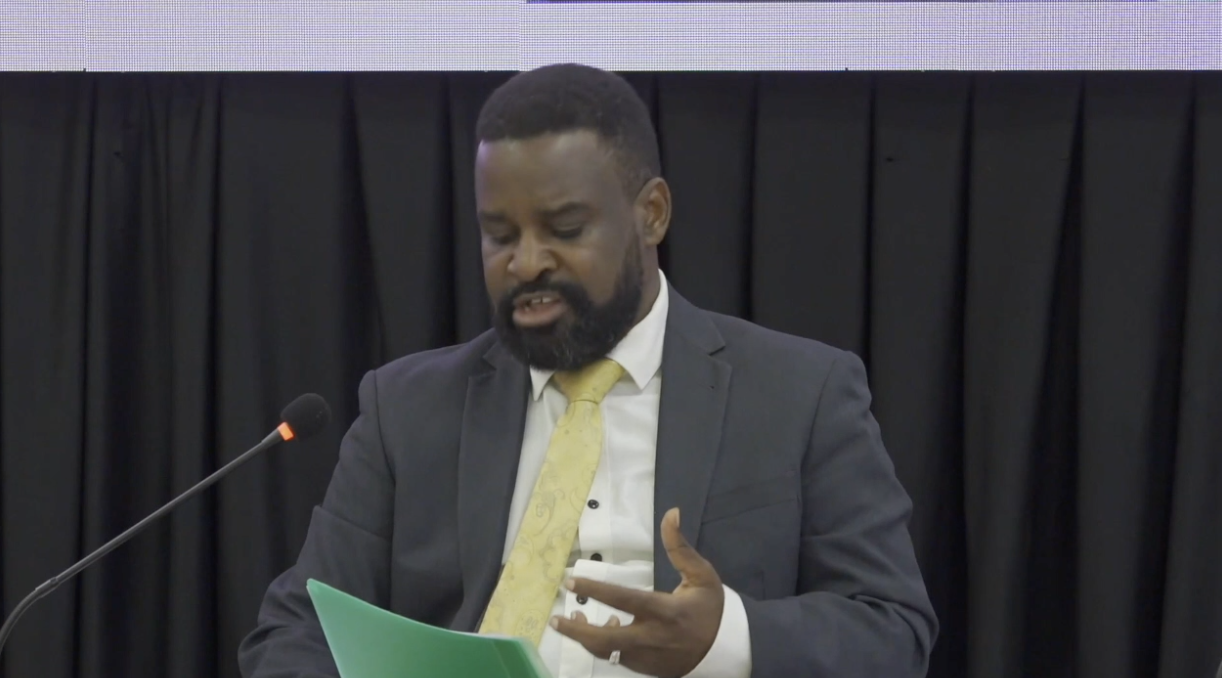
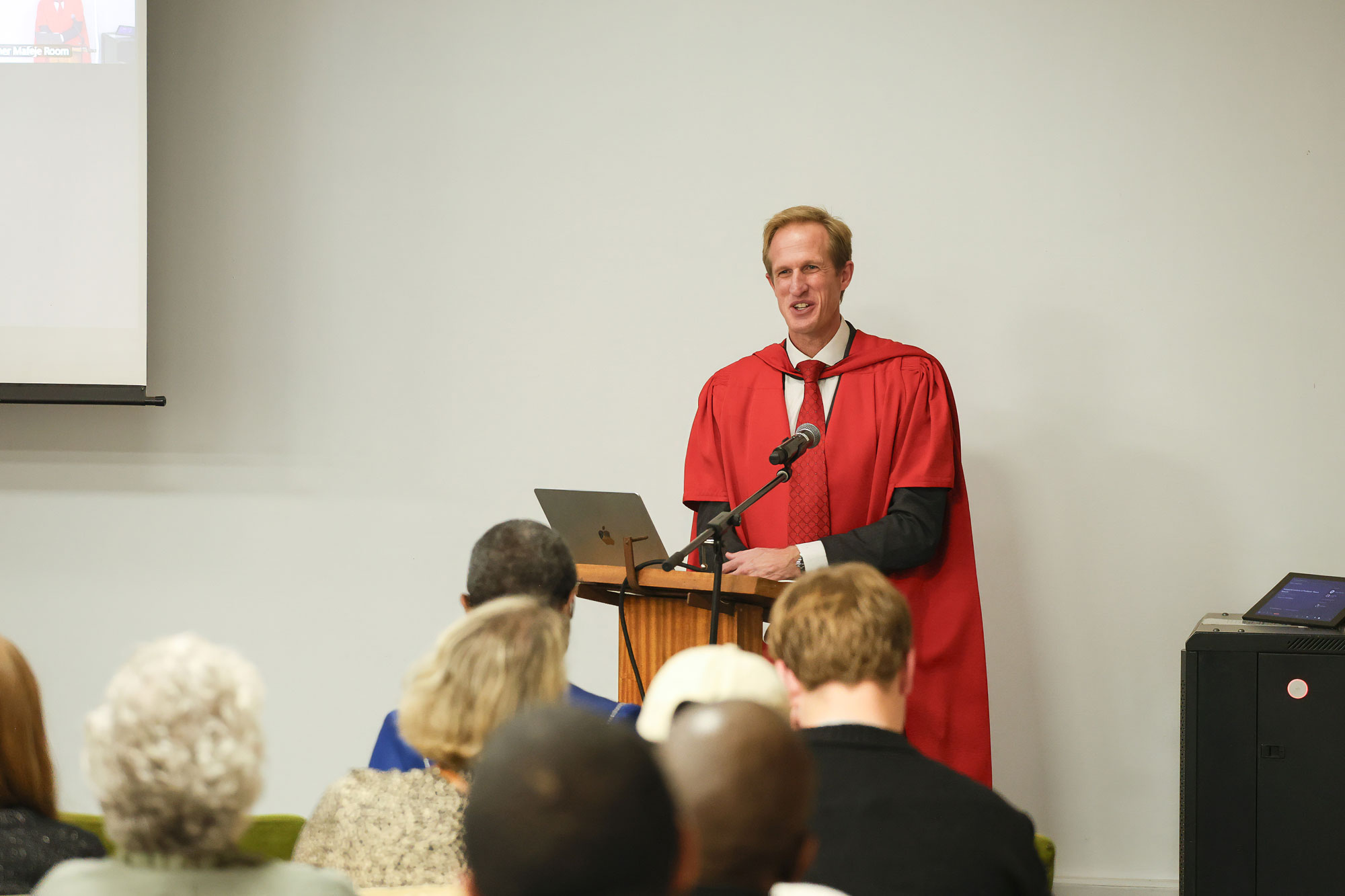
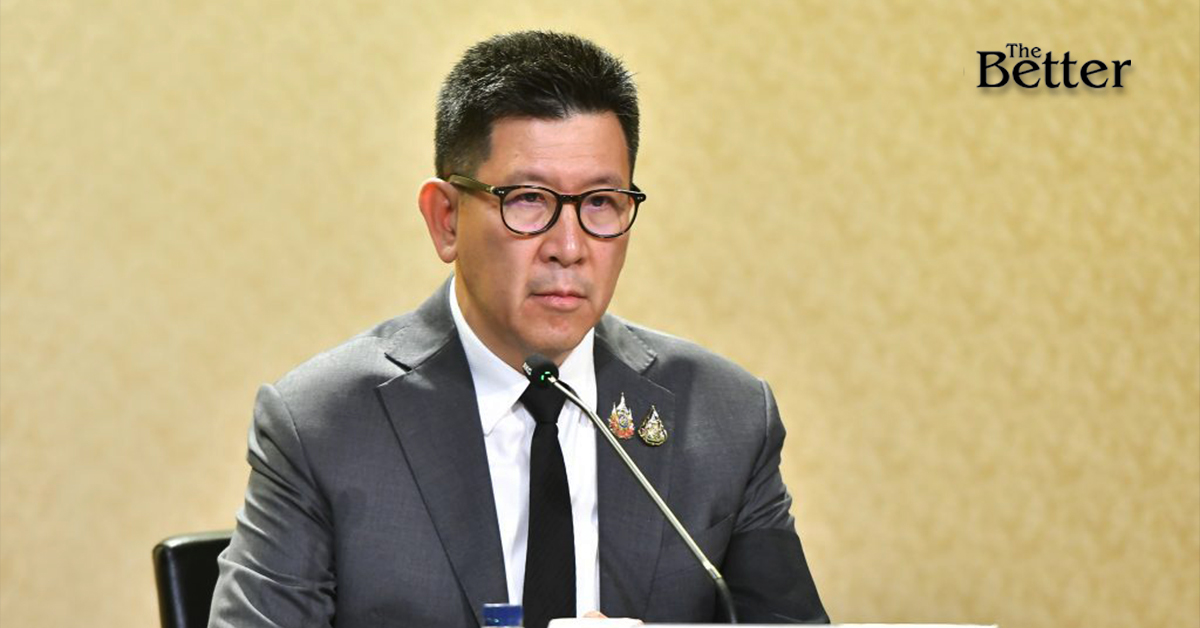
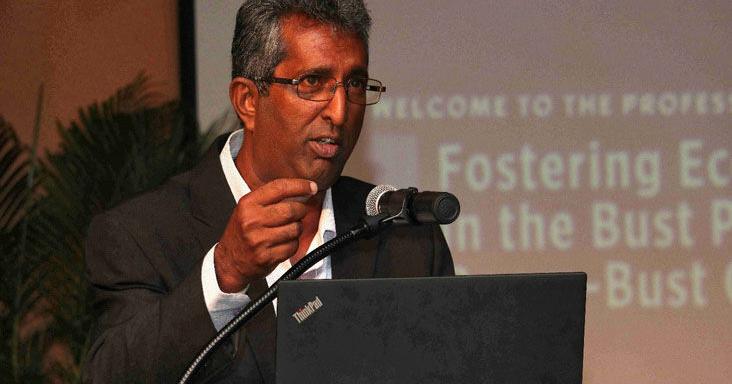
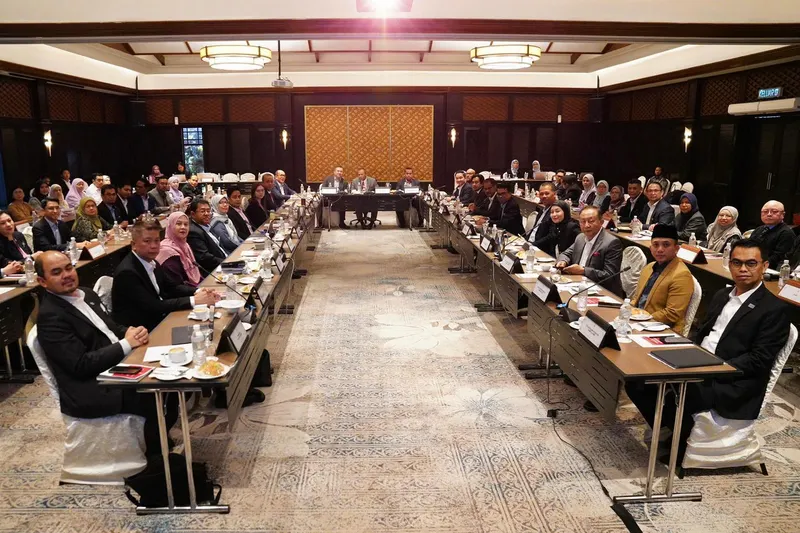
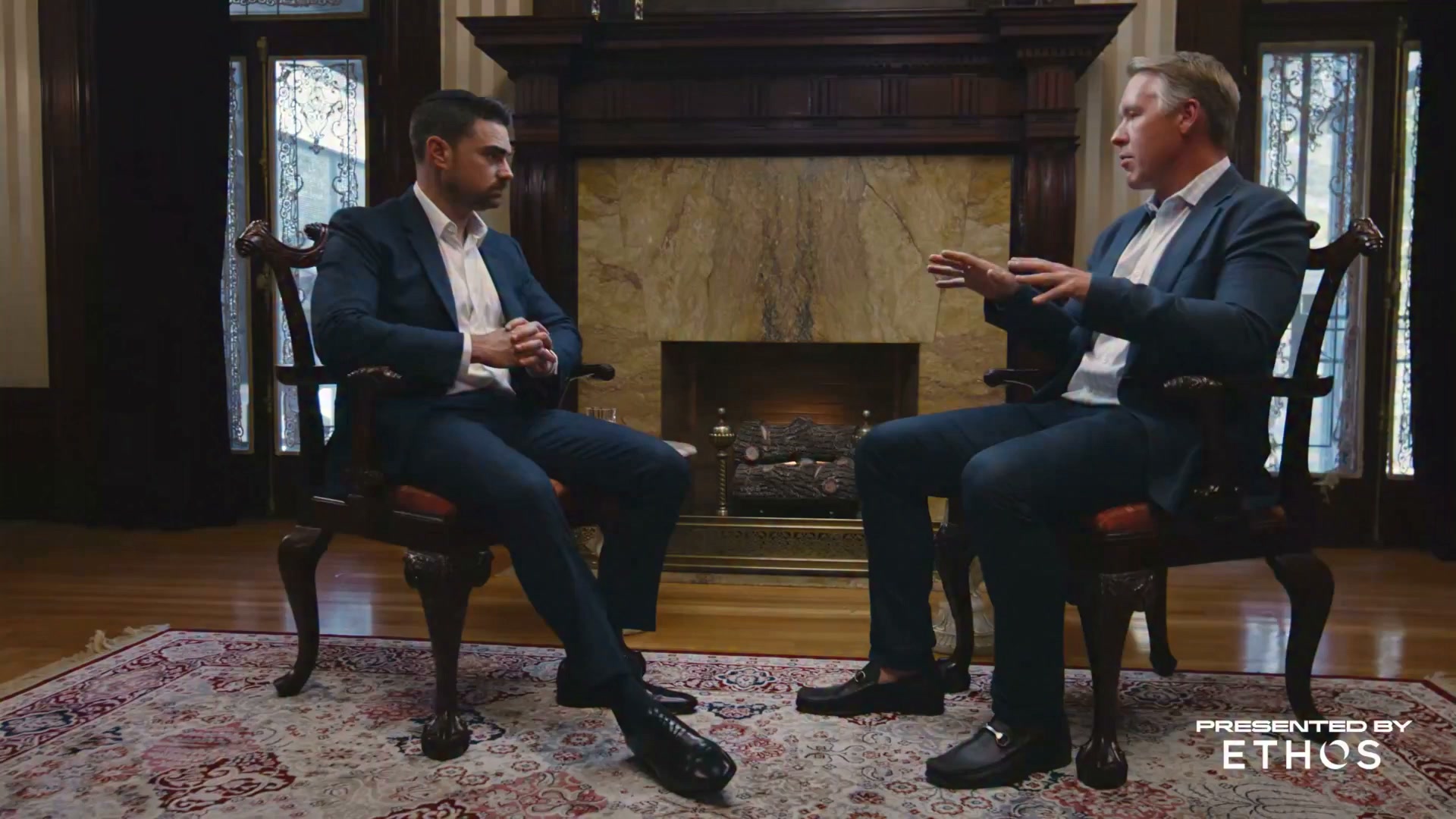
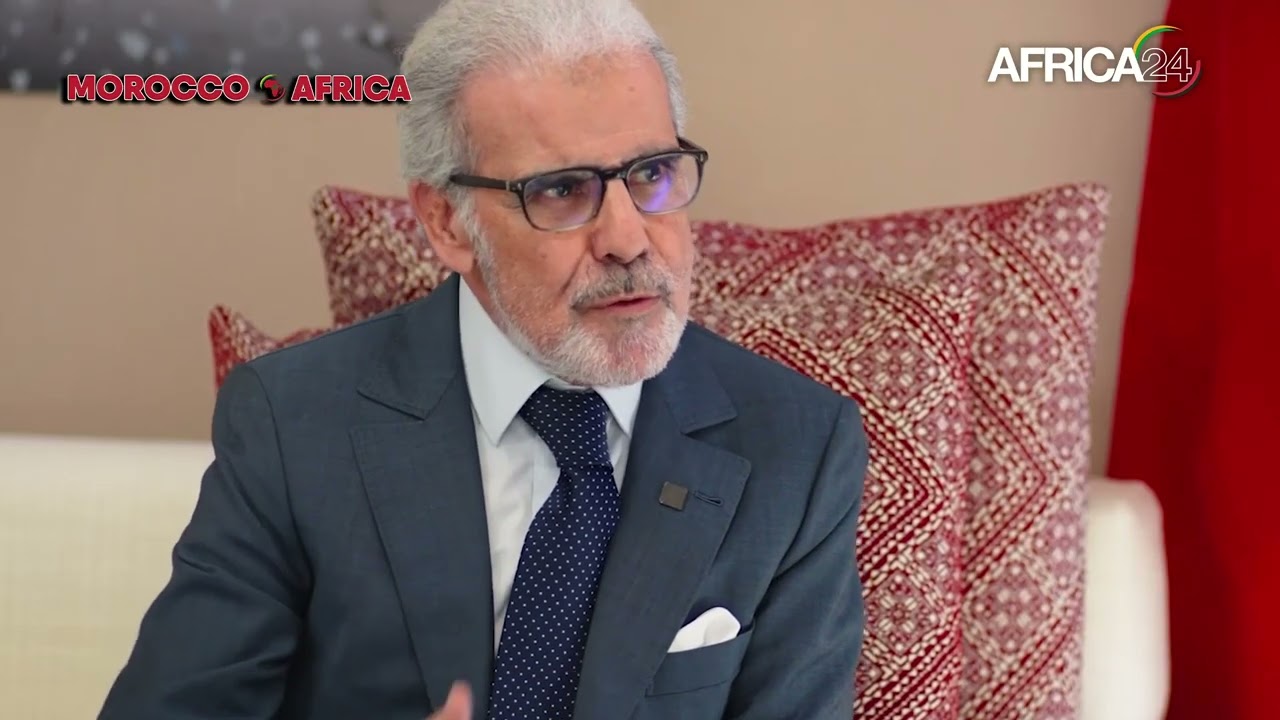
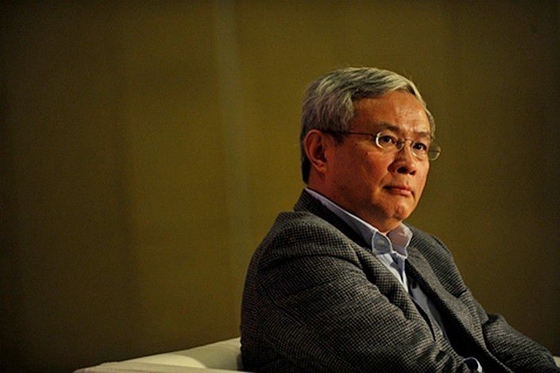
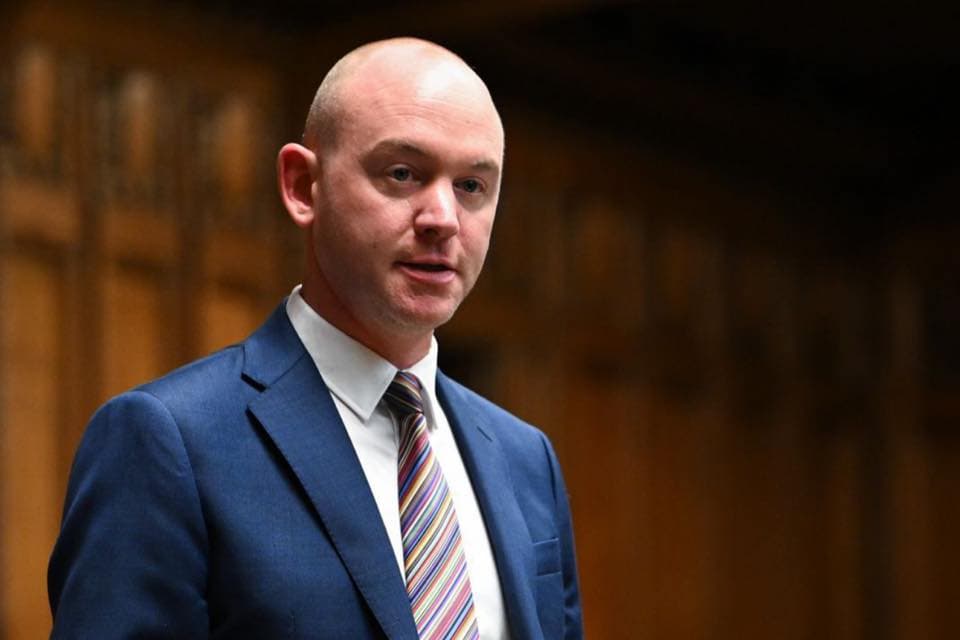
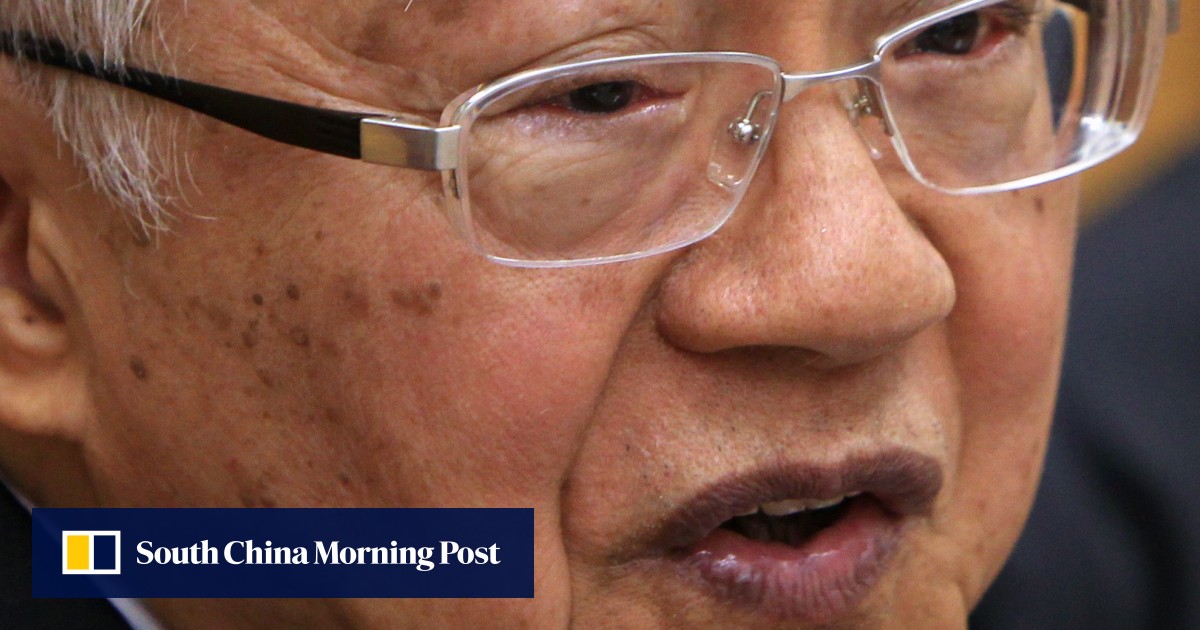
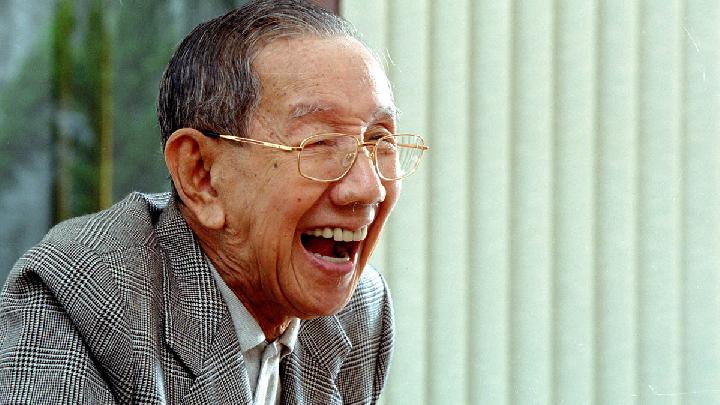
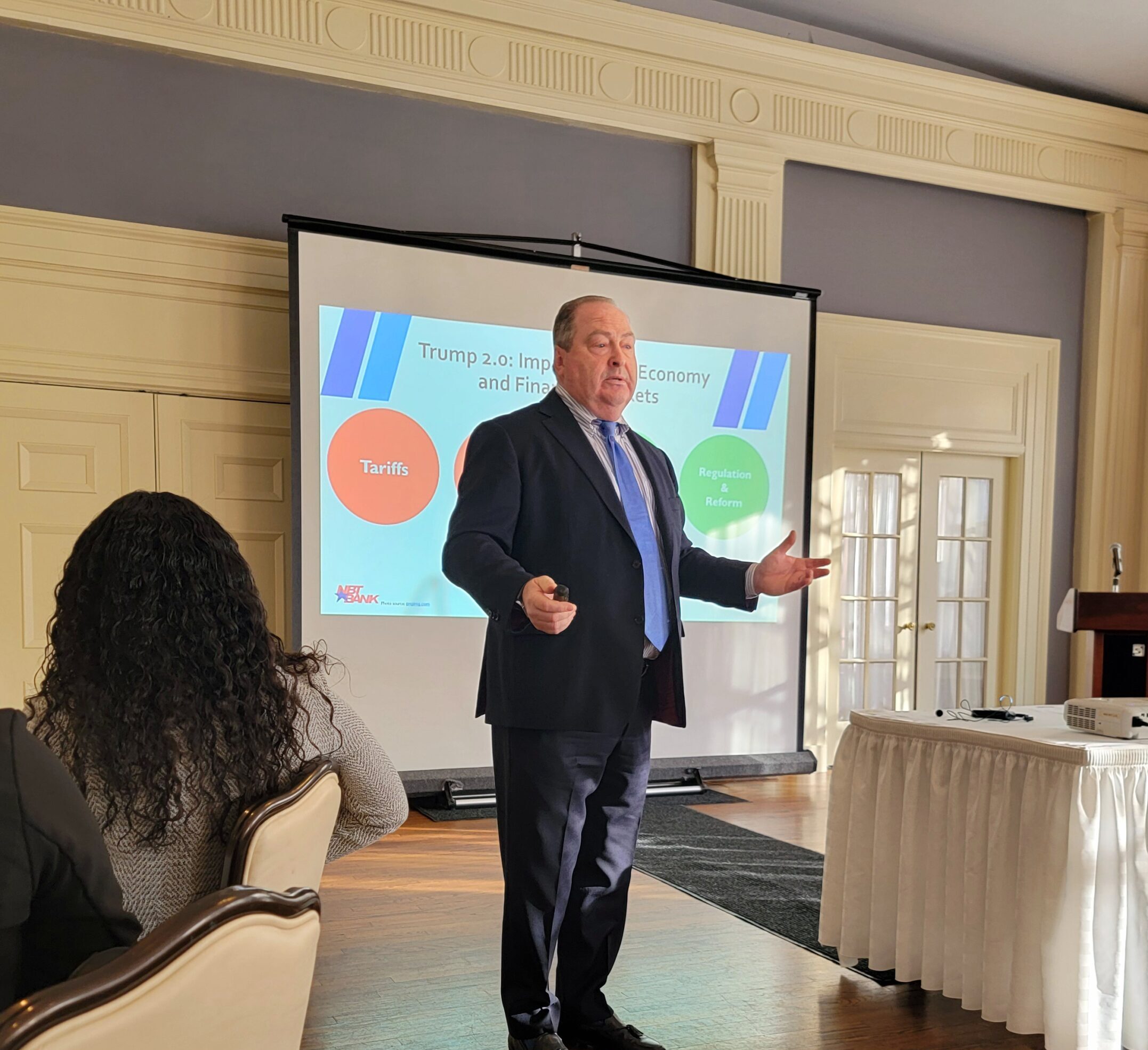
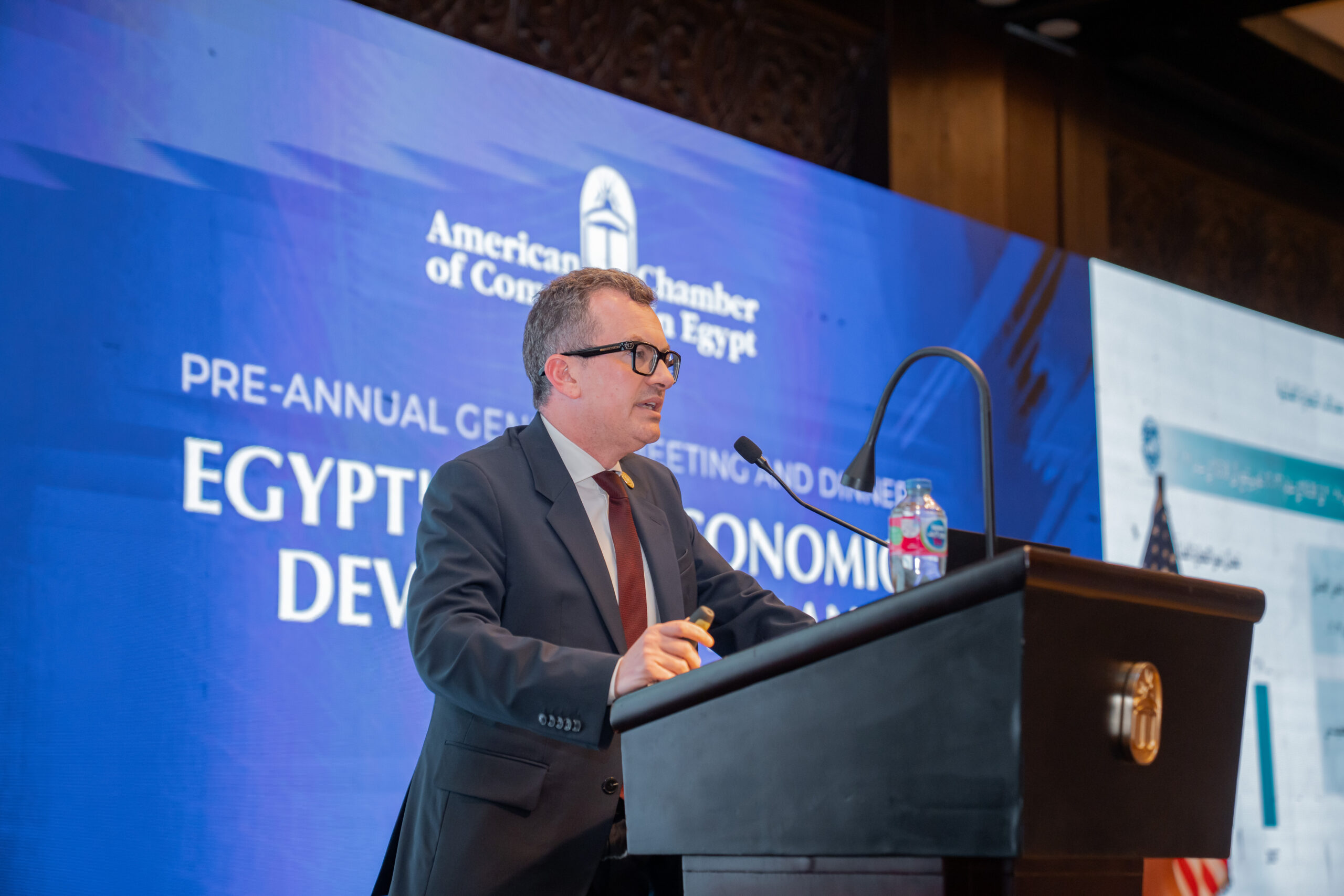
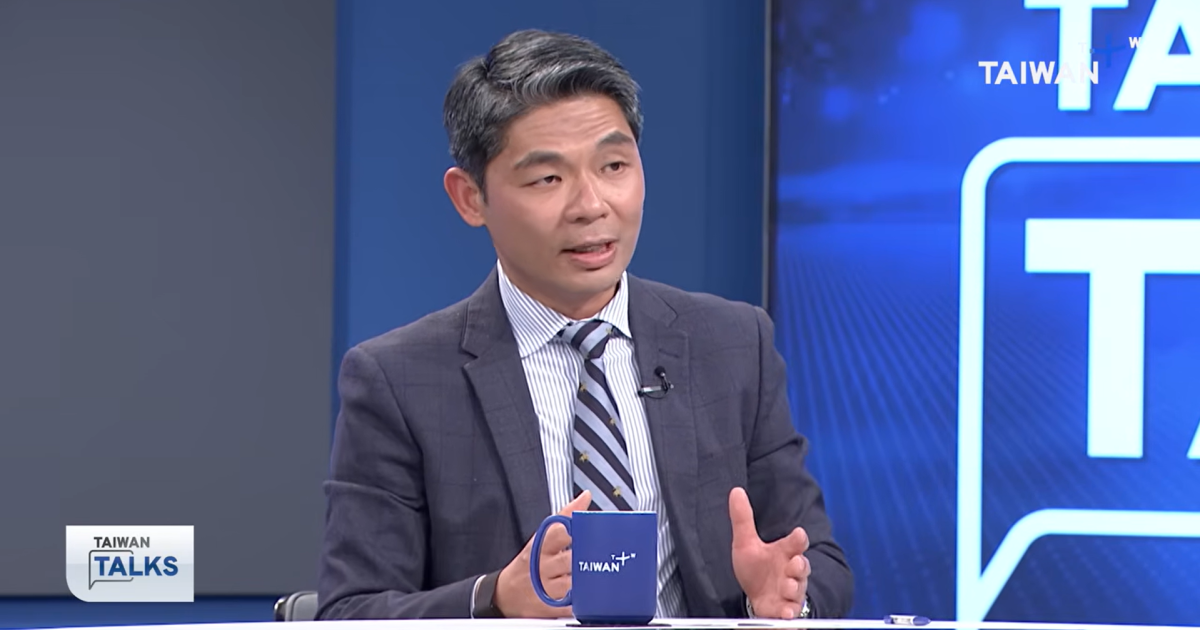
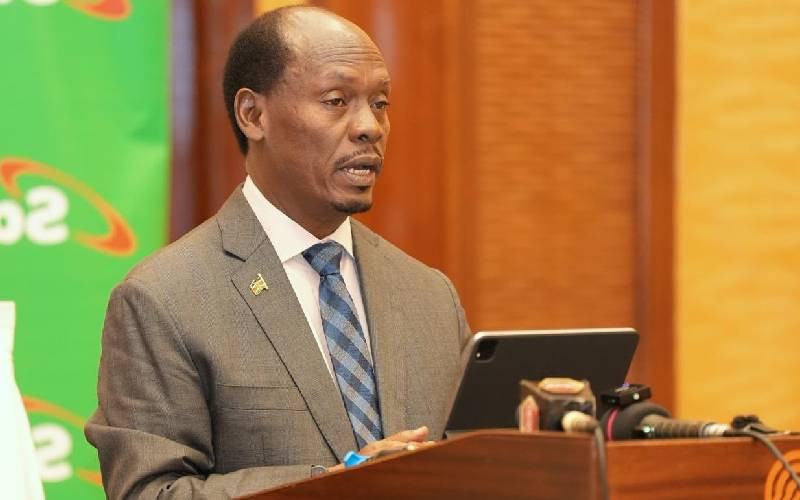
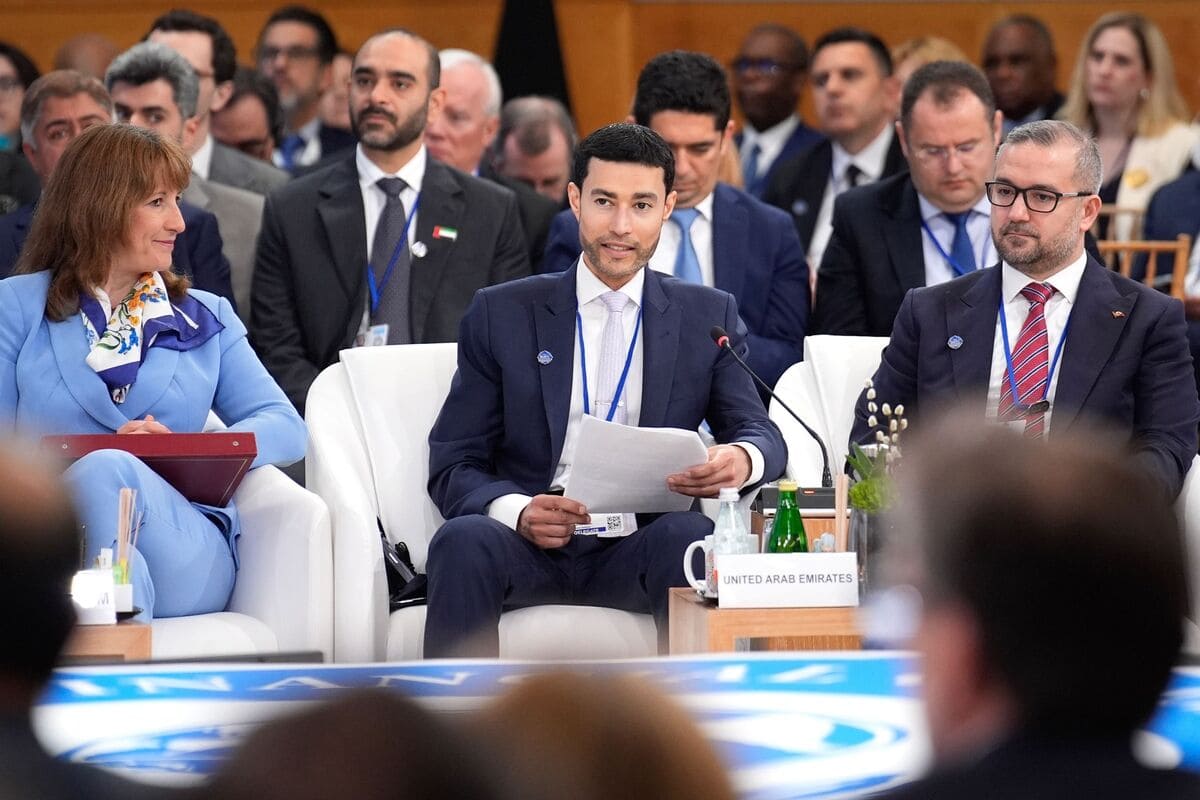
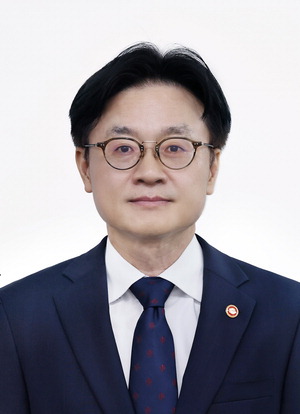
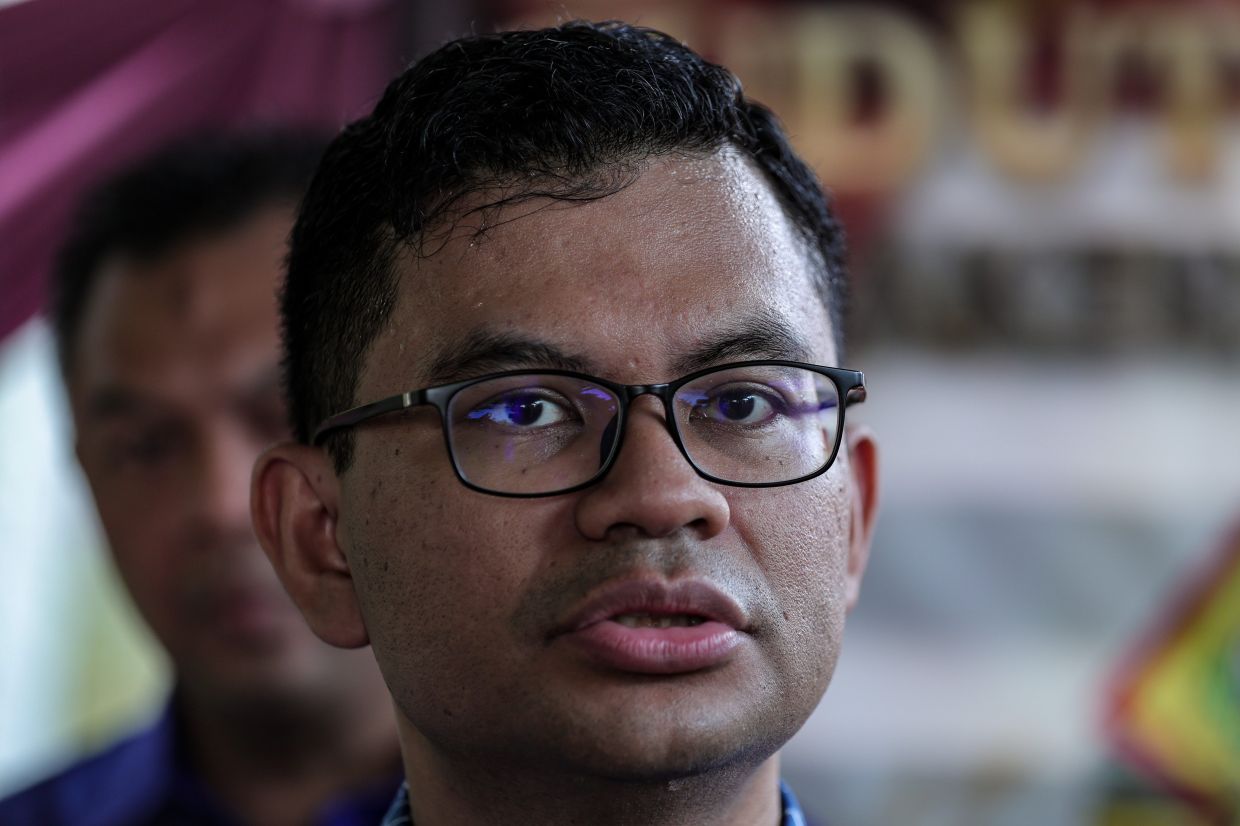
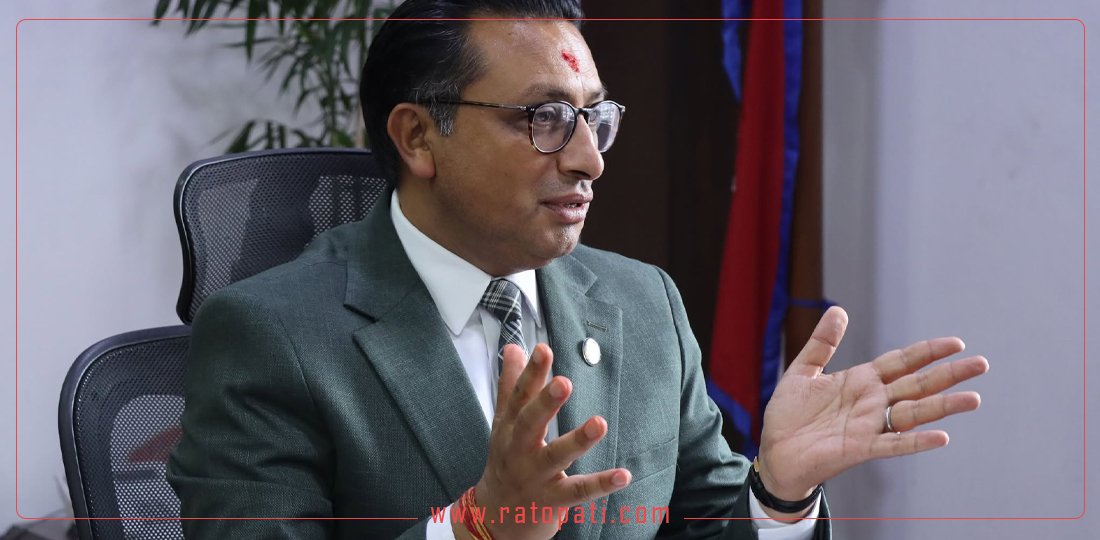
On 5 August, Professor Tan Kong Yam, emeritus professor of economics at Nanyang Technological University (NTU), spoke on “China’s Domestic Political and Economic Dynamics: Current State and Future Trends” at a seminar organised by NTU’s S. Rajaratnam School of International Studies (RSIS), looking at China’s current political and economic landscape. The seminar was moderated by RSIS Assistant Professor Benjamin Ho.
Tan said while people both inside and outside China have called on Beijing to introduce large-scale fiscal stimulus measures such as distributing consumption vouchers, expanding social welfare and raising household incomes to boost consumption and promote economic recovery, “the key thing is this has never been done”.
He said this reflected a misunderstanding outside China of Beijing’s priorities. He explained that to understand China’s macroeconomic policies, one cannot rely solely on traditional macroeconomic variables, but must instead consider a grand strategy.

Tan said: “Beijing’s priority is not to improve growth or improve employment, consumer spending and household welfare. That is important, but not the most important thing… It is long-term national power that is more important.”
He explained that “long-term national power” means enhancing China’s long-term ability to compete with the US and sustain a grand strategy over the next 20 to 30 years. “That is the paramount priority. Everything else is important, but subsumed under this paramount grand strategy. So instead of development first, it is now security first.”
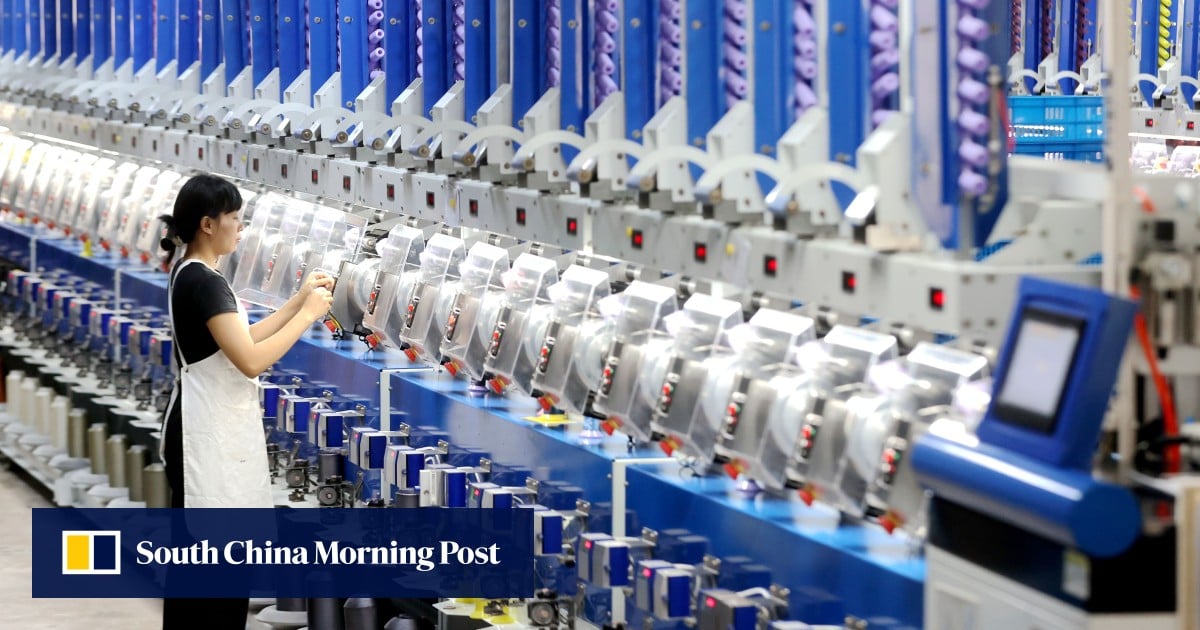
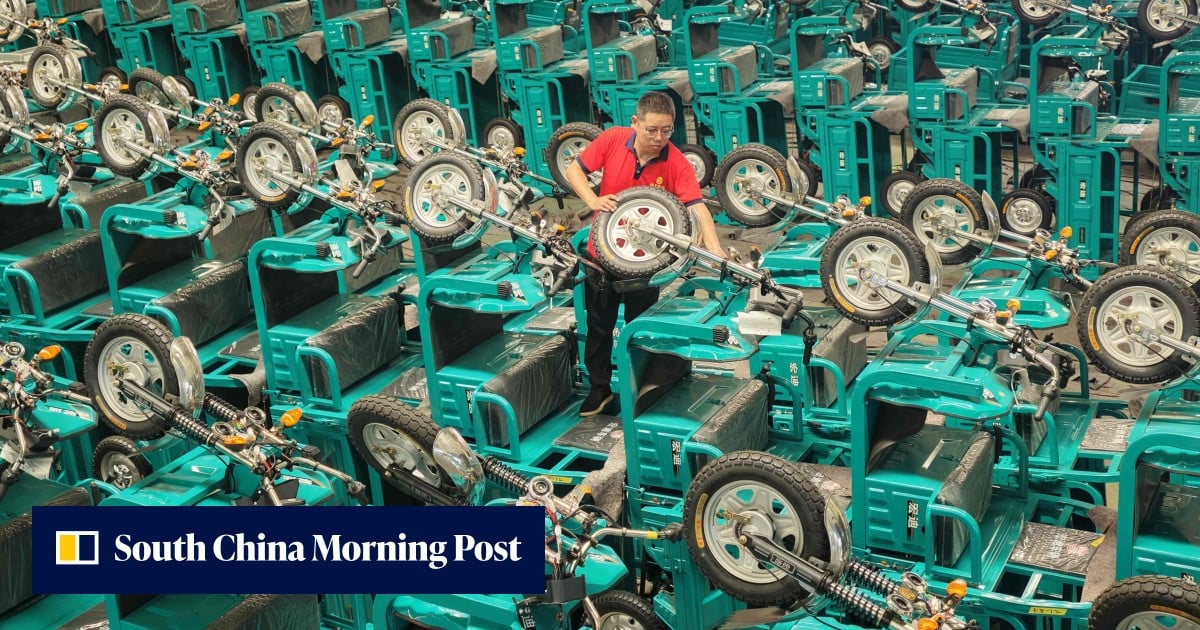
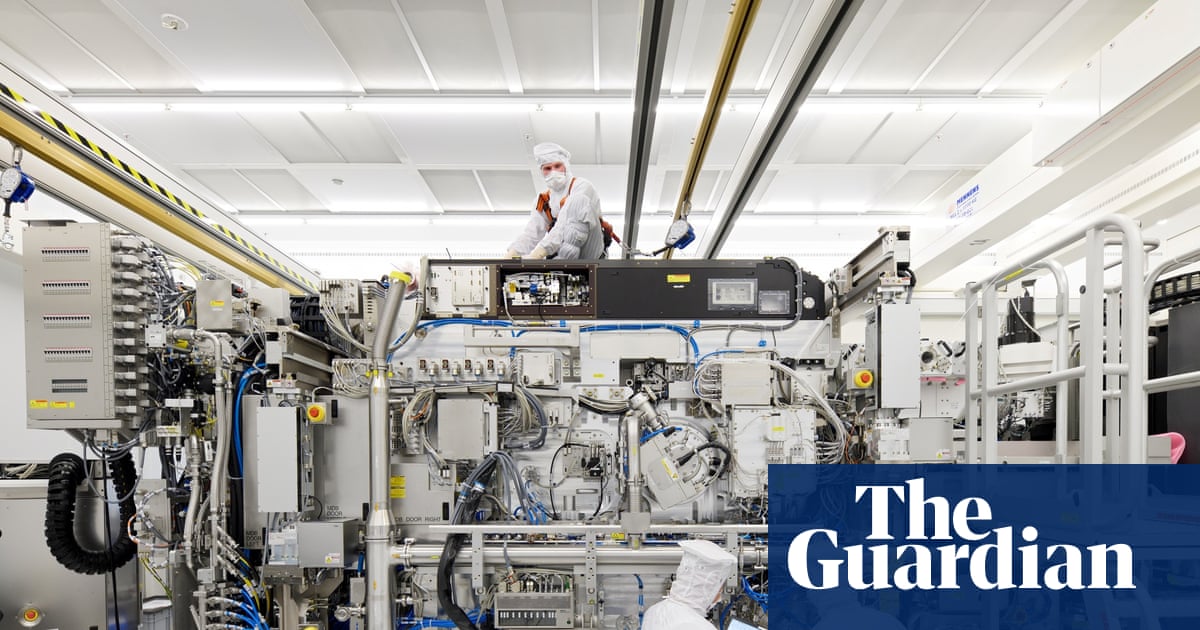
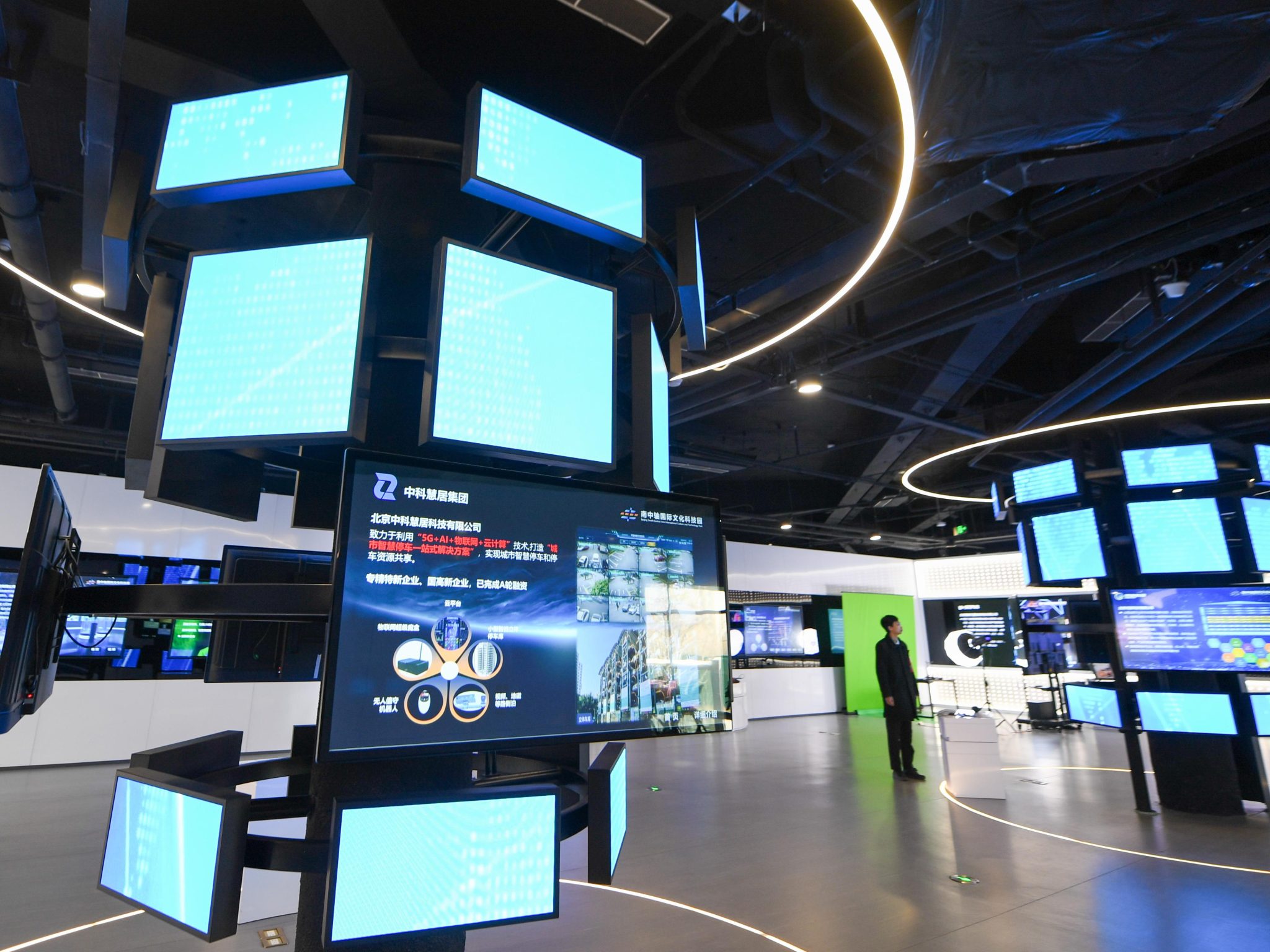
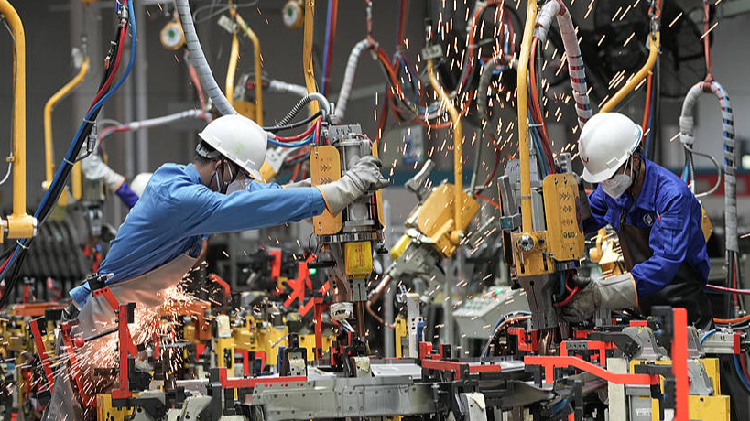
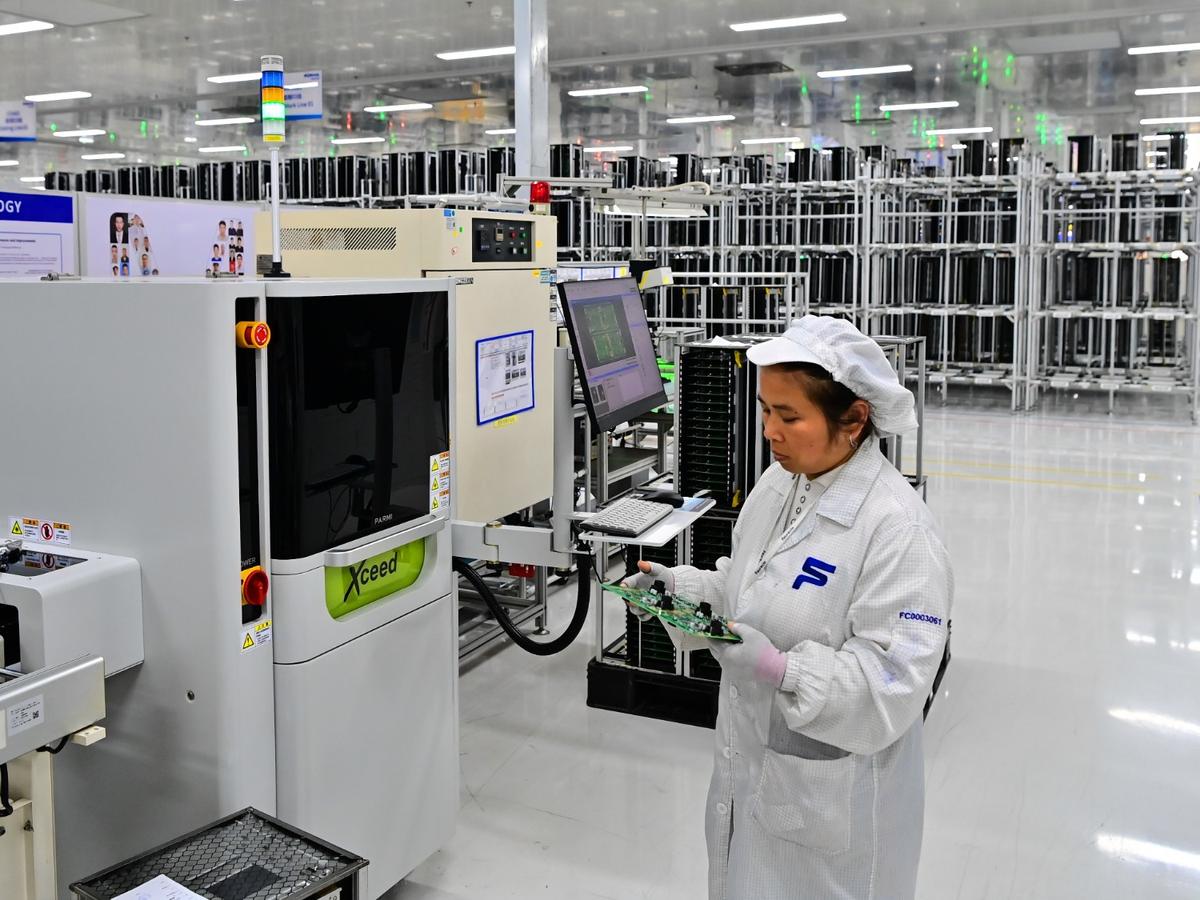
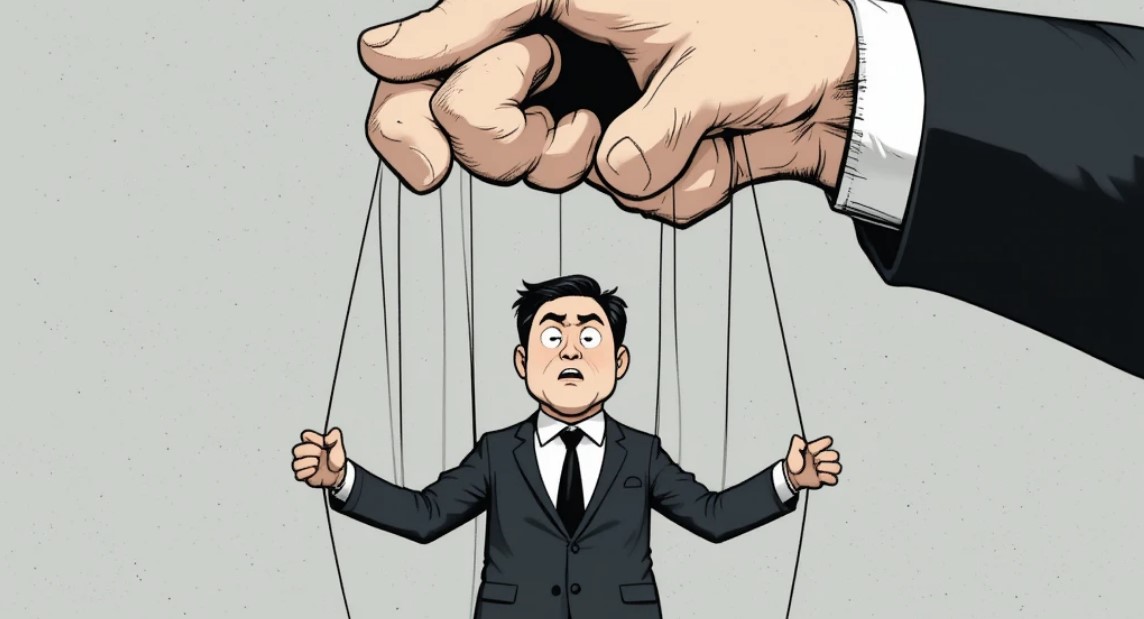
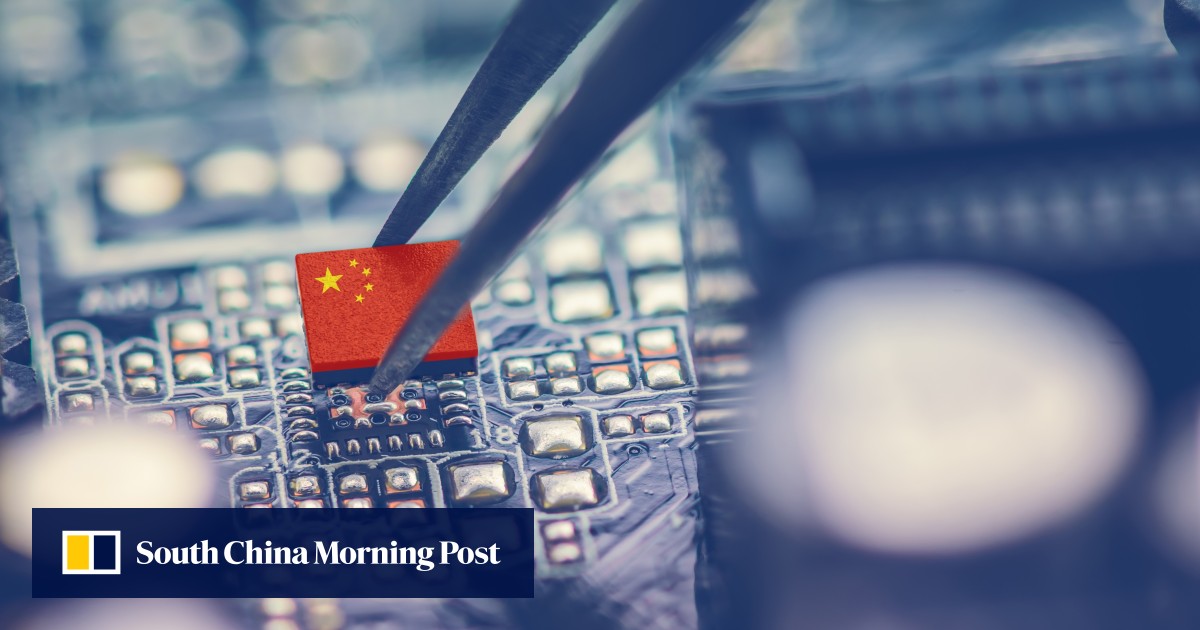
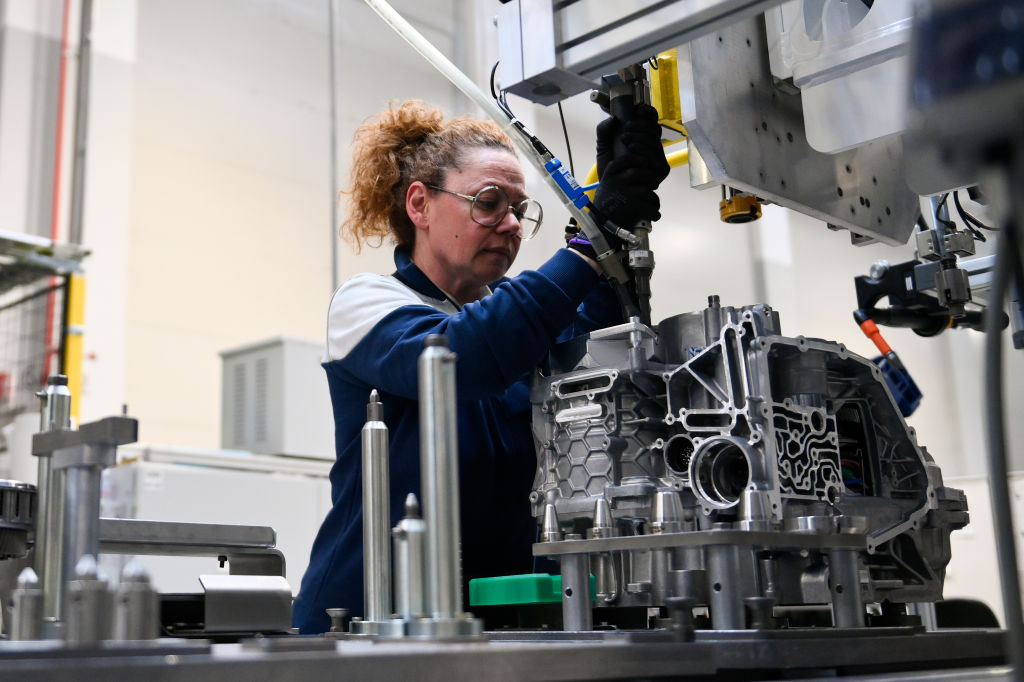
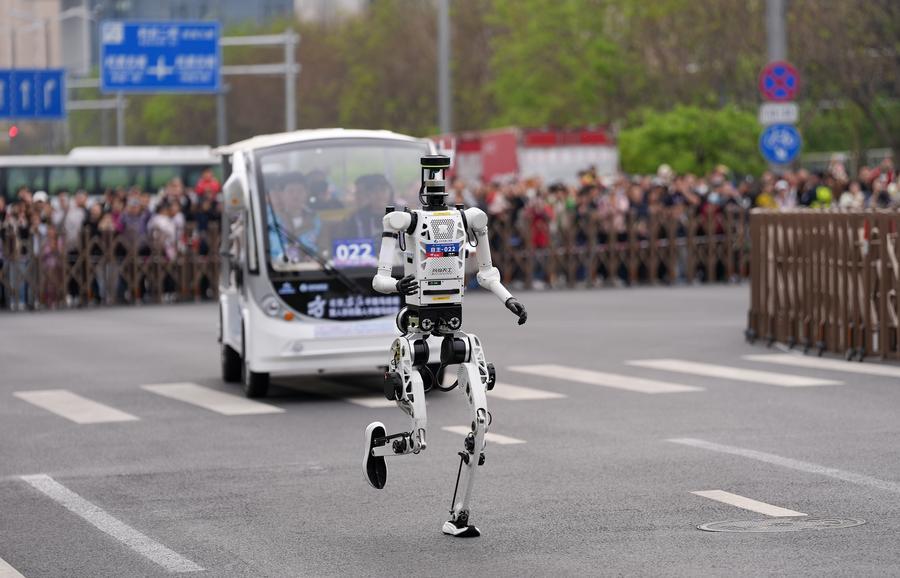
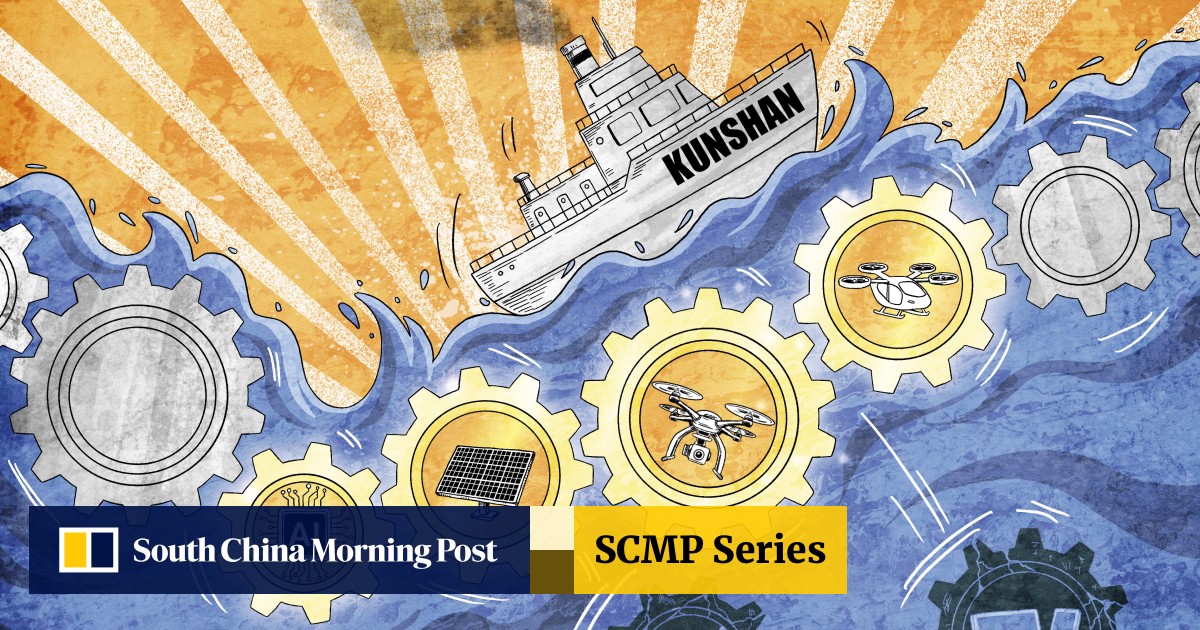
Tan analysed that China’s economic policy is no longer simply about macroeconomic management, but has become an instrument of grand strategy. Beijing is also placing increasing emphasis on the technology economy, believing that technological capabilities will form the foundation of national power in the future. This also explains why, even as China experiences weak domestic demand, it has been able to make significant advances in strategic technologies such as artificial intelligence, electric vehicles, batteries, robotics and semiconductors.
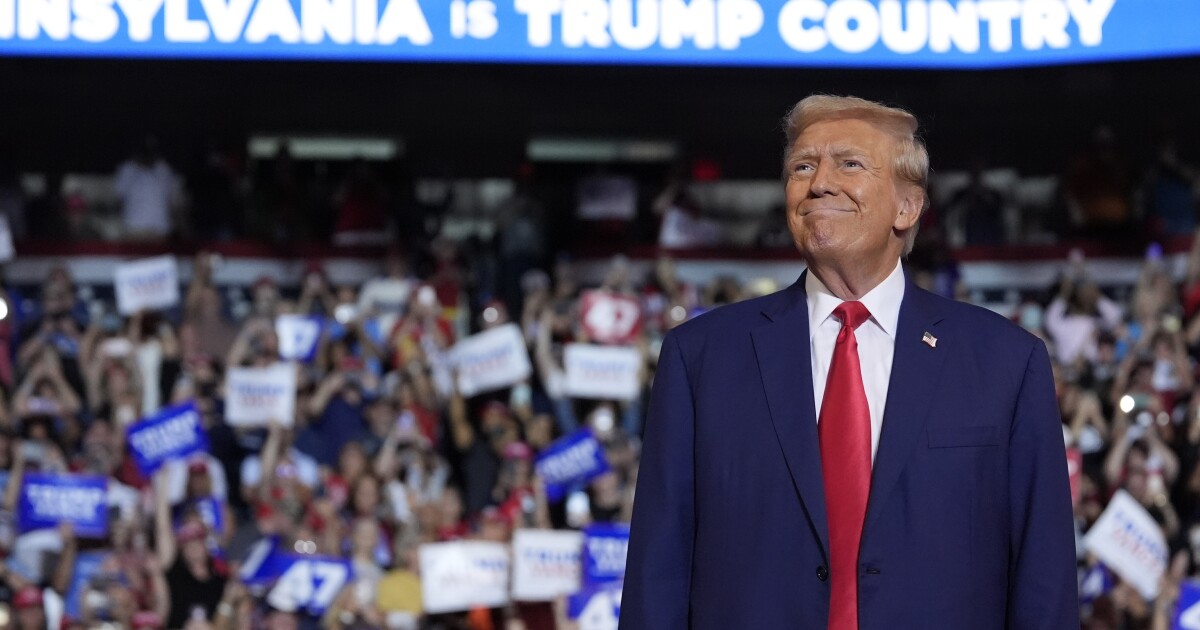
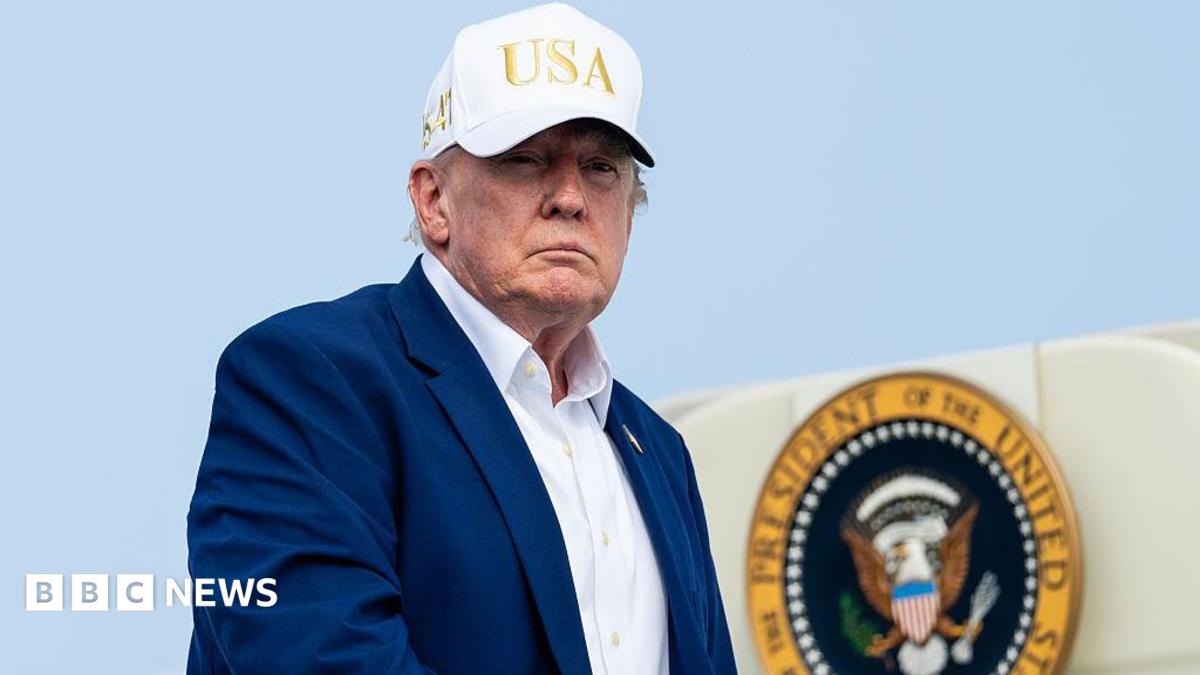
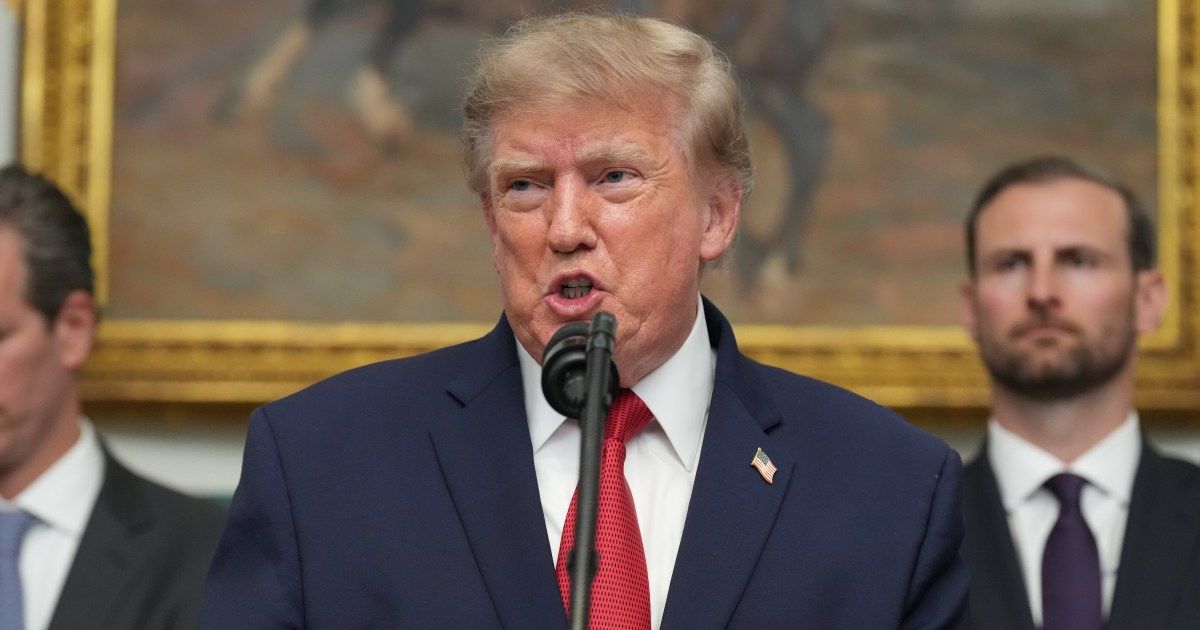
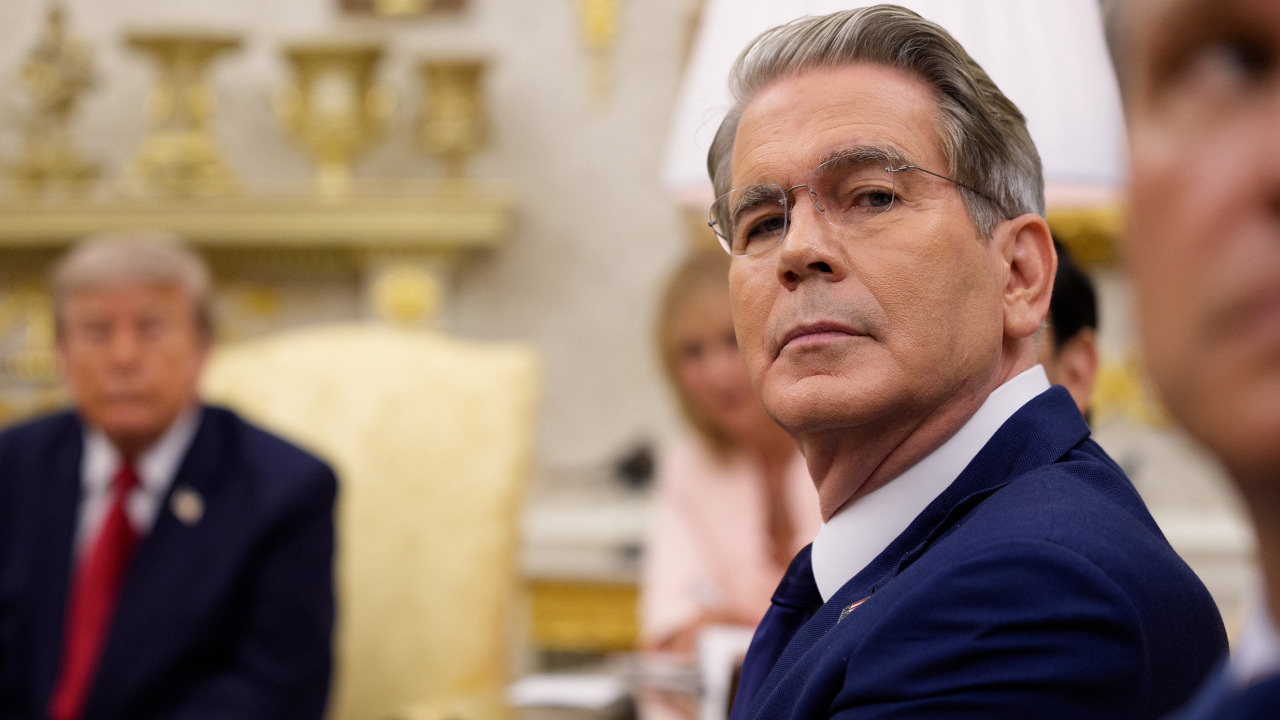
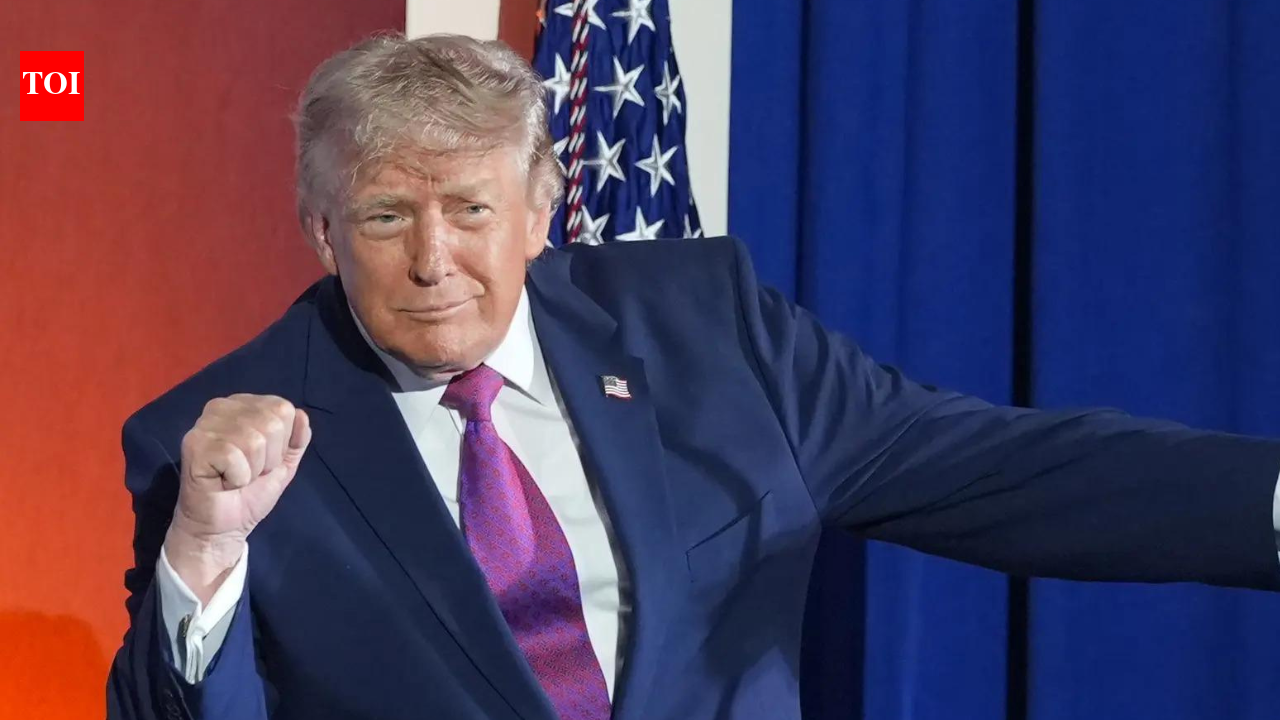
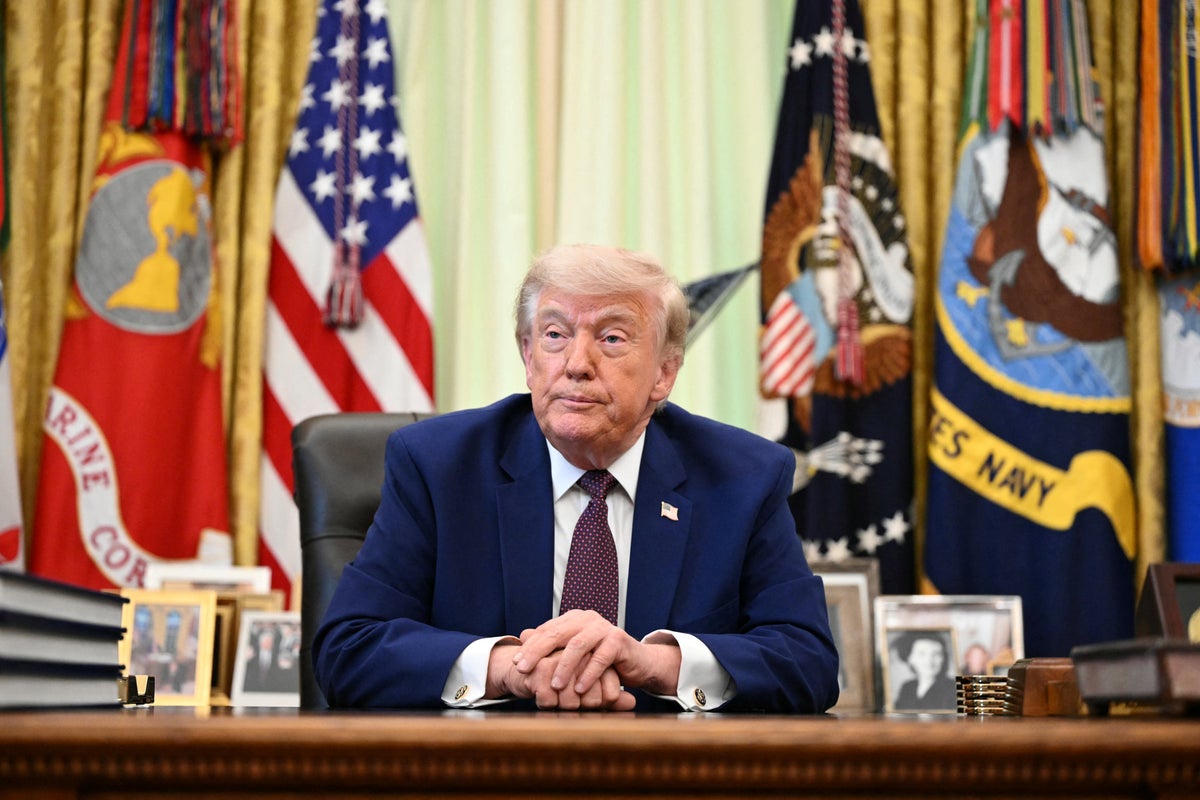
During US President Donald Trump’s first term, the US imposed sanctions on ZTE in 2018, cutting off the company’s supply of chips and temporarily paralysing its operations. For Tan, this was a crucial moment and turning point in Beijing’s policy adjustments.
He stressed, however, that this did not mean China was preparing for war, but rather that it was preparing for prolonged strategic competition. “If you are focusing on strategic competition, that means you channel resources into all the key things that strengthen the economy and long-term competitiveness, such as semiconductors, artificial intelligence, advanced manufacturing, quantum technology, critical minerals and industrial software.”
To a macroeconomist, some of these investments might appear wasteful, but Tan noted that in terms of investment in strategic resilience, duplication sometimes is necessary. But in terms of economic efficiency, duplication sometimes contributes to weak productivity and low total factor productivity. “But if we are looking at strategic competition, building a road that is not being used now might not necessarily be a waste, because if the first road is blocked, the second road becomes very important.”
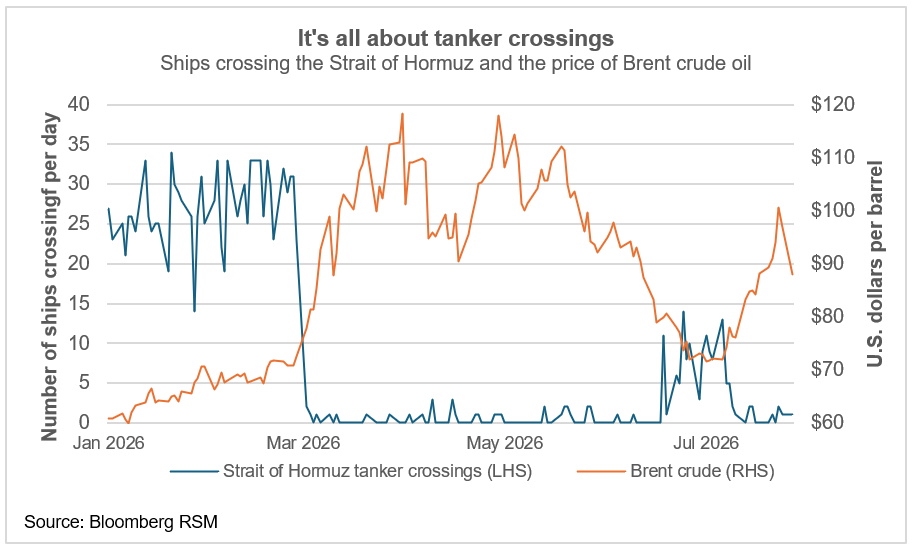
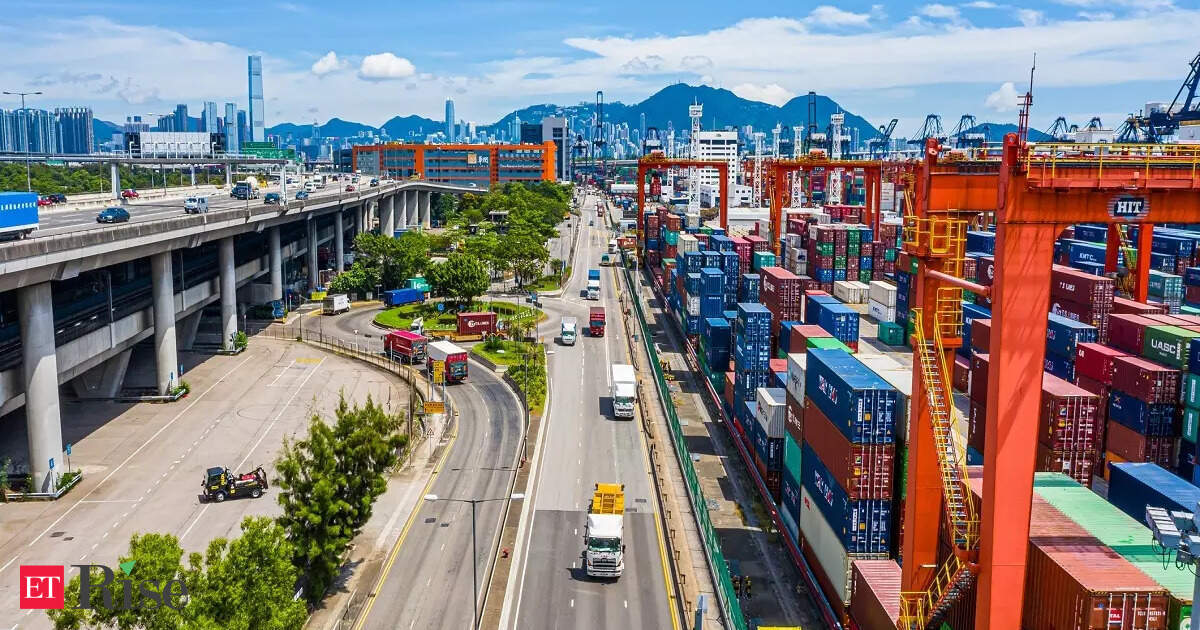
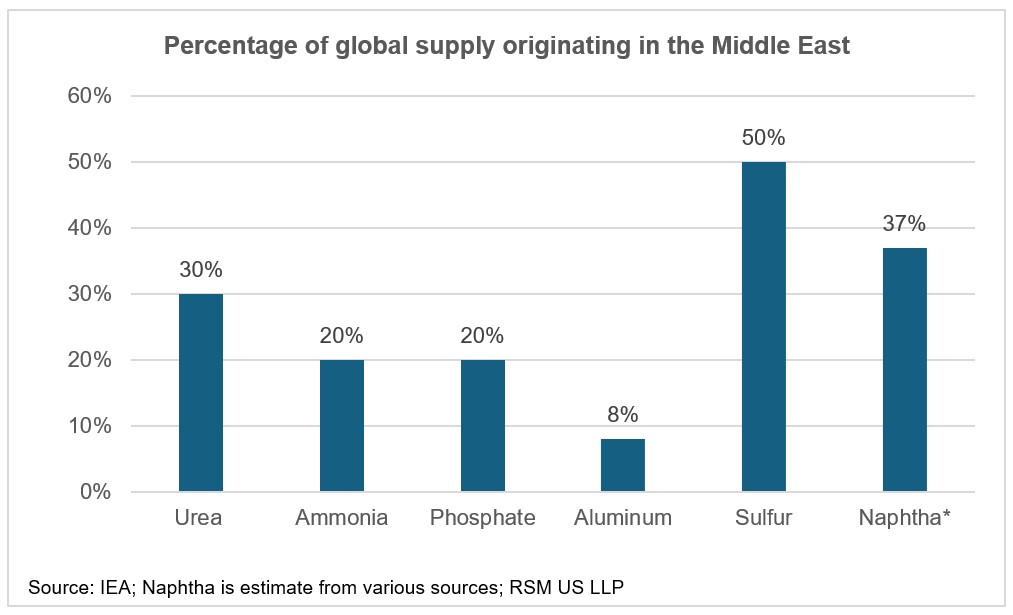
He said China building a freight corridor stretching from Iran through Central Asia to Xi’an might lead one to think that a lot of resources had been wasted, but in the case of the Strait of Hormuz being blockaded by the US Navy, that route would become relevant.
Tan also observed that China’s current focus is not on individual industries, but on building an innovative technological ecosystem. China’s approach is to learn, acquire skills and then create competitiveness, ultimately turning this into geopolitical leverage.


Insights on China, right in your mailbox. Sign up now.
Drawing the analogy of a zoo to explain the logic behind China’s current industrial policy, he said that if a tiger were in a zoo and woke up every morning to have a piece of meat thrown to it, it would eat and then take a nap, leading a very leisurely life.
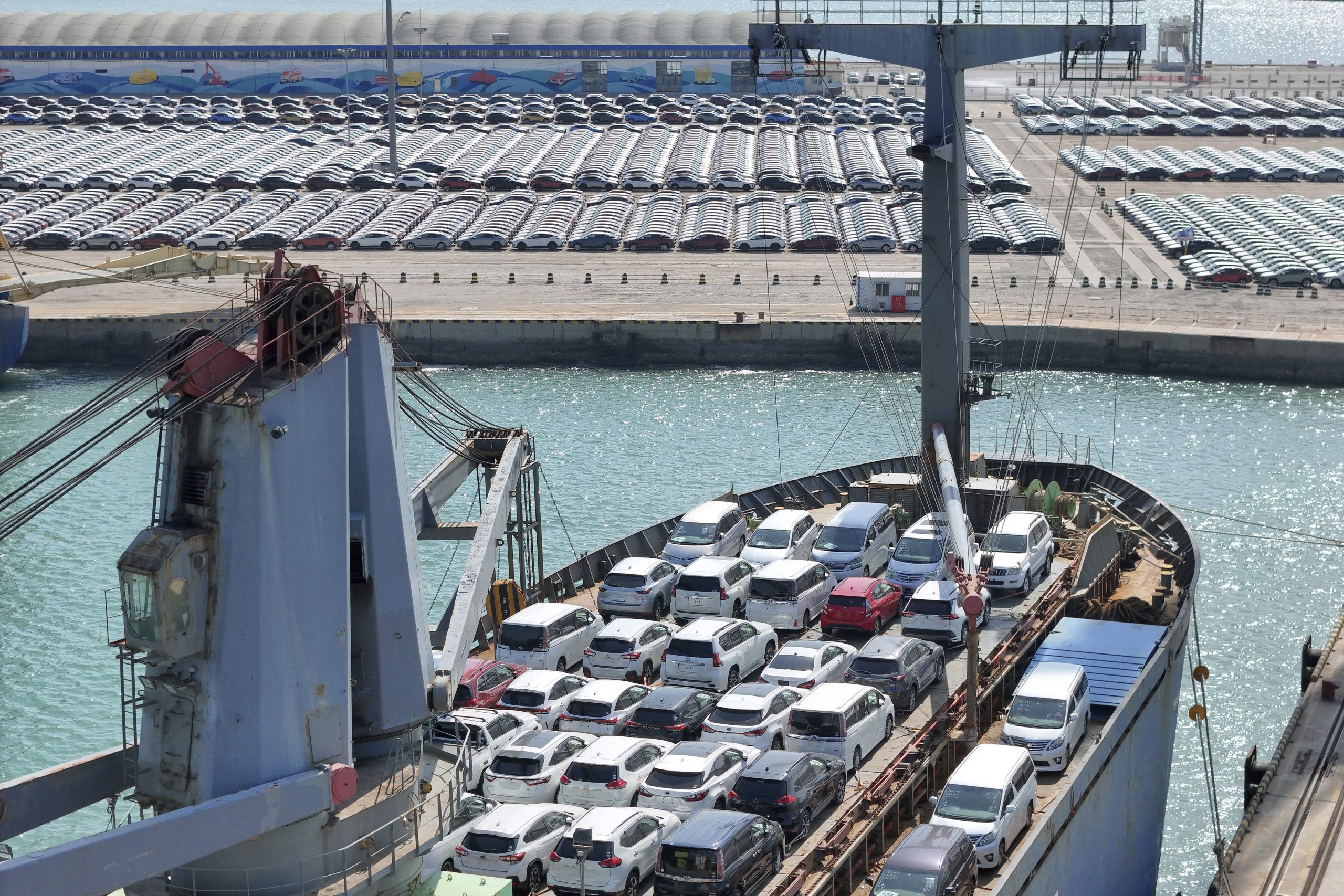
“In China, they create a lot of tigers, then give them some meat (subsidies). So the tigers all fight, and then they gradually reduce the need. So this is industrial policy. The tigers have to fight against each other and kill each other, and the tigers that survive are ferocious — like BYD. When BYD turns overseas, it is a ferocious tiger.”
Tan analysed that Beijing’s thinking is that although the traditional macroeconomy is weak, it will not collapse. China can therefore devote its energies to the technology economy, making this economic engine sufficiently powerful and ensuring that it continues to grow, so that it will eventually pull the weaker traditional macroeconomy towards a gradual recovery.
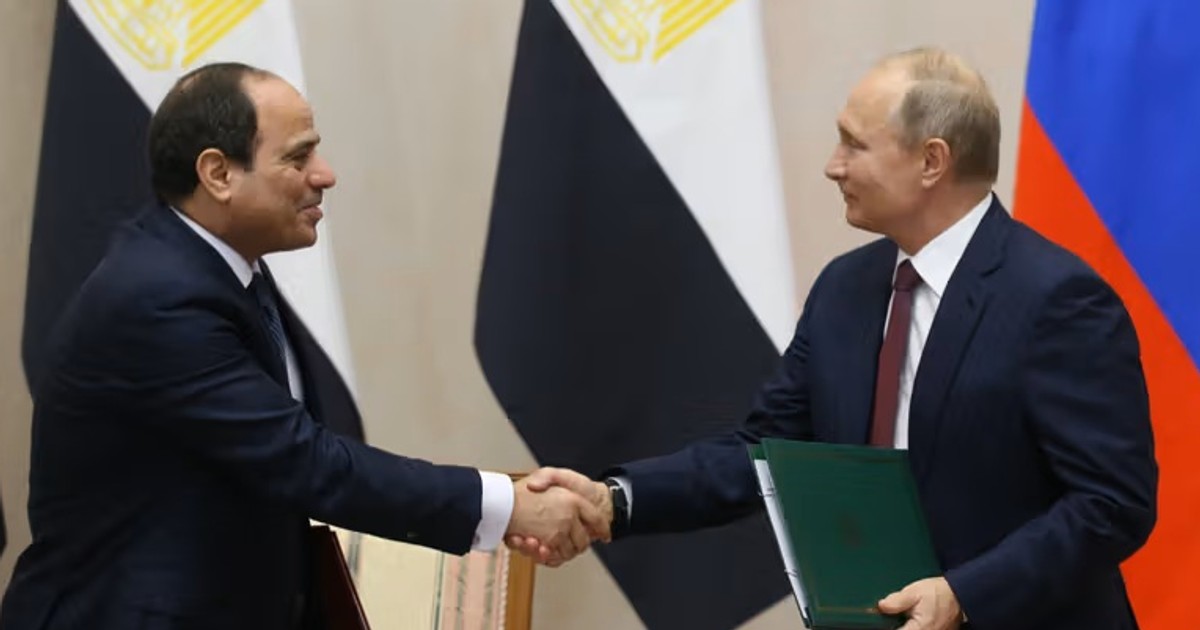
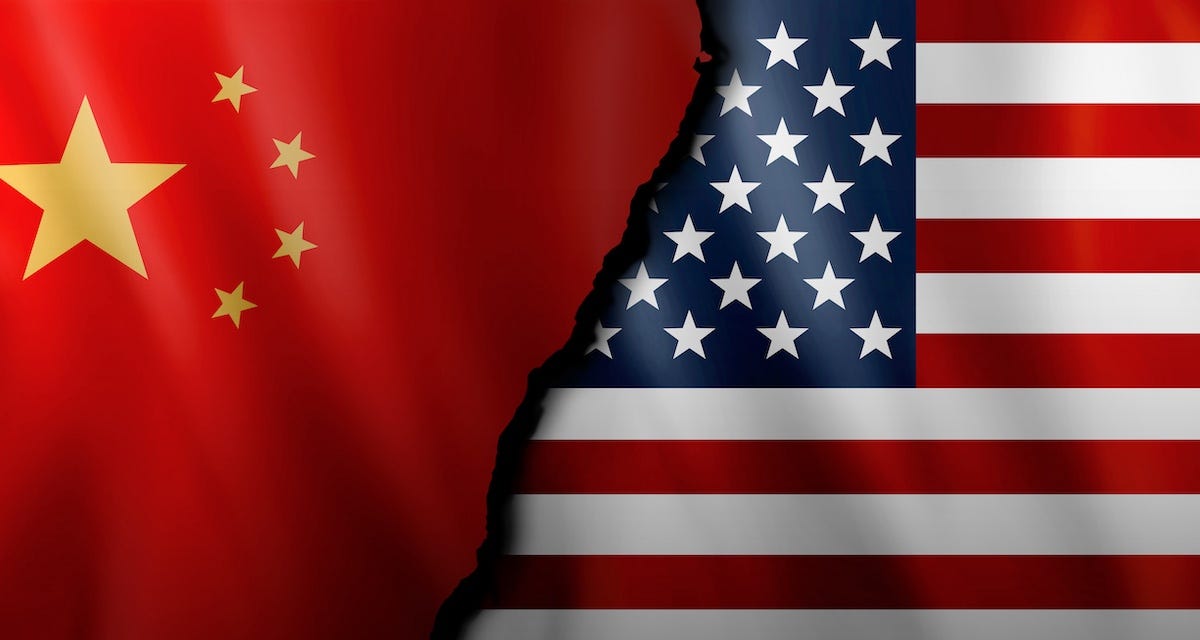
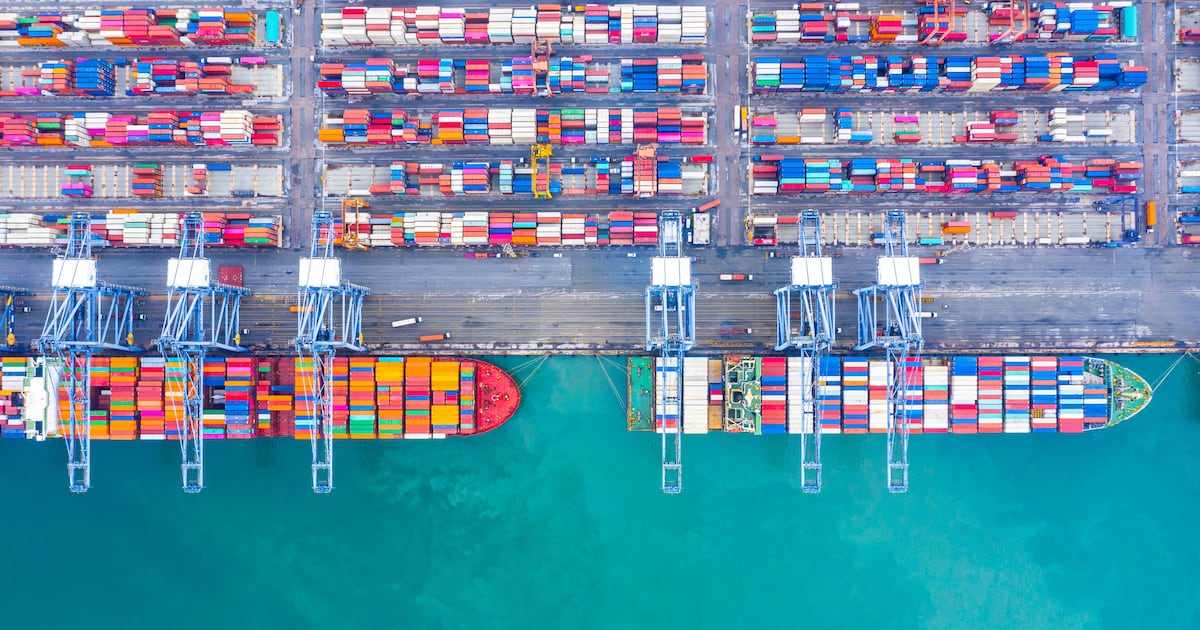
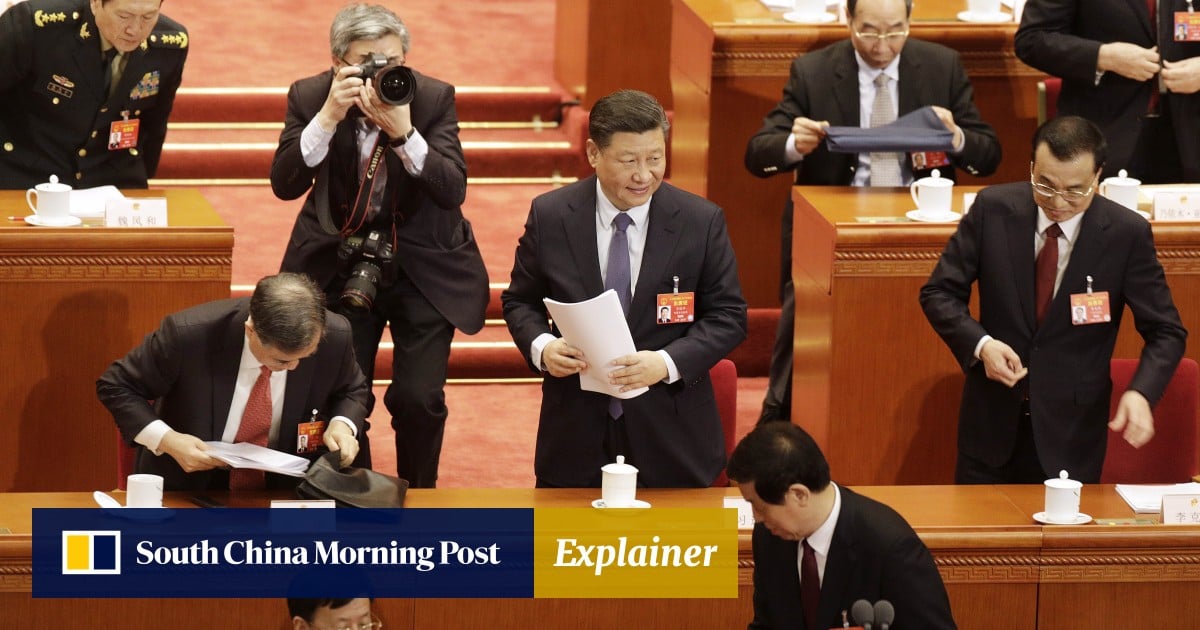
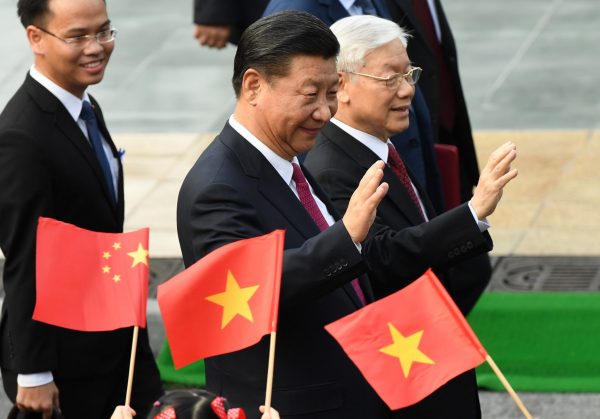
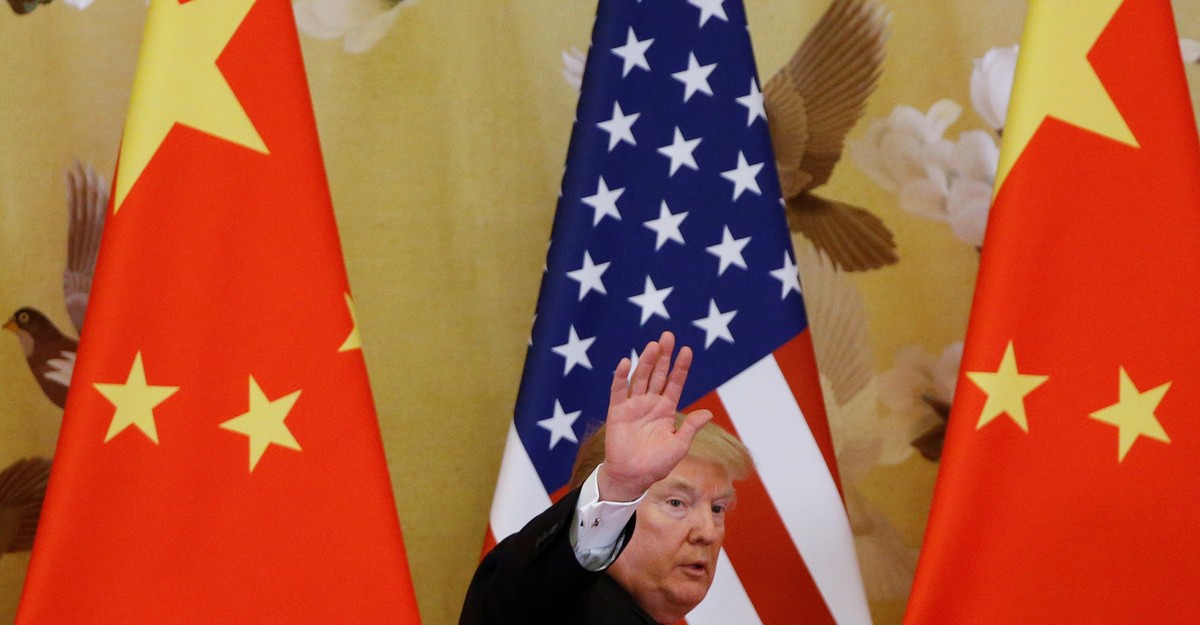
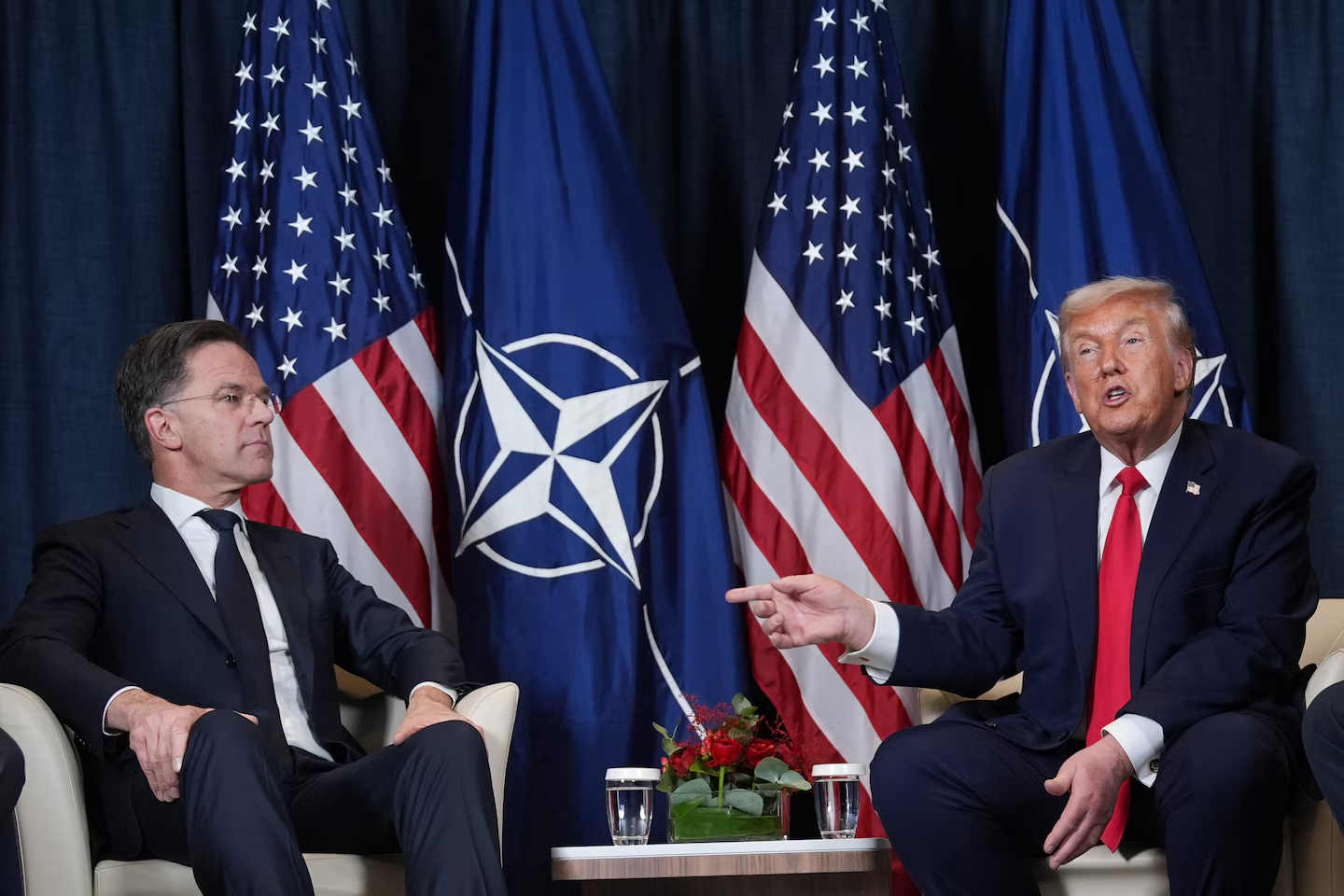
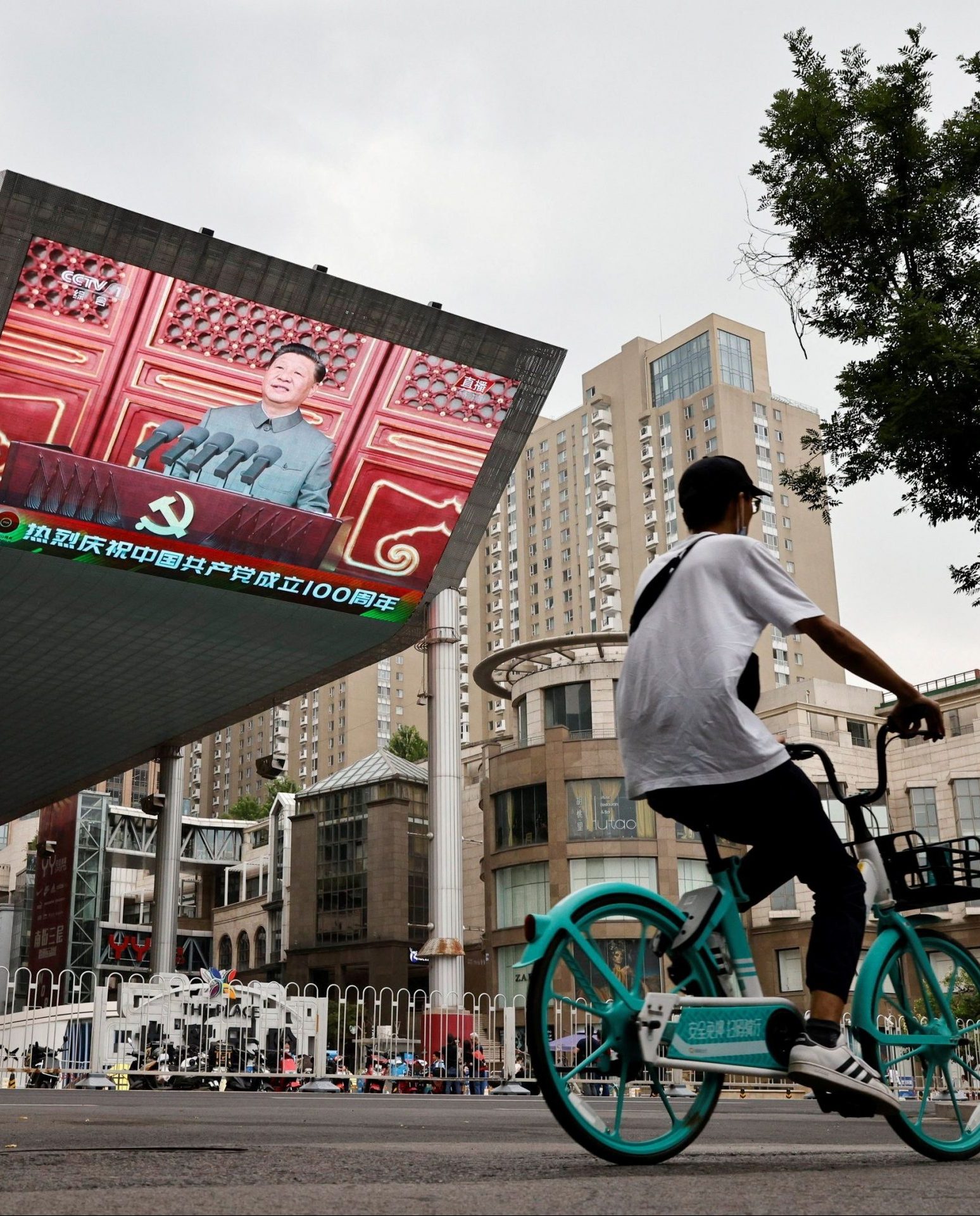
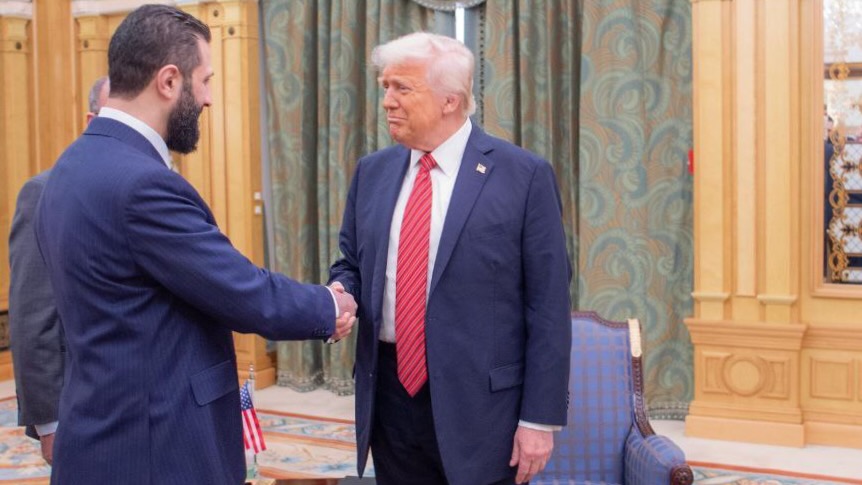
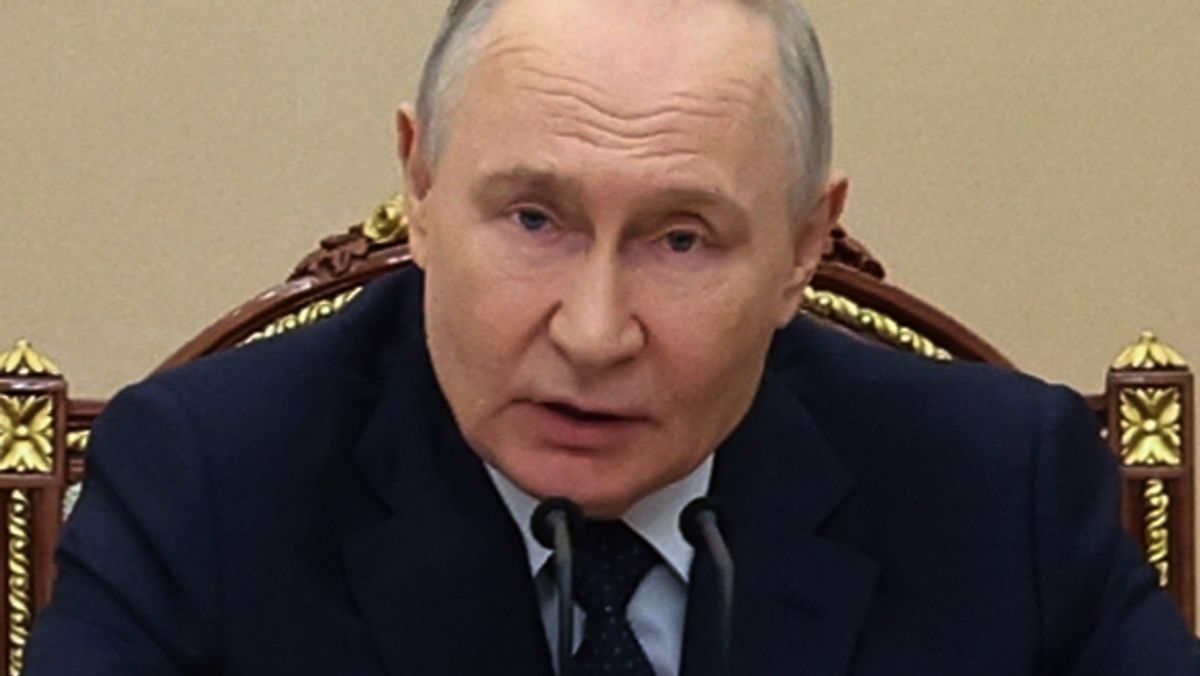
The Chinese and US presidents met in Beijing in May this year and decided on a framework for managing competition between the two countries over the next two to three years. Tan said Beijing currently welcomes an easing of tensions with the US, in the hope that maintaining strong exports will buy it more time for technological upgrading.
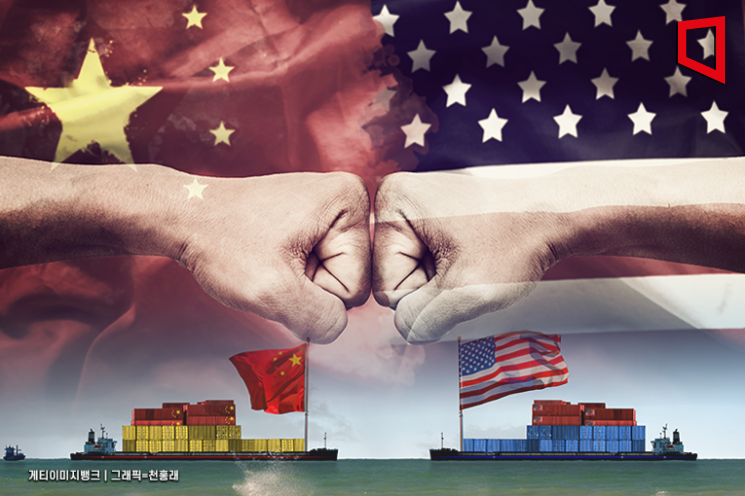
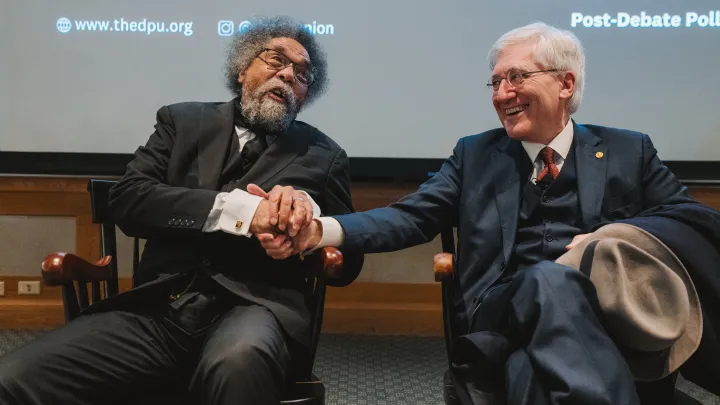
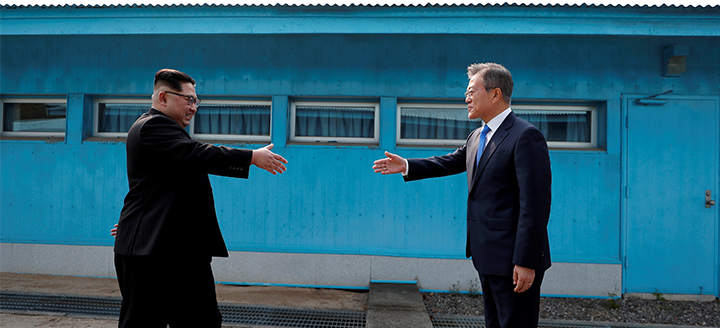
He also showed a picture likening the Chinese and US presidents shaking hands when they met in May to two boxers taking a breather and drinking water between rounds, rather than signalling that the bout was over or that the two sides had shaken hands and made peace.
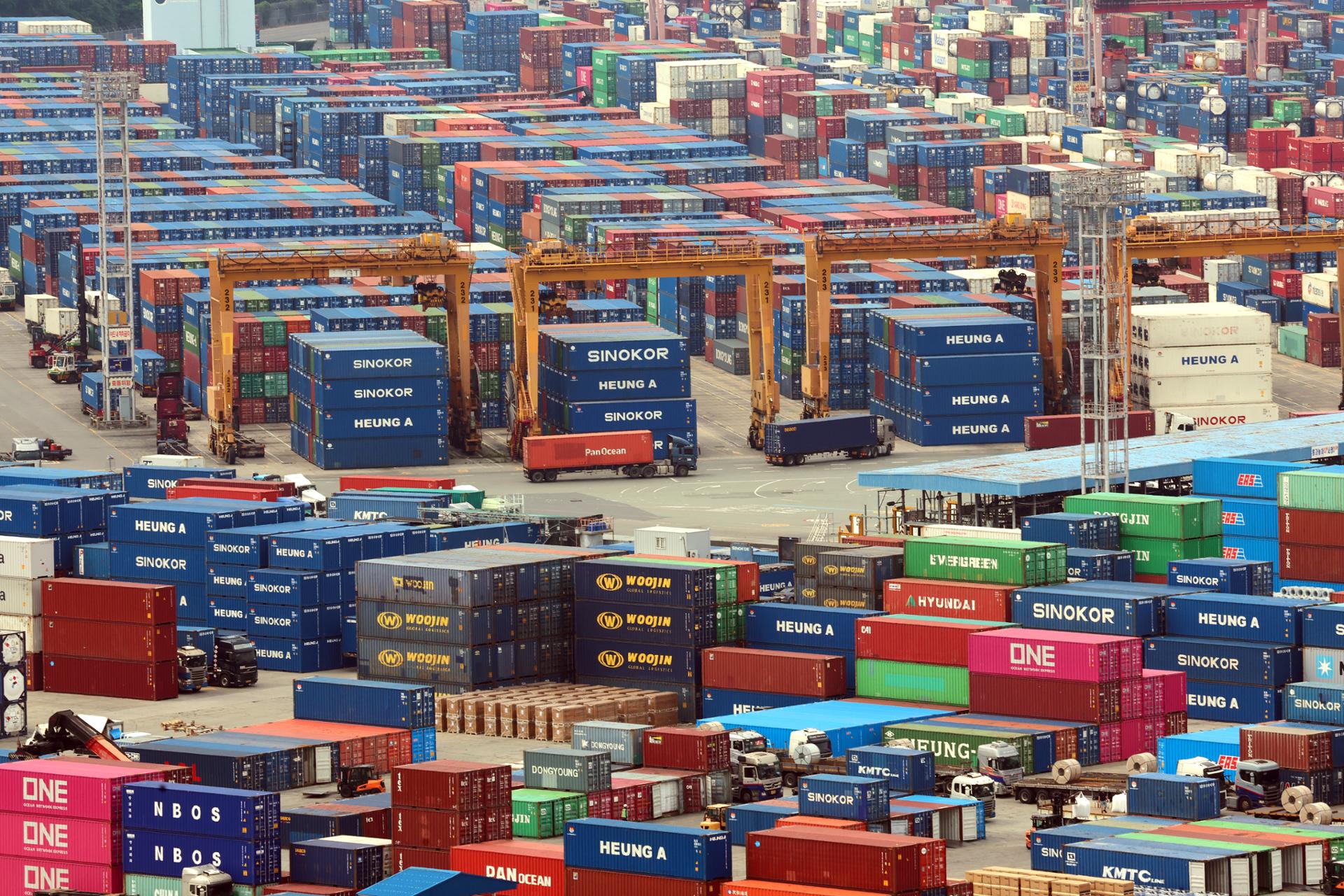
Tan noted that China currently faces many problems. It needs to stabilise economic growth and address weaknesses in the domestic economy, while at the same time seeking to avoid additional external shocks because domestic demand is weak and external demand remains an important source of growth.
On the other hand, Tan said the heavy blows dealt to China during Trump’s first term, including technology sanctions, had created a consensus within China that a strongman is needed to remain in office to ensure that the country would not be bullied by Trump.
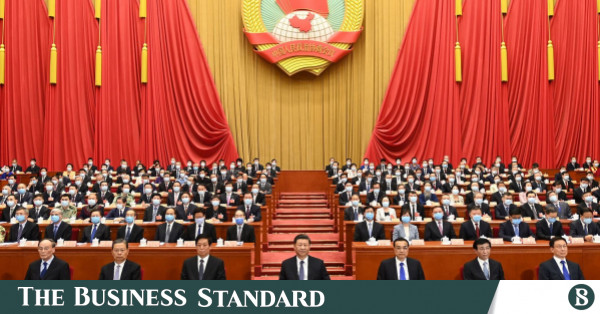
Now that Trump has returned to the White House for a second term and is once again hitting China hard, voices within China are again asking if this is really the time to change the person at the helm. Party elders and retired generals, among others, believe there is only one choice — to support the incumbent leader in remaining in office for another term.

Looking ahead to 2035, Tan assessed that if China’s top leadership changes by then, the existing forces within the political establishment could realign and undergo a new process of consolidation. “Administrative ability, relationship networks, and confidence in the military and its credibility will become more important, and the overall structure might lead to one with no strongman.”
Tan expects the pattern of power distribution to change. “There will be more deliberation within the (Chinese Communist Party’s Politburo) Standing Committee, and institutional procedure will come back. But there is not likely to be political liberalisation.”
He said the generation that takes over in 2035 will have grown up during a period when China was relatively strong, with industries that can conquer the world. “They will become much more confident rather than insecure. And they might be still authoritarian, but a softer authoritarian, more confident of their achievements and future trends, and internationally, more confident in dealing with the outside world. So that could be a trend that happens by 2035.”
This article was first published in Lianhe Zaobao as “中国出现“两个经济” 北京追求国家实力最大化而非短期经济表现”.